CAS 9001-62-1
:Triacylglycerol lipase
Description:
Triacylglycerol lipase, with the CAS number 9001-62-1, is an enzyme that plays a crucial role in lipid metabolism by catalyzing the hydrolysis of triacylglycerols into free fatty acids and glycerol. This enzyme is primarily found in adipose tissue and the pancreas, where it facilitates the mobilization of stored fats for energy production. Triacylglycerol lipase exhibits specificity for triacylglycerol substrates and operates optimally at physiological pH and temperature conditions. Its activity is regulated by various factors, including hormonal signals such as insulin and glucagon, which influence fat storage and mobilization. The enzyme is also significant in various physiological processes, including digestion, energy homeostasis, and the regulation of lipid levels in the bloodstream. In clinical contexts, altered levels of triacylglycerol lipase activity can be associated with metabolic disorders, making it a potential biomarker for conditions such as obesity and diabetes. Overall, triacylglycerol lipase is essential for maintaining lipid balance and energy metabolism in the body.
Formula:Unspecified
Synonyms:- 2212E
- Accelerase
- Ble-F
- Butyrinase
- C-Lipase
- Cacordase
- Capalase
- ChiroCLEC-CAB
- ChiroCLEC-CR
- ChiroCLEC-PC
- DeGreez
- E.C.3.1.1.3.
- Esterzyme
- Fetipase
- Ga-56
- Greasex
- Icr-107
- Icr-113
- Ilozyme
- Immcala-T2-150
- Italase
- Leveking
- Lipase-esterase
- Lipases
- Lipazin
- Lipex
- LipoPrime
- Lipolase
- Lipolex
- Lipomax
- Lipomod
- Lipoorizin
- Lipooryzin
- Liposam
- Lipozyme
- LipozymeTL100L
- Lumafast
- Monomax
- Nzl-102-Lyo
- Nzl-103-Lyo
- Nzl-107-Lyo
- PPL
- Palatase
- Phytolipase
- Rizolipase
- Rizolipasum
- Steapsin
- Talipase
- TheraCLEC-Lipase
- Transzyme
- Triacetinase
- Triacylglycerollipaza
- Tributyrase
- Tributyrinase
- Triglyceridase
- Trioleinase
- Tweenase
- Unii-8Myc33932O
- Unii-Fq3Drg0N5K
- XHlip-F
- Remzyme PL 600
- Lipozyme TL IM
- Triglyceride lipase
- Lipozyme CALB L
- Tween esterase
- Enzylon PF
- GA 56 (Enzyme)
- Amano N-AP
- Animal lipase
- Lipase, triacylglycerol
- Rizolipasa [INN-Spanish]
- Lipase of Rhizopus arrhizus var. Delemar
- Meito MY 30
- Triacylglycerol lipase
- Tributyrin esterase
- Fungal lipase
- Lipase AP
- Triglyceride hydrolase
- Allzyme Lipase
- Triacylglycerol hydrolase
- Chirazyme L
- Lipase, fungal
- Palatase 20000L
- Lipozyme RM IM
- Fluozim G 3Kh
- Glycerol ester hydrolase
- Lipozyme 435
- Triolein hydrolase
- Recombinant lipase A
- Plant lipase
- Lipase
- Triacylglycerol lipase
- Lipase, triacylglycerol
- Glycerol ester hydrolase
- Tween hydrolase
- See more synonyms
Sort by
Purity (%)
0
100
|
0
|
50
|
90
|
95
|
100
Lipase, triacylglycerol
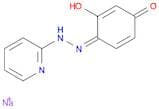
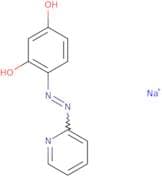
CAS:<p>Lipase, triacylglycerol (Alkaline lipase) is a specific enzyme catabolism of triacylglycerol to glycerol and fatty acids,transfer to various tissues.</p>Formula:C11H9N3NaO2Color and Shape:SolidMolecular weight:238.201Lipase 032
CAS:<p>Lipases belong to the family of esterases and naturally act on triglycerides at lipid-water interfaces. Lipases/esterases can be used as versatile tools in hydrolytic reactions, esterifications and transesterification reactions in industrial and food applications.</p>Lipase 068
CAS:<p>Lipases belong to the family of esterases and naturally act on triglycerides at lipid-water interfaces. Lipases/esterases can be used as versatile tools in hydrolytic reactions, esterifications and transesterification reactions in industrial and food applications.</p>Lipase 032
CAS:<p>Lipases belong to the family of esterases and naturally act on triglycerides at lipid-water interfaces. Lipases/esterases can be used as versatile tools in hydrolytic reactions, esterifications and transesterification reactions in industrial and food applications.</p>Lipase 037
CAS:<p>Lipases belong to the family of esterases and naturally act on triglycerides at lipid-water interfaces. Lipases/esterases can be used as versatile tools in hydrolytic reactions, esterifications and transesterification reactions in industrial and food applications.</p>Lipase 044
CAS:<p>Lipases belong to the family of esterases and naturally act on triglycerides at lipid-water interfaces. Lipases/esterases can be used as versatile tools in hydrolytic reactions, esterifications and transesterification reactions in industrial and food applications.</p>Lipase 038
CAS:<p>Lipases belong to the family of esterases and naturally act on triglycerides at lipid-water interfaces. Lipases/esterases can be used as versatile tools in hydrolytic reactions, esterifications and transesterification reactions in industrial and food applications.</p>Lipase 065
CAS:<p>Lipases belong to the family of esterases and naturally act on triglycerides at lipid-water interfaces. Lipases/esterases can be used as versatile tools in hydrolytic reactions, esterifications and transesterification reactions in industrial and food applications.</p>Lipase 004
CAS:<p>Lipases belong to the family of esterases and naturally act on triglycerides at lipid-water interfaces. Lipases/esterases can be used as versatile tools in hydrolytic reactions, esterifications and transesterification reactions in industrial and food applications.</p>Lipase 056
CAS:<p>Lipases belong to the family of esterases and naturally act on triglycerides at lipid-water interfaces. Lipases/esterases can be used as versatile tools in hydrolytic reactions, esterifications and transesterification reactions in industrial and food applications.</p>Lipase 031
CAS:<p>Lipases belong to the family of esterases and naturally act on triglycerides at lipid-water interfaces. Lipases/esterases can be used as versatile tools in hydrolytic reactions, esterifications and transesterification reactions in industrial and food applications.</p>Lipase 030
CAS:<p>Lipases belong to the family of esterases and naturally act on triglycerides at lipid-water interfaces. Lipases/esterases can be used as versatile tools in hydrolytic reactions, esterifications and transesterification reactions in industrial and food applications.</p>Lipase 015
CAS:<p>Lipases belong to the family of esterases and naturally act on triglycerides at lipid-water interfaces. Lipases/esterases can be used as versatile tools in hydrolytic reactions, esterifications and transesterification reactions in industrial and food applications.</p>Lipase 020
CAS:<p>Lipases belong to the family of esterases and naturally act on triglycerides at lipid-water interfaces. Lipases/esterases can be used as versatile tools in hydrolytic reactions, esterifications and transesterification reactions in industrial and food applications.</p>Lipase 016
CAS:<p>Lipases belong to the family of esterases and naturally act on triglycerides at lipid-water interfaces. Lipases/esterases can be used as versatile tools in hydrolytic reactions, esterifications and transesterification reactions in industrial and food applications.</p>Lipase 009
CAS:<p>Lipases belong to the family of esterases and naturally act on triglycerides at lipid-water interfaces. Lipases/esterases can be used as versatile tools in hydrolytic reactions, esterifications and transesterification reactions in industrial and food applications.</p>Phospholipase D 027
CAS:<p>Phospholipases D belong to the family of esterases and act on phosphatidylcholine in the plasma membrane to release phosphatidic acid (PA) and choline. Phospholipases D can be used as versatile tools in hydrolysis and transphosphatidylation reactions for industrial, chemical and food applications.</p>Lipase 070 IA1
CAS:<p>Lipases belong to the family of esterases and naturally act on triglycerides at lipid-water interfaces. Lipases/esterases can be used as versatile tools in hydrolytic reactions, esterifications and transesterification reactions in industrial and food applications.</p>Immobilized lipase
CAS:<p>Lipases belong to the family of esterases and naturally act on triglycerides at lipid-water interfaces. Lipases/esterases can be used as versatile tools in hydrolytic reactions, esterifications and transesterification reactions in industrial and food applications. Immobilized lipases can be utilized in various reaction types, and are optimal for all reactions in organic solvents or solvent-free systems.</p>Color and Shape:PowderLipase, powder, food-grade, broad spectrum
CAS:<p>Lipase, powder, food-grade, broad spectrum is an enzyme product, which is derived from microbial sources such as fungi and bacteria through a fermentation process. This enzyme operates by catalyzing the hydrolysis of fats into free fatty acids and glycerol, facilitating the breakdown of complex lipid molecules.</p>Lipase Kit 02, reference enzymes
CAS:<p>The Lipase Kit 02 is a reference enzyme kit that contains various inhibitors and analogs. This kit is designed to measure lipase activity in biological samples, such as urine, and can be used for research purposes. The kit includes a kinase inhibitor, which has been shown to induce apoptosis in cancer cells and may have anticancer properties. Additionally, the kit contains dabigatran and chloroquine analogs that are commonly used as inhibitors of kinases involved in tumor growth. These reference enzymes have been extensively tested on both Chinese hamster ovary cells and human cancer cell lines, demonstrating their efficacy in inhibiting lipase activity. Overall, the Lipase Kit 02 is an essential tool for researchers studying lipase activity and its role in various diseases.</p>Lipase CalB 01 IA1
CAS:<p>Please enquire for more information about Lipase CalB 01 IA1 including the price, delivery time and more detailed product information at the technical inquiry form on this page</p>Lipase CR 03
CAS:<p>Lipase CR 03 is an industrial-grade enzyme product that is derived from microbial sources, specifically engineered for robust and efficient catalytic activity. The enzyme is extracted utilizing advanced fermentation techniques that capitalize on the prolific nature of specific strains known for lipase production. Its mode of action involves the hydrolysis of ester bonds in triglycerides, converting them into free fatty acids and glycerol. This catalytic process is critical in various biochemical pathways and industrial reactions.</p>Lipase CalB 02 ICE1
CAS:<p>Please enquire for more information about Lipase CalB 02 ICE1 including the price, delivery time and more detailed product information at the technical inquiry form on this page</p>Lipase CalB 01 ICE1
CAS:<p>Please enquire for more information about Lipase CalB 01 ICE1 including the price, delivery time and more detailed product information at the technical inquiry form on this page</p>Lipase CalA, wildtype, freeze-dried, recombinant, from Candida antarctica
CAS:<p>Lipase CalA, wildtype, freeze-dried, recombinant, from Candida antarctica is an enzymatic product, which is a highly purified form of lipase enzyme. It is derived from the yeast species Candida antarctica through recombinant DNA technology, ensuring consistency and purity by expressing the enzyme in a controlled microbial system.</p>Lipase immo Kit 01
CAS:<p>Lipase immo Kit 01 is an advanced biochemical tool designed for the immobilization of lipase, an enzyme commonly sourced from microorganisms. This innovative kit utilizes a sophisticated immobilization matrix to enhance enzyme stability and reusability. By binding the enzyme to a solid support, the kit facilitates repeated and continuous use in various reactions without significant loss of activity.</p>Color and Shape:PowderLipase CalB 02 IA1
CAS:<p>Please enquire for more information about Lipase CalB 02 IA1 including the price, delivery time and more detailed product information at the technical inquiry form on this page</p>Lipase 003
CAS:<p>Lipases belong to the family of esterases and naturally act on triglycerides at lipid-water interfaces. Lipases/esterases can be used as versatile tools in hydrolytic reactions, esterifications and transesterification reactions in industrial and food applications.</p>Lipase 001
CAS:<p>Lipases belong to the family of esterases and naturally act on triglycerides at lipid-water interfaces. Lipases/esterases can be used as versatile tools in hydrolytic reactions, esterifications and transesterification reactions in industrial and food applications.</p>Lipase 013
CAS:<p>Lipases belong to the family of esterases and naturally act on triglycerides at lipid-water interfaces. Lipases/esterases can be used as versatile tools in hydrolytic reactions, esterifications and transesterification reactions in industrial and food applications.</p>Lipase 064
CAS:<p>Lipases belong to the family of esterases and naturally act on triglycerides at lipid-water interfaces. Lipases/esterases can be used as versatile tools in hydrolytic reactions, esterifications and transesterification reactions in industrial and food applications.</p>Lipase 014
CAS:<p>Lipases belong to the family of esterases and naturally act on triglycerides at lipid-water interfaces. Lipases/esterases can be used as versatile tools in hydrolytic reactions, esterifications and transesterification reactions in industrial and food applications.</p>Lipase 067
CAS:<p>Lipases belong to the family of esterases and naturally act on triglycerides at lipid-water interfaces. Lipases/esterases can be used as versatile tools in hydrolytic reactions, esterifications and transesterification reactions in industrial and food applications.</p>Lipase 008
CAS:<p>Lipases belong to the family of esterases and naturally act on triglycerides at lipid-water interfaces. Lipases/esterases can be used as versatile tools in hydrolytic reactions, esterifications and transesterification reactions in industrial and food applications.</p>Lipase 020 IA1
CAS:<p>Lipases belong to the family of esterases and naturally act on triglycerides at lipid-water interfaces. Lipases/esterases can be used as versatile tools in hydrolytic reactions, esterifications and transesterification reactions in industrial and food applications.</p>Phospholipase D 029
CAS:<p>Phospholipases D belong to the family of esterases and act on phosphatidylcholine in the plasma membrane to release phosphatidic acid (PA) and choline. Phospholipases D can be used as versatile tools in hydrolysis and transphosphatidylation reactions for industrial, chemical and food applications.</p>Lipase 001 IA1
CAS:<p>Lipases belong to the family of esterases and naturally act on triglycerides at lipid-water interfaces. Lipases/esterases can be used as versatile tools in hydrolytic reactions, esterifications and transesterification reactions in industrial and food applications.</p>Lipase
CAS:<p>Porcine pancreatic lipase is an enzyme that has been shown to have antioxidative properties. It is used as an additive in biodiesel production, where it prevents the formation of trans fatty acids and reduces the amount of free radicals. This enzyme has been shown to have lipase, protease, and amylase activities by using surface methodology. Porcine pancreatic lipase can be used for the treatment of autoimmune diseases such as multiple sclerosis and rheumatoid arthritis. This enzyme interacts with other enzymes such as lipases, proteases, and amylases to catalyze reactions on surfaces. It can be used for asymmetric synthesis by hydrogen bonding or by forming an intermediate complex with metal ions.</p>Purity:Min. 95%Color and Shape:SolidLipase CR 01
CAS:<p>Lipase CR 01 is an enzymatic product, which is derived from microbial sources, specifically selected strains of microorganisms. It exhibits a highly efficient mode of action by catalyzing the hydrolysis of triglycerides into glycerol and free fatty acids. This reaction is facilitated by its ability to target the ester bonds within lipid molecules, improving lipid solubilization and breakdown.</p>