Amino Acid Derivatives
Amino acid derivatives are compounds that are structurally related to amino acids but have been chemically modified to introduce new functional groups or alter their properties. These derivatives are widely used in peptide synthesis, drug development, and biochemical research. At CymitQuimica, we offer a broad range of high-quality amino acid derivatives to support your research and industrial applications, ensuring precise and effective results in your experiments and synthesis projects.
Found 3955 products of "Amino Acid Derivatives"
Sort by
Purity (%)
0
100
|
0
|
50
|
90
|
95
|
100
Osteostatin (1-5) amide (human, bovine, dog, horse, mouse, rabbit, rat)
CAS:This pTHrP fragment stimulated membrane-associated protein kinase C in freshly isolated rat spleen lymphocytes and thus raises the possibility of being a physiological regulator of the proliferation and other activities of lymphocytes.Formula:C27H42N10O7Purity:97.4%Color and Shape:White LyophilisateMolecular weight:618.69Apelin-17 (human, bovine, mouse, rat)
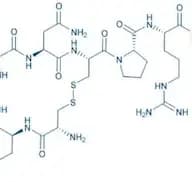
CAS:Apelin-17 is an endogenous ligand of the human orphan G protein-coupled receptor APJ, reported to act as a coreceptor of CD4 for human and simian immunodeficiency viruses. Apelin-17 and apelin-13 represent the predominant molecular forms of apelin present in the whole brain, hypothalamus, and plasma. Like apelin-13, apelin-17 exhibited a high activity on extracellular acidification rate and strongly inhibited forskolin-stimulated cAMP production in CHO cells expressing the human or the rat apelin receptor. The peptide might play a crucial role in the maintenance of body fluid homeostasis by counteracting AVP (arginine vasopressin) actions through inhibition of AVP neuron activity and AVP release.Formula:C96H156N34O20SPurity:> 98%Color and Shape:White PowderMolecular weight:2138.58(Arg⁸)-Vasotocin (Salt form acetate)
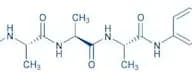
CAS:Non-mammalian Arg-vasopressin/oxytocin analog.Formula:C43H67N15O12S2Purity:98.7%Color and Shape:White Whitish PowderMolecular weight:1050.23Suc-Ala-Ala-Ala-pNA
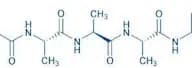
CAS:Suc-AAA-pNA, a readily soluble and sensitive substrate for human and rat neutrophil and porcine pancreatic elastases. The trialanine substrate is also hydrolyzed by proteinase K, subtilisins and thermitase as well as by astacin, a crayfish zinc-endopeptidase.Formula:C19H25N5O8Purity:> 99%Color and Shape:Light YellowMolecular weight:451.44Dynorphin B
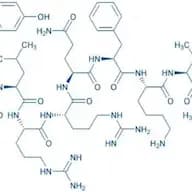
CAS:<p>Bachem ID: 4007171.</p>Formula:C74H115N21O17Purity:98.7%Color and Shape:White PowderMolecular weight:1570.86Bz-Ala-Arg-OH
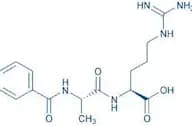
CAS:A good substrate for carboxypeptidases B and N.Formula:C16H23N5O4Purity:> 99%Color and Shape:White PowderMolecular weight:349.39H-β-Chloro-D-Ala-OH · HCl
CAS:Competitive inhibitor of alanine racemase, Ki 0.005 mM.Formula:C3H6ClNO2·HClPurity:> 99%Color and Shape:White PowderMolecular weight:160.0Characteristic MSH-Tetrapeptide
CAS:<p>Bachem ID: 4004112.</p>Formula:C32H40N10O5Color and Shape:BeigeMolecular weight:644.73(Arg⁸)-Vasotocin (Salt form trifluoroacetate)
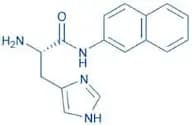
CAS:Vasotocin (AVT, argiprestocin) is the vasopressin/oxytocin analog produced in birds, amphibians and fish. AVT shows antidiuretic as well as reproductive activities.Formula:C43H67N15O12S2Purity:98.0%Color and Shape:WhiteMolecular weight:1050.23H-His-βNA
CAS:In vitro, this compound competitively inhibited sweetalmond β-glucosidase (Ki = 17 µM).Formula:C16H16N4OPurity:> 98%Color and Shape:White PowderMolecular weight:280.33Suc-Ala-Ala-Pro-Phe-AMC
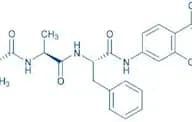
CAS:The peptidylprolyl isomerase substrate Suc-AAPF-AMC is also hydrolyzed by carboxypeptidase Y, cathepsin G, and chymotrypsin. Suc-AAPF-AMC has also been used to analyze the chymotrypsin-like activity of trypsins.Formula:C34H39N5O9Purity:99.5%Color and Shape:WhiteMolecular weight:661.71pTH (1-34) (rat)
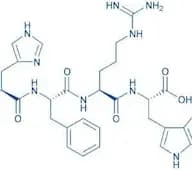
CAS:Rat pTH (1-34) suppressed appositional bone formation by cultured rat cranial osteoblasts.Formula:C180H291N55O48S2Purity:≥ 98%Color and Shape:Whitish LyophilisateMolecular weight:4057.76Thymopentin
CAS:Thymopentin (TP5), an active fragment of thymopoietin (TP), reduces endocrine and behavioral responses to experimental stress, possibly by lowering plasma TP (pTP) levels. The immunomodulatory peptide suppresses proliferation and induces differentiation in HL-60 cells.Formula:C30H49N9O9Purity: 1.6%Color and Shape:WhiteMolecular weight:679.77Z-Val-Ala-DL-Asp(OMe)-fluoromethylketone
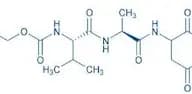
CAS:Z-VAD(OMe)-FMK, a pan-caspase inhibitor, is a competitive irreversible peptide inhibitor and blocks caspase-1 family and caspase-3 family enzymes. The methyl ester of Z-VAD-FMK has been used in studies to support the hypothesis that inhibitors of caspases can limit brain infarction resulting from the permanent obstruction of a brain artery.Formula:C22H30FN3O7Purity:96.3%Color and Shape:White PowderMolecular weight:467.5Dynorphin A (1-13)
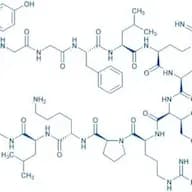
CAS:Endogenous kappa-opioid receptor agonist. It is suggested that it attenuates galanin-induced impairment of memory processes through the mediation of kappa-opioid receptors.Formula:C75H126N24O15Purity:91.6%Color and Shape:White PowderMolecular weight:1603.98β-Endorphin (rat)
CAS:<p>Bachem ID: 4030577.</p>Formula:C157H254N42O44SPurity:≥ 94%Color and Shape:White PowderMolecular weight:3466.07H-Leu-OEt · HCl
CAS:<p>Bachem ID: 4001907.</p>Formula:C8H17NO2·HClPurity:> 99%Color and Shape:WhiteMolecular weight:195.69Bz-Arg-AMC · HCl
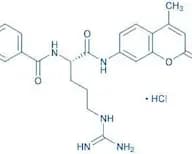
CAS:Sensitive fluorogenic substrate for trypsin, soybean trypsin-like enzyme, and papain.Formula:C23H25N5O4·HClPurity:99.6%Color and Shape:WhiteMolecular weight:471.94H-Leu-βNA
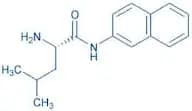
CAS:Substrate for assays of aminopeptidase M and leucine aminopeptidase. Its use for histochemical purposes has been described.Formula:C16H20N2OPurity:> 99%Color and Shape:White PowderMolecular weight:256.35H-Arg-Arg-Arg-Arg-Arg-Arg-Arg-OH
CAS:Arginine oligomers as heptaarginine, either alone or when conjugated to therapeutic agents or large biopolymers, have been shown to cross readily a variety of biological membranes (e.g. lipid bilayers and epithelial tissue). The importance of the guanidinium group in transport was supported by the observation that short oligomers of arginine entered cells far more rapidly than the corresponding oligomers of either lysine, histidine, ornithine, or citrulline.Formula:C42H86N28O8Purity:97.1%Color and Shape:White PowderMolecular weight:1111.33Suc-Ala-Ala-Ala-AMC
CAS:Suc-AAA-AMC, sensitive fluorogenic substrate for pancreatic elastase.Formula:C23H28N4O8Purity:99.4%Color and Shape:White PowderMolecular weight:488.5(Met(O)²⁷)-Glucagon (1-29) (human, rat, porcine)
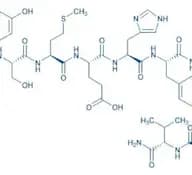
CAS:Glucagon sulfoxide shows the same maximal glucose mobilizing activity in rat hepatocytes as native glucagon, but it is less potent, suggesting a crucial role of methionine in the binding of glucagon to its hepatic receptor.Formula:C153H225N43O50SPurity:>98%Color and Shape:White PowderMolecular weight:3498.8α-MSH
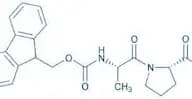
CAS:α-Melanotropin, also known as α-melanocyte-stimulating hormone (α-MSH), is a 13-amino acid peptide originally characterized as a neuropeptide derived from the pituitary gland. α-MSH is synthesized from pro-opiomelanocortin (POMC) by the action of specific prohormone convertases and is involved in the regulation of important physiological functions including food intake, energy homeostasis, modulation of immune responses and photoprotection.Formula:C77H109N21O19SPurity:98.2%Color and Shape:White LyophilisateMolecular weight:1664.91Fmoc-Ala-Pro-OH
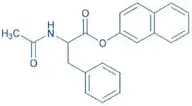
CAS:<p>Bachem ID: 4014443.</p>Formula:C23H24N2O5Purity:99.8%Color and Shape:WhiteMolecular weight:408.45Ac-DL-Phe-β-naphthyl ester
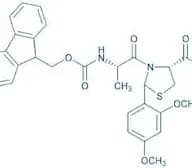
CAS:DL-APNE (or NAPNE), a chromogenic substrate for chymotrypsin and microbial serine proteases, e.g. subtilisin. It is also hydrolyzed by cathepsin G. NAPNE was used by Yakoby and Raskin to determine the inhibitory activity of trypsin and chymotrypsin.Formula:C21H19NO3Purity:> 99%Color and Shape:White PowderMolecular weight:333.39Fmoc-Ala-Cys(Psi(Dmp,H)pro)-OH
CAS:<p>Bachem ID: 4096166.</p>Formula:C30H30N2O7SPurity:97.5%Color and Shape:WhiteMolecular weight:562.64(Des-Glu⁵)-ACTH (1-24) (human, bovine, rat)
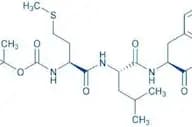
CAS:Impurity of tetracosactide, which is a synthetic peptide analog of the human adrenocorticotropic hormone that stimulates the production of cortisol.Formula:C131H203N39O28SPurity:96.5%Color and Shape:WhiteMolecular weight:2804.37Boc-Met-Leu-Phe-OH
CAS:Chemotactic peptide antagonist.Formula:C25H39N3O6SPurity:> 99%Color and Shape:White PowderMolecular weight:509.67H-Lys-Ala-pNA · 2 HCl
CAS:Chromogenic substrate for dipeptidyl aminopeptidase II (DPPII), also cleaved by a dipeptidyl peptidase V (DPP V) from Aspergillus fumigatus.Formula:C15H23N5O4·2HClPurity:98.4%Color and Shape:Light YellowMolecular weight:410.3Ac-Lys-OMe · HCl
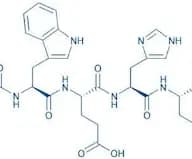
CAS:Substrate for urokinase.Formula:C9H18N2O3·HClPurity:> 99%Color and Shape:White PowderMolecular weight:238.71Ac-Trp-Glu-His-Asp-aldehyde (pseudo acid)
CAS:Ac-WEHD-CHO, a very potent reversible inhibitor of caspase-1 (ICE). It bears the optimal tetrapeptide recognition motif for this enzyme. With a Ki of 56 pM it belongs to the most potent reversible, peptide-based inhibitors described for any protease. For caspase-8 a Ki of 21.1 nM has been reported.Formula:C28H33N7O9Purity:95.0%Color and Shape:WhiteMolecular weight:611.61Suc-Phe-Ala-Ala-Phe-pNA
CAS:This enzyme substrate was used to test the concept of substrate-assisted catalysis with an engineered bacterial serine endopeptidase, subtilisin. Suc-FAAF-pNA has been employed for assaying subtilisins from psychrophilic bacteria and myroilysin, a metalloproteinase from the deep sea bacterium Myroides profundi.Formula:C34H38N6O9Purity:> 99%Color and Shape:Light Yellow PowderMolecular weight:674.71ACTH (1-14)
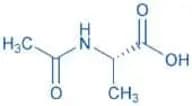
CAS:ACTH (1–14) is a fragment of the ACTH hormone, which stimulates the adrenal cortex and the secretion of glucocorticoids such as cortisol. ACTH (1–14) is an agonist of the melanocortin-1 and 3 receptor (K1 = 0.836 ± 0.33 and 48,3 ± 9,0 nmol/L respectively).Formula:C77H109N21O20SPurity:97.7%Color and Shape:White PowderMolecular weight:1680.91Ac-Ala-OH
CAS:Competitive inhibitor of acyl peptide hydrolase.Formula:C5H9NO3Purity:> 99%Color and Shape:WhiteMolecular weight:131.13(Des-Gly¹⁰,D-Trp⁶,Pro-NHEt⁹)-LHRH High acetate salt
CAS:Short-term administration of deslorelin stimulates the formation of LH and FSH, which induce an increase in the production of testosterone and estradiol. Prolonged administration of the GnRH agonist causes a sustained down-regulation of circulating LH and FSH levels and hence suppression of steroidogenesis.Formula:C64H83N17O12Purity:99.1%Color and Shape:WhitishMolecular weight:1282.47Apelin-36 (human)
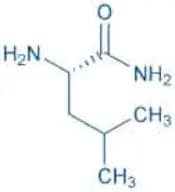
CAS:The orphan G protein-coupled receptor APJ has been shown to be a coreceptor for human and simian immunodeficiency virus (HIV and SIV) strains. As long as apelin is an endogenous ligand for the APJ receptor, inhibitory effects of apelin peptides on HIV infection have been examined and it has been found that the apelin peptides inhibit the entry of some HIV-1 and HIV-2 strains into NP-2/CD4 cells expressing APJ. For apelin-36 the strongest inhibitory efficiency has been reported.Formula:C184H297N69O43SPurity:> 96%Color and Shape:White PowderMolecular weight:4195.89H-Leu-NH₂
CAS:Substrate for leucine aminopeptidase.Formula:C6H14N2OPurity:> 99%Color and Shape:White PowderMolecular weight:130.19Leu-Enkephalin
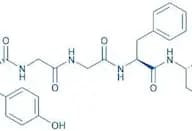
CAS:N-terminal sequence of dynorphin A and the neoendorphins.Formula:C28H37N5O7Purity:98.6%Color and Shape:WhiteMolecular weight:555.63(D-2-Nal⁶)-LHRH
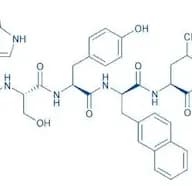
CAS:Nafarelin is a synthetic decapeptide agonist of the luteinizing hormone-releasing hormone (LHRH) which is approximately 200 times more potent than the natural peptide. Like LHRH nafarelin stimulates the release of the gonadotrophins luteinizing hormone (LH) and follicle stimulating hormone (FSH) from the anterior pituitary which in turn results in an initial increase of testosterone and estradiol synthesis. Continuous administration of LHRH or one of its analogs causes a sustained down-regulation of circulating LH and FSH levels leading to a suppression of testicular and ovarian steroidogenesis. Currently, nafarelin is indicated for the treatment of endometriosis and for the use in reproductive medicine. CAS Number (nafarelin acetate): 86220-42-0.Formula:C66H83N17O13Purity:97.7%Color and Shape:WhiteMolecular weight:1322.49Suc-Ala-Ala-Pro-Leu-pNA
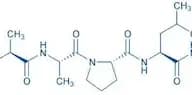
CAS:Suc-AAPL-pNA, a sensitive substrate for human and especially porcine pancreatic elastases. Substrate for leucine endopeptidase from the psychrotropic bacillus B. cereus.Formula:C27H38N6O9Purity:99.2%Color and Shape:White PowderMolecular weight:590.63(D-Lys³)-GHRP-6
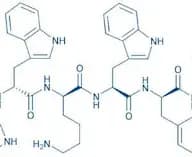
CAS:A ghrelin receptor antagonist. Asakawa et al. found that peripherally administered (D-Lys³)-GHRP-6 (HwkWfK-amide) decreased food intake in lean mice, in mice with diet induced obesity, and in ob/ob obese mice, and that repeated administration of this GHS-R antagonist decreased body weight gain and improved glycaemic control in ob/ob obese mice.Formula:C49H63N13O6Purity:99.0%Color and Shape:White PowderMolecular weight:930.12H-Arg-Arg-AMC
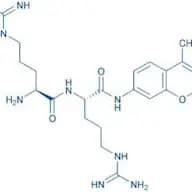
CAS:RR-AMC, fluorogenic substrate for dipeptidyl peptidase III (DPP III).Formula:C22H33N9O4Purity:> 98%Color and Shape:WhiteMolecular weight:487.56H-Ala-Ala-Phe-AMC (free base)
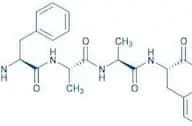
CAS:AAF-AMC, fluorogenic substrate for tripeptidyl peptidases I and II and for tripeptide aminopeptidase EC 3.4.11.4.Formula:C25H28N4O5Purity:> 99%Color and Shape:WhiteMolecular weight:464.52(Cys⁴⁶)-HIV-1 tat Protein (46-57) amide
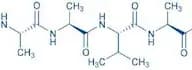
CAS:Active molecules as peptides can be readily conjugated to this cell-permeable peptide by the mercapto moiety.Formula:C67H124N34O14SPurity:>97%Color and Shape:WhiteMolecular weight:1662.01Suc-Ala-Ala-Val-Ala-pNA
CAS:Suc-AAVA-pNA has been used for assaying hamster chymase 2.Formula:C24H34N6O9Purity:> 99%Color and Shape:Light Beige PowderMolecular weight:550.57H-Leu-βNA · HCl
CAS:Substrate for aminopeptidase M and leucine aminopeptidase.Formula:C16H20N2O·HClPurity:> 99%Color and Shape:WhitishMolecular weight:292.81Ghrelin (human)
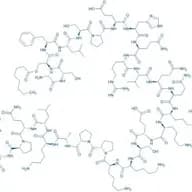
CAS:Human ghrelin (GHR), the endogenous ligand of the growth hormone secretagogue receptor (GHS-R), potently stimulates GH release. The Ser³ octanoyl ester turned out to be essential for generating this activity. Ghrelin plays an important role in the short-time regulation of appetite and in the long-time regulation of energy balance and glucose homeostasis. A number of studies showed that ghrelin is also involved in the regulation of gastrointestinal, cardiovascular, and immune functions as well as in bone metabolism.Formula:C149H249N47O42Purity:95.2%Color and Shape:WhiteMolecular weight:3370.91(Des-octanoyl)-Ghrelin (mouse, rat)
CAS:In contrast to the octanoylated peptide, the non-acylated ghrelin does not activate growth hormone secretagogue receptor-expressing cells. The peptide decreases food intake and gastroduodenal motility in conscious rats, probably by crossing the blood-brain barrier and activating the brain receptor directly.Formula:C139H231N45O41Purity:95.4%Color and Shape:White LyophilisateMolecular weight:3188.64Dansyl-Gly-Cys-Val-Leu-Ser-OH
CAS:Fluorogenic substrate for farnesyl diphosphate farnesyltransferase (FTase). The pentapeptide is based on the C-terminal region of H-Ras with a dansyl group attached to the N-terminus. Due to farnesylation of the cysteine thiol group the dansyl group is placed from a polar to a non-polar molecular environment which is accompanied by an enhancement of fluorescence and a shift to a lower wavelength emission maximum of the dansyl group. Complete conversion of the product results in a decrease of the emission maximum wavelength from 565 nm to 515 nm together with a 13-fold enhancement in fluorescence intensity at 505 nm. Dansyl-GCVLS can be used for continuously monitoring FTase activity in the presence of farnesyl diphosphate (FPP) at 505 nm using an excitation wavelength of 340 nm (kcat = 0.5 s⁻¹; Km = 1.4 µM). It represents a useful tool for screening potential FTase inhibitors. The substrate is highly specific to FTase and is not recognized by geranylgeranyl transferse type I (GGTase I). Concentrations of stock solutions of Dns-GCVLS can be calculated from the extinction coefficient of the dansyl moiety (ε₃₄₀ = 4250 M⁻¹cm⁻¹ in 20 mM Tris-HCl, pH 7.5, 10 mM EDTA).Formula:C31H46N6O9S2Purity:92.2%Color and Shape:Light YellowMolecular weight:710.87H-D-Phe-Cys-Tyr-D-Trp-Arg-Thr-Pen-Thr-NH₂
CAS:CTAP, an analog of CTOP, is a selective µ-opioid receptor antagonist.Formula:C51H69N13O11S2Purity:98.2%Color and Shape:Yellow PowderMolecular weight:1104.32