Organometallic Ligands
In this category, you will be able to find a large number of organometallic molecules used as ligands in biomolecules. These organometallic ligands can be used in organic chemistry and synthesis in the laboratory. They play a critical role in forming coordination complexes and catalyzing various chemical reactions. At CymitQuimica, we offer a diverse selection of high-quality organometallic ligands to support your research and industrial needs.
Subcategories of "Organometallic Ligands"
- Buchwald Ligands(22 products)
- DPEN(4 products)
- DPHEN(4 products)
- JOSIPHOS(4 products)
- Phosphine(497 products)
- Porphirines(75 products)
Found 2887 products of "Organometallic Ligands"
Sort by
Purity (%)
0
100
|
0
|
50
|
90
|
95
|
100
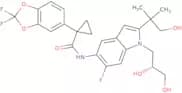
Tezacaftor
CAS:<p>Potentiates cystic fibrosis transmembrane conductance regulator (CFTR)</p>Formula:C26H27F3N2O6Purity:Min. 95%Color and Shape:White PowderMolecular weight:520.5 g/molKBU2046
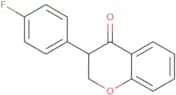
CAS:<p>KBU2046 is an antimicrobial peptide, which is derived from natural or synthetic peptide sequences with potential therapeutic properties. It exerts its effects by disrupting the structure and integrity of bacterial cell membranes through the formation of pores or micelles. This action alters membrane permeability, ultimately leading to cell lysis and death.</p>Formula:C15H11FO2Purity:Min. 98 Area-%Color and Shape:PowderMolecular weight:242.2 g/molBrefeldin A
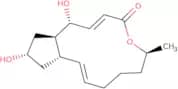
CAS:<p>Inhibits protein translocation from ER to Golgi; fungal metabolite</p>Formula:C16H24O4Purity:Min. 95%Color and Shape:PowderMolecular weight:280.36 g/molDomperidone, pharma grade
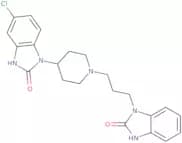
CAS:<p>Dopamine D2 receptor antagonist</p>Formula:C22H24ClN5O2Purity:Min. 95%Color and Shape:White PowderMolecular weight:425.91 g/molSHP099
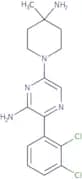
CAS:<p>SHP099 is an allosteric inhibitor of the SHP2 protein, which is derived from targeted small-molecule drug development. Its mode of action involves binding to SHP2 in a region distinct from the catalytic site, thereby stabilizing the protein in its auto-inhibited conformation and preventing activation. This disrupts downstream signaling pathways mediated by SHP2, a protein-tyrosine phosphatase essential in promoting oncogenic signaling through the RAS/MAPK pathway.</p>Formula:C16H19Cl2N5Purity:Min. 95%Color and Shape:PowderMolecular weight:352.26 g/molIcilin - Bio-X ™
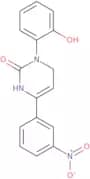
CAS:<p>Icilin is a transient receptor potential M8 (TRPM8) agonist drug that is used for the treatment of pruritis. This drug has shown to be effective in producing an extreme cold sensation in both human and animal models. It is used in research for studying TRP channels.</p>Formula:C16H13N3O4Purity:Min. 95%Color and Shape:PowderMolecular weight:311.29 g/molPrilocaine HCl - Bio-X ™
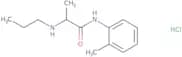
CAS:<p>Prilocaine is a drug used as a local anaesthetic in dental procedures. It has been shown to reduce the incidence of pain caused. This drug is also a sodium channel blocker that blocks the influx of sodium into cells.</p>Formula:C13H20N2O•HClPurity:Min. 95%Color and Shape:PowderMolecular weight:256.77 g/mol(R)-Fesoterodine fumarate
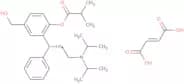
CAS:<p>Antagonist of muscarinic acetylcholine receptors</p>Formula:C30H41NO7Purity:Min. 95%Nabumetone - Bio-X ™
CAS:<p>Nabumetone is a non-steroidal anti-inflammatory drug that is used in the treatment of osteoarthritis and rheumatoid arthritis. This drug is also a cyclooxygenase inhibitor and works by inhibiting this enzyme so that pain and inflammation is reduced.</p>Formula:C15H16O2Purity:Min. 95%Color and Shape:PowderMolecular weight:228.29 g/molN-Trityl candesartan cilexetil
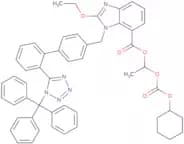
CAS:<p>Angiotensin II receptor antagonist</p>Formula:C52H48N6O6Purity:Min. 95%Color and Shape:PowderMolecular weight:852.97 g/molAfatinib - Bio-X ™
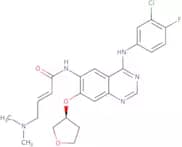
CAS:<p>Afatinib is a small molecule that inhibits the activity of cellular kinases that are involved in the progression of cancer. It is an Irreversible inhibitor of three members of the ErbB family. This molecule binds covalently to cysteine 797 residue in HER2 and blocks downstream cellular signalling which inhibits cellular growth and promotes apoptosis. It has been researched for the treatment of non-small cell lung cancer (NSCLC), breast cancer, pancreatic cancer and colorectal cancer.</p>Formula:C24H25ClFN5O3Purity:Min. 95%Color and Shape:PowderMolecular weight:485.94 g/molCarmustine - Bio-X ™
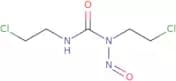
CAS:<p>Carmustine is a DNA alkylating agent which also cross-links DNA. As a result, Carmustine disrupts the function of DNA, resulting in the arrest the cell cycle and apoptosis. Consequently these properties of Carmustine, in addition to its ability to easily transmit through the blood-brain barrier, means it can be used as a cancer treatment, treating cancers such as, breast, ovarian and pancreatic as well as lymphomas and leukemias. Furthermore Carmustine can contribute to cytotoxic effects through its ability to carbamoylate DNA repair enzymes and proteins.</p>Formula:C5H9Cl2N3O2Purity:Min. 95%Color and Shape:PowderMolecular weight:214.05 g/mol7-Prenyloxycoumarin
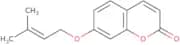
CAS:<p>7-Prenyloxycoumarin is a naturally occurring compound, often categorized as a phytochemical, which is primarily isolated from various plant sources including the Rutaceae family. This compound exhibits intriguing biochemical properties due to its unique molecular structure, primarily the presence of a prenyloxy group attached to the coumarin core. The mode of action of 7-Prenyloxycoumarin primarily involves its ability to interact with biological membranes and proteins, leading to modulation of enzymatic activity and disruption of pathogen cell walls.</p>Formula:C14H14O3Purity:Min. 98 Area-%Color and Shape:PowderMolecular weight:230.26 g/molNicaraven
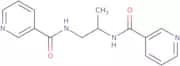
CAS:<p>Hydroxyl radical scavenger; anti-vasospastic</p>Formula:C15H16N4O2Purity:Min. 95%Molecular weight:284.31 g/molMelatonin - Bio-X ™
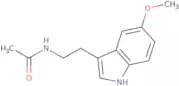
CAS:<p>Melatonin is a neurotransmitter produced by the pineal gland that is involved in the regulation of sleep-wake cycles. It can be used to treat several conditions like shift work disorders, insomnia, jet lag, and alterations of the circadian rhythm. Some authors also proposed the use of melatonin against cognitive disorders. In an interesting research conducted on zebrafish, it was found that memory formation occurs better during daytime compared to nighttime, suggesting a role of melatonin in this process. When melatonin was administered during the daytime it caused reduced memory formation. On the contrary, removing the pineal gland or treating the fish with a melatonin antagonist significantly improves nighttime memory formation.</p>Formula:C13H16N2O2Purity:Min. 95%Color and Shape:PowderMolecular weight:232.28 g/molBRD 6989
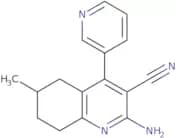
CAS:<p>A small molecule inhibitor with high selectivity for CDK8 over CDK19. Increases IL-10 production in stimulated human and murine macrophages and dendritic cells. Modulatory action on inflammatory responses has therapeutic potential.</p>Formula:C16H16N4Purity:Min. 95%Color and Shape:SolidMolecular weight:264.33 g/molBIO
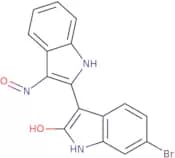
CAS:<p>Specific inhibitor of glycogen synthase kinase 3 (GSK-3) with IC50 in low nanomolar range. Studies showed that BIO maintains self-renewal in embryonic stem cells (ESCs) as well as increases activity of β-catenin. In neonatal cardiomyocytes, BIO promotes cell cycle by stimulating cell entry into S phase as well as cytokinesis. In germline stem cells from female mice (FGSCs), BIO promoted proliferation and maintenance of FGSCs by activating β-catenin and up-regulating E-cadherin.</p>Formula:C16H10BrN3O2Purity:Min. 95%Color and Shape:Red To Dark Red SolidMolecular weight:356.17 g/molDapoxetine hydrochloride - Bio-X ™
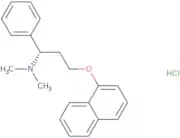
CAS:Controlled Product<p>Dapoxetine is a drug that belongs to the group of selective serotonin reuptake inhibitors (SSRIs). It is used to treat premature ejaculation. This drug inhibits the serotonin transporter allowing for an increased action of serotonin at the postsynaptic cleft, thus promoting ejaculatory delay.</p>Formula:C21H24ClNOPurity:Min. 98 Area-%Color and Shape:PowderMolecular weight:341.87 g/molS26131
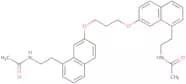
CAS:<p>S26131 is an advanced glycation end product (AGE) inhibitor, which is a synthetic compound designed for laboratory research purposes. It is derived from chemical synthesis processes, offering a robust tool for investigating the biochemical pathways associated with glycation. Its mechanism of action involves the inhibition of AGE formation, which is a post-translational modification resulting from the non-enzymatic reaction between sugars and proteins or lipids. This biochemical modulation is vital for studying the implications of glycation in various physiological and pathological contexts.</p>Formula:C31H34N2O4Purity:Min. 95%Molecular weight:498.6 g/mol(2R)-Arimoclomol maleate
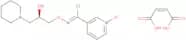
CAS:<p>(2R)-Arimoclomol maleate is an investigational pharmaceutical compound, which is an orally bioavailable small molecule with pharmacological activity primarily targeting cellular protein homeostasis mechanisms. This therapeutic agent is derived from molecular chaperones and operates by selectively enhancing the expression of heat shock proteins (HSPs). The mechanism of action involves the modulation of the heat shock response, wherein (2R)-Arimoclomol maleate amplifies the natural cellular defense pathways against protein misfolding and aggregation.</p>Formula:C18H24ClN3O7Purity:Min. 98 Area-%Color and Shape:White PowderMolecular weight:429.85 g/mol