Organometallic Ligands
In this category, you will be able to find a large number of organometallic molecules used as ligands in biomolecules. These organometallic ligands can be used in organic chemistry and synthesis in the laboratory. They play a critical role in forming coordination complexes and catalyzing various chemical reactions. At CymitQuimica, we offer a diverse selection of high-quality organometallic ligands to support your research and industrial needs.
Subcategories of "Organometallic Ligands"
- Buchwald Ligands(22 products)
- DPEN(4 products)
- DPHEN(4 products)
- JOSIPHOS(4 products)
- Phosphine(497 products)
- Porphirines(75 products)
Found 2887 products of "Organometallic Ligands"
Sort by
Purity (%)
0
100
|
0
|
50
|
90
|
95
|
100
Glycyl-L-histidyl-L-lysine
CAS:<p>Copper-binding growth factor</p>Formula:C14H24N6O4Purity:Min. 95%Color and Shape:PowderMolecular weight:340.38 g/molDofetilide - Bio-X ™
CAS:<p>Dofetilide belongs to the class of antiarrhythmic agents. It is a class III antiarrhythmic agent, which acts by blocking the potassium ion channels in the heart. It is used for the management of normal sinus rhythm and in atrial fibrillation. In vitro studies have shown that Dofetilide can prevent arrhythmias resulting from experimental models of congestive heart failure and can prevent re-entry mechanisms that lead to tachycardia.</p>Formula:C19H27N3O5S2Purity:Min. 95%Color and Shape:PowderMolecular weight:441.57 g/molAliskiren hemifumarate - Bio-X ™
CAS:<p>Aliskiren is a drug that belongs to the group of angiotensin receptor blockers. It is a renin inhibitor that is used for the treatment of hypertension, congestive heart failure, and renal impairment. Aliskiren inhibits the action of angiotensin II by blocking the binding of this hormone to its receptors.</p>Formula:C30H53N3O6•(C4H4O4)0Purity:Min. 95%Color and Shape:PowderMolecular weight:1,219.59 g/molDexmedetomidine hydrochloride - Bio-X ™
CAS:Controlled Product<p>This product is part of our Bio-X ™ Range. These products are aimed at life science researchers who need high quality ready-to-use products for assay development, screening or other R&D work. With a solubility datasheet and convenient vials, all of our Bio-X ™ products are in stock across our global warehouses for rapid delivery and ease of use.</p>Formula:C13H16N2•HClPurity:Min. 95%Color and Shape:PowderMolecular weight:236.74 g/molMosapride citrate - Bio-X ™
CAS:<p>Mosapride is a prokinetic 5-HT4 receptor agonist used to increase colon and gastric mobility. This drug allows the release of acetylcholine from enteric cholinergic neurons. Mosapride has also shown to provide relief when treating patients with constipation- type irritable bowel syndrome as it prevents abdominal pain.</p>Formula:C27H33ClFN3O10Purity:Min. 95%Color and Shape:PowderMolecular weight:614.02 g/molMKC8866
CAS:<p>MKC8866 is a selective antagonist that targets the metabotropic glutamate receptor 2 (mGluR2), which is a type of glutamate receptor expressed in various regions of the central nervous system (CNS). Derived from pharmacological research, this compound offers critical insights into the modulation of synaptic activity and neuronal signaling through inhibition of mGluR2.</p>Formula:C18H19NO7Purity:Min. 95%Color and Shape:PowderMolecular weight:361.35 g/molML-109
CAS:<p>ML-109 is a synthetic chemical compound that acts as a feeding stimulant, commonly used in entomological research. It is developed through organic synthesis, allowing for precise manipulation of its molecular structure to optimize efficacy. The mode of action for ML-109 involves mimicking natural compounds that trigger feeding responses in insects, effectively activating chemoreceptors and neural pathways associated with food intake.</p>Formula:C31H29N3O5Purity:Min. 98 Area-%Color and Shape:White PowderMolecular weight:523.58 g/mol[Ni(dtbbpy)(H2O)4]Cl2
CAS:<p>[Ni(dtbbpy)(H2O)4]Cl2 is a coordination complex, which is a specialized form of chemical compound where a central metal atom, in this case, nickel (Ni), is surrounded by ligands, such as 4,4'-di-tert-butyl-2,2'-bipyridine (dtbbpy) and water molecules. This complex is synthesized through a precise coordination process, where ligands are added to the metal center facilitating its unique structural properties.</p>Formula:C18H32Cl2N2NiO4Purity:Min. 95%Color and Shape:PowderMolecular weight:470.06 g/molTolvaptan
CAS:Controlled Product<p>Tolvaptan is a vasopressin receptor antagonist. It binds to the V2 receptor in the cytosol and prevents it from activating the aquaporin 2 channel, which regulates water permeability. Inhibition of vasopressin receptors in the kidneys improves fluid and electrolyte balance. Tolvaptan has been shown to be effective for treating congestive heart failure, as well as other disorders that are associated with fluid retention, such as renal dysfunction and metabolic syndrome. Tolvaptan can also be used in combination therapy with other drugs to treat these conditions.</p>Formula:C26H25ClN2O3Purity:Min. 98 Area-%Color and Shape:White PowderMolecular weight:448.94 g/molPelitrexol
CAS:<p>Pelitrexol is an antifolate chemotherapeutic agent, which is synthetically derived to target key enzymatic pathways in cancer cells. It functions predominantly through the inhibition of dihydrofolate reductase (DHFR), an enzyme critical for DNA synthesis and cell proliferation. By impeding the action of DHFR, Pelitrexol disrupts the folate cycle, leading to a depletion of tetrahydrofolate and subsequent impairment of nucleotide biosynthesis. This action results in the inhibition of tumor cell growth and proliferation, making Pelitrexol an effective cytotoxic agent.</p>Formula:C20H25N5O6SPurity:Min. 95%Color and Shape:PowderMolecular weight:463.5 g/molIsoxicam
CAS:<p>Anti-inflammtory drug</p>Formula:C14H13N3O5SPurity:Min. 98 Area-%Color and Shape:PowderMolecular weight:335.34 g/molAmifostine trihydrate
CAS:<p>Amifostine trihydrate is a cytoprotective agent, which is a synthetic organic compound used primarily in oncology. It is a phosphorylated aminothiol prodrug derived from chemical synthesis. Its mode of action involves dephosphorylation to its active metabolite, WR-1065, by alkaline phosphatase enzymes present in normal tissues. This active form then scavenges free radicals and enhances DNA repair mechanisms, providing selective protection to normal tissues during chemotherapy or radiation therapy.</p>Formula:C5H15N2O3PS·3H2OPurity:Min. 95 Area-%Color and Shape:White PowderMolecular weight:268.27 g/molTranylcypromine HCl
CAS:Controlled Product<p>Inhibitor of monoamine oxidase</p>Formula:C9H12ClNPurity:Min. 95%Color and Shape:PowderMolecular weight:169.65 g/molGHRF trifluoroacetate (rat)
CAS:<p>Stimulates somatotropin release</p>Formula:C225H361N77O66SPurity:Min. 95%Color and Shape:White PowderMolecular weight:5,232.82 g/molMilenperone
CAS:<p>Neuroleptic agent</p>Formula:C22H23ClFN3O2Purity:Min. 95%Color and Shape:PowderMolecular weight:415.89 g/molDeferasirox
CAS:<p>Tridentate iron chelator</p>Formula:C21H15N3O4Purity:Min. 95%Color and Shape:PowderMolecular weight:373.36 g/molML 077
CAS:<p>ML 077 is a biofertilizer, which is a microbial-based product derived from naturally occurring soil microorganisms. It functions by colonizing plant root systems and facilitating nutrient uptake through symbiotic relationships with the host plant. This interaction promotes enhanced growth by converting atmospheric nitrogen into forms accessible to plants, along with improving phosphorus solubilization and mineral uptake.</p>Formula:C17H16N4OS2Purity:Min. 95%Color and Shape:PowderMolecular weight:356.5 g/molTiagabine hydrochloride
CAS:Controlled Product<p>GABA reuptake inhibitor</p>Formula:C20H25NO2S2•HClPurity:Min. 95%Color and Shape:PowderMolecular weight:412.01 g/molPixatrone dimaleate
CAS:<p>Inhibitor of topoisomerase TOP2</p>Formula:C17H19N5O2·2C4H4O4Purity:Min. 95%Color and Shape:Purple PowderMolecular weight:557.51 g/molIstradefylline
CAS:Controlled Product<p>Adenosine A2A receptor antagonist</p>Formula:C20H24N4O4Purity:Min. 95%Color and Shape:PowderMolecular weight:384.43 g/molEpirubicin hydrochloride
CAS:<p>Topoisomerase II and DNA helicase inhibitor</p>Formula:C27H30ClNO11Purity:Min. 95%Color and Shape:PowderMolecular weight:579.98 g/molBimatoprost
CAS:<p>A potent prostanoid receptor (FP) agonist and PGF2α analog. Its biological activity is mediated by action on prostamide receptors. Has therapeutic potential for glaucoma and ocular hypertension.</p>Formula:C25H37NO4Purity:Min. 98 Area-%Color and Shape:PowderMolecular weight:415.57 g/molAcarbose
CAS:<p>Competitive, reversible inhibitor of α-glucosidases used for the control of postprandial hyperglycaemia in patients with type 2 diabetes mellitus. It inhibits digestive enzymes with α-glucosidase activity, which breakdown complex sugars to absorbable monosaccharides. It also reduces the levels of glycated haemoglobin (HbA1c).</p>Formula:C25H43NO18Purity:Min. 95.0%Color and Shape:White PowderMolecular weight:645.62 g/molArbutin - Natural origin
CAS:<p>Inhibitor of tyrosinase in melanocytes: skin whitener</p>Formula:C12H16O7Color and Shape:White PowderMolecular weight:272.25 g/molBevirimat
CAS:<p>Bevirimat is an antiretroviral compound that is derived from a natural source, specifically from the betulinic acid found in certain plant species. This compound functions as a HIV-1 maturation inhibitor by interfering with the Gag protein processing, which is essential for the maturation and release of infectious virions. By preventing the final processing step in the Gag protein, Bevirimat disrupts the formation of the mature capsid core, leading to the production of non-infectious viral particles.</p>Formula:C36H56O6Purity:Min. 95%Molecular weight:584.83 g/molEncequidar
CAS:<p>Encequidar is a small-molecule inhibitor, which is a synthetic chemical compound with the ability to modulate the activity of efflux transporters. It specifically targets P-glycoprotein (P-gp), an ATP-binding cassette transporter widely expressed in tissues such as the intestine, kidney, liver, and blood-brain barrier. By inhibiting P-gp, Encequidar enhances the oral bioavailability of co-administered therapeutic agents that are typically P-gp substrates, thereby improving their systemic absorption and therapeutic efficacy.</p>Formula:C38H36N6O7Purity:Min. 95%Molecular weight:688.73 g/molSGC GAK 1
CAS:<p>A potent and selective inhibitor of cyclin G-associated kinase (GAK) with Ki of 3.1 nM. The compound has more than 50-fold selectivity over the closest off-target kinase RIPK2, making it a potent tool for the study of GAK biology. SGC-GAK-1 was tested in vitro in human prostate carcinoma cell lines and showed strong growth inhibition in cell lines with androgen-dependent growth.</p>Formula:C18H17BrN2O3Purity:Min. 95%Color and Shape:SolidMolecular weight:388.04226Saxagliptin hydrochloride
CAS:<p>Inhibitor of dipeptidyl peptidase IV; anti-diabetic agent</p>Formula:C18H25N3O2·HClPurity:Min. 95%Molecular weight:351.87 g/molRizatriptan benzoate
CAS:<p>5-HT1B/1D serotonin receptor agonist; anti-migraine agent; vasoconstrictive</p>Formula:C15H19N5•C7H6O2Purity:Min. 95%Color and Shape:PowderMolecular weight:391.47 g/molS 0456 - Bio-X ™
CAS:<p>S 0456 is a fluorescent dye for detecting anhydrase activity. This dye is degradable and can be used for imaging in living cells to detect tumors.</p>Formula:C38H44ClN2Na3O12S4Purity:Min. 95%Color and Shape:PowderMolecular weight:953.45 g/molLY 404039
CAS:<p>LY-404039 is a potent metabotropic glutamate receptor agonist with nanomolar affinity for group II receptors mGluR2 (Ki = 149 nM) and mGluR3 (Ki = 92 nM). It modulates glutamatergic activity in limbic and forebrain areas and has antipsychotic properties in animal studies. LY-404039 represents a potential new therapy for neurophysiatric disorders including schizophrenia, psychosis and anxiety.</p>Formula:C7H9NO6SPurity:Min. 95%Color and Shape:SolidMolecular weight:235.01506Pasireotide acetate
CAS:<p>Pasireotide acetate is a synthetic cyclic peptide and a somatostatin analogue, which is derived from the chemical synthesis based on the structure of native somatostatins. It operates by binding to somatostatin receptors with high affinity, primarily targeting the sst1, sst2, sst3, and sst5 receptor subtypes. This binding inhibits the secretion of adrenocorticotropic hormone (ACTH), which can modulate the excess production of cortisol in conditions such as Cushing’s disease.</p>Formula:C58H66N10O9•(C2H4O2)xPurity:Min. 95%Color and Shape:PowderMolecular weight:1,047.21 g/molFlavoxate HCl - Bio-X ™
CAS:<p>Flavoxate is a muscarinic antagonist and spasmolytic drug that is used for the relief of conditions associatied with a lack of muscle control in the bladder such as urine urgency. This drug acts as a direct antagonist on acetylcholine receptors. This action reduces the tonus of smooth muscles in the bladder.</p>Formula:C24H25NO4•HClPurity:Min. 95%Color and Shape:PowderMolecular weight:427.92 g/molAlectinib hydrochloride
CAS:<p>An active product of vitamin A metabolism. Activates RXR and RAR receptor isoforms with high binding affinity. Induces differentiation of neural stem cells into neurons.</p>Formula:C30H34N4O2·HClPurity:Min. 95%Color and Shape:Off-White To Beige SolidMolecular weight:519.08 g/molStaurosporine
CAS:Controlled Product<p>Inhibitor of protein kinases; induces apoptosis; anti-cancer</p>Formula:C28H26N4O3Purity:Min. 98 Area-%Color and Shape:Off-White PowderMolecular weight:466.53 g/molRubitecan
CAS:<p>Topoisomerase I inhibitor</p>Formula:C20H15N3O6Purity:Min. 95%Molecular weight:393.35 g/molVasopressin acetate
CAS:Controlled Product<p>Vasopressin acetate is a synthetic analog of the natural hormone vasopressin, which is derived from peptide synthesis. This product acts as an antidiuretic hormone, primarily targeting kidney receptors to promote water reabsorption and constrict blood vessels. Its mode of action involves binding to V1 and V2 receptors, leading to increased water retention and vasoconstriction.</p>Formula:C46H65N15O12S2•(C2H4O2)xPurity:Min. 98 Area-%Color and Shape:White PowderMolecular weight:1198.26Cetrorelix acetate
CAS:<p>Synthetic antagonist of GnRH receptor</p>Formula:C70H92ClN17O14Purity:Min. 95%Color and Shape:White/Off-White SolidMolecular weight:1429.66982CAL 130 hydrochloride
CAS:<p>PI3K enzyme inhibitor</p>Formula:C23H22N8OPurity:Min. 95%Molecular weight:426.19166Aflibercept - approx 40mg/ml solution
CAS:<p>Recombinant protein against VEGF(A); binds placental growth factor (PIGF)</p>Purity:Min. 95 Area-%Color and Shape:Colorless Clear LiquidApatinib
CAS:<p>Apatinib, also known as rivoceranib, is an inhibitor of the vascular endothelial growth factor receptor 2 (VEGFR2) tyrosine kinase. Apatinib targets VEGFR2 with its action and has proven to have strong anti-tumor effects in human cancers. In studies in mice, apatinib acted as an Inhibitor of VEGFR2 and played an antiangiogenic effect. Apatinib has been suggested for the treatment of ischemia-induced proliferative retinopathy and neovascular age-related macular degeneration.</p>Formula:C24H23N5OPurity:Min. 95%Color and Shape:PowderMolecular weight:397.47 g/molTemocapril hydrochloride
CAS:<p>Angiotensin-converting enzyme inhibitor; anti-hypertensive</p>Formula:C23H29ClN2O5S2Purity:Min. 95%Color and Shape:SolidMolecular weight:513.07 g/molCyclosporin B
CAS:<p>Cyclosporin B is an antifungal and immunosuppressive cyclic peptide, which is derived from the fungus *Tolypocladium inflatum*. The compound is a member of the cyclosporin family, characterized by cyclic polypeptides with a unique arrangement of amino acids that enable its biological activity. Though its precise mode of action is not completely delineated, it is observed to influence cell growth and viability by potentially disrupting cellular communication or signal transduction pathways.</p>Formula:C61H109N11O12Purity:Min. 95%Color and Shape:PowderMolecular weight:1,188.59 g/molBenziodarone
CAS:<p>Uricosuric agent</p>Formula:C17H12I2O3Purity:Min. 95%Color and Shape:Beige PowderMolecular weight:518.08 g/molRo492097
CAS:<p>Inhibitor of γ-secretase and Notch signalling</p>Formula:C22H20F5N3O3Purity:Min. 95%Molecular weight:469.4 g/molDeferasirox Fe3+ Chelate
CAS:<p>Iron chelator</p>Formula:C21H12FeN3O4Purity:Min. 95%Molecular weight:426.18 g/molIsopropyl-pyrimidin-2-yl-amine
CAS:<p>Causes allergic hepatitis</p>Formula:C7H11N3Purity:Min. 95%Molecular weight:137.18 g/molA 922500
CAS:<p>Inhibits human and mouse diacylglycerol O-acyltransferase 1 (DGAT-1) with IC50 values of 9 and 22 nM, respectively. Selective for DGAT-1 over DGAT-2 (IC50 = 53 µM), acyl coenzyme A transferase (IC50 = 296 µM) and other acyltransferases. Reduces plasma and liver triglycerides, FFA, chylomicron secretion and increases HDL cholesterol in vivo.</p>Formula:C26H24N2O4Purity:Min. 95%Molecular weight:428.48 g/molLoreclezole
CAS:<p>Loreclezole is an antiepileptic drug, which is a synthetic compound with therapeutic effects on the central nervous system. This drug is classified as a 1,2-benzothiazole derivative and primarily impacts neuronal activity. Its source is entirely synthetic, developed through chemical synthesis processes designed to target specific neural pathways involved in seizure activity.</p>Formula:C10H6Cl3N3Purity:Min. 95%Color and Shape:PowderMolecular weight:274.53 g/molSB 271046 hydrochloride
CAS:<p>5-HT6 serotonin receptor antagonist; anti-convulsant</p>Formula:C20H22CIN3O3S2·HClPurity:Min. 95%Molecular weight:591.91 g/molBML 257
CAS:<p>Inhibits Akt translocation by targeting the pleckstrin homology (PH) domain. Inhibits hepatitis C virus NS5B RNA-dependent RNA polymerase (IC50 = 79 µM). Attenuates cannabinoid agonist-mediated proliferation of neural stem/precursor cells.</p>Formula:C21H14N2O2Purity:Min. 95%Color and Shape:PowderMolecular weight:326.35 g/molBosutinib
CAS:<p>Inhibitor of Abl and Src kinases; anti-proliferative; antineoplasticÂ</p>Formula:C26H29Cl2N5O3Purity:Min. 95%Color and Shape:Off-White PowderMolecular weight:530.45 g/molAG 490
CAS:<p>A tyrosine kinase inhibitor with potent activity against EGFR, STAT3, JAK3/STAT, JAK3/AP-1 and JAK3/MAPK. Suppresses IL-2 signaling pathway, inhibits T-cell growth and activation of JAK3, AP-1, STAT, MAPK. Has anti-proliferative and anti-invasive effect on cancer cells.</p>Formula:C17H14N2O3Purity:Min. 95%Color and Shape:Yellow PowderMolecular weight:294.3 g/molRaltitrexed
CAS:<p>Anti-folate inhibitor of thymidylate synthase</p>Formula:C21H22N4O6SPurity:Min. 95%Color and Shape:SolidMolecular weight:458.49 g/molTiludronic acid disodium
CAS:<p>Farnesyltransferase inhibitor</p>Formula:C7H9ClO6P2S•Na2Purity:Min. 95%Color and Shape:PowderMolecular weight:364.59 g/molTranexamic acid
CAS:<p>Ligand of plasminogen; used for bleeding control</p>Formula:C8H15NO2Purity:Min. 95%Color and Shape:White PowderMolecular weight:157.21 g/molPitofenone hydrochloride
CAS:<p>Inhibits acetylcholinesterase (AChE); antispasmodic agent</p>Formula:C22H25NO4·ClHPurity:Min. 95%Molecular weight:403.9 g/molCeralifimod
CAS:<p>Please enquire for more information about Ceralifimod including the price, delivery time and more detailed product information at the technical inquiry form on this page</p>Formula:C27H33NO4Purity:Min. 95%Molecular weight:435.56 g/molMG 132
CAS:<p>MG 132 is a modified tripeptide that acts as proteasomal inhibitor. In 2006, MG 132 has been experimentally tested in in vitro cell-based and in vivo models for to assess its use in the medical treatment of Parkinson's disease.</p>Formula:C26H41N3O5Purity:Min. 95%Color and Shape:PowderMolecular weight:475.30462Gabexate mesylate
CAS:<p>Serine protease inhibitor</p>Formula:C17H27N3O7SPurity:Min. 95%Molecular weight:417.15697Vismodegib
CAS:<p>Vismodegib is a Hedgehog (Hh) pathway inhibitor belonging to the 2-arylpyridine class. It acts as a competitive antagonist of the smoothened receptor (SMO) localized in the cell membrane. SMO activates an intracellular cascade that results in activation and nuclear translocation of Gli family transcription factor. Vismodegib has been used in clinical trials for treatment of advanced cancers.</p>Formula:C19H14Cl2N2O3SPurity:Min. 95%Color and Shape:PowderMolecular weight:421.30 g/molTosufloxacin toluenesulfonate
CAS:<p>Inhibitor of DNA replication; inhibitor of theophylline and caffeine metabolism</p>Formula:C19H15F3N4O3·C7H8O3SPurity:Min. 95%Color and Shape:PowderMolecular weight:576.55 g/molGBR 12935
CAS:<p>Dopamine reuptake inhibitor</p>Formula:C28H34N2OPurity:Min. 95%Molecular weight:414.26711Voxelotor
CAS:Controlled Product<p>Voxelotor is an oral therapeutic agent, which is a small molecule obtained through synthetic chemistry with targeted activity on hemoglobin. Its mode of action involves the allosteric modification of hemoglobin, specifically increasing hemoglobin oxygen affinity. By stabilizing the oxygenated hemoglobin state, voxelotor reduces the sickling and polymerization of red blood cells that are characteristic of sickle cell disease (SCD).</p>Formula:C19H19N3O3Purity:Min. 98 Area-%Color and Shape:White PowderMolecular weight:337.37 g/molPalifosfamide
CAS:<p>Active metabolite of ifosfamide; alkylates and cross-links DNA; antineoplastic</p>Formula:C4H11Cl2N2O2PPurity:Min. 95%Color and Shape:SolidMolecular weight:221.02 g/molN-(4-Aminobutyl)-N-ethylisoluminol
CAS:<p>Efficient chemiluminescent NH2-coupling reagent for detection of proteins</p>Formula:C14H20N4O2Purity:Min. 95%Color and Shape:PowderMolecular weight:276.33 g/mol(R,R)-Palonosetron hydrochloride
CAS:<p>Antagonist of serotonin receptors 5-HT3</p>Formula:C19H25ClN2OPurity:Min. 95%Color and Shape:White To Off-White SolidMolecular weight:332.87 g/molLiraglutide
CAS:<p>Glucagon-like peptide 1 (GLP-1) receptor agonist; hypoglycemic agent</p>Formula:C172H265N43O51Purity:Min. 95 Area-%Color and Shape:White PowderMolecular weight:3,751.2 g/molNeostigmine bromide
CAS:<p>Inhibitor of acetylcholinesterase</p>Formula:C12H19BrN2O2Purity:Min. 95%Molecular weight:303.2 g/molSB 61211 hydrochloride
CAS:<p>Nociceptin/orphanin FQ peptide receptor antagonist</p>Formula:C24H29Cl2NO·HClPurity:Min. 95%Molecular weight:454.86 g/molWYE 125132
CAS:<p>mTOR kinase inhibitor; anti-neoplastic</p>Formula:C27H33N7O4Purity:Min. 95%Color and Shape:PowderMolecular weight:519.6 g/molPam3Csk4 (TFA)
CAS:<p>Pam3Csk4 (Pam3) is a TLR1/2 agonist which when combined with the TLR3 agonist polyinosinic:polycytidylic acid (polyI:C), forms the adjuvant system known as L-pampo. L-pampo has demonstrated the ability to produce stronger antibody generation against Hepatis B Virus compared to Alum and takes part in cell-mediated immune responses for example leading to elevated multifunctional CD4+ T cells. It has also shown its potential in producing strong humoral and cellular immune responses as an adjuvant against SARS-CoV-2.</p>Formula:C87H159F9N10O19SPurity:Min. 95%Molecular weight:1,852.3 g/molD8-MMAE
CAS:<p>D8-MMAE is a chemical conjugate product, which is composed of the highly potent cytotoxic agent monomethyl auristatin E (MMAE) linked to targeting moieties, often through a stable linker. This product is synthetic in origin, derived from auristatins, which are analogs of dolastatin 10, a natural peptide isolated from marine organisms. The mode of action of D8-MMAE involves specific binding to cellular targets, typically through an antibody-drug conjugate (ADC) mechanism, where the conjugate binds to antigens on cancer cells. Once internalized, the linker is cleaved, releasing MMAE within the cell. MMAE then binds to tubulin, inhibiting cell division by disrupting the microtubule network, leading to apoptosis.</p>Formula:C39H67N5O7Purity:Min. 95%Molecular weight:726 g/molMicrocolin B
CAS:<p>Microcolin B is a lipopeptide, which is a type of secondary metabolite. It is derived from marine cyanobacteria, specifically from the genus Lyngbya. This compound exhibits a complex mode of action, primarily by inhibiting the activity of protein kinase C (PKC), an enzyme that plays a crucial role in regulating immune responses and cell proliferation.</p>Formula:C39H65N5O8Purity:Min. 95%Molecular weight:731.96 g/molPilsicainide hydrochloride
CAS:<p>Sodium channel blocker; anti-arrhythmic agent</p>Formula:C17H25ClN2OPurity:Min. 95%Color and Shape:PowderMolecular weight:308.85 g/molN-Acetyl-DL-penicillamine
CAS:<p>Protective agent against mercuric chloride poisoning</p>Formula:C7H13NO3SPurity:Min. 95%Color and Shape:PowderMolecular weight:191.25 g/molRegorafenib
CAS:<p>Multi-kinase inhibitor; inhibits epoxide hydrolase; antineoplastic</p>Formula:C21H15ClF4N4O3Purity:Min. 95%Color and Shape:White PowderMolecular weight:482.82 g/molLatanoprost acid
CAS:<p>FP receptor ligand; activator of PGF2αR</p>Formula:C23H34O5Purity:Min. 95%Color and Shape:Colorless PowderMolecular weight:390.51 g/molDoxapram hydrochloride
CAS:<p>Inhibitor of TASK tandem pore potassium channel; respiratory stimulant</p>Formula:C24H30N2O2·HClPurity:Min. 95%Brompheniramine maleate
CAS:<p>Histamine (H1) antagonist; used to treat allergies, rhinitis and urticaria</p>Formula:C20H23BrN2O4Purity:Min. 95%Color and Shape:White To Off-White SolidMolecular weight:435.31 g/molSU 3327
CAS:<p>SU 3327, originally introduced as a thiadiazole JNK inhibitor (De et al. 2009) has recently been identified as having antibiotic activity against a broad range of bacteria including drug-resistant gram positive and negative strains (Strokes et al. 2020). This molecule has been given the fictional name ‘Halicin’ inspired by the AI approach used to discover its novel biological activity.</p>Formula:C5H3N5O2S3Purity:Min. 95%Color and Shape:PowderMolecular weight:261.31 g/molIodipamide
CAS:<p>Ionic dimeric contrast agent for diagnostic imaging of the liver</p>Formula:C20H14I6N2O6Purity:Min. 95%Molecular weight:1,139.76 g/mol1-NM-PP1
CAS:<p>1-NM-PP1, also known as 1NM-PP1, is an inhibitor of the Src kinase. Studies have shown that 1-NM-PP1 inhibits analog-sensitive kinases (as-kinases) characterised by a small amino acid as gatekeeper of the ATP binding site. Tested to prevent parasitic infections, 1-NM-PP1 inhibited the Toxoplasma gondii life cycle when used at a higher concentration than 500 nM.</p>Formula:C20H21N5Purity:Min. 95%Color and Shape:PowderMolecular weight:331.1797Bosentan hydrate
CAS:<p>Endothelin receptor antagonist; vasodilator</p>Formula:C27H29N5O6S•H2OPurity:Min. 95%Color and Shape:PowderMolecular weight:569.63 g/molGinkgolic acid (C13:0)
CAS:<p>Sumoylation inhibitor; reported to inhibit histone acetylation transferase</p>Formula:C20H32O3Purity:Min. 95%Color and Shape:White PowderMolecular weight:320.47 g/molFlavopiridol
CAS:<p>Inhibitor of CKD1, CDK2, and CDK4 serine/threonine kinases</p>Formula:C21H20ClNO5Purity:Min. 95%Color and Shape:Light (Or Pale) Yellow To Yellow SolidMolecular weight:401.103DPN
CAS:<p>Estrogen ERβ receptor agonist; regulates GluR1, GluR2 and GluR3 expression</p>Formula:C15H13NO2Purity:Min. 95%Color and Shape:White PowderMolecular weight:239.27 g/molProgabide
CAS:<p>Analogue of GABA; GABA receptor agonist used in epilepsy</p>Formula:C17H16ClFN2O2Purity:Min. 95%Color and Shape:Beige PowderMolecular weight:334.77 g/molZofenopril calcium
CAS:<p>Angiotensin-converting enzyme inhibitor; antioxidant</p>Formula:C44H46N2O8S4•CaPurity:Min. 95%Color and Shape:PowderMolecular weight:899.17 g/molIdrocilamide
CAS:<p>Muscle relaxant; anti-inflammatory</p>Formula:C11H13NO2Purity:Min. 95%Color and Shape:SolidMolecular weight:191.23 g/molBRL 50481
CAS:<p>Inhibitor of phosphodiesterase 7</p>Formula:C9H12N2O4SPurity:Min. 95%Color and Shape:PowderMolecular weight:244.05178Suzetrigine
CAS:<p>Suzetrigine is a novel compound classified as a synthetic ligand, which is derived through advanced chemical synthesis techniques. This compound engages specific targets within biological systems, acting primarily as a selective modulator of ion channels.</p>Formula:C21H20F5N3O4Molecular weight:473.39 g/molCyproheptadine hydrochloride
CAS:<p>Serotonin receptor and histamine (H1) receptor antagonist</p>Formula:C21H21N·HClPurity:Min. 95%Color and Shape:White PowderMolecular weight:323.86 g/molA 196
CAS:<p>Selective inhibitor histone methyltransferases SUV420H1 and SUV420H2 (IC50 values = 25 nM and 144 nM, respectively). Reduces histone H4K20me2 and H4K20me3 expression whilst increasing H4K20me1 global expression. Inhibits formation of p53-binding protein 1 (53BP1) foci upon ionizing radiation and reduces NHEJ-mediated DNA-break repair.</p>Formula:C18H16Cl2N4Purity:Min. 95%Color and Shape:SolidMolecular weight:359.25 g/molc16(Plasm) lpc
CAS:<p>C16(Plasm) LPC is a lysophosphatidylcholine, a type of lysophospholipid derived predominantly from plasma membrane phospholipids. It originates from the enzymatic action of phospholipase A2, which cleaves the fatty acid chain, typically at the sn-2 position. This leaves behind the lysophospholipid with a single acyl chain.</p>Formula:C24H50NO6PPurity:Min. 95%Molecular weight:479.63 g/molTemozolomide
CAS:<p>Temozolomide is a cancer drug that belongs to the class of alkylating agents. It has been shown to have anticancer activity against human tumor cells in vitro. Temozolomide induces cell death by activating the apoptotic pathway. This drug also inhibits the cell cycle and blocks the G2-M phase, resulting in accumulation of cells at this point in the cell cycle. Temozolomide has been studied for its effects for cancer treatment in certain research approaches.</p>Formula:C6H6N6O2Purity:Min. 98 Area-%Color and Shape:Off-White PowderMolecular weight:194.15 g/molTolrestat
CAS:<p>Aldose reductase AKR1B10 inhibitor; hepatotoxic</p>Formula:C16H14F3NO3SPurity:Min. 95%Molecular weight:357.35 g/molNVP-TAE684
CAS:<p>Inhibitor of NPM-ALK kinase</p>Formula:C30H40ClN7O3SPurity:Min. 95%Molecular weight:614.2 g/molSurfen
CAS:<p>Small molecule antagonist of heparan sulfate that binds to glycosaminoglycans electrostatically. Surfen neutralised anti-coagulant activity of unfractionated and low molecular weight heparins, inhibited enzymatic sulfation and degradation reactions. Surfen also blocked signalling and cell adhesion to fibronectin that was triggered by heparan sulphate.</p>Formula:C21H22Cl2N6OPurity:Min. 95%Molecular weight:445.34 g/molHeparinase II from flavobacterium heparinum
CAS:<p>Heparinase II is an enzyme derived from the bacterium Flavobacterium heparinum, which is known for its ability to degrade glycosaminoglycans such as heparin and heparan sulfate through preferential endolytic cleavage. This enzyme specifically recognizes and acts upon the 1,4-glycosidic linkages in heparin and heparan sulfate substrates, leading to their depolymerization into smaller oligosaccharides.</p>Purity:Min. 95%Rapamycin-13C,d3 (contains d0) - Technical Grade
CAS:Controlled Product<p>Binds to FK506 binding proteins (FKBPs) to form a complex that inhibits mammalian targets of rapamycin (mTOR). Blocks p70 S6 kinase activation by interleukin-2 and thereby inhibits proliferation of T cells. Induces differentiation of human pluripotent stem cells (hPSCs) to mesendoderm and blood progenitor cells.</p>Formula:C50CH76D3NO13Purity:Min. 95%Molecular weight:918.18 g/molNoopept
CAS:<p>Inhibitor of voltage-activated calcium channels</p>Formula:C17H22N2O4Purity:Min. 98 Area-%Color and Shape:PowderMolecular weight:318.37 g/molFiboflapon sodium
CAS:<p>Fiboflapon sodium is a selective leukotriene B4 receptor antagonist, which is a synthetic compound designed to inhibit specific pathways involved in inflammatory processes. The source of Fiboflapon sodium derives from advanced chemical synthesis aimed at targeting the lipoxygenase pathway, crucial in the production of leukotrienes. Its mode of action involves binding to and blocking the leukotriene B4 receptor, thereby reducing the recruitment and activation of inflammatory cells, particularly neutrophils, in response to pro-inflammatory stimuli.</p>Formula:C38H42N3NaO4SPurity:Min. 95%Molecular weight:659.81 g/mol3-(1H-Imidazo[4,5-c]pyridin-2-yl)-6-methyl-2H-chromen-2-one
CAS:<p>3-(1H-Imidazo[4,5-c]pyridin-2-yl)-6-methyl-2H-chromen-2-one is a heterocyclic compound used in biochemical research, which is synthesized through methods involving complex organic reactions typically in a laboratory setting. This compound functions as an investigational agent that may interact with specific molecular targets such as enzymes or receptors. Its unique structural attributes allow it to engage in specific binding interactions, potentially modulating biological pathways that are relevant in disease contexts.</p>Formula:C16H11N3O2Purity:Min. 95%Molecular weight:277.28 g/molPipendoxifene hydrochloride
CAS:<p>Pipendoxifene hydrochloride is a selective estrogen receptor modulator (SERM), which is a synthetic compound that originates from chemical synthesis in the laboratory. Its mode of action involves binding to estrogen receptors in a tissue-specific manner, allowing it to either agonize or antagonize estrogenic effects depending on the tissue context. This dual functionality enables the modulation of estrogenic activity to achieve desired outcomes, such as the blockade of estrogen receptors in breast tissue.<br><br>Pipendoxifene hydrochloride is primarily utilized in the context of cancer research, particularly in the study of hormone-dependent cancers such as breast cancer. It is investigated for its potential to inhibit tumor growth by blocking estrogen-mediated proliferative signaling pathways in cancer cells. This compound is of significant interest in experimental oncology, where its varying effects on different tissues are explored to develop targeted therapeutic strategies.</p>Formula:C29H33ClN2O3Purity:Min. 95%Molecular weight:493 g/molAM 6545
CAS:<p>AM 6545 is a selective cannabinoid receptor antagonist, which is synthetically derived to target the endocannabinoid system. With a specific affinity for cannabinoid receptor type 1 (CB1), AM 6545 acts by binding to these receptors, effectively inhibiting their activation by endogenous and exogenous cannabinoids. This interaction is non-peripherally selective, allowing for modulation of central nervous system activities without significant penetration into the brain, which minimizes psychoactive effects.</p>Formula:C26H23Cl2N5O3SPurity:Min. 95%Molecular weight:556.46 g/molSB 657510
CAS:<p>SB 657510 is a pharmaceutical compound, classified as a small-molecule antiviral agent, which is derived through synthetic organic chemistry. It operates by targeting specific viral replication mechanisms, inhibiting the function of key viral enzymes necessary for the proliferation of viral particles. This mode of action disrupts the lifecycle of the virus and impairs its ability to spread within the host organism.</p>Formula:C19H22BrClN2O5SPurity:Min. 95%Molecular weight:505.81 g/molVH 032, propargyl
CAS:<p>VH 032 is a synthetic compound characterized as a plant growth regulator, primarily used in agricultural and horticultural applications. It is derived from a propargyl-based chemical structure, which is often utilized in the synthesis of various agrochemicals due to its ability to interfere with certain biological pathways.</p>Formula:C27H34N4O5SPurity:Min. 95%Molecular weight:526.6 g/molTC-G 1006
CAS:<p>TC-G 1006 is a chemical agent, specifically formulated for the fine-tuning of industrial catalytic processes. It is synthesized through a proprietary method involving high-purity precursors, ensuring precise control over its molecular composition. The mode of action of TC-G 1006 centers around its ability to enhance reaction kinetics by lowering the activation energy required for catalysis, thereby improving efficiency and selectivity in complex chemical reactions.</p>Formula:C21H16F3N3O3Purity:Min. 95%Molecular weight:415.37 g/molRetosiban
CAS:<p>Retosiban is a pharmaceutical compound that serves as an oxytocin receptor antagonist, derived through synthetic chemical synthesis. Its primary mechanism of action involves the selective inhibition of oxytocin receptors, which are critical in the uterine contractions that occur during labor. By blocking these receptors, Retosiban effectively reduces uterine muscle contractions, thus playing a crucial role in managing preterm labor.</p>Formula:C27H34N4O5Purity:Min. 95%Molecular weight:494.6 g/molMethyl (3-phenyl-1H-indazol-1-yl)acetate
CAS:<p>Methyl (3-phenyl-1H-indazol-1-yl)acetate is a synthetic organic compound, often studied for its potential roles in pharmaceutical development. It is derived through organic synthesis involving indazole derivatives, which are commonly utilized in the design of bioactive molecules. The compound features a structural framework that includes a phenyl group and an indazole moiety, making it a candidate for the development of drugs targeting specific biological pathways. Its mode of action typically involves interaction with biological receptors or enzymes, modulating their activity.</p>Formula:C16H14N2O2Purity:Min. 95%Molecular weight:266.29 g/molNU6300
CAS:<p>The Samsung NU6300 is a 4K Ultra High Definition (UHD) television, which is a consumer electronics product, sourced from advanced digital display technologies developed by Samsung. Utilizing PurColor technology, this device is engineered to deliver vibrant, lifelike colors and sharp images by expanding the color spectrum. It also features UHD dimming, which enhances contrast and picture detail by precisely adjusting color, brightness, and sharpness across small blocks of the image.</p>Formula:C20H23N5O3SPurity:Min. 95%Molecular weight:413.49 g/molMethyl (Z)-3-(((4-(N-methyl-2-(4-methylpiperazin-1-yl)acetamido)phenyl)amino)(phenyl)methylene)-2-oxoindoline-5-carboxylate
CAS:<p>Methyl (Z)-3-(((4-(N-methyl-2-(4-methylpiperazin-1-yl)acetamido)phenyl)amino)(phenyl)methylene)-2-oxoindoline-5-carboxylate is a synthetic small molecule inhibitor that has been extensively studied for its role in oncology. The compound is synthesized through a multistep chemical process involving advanced organic synthesis techniques, resulting in a highly specific chemical entity. Its mode of action primarily involves the inhibition of key enzymatic pathways that are critical in cell proliferation and survival, specifically targeting pathways associated with cancer growth and metastasis.</p>Formula:C31H33N5O4Purity:Min. 95%Molecular weight:539.6 g/molKamebakaurin
CAS:<p>Kamebakaurin is a diterpenoid compound, which is a bioactive natural product sourced primarily from plants of the genus Isodon. This diterpenoid has garnered attention for its significant biological activities, particularly its anticancer and anti-inflammatory properties. Kamebakaurin acts by inhibiting the activity of the nuclear factor kappa-light-chain-enhancer of activated B cells (NF-κB) pathway, a critical signaling pathway that regulates immune response, cell proliferation, and survival. This mode of action underpins its potential therapeutic utility in various pathological conditions.</p>Formula:C20H30O5Purity:Min. 95%Molecular weight:350.4 g/molBioymifi
CAS:<p>Bioymifi is a synthetic compound, functioning as a biological agent, which is derived from natural precursor molecules using advanced chemical synthesis techniques. It acts as a modulator of cellular pathways, specifically influencing apoptosis by selectively activating certain proteins within the cellular environment. This mode of action is particularly useful in elucidating the mechanisms of cell death and survival, thereby contributing to a deeper understanding of cellular processes.<br><br>Bioymifi is principally employed in laboratory research focused on cell signaling and apoptosis. It is widely applied in the study of diseases where apoptotic dysregulation is a central feature, such as in cancer or neurodegenerative disorders. Additionally, it is utilized in developing therapeutic strategies, serving as a model compound to inspire the creation of new drugs targeting apoptotic pathways.</p>Formula:C22H12BrN3O4SPurity:Min. 95%Molecular weight:494.32 g/molPF-04445597
CAS:<p>PF-04445597 is an experimental pharmaceutical compound known as a selective antagonist. It originates from synthetic sources designed to interact specifically with neural receptor systems. PF-04445597 operates by targeting the nicotinic acetylcholine receptors (nAChRs), which are pivotal in transmitting signals through the central nervous system.</p>Formula:C29H31F9N6O2Purity:Min. 95%Molecular weight:666.6 g/molNDT 9513727
CAS:<p>Complement C5a receptor (C5aR) antagonist</p>Formula:C36H35N3O4Purity:Min. 95%Molecular weight:573.68 g/molABT-418 Hydrochloride
CAS:<p>ABT-418 Hydrochloride is a cholinergic agonist, which is a synthetic compound derived from the selective targeting of nicotinic acetylcholine receptors. This agent acts by primarily binding to neuronal nicotinic receptors in the brain, enhancing cholinergic neurotransmission. The increased cholinergic activity is thought to modulate various cognitive processes.</p>Formula:C9H14N2O·HClPurity:Min. 95%Molecular weight:166.22 g/molN-(2-Chloro-6-methylphenyl)-N'-4-pyridinylurea
CAS:<p>N-(2-Chloro-6-methylphenyl)-N'-4-pyridinylurea is a systemic herbicide, which is synthesized from chloro- and methyl-substituted phenyl compounds. It exhibits its mode of action by inhibiting the photosystem II complex, thereby disrupting the electron transport chain during photosynthesis in susceptible plants. This leads to a decline in ATP and NADPH production, essential for plant growth and survival.</p>Formula:C13H12ClN3OPurity:Min. 95%Molecular weight:261.7 g/molSpirapril hydrochloride
CAS:<p>Spirapril hydrochloride is an antihypertensive agent, which is a synthetic pharmaceutical compound designed to treat high blood pressure. The compound is derived from laboratory synthesis aimed at modulating the renin-angiotensin-aldosterone system. Its mode of action involves the inhibition of angiotensin-converting enzyme (ACE), which is crucial for the conversion of angiotensin I to the vasoconstrictor peptide angiotensin II. Angiotensin II is responsible for the constriction of blood vessels and an increase in blood pressure. By inhibiting this enzyme, Spirapril hydrochloride effectively reduces vascular resistance and lowers blood pressure.</p>Formula:C22H30N2O5S2•HClPurity:Min. 95%Molecular weight:503.08 g/molAt-9283 L-lactate
CAS:<p>AT-9283 L-lactate is a potent small-molecule inhibitor, which is derived from synthetic sources and designed to target specific protein kinases involved in critical signaling pathways. As a multi-targeted kinase inhibitor, it has a particular affinity for the JAK2, JAK3, Aurora A, and Aurora B kinases, acting to disrupt the JAK/STAT pathway alongside other crucial cellular processes. The specificity and potency of AT-9283 L-lactate allow it to modulate these pathways effectively by preventing phosphorylation events that are essential for cellular proliferation and survival.</p>Formula:C22H29N7O5Purity:Min. 95%Molecular weight:471.5 g/mol4-[[5-Bromo-4-[(Z)-(2,4-dioxo-3-phenacyl-1,3-thiazolidin-5-ylidene)methyl]-2-ethoxyphenoxy]methyl]benzoic acid
CAS:<p>4-[[5-Bromo-4-[(Z)-(2,4-dioxo-3-phenacyl-1,3-thiazolidin-5-ylidene)methyl]-2-ethoxyphenoxy]methyl]benzoic acid is a synthetic organic compound, which is primarily utilized in the development of pharmaceutical treatments. This compound is derived through complex organic synthesis, involving thiazolidine derivatives and halogenated phenoxy structures. Its mode of action often involves the modulation of specific biochemical pathways, typically through binding or inhibiting key molecular targets, which can provide therapeutic benefits in various disease models.</p>Formula:C28H22BrNO7SPurity:Min. 95%Molecular weight:596.4 g/molFQI1
CAS:<p>FQI1 is a fungal quinazolinone inhibitor, which is a synthetic compound derived from quinazolinone structures. These compounds are designed through chemical synthesis for targeted interactions with fungal cell components. FQI1 operates by inhibiting specific enzymes that are critical for the biosynthesis and maintenance of the fungal cell wall. By targeting these enzymes, FQI1 disrupts the integrity and viability of the fungal cell, leading to inhibited cell growth and eventual cell death.</p>Formula:C18H17NO4Purity:Min. 95%Molecular weight:311.33 g/molIfenprodil
CAS:Controlled Product<p>Ifenprodil is a selective NMDA (N-Methyl-D-aspartate) receptor antagonist, which is a synthetic compound designed to modulate glutamatergic neurotransmission. It is derived from a class of organic compounds known as phenylethanolamines. Its primary mode of action involves the inhibition of NMDA receptors containing the GluN2B subunit, which leads to a reduction in excitatory neurotransmission. This specific antagonism is crucial for modulating synaptic plasticity and protecting neural tissue from excitotoxic damage.</p>Formula:(C21H27NO2)·C4H6O6Purity:Min. 95%Molecular weight:800.98 g/molSHIN 1New
CAS:<p>SHIN 1New is an advanced therapeutic compound, originating from synthetic chemical processes, designed for intricate bioactivity modulation. It operates through a selective mechanism of action that targets and modulates specific molecular pathways, allowing scientists to investigate biological processes with high precision. This compound is utilized primarily in pharmaceutical research and development, where it serves as a critical tool for understanding the pathways and molecular interactions implicated in disease mechanisms. The precision and specificity it offers make it invaluable for experimental therapeutics, and its applications extend to drug discovery and the development of personalized medicine approaches. SHIN 1New's unique attributes allow for enhanced interaction studies within cellular environments, facilitating breakthroughs in the comprehension and manipulation of complex biological systems.</p>Formula:C24H24N4O2Purity:Min. 95%Molecular weight:400.48 g/molERD 308
CAS:<p>ERD 308 is a highly efficient desiccant, which is synthesized from advanced synthetic materials with enhanced absorption capacities. This product is specifically engineered to facilitate the removal of moisture through an adsorption mechanism. By attracting and retaining water molecules on its surface, ERD 308 effectively reduces humidity in controlled environments.</p>Formula:C55H65N5O9S2Purity:Min. 95%Molecular weight:1,004.3 g/molSorafenib
CAS:<p>Sorafenib is a drug that belongs to the class of multikinase inhibitors. It inhibits a number of kinases, including the Mcl-1 protein, which is involved in apoptosis along with blocking picolinic acid (PA), an endogenous metabolite involved in apoptosis signal transduction. Sorafenib also binds to epidermal growth factor receptor (EGFR) on the surface of cancer cells, inhibiting the production of proteins that are required for angiogenesis, thus blocking the formation of new blood vessels. Sorafenib may also inhibit P-glycoprotein (Pgp) activity. Overall, these cytotoxic effects give Sorafenib anti-tumor properties, inhibiting angiogenesis and cellular transformation, which are the two main processes of tumor growth and metastasis. Sorafenib has been shown to be effective against a range of solid tumors such as breast, prostate and lung cancers and is also used for the treatment of metastatic colorectal cancer and renal cell carcinoma. A combination therapy group found that sorafenib was more effective when used with interferon alfa-2b for the treatment of advanced renal cell carcinoma. Sorafenib also has the potential for drug interactions with other drugs that are metabolized by cytochrome P450 enzymes.</p>Formula:C21H16ClF3N4O3Purity:Min. 98.0 Area-%Color and Shape:White PowderMolecular weight:464.82 g/molKipukasin A
CAS:<p>Kipukasin A is a secondary metabolite produced by the bacterium *Streptomyces* species, which is a genus well-known for its rich capacity to produce bioactive compounds. The source of this compound is a soil-dwelling microorganism, which is often explored for its diverse and potent natural products. Kipukasin A operates by inhibiting specific bacterial enzymes, disrupting essential pathways necessary for bacterial cell survival and replication. This mode of action indicates its potential as an antibacterial agent.</p>Formula:C21H24N2O10Purity:Min. 95%Molecular weight:464.42 g/molST-836
CAS:<p>ST-836 is an advanced agricultural chemical, which is derived from synthetic organic chemistry with precise molecular engineering. It operates primarily through biochemical interactions that enhance nutrient uptake and promote plant growth. By targeting specific plant enzymes, ST-836 enhances metabolic pathways, leading to improved resilience and productivity in crops.</p>Formula:C23H34N4OSPurity:Min. 95%Molecular weight:414.61 g/molDimethyl sphingosine-1-phosphate (d18:1)
CAS:<p>Dimethyl sphingosine-1-phosphate (d18:1) is a bioactive lipid molecule, specifically a sphingolipid derivative, which plays a critical role in cellular signaling pathways. It is a synthetic compound derived from natural sphingosine-1-phosphate (S1P), a signaling sphingolipid found in the membranes of eukaryotic cells. This compound acts by modulating signaling pathways involving G protein-coupled receptors (GPCRs), primarily the S1P receptors, influencing a wide range of cellular processes such as proliferation, migration, and survival.</p>Formula:C20H45N2O5PPurity:Min. 95%Molecular weight:424.56 g/molEncequidar mesylate
CAS:<p>Encequidar mesylate is a pharmaceutical compound, which is a small-molecule inhibitor of P-glycoprotein (P-gp), a crucial membrane transporter involved in drug efflux. This compound is synthetically derived and functions by specifically binding to and inhibiting the P-gp transporter.</p>Formula:C39H40N6O10SPurity:Min. 95%Molecular weight:784.8 g/molc14 Ceramide (d18:1/14:0)
CAS:<p>C14 Ceramide (d18:1/14:0) is a synthetic lipid molecule, which is structurally defined as a ceramide. It is typically derived through synthetic chemical pathways that mimic the natural biosynthesis of ceramides. This compound is composed of a sphingosine base (d18:1) conjugated to a saturated fatty acid chain with 14 carbon atoms (14:0), providing it with specific physicochemical properties relevant to its function.</p>Formula:C32H63NO3Purity:Min. 95%Molecular weight:509.85 g/molLifirafenib
CAS:<p>Lifirafenib is a potent and selective kinase inhibitor, which is synthetically derived. It operates by targeting and inhibiting specific pathways involving the RAF kinases within the MAPK/ERK signaling cascade. This interruption is critical in the control of cellular proliferation and survival, pathways often dysregulated in various cancers. Lifirafenib is particularly effective against BRAF-mutant cancers, including melanoma and certain types of thyroid and colorectal cancers.</p>Formula:C25H17F3N4O3Purity:Min. 95%Molecular weight:478.42 g/molMRN-ATM Pathway Inhibitor, Mirin
CAS:<p>MRN-ATM Pathway Inhibitor, Mirin, is a small molecule inhibitor, which is chemically synthesized to specifically target the MRN complex and ATM kinase pathway. It functions by disrupting the activation of ATM (Ataxia-Telangiectasia Mutated) kinase, a crucial player in the DNA damage response and repair mechanism, which is activated by the MRN complex in response to DNA double-strand breaks. Mirin's mode of action involves inhibiting the interaction between the MRN complex and ATM, thus preventing the phosphorylation of ATM substrates involved in DNA repair.</p>Formula:C10H8N2O2SPurity:Min. 95%Molecular weight:220.25 g/molSM-276001
CAS:<p>SM-276001 is a selective androgen receptor modulator (SARM), which is a non-steroidal compound derived from an extensive process of chemical synthesis focused on creating receptor-specific agonists. Designed to bind selectively to androgen receptors, its mode of action leverages differential tissue selectivity, aiming to stimulate anabolic activity in muscle and bone while minimizing androgenic effects in other tissues. This selectivity is achieved by modulating receptor configurations to induce distinct transcriptional pathways compared to traditional anabolic steroids.</p>Formula:C16H21N7OPurity:Min. 95%Molecular weight:327.38 g/molAPX-115
CAS:<p>APX-115 is a small-molecule inhibitor, which is derived from chemical synthesis with a focus on oxidative stress pathway modulation. Its mode of action involves the inhibition of NADPH oxidase activity, which leads to a reduction in the production of reactive oxygen species (ROS) within cancer cells. This mechanism disrupts the balance of oxidative stress in tumor microenvironments, ultimately inducing apoptosis and inhibiting tumor growth.</p>Formula:C17H18ClN3OPurity:Min. 95%Molecular weight:315.8 g/molNitroxazepine
CAS:<p>Nitroxazepine is a tricyclic antidepressant, which is a synthetic compound derived from chemical manipulation of dibenzazepine structures. It functions by inhibiting the reuptake of norepinephrine and, to a lesser extent, serotonin in the central nervous system. This action increases the levels of these neurotransmitters in the synaptic cleft, enhancing mood regulation and alleviating depressive symptoms.</p>Formula:C18H19N3O4Purity:Min. 95%Molecular weight:341.4 g/molAnandamide - d4
CAS:<p>Anandamide - d4 is a stable isotope-labeled analog of anandamide, which is an endocannabinoid naturally occurring in the human body. This particular compound is synthesized, allowing for precise structural modifications while providing a stable isotopic label, deuterium. Anandamide - d4 interacts with the cannabinoid receptors, CB1 and CB2, mimicking the biological activities of endogenous anandamide but allowing for enhanced traceability in analytical studies.</p>Formula:C22H37NO2Purity:Min. 95%Molecular weight:347.5 g/molEIPA hydrochloride
CAS:<p>EIPA hydrochloride is a chemical compound that serves as a Na+/H+ exchange inhibitor, specifically affecting the NHE1 isoform. It is a synthetic compound with high specificity, often utilized in biochemical research to investigate the regulation of intracellular pH and cell volume. Through competitive inhibition, EIPA hydrochloride impedes the activity of the Na+/H+ exchanger, resulting in altered proton and sodium ion translocation across the cell membrane.</p>Formula:C11H19Cl2N7OPurity:Min. 95%Molecular weight:336.22 g/mol1-Stearoyl-2-[(E)-4-(4-((4-butylphenyl)diazenyl)phenyl)butanoyl]-sn-glycero-3-phosphocholine
CAS:<p>1-Stearoyl-2-[(E)-4-(4-((4-butylphenyl)diazenyl)phenyl)butanoyl]-sn-glycero-3-phosphocholine is a synthetic phospholipid, which is derived from glycerophosphocholine with the incorporation of a stearoyl chain and a diazenyl-functionalized butanoyl chain. This modification confers unique photoresponsive properties to the phospholipid, enabling it to undergo conformational changes in response to specific light wavelengths.</p>Formula:C46H76N3O8PPurity:Min. 95%Molecular weight:830.08 g/molMilademetan tosylate
CAS:<p>Milademetan tosylate is an investigational anticancer agent, which is a small molecule inhibitor derived from synthetic chemical sources. It functions as a selective antagonist targeting the murine double minute 2 (MDM2) oncoprotein, thereby disrupting its interaction with the tumor suppressor protein p53. This mode of action prevents the degradation of p53, leading to the reactivation of its tumor suppressive functions, including cell cycle arrest and apoptosis in cancer cells harboring wild-type p53.</p>Formula:C37H42Cl2FN5O7SPurity:Min. 95%Molecular weight:790.7 g/molONO-7475
CAS:<p>ONO-7475 is a selective small-molecule inhibitor, which is derived from synthetic chemical processes, specifically designed to target and inhibit the activity of certain receptor tyrosine kinases, including AXL and FLT3. These kinases are known to play significant roles in the progression and resistance mechanisms of various cancers by promoting survival, proliferation, and metastasis of tumor cells.</p>Formula:C32H26N4O6Purity:Min. 95%Molecular weight:562.6 g/molCOR 170
CAS:<p>COR 170 is an advanced corrosion inhibitor, which is a crucial chemical agent designed to prevent the degradation and deterioration of metal surfaces. It is synthesized from proprietary chemical compounds that form a protective layer over metal substrates, effectively inhibiting the electrochemical reactions responsible for corrosion. The mode of action involves the adsorption of inhibitor molecules onto the metal surface, creating a barrier that slows down or prevents the corrosive attack by environmental elements such as oxygen, moisture, and salts.</p>Formula:C31H36N2O2Purity:Min. 95%Molecular weight:468.6 g/molSB-277011 hydrochloride
CAS:<p>SB-277011 hydrochloride is a dopaminergic compound that functions as a selective antagonist of the dopamine D3 receptor. This product is synthesized through complex chemical processes and is available as a hydrochloride salt to enhance its solubility and stability for research applications. The compound exhibits a high affinity for the D3 receptor, effectively blocking the actions of endogenous dopamine at this site.</p>Formula:C28H31ClN4OPurity:Min. 95%Molecular weight:475.02 g/molR-10015
CAS:<p>Please enquire for more information about R-10015 including the price, delivery time and more detailed product information at the technical inquiry form on this page</p>Formula:C20H19ClN6O2Purity:Min. 95%Molecular weight:410.86 g/mol1-(2-Phenylpropan-2-yl)piperidine hydrochloride
CAS:<p>1-(2-Phenylpropan-2-yl)piperidine hydrochloride is a chemical compound categorized as a piperidine derivative. Piperidines are a class of organic compounds based on a six-membered ring containing five carbon atoms and one nitrogen atom. This particular compound is synthesized through a series of chemical reactions involving its precursor piperidine, and then combined with hydrochloric acid to form its hydrochloride salt, which increases its solubility and stability.</p>Formula:C14H22ClNPurity:Min. 95%Molecular weight:239.78 g/molBY27
CAS:<p>BY27 is an innovative synthetic derivative, designed as a specialized compound for advanced biochemical applications. This product is derived from a unique sequence of engineered organic compounds, developed through a process of targeted molecular synthesis. Its primary mode of action is the selective modulation of specific biochemical pathways, achieved through high-affinity interaction with targeted molecular structures. This allows for precise manipulations within cellular systems, facilitating the study of complex biological processes.</p>Formula:C22H21ClN6Purity:Min. 95%Molecular weight:404.9 g/mol6-[3-[(4-Fluorophenyl)methyl]-3-(hydroxymethyl)-1-piperidinyl]-2-pyrazinecarboxamide
CAS:<p>6-[3-[(4-Fluorophenyl)methyl]-3-(hydroxymethyl)-1-piperidinyl]-2-pyrazinecarboxamide is a synthetic compound, which is primarily utilized in neurological research. This compound is derived from chemical synthesis involving complex organic reactions that integrate the piperidine and pyrazine moieties, known for their significance in pharmacological development.</p>Formula:C18H21FN4O2Purity:Min. 95%Molecular weight:344.38 g/molTerbogrel
CAS:<p>Terbogrel is a pharmaceutical compound that functions as both a thromboxane synthase inhibitor and a thromboxane receptor antagonist, which is synthesized via chemical processes in a laboratory setting. Its mode of action involves the dual inhibition of thromboxane A2 synthesis and blockade of thromboxane A2 receptors, leading to a reduction in platelet aggregation and vasoconstriction. This dual mechanism effectively disrupts the pro-thrombotic and vasoconstrictive pathways mediated by thromboxane A2.</p>Formula:C23H27N5O2Purity:Min. 95%Molecular weight:405.5 g/molGR79236
CAS:<p>GR79236 is a novel synthetic compound, which is a small-molecule pharmaceutical agent developed through advanced chemical synthesis processes. Its source involves rational drug design targeting specific biomolecular pathways. The mode of action of GR79236 pertains to its ability to selectively bind to and modulate receptor sites, resulting in altered cellular signaling. This modulation achieves specificity in targeting pathological mechanisms without affecting normal cellular processes.</p>Formula:C15H21N5O5Purity:Min. 95%Molecular weight:351.36 g/molQX77
CAS:<p>QX77 is an innovative synthetic compound, which is a product of advanced organic synthesis processes. It functions through the modulation of active gene transcription pathways by selectively interacting with specific DNA sequences. This selective interaction enables the precise upregulation or downregulation of target genes within cellular environments.</p>Formula:C16H13ClN2O2Purity:Min. 95%Molecular weight:300.74 g/molRS 23597-190 Hydrochloride
CAS:<p>RS 23597-190 Hydrochloride is a selective serotonin receptor antagonist, which is a synthetic compound. It is derived from a targeted synthesis process designed to interact explicitly with serotonin receptors in the central nervous system. The mode of action involves binding to serotonin receptors, specifically targeting serotonin subtype receptors, thereby inhibiting their activity. This modulation can impact neurotransmission, influencing serotonin pathways which are foundational to various physiological and psychological processes.</p>Formula:C16H23ClN2O3·HClPurity:Min. 95%Molecular weight:326.82 g/molTP2
CAS:<p>TP2 is an engineered biopolymer, which is derived from microbial fermentation processes involving specifically cultured bacteria. It acts as a potent cellular scaffold, supporting tissue engineering and regenerative medicine by promoting cellular adhesion, growth, and differentiation. The unique molecular structure of TP2 enhances cell-matrix interactions, providing a conducive environment for cellular development.</p>Formula:C18H14F5NO3SPurity:Min. 95%Molecular weight:419.4 g/molRubrofusarin gentiobioside
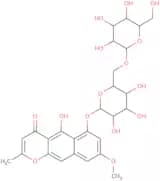
CAS:<p>Rubrofusarin gentiobioside is a naturally occurring bioactive compound, which is a phenolic glucoside derived from various species of fungi, particularly those in the genus Fusarium. This compound exhibits its mode of action through antioxidant activity, potentially interfering with oxidative stress pathways and inhibiting free radical formation. Its structure allows it to scavenge reactive oxygen species effectively, which may contribute to its protective effects in biological systems.</p>Formula:C27H32O15Purity:Min. 95%Molecular weight:596.5 g/molU-69593
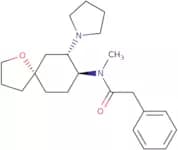
CAS:<p>U-69593 is a synthetic compound that acts as a selective kappa-opioid receptor agonist. It is derived from chemical synthesis, specifically designed to interact with opioid receptors. U-69593 functions by binding to the kappa-opioid receptors in the central nervous system, modulating neurotransmitter release and altering pain perception without the typical mu-opioid receptor activity associated with conventional opioids.</p>Formula:C22H32N2O2Purity:Min. 95%Molecular weight:356.5 g/molBay 41-4109
CAS:<p>Bay 41-4109 is a synthetic small molecule, which is a potent activator of soluble guanylate cyclase (sGC), derived from rational chemical design targeting specific signaling pathways. This compound primarily functions by binding to and stabilizing sGC in cells, enhancing the enzymatic conversion of GTP to cGMP, thereby modulating downstream signaling processes. Its mode of action facilitates the modulation of nitric oxide-mediated pathways, which are crucial in a variety of physiological processes.</p>Formula:C18H13ClF3N3O2Purity:Min. 95%Molecular weight:395.76 g/molCP 94253 Hydrochloride
CAS:<p>CP 94253 Hydrochloride is a selective 5-HT1B receptor agonist, which is a synthetic compound derived through chemical synthesis in laboratory settings. Its mode of action involves selectively binding to and activating the 5-HT1B serotonin receptors, which play a significant role in the modulation of neurotransmitter release in the central nervous system. This receptor interaction influences serotonin levels, impacting various neurological pathways.</p>Formula:C15H19N3O•HClPurity:Min. 95%Molecular weight:257.33 g/molPKG drug G1
CAS:<p>PKG drug G1 is a synthetic small-molecule inhibitor, which is a laboratory-engineered compound designed to interfere with the signaling pathways involved in cell cycle regulation. It is specifically sourced through chemical synthesis, allowing for precise modifications to enhance its stability and efficacy in cellular systems. The mode of action of PKG drug G1 involves selectively targeting and inhibiting certain protein kinases that play a crucial role in the progression of the cell cycle, particularly the G1 phase. By inhibiting these kinases, the drug effectively halts cell division, making it a potential candidate for research in cancer treatment.</p>Formula:C13H11N3OSPurity:Min. 95%Molecular weight:257.31 g/molCXCR3 antagonist 6C
CAS:<p>CXCR3 antagonist 6C is a synthetic small molecule, which is developed through chemical synthesis techniques focusing on specificity and potency. This compound operates as an antagonist to the chemokine receptor CXCR3, effectively blocking its interaction with endogenous ligands. By hindering the receptor signaling pathway, it impedes the downstream cellular responses typically induced by chemokines, such as cellular migration and proliferation.</p>Formula:C30H32Cl3N5O3Purity:Min. 95%Molecular weight:617 g/molLIT-001
CAS:<p>LIT-001 is a lithium-based experimental therapeutic agent, which is synthesized through advanced chemical processes involving lithium isotopes and organic ligands. Its mode of action involves the modulation of intracellular signaling pathways, particularly affecting the phosphoinositide cycle and glycogen synthase kinase-3 (GSK-3) inhibition. This modulation results in neuroprotective, mood-stabilizing, and anti-inflammatory effects.</p>Formula:C30H34F3N7O4SPurity:Min. 95%Molecular weight:645.7 g/molBucindolol
CAS:<p>Bucindolol is a non-selective beta-blocker, which is a synthetic compound with affinity for beta-adrenergic receptors. These receptors are part of the autonomic nervous system and play a crucial role in cardiovascular function. Bucindolol acts by competitively antagonizing beta-1 and beta-2 adrenergic receptors, which results in decreased heart rate, myocardial contractility, and peripheral vascular resistance.</p>Formula:C22H25N3O2Purity:Min. 95%Molecular weight:363.46 g/molTat-beclin 1
CAS:<p>Tat-beclin 1 is a peptide compound derived through synthetic modification, which is characterized by conjugating a minimal Beclin 1 domain to the HIV-1 Tat protein transduction domain. This peptide efficiently penetrates cell membranes, facilitating its intracellular activity. The primary mode of action for Tat-beclin 1 involves inducing autophagy. It achieves this by interacting with the autophagy machinery, promoting the formation of autophagosomes, thereby enhancing cellular degradation pathways.</p>Formula:C164H251N57O45Purity:Min. 95%Molecular weight:3,741.1 g/molBp 554 maleate
CAS:<p>BP 554 maleate is a synthetic compound, specifically a chemical analog, which is primarily derived through laboratory synthesis processes. It functions as a potential antihypertensive agent by acting on specific biochemical pathways to modulate vascular tone. The mode of action involves interfering with receptor sites or enzymatic pathways, which subsequently results in the relaxing of vascular smooth muscles and a decrease in peripheral vascular resistance. This compound has been studied for its utility in managing conditions related to elevated blood pressure and might offer insights into novel therapeutic approaches for cardiovascular disease management. As such, BP 554 maleate serves as a valuable tool in pharmacological research, particularly in the exploration of cardiovascular therapeutics and the development of new drug formulations aimed at optimizing blood pressure control.</p>Formula:C24H28N2O7Purity:Min. 95%Molecular weight:456.5 g/molNE-100
CAS:<p>NE-100 is an advanced enzyme formulation, which is derived from a genetically engineered microbial source with precise selectivity and stability. The mode of action involves the catalysis of specific biochemical reactions, facilitating substrate transformation with high efficiency and minimal by-product formation. NE-100's enzymatic activity is optimized for a range of temperatures and pH levels, making it versatile for various research and industrial applications.</p>Formula:C23H33NO2·HClPurity:Min. 95%Molecular weight:391.97 g/molNCS-382
CAS:<p>NCS-382 is a competitive antagonist specifically targeting the γ-hydroxybutyric acid (GHB) receptor, which is a type of biological molecule involved in neuromodulation. It is primarily sourced from synthetic chemical processes in laboratory settings, allowing for precise control over its purity and concentration.</p>Formula:C13H14O3Purity:Min. 95%Molecular weight:218.25 g/molAmiloride hydrochloride
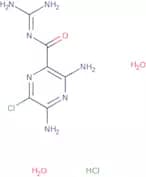
CAS:Controlled Product<p>Sodium channel inhibitor; inhibitor of urokinase-type plasminogen activator</p>Formula:C6H8ClN7O•HCl•(H2O)2Purity:Min. 95%Color and Shape:PowderMolecular weight:302.12 g/molLevetimide
CAS:Controlled Product<p>Levetimide is a chemical compound, which is a synthetic derivative with distinct biochemical properties. It is primarily sourced from laboratory-based synthetic processes designed to investigate its potential therapeutic utilities and biological effects. The mode of action of levetimide is characterized by its ability to interact with specific molecular targets, potentially influencing neurological pathways or cellular functions. This interaction may modulate various biological systems, although precise mechanisms are still under extensive study.</p>Formula:C23H26N2O2Purity:Min. 95%Molecular weight:362.5 g/molNvp-bsk805 trihydrochloride
CAS:<p>Nvp-bsk805 trihydrochloride is a small molecule inhibitor, which is synthesized chemically with a specific mode of action targeting the c-Met receptor tyrosine kinase. This compound acts as an ATP-competitive inhibitor, effectively reducing the phosphorylation of c-Met and subsequently disrupting downstream signaling pathways such as MAPK/ERK and PI3K/AKT. These pathways are critical for cellular processes related to growth, survival, and metastasis in cancer cells.</p>Formula:C27H28F2N6O·3HClPurity:Min. 95%Molecular weight:599.93 g/molSLF
CAS:<p>SLF-100 is an enzymatic solution, which is derived from a consortium of beneficial microorganisms. This product functions by breaking down organic matter and releasing bound nutrients within the soil, thus enhancing nutrient availability and promoting plant health. The action of SLF-100 is mediated primarily by its enzymatic components, which include cellulase, amylase, and protease, among others. These enzymes work synergistically to degrade complex organic compounds, facilitating the release of macro and micronutrients.</p>Formula:C30H40N2O6Purity:Min. 95%Molecular weight:524.6 g/molPF-06663195
CAS:<p>PF-06663195 is a small molecule inhibitor, which is synthesized as part of a targeted drug development program. It is sourced through synthetic chemical processes designed to yield compounds with high specificity for selected intracellular targets. The mode of action for PF-06663195 is the selective inhibition of Janus kinase 3 (JAK3), a critical enzyme in the JAK-STAT signaling pathway. This pathway is essential for the modulation of various cytokine receptors, impacting immune cell communication and proliferation.</p>Formula:C18H18F3N3O2SPurity:Min. 95%Molecular weight:397.4 g/molPDD 00017272
CAS:<p>Please enquire for more information about PDD 00017272 including the price, delivery time and more detailed product information at the technical inquiry form on this page</p>Formula:C23H25N5O4S3Purity:Min. 95%Molecular weight:531.7 g/molHOE 32020
CAS:<p>HOE 32020 is a fungicide, which is derived from chemical synthesis. Its primary mechanism involves the inhibition of ergosterol biosynthesis, a crucial component in fungal cell membranes. By disrupting the production of ergosterol, HOE 32020 compromises the integrity of the fungal cell membrane, leading to cell lysis and ultimately the death of the pathogenic fungus.</p>Formula:C25H23ClN6Purity:Min. 95%Molecular weight:442.94 g/molYKL-06-061
CAS:<p>YKL-06-061 is a small molecule inhibitor, which is designed to target the chitinase enzyme family, specifically inhibiting the activity of glycoside hydrolase enzymes. This product is synthesized chemically, often utilized in biochemical research settings. Through competitive inhibition, YKL-06-061 binds to the active site of the enzyme, thereby blocking the hydrolysis of chitin into N-acetylglucosamine units. This mode of action makes it a valuable tool for studying the regulation and function of chitinases in various biological processes.</p>Formula:C30H37N7O2Purity:Min. 95%Molecular weight:527.66 g/molAldi-2
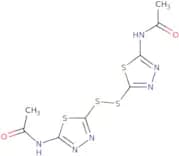
CAS:<p>Aldi-2 is a cutting-edge CRISPR-based gene editing tool, which is an engineered ribonucleoprotein complex derived from the Streptococcus pyogenes bacterial immune system. The system operates through the formation of a complex between a guide RNA (gRNA) and the Cas9 protein, facilitating targeted double-strand breaks in DNA sequences. This mode of action relies on the gRNA to provide specificity, directing the Cas9 enzyme to a complementary DNA sequence in the genome, where it induces a precise cut.</p>Formula:C12H16FNO2Purity:Min. 95%Molecular weight:225.26 g/molBis(2-acetamido-1,3,4-thiadiazol-5-yl) disulfide
CAS:<p>Bis(2-acetamido-1,3,4-thiadiazol-5-yl) disulfide is a synthetic compound, which is derived from the reaction of acetamide and thiadiazole compounds. With the unique structure of the 1,3,4-thiadiazolyl group, this compound exhibits notable bioactive properties, primarily due to its ability to form disulfide bonds. This structural feature allows it to interact with various biological systems, disrupting normal cellular functions.</p>Formula:C8H8N6O2S4Purity:Min. 95%Molecular weight:348.5 g/molKisspeptin 234
CAS:<p>Kisspeptin 234 is a synthetic peptide, which is derived from the natural peptide ligand known as kisspeptin. Kisspeptin originates from the KISS1 gene, primarily expressed in the hypothalamus. Kisspeptin 234 functions as an antagonist of the kisspeptin receptor (KISS1R or GPR54), altering receptor signaling pathways. By inhibiting KISS1R, it interferes with the regulatory processes of the hypothalamic-pituitary-gonadal (HPG) axis, which is crucial for reproductive and endocrine function.</p>Formula:C63H78N18O13Purity:Min. 95%Molecular weight:1,295.4 g/molTPPU
CAS:<p>TPPU is a selective inhibitor of soluble epoxide hydrolase (sEH), which is derived from chemical synthesis. TPPU acts by competitively binding to the sEH enzyme, thereby preventing the conversion of epoxyeicosatrienoic acids (EETs) into their less active dihydroxy derivatives. This inhibition results in elevated levels of EETs, which are known to exhibit vasodilatory, anti-inflammatory, and analgesic properties.</p>Formula:C16H20F3N3O3Purity:Min. 95%Molecular weight:359.34 g/molLignan P
CAS:<p>Lignan P is a phytoestrogen product composed of plant-derived lignans, primarily sourced from flaxseeds and other lignan-rich seeds. These compounds are classified under a group of polyphenolic substances found in high concentrations within the seeds and are notable for their antioxidant properties. The mode of action of Lignan P involves its conversion into enterolignans by gut microbiota, which can mimic the function of human estrogens by binding to estrogen receptors, thereby influencing estrogenic activity within the body. This ability to interact with estrogen pathways makes Lignan P a potential candidate for modulating hormone-related processes.</p>Formula:C27H30O13Purity:Min. 95%Molecular weight:562.5 g/molALS-8112
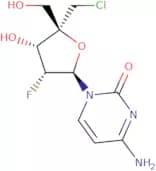
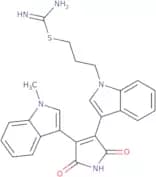
CAS:<p>Please enquire for more information about ALS-8112 including the price, delivery time and more detailed product information at the technical inquiry form on this page</p>Formula:C10H13ClFN3O4Purity:Min. 95%Molecular weight:293.68 g/mol1,2-Dihydro-4,5-bis(1-methyl-1H-indol-3-yl)-3H-pyrazol-3-one
CAS:<p>1,2-Dihydro-4,5-bis(1-methyl-1H-indol-3-yl)-3H-pyrazol-3-one is a synthetic organic compound, which is typically derived through a multistep chemical synthesis process involving the condensation of indole derivatives with pyrazolones. The mode of action for this compound involves interaction with biological targets that may include enzymes or receptors, leading to modulation of specific pathways important in cellular processes.</p>Formula:C12H12N4O4SPurity:Min. 95%Molecular weight:308.32 g/molGue 1654
CAS:<p>Please enquire for more information about Gue 1654 including the price, delivery time and more detailed product information at the technical inquiry form on this page</p>Formula:C23H17N3OS3Purity:Min. 95%Molecular weight:447.6 g/molAZD 7762 Hydrochloride
CAS:<p>AZD 7762 Hydrochloride is a small-molecule inhibitor, which is a synthetic compound designed to target specific molecular pathways. It is manufactured as a hydrochloride salt for increased stability and solubility. The product principally acts by inhibiting checkpoint kinases, specifically Chk1 and Chk2, which play critical roles in the DNA damage response pathway. By inhibiting these kinases, AZD 7762 disrupts the cell cycle checkpoint control, leading to the accumulation of DNA damage in cancer cells, ultimately inducing apoptosis.</p>Formula:C17H19FN4O2S·HClPurity:Min. 95%Molecular weight:362.42 g/molc24 Ceramide (d18:1/24:0)
CAS:<p>C24 Ceramide (d18:1/24:0) is a sphingolipid molecule, which is a fundamental component of cell membranes. This specific ceramide is derived from the lipid class known for its critical role in maintaining the integrity and functionality of the stratum corneum. The structure comprises a long-chain sphingoid base, d18:1, linked to a saturated 24-carbon fatty acid, 24:0, facilitating its incorporation into the lipid bilayer.</p>Formula:C42H83NO3Purity:Min. 95%Molecular weight:650.11 g/molTelratolimod
CAS:<p>Telratolimod, also known as 3M-052, is a lass of vaccine adjuvant that activates TLR7 and 8. It is a lipid-modified derivative of resiquimod (R848) featuring an 18-carbon fatty acyl chain that increases hydrophobicity, enhances retention at immune activation sites, and limits systemic diffusion. This lipidation also facilitates incorporation into delivery platforms such as emulsions and liposomes.As a vaccine adjuvant, 3M-052 has demonstrated potent and durable antibody and T-cell responses in HIV vaccine formulations when combined with PLGA nanoparticles or alum.</p>Formula:C36H59N5O2Purity:Min. 95%Molecular weight:593.9 g/molBAY-320
CAS:<p>BAY-320 is a pharmaceutical-grade compound, specifically categorized as a contrast agent used in medical imaging techniques such as magnetic resonance imaging (MRI). This agent is synthesized from gadolinium-based complexes, a lanthanide metal known for its paramagnetic properties. These properties enhance the contrast of images produced during MRI scans.</p>Formula:C26H26F2N6O2Purity:Min. 95%Molecular weight:492.5 g/molTGR5 Receptor Agonist
CAS:<p>TGR5 Receptor Agonist is a synthetic compound designed to activate the G protein-coupled bile acid receptor 1, commonly known as TGR5. This receptor is largely expressed in various tissues, including liver, brown adipose tissue, and the gastrointestinal tract. TGR5 agonists are derived through chemical synthesis, enabling precise modulation of biological pathways. The mechanism of action involves activation of the TGR5 receptor, which leads to downstream signaling cascades that enhance energy expenditure, improve insulin sensitivity, and exert anti-inflammatory effects.</p>Formula:C18H14Cl2N2O2Purity:Min. 95%Molecular weight:361.22 g/molMutant EGFR inhibitor
CAS:<p>Mutant EGFR inhibitor is a targeted therapeutic agent, which is a pharmaceutical compound originating from advanced drug discovery platforms. Its mode of action involves the selective inhibition of epidermal growth factor receptor (EGFR) proteins that carry specific mutations, such as L858R or exon 19 deletions, often implicated in tumorigenesis. By binding to the ATP-binding site of the mutant EGFR, this inhibitor prevents the phosphorylation cascade necessary for downstream signaling, effectively blocking pathways involved in cell proliferation and survival.</p>Formula:C27H30ClN7O2Purity:Min. 95%Molecular weight:520.03 g/molCM037
CAS:<p>CM037 is a small-molecule inhibitor, which is synthetically derived with a primary mode of action involving the selective inhibition of a specific kinase pathway. This inhibition is achieved through competitive binding at the ATP-binding site, leading to a reduction in downstream signaling events that are crucial for cell proliferation and survival. CM037 effectively alters cellular processes, making it a valuable tool in researching cellular signaling dynamics.</p>Formula:C21H25N3O3S2Purity:Min. 95%Molecular weight:431.57 g/mol14:0-06:0 NBD pg
CAS:<p>14:0-06:0 NBD PG is a synthetic phospholipid conjugate, specifically a fluorescently labeled phosphatidylglycerol, which is synthesized in the laboratory. The NBD (nitrobenzoxadiazole) group, attached to the fatty acyl chain, provides a fluorescent label. This product serves as a versatile tool to study membrane dynamics and lipid behavior due to its fluorescent characteristics.</p>Formula:C32H56N5O13PPurity:Min. 95%Molecular weight:749.79 g/molRo 31-8220 mesylate
CAS:<p>Ro 31-8220 mesylate is a synthetic compound, which is a potent, selective inhibitor predominantly sourced from rational drug design techniques targeting the phosphodiesterase enzyme family. With its mode of action centered around the inhibition of protein kinase C (PKC) and other related kinases, Ro 31-8220 mesylate disrupts downstream signaling pathways, impacting cellular processes such as proliferation, differentiation, and apoptosis.</p>Formula:C25H23N5O2S·CH3SO3HPurity:Min. 95%Molecular weight:553.65 g/molHSP90 Inhibitor, CCT018159
CAS:<p>HSP90 Inhibitor, CCT018159, is a synthetic chemical compound which targets HSP90, a molecular chaperone involved in the proper folding of proteins. This inhibitor is designed and synthesized through chemical methods based on structure-activity relationship studies. It operates by binding to the ATP-binding domain of HSP90, thereby inhibiting its function. This disruption in HSP90 activity leads to the degradation of client proteins that are crucial for cancer cell survival and proliferation.</p>Formula:C20H20N2O4Purity:Min. 95%Molecular weight:352.38 g/molSB 204070
CAS:<p>SB 204070 is a potent and selective antagonist of the endothelin ETA receptor, which is a type of protein that plays a critical role in various physiological processes. Derived from a chemical synthesis source, this compound interacts with the endothelin system, which is involved in the modulation of vascular tone and cellular proliferation. Its mode of action involves competitive inhibition of the ETA receptor, reducing the physiological effects mediated by endothelins.</p>Formula:C19H28Cl2N2O4Purity:Min. 95%Molecular weight:419.3 g/molVincristine-d3 sulfate
CAS:Controlled Product<p>Vincristine-d3 sulfate is a labeled compound, which is a deuterium-labeled form of vincristine. It originates from Catharanthus roseus (Madagascar periwinkle), where it is derived as an indole alkaloid. This compound is chemically modified to include deuterium atoms, which serve as traceable markers, facilitating the study of its pharmacokinetics and metabolism.</p>Formula:C46H55D3N4O14SPurity:Min. 95%Molecular weight:926.05 g/molSF2523
CAS:<p>Please enquire for more information about SF2523 including the price, delivery time and more detailed product information at the technical inquiry form on this page</p>Formula:C19H17NO5SPurity:Min. 95%Molecular weight:371.41 g/mol9-Octadecanoyloxy-octadecanoic acid
CAS:<p>9-Octadecanoyloxy-octadecanoic acid is a complex lipid, specifically a structured triglyceride. It is synthesized through esterification processes involving naturally sourced fatty acids such as stearic acid. This compound functions through its unique lipid structure, influencing cellular membrane interactions and potentially modulating lipid metabolism pathways. Its structural integrity allows for specific interactions within biological membranes, offering potential implications in altering membrane fluidity and permeability.<br><br>The applications of 9-Octadecanoyloxy-octadecanoic acid span research in biochemistry and pharmacology, focusing on the study of lipid behavior in cellular environments. It is utilized in experimental models to assess lipid-based delivery systems, as well as to explore the effects of structured lipids on metabolic processes. The compound aids in enhancing our understanding of lipid utilization and endocrine responses, providing a critical tool for investigations into lipid-related disorders and their potential therapeutic interventions.</p>Formula:C36H70O4Purity:Min. 95%Molecular weight:566.9 g/molPhotoclick sphingosine
CAS:<p>Photoclick Sphingosine is a chemically modified lipid analog, specifically designed for advanced biological research applications. It is synthesized from naturally occurring sphingosine, a component integral to sphingolipids found in cell membranes. The product incorporates a light-activated azide group, enabling precise spatio-temporal control over its chemical reactivity when exposed to specific wavelengths of light.</p>Formula:C19H33N3O2Purity:Min. 95%Molecular weight:335.48 g/molLifirafenib
CAS:<p>Lifirafenib is a targeted anticancer therapy, which is a small molecule inhibitor sourced through pharmaceutical development processes. Its mode of action involves the selective inhibition of the RAF kinase family, including B-RAF, which plays a critical role in the MAPK/ERK signaling pathway. By targeting these kinases, Lifirafenib effectively disrupts the aberrant signaling that contributes to tumor growth and survival in certain cancers with mutations such as BRAF V600E.</p>Formula:C25H17F3N4O3Purity:Min. 95%Molecular weight:478.42 g/molIKK Inhibitor III, BMS-345541
CAS:<p>IKK Inhibitor III, BMS-345541, is a selective small-molecule inhibitor, which is synthesized through chemical processes within specialized laboratories. This compound specifically targets the IκB kinase (IKK) enzymes, inhibiting their function in the NF-κB signaling pathway. By binding to the ATP-binding site of the IKK complex, BMS-345541 effectively prevents the phosphorylation and degradation of IκB proteins. This interruption leads to reduced NF-κB activation, thereby modulating the expression of various genes involved in inflammatory and immune responses.</p>Formula:C14H17N5·2C2HF3O2Purity:Min. 95%Molecular weight:483.36 g/molp-Nitroblebbistatin
CAS:Controlled Product<p>p-Nitroblebbistatin is a photostable small-molecule inhibitor, which is derived from the original compound blebbistatin. It acts specifically on non-muscle myosin II ATPase, inhibiting its activity without affecting other myosin isoforms or closely related ATPases.</p>Formula:C18H15N3O4Purity:Min. 95%Molecular weight:337.3 g/molZAP 180013
CAS:<p>ZAP 180013 is an advanced enzymatic reagent, which is derived from a recombinant source with specificity for targeted protein modification. It operates through a unique mechanism of action that involves the precise cleavage of peptide bonds at target sites identified by a specific amino acid sequence. This specificity allows for minimal off-target effects, making it a reliable tool in proteomics.</p>Formula:C19H17Cl2N3O4SPurity:Min. 95%Molecular weight:454.3 g/mol
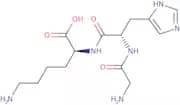

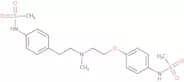
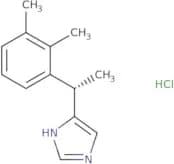
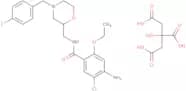
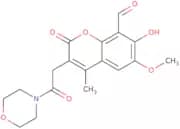
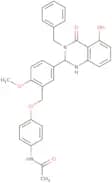
![[Ni(dtbbpy)(H2O)4]Cl2](/_next/image/?url=https%3A%2Fstatic.cymitquimica.com%2Fproducts%2F3D%2Fthumb-webp%2FKGD42475.webp&w=3840&q=75)
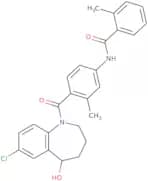
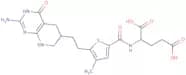
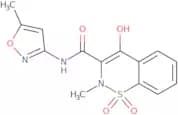
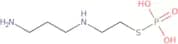
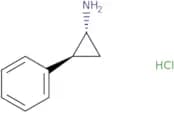

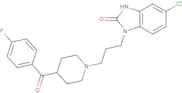
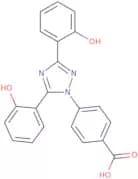
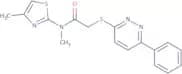
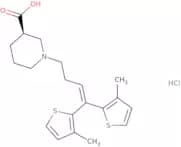
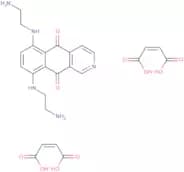
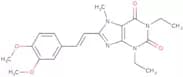

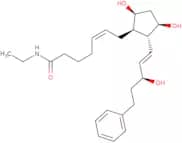
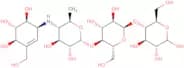
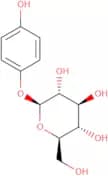
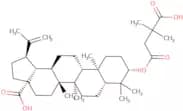
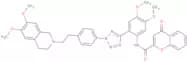
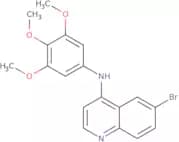
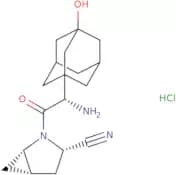
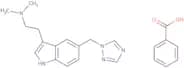

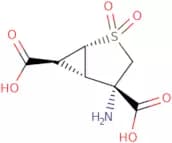
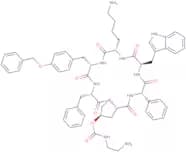
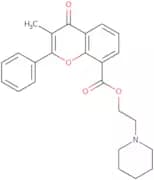
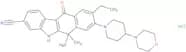
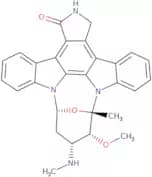

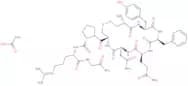
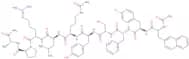
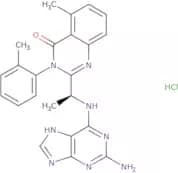

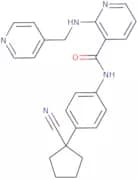
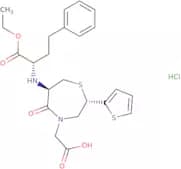

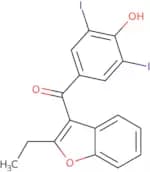
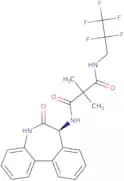
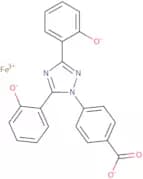
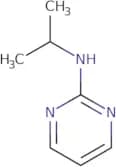
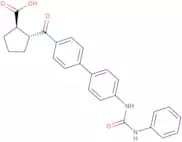
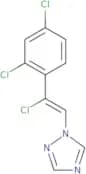
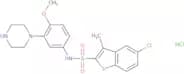
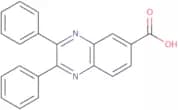
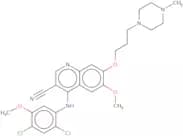
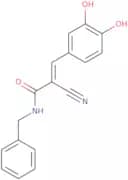

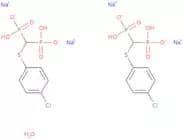
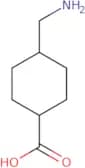
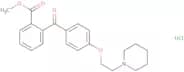
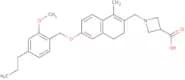
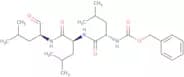

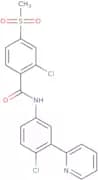
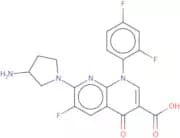
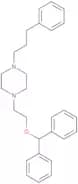
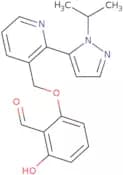
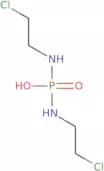
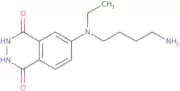
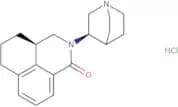

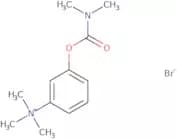
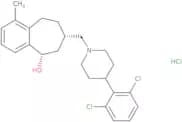

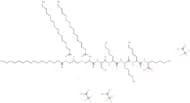
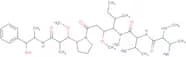
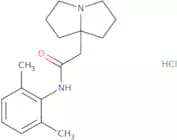
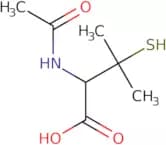
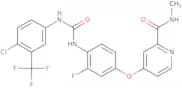
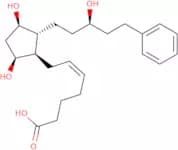
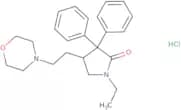
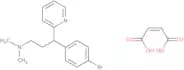
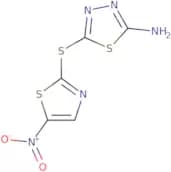
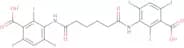
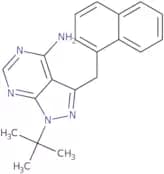
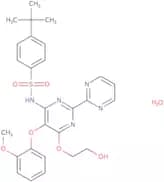
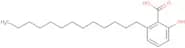
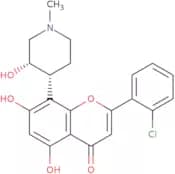
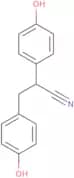
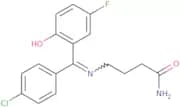
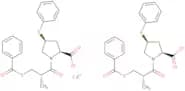
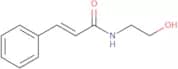

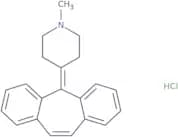
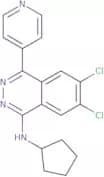

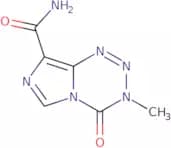
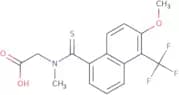
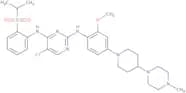
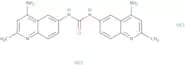
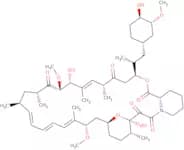
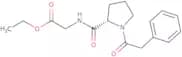

![3-(1H-Imidazo[4,5-c]pyridin-2-yl)-6-methyl-2H-chromen-2-one](/_next/image/?url=https%3A%2Fstatic.cymitquimica.com%2Fproducts%2F3D%2Fthumb-webp%2FZKB54878.webp&w=3840&q=75)
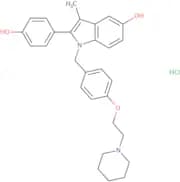
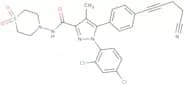
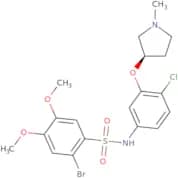
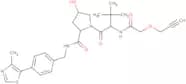
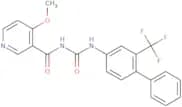
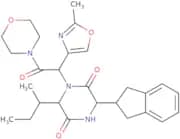
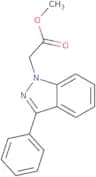
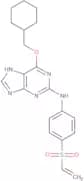
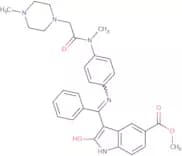
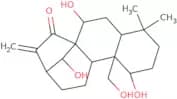
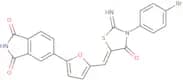
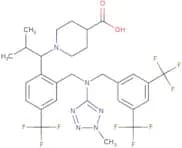
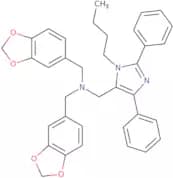
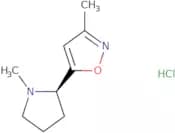

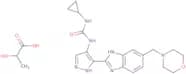
![4-[[5-Bromo-4-[(Z)-(2,4-dioxo-3-phenacyl-1,3-thiazolidin-5-ylidene)methyl]-2-ethoxyphenoxy]methyl]…](/_next/image/?url=https%3A%2Fstatic.cymitquimica.com%2Fproducts%2F3D%2Fthumb-webp%2FXUA83610.webp&w=3840&q=75)
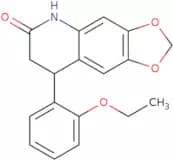
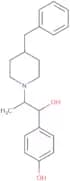
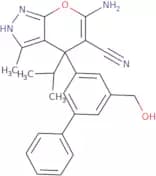
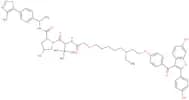
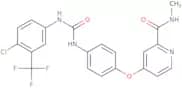
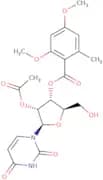
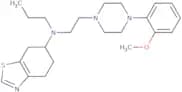

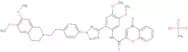


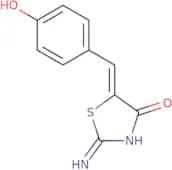
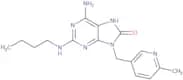
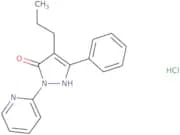
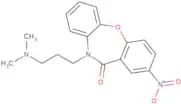
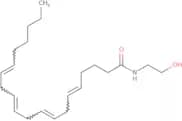
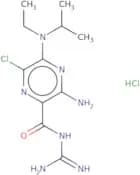
![1-Stearoyl-2-[(E)-4-(4-((4-butylphenyl)diazenyl)phenyl)butanoyl]-sn-glycero-3-phosphocholine](/_next/image/?url=https%3A%2Fstatic.cymitquimica.com%2Fproducts%2F3D%2Fthumb-webp%2FYID67445.webp&w=3840&q=75)
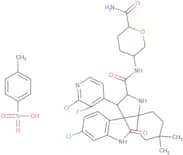
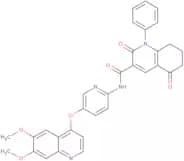
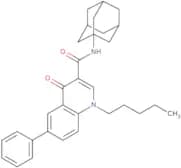
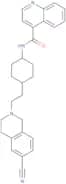
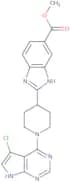
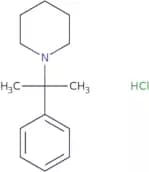
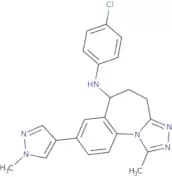
![6-[3-[(4-Fluorophenyl)methyl]-3-(hydroxymethyl)-1-piperidinyl]-2-pyrazinecarboxamide](/_next/image/?url=https%3A%2Fstatic.cymitquimica.com%2Fproducts%2F3D%2Fthumb-webp%2FBF184015.webp&w=3840&q=75)