Organometallic Ligands
In this category, you will be able to find a large number of organometallic molecules used as ligands in biomolecules. These organometallic ligands can be used in organic chemistry and synthesis in the laboratory. They play a critical role in forming coordination complexes and catalyzing various chemical reactions. At CymitQuimica, we offer a diverse selection of high-quality organometallic ligands to support your research and industrial needs.
Subcategories of "Organometallic Ligands"
- Buchwald Ligands(22 products)
- DPEN(4 products)
- DPHEN(4 products)
- JOSIPHOS(4 products)
- Phosphine(497 products)
- Porphirines(75 products)
Found 2887 products of "Organometallic Ligands"
Sort by
Purity (%)
0
100
|
0
|
50
|
90
|
95
|
100
ML241
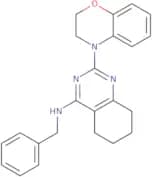
CAS:<p>ML241 is a small molecule inhibitor, which is derived from a chemical synthesis process aimed at developing compounds for targeted cancer therapies. With a specific mode of action as a selective antagonist, ML241 inhibits cancer cell growth by targeting a specific signaling pathway or protein involved in cell proliferation. This targeted inhibition allows scientists to explore the molecular mechanisms within tumor environments and investigate potential therapeutic strategies that could be extended to clinical applications. ML241 is utilized primarily in preclinical studies, serving as a crucial tool in elucidating the pathways contributing to oncogenesis and evaluating the efficacy and specificity of cancer therapeutics. Researchers employ this compound to analyze cellular responses, genetic expressions, and the impact of pathway interference, thereby advancing our understanding of cancer biology and potential treatment avenues.</p>Formula:C23H24N4OPurity:Min. 95%Molecular weight:372.46 g/molPF-06305591
CAS:<p>PF-06305591 is an investigational drug that functions as a selective antagonist of the neuronal nitric oxide synthase (nNOS) enzyme. It is derived from synthetic chemical sources designed to inhibit the production of nitric oxide in neural tissues. By specifically inhibiting nNOS, this compound reduces the nociceptive signaling pathways associated with pain and inflammation.</p>Formula:C15H22N4OPurity:Min. 95%Molecular weight:274.36 g/mol3a-MPLA
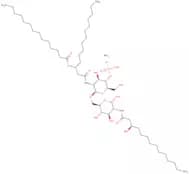
CAS:<p>3a-MPLA is a synthetic lipid A derivative, which is derived from the lipopolysaccharide of Gram-negative bacterial outer membranes, specifically from the lipid A structure. Its mode of action involves the modulation of the immune response through interaction with Toll-like receptor 4 (TLR4) on immune cells. By activating TLR4, 3a-MPLA stimulates a controlled release of pro-inflammatory cytokines, aiding in the fine-tuning of the immune system without overactivation.</p>Formula:C54H106N3O17PPurity:Min. 95%Molecular weight:1,100.4 g/molSA 57
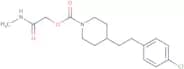
CAS:<p>SA 57 is a synthetic antimicrobial agent, which is a laboratory-engineered compound with a specialized mode of action targeting bacterial cell wall synthesis. By disrupting the structural integrity of the bacterial cell wall, SA 57 effectively compromises cellular stability, leading to bacterial cell death. Its precise interference with peptidoglycan synthesis confers it high specificity and efficacy against a broad spectrum of bacterial strains.</p>Formula:C17H23ClN2O3Purity:Min. 95%Molecular weight:338.8 g/molCMK
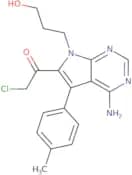
CAS:<p>CMK is a potent cell-permeable protein kinase inhibitor, derived from a synthetic chemical source, designed to effectively intervene in kinase signaling pathways. Its mode of action involves specific inhibition of protein kinases through competitive binding at the ATP-binding site, thus preventing phosphorylation events critical to numerous cellular processes.</p>Formula:C18H19ClN4O2Purity:Min. 95%Molecular weight:358.82 g/molProxalutamide
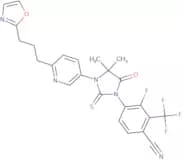
CAS:<p>Proxalutamide is a non-steroidal antiandrogen, which is a compound derived from synthetic chemical processes with a mode of action that involves selective antagonism of androgen receptors. This action effectively inhibits the binding of androgen hormones, such as testosterone, which are critical for the growth and survival of certain types of cancer cells, particularly in prostate cancer.</p>Formula:C24H19F4N5O2SPurity:Min. 95%Molecular weight:517.5 g/molGSK3145095
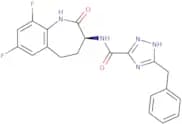
CAS:<p>GSK3145095 is a small molecule inhibitor, which is a synthetic compound developed by GlaxoSmithKline. It functions as a targeted inhibitor of receptor-interacting serine/threonine-protein kinase 1 (RIPK1), a crucial mediator in the signaling pathways that control inflammation and cell death. The source of GSK3145095 is a chemical synthesis designed to inhibit the kinase activity associated with RIPK1.</p>Formula:C20H17F2N5O2Purity:Min. 95%Molecular weight:397.38 g/molLP 533401
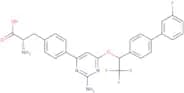
CAS:<p>LP 533401 is a small molecule compound, which functions as a selective antagonist of the lysophosphatidic acid receptor 1 (LPA1). This compound is derived through synthetic chemical processes designed to interact specifically with the G protein-coupled receptor LPA1. By competitively inhibiting the binding of lysophosphatidic acid (LPA) to LPA1, LP 533401 effectively alters downstream signaling pathways.</p>Formula:C27H22F4N4O3Purity:Min. 95%Molecular weight:526.48 g/molMLCK inhibitor peptide 18
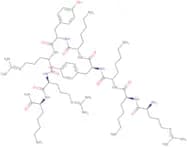
CAS:<p>MLCK inhibitor peptide 18 is a synthetic peptide, which is derived from a specific sequence known to inhibit myosin light chain kinase (MLCK) activity. This peptide is designed based on a targeted approach to block the enzymatic functions of MLCK, a critical enzyme involved in phosphorylating myosin light chains, which plays a fundamental role in regulating smooth muscle contraction and cell motility.</p>Formula:C60H105N23O11Purity:Min. 95%Molecular weight:1,324.64 g/mol(2R)-N-[4-[2-[(4-Morpholin-4-ylphenyl)amino]pyrimidin-4-yl]phenyl]pyrrolidine-2-carboxamide
CAS:<p>(2R)-N-[4-[2-[(4-Morpholin-4-ylphenyl)amino]pyrimidin-4-yl]phenyl]pyrrolidine-2-carboxamide is a small molecule inhibitor, which is synthetically derived and designed to interfere with specific protein kinase pathways that are crucial for cancer cell proliferation. The compound exerts its effect by targeting and inhibiting the activity of a distinct set of kinases, thereby disrupting downstream signaling pathways essential for tumor growth and survival.</p>Formula:C25H28N6O2Purity:Min. 95%Molecular weight:444.5 g/molAT-007
CAS:<p>AT-007 is an investigational pharmaceutical compound, which is a small molecule inhibitor derived from advanced synthetic chemistry processes. It functions through the inhibition of aldose reductase, a key enzyme involved in the polyol pathway. By impeding this enzyme, AT-007 effectively reduces the accumulation of harmful sugar alcohols in cells, which otherwise contribute to cellular damage and the pathophysiology of certain metabolic disorders.</p>Formula:C17H10F3N3O3S2Purity:Min. 95%Molecular weight:425.4 g/molGNE-495
CAS:<p>GNE-495 is a small molecule inhibitor, which is synthetically derived through medicinal chemistry processes. Its mode of action involves targeting specific kinase pathways that are crucial for the proliferation and survival of cancer cells. By inhibiting these kinases, GNE-495 disrupts signaling pathways, leading to reduced tumor growth and potential apoptosis in malignant cells.</p>Formula:C22H20FN5O2Purity:Min. 95%Molecular weight:405.42 g/molTyK2-IN-2
CAS:<p>TyK2-IN-2 is a selective inhibitor that targets the Tyrosine Kinase 2 (TYK2) signaling pathway, a critical component of the Janus kinase (JAK) family involved in cytokine signaling. This compound has been derived through meticulous chemical synthesis, aimed at achieving high specificity and potency. Its mode of action involves selectively inhibiting the TYK2 enzyme, thereby disrupting the downstream signaling cascades that are pivotal in various immune responses.</p>Formula:C16H18N6OPurity:Min. 95%Molecular weight:310.35 g/molCGP 52411
CAS:<p>CGP 52411 is an experimental monoclonal antibody, which is a biologically derived product designed to interact with specific molecular targets in the body. It acts by binding to certain neuroreceptors or proteins, potentially modulating neurological pathways and processes. This mode of action makes it a prime candidate for exploring neuroprotection and therapeutic interventions in neurology research.</p>Formula:C20H15N3O2Purity:Min. 95%Molecular weight:329.35 g/molAMBMP Hydrochloride
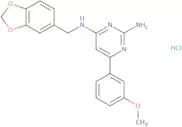
CAS:<p>AMBMP Hydrochloride is a synthetic compound, specifically designed for research purposes in the field of neuroscience. This compound is derived from a series of carefully crafted chemical reactions, typically originating from a laboratory setting specializing in organic synthesis. Its primary mode of action is as a selective ligand targeting specific receptors within the central nervous system, allowing researchers to investigate receptor function and signaling pathways with precision.</p>Formula:C19H18N4O3·HClPurity:Min. 95%Molecular weight:350.37 g/molGNE-3511
CAS:<p>Please enquire for more information about GNE-3511 including the price, delivery time and more detailed product information at the technical inquiry form on this page</p>Formula:C23H26F2N6OPurity:Min. 95%Molecular weight:440.49 g/molWY 45233 Succinate
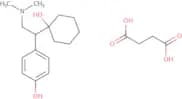
CAS:Controlled Product<p>WY 45233 Succinate is a pharmacological compound, specifically an experimental hypolipidemic agent. It is derived from synthetic medicinal chemistry efforts aimed at modulating lipid profiles in the body. The compound operates by activating peroxisome proliferator-activated receptors (PPARs), which play a crucial role in the regulation of lipid metabolism and adipogenesis. Through this mechanism, WY 45233 Succinate enhances the oxidation of fatty acids and modulates the expression of genes involved in lipid transport and homeostasis.</p>Formula:C20H31NO6Purity:Min. 95%Molecular weight:381.46 g/molDesacetyloxyethyl (E)-cefuroxime axetil
CAS:<p>Desacetyloxyethyl (E)-cefuroxime axetil is a semi-synthetic cephalosporin antibiotic, which is derived from naturally occurring cephalosporins and modified to enhance its pharmacokinetic properties. This compound is an orally administrable prodrug of cefuroxime, which is itself a second-generation cephalosporin. The prodrug form ensures better absorption in the gastrointestinal tract, leading to higher bioavailability of the active antibiotic.</p>Formula:C16H16N4O8SPurity:Min. 95%Molecular weight:424.4 g/molBis-1,4-(4-methoxybenzenesulfonamidyl)naphthalene
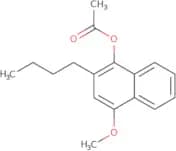
CAS:<p>Bis-1,4-(4-methoxybenzenesulfonamidyl)naphthalene is an organic compound, which is a synthetic derivative of naphthalene. It is commonly synthesized through sulfonation processes that incorporate methoxybenzenesulfonamide groups into the naphthalene structure. This compound functions by facilitating interactions with specific molecular targets, which may enable further modifications or explorations within a research context.</p>Formula:C24H22N2O6S2Purity:Min. 95%Molecular weight:498.57 g/molJatropholone B
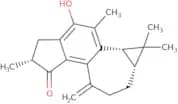
CAS:<p>Jatropholone B is a diterpenoid compound, which is a type of organic substance characterized by its multi-ring chemical structure. It is sourced from plants belonging to the genus Jatropha, commonly found in tropical and subtropical regions. The mode of action of Jatropholone B involves disrupting cellular processes, particularly by inhibiting cellular proliferation and inducing apoptosis in cancer cells. This is achieved through the modulation of various signaling pathways, leading to its potential use as an anticancer agent.</p>Formula:C20H24O2Purity:Min. 95%Molecular weight:296.4 g/molResmetirom
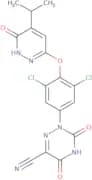
CAS:<p>Resmetirom, also known as MGL-3196, is a promising drug for the treatment of hyperlipidemia and nonalcoholic steatohepatitis (NASH)(now known as metabolic dysfunction-associated steatohepatitis (MASH). It is an orally active, liver-directed, selective thyroid hormone receptor-beta agonist. Resmetirom works by targeting the thyroid hormone receptor-beta to regulate hepatic triglyceride and cholesterol metabolism, thereby reducing hepatic fat content. In clinical trials, resmetirom has shown significant reductions in liver fat content in patients with NASH without major side effects. Additionally, resmetirom has been found to improve atherogenic dyslipidemia associated with NASH by positively impacting triglyceride and LDL cholesterol levels.</p>Formula:C17H12Cl2N6O4Purity:(%) Min. 99%Molecular weight:435.22 g/molCATPB
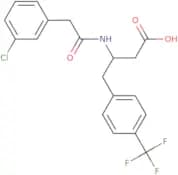
CAS:<p>CATPB is an arylphosphobetaine, which is a zwitterionic compound, synthesized through advanced chemical synthesis techniques. This product functions by facilitating controlled radical polymerization processes. Its mechanism involves transitioning between different ionic states, which acts as a regulatory process permitting precise control over polymer growth and architecture.</p>Formula:C19H17ClF3NO3Purity:Min. 95%Molecular weight:399.8 g/molCardanol monoene
CAS:<p>Cardanol monoene is a phenolic lipid, which is a natural derivative obtained from cashew nut shell liquid. It is sourced from the renewable agricultural by-product of the Anacardium occidentale, allowing for a sustainable means of production. Its chemical structure features a phenolic ring with an aliphatic chain, which imparts unique properties that facilitate its mode of action.</p>Formula:C21H34OPurity:Min. 95%Color and Shape:PowderMolecular weight:302.49 g/mol13:0 Lyso pe
CAS:<p>13:0 Lyso PC is a lysophosphatidylcholine, which is a phospholipid derivative. It is typically sourced from natural phospholipids that undergo enzymatic hydrolysis, resulting in the removal of one fatty acid chain. This process leaves behind a single fatty acid chain attached to the glycerophosphocholine backbone. The specific fatty acid associated with 13:0 Lyso PC is tridecanoic acid.</p>Formula:C18H38NO7PPurity:Min. 95%Molecular weight:411.47 g/mol(rac)-PT2399
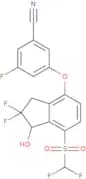
CAS:<p>The (rac)-PT2399 is an integrated circuit that functions as an analog/digital delay processor. It is sourced from audio electronics and designed with a focus on low-cost applications where time-based audio effects are needed. The mode of action involves using its internal digital processing capabilities to delay audio signals, typically in the range of 30 to 340 milliseconds. This is achieved by sampling the input audio signal, converting it into a digital format, processing the delay, and then reverting it back to an analog output.</p>Formula:C17H10F5NO4SPurity:Min. 95%Molecular weight:419.3 g/molSuper-TDU
CAS:<p>Super-TDU is a synthetic transcriptional modeling compound derived from plant-based precursors, designed to facilitate the study of gene expression regulation. It functions by mimicking natural transcription factors, permitting detailed exploration of transcriptional control mechanisms.</p>Formula:C237H370N66O69SPurity:Min. 95%Molecular weight:5,280 g/molFedratinib
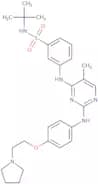
CAS:<p>JAK2 inhibitor with potential antineoplastic activity</p>Formula:C27H36N6O3SPurity:Min. 95%Molecular weight:524.68 g/molBunaprolast
CAS:<p>Bunaprolast is a pharmaceutical compound that serves as a potent phosphodiesterase inhibitor. It is synthetically derived and exhibits its action by selectively inhibiting the breakdown of cyclic nucleotides, such as cyclic AMP (cAMP) and cyclic GMP (cGMP), within the cell. This mechanism effectively elevates the intracellular concentrations of these second messengers, leading to physiological effects such as vasodilation and reduction in inflammatory responses.</p>Formula:C17H20O3Purity:Min. 95%Molecular weight:272.34 g/molRoflumilast-d4
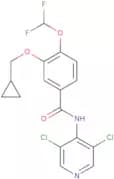
CAS:<p>Roflumilast-d4 is a deuterium-labeled derivative of the PDE4 inhibitor roflumilast, which is commonly used as a stable isotope-labeled internal standard in pharmacokinetic and metabolic studies. This compound is synthesized through the strategic incorporation of deuterium atoms, providing enhanced stability and traceability while maintaining the pharmacological properties of its non-labeled analog.</p>Formula:C17H14Cl2F2N2O3Purity:Min. 95%Molecular weight:407.2 g/mol2-(2,2,2-Trifluoroethyl)-5'-[(E)-3-[4-(trifluoromethyl)piperidin-1-yl]prop-1-enyl]spiro[1,2,5-thiadiazolidine-4,13'-tricyclo[8.2.1.0 3,8]trideca-3(8),4,6-triene] 1,1-dioxide
CAS:<p>2-(2,2,2-Trifluoroethyl)-5'-[(E)-3-[4-(trifluoromethyl)piperidin-1-yl]prop-1-enyl]spiro[1,2,5-thiadiazolidine-4,13'-tricyclo[8.2.1.0^3,8^]trideca-3(8),4,6-triene] 1,1-dioxide is a synthetic compound characterized by its complex spirocyclic structure and multiple trifluoromethyl groups. This type of compound is typically derived through a series of advanced organic synthesis techniques involving multiple reaction steps to achieve its intricate molecular architecture. The presence of trifluoromethyl groups suggests enhanced metabolic stability and increased lipophilicity, which are desirable traits in drug design.</p>Formula:C25H31F6N3O2SPurity:Min. 95%Molecular weight:551.6 g/molMSP3
CAS:<p>Please enquire for more information about MSP3 including the price, delivery time and more detailed product information at the technical inquiry form on this page</p>Formula:C16H19NO3SPurity:Min. 95%Molecular weight:305.4 g/molMethyl γ-linolenyl fluorophosphonate
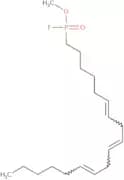
CAS:Controlled Product<p>Methyl gamma-linolenyl fluorophosphonate is a specialized biochemical tool utilized within scientific research. This compound is synthesized through the chemical modification of gamma-linolenic acid, a fatty acid predominantly sourced from plant oils such as evening primrose oil, borage oil, and black currant seed oil. The fluorophosphonate group is strategically incorporated to inhibit serine hydrolases, a class of enzymes involved in various metabolic pathways.</p>Formula:C19H34FO2PPurity:Min. 95%Molecular weight:344.4 g/molAZ 6102
CAS:<p>AZ 6102 is a photoresist, typically utilized in the photolithography process. It is a chemically synthesized material, tailored for the precise patterning required in microfabrication. Its mode of action involves a photosensitive chemical composition that undergoes a structural change upon exposure to specific wavelengths of light, often ultraviolet. This change in molecular structure allows the exposed areas to be selectively dissolved by a developer solution, while the unexposed areas remain intact.</p>Formula:C25H28N6OPurity:Min. 95%Molecular weight:428.53 g/mol06:0 Pi(3,4,5)P3
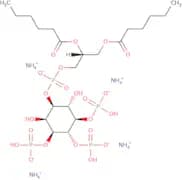
CAS:<p>06:0 PI(3,4,5)P3 is a synthetic phosphoinositide analog, which is typically obtained from laboratory synthesis utilizing phospholipid precursor molecules. Its mode of action involves mimicking the naturally occurring phosphatidylinositol (3,4,5)-trisphosphate (PIP3), allowing it to interact with specific intracellular signaling proteins. This product serves as a valuable tool for scientists investigating cellular signaling pathways, especially those involving the regulation of diverse cellular processes such as cell growth, proliferation, and survival.</p>Formula:C21H54N4O22P4Purity:Min. 95%Molecular weight:838.56 g/molCCF-642
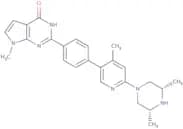
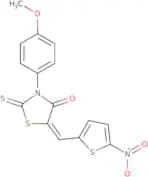
CAS:<p>CCF-642 is a synthetic antimicrobial compound designed for use in laboratory and clinical research settings. It is derived through chemical synthesis, utilizing a combination of heterocyclic structures and functional groups that enhance its activity against a range of bacterial pathogens. CCF-642 operates by disrupting bacterial cell wall synthesis, interfering with peptidoglycan cross-linking, which ultimately leads to cell lysis and death. It maintains efficacy in both gram-positive and gram-negative bacteria, making it a versatile tool in microbiological studies.</p>Formula:C15H10N2O4S3Purity:Min. 95%Molecular weight:378.45 g/molAP20187
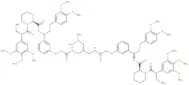
CAS:<p>AP20187 is a synthetic small molecule that functions as a chemical dimerizer, originating from the FKBP-binding domain technology. Its mode of action relies on promoting the dimerization of proteins fused with FKBP domains. This dimerization process triggers downstream signaling pathways or protein interactions within cells, providing a tool for controlled manipulation of cellular processes.</p>Formula:C82H107N5O20Purity:Min. 95%Molecular weight:1,482.75 g/molCjb 090 dihydrochloride hydrate
CAS:<p>Cjb 090 dihydrochloride hydrate is a potent inhibitor of Protein Kinase C (PKC), which plays a crucial role in cellular signaling pathways. Derived through chemical synthesis, Cjb 090 selectively targets and inhibits PKC activity, thereby disrupting signal transduction mechanisms involved in cell growth, differentiation, and apoptosis.</p>Formula:C26H30Cl4N4OPurity:Min. 95%Molecular weight:556.3 g/molTC-I 2014
CAS:<p>TC-I 2014 is a specific chemical compound known as a selective inhibitor, which is derived from microbial sources. It operates by selectively inhibiting a particular protein or signaling pathway, thereby modulating cellular processes. This compound is often used in biochemical and cellular biology research to dissect and understand complex signaling networks within cells. By selectively blocking certain pathways, researchers can identify and study the role of specific proteins in biological processes and disease mechanisms.</p>Formula:C23H19F6N3OPurity:Min. 95%Molecular weight:467.4 g/molGDC-0575
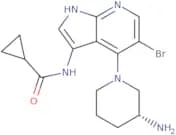
CAS:<p>GDC-0575 is a small molecule inhibitor that specifically targets the Ataxia-Telangiectasia and Rad3-related protein (ATR) kinase. This compound, developed from a synthetic chemical source, functions by selectively inhibiting the ATR kinase, a key regulator of the DNA damage response pathway. By binding to the active site of ATR, GDC-0575 disrupts its ability to activate downstream effectors involved in DNA repair processes.</p>Formula:C16H20BrN5OPurity:Min. 95%Molecular weight:378.27 g/molWAY-100135
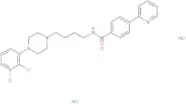
CAS:<p>WAY-100135 is a selective serotonin 5-HT1A receptor antagonist, which is a chemical compound primarily synthesized for scientific research. Its mode of action involves binding specifically to the 5-HT1A receptor subtype, thereby inhibiting the receptor's interaction with agonists. WAY-100135 is primarily utilized in neuropharmacological studies to elucidate the role of 5-HT1A receptors in various physiological and pathological processes.</p>Formula:C24H33N3O2·2HClPurity:Min. 95%Molecular weight:395.54 g/molCeapin-A7
CAS:<p>Ceapin-A7 is a small molecule inhibitor, which is derived from chemical synthesis, targeting the ATF6 arm of the unfolded protein response (UPR). It functions by selectively inhibiting ATF6α signaling, a critical pathway activated during endoplasmic reticulum (ER) stress. The mode of action involves binding to ATF6α, preventing its transport to the Golgi apparatus, and thereby inhibiting its subsequent cleavage and activation.</p>Formula:C20H12F6N4O3Purity:Min. 95%Molecular weight:470.3 g/molc24 Ceramide (d17:1/24:0)
CAS:<p>C24 Ceramide (d17:1/24:0) is a bioactive sphingolipid, which is a key component of cellular membranes derived from natural lipid sources. This ceramide variant plays a crucial role in modulating cellular processes by acting as a signaling molecule. Its mechanism of action primarily includes the regulation of cell differentiation, proliferation, and apoptosis. Ceramides act by influencing intracellular signaling pathways and affecting the structural organization of lipid bilayers, which in turn alters membrane dynamics and protein activities.</p>Formula:C41H81NO3Purity:Min. 95%Molecular weight:636.09 g/mol2-Methoxy-5-[2-(3,4,5-trimethoxyphenyl)ethenyl]phenyl dihydrogen phosphate
CAS:<p>2-Methoxy-5-[2-(3,4,5-trimethoxyphenyl)ethenyl]phenyl dihydrogen phosphate is a phosphorylated derivative of a stilbene compound, functioning as a potent chemical agent. This compound is synthesized through organic chemistry techniques, starting from its stilbene precursor, which is modified to incorporate phosphorus groups. This specific alteration enhances its biochemical stability and solubility, making it a suitable candidate for various scientific applications.</p>Formula:C18H21O8PPurity:Min. 95%Molecular weight:396.3 g/molN-(3-(5-((3-Acrylamido-4-(morpholine-4-carbonyl)phenyl)amino)-1-methyl-6-oxo-1,6-dihydropyridin-3-yl)-2-methylphenyl)-4-(tert-butyl) benzamide
CAS:<p>N-(3-(5-((3-Acrylamido-4-(morpholine-4-carbonyl)phenyl)amino)-1-methyl-6-oxo-1,6-dihydropyridin-3-yl)-2-methylphenyl)-4-(tert-butyl) benzamide is a novel pharmaceutical compound, which is synthesized through an intricate organic chemistry process aimed at targeting specific pathophysiological pathways. This compound functions by modulating cellular pathways with high specificity, potentially altering disease progression at the molecular level.</p>Formula:C38H41N5O5Purity:Min. 95%Molecular weight:647.8 g/molSanguinarine chloride hydrate
CAS:<p>Sanguinarine chloride hydrate is a benzophenanthridine alkaloid, which is a plant-derived compound primarily extracted from species of the Papaveraceae family, such as the bloodroot plant. This compound functions through multiple biological mechanisms, including the inhibition of various enzymes and interference with protein synthesis. Specifically, sanguinarine chloride has been shown to intercalate with DNA, inducing apoptosis in different cell types.</p>Formula:C20H18ClNO6Purity:Min. 95%Molecular weight:403.8 g/molSCH-202676
CAS:<p>SCH-202676 is a non-peptidyl allosteric modulator, which is a synthetic compound designed to influence receptor activity. It is sourced from chemical synthesis processes that allow for the precise modulation of receptor function through non-peptidyl mechanisms. The mode of action for SCH-202676 involves binding to an allosteric site on target receptors, altering their conformation and subsequently modulating their activity without directly competing with endogenous ligands.</p>Formula:C15H14BrN3SPurity:Min. 95%Molecular weight:348.3 g/molSU11652
CAS:<p>Inhibitor of FLT3 kinase and acid sphingomyelinase</p>Formula:C22H27ClN4O2Purity:Min. 95%Molecular weight:414.93 g/molMk2 inhibitor III
CAS:<p>MK2 Inhibitor III is a pharmacological agent, specifically a selective inhibitor, that intervenes in the MAPKAPK2 (MK2) signaling pathway. It is derived through chemical synthesis, designed to obstruct the activity of the mitogen-activated protein kinase-activated protein kinase 2 (MK2). This inhibition occurs through competitive binding at the ATP-binding site of MK2, effectively reducing the activity of this kinase involved in the stress response pathway.</p>Formula:C21H16N4OPurity:Min. 95%Molecular weight:340.4 g/molBay 41-4109 racemate
CAS:<p>Bay 41-4109 racemate is a small molecule inhibitor, which is synthetically derived, with a specific mode of action that involves the modulation of cGMP-dependent protein kinase (PKG) pathways. This modulation affects various cellular processes, particularly those related to viral replication and protein expression.</p>Formula:C18H13ClF3N3O2Purity:Min. 95%Molecular weight:395.76 g/molPF-06649283
CAS:<p>PF-06649283 is an antibody-drug conjugate (ADC), which is a targeted biopharmaceutical agent designed to deliver cytotoxic agents specifically to cancer cells. This innovative product is derived from a combination of a monoclonal antibody, which is utilized for its ability to bind selectively to specific antigens on tumor cells, and a potent cytotoxic drug, which is linked to the antibody. The mode of action involves the ADC binding to its target antigen on the cancer cell surface, followed by internalization of the ADC-antigen complex. Once inside the cell, the cytotoxic drug is released, leading to disruption of critical cellular functions and subsequent cancer cell death.</p>Formula:C18H19F2N3O2SPurity:Min. 95%Molecular weight:379.4 g/mol


![(2R)-N-[4-[2-[(4-Morpholin-4-ylphenyl)amino]pyrimidin-4-yl]phenyl]pyrrolidine-2-carboxamide](/_next/image/?url=https%3A%2Fstatic.cymitquimica.com%2Fproducts%2F3D%2Fthumb-webp%2FVMB75013.webp&w=3840&q=75)





![2-(2,2,2-Trifluoroethyl)-5'-[(E)-3-[4-(trifluoromethyl)piperidin-1-yl]prop-1-enyl]spiro[1,2,5-thia…](/_next/image/?url=https%3A%2Fstatic.cymitquimica.com%2Fproducts%2F3D%2Fthumb-webp%2FYZA16593.webp&w=3840&q=75)
![2-Methoxy-5-[2-(3,4,5-trimethoxyphenyl)ethenyl]phenyl dihydrogen phosphate](/_next/image/?url=https%3A%2Fstatic.cymitquimica.com%2Fproducts%2F3D%2Fthumb-webp%2FXIA03063.webp&w=3840&q=75)