Organometallic Ligands
In this category, you will be able to find a large number of organometallic molecules used as ligands in biomolecules. These organometallic ligands can be used in organic chemistry and synthesis in the laboratory. They play a critical role in forming coordination complexes and catalyzing various chemical reactions. At CymitQuimica, we offer a diverse selection of high-quality organometallic ligands to support your research and industrial needs.
Subcategories of "Organometallic Ligands"
- Buchwald Ligands(22 products)
- DPEN(4 products)
- DPHEN(4 products)
- JOSIPHOS(4 products)
- Phosphine(497 products)
- Porphirines(75 products)
Found 2887 products of "Organometallic Ligands"
Sort by
Purity (%)
0
100
|
0
|
50
|
90
|
95
|
100
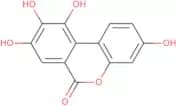
Sparstolonin B
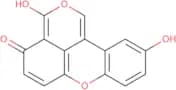
CAS:<p>Sparstolonin B is a natural anti-inflammatory compound, which is derived from the Chinese herb *Sparganium stoloniferum*. It primarily functions as a selective antagonist of Toll-like receptors 2 and 4 (TLR2 and TLR4), thereby inhibiting the activation of these pathways which are crucial in mediating inflammatory responses.</p>Formula:C15H8O5Purity:Min. 95%Color and Shape:PowderMolecular weight:268.22 g/molMethotrexate disodium
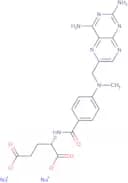
CAS:<p>Methotrexate is a drug that suppresses the immune system by inhibiting the production of white blood cells. It is used in the treatment of a number of diseases, including some cancers and autoimmune diseases such as rheumatoid arthritis and psoriasis. Methotrexate is metabolized to its active form, methotrexate, by an enzyme called dihydrofolate reductase (DHFR). The DHFR inhibitor activity of methotrexate blocks the synthesis of folate-dependent enzymes and prevents DNA synthesis in rapidly dividing cells. Methotrexate has been used in combination with other drugs to treat cancer. Methotrexate has also been shown to have antifungal properties against opportunistic fungal infections.</p>Formula:C20H20N8Na2O5Purity:Min. 95%Color and Shape:PowderMolecular weight:498.4 g/molL 690330
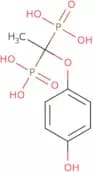
CAS:<p>Inositol monophosphatase (IMPase) inhibitor</p>Formula:C8H12O8P2Purity:Min. 95%Molecular weight:298.12 g/molBMY 7378 Dihydrochloride
CAS:<p>BMY 7378 Dihydrochloride is a selective 5-HT1A receptor antagonist, which is synthetically derived for specialized research purposes. This compound is known for its ability to bind exclusively to the 5-HT1A receptor, inhibiting the action of serotonin. Its mechanism of action involves a high-affinity blockade of serotonin at this receptor site, making it a valuable tool for understanding serotonergic signaling pathways.</p>Formula:C22H33Cl2N3O3Purity:Min. 95%Molecular weight:458.42 g/molSB-423562
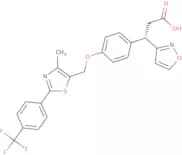
CAS:<p>SB-423562 is a synthetic compound, which is developed as a small molecule inhibitor, produced through chemical synthesis in a laboratory setting. Its mode of action involves selectively interfering with a specific biological pathway by binding to its target protein, thereby inhibiting its activity. This targeted action allows for precise modulation of signaling pathways, which can be pivotal in therapeutic interventions.</p>Formula:C26H32N2O4Purity:Min. 95%Color and Shape:PowderMolecular weight:436.54 g/molTizoxanide
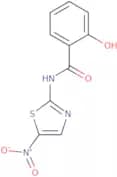
CAS:<p>Anti-parasitic; pyruvate ferredoxin oxidoreductase inhibitor</p>Formula:C10H7N3O4SPurity:Min. 95%Color and Shape:PowderMolecular weight:265.25 g/molTDZD 8
CAS:<p>TDZD 8 is a selective, non-ATP competitive inhibitor of the glycogen synthase kinase GSK3β. TDZD 8 inhibits GSK3β with IC50 of 2 μM and was reported to not significantly affect Cdk-1/cyclin B, casein kinase CK-II, protein kinase A and C (PKA, PKC) activities. TDZD 8 was also identified as an inhibitor of the main protease in coronaviruses. In an in vitro study, TDZD 8 was characterised as an aggregate-based inhibitor as the presence of Triton-X decreased the inhibitory potency to Mpro protease of the SARS-CoV-2 virus (IC50 without Triton-X: 2.15 μM).</p>Formula:C10H10N2O2SPurity:Min. 98 Area-%Color and Shape:PowderMolecular weight:222.26 g/molH-9 hydrochloride
CAS:<p>H-9 hydrochloride is a selective protein kinase inhibitor, which is synthetically derived. It primarily inhibits cyclic nucleotide-dependent protein kinases, including protein kinase A (PKA) and protein kinase G (PKG), along with myosin light chain kinase (MLCK). The mode of action involves competitive inhibition at the ATP binding site of these kinases, thereby impacting phosphorylation pathways crucial for multiple physiological functions. The selective inhibition by H-9 hydrochloride allows for detailed exploration of kinase-mediated signaling pathways in cellular biology. Moreover, it is extensively utilized in studies involving cell motility, smooth muscle contraction, and signal transduction. The relevance of H-9 hydrochloride in academic research lies in its ability to provide insights into kinase activity modulation and its ensuing effects on cellular dynamics. This compound serves as an invaluable tool for scientists aiming to elucidate the complex role of protein kinases in health and disease, enabling the development of innovative therapeutic strategies.</p>Formula:C11H14ClN3O2SPurity:Min. 95%Color and Shape:White To Off-White SolidMolecular weight:287.77 g/molCl2A-SN-38
CAS:<p>Cl2A-SN-38 is an innovative antibody-drug conjugate (ADC), which is derived from a targeted delivery system designed to enhance the therapeutic index of chemotherapeutic agents. The product is synthesized through the chemical conjugation of the monoclonal antibody Cl2A with the potent topoisomerase I inhibitor, SN-38. This conjugation is achieved using a stable linker that facilitates selective delivery of SN-38 to cancer cells expressing the target antigen, thus minimizing systemic toxicity.</p>Formula:C73H97N11O22Purity:Min. 95%Molecular weight:1,480.6 g/molAR-AO 14418
CAS:<p>Inhibitor of GSK3β kinase</p>Formula:C12H12N4O4SPurity:Min. 95%Color and Shape:PowderMolecular weight:308.31 g/molOdevixibat
CAS:<p>Odevixibat is a pharmacological agent that functions as an ileal bile acid transport inhibitor, which is synthesized through complex organic chemistry methods to create a specific molecular structure targeting bile acid transport mechanisms. It works by inhibiting the apical sodium-dependent bile acid transporter (ASBT) in the terminal ileum. This action reduces the reabsorption of bile acids from the small intestine back into the liver, thereby reducing overall bile acid levels in the body.</p>Formula:C37H48N4O8S2Purity:Min. 95%Color and Shape:PowderMolecular weight:740.93 g/molPT2977
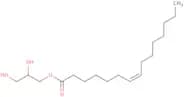
CAS:<p>PT2977 is a small-molecule inhibitor, which is derived from rational drug design, with a specific mode of action targeting hypoxia-inducible factor (HIF) pathways. This compound acts by selectively inhibiting HIF-2α, a critical driver of cellular response to hypoxic conditions, thus interfering with the transcription of genes involved in angiogenesis, erythropoiesis, and metabolic adaptation.</p>Formula:C17H12F3NO4SPurity:Min. 95%Molecular weight:383.34 g/mol1-(7Z-Pentadecenoyl)-rac-glycerol
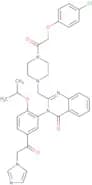
CAS:<p>1-(7Z-Pentadecenoyl)-rac-glycerol is a glycerol derivative, which is typically synthesized or isolated from natural fats and oils. This compound is part of the monoacylglycerol family, characterized by a glycerol backbone esterified with a single fatty acid chain. The source of 1-(7Z-Pentadecenoyl)-rac-glycerol can be varied, stemming from enzymatic processes that occur in biological systems, or through chemical synthesis that mimics these natural interactions.</p>Formula:C18H34O4Purity:Min. 95%Molecular weight:314.46 g/molImidazole ketone erastin
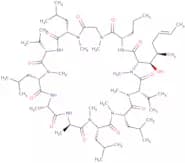
CAS:<p>Imidazole ketone erastin is a small molecule compound, which is a synthetic analog derived from erastin. The origin of this compound is rooted in the study of ferroptosis, a form of regulated cell death characterized by iron-dependent lipid peroxidation. Imidazole ketone erastin functions by inhibiting the cystine/glutamate antiporter system Xc–, leading to the accumulation of lethal reactive oxygen species (ROS) within cells.</p>Formula:C35H35ClN6O5Purity:Min. 95%Molecular weight:655.14 g/molCyclosporin G
CAS:<p>Cyclosporin G is an immunosuppressive agent, which is derived from fungal sources with a specific mode of action that involves inhibiting calcineurin. The source of Cyclosporin G is primarily from the fermentation of the fungus *Tolypocladium inflatum*. Its mode of action involves binding to the cytosolic protein cyclophilin in T-lymphocytes, which subsequently inhibits the phosphatase activity of calcineurin. This inhibition prevents the dephosphorylation and nuclear translocation of the nuclear factor of activated T-cells (NFAT), thereby reducing the transcription of interleukin-2 and other cytokines critical for T-cell activation.</p>Formula:C63H113N11O12Purity:Min. 95%Molecular weight:1,216.64 g/mol5-Hydroxymatrine
CAS:<p>5-Hydroxymatrine is an alkaloid compound, which is derived from the roots of Sophora plants, notably Sophora flavescens. This compound is characterized by its structure as a quinolizidine alkaloid and is a modified form of matrine, with a hydroxyl group adding to its chemical complexity.</p>Formula:C15H24N2O2Purity:Min. 95%Molecular weight:264.36 g/molARQ 531
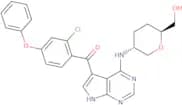
CAS:<p>ARQ 531 is a small molecule inhibitor specifically designed to target Bruton's tyrosine kinase (BTK), which is a type of enzymatic protein. This compound is meticulously developed within a laboratory setting to disrupt key pathways involved in cancer cell survival. Its mode of action involves the selective and reversible inhibition of BTK, thereby obstructing signal transduction that promotes malignant cell proliferation and survival.</p>Formula:C25H23ClN4O4Purity:Min. 95%Molecular weight:478.93 g/molSiponimod fumarate
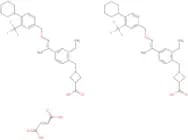
CAS:<p>Siponimod fumarate is a selective sphingosine 1-phosphate (S1P) receptor modulator, which is a synthetically derived agent with immunomodulatory properties. Its mode of action involves high affinity for S1P receptors 1 and 5, which plays a crucial role in immune cell signaling. By binding to these receptors, siponimod sequesters lymphocytes in lymphoid organs, reducing peripheral blood lymphocyte counts and thereby modulating immune responses.</p>Purity:Min. 95%Salmefamol
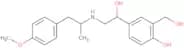
CAS:<p>A β2-adrenoceptor agonist that is structurally related to salbutamol. Ellicits β-adrenergic stimulatory effects on smooth muscles in trachea and bronchi. More effective (1.5 to 2 times more) as a bronchodilator than salbutamol.</p>Formula:C19H25NO4Purity:Min. 95%Color and Shape:SolidMolecular weight:331.41 g/molAlizapride hydrochloride
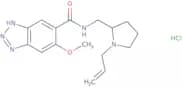
CAS:<p>Dopamine (D2) receptor antagonist</p>Formula:C16H22ClN5O2Purity:Min. 95%Molecular weight:351.83 g/molIRAK4-IN-1
CAS:<p>IRAK4-IN-1 is a small molecule inhibitor, which is a synthetic compound designed to interfere with specific biological pathways. This product originates from extensive chemical synthesis and medicinal chemistry efforts, aimed at targeting key components of the immune signaling cascade. Its primary mode of action involves selective inhibition of interleukin-1 receptor-associated kinase 4 (IRAK4), a crucial kinase in the Toll-like receptor (TLR) and interleukin-1 receptor (IL-1R) pathway. By inhibiting IRAK4, IRAK4-IN-1 effectively downregulates downstream inflammatory signaling processes.</p>Formula:C19H23N5OPurity:Min. 95%Molecular weight:337.42 g/molIptacopan
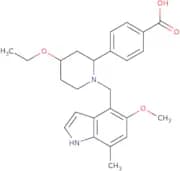
CAS:<p>Iptacopan is an oral, small-molecule therapeutic, which is a complement factor B inhibitor that targets the alternative pathway of the complement system. This pathway is a component of the immune system's innate response and, when dysregulated, can contribute to the pathogenesis of various complement-mediated diseases.</p>Formula:C25H30N2O4Purity:Min. 95%Molecular weight:422.5 g/molTrodusquemine
CAS:<p>Inhibitor of protein tyrosine phosphatase PTP1B</p>Formula:C37H72N4O5SPurity:Min. 95%Molecular weight:685.06 g/molVU0453379
CAS:<p>VU0453379 is a chemical compound that functions as a positive allosteric modulator (PAM) of the M4 muscarinic acetylcholine receptor. It is synthetically derived through medicinal chemistry processes designed to selectively enhance receptor signaling pathways. VU0453379 acts by binding to an allosteric site on the M4 receptor, distinct from the orthosteric site where endogenous neurotransmitters bind. This binding potentiates receptor sensitivity and activity in response to acetylcholine, thereby amplifying receptor-mediated signaling pathways.</p>Formula:C26H34N4O2Purity:Min. 95%Molecular weight:434.6 g/molUrolithin M6
CAS:<p>Urolithin M6 is a metabolite, which is a bioactive compound derived from the metabolism of ellagitannins and ellagic acid found in certain dietary polyphenols. These polyphenols are abundant in fruits such as pomegranates, berries, and nuts. The transformation into urolithins, including Urolithin M6, is facilitated by the gut microbiota, which metabolizes these ellagitannins in the gastrointestinal tract.</p>Formula:C13H8O6Purity:Min. 95%Molecular weight:260.2 g/molAR-13324 mesylate
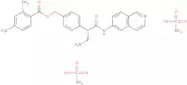
CAS:<p>AR-13324 mesylate is a pharmaceutical compound, which is a selective Rho kinase inhibitor derived from chemical synthesis with a specific mode of action targeting the modulation of aqueous humor outflow in the eye. Structurally, it is designed to inhibit the Rho-associated protein kinase (ROCK) pathway, which plays a crucial role in controlling various cellular functions including contraction, motility, proliferation, and apoptosis, specifically affecting the trabecular meshwork and uveoscleral pathway in ocular tissues.</p>Formula:C29H31N3O6SPurity:Min. 95%Molecular weight:549.64 g/molBIBF 1202
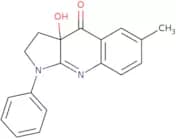
CAS:<p>BIBF 1202 is a potent inhibitor of phospholipase A2, prostaglandin synthase and cyclooxygenase-2. It inhibits the production of arachidonic acid from membrane phospholipids and is used in cancer research. BIBF 1202 has been shown to have anti-tumour activity in a number of animal models, including human liver cancer cells. This molecule has also been shown to inhibit the activation of nuclear factor kappa B (NF-κB), which is involved in carcinogenesis.</p>Formula:C30H31N5O4Purity:Min. 95%Molecular weight:525.6 g/molVX 702
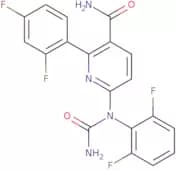
CAS:<p>p38 MAP kinase antagonist</p>Formula:C19H12F4N4O2Purity:Min. 95%Color and Shape:SolidMolecular weight:404.32 g/molDT2216
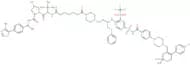
CAS:<p>DT2216 is a small-molecule anticancer compound, which is a product of rational drug design originating from advanced chemical synthesis techniques. The primary mode of action of DT2216 involves selectively targeting and disrupting BCL-XL interactions with pro-apoptotic proteins. By specifically degrading BCL-XL, DT2216 enhances the induction of apoptosis in cancer cells, thereby addressing the challenge of resistance associated with conventional therapies.</p>Formula:C77H96ClF3N10O10S4Purity:95%NmrMolecular weight:1,542.4 g/molAngiotensin I human acetate salt hydrate
CAS:<p>Angiotensin I human acetate salt hydrate is a synthetic peptide, which is a derivative of the human angiotensinogen protein. It is sourced through chemical synthesis methods that replicate the natural sequence of this protein's active fragment. The mode of action involves conversion by the enzyme angiotensin-converting enzyme (ACE) into angiotensin II, a potent vasoconstrictor, which plays a critical role in blood pressure regulation and fluid balance.</p>Formula:C62H89N17O14·xC2H4O2·yH2OPurity:Min. 95%Perfluorophenyl 19-(2,5-dioxo-2H-pyrrol-1(5H)-yl)-17-oxo-4,7,10,13-tetraoxa-16-azanonadecan-1-oate
CAS:<p>Perfluorophenyl 19-(2,5-dioxo-2H-pyrrol-1(5H)-yl)-17-oxo-4,7,10,13-tetraoxa-16-azanonadecan-1-oate is a synthetic compound, which is derived through a series of complex organic syntheses involving perfluorinated reagents. This compound is meticulously designed to incorporate both perfluorinated aromatic groups and a flexible, polyether-based linker. The mode of action for this compound primarily revolves around its unique chemical structure, which facilitates interactions at the molecular level that can be favorable for a variety of biochemical applications.</p>Formula:C24H27F5N2O9Purity:Min. 95%Molecular weight:582.5 g/molAM 4668
CAS:<p>AM 4668 is a biochemical compound, which is derived from synthetic origins with complex organic synthesis processes. Its primary mode of action involves targeted enzymatic inhibition, effectively interacting with specific enzyme active sites to modulate biochemical pathways.</p>Formula:C24H19F3O4SPurity:Min. 95%Molecular weight:488.48 g/molGW 3965 hydrochloride
CAS:<p>GW 3965 hydrochloride is a selective liver X receptor (LXR) agonist, which is a synthetic compound derived through pharmaceutical research aimed at modulating lipid metabolism. It functions by binding to and activating LXRs, which are nuclear receptors that regulate the expression of genes involved in cholesterol, fatty acid, and glucose homeostasis. Upon activation, these receptors influence the transcription of various target genes, leading to increased cholesterol efflux, decreased intestinal cholesterol absorption, and modulation of inflammatory responses.</p>Formula:C33H31ClF3NO3•HClPurity:Min. 95%Molecular weight:618.51 g/molMiransertib (ARQ 092) HCl
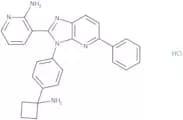
CAS:<p>Miransertib (ARQ 092) HCl is a selective inhibitor, which is a synthetic small molecule specifically targeting the AKT pathway. It is sourced through specialized chemical synthesis designed to interfere with key signaling pathways implicated in the proliferation and survival of cancer cells. The mode of action involves the inhibition of the serine/threonine kinase AKT, an integral part of the PI3K/AKT/mTOR signaling pathway that is frequently dysregulated in various cancers.</p>Formula:C27H25ClN6Purity:Min. 95%Molecular weight:468.98 g/molAZD4205
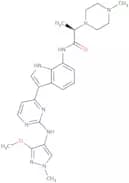
CAS:<p>AZD4205 is an investigational therapeutic agent, which is a small molecule inhibitor developed by AstraZeneca. It is designed to target specific signaling pathways involved in cancer cell proliferation and survival. The source of AZD4205 lies in the meticulous synthesis of a compound specifically engineered to interfere with aberrant molecular processes within cancer cells.</p>Formula:C25H31N9O2Purity:Min. 95%Molecular weight:489.57 g/mol(+/-)-Blebbistatin
CAS:<p>Inactive enantiomer of the inhibitor of myosin II-ATPase</p>Formula:C18H16N2O2Purity:Min. 95%Molecular weight:292.33 g/molRosuvastatin
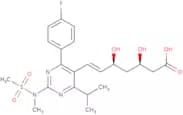
CAS:<p>Rosuvastatin is a synthetic lipid-lowering agent, which is a product of pharmaceutical manufacturing derived from extensive research in cardiovascular pharmacology. It functions as an HMG-CoA reductase inhibitor, effectively blocking the enzyme responsible for cholesterol biosynthesis in the liver. By inhibiting this enzyme, Rosuvastatin reduces the production of cholesterol, especially low-density lipoprotein (LDL) cholesterol, which is known to contribute to atherosclerosis.</p>Formula:C22H28FN3O6SPurity:Min. 95%Molecular weight:481.54 g/molML191
CAS:<p>Please enquire for more information about ML191 including the price, delivery time and more detailed product information at the technical inquiry form on this page</p>Formula:C24H25N3O3Purity:Min. 95%Molecular weight:403.47 g/molEletriptan hydrobromide
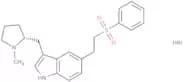
CAS:<p>Agonist of 5-HT1B/D serotonin receptors; anti-migraine medication</p>Formula:C22H26N2O2S•HBrPurity:Min. 95%Color and Shape:PowderMolecular weight:481.45 g/molMitoridine
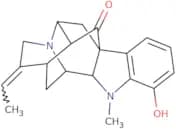
CAS:<p>Please enquire for more information about Mitoridine including the price, delivery time and more detailed product information at the technical inquiry form on this page</p>Formula:C20H22N2O2Purity:Min. 95%Molecular weight:322.4 g/molLiarozole
CAS:<p>Liarozole is an imidazole derivative that functions as a non-specific inhibitor of cytochrome P450-dependent retinoic acid metabolism. It primarily acts by inhibiting the cytochrome P450 enzyme family, particularly affecting the 4-hydroxylation process. This inhibition increases the local concentration of retinoic acid in tissues, which can lead to a modulation of transcriptional activity by retinoic acid receptors and ultimately influence cellular proliferation and differentiation.</p>Formula:C17H13ClN4Purity:Min. 95%Molecular weight:308.8 g/molPRI-724
CAS:<p>PRI-724 is an investigational small molecule known as a selective inhibitor of the Wnt/β-catenin signaling pathway. It is derived from extensive research into targeting dysregulated cellular pathways implicated in oncogenesis. PRI-724 operates by binding to the transcriptional co-activator CBP, thereby disrupting the interaction between CBP and β-catenin, which is crucial for the transcription of genes involved in cell proliferation and survival.</p>Formula:C33H35N6O7PPurity:Min. 95%Molecular weight:658.6 g/molFelodipine
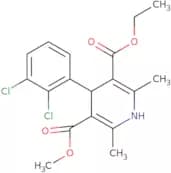
CAS:<p>L-type calcium channel blocker; anti-hypertensive</p>Formula:C18H19Cl2NO4Purity:Min. 95%Color and Shape:White PowderMolecular weight:384.25 g/molLY 294002
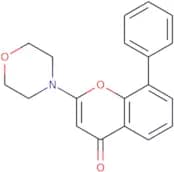
CAS:<p>First generation PI 3-kinase inhibitor</p>Formula:C19H17O3NPurity:Min. 95%Color and Shape:White To Off-White SolidMolecular weight:307.12084Dooku1
CAS:<p>Dooku1 is a synthetic biochemical compound designed for advanced research applications. It is derived through a complex series of organic synthesis processes that utilize specialized reactants and catalysts to achieve high purity and specificity. The compound functions by selectively binding to molecular targets, allowing researchers to investigate cellular pathways and molecular interactions with greater precision.</p>Formula:C13H9Cl2N3OSPurity:Min. 95%Molecular weight:326.2 g/molMozavaptan
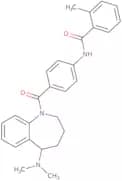
CAS:Controlled Product<p>Mozavaptan is a pharmacological agent that acts as a vasopressin V2 receptor antagonist. It is derived through synthetic chemical processes designed to target specific neurohormonal pathways in the body. Mozavaptan exerts its effects by inhibiting the action of vasopressin, a hormone that promotes water reabsorption in the kidneys. By blocking the vasopressin receptors, it enhances water excretion and corrects imbalances in electrolyte levels, particularly addressing conditions like hyponatremia.</p>Formula:C27H29N3O2Purity:Min. 98 Area-%Color and Shape:PowderMolecular weight:427.54 g/molIPTG Hemidioxane
CAS:<p>A non-metabolizable allolactose analogue, widely used in molecular biology for overexpression of recombinant proteins from inducible systems under the control of lac promoter. IPTG binds to the LacI repressor and causes its release from the lac operator, allowing gene expression to take place. Present in vectors of pGEX, pGEM-T, pET, pRSET, pMAL class and others.</p>Purity:Min. 95%Molecular weight:282.35 g/molCID 16020046
CAS:<p>Puromycin is an aminonucleoside antibiotic, derived from the bacterium Streptomyces albus, with its primary mode of action involving the inhibition of protein synthesis. During translation, puromycin mimics the aminoacyl end of tRNA, enabling its incorporation into the growing polypeptide chain within the ribosome. This incorporation disrupts further chain elongation, ultimately leading to premature termination of protein synthesis.</p>Formula:C25H19N3O4Purity:Min. 95%Molecular weight:425.44 g/molPerakine
CAS:<p>Perakine is an indole alkaloid, which is a naturally occurring compound obtained primarily from the plant Rauvolfia species. As an indole alkaloid, it is synthesized through complex biosynthetic pathways within the plant, involving the secondary metabolism that characterizes many biochemical systems in flora.</p>Formula:C21H22N2O3Purity:Min. 95%Molecular weight:350.4 g/molBAY-069
CAS:<p>BAY-069 is a small-molecule inhibitor, derived through advanced chemical synthesis, designed to selectively target critical molecular pathways in cancer cells. The compound is synthesized using a series of intricate organic reactions that ensure its specificity and potency. Its mode of action involves binding to and inhibiting the activity of key enzymes involved in the regulation of the cell cycle, thereby disrupting the proliferative capacity of malignant cells.</p>Formula:C22H14ClF3N2O3Purity:Min. 95%Molecular weight:446.81 g/mol