Organic Halides
In this category, you can find organic molecules containing one or more halogen atoms in their structure. These organic halides include brominated, iodinated, chlorinated, and cyclic halide compounds. Organic halides are widely used in organic synthesis, pharmaceuticals, agrochemicals, and materials science due to their reactivity and ability to undergo a variety of chemical transformations. At CymitQuimica, we offer a comprehensive selection of high-quality organic halides to support your research and industrial applications, ensuring reliable and effective performance in your synthetic and analytical projects.
Subcategories of "Organic Halides"
Found 20437 products of "Organic Halides"
Sort by
Purity (%)
0
100
|
0
|
50
|
90
|
95
|
100
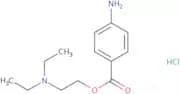
Procaine hydrochloride
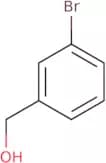
CAS:Controlled Product<p>Sodium channel blocker</p>Formula:C13H21ClN2O2Color and Shape:PowderMolecular weight:272.77 g/mol3-Bromobenzyl alcohol
CAS:<p>3-Bromobenzyl alcohol (3BA) is a potent inhibitor of farnesyl diphosphate synthase, which is an enzyme that catalyzes the conversion of dimethylallyl diphosphate and 5,6,7,8-tetrahydrofolic acid to farnesyl diphosphate. It has been shown to be effective in the treatment of cancer. 3BA blocks the synthesis of farnesyl diphosphate and protein geranylgeranylation. It also inhibits tumor growth by inducing apoptosis. The efficacy of 3BA is limited by its toxicity at high concentrations. 3BA has also been found to inhibit nitrous oxide production in mice and rats.</p>Formula:C7H7BrOPurity:Min. 95%Color and Shape:PowderMolecular weight:187.03 g/molBis[α,α-bis(trifluoromethyl)benzenemethanolato]diphenylsulfur
CAS:<p>A dehydration agent. Also called Martin Sulfurane Dehydrating agent</p>Formula:C30H20F12O2SPurity:Min. 95%Molecular weight:672.53 g/molAlarin (rat) trifluoroacetate salt
CAS:<p>Please enquire for more information about Alarin (rat) trifluoroacetate salt including the price, delivery time and more detailed product information at the technical inquiry form on this page</p>Formula:C119H199N45O35Purity:Min. 95%Molecular weight:2,820.14 g/mol4-(3-(Trifluoromethyl)-3H-diazirin-3-yl)benzoic acid
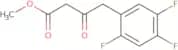
CAS:<p>4-(3-(Trifluoromethyl)-3H-diazirin-3-yl)benzoic acid is a diazirine that is used to form copper complexes. These complexes are then used as diagnostic agents for the detection of nucleic acids in biological samples, such as wheat germ and human tissue. 4-(3-(Trifluoromethyl)-3H-diazirin-3-yl)benzoic acid may also be used in the production of polymer films. It has been shown to have a dihedral angle (C), which is an important factor in the properties of surfactants. The properties of 4-(3-(Trifluoromethyl)-3H-diazirin-3-yl)benzoic acid depend on its functional groups, fatty acids, and dimethylformamide content.</p>Formula:C9H5F3N2O2Purity:Min. 95%Color and Shape:White/Off-White SolidMolecular weight:230.14 g/molMethyl 3-oxo-4-(2,4,5-trifluorophenyl)butanoate
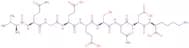
CAS:<p>Please enquire for more information about Methyl 3-oxo-4-(2,4,5-trifluorophenyl)butanoate including the price, delivery time and more detailed product information at the technical inquiry form on this page</p>Formula:C11H9F3O3Purity:Min. 95%Molecular weight:246.18 g/molAc-Asp-Glu-Val-Asp-chloromethylketone trifluoroacetate salt
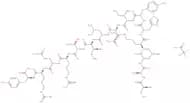
CAS:<p>Ac-Asp-Glu-Val-Asp-chloromethylketone trifluoroacetate salt is a basic protein. It inhibits the neuronal death induced by dopamine and its derivatives, which is caused by overactivation of the mitochondrial membrane potential and release of cytochrome c from mitochondria to cytosol. This compound also inhibits the activation of toll-like receptor 4 (TLR4) and nuclear factor κB (NF-κB) signaling pathways in neuronal cells. Ac-Asp-Glu-Val-Asp-chloromethylketone trifluoroacetate salt has been shown to have antiinflammatory effects when applied topically on skin wounds. The molecule has been used as a model system for studying the molecular mechanism of epidermal growth factor (EGF) activation in hybridoma cell lines and primary cells.</p>Formula:C21H31ClN4O11Purity:Min. 95%Molecular weight:550.94 g/mol(Des-Glu5)-ACTH (1-24) (human, bovine, rat) trifluoroacetate salt
CAS:<p>Please enquire for more information about (Des-Glu5)-ACTH (1-24) (human, bovine, rat) trifluoroacetate salt including the price, delivery time and more detailed product information at the technical inquiry form on this page</p>Formula:C131H203N39O28SPurity:Min. 95%Molecular weight:2,804.33 g/molpp60 c-src (521-533) (phosphorylated) trifluoroacetate salt
CAS:<p>Please enquire for more information about pp60 c-src (521-533) (phosphorylated) trifluoroacetate salt including the price, delivery time and more detailed product information at the technical inquiry form on this page</p>Formula:C62H95N16O28PPurity:Min. 95%Molecular weight:1,543.48 g/molNeuropeptide Y (human, rat) trifluoroacetate salt
CAS:<p>Please enquire for more information about Neuropeptide Y (human, rat) trifluoroacetate salt including the price, delivery time and more detailed product information at the technical inquiry form on this page</p>Formula:C189H285N55O57SPurity:Min. 95%Molecular weight:4,271.69 g/molTLQP-21 (mouse, rat) trifluoroacetate salt
CAS:<p>Please enquire for more information about TLQP-21 (mouse, rat) trifluoroacetate salt including the price, delivery time and more detailed product information at the technical inquiry form on this page</p>Formula:C107H170N40O26Purity:Min. 95%Molecular weight:2,432.75 g/molD-(-)-2-Chlorophenylglycine methyl ester hydrochloride
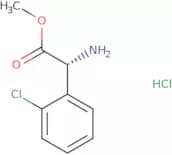
CAS:<p>Please enquire for more information about D-(-)-2-Chlorophenylglycine methyl ester hydrochloride including the price, delivery time and more detailed product information at the technical inquiry form on this page</p>Formula:C9H10ClNO2•HClPurity:Min. 95%Molecular weight:236.1 g/mol4,5-Dibromo-1,2,6,7-tertahydro-8H-indeno[5,4-b]furan-8-one
CAS:<p>4,5-Dibromo-1,2,6,7-tertahydro-8H-indeno[5,4-b]furan-8-one is a chemical reagent that is used for the debromination of ethyl cyanoacetate. The nucleophilic nature of the hydroxyl group in the target compound makes it an efficient substrate for this reaction. This reagent can be used to synthesize ramelteon which is a drug approved by the U.S. Food and Drug Administration (FDA) for insomnia treatment. This high yield synthesis highlights 4,5-dibromo-1,2,6,7-tertahydro-8H-indeno[5,4b]furan-8one's usefulness as a debrominating agent.</p>Formula:C11H8Br2O2Purity:Min. 95%Molecular weight:331.99 g/molH-p-Chloro-Phe-D-Cys-b-(3-pyridyl)-Ala-D-Trp-N-Me-Lys-Thr-Cys-2-Nal-NH2 trifluoroacetate salt (Disulfide bond)
CAS:<p>Please enquire for more information about H-p-Chloro-Phe-D-Cys-b-(3-pyridyl)-Ala-D-Trp-N-Me-Lys-Thr-Cys-2-Nal-NH2 trifluoroacetate salt (Disulfide bond) including the price, delivery time and more detailed product information at the technical inquiry form on this page</p>Formula:C58H69ClN12O9S2Purity:Min. 95%Molecular weight:1,177.83 g/molNeuropeptide Y (22-36) trifluoroacetate salt
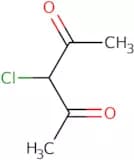
CAS:<p>Please enquire for more information about Neuropeptide Y (22-36) trifluoroacetate salt including the price, delivery time and more detailed product information at the technical inquiry form on this page</p>Formula:C85H139N29O21Purity:Min. 95%Molecular weight:1,903.2 g/mol3-Chloro-2,4-pentanedione
CAS:<p>3-Chloro-2,4-pentanedione is a model system that has been used to study the reaction mechanism of the intramolecular hydrogen transfer. This molecule was found to be more reactive in the presence of sodium carbonate and anhydrous sodium, which is due to protonation of the hydroxyl group on the ethylene diamine. 3-Chloro-2,4-pentanedione reacts with carbon disulphide and ethylene diamine to form 2,5-dimethylhexane-1,6-diol. 3D molecular docking analysis has shown that this compound binds to the ryanodine receptor and may be a potential therapeutic agent for patients with carcinoma cell lines.</p>Formula:C5H7ClO2Purity:Min. 95%Color and Shape:Clear LiquidMolecular weight:134.56 g/mol3-fluoroazetidine hydrochloride
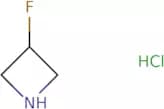
CAS:<p>3-fluoroazetidine hydrochloride is a chemical compound that can be used as a building block, intermediate or reagent in the synthesis of other compounds. It has been shown to be an effective substitute for 3-fluoropyridine in the synthesis of 1,2,4-triazoles. 3-fluoroazetidine hydrochloride is also used as a reaction component in the manufacture of pharmaceuticals, dyes and pesticides.</p>Formula:C3H7ClFNPurity:Min. 95%Color and Shape:White/Off-White SolidMolecular weight:111.55 g/molSodium 2,2,2-trifluoroethanolate
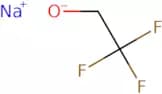
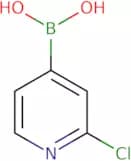
CAS:<p>Sodium 2,2,2-trifluoroethanolate is a fluorinated alcohol. It is used as an animal health drug and has been shown to have a significant inhibitory effect on the growth of bacteria. The reaction intermediate for this compound is trifluoroacetic acid, which can be formed from sodium and hydrogen fluoride in the presence of ethylene glycol. This molecule also reacts with nitrosyl chloride to form a nitrogen-containing product. Sodium 2,2,2-trifluoroethanolate has been shown to be active against both Gram-positive and Gram-negative bacteria. The FTIR spectra for this compound shows that it has two sets of absorption bands at 3,200 cm−1 (due to C–H stretching) and 3,000 cm−1 (due to C=C stretching).</p>Formula:C2H2F3NaOPurity:Min. 95%Color and Shape:PowderMolecular weight:122.02 g/mol2-Chloropyridine-4-boronic acid
CAS:<p>2-Chloropyridine-4-boronic acid is a nicotinic acetylcholine receptor antagonist that has been shown to be effective against trypanosomiasis. It blocks the binding of acetylcholine to its receptor, which prevents the propagation of an action potential in the postsynaptic cell. 2-Chloropyridine-4-boronic acid inhibits the enzymes cyclooxygenase and prostaglandin synthase, which are involved in inflammation. 2-Chloropyridine-4-boronic acid is potent and selective for nicotinic acetylcholine receptors, but it also binds to other sites on the enzyme. The molecular modeling studies have shown that this compound has a pharmacophore that can be used as a guide for drug design.</p>Formula:C5H5BClNO2Purity:Min. 95%Molecular weight:157.36 g/mol(3,5-Diiodo-Tyr2,Arg8)-Vasopressin
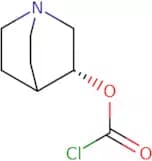
CAS:<p>Please enquire for more information about (3,5-Diiodo-Tyr2,Arg8)-Vasopressin including the price, delivery time and more detailed product information at the technical inquiry form on this page</p>Formula:C46H63I2N15O12S2Purity:Min. 95%Molecular weight:1,336.03 g/molR-(-)-3-Quinuclidinyl chloroformate
CAS:<p>R-(-)-3-Quinuclidinyl chloroformate is a chemical intermediate that is used as a reagent in organic synthesis. It reacts with amines to form quaternary ammonium salts, which are often used as reaction components in the production of pharmaceuticals. R-(-)-3-Quinuclidinyl chloroformate has been shown to be useful for the preparation of various heterocycles. This compound has been found to have several biological activities, including the ability to inhibit protein synthesis and induce apoptosis.</p>Formula:C8H12ClNO2Purity:Min. 95%Color and Shape:White PowderMolecular weight:189.64 g/mol1-Bromo-4-chlorobutane
CAS:<p>1-Bromo-4-chlorobutane, also known as 4-bromo-1-chlorobutane, is a chemical compound with the molecular formula C6H5BrCl. It is a member of the group p2 of the periodic table and has been shown to be carcinogenic in animal studies. The compound is also used as an intermediate in the synthesis of other chemicals such as p-hydroxybenzoic acid. 1-Bromo-4-chlorobutane is used for treating infectious diseases such as malaria by interfering with purine metabolism. It can be administered orally or intravenously and has low bioavailability due to its rapid hydrolysis in the gastrointestinal tract.</p>Formula:C4H8BrClPurity:Min. 95%Molecular weight:171.46 g/molIL-1β (163-171) (human) trifluoroacetate salt
CAS:<p>Interleukin-1 beta (IL-1β) is a cytokine that is produced by activated macrophages and T cells. It is an important regulator of immune function, inducing fever, activating the inflammatory response, and increasing vascular permeability. IL-1β is a 163-amino acid polypeptide with a molecular weight of 18.7 kDa. The trifluoroacetate salt of IL-1β has been shown to be active in vitro against human leukemic cells and to have an interferon-gamma activity in vitro.</p>Formula:C39H64N12O19Purity:Min. 95%Molecular weight:1,004.99 g/mol(2E)-1-[5,6-Dihydro-3-(trifluoromethyl)-1,2,4-triazolo[4,3-a]pyrazin-7(8H)-yl]-4-(2,4,5-trifluorophenyl)-2-buten-1-one
CAS:<p>Please enquire for more information about (2E)-1-[5,6-Dihydro-3-(trifluoromethyl)-1,2,4-triazolo[4,3-a]pyrazin-7(8H)-yl]-4-(2,4,5-trifluorophenyl)-2-buten-1-one including the price, delivery time and more detailed product information at the technical inquiry form on this page</p>Formula:C16H12F6N4OPurity:95%NmrMolecular weight:390.28 g/molNeuromedin N trifluoroacetate salt
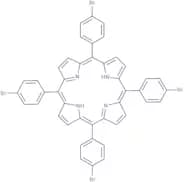
CAS:<p>Neuromedin N trifluoroacetate salt is a neurotrophin that regulates the growth and differentiation of nerve cells. It has been shown to increase locomotor activity in rats and to activate the receptor for neurotrophins. Neuromedin N trifluoroacetate salt also binds to response elements in DNA and can also modulate camp levels, cytosolic calcium, and protein kinase C levels in cells. This molecule has been shown to have antinociceptive properties by inhibiting the pain-causing action of substance P on sensory neurons. It is possible that this drug may be used as a growth factor or as a messenger RNA (mRNA) in fatty acid synthesis.</p>Formula:C38H63N7O8Purity:Min. 95%Molecular weight:745.95 g/molTetrabromophenyl-porphyrin
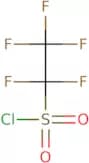
CAS:<p>Tetrabromophenyl-porphyrin (TBP) is a synthetic molecule that interacts with aldehydes in the presence of light. This interaction results in the formation of a phenyl radical and an excited state, which leads to the production of carbon dioxide and water. TBP is used as a catalyst for these reactions because it is more stable than other molecules that are typically used. The catalytic effect of TBP can be studied by means of spectroscopies and microscopy techniques. The crystal x-ray diffraction technique was used to analyze the molecular structure of TBP by determining the distances between atoms in its molecules. It was discovered that TBP has two phenyl groups and four bromine atoms per porphyrin ring. Diffraction techniques were also used to study how light interacts with TBP molecules, showing that they have strong optical properties when adsorbed on surfaces.</p>Formula:C44H26N4Br4Purity:Min. 95%Molecular weight:930.32 g/mol1,1,2,2,2-Pentafluoroethanesulfonyl chloride
CAS:<p>1,1,2,2,2-Pentafluoroethanesulfonyl Chloride (PFES) is a perfluorinated compound that reacts with hydrogen fluoride to produce a colorless solution. PFES has been shown to be an effective catalyst for the reaction of naphthalene and hydrogen chloride. In addition, PFES is used as a reagent in the synthesis of amides and other functional groups as well as being a precursor for the production of low energy fluoropolymers. It is also used in the manufacture of fire-fighting foams.</p>Formula:C2ClF5O2SPurity:Min. 95%Color and Shape:Clear LiquidMolecular weight:218.53 g/molBiotinyl-pTH (44-68) (human) trifluoroacetate salt
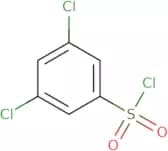
CAS:<p>Please enquire for more information about Biotinyl-pTH (44-68) (human) trifluoroacetate salt including the price, delivery time and more detailed product information at the technical inquiry form on this page</p>Formula:C127H213N43O43SPurity:Min. 95%Molecular weight:3,062.38 g/mol3,5-Dichlorobenzenesulphonyl chloride
CAS:<p>3,5-Dichlorobenzenesulphonyl chloride (3,5-DCBS) is a halogenated aromatic compound that can be synthesized by the debromination of 3,5-dichlorobenzene with hydrobromic acid. This compound has been shown to have anticancer activity against cell lines derived from human breast cancer, prostate cancer, and other cancers. It also has potent anticancer activity against tumor cells in animals. The anticancer activity of 3,5-DCBS is due to its ability to inhibit DNA synthesis and to induce apoptosis. 3,5-DCBS may act as an anti-inflammatory agent through inhibition of prostaglandin synthesis.</p>Formula:C6H3Cl3O2SPurity:Min. 95%Color and Shape:PowderMolecular weight:245.51 g/molDnp-Pro-TNF-α (71-82) amide (human) trifluoroacetate salt
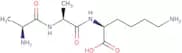
CAS:<p>Please enquire for more information about Dnp-Pro-TNF-alpha (71-82) amide (human) trifluoroacetate salt including the price, delivery time and more detailed product information at the technical inquiry form on this page</p>Formula:C57H94N22O21Purity:Min. 95%Molecular weight:1,423.49 g/molH-Ala-Ala-Lys-OH hydrochloride salt
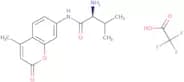
CAS:<p>H-Ala-Ala-Lys-OH hydrochloride salt is a tripeptide with a reactive side chain. The protonated form of the molecule can be analyzed by acid analysis, and the ligand can be synthesized in a laboratory. Amino acid analysis has shown that this tripeptide contains lysine residues, which are important for binding to the peptide transporter. This compound is taken up through the intestine and is found in porcine tissue. H-Ala-Ala-Lys-OH hydrochloride salt has been used as a model compound in structural studies of peptide transporters.</p>Formula:C12H24N4O4Purity:Min. 95%Molecular weight:288.34 g/molH-Val-AMC trifluoroacetate salt
CAS:<p>Please enquire for more information about H-Val-AMC trifluoroacetate salt including the price, delivery time and more detailed product information at the technical inquiry form on this page</p>Formula:C15H18N2O3Purity:Min. 95%Molecular weight:274.32 g/molErythropoietin Mimetic Peptide Sequence 20 trifluoroacetate salt
CAS:<p>Please enquire for more information about Erythropoietin Mimetic Peptide Sequence 20 trifluoroacetate salt including the price, delivery time and more detailed product information at the technical inquiry form on this page</p>Formula:C72H99N17O17S2Purity:Min. 95%Molecular weight:1,538.79 g/molPancreatic Polypeptide (1-17)-(Ala31, Aib 32)-Neuropeptide Y (18-36) (human) trifluoroacetate salt
CAS:<p>Please enquire for more information about Pancreatic Polypeptide (1-17)-(Ala31, Aib 32)-Neuropeptide Y (18-36) (human) trifluoroacetate salt including the price, delivery time and more detailed product information at the technical inquiry form on this page</p>Formula:C189H287N55O53SPurity:Min. 95%Molecular weight:4,209.71 g/molBNP-26 (porcine) trifluoroacetate salt
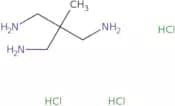
CAS:<p>Please enquire for more information about BNP-26 (porcine) trifluoroacetate salt including the price, delivery time and more detailed product information at the technical inquiry form on this page</p>Formula:C120H198N42O36S2Purity:Min. 95%Molecular weight:2,869.25 g/mol2-(Aminomethyl)-2-methyl-1,3-propanediamine trihydrochloride
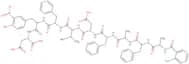
CAS:<p>Please enquire for more information about 2-(Aminomethyl)-2-methyl-1,3-propanediamine trihydrochloride including the price, delivery time and more detailed product information at the technical inquiry form on this page</p>Formula:C5H15N3•(HCl)3Purity:Min. 95%Color and Shape:PowderMolecular weight:226.57 g/molAbz-Ala-Phe-Ala-Phe-Asp-Val-Phe-3-nitro-Tyr-Asp-OH trifluoroacetate salt
CAS:<p>Please enquire for more information about Abz-Ala-Phe-Ala-Phe-Asp-Val-Phe-3-nitro-Tyr-Asp-OH trifluoroacetate salt including the price, delivery time and more detailed product information at the technical inquiry form on this page</p>Formula:C62H71N11O18Purity:Min. 95%Molecular weight:1,258.29 g/mol(2R,3S)-2-[(1R)-1-[3,5-Bis(trifluoromethyl)phenyl]ethoxy]-3-(4-fluorophenyl)morpholine hydrochloride
CAS:<p>Please enquire for more information about (2R,3S)-2-[(1R)-1-[3,5-Bis(trifluoromethyl)phenyl]ethoxy]-3-(4-fluorophenyl)morpholine hydrochloride including the price, delivery time and more detailed product information at the technical inquiry form on this page</p>Formula:C20H18F7NO2•HClPurity:Min. 95%Molecular weight:473.81 g/mol(D-Phe12, Nle 21·38)-CRF (12-41) (human, rat) trifluoroacetate salt
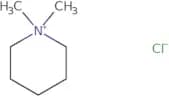
CAS:<p>Please enquire for more information about (D-Phe12, Nle 21·38)-CRF (12-41) (human, rat) trifluoroacetate salt including the price, delivery time and more detailed product information at the technical inquiry form on this page</p>Formula:C158H265N49O43Purity:Min. 95%Molecular weight:3,539.1 g/molMepiquat chloride
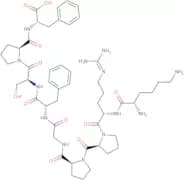
CAS:<p>Mepiquat chloride is a non-selective inhibitor of plant growth, which blocks the synthesis of protein and RNA in plants by inhibiting the activity of enzymes involved in nitrogen metabolism. The optimum concentration for mepiquat chloride is 0.5 to 1.0 mM with a range of 0.1 to 10 mM. Mepiquat chloride can be extracted from kidney beans or purchased as an analytical reagent. Mepiquat chloride has been shown to inhibit the activities of various enzymes, including choline acetyltransferase, histidine decarboxylase, and glutamine synthetase, at concentrations below 0.5 mM. This inhibition was synergistic with other inhibitors such as 2-deoxyglucose and sodium azide. In addition, mepiquat chloride has been shown to inhibit cell growth and root formation in plant cells in culture at concentrations between 1 and 100 μM.</p>Formula:C7H16ClNPurity:Min. 95%Molecular weight:149.66 g/molLys-(Des-Arg9)-Bradykinin trifluoroacetate salt
CAS:<p>Lys-(Des-Arg9)-Bradykinin trifluoroacetate salt H-Lys-Arg-Pro-Pro-Gly-Phe-Ser-Pro-Phe-OH trifluoroacetate salt (KBP) is a peptide that increases blood pressure by binding to the b2 receptor. This drug has been shown to be a potent pressor in animals and humans, with a concentration response curve similar to that of epinephrine. KBP binds to the extracellular domain of the b2 receptor, which activates this receptor and promotes the release of growth factors, such as epidermal growth factor (EGF). The high affinity of KBP for the b2 receptor is thought to be due to its ability to sequester EGF.</p>Formula:C50H73N13O11Purity:Min. 95%Molecular weight:1,032.2 g/molrac 3,11-dichloro-6,11-dihydro-6-methyl-dibenzo[c,f][1,2]thiazepine 5,5-dioxide
CAS:<p>Racemic 3,11-dichloro-6,11-dihydro-6-methyl-dibenzo[c,f][1,2]thiazepine 5,5-dioxide is a hydrogen chloride salt of racemic 3,11-dichloro-6,11-dihydro-6-methyl dibenzo[c,f][1,2]thiazepine. Racemic 3,11 - dichloro - 6 , 11 - dihydro - 6 - methyl dibenzo [ c , f ] [ 1 , 2 ] thiazepine 5 , 5 - dioxide is used in the manufacture of high purity and high yield hydrogen chloride gas. Racemic 3,11 - dichloro - 6 , 11 - dihydro - 6 - methyl dibenzo [ c , f ] [ 1 , 2 ] thiazepine 5 , 5 - dioxide can be prepared by heating anhyd</p>Formula:C14H11Cl2NO2SPurity:Min. 95%Molecular weight:328.21 g/mol(Des-Gly10,D-Leu6,[13C6]Leu7,Pro-NHEt 9)-LHRH trifluoroacetate salt
<p>Please enquire for more information about (Des-Gly10,D-Leu6,[13C6]Leu7,Pro-NHEt 9)-LHRH trifluoroacetate salt including the price, delivery time and more detailed product information at the technical inquiry form on this page</p>Purity:Min. 95%Presenilin-1 (331-349)-Cys (human, mouse) trifluoroacetate salt
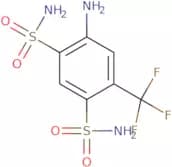
CAS:<p>Please enquire for more information about Presenilin-1 (331-349)-Cys (human, mouse) trifluoroacetate salt including the price, delivery time and more detailed product information at the technical inquiry form on this page</p>Formula:C92H130N28O37SPurity:Min. 95%Molecular weight:2,252.25 g/mol4-Amino-6-(trifluoromethyl)benzene-1,3-disulfonamide
CAS:<p>4-Amino-6-(trifluoromethyl)benzene-1,3-disulfonamide (4AFBDS) is a chemical compound that can be used for the treatment of wastewater. It has shown to be effective against anhydrase, which is an enzyme that catalyzes the conversion of water to hydrogen peroxide and hydroxide ion. 4AFBDS also attenuates oxidative stress in cardiac cells and inhibits the production of active oxygen species by inhibiting the activity of carbonic anhydrase. The chromatographic method used to detect 4AFBDS was found to be more sensitive than a standard colorimetric assay, making it a better tool for detecting this compound in wastewater samples. br> br> br> br> br> This compound has been shown to have inhibitory effects on e3 ubiquitin ligase, which plays a role in protein degradation via aut</p>Formula:C7H8F3N3O4S2Purity:Min. 95%Molecular weight:319.28 g/molMca-Gly-Ala-Lys(Ac)-Arg-His-Arg-Lys-Val-NH2 trifluoroacetate salt
CAS:<p>Please enquire for more information about Mca-Gly-Ala-Lys(Ac)-Arg-His-Arg-Lys-Val-NH2 trifluoroacetate salt including the price, delivery time and more detailed product information at the technical inquiry form on this page</p>Formula:C54H85N19O13Purity:Min. 95%Molecular weight:1,208.37 g/molChloromethyl methyl carbonate
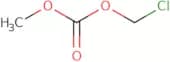
CAS:<p>Chloromethyl methyl carbonate (CMC) is an anti-influenza drug that inhibits the influenza virus's ability to infect cells by inhibiting cap-dependent endonuclease. It has been shown to be effective against influenza A and B viruses. CMC is a nonaqueous solvent that reacts with halides, such as hydrogen fluoride, magnesium salt, and chloroform, leading to the formation of nitrogen atoms. The nitrogen atoms are then used in a reaction with carbocycles to form molecules. CMC is also shown to be an important precursor for the synthesis of fluorinated pharmaceuticals.</p>Formula:C3H5ClO3Purity:Min. 95%Color and Shape:Colourless To Pale Yellow LiquidMolecular weight:124.52 g/molL-Alanine benzyl ester hydrochloride
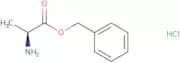
CAS:<p>L-Alanine benzyl ester hydrochloride is a conjugate of L-alanine and the quaternary ammonium salt benzyl ester hydrochloride. The water molecule is attached to the nitrogen atom in the benzyl ester. It has been shown to inhibit viral replication by interfering with the virus' ability to use host enzymes and proteins for synthesis. L-Alanine benzyl ester hydrochloride has significant cytotoxicity against leukemia cells, which may be due to its ability to inhibit rna polymerase activity. L-Alanine benzyl ester hydrochloride can also be used as an inhibitor of angiotensin converting enzyme (ACE), which is important in regulating blood pressure.</p>Formula:C10H13NO2•HCLPurity:Min. 95%Color and Shape:White PowderMolecular weight:215.68 g/mol4-((5-Bromopyridin-2-yl)amino)-4-oxobutanoic acid
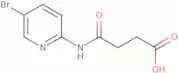
CAS:<p>4-((5-Bromopyridin-2-yl)amino)-4-oxobutanoic acid (BABA) is a potent photosynthetic inhibitor that inhibits light-driven electron transport in chloroplasts. This inhibition of electron transport leads to the accumulation of reactive oxygen species and cellular dysfunction. BABA is used to induce dormancy in plants and is also used as a chemical inhibitor for arabidopsis thaliana, a type of plant commonly used in molecular biology research. Studies have shown that BABA inhibits the growth of fat cells, which may be due to its ability to inhibit protein synthesis, leading to decreased fat deposition. In addition, this drug has been shown to reduce eye disorders such as retinal degeneration and cataracts by inhibiting the production of reactive oxygen species, which causes oxidative stress.</p>Formula:C9H9BrN2O3Purity:(Elemental Analysis) Min. 97%Color and Shape:PowderMolecular weight:273.08 g/molH-Gly-Arg-Gly-Glu-Ser-OH trifluoroacetate salt
CAS:<p>Please enquire for more information about H-Gly-Arg-Gly-Glu-Ser-OH trifluoroacetate salt including the price, delivery time and more detailed product information at the technical inquiry form on this page</p>Formula:C18H32N8O9Purity:Min. 95%Molecular weight:504.5 g/molEndothelin-2 (human, canine) trifluoroacetate
CAS:<p>Trifluoroacetate salt</p>Formula:C115H160N26O32S4Purity:Min. 95%Molecular weight:2,546.92 g/mol(Arg17)-Amyloid b-Protein (1-42) trifluoroacetate salt
CAS:<p>Please enquire for more information about (Arg17)-Amyloid b-Protein (1-42) trifluoroacetate salt including the price, delivery time and more detailed product information at the technical inquiry form on this page</p>Formula:C203H312N58O60SPurity:Min. 95%Molecular weight:4,557.07 g/molTRAP-14 trifluoroacetate salt
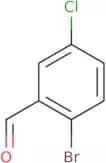
CAS:<p>TRAP-14 is a conformationally restricted peptide that binds to the thrombin receptor. TRAP-14 also has a biocompatible polymer backbone that can be used in vivo as an implant. The TRAP-14 peptide has been shown to inhibit thrombin activity and inhibit the expression of basic fibroblast growth factor. In addition, this drug showed an ability to suppress autoimmune diseases in vivo by blocking Ca2+ release from the cytosol. This drug also showed inhibition of polymerase chain reaction (PCR) amplification and increased the specificity of PCR for DNA sequences containing polyvinyl disulfide bonds.</p>Formula:C81H118N20O23Purity:Min. 95%Molecular weight:1,739.92 g/mol2-Bromo-5-chlorobenzaldehyde
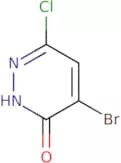
CAS:<p>2-Bromo-5-chlorobenzaldehyde is an industrial chemical that is used as a precursor for the production of other chemicals. It can be synthesized by reacting 3-chlorobenzaldehyde with sodium bromide in the presence of a catalyst. 2-Bromo-5-chlorobenzaldehyde has been shown to have high reactivity, and can be used as a catalyst to produce large amounts of organic compounds. This chemical can also be produced in large quantities by neutralizing alkalis with acid, which is an effective way to dispose of these hazardous substances.</p>Formula:C7H4BrClOPurity:Min. 95%Molecular weight:219.46 g/mol4-Bromo-6-chloropyridazin-3(2H)-one
CAS:<p>4-Bromo-6-chloropyridazin-3(2H)-one is a glycosylation inhibitor and nucleoside analog that can be used in the treatment of cancer. It inhibits the synthesis of deoxyribonucleotides from ribonucleotides by binding to the enzyme ribonucleotide reductase, which catalyzes the conversion of ribonucleotides to deoxynucleotides. 4-Bromo-6-chloropyridazin-3(2H)-one has been shown to inhibit glycosylation in rat liver cells. This drug also inhibits acetone and glycosidation, which are reactions that produce glucose from amino acids or carbohydrates. The crystallization process is also inhibited by this drug because it prevents the formation of nucleoside crystals, which are involved in DNA replication and cell division.</p>Formula:C4H2BrClN2OPurity:Min. 95%Molecular weight:209.43 g/molH-Gln(Trt)-2-chlorotrityl resin (200-400 mesh) (Low Substitution)
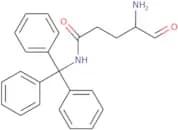
<p>Please enquire for more information about H-Gln(Trt)-2-chlorotrityl resin (200-400 mesh) (Low Substitution) including the price, delivery time and more detailed product information at the technical inquiry form on this page</p>Purity:Min. 95%4-Amino-3,5,6-trichloropyridine-2-carboxylic acid
CAS:<p>4-Amino-3,5,6-trichloropyridine-2-carboxylic acid (4ATC) is a herbicide that inhibits the activity of pyridoxal phosphate (PLP)-dependent enzymes. 4ATC has been shown to be more toxic to plants than temozolomide and is used in vitro to study the effects of herbicides on cells. It inhibits cell growth and induces apoptosis in human cancer cells. In addition, 4ATC has been shown to inhibit the enzyme activities of group P2 proteins and nucleic acid synthesis. 4ATC also inhibits protein synthesis by inhibiting RNA synthesis in eukaryotic cells. 4ATC is not active against bacteria or fungi.</p>Formula:C6H3Cl3N2O2Purity:Min. 95%Color and Shape:White To Tan SolidMolecular weight:241.46 g/molBenzyltributylammonium chloride
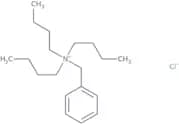
CAS:<p>Benzyltributylammonium chloride is a quaternary ammonium salt that is used as a surfactant. It is commercially available in the form of its sodium salt, which is prepared by the reaction of benzyltriethylamine with trifluoroacetic acid and sodium carbonate. The surface methodology used to characterize the adsorption properties of this compound was Langmuir adsorption isotherms. The optimum concentration for this compound was found to be 0.05 M at 25°C, where it exhibits surface adsorption kinetics at a rate of 1.1 x 10⁻⁴ mol/cm2/s. Benzyltributylammonium chloride has strong hydroxyl groups, which gives it an affinity for water molecules and makes it an excellent surfactant for use in detergent formulations. It also chelates metal ions such as chloride and metal ions (e.g., zinc) that are present in hard</p>Formula:C19H34ClNPurity:Min. 95%Color and Shape:PowderMolecular weight:311.93 g/mol2-Chloroacetamide
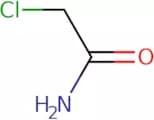
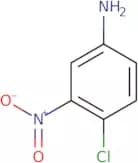
CAS:<p>2-Chloroacetamide is a quaternary ammonium compound that is used as an intermediate in the synthesis of other organic compounds. It has been reported to have anticancer activity and has been studied for use as a herbicide in agriculture. The vibrational, turbidimetric method, amide, and sample preparation are all instrumental in determining the reaction mechanism of 2-chloroacetamide. This molecule has also been studied using FT-IR spectroscopy and molecular modelling techniques. The hydrogen bond is integral to its optical properties and can be determined by nmr spectra.</p>Formula:C2H4ClNOPurity:Min. 98%Color and Shape:White PowderMolecular weight:93.51 g/mol4-Chloro-3-nitroaniline
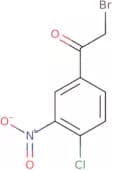
CAS:<p>4-Chloro-3-nitroaniline is an antibacterial agent that inhibits bacterial growth by binding to the enzyme topoisomerase II, which is essential for DNA replication. It has been shown to have a statistically significant inhibitory effect on the growth of Staphylococcus aureus. 4-Chloro-3-nitroaniline may also disrupt hemosiderosis and reduce iron levels in plasma samples from patients with hemosiderosis. The biological effects of this drug are not well understood.</p>Formula:C6H5ClN2O2Purity:Min. 95%Color and Shape:PowderMolecular weight:172.57 g/mol4-Chloro-3-nitrophenacylbromide
CAS:<p>4-Chloro-3-nitrophenacylbromide is a synthetic compound that has been shown to be effective against cancer cells in vitro. In the presence of light, this substance emits a bright green fluorescence, which is useful for imaging. The synthesis of 4-Chloro-3-nitrophenacylbromide can be achieved by solid phase methods and chemosynthesis. Spirocyclic amines are used as building blocks for the synthesis of this product. This process leads to functionalization strategies with high levels of chirality and drug development.</p>Formula:C8H5BrClNO3Purity:Min. 95%Color and Shape:PowderMolecular weight:278.49 g/molMca-Pro-Leu-Ala-Nva-Dap (Dnp)-Ala-Arg-NH2 trifluoroacetate salt
CAS:<p>Please enquire for more information about Mca-Pro-Leu-Ala-Nva-Dap (Dnp)-Ala-Arg-NH2 trifluoroacetate salt including the price, delivery time and more detailed product information at the technical inquiry form on this page</p>Formula:C49H68N14O15Purity:Min. 95%Molecular weight:1,093.15 g/molNeuropeptide Y (free acid) (human, rat) trifluoroacetate salt
CAS:<p>Please enquire for more information about Neuropeptide Y (free acid) (human, rat) trifluoroacetate salt including the price, delivery time and more detailed product information at the technical inquiry form on this page</p>Formula:C189H284N54O58SPurity:Min. 95%Molecular weight:4,272.67 g/mol3-Bromopyridazine
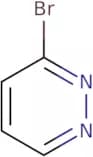
CAS:<p>3-Bromopyridazine is a dechlorinated derivative of pyridazine that has been used as an agrochemical. 3-Bromopyridazine can be synthesized by aminocarbonylation at the 3-position, which is a nucleophilic substitution reaction. It has been shown to yield high yields and to react with nucleophiles such as chlorine or heterocycles such as cinnoline. 3-Bromopyridazine can also be obtained by cross coupling of 2-bromoacetophenone with benzaldehyde and pyridine in the presence of copper. The resulting product is then reacted with sodium nitrite in hydrochloric acid to produce 3-bromopyridazine. This compound may have potential use as a chemical intermediate for other compounds, due to its chemical stability and its ability to undergo cross coupling reactions.</p>Formula:C4H3BrN2Purity:Min. 95%Molecular weight:158.98 g/mol1-Chloro-3-iodobenzene
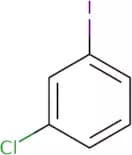
CAS:<p>1-Chloro-3-iodobenzene is a chemical compound that is used in the synthesis of ceramics. It is a colorless solid with a melting point of 337℃ and has a molecular weight of 160.161 g/mol. 1-Chloro-3-iodobenzene can be synthesized by reacting zinc powder with ethylmagnesium chloride in the presence of an aluminium catalyst. This reaction produces 1-chloro-3-iodobenzene, which can then be reacted with carbonyl chloride to produce aminocarbonylation products. The chemical compound was first synthesized by Grignard reagents, which are organometallic compounds containing a carbon atom bonded to a magnesium ion. Kinetic studies have shown that 1-chloro-3-iodobenzene reacts with hydroxide ions to form fluorescent products, although it is not reactive towards water or ammonia.</p>Formula:C6H4ClIPurity:Min. 95%Molecular weight:238.45 g/mol5,7-Dichloro-8-hydroxyquinaldine
CAS:<p>5,7-Dichloro-8-hydroxyquinaldine is an antimicrobial agent that can be used to treat infections caused by Gram-negative bacteria. It has been shown to have a broad spectrum of activity against both aerobic and anaerobic bacteria. 5,7-Dichloro-8-hydroxyquinaldine is active against methicillin resistant Staphylococcus aureus (MRSA) and Enterococci species. The drug has been shown to be effective in treating tissue infections in women with menstrual blood flow due to its anti-inflammatory properties. This drug is not absorbed well into the body via oral administration and is not widely available outside of China.</p>Formula:C10H7Cl2NOPurity:Min. 95%Color and Shape:PowderMolecular weight:228.07 g/molH-Lys(2-chloro-Z)-OBzl·HCl
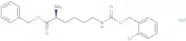
CAS:<p>Please enquire for more information about H-Lys(2-chloro-Z)-OBzl·HCl including the price, delivery time and more detailed product information at the technical inquiry form on this page</p>Formula:C21H25ClN2O4·HClPurity:Min. 95%Molecular weight:441.35 g/molNeuropeptide Y (18-36) trifluoroacetate salt
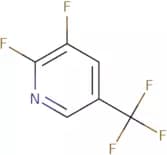
CAS:<p>Neuropeptide Y (18-36) trifluoroacetate salt H-Ala-Arg-Tyr-Tyr-Ser-Ala-Leu-Arg-His-Tyr-Ile-Asn-Leu-Ile-Thr-Arg -Gln is a peptide belonging to the family of neuropeptides. It has been shown to have potent vasoconstricting activity in rat and guinea pig hearts, as well as contractile activity in rat aortic rings. Neuropeptide Y (18 - 36) trifluoroacetate salt H -Ala -Arg Tyr Tyr Ser Ala Leu Arg His Tyr Ile Asn Leu Ile Thr Arg Gln Arg Tyr NH2 trifl uoroacetate salt also inhibits the cyclase activity of adenylate cyclase, which is responsible for generating the second messenger cAMP. This compound may be used to treat congest</p>Formula:C112H174N36O27Purity:Min. 95%Molecular weight:2,456.81 g/mol2,3-Difluoro-5-(trifluoromethyl)pyridine
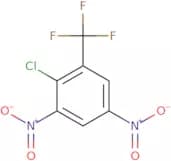
CAS:<p>2,3-Difluoro-5-(trifluoromethyl)pyridine is a diluent that is used in organic synthesis. It is a nucleophilic and hydrogen fluoride (HF) activated fluoropyridine. This compound has a diameter of 190.7 pm and an anhydrous form. 2,3-Difluoro-5-(trifluoromethyl)pyridine can be prepared by condensing pyridine with fluorine gas in the presence of an activating agent such as HF or silver nitrate. This compound reacts when exposed to vapor or heat, releasing HF as a byproduct. The pyridine ring found in this compound contains six carbon atoms, two nitrogen atoms, and one oxygen atom.</p>Formula:C6H2F5NPurity:Min. 95%Molecular weight:183.08 g/mol2-Chloro-3,5-dinitrobenzotrifluoride
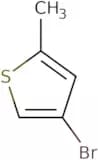
CAS:<p>2-Chloro-3,5-dinitrobenzotrifluoride is a chemical compound that is used as an intermediate in the synthesis of dyes and pharmaceuticals. It reacts with nitrous acid to form 2-chloro-3,5-dinitrobenzoic acid. The hydrogen bond between the hydroxyl group and the chlorine atom in this compound is weak, which leads to a constant value for its spectrometer. This chemical compound has photophysical properties that are dependent on the concentration of solutes. When it is mixed with other solutes such as potassium ion or sulfoxide, it can produce isomers. This chemical compound can be refluxed in a neutral pH environment to form anilines and acetonitrile, two compounds that are important for organic synthesis.</p>Formula:C7H2ClF3N2O4Purity:Min. 95%Color and Shape:Light (Or Pale) Yellow To Yellow SolidMolecular weight:270.55 g/mol4-Bromo-2-methylthiophene
CAS:<p>4-Bromo-2-methylthiophene is a linker that is used in the synthesis of metal carbonyls. It has been shown to be an efficient cross-linking agent for the preparation of polymers. 4-Bromo-2-methylthiophene can be isomerized to 2,5-dimethylthiophene by heating it with hydroxylamine. 4-Bromo-2-methylthiophene can also catalyze the alkylation of nucleophiles such as ammonia and dimethyl sulfate, as well as nucleophilic attack on carboxylic acid derivatives. This compound is acidic, due to its chloride substituent, which can react with basic groups such as hydroxyl groups or amines.</p>Formula:C5H5BrSPurity:Min. 95%Color and Shape:Clear LiquidMolecular weight:177.06 g/mol(Asp76)-pTH (39-84) (human) trifluoroacetate salt
CAS:<p>Please enquire for more information about (Asp76)-pTH (39-84) (human) trifluoroacetate salt including the price, delivery time and more detailed product information at the technical inquiry form on this page</p>Formula:C211H356N66O73Purity:Min. 95%Molecular weight:4,985.49 g/molBNP-32 (rat) trifluoroacetate
CAS:<p>Trifluoroacetate salt</p>Formula:C146H239N47O44S3Purity:Min. 95%Molecular weight:3,452.95 g/mol(R)-(+)-3-Chloro-1-phenyl-1-propanol
CAS:<p>(R)-(+)-3-Chloro-1-phenyl-1-propanol is a substrate for the lactamase of bacteria. The immobilized lipase catalyzes the hydrolysis reaction in which the lactam ring is broken, yielding a propiophenone intermediate. This intermediate can be converted to (S)-(+)-3-chloro-1-phenylpropanol by treatment with an alcohol oxidase or by hydrolysis with hydrogen peroxide. The product has been shown to have antidepressant activity and may modulate the dry weight of bacteria. In vivo studies show that this compound has a high concentration in rats and mice, but it is not active in humans.</p>Formula:C9H11ClOPurity:Min. 95%Color and Shape:White To Yellow SolidMolecular weight:170.64 g/mol(D-Lys(nicotinoyl)1,b-(3-pyridyl)-Ala3,3,4-dichloro-D-Phe5,Asn6,D-Trp7·9, Nle 11)-Substance P trifluoroacetate salt
CAS:<p>Substance P is a tachykinin neuropeptide that belongs to the tachykinin family. It is found in the central and peripheral nervous system and has been shown to have an important role in locomotor activity, protein synthesis, receptor activity, and neurotransmitter release. Substance P is also associated with a number of diseases such as infectious diseases, sciatic nerve pain, and vasoactive intestinal peptide (VIP) production. This substance has been used for the diagnosis of neurogenic bladder dysfunction by measuring its effects on urinary bladder contractility.</p>Formula:C86H104Cl2N18O13Purity:Min. 95%Molecular weight:1,668.76 g/mol2-Bromo-1-indanol
CAS:<p>2-Bromo-1-indanol is an industrial solvent used in the production of dyes, pigments, perfumes, pharmaceuticals, and other organic compounds. It is a chiral compound with two stereoisomers (R and S) that have different properties. The R isomer has a hydroxyl group on the 2 position of the indane ring, while the S isomer does not. The industrial process involves recycling of 2-bromo-1-indanol from the reaction mixture. This process can be monitored using mass spectrometric detection for bromine and hydrogen ions released during hydrolysis.<br>2-Bromo-1-indanol can be used to synthesize methoxybenzaldehyde with high regioselectivity, which can then be used to make some drugs such as amphetamine and methamphetamine.</p>Formula:C9H9BrOPurity:Min. 95%Color and Shape:PowderMolecular weight:213.07 g/molcis-Heptachlor epoxide
CAS:<p>Cis-Heptachlor epoxide is a metabolite of heptachlor, which is a pesticide. Cis-heptachlor epoxide has been detected in the blood of pregnant women, and in fetal cord blood. It has also been found in the liver microsomes of rats treated with heptachlor. Cis-heptachlor epoxide is an intermediate in the metabolism of heptachlor, but it can also be formed by hydrolysis of other pesticides containing chlorine atoms such as DDT and endosulfan. Cis-heptachlor epoxide is toxic to plants and animals, causing liver damage and inhibiting cellular respiration. There are no known studies on its toxicity to humans.</p>Formula:C10H5Cl7OPurity:Min. 95%Molecular weight:389.32 g/mol(Asn7)-Amyloid b-Protein (1-40) trifluoroacetate salt
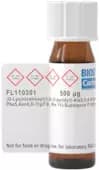
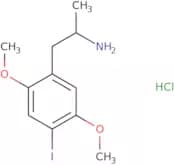
CAS:<p>(Asn7)-Amyloid b-Protein (1-40) trifluoroacetate salt H-Asp-Ala-Glu-Phe-Arg-His-Asn-Ser-Gly-Tyr-Glu-Val-His-His-Gln-Lys<br>The product is a compound that has been shown to inhibit the formation of beta amyloid peptides in the brain. It binds to the beta amyloid peptide and prevents its aggregation, thereby preventing the formation of plaques and inhibiting neuronal cell death. The product contains no detectable levels of trehalose, which makes it ideal for use in brain imaging studies. This product may also be used as a predictive biomarker for Alzheimer's disease because it can be detected in cerebrospinal fluid and plasma.</p>Formula:C194H296N54O57SPurity:Min. 95%Molecular weight:4,328.82 g/mol(±)-DOI Hydrochloride
CAS:Controlled Product<p>(±)-DoiHydrochloride is a serotonergic drug that belongs to the group of serotonin reuptake inhibitors. It affects the serotonergic system by inhibiting serotonin reuptake, which leads to increased synaptic concentrations of serotonin. This in turn activates signal pathways and increases levels of dopamine, norepinephrine, and epinephrine. (±)-DoiHydrochloride has antioxidative properties and can be used for the treatment of chronic schizophrenia. It was shown to be effective in patients with atrial fibrillation who were not responding well to other treatments.</p>Formula:C11H16INO2•HClPurity:Min. 95%Molecular weight:357.62 g/molThymosin α1 trifluoroacetate salt
CAS:<p>Please enquire for more information about Thymosin alpha1 trifluoroacetate salt including the price, delivery time and more detailed product information at the technical inquiry form on this page</p>Formula:C129H215N33O55·xC2HF3O2Purity:Min. 95%Molecular weight:3,108.28 g/molPropamocarbHydrochloride
CAS:<p>Propamocarb hydrochloride is a crystalline polymorph that has been found to be active against the bacterial strain. The mechanism of action is not yet known, but it may be due to inhibition of the enzyme carboxypeptidase A and/or an unknown biological function. Propamocarb hydrochloride has shown no significant toxicity in animal studies up to a dose of 2000 mg/kg. This compound has been studied as a potential treatment for tissue damage caused by inflammation and disease. In vitro experiments have shown that propamocarb hydrochloride is effective at inhibiting the growth of cancer cells in tissue culture, with high values (IC50) being seen at concentrations of 1-10 μM.</p>Formula:C9H21ClN2O2Purity:Min. 95%Molecular weight:224.73 g/molC5a Anaphylatoxin (37-53) (human) trifluoroacetate salt
CAS:<p>Please enquire for more information about C5a Anaphylatoxin (37-53) (human) trifluoroacetate salt including the price, delivery time and more detailed product information at the technical inquiry form on this page</p>Formula:C82H141N27O22SPurity:Min. 95%Molecular weight:1,889.23 g/molC-Type Natriuretic Peptide (1-53) (human) trifluoroacetate salt
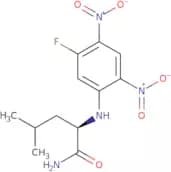
CAS:<p>Trifluoroacetate salt</p>Formula:C251H417N81O71S3Purity:Min. 95%Molecular weight:5,801.7 g/molNα-(5-fluoro-2,4-dinitrophenyl)-D-leucinamide
CAS:<p>Nalpha-(5-fluoro-2,4-dinitrophenyl)-D-leucinamide is a chemical compound that inhibits the activity of proteases. It has been shown to inhibit leukemia cells and actinomycetes. This chemical binds to the active site of proteases, inhibiting the hydrolysis of peptides by blocking the access of water molecules to the reactive site. In addition, Nalpha-(5-fluoro-2,4-dinitrophenyl)-D-leucinamide can also be used as a fluorescent probe for protease activity in analytical methods. The product research on this compound has shown that it is a potent inhibitor of cyclic peptide synthetases and can be used as an anti-inflammatory agent.</p>Formula:C12H15FN4O5Purity:Min. 95%Color and Shape:Off-White To Yellow SolidMolecular weight:314.27 g/molMca-Pro-b-cyclohexyl-Ala-Gly-Nva-His-Ala-Dap (Dnp)-NH2 trifluoroacetate salt
CAS:<p>Please enquire for more information about Mca-Pro-b-cyclohexyl-Ala-Gly-Nva-His-Ala-Dap (Dnp)-NH2 trifluoroacetate salt including the price, delivery time and more detailed product information at the technical inquiry form on this page</p>Formula:C51H65N13O15Purity:Min. 95%Molecular weight:1,100.14 g/mol4-Iodobiphenyl
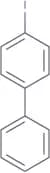
CAS:<p>4-Iodobiphenyl is a boronic acid that can be used in the Suzuki coupling reaction. It is an analog of biphenyl and diphenyl ether, with spacing that allows for aryl boronic acids to bind to it. 4-Iodobiphenyl has been shown to inhibit protein synthesis in the cytosol of erythrocytes and leukocytes. This compound can also be used as a bioactive molecule due to its ability to bind with proteins and lipids. 4-Iodobiphenyl has been shown to have anti-inflammatory activities due to its ability to inhibit prostaglandin synthesis by binding with arachidonic acid.</p>Formula:C12H9IPurity:Min. 98 Area-%Color and Shape:White PowderMolecular weight:280.1 g/molMatrix Protein M1 (58-66) (Influenza A virus) trifluoroacetate salt
CAS:<p>Please enquire for more information about Matrix Protein M1 (58-66) (Influenza A virus) trifluoroacetate salt including the price, delivery time and more detailed product information at the technical inquiry form on this page</p>Formula:C49H75N9O11·C2HF3O2Purity:Min. 95%Molecular weight:1,080.2 g/molNeuropeptide Y (1-24) amide (human, rat) trifluoroacetate salt
CAS:<p>Please enquire for more information about Neuropeptide Y (1-24) amide (human, rat) trifluoroacetate salt including the price, delivery time and more detailed product information at the technical inquiry form on this page</p>Formula:C116H170N30O40SPurity:Min. 95%Molecular weight:2,656.84 g/molFibronectin Fragment (1376-1380) trifluoroacetate salt
CAS:<p>Please enquire for more information about Fibronectin Fragment (1376-1380) trifluoroacetate salt including the price, delivery time and more detailed product information at the technical inquiry form on this page</p>Formula:C24H39N11O8Purity:Min. 95%Molecular weight:609.64 g/molGLP-1 (7-37) (human, bovine, guinea pig, mouse, rat) trifluoroacetate salt
CAS:Controlled Product<p>Please enquire for more information about GLP-1 (7-37) (human, bovine, guinea pig, mouse, rat) trifluoroacetate salt including the price, delivery time and more detailed product information at the technical inquiry form on this page</p>Formula:C151H228N40O47Purity:Min. 95%Molecular weight:3,355.67 g/mol5-Bromothieno[2,3-b]pyridine
CAS:<p>Please enquire for more information about 5-Bromothieno[2,3-b]pyridine including the price, delivery time and more detailed product information at the technical inquiry form on this page</p>Formula:C7H4BrNSPurity:Min. 95%Molecular weight:214.08 g/mol4'-Bromo-2'-fluoroacetophenone
CAS:<p>4'-Bromo-2'-fluoroacetophenone is a bifunctional reagent that reacts with nucleophiles to form conjugates. It is used in the preparation of fluorinated DNA and RNA, as well as in electron-transfer reactions. The selectivity of 4'-bromo-2'-fluoroacetophenone can be attributed to the presence of fluorine atoms on both ends of the molecule.</p>Formula:C8H6BrFOPurity:Min. 95%Molecular weight:217.04 g/mol(Phenylac 1,D-Tyr(Me)2,Arg6·8,Tyr-NH29)-Vasopressin trifluoroacetate salt Phenylac-D-Tyr(Me)-Phe-Gln-Asn-Arg-Pro-Arg-Tyr-NH2 tri
CAS:<p>Please enquire for more information about (Phenylac 1,D-Tyr(Me)2,Arg6·8,Tyr-NH29)-Vasopressin trifluoroacetate salt Phenylac-D-Tyr(Me)-Phe-Gln-Asn-Arg-Pro-Arg-Tyr-NH2 tri including the price, delivery time and more detailed product information at the technical inquiry form on this page</p>Formula:C62H83N17O13Purity:Min. 95%Color and Shape:PowderMolecular weight:1,274.43 g/molH-D-Val-2-chlorotrityl resin (200-400 mesh)
<p>Please enquire for more information about H-D-Val-2-chlorotrityl resin (200-400 mesh) including the price, delivery time and more detailed product information at the technical inquiry form on this page</p>Purity:Min. 95%PAR-4 (1-6) amide (human) trifluoroacetate salt
CAS:<p>Please enquire for more information about PAR-4 (1-6) amide (human) trifluoroacetate salt including the price, delivery time and more detailed product information at the technical inquiry form on this page</p>Formula:C28H42N8O8Purity:Min. 95%Molecular weight:618.68 g/molH-Cys(NPys)-D-Arg-D-Arg-D-Arg-D-Arg-D-Arg-D-Arg-D-Arg-D-Arg-D-Arg-NH2 trifluoroacetate salt
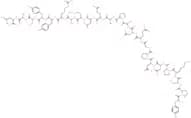
CAS:<p>Please enquire for more information about H-Cys(NPys)-D-Arg-D-Arg-D-Arg-D-Arg-D-Arg-D-Arg-D-Arg-D-Arg-D-Arg-NH2 trifluoroacetate salt including the price, delivery time and more detailed product information at the technical inquiry form on this page</p>Formula:C62H118N40O12S2Purity:Min. 95%Molecular weight:1,679.99 g/mol(d(CH2)51,Tyr(Me)2,Thr4, Orn 8,Tyr-NH29)-Vasotocin trifluoroacetate salt
CAS:<p>Vasotocin is a peptide that belongs to the family of arginine vasotocin and oxytocin receptor antagonists. It is synthesized in the rat kidney, where it is stored in vesicles. Vasotocin has been shown to bind to the oxytocin receptor, which regulates many physiological processes such as muscle contraction, ejaculation, and milk letdown. Vasotocin also modulates the activity of antigen-presenting cells and can be used for pharmaceutical formulations. This drug has been shown to be effective against congestive heart failure and may be used as a diluent for other drugs.br>br><br>Vasotocin trifluoroacetate salt (VT) is an oxime derivative that can be isolated from vasotocin. The synthesis of VT involves converting vasotocin into its trifluoroacetate salt by adding trifluoroacetic acid, followed by reacting with hydroxylam</p>Formula:C54H79N11O13S2Purity:Min. 95%Molecular weight:1,154.4 g/molAcetyl-(D-Phe2,Lys15,Arg16,Leu27)-VIP (1-7)-GRF (8-27) trifluoroacetate salt
CAS:<p>Please enquire for more information about Acetyl-(D-Phe2,Lys15,Arg16,Leu27)-VIP (1-7)-GRF (8-27) trifluoroacetate salt including the price, delivery time and more detailed product information at the technical inquiry form on this page</p>Formula:C150H246N44O38Purity:Min. 95%Molecular weight:3,273.83 g/mol(D-Lys16)-ACTH (1-24) (human, bovine, rat) trifluoroacetate salt
CAS:<p>Please enquire for more information about (D-Lys16)-ACTH (1-24) (human, bovine, rat) trifluoroacetate salt including the price, delivery time and more detailed product information at the technical inquiry form on this page</p>Formula:C136H210N40O31SPurity:Min. 95%Molecular weight:2,933.44 g/molKemptamide trifluoroacetate salt
CAS:<p>Kemptamide is a peptide that has been shown to have cytotoxic and anti-proliferative effects on renal cancer cells. It is a synthetic analogue of an endogenous peptide, Lys-Lys-Arg-Pro-Gln-Arg-Ala-Thr-Ser-Asn-Val-Phe, that is found in porcine kidney. Kemptamide’s cytotoxic activity may be due to its ability to inhibit the activity of phosphatases. Kemptamide also has regulatory properties and can modulate the expression of genes that are involved in cell growth and apoptosis. This peptide has been shown to be reactive with kidney cells, which may lead to its therapeutic effect on renal cancer.</p>Formula:C65H112N24O18Purity:Min. 95%Molecular weight:1,517.74 g/mol

![Bis[α,α-bis(trifluoromethyl)benzenemethanolato]diphenylsulfur](/_next/image/?url=https%3A%2Fstatic.cymitquimica.com%2Fproducts%2F3D%2Fthumb-webp%2FFB98713.webp&w=3840&q=75)



![4,5-Dibromo-1,2,6,7-tertahydro-8H-indeno[5,4-b]furan-8-one](/_next/image/?url=https%3A%2Fstatic.cymitquimica.com%2Fproducts%2F3D%2Fthumb-webp%2FFD21568.webp&w=3840&q=75)


![(2E)-1-[5,6-Dihydro-3-(trifluoromethyl)-1,2,4-triazolo[4,3-a]pyrazin-7(8H)-yl]-4-(2,4,5-trifluorop…](/_next/image/?url=https%3A%2Fstatic.cymitquimica.com%2Fproducts%2F3D%2Fthumb-webp%2FFD103313.webp&w=3840&q=75)



![(2R,3S)-2-[(1R)-1-[3,5-Bis(trifluoromethyl)phenyl]ethoxy]-3-(4-fluorophenyl)morpholine hydrochlori…](/_next/image/?url=https%3A%2Fstatic.cymitquimica.com%2Fproducts%2F3D%2Fthumb-webp%2FFB102459.webp&w=3840&q=75)

![rac 3,11-dichloro-6,11-dihydro-6-methyl-dibenzo[c,f][1,2]thiazepine 5,5-dioxide](/_next/image/?url=https%3A%2Fstatic.cymitquimica.com%2Fproducts%2F3D%2Fthumb-webp%2FFR27443.webp&w=3840&q=75)
![(Des-Gly10,D-Leu6,[13C6]Leu7,Pro-NHEt 9)-LHRH trifluoroacetate salt](/_next/image/?url=https%3A%2Fstatic.cymitquimica.com%2Fproducts%2F3D%2Fthumb-webp%2FFD109775.webp&w=3840&q=75)
















![5-Bromothieno[2,3-b]pyridine](/_next/image/?url=https%3A%2Fstatic.cymitquimica.com%2Fproducts%2F3D%2Fthumb-webp%2FFB111196.webp&w=3840&q=75)