Organic Halides
In this category, you can find organic molecules containing one or more halogen atoms in their structure. These organic halides include brominated, iodinated, chlorinated, and cyclic halide compounds. Organic halides are widely used in organic synthesis, pharmaceuticals, agrochemicals, and materials science due to their reactivity and ability to undergo a variety of chemical transformations. At CymitQuimica, we offer a comprehensive selection of high-quality organic halides to support your research and industrial applications, ensuring reliable and effective performance in your synthetic and analytical projects.
Subcategories of "Organic Halides"
Found 20437 products of "Organic Halides"
Sort by
Purity (%)
0
100
|
0
|
50
|
90
|
95
|
100
[4,4'-Di-t-butyl-2,2'-bipyridine][bis[5-(t-butyl)-2-[4-(t-butyl)-2-pyridinyl-kN]phenyl-kC]iridium(III) hexafluorophosphate
CAS:<p>Please enquire for more information about [4,4'-Di-t-butyl-2,2'-bipyridine][bis[5-(t-butyl)-2-[4-(t-butyl)-2-pyridinyl-kN]phenyl-kC]iridium(III) hexafluorophosphate including the price, delivery time and more detailed product information at the technical inquiry form on this page</p>Formula:C56H72F6IrN4PPurity:Min. 95%Molecular weight:1,138.38 g/moltert-Butyl2-bromo-6,7-dihydrothiazolo[5,4-c]pyridine-5(4H)-carboxylate
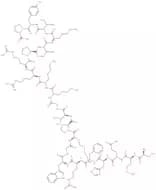
CAS:<p>Please enquire for more information about tert-Butyl2-bromo-6,7-dihydrothiazolo[5,4-c]pyridine-5(4H)-carboxylate including the price, delivery time and more detailed product information at the technical inquiry form on this page</p>Formula:C11H15BrN2O2SPurity:Min. 95%Molecular weight:319.22 g/molMet-RANTES (human) trifluoroacetate salt
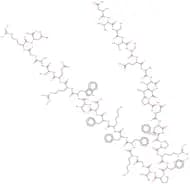
<p>Please enquire for more information about Met-RANTES (human) trifluoroacetate salt including the price, delivery time and more detailed product information at the technical inquiry form on this page</p>Formula:C355H543N97O101S6Purity:Min. 95%Molecular weight:7,978.1 g/mol1-Dodecylpyridinium chloride
CAS:<p>1-Dodecylpyridinium Chloride is a quaternary ammonium salt that is used as an antimicrobial agent in a variety of products, such as pharmaceuticals, cosmetics, and household products. It has been shown to be toxic to humans at doses above 0.5 mg/kg. At sublethal doses, 1-dodecylpyridinium chloride inhibits the growth of bacteria by binding to the cationic sites on their cell surfaces and preventing them from attaching to other cells or molecules in their environment. 1-Dodecylpyridinium chloride also binds to the enzyme p-nitrophenyl phosphate reductase, which is required for bacterial growth. This inhibition leads to cell death by preventing ATP production and protein synthesis.</p>Formula:C17H30N•ClPurity:Min. 95%Molecular weight:283.88 g/mol(D-Leu6)-LHRH (1-8) (free acid) trifluoroacetate salt
CAS:<p>Please enquire for more information about (D-Leu6)-LHRH (1-8) (free acid) trifluoroacetate salt including the price, delivery time and more detailed product information at the technical inquiry form on this page</p>Formula:C52H72N14O12Purity:Min. 95%Molecular weight:1,085.22 g/molPreptin (rat) trifluoroacetate salt
CAS:<p>Please enquire for more information about Preptin (rat) trifluoroacetate salt including the price, delivery time and more detailed product information at the technical inquiry form on this page</p>Formula:C181H268N48O51Purity:Min. 95%Molecular weight:3,932.36 g/mol4-Bromo-3-methoxypyridine
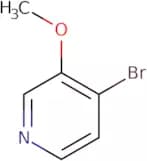
CAS:<p>Please enquire for more information about 4-Bromo-3-methoxypyridine including the price, delivery time and more detailed product information at the technical inquiry form on this page</p>Formula:C6H6BrNOPurity:Min. 95%Molecular weight:188.02 g/molPAR-2 (6-1) amide (human) trifluoroacetate salt
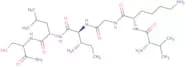
CAS:<p>Please enquire for more information about PAR-2 (6-1) amide (human) trifluoroacetate salt including the price, delivery time and more detailed product information at the technical inquiry form on this page</p>Formula:C28H54N8O7Purity:Min. 95%Molecular weight:614.78 g/mol1-Methyl-4-nitro-2-(trichloroacetyl)-1H-pyrrole
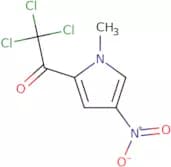
CAS:<p>1-Methyl-4-nitro-2-(trichloroacetyl)-1H-pyrrole is an organic compound that is used in the synthesis of carboxylic acid derivatives. It is a synthetic intermediate, which can be converted to other compounds by intramolecular hydrogen bonding. The efficiency of this method has been shown through a number of experiments. In nature, 1-methyl-4-nitro-2-(trichloroacetyl)-1H-pyrrole may be found as a hydrogen bond donor.</p>Formula:C7H5Cl3N2O3Purity:Min. 95%Molecular weight:271.48 g/molH-Gly-Pro-Pro-OH trifluoroacetate salt
CAS:<p>H-Gly-Pro-Pro-OH trifluoroacetate salt is an amide with a high specificity and low energy. This compound is activated by sequences of collagen, which may be due to its ability to hydrate intracellular calcium concentrations. H-Gly-Pro-Pro-OH trifluoroacetate salt has been shown to have polymerase chain activation activity in the presence of lysine residues, and it can bind to regulatory sites on DNA. H-Gly-Pro-Pro-OH trifluoroacetate salt has also been shown to have hydroxyproline hydroxylase activity, which leads to a helical structure.</p>Formula:C12H19N3O4Purity:Min. 95%Molecular weight:269.3 g/molPAR-3 (1-6) amide (mouse) trifluoroacetate salt
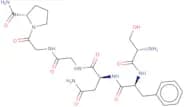
CAS:<p>Please enquire for more information about PAR-3 (1-6) amide (mouse) trifluoroacetate salt including the price, delivery time and more detailed product information at the technical inquiry form on this page</p>Formula:C25H36N8O8Purity:Min. 95%Molecular weight:576.6 g/molUrocortin (rat) trifluoroacetate salt
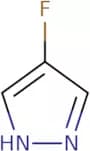
CAS:<p>Trifluoroacetate salt</p>Formula:C206H338N62O64Purity:Min. 95%Molecular weight:4,707.27 g/mol4-Fluoropyrazole
CAS:<p>4-Fluoropyrazole is a synthetic chemical that can be prepared by the transfer of fluorine from chloroformate to an isoxazole. It has been shown that 4-fluoropyrazole can be synthesized in high yields and with good functional groups, as well as being stable to air and moisture. The reaction takes place spontaneously at low temperatures, which makes it an attractive candidate for industrial production. The chemical crystallizes in the form of a trimerization product. The proton functioned group was not observed due to its instability. This compound has a chlorine atom attached to a pyrazole ring.</p>Formula:C3H3FN2Purity:Min. 95%Molecular weight:86.07 g/mol3-Amino-4-fluorobenzoic acid
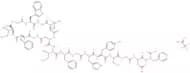
CAS:<p>3-Amino-4-fluorobenzoic acid is a hydrocarbon that is used as an analgesic. It has been shown to be nontoxic and has analgesic effects in the intestinal tract. 3-Amino-4-fluorobenzoic acid also has radiopaque properties, which makes it useful for diagnosis and treatment of certain types of cancer and other tumors. The analgesic effect of 3-amino-4-fluorobenzoic acid may be due to its ability to act as a competitive antagonist at the N -methyl--aspartate (NMDA) receptor, which is important in pain perception.</p>Formula:C7H6FNO2Purity:Min. 95%Molecular weight:155.13 g/molAmyloid b-Protein (1-40) amide trifluoroacetate salt
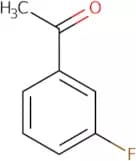
CAS:<p>Please enquire for more information about Amyloid b-Protein (1-40) amide trifluoroacetate salt including the price, delivery time and more detailed product information at the technical inquiry form on this page</p>Formula:C194H296N54O57SPurity:Min. 95%Molecular weight:4,328.82 g/mol1-Acetyl-3-fluorobenzene
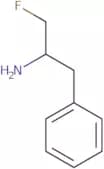
CAS:<p>1-Acetyl-3-fluorobenzene is a fluorinated aldehyde that reacts with tetrazolium chloride to form a red, insoluble precipitate. This reaction can be used as an indicator of the presence of colon cancer. The optimal reaction conditions are at pH 7 and a temperature between 60 and 70 °C. 1-Acetyl-3-fluorobenzene has shown significant cytotoxic activity against colon cancer cells in vitro and in vivo.</p>Formula:C8H7FOPurity:Min. 95%Color and Shape:Colorless Clear LiquidMolecular weight:138.14 g/mol1-Fluoro-3-phenylpropan-2-amine
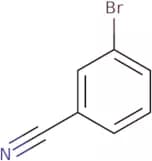
CAS:Controlled Product<p>Please enquire for more information about 1-Fluoro-3-phenylpropan-2-amine including the price, delivery time and more detailed product information at the technical inquiry form on this page</p>Formula:C9H12FNPurity:Min. 95%Color and Shape:Clear LiquidMolecular weight:153.2 g/mol3-Bromobenzonitrile
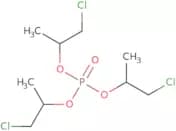
CAS:<p>3-Bromobenzonitrile is an organic compound that has a hydroxyl group and a bromine atom. It is an organic chemical compound that can be synthesized by the reaction of benzene with nitric acid and azide. 3-Bromobenzonitrile has been studied for its biological properties. It also reacts with amines, quinoline derivatives, and other reactive molecules to form new compounds. 3-Bromobenzonitrile has been shown to have transport properties, which can be determined using FT-IR spectroscopy techniques.</p>Formula:C7H4BrNPurity:Min. 95%Color and Shape:PowderMolecular weight:182.02 g/molTris(1-chloro-2-propyl) phosphate - mixture of isomers
CAS:<p>Tris(1-chloro-2-propyl) phosphate is a synthetic compound that belongs to the class of diphenyl ethers. It is used as an intermediate in the production of other chemicals, such as plastics and pesticides. Tris(1-chloro-2-propyl) phosphate has been shown to be toxic to cells by inhibiting mitochondrial membrane potential and interfering with cellular metabolism. This chemical can cause severe health effects, such as liver damage and death, at high doses. Tris(1-chloro-2-propyl) phosphate can also be detected in human serum and urine samples with high sensitivity.</p>Formula:C9H18Cl3O4PPurity:Min. 95%Molecular weight:327.57 g/molAmyloid β/A4 Protein Precursor770 (403-407) trifluoroacetate salt
CAS:<p>Please enquire for more information about Amyloid beta/A4 Protein Precursor770 (403-407) trifluoroacetate salt including the price, delivery time and more detailed product information at the technical inquiry form on this page</p>Formula:C25H47N11O9SPurity:Min. 95%Molecular weight:677.78 g/molCyclobutanesulfonyl chloride
CAS:<p>Cyclobutanesulfonyl chloride is a reagent that is used for the synthesis of 1-6-alkylcyclobutanes. It can be used to synthesize heterocyclic compounds, including those with high optical purity. Cyclobutanesulfonyl chloride has been shown to have antiviral and antiproliferative properties. It has also been shown to exhibit anticancer activity in vitro and in vivo. The mechanism of action for this compound is unclear, but it may inhibit protein synthesis by attacking the amino acid methionine in proteins or by inhibiting DNA replication.</p>Formula:C4H7ClO2SPurity:Min. 95%Color and Shape:Clear LiquidMolecular weight:154.62 g/mol2-Bromopyrazine
CAS:<p>2-Bromopyrazine is a heterocyclic chemical compound that inhibits the activity of enzymes such as kinases. It has been shown to have anti-tumor properties in clinical studies and has been used in cancer research. 2-Bromopyrazine binds to nicotinic acetylcholine receptors, which are found on the surface of tumor cells. The binding of 2-bromopyrazine to these receptors causes an increase in ion flow across the membrane and leads to cell death. This drug also inhibits kinase activity, leading to decreased protein synthesis, which may account for its anti-tumor properties. 2-Bromopyrazine is soluble in organic solvents and insoluble in water. 2-Bromopyrazine is stable under acidic conditions but undergoes hydrolysis by hydrochloric acid, forming a salt and hydrogen bromide gas.</p>Formula:C4H3BrN2Purity:Min. 95%Color and Shape:Colorless Clear LiquidMolecular weight:158.98 g/molDABCYL-TNF-α-EDANS (-4 to +6) (human) trifluoroacetate salt
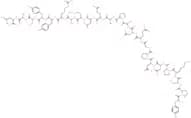
CAS:<p>DABCYL-TNF-alpha-EDANS (-4 to +6) (human) trifluoroacetate salt is a fine chemical that has been shown to be useful in research. It is a versatile building block for the synthesis of complex compounds and can be used as a reaction component for the synthesis of speciality chemicals. The compound is a high quality reagent, which can be used as an intermediate for the synthesis of other chemical compounds.</p>Formula:C70H104N22O18S·C2HF3O2Purity:Min. 95%Color and Shape:Red SolidMolecular weight:1,687.8 g/mol(Pen 5)-Urotensin II (4-11) (human) trifluoroacetate salt
CAS:<p>Please enquire for more information about (Pen 5)-Urotensin II (4-11) (human) trifluoroacetate salt including the price, delivery time and more detailed product information at the technical inquiry form on this page</p>Formula:C52H68N10O12S2Purity:Min. 95%Molecular weight:1,089.29 g/molDynorphin A (1-13) amide trifluoroacetate salt
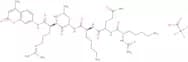
CAS:<p>Please enquire for more information about Dynorphin A (1-13) amide trifluoroacetate salt including the price, delivery time and more detailed product information at the technical inquiry form on this page</p>Formula:C75H127N25O14Purity:Min. 95%Molecular weight:1,602.97 g/molAc-Lys-Gln-Lys-Leu-Arg-AMC trifluoroacetate salt
CAS:<p>Please enquire for more information about Ac-Lys-Gln-Lys-Leu-Arg-AMC trifluoroacetate salt including the price, delivery time and more detailed product information at the technical inquiry form on this page</p>Formula:C41H66N12O9Purity:Min. 95%Molecular weight:871.04 g/molNeuropeptide Y (1-24) amide (human, rat) trifluoroacetate salt
CAS:<p>Please enquire for more information about Neuropeptide Y (1-24) amide (human, rat) trifluoroacetate salt including the price, delivery time and more detailed product information at the technical inquiry form on this page</p>Formula:C116H170N30O40SPurity:Min. 95%Molecular weight:2,656.84 g/molH-D-Cys(4-methoxytrityl)-2-chlorotrityl resin (200-400 mesh)
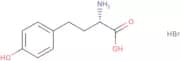
<p>Please enquire for more information about H-D-Cys(4-methoxytrityl)-2-chlorotrityl resin (200-400 mesh) including the price, delivery time and more detailed product information at the technical inquiry form on this page</p>Purity:Min. 95%Homo-L-tyrosine hydrobromide
CAS:<p>Homo-L-tyrosine hydrobromide (HLTB) is a prodrug that is converted to L-3,4-dihydroxyphenylalanine (L-dopa) in vivo. It is used as an immunomodulator by stimulating the immune system and reducing inflammation. HLTB has been shown to have anti-inflammatory effects on the production of cytokines and chemokines, which are important for tumor growth and metastasis. HLTB is also known to inhibit tyrosine kinase, which plays a role in the development of some cancers.</p>Formula:C10H14BrNO3Purity:Min. 95%Molecular weight:276.13 g/molH-Lys(Boc)-2-chlorotrityl resin (200-400 mesh)
<p>Please enquire for more information about H-Lys(Boc)-2-chlorotrityl resin (200-400 mesh) including the price, delivery time and more detailed product information at the technical inquiry form on this page</p>Purity:Min. 95%Osteostatin amide trifluoroacetate
CAS:<p>Please enquire for more information about Osteostatin amide trifluoroacetate including the price, delivery time and more detailed product information at the technical inquiry form on this page</p>Formula:C142H229N43O57•(C2HF3O2)xPurity:Min. 95%Molecular weight:3,450.59 g/molEthyl malonyl chloride
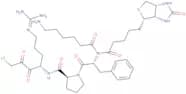
CAS:<p>Ethyl malonyl chloride is a compound that belongs to the class of acylating agents. It reacts with the carbonyl group of an organic acid, such as malonic acid, to form an ester. This reaction is catalyzed by a nucleophile such as water or alcohols. Ethyl malonyl chloride has been shown to have anticancer activity and can inhibit protein synthesis in muscle cells by blocking receptor activity and growth factor signaling pathways.</p>Formula:C5H7ClO3Purity:90%MinMolecular weight:150.56 g/molBiotinyl-ε-aminocaproyl-D-Phe-Pro-Arg-chloromethylketone
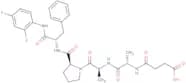
CAS:<p>Please enquire for more information about Biotinyl-epsilon-aminocaproyl-D-Phe-Pro-Arg-chloromethylketone including the price, delivery time and more detailed product information at the technical inquiry form on this page</p>Formula:C37H56ClN9O6SPurity:Min. 95%Molecular weight:790.42 g/molSuc-Ala-Ala-Pro-Phe-2,4-difluoroanilide
CAS:<p>Please enquire for more information about Suc-Ala-Ala-Pro-Phe-2,4-difluoroanilide including the price, delivery time and more detailed product information at the technical inquiry form on this page</p>Formula:C30H35F2N5O7Purity:Min. 95%Molecular weight:615.63 g/molHemokinin 1 (human) trifluoroacetate salt
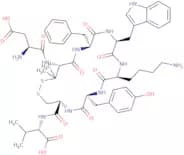
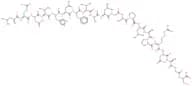
CAS:<p>Hemokinin-1 is a hematopoietic cell growth factor that belongs to the group of neuropeptides. This protein has been shown to stimulate the production of white blood cells and is used as an adjuvant in vaccines. Hemokinin-1 stimulates the production of inflammatory cytokines and other proinflammatory substances. It also has been found to be involved in autoimmune diseases, cancer, and infectious diseases. The antigen binding site on Hemokinin-1 is located at residues Thr-Gly-Lys-Ala-Ser-Gln-Phe-Phe-Gly-Leu (TGLKSGPFGL) and the receptor binding site at residues Met-NH2. The receptor for Hemokinin 1 is the neurokinin 1 receptor (NK1R).</p>Formula:C54H84N14O14SPurity:Min. 95%Molecular weight:1,185.4 g/mol(β-Asp3)-VIP (human, mouse, rat) trifluoroacetate salt
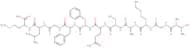
CAS:<p>Please enquire for more information about (Beta-Asp3)-VIP (human, mouse, rat) trifluoroacetate salt including the price, delivery time and more detailed product information at the technical inquiry form on this page</p>Formula:C147H238N44O42SPurity:Min. 95%Molecular weight:3,325.8 g/molLIP2 (human) trifluoroacetate salt
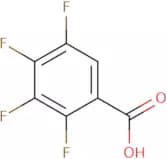
<p>Please enquire for more information about LIP2 (human) trifluoroacetate salt including the price, delivery time and more detailed product information at the technical inquiry form on this page</p>Formula:C184H288N58O58Purity:Min. 95%Molecular weight:4,240.61 g/mol2,3,4,5-Tetrafluorobenzoic acid
CAS:<p>Tetrafluorobenzoic acid is a synthetic chemical that is used in the synthesis of antimicrobial agents. Tetrafluorobenzoic acid has been shown to bind to the hydroxyl group of 2,3,4,5-tetrafluorobenzoyl chloride and form a covalent bond. The reaction solution was analyzed using crystallography and showed that there are no intermolecular hydrogen bonds between tetrafluorobenzoic acid molecules. The crystal structure was determined by X-ray diffraction analysis and found that the intramolecular hydrogen bonding may be responsible for the anti-microbial activity of this substance.</p>Formula:C7H2F4O2Molecular weight:194.08 g/mol3,4-Dichloroisocoumarin
CAS:<p>3,4-Dichloroisocoumarin is an organic compound that has been shown to be a potent inhibitor of nuclear DNA polymerase. It has been shown to be a potential drug target for cancer treatment due to its ability to inhibit the polymerase chain reaction (PCR) and interfere with DNA replication. 3,4-Dichloroisocoumarin has also been shown to have reactive properties, which may lead to cell death by damaging cellular components such as proteins and lipids. The enzyme activity of 3,4-Dichloroisocoumarin is unknown. However, it is thought that the inhibition of DNA synthesis by this compound may be due to its ability to bind DNA in a manner that prevents transcription or replication.</p>Formula:C9H4Cl2O2Purity:Min. 95%Color and Shape:PowderMolecular weight:215.03 g/molpTH (28-48) (human) trifluoroacetate salt
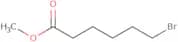
CAS:<p>Please enquire for more information about pTH (28-48) (human) trifluoroacetate salt including the price, delivery time and more detailed product information at the technical inquiry form on this page</p>Formula:C95H150N28O29Purity:Min. 95%Molecular weight:2,148.38 g/mol6-Bromohexanoic acid methyl ester
CAS:<p>6-Bromohexanoic acid methyl ester is a linker that can be used in the synthesis of amides. This compound is synthesized by reaction between 2-bromobutyric acid and malonic acid, followed by hydrolysis with sodium hydroxide. 6-Bromohexanoic acid methyl ester is an efficient method for the preparation of amides. It is biologically active and has been shown to have anti-inflammatory properties in biological studies.</p>Formula:C7H13BrO2Purity:Min. 95%Color and Shape:Clear LiquidMolecular weight:209.08 g/molGastrin I (rat) trifluoroacetate salt
CAS:<p>Trifluoroacetate salt</p>Formula:C94H128N22O31S2Purity:Min. 95%Molecular weight:2,126.28 g/molBiotinyl-Obestatin (human) trifluoroacetate salt
CAS:<p>Please enquire for more information about Biotinyl-Obestatin (human) trifluoroacetate salt including the price, delivery time and more detailed product information at the technical inquiry form on this page</p>Formula:C126H190N34O35SPurity:Min. 95%Molecular weight:2,773.13 g/molMethyl 2-amino-6-bromobenzoate
CAS:<p>Please enquire for more information about Methyl 2-amino-6-bromobenzoate including the price, delivery time and more detailed product information at the technical inquiry form on this page</p>Formula:C8H8BrNO2Purity:Min. 95%Color and Shape:Clear LiquidMolecular weight:230.06 g/mol(1,10-Phenanthroline)tris[4,4,4-trifluoro-1-(2-thienyl)-1,3-butanedionato]europium(III)
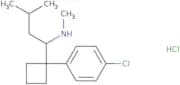
CAS:<p>(1,10-Phenanthroline)tris[4,4,4-trifluoro-1-(2-thienyl)-1,3-butanedionato]europium(III) is a luminescent europium complex that is used in the development of microcapsules for fluorescence microscopy. The (1,10-phenanthroline) ligand is a chelate molecule that can be exchanged with other ligands to change the optical properties of the complex. The fluorescence microscope detects the emitted light at 488 nm and 514 nm wavelengths. The luminescent europium complex emits light when it binds to an organic molecule such as vinyl alcohol or water vapor. Ternary complexes are formed between the europium ion and two different ligands. Optical properties depend on the type of ligands present in these ternary complexes. This product has been shown to have chemical structures that are similar to those</p>Purity:Min. 95%Desmethyl sibutramine hydrochloride salt
CAS:<p>Desmethyl sibutramine hydrochloride salt is a pharmaceutical preparation that has been used in the treatment of depression and chronic pain. It is a synthetic drug that increases the level of dopamine in the brain by inhibiting its reuptake. In addition, it has been shown to be effective in the treatment of hyperactivity, diabetic neuropathy, and other amines. Desmethyl sibutramine hydrochloride salt also has an antidepressant effect by decreasing serotonin reuptake.</p>Formula:C16H25Cl2NPurity:Min. 95 Area-%Color and Shape:White PowderMolecular weight:302.28 g/mol3-Fluoro-2-nitrobenzaldehyde
CAS:<p>3-Fluoro-2-nitrobenzaldehyde is a pyridine derivative that has been used in the synthesis of a number of important heterocyclic compounds. This compound can be prepared by reacting 3,4-dichloroaniline with nitrous acid and then hydrolyzing the resulting 3-chloroquinoline with hydrochloric acid. The reaction yields anilines and quinolines in regiospecifically, as well as formylation, cyclisation, and condensation products. It is also capable of aromatisation reactions with benzene to produce benzofuran derivatives.</p>Formula:C7H4FNO3Purity:Min. 95%Color and Shape:Yellow PowderMolecular weight:169.11 g/molCART (55-76) (rat) trifluoroacetate salt
CAS:<p>Please enquire for more information about CART (55-76) (rat) trifluoroacetate salt including the price, delivery time and more detailed product information at the technical inquiry form on this page</p>Formula:C107H166N26O33S3Purity:Min. 95%Molecular weight:2,440.82 g/molH-His(1-Trt)-2-chlorotrityl resin (200-400 mesh) (Low Substitution)
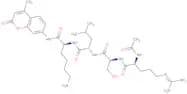
<p>Please enquire for more information about H-His(1-Trt)-2-chlorotrityl resin (200-400 mesh) (Low Substitution) including the price, delivery time and more detailed product information at the technical inquiry form on this page</p>Purity:Min. 95%Ac-Arg-Ser-Leu-Lys-AMC trifluoroacetate salt
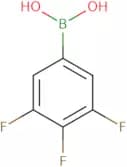
CAS:<p>Please enquire for more information about Ac-Arg-Ser-Leu-Lys-AMC trifluoroacetate salt including the price, delivery time and more detailed product information at the technical inquiry form on this page</p>Formula:C33H51N9O8•C2HF3O2Purity:Min. 95 Area-%Color and Shape:PowderMolecular weight:815.83 g/mol(3,4,5-Trifluorophenyl)boronic acid
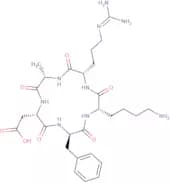
CAS:<p>The trifluorophenylboronic acid is a boronic acid that has been used in the synthesis of vitamin B12. This compound is often used as a catalyst for the Suzuki coupling reaction. It can also be used to synthesize amides and synthons. The trifluorophenylboronic acid is soluble in water, ethanol, and acetone. The pH of the solution depends on the type of base added. For example, when an amine is added to the solution, it increases to approximately 8-9. When a p-hydroxybenzoic acid is added to the solution, it decreases to approximately 2-3.</p>Formula:C6H4BF3O2Purity:Min. 95%Color and Shape:PowderMolecular weight:175.9 g/molCyclo(-Arg-Ala-Asp-D-Phe-Lys) trifluoroacetate salt
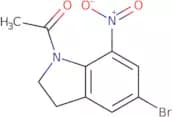
CAS:<p>Cyclo(-Arg-Ala-Asp-D-Phe-Lys) trifluoroacetate salt is a peptidomimetic that inhibits the growth of tumor cells by inhibiting angiogenesis, which is the formation of new blood vessels. It has been shown to effectively inhibit the proliferation of endothelial cells and decrease tumor vasculature in human ovarian carcinoma. Cyclo(-Arg-Ala-Asp-D-Phe-Lys) trifluoroacetate salt binds to cyclic peptides in the body and prevents them from being broken down by peptidases. This increases their uptake into cancer cells and inhibits angiogenesis, leading to a decrease in tumor size and number.</p>Formula:C28H43N9O7Purity:Min. 95%Molecular weight:617.7 g/mol1-Acetyl-5-bromo-7-nitro-2,3-dihydro-1H-indole
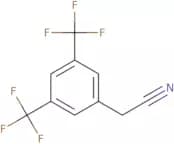
CAS:<p>The 1-Acetyl-5-bromo-7-nitro-2,3-dihydro-1H-indole is a water soluble molecule. It has a molecular weight of 230.3 and a chemical formula of C8H6N2O2Br. The 1A5B7N1 is an aromatic heterocyclic compound that contains a ring with five carbon atoms, three nitrogens, and one oxygen. The 1A5B7N1 is also known as the 5 Bromo 7 Nitro 2,3 Dihydro 1 H Indole or the 5 Bromo 7 Nitro 2,3 Dihydroindole. This molecule has been seen to have bioactive properties in many different ways including photolysis efficiency and molecular orbital.</p>Formula:C10H9BrN2O3Purity:Min. 95%Molecular weight:285.09 g/mol3,5-Bis(trifluoromethyl)phenylacetonitrile
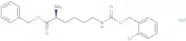
CAS:<p>3,5-Bis(trifluoromethyl)phenylacetonitrile (3,5-BTFAPN) is a compound that has anticancer activity. It can be used to treat cancer by inhibiting the growth of cancer cells. 3,5-BTFAPN has been shown to be effective against some human cancer cell lines in vitro and in vivo. The drug was found to have cytotoxic effects by inducing apoptosis through changes in mitochondrial membrane potential and cytochrome c release. 3,5-BTFAPN also binds to DNA and forms adducts with guanine residues, which may explain its anticancer activity.</p>Formula:C10H5F6NPurity:Min. 98 Area-%Color and Shape:Colorless Yellow Clear LiquidMolecular weight:253.14 g/molH-Lys(2-chloro-Z)-OBzl·HCl
CAS:<p>Please enquire for more information about H-Lys(2-chloro-Z)-OBzl·HCl including the price, delivery time and more detailed product information at the technical inquiry form on this page</p>Formula:C21H25ClN2O4·HClPurity:Min. 95%Molecular weight:441.35 g/mol(D-Lys(nicotinoyl)1,b-(3-pyridyl)-Ala3,3,4-dichloro-D-Phe5,Asn6,D-Trp7·9, Nle 11)-Substance P trifluoroacetate salt
CAS:<p>Substance P is a tachykinin neuropeptide that belongs to the tachykinin family. It is found in the central and peripheral nervous system and has been shown to have an important role in locomotor activity, protein synthesis, receptor activity, and neurotransmitter release. Substance P is also associated with a number of diseases such as infectious diseases, sciatic nerve pain, and vasoactive intestinal peptide (VIP) production. This substance has been used for the diagnosis of neurogenic bladder dysfunction by measuring its effects on urinary bladder contractility.</p>Formula:C86H104Cl2N18O13Purity:Min. 95%Molecular weight:1,668.76 g/molACTH (1-39) (mouse, rat) trifluoroacetate salt
CAS:<p>Trifluoroacetate salt</p>Formula:C210H315N57O57SPurity:Min. 95%Molecular weight:4,582.16 g/molNeuropeptide Y (2-36) (porcine) trifluoroacetate salt
CAS:<p>Please enquire for more information about Neuropeptide Y (2-36) (porcine) trifluoroacetate salt including the price, delivery time and more detailed product information at the technical inquiry form on this page</p>Formula:C181H278N54O55Purity:Min. 95%Molecular weight:4,090.47 g/mol3-Chloropropiononitrile
CAS:<p>3-Chloropropiononitrile is an antimicrobial agent that inhibits bacterial growth by reacting with the hydroxyl group in the cytoplasmic membrane. This reaction produces hydrogen chloride and hydrochloric acid, which kills bacteria. 3-Chloropropiononitrile has been shown to be effective against a wide range of bacteria including Mycobacterium tuberculosis. It is also used as a preservative for food, cosmetics and pharmaceuticals. The mechanism of action for this drug is similar to that of other antibacterial agents such as chlorine, chloramine T, and sodium dichloroisocyanurate. 3-Chloropropiononitrile has been shown to inhibit population growth in vitro when used in concentrations between 0.1% and 1%.</p>Formula:C3H4ClNPurity:Min. 95%Molecular weight:89.52 g/molLQEQ-19 (mouse, rat) trifluoroacetate salt
CAS:<p>Please enquire for more information about LQEQ-19 (mouse, rat) trifluoroacetate salt including the price, delivery time and more detailed product information at the technical inquiry form on this page</p>Formula:C106H165N29O34Purity:Min. 95%Molecular weight:2,389.62 g/mol(Phe2, Nle 4)-ACTH (1-24) (human, bovine, rat) trifluoroacetate salt
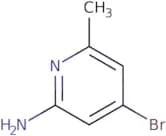
CAS:<p>Please enquire for more information about (Phe2, Nle 4)-ACTH (1-24) (human, bovine, rat) trifluoroacetate salt including the price, delivery time and more detailed product information at the technical inquiry form on this page</p>Formula:C137H212N40O30Purity:Min. 95%Molecular weight:2,899.4 g/mol4-Bromo-6-methyl-2-pyridinamine
CAS:<p>4-Bromo-6-methyl-2-pyridinamine is a small molecule that binds to the bromodomain of the human protein BRD4. This binding inhibits the interaction between BRD4 and acetylated lysine residues on histones, thereby inhibiting transcriptional activation. 4-Bromo-6-methyl-2-pyridinamine has been shown to be a potent inhibitor of the activity of BRD4, which may be due to its chemical stability and ability to inhibit protein synthesis. The compound's potency in inhibition assays and its lack of biochemical toxicity make it an attractive lead compound for further study.</p>Formula:C6H7BrN2Purity:Min. 95%Molecular weight:187.04 g/molNeuropeptide F trifluoroacetate salt
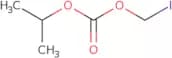
CAS:<p>Please enquire for more information about Neuropeptide F trifluoroacetate salt including the price, delivery time and more detailed product information at the technical inquiry form on this page</p>Formula:C210H328N58O58Purity:Min. 95%Molecular weight:4,593.21 g/molIodomethyl isopropyl carbonate
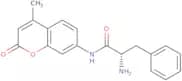
CAS:<p>Iodomethyl isopropyl carbonate is a tautomer. It can be used to synthesize drugs such as antiviral agents and antibiotics. Iodomethyl isopropyl carbonate has been shown to have antiviral properties, but it also inhibits the synthesis of proteins in cells, which may lead to autoimmune diseases.</p>Formula:C5H9IO3Purity:Min. 95%Color and Shape:Red To Brown LiquidMolecular weight:244.03 g/molH-Phe-AMC trifluoroacetate salt
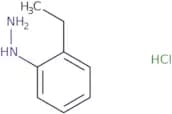
CAS:<p>H-Phe-AMC Trifluoroacetate salt is a synthetic, protease inhibitor that inhibits the activity of serine and cysteine proteases. It binds to the active site of these enzymes and blocks their function. H-Phe-AMC trifluoroacetate salt has been used in food chemistry to hydrolyze proteins, and can be used to measure enzyme activities. This product also has been shown to have biological functions such as the inhibition of molting, physiological function, and the prevention of carcinogenesis.</p>Formula:C19H18N2O3Purity:Min. 95%Molecular weight:322.36 g/mol2-Ethylphenylhydrazine hydrochloride
CAS:<p>2-Ethylphenylhydrazine hydrochloride is a diazonium salt that catalyzes the reaction of nitrite with acetonitrile to produce an organic solvent. This organic solvent can be used in the production of various products, such as anti-inflammatory drugs, which are generally made from organic solvents. 2-Ethylphenylhydrazine hydrochloride is not a non-steroidal drug, but it does have anti-inflammatory properties. The impurities in this product are mainly hydrochloric acid and 2-ethylphenol.</p>Formula:C8H12N2•HClPurity:Min. 95%Molecular weight:172.66 g/molTridodecylmethylammonium chloride
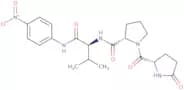
CAS:<p>Tridodecylmethylammonium chloride (TDMAC) is a biocompatible and non-toxic polymer that is used in the manufacture of sensors. TDMAC can be used as a coating on electrodes to increase their sensitivity to changes in pH and ionic strength. TDMAC is also used as a blood substitute, and has been shown to have anticoagulant properties. TDMAC has been shown to be effective at preventing heparin-induced thrombocytopenia when combined with dextran sulfate. This polymer has also been studied for use in biosensors and bioelectrochemical impedance spectroscopy devices.</p>Formula:C37H78ClNPurity:Min. 95%Color and Shape:White To Off-White SolidMolecular weight:572.47 g/molPyr-Pro-Val-pNA trifluoroacetate salt
CAS:<p>Pyr-Pro-Val-pNA is a synthetic peptide that is structurally homologous to the proteases serine and chymotrypsin. This peptide has been shown to have proteolytic activity on fibronectin, n-terminal of angiotensin, and epithelium. Pyr-Pro-Val-pNA also causes an inflammatory response in leukocytes and shigella.</p>Formula:C21H27N5O6Purity:Min. 95%Molecular weight:445.47 g/molβ-MSH (human) trifluoroacetate salt
CAS:<p>Beta-MSH is a hormone that belongs to the peptide hormones group. It is synthesized in the pituitary gland and released in response to stress, trauma or injury. Beta-MSH has been shown to regulate many physiological functions, including adrenocorticotrophic hormone (ACTH) secretion, skin pigmentation and regulation of body temperature. Beta-MSH also has diagnostic applications as it can be used to measure levels of this hormone in cerebrospinal fluid (CSF). The n-terminal prohormone fragment of beta-MSH can be measured by radioimmunoassay (RIA) or enzyme immunoassay (EIA), while the c-terminal prohormone fragment can be measured by RIA.</p>Formula:C118H174N34O35SPurity:Min. 95%Molecular weight:2,660.92 g/molSarafotoxin C trifluoroacetate salt
CAS:<p>Sarafotoxin C is a peptide from the venom of the spider Phoneutria nigriventer that has been shown to have potent inhibitory properties on endothelin-1. Sarafotoxin C is able to block intracellular Ca2+ levels and signal pathways, leading to decreased levels of endothelin-1 as well as other inflammatory mediators. Sarafotoxin C has also been shown to have an anti-inflammatory effect in bowel disease, which may be due to its ability to inhibit the production of cytokines and prostaglandins. The biological properties of sarafotoxin C are related to its inhibition of polymerase chain reaction (PCR) amplification of DNA. This inhibition is due to the binding of sarafotoxin C with endothelin receptors on DNA, which prevents DNA polymerase from attaching. Endothelin-a receptor activity can also be inhibited by sarafotoxin C through enzymatic inactivation. Sarafot</p>Formula:C103H147N27O37S5Purity:Min. 95%Molecular weight:2,515.76 g/molBis(N-butylcyclopentadienyl)zirconiumdichloride
CAS:<p>Please enquire for more information about Bis(N-butylcyclopentadienyl)zirconiumdichloride including the price, delivery time and more detailed product information at the technical inquiry form on this page</p>Formula:C18H26Cl2ZrPurity:Min. 95%Molecular weight:404.53 g/molAmyloid Dan Protein (1-34) trifluoroacetate salt
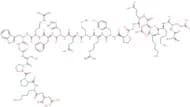
CAS:<p>Please enquire for more information about Amyloid Dan Protein (1-34) trifluoroacetate salt including the price, delivery time and more detailed product information at the technical inquiry form on this page</p>Formula:C185H268N48O51S2Purity:Min. 95%Molecular weight:4,044.53 g/mol5-FAM-Woodtide trifluoroacetate salt
CAS:<p>Please enquire for more information about 5-FAM-Woodtide trifluoroacetate salt including the price, delivery time and more detailed product information at the technical inquiry form on this page</p>Formula:C89H133N21O26SPurity:Min. 95%Molecular weight:1,945.2 g/mol4-Bromo-2-methylbut-1-ene
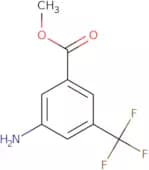
CAS:<p>4-Bromo-2-methylbut-1-ene is an alkylating agent that reacts with DNA, RNA and proteins. It has been shown to be effective in the treatment of bladder cancer. 4-Bromo-2-methylbut-1-ene is used as a trifluoride source for boron trifluoride etherate, which is then reacted with plant tissues. This reaction yields a prenyl group, which can be further processed to yield an alkynyl group. The alkynyl group can be reacted with anhydrous sodium to form a chloride salt. This salt can then react with carbon monoxide to form a carbone molecule, which is the final product of this chemical process.</p>Purity:Min. 95%Methyl 3-amino-5-(trifluoromethyl)benzoate
CAS:<p>Please enquire for more information about Methyl 3-amino-5-(trifluoromethyl)benzoate including the price, delivery time and more detailed product information at the technical inquiry form on this page</p>Formula:C9H8F3NO2Purity:Min. 95%Molecular weight:219.16 g/mol4-Bromobenzo[d]oxazole
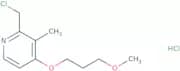
CAS:<p>Please enquire for more information about 4-Bromobenzo[d]oxazole including the price, delivery time and more detailed product information at the technical inquiry form on this page</p>Purity:Min. 95%2-Chloromethyl-4-(3-methoxypropoxy)-3-methylpyridine hydrochloride
CAS:<p>Please enquire for more information about 2-Chloromethyl-4-(3-methoxypropoxy)-3-methylpyridine hydrochloride including the price, delivery time and more detailed product information at the technical inquiry form on this page</p>Formula:C11H17Cl2NO2Purity:Min. 95%Molecular weight:266.16 g/molAmyloid β-Protein (3-40) trifluoroacetate salt
CAS:<p>Please enquire for more information about Amyloid beta-Protein (3-40) trifluoroacetate salt including the price, delivery time and more detailed product information at the technical inquiry form on this page</p>Formula:C187H285N51O54SPurity:Min. 95%Molecular weight:4,143.64 g/molAnantin (linear sequence) trifluoroacetate salt
CAS:<p>Please enquire for more information about Anantin (linear sequence) trifluoroacetate salt including the price, delivery time and more detailed product information at the technical inquiry form on this page</p>Formula:C90H113N21O25Purity:Min. 95%Molecular weight:1,888.99 g/mol5'-Chloro-2'-hydroxy-3'-nitro-[1,1'-biphenyl]-3-carboxylic acid
CAS:<p>Please enquire for more information about 5'-Chloro-2'-hydroxy-3'-nitro-[1,1'-biphenyl]-3-carboxylic acid including the price, delivery time and more detailed product information at the technical inquiry form on this page</p>Formula:C13H8ClNO5Purity:Min. 95%Molecular weight:293.66 g/mol(D-Ala2,N-Me-Phe4,methionin(O)-ol5)-Enkephalin trifluoroacetate salt
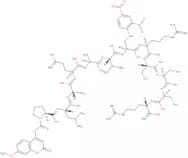
CAS:<p>D-Ala2,N-Me-Phe4,methionin(O)-ol5)-Enkephalin trifluoroacetate salt H-Tyr-D-Ala-Gly-N-Me-Phe-methionin(O)-ol trifluoroacetate salt is an analog of the endocannabinoid neurotransmitter, anandamide. It has been shown to be effective in the treatment of autoimmune diseases such as multiple sclerosis and inflammatory bowel disease. D-(3R)-3-[(1S,2R,3R,5R) -3-[2-(2,6 dichlorophenyl)ethenyl] -1H -indole]-1 -butanamine trifluoroacetate salt has been shown to inhibit the replication of a number of viruses including human immunodeficiency virus type 1 (HIV). This drug also inhibits the growth of organisms that are resistant</p>Formula:C29H41N5O7SPurity:Min. 95%Molecular weight:603.73 g/molMca-Pro-Leu-Ala-Cys(Mob)-Trp-Ala-Arg-Dap (Dnp)-NH2 trifluoroacetate salt
CAS:<p>Please enquire for more information about Mca-Pro-Leu-Ala-Cys(Mob)-Trp-Ala-Arg-Dap (Dnp)-NH2 trifluoroacetate salt including the price, delivery time and more detailed product information at the technical inquiry form on this page</p>Formula:C66H82N16O17SPurity:Min. 95%Molecular weight:1,403.52 g/molMca-(endo-1a-Dap (Dnp))-TNF-a (-5 to +6) amide (human) trifluoroacetate salt
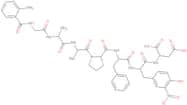
CAS:<p>Please enquire for more information about Mca-(endo-1a-Dap (Dnp))-TNF-a (-5 to +6) amide (human) trifluoroacetate salt including the price, delivery time and more detailed product information at the technical inquiry form on this page</p>Formula:C69H103N23O24Purity:Min. 95%Molecular weight:1,638.7 g/molAbz-Gly-Ala-Ala-Pro-Phe-3-nitro-Tyr-Asp-OH trifluoroacetate salt
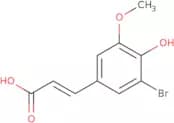
CAS:<p>Please enquire for more information about Abz-Gly-Ala-Ala-Pro-Phe-3-nitro-Tyr-Asp-OH trifluoroacetate salt including the price, delivery time and more detailed product information at the technical inquiry form on this page</p>Formula:C42H49N9O14Purity:Min. 95%Molecular weight:903.89 g/mol3-(3-Bromo-4-hydroxy-5-methoxyphenyl)acrylic acid
CAS:<p>3-(3-Bromo-4-hydroxy-5-methoxyphenyl)acrylic acid is a polyphenol that can be found in plants and food. It has been shown to have antimicrobial properties against certain bacteria and fungi, such as Staphylococcus aureus, Clostridium perfringens, and Candida albicans. 3-(3-Bromo-4-hydroxy-5-methoxyphenyl)acrylic acid is synthesized by means of the condensation of p-coumaric acid with acrylic acid in the presence of a base catalyst. This compound undergoes biotransformations such as hydroxylation and oxidation to form 3-(3,4′-dihydroxyphenyl)acrylic acid (DHPAA). The compound is also able to react with other phenolic compounds such as cinnamic acid under certain conditions.</p>Formula:C10H9BrO4Purity:Min. 95%Color and Shape:PowderMolecular weight:273.08 g/molH-Ser(tBu)-2-chlorotrityl resin (200-400 mesh)
<p>Please enquire for more information about H-Ser(tBu)-2-chlorotrityl resin (200-400 mesh) including the price, delivery time and more detailed product information at the technical inquiry form on this page</p>Purity:Min. 95%(Met(O)35)-Amyloid b-Protein (25-35) trifluoroacetate salt
CAS:<p>Please enquire for more information about (Met(O)35)-Amyloid b-Protein (25-35) trifluoroacetate salt including the price, delivery time and more detailed product information at the technical inquiry form on this page</p>Formula:C45H81N13O15SPurity:Min. 95%Molecular weight:1,076.27 g/molpTH-Related Protein (1-34) amide (human, mouse, rat) trifluoroacetate salt
CAS:<p>Parathyroid hormone-related protein (PTHrP) is a peptide hormone produced by the parathyroid gland that functions as a phosphatase, inhibiting alkaline phosphatase. It also has an inhibitory effect on osteoclastic bone resorption and stimulates osteoblastic bone formation. PTHrP has been shown to be useful in treating osteoporosis and Paget's disease. It also has been used in conjunction with dexamethasone to treat patients with malignancies of the head and neck. PTHrP is an inhibitor of protein kinase A and phosphodiesterases, which are enzymes that regulate cellular processes such as proliferation and differentiation.</p>Formula:C180H288N58O47Purity:Min. 95%Molecular weight:4,016.58 g/mol2-Chloro-3,4-dihydroxybenzoic acid
CAS:<p>Cefepime is a broad-spectrum antibiotic that is used to treat bacterial infections. It inhibits cell wall synthesis by binding to the penicillin-binding proteins and interfering with the cross-linking of peptidoglycan. Cefepime has been shown to be active against gram-negative pathogens such as Aeruginosa, Stenotrophomonas maltophilia, and P. aeruginosa. Cefepime also inhibits the growth of gram-positive bacteria such as Staphylococcus aureus, Enterococcus faecalis, and Streptococcus pneumoniae. The chemical structure of cefepime is similar to that of other beta-lactam antibiotics like methicillin, oxacillin, cloxacillin, ampicillin, and amoxicillin. Cefepime has been shown to be effective in treating resistant gram-negative organisms such as Pseudomonas aeruginosa (P.</p>Formula:C7H5ClO4Purity:Min. 95%Color and Shape:White To Yellow To Light Brown SolidMolecular weight:188.56 g/molACTH (3-24) (human, bovine, rat) trifluoroacetate salt
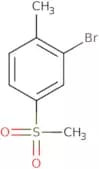
CAS:<p>Please enquire for more information about ACTH (3-24) (human, bovine, rat) trifluoroacetate salt including the price, delivery time and more detailed product information at the technical inquiry form on this page</p>Formula:C124H196N38O27SPurity:Min. 95%Molecular weight:2,683.19 g/mol2-Bromo-1-methyl-4-(methylsulfonyl)benzene
CAS:<p>Please enquire for more information about 2-Bromo-1-methyl-4-(methylsulfonyl)benzene including the price, delivery time and more detailed product information at the technical inquiry form on this page</p>Formula:C8H9BrO2SPurity:Min. 95%Molecular weight:249.13 g/mol2-Chloro-N-[2-(diethylamino)ethyl]-4-quinolinecarboxamide
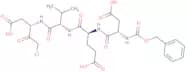
CAS:<p>2-Chloro-N-[2-(diethylamino)ethyl]-4-quinolinecarboxamide is a carboxamide analog of dibucaine. It is synthesized from chloroacetyl chloride and isatin in the presence of sodium hydroxide. The synthesis has been scaled to an industrial level. 2-Chloro-N-[2-(diethylamino)ethyl]-4-quinolinecarboxamide has been shown to have analgesic properties, similar to those of dibucaine. Radiolysis of this compound gives a carboxylic acid and a heterocyclic ring product.</p>Formula:C16H20ClN3OPurity:95%MinColor and Shape:PowderMolecular weight:305.8 g/molZ-Asp-Glu-Val-Asp-chloromethylketone
CAS:<p>Z-Asp-Glu-Val-Asp-chloromethylketone is a reactive compound that inhibits the activity of proteases and induces neuronal death. Z-Asp-Glu-Val-Asp-chloromethylketone has been shown to induce necrotic cell death in malignant brain cells and has neurotrophic properties. It also causes mitochondrial membrane depolarization, which leads to mitochondrial cytochrome c release and subsequent apoptosis. The reaction mechanism is still unclear but it may involve hydrogen bonding between the ketone group and the amide nitrogen atom of the aspartate residue.</p>Formula:C27H35ClN4O12Purity:Min. 95%Molecular weight:643.04 g/mol(Cys47)-HIV-1 tat Protein (47-57) trifluoroacetate salt
CAS:<p>Please enquire for more information about (Cys47)-HIV-1 tat Protein (47-57) trifluoroacetate salt including the price, delivery time and more detailed product information at the technical inquiry form on this page</p>Formula:C58H114N32O13SPurity:Min. 95%Molecular weight:1,499.8 g/molAnthranilyl-HIV Protease Substrate trifluoroacetate salt
CAS:<p>Please enquire for more information about Anthranilyl-HIV Protease Substrate trifluoroacetate salt including the price, delivery time and more detailed product information at the technical inquiry form on this page</p>Formula:C43H65N13O11Purity:Min. 95%Molecular weight:940.06 g/molTrichloroethanol
CAS:<p>Trichloroethanol is an alkanoic acid that is used as a solvent and a laboratory reagent. It is also a potential bioactive compound. Trichloroethanol has been shown to have neurotoxic effects in rats, causing histological changes in the trigeminal nerve, which may be due to its inhibition of mitochondrial energy metabolism. Trichloroethanol has been shown to inhibit the activity of matrix metalloproteinase-9 (MMP-9) in human serum and the α1 subunit of Toll-like receptor (TLR) 4 in human monocytes. This compound has also been shown to be toxic to rat liver microsomes at high concentrations.</p>Formula:C2H3Cl3OPurity:Min. 98.5%Color and Shape:Clear LiquidMolecular weight:149.4 g/molSPLUNC1 (22-39) trifluoroacetate salt
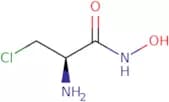
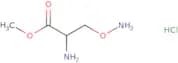
CAS:<p>Please enquire for more information about SPLUNC1 (22-39) trifluoroacetate salt including the price, delivery time and more detailed product information at the technical inquiry form on this page</p>Formula:C82H135N21O25Purity:Min. 95%Molecular weight:1,815.08 g/molH-β-Chloro-Ala-NHOH hydrochloride salt
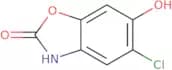
CAS:<p>Please enquire for more information about H-beta-Chloro-Ala-NHOH hydrochloride salt including the price, delivery time and more detailed product information at the technical inquiry form on this page</p>Formula:C3H7ClN2O2Purity:Min. 95%Molecular weight:138.55 g/mol6-Hydroxy chlorzoxazone
CAS:<p>6-Hydroxy chlorzoxazone is a drug that interacts with 5-hydroxy omeprazole, cytochrome P450 (CYP2E1), and chlorzoxazone. This drug is not metabolized by CYP2E1, but is metabolized by liver microsomes. The plasma concentration of 6-hydroxy chlorzoxazone increases as the patient's body mass index increases. It has been shown to affect the activity of hepatic enzymes such as CYP2E1 and p450 in rat liver microsomes. 6-Hydroxy chlorzoxazone may be used for the treatment of bronchial asthma and chronic obstructive pulmonary disease. The kinetic data for 6-hydroxy chlorzoxazone are based on studies done on humans and rats.</p>Formula:C7H4ClNO3Purity:(%) Min. 95%Color and Shape:Beige PowderMolecular weight:185.56 g/mol(Arg8)-Conopressin G trifluoroacetate salt
CAS:<p>Please enquire for more information about (Arg8)-Conopressin G trifluoroacetate salt including the price, delivery time and more detailed product information at the technical inquiry form on this page</p>Formula:C44H71N17O10S2Purity:Min. 95%Molecular weight:1,062.28 g/mol
![[4,4'-Di-t-butyl-2,2'-bipyridine][bis[5-(t-butyl)-2-[4-(t-butyl)-2-pyridinyl-kN]phenyl-kC]iridium(…](/_next/image/?url=https%3A%2Fstatic.cymitquimica.com%2Fproducts%2F3D%2Fthumb-webp%2FFD159336.webp&w=3840&q=75)

![tert-Butyl2-bromo-6,7-dihydrothiazolo[5,4-c]pyridine-5(4H)-carboxylate](/_next/image/?url=https%3A%2Fstatic.cymitquimica.com%2Fproducts%2F3D%2Fthumb-webp%2FFB148706.webp&w=3840&q=75)














![(1,10-Phenanthroline)tris[4,4,4-trifluoro-1-(2-thienyl)-1,3-butanedionato]europium(III)](/_next/image/?url=https%3A%2Fstatic.cymitquimica.com%2Fproducts%2F3D%2Fthumb-webp%2FFP62129.webp&w=3840&q=75)








![4-Bromobenzo[d]oxazole](/_next/image/?url=https%3A%2Fstatic.cymitquimica.com%2Fproducts%2F3D%2Fthumb-webp%2FFB142711.webp&w=3840&q=75)
![5'-Chloro-2'-hydroxy-3'-nitro-[1,1'-biphenyl]-3-carboxylic acid](/_next/image/?url=https%3A%2Fstatic.cymitquimica.com%2Fproducts%2F3D%2Fthumb-webp%2FFC159731.webp&w=3840&q=75)



![2-Chloro-N-[2-(diethylamino)ethyl]-4-quinolinecarboxamide](/_next/image/?url=https%3A%2Fstatic.cymitquimica.com%2Fproducts%2F3D%2Fthumb-webp%2FFC20289.webp&w=3840&q=75)