Organic Halides
In this category, you can find organic molecules containing one or more halogen atoms in their structure. These organic halides include brominated, iodinated, chlorinated, and cyclic halide compounds. Organic halides are widely used in organic synthesis, pharmaceuticals, agrochemicals, and materials science due to their reactivity and ability to undergo a variety of chemical transformations. At CymitQuimica, we offer a comprehensive selection of high-quality organic halides to support your research and industrial applications, ensuring reliable and effective performance in your synthetic and analytical projects.
Subcategories of "Organic Halides"
Found 20437 products of "Organic Halides"
Sort by
Purity (%)
0
100
|
0
|
50
|
90
|
95
|
100
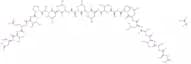
H-p-Chloro-Phe-D-Cys-b-(3-pyridyl)-Ala-D-Trp-N-Me-Lys-Thr-Cys-2-Nal-NH2 trifluoroacetate salt (Disulfide bond)
CAS:<p>Please enquire for more information about H-p-Chloro-Phe-D-Cys-b-(3-pyridyl)-Ala-D-Trp-N-Me-Lys-Thr-Cys-2-Nal-NH2 trifluoroacetate salt (Disulfide bond) including the price, delivery time and more detailed product information at the technical inquiry form on this page</p>Formula:C58H69ClN12O9S2Purity:Min. 95%Molecular weight:1,177.83 g/molGlucagon (19-29) (human, rat, porcine) trifluoroacetate salt
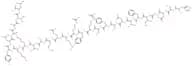
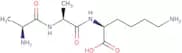
CAS:<p>Glucagon is a peptide hormone that belongs to the group of vasoactive intestinal peptides. It is produced by the alpha cells of the pancreas and stimulates gluconeogenesis in the liver, thereby increasing blood glucose levels. Glucagon has also been shown to cause membrane hyperpolarization and cell death in cancer cells. Glucagon is a homologous protein that has been shown to have physiological effects similar to those of insulin, such as increased levels of cytosolic Ca2+ ions and camp levels. Glucagon binds to its receptor on the plasma membrane with high affinity, activating adenylate cyclase and phospholipase C, which leads to an increase in intracellular camp levels. This results in activation of protein kinase A (PKA), which phosphorylates proteins involved in glycogenolysis, glycolysis, and lipolysis. Glucagon also activates mitogen-activated protein kinases (MAPK</p>Formula:C61H89N15O18SPurity:Min. 95%Molecular weight:1,352.52 g/molH-Ala-Ala-Lys-OH hydrochloride salt
CAS:<p>H-Ala-Ala-Lys-OH hydrochloride salt is a tripeptide with a reactive side chain. The protonated form of the molecule can be analyzed by acid analysis, and the ligand can be synthesized in a laboratory. Amino acid analysis has shown that this tripeptide contains lysine residues, which are important for binding to the peptide transporter. This compound is taken up through the intestine and is found in porcine tissue. H-Ala-Ala-Lys-OH hydrochloride salt has been used as a model compound in structural studies of peptide transporters.</p>Formula:C12H24N4O4Purity:Min. 95%Molecular weight:288.34 g/molAc-Arg-Leu-Arg-AMC trifluoroacetate salt
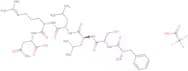
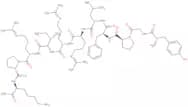
CAS:<p>Ac-Arg-Leu-Arg-AMC trifluoroacetate salt is a mitochondrial biogenesis activator that has been shown to increase the levels of proteins in the mitochondria. These proteins are required for mitochondrial membrane potential, ATP production, and protein homeostasis. Ac-Arg-Leu-Arg-AMC trifluoroacetate salt has been shown to increase the number of pluripotency markers in human liver cells and to reduce insulin resistance in animals. The drug also increases the expression of ubiquitin ligases and proteasomes, which are enzymes that degrade damaged proteins. Ac-Arg-Leu-Arg-AMC trifluoroacetate salt may be used for treating liver diseases or disorders as well as obesity.</p>Formula:C30H46N10O6•C2HF3O2Purity:Min. 96 Area-%Color and Shape:PowderMolecular weight:756.77 g/molLIP1 (human) trifluoroacetate salt
<p>Please enquire for more information about LIP1 (human) trifluoroacetate salt including the price, delivery time and more detailed product information at the technical inquiry form on this page</p>Formula:C133H229N45O37Purity:Min. 95%Molecular weight:3,050.52 g/mol(p-Iodo-Phe7)-ACTH (4-10)
CAS:<p>Please enquire for more information about (p-Iodo-Phe7)-ACTH (4-10) including the price, delivery time and more detailed product information at the technical inquiry form on this page</p>Formula:C44H58IN13O10SPurity:Min. 95%Molecular weight:1,087.98 g/molProkineticin 2 Isoform 2 (human) trifluoroacetate salt
CAS:<p>Prokineticin-2 is a protein that is encoded by the PROK2 gene. It has been shown to inhibit VEGF in vitro and to be anti-inflammatory. Prokineticin-2 binds to the receptor for colony stimulating factor 1 (CSF1) and promotes angiogenesis by inducing the production of angiogenic factors such as vascular endothelial growth factor (VEGF), erythropoietin, and granulocyte macrophage colony stimulating factor (GM-CSF). It also inhibits transcriptional regulation of genes involved in inflammation, including IL-10, which inhibits IL-12 production.</p>Formula:C379H606N114O101S13Purity:Min. 95%Molecular weight:8,792.43 g/mol5'-Chloro-2'-hydroxy-3'-nitro-[1,1'-biphenyl]-3-carboxylic acid
CAS:<p>Please enquire for more information about 5'-Chloro-2'-hydroxy-3'-nitro-[1,1'-biphenyl]-3-carboxylic acid including the price, delivery time and more detailed product information at the technical inquiry form on this page</p>Formula:C13H8ClNO5Purity:Min. 95%Molecular weight:293.66 g/molH-Lys-Pro-OH hydrochloride salt
CAS:<p>H-Lys-Pro-OH hydrochloride salt is a monoclonal antibody that is used to treat psychotic disorders. It blocks the binding of gamma-aminobutyric acid (GABA) to its receptor, which reduces neuronal activity and has a calming effect on the central nervous system. H-Lys-Pro-OH hydrochloride salt also inhibits the phosphatase enzyme and prevents it from breaking down phosphotungstic acid, which is used in this process. The antibody also binds to the analog of gamma aminobutyric acid, preventing it from binding with its receptor. H-Lys-Pro-OH hydrochloride salt may be advantageous in treating kidney fibrosis because it prevents cell proliferation and growth in tissue cultures by inhibiting enzymes involved in collagen synthesis. H-Lys-Pro-OH hydrochloride salt may also be useful as an antitumor agent because it inhibits tumor growth by blocking uptake and replication of DNA.</p>Formula:C11H21N3O3Purity:Min. 95%Molecular weight:243.3 g/molFibrinopeptide A (human) trifluoroacetate salt
CAS:<p>Fibrinopeptide A is a peptide that is released from the fibrinolysis of fibrinogen. It can be used as a blood marker for the diagnosis of bowel disease and primary pulmonary hypertension, but not for other diseases such as infectious diseases. Fibrinopeptide A has been shown to be an effective model system for studying thrombin-mediated fibrin polymerization in vitro. This drug also can be used as a tool for investigating the disulfide bond in fibrinogen.</p>Formula:C63H97N19O26Purity:Min. 95%Molecular weight:1,536.56 g/molBiotinyl-5-aminopentanoyl-Antennapedia Homeobox (43-58) amide trifluoroacetate salt
CAS:<p>Please enquire for more information about Biotinyl-5-aminopentanoyl-Antennapedia Homeobox (43-58) amide trifluoroacetate salt including the price, delivery time and more detailed product information at the technical inquiry form on this page</p>Formula:C119H192N38O22S2Purity:Min. 95%Molecular weight:2,571.17 g/molMeOSuc-Ala-Ala-Pro-Ala-chloromethylketone
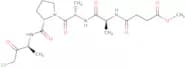
CAS:<p>MeOSuc-Ala-Ala-Pro-Ala-chloromethylketone is a peptidyl substrate for the enzyme carboxypeptidase A. This substrate has a high specificity for carboxypeptidase A and does not bind to other enzymes such as carboxypeptidase B, D, or L. The hydrophobic nature of this substrate has been shown in both hamsters and macaques. MeOSuc-Ala-Ala-Pro-Ala-chloromethylketone also shows cardiovascular effects in both animal models. It is possible that this effect is due to the proteolytic activity of the enzyme. More research needs to be done to identify the sequence of this peptide and how it may affect humans.</p>Formula:C20H31ClN4O7Purity:Min. 95%Molecular weight:474.94 g/molPhylloseptin-L2 trifluoroacetate salt
CAS:<p>Please enquire for more information about Phylloseptin-L2 trifluoroacetate salt including the price, delivery time and more detailed product information at the technical inquiry form on this page</p>Formula:C76H126N18O19Purity:Min. 95%Molecular weight:1,595.92 g/molDynorphin A (1-11) amide trifluoroacetate salt
CAS:<p>Dynorphin A (1-11) amide trifluoroacetate salt is a modified form of the opioid peptide dynorphin, which is a natural ligand for kappa-opioid receptors. It has affinity for the surface receptors and can be used to study the modifications that occur in cell function. Dynorphin A (1-11) amide trifluoroacetate salt has been shown to decrease cell function when it interacts with these surface receptors, which are found in brain homogenates and other tissues. Dynorphin A (1-11) amide trifluoroacetate salt also has an effect on brain cells, which may be due to its ability to alter conformational changes in proteins by binding to them. This can lead to alterations in the structure of certain enzymes or receptor proteins.</p>Formula:C63H104N22O12Purity:Min. 95%Molecular weight:1,361.64 g/mol2-Amino-4-fluorobenzonitrile
CAS:<p>2-Amino-4-fluorobenzonitrile is a chemical compound that can be used as a radioprotectant. It is also an intermediate in the synthesis of other compounds, such as methoxycyanamides and hypervalent amines. 2-Amino-4-fluorobenzonitrile has shown to have anti-tumour effects by scavenging free radicals. This chemical can be used to produce formic acid or bisphosphonates.</p>Formula:C7H5FN2Purity:Min. 95%Color and Shape:PowderMolecular weight:136.13 g/molImidazole trifluoromethanesulfonate
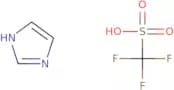
CAS:<p>Imidazole trifluoromethanesulfonate is a compound that has been used as an ingredient in deionized water. It is also used to treat cardiovascular disorders, psychotic disorders, and metabolic disorders. Imidazole trifluoromethanesulfonate has been shown to reduce the production of hydrogen peroxide in the brain and prevent oxidative damage to DNA. This drug prevents the synthesis of imidazoline, which may be responsible for its effects on blood pressure and heart rate. Imidazole trifluoromethanesulfonate is metabolized by cytochrome P450 enzymes into a protonated form that can bind to viral polymerase and inhibit DNA synthesis. The drug also inhibits hepatitis B virus replication by binding to the NS5B polymerase protein essential for viral RNA synthesis.</p>Formula:C4H5F3N2O3SPurity:Min. 95%Color and Shape:PowderMolecular weight:218.16 g/mol2,4,6-Trifluorobenzoic acid
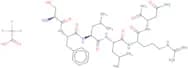
CAS:<p>2,4,6-Trifluorobenzoic acid is a chemical compound that is an intermediate in the synthesis of stilbazole. It is prepared by chlorinating the 2,4,6-trichlorobenzoic acid with hydrogen peroxide and hydrochloric acid. The 2,4,6-trifluorobenzoic acid is then reduced to the desired product with sodium borohydride. This chemical has been detected in nature as a racemic mixture and can be used as a precursor in analytical methods for detecting other compounds. It is also used in dechlorination reactions to remove chlorine from organic molecules. This process can be monitored using UV detectors.</p>Formula:C7H3F3O2Purity:Min. 95%Molecular weight:176.09 g/mol(Phe1,Ser2)-TRAP-6 trifluoroacetate salt
CAS:<p>Please enquire for more information about (Phe1,Ser2)-TRAP-6 trifluoroacetate salt including the price, delivery time and more detailed product information at the technical inquiry form on this page</p>Formula:C34H56N10O9Purity:Min. 95%Molecular weight:748.87 g/molH-Leu-2-chlorotrityl resin (200-400 mesh)
<p>Please enquire for more information about H-Leu-2-chlorotrityl resin (200-400 mesh) including the price, delivery time and more detailed product information at the technical inquiry form on this page</p>Purity:Min. 95%(S)-9,10-Difluoro-2,3-dihydro-3-methyl-7-oxo-7H-pyrido[1,2,3-de]-1,4-benzoxazine-6-carboxylic acid ethyl ester
CAS:<p>(S)-9,10-Difluoro-2,3-dihydro-3-methyl-7-oxo-7H-pyrido[1,2,3-de]-1,4-benzoxazine-6-carboxylic acid ethyl ester is an acidic substance that can be produced by the amination of piperazine with chloroacetic acid. The reaction solution is heated to a temperature of about 120°C for about 30 minutes and then cooled to room temperature. The product precipitates as a white solid. This compound has been shown to have antibacterial activity against methicillin resistant Staphylococcus aureus (MRSA) in plates.</p>Formula:C15H13F2NO4Purity:Min. 95%Molecular weight:309.26 g/molOxazine 170perchlorate
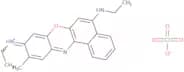
CAS:<p>Oxazine 170perchlorate is a magnetic resonance imaging contrast agent. It has a high molecular weight and a cyclic structure consisting of two oxazine moieties connected by a chloride bridge. This molecule can be reconstituted in water or an organic solvent, such as tetrahydrofuran, to give a constant concentration of 170mg/ml. Oxazine 170perchlorate is stable in the presence of oxygen and radiation, but decomposes when heated to 200°C in the presence of dithionite. The protonation state of the molecule is pH dependent and changes with redox potential. Oxazine 170perchlorate exhibits fluorescence at 695nm when irradiated with light at 480nm and has been shown to have high relaxivity properties when used for MRI scans.</p>Formula:C21H22ClN3O5Purity:Min. 95%Molecular weight:431.87 g/mol4-Bromo-3,5-dimethylbenzyl alcohol
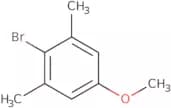
CAS:<p>4-Bromo-3,5-dimethylbenzyl alcohol is a potent anticancer agent that is synthesized from bromoarenes. It has been shown to be effective against cancer cells in the presence of activated carbon, aluminum chloride, and organotellurium. 4-Bromo-3,5-dimethylbenzyl alcohol reacts with peptide hormones and other hormones at the cellular level by inhibiting DNA synthesis. This inhibition prevents the production of proteins that are vital for cell division. The reaction rate is rapid in solvents such as acetonitrile.>>END>></p>Formula:C9H11BrOPurity:Min. 95%Color and Shape:PowderMolecular weight:215.09 g/mol2-(2-Ethoxyphenoxy)ethyl bromide
CAS:<p>2-(2-Ethoxyphenoxy)ethyl bromide is a substance that is found as an impurity in the drug sulphonamide. It has been shown to be an optical isomer of methanol and ethanol, which have base form. The substance crystallizes in the form of white needles and its base form is tamsulosin hydrochloride. It has been used as a reagent for organic chemistry reactions, such as recrystallization, and as an impurity in organic solvents.</p>Formula:C10H13BrO2Purity:Min. 95%Molecular weight:245.11 g/mol(Chlorodifluoromethyl)trimethylsilane
CAS:<p>(Chlorodifluoromethyl)trimethylsilane is a chlorinating agent that is used for the transfer of chlorine to organic compounds. The activated chlorides are converted to aldehydes, which are then reacted with terminal alkynes in the presence of sodium carbonate to produce (chlorodifluoromethyl)trimethylsilanes. This reaction produces an organosilicon compound that has been shown to inhibit certain enzymes, such as lipases and proteases. Chlorodifluoromethyl)trimethylsilane also has bioisosteres, or structural analogs, with other halogens. It can be prepared by irradiation of chlorodichloromethane at room temperature in the presence of a catalyst.</p>Formula:C4H9ClF2SiPurity:Min. 95%Color and Shape:Colorless PowderMolecular weight:158.65 g/mol(Gly14)-Humanin (human) trifluoroacetate salt
CAS:<p>Please enquire for more information about (Gly14)-Humanin (human) trifluoroacetate salt including the price, delivery time and more detailed product information at the technical inquiry form on this page</p>Formula:C118H202N34O31S2Purity:Min. 95%Molecular weight:2,657.21 g/molH-His-His-OH trifluoroacetate salt
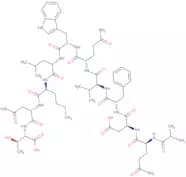
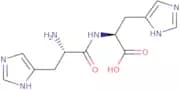
CAS:<p>H-His-His-OH trifluoroacetate salt is a compound that has been extensively studied for its potential use in antimicrobial peptides. It is a small molecule that inhibits the activity of enzymes by binding to a specific region on the enzyme's surface, thereby preventing the progression of an essential chemical reaction. H-His-His-OH trifluoroacetate salt has been shown to inhibit protein synthesis in bacteria and yeast cells, as well as in model systems. The inhibition of protein synthesis may be due to hydrogen bonding between the hydroxyl group on His and the amino groups on His. H-His-His-OH trifluoroacetate salt also has an inhibitory effect on enzymes catalysis and can enhance their activity when used with another substrate.</p>Formula:C12H16N6O3Purity:Min. 95%Molecular weight:292.29 g/molAbz-Ala-Phe-Ala-Phe-Asp-Val-Phe-3-nitro-Tyr-Asp-OH trifluoroacetate salt
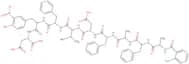
CAS:<p>Please enquire for more information about Abz-Ala-Phe-Ala-Phe-Asp-Val-Phe-3-nitro-Tyr-Asp-OH trifluoroacetate salt including the price, delivery time and more detailed product information at the technical inquiry form on this page</p>Formula:C62H71N11O18Purity:Min. 95%Molecular weight:1,258.29 g/molSyntide 2 trifluoroacetate salt
CAS:<p>Syntide 2 is a diacylglycerol, which has been found to have a number of biochemical properties. It is an activator of protein kinase C and has been shown to be reactive in vitro assays. Syntide 2 has also been found to activate the light chain kinase in plant physiology. This compound has also been shown to promote neuronal death and may have a role in transcriptional regulation. Syntide 2 is used as a model system for studying the physiological function of α subunit-containing proteins.</p>Formula:C68H122N20O18Purity:Min. 95%Molecular weight:1,507.82 g/mol(D-Ala2,N-Me-Phe4,methionin(O)-ol5)-Enkephalin trifluoroacetate salt
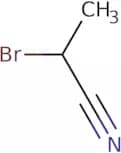
CAS:<p>D-Ala2,N-Me-Phe4,methionin(O)-ol5)-Enkephalin trifluoroacetate salt H-Tyr-D-Ala-Gly-N-Me-Phe-methionin(O)-ol trifluoroacetate salt is an analog of the endocannabinoid neurotransmitter, anandamide. It has been shown to be effective in the treatment of autoimmune diseases such as multiple sclerosis and inflammatory bowel disease. D-(3R)-3-[(1S,2R,3R,5R) -3-[2-(2,6 dichlorophenyl)ethenyl] -1H -indole]-1 -butanamine trifluoroacetate salt has been shown to inhibit the replication of a number of viruses including human immunodeficiency virus type 1 (HIV). This drug also inhibits the growth of organisms that are resistant</p>Formula:C29H41N5O7SPurity:Min. 95%Molecular weight:603.73 g/mol2-Bromopropionitrile
CAS:<p>2-Bromopropionitrile is a chemical compound that is used in the production of nylon. The structure of 2-bromopropionitrile consists of a 6-carbon chain with two bromine atoms attached at either end. It has an n-dimethyl formamide group, which is an organic molecule containing nitrogen and carbon atoms. The 4-methoxybenzenesulfonyl chloride reacts with the 2-bromopropionitrile to give a diene, which has the formula CH=CHCHBr. This diene reacts with hydrochloric acid to produce hydrogen bromide gas and 2-bromopropionic acid. The activation energy for this reaction is 14 kilojoules per mole of reactants, which indicates that it should be carried out at high temperatures and pressures. Halides are able to act as nucleophiles in coordination chemistry because they have lone pairs on their outermost electron shell. Cation</p>Formula:C3H4BrNPurity:Min. 95%Color and Shape:Clear LiquidMolecular weight:133.97 g/molProinsulin C-Peptide (31-63) (porcine) trifluoroacetate salt
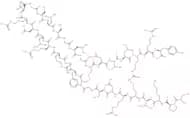
CAS:<p>Please enquire for more information about Proinsulin C-Peptide (31-63) (porcine) trifluoroacetate salt including the price, delivery time and more detailed product information at the technical inquiry form on this page</p>Formula:C142H239N47O46Purity:Min. 95%Molecular weight:3,340.71 g/mol(Pro3)-Dynorphin A (1-11) amide trifluoroacetate salt
CAS:<p>Please enquire for more information about (Pro3)-Dynorphin A (1-11) amide trifluoroacetate salt including the price, delivery time and more detailed product information at the technical inquiry form on this page</p>Formula:C66H108N22O12Purity:Min. 95%Molecular weight:1,401.7 g/molFITC-epsilonAhx-Amyloid b-Protein (1-42) trifluoroacetate salt
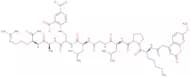
<p>Please enquire for more information about FITC-epsilonAhx-Amyloid b-Protein (1-42) trifluoroacetate salt including the price, delivery time and more detailed product information at the technical inquiry form on this page</p>Formula:C230H333N57O66S2Purity:Min. 95%Molecular weight:5,016.58 g/molMca-Lys-Pro-Leu-Gly-Leu-Dap (Dnp)-Ala-Arg-NH2 trifluoroacetate salt
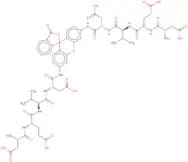
CAS:<p>Please enquire for more information about Mca-Lys-Pro-Leu-Gly-Leu-Dap (Dnp)-Ala-Arg-NH2 trifluoroacetate salt including the price, delivery time and more detailed product information at the technical inquiry form on this page</p>Formula:C55H80N16O16Purity:Min. 95%Molecular weight:1,221.32 g/mol(H-Asp-Glu-Val-Asp)2-Rhodamine 110 trifluoroacetate salt
CAS:<p>Please enquire for more information about (H-Asp-Glu-Val-Asp)2-Rhodamine 110 trifluoroacetate salt including the price, delivery time and more detailed product information at the technical inquiry form on this page</p>Formula:C56H66N10O23Purity:Min. 95%Molecular weight:1,247.18 g/molIodopolystyrene resin ,100-200 mesh
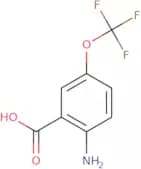
CAS:<p>Please enquire for more information about Iodopolystyrene resin ,100-200 mesh including the price, delivery time and more detailed product information at the technical inquiry form on this page</p>Purity:Min. 95%2-Amino-5-(trifluoromethoxy)benzoic acid
CAS:<p>Please enquire for more information about 2-Amino-5-(trifluoromethoxy)benzoic acid including the price, delivery time and more detailed product information at the technical inquiry form on this page</p>Formula:C8H6F3NO3Purity:Min. 95%Molecular weight:221.13 g/mol(+)-Bicifadine hydrochloride
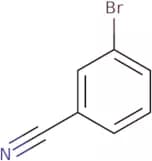
CAS:<p>Bicifadine hydrochloride is a crystalline form of (+)-bicifadine, which is an analgesic drug that has been shown to be effective in treating acute and chronic pain. The polymorphic form of bicifadine hydrochloride has a more stable structure than the polymorphic form of bicifadine, making it more suitable for oral administration. Bicifadine hydrochloride may be used for the treatment of neuropathic and functional impairment due to chronic pain and acute pain.</p>Formula:C12H15N•HClPurity:Min. 95%Molecular weight:209.71 g/mol3-Bromobenzonitrile
CAS:<p>3-Bromobenzonitrile is an organic compound that has a hydroxyl group and a bromine atom. It is an organic chemical compound that can be synthesized by the reaction of benzene with nitric acid and azide. 3-Bromobenzonitrile has been studied for its biological properties. It also reacts with amines, quinoline derivatives, and other reactive molecules to form new compounds. 3-Bromobenzonitrile has been shown to have transport properties, which can be determined using FT-IR spectroscopy techniques.</p>Formula:C7H4BrNPurity:Min. 95%Color and Shape:PowderMolecular weight:182.02 g/molH-Pro-2-chlorotrityl resin (200-400 mesh)
<p>Please enquire for more information about H-Pro-2-chlorotrityl resin (200-400 mesh) including the price, delivery time and more detailed product information at the technical inquiry form on this page</p>Purity:Min. 95%C5a Anaphylatoxin (37-53) (human) trifluoroacetate salt
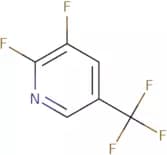
CAS:<p>Please enquire for more information about C5a Anaphylatoxin (37-53) (human) trifluoroacetate salt including the price, delivery time and more detailed product information at the technical inquiry form on this page</p>Formula:C82H141N27O22SPurity:Min. 95%Molecular weight:1,889.23 g/mol2,3-Difluoro-5-(trifluoromethyl)pyridine
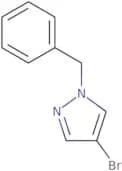
CAS:<p>2,3-Difluoro-5-(trifluoromethyl)pyridine is a diluent that is used in organic synthesis. It is a nucleophilic and hydrogen fluoride (HF) activated fluoropyridine. This compound has a diameter of 190.7 pm and an anhydrous form. 2,3-Difluoro-5-(trifluoromethyl)pyridine can be prepared by condensing pyridine with fluorine gas in the presence of an activating agent such as HF or silver nitrate. This compound reacts when exposed to vapor or heat, releasing HF as a byproduct. The pyridine ring found in this compound contains six carbon atoms, two nitrogen atoms, and one oxygen atom.</p>Formula:C6H2F5NPurity:Min. 95%Molecular weight:183.08 g/mol1-Benzyl-4-bromo-1H-pyrazole
CAS:<p>1-Benzyl-4-bromo-1H-pyrazole is a pyrazole derivative that can be synthesized from 1,2,3-triazoles and bromine. It undergoes arylation reactions in the presence of copper to form aryl derivatives. It is also catalytic mediated with alkyl halides to form c–h bond cleavage products. This compound reacts with tribromide to form an alkylation product. The ligand is activated by arylations and alkylations. It is used as a reagent in organic chemistry for the synthesis of pyrazole derivatives.</p>Formula:C10H9BrN2Purity:Min. 95%Molecular weight:237.1 g/molC-Type Natriuretic Peptide (1-53) (human) trifluoroacetate salt
CAS:<p>Trifluoroacetate salt</p>Formula:C251H417N81O71S3Purity:Min. 95%Molecular weight:5,801.7 g/molNeuropeptide Y (22-36) trifluoroacetate salt
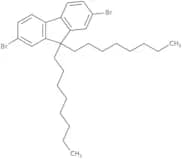
CAS:<p>Please enquire for more information about Neuropeptide Y (22-36) trifluoroacetate salt including the price, delivery time and more detailed product information at the technical inquiry form on this page</p>Formula:C85H139N29O21Purity:Min. 95%Molecular weight:1,903.2 g/mol9,9-Dioctyl-7-dibromofluorene
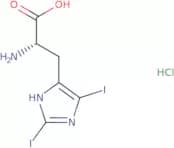
CAS:<p>9,9-Dioctyl-7-dibromofluorene is a linear polymer with an ethylene diamine backbone. It is a synthetic material that can be used for devices such as solar cells. 9,9-Dioctyl-7-dibromofluorene has been shown to have efficient light emission properties and high optical absorption in the visible region of the electromagnetic spectrum. The device efficiency of this material has been shown to be improved by substituent effects and reaction time.</p>Formula:C29H40Br2Purity:Min. 95%Molecular weight:548.44 g/molH-2,5-Diiodo-His-OH·HCl
CAS:<p>Please enquire for more information about H-2,5-Diiodo-His-OH·HCl including the price, delivery time and more detailed product information at the technical inquiry form on this page</p>Formula:C6H7I2N3O2·HClPurity:Min. 95%Molecular weight:443.41 g/mol2-(4-Bromobenzo[d][1,3]dioxole-5-carboxamido)acetic acid
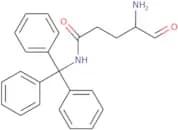
CAS:<p>2-(4-Bromobenzo[d][1,3]dioxole-5-carboxamido)acetic acid is a fine chemical that is used in research and as a reagent. It is also used as a building block for more complex compounds and as a versatile scaffold in organic synthesis. 2-(4-Bromobenzo[d][1,3]dioxole-5-carboxamido)acetic acid can be reacted with other chemicals to create new compounds. This chemical has been shown to have antihistamine properties and may also function as an antipsychotic drug.</p>Formula:C9H6BrNO5Purity:Min. 95%Molecular weight:288.05 g/molH-Gln(Trt)-2-chlorotrityl resin (200-400 mesh) (Low Substitution)
<p>Please enquire for more information about H-Gln(Trt)-2-chlorotrityl resin (200-400 mesh) (Low Substitution) including the price, delivery time and more detailed product information at the technical inquiry form on this page</p>Purity:Min. 95%BNP-32 (porcine) trifluoroacetate salt
CAS:<p>BNP-32 is a porcine-specific antibody that is used to detect the presence of BNP in human serum. It is biotinylated and can be coated on a plate. The antibody binds to BNP, which has been labeled with peroxidase, and produces a colored reaction product. This product can be visualized by adding 3,3'-diaminobenzidine (DAB) as a substrate. The sealer then prevents the unbound antibody from binding to the plate and interfering with the assay.</p>Formula:C149H250N52O44S3Purity:Min. 95%Molecular weight:3,570.1 g/mol4-Fluoro-2-methoxyphenol
CAS:<p>4-Fluoro-2-methoxyphenol is a fluorinating agent that is used in the manufacture of pharmaceuticals, plastics and pesticides. It has been shown to induce apoptosis in cultured cells by upregulating reactive oxygen species (ROS) and increasing mitochondrial membrane permeability, as well as inhibiting cellular physiology. 4-Fluoro-2-methoxyphenol also inhibits the production of ATP and may be toxic to cells by interfering with dinucleotide phosphate.</p>Formula:C7H7FO2Purity:Min. 95%Color and Shape:Clear LiquidMolecular weight:142.13 g/molFibronectin Fragment (1376-1380) trifluoroacetate salt
CAS:<p>Please enquire for more information about Fibronectin Fragment (1376-1380) trifluoroacetate salt including the price, delivery time and more detailed product information at the technical inquiry form on this page</p>Formula:C24H39N11O8Purity:Min. 95%Molecular weight:609.64 g/mol4'-Bromo-2'-fluoroacetophenone
CAS:<p>4'-Bromo-2'-fluoroacetophenone is a bifunctional reagent that reacts with nucleophiles to form conjugates. It is used in the preparation of fluorinated DNA and RNA, as well as in electron-transfer reactions. The selectivity of 4'-bromo-2'-fluoroacetophenone can be attributed to the presence of fluorine atoms on both ends of the molecule.</p>Formula:C8H6BrFOPurity:Min. 95%Molecular weight:217.04 g/molZ-Arg-p-nitrobenzyl ester mixture of hydrochloride and hydrobromide salt
CAS:<p>Please enquire for more information about Z-Arg-p-nitrobenzyl ester mixture of hydrochloride and hydrobromide salt including the price, delivery time and more detailed product information at the technical inquiry form on this page</p>Formula:C21H25N5O6Purity:Min. 95%Molecular weight:443.45 g/molLysozyme C (46-61) (chicken) trifluoroacetate salt
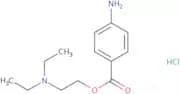
CAS:<p>Lysozyme C (46-61) (chicken) trifluoroacetate salt is a conjugated synthetic peptide that binds to the antigen. It is a reactive molecule with solubilized properties that has been shown to bind to the peptide in binding experiments. This synthetic peptide has been found to be efficacious in transfected murine bone cells and antigen-presenting cells. The binding of Lysozyme C (46-61) (chicken) trifluoroacetate salt to phospholipid membranes may be due to its reactivity with the membrane's hydrophobic surface.</p>Formula:C72H116N22O29Purity:Min. 95%Molecular weight:1,753.82 g/molProcaine hydrochloride
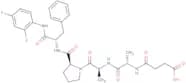
CAS:Controlled Product<p>Sodium channel blocker</p>Formula:C13H21ClN2O2Color and Shape:PowderMolecular weight:272.77 g/molSuc-Ala-Ala-Pro-Phe-2,4-difluoroanilide
CAS:<p>Please enquire for more information about Suc-Ala-Ala-Pro-Phe-2,4-difluoroanilide including the price, delivery time and more detailed product information at the technical inquiry form on this page</p>Formula:C30H35F2N5O7Purity:Min. 95%Molecular weight:615.63 g/molDL-Methionine methylsulfonium chloride
CAS:<p>DL-Methionine methylsulfonium chloride is a fine chemical that has many uses. It can be used as a versatile building block for research and synthesis of complex compounds, or as an intermediate for the production of speciality chemicals. DL-Methionine methylsulfonium chloride is also useful as a reaction component in organic synthesis and as a reagent in analytical chemistry. It is often used to introduce methionine residues into proteins, which are then used for structural studies and protein engineering. The quality of this compound is high and it has CAS number 3493-12-7.</p>Formula:C6H14ClNO2SColor and Shape:White PowderMolecular weight:199.7 g/mol5-(H-Gly-Pro-Gly-Pro-amido)-9-[di-(3-sulfonylpropyl)amino]-benzo[a]phenoxazonium perchlorate
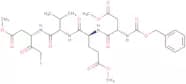
CAS:<p>Please enquire for more information about 5-(H-Gly-Pro-Gly-Pro-amido)-9-[di-(3-sulfonylpropyl)amino]-benzo[a]phenoxazonium perchlorate including the price, delivery time and more detailed product information at the technical inquiry form on this page</p>Formula:C36H42N7O11S2Purity:Min. 95%Molecular weight:812.89 g/molZ-Asp(OMe)-Glu(OMe)-Val-DL-Asp(OMe)-fluoromethylketone
CAS:<p>Z-Asp(OMe)-Glu(OMe)-Val-DL-Asp(OMe)-fluoromethylketone is a small molecule that has been shown to induce apoptosis in cultured cells. It is a caspase-3 inhibitor, which prevents the activation of the caspase cascade and protects cells from oxidative injury. Low doses of Z-Asp(OMe)-Glu(OMe)-Val-DL-Asp(OMe)-fluoromethylketone have been shown to induce apoptosis in cultured cells, with no significant cytotoxicity at high doses. The mechanism of action for this agent is not yet known, but it may promote mitochondrial membrane potential loss and neuronal death by binding to DNA, or induce cell death through a caspase-independent pathway.</p>Formula:C30H41FN4O12Purity:Min. 95%Molecular weight:668.66 g/mol(N-Me-Phe7)-Neurokinin B trifluoroacetate salt
CAS:<p>Please enquire for more information about (N-Me-Phe7)-Neurokinin B trifluoroacetate salt including the price, delivery time and more detailed product information at the technical inquiry form on this page</p>Formula:C60H81N13O14S2Purity:Min. 95%Molecular weight:1,272.5 g/molpTH-Related Protein (7-34) amide (human, mouse, rat) trifluoroacetate salt
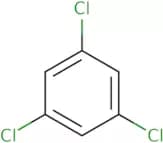
CAS:<p>Please enquire for more information about pTH-Related Protein (7-34) amide (human, mouse, rat) trifluoroacetate salt including the price, delivery time and more detailed product information at the technical inquiry form on this page</p>Formula:C153H247N49O37Purity:Min. 95%Molecular weight:3,364.91 g/mol1,3,5-Trichlorobenzene
CAS:Controlled Product<p>1,3,5-Trichlorobenzene is a chlorinated aromatic compound that is used as an intermediate in the production of rubber and plastics. 1,3,5-Trichlorobenzene has a hydrophobic effect due to the presence of three carbon chains. This property allows 1,3,5-trichlorobenzene to dissolve in oils and fats. It has a high solubility in pentane and hexane. The molecular weight of 1,3,5-trichlorobenzene is 116.1 g/mol. 1,3,5-Trichlorobenzene can also be used as a solvent for diazonium salts which react with hydrogen chloride to produce azo dyes. The structural analysis of this compound was performed by NMR spectroscopy on the hydrogen bond between the chlorine atom and methyl group adjacent to it. The NMR spectrum data was then modeled using molecular modeling software.<br>1</p>Formula:C6H3Cl3Purity:Min. 95%Molecular weight:181.45 g/mol(His(1-Me)2)-LHRH trifluoroacetate salt
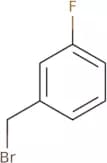
CAS:<p>Please enquire for more information about (His(1-Me)2)-LHRH trifluoroacetate salt including the price, delivery time and more detailed product information at the technical inquiry form on this page</p>Formula:C56H77N17O13Purity:Min. 95%Molecular weight:1,196.32 g/mol3-Fluorobenzyl bromide
CAS:<p>3-Fluorobenzyl bromide is a fluorinated benzyl derivative that can be used as a fluorescent probe for the study of cellular uptake and metabolism. 3-Fluorobenzyl bromide has been shown to have potent inhibitory activity against the growth of cancer cells in culture. It has also been shown to reduce ischemia reperfusion injury in cardiac tissue. The pharmacokinetic properties of 3-fluorobenzyl bromide have been studied in detail, revealing a rapid uptake into cells and elimination by renal excretion. This compound also inhibits the growth of P. aeruginosa in an animal model, with no effect on other bacterial strains or mammalian cells.</p>Purity:Min. 95%Biotinyl-Obestatin (human) trifluoroacetate salt
CAS:<p>Please enquire for more information about Biotinyl-Obestatin (human) trifluoroacetate salt including the price, delivery time and more detailed product information at the technical inquiry form on this page</p>Formula:C126H190N34O35SPurity:Min. 95%Molecular weight:2,773.13 g/molTRAP-6 amide trifluoroacetate salt
CAS:<p>Protease-activated receptor 1 (PAR-1) selective activating peptide, TFA salt. 98%.</p>Formula:C34H57N11O8Purity:Min. 95%Color and Shape:PowderMolecular weight:747.89 g/molPropamocarbHydrochloride
CAS:<p>Propamocarb hydrochloride is a crystalline polymorph that has been found to be active against the bacterial strain. The mechanism of action is not yet known, but it may be due to inhibition of the enzyme carboxypeptidase A and/or an unknown biological function. Propamocarb hydrochloride has shown no significant toxicity in animal studies up to a dose of 2000 mg/kg. This compound has been studied as a potential treatment for tissue damage caused by inflammation and disease. In vitro experiments have shown that propamocarb hydrochloride is effective at inhibiting the growth of cancer cells in tissue culture, with high values (IC50) being seen at concentrations of 1-10 μM.</p>Formula:C9H21ClN2O2Purity:Min. 95%Molecular weight:224.73 g/mol2-Fluoro-6-methoxybenzonitrile
CAS:<p>2-Fluoro-6-methoxybenzonitrile (2FMN) is a compound that is used as a starting material for the synthesis of other pharmaceuticals. It has been shown to bind to the acetylcholine receptor by using vibrational spectroscopy and functional theory. It also has been shown to be an effective chemokine inhibitor. Computational methods were used to optimize 2FMN's binding affinity for the acetylcholine receptor, and it was found that 2FMN binds with a dipole orientation in order to increase its binding affinity.</p>Formula:C8H6FNOPurity:Min. 95%Color and Shape:PowderMolecular weight:151.14 g/molSarafotoxin B trifluoroacetate salt
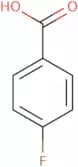
CAS:<p>Component of snake venom; part of a family of vasoconstrictor isopeptides</p>Formula:C110H159N27O34S5Purity:Min. 95%Molecular weight:2,563.93 g/mol4-Fluorobenzoic acid
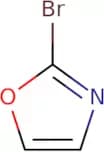
CAS:<p>4-Fluorobenzoic acid is a chemical compound with the molecular formula C6H4FO2 and is a member of the group of chemicals known as carboxylic acids. It has been shown to have high levels of antibacterial activity against Gram-positive bacteria, including methicillin-resistant Staphylococcus aureus (MRSA). 4-Fluorobenzoic acid can be used for wastewater treatment and also has the potential to be used in other applications such as an antimicrobial agent or an additive in food packaging. The mechanism of its antibacterial activity is not well understood but may be related to its ability to inhibit the enzyme diphenolase, which catalyzes the conversion of phenols into quinones.</p>Formula:C7H5FO2Purity:Min. 95%Color and Shape:White To Yellow SolidMolecular weight:140.11 g/mol2-Bromooxazole
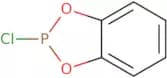
CAS:<p>2-Bromooxazole is a synthetic compound that inhibits the translation of mRNA in pancreatic cancer cells by binding to the interleukin-1 receptor. It also inhibits diacylglycerol synthesis, which causes a reduction in the production of amide and fatty acid. 2-Bromooxazole has been shown to have an immunosuppressive effect on lymphocytic leukemia cells and chronic lymphocytic leukemia cells. This drug is currently being studied for its potential use as an anticancer agent.</p>Formula:C3H2BrNOPurity:Min. 95%Molecular weight:147.96 g/mol1,2-Phenylene phosphorochloridite
CAS:<p>1,2-Phenylene phosphorochloridite is a chemical that is an intermediate for the synthesis of perfluorinated compounds. It has been used as a precursor for the synthesis of biodiesel. The proton NMR spectrum shows three resonances: one at δ 3.8 ppm (J = 6 Hz) corresponding to the protons on the aromatic ring, one at δ 4.7 ppm (J = 6 Hz) corresponding to the protons on the chloro group, and one at δ 7.6 ppm (J = 2 Hz) corresponding to the protons on the methylene chain. This chemical can be prepared by reacting trifluoroacetic acid with phenol in a preparative method with nucleophilic substitution or by dehydrating fatty alcohols with halides in a dehydration reaction.</p>Formula:C6H4ClO2PPurity:Min. 95%Color and Shape:PowderMolecular weight:174.52 g/molUrocortin III (mouse) trifluoroacetate salt
CAS:<p>Trifluoroacetate salt</p>Formula:C186H312N52O52S2Purity:Min. 95%Molecular weight:4,172.92 g/molAQEE-30 (human) trifluoroacetate salt
CAS:<p>Please enquire for more information about AQEE-30 (human) trifluoroacetate salt including the price, delivery time and more detailed product information at the technical inquiry form on this page</p>Formula:C157H252N48O56Purity:Min. 95%Molecular weight:3,707.97 g/mol2-Boc-2,9-Diazaspiro[5.5]undecane hydrochloride
CAS:<p>Please enquire for more information about 2-Boc-2,9-Diazaspiro[5.5]undecane hydrochloride including the price, delivery time and more detailed product information at the technical inquiry form on this page</p>Formula:C14H27ClN2O2Purity:Min. 95%Molecular weight:290.83 g/molAc-Ala-Ala-Val-Ala-Leu-Leu-Pro-Ala-Val-Leu-Leu-Ala-Leu-Leu-Ala-Pro-Ile-Glu-Thr-Asp-aldehyde trifluoroacetate salt
CAS:<p>Please enquire for more information about Ac-Ala-Ala-Val-Ala-Leu-Leu-Pro-Ala-Val-Leu-Leu-Ala-Leu-Leu-Ala-Pro-Ile-Glu-Thr-Asp-aldehyde trifluoroacetate salt including the price, delivery time and more detailed product information at the technical inquiry form on this page</p>Formula:C95H162N20O26Purity:Min. 95%Molecular weight:2,000.42 g/mol1H,1H,2H,2H-Heptadecafluorodecyl iodide
CAS:Controlled Product<p>1H,1H,2H,2H-Heptadecafluorodecyl iodide is a volatile chemical that is used in the transport of various analytes. It can be used to detect alcohols and organic chemicals in the environment. 1H,1H,2H,2H-Heptadecafluorodecyl iodide has been sporadically found in the atmosphere of China.</p>Formula:C10H4F17IPurity:Min. 95%Molecular weight:574.02 g/mol2-Fluoroanisole
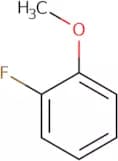
CAS:<p>2-Fluoroanisole is an organic compound that is used in organic synthesis as a chiral auxiliary. It has been shown to inhibit the growth of cancer cells by binding to nucleophilic sites on the cell and preventing the formation of new proteins. 2-fluoroanisole is synthesized through a two-step process that begins with the asymmetric synthesis of the desired chiral molecule using a chiral catalyst and deuterium isotope. The second step involves converting 2-fluoroanisole into its more stable form, dodecanedioic acid, by treating it with hydrochloric acid or trifluoroacetic acid. The structural analysis of this molecule revealed that it contains two nucleophilic substitutions, which are likely responsible for its inhibitory properties.</p>Formula:C7H7FOPurity:Min. 95%Color and Shape:Clear LiquidMolecular weight:126.13 g/mol4-bromo-5-chloro-2-fluorobenzoic Acid
CAS:<p>Please enquire for more information about 4-bromo-5-chloro-2-fluorobenzoic Acid including the price, delivery time and more detailed product information at the technical inquiry form on this page</p>Formula:C7H3BrClFO2Purity:Min. 95%Molecular weight:253.45 g/molPhenformin hydrochloride
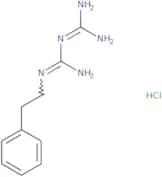
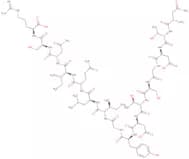
CAS:<p>Phenformin hydrochloride is a phenformin derivative that is used as an oral hypoglycemic. It has been shown to inhibit the synthesis of fatty acids in the liver and to reduce the size of lipid droplets, which are a hallmark of hepatic steatosis. Phenformin hydrochloride also inhibits the polymerase chain reaction and mitochondrial membrane potential, which results in reduced oxidative stress and apoptosis. This drug has been shown to have anti-infectious effects against infectious diseases such as typhoid fever, tuberculosis, and malaria. Phenformin hydrochloride may also be carcinogenic, due to its ability to induce skin cancer in mice with a genetic predisposition for this type of cancer. The drug should not be administered to patients with metabolic disorders or patients who are receiving chemotherapy agents that affect cell proliferation because it can exacerbate these conditions.</p>Formula:C10H16ClN5Purity:Min. 95 Area-%Color and Shape:PowderMolecular weight:241.72 g/molH-Leu-Ser-Lys-Leu-OH trifluoroacetate salt
CAS:<p>Please enquire for more information about H-Leu-Ser-Lys-Leu-OH trifluoroacetate salt including the price, delivery time and more detailed product information at the technical inquiry form on this page</p>Formula:C21H41N5O6Purity:Min. 95%Molecular weight:459.58 g/mol4-Bromo-3-chloro-2-fluoroaniline
CAS:<p>4-Bromo-3-chloro-2-fluoroaniline is an industrial chemical that can be synthesized from 4-bromoaniline and 3,4,5-trichlorobenzene. This compound is used as a precursor to diazo compounds. The synthesis of the diazo compounds are catalyzed by the addition of potassium or sodium hydrogen sulfite to a solution of 4-bromo-3,4,5-trichloroaniline in refluxing nitric acid. The reaction is allowed to proceed dropwise with cooling for two hours at 0°C. The final product can be obtained by diazotization with sodium nitrite in sulfuric acid followed by purification.</p>Formula:C6H4BrClFNPurity:Min. 95%Color and Shape:PowderMolecular weight:224.46 g/molThrombin Receptor Antagonist trifluoroacetate salt
CAS:<p>Please enquire for more information about Thrombin Receptor Antagonist trifluoroacetate salt including the price, delivery time and more detailed product information at the technical inquiry form on this page</p>Formula:C58H91N17O20S2Purity:Min. 95%Molecular weight:1,410.58 g/molH-Leu-Arg-Leu-OH hydrochloride salt
CAS:<p>H-Leu-Arg-Leu-OH is a synthetic, basic tripeptide with the sequence H-Leu-Arg-Leu. It has been shown to have physiological properties in an electrophoresis experiment, as well as being synthesized in a laboratory.</p>Formula:C18H36N6O4Purity:Min. 95%Molecular weight:400.52 g/mol(Des-Gly10,Ser(Ac)4,D-Leu6,Pro-NHEt 9)-LHRH trifluoroacetate salt
<p>Please enquire for more information about (Des-Gly10,Ser(Ac)4,D-Leu6,Pro-NHEt 9)-LHRH trifluoroacetate salt including the price, delivery time and more detailed product information at the technical inquiry form on this page</p>Formula:C61H86N16O13Purity:Min. 95%Molecular weight:1,251.44 g/mol4-Chloroanisole
CAS:<p>4-Chloroanisole is a chlorinated aromatic compound that is used as an industrial solvent. It has been shown to have fungicidal activity and can be used in the production of polyurethanes. 4-Chloroanisole reacts with chlorine atoms, forming diphenyl ethers. It also reacts with argon gas to form isotopomers, which are important in the study of steric interactions. The hydroxyl ions present in water cause the formation of a solid catalyst from 4-chloroanisole and potassium chloride. This solid catalyst is then used for reactions such as Suzuki coupling reactions and cationic polymerization reactions. 4-Chloroanisole also has the ability to react with an aryl halide, forming an aromatic molecule or halides.</p>Formula:C7H7ClOPurity:Min. 95%Color and Shape:PowderMolecular weight:142.58 g/molPACAP-27 (human, mouse, ovine, porcine, rat) trifluoroacetate salt
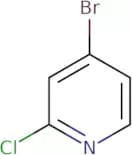
CAS:<p>Trifluoroacetate salt</p>Formula:C142H224N40O39SPurity:Min. 95%Molecular weight:3,147.61 g/mol4-Bromo-2-chloropyridine
CAS:<p>4-Bromo-2-chloropyridine is a piperazine derivative that has potent inhibitory activity against 5-HT2C receptors. This compound is an amide and has been shown to have the ability to cross-couple with various other compounds, such as fatty acids. It is also used in clinical development for the treatment of obesity, depression, and Parkinson's disease. The purity of 4-bromo-2-chloropyridine can be determined by liquid chromatography methods.</p>Formula:C5H3BrCINPurity:90%Color and Shape:Clear LiquidMolecular weight:192.44 g/mol4-Amino-3,5,6-trichloropyridine-2-carboxylic acid
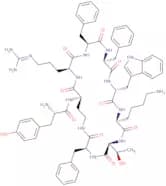
CAS:<p>4-Amino-3,5,6-trichloropyridine-2-carboxylic acid (4ATC) is a herbicide that inhibits the activity of pyridoxal phosphate (PLP)-dependent enzymes. 4ATC has been shown to be more toxic to plants than temozolomide and is used in vitro to study the effects of herbicides on cells. It inhibits cell growth and induces apoptosis in human cancer cells. In addition, 4ATC has been shown to inhibit the enzyme activities of group P2 proteins and nucleic acid synthesis. 4ATC also inhibits protein synthesis by inhibiting RNA synthesis in eukaryotic cells. 4ATC is not active against bacteria or fungi.</p>Formula:C6H3Cl3N2O2Purity:Min. 95%Color and Shape:White To Tan SolidMolecular weight:241.46 g/molTyr-(D-Dab 4,Arg5,D-Trp8)-cyclo-Somatostatin-14 (4-11) trifluoroacetate salt
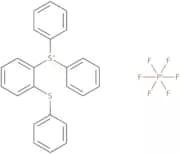
CAS:<p>Please enquire for more information about Tyr-(D-Dab 4,Arg5,D-Trp8)-cyclo-Somatostatin-14 (4-11) trifluoroacetate salt including the price, delivery time and more detailed product information at the technical inquiry form on this page</p>Formula:C67H85N15O11Purity:Min. 95%Molecular weight:1,276.49 g/molDiphenyl(4-phenylthio)phenylsufonium hexafluorophosphate
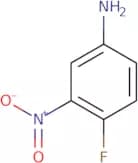
CAS:<p>Diphenyl(4-phenylthio)phenylsufonium hexafluorophosphate is a photoinitiator that is used in photopolymerization. It absorbs light at around 800 nm and emits light at around 810 nm. The initiator has a low molecular weight and is soluble in organic solvents, which makes it suitable for polymerization of acrylate monomers. Diphenyl(4-phenylthio)phenylsufonium hexafluorophosphate can be synthesized by the reaction of diphenyliodonium hexafluorophosphate with phenyldithiocarbonyl chloride.</p>Formula:C24H19S2•PF6Purity:Min. 95%Color and Shape:PowderMolecular weight:516.5 g/mol4-Fluoro-3-nitroaniline
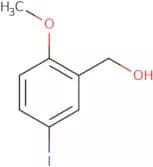
CAS:<p>4-Fluoro-3-nitroaniline is a chemical that can be used for industrial preparation. It is an efficient method for the production of 4-fluoroaniline, which is used in the manufacture of dyes and pharmaceuticals. The chemical ionization technique has been shown to be a good way to determine the presence of 4-fluoro-3 nitroaniline in animals. It has also been found to be active against infections caused by bacteria such as Salmonella enterica, Escherichia coli, and Klebsiella pneumoniae. This chemical may have adverse effects on testicular function and hematocrit levels in animals.</p>Formula:C6H5FN2O2Purity:Min. 95%Molecular weight:156.11 g/mol5-Iodo-2-methoxybenzyl alcohol
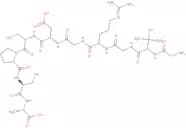
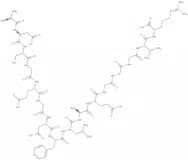
CAS:<p>5-Iodo-2-methoxybenzyl alcohol (5IMB) is a conjugate that inhibits tubulin polymerization and mitochondrial membrane integrity. It has significant inhibitory effects on colchicine-induced apoptosis in colon cancer cells, inducing apoptotic cell death by the activation of caspase 3 and annexin. 5IMB also has an inhibitory effect on mitochondria, leading to mitochondrial membrane depolarization and apoptotic cell death. This conjugate also induces the death of human cancer cells, specifically mcf-7, which are involved in tumour growth and metastasis. The mechanism of action for 5IMB is through its ability to induce mitochondrial membrane depolarization, leading to apoptotic cell death.</p>Formula:C8H9O2IPurity:Min. 95%Molecular weight:264.06 g/molH-Gly-Pen-Gly-Arg-Gly-Asp-Ser-Pro-Cys-Ala-OH trifluoroacetate salt (Disulfide bond between Pen2 and Cys9)
CAS:<p>Gly-Pen-Gly-Arg-Gly-Asp-Ser-Pro-Cys (GPEG) is a peptide that modulates the function of muscle cells and is present in collagen. GPEG has been shown to improve oxidative damage, which occurs during exercise. The effect of GPEG on muscle cells is dependent on the dose. Low doses of GPEG activate proteins that are involved in transcription and increases the synthesis of oxidative enzymes, while high doses inhibit these proteins. GPEG also modulates integrin receptor expression and decreases fibronectin production by vascular smooth muscle cells.</p>Formula:C35H57N13O14S2Purity:Min. 95%Molecular weight:948.04 g/molH-Gly-Arg-Gly-Asp-D-Ser-Pro-OH trifluoroacetate salt
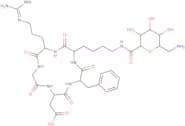
CAS:<p>H-Gly-Arg-Gly-Asp-D-Ser-Pro-OH trifluoroacetate salt (HGGDS) is a collagen gel that is used in the treatment of autoimmune diseases, such as arthritis and lupus. HGGDS inhibits the production of fibrinogen, which is a protein involved in blood clotting, by binding to its receptor on human fibroblasts. It also inhibits the production of basic proteins needed for the generation of collagen and activation of integrin receptors, which are involved in cell adhesion and migration. HGGDS also blocks transcription polymerase chain reactions (PCRs), which are necessary for the synthesis of DNA. This can lead to a decrease in cell proliferation and an increase in apoptosis.</p>Formula:C22H37N9O10Purity:Min. 95%Molecular weight:587.58 g/molGalacto-RGD trifluoroacetate salt
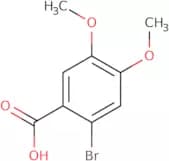
CAS:<p>Please enquire for more information about Galacto-RGD trifluoroacetate salt including the price, delivery time and more detailed product information at the technical inquiry form on this page</p>Formula:C34H52N10O12Purity:Min. 95%Color and Shape:PowderMolecular weight:792.84 g/mol2-Bromo-4,5-dimethoxybenzoic acid
CAS:<p>2-Bromo-4,5-dimethoxybenzoic acid is a synthetic compound that belongs to the group of anticancer drugs. It is a potent inhibitor of mitochondrial membrane depolarization and has been shown to inhibit tumor growth in vivo. 2-Bromo-4,5-dimethoxybenzoic acid also induces cell death by demethylation and hydroxylation of DNA, leading to apoptosis. This compound is synthesized by reacting 3,4-dihydroxybenzoic acid with bromine and potassium hydroxide. Surrogates such as amides are used for this synthesis because the original product is not stable enough. Protocatechuic acid can be produced from 2-bromo-4,5-dimethoxybenzoic acid through hydrolysis.</p>Formula:C9H9BrO4Purity:Min. 95%Color and Shape:PowderMolecular weight:261.07 g/molH-Ser(tBu)-2-chlorotrityl resin (200-400 mesh)
<p>Please enquire for more information about H-Ser(tBu)-2-chlorotrityl resin (200-400 mesh) including the price, delivery time and more detailed product information at the technical inquiry form on this page</p>Purity:Min. 95%PAR-2 (1-6) (mouse, rat) trifluoroacetate salt
CAS:<p>Please enquire for more information about PAR-2 (1-6) (mouse, rat) trifluoroacetate salt including the price, delivery time and more detailed product information at the technical inquiry form on this page</p>Formula:C29H55N9O8Purity:Min. 95%Molecular weight:657.8 g/mol



![5'-Chloro-2'-hydroxy-3'-nitro-[1,1'-biphenyl]-3-carboxylic acid](/_next/image/?url=https%3A%2Fstatic.cymitquimica.com%2Fproducts%2F3D%2Fthumb-webp%2FFC159731.webp&w=3840&q=75)



![(S)-9,10-Difluoro-2,3-dihydro-3-methyl-7-oxo-7H-pyrido[1,2,3-de]-1,4-benzoxazine-6-carboxylic acid…](/_next/image/?url=https%3A%2Fstatic.cymitquimica.com%2Fproducts%2F3D%2Fthumb-webp%2FFD21854.webp&w=3840&q=75)









![2-(4-Bromobenzo[d][1,3]dioxole-5-carboxamido)acetic acid](/_next/image/?url=https%3A%2Fstatic.cymitquimica.com%2Fproducts%2F3D%2Fthumb-webp%2FFB66447.webp&w=3840&q=75)



![5-(H-Gly-Pro-Gly-Pro-amido)-9-[di-(3-sulfonylpropyl)amino]-benzo[a]phenoxazonium perchlorate](/_next/image/?url=https%3A%2Fstatic.cymitquimica.com%2Fproducts%2F3D%2Fthumb-webp%2FFG110995.webp&w=3840&q=75)





![2-Boc-2,9-Diazaspiro[5.5]undecane hydrochloride](/_next/image/?url=https%3A%2Fstatic.cymitquimica.com%2Fproducts%2F3D%2Fthumb-webp%2FFB154133.webp&w=3840&q=75)