Organic Halides
In this category, you can find organic molecules containing one or more halogen atoms in their structure. These organic halides include brominated, iodinated, chlorinated, and cyclic halide compounds. Organic halides are widely used in organic synthesis, pharmaceuticals, agrochemicals, and materials science due to their reactivity and ability to undergo a variety of chemical transformations. At CymitQuimica, we offer a comprehensive selection of high-quality organic halides to support your research and industrial applications, ensuring reliable and effective performance in your synthetic and analytical projects.
Subcategories of "Organic Halides"
Found 20437 products of "Organic Halides"
Sort by
Purity (%)
0
100
|
0
|
50
|
90
|
95
|
100
(3,5-Diiodo-Tyr2,Arg8)-Vasopressin
CAS:<p>Please enquire for more information about (3,5-Diiodo-Tyr2,Arg8)-Vasopressin including the price, delivery time and more detailed product information at the technical inquiry form on this page</p>Formula:C46H63I2N15O12S2Purity:Min. 95%Molecular weight:1,336.03 g/molBradykinin (1-5) trifluoroacetate salt
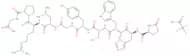
CAS:<p>Bradykinin (1-5) trifluoroacetate salt H-Arg-Pro-Pro-Gly-Phe-OH is a peptide that has been shown to have anti-cancer properties. The effect of Bradykinin (1-5) trifluoroacetate salt H-Arg-Pro-Pro-Gly-Phe-OH on prostate cancer cells was studied in vitro by measuring the extent of cell growth. The results showed a dose dependent decrease in tumor growth rate, suggesting that this peptide may be useful as an adjuvant therapy for prostate cancer. Bradykinin (1-5) trifluoroacetate salt H-Arg-Pro-Pro-Gly-Phe has also been shown to inhibit diabetic nephropathy and reduce proteinuria in diabetic patients. This peptide may also be used to diagnose prostate cancer because it binds to the thrombin receptor, which is present on cancer cells but not</p>Formula:C27H40N8O6Purity:Min. 95%Molecular weight:572.66 g/mola-(Trichloromethyl)benzyl acetate
CAS:<p>a-(Trichloromethyl)benzyl acetate is an organic compound with the formula CHClCOCH. It is a colorless liquid which is soluble in organic solvents. This compound exhibits oxidative carbonylation activity, and has been shown to be used for the coating of particles, detergent compositions, and analytical methods. The microcapsules are prepared by encapsulating a fatty acid in a glycol ether. The health effects of this compound are not well understood but it is believed that it may have some carcinogenic properties.</p>Formula:C10H9Cl3O2Purity:Min. 95%Molecular weight:267.54 g/mol3,5-Bis(trifluoromethyl)benzaldehyde
CAS:<p>3,5-Bis(trifluoromethyl)benzaldehyde is a synthetic compound that has been shown to inhibit cancer cell growth. It is a chromatographic reagent and an intermediate in the production of pharmaceuticals. 3,5-Bis(trifluoromethyl)benzaldehyde was shown to bind to the amino group of proteins and inhibit the synthesis of protein inhibitors. This compound also binds to cholesterol esters and causes lipid peroxidation, leading to cell death in cancer cells.</p>Formula:C9H4F6OPurity:Min. 95%Color and Shape:PowderMolecular weight:242.12 g/molTetrabutylammonium fluoride trihydrate
CAS:<p>Tetrabutylammonium fluoride trihydrate is an aromatic hydrocarbon with a hydroxyl group. It is soluble in water and has a strong inhibitory effect on chain reactions. Tetrabutylammonium fluoride trihydrate can be used to inhibit the oxidation of quinoline derivatives that are used as drugs or pesticides. It also has an inhibitory effect on thermodynamic data such as the heat of vaporization, heat capacity, and entropy. The addition of trifluoroacetic acid to an organic solution containing hydrogen bonding interactions increases the solubility of tetrabutylammonium fluoride trihydrate in the organic solutions.</p>Formula:C16H36FN•(H2O)3Purity:Min. 95%Color and Shape:PowderMolecular weight:315.51 g/molH-Pro-2-chlorotrityl resin (200-400 mesh) (Low Substitution)
<p>Please enquire for more information about H-Pro-2-chlorotrityl resin (200-400 mesh) (Low Substitution) including the price, delivery time and more detailed product information at the technical inquiry form on this page</p>Purity:Min. 95%VIP (6-28) (human, mouse, rat) trifluoroacetate salt
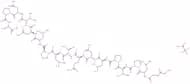
CAS:<p>VIP (6-28) (human, mouse, rat) trifluoroacetate salt H-Phe-Thr-Asp-Asn-Tyr-Thr-Arg-Leu-Arg-Lys-Gln-Met-Ala-Val-Lys -Lys-Tyr-Leu is a prophylactic agent that is used to prevent the development of intestinal peptide induced myocardial fibrosis. It has been shown to reduce the incidence and severity of cardiovascular diseases. VIP (6/28) has a vasoactive effect on the intestines and may also have an effect on the cardiovascular system.</p>Formula:C126H207N37O34SPurity:Min. 95%Molecular weight:2,816.29 g/mol4-Bromo-3-nitrobenzoicacid
CAS:<p>4-Bromo-3-nitrobenzoicacid is a fluorogenic substrate for the labeling of d-serine. It reacts with picric acid to form a fluorescent product, which can be detected by fluorescence spectroscopy. 4BnBA has been used in immobilized enzyme studies to determine the catalysis of chloride and the fluorescence response of chloride. The hydrolysis of 4BnBA by esterases produces 3-nitroaniline, which has been shown to be an intermediate for the synthesis of flavin mononucleotide (FMN). FMN is an essential cofactor for catalytic reactions involving ribonucleotides and ATP. The subunits of FMN are flavin adenine dinucleotide (FAD) and nicotinamide adenine dinucleotide (NAD). 4BnBA has also been analysed using synthetic techniques and functional theory to determine its role in biomolecular processes.</p>Formula:C7H4BrNO4Purity:Min. 95%Color and Shape:PowderMolecular weight:246.02 g/mol(Pro34)-Peptide YY (human) trifluoroacetate salt
CAS:<p>Please enquire for more information about (Pro34)-Peptide YY (human) trifluoroacetate salt including the price, delivery time and more detailed product information at the technical inquiry form on this page</p>Formula:C194H294N54O56Purity:Min. 95%Molecular weight:4,278.74 g/molSuc-Ala-Ala-Pro-Phe-2,4-difluoroanilide
CAS:<p>Please enquire for more information about Suc-Ala-Ala-Pro-Phe-2,4-difluoroanilide including the price, delivery time and more detailed product information at the technical inquiry form on this page</p>Formula:C30H35F2N5O7Purity:Min. 95%Molecular weight:615.63 g/mol2-[(3,5,6-Trichloro-2-pyridinyl)oxy]acetic acid
CAS:<p>Carbaryl is a broad-spectrum insecticide that has been used to control pests in homes, gardens, and agricultural fields. It can be found in many products for use around the home, including flea collars and ant traps. Carbaryl is absorbed by plants through their leaves and roots and can affect photosynthetic activity. Carbaryl also affects plant metabolism by inhibiting proximal tubule function, which leads to an increase in urea nitrogen and urine production. Carbaryl can be toxic to humans when ingested or inhaled. The toxicity of carbaryl depends on its route of exposure (oral, inhalation, or skin). Carbaryl is metabolized through a number of metabolic reactions that include oxidation by cytochrome P450 enzymes, reduction by glutathione reductase, or conjugation with glucuronic acid.</p>Formula:C7H4Cl3NO3Purity:Min. 95%Color and Shape:PowderMolecular weight:256.47 g/molGLP-1 (7-37) (human, bovine, guinea pig, mouse, rat) trifluoroacetate salt
CAS:Controlled Product<p>Please enquire for more information about GLP-1 (7-37) (human, bovine, guinea pig, mouse, rat) trifluoroacetate salt including the price, delivery time and more detailed product information at the technical inquiry form on this page</p>Formula:C151H228N40O47Purity:Min. 95%Molecular weight:3,355.67 g/mol4-((5-Bromopyridin-2-yl)amino)-4-oxobutanoic acid
CAS:<p>4-((5-Bromopyridin-2-yl)amino)-4-oxobutanoic acid (BABA) is a potent photosynthetic inhibitor that inhibits light-driven electron transport in chloroplasts. This inhibition of electron transport leads to the accumulation of reactive oxygen species and cellular dysfunction. BABA is used to induce dormancy in plants and is also used as a chemical inhibitor for arabidopsis thaliana, a type of plant commonly used in molecular biology research. Studies have shown that BABA inhibits the growth of fat cells, which may be due to its ability to inhibit protein synthesis, leading to decreased fat deposition. In addition, this drug has been shown to reduce eye disorders such as retinal degeneration and cataracts by inhibiting the production of reactive oxygen species, which causes oxidative stress.</p>Formula:C9H9BrN2O3Purity:(Elemental Analysis) Min. 97%Color and Shape:PowderMolecular weight:273.08 g/molTLQP-21 (human) trifluoroacetate salt
CAS:<p>Please enquire for more information about TLQP-21 (human) trifluoroacetate salt including the price, delivery time and more detailed product information at the technical inquiry form on this page</p>Formula:C110H176N40O27Purity:Min. 95%Molecular weight:2,490.83 g/molNeuronostatin-19 (human, canine, porcine) trifluoroacetate salt
<p>Please enquire for more information about Neuronostatin-19 (human, canine, porcine) trifluoroacetate salt including the price, delivery time and more detailed product information at the technical inquiry form on this page</p>Formula:C90H151N29O25Purity:Min. 95%Molecular weight:2,039.34 g/mol(Met186)-Melanocyte Protein PMEL 17 (185-193) (human, bovine, mouse) trifluoroacetate salt
CAS:<p>Please enquire for more information about (Met186)-Melanocyte Protein PMEL 17 (185-193) (human, bovine, mouse) trifluoroacetate salt including the price, delivery time and more detailed product information at the technical inquiry form on this page</p>Formula:C47H74N10O14SPurity:Min. 95%Molecular weight:1,035.22 g/molGastrin I (rat) trifluoroacetate salt
CAS:<p>Trifluoroacetate salt</p>Formula:C94H128N22O31S2Purity:Min. 95%Molecular weight:2,126.28 g/molHippuryl-Cys(2-aminoethyl)-OH hydrochloride salt
CAS:<p>Please enquire for more information about Hippuryl-Cys(2-aminoethyl)-OH hydrochloride salt including the price, delivery time and more detailed product information at the technical inquiry form on this page</p>Formula:C14H19N3O4SPurity:Min. 95%Molecular weight:325.38 g/mol5-Chloro-2,4-dimethoxyaniline
CAS:<p>5-Chloro-2,4-dimethoxyaniline (5-CDA) is a crystalline solid that belongs to the amine class of chemical compounds. It is used in the production of polyhalogenated anilines and nitrosamines, which are known carcinogens. 5-CDA has been shown to be toxic to animals at high doses and can cause health effects such as irritation of the eyes, skin, and respiratory tract; central nervous system depression; and gastrointestinal disturbances. The toxicity of this compound is related to its ability to form nitrosamines when it comes into contact with nitrite or other N-nitroso compounds. 5-CDA is also present in wastewater effluents from paper mills and agricultural runoff from triticum aestivum fields.</p>Formula:C8H10ClNO2Purity:Min. 95%Molecular weight:187.62 g/molBiotinyl-MCH (salmon) trifluoroacetate salt
CAS:<p>Please enquire for more information about Biotinyl-MCH (salmon) trifluoroacetate salt including the price, delivery time and more detailed product information at the technical inquiry form on this page</p>Formula:C99H153N29O26S5Purity:Min. 95%Molecular weight:2,325.78 g/mol(Z)-1-(2,4-Dichlorophenyl)-2-(1H-imidazol-1-yl)ethanone oxime
CAS:<p>(Z)-1-(2,4-Dichlorophenyl)-2-(1H-imidazol-1-yl)ethanone oxime is an antifungal agent that inhibits the synthesis of ergosterol, a major constituent of fungal cell membranes. It has been shown to be active against a variety of fungi and yeasts. (Z)-1-(2,4-Dichlorophenyl)-2-(1H-imidazol-1-yl)ethanone oxime also has antimicrobial activity against bacteria such as Staphylococcus aureus and Pseudomonas aeruginosa.</p>Formula:C11H9Cl2N3OPurity:Min. 95%Molecular weight:270.11 g/mol2-Chlorothiazole
CAS:<p>2-Chlorothiazole is a solvent that is used in the chlorinating of acetylcholine. It has been shown to be carcinogenic in animals, but there is no evidence that it causes cancer in humans. 2-Chlorothiazole binds to the nicotinic acetylcholine receptor and blocks the neurotransmitter acetylcholine, which results in paralysis and death of insects. It has also been shown to have neonicotinoid properties. 2-Chlorothiazole is soluble in methanol and can be quantified using kinetic data or an analytical method involving human urine as a sample matrix. The reactivity of 2-chlorothiazole with hydrogen chloride yields chloromethyl ketone and chloride ions, which can be analyzed by gas chromatography/mass spectrometry (GC/MS). The chemical structure of 2-chlorothiazole consists of two chlorine atoms bonded to an amide group at one end and a single carbon at</p>Formula:C3H2ClNSPurity:Min. 95%Molecular weight:119.57 g/mol(1,10-Phenanthroline)tris[4,4,4-trifluoro-1-(2-thienyl)-1,3-butanedionato]europium(III)
CAS:<p>(1,10-Phenanthroline)tris[4,4,4-trifluoro-1-(2-thienyl)-1,3-butanedionato]europium(III) is a luminescent europium complex that is used in the development of microcapsules for fluorescence microscopy. The (1,10-phenanthroline) ligand is a chelate molecule that can be exchanged with other ligands to change the optical properties of the complex. The fluorescence microscope detects the emitted light at 488 nm and 514 nm wavelengths. The luminescent europium complex emits light when it binds to an organic molecule such as vinyl alcohol or water vapor. Ternary complexes are formed between the europium ion and two different ligands. Optical properties depend on the type of ligands present in these ternary complexes. This product has been shown to have chemical structures that are similar to those</p>Purity:Min. 95%Desmethyl sibutramine hydrochloride salt
CAS:<p>Desmethyl sibutramine hydrochloride salt is a pharmaceutical preparation that has been used in the treatment of depression and chronic pain. It is a synthetic drug that increases the level of dopamine in the brain by inhibiting its reuptake. In addition, it has been shown to be effective in the treatment of hyperactivity, diabetic neuropathy, and other amines. Desmethyl sibutramine hydrochloride salt also has an antidepressant effect by decreasing serotonin reuptake.</p>Formula:C16H25Cl2NPurity:Min. 95 Area-%Color and Shape:White PowderMolecular weight:302.28 g/mol8-Bromo-1-octanol
CAS:<p>8-Bromo-1-octanol is a fluorescent compound that has been shown to be resistant to cancer. It can be used as a probe for the detection of malonic acid in urine samples, which are an indicator of oxidative stress. 8-Bromo-1-octanol is stable in the presence of alcohol groups, and can be used to prepare samples for population growth studies. This chemical has also been used to study the growth of bacteria such as Pseudomonas aeruginosa and Escherichia coli. 8-Bromo-1-octanol emits light at a wavelength of 490 nm when exposed to ultraviolet radiation, which makes it useful for detecting chlorine atoms in water samples. The product research involving this chemical includes its effects on k562 cells and P. aeruginosa. Studies have also been done on its hydroxyl group and fatty acids and fatty acid esters, which are found in animal fat and vegetable oils.</p>Formula:C8H17BrOPurity:Min. 95%Color and Shape:Colorless Clear LiquidMolecular weight:209.12 g/mol3-Fluoro-2-nitrobenzaldehyde
CAS:<p>3-Fluoro-2-nitrobenzaldehyde is a pyridine derivative that has been used in the synthesis of a number of important heterocyclic compounds. This compound can be prepared by reacting 3,4-dichloroaniline with nitrous acid and then hydrolyzing the resulting 3-chloroquinoline with hydrochloric acid. The reaction yields anilines and quinolines in regiospecifically, as well as formylation, cyclisation, and condensation products. It is also capable of aromatisation reactions with benzene to produce benzofuran derivatives.</p>Formula:C7H4FNO3Purity:Min. 95%Color and Shape:Yellow PowderMolecular weight:169.11 g/mol4-Chloro-2-iodo-phenol
CAS:<p>Please enquire for more information about 4-Chloro-2-iodo-phenol including the price, delivery time and more detailed product information at the technical inquiry form on this page</p>Formula:C6H4ClIOPurity:Min. 95%Molecular weight:254.45 g/mol(Gly1,Ser3·22,Gln4·34,Thr6,Arg19,Tyr21,Ala23·31, Aib 32)-Pancreatic Polypeptide (human) trifluoroacetate salt
CAS:<p>Please enquire for more information about (Gly1,Ser3·22,Gln4·34,Thr6,Arg19,Tyr21,Ala23·31, Aib 32)-Pancreatic Polypeptide (human) trifluoroacetate salt including the price, delivery time and more detailed product information at the technical inquiry form on this page</p>Formula:C183H281N57O54S2Purity:Min. 95%Molecular weight:4,207.67 g/mol6-Bromo-pyrazolo[1,5-a]pyrimidine
CAS:<p>6-Bromo-pyrazolo[1,5-a]pyrimidine is a bone morphogenetic protein (BMP) inhibitor. It has been shown to be a potent inhibitor of the tyrosine kinase activity of BMP receptors and may be useful for the development of new strategies for the treatment of osteoporosis. 6-Bromo-pyrazolo[1,5-a]pyrimidine is also an effective inhibitor of the proliferation and survival of cancer cells. It inhibits cell growth by interfering with cellular signaling pathways that regulate these processes. 6-Bromo-pyrazolo[1,5-a]pyrimidine was also found to inhibit the production of bone morphogenetic protein 2 (BMP2) in mouse calvaria cells without affecting other bone metabolism markers such as alkaline phosphatase or osteocalcin.</p>Formula:C6H4BrN3Purity:Min. 95%Color and Shape:PowderMolecular weight:198.02 g/molAcetyl-(D-Trp1,4-chloro-D-Phe2,D-Trp3,D-Arg6,D-Ala10)-LHRH
CAS:<p>Please enquire for more information about Acetyl-(D-Trp1,4-chloro-D-Phe2,D-Trp3,D-Arg6,D-Ala10)-LHRH including the price, delivery time and more detailed product information at the technical inquiry form on this page</p>Formula:C71H94ClN19O13Purity:Min. 95%Molecular weight:1,457.08 g/molSpexin trifluoroacetate salt
CAS:<p>Please enquire for more information about Spexin trifluoroacetate salt including the price, delivery time and more detailed product information at the technical inquiry form on this page</p>Formula:C74H114N20O19SPurity:Min. 95%Molecular weight:1,619.89 g/mol2-Bromo-5-benzoylthiophene
CAS:<p>2-Bromo-5-benzoylthiophene is a brominated hydrophobic compound. It has a catalytic activity and can be used as an antibacterial agent. The 9-oxime of 2-bromo-5-benzoylthiophene is more active than the free drug and is capable of inhibiting the growth of bacteria in vitro. This oxime also has a higher affinity for DNA gyrase and topoisomerase IV than other drugs in this class, which may be due to its hydrophobic nature or bromine substitution. Molecular modeling studies have shown that the chlorine atom in the 9-oxime plays an important role in stabilizing the complex formed with DNA gyrase or topoisomerase IV, which could explain its high activity against these enzymes.</p>Formula:C11H7BrOSPurity:Min. 95%Molecular weight:267.14 g/mol(Des-Gly10,D-Tyr5,D-His(Bzl)6,Pro-NHEt 9)-LHRH trifluoroacetate salct
CAS:<p>Please enquire for more information about (Des-Gly10,D-Tyr5,D-His(Bzl)6,Pro-NHEt 9)-LHRH trifluoroacetate salct including the price, delivery time and more detailed product information at the technical inquiry form on this page</p>Formula:C66H86N18O12Purity:Min. 95%Molecular weight:1,323.5 g/mol(Asn670,Leu671)-Amyloid b/A4 Protein Precursor770 (667-676) trifluoroacetate salt
CAS:<p>Please enquire for more information about (Asn670,Leu671)-Amyloid b/A4 Protein Precursor770 (667-676) trifluoroacetate salt including the price, delivery time and more detailed product information at the technical inquiry form on this page</p>Formula:C50H78N14O19Purity:Min. 95%Molecular weight:1,179.24 g/molC-Type Natriuretic Peptide (1-53) (human) trifluoroacetate salt
CAS:<p>Trifluoroacetate salt</p>Formula:C251H417N81O71S3Purity:Min. 95%Molecular weight:5,801.7 g/molC5a Anaphylatoxin (37-53) (human) trifluoroacetate salt
CAS:<p>Please enquire for more information about C5a Anaphylatoxin (37-53) (human) trifluoroacetate salt including the price, delivery time and more detailed product information at the technical inquiry form on this page</p>Formula:C82H141N27O22SPurity:Min. 95%Molecular weight:1,889.23 g/mol2-Bromo-3-fluoroaniline
CAS:<p>2-Bromo-3-fluoroaniline is a reactive and nucleophilic compound that is synthesized by the reaction of aniline with bromine and sodium hydroxide. The drug development of 2-bromo-3-fluoroaniline has been hampered by its toxicity, but it has shown promising results in animal studies for the treatment of cancer. Mechanistic studies have demonstrated that 2-bromo-3-fluoroaniline causes cell death by reacting with DNA. This drug also acts as a prodrug to fluoroacetic acid, which inhibits cell proliferation by inhibiting protein synthesis.</p>Formula:C6H5BrFNPurity:Min. 95%Color and Shape:SolidMolecular weight:190.01 g/mol(D-Tyr6,betaPhe11,Phe13, Nle 14)-Bombesin (6-14) (free acid) trifluoroacetate salt
CAS:<p>Please enquire for more information about (D-Tyr6,betaPhe11,Phe13, Nle 14)-Bombesin (6-14) (free acid) trifluoroacetate salt including the price, delivery time and more detailed product information at the technical inquiry form on this page</p>Formula:C63H79N13O12Purity:Min. 95%Molecular weight:1,210.38 g/molH-Cys(Acm)-2-chlorotrityl resin (200-400 mesh)
<p>Please enquire for more information about H-Cys(Acm)-2-chlorotrityl resin (200-400 mesh) including the price, delivery time and more detailed product information at the technical inquiry form on this page</p>Purity:Min. 95%Fmoc-L-Lys[Oct-(otBu)-Glu-(otBu)-AEEA-AEEA]-OH
CAS:<p>Please enquire for more information about Fmoc-L-Lys[Oct-(otBu)-Glu-(otBu)-AEEA-AEEA]-OH including the price, delivery time and more detailed product information at the technical inquiry form on this page</p>Formula:C64H101N5O16Purity:Min. 95%Molecular weight:1,196.51 g/molH-Leu-2-chlorotrityl resin (200-400 mesh) (Low Substitution)
<p>Please enquire for more information about H-Leu-2-chlorotrityl resin (200-400 mesh) (Low Substitution) including the price, delivery time and more detailed product information at the technical inquiry form on this page</p>Purity:Min. 95%Ac-Arg-Ser-Leu-Lys-AMC trifluoroacetate salt
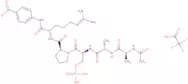
CAS:<p>Please enquire for more information about Ac-Arg-Ser-Leu-Lys-AMC trifluoroacetate salt including the price, delivery time and more detailed product information at the technical inquiry form on this page</p>Formula:C33H51N9O8•C2HF3O2Purity:Min. 95 Area-%Color and Shape:PowderMolecular weight:815.83 g/molH-Phe-D-Met-Arg-Phe-NH2 trifluoroacetate salt
CAS:<p>Please enquire for more information about H-Phe-D-Met-Arg-Phe-NH2 trifluoroacetate salt including the price, delivery time and more detailed product information at the technical inquiry form on this page</p>Formula:C29H42N8O4SPurity:Min. 95%Molecular weight:598.76 g/molN-(2-Bromoethoxy)phthalimide
CAS:<p>N-(2-Bromoethoxy)phthalimide is a chemical compound that has been shown to inhibit the activity of histone deacetylases. Histones are proteins that regulate gene expression and play an important role in the regulation of DNA transcription. The enzyme histone deacetylase (HDAC) removes acetyl groups from these proteins, which can lead to changes in gene expression and misregulation of cellular processes. HDACs have been linked to autoimmune diseases, such as arthritis and multiple sclerosis, because they can cause inflammation by affecting the production of inflammatory cytokines. N-(2-Bromoethoxy)phthalimide is able to inhibit HDACs by forming covalent bonds with the lysine residues on these enzymes. This inhibition causes modifications that affect the interaction between HDACs and their substrates, preventing them from modifying histones or interacting with other proteins.</p>Formula:C10H8BrNO3Purity:Min. 95%Molecular weight:270.08 g/mol5,6-Dichloropyridazin-3(2H)-one
CAS:<p>Please enquire for more information about 5,6-Dichloropyridazin-3(2H)-one including the price, delivery time and more detailed product information at the technical inquiry form on this page</p>Formula:C4H2Cl2N2OPurity:Min. 95%Molecular weight:164.98 g/mol(Met(O)35)-Amyloid b-Protein (1-40) trifluoroacetate salt
CAS:<p>Please enquire for more information about (Met(O)35)-Amyloid b-Protein (1-40) trifluoroacetate salt including the price, delivery time and more detailed product information at the technical inquiry form on this page</p>Formula:C194H295N53O59SPurity:Min. 95%Molecular weight:4,345.81 g/molDnp-(Leu421)-Collagen Type VIII a1 Chain (419-426) amide (human, mouse) trifluoroacetate salt
<p>Please enquire for more information about Dnp-(Leu421)-Collagen Type VIII a1 Chain (419-426) amide (human, mouse) trifluoroacetate salt including the price, delivery time and more detailed product information at the technical inquiry form on this page</p>Formula:C40H64N14O12SPurity:Min. 95%Molecular weight:965.09 g/mol5-Bromo-3-fluorophenol
CAS:<p>5-Bromo-3-fluorophenol is a chemical compound that is modified by hydrogen bonding. It displays anti-cancer activity against various human cancer cells, including breast and prostate cancer cells. 5-Bromo-3-fluorophenol also inhibits nicotinic acetylcholine receptors and the enzyme acetylcholinesterase, which are important for the function of the nervous system. This drug has been shown to interact with acetylcholine receptor sites on the surface of tumor cells, which may lead to apoptosis. The pharmacophore for 5-bromo-3-fluorophenol is a phenolic OH group linked to an aromatic ring with two nitro groups.</p>Formula:C6H4BrFOPurity:Min. 95%Color and Shape:PowderMolecular weight:191 g/molAc-Trp-Glu-His-Asp-AFC trifluoroacetate salt
CAS:<p>Please enquire for more information about Ac-Trp-Glu-His-Asp-AFC trifluoroacetate salt including the price, delivery time and more detailed product information at the technical inquiry form on this page</p>Formula:C38H37F3N8O11Purity:Min. 95%Molecular weight:838.74 g/molBoc-Asp(OBzl)-chloromethylketone
CAS:<p>Boc-Asp(OBzl)-chloromethylketone is a synthetic molecule that is immunoreactive with gp120, the virus protein. It has been shown to inhibit the proliferation of human neuroblastoma cells and induce cell death. This compound also has an effect on cytokine production in vitro. This drug is currently being studied as a potential treatment for HIV infection. Boc-Asp(OBzl)-chloromethylketone binds to the receptor type and viral type, which are essential for the virus life cycle and induces antibody production in vivo.</p>Formula:C17H22ClNO5Purity:Min. 95%Molecular weight:355.81 g/molSauvagine trifluoroacetate salt
CAS:<p>Sauvagine is a trifluoroacetate salt of Pyr-Gly-Pro-Pro-Ile-Ser-Ile-Asp-Leu-Ser-Leu-Glu-Leu-Leu-Arg. It has been used as a model system to study the effects of trifluoroacetic acid on brain functions. Sauvagine has also been shown to have inhibitory effects on cyclase enzymes, which are involved in the synthesis of steroids and other hormones. This compound has also been found to have an effect on locomotor activity and receptor activity.</p>Formula:C202H346N56O63SPurity:Min. 95%Molecular weight:4,599.31 g/molHuman CMV pp65 (495-503) trifluoroacetate salt
CAS:<p>Please enquire for more information about Human CMV pp65 (495-503) trifluoroacetate salt including the price, delivery time and more detailed product information at the technical inquiry form on this page</p>Formula:C42H74N10O12SPurity:Min. 95%Molecular weight:943.16 g/molH-Pro-2-chlorotrityl resin (200-400 mesh)
<p>Please enquire for more information about H-Pro-2-chlorotrityl resin (200-400 mesh) including the price, delivery time and more detailed product information at the technical inquiry form on this page</p>Purity:Min. 95%3-Chloropropiononitrile
CAS:<p>3-Chloropropiononitrile is an antimicrobial agent that inhibits bacterial growth by reacting with the hydroxyl group in the cytoplasmic membrane. This reaction produces hydrogen chloride and hydrochloric acid, which kills bacteria. 3-Chloropropiononitrile has been shown to be effective against a wide range of bacteria including Mycobacterium tuberculosis. It is also used as a preservative for food, cosmetics and pharmaceuticals. The mechanism of action for this drug is similar to that of other antibacterial agents such as chlorine, chloramine T, and sodium dichloroisocyanurate. 3-Chloropropiononitrile has been shown to inhibit population growth in vitro when used in concentrations between 0.1% and 1%.</p>Formula:C3H4ClNPurity:Min. 95%Molecular weight:89.52 g/mol3-Fluoro-2-hydroxybenzaldehyde
CAS:<p>3-Fluoro-2-hydroxybenzaldehyde is a colorless liquid with a sweet, aromatic odor. It has been shown to be an antibacterial agent against Gram positive bacteria and may have potential as a drug for the treatment of MRSA. 3-Fluoro-2-hydroxybenzaldehyde is used in the production of cellulose acetate and sodium sulfide. It is also used in the chemical reactions that form amines, hydroxyl groups, and chloride ions. It has been shown to inhibit mitochondrial respiration by chelating ring complexes in the respiratory chain. It also inhibits biological processes such as DNA synthesis, protein synthesis, and hydrogen bond formation.</p>Formula:C7H5FO2Purity:Min. 95%Color and Shape:PowderMolecular weight:140.11 g/mol(Phe2, Nle 4)-ACTH (1-24) (human, bovine, rat) trifluoroacetate salt
CAS:<p>Please enquire for more information about (Phe2, Nle 4)-ACTH (1-24) (human, bovine, rat) trifluoroacetate salt including the price, delivery time and more detailed product information at the technical inquiry form on this page</p>Formula:C137H212N40O30Purity:Min. 95%Molecular weight:2,899.4 g/molH-D-Pro-Phe-Arg-chloromethylketone trifluoroacetate salt
CAS:<p>H-D-Pro-Phe-Arg-chloromethylketone trifluoroacetate salt is a polyvalent antivenom that is used in the treatment of snakebites and insect stings. It has been shown to be effective in the treatment of life-threatening envenomations, including bites from cobras and other rattlesnakes. This drug is not active against nonactivated venom, such as those from bees or spiders. H-D-Pro-Phe-Arg-chloromethylketone trifluoroacetate salt binds to the cytolysin, which prevents its activity by inactivating it. The drug also has a vasoconstrictive effect, which limits blood flow to tissues and may reduce tissue damage caused by venom toxins.</p>Formula:C21H31ClN6O3Purity:Min. 95%Molecular weight:450.96 g/mol(D-Pen 2,p-chloro-Phe4,D-Pen 5)-Enkephalin
CAS:<p>D-Pen 2,p-chloro-Phe4,D-Pen 5)-Enkephalin H-Tyr-D-Pen-Gly-p-chloro-Phe-D-Pen (Disulfide bond) is a peptide that belongs to the family of opioid drugs. It has low potency and is used in pharmacological studies as a nonselective antagonist of δ-, μ-, and κ-(kappa) receptors. This drug blocks pain by binding to the same receptor sites that are activated by endogenous opioids and has been shown to be effective against both inflammatory and neuropathic pain. DPDPE has also been shown to have a high safety profile with minimal side effects.</p>Formula:C30H38ClN5O7S2Purity:Min. 95%Molecular weight:680.24 g/mol4-Amino-6-chloro-1,3-benzenedisulfonamide
CAS:<p>4-Amino-6-chloro-1,3-benzenedisulfonamide is a natural substance that has been used in Chinese medicine preparations for the treatment of cardiac problems. It belongs to the class of organic compounds called benzenedisulfonamides. 4-Amino-6-chloro-1,3-benzenedisulfonamide is produced by the bacterial enzyme aminase from amino acid and benzoic acid. The adsorption mechanism of 4-Amino-6-chloro-1,3-benzenedisulfonamide is not fully understood, but it is believed that the benzyl groups are key players in this process. The high affinity of 4-Amino-6-chloro1,3 benzenedisulfonamide to proteins may be due to its ability to form hydrogen bonds with protein side chains, such as serine or threonine residues. 4 Amino</p>Formula:C6H8ClN3O4S2Purity:Min. 95%Color and Shape:White To Light Brown SolidMolecular weight:285.73 g/molH-Phe-2-chlorotrityl resin (200-400 mesh)
<p>Please enquire for more information about H-Phe-2-chlorotrityl resin (200-400 mesh) including the price, delivery time and more detailed product information at the technical inquiry form on this page</p>Purity:Min. 95%5-FAM-HIV-1 tat Protein (47-57) trifluoroacetate salt
CAS:<p>Please enquire for more information about 5-FAM-HIV-1 tat Protein (47-57) trifluoroacetate salt including the price, delivery time and more detailed product information at the technical inquiry form on this page</p>Formula:C85H128N32O20Purity:Min. 95%Molecular weight:1,918.13 g/mol2-Bromo-3-methylbenzoic acid
CAS:<p>2-Bromo-3-methylbenzoic acid is an alcohol that has been shown to be selective for the stereoselective synthesis of chiral secondary alcohols. It has been used in the reduction of 2-formylphenylboronic acid, yielding a mixture of the two possible diastereomers, and in the reductive elimination of carboxylic acids, which can be used as an alternative to the Baylis-Hillman reaction. The compound also has inhibitory activity against several bacteria, including methicillin resistant Staphylococcus aureus (MRSA) and Mycobacterium tuberculosis. 2-Bromo-3-methylbenzoic acid is photochromic and changes color from yellow to red when exposed to UV light.</p>Formula:C8H7BrO2Purity:Min. 95%Color and Shape:PowderMolecular weight:215.04 g/mol4-Fluorobenzaldehyde oxime
CAS:<p>4-Fluorobenzaldehyde oxime is a phenylhydrazine derivative that reacts with an aromatic amine to form a ternary complex. The reaction time for this process is short, and the yield of the product is high. 4-Fluorobenzaldehyde oxime also reacts with an aromatic amine to form an ion-pair. It can react with acidic hydrogen donors such as peracids and it also has high hydrogen bonding interactions. 4-Fluorobenzaldehyde oxime is used in pharmacological agents as well as other chemical reactions, including halogenation.</p>Formula:C7H6FNOPurity:Min. 95%Color and Shape:White PowderMolecular weight:139.13 g/molPACAP-27 (human, mouse, ovine, porcine, rat) trifluoroacetate salt
CAS:<p>Trifluoroacetate salt</p>Formula:C142H224N40O39SPurity:Min. 95%Molecular weight:3,147.61 g/mol(Chlorodifluoromethyl)trimethylsilane
CAS:<p>(Chlorodifluoromethyl)trimethylsilane is a chlorinating agent that is used for the transfer of chlorine to organic compounds. The activated chlorides are converted to aldehydes, which are then reacted with terminal alkynes in the presence of sodium carbonate to produce (chlorodifluoromethyl)trimethylsilanes. This reaction produces an organosilicon compound that has been shown to inhibit certain enzymes, such as lipases and proteases. Chlorodifluoromethyl)trimethylsilane also has bioisosteres, or structural analogs, with other halogens. It can be prepared by irradiation of chlorodichloromethane at room temperature in the presence of a catalyst.</p>Formula:C4H9ClF2SiPurity:Min. 95%Color and Shape:Colorless PowderMolecular weight:158.65 g/molBig Endothelin-3 (22-41) amide (human) trifluoroacetate salt
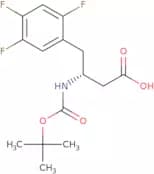
CAS:<p>Please enquire for more information about Big Endothelin-3 (22-41) amide (human) trifluoroacetate salt including the price, delivery time and more detailed product information at the technical inquiry form on this page</p>Formula:C102H156N30O31Purity:Min. 95%Molecular weight:2,298.51 g/mol(R)-3-Amino-4-(2,4,5-trifluorophenyl)butyric acid
CAS:<p>(R)-3-Amino-4-(2,4,5-trifluorophenyl)butyric acid is an antibacterial agent that inhibits the enzyme acetylcholine esterase. This inhibition prevents the breakdown of acetylcholine, leading to increased levels of this neurotransmitter in the brain and an enhancement of cholinergic transmission. (R)-3-Amino-4-(2,4,5-trifluorophenyl)butyric acid has been shown to be effective against bacterial strains resistant to β-lactam antibiotics. The synthesis of taxol as well as other β-amino acids has been demonstrated using a variety of enzymatic methods. A reaction scheme for the synthesis of nicotinic acetylcholine has also been proposed. (R)-3-Amino-4-(2,4,5-trifluorophenyl)butyric acid is a dipept</p>Formula:C10H10F3NO2Purity:Min. 95%Color and Shape:PowderMolecular weight:233.19 g/mol8-Chloro-5,6-dihydro-11H-benzo[5,6]cyclohepta[1,2-b]pyridin-11-one
CAS:<p>Please enquire for more information about 8-Chloro-5,6-dihydro-11H-benzo[5,6]cyclohepta[1,2-b]pyridin-11-one including the price, delivery time and more detailed product information at the technical inquiry form on this page</p>Formula:C14H10ClNOPurity:Min. 95%Molecular weight:243.69 g/molBis(N-butylcyclopentadienyl)zirconiumdichloride
CAS:<p>Please enquire for more information about Bis(N-butylcyclopentadienyl)zirconiumdichloride including the price, delivery time and more detailed product information at the technical inquiry form on this page</p>Formula:C18H26Cl2ZrPurity:Min. 95%Molecular weight:404.53 g/molGlucagon (19-29) (human, rat, porcine) trifluoroacetate salt
CAS:<p>Glucagon is a peptide hormone that belongs to the group of vasoactive intestinal peptides. It is produced by the alpha cells of the pancreas and stimulates gluconeogenesis in the liver, thereby increasing blood glucose levels. Glucagon has also been shown to cause membrane hyperpolarization and cell death in cancer cells. Glucagon is a homologous protein that has been shown to have physiological effects similar to those of insulin, such as increased levels of cytosolic Ca2+ ions and camp levels. Glucagon binds to its receptor on the plasma membrane with high affinity, activating adenylate cyclase and phospholipase C, which leads to an increase in intracellular camp levels. This results in activation of protein kinase A (PKA), which phosphorylates proteins involved in glycogenolysis, glycolysis, and lipolysis. Glucagon also activates mitogen-activated protein kinases (MAPK</p>Formula:C61H89N15O18SPurity:Min. 95%Molecular weight:1,352.52 g/mol(Cys(Et)2·7)-a-CGRP (human) trifluoroacetate salt
CAS:<p>Please enquire for more information about (Cys(Et)2·7)-a-CGRP (human) trifluoroacetate salt including the price, delivery time and more detailed product information at the technical inquiry form on this page</p>Formula:C167H277N51O49S2Purity:Min. 95%Molecular weight:3,847.43 g/molcis-Heptachlor epoxide
CAS:<p>Cis-Heptachlor epoxide is a metabolite of heptachlor, which is a pesticide. Cis-heptachlor epoxide has been detected in the blood of pregnant women, and in fetal cord blood. It has also been found in the liver microsomes of rats treated with heptachlor. Cis-heptachlor epoxide is an intermediate in the metabolism of heptachlor, but it can also be formed by hydrolysis of other pesticides containing chlorine atoms such as DDT and endosulfan. Cis-heptachlor epoxide is toxic to plants and animals, causing liver damage and inhibiting cellular respiration. There are no known studies on its toxicity to humans.</p>Formula:C10H5Cl7OPurity:Min. 95%Molecular weight:389.32 g/molH-Cys(4-methoxytrityl)-2-chlorotrityl resin (200-400 mesh)
<p>Please enquire for more information about H-Cys(4-methoxytrityl)-2-chlorotrityl resin (200-400 mesh) including the price, delivery time and more detailed product information at the technical inquiry form on this page</p>Purity:Min. 95%1-(2,4-Dichlorobenzoyl)-2-(1-naphthoyl)hydrazine
CAS:<p>Please enquire for more information about 1-(2,4-Dichlorobenzoyl)-2-(1-naphthoyl)hydrazine including the price, delivery time and more detailed product information at the technical inquiry form on this page</p>Formula:C18H12Cl2N2O2Purity:Min. 95%Molecular weight:359.21 g/molPropiverine hydrochloride
CAS:<p>Muscarinic antagonist; spasmolytic</p>Formula:C23H30ClNO3Purity:Min. 95%Color and Shape:PowderMolecular weight:403.94 g/mol3-Bromophenyl boronic acid
CAS:<p>3-Bromophenyl boronic acid is a group P2 molecule with functional groups of vibrational and cross-coupling. It has been shown to inhibit the activity of aryl boronic acids, which are commonly used in analytical methods. 3-Bromophenyl boronic acid is also capable of inhibiting the production of alizarin, which is a dye that is used for staining biological tissue. The molecular modeling study revealed that this molecule has an atomic orbital with electron density distribution around the central carbon atom. This distribution indicates that it is more stable than other molecules with similar structures.</p>Formula:C6H6BBrO2Purity:Min. 95%Color and Shape:PowderMolecular weight:200.83 g/molFormyl-LHRH (2-10) trifluoroacetate salt
CAS:<p>Please enquire for more information about Formyl-LHRH (2-10) trifluoroacetate salt including the price, delivery time and more detailed product information at the technical inquiry form on this page</p>Formula:C51H70N16O12Purity:Min. 95%Molecular weight:1,099.2 g/mol1-(2,4-Dichlorophenyl)-1H-pyrrole-2,5-dione
CAS:<p>Maleimide is a chemical compound with the molecular formula CH2=C(O)NHC(=O)CH2-CO2H. It is a reactive monomer that polymerizes in the presence of an initiator to form polymers. Maleimides are also used as cross-linking agents, and have been shown to be thermostable and stable at high temperatures. This particular maleimide is a colorless solid that has been shown to copolymerize with methyl methacrylate and other monomers to form thermally stable, hydrophobic polymers.</p>Formula:C10H5Cl2NO2Purity:Min. 95%Molecular weight:242.06 g/mol1-Bromo-3,5,7-trimethyladamantane
CAS:<p>1-Bromo-3,5,7-trimethyladamantane is a hydroxy adamantane. It is the simplest member of the class of compounds known as adamantanes. Adamantanes are electrophilic and react with nucleophiles to form adducts. 1-Bromo-3,5,7-trimethyladamantane has a bridgehead methyl group that reacts with nucleophiles such as hydroxide ion, forming an ether adduct of the type (CH)O-(CH)Br (1). The carboxylic acid group can be deprotonated by strong bases to form the corresponding anion (CH)O-(CH)COH (2), which reacts with nucleophiles such as amines to give salts of the type (CH)N+(CH)COH (3).</p>Formula:C13H21BrPurity:Min. 95%Molecular weight:257.21 g/molVIP (3-28) (human, mouse, rat) trifluoroacetate salt
CAS:<p>Please enquire for more information about VIP (3-28) (human, mouse, rat) trifluoroacetate salt including the price, delivery time and more detailed product information at the technical inquiry form on this page</p>Formula:C138H226N40O39SPurity:Min. 95%Molecular weight:3,101.58 g/molNuclear Factor NF-KB Inhibitor SN50 trifluoroacetate salt
CAS:<p>SN50 is a nuclear factor NF-KB inhibitor that blocks the activity of transcription factors that are involved in inflammation and cancer. SN50 inhibits protease activity, which may be due to its ability to bind to response elements on DNA, leading to cytosolic calcium release and activation of signal pathways. It also binds to endothelin-a receptor and induces apoptosis. SN50 has been shown to have anti-tumour effects in resistant breast cancer cells as well as reducing serum aminotransferase levels in rats. This drug also activates transcriptional regulation by binding toll-like receptors and inducing colony stimulating factors. SN50 also has cardioprotective properties, which may be due to its ability to inhibit fatty acid synthase in cardiomyocytes.</p>Formula:C129H230N36O29SPurity:Min. 95%Molecular weight:2,781.5 g/mol2-(Bromomethyl)pyridine hydrobromide
CAS:<p>This compound is an optical sensor that can be used to detect the presence of metal ions. It has a labile nature and is sensitive to light, which makes it ideal for use in fluorescence microscopy. 2-(Bromomethyl)pyridine hydrobromide has been shown to bind to nitric oxide and produce a strong fluorescent signal when exposed to copper ions. This probe can also be used as a molecular model for studying the interaction of metal ions with other molecules.</p>Formula:C6H6BrN•HBrPurity:Min. 95%Color and Shape:PowderMolecular weight:252.93 g/mol4-Methylvaleryl chloride
CAS:<p>4-Methylvaleryl chloride (4MVC) is a thionyl chloride that reacts with 2-pentenoic acid to produce 4-methylvaleric acid. It has been used as a pharmaceutical intermediate and as a potent inhibitor of side-chain cleavage reactions. The reaction time required for the formation of 4MVC depends on the reaction temperature. At room temperature, it takes approximately one hour to form; at 60 degrees Celsius, it takes approximately five minutes to form.</p>Formula:C6H11ClOPurity:Min. 95%Color and Shape:Colorless Clear LiquidMolecular weight:134.6 g/mol4-Bromo-2-methylbut-1-ene
CAS:<p>4-Bromo-2-methylbut-1-ene is an alkylating agent that reacts with DNA, RNA and proteins. It has been shown to be effective in the treatment of bladder cancer. 4-Bromo-2-methylbut-1-ene is used as a trifluoride source for boron trifluoride etherate, which is then reacted with plant tissues. This reaction yields a prenyl group, which can be further processed to yield an alkynyl group. The alkynyl group can be reacted with anhydrous sodium to form a chloride salt. This salt can then react with carbon monoxide to form a carbone molecule, which is the final product of this chemical process.</p>Purity:Min. 95%Amyloid β-Protein (25-35) amide trifluoroacetate salt
CAS:<p>Please enquire for more information about Amyloid beta-Protein (25-35) amide trifluoroacetate salt including the price, delivery time and more detailed product information at the technical inquiry form on this page</p>Formula:C45H82N14O13SPurity:Min. 95%Molecular weight:1,059.29 g/mol1,6-Diaminohexane dihydrochloride
CAS:<p>1,6-Diaminohexane dihydrochloride is a chemical that is used in the analytical method for the determination of p-hydroxybenzoic acid. It has also been used to measure fatty acids and anhydrous sodium. The sample preparation required for this chemical includes mixing with water and adding hydroxyl groups. A toxicological study on 1,6-diaminohexane dihydrochloride shows that it has no acute toxicity in rats. However, it does show some signs of toxicity in rabbits and dogs at high doses. Amine compounds are usually very reactive due to the presence of a lone electron pair on nitrogen.</p>Formula:C6H18Cl2N2Purity:Min. 95%Molecular weight:189.13 g/molMethyl 3-amino-5-(trifluoromethyl)benzoate
CAS:<p>Please enquire for more information about Methyl 3-amino-5-(trifluoromethyl)benzoate including the price, delivery time and more detailed product information at the technical inquiry form on this page</p>Formula:C9H8F3NO2Purity:Min. 95%Molecular weight:219.16 g/mol5-Iodo-2-methoxybenzyl alcohol
CAS:<p>5-Iodo-2-methoxybenzyl alcohol (5IMB) is a conjugate that inhibits tubulin polymerization and mitochondrial membrane integrity. It has significant inhibitory effects on colchicine-induced apoptosis in colon cancer cells, inducing apoptotic cell death by the activation of caspase 3 and annexin. 5IMB also has an inhibitory effect on mitochondria, leading to mitochondrial membrane depolarization and apoptotic cell death. This conjugate also induces the death of human cancer cells, specifically mcf-7, which are involved in tumour growth and metastasis. The mechanism of action for 5IMB is through its ability to induce mitochondrial membrane depolarization, leading to apoptotic cell death.</p>Formula:C8H9O2IPurity:Min. 95%Molecular weight:264.06 g/molNeuropeptide W-30 (human) trifluoroacetate salt
CAS:<p>Please enquire for more information about Neuropeptide W-30 (human) trifluoroacetate salt including the price, delivery time and more detailed product information at the technical inquiry form on this page</p>Formula:C165H249N49O37SPurity:Min. 95%Molecular weight:3,543.12 g/mol2'-(2-Thienylidene)-4-chloroacetophenone
CAS:<p>2'-(2-Thienylidene)-4-chloroacetophenone is a fine chemical that is useful as a building block for research, as a reagent in the synthesis of other compounds, and as a speciality chemical. It is also an intermediate in the synthesis of pharmaceuticals and agrochemicals. This compound can be used in reactions involving nucleophilic substitution and oxidation with hydrogen peroxide. 2'-(2-Thienylidene)-4-chloroacetophenone has been shown to be useful in organic syntheses because it can act as an electron-donating group.</p>Formula:C12H9ClOSPurity:Min. 95%Molecular weight:236.72 g/mol6-Bromo-1,4-benzodioxane
CAS:<p>6-Bromo-1,4-benzodioxane is an organometallic compound that is used as a ligand in asymmetric hydrogenation reactions. 6-Bromo-1,4-benzodioxane has been shown to catalyze the hydrogenation of 1,2-diphenylacetylene with a high degree of stereoselectivity. The dihedral angles and molecular modeling have been studied for the ligand and catalyst complexes. This prochiral ligand has also been used to mediate the asymmetric hydrogenation of biphenyls in multigram scale.</p>Formula:C8H7BrO2Purity:Min. 95%Color and Shape:PowderMolecular weight:215.04 g/molN-(3-Bromopropyl)phthalimide
CAS:<p>N-(3-Bromopropyl)phthalimide is a chiral compound that can be used as a linker in the synthesis of ornithine. It is also an antibacterial agent. N-(3-Bromopropyl)phthalimide binds to the N-terminal amino group of ornithine and reacts with nucleophilic attack on the carbonyl carbon, forming the corresponding amide. The second-order rate constant for this reaction was measured to be 0.037 M-1s-1 at 25°C and pH 7. Photosensitizers such as silver nitrate are added to react with N-(3-bromopropyl)phthalimide and generate reactive oxygen species (ROS), which leads to surface-enhanced Raman scattering (SERS). SERS has been shown to be a useful technique for detecting N-(3-bromopropyl)phthalimide in food products.</p>Formula:C11H10BrNO2Color and Shape:PowderMolecular weight:268.11 g/mol5-Bromo-2-chlorobenzoyl chloride
CAS:<p>5-Bromo-2-chlorobenzoyl chloride is a chemical compound that is used as an intermediate for the production of compounds. It can be produced by the reaction of benzene with thionyl chloride in the presence of phenetole. The chemical reaction proceeds with high yield and utilizes a high concentration of benzene, which is a pollutant. The reaction yields a mixture of 5-bromo-2-chlorobenzoyl chloride and 2,4,6-trichlorobenzoyl chloride and utilizes an organic solvent such as formic acid or acetic acid to form 5-bromo-2,4,6-trichlorobenzoic acid in situ. 5-Bromo-2,4,6-trichlorobenzoic acid is then reacted with ammonia to produce 2-(5'-bromo)benzothiazole. This chemical compound has been used as a reagent</p>Formula:C7H3BrCl2OPurity:Min. 95%Color and Shape:PowderMolecular weight:253.91 g/molAmyloid β-Protein (1-15) trifluoroacetate salt
CAS:<p>Amyloid beta-protein (1-15) is a peptide fragment of the amyloid protein that is associated with Alzheimer's disease. Amyloid beta-Protein (1-15) activates the transcription of a number of genes, including those that encode neurotrophic factors and growth factors. It has been shown to have neurotrophic properties and to increase the survival rate of neurons in vitro. It also protects against neuronal death induced by oxidative stress and high concentrations of glutamate. The structure of amyloid beta-protein (1-15) has been elucidated using molecular modeling techniques and X-ray crystallography. The trifluoroacetate salt form is stable at physiological pH levels and shows good solubility in water, making it an attractive therapeutic drug candidate.</p>Formula:C78H107N25O27Purity:Min. 95%Molecular weight:1,826.84 g/mol1,4,5,8-Tetrachloroanthraquinone
CAS:<p>1,4,5,8-Tetrachloroanthraquinone is a chlorinated aromatic compound that has been shown to have anticancer activity in vitro. This compound is an effective inhibitor of the production of reactive oxygen species from nitric oxide and hydrogen peroxide. It also inhibits the growth of cancer cells by binding to their cell membranes. 1,4,5,8-Tetrachloroanthraquinone binds to the carboxylate and functional groups on the surface of cancer cells and changes the conformation of their cell membrane proteins. The structural analysis revealed that this compound contains cycloalkyl groups with chlorine substituents on each ring. Immobilized 1,4,5,8-tetrachloroanthraquinone has been shown to be an effective agent against denitrification in soil samples containing nitrate.</p>Formula:C14H4Cl4O2Purity:Min. 95%Color and Shape:SolidMolecular weight:345.99 g/molNeuromedin S (human) trifluoroacetate salt
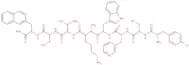
<p>Please enquire for more information about Neuromedin S (human) trifluoroacetate salt including the price, delivery time and more detailed product information at the technical inquiry form on this page</p>Formula:C173H265N53O44Purity:Min. 95%Molecular weight:3,791.29 g/molOrphan GPCR SP9155 Agonist P518 (human) trifluoroacetate salt
CAS:<p>Please enquire for more information about Orphan GPCR SP9155 Agonist P518 (human) trifluoroacetate salt including the price, delivery time and more detailed product information at the technical inquiry form on this page</p>Formula:C127H195N37O37Purity:Min. 95%Molecular weight:2,832.13 g/molPYX-1 trifluoroacetate salt
CAS:<p>Please enquire for more information about PYX-1 trifluoroacetate salt including the price, delivery time and more detailed product information at the technical inquiry form on this page</p>Formula:C70H105Cl2N19O16Purity:Min. 95%Molecular weight:1,539.61 g/molDL-Alanine ethyl ester hydrochloride
CAS:<p>DL-Alanine ethyl ester hydrochloride is a byproduct of the reaction between ethylene and amines. It can be produced through the addition of l-phenylalanine to acetonitrile. This compound is an organic ester that has been shown to have a variety of reactions with metal ions, such as aluminium, l-glutamic acid, and primary amines. The product can be used in thermodynamic data for reaction systems involving DL-alanine ethyl ester hydrochloride.</p>Formula:C5H11NO2·HClPurity:Min. 95%Color and Shape:White To Off-White SolidMolecular weight:153.61 g/molH-Lys-Lys-OH hydrochloride salt
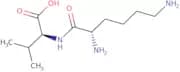
CAS:<p>Please enquire for more information about H-Lys-Lys-OH hydrochloride salt including the price, delivery time and more detailed product information at the technical inquiry form on this page</p>Formula:C12H26N4O3·xHClPurity:Min. 95%Molecular weight:274.36 g/mol(Arg17)-Amyloid b-Protein (1-42) trifluoroacetate salt
CAS:<p>Please enquire for more information about (Arg17)-Amyloid b-Protein (1-42) trifluoroacetate salt including the price, delivery time and more detailed product information at the technical inquiry form on this page</p>Formula:C203H312N58O60SPurity:Min. 95%Molecular weight:4,557.07 g/molSyntide 2 trifluoroacetate salt
CAS:<p>Syntide 2 is a diacylglycerol, which has been found to have a number of biochemical properties. It is an activator of protein kinase C and has been shown to be reactive in vitro assays. Syntide 2 has also been found to activate the light chain kinase in plant physiology. This compound has also been shown to promote neuronal death and may have a role in transcriptional regulation. Syntide 2 is used as a model system for studying the physiological function of α subunit-containing proteins.</p>Formula:C68H122N20O18Purity:Min. 95%Molecular weight:1,507.82 g/mol(Pro34)-Neuropeptide Y (porcine) trifluoroacetate salt
CAS:<p>Please enquire for more information about (Pro34)-Neuropeptide Y (porcine) trifluoroacetate salt including the price, delivery time and more detailed product information at the technical inquiry form on this page</p>Formula:C190H286N54O56Purity:Min. 95%Molecular weight:4,222.63 g/molH-Leu-Arg-Leu-OH hydrochloride salt
CAS:<p>H-Leu-Arg-Leu-OH is a synthetic, basic tripeptide with the sequence H-Leu-Arg-Leu. It has been shown to have physiological properties in an electrophoresis experiment, as well as being synthesized in a laboratory.</p>Formula:C18H36N6O4Purity:Min. 95%Molecular weight:400.52 g/molBiotinyl-Tyr-Val-Ala-Asp-chloromethylketone
CAS:<p>Please enquire for more information about Biotinyl-Tyr-Val-Ala-Asp-chloromethylketone including the price, delivery time and more detailed product information at the technical inquiry form on this page</p>Formula:C32H45ClN6O9SPurity:Min. 95%Molecular weight:725.25 g/moltert-Butyl6-[(1e)-2-[4-(4-fluorophenyl)-6-(1-methylethyl)-2-[methyl(methylsulfonyl)amino]-5-pyrimidinyl]ethenyl]-2,2-dimethyl-1,3-di oxane-4-acetate
CAS:<p>Please enquire for more information about tert-Butyl6-[(1e)-2-[4-(4-fluorophenyl)-6-(1-methylethyl)-2-[methyl(methylsulfonyl)amino]-5-pyrimidinyl]ethenyl]-2,2-dimethyl-1,3-di oxane-4-acetate including the price, delivery time and more detailed product information at the technical inquiry form on this page</p>Formula:C29H40FN3O6SPurity:Min. 95%Molecular weight:577.71 g/mol4-Fluoro-4'-hydroxybiphenyl
CAS:<p>4-Fluoro-4'-hydroxybiphenyl is a reactive chemical that belongs to the group of halogenated hydrocarbons. It is used in the synthesis of medicines and has been shown to have high viscosity. 4-Fluoro-4'-hydroxybiphenyl can be synthesized by reacting with chloride in the liquid phase, resulting in a viscous liquid. This compound has also been used as an intermediate for the synthesis of other compounds. 4-Fluoro-4'-hydroxybiphenyl is used as a ligand for metal complexes and reacts with phosphine to form a phosphine oxide, which is then converted into a crystal compound. It has been shown to have anti-inflammatory properties, which may be due to its ability to inhibit prostaglandin synthesis.</p>Formula:C12H9FOPurity:Min. 95%Molecular weight:188.2 g/mol(Trp3,Arg5)-Ghrelin (1-5) trifluoroacetate salt
CAS:<p>Please enquire for more information about (Trp3,Arg5)-Ghrelin (1-5) trifluoroacetate salt including the price, delivery time and more detailed product information at the technical inquiry form on this page</p>Formula:C31H41N9O7Purity:Min. 95%Molecular weight:651.71 g/molBexagliflozin
CAS:<p>Bexagliflozin is a drug that is used to treat type II diabetes in adults. It helps to control blood sugar levels by inhibiting the enzyme DPP-IV and increasing insulin release from the pancreas. Bexagliflozin has been shown to be effective in lowering blood sugar levels in patients with chronic kidney disease and cancer, as well as those with a body mass index (BMI) of 30 or higher. This drug is an oral hypoglycaemic agent that can be used for diagnostic purposes. It has also been shown to be clinically effective for the treatment of diabetic nephropathy and diabetic retinopathy. The enantiomers of bexagliflozin can be differentiated according to their pharmacological properties, which may allow for more targeted therapy.</p>Formula:C24H29ClO7Purity:Min. 95%Molecular weight:464.94 g/mol2-Bromobenzo[d]thiazol-6-amine
CAS:<p>Please enquire for more information about 2-Bromobenzo[d]thiazol-6-amine including the price, delivery time and more detailed product information at the technical inquiry form on this page</p>Formula:C7H5BrN2SPurity:Min. 95%Molecular weight:229.1 g/molSPLUNC1 (22-39) trifluoroacetate salt
CAS:<p>Please enquire for more information about SPLUNC1 (22-39) trifluoroacetate salt including the price, delivery time and more detailed product information at the technical inquiry form on this page</p>Formula:C82H135N21O25Purity:Min. 95%Molecular weight:1,815.08 g/molBig Endothelin-1 (1-31) (human, bovine) trifluoroacetate salt )
CAS:<p>Please enquire for more information about Big Endothelin-1 (1-31) (human, bovine) trifluoroacetate salt ) including the price, delivery time and more detailed product information at the technical inquiry form on this page</p>Formula:C162H236N38O47S5Purity:Min. 95%Molecular weight:3,628.17 g/molFluorescein-6-carbonyl-Asp(OMe)-Glu(OMe)-Val-DL-Asp(OMe)-fluoromethylketone
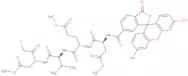
CAS:<p>Please enquire for more information about Fluorescein-6-carbonyl-Asp(OMe)-Glu(OMe)-Val-DL-Asp(OMe)-fluoromethylketone including the price, delivery time and more detailed product information at the technical inquiry form on this page</p>Formula:C43H45FN4O16Purity:Min. 95%Molecular weight:892.83 g/molCholesteryl Bromide from Beef Fat
CAS:Controlled Product<p>Cholesteryl Bromide from Beef Fat is a fatty acid that is extracted from beef fat. It is used in the production of polymeric matrices for the treatment of radiation burns, skin ulcers, and pressure sores. Cholesteryl Bromide from Beef Fat has been shown to be effective in inhibiting the growth of skin cells when applied topically. It also has been shown to inhibit the growth of cancer cells in vitro and inhibit tumor formation in mice. This fatty acid also has been found to have a role as a biological function by stimulating cell proliferation and being involved in lipid metabolism. It also is an aliphatic hydrocarbon with a group p2 structure that can be converted into cholesteryl erucate through hydrochloric acid.</p>Formula:C27H45BrPurity:Min. 95%Color and Shape:PowderMolecular weight:449.55 g/mol2-Chloro-3-methoxyphenol
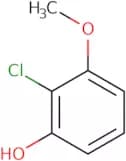
CAS:<p>Please enquire for more information about 2-Chloro-3-methoxyphenol including the price, delivery time and more detailed product information at the technical inquiry form on this page</p>Formula:C7H7ClO2Purity:Min. 95%Molecular weight:158.58 g/molH-p-Chloro-Phe-D-Cys-b-(3-pyridyl)-Ala-D-Trp-N-Me-Lys-Thr-Cys-2-Nal-NH2 trifluoroacetate salt (Disulfide bond)
CAS:<p>Please enquire for more information about H-p-Chloro-Phe-D-Cys-b-(3-pyridyl)-Ala-D-Trp-N-Me-Lys-Thr-Cys-2-Nal-NH2 trifluoroacetate salt (Disulfide bond) including the price, delivery time and more detailed product information at the technical inquiry form on this page</p>Formula:C58H69ClN12O9S2Purity:Min. 95%Molecular weight:1,177.83 g/mol(D-Arg0, Hyp 3,Igl5,D-Igl7, Oic 8)-Bradykinin trifluoroacetate salt
CAS:<p>Please enquire for more information about (D-Arg0, Hyp 3,Igl5,D-Igl7, Oic 8)-Bradykinin trifluoroacetate salt including the price, delivery time and more detailed product information at the technical inquiry form on this page</p>Formula:C64H95N19O13Purity:Min. 95%Molecular weight:1,338.56 g/molBiotinyl-Neuromedin S (human) trifluoroacetate salt
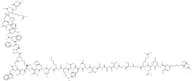
CAS:<p>Please enquire for more information about Biotinyl-Neuromedin S (human) trifluoroacetate salt including the price, delivery time and more detailed product information at the technical inquiry form on this page</p>Formula:C183H279N55O46SPurity:Min. 95%Molecular weight:4,017.58 g/molAmyloid Bri Protein (1-34) trifluoroacetate salt
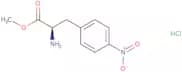
CAS:<p>Please enquire for more information about Amyloid Bri Protein (1-34) trifluoroacetate salt including the price, delivery time and more detailed product information at the technical inquiry form on this page</p>Formula:C173H273N49O52S2Purity:Min. 95%Molecular weight:3,935.45 g/mol4-Nitro-D-phenylalanine methyl ester hydrochloride
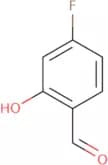
CAS:<p>Please enquire for more information about 4-Nitro-D-phenylalanine methyl ester hydrochloride including the price, delivery time and more detailed product information at the technical inquiry form on this page</p>Formula:C10H14N2O4·HClPurity:Min. 95%Molecular weight:262.69 g/mol2-Hydroxy-4-fluorobenzaldehyde
CAS:<p>2-Hydroxy-4-fluorobenzaldehyde is a chemical used as a diagnosis agent to detect radiation exposure. It reacts with magnesium and water molecules to form an amination reaction that produces hydrogen fluoride gas. 2-Hydoxy-4-fluorobenzaldehyde has been shown to have the ability to penetrate into mitochondria, which may be related to its use in the treatment of hepatitis. The chemical structure of this compound is similar to salicylaldehyde, which is used as a reagent for formylation reactions and optical properties. It has also been shown that 2-hydroxy-4-fluorobenzaldehyde can act as a fluorescence probe for the detection of hydrophobic regions on proteins.</p>Formula:C7H5FO2Purity:Min. 95%Color and Shape:PowderMolecular weight:140.11 g/molAmyloid Precursor Frameshift Mutant C-Terminal Peptide trifluoroacetate salt
CAS:<p>Please enquire for more information about Amyloid Precursor Frameshift Mutant C-Terminal Peptide trifluoroacetate salt including the price, delivery time and more detailed product information at the technical inquiry form on this page</p>Formula:C44H81N17O16Purity:Min. 95%Molecular weight:1,104.22 g/molFibronectin CS-1 Fragment (1978-1985) trifluoroacetate salt
CAS:<p>Fibronectin CS-1 Fragment (1978-1985) trifluoroacetate salt H-Glu-Ile-Leu-Asp-Val-Pro-Ser-Thr-OH trifluoroacetate salt is a peptidomimetic with peroxidase activity. It has the ability to bind to red blood cells and monoclonal antibodies, which are used in spatially specific immunoassays. Fibronectin CS-1 Fragment (1978-1985) trifluoroacetate salt H-Glu-Ile-Leu-Asp-Val-Pro-Ser-Thr-OH trifluoroacetate salt also has an effect on hyperresponsiveness and can be used as a costimulatory antigen for cancer immunotherapy.</p>Formula:C38H64N8O15Purity:Min. 95%Molecular weight:872.96 g/molAmyloid Bri Protein Precursor277 (89-106) trifluoroacetate salt
CAS:<p>Please enquire for more information about Amyloid Bri Protein Precursor277 (89-106) trifluoroacetate salt including the price, delivery time and more detailed product information at the technical inquiry form on this page</p>Formula:C87H141N21O30SPurity:Min. 95%Molecular weight:1,993.24 g/mol3-Fluoro-4-nitroaniline
CAS:<p>3-Fluoro-4-nitroaniline is an asymptomatic infection that inhibits the growth of bacteria by blocking the synthesis of proteins. This drug binds to the hydroxyl group, which is part of the amine function, and forms a covalent bond to the amino function in bacterial ribosomes. 3-Fluoro-4-nitroaniline blocks the formation of a tetrahydropyran ring in bacterial cells, preventing them from growing and multiplying. 3-Fluoro-4-nitroaniline also has been shown to have anticancer properties. It can inhibit tumor cell proliferation by inhibiting DNA synthesis and protein synthesis. The anticancer effects are due to its ability to inhibit cancer cell growth through inhibition of cellular enzymes such as topoisomerase II and cytosolic ribonucleotide reductase.</p>Purity:Min. 95%Cys-Gly-Lys-Lys-Gly-Amyloid b-Protein (35-40) trifluoroacetate salt
CAS:<p>Please enquire for more information about Cys-Gly-Lys-Lys-Gly-Amyloid b-Protein (35-40) trifluoroacetate salt including the price, delivery time and more detailed product information at the technical inquiry form on this page</p>Formula:C43H79N13O12S2Purity:Min. 95%Molecular weight:1,034.3 g/mol1-Methylbiguanide hyrdochloride
CAS:<p>1-Methylbiguanide hydrochloride is a pharmaceutical drug that has been shown to be an antidiabetic agent. It is a white crystalline powder with a melting point of about 180°C and a solubility in water of about 1 g/L. 1-Methylbiguanide hydrochloride is used for treating diabetes mellitus type 2, which is caused by insulin resistance. The drug works by stimulating the release of insulin from the pancreas and increasing the rate at which glucose enters cells. Studies have shown that 1-methylbiguanide hydrochloride has low biodegradability, but it can be removed from wastewater using an activated carbon column or hydrophilic interaction chromatography. 1-Methylbiguanide hyrdochloride has been shown to be safe for humans and may not cause side effects in people with kidney disease who take it as prescribed. This drug also does not interact with other medications, such as warfarin</p>Formula:C3H9N5·HClPurity:Min. 95%Molecular weight:151.6 g/mol3,5-Bis(trifluoromethyl)phenol
CAS:<p>3,5-Bis(trifluoromethyl)phenol (3,5-TFMP) is a nucleophilic compound that is soluble in organic solvents. It has acidic properties and enhances the rate of nucleophilic substitution reactions. 3,5-Bis(trifluoromethyl)phenol has been shown to be a size-exclusion chromatography stationary phase for separation of organic compounds. 3,5-TFMP has also been shown to have magnetic resonance spectroscopy properties. This compound is stable in supercritical carbon dioxide and can be used as a gravimetric analysis reagent. 3,5-Bis(trifluoromethyl)phenol is also able to form hydrogen bonds with other molecules and has the ability to bind fluorine atoms.</p>Formula:C8H4F6OPurity:Min. 95%Color and Shape:Colorless Clear LiquidMolecular weight:230.11 g/mol(Nle 35)-Amyloid b-Protein (25-35) trifluoroacetate salt
CAS:<p>Please enquire for more information about (Nle 35)-Amyloid b-Protein (25-35) trifluoroacetate salt including the price, delivery time and more detailed product information at the technical inquiry form on this page</p>Formula:C46H83N13O14Purity:Min. 95%Molecular weight:1,042.23 g/molH-Lys-Gly-Gly-OH hydrochloride salt
CAS:<p>Histidine is a non-essential amino acid that has been shown to be involved in the regulation of cell growth and differentiation. It is also involved in the biosynthesis of nucleotides, collagen, and carnitine. Kinetic studies on histidine have been done by acetylation of histidine with acetic anhydride and pyridine. The kinetic method used was based on the reaction between histidine and p-nitrophenyl phosphate. The transfer reactions were performed with a strain containing lysine residues which were then adsorbed onto a surface-enhanced Raman spectroscopy (SERS) substrate. These experiments were performed using techniques such as resonance mass spectrometry (RMS), surface-enhanced Raman spectroscopy (SERS), and protonation selective mass spectrometry (PSMS).</p>Formula:C10H20N4O4Purity:Min. 95%Molecular weight:260.29 g/molN-Methyl-N-phenylcarbamoyl chloride
CAS:<p>N-Methyl-N-phenylcarbamoyl chloride is a fluorinated compound that has been shown to be resistant to treatments with chlorides. It is used for kinetic studies of amines and other functional assays. Deuterium isotope effects have been observed in chloride ion binding experiments, which indicate that the molecule has a greater affinity for the chloride ion than does its non-deuterated counterpart.</p>Formula:C8H8ClNOPurity:Min. 95%Color and Shape:PowderMolecular weight:169.61 g/molScandium(III)chloride hexahydrate
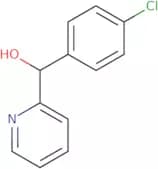
CAS:<p>Scandium(III)chloride is an inorganic chemical that is soluble in water and has a high affinity for urine. Scandium(III)chloride is used to measure the uptake of lanthanum, inorganic metals, and organic acids in urine samples. It can also be used to measure the chloride content of urine. Scandium(III)chloride reacts with acids or alkene compounds to form an ionic compound that can be determined by spectrophotometry. The reaction rate depends on the glomerular filtration rate (GFR).</p>Formula:Cl3ScPurity:Min. 95%Molecular weight:151.31 g/mol4-Chlorophenyl-2-pyridinylmethanol
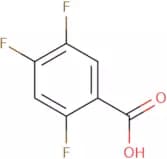
CAS:<p>Please enquire for more information about 4-Chlorophenyl-2-pyridinylmethanol including the price, delivery time and more detailed product information at the technical inquiry form on this page</p>Formula:C12H10ClNOPurity:Min. 95%Molecular weight:219.67 g/mol2,4,5-Trifluorobenzoic acid
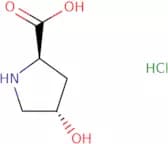
CAS:<p>2,4,5-Trifluorobenzoic acid is a synthetic compound that is used as an organic solvent. It has been detected in the environment at low concentrations, but can be detected by gas chromatography. 2,4,5-Trifluorobenzoic acid is also used in the synthesis of fluoroquinolones and other pharmaceuticals. The detection time for 2,4,5-trifluorobenzoic acid is about one day. This compound can be decarboxylated to produce benzoic acid and hydrogen fluoride (HF). 2,4,5-Trifluorobenzoic acid decomposes to form chlorine gas when heated with hydrochloric acid or sodium hypochlorite. This substance reacts with copper oxide and forms copper trifluoride. Analytical methods for this compound include ionisation mass spectrometry and expressed gas analysis.</p>Formula:C7H3F3O2Purity:Min. 95%Color and Shape:PowderMolecular weight:176.09 g/moltrans-4-Hydroxy-D-proline hydrochloride
CAS:<p>Please enquire for more information about trans-4-Hydroxy-D-proline hydrochloride including the price, delivery time and more detailed product information at the technical inquiry form on this page</p>Formula:C5H10ClNO3Purity:Min. 95%Molecular weight:167.59 g/mol6-Hydroxy-6-defluoro Ciprofloxacin hydrochloride
CAS:<p>Hydrochloride salt</p>Formula:ClC17H20N3O4Purity:Min. 95%Molecular weight:365.81 g/mol2,4,6-Trifluorobenzoic acid
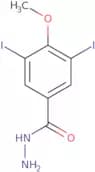
CAS:<p>2,4,6-Trifluorobenzoic acid is a chemical compound that is an intermediate in the synthesis of stilbazole. It is prepared by chlorinating the 2,4,6-trichlorobenzoic acid with hydrogen peroxide and hydrochloric acid. The 2,4,6-trifluorobenzoic acid is then reduced to the desired product with sodium borohydride. This chemical has been detected in nature as a racemic mixture and can be used as a precursor in analytical methods for detecting other compounds. It is also used in dechlorination reactions to remove chlorine from organic molecules. This process can be monitored using UV detectors.</p>Formula:C7H3F3O2Purity:Min. 95%Molecular weight:176.09 g/mol3,5-Diiodo-4-methoxybenzhydrazide
CAS:<p>3,5-Diiodo-4-methoxybenzhydrazide is a high quality chemical that is useful in the preparation of complex compounds. This compound has been shown to be an excellent reagent and useful intermediate for the synthesis of various fine chemicals. It has been used as a precursor for the production of the antiviral drug Tamiflu, among other pharmaceuticals. 3,5-Diiodo-4-methoxybenzhydrazide is also a versatile building block that can be used in research or as a reaction component in organic synthesis.</p>Formula:C8H8I2N2O2Purity:Min. 95%Color and Shape:PowderMolecular weight:417.97 g/molH-Val-Tyr-Ser-betaNA hydrochloride salt
CAS:<p>Please enquire for more information about H-Val-Tyr-Ser-betaNA hydrochloride salt including the price, delivery time and more detailed product information at the technical inquiry form on this page</p>Formula:C27H32N4O5Purity:Min. 95%Molecular weight:492.57 g/mol5-Bromo-2-fluorophenol
CAS:<p>5-Bromo-2-fluorophenol is an organic solvent that is used in hydrotalcite to extract biphenyl. 5-Bromo-2-fluorophenol has been shown to have a high affinity for the cavity of hydrotalcite, which is a desorption technique. It can also be used to extract supramolecular systems and biomolecules, such as proteins and nucleic acids. The nature of 5-bromo-2-fluorophenol is an aromatic compound with a density of 1.40 g/mL at 20°C and a boiling point of 221°C. 5-Bromo-2-fluorophenol can be eluted using isopropyl alcohol or ethyl acetate, and the transfer rate depends on the nature of the solvent used in elution.</p>Formula:C6H4BrFOPurity:Min. 95%Color and Shape:PowderMolecular weight:191 g/molH-D-Arg(Pbf)-2-chlorotrityl resin (200-400 mesh)
<p>Please enquire for more information about H-D-Arg(Pbf)-2-chlorotrityl resin (200-400 mesh) including the price, delivery time and more detailed product information at the technical inquiry form on this page</p>Purity:Min. 95%1-Chloroethyl isopropyl carbonate
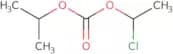
CAS:<p>1-Chloroethyl isopropyl carbonate (CEPC) is a cefpodoxime proxetil metabolite that is formed from the chlorination of 1-chloroacetamide in the presence of isopropyl. CEPC has been shown to have a high yield and can be synthesized from readily available, inexpensive starting materials. It is metabolized by human liver microsomes and plasma, yielding 7-aminocephalosporanic acid, cefpodoxime, and thiourea. This compound can also be used as an intermediate for the synthesis of other compounds such as cefotaxime and thiourea.</p>Formula:C6H11ClO3Purity:Min. 95%Molecular weight:166.6 g/molTrimethylsulfoxonium bromide
CAS:<p>Trimethylsulfoxonium Bromide is a fungicide that inhibits the growth of fungal cells. It binds to the sterol biosynthesis pathway and disrupts the production of ergosterol, which is an essential component for fungal cell membranes. Trimethylsulfoxonium Bromide has been shown to be effective against chronic bronchitis and other pulmonary diseases. This drug also has a horticultural use as a plant growth regulator. The chemical formula for Trimethylsulfoxonium Bromide is C1-C4-haloalkyl, profile, tebuconazole, fluconazole, triethyl orthoformate, chronic bronchitis, carbonyl group, hydroxyl group, anti-fungal.</p>Formula:C3H9BrOSPurity:Min. 95%Molecular weight:173.07 g/mol2-Fluoro-5-formylbenzonitrile
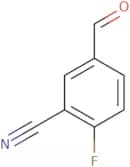
CAS:<p>Intermediate in the synthesis of olaparib (AZD2281)</p>Formula:C8H4FNOPurity:90%Color and Shape:PowderMolecular weight:149.12 g/mol4-Chlorobenzophenone
CAS:<p>4-Chlorobenzophenone is an aryl halide with a molecular weight of 198.4 g/mol, nitrogen atoms, and glycol ester. It has the chemical formula C6H5ClO2 and a melting point of -25°C. 4-Chlorobenzophenone is also known as p-chlorophenyl methyl ketone. This compound is used in particle synthesis, which occurs by reacting sodium carbonate with hydrochloric acid to form particles. Sodium citrate can be added to the reaction mixture to increase the yield of particles. The particle size is determined by the time of reaction and concentration of reactants. In addition, 4-chlorobenzophenone reacts with sodium carbonate in water to form allyl carbonate, which can be used for synthesizing styrene derivatives.</p>Formula:C13H9ClOPurity:Min. 95%Color and Shape:PowderMolecular weight:216.66 g/mol1-(Chloroacetyl)-2-(trifluoroacetyl)hydrazine
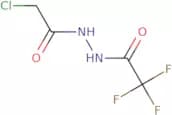
CAS:<p>Please enquire for more information about 1-(Chloroacetyl)-2-(trifluoroacetyl)hydrazine including the price, delivery time and more detailed product information at the technical inquiry form on this page</p>Formula:C4H4ClF3N2O2Purity:Min. 95 Area-%Color and Shape:White PowderMolecular weight:204.53 g/molAcetyl-(D-Phe2)-GRF (1-29) amide (human) trifluoroacetate salt
CAS:<p>Please enquire for more information about Acetyl-(D-Phe2)-GRF (1-29) amide (human) trifluoroacetate salt including the price, delivery time and more detailed product information at the technical inquiry form on this page</p>Formula:C157H252N44O43SPurity:Min. 95%Molecular weight:3,476.02 g/molMaxadilan trifluoroacetate salt
CAS:<p>Maxadilan trifluoroacetate salt is a low-potency drug that binds to the GABA receptor and affects the central nervous system. Maxadilan trifluoroacetate salt is structurally related to leishmaniasis, an infectious disease caused by protozoa of the genus Leishmania. Maxadilan trifluoroacetate salt has been shown to prevent the development of autoimmune diseases in mice, including systemic lupus erythematosus, experimental autoimmune encephalomyelitis, and collagen-induced arthritis. Maxadilan trifluoroacetate salt has also been shown to be effective against cutaneous lesions in mice infected with Leishmania major. The mechanism of action is not yet known but may be due to its ability to influence mitochondrial membrane potential or fatty acid metabolism.</p>Formula:C291H466N86O94S6Purity:Min. 95%Molecular weight:6,865.73 g/mol(D-Ser4)-LHRH trifluoroacetate salt
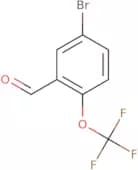
CAS:<p>Please enquire for more information about (D-Ser4)-LHRH trifluoroacetate salt including the price, delivery time and more detailed product information at the technical inquiry form on this page</p>Formula:C55H75N17O13Purity:Min. 95%Molecular weight:1,182.29 g/mol5-Bromo-2-(trifluoromethoxy)benzaldehyde
CAS:<p>5-Bromo-2-(trifluoromethoxy)benzaldehyde is a chemical that is used as a reactant in organic chemistry. It can be used as a building block for the synthesis of complex compounds, or as an intermediate in the preparation of fine chemicals. 5-Bromo-2-(trifluoromethoxy)benzaldehyde is also useful in research and development. It has been used to synthesize pharmaceuticals, pesticides, and other organic compounds.</p>Formula:C8H4BrF3O2Purity:Min. 95%Color and Shape:PowderMolecular weight:269.02 g/molCyclohexylacetyl-Phe-Arg-Ser-Val-Gln-NH2 trifluoroacetate salt
CAS:<p>Cyclohexylacetyl-Phe-Arg-Ser-Val-Gln-NH2 trifluoroacetate salt is a potent inhibitor of the enzyme kallikrein, which is involved in the production of kinins. It has been shown to inhibit bradykinin breakdown by inhibiting kallikrein and thus prolonging the effects of this hormone. Cyclohexylacetyl-Phe-Arg-Ser-Val-Gln-NH2 trifluoroacetate salt also inhibits aldosterone levels in plasma and reduces glucocorticoid levels, which may be due to its ability to inhibit plasma renin concentrations.</p>Formula:C36H58N10O8Purity:Min. 95%Molecular weight:758.91 g/mol2-(4,4-Difluorocyclohex-1-en-1-yl)-4,4,5,5-tetramethyl-1,3,2-dioxaborolane
CAS:<p>Please enquire for more information about 2-(4,4-Difluorocyclohex-1-en-1-yl)-4,4,5,5-tetramethyl-1,3,2-dioxaborolane including the price, delivery time and more detailed product information at the technical inquiry form on this page</p>Formula:C12H19BF2O2Purity:Min. 95%Molecular weight:244.09 g/molPhenylacetyl-(D-Arg2·28,p-chloro-Phe6, Homoarg 9·29,Tyr(Me)10, Abu 15, Nle 27)-GRF (1-29) amide (human)
CAS:<p>Please enquire for more information about Phenylacetyl-(D-Arg2·28,p-chloro-Phe6, Homoarg 9·29,Tyr(Me)10, Abu 15, Nle 27)-GRF (1-29) amide (human) including the price, delivery time and more detailed product information at the technical inquiry form on this page</p>Formula:C172H284ClN53O41Purity:Min. 95%Molecular weight:3,785.88 g/molAc-Asp-Glu-Val-Asp-chloromethylketone trifluoroacetate salt
CAS:<p>Ac-Asp-Glu-Val-Asp-chloromethylketone trifluoroacetate salt is a basic protein. It inhibits the neuronal death induced by dopamine and its derivatives, which is caused by overactivation of the mitochondrial membrane potential and release of cytochrome c from mitochondria to cytosol. This compound also inhibits the activation of toll-like receptor 4 (TLR4) and nuclear factor κB (NF-κB) signaling pathways in neuronal cells. Ac-Asp-Glu-Val-Asp-chloromethylketone trifluoroacetate salt has been shown to have antiinflammatory effects when applied topically on skin wounds. The molecule has been used as a model system for studying the molecular mechanism of epidermal growth factor (EGF) activation in hybridoma cell lines and primary cells.</p>Formula:C21H31ClN4O11Purity:Min. 95%Molecular weight:550.94 g/molAc-Ala-Ala-Ser(PO3H2)-Pro-Arg-pNA trifluoroacetate salt
CAS:<p>Please enquire for more information about Ac-Ala-Ala-Ser(PO3H2)-Pro-Arg-pNA trifluoroacetate salt including the price, delivery time and more detailed product information at the technical inquiry form on this page</p>Formula:C28H43N10O12PPurity:Min. 95%Molecular weight:742.67 g/molGalanin Message Associated Peptide (1-41) amide trifluoroacetate salt
CAS:<p>Please enquire for more information about Galanin Message Associated Peptide (1-41) amide trifluoroacetate salt including the price, delivery time and more detailed product information at the technical inquiry form on this page</p>Formula:C206H326N56O64SPurity:Min. 95%Molecular weight:4,643.2 g/mol(His(3-Me)2)-TRH trifluoroacetate salt
CAS:<p>Please enquire for more information about (His(3-Me)2)-TRH trifluoroacetate salt including the price, delivery time and more detailed product information at the technical inquiry form on this page</p>Formula:C17H24N6O4Purity:Min. 95%Molecular weight:376.41 g/mol(Cys18)-Atrial Natriuretic Factor (4-18) amide (mouse, rabbit, rat) trifluoroacetate salt
CAS:<p>Please enquire for more information about (Cys18)-Atrial Natriuretic Factor (4-18) amide (mouse, rabbit, rat) trifluoroacetate salt including the price, delivery time and more detailed product information at the technical inquiry form on this page</p>Formula:C64H107N25O19S2Purity:Min. 95%Molecular weight:1,594.82 g/molNeuropeptide Y (13-36) (porcine) trifluoroacetate salt
CAS:<p>Please enquire for more information about Neuropeptide Y (13-36) (porcine) trifluoroacetate salt including the price, delivery time and more detailed product information at the technical inquiry form on this page</p>Formula:C135H209N41O36Purity:Min. 95%Molecular weight:2,982.36 g/mol(+)-Bicifadine hydrochloride
CAS:<p>Bicifadine hydrochloride is a crystalline form of (+)-bicifadine, which is an analgesic drug that has been shown to be effective in treating acute and chronic pain. The polymorphic form of bicifadine hydrochloride has a more stable structure than the polymorphic form of bicifadine, making it more suitable for oral administration. Bicifadine hydrochloride may be used for the treatment of neuropathic and functional impairment due to chronic pain and acute pain.</p>Formula:C12H15N•HClPurity:Min. 95%Molecular weight:209.71 g/mol1,1,2,2-Tetrahydroperfluoro dodecanol
CAS:<p>1,1,2,2-Tetrahydroperfluoro dodecanol (1HFPD) is a chemical substance used in analytical chemistry as an internal standard for gas chromatography. It is also used to prepare samples for analysis by particle-induced X-ray emission. 1HFPD has been shown to have a high uptake in preschool children and can be detected in human serum at levels of 0.5 micrograms per milliliter. The use of 1HFPD has been linked to adverse health effects such as kidney and liver damage.</p>Formula:C12H5F21OPurity:Min. 95%Molecular weight:564.13 g/molAmyloid β-Protein (1-37) trifluoroacetate salt
CAS:<p>Please enquire for more information about Amyloid beta-Protein (1-37) trifluoroacetate salt including the price, delivery time and more detailed product information at the technical inquiry form on this page</p>Formula:C182H274N50O55SPurity:Min. 95%Molecular weight:4,074.49 g/mol2-Cyclohexylethanamine hydrochloride
CAS:<p>Please enquire for more information about 2-Cyclohexylethanamine hydrochloride including the price, delivery time and more detailed product information at the technical inquiry form on this page</p>Formula:C8H18ClNPurity:Min. 95%Color and Shape:PowderMolecular weight:163.69 g/mol2,3,4-Trichloro-5-fluorobenzoic chloride
CAS:<p>2,3,4-Trichloro-5-fluorobenzoic chloride (TCFB) is a sulfuryl chloride that is used as a herbicide. TCFB is hydrolyzed by carboxylates in the soil to form formic acid and hydrochloric acid. The hydrolysis of TCFB makes it selective for the roots of plants. TCFB can also be chlorinated to regenerate the acid and then recycled. Hydrolyzing TCFB allows it to be selectively applied on plant roots without affecting any other part of the plant. The presence of chlorine in this compound allows for its use as an insecticide and fumigant.</p>Formula:C7HCl4FOPurity:Min. 95%Molecular weight:261.89 g/molH-D-Ser-OBzl hydrochloride salt
CAS:<p>H-D-Ser-OBzl hydrochloride salt is a monoclonal antibody that inhibits the activity of an enzyme called fatty acid synthase (FAS). It also binds to glycoconjugates, which are molecules that are involved in the inflammatory response. H-D-Ser-OBzl hydrochloride salt is used to treat various types of inflammatory diseases, such as arthritis and Crohn's disease. H-D-Ser-OBzl hydrochloride salt has been shown to inhibit tumor cell growth by binding to an enzyme called fatty acid synthase. H-D-Ser-OBzl hydrochloride salt also inhibits the production of inflammatory mediators, such as prostaglandins, leukotrienes and thromboxanes. The antiinflammatory effect of this drug may be due to its ability to inhibit prostaglandin synthesis.</p>Formula:C10H13NO3Purity:Min. 95%Molecular weight:195.22 g/mol(D-Trp8)-Somatostatin-14 trifluoroacetate salt
CAS:<p>Please enquire for more information about (D-Trp8)-Somatostatin-14 trifluoroacetate salt including the price, delivery time and more detailed product information at the technical inquiry form on this page</p>Formula:C76H104N18O19S2Purity:Min. 95%Molecular weight:1,637.88 g/molNeuropeptide Y (13-36) (human, rat) trifluoroacetate salt
CAS:<p>Trifluoroacetate salt</p>Formula:C134H207N41O36SPurity:Min. 95%Molecular weight:3,000.4 g/mol4-Chloro-7-methoxyquinoline-6-carboxamide
CAS:<p>Intermediate in the synthesis of lenvatinib</p>Formula:C11H9ClN2O2Purity:Min. 95%Molecular weight:236.65 g/molN-Me-Abz-Amyloid β/A4 Protein Precursor770 (708-715)-Lys(Dnp)-D-Arg-D-Arg-D-Arg amide trifluoroacetate salt
CAS:<p>Please enquire for more information about N-Me-Abz-Amyloid beta/A4 Protein Precursor770 (708-715)-Lys(Dnp)-D-Arg-D-Arg-D-Arg amide trifluoroacetate salt including the price, delivery time and more detailed product information at the technical inquiry form on this page</p>Formula:C70H116N26O18Purity:Min. 95%Molecular weight:1,609.83 g/molDecanoyl-Arg-Val-Arg-Lys-chloromethylketone
CAS:<p>Decanoyl-Arg-Val-Arg-Lys-chloromethylketone is a potent activin antagonist that has been shown to inhibit follicle development in ovary cells. It also blocks the protease activity of leishmania, which is a parasite that causes cutaneous leishmaniasis. This drug binds to proteases and inhibits their activity by competing with substrates for the active site. Decanoyl-Arg-Val-Arg-Lys-chloromethylketone is not expressed in the submandibular gland or the submaxillary gland, which are salivary glands.</p>Formula:C34H66ClN11O5Purity:Min. 95%Molecular weight:744.41 g/molBenzyltrimethylammonium dichloroiodate
CAS:<p>Benzyltrimethylammonium dichloroiodate (BTMD) is an aliphatic hydrocarbon with a molecular weight of 278.32 g/mol. It has a basic fibroblast growth factor and has been shown to have anti-inflammatory properties. BTMD has also been shown to have a kinetic, reactive, and aromatic hydrocarbon as well as a carboxyl group. BTMD is postulated to bind to the serine protease and inhibit its activity, which may be due to the carbonyl group.</p>Formula:C10H16Cl2INPurity:Min. 95%Color and Shape:Yellow solid.Molecular weight:348.05 g/mol6-Bromonaphthalen-1-ol
CAS:<p>6-Bromonaphthalen-1-ol is a compound that has shown antimicrobial and antifungal activity. It is the most potent of the naphthoxazines tested to date, with an MIC of 0.04 µg/ml against Escherichia coli. 6-Bromonaphthalen-1-ol was synthesized by reacting 1,2,4-trihydroxybenzene with bromine gas in the presence of mercuric chloride catalyst. The compound was hydrolyzed for elemental analysis and found to be C7H4BrO. Elemental analysis yielded a weight percentage of 71% carbon, 13% hydrogen, 3% bromine, and 12% oxygen. The x-ray diffraction pattern showed peaks at 2θ values of 22.3° (100), 26.5° (101), 33.7° (102), 40° (104), 44° (105) and 62°</p>Formula:C10H7BrOPurity:Min. 95%Molecular weight:223.07 g/molH-Pro-Pro-Pro-Gly-Met-Arg-Pro-Pro-OH trifluoroacetate salt
CAS:<p>Please enquire for more information about H-Pro-Pro-Pro-Gly-Met-Arg-Pro-Pro-OH trifluoroacetate salt including the price, delivery time and more detailed product information at the technical inquiry form on this page</p>Formula:C38H61N11O9SPurity:Min. 95%Molecular weight:848.03 g/mol(Arg8)-Vasopressin (free acid) trifluoroacetate salt
CAS:<p>Please enquire for more information about (Arg8)-Vasopressin (free acid) trifluoroacetate salt including the price, delivery time and more detailed product information at the technical inquiry form on this page</p>Formula:C46H64N14O13S2Purity:Min. 95%Molecular weight:1,085.22 g/mol(Ala1·3·11·15)-Endothelin-1 trifluoroacetate salt
CAS:<p>(Ala1·3·11·15)-Endothelin-1 trifluoroacetate salt H-Ala-Ser-Ala-Ser-Ser-Leu-Met-Asp-Lys-Glu-Ala-Val-Tyr-Phe-Ala-His-Leu) is a phorbol ester, which is an analog of endothelin. It has been shown to inhibit the production of proinflammatory cytokines and chemokines in vitro and in vivo. This compound also inhibits the migration and proliferation of vascular endothelial cells, which may be due to its ability to suppress Ca2+ concentration. (Ala1·3·11·15)-Endothelin -1 trifluoroacetate salt H-) can also be used as a fluorescent marker for immunohistochemical studies on tissues such as vessels and gastrointestinal tissues. The localization of this drug can be observed by microscopy techniques such as</p>Formula:C109H163N25O32SPurity:Min. 95%Molecular weight:2,367.68 g/molTetraethylammonium tetrafluoroborate
CAS:<p>Tetraethylammonium tetrafluoroborate is a diamagnetic chemical species that reacts with water, forming the hydrated salt tetraethylammonium hydroxide. Tetraethylammonium tetrafluoroborate has a high resistance to oxidation and reduction reactions. It can be used as an electrolyte in electrochemistry and as a thermal expansion agent in plastics. The potentials of this substance are around +1 V, which makes it useful for electrochemical impedance spectroscopy. Tetraethylammonium tetrafluoroborate is activated by organic solvents, but not by water vapor.</p>Formula:C8H20N·BF4Color and Shape:White Off-White PowderMolecular weight:217.06 g/mol(Des-Asp187,Met186)-Melanocyte Protein PMEL 17 (185-193) (human, bovine, mouse) trifluoroacetate salt
CAS:<p>Please enquire for more information about (Des-Asp187,Met186)-Melanocyte Protein PMEL 17 (185-193) (human, bovine, mouse) trifluoroacetate salt including the price, delivery time and more detailed product information at the technical inquiry form on this page</p>Formula:C43H69N9O11SPurity:Min. 95%Molecular weight:920.13 g/mol(Pro3)-Gastric Inhibitory Polypeptide (human) trifluoroacetate salt
CAS:<p>Please enquire for more information about (Pro3)-Gastric Inhibitory Polypeptide (human) trifluoroacetate salt including the price, delivery time and more detailed product information at the technical inquiry form on this page</p>Formula:C226H338N60O64SPurity:Min. 95%Molecular weight:4,951.53 g/mol(R)-methyl pyrrolidine-3-carboxylate hydrochloride
CAS:<p>Please enquire for more information about (R)-methyl pyrrolidine-3-carboxylate hydrochloride including the price, delivery time and more detailed product information at the technical inquiry form on this page</p>Purity:Min. 95%Amyloid β-Protein (1-42) (scrambled) trifluoroacetate salt
CAS:<p>Please enquire for more information about Amyloid beta-Protein (1-42) (scrambled) trifluoroacetate salt including the price, delivery time and more detailed product information at the technical inquiry form on this page</p>Formula:C203H311N55O60SPurity:Min. 95%Molecular weight:4,514.04 g/molBiguanide hydrochloride
CAS:<p>Biguanide hydrochloride is an analytical reagent that is used for the determination of biguanide in a reaction solution. It is prepared by reacting sodium citrate with an appropriate amount of biguanide. Biguanide hydrochloride has been shown to be a disinfectant and an effective agent against infectious diseases, such as tuberculosis and leprosy. The fetal bovine serum (FBS) was found to have a physiological effect on the enzyme activity of biguanides, which can be inhibited by benzalkonium chloride.</p>Formula:C2H8ClN5Purity:Min. 95%Color and Shape:White PowderMolecular weight:137.57 g/molBoc-(±)-trans-4-(3-trifluoromethylphenyl)pyrrolidine-3-carboxylic acid
CAS:<p>Please enquire for more information about Boc-(±)-trans-4-(3-trifluoromethylphenyl)pyrrolidine-3-carboxylic acid including the price, delivery time and more detailed product information at the technical inquiry form on this page</p>Formula:C17H20F3NO4Purity:Min. 95%Molecular weight:359.34 g/mol4-Bromoisoindoline hydrochloride
CAS:<p>4-Bromoisoindoline hydrochloride (BII) is a chemical compound that can be used as a building block for making other chemicals. It can also be used to make research chemicals or as a reaction component in the synthesis of other compounds. It has been shown to be an effective reagent and is useful for the production of fine chemicals with high purity.</p>Formula:C8H9BrClNPurity:Min. 95%Color and Shape:PowderMolecular weight:234.52 g/molPropamocarbHydrochloride
CAS:<p>Propamocarb hydrochloride is a crystalline polymorph that has been found to be active against the bacterial strain. The mechanism of action is not yet known, but it may be due to inhibition of the enzyme carboxypeptidase A and/or an unknown biological function. Propamocarb hydrochloride has shown no significant toxicity in animal studies up to a dose of 2000 mg/kg. This compound has been studied as a potential treatment for tissue damage caused by inflammation and disease. In vitro experiments have shown that propamocarb hydrochloride is effective at inhibiting the growth of cancer cells in tissue culture, with high values (IC50) being seen at concentrations of 1-10 μM.</p>Formula:C9H21ClN2O2Purity:Min. 95%Molecular weight:224.73 g/molRF9 trifluoroacetate salt
CAS:<p>RF9 is a dipeptide that is structurally similar to the endogenous neuropeptides kisspeptin and arginine-vasopressin. RF9 binds to the GPR54 receptor, which is a G protein-coupled receptor that regulates secretion of luteinizing hormone in the anterior pituitary gland, as well as sexual desire and function. RF9 has been shown to be an antagonist of the GPR54 receptor and has been shown to inhibit the secretion of luteinizing hormone in primates.</p>Formula:C26H38N6O3Purity:Min. 95%Molecular weight:482.62 g/mol(D-Tyr27·36,D-Thr32)-Neuropeptide Y (27-36) trifluoroacetate salt
CAS:<p>Please enquire for more information about (D-Tyr27·36,D-Thr32)-Neuropeptide Y (27-36) trifluoroacetate salt including the price, delivery time and more detailed product information at the technical inquiry form on this page</p>Formula:C61H99N19O15Purity:Min. 95%Molecular weight:1,338.56 g/mol5-Fluoro-2-nitroanisole
CAS:<p>5-Fluoro-2-nitroanisole is an aminophenol that has potent inhibitory activity against lung cancer cells. This agent inhibits the growth of cancer cells by methylating the epidermal growth factor receptor (EGFR) and preventing its activation. 5-Fluoro-2-nitroanisole also inhibits the production of epidermal growth factor, which is a potent mitogen for skin cells. In vitro cytotoxic activity was observed when this compound was combined with heat or ultraviolet light.</p>Formula:C7H6FNO3Purity:Min. 95%Color and Shape:Light (Or Pale) Yellow To Tan To Grey SolidMolecular weight:171.13 g/molVasonatrin Peptide (VNP) trifluoroacetate salt
CAS:<p>Please enquire for more information about Vasonatrin Peptide (VNP) trifluoroacetate salt including the price, delivery time and more detailed product information at the technical inquiry form on this page</p>Formula:C123H198N36O36S3Purity:Min. 95%Molecular weight:2,853.31 g/mol3-Chloro-2,4-pentanedione
CAS:<p>3-Chloro-2,4-pentanedione is a model system that has been used to study the reaction mechanism of the intramolecular hydrogen transfer. This molecule was found to be more reactive in the presence of sodium carbonate and anhydrous sodium, which is due to protonation of the hydroxyl group on the ethylene diamine. 3-Chloro-2,4-pentanedione reacts with carbon disulphide and ethylene diamine to form 2,5-dimethylhexane-1,6-diol. 3D molecular docking analysis has shown that this compound binds to the ryanodine receptor and may be a potential therapeutic agent for patients with carcinoma cell lines.</p>Formula:C5H7ClO2Purity:Min. 95%Color and Shape:Clear LiquidMolecular weight:134.56 g/molOsteoblast Activating Peptide (human) trifluoroacetate salt
<p>Please enquire for more information about Osteoblast Activating Peptide (human) trifluoroacetate salt including the price, delivery time and more detailed product information at the technical inquiry form on this page</p>Formula:C120H196N38O37SPurity:Min. 95%Molecular weight:2,795.14 g/molTetrabromophenol blue sodium salt
CAS:<p>Tetrabromophenol blue sodium salt is a dye that is used as an additive in the production of vinyl alcohol polymer films. Tetrabromophenol blue sodium salt can be used to measure albumin concentration and postexposure by adding phenyl groups to the molecule. The color of tetrabromophenol blue sodium salt changes upon exposure to radiation, which makes it useful for diagnostic purposes. It also has a hydrocarbon group that transforms into an insoluble form when exposed to evaporation, making it useful for titration methods. Tetrabromophenol blue sodium salt is relatively stable and labile in nature, making it susceptible to techniques such as pyrolysis, oxidation, or reduction.</p>Formula:C19H5Br8NaO5SPurity:Min. 95%Molecular weight:1,007.53 g/molpTH (1-37) (human) trifluoroacetate salt
CAS:<p>Please enquire for more information about pTH (1-37) (human) trifluoroacetate salt including the price, delivery time and more detailed product information at the technical inquiry form on this page</p>Formula:C195H316N58O54S2Purity:Min. 95%Molecular weight:4,401.09 g/molBiotinyl-epsilonAhx-ω-Conotoxin GVIA trifluoroacetate salt
CAS:Controlled Product<p>Please enquire for more information about Biotinyl-epsilonAhx-omega-Conotoxin GVIA trifluoroacetate salt including the price, delivery time and more detailed product information at the technical inquiry form on this page</p>Formula:C136H207N41O46S7Purity:Min. 95%Molecular weight:3,376.81 g/molTRAP-7 trifluoroacetate salt
CAS:<p>TRAP-7 is a guanine nucleotide-binding protein that belongs to the polymerase chain reaction (PCR) family of DNA polymerases. It is a biocompatible polymer with physiological effects on basic fibroblast cells. TRAP-7 has been shown to have a role in the regulation of platelet activation, neuronal death, and thrombin receptor activity. The polyvinyl chloride (PVC) membrane used in this product is also biocompatible, and it can be used for applications such as cell culture surfaces and medical devices.</p>Formula:C39H63N11O10Purity:Min. 95%Molecular weight:845.99 g/molBoc-(R)-3-Amino-4-(2,4,5-trifluorophenyl)butanoic acid
CAS:<p>Intermediate in the synthesis of sitagliptin</p>Formula:C15H18F3NO4Purity:Min. 95%Molecular weight:333.3 g/molOctreotide trifluoroacetate salt (Dimer, Parallel) (
<p>Please enquire for more information about Octreotide trifluoroacetate salt (Dimer, Parallel) ( including the price, delivery time and more detailed product information at the technical inquiry form on this page</p>Formula:C98H132N20O20S4Purity:Min. 95%Molecular weight:2,038.48 g/molNeuromedin U-25 (porcine) trifluoroacetate salt
CAS:<p>Please enquire for more information about Neuromedin U-25 (porcine) trifluoroacetate salt including the price, delivery time and more detailed product information at the technical inquiry form on this page</p>Formula:C144H217N43O37Purity:Min. 95%Molecular weight:3,142.53 g/molErythropoietin Mimetic Peptide Sequence 20 trifluoroacetate salt
CAS:<p>Please enquire for more information about Erythropoietin Mimetic Peptide Sequence 20 trifluoroacetate salt including the price, delivery time and more detailed product information at the technical inquiry form on this page</p>Formula:C72H99N17O17S2Purity:Min. 95%Molecular weight:1,538.79 g/mol1,3,5-Trichlorobenzene
CAS:Controlled Product<p>1,3,5-Trichlorobenzene is a chlorinated aromatic compound that is used as an intermediate in the production of rubber and plastics. 1,3,5-Trichlorobenzene has a hydrophobic effect due to the presence of three carbon chains. This property allows 1,3,5-trichlorobenzene to dissolve in oils and fats. It has a high solubility in pentane and hexane. The molecular weight of 1,3,5-trichlorobenzene is 116.1 g/mol. 1,3,5-Trichlorobenzene can also be used as a solvent for diazonium salts which react with hydrogen chloride to produce azo dyes. The structural analysis of this compound was performed by NMR spectroscopy on the hydrogen bond between the chlorine atom and methyl group adjacent to it. The NMR spectrum data was then modeled using molecular modeling software.<br>1</p>Formula:C6H3Cl3Purity:Min. 95%Molecular weight:181.45 g/molH-Lys-Val-OH hydrochloride salt
CAS:<p>H-Lys-Val-OH hydrochloride salt is a polymerase chain that has been synthesized from the amino acid lysine. It is an optical sensor that can be used to detect and quantify proteins. H-Lys-Val-OH hydrochloride salt binds to DNA in the cell nucleus and is sensitive to the concentration of adenosine triphosphate (ATP) in cells. This nucleotide plays an important role in cellular energy production. The binding constants for H-Lys-Val-OH hydrochloride salt are determined from the fluorescence emission spectrum, which changes with different concentrations of ATP. The method can be used to measure glomerular filtration rates and can be used as a low energy radiation source for cervical cancer treatment.</p>Formula:C11H23N3O3Purity:Min. 95%Molecular weight:245.32 g/mol


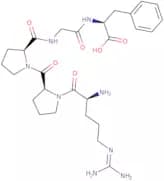

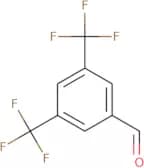
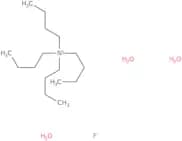


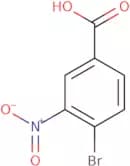
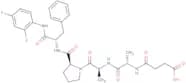
![2-[(3,5,6-Trichloro-2-pyridinyl)oxy]acetic acid](/_next/image/?url=https%3A%2Fstatic.cymitquimica.com%2Fproducts%2F3D%2Fthumb-webp%2FFT28420.webp&w=3840&q=75)

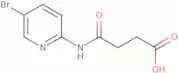
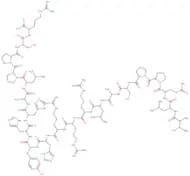
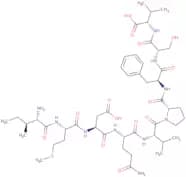
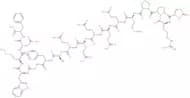
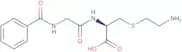
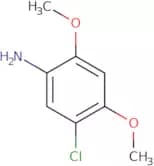
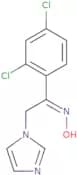
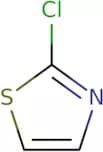
![(1,10-Phenanthroline)tris[4,4,4-trifluoro-1-(2-thienyl)-1,3-butanedionato]europium(III)](/_next/image/?url=https%3A%2Fstatic.cymitquimica.com%2Fproducts%2F3D%2Fthumb-webp%2FFP62129.webp&w=3840&q=75)
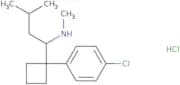


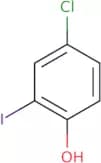
![6-Bromo-pyrazolo[1,5-a]pyrimidine](/_next/image/?url=https%3A%2Fstatic.cymitquimica.com%2Fproducts%2F3D%2Fthumb-webp%2FFB140359.webp&w=3840&q=75)
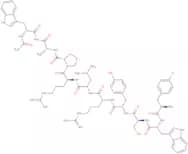

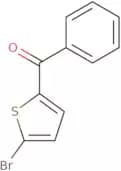
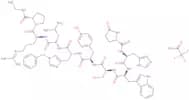
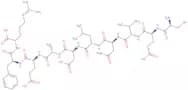

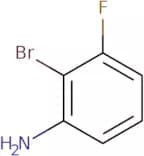

![Fmoc-L-Lys[Oct-(otBu)-Glu-(otBu)-AEEA-AEEA]-OH](/_next/image/?url=https%3A%2Fstatic.cymitquimica.com%2Fproducts%2F3D%2Fthumb-webp%2FFC165871.webp&w=3840&q=75)
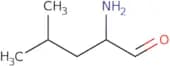
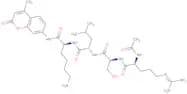
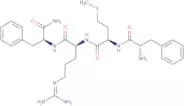
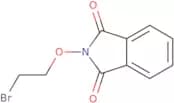
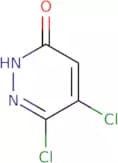


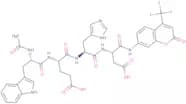
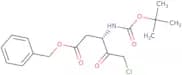



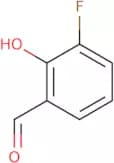
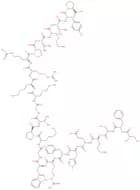
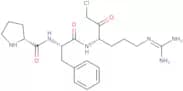
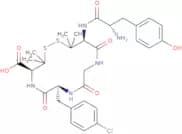
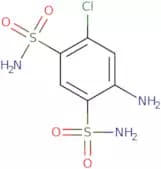
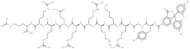
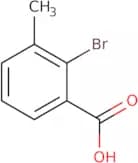

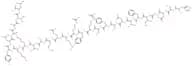

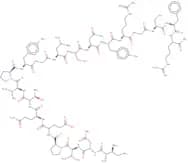
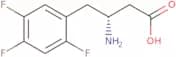
![8-Chloro-5,6-dihydro-11H-benzo[5,6]cyclohepta[1,2-b]pyridin-11-one](/_next/image/?url=https%3A%2Fstatic.cymitquimica.com%2Fproducts%2F3D%2Fthumb-webp%2FFC20116.webp&w=3840&q=75)

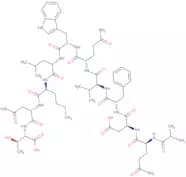


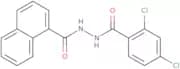
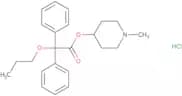
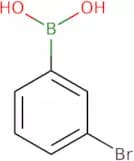
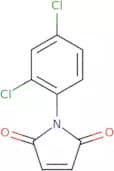

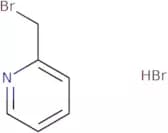
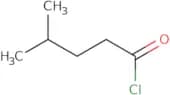

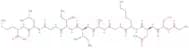
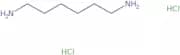
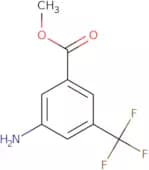
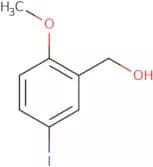


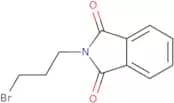
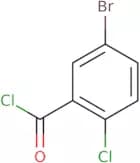
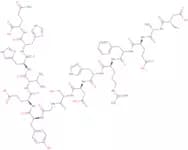
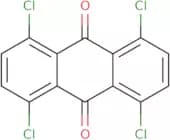
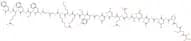
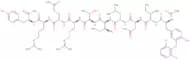
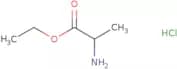
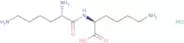



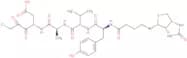
![tert-Butyl6-[(1e)-2-[4-(4-fluorophenyl)-6-(1-methylethyl)-2-[methyl(methylsulfonyl)amino]-5-pyrimi…](/_next/image/?url=https%3A%2Fstatic.cymitquimica.com%2Fproducts%2F3D%2Fthumb-webp%2FFB148489.webp&w=3840&q=75)


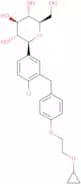
![2-Bromobenzo[d]thiazol-6-amine](/_next/image/?url=https%3A%2Fstatic.cymitquimica.com%2Fproducts%2F3D%2Fthumb-webp%2FFB144124.webp&w=3840&q=75)