Organic Halides
In this category, you can find organic molecules containing one or more halogen atoms in their structure. These organic halides include brominated, iodinated, chlorinated, and cyclic halide compounds. Organic halides are widely used in organic synthesis, pharmaceuticals, agrochemicals, and materials science due to their reactivity and ability to undergo a variety of chemical transformations. At CymitQuimica, we offer a comprehensive selection of high-quality organic halides to support your research and industrial applications, ensuring reliable and effective performance in your synthetic and analytical projects.
Subcategories of "Organic Halides"
Found 20437 products of "Organic Halides"
Sort by
Purity (%)
0
100
|
0
|
50
|
90
|
95
|
100
C3a (70-77)
CAS:<p>C3a is a molecule that is part of the complement system. It was first discovered in leukocytes and has since been detected in other populations. C3a is a chemotactic factor for neutrophils and eosinophils, which are types of white blood cells. C3a binds to the surface of cells by means of protein-antibody interactions, and it can also act as an anaphylatoxin by binding to mast cell receptors.</p>Formula:C35H61N13O10Purity:Min. 95%Molecular weight:823.94 g/molH-Arg(Pmc)-2-chlorotrityl resin (200-400 mesh)
<p>Please enquire for more information about H-Arg(Pmc)-2-chlorotrityl resin (200-400 mesh) including the price, delivery time and more detailed product information at the technical inquiry form on this page</p>Purity:Min. 95%4-(2-Bromoethyl)-1,3-dihydro-2H-indolin-2-one
CAS:<p>Please enquire for more information about 4-(2-Bromoethyl)-1,3-dihydro-2H-indolin-2-one including the price, delivery time and more detailed product information at the technical inquiry form on this page</p>Formula:C10H10BrNOPurity:Min. 95%Color and Shape:PowderMolecular weight:240.1 g/molZ-Ala-Pro-Phe-chloromethylketone
CAS:<p>Z-Ala-Pro-Phe-chloromethylketone is a cytosolic protein that performs its function by denaturing proteins and is localized in the cytosol. It has been shown to be active against a number of bacteria, including Bacillus licheniformis and Listeria monocytogenes, as well as some fungi. Z-Ala-Pro-Phe-chloromethylketone targets the membrane potential in mitochondria and chloromethyl ketone is a strategy for inhibiting membrane potential in mitochondria. The x-ray diffraction data show that this protein forms a molecule with an alpha helix structure. It binds to the mitochondrial inner membrane by ligation and inhibits mitochondrial membrane potential.</p>Formula:C26H30ClN3O5Purity:Min. 95%Molecular weight:499.99 g/mol(3,5-Dibromo-Tyr1)-Leu-Enkephalin
CAS:<p>Please enquire for more information about (3,5-Dibromo-Tyr1)-Leu-Enkephalin including the price, delivery time and more detailed product information at the technical inquiry form on this page</p>Formula:C28H35Br2N5O7Purity:Min. 95%Molecular weight:713.42 g/molFuraltadone hydrochloride
CAS:<p>Furaltadone hydrochloride is a drug that belongs to the class of quinolones. It is used as an antibiotic for the treatment of microbial infections and may be used in combination with other antibiotics. Furaltadone hydrochloride binds to bacterial DNA, inhibiting protein synthesis, leading to cell death. The mechanism of action has not been fully elucidated, but it is thought that furaltadone hydrochloride binds to the sodium ion in the hydroxyl group of DNA. This binding prevents the formation of an antibiotic-inhibitor complex with the enzyme cell wall synthesis that is required for cell wall biosynthesis, inhibiting protein synthesis and cell division. Furaltadone hydrochloride has been shown to have a low systemic effect and high adsorption rate in animals; therefore it may be used as an oral antibiotic or as an injectable drug.</p>Formula:C13H17ClN4O6Purity:Min. 95%Color and Shape:Yellow SolidMolecular weight:360.75 g/mol3-Chloro-2,5-dibromopyridine
CAS:<p>3-Chloro-2,5-dibromopyridine is a fine chemical that is used as a building block in the synthesis of other chemicals. It is a reagent and speciality chemical with high quality and complex structure. 3-Chloro-2,5-dibromopyridine is a versatile building block that can be used in the synthesis of many different compounds and as an intermediate or scaffold for other reactions. It has been shown to react with various nucleophiles, such as amines, alcohols, and thiols.</p>Formula:C5H2Br2CINPurity:Min. 95%Color and Shape:White/Off-White SolidMolecular weight:271.34 g/molH-Ser(tBu)-2-chlorotrityl resin (200-400 mesh)
<p>Please enquire for more information about H-Ser(tBu)-2-chlorotrityl resin (200-400 mesh) including the price, delivery time and more detailed product information at the technical inquiry form on this page</p>Purity:Min. 95%Pz-Pro-Leu-Gly-Pro-D-Arg-OH trifluoroacetate salt
CAS:<p>Pz-Pro-Leu-Gly-Pro-D-Arg-OH trifluoroacetate salt is a synthetic substrate that can be used for the synthesis of cyclic peptides. It has been shown to act as a competitive inhibitor of the serine protease, chymotrypsin, and cytochalasin B. Pz-Pro-Leu-Gly-Pro-D-Arg is a soluble substrate that can be used in tissue culture experiments with caco2 cells. This compound also has high solubility and is stable at pH values between 5 and 12. The optimum pH for this compound is 8.</p>Formula:C38H52N10O8Purity:Min. 95%Molecular weight:776.88 g/mol(D-Trp6)-LHRH (2-10) trifluoroacetate salt
CAS:<p>Please enquire for more information about (D-Trp6)-LHRH (2-10) trifluoroacetate salt including the price, delivery time and more detailed product information at the technical inquiry form on this page</p>Formula:C59H77N17O11Purity:Min. 95%Molecular weight:1,200.35 g/molChloroac-DL-Phe-OH
CAS:<p>Chloroac-DL-Phe-OH is an amino acid sequence that has been synthesized in the laboratory. It is a ligand that binds to surface antigens on cancer cells and inhibits multidrug efflux pumps. Chloroac-DL-Phe-OH is able to inhibit the translation of proteins by binding to the ribosome, preventing protein synthesis. In addition, it can reduce the flow rate of extracellular fluid, which may be useful for cancer therapy. This compound can also be conjugated with other drugs or molecules for delivery through the bloodstream.</p>Formula:C11H12ClNO3Purity:Min. 95%Molecular weight:241.67 g/mol4-Fluoroisoindoline HCl
CAS:<p>4-Fluoroisoindoline HCl is a versatile building block that can be used in the synthesis of complex compounds, research chemicals, and reagents. It is a high quality compound with a wide range of applications. 4-Fluoroisoindoline HCl is also useful as an intermediate for the synthesis of other compounds, or as a reaction component for organic chemistry reactions. This compound has been shown to have potential medical uses in the treatment of Parkinson's disease and cancer.</p>Formula:C8H8FN·HClPurity:Min. 95%Color and Shape:White to brown solid.Molecular weight:173.61 g/molN,N'-Dimethyl-2,7-Diazapyrenium bistetrafluoroborate
CAS:<p>Please enquire for more information about N,N'-Dimethyl-2,7-Diazapyrenium bistetrafluoroborate including the price, delivery time and more detailed product information at the technical inquiry form on this page</p>Formula:C16H14B2F8N2Purity:Min. 95%Molecular weight:407.91 g/molDefensin HNP-3 (human) trifluoroacetate salt
CAS:<p>HNP-3</p>Formula:C151H222N44O40S6Purity:Min. 95%Molecular weight:3,486.05 g/mol(Leu116)-Prepro-Neuromedin U (104-136) (human) trifluoroacetate salt
<p>Please enquire for more information about (Leu116)-Prepro-Neuromedin U (104-136) (human) trifluoroacetate salt including the price, delivery time and more detailed product information at the technical inquiry form on this page</p>Formula:C177H276N46O45Purity:Min. 95%Molecular weight:3,768.37 g/mol2-Chloro-3,4-dihydroxybenzoic acid
CAS:<p>Cefepime is a broad-spectrum antibiotic that is used to treat bacterial infections. It inhibits cell wall synthesis by binding to the penicillin-binding proteins and interfering with the cross-linking of peptidoglycan. Cefepime has been shown to be active against gram-negative pathogens such as Aeruginosa, Stenotrophomonas maltophilia, and P. aeruginosa. Cefepime also inhibits the growth of gram-positive bacteria such as Staphylococcus aureus, Enterococcus faecalis, and Streptococcus pneumoniae. The chemical structure of cefepime is similar to that of other beta-lactam antibiotics like methicillin, oxacillin, cloxacillin, ampicillin, and amoxicillin. Cefepime has been shown to be effective in treating resistant gram-negative organisms such as Pseudomonas aeruginosa (P.</p>Formula:C7H5ClO4Purity:Min. 95%Color and Shape:White To Yellow To Light Brown SolidMolecular weight:188.56 g/mol5-(Difluoromethoxy)-2-mercaptobenzimidazole
CAS:<p>5-(Difluoromethoxy)-2-mercaptobenzimidazole is an organic solvent that is used in the crystallization process of pantoprazole, a benzimidazole derivative. It is also used as a corrosion inhibitor and pump inhibitor in analytical chemistry. The purity of 5-(difluoromethoxy)-2-mercaptobenzimidazole can be determined by chromatographic methods or by the use of analytical chemistry. Impurities may be genotoxic and include reactive impurities such as thiourea and 2-thiouracil. These impurities are removed during the synthetic process to produce 5-(difluoromethoxy)-2-mercaptobenzimidazole. This drug substance has been found to inhibit DNA polymerase activity in vitro, but its effects on human cells have not been studied.</p>Formula:C8H6F2N2OSPurity:Min. 95%Color and Shape:Off-White PowderMolecular weight:216.21 g/mol5-Fluoro-2-methoxyphenylacetone
CAS:<p>5-Fluoro-2-methoxyphenylacetone is a chemical with a wide array of applications in research and industry. It is a versatile building block, useful intermediate, and reagent for organic synthesis. This compound has been used as a starting material in the synthesis of other compounds. CAS No. 1017082-10-8</p>Formula:C10H11FO2Color and Shape:PowderMolecular weight:182.19 g/molGlucagon (19-29) (human, rat, porcine) trifluoroacetate salt
CAS:<p>Glucagon is a peptide hormone that belongs to the group of vasoactive intestinal peptides. It is produced by the alpha cells of the pancreas and stimulates gluconeogenesis in the liver, thereby increasing blood glucose levels. Glucagon has also been shown to cause membrane hyperpolarization and cell death in cancer cells. Glucagon is a homologous protein that has been shown to have physiological effects similar to those of insulin, such as increased levels of cytosolic Ca2+ ions and camp levels. Glucagon binds to its receptor on the plasma membrane with high affinity, activating adenylate cyclase and phospholipase C, which leads to an increase in intracellular camp levels. This results in activation of protein kinase A (PKA), which phosphorylates proteins involved in glycogenolysis, glycolysis, and lipolysis. Glucagon also activates mitogen-activated protein kinases (MAPK</p>Formula:C61H89N15O18SPurity:Min. 95%Molecular weight:1,352.52 g/molSodium fluoroacetate
CAS:<p>Sodium fluoroacetate is a salt that is synthesized by the reaction of methyl ethyl and sodium trifluoroacetate. It has been used as an insecticide, but also has been used to treat metabolic disorders such as bowel disease and eye disorders. Sodium fluoroacetate also has been used in natural products for the treatment of autoimmune diseases. The toxicological studies of sodium fluoroacetate have shown that it can cause eye disorders and x-ray crystal structures have revealed its mechanism of action.</p>Formula:C2H2FNaO2Color and Shape:White PowderMolecular weight:100.02 g/molFibronectin Adhesion-Promoting Peptide trifluoroacetate salt
CAS:<p>Fibronectin Adhesion-Promoting Peptide trifluoroacetate salt H-Trp-Gln-Pro-Pro-Arg-Ala-Arg-Ile-OH trifluoroacetate salt (FAP) is a synthetic peptide that promotes fibronectin adhesion. It binds to the amino acid sequence in the C terminal end of fibronectin, which is known to be responsible for binding to actin filaments and growth factors. FAP has been shown to promote wound healing by stimulating the proliferation of corneal epithelial cells in vitro. The mechanism of action of FAP may be due to its ability to bind to chloride ions, which are involved in the regulation of cell proliferation and migration.</p>Formula:C47H74N16O10Purity:Min. 95%Molecular weight:1,023.19 g/mol(Tyr0)-BNP-32 (human) trifluoroacetate salt
CAS:<p>Please enquire for more information about (Tyr0)-BNP-32 (human) trifluoroacetate salt including the price, delivery time and more detailed product information at the technical inquiry form on this page</p>Formula:C152H253N51O44S4Purity:Min. 95%Molecular weight:3,627.22 g/moluPAR (84-95) (human) trifluoroacetate salt
CAS:<p>Please enquire for more information about uPAR (84-95) (human) trifluoroacetate salt including the price, delivery time and more detailed product information at the technical inquiry form on this page</p>Formula:C62H98N18O20SPurity:Min. 95%Molecular weight:1,447.62 g/mol2-Chloro-N-[2-(diethylamino)ethyl]-4-quinolinecarboxamide
CAS:<p>2-Chloro-N-[2-(diethylamino)ethyl]-4-quinolinecarboxamide is a carboxamide analog of dibucaine. It is synthesized from chloroacetyl chloride and isatin in the presence of sodium hydroxide. The synthesis has been scaled to an industrial level. 2-Chloro-N-[2-(diethylamino)ethyl]-4-quinolinecarboxamide has been shown to have analgesic properties, similar to those of dibucaine. Radiolysis of this compound gives a carboxylic acid and a heterocyclic ring product.</p>Formula:C16H20ClN3OPurity:95%MinColor and Shape:PowderMolecular weight:305.8 g/mol1-Chloroethyl isopropyl carbonate
CAS:<p>1-Chloroethyl isopropyl carbonate (CEPC) is a cefpodoxime proxetil metabolite that is formed from the chlorination of 1-chloroacetamide in the presence of isopropyl. CEPC has been shown to have a high yield and can be synthesized from readily available, inexpensive starting materials. It is metabolized by human liver microsomes and plasma, yielding 7-aminocephalosporanic acid, cefpodoxime, and thiourea. This compound can also be used as an intermediate for the synthesis of other compounds such as cefotaxime and thiourea.</p>Formula:C6H11ClO3Purity:Min. 95%Molecular weight:166.6 g/molFmoc-2-fluoro-L-phenylalanine
CAS:<p>Please enquire for more information about Fmoc-2-fluoro-L-phenylalanine including the price, delivery time and more detailed product information at the technical inquiry form on this page</p>Formula:C24H20FNO4Purity:Min. 95%Color and Shape:PowderMolecular weight:405.42 g/mol(D-Trp12,Tyr34)-pTH (7-34) amide (bovine) trifluoroacetate salt
CAS:<p>Please enquire for more information about (D-Trp12,Tyr34)-pTH (7-34) amide (bovine) trifluoroacetate salt including the price, delivery time and more detailed product information at the technical inquiry form on this page</p>Formula:C165H251N49O40S2Purity:Min. 95%Molecular weight:3,625.2 g/mol5'-Bromo-2'-hydroxypropiophenone
CAS:<p>5'-Bromo-2'-hydroxypropiophenone is a synthetic compound that inhibits the dimerization of survivin, which is a protein involved in cancer pathways. This compound has been shown to inhibit the growth of cells in culture and can be used as an inhibitor for assays. 5'-Bromo-2'-hydroxypropiophenone has also been shown to integrate into DNA, which may lead to chromosomal rearrangements and mutations. It also binds with high affinity to the family of modifications borealin, which are implicated in cellular processes such as cell differentiation and proliferation.</p>Formula:C9H9BrO2Purity:Min. 95%Color and Shape:SolidMolecular weight:229.07 g/molN-(4-Bromobutyl)phthalimide
CAS:<p>N-(4-Bromobutyl)phthalimide is a chemical compound that can be used to make dopamine D3. It is an alkylation agent and has been shown to be effective in the conjugation of albumin with monoclonal antibodies. N-(4-Bromobutyl)phthalimide is activated by carboxy, vinyl alcohol, and octamer and reacts with primary amino groups in dopamine. The dilution method is used to determine the concentration of dopamine D3 in a solution. This product can also be used as a chemical intermediate for other pharmaceuticals.</p>Formula:C12H12BrNO2Purity:(%) Min. 95%Color and Shape:PowderMolecular weight:282.13 g/mol3-Chloro-2,4-pentanedione
CAS:<p>3-Chloro-2,4-pentanedione is a model system that has been used to study the reaction mechanism of the intramolecular hydrogen transfer. This molecule was found to be more reactive in the presence of sodium carbonate and anhydrous sodium, which is due to protonation of the hydroxyl group on the ethylene diamine. 3-Chloro-2,4-pentanedione reacts with carbon disulphide and ethylene diamine to form 2,5-dimethylhexane-1,6-diol. 3D molecular docking analysis has shown that this compound binds to the ryanodine receptor and may be a potential therapeutic agent for patients with carcinoma cell lines.</p>Formula:C5H7ClO2Purity:Min. 95%Color and Shape:Clear LiquidMolecular weight:134.56 g/mol1,1,2,2,2-Pentafluoroethanesulfonyl chloride
CAS:<p>1,1,2,2,2-Pentafluoroethanesulfonyl Chloride (PFES) is a perfluorinated compound that reacts with hydrogen fluoride to produce a colorless solution. PFES has been shown to be an effective catalyst for the reaction of naphthalene and hydrogen chloride. In addition, PFES is used as a reagent in the synthesis of amides and other functional groups as well as being a precursor for the production of low energy fluoropolymers. It is also used in the manufacture of fire-fighting foams.</p>Formula:C2ClF5O2SPurity:Min. 95%Color and Shape:Clear LiquidMolecular weight:218.53 g/molGalanin-Like Peptide (human) trifluoroacetate salt
CAS:<p>Please enquire for more information about Galanin-Like Peptide (human) trifluoroacetate salt including the price, delivery time and more detailed product information at the technical inquiry form on this page</p>Formula:C292H451N83O84SPurity:Min. 95%Molecular weight:6,500.28 g/mol3,5-Diiodothyroformic acid
CAS:<p>3,5-Diiodothyroformic acid is a fine chemical that is used as a versatile building block in organic synthesis. It is also an intermediate for research chemicals and speciality chemicals. In addition to its use as a reagent, 3,5-Diiodothyroformic acid has been shown to be useful as a building block for the synthesis of pharmaceuticals and agricultural chemicals.</p>Formula:C13H8I2O4Purity:Min. 95%Molecular weight:482.01 g/mol4-Fluoro-3-methylnitrobenzene
CAS:<p>4-Fluoro-3-methylnitrobenzene is a carbazole that is used as a pesticide. It has been shown to be effective against typhimurium and other bacteria. The mechanism of action of this compound may involve nitrenium ion formation, which is an intermediate in the reaction of ammonium nitrate with calcium carbonate. 4-Fluoro-3-methylnitrobenzene has two isomers: 4-fluoro-3-methylnitrobenzoic acid and 4-fluoronitrobenzoic acid, but only the former reacts with ammonium nitrate. The reaction time for this compound to form carcinogenic nitrosamines can vary from about one day to several months. Chemical shift data for this compound reveal its radical mechanism, which explains its low efficiency. This compound also has optical properties that can cause fluorescence or phosphorescence when exposed to ultraviolet light or laser beams, respectively.</p>Formula:C7H6FNO2Purity:Min. 95%Molecular weight:155.13 g/mol5-Chlorouracil
CAS:<p>5-Chlorouracil is a drug that is used to treat cancer. It has been shown to have biological properties, and its mechanism of action is not yet fully understood. 5-Chlorouracil can be synthesized in the laboratory by reacting sodium hydroxide with 5-chloro-2,4(1H,3H)-pyrimidinedione. In wastewater treatment plants, it reacts with organic matter in the water to form nontoxic products, such as carbon dioxide and urea. The reaction solution contains 5-chlorouracil, which undergoes tautomerization spontaneously or through the addition of base. This reaction is reversible, and both the erythro and threo forms are present in solution at equilibrium. The biological properties of 5-chlorouracil have been investigated using sublethal doses in experimental animals. In one study, 5-chlorouracil was found to inhibit xanthine oxidase activity in rats significantly more</p>Formula:C4H3ClN2O2Purity:Min. 95%Color and Shape:PowderMolecular weight:146.53 g/molAmyloid Precursor Frameshift Mutant C-Terminal Peptide trifluoroacetate salt
CAS:<p>Please enquire for more information about Amyloid Precursor Frameshift Mutant C-Terminal Peptide trifluoroacetate salt including the price, delivery time and more detailed product information at the technical inquiry form on this page</p>Formula:C44H81N17O16Purity:Min. 95%Molecular weight:1,104.22 g/mol3,5-Dichlorobenzenesulphonyl chloride
CAS:<p>3,5-Dichlorobenzenesulphonyl chloride (3,5-DCBS) is a halogenated aromatic compound that can be synthesized by the debromination of 3,5-dichlorobenzene with hydrobromic acid. This compound has been shown to have anticancer activity against cell lines derived from human breast cancer, prostate cancer, and other cancers. It also has potent anticancer activity against tumor cells in animals. The anticancer activity of 3,5-DCBS is due to its ability to inhibit DNA synthesis and to induce apoptosis. 3,5-DCBS may act as an anti-inflammatory agent through inhibition of prostaglandin synthesis.</p>Formula:C6H3Cl3O2SPurity:Min. 95%Color and Shape:PowderMolecular weight:245.51 g/molSodium 2,3,5,6-Tetrafluoro-4-hydroxybenzenesulfonate
CAS:<p>Sodium 2,3,5,6-Tetrafluoro-4-hydroxybenzenesulfonate is a synthetic compound that is used as a probe for catalytic reactions. It has been shown to be active in the oxidation of glycols and ethylene glycols. This compound is also useful for the tethering of metal atoms or ions. Sodium 2,3,5,6-Tetrafluoro-4-hydroxybenzenesulfonate can be used in catalysis due to its ability to act as an electron donor.</p>Formula:C6HF4NaO4SPurity:Min. 95%Color and Shape:White PowderMolecular weight:268.12 g/molLysozyme C (46-61) (chicken) trifluoroacetate salt
CAS:<p>Lysozyme C (46-61) (chicken) trifluoroacetate salt is a conjugated synthetic peptide that binds to the antigen. It is a reactive molecule with solubilized properties that has been shown to bind to the peptide in binding experiments. This synthetic peptide has been found to be efficacious in transfected murine bone cells and antigen-presenting cells. The binding of Lysozyme C (46-61) (chicken) trifluoroacetate salt to phospholipid membranes may be due to its reactivity with the membrane's hydrophobic surface.</p>Formula:C72H116N22O29Purity:Min. 95%Molecular weight:1,753.82 g/molGastric Inhibitory Polypeptide (porcine) trifluoroacetate salt
CAS:<p>Please enquire for more information about Gastric Inhibitory Polypeptide (porcine) trifluoroacetate salt including the price, delivery time and more detailed product information at the technical inquiry form on this page</p>Formula:C225H342N60O66SPurity:Min. 95%Molecular weight:4,975.55 g/molVIP (4-28) (human, mouse, rat) trifluoroacetate salt
CAS:<p>Please enquire for more information about VIP (4-28) (human, mouse, rat) trifluoroacetate salt including the price, delivery time and more detailed product information at the technical inquiry form on this page</p>Formula:C134H221N39O36SPurity:Min. 95%Molecular weight:2,986.5 g/mol5-Bromo-2-chlorobenzoyl chloride
CAS:<p>5-Bromo-2-chlorobenzoyl chloride is a chemical compound that is used as an intermediate for the production of compounds. It can be produced by the reaction of benzene with thionyl chloride in the presence of phenetole. The chemical reaction proceeds with high yield and utilizes a high concentration of benzene, which is a pollutant. The reaction yields a mixture of 5-bromo-2-chlorobenzoyl chloride and 2,4,6-trichlorobenzoyl chloride and utilizes an organic solvent such as formic acid or acetic acid to form 5-bromo-2,4,6-trichlorobenzoic acid in situ. 5-Bromo-2,4,6-trichlorobenzoic acid is then reacted with ammonia to produce 2-(5'-bromo)benzothiazole. This chemical compound has been used as a reagent</p>Formula:C7H3BrCl2OPurity:Min. 95%Color and Shape:PowderMolecular weight:253.91 g/mol3-Bromobenzaldehyde
CAS:<p>3-Bromobenzaldehyde is an organic compound with the formula CHBrCHO. It is a colorless liquid that is soluble in many organic solvents. 3-Bromobenzaldehyde can be synthesized by the reaction of ethyl acetoacetate and anhydrous sodium in methanol, and can be purified by distillation or recrystallization from ethanol. This compound has been used as a solvent for analytical methods, such as GC-MS analysis, due to its high boiling point and low volatility. 3-Bromobenzaldehyde also reacts with hydrogen chloride to form benzoyl chloride, which can then be reacted with alcohols to produce esters. 3-Bromobenzaldehyde has been shown to react with chalcones to form optical active compounds, such as curcumin analogues. These reactions are typically carried out in solution using acetic acid or sulfuric acid as a catalyst.br>br></p>Formula:C7H5BrOPurity:Min. 95%Molecular weight:185.02 g/molZ-Phe-Lys-2,4,6-trimethylbenzoyloxy-methylketone trifluoroacetate salt
CAS:<p>Z-Phe-Lys-2,4,6-trimethylbenzoyloxy-methylketone trifluoroacetate salt is a proteolytic enzyme that has been shown to have bone resorption and tissue destructive properties. It is active against porphyromonas and bactericidal against fibrinogen. Z-Phe-Lys-2,4,6-trimethylbenzoyloxy-methylketone trifluoroacetate salt also inhibits the formation of osteoclasts by inhibiting the uptake and protease activity of extracellular matrix proteins such as fibrinogen. This drug is currently being researched for possible use in the treatment of Alzheimer's Disease.</p>Formula:C34H41N3O6Purity:Min. 95%Molecular weight:587.71 g/mol(D-His2,D-Trp6)-LHRH trifluoroacetate salt
CAS:<p>Please enquire for more information about (D-His2,D-Trp6)-LHRH trifluoroacetate salt including the price, delivery time and more detailed product information at the technical inquiry form on this page</p>Formula:C64H82N18O13Purity:Min. 95%Molecular weight:1,311.45 g/molOxyntomodulin (human, mouse, rat) trifluoroacetate salt
CAS:<p>Please enquire for more information about Oxyntomodulin (human, mouse, rat) trifluoroacetate salt including the price, delivery time and more detailed product information at the technical inquiry form on this page</p>Formula:C192H295N61O60SPurity:Min. 95%Molecular weight:4,449.84 g/molGliadorphin-7 trifluoroacetate salt
CAS:<p>Gliadorphin is a peptide that occurs in cow's milk. It has been shown to be effective against bacterial translocation, which is the passage of bacteria from the gut into other parts of the body. Gliadorphin also has a safety profile, with no observed adverse effects in animal studies and dietary trials. The biological samples used for this study were casein and urine samples. The antibodies used were polyclonal antibodies and Gliadorphin was tested for its ability to bind to bacterial proteins in vivo. Hydration may be necessary for optimal absorption of gliadorphin, as dehydration can affect immune reaction. Gliadorphin does not have any known side effects or drug interactions, but it should not be used by people with an allergy to casein or those who are allergic to mammalian serine proteases (such as trypsin).</p>Formula:C43H57N9O11Purity:Min. 95%Molecular weight:875.97 g/mol2-Bromopropionitrile
CAS:<p>2-Bromopropionitrile is a chemical compound that is used in the production of nylon. The structure of 2-bromopropionitrile consists of a 6-carbon chain with two bromine atoms attached at either end. It has an n-dimethyl formamide group, which is an organic molecule containing nitrogen and carbon atoms. The 4-methoxybenzenesulfonyl chloride reacts with the 2-bromopropionitrile to give a diene, which has the formula CH=CHCHBr. This diene reacts with hydrochloric acid to produce hydrogen bromide gas and 2-bromopropionic acid. The activation energy for this reaction is 14 kilojoules per mole of reactants, which indicates that it should be carried out at high temperatures and pressures. Halides are able to act as nucleophiles in coordination chemistry because they have lone pairs on their outermost electron shell. Cation</p>Formula:C3H4BrNPurity:Min. 95%Color and Shape:Clear LiquidMolecular weight:133.97 g/mol(Arg17)-Amyloid b-Protein (1-42) trifluoroacetate salt
CAS:<p>Please enquire for more information about (Arg17)-Amyloid b-Protein (1-42) trifluoroacetate salt including the price, delivery time and more detailed product information at the technical inquiry form on this page</p>Formula:C203H312N58O60SPurity:Min. 95%Molecular weight:4,557.07 g/molAcetyl-(D-Phe2)-GRF (1-29) amide (human) trifluoroacetate salt
CAS:<p>Please enquire for more information about Acetyl-(D-Phe2)-GRF (1-29) amide (human) trifluoroacetate salt including the price, delivery time and more detailed product information at the technical inquiry form on this page</p>Formula:C157H252N44O43SPurity:Min. 95%Molecular weight:3,476.02 g/mol3,5-Difluorobenzoic acid
CAS:<p>3,5-Difluorobenzoic acid is a pharmaceutical preparation that has been used in the treatment of inflammatory diseases and cancer. It is an enantiomer of 5-Fluorobenzoic acid. 3,5-Difluorobenzoic acid can be synthesized from 2,4-dichlorophenoxyacetic acid by cycloaddition process with fluorine. Magnetic resonance spectroscopy has shown that 3,5-Difluorobenzoic acid binds to oxytocin receptor. The binding of 3,5-Difluorobenzoic acid to oxytocin receptor leads to the activation of its G protein coupled receptor activity. This causes an increase in intracellular cAMP levels and subsequently leads to the inhibition of bacterial enzyme ns3 protease and cardiac hypertrophy induced by chronic angiotensin II infusion.</p>Purity:Min. 95%tert-Butyl6-[(1e)-2-[4-(4-fluorophenyl)-6-(1-methylethyl)-2-[methyl(methylsulfonyl)amino]-5-pyrimidinyl]ethenyl]-2,2-dimethyl-1,3-di oxane-4-acetate
CAS:<p>Please enquire for more information about tert-Butyl6-[(1e)-2-[4-(4-fluorophenyl)-6-(1-methylethyl)-2-[methyl(methylsulfonyl)amino]-5-pyrimidinyl]ethenyl]-2,2-dimethyl-1,3-di oxane-4-acetate including the price, delivery time and more detailed product information at the technical inquiry form on this page</p>Formula:C29H40FN3O6SPurity:Min. 95%Molecular weight:577.71 g/molH-2,5-Diiodo-His-OH·HCl
CAS:<p>Please enquire for more information about H-2,5-Diiodo-His-OH·HCl including the price, delivery time and more detailed product information at the technical inquiry form on this page</p>Formula:C6H7I2N3O2·HClPurity:Min. 95%Molecular weight:443.41 g/mol4-Fluoro-3-nitroaniline
CAS:<p>4-Fluoro-3-nitroaniline is a chemical that can be used for industrial preparation. It is an efficient method for the production of 4-fluoroaniline, which is used in the manufacture of dyes and pharmaceuticals. The chemical ionization technique has been shown to be a good way to determine the presence of 4-fluoro-3 nitroaniline in animals. It has also been found to be active against infections caused by bacteria such as Salmonella enterica, Escherichia coli, and Klebsiella pneumoniae. This chemical may have adverse effects on testicular function and hematocrit levels in animals.</p>Formula:C6H5FN2O2Purity:Min. 95%Molecular weight:156.11 g/molH-Gln(Trt)-2-chlorotrityl resin (200-400 mesh) (Low Substitution)
<p>Please enquire for more information about H-Gln(Trt)-2-chlorotrityl resin (200-400 mesh) (Low Substitution) including the price, delivery time and more detailed product information at the technical inquiry form on this page</p>Purity:Min. 95%1-Bromo-2,5-difluorobenzene
CAS:<p>1-Bromo-2,5-difluorobenzene is an amide that is used as a grignard reagent. It is also a halogenated organic chemical that is used in the manufacture of semiconductors and other chemicals. 1-Bromo-2,5-difluorobenzene has been shown to be resistant to oxidation and can be used in the preparation of synthetic processes. This chemical may be prepared by reacting sodium chloride with phosphorus pentachloride in the presence of benzene or chlorobenzene. The bromine atom may then be substituted for fluorine by reaction with silver fluoride or potassium fluoride. The product may then be purified by recrystallization from solvents such as ether, benzene, or toluene.</p>Formula:C6H3BrF2Purity:Min. 95%Molecular weight:192.99 g/molMca-Pro-Leu-Ala-Nva-Dap (Dnp)-Ala-Arg-NH2 trifluoroacetate salt
CAS:<p>Please enquire for more information about Mca-Pro-Leu-Ala-Nva-Dap (Dnp)-Ala-Arg-NH2 trifluoroacetate salt including the price, delivery time and more detailed product information at the technical inquiry form on this page</p>Formula:C49H68N14O15Purity:Min. 95%Molecular weight:1,093.15 g/mol8-Bromo-1-octanol
CAS:<p>8-Bromo-1-octanol is a fluorescent compound that has been shown to be resistant to cancer. It can be used as a probe for the detection of malonic acid in urine samples, which are an indicator of oxidative stress. 8-Bromo-1-octanol is stable in the presence of alcohol groups, and can be used to prepare samples for population growth studies. This chemical has also been used to study the growth of bacteria such as Pseudomonas aeruginosa and Escherichia coli. 8-Bromo-1-octanol emits light at a wavelength of 490 nm when exposed to ultraviolet radiation, which makes it useful for detecting chlorine atoms in water samples. The product research involving this chemical includes its effects on k562 cells and P. aeruginosa. Studies have also been done on its hydroxyl group and fatty acids and fatty acid esters, which are found in animal fat and vegetable oils.</p>Formula:C8H17BrOPurity:Min. 95%Color and Shape:Colorless Clear LiquidMolecular weight:209.12 g/molMethyl 5-bromo-2-nitrobenzoate
CAS:<p>Please enquire for more information about Methyl 5-bromo-2-nitrobenzoate including the price, delivery time and more detailed product information at the technical inquiry form on this page</p>Purity:Min. 95%Spexin trifluoroacetate salt
CAS:<p>Please enquire for more information about Spexin trifluoroacetate salt including the price, delivery time and more detailed product information at the technical inquiry form on this page</p>Formula:C74H114N20O19SPurity:Min. 95%Molecular weight:1,619.89 g/mol(2-Chloropyridin-4-yl)methanamine
CAS:<p>2-Chloropyridin-4-yl)methanamine is a hydrogenated molecule that has been shown to inhibit the activity of certain cancer cells. It inhibits the expression of the enzyme molecules involved in the synthesis of DNA and RNA. 2-Chloropyridin-4-yl)methanamine also inhibits the hydrolysis of hydrogen chloride (HCl) to produce hydrogen (H2). This drug is used as an inhibitor for medicines that require acidic pH for absorption, such as HCl.</p>Formula:C6H7ClN2Purity:Min. 95%Molecular weight:142.59 g/mol5,7-Dichloro-8-hydroxyquinaldine
CAS:<p>5,7-Dichloro-8-hydroxyquinaldine is an antimicrobial agent that can be used to treat infections caused by Gram-negative bacteria. It has been shown to have a broad spectrum of activity against both aerobic and anaerobic bacteria. 5,7-Dichloro-8-hydroxyquinaldine is active against methicillin resistant Staphylococcus aureus (MRSA) and Enterococci species. The drug has been shown to be effective in treating tissue infections in women with menstrual blood flow due to its anti-inflammatory properties. This drug is not absorbed well into the body via oral administration and is not widely available outside of China.</p>Formula:C10H7Cl2NOPurity:Min. 95%Color and Shape:PowderMolecular weight:228.07 g/molGRF (ovine, caprine) trifluoroacetate salt
CAS:<p>Growth hormone-releasing factor (GRF) or GHRH (growth hormone-releasing hormone).Binds to the growth hormone-releasing hormone receptor (GHRH-R), causing growth hormone secretion.porcine: H-YADAIFTNSYRKVLGQLSARKLLQDIMSRQQGERNQEQGARVRL-NH2bovine: H-YADAIFTNSYRKVLGQLSARKLLQDIMNRQQGERNQEQGAKVRL-NH2ovine: H-YADAIFTNSYRKILGQLSARKLLQDIMNRQQGERNQEQGAKVRL-NH2human: H-YADAIFTNSYRKVLGQLSARKLLQDIMSRQQGESNQERGARARL-NH2</p>Formula:C221H368N72O66SPurity:Min. 95%Molecular weight:5,121.8 g/mol3-(Difluoromethyl)-1-methyl-1H-pyrazole-4-carboxylic acid
CAS:<p>3-(Difluoromethyl)-1-methyl-1H-pyrazole-4-carboxylic acid is a synthetic chemical that is used as a pesticide. This chemical has been found to be more effective than other pesticides because it can inhibit the synthesis of fatty acids, which are necessary for the growth of insect larvae. 3-(Difluoromethyl)-1-methyl-1H-pyrazole-4-carboxylic acid is synthesized by reacting sodium hydroxide solution with triethyl orthoformate in the presence of hexamethylenetetramine. This reaction produces a mixture of diethyl ester and carboxylate esters, which are then separated from each other. The resulting carboxylate ester is then oxidized to produce 3-(difluoromethyl)-1-methyl-1H pyrazole 4 carboxylic acid.</p>Formula:C6H6F2N2O2Purity:Min. 95%Color and Shape:White Off-White PowderMolecular weight:176.12 g/molMalonyl chloride
CAS:<p>Malonyl chloride is a trifluoroacetic acid derivative that is used as an intermediate in organic synthesis. It has been shown to be a ligand for chelate metal complexes and to react with amines to form amides. It also reacts with alcohols to form esters, and with carboxylic acids to form anhydrides or esters. Malonyl chloride is one of the most commonly used reagents in chemical synthesis due to its functional groups and its low cost. In addition, malonyl chloride can act as a chemoattractant for neutrophils and macrophages by activating the G protein-coupled receptor activity of these cells.</p>Formula:C3H2Cl2O2Purity:Min. 95%Molecular weight:140.95 g/molBoc-Asp(OBzl)-chloromethylketone
CAS:<p>Boc-Asp(OBzl)-chloromethylketone is a synthetic molecule that is immunoreactive with gp120, the virus protein. It has been shown to inhibit the proliferation of human neuroblastoma cells and induce cell death. This compound also has an effect on cytokine production in vitro. This drug is currently being studied as a potential treatment for HIV infection. Boc-Asp(OBzl)-chloromethylketone binds to the receptor type and viral type, which are essential for the virus life cycle and induces antibody production in vivo.</p>Formula:C17H22ClNO5Purity:Min. 95%Molecular weight:355.81 g/molAnti-Kentsin trifluoroacetate salt
CAS:<p>Please enquire for more information about Anti-Kentsin trifluoroacetate salt including the price, delivery time and more detailed product information at the technical inquiry form on this page</p>Formula:C22H45N11O6Purity:Min. 95%Molecular weight:559.66 g/molIntermedin-53 (human) trifluoroacetate salt
<p>Please enquire for more information about Intermedin-53 (human) trifluoroacetate salt including the price, delivery time and more detailed product information at the technical inquiry form on this page</p>Formula:C247H395N83O73S3Purity:Min. 95%Molecular weight:5,791.49 g/molAmyloid β-Protein (25-35) trifluoroacetate salt
CAS:<p>Amyloid beta-protein (Aβ) is a protein that is a major component of amyloid plaques in the brains of people with Alzheimer's disease. Aβ-Protein (25-35) trifluoroacetate salt, also known as Aβ(25-35), is an amyloid beta protein fragment that has been shown to inhibit neuronal death and increase antioxidative properties in human serum. It has been shown to have anti-apoptotic effects by inhibiting the activation of caspases and the release of cytochrome C from mitochondria. This drug may have physiological effects on the central nervous system due to its ability to induce apoptosis through mitochondrial membrane depolarization and cytosolic calcium levels. It has been shown to be active against Chinese herb Pueraria lobata and cell lysis, as well as granule neurons in culture. It may also stimulate phosphorylation of p38mapk and induce logarithmic growth</p>Formula:C45H81N13O14SPurity:Min. 95%Color and Shape:PowderMolecular weight:1,060.27 g/molH-Glu(Glu(Glu-OH)-OH)-OH trifluoroacetate salt
CAS:<p>H-Glu(Glu(Glu-OH)-OH)-OH trifluoroacetate salt is a casein that is used as a model system for pancreatic β-cells. It has been shown to induce cell apoptosis in malignant cells and sequences that are associated with the development of pancreatic cancer. H-Glu(Glu(Glu-OH)-OH)-OH trifluoroacetate salt also induces endothelial cell proliferation and decreases cell function, which may be due to its ability to promote uptake of this compound.</p>Formula:C15H23N3O10Purity:Min. 95%Molecular weight:405.36 g/molOxyntomodulin (bovine, dog, porcine) trifluoroacetate salt
CAS:<p>Please enquire for more information about Oxyntomodulin (bovine, dog, porcine) trifluoroacetate salt including the price, delivery time and more detailed product information at the technical inquiry form on this page</p>Formula:C192H295N59O60SPurity:Min. 95%Molecular weight:4,421.82 g/mol2-Chloro-6-methoxypyridine
CAS:<p>2-Chloro-6-methoxypyridine (2CMP) is a potent antagonist that binds to copper chloride, inhibiting its ability to activate aryl chlorides. This chemical has been shown to have anti-angiogenic effects in human cancer cells and can be used for the treatment of cancer. 2CMP has also been shown to be effective at blocking angiogenesis in mice with breast cancer. 2CMP is synthesized through an asymmetric synthesis process, which involves the use of a dipole and molecular docking analysis.</p>Formula:C6H6ClNOPurity:Min. 95%Color and Shape:Clear LiquidMolecular weight:143.57 g/mol4-Amino-6-chloro-1,3-benzenedisulfonamide
CAS:<p>4-Amino-6-chloro-1,3-benzenedisulfonamide is a natural substance that has been used in Chinese medicine preparations for the treatment of cardiac problems. It belongs to the class of organic compounds called benzenedisulfonamides. 4-Amino-6-chloro-1,3-benzenedisulfonamide is produced by the bacterial enzyme aminase from amino acid and benzoic acid. The adsorption mechanism of 4-Amino-6-chloro-1,3-benzenedisulfonamide is not fully understood, but it is believed that the benzyl groups are key players in this process. The high affinity of 4-Amino-6-chloro1,3 benzenedisulfonamide to proteins may be due to its ability to form hydrogen bonds with protein side chains, such as serine or threonine residues. 4 Amino</p>Formula:C6H8ClN3O4S2Purity:Min. 95%Color and Shape:White To Light Brown SolidMolecular weight:285.73 g/molIron(III) trifluoromethanesulfonate
CAS:<p>Iron trifluoromethanesulfonate is an inorganic compound that is used as a catalyst in organic reactions. It is a salt of iron(III) and triflic acid, with the formula Fe(O)(CF). It has been shown to be a cocatalyst for benzofuran derivatives and can be used to synthesize methyl ketones, alkylation products, diarylmethanes, primary alcohols, and cleavage products. Iron trifluoromethanesulfonate can also be used as a control experiment to study reaction mechanisms.</p>Formula:C3F9FeO9S3Purity:Min. 95%Color and Shape:White SolidMolecular weight:503.06 g/mol3-Amino-4-hydroxybenzoic acid hydrochloride
CAS:<p>3-Amino-4-hydroxybenzoic acid hydrochloride (3ABA) is a crystalline compound with a molecular formula of C6H5NO2. It is an acidic compound that is soluble in water and alcohol, but not in ether. 3ABA has been used as the starting material for the synthesis of many other organic compounds. It can be obtained by reacting phenol with chlorobenzoyl chloride to form the chlorobenzoate salt, which on hydrolysis yields 3ABA. This compound has also been used as a reagent for synthesizing carbon nanotubes. The crystal structure of 3ABA was determined using X-ray diffraction data from crystallographic studies, and it was found to have three independent molecules per unit cell. Diffraction indicated that each molecule is composed of two benzene rings joined by a single bond between carbon atoms 1 and 2 and another bond between carbon atoms 2 and 3.</p>Formula:C7H8ClNO3Purity:Min. 95%Molecular weight:189.6 g/mol1-(4-Chlorothiophen-2-yl)ethanone
CAS:<p>1-(4-Chlorothiophen-2-yl)ethanone is an oxychloride that belongs to the family of thiourea derivatives. It is synthesized by reacting phosphorus oxychloride with 2,3-dichloroacetophenone in a solvent such as dioxane or acetonitrile. The final product is purified by means of vacuum distillation and recrystallization from diethyl ether, hexane, and chlorinated hydrocarbons.</p>Formula:C6H5ClOSPurity:Min. 95%Molecular weight:160.62 g/mol(Chlorodifluoromethyl)trimethylsilane
CAS:<p>(Chlorodifluoromethyl)trimethylsilane is a chlorinating agent that is used for the transfer of chlorine to organic compounds. The activated chlorides are converted to aldehydes, which are then reacted with terminal alkynes in the presence of sodium carbonate to produce (chlorodifluoromethyl)trimethylsilanes. This reaction produces an organosilicon compound that has been shown to inhibit certain enzymes, such as lipases and proteases. Chlorodifluoromethyl)trimethylsilane also has bioisosteres, or structural analogs, with other halogens. It can be prepared by irradiation of chlorodichloromethane at room temperature in the presence of a catalyst.</p>Formula:C4H9ClF2SiPurity:Min. 95%Color and Shape:Colorless PowderMolecular weight:158.65 g/mol4-Fluoromethyl-α-methylbenzyl alcohol
CAS:<p>4-Fluoromethyl-alpha-methylbenzyl alcohol is a nonclassical molecule that has been synthesized. This molecule has been modeled computationally and the results indicate that it exhibits a planar geometry with a diastereomeric ratio of 1:1. The theoretical calculations show that the reaction of 4-fluoromethyl-alpha-methylbenzyl alcohol with water is exothermic, which would result in the formation of an intermediate hydroxide ion. Kinetic studies have shown that this molecule can undergo transfer reactions and dehydrogenation reactions, both of which are possible mechanisms for its reactivity.</p>Formula:C8H9FOPurity:Min. 95%Molecular weight:140.15 g/mol3-(Trifluoromethyl)phenylacetic acid
CAS:<p>3-(Trifluoromethyl)phenylacetic acid is an isoquinoline alkaloid that has been found to have anti-inflammatory properties. It was shown to inhibit TNF-α production in mice with colitis, reducing the severity of the disease. 3-(Trifluoromethyl)phenylacetic acid can be administered orally, and it is metabolized reductively by dihydroisoquinoline reductase enzymes. The drug's pharmacokinetics are not well understood, but it is thought to be a substrate for CYP3A4 and P-glycoprotein. 3-(Trifluoromethyl)phenylacetic acid has been studied as a potential antiviral agent and systemic inflammatory response inhibitor.</p>Formula:C9H7F3O2Purity:Min. 95%Molecular weight:204.15 g/mol4-(Piperidin-4-yl)benzoic acid hydrochloride
CAS:<p>Please enquire for more information about 4-(Piperidin-4-yl)benzoic acid hydrochloride including the price, delivery time and more detailed product information at the technical inquiry form on this page</p>Formula:C12H16ClNO2Purity:Min. 95%Molecular weight:241.71 g/molNortropinone hydrochloride
CAS:<p>Nortropinone hydrochloride is a molecule with a pyridinium moiety. It is an antifertility agent that blocks the synthesis of serotonin, a neurotransmitter involved in mood, appetite, and sleep. Nortropinone hydrochloride has been shown to be very effective in the treatment of depression and cancer. Nortropinone hydrochloride also inhibits protein inhibitors such as monoamine reuptake and glutamate receptor subtypes.</p>Formula:C7H12ClNOPurity:Min. 95%Molecular weight:161.63 g/molGRP (14-27) (human, porcine, canine) trifluoroacetate salt
CAS:<p>GRP (14-27) is a synthetic peptide that has an inhibitory effect on the growth of pancreatic cancer cells. It also inhibits the development of primary tumors in hamsters and inhibits tumor metastasis. GRP (14-27) binds to the cell surface receptor on T cells, which is responsible for mediating immune responses against tumors. GRP (14-27) has been shown to suppress tumor growth through immunoreactivity and has been found to be effective against a variety of cancers when used as an adjuvant therapy.</p>Formula:C75H110N24O16S2Purity:Min. 95%Molecular weight:1,667.96 g/mol4-Fluoro-4'-hydroxybiphenyl
CAS:<p>4-Fluoro-4'-hydroxybiphenyl is a reactive chemical that belongs to the group of halogenated hydrocarbons. It is used in the synthesis of medicines and has been shown to have high viscosity. 4-Fluoro-4'-hydroxybiphenyl can be synthesized by reacting with chloride in the liquid phase, resulting in a viscous liquid. This compound has also been used as an intermediate for the synthesis of other compounds. 4-Fluoro-4'-hydroxybiphenyl is used as a ligand for metal complexes and reacts with phosphine to form a phosphine oxide, which is then converted into a crystal compound. It has been shown to have anti-inflammatory properties, which may be due to its ability to inhibit prostaglandin synthesis.</p>Formula:C12H9FOPurity:Min. 95%Molecular weight:188.2 g/molLHRH II trifluoroacetate salt
CAS:<p>LHRH II trifluoroacetate salt is a peptide hormone that is used to treat prostate cancer, breast cancer, and endometriosis. It binds to the ryanodine receptor in the cell membrane and induces the release of calcium from intracellular stores. LHRH II trifluoroacetate salt also promotes polymerase chain reactions which are important for DNA replication. This drug has been shown to increase epidermal growth factor (EGF) levels in carcinoma cell lines and has transcriptional regulatory activity in a model system. LHRH II trifluoroacetate salt can be used as an experimental model for clinical relevance because it can be used to study how hormones affect cellular processes such as transcriptional regulation.</p>Formula:C60H69N17O13Purity:Min. 95%Molecular weight:1,236.3 g/mol1,1,2,3,3,3-Hexafluoro-1-propene oxidized polymd.
CAS:<p>1,1,2,3,3,3-Hexafluoro-1-propene oxidized polymd. is a cosmetically active organic solvent that is used as an ingredient in cosmetic products. It is also used as a raw material for the production of polymer films. 1,1,2,3,3,3-Hexafluoro-1-propene oxidized polymd. has been shown to be effective in preventing calcium carbonate from agglomerating and provides a constant viscosity in water. This product can also be used as a film-forming polymer with anti-fogging properties. The product also has nutritional supplement properties and can be found in dietary supplements such as fish oil capsules or vitamin E pills.</p>Purity:Min. 95%Color and Shape:Clear Liquid5-Bromoquinolin-6-amine
CAS:<p>Please enquire for more information about 5-Bromoquinolin-6-amine including the price, delivery time and more detailed product information at the technical inquiry form on this page</p>Formula:C9H7BrN2Purity:Min. 95%Molecular weight:223.07 g/mol(Lys1015·1024)-Thrombospondin-1 (1015-1024) (human, bovine, mouse) trifluoroacetate salt
CAS:<p>Please enquire for more information about (Lys1015·1024)-Thrombospondin-1 (1015-1024) (human, bovine, mouse) trifluoroacetate salt including the price, delivery time and more detailed product information at the technical inquiry form on this page</p>Formula:C68H105N17O12SPurity:Min. 95%Molecular weight:1,384.73 g/mol(Lys18)-Pseudin-2 trifluoroacetate salt
CAS:<p>Please enquire for more information about (Lys18)-Pseudin-2 trifluoroacetate salt including the price, delivery time and more detailed product information at the technical inquiry form on this page</p>Formula:C122H203N37O32Purity:Min. 95%Molecular weight:2,700.15 g/molH-D-Arg(Pbf)-2-chlorotrityl resin (200-400 mesh)
<p>Please enquire for more information about H-D-Arg(Pbf)-2-chlorotrityl resin (200-400 mesh) including the price, delivery time and more detailed product information at the technical inquiry form on this page</p>Purity:Min. 95%Cholesteryl Bromide from Beef Fat
CAS:Controlled Product<p>Cholesteryl Bromide from Beef Fat is a fatty acid that is extracted from beef fat. It is used in the production of polymeric matrices for the treatment of radiation burns, skin ulcers, and pressure sores. Cholesteryl Bromide from Beef Fat has been shown to be effective in inhibiting the growth of skin cells when applied topically. It also has been shown to inhibit the growth of cancer cells in vitro and inhibit tumor formation in mice. This fatty acid also has been found to have a role as a biological function by stimulating cell proliferation and being involved in lipid metabolism. It also is an aliphatic hydrocarbon with a group p2 structure that can be converted into cholesteryl erucate through hydrochloric acid.</p>Formula:C27H45BrPurity:Min. 95%Color and Shape:PowderMolecular weight:449.55 g/molNeuropeptide γ trifluoroacetate salt
CAS:<p>Trifluoroacetate salt</p>Formula:C99H158N34O29SPurity:Min. 95%Molecular weight:2,320.59 g/molH-Lys-Val-OH hydrochloride salt
CAS:<p>H-Lys-Val-OH hydrochloride salt is a polymerase chain that has been synthesized from the amino acid lysine. It is an optical sensor that can be used to detect and quantify proteins. H-Lys-Val-OH hydrochloride salt binds to DNA in the cell nucleus and is sensitive to the concentration of adenosine triphosphate (ATP) in cells. This nucleotide plays an important role in cellular energy production. The binding constants for H-Lys-Val-OH hydrochloride salt are determined from the fluorescence emission spectrum, which changes with different concentrations of ATP. The method can be used to measure glomerular filtration rates and can be used as a low energy radiation source for cervical cancer treatment.</p>Formula:C11H23N3O3Purity:Min. 95%Molecular weight:245.32 g/molErythropoietin Mimetic Peptide Sequence 20 trifluoroacetate salt
CAS:<p>Please enquire for more information about Erythropoietin Mimetic Peptide Sequence 20 trifluoroacetate salt including the price, delivery time and more detailed product information at the technical inquiry form on this page</p>Formula:C72H99N17O17S2Purity:Min. 95%Molecular weight:1,538.79 g/molPerfluoro-N-(4-methylcyclohexyl)piperidine
CAS:Controlled Product<p>Perfluoro-N-(4-methylcyclohexyl)piperidine (4-FPP) is a fluorine compound that has been shown to inhibit the enzymatic activity of tyrosine kinases. It is a potent inhibitor of both human and murine tyrosine kinases, but it does not bind to bacterial tyrosine kinase domains. 4-FPP has been used in clinical studies as an anti-cancer drug, although it's clinical relevance remains unclear. It has also been shown to be effective against the influenza virus by inhibiting the synthesis of viral proteins that are involved in replication. The chemical structure of 4-FPP contains a carbonyl group that can react with other compounds through a photochemical process. This reaction is thought to result in the development of new drugs with similar biochemical properties to 4-FPP.</p>Formula:C12F23NPurity:Min. 95%Color and Shape:Clear LiquidMolecular weight:595.1 g/molBoc-(R)-3-Amino-4-(2,4,5-trifluorophenyl)butanoic acid
CAS:<p>Intermediate in the synthesis of sitagliptin</p>Formula:C15H18F3NO4Purity:Min. 95%Molecular weight:333.3 g/molCytochrome C (88-104) (domestic pigeon) trifluoroacetate salt
CAS:<p>Please enquire for more information about Cytochrome C (88-104) (domestic pigeon) trifluoroacetate salt including the price, delivery time and more detailed product information at the technical inquiry form on this page</p>Formula:C84H144N24O25Purity:Min. 95%Molecular weight:1,890.19 g/molMaxadilan trifluoroacetate salt
CAS:<p>Maxadilan trifluoroacetate salt is a low-potency drug that binds to the GABA receptor and affects the central nervous system. Maxadilan trifluoroacetate salt is structurally related to leishmaniasis, an infectious disease caused by protozoa of the genus Leishmania. Maxadilan trifluoroacetate salt has been shown to prevent the development of autoimmune diseases in mice, including systemic lupus erythematosus, experimental autoimmune encephalomyelitis, and collagen-induced arthritis. Maxadilan trifluoroacetate salt has also been shown to be effective against cutaneous lesions in mice infected with Leishmania major. The mechanism of action is not yet known but may be due to its ability to influence mitochondrial membrane potential or fatty acid metabolism.</p>Formula:C291H466N86O94S6Purity:Min. 95%Molecular weight:6,865.73 g/mol2-Chloromethyl-3,5-dimethylpyridin-4-ol
CAS:<p>Please enquire for more information about 2-Chloromethyl-3,5-dimethylpyridin-4-ol including the price, delivery time and more detailed product information at the technical inquiry form on this page</p>Formula:C8H10ClNOPurity:Min. 95%Molecular weight:171.62 g/molMethoxycarbonyl-Lys(Z)-Gly-Arg-pNA hydrochloride salt
CAS:<p>Please enquire for more information about Methoxycarbonyl-Lys(Z)-Gly-Arg-pNA hydrochloride salt including the price, delivery time and more detailed product information at the technical inquiry form on this page</p>Formula:C30H41N9O9Purity:Min. 95%Molecular weight:671.7 g/molBiotinyl-epsilonAhx-ω-Conotoxin GVIA trifluoroacetate salt
CAS:Controlled Product<p>Please enquire for more information about Biotinyl-epsilonAhx-omega-Conotoxin GVIA trifluoroacetate salt including the price, delivery time and more detailed product information at the technical inquiry form on this page</p>Formula:C136H207N41O46S7Purity:Min. 95%Molecular weight:3,376.81 g/molAngiotensin II trifluoroacetate salt
CAS:<p>Angiotensin II is a peptide hormone that may act as a neurotransmitter or neuromodulator. It is one of the most important vasoconstrictor and aldosterone-secreting hormones produced by the renin-angiotensin system in mammals. Angiotensin II has been shown to stimulate cardiac contractility, increase vascular resistance, and regulate blood pressure. The effect of Angiotensin II on cardiac contractility is mediated through its binding to a response element in the promoter region of genes encoding for Ca2+ channels. This binding leads to increased Ca2+ influx into cardiac cells and increased myofibrillar Ca2+ sensitivity. Angiotensin II also activates reactive oxygen species (ROS) production, which causes injury to the renal tubular epithelium and induces tubulointerstitial injury in rats with diabetes. It also stimulates squamous cell carcinoma growth by inducing reactive oxygen species (ROS) production and activating signal trans</p>Formula:C50H71N13O12·xC2HF3O2Purity:Min. 95%Molecular weight:1,046.18 g/mol2-(2,4-Difluorophenyl)-1-(1H-1,2,4-triazol-1-yl)-3-(4H-1,2,4-triazol-4-yl)propan-2-ol
CAS:<p>Please enquire for more information about 2-(2,4-Difluorophenyl)-1-(1H-1,2,4-triazol-1-yl)-3-(4H-1,2,4-triazol-4-yl)propan-2-ol including the price, delivery time and more detailed product information at the technical inquiry form on this page</p>Formula:C13H12F2N6OPurity:Min. 95%Molecular weight:306.27 g/mol2-Bromo-5-hydroxy-4-methoxybenzaldehyde
CAS:<p>2-Bromo-5-hydroxy-4-methoxybenzaldehyde is a death pathway inhibitor that has been shown to have radiosensitizing effects in vitro. It has also been found to inhibit the expression of matrix metalloproteinase (MMP) in human glioma cells and in a rat model of cerebral ischemia. This compound may be used as a potential chemotherapeutic agent for the treatment of cancer. 2-Bromo-5-hydroxy-4-methoxybenzaldehyde inhibits cell proliferation by inducing apoptosis, or programmed cell death, which may be due to its ability to suppress MMP activity.</p>Formula:C8H7BrO3Purity:Min. 95%Color and Shape:PowderMolecular weight:231.04 g/molCalcium chloride dihydrate
CAS:<p>Calcium chloride dihydrate is a chemical compound that is used in the preparation of buffers, as well as in polymer synthesis and analytical chemistry. It is also used in the treatment of low blood calcium levels, which may occur from chronic kidney failure, malnutrition or malabsorption. Calcium chloride dihydrate has been shown to inhibit the proliferation of various cancer cells, including prostate cancer cells. This inhibition has been shown to be due to its ability to significantly cytotoxic effects on these cells. The cytotoxicity was found to be due to lysosomal membrane permeabilization and Ca2+ influx into the cell leading to apoptosis induction.</p>Formula:CaCl2•(H2O)2Purity:Min. 95%Color and Shape:White Clear LiquidMolecular weight:147.01 g/molH-Val-2-chlorotrityl resin (200-400 mesh)
<p>Please enquire for more information about H-Val-2-chlorotrityl resin (200-400 mesh) including the price, delivery time and more detailed product information at the technical inquiry form on this page</p>Purity:Min. 95%3-Chlorophenyl acetic acid
CAS:<p>3-Chlorophenyl acetic acid is a compound that has resonance mass of 269. The compound reacts with HBr and water to produce 3-chlorobenzene, carbon dioxide and hydrogen chloride. A reaction product of this chemical is covid-19 pandemic (a type of drug). 3-Chlorophenyl acetic acid is an organic acid that can be found in tobacco plants. It has a molecular weight of 111.07 g/mol, and its molecular formula is C6H3ClO2. The compound can exist in two forms: cis-3-chloroacrylic acid and trans-3-chloroacrylic acid. One of the two forms isomers may be more efficient than the other form for a given reaction or application.</p>Formula:C8H7ClO2Purity:Min. 95%Color and Shape:PowderMolecular weight:170.59 g/mol2-Chloropyridine-4-boronic acid
CAS:<p>2-Chloropyridine-4-boronic acid is a nicotinic acetylcholine receptor antagonist that has been shown to be effective against trypanosomiasis. It blocks the binding of acetylcholine to its receptor, which prevents the propagation of an action potential in the postsynaptic cell. 2-Chloropyridine-4-boronic acid inhibits the enzymes cyclooxygenase and prostaglandin synthase, which are involved in inflammation. 2-Chloropyridine-4-boronic acid is potent and selective for nicotinic acetylcholine receptors, but it also binds to other sites on the enzyme. The molecular modeling studies have shown that this compound has a pharmacophore that can be used as a guide for drug design.</p>Formula:C5H5BClNO2Purity:Min. 95%Molecular weight:157.36 g/mol(3,5-Diiodo-Tyr2,Arg8)-Vasopressin
CAS:<p>Please enquire for more information about (3,5-Diiodo-Tyr2,Arg8)-Vasopressin including the price, delivery time and more detailed product information at the technical inquiry form on this page</p>Formula:C46H63I2N15O12S2Purity:Min. 95%Molecular weight:1,336.03 g/molR-(-)-3-Quinuclidinyl chloroformate
CAS:<p>R-(-)-3-Quinuclidinyl chloroformate is a chemical intermediate that is used as a reagent in organic synthesis. It reacts with amines to form quaternary ammonium salts, which are often used as reaction components in the production of pharmaceuticals. R-(-)-3-Quinuclidinyl chloroformate has been shown to be useful for the preparation of various heterocycles. This compound has been found to have several biological activities, including the ability to inhibit protein synthesis and induce apoptosis.</p>Formula:C8H12ClNO2Purity:Min. 95%Color and Shape:White PowderMolecular weight:189.64 g/molBNP-45 (mouse) trifluoroacetate salt
CAS:<p>Please enquire for more information about BNP-45 (mouse) trifluoroacetate salt including the price, delivery time and more detailed product information at the technical inquiry form on this page</p>Formula:C209H354N70O63S2Purity:Min. 95%Molecular weight:4,919.61 g/mol(Tyr(Me)21)-Neuropeptide Y (human, rat) trifluoroacetate salt
CAS:<p>Please enquire for more information about (Tyr(Me)21)-Neuropeptide Y (human, rat) trifluoroacetate salt including the price, delivery time and more detailed product information at the technical inquiry form on this page</p>Formula:C190H287N55O57SPurity:Min. 95%Molecular weight:4,285.71 g/mol5-Bromo-2-fluorobenzoic acid
CAS:<p>5-Bromo-2-fluorobenzoic acid is a potential drug that can be used to treat diseases such as malaria. It is also used in the synthesis of fluorine compounds, such as fluoroarenes. 5-Bromo-2-fluorobenzoic acid is activated by deprotonation with butyllithium and reacts with chlorine to give the product of 5-bromo-2-chlorobenzoic acid. The reagent chlorotrimethylsilane may also be used for this reaction. Substitution of fluorine for chlorine at the 2 position yields the desired product, 5-bromo-2-(trifluoromethyl)benzoic acid. This compound is a useful intermediate for making other drugs, including those that are important for treating cancer and viral infections.</p>Formula:C7H4BrFO2Purity:Min. 95%Color and Shape:PowderMolecular weight:219.01 g/mol(R)-(+)-3-Chloro-1-phenyl-1-propanol
CAS:<p>(R)-(+)-3-Chloro-1-phenyl-1-propanol is a substrate for the lactamase of bacteria. The immobilized lipase catalyzes the hydrolysis reaction in which the lactam ring is broken, yielding a propiophenone intermediate. This intermediate can be converted to (S)-(+)-3-chloro-1-phenylpropanol by treatment with an alcohol oxidase or by hydrolysis with hydrogen peroxide. The product has been shown to have antidepressant activity and may modulate the dry weight of bacteria. In vivo studies show that this compound has a high concentration in rats and mice, but it is not active in humans.</p>Formula:C9H11ClOPurity:Min. 95%Color and Shape:White To Yellow SolidMolecular weight:170.64 g/mol2-Bromo-4,5-dimethoxybenzoic acid
CAS:<p>2-Bromo-4,5-dimethoxybenzoic acid is a synthetic compound that belongs to the group of anticancer drugs. It is a potent inhibitor of mitochondrial membrane depolarization and has been shown to inhibit tumor growth in vivo. 2-Bromo-4,5-dimethoxybenzoic acid also induces cell death by demethylation and hydroxylation of DNA, leading to apoptosis. This compound is synthesized by reacting 3,4-dihydroxybenzoic acid with bromine and potassium hydroxide. Surrogates such as amides are used for this synthesis because the original product is not stable enough. Protocatechuic acid can be produced from 2-bromo-4,5-dimethoxybenzoic acid through hydrolysis.</p>Formula:C9H9BrO4Purity:Min. 95%Color and Shape:PowderMolecular weight:261.07 g/molHIV (gp120) Antigenic Peptide trifluoroacetate salt
CAS:<p>Please enquire for more information about HIV (gp120) Antigenic Peptide trifluoroacetate salt including the price, delivery time and more detailed product information at the technical inquiry form on this page</p>Formula:C117H211N41O31SPurity:Min. 95%Molecular weight:2,720.25 g/mol(p-Chloro-D-Phe6,Leu17)-VIP (human, mouse, rat) trifluoroacetate salt
CAS:<p>VIP is a potent vasoactive neuropeptide that is found in the heart, brain, and gut. It has been shown to be a potent inhibitor of guanethidine-induced contractions in the femoral vein, as well as atrial contractions. VIP also inhibits spontaneous contractions in the fundic region of the stomach and intestinal motility. VIP has been shown to inhibit vasoactive intestinal polypeptide-induced contractions in isolated rat ileum. VIP is expressed primarily in the enteric nervous system and throughout the gastrointestinal tract.</p>Formula:C148H239ClN44O42Purity:Min. 95%Molecular weight:3,342.21 g/molPhenylacetyl-(D-Arg2·28,p-chloro-Phe6,Arg9, Abu 15, Nle 27, Homoarg 29)-GRF (1-29) amide (human)
CAS:<p>Please enquire for more information about Phenylacetyl-(D-Arg2·28,p-chloro-Phe6,Arg9, Abu 15, Nle 27, Homoarg 29)-GRF (1-29) amide (human) including the price, delivery time and more detailed product information at the technical inquiry form on this page</p>Formula:C170H280ClN53O41Purity:Min. 95%Molecular weight:3,757.83 g/mol3-Fluorobenzophenone
CAS:<p>3-Fluorobenzophenone is a functionalized organic compound that can be synthesized by the reaction of potassium t-butoxide with 3-fluorobenzaldehyde. This chemical has been shown to have vibrational bands in the infrared region of the electromagnetic spectrum. The protonation and acidic properties of 3-fluorobenzophenone were confirmed by control experiments involving hydrogenation reactions with carboxylic acids and nucleophilic acetonitrile, respectively.<br>3-Fluorobenzophenone is soluble in water and alcohols, but insoluble in ethers; it is stable under normal conditions, but decomposes when heated or exposed to UV light.</p>Formula:C13H9FOPurity:Min. 95%Molecular weight:200.21 g/mol4-Bromo-2-methylthiophene
CAS:<p>4-Bromo-2-methylthiophene is a linker that is used in the synthesis of metal carbonyls. It has been shown to be an efficient cross-linking agent for the preparation of polymers. 4-Bromo-2-methylthiophene can be isomerized to 2,5-dimethylthiophene by heating it with hydroxylamine. 4-Bromo-2-methylthiophene can also catalyze the alkylation of nucleophiles such as ammonia and dimethyl sulfate, as well as nucleophilic attack on carboxylic acid derivatives. This compound is acidic, due to its chloride substituent, which can react with basic groups such as hydroxyl groups or amines.</p>Formula:C5H5BrSPurity:Min. 95%Color and Shape:Clear LiquidMolecular weight:177.06 g/mol3-Amino-2-bromo-6-chloropyridine
CAS:<p>Please enquire for more information about 3-Amino-2-bromo-6-chloropyridine including the price, delivery time and more detailed product information at the technical inquiry form on this page</p>Formula:C5H4BrClN2Purity:Min. 95%Molecular weight:207.46 g/molSomatostatin-14 (7-14) trifluoroacetate salt
CAS:<p>Please enquire for more information about Somatostatin-14 (7-14) trifluoroacetate salt including the price, delivery time and more detailed product information at the technical inquiry form on this page</p>Formula:C49H66N10O12SPurity:Min. 95%Molecular weight:1,019.17 g/molAbz-Amyloid β/A4 Protein Precursor770 (708-715)-Lys(Dnp)-D-Arg-D-Arg-D-Arg amide trifluoroacetate salt
CAS:<p>Please enquire for more information about Abz-Amyloid beta/A4 Protein Precursor770 (708-715)-Lys(Dnp)-D-Arg-D-Arg-D-Arg amide trifluoroacetate salt including the price, delivery time and more detailed product information at the technical inquiry form on this page</p>Formula:C69H114N26O18Purity:Min. 95%Molecular weight:1,595.81 g/molThymosin α1 trifluoroacetate salt
CAS:<p>Please enquire for more information about Thymosin alpha1 trifluoroacetate salt including the price, delivery time and more detailed product information at the technical inquiry form on this page</p>Formula:C129H215N33O55·xC2HF3O2Purity:Min. 95%Molecular weight:3,108.28 g/molEthyl 4-bromoacetoacetate
CAS:<p>Ethyl 4-bromoacetoacetate is a chemical compound that is used in the synthesis of quinoline derivatives. It also has antiinflammatory properties and can be used to treat inflammatory diseases such as arthritis. The thermal expansion of this compound is greater than that of water, which can be useful in treating respiratory problems by providing increased oxygen transport. Ethyl 4-bromoacetoacetate is a reactive chemical that reacts with hydrochloric acid to produce hydrogen gas and ethyl bromide gas. It also undergoes nucleophilic substitutions at the carbon atom adjacent to the acetoacetate group. This reaction solution can be analyzed using magnetic resonance spectroscopy, which produces data on the sequences of this compound's atoms and its antiinflammatory activity.</p>Formula:C6H9BrO3Purity:90%NmrMolecular weight:209.04 g/mol(Gln11)-Amyloid b-Protein (1-28) trifluoroacetate salt
CAS:<p>Please enquire for more information about (Gln11)-Amyloid b-Protein (1-28) trifluoroacetate salt including the price, delivery time and more detailed product information at the technical inquiry form on this page</p>Formula:C145H210N42O45Purity:Min. 95%Molecular weight:3,261.47 g/molPAR-2 (1-6) amide (mouse, rat) trifluoroacetate salt
CAS:<p>PAR-2 agonist is a synthetic peptide that activates PAR-2. It binds to PAR-2 receptors, which are present in the mesenteric vasculature and in various other tissues. Activation of PAR-2 leads to an increase in intracellular calcium concentration, activation of protein kinase C, cytosolic calcium ion release, phosphorylation of myosin light chain, muscle cell proliferation, transcription and translation initiation, and increased production of vasoactive intestinal peptide. This drug also has anti-inflammatory effects and stimulates epidermal growth factor (EGF) and thrombin receptor expression as well as growth factor production.</p>Formula:C29H56N10O7Purity:Min. 95%Molecular weight:656.82 g/mol(Pro3)-Gastric Inhibitory Polypeptide (human) trifluoroacetate salt
CAS:<p>Please enquire for more information about (Pro3)-Gastric Inhibitory Polypeptide (human) trifluoroacetate salt including the price, delivery time and more detailed product information at the technical inquiry form on this page</p>Formula:C226H338N60O64SPurity:Min. 95%Molecular weight:4,951.53 g/mol4-Chloro-2-iodo-phenol
CAS:<p>Please enquire for more information about 4-Chloro-2-iodo-phenol including the price, delivery time and more detailed product information at the technical inquiry form on this page</p>Formula:C6H4ClIOPurity:Min. 95%Molecular weight:254.45 g/mol(Des-Pyr 1,Des-Gly10,D-Leu6,Pro-NHEt 9)-LHRH trifluoroacetate salt
CAS:<p>Please enquire for more information about (Des-Pyr 1,Des-Gly10,D-Leu6,Pro-NHEt 9)-LHRH trifluoroacetate salt including the price, delivery time and more detailed product information at the technical inquiry form on this page</p>Formula:C54H79N15O10Purity:Min. 95%Molecular weight:1,098.3 g/mol(2-Chlorophenyl)diphenylmethanol
CAS:<p>2-Chlorophenyl)diphenylmethanol is an antifungal drug that blocks the function of a calcium ionophore in fungal cells. It has been shown to be effective against a variety of filamentous fungi, including Aspergillus fumigatus, Candida albicans, and Trichosporon cutaneum. This drug is used as a topical antifungal agent for treatment of skin infections caused by these fungi. 2-Chlorophenyl)diphenylmethanol has been shown to have anti-inflammatory properties in animal models of kidney fibrosis and cell binding. Clinical data suggests that it can be used for the prevention or treatment of stem cell transplantation complications such as graft versus host disease and leukemia.</p>Formula:C19H15ClOPurity:Min. 95%Color and Shape:PowderMolecular weight:294.77 g/mol1-Methyl-4-nitro-2-(trichloroacetyl)-1H-pyrrole
CAS:<p>1-Methyl-4-nitro-2-(trichloroacetyl)-1H-pyrrole is an organic compound that is used in the synthesis of carboxylic acid derivatives. It is a synthetic intermediate, which can be converted to other compounds by intramolecular hydrogen bonding. The efficiency of this method has been shown through a number of experiments. In nature, 1-methyl-4-nitro-2-(trichloroacetyl)-1H-pyrrole may be found as a hydrogen bond donor.</p>Formula:C7H5Cl3N2O3Purity:Min. 95%Molecular weight:271.48 g/mol4-Chloro-3-fluorobenzaldehyde
CAS:<p>4-Chloro-3-fluorobenzaldehyde is an atypical molecule that has a deuterium atom. It is classified as a group p2 functional theory reuptake inhibitor, which blocks the reuptake of noradrenaline at the synapse. The vibrational and spectroscopic properties of this molecule are similar to those of other molecules in its class. 4-Chloro-3-fluorobenzaldehyde was shown to inhibit the production of noradrenaline in rat brain tissue and is used as a model for studying genetic polymorphism. Techniques such as nuclear magnetic resonance spectroscopy, infrared spectroscopy, and X-ray crystallography have been used to investigate the structure and reactivity of 4-chloro-3-fluorobenzaldehyde.</p>Formula:C7H4ClFOPurity:Min. 95%Molecular weight:158.56 g/molAmyloid β-Protein (1-15) trifluoroacetate salt
CAS:<p>Amyloid beta-protein (1-15) is a peptide fragment of the amyloid protein that is associated with Alzheimer's disease. Amyloid beta-Protein (1-15) activates the transcription of a number of genes, including those that encode neurotrophic factors and growth factors. It has been shown to have neurotrophic properties and to increase the survival rate of neurons in vitro. It also protects against neuronal death induced by oxidative stress and high concentrations of glutamate. The structure of amyloid beta-protein (1-15) has been elucidated using molecular modeling techniques and X-ray crystallography. The trifluoroacetate salt form is stable at physiological pH levels and shows good solubility in water, making it an attractive therapeutic drug candidate.</p>Formula:C78H107N25O27Purity:Min. 95%Molecular weight:1,826.84 g/mol(Des-Gly10,D-Tyr5,D-His(Bzl)6,Pro-NHEt 9)-LHRH trifluoroacetate salct
CAS:<p>Please enquire for more information about (Des-Gly10,D-Tyr5,D-His(Bzl)6,Pro-NHEt 9)-LHRH trifluoroacetate salct including the price, delivery time and more detailed product information at the technical inquiry form on this page</p>Formula:C66H86N18O12Purity:Min. 95%Molecular weight:1,323.5 g/molPropiverine hydrochloride
CAS:<p>Muscarinic antagonist; spasmolytic</p>Formula:C23H30ClNO3Purity:Min. 95%Color and Shape:PowderMolecular weight:403.94 g/mol...(Ala13)-Apelin-13 (human, bovine, mouse, rat) trifluoroacetate salt
CAS:<p>Apelin-13 is a peptide hormone that is involved in the regulation of cardiovascular, respiratory and gastrointestinal functions. It has been shown to stimulate receptor activity and pain sensitivity in animal models. Apelin-13 has been shown to act as an opioid receptor agonist, meaning that it binds to the opioid receptors and activates them. This activation leads to an increase in the production of growth factors and matrix metalloproteinases, which are proteins that break down collagen and other substances in the body. The increased production of these substances can lead to inflammation and tissue destruction. Apelin-13 also interacts with several other receptors including CB2 (a cannabinoid receptor), GPCR (a G protein-coupled receptor), CRHR1 (a corticotropin releasing hormone receptor 1) and Naloxone (an opioid antagonist).</p>Formula:C63H107N23O16S·xC2HF3O2Purity:Min. 95%Molecular weight:1,474.74 g/mol4-Fluoropyrazole
CAS:<p>4-Fluoropyrazole is a synthetic chemical that can be prepared by the transfer of fluorine from chloroformate to an isoxazole. It has been shown that 4-fluoropyrazole can be synthesized in high yields and with good functional groups, as well as being stable to air and moisture. The reaction takes place spontaneously at low temperatures, which makes it an attractive candidate for industrial production. The chemical crystallizes in the form of a trimerization product. The proton functioned group was not observed due to its instability. This compound has a chlorine atom attached to a pyrazole ring.</p>Formula:C3H3FN2Purity:Min. 95%Molecular weight:86.07 g/mol2-Aminoacetophenone hydrochloride
CAS:Controlled Product<p>2-Aminoacetophenone hydrochloride is a chemical compound that is used in analytical chemistry as a reagent for the determination of protein and amino acid concentrations. This reagent can be prepared in various forms, depending on the type of analysis being performed. 2-Aminoacetophenone hydrochloride is used to determine the concentration of free amino acids in a sample by binding to it. It can also be used for determining the concentration of bound amino acids by reacting with them with hydrochloric acid. 2-Aminoacetophenone hydrochloride is an excellent substrate for matrix effect, which may cause errors in measurement due to interference from other substances present in the sample. The use of light exposure reduces this problem by removing interfering substances from the sample.</p>Formula:C8H9NO·HClPurity:Min. 95%Color and Shape:PowderMolecular weight:171.62 g/mol2-(4-Chlorobenzyl)pyridine
CAS:<p>2-(4-Chlorobenzyl)pyridine is a synthetic pyridine compound that has been shown to have anti-cancer properties. It is also a potent inducer of the enzyme methane monooxygenase and has been shown to interact with other compounds, such as maleates and sulfoxides, which are also used in this type of experiment. The catalytic mechanism for 2-(4-chlorobenzyl)pyridine is not yet known, but it may involve an acidic chlorine atom or a hydrochloric acid catalyst. 2-(4-Chlorobenzyl)pyridine has been found to be effective at inhibiting the growth of cancer cells in vitro without toxic effects on healthy cells. It has also been shown to inhibit the proliferation of human leukemia cells in vivo.</p>Formula:C12H10ClNPurity:Min. 95%Molecular weight:203.67 g/molα-Conotoxin MI trifluoroacetate salt
CAS:Controlled Product<p>A component of Conus venom; antagonist of nicotinic acetylcholine receptors</p>Formula:C58H88N22O17S4Purity:Min. 95%Molecular weight:1,493.72 g/molAcetyl-ACTH (7-24) (human, bovine, rat) trifluoroacetate salt
CAS:<p>Please enquire for more information about Acetyl-ACTH (7-24) (human, bovine, rat) trifluoroacetate salt including the price, delivery time and more detailed product information at the technical inquiry form on this page</p>Formula:C107H170N32O21Purity:Min. 95%Molecular weight:2,240.7 g/mol(His(3-Me)2)-TRH trifluoroacetate salt
CAS:<p>Please enquire for more information about (His(3-Me)2)-TRH trifluoroacetate salt including the price, delivery time and more detailed product information at the technical inquiry form on this page</p>Formula:C17H24N6O4Purity:Min. 95%Molecular weight:376.41 g/molH-Lys-Cys-Thr-Cys-Cys-Ala-OH trifluoroacetate salt
CAS:<p>H-Lys-Cys-Thr-Cys-Cys-Ala-OH trifluoroacetate salt (KCTA) is a peptide that belongs to the group of thioneins and is characterized by a high content of lysine, cysteine and histidine residues. This peptide has been shown to be effective in treating subcutaneous tumors in mice. KCTA binds to metallothionein and gamma amino butyric acid (GABA), which are proteins that regulate energy metabolism in cells. KCTA has also been shown to have antimicrobial effects against human serum, which may be due to its ability to bind with thionein.</p>Formula:C22H41N7O8S3Purity:Min. 95%Molecular weight:627.8 g/molAmyloid b-Protein (1-40) amide trifluoroacetate salt
CAS:<p>Please enquire for more information about Amyloid b-Protein (1-40) amide trifluoroacetate salt including the price, delivery time and more detailed product information at the technical inquiry form on this page</p>Formula:C194H296N54O57SPurity:Min. 95%Molecular weight:4,328.82 g/molH-Lys-Gly-Gly-OH hydrochloride salt
CAS:<p>Histidine is a non-essential amino acid that has been shown to be involved in the regulation of cell growth and differentiation. It is also involved in the biosynthesis of nucleotides, collagen, and carnitine. Kinetic studies on histidine have been done by acetylation of histidine with acetic anhydride and pyridine. The kinetic method used was based on the reaction between histidine and p-nitrophenyl phosphate. The transfer reactions were performed with a strain containing lysine residues which were then adsorbed onto a surface-enhanced Raman spectroscopy (SERS) substrate. These experiments were performed using techniques such as resonance mass spectrometry (RMS), surface-enhanced Raman spectroscopy (SERS), and protonation selective mass spectrometry (PSMS).</p>Formula:C10H20N4O4Purity:Min. 95%Molecular weight:260.29 g/mol3-Fluoro-4-nitroaniline
CAS:<p>3-Fluoro-4-nitroaniline is an asymptomatic infection that inhibits the growth of bacteria by blocking the synthesis of proteins. This drug binds to the hydroxyl group, which is part of the amine function, and forms a covalent bond to the amino function in bacterial ribosomes. 3-Fluoro-4-nitroaniline blocks the formation of a tetrahydropyran ring in bacterial cells, preventing them from growing and multiplying. 3-Fluoro-4-nitroaniline also has been shown to have anticancer properties. It can inhibit tumor cell proliferation by inhibiting DNA synthesis and protein synthesis. The anticancer effects are due to its ability to inhibit cancer cell growth through inhibition of cellular enzymes such as topoisomerase II and cytosolic ribonucleotide reductase.</p>Purity:Min. 95%Decamethonium bromide
CAS:<p>Decamethonium bromide is a potent and selective antagonist of nicotinic acetylcholine receptors. It is used in the treatment of autoimmune diseases, such as myasthenia gravis, Lambert-Eaton syndrome, and Guillain-Barre syndrome. Decamethonium bromide has been shown to inhibit the enzyme activity of acetylcholinesterase, which leads to an accumulation of acetylcholine at neuromuscular junctions. This causes muscle paralysis and increased bronchoconstriction in humans. In animal models, decamethonium bromide has been shown to be a potent inhibitor of receptor activity in the muscle tissue.</p>Formula:C16H38Br2N2Purity:Min. 95%Color and Shape:PowderMolecular weight:418.29 g/molCell-permeable Caspase-3 Inhibitor I trifluoroacetate salt
CAS:<p>Please enquire for more information about Cell-permeable Caspase-3 Inhibitor I trifluoroacetate salt including the price, delivery time and more detailed product information at the technical inquiry form on this page</p>Formula:C94H158N20O27Purity:Min. 95%Molecular weight:2,000.38 g/mol3-Bromobenzonitrile
CAS:<p>3-Bromobenzonitrile is an organic compound that has a hydroxyl group and a bromine atom. It is an organic chemical compound that can be synthesized by the reaction of benzene with nitric acid and azide. 3-Bromobenzonitrile has been studied for its biological properties. It also reacts with amines, quinoline derivatives, and other reactive molecules to form new compounds. 3-Bromobenzonitrile has been shown to have transport properties, which can be determined using FT-IR spectroscopy techniques.</p>Formula:C7H4BrNPurity:Min. 95%Color and Shape:PowderMolecular weight:182.02 g/molPACAP-38 (human, mouse, ovine, porcine, rat) trifluoroacetate salt
CAS:<p>PACAP-38 is a peptide that has been shown to have a variety of physiological effects, including the regulation of brain functions and immunological responses. PACAP-38 has been found to bind to toll-like receptor 4 (TLR4) in macrophages and neutrophils, which stimulates the production of proinflammatory cytokines. It also interacts with adenylate cyclase, which leads to an increase in cAMP levels. This may be the mechanism by which PACAP-38 regulates brain functions. The biological function of PACAP-38 is not yet clear but it may act as a signal peptide, regulating protein synthesis and gene expression.</p>Formula:C203H331N63O53SPurity:Min. 95%Molecular weight:4,534.26 g/molDynorphin A (1-13) amide trifluoroacetate salt
CAS:<p>Please enquire for more information about Dynorphin A (1-13) amide trifluoroacetate salt including the price, delivery time and more detailed product information at the technical inquiry form on this page</p>Formula:C75H127N25O14Purity:Min. 95%Molecular weight:1,602.97 g/molH-Lys-Ala-Pro-OH hydrochloride salt
<p>Please enquire for more information about H-Lys-Ala-Pro-OH hydrochloride salt including the price, delivery time and more detailed product information at the technical inquiry form on this page</p>Formula:C14H26N4O4Purity:Min. 95%Molecular weight:314.38 g/molcis-Heptachlor epoxide
CAS:<p>Cis-Heptachlor epoxide is a metabolite of heptachlor, which is a pesticide. Cis-heptachlor epoxide has been detected in the blood of pregnant women, and in fetal cord blood. It has also been found in the liver microsomes of rats treated with heptachlor. Cis-heptachlor epoxide is an intermediate in the metabolism of heptachlor, but it can also be formed by hydrolysis of other pesticides containing chlorine atoms such as DDT and endosulfan. Cis-heptachlor epoxide is toxic to plants and animals, causing liver damage and inhibiting cellular respiration. There are no known studies on its toxicity to humans.</p>Formula:C10H5Cl7OPurity:Min. 95%Molecular weight:389.32 g/molMca-Lys-Pro-Leu-Gly-Leu-Dap (Dnp)-Ala-Arg-NH2 trifluoroacetate salt
CAS:<p>Please enquire for more information about Mca-Lys-Pro-Leu-Gly-Leu-Dap (Dnp)-Ala-Arg-NH2 trifluoroacetate salt including the price, delivery time and more detailed product information at the technical inquiry form on this page</p>Formula:C55H80N16O16Purity:Min. 95%Molecular weight:1,221.32 g/mol3-[(Dimethylamino)methyl]-1,2,4-oxadiazol-5-amine hydrochloride
CAS:<p>3-[(Dimethylamino)methyl]-1,2,4-oxadiazol-5-amine hydrochloride is a versatile building block that is used as an intermediate in the synthesis of fine chemicals. It is also a useful scaffold for the synthesis of biologically active compounds and research chemicals. 3-[(Dimethylamino)methyl]-1,2,4-oxadiazol-5-amine hydrochloride can be prepared by reacting methylamine with 2-aminothiophenol in the presence of a base. This reagent is also useful for the preparation of other compounds such as carbamates and cyclic ureas.</p>Formula:C5H10N4O•HClPurity:Min. 95%Color and Shape:PowderMolecular weight:178.62 g/mol1-(1-(4-Chlorophenyl)vinyl)benzene
CAS:<p>1-(1-(4-Chlorophenyl)vinyl)benzene is a deuterium labelled analogue of benzene. It is used in organic synthesis as a reagent for the replacement of chlorine with deuterium. It can be used in catalytic reduction to remove chlorine from organic compounds and to form carbanions. The mechanistic studies on 1-(1-(4-chlorophenyl)vinyl)benzene are based on voltammetry, cyclic voltammetry, and catalytic reduction.</p>Formula:C14H11ClPurity:Min. 95%Molecular weight:214.69 g/molIodopolystyrene resin ,100-200 mesh
CAS:<p>Please enquire for more information about Iodopolystyrene resin ,100-200 mesh including the price, delivery time and more detailed product information at the technical inquiry form on this page</p>Purity:Min. 95%5-Bromo-2-fluoro-1,3-dimethylbenzene
CAS:<p>Please enquire for more information about 5-Bromo-2-fluoro-1,3-dimethylbenzene including the price, delivery time and more detailed product information at the technical inquiry form on this page</p>Formula:C8H8BrFPurity:Min. 95%Color and Shape:Clear Colourless To Yellow LiquidMolecular weight:203.05 g/molBobbitt's salt
CAS:<p>4-Acetamido-2,2,6,6-tetramethyl-1-oxopiperidinium tetrafluoroborate, most commonly known as Bobbitt's salt, is a cheap and benign oxidant. It’s an oxoamonium salt that is used in oxidative cleveage of C-C and C-O bonds. The most common application of Bobbitt's salts is as a catalyst for the synthesis of dimethylbenzoquinones or DMBQs.</p>Formula:C11H21BF4N2O2Purity:Min. 95%Color and Shape:Red PowderMolecular weight:300.1 g/mol3,5-Dibromobenzoic acid methyl ester
CAS:<p>3,5-Dibromobenzoic acid methyl ester is an organic compound that has isomers. It is a synthetic substance with the chemical formula CHBrO. This substance can be obtained by reacting benzoic acid with bromine in the presence of aluminium chloride. The nature of this substance is not known due to its multifold structure. 3,5-Dibromobenzoic acid methyl ester has been shown to absorb light and transfer it to another molecule. This molecule can then emit light of a different wavelength or energy level. The dipole moment of the substance interacts with other molecules in close proximity, leading to the transfer of electrons and photons from one molecule to another.</p>Formula:C8H6Br2O2Purity:Min. 95%Color and Shape:PowderMolecular weight:293.94 g/molMca-Pro-b-cyclohexyl-Ala-Gly-Nva-His-Ala-Dap (Dnp)-NH2 trifluoroacetate salt
CAS:<p>Please enquire for more information about Mca-Pro-b-cyclohexyl-Ala-Gly-Nva-His-Ala-Dap (Dnp)-NH2 trifluoroacetate salt including the price, delivery time and more detailed product information at the technical inquiry form on this page</p>Formula:C51H65N13O15Purity:Min. 95%Molecular weight:1,100.14 g/mol1,1-Dibromo-2,2-bis(chloromethyl)cyclopropane
CAS:<p>1,1-Dibromo-2,2-bis(chloromethyl)cyclopropane is a synthetic chemical that can be used to synthesize lactams. It is a member of the class of enolates and has two isomers: sulfoxide and sulfone. The synthesis process begins with an amination reaction between 1,1-dibromo-2,2-bis(chloromethyl)cyclopropane and an amine in the presence of magnesium chloride. This reaction produces a sulfide intermediate that reacts with an aldehyde or ketone to form the desired lactam. The reaction time varies depending on the reactivity of the reactants, but it typically takes less than one hour at room temperature. Magnesium metal is needed as a catalyst for this reaction because it will not take place without it. 1,1-Dibromo-2,2-bis(chloromethyl)cyclopropane also reacts easily</p>Formula:C5H6Br2Cl2Purity:Min. 95%Molecular weight:296.81 g/molBiotinyl-Atrial Natriuretic Factor (1-28) (human) trifluoroacetate salt
CAS:<p>Please enquire for more information about Biotinyl-Atrial Natriuretic Factor (1-28) (human) trifluoroacetate salt including the price, delivery time and more detailed product information at the technical inquiry form on this page</p>Formula:C137H217N47O41S4Purity:Min. 95%Molecular weight:3,306.75 g/mol(Nle 35)-Amyloid b-Protein (25-35) trifluoroacetate salt
CAS:<p>Please enquire for more information about (Nle 35)-Amyloid b-Protein (25-35) trifluoroacetate salt including the price, delivery time and more detailed product information at the technical inquiry form on this page</p>Formula:C46H83N13O14Purity:Min. 95%Molecular weight:1,042.23 g/mol3-Bromo-2-methyl-5-nitropyridine
CAS:<p>Please enquire for more information about 3-Bromo-2-methyl-5-nitropyridine including the price, delivery time and more detailed product information at the technical inquiry form on this page</p>Formula:C6H5BrN2O2Purity:Min. 95%Molecular weight:217.02 g/molEthyl malonyl chloride
CAS:<p>Ethyl malonyl chloride is a compound that belongs to the class of acylating agents. It reacts with the carbonyl group of an organic acid, such as malonic acid, to form an ester. This reaction is catalyzed by a nucleophile such as water or alcohols. Ethyl malonyl chloride has been shown to have anticancer activity and can inhibit protein synthesis in muscle cells by blocking receptor activity and growth factor signaling pathways.</p>Formula:C5H7ClO3Purity:90%MinMolecular weight:150.56 g/molHemokinin 1 (human) trifluoroacetate salt
CAS:<p>Hemokinin-1 is a hematopoietic cell growth factor that belongs to the group of neuropeptides. This protein has been shown to stimulate the production of white blood cells and is used as an adjuvant in vaccines. Hemokinin-1 stimulates the production of inflammatory cytokines and other proinflammatory substances. It also has been found to be involved in autoimmune diseases, cancer, and infectious diseases. The antigen binding site on Hemokinin-1 is located at residues Thr-Gly-Lys-Ala-Ser-Gln-Phe-Phe-Gly-Leu (TGLKSGPFGL) and the receptor binding site at residues Met-NH2. The receptor for Hemokinin 1 is the neurokinin 1 receptor (NK1R).</p>Formula:C54H84N14O14SPurity:Min. 95%Molecular weight:1,185.4 g/molFluorescein-6-carbonyl-Leu-Glu(OMe)-His-DL-Asp(OMe)-fluoromethylketone
CAS:<p>Please enquire for more information about Fluorescein-6-carbonyl-Leu-Glu(OMe)-His-DL-Asp(OMe)-fluoromethylketone including the price, delivery time and more detailed product information at the technical inquiry form on this page</p>Formula:C45H47FN6O14Purity:Min. 95%Molecular weight:914.89 g/mol6-Hydroxy-6-defluoro Ciprofloxacin hydrochloride
CAS:<p>Hydrochloride salt</p>Formula:ClC17H20N3O4Purity:Min. 95%Molecular weight:365.81 g/molAntifreeze Polypeptide 6 (winter flounder) trifluoroacetate salt
CAS:<p>Antifreeze Polypeptide 6 (AFP6) is a protein that belongs to the family of antifreeze proteins. AFP6 binds to ion channels and prevents the flow of ions, which prevents the formation of ice crystals. It also has been shown to interact with other proteins, such as receptors and peptides. This protein has been shown to be a research tool for studying cell biology and pharmacology. The CAS number for AFP6 is 122604-16-4.</p>Formula:C133H225N43O51•xC2HF3O2Purity:Min. 95%Molecular weight:3,242.47 g/molAdropin (34-76) (human, mouse, rat) trifluoroacetate salt
CAS:<p>Please enquire for more information about Adropin (34-76) (human, mouse, rat) trifluoroacetate salt including the price, delivery time and more detailed product information at the technical inquiry form on this page</p>Formula:C190H293N55O68S2Purity:Min. 95%Molecular weight:4,499.82 g/mol(2R,4S)-4-Fluoropyrrolidine-2-carboxylic acid
CAS:<p>Please enquire for more information about (2R,4S)-4-Fluoropyrrolidine-2-carboxylic acid including the price, delivery time and more detailed product information at the technical inquiry form on this page</p>Formula:C5H8FNO2Purity:Min. 95%Molecular weight:133.12 g/molBoc-Lys(2-chloro-Z)-Merrifield resin (200-400 mesh)
<p>Please enquire for more information about Boc-Lys(2-chloro-Z)-Merrifield resin (200-400 mesh) including the price, delivery time and more detailed product information at the technical inquiry form on this page</p>Purity:Min. 95%Pentafluoropropionic acid
CAS:<p>Pentafluoropropionic acid is a glycol ether that is used in the preparation of coumarin derivatives. It reacts with sodium carbonate and trifluoroacetic acid to form the corresponding acyl chloride, which then reacts with nitrogen atoms (e.g., ammonia) to form an amide or urea derivative. Pentafluoropropionic acid also reacts with hydrogen fluoride to form pentafluoropropane and hydrogen fluoride gas, which can be used as a propellant for aerosol sprays. Pentafluoropropionic acid binds to toll-like receptors on cancer cells and human serum, inhibiting their ability to synthesize DNA. The compound has been shown to inhibit tumor growth in mice by blocking the formation of cancer tissues.</p>Formula:C3HF5O2Purity:Min. 95%Color and Shape:Clear LiquidMolecular weight:164.03 g/mol3-Bromophenol
CAS:<p>3-Bromophenol is an organic compound that is a bromophenol. It is used as a fluorometric probe in wastewater treatment and as a tracer for metabolic pathways in the proximal tubules of the kidney. 3-Bromophenol has a molecular weight of 184.16 g/mol and has been shown to be metabolized by bacteria into 2,4-dihydroxyphenylacetic acid (2,4-DPA). 3-Bromophenol can also be synthesized from 2,4-dihydroxyphenylacetic acid using sodium hydroxide solution and carbon source in a synthetic process. This synthetic process can be carried out at room temperature and atmospheric pressure.</p>Formula:C6H5BrOPurity:Min. 98 Area-%Color and Shape:Clear LiquidMolecular weight:173.01 g/molUrocortin III (mouse) trifluoroacetate salt
CAS:<p>Trifluoroacetate salt</p>Formula:C186H312N52O52S2Purity:Min. 95%Molecular weight:4,172.92 g/molNeuropeptide Y (13-36) (porcine) trifluoroacetate salt
CAS:<p>Please enquire for more information about Neuropeptide Y (13-36) (porcine) trifluoroacetate salt including the price, delivery time and more detailed product information at the technical inquiry form on this page</p>Formula:C135H209N41O36Purity:Min. 95%Molecular weight:2,982.36 g/mol2-Boc-2,9-Diazaspiro[5.5]undecane hydrochloride
CAS:<p>Please enquire for more information about 2-Boc-2,9-Diazaspiro[5.5]undecane hydrochloride including the price, delivery time and more detailed product information at the technical inquiry form on this page</p>Formula:C14H27ClN2O2Purity:Min. 95%Molecular weight:290.83 g/molH-Arg-Phe-NH2 hydrochloride salt
CAS:<p>H-Arg-Phe-NH2 hydrochloride salt (H-RF) is a physiological agent that has been shown to have effects on the response element binding protein. H-RF is a small, water soluble molecule that has been shown to act as an agonist for peptides and cation channels in vitro. The peptides are involved in the regulation of cardiac function and locomotor activity, while the cation channel regulates the opening and closing of potassium channels. The binding of H-RF to these receptors leads to positive changes in energy metabolism, which may be due to its ability to activate ATPase. H-RF also binds strongly to disulfide bonds found in proteins such as peptide hormones and enzymes. These disulfide bonds are important for maintaining protein structure and function.</p>Formula:C15H24N6O2Purity:Min. 95%Molecular weight:320.39 g/molAstressin trifluoroacetate salt
CAS:<p>Astressin trifluoroacetate salt H-D-Phe-His-Leu-Leu-Arg-Glu-Val-Leu-Glu-Nle-Ala-Arg-Ala-Glu-Gln is a cyclic peptide that has been shown to have biological properties as an inhibitor of cyclases. Astressin has shown efficacy in treating some types of autoimmune diseases and bowel diseases, although it is not effective against all types of these disorders. Astressin also has receptor activity and can induce locomotor activity. This compound has been shown to be an inhibitor of the Toll like receptor 4 (TLR4). In this role, astressin blocks the inflammatory response by preventing the binding of endotoxin to TLR4 receptors on cells.</p>Formula:C161H269N49O42Purity:Min. 95%Molecular weight:3,563.16 g/molpTH-Related Protein (1-40) (human, mouse, rat) trifluoroacetate salt
CAS:<p>Please enquire for more information about pTH-Related Protein (1-40) (human, mouse, rat) trifluoroacetate salt including the price, delivery time and more detailed product information at the technical inquiry form on this page</p>Formula:C207H334N66O58Purity:Min. 95%Molecular weight:4,675.28 g/molBiotinyl-pTH (44-68) (human) trifluoroacetate salt
CAS:<p>Please enquire for more information about Biotinyl-pTH (44-68) (human) trifluoroacetate salt including the price, delivery time and more detailed product information at the technical inquiry form on this page</p>Formula:C127H213N43O43SPurity:Min. 95%Molecular weight:3,062.38 g/molAnthranilyl-HIV Protease Substrate V trifluoroacetate salt
CAS:<p>Please enquire for more information about Anthranilyl-HIV Protease Substrate V trifluoroacetate salt including the price, delivery time and more detailed product information at the technical inquiry form on this page</p>Formula:C50H76N14O13Purity:Min. 95%Molecular weight:1,081.23 g/molBoc-(±)-trans-4-(3-trifluoromethylphenyl)pyrrolidine-3-carboxylic acid
CAS:<p>Please enquire for more information about Boc-(±)-trans-4-(3-trifluoromethylphenyl)pyrrolidine-3-carboxylic acid including the price, delivery time and more detailed product information at the technical inquiry form on this page</p>Formula:C17H20F3NO4Purity:Min. 95%Molecular weight:359.34 g/molFluorescent Brightener 28
CAS:<p>Fluorescent Brightener 28 is a fluorescent dye that is used in the textile industry for staining and as a biological marker. It binds to the cell nuclei, which can be seen under ultraviolet light. Fluorescent Brightener 28 has been shown to have synergistic effects when combined with other dyes such as 4'6-diamidino-2-phenylindole (DAPI) and Thiazole orange. This dye is also used in diagnosis of opportunistic fungal infections, such as C. glabrata, by using flow cytometry or microscopy techniques. Fluorescent Brightener 28 has also been shown to inhibit the growth of wild-type strains of yeast, but not mutants resistant to this compound.</p>Formula:C40H42N12O10S2·2NaPurity:Min. 95%Color and Shape:Yellow PowderMolecular weight:960.95 g/molN,N-Dimethyl-1,1,2,2-tetrafluoroethylamine
CAS:<p>Dimethyl 1,1,2,2-tetrafluoroethylamine (DMTFEA) is a fluorinated compound that contains a cyclohexane ring. It can be synthesized using pyrazoles and reaction solution. DMTFEA has functional groups such as halides, fluorine and chlorine. DMTFEA is acidic and has the structural formula of CF3CF=N-CH2CH2COOH. This chemical can also be synthesized by reacting chloroacetic acid with dimethylamine. The pharmacokinetic properties of DMTFEA are not well-known, but it does have ester compounds that are synthetic in nature.</p>Formula:C4H7F4NPurity:Min. 95%Molecular weight:145.1 g/molAc-Arg-Ser-Leu-Lys-AMC trifluoroacetate salt
CAS:<p>Please enquire for more information about Ac-Arg-Ser-Leu-Lys-AMC trifluoroacetate salt including the price, delivery time and more detailed product information at the technical inquiry form on this page</p>Formula:C33H51N9O8•C2HF3O2Purity:Min. 95 Area-%Color and Shape:PowderMolecular weight:815.83 g/mol(3,4,5-Trifluorophenyl)boronic acid
CAS:<p>The trifluorophenylboronic acid is a boronic acid that has been used in the synthesis of vitamin B12. This compound is often used as a catalyst for the Suzuki coupling reaction. It can also be used to synthesize amides and synthons. The trifluorophenylboronic acid is soluble in water, ethanol, and acetone. The pH of the solution depends on the type of base added. For example, when an amine is added to the solution, it increases to approximately 8-9. When a p-hydroxybenzoic acid is added to the solution, it decreases to approximately 2-3.</p>Formula:C6H4BF3O2Purity:Min. 95%Color and Shape:PowderMolecular weight:175.9 g/molVasonatrin Peptide (VNP) trifluoroacetate salt
CAS:<p>Please enquire for more information about Vasonatrin Peptide (VNP) trifluoroacetate salt including the price, delivery time and more detailed product information at the technical inquiry form on this page</p>Formula:C123H198N36O36S3Purity:Min. 95%Molecular weight:2,853.31 g/mol3-Methoxybenzyl chloride
CAS:<p>3-Methoxybenzyl chloride is a polymer conjugate that has the chemical formula C6H5CH2ClO. It reacts with hydroxy groups to form ester bonds. The compound was synthesized by reacting 3-methoxybenzyl chloride with hydrochloric acid in vitro, and the resulting product was found to have antimicrobial properties. In vivo studies have shown that this compound binds to receptors in rat striatal tissue. 3-Methoxybenzyl chloride also showed fluorescence properties when exposed to ultraviolet light and can be used for molecular modeling. Titration calorimetry has been used to study the thermal stability of this polymer conjugate.</p>Formula:C8H9ClOPurity:Min. 95%Molecular weight:156.61 g/mol(His(1-Me)2)-LHRH trifluoroacetate salt
CAS:<p>Please enquire for more information about (His(1-Me)2)-LHRH trifluoroacetate salt including the price, delivery time and more detailed product information at the technical inquiry form on this page</p>Formula:C56H77N17O13Purity:Min. 95%Molecular weight:1,196.32 g/mol(Ser(Ac)3)-Ghrelin (mouse, rat) trifluoroacetate salt
CAS:<p>Please enquire for more information about (Ser(Ac)3)-Ghrelin (mouse, rat) trifluoroacetate salt including the price, delivery time and more detailed product information at the technical inquiry form on this page</p>Formula:C141H233N45O42Purity:Min. 95%Molecular weight:3,230.64 g/molACTH (1-39) (mouse, rat) trifluoroacetate salt
CAS:<p>Trifluoroacetate salt</p>Formula:C210H315N57O57SPurity:Min. 95%Molecular weight:4,582.16 g/molEndothelin-3 (human, mouse, rabbit, rat) trifluoroacetate salt
CAS:<p>Trifluoroacetate salt</p>Formula:C121H168N26O33S4Purity:Min. 95%Molecular weight:2,643.05 g/molNickel(II) chloride ethylene glycol dimethyl ether complex
CAS:<p>Nickel(II) chloride ethylene glycol dimethyl ether complex is a nickel compound that can be prepared by hydrolysis of a diazo compound. It has been shown to be an effective catalyst for the preparation of aryl chlorides. Nickel(II) chloride ethylene glycol dimethyl ether complex is used in the synthesis of pharmaceuticals and other organic compounds. The coordination chemistry of this complex is important in the area of biological research, as it has been shown to have anti-inflammatory properties. This complex also has an activation energy of 33 kcal/mol, which makes it an efficient catalyst for reactions with low activation energies, such as those involving carbon-carbon bonds.</p>Formula:C4H10Cl2NiO2Purity:Min. 95%Color and Shape:PowderMolecular weight:219.72 g/mol2-(Bromomethyl)pyridine hydrobromide
CAS:<p>This compound is an optical sensor that can be used to detect the presence of metal ions. It has a labile nature and is sensitive to light, which makes it ideal for use in fluorescence microscopy. 2-(Bromomethyl)pyridine hydrobromide has been shown to bind to nitric oxide and produce a strong fluorescent signal when exposed to copper ions. This probe can also be used as a molecular model for studying the interaction of metal ions with other molecules.</p>Formula:C6H6BrN•HBrPurity:Min. 95%Color and Shape:PowderMolecular weight:252.93 g/molNuclear Factor NF-KB Inhibitor SN50 trifluoroacetate salt
CAS:<p>SN50 is a nuclear factor NF-KB inhibitor that blocks the activity of transcription factors that are involved in inflammation and cancer. SN50 inhibits protease activity, which may be due to its ability to bind to response elements on DNA, leading to cytosolic calcium release and activation of signal pathways. It also binds to endothelin-a receptor and induces apoptosis. SN50 has been shown to have anti-tumour effects in resistant breast cancer cells as well as reducing serum aminotransferase levels in rats. This drug also activates transcriptional regulation by binding toll-like receptors and inducing colony stimulating factors. SN50 also has cardioprotective properties, which may be due to its ability to inhibit fatty acid synthase in cardiomyocytes.</p>Formula:C129H230N36O29SPurity:Min. 95%Molecular weight:2,781.5 g/molH-Tyr-Thr-NH2 hydrochloride salt
CAS:<p>Please enquire for more information about H-Tyr-Thr-NH2 hydrochloride salt including the price, delivery time and more detailed product information at the technical inquiry form on this page</p>Formula:C13H19N3O4Purity:Min. 95%Molecular weight:281.31 g/molFluorescein-6-carbonyl-Asp(OMe)-Glu(OMe)-Val-DL-Asp(OMe)-fluoromethylketone
CAS:<p>Please enquire for more information about Fluorescein-6-carbonyl-Asp(OMe)-Glu(OMe)-Val-DL-Asp(OMe)-fluoromethylketone including the price, delivery time and more detailed product information at the technical inquiry form on this page</p>Formula:C43H45FN4O16Purity:Min. 95%Molecular weight:892.83 g/mol3-(4-Fluorobenzoyl)propionic acid
CAS:<p>3-(4-Fluorobenzoyl)propionic acid (3FBP) is a novel, orally active dopamine D4 receptor agonist. 3FBP binds to the D4 receptor with high affinity and has been shown to have potent antinociceptive effects in CD-1 mice. The compound has also been shown to be effective in reducing locomotor activity in rats, as well as inducing motor impairment and catalepsy in mice. 3FBP does not produce any significant changes in striatal dopamine levels, suggesting that it may have a different mechanism of action than traditional dopaminergic drugs.</p>Formula:C10H9FO3Purity:Min. 95%Color and Shape:White PowderMolecular weight:196.18 g/mol
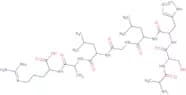

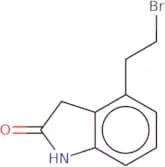
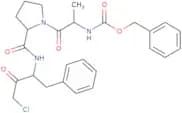
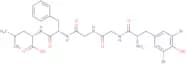
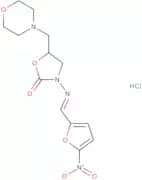


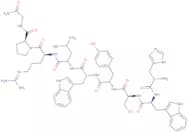

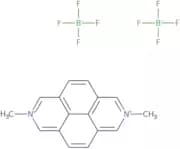
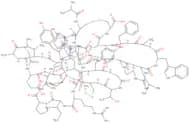

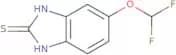
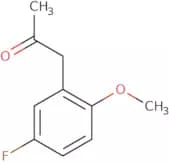
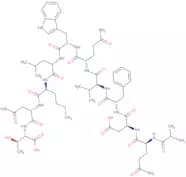
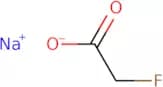
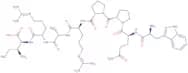
![2-Chloro-N-[2-(diethylamino)ethyl]-4-quinolinecarboxamide](/_next/image/?url=https%3A%2Fstatic.cymitquimica.com%2Fproducts%2F3D%2Fthumb-webp%2FFC20289.webp&w=3840&q=75)
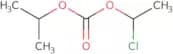
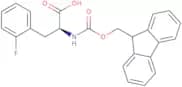

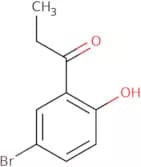
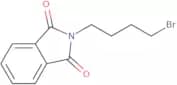
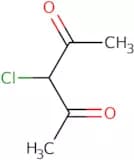
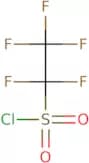

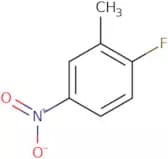
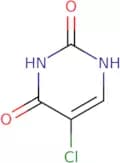
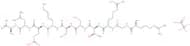
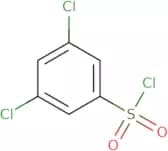
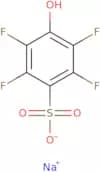
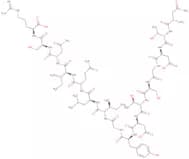


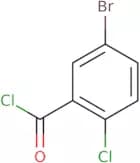
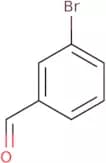
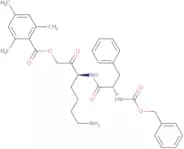
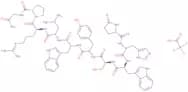

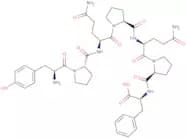
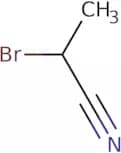



![tert-Butyl6-[(1e)-2-[4-(4-fluorophenyl)-6-(1-methylethyl)-2-[methyl(methylsulfonyl)amino]-5-pyrimi…](/_next/image/?url=https%3A%2Fstatic.cymitquimica.com%2Fproducts%2F3D%2Fthumb-webp%2FFB148489.webp&w=3840&q=75)
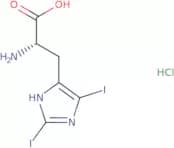
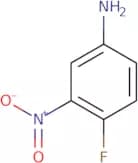
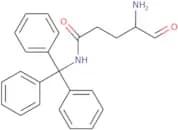



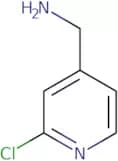


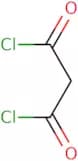
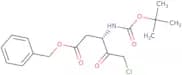
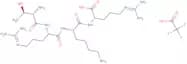

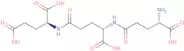


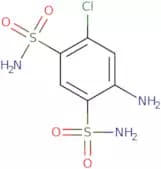
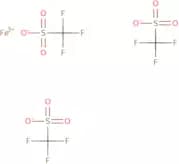
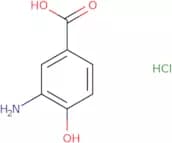
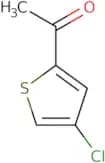

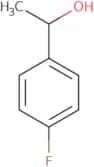
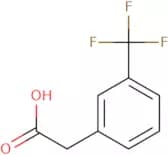
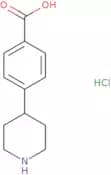
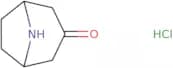


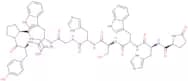

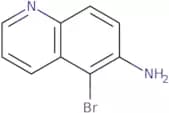
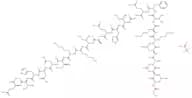


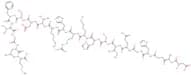
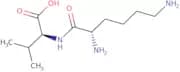

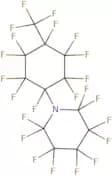
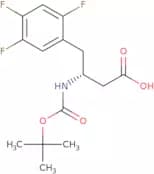
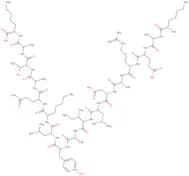
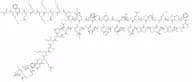
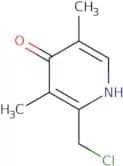
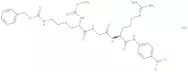

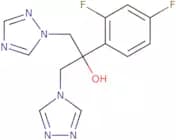
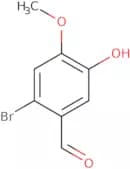
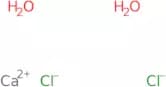

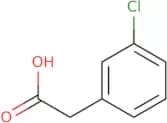
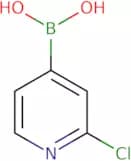

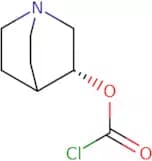

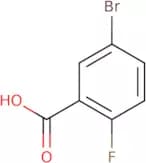

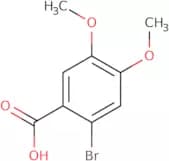


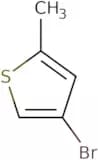
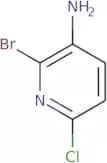
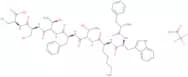
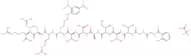

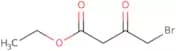
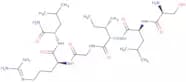

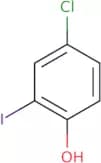
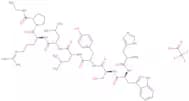
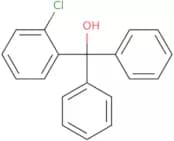
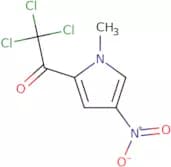
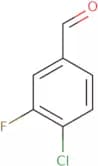
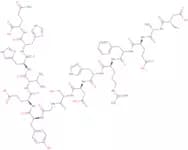
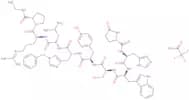
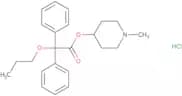
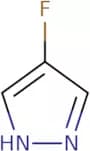
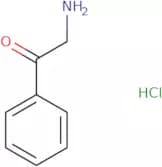
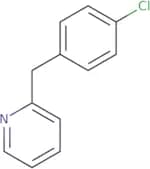
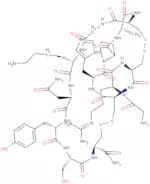





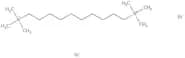
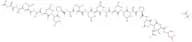
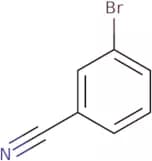
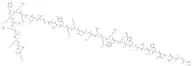


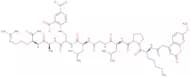
![3-[(Dimethylamino)methyl]-1,2,4-oxadiazol-5-amine hydrochloride](/_next/image/?url=https%3A%2Fstatic.cymitquimica.com%2Fproducts%2F3D%2Fthumb-webp%2FFD135937.webp&w=3840&q=75)
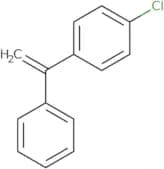

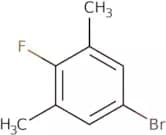
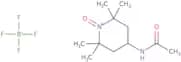


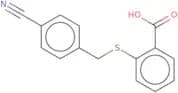
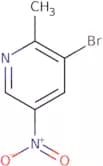

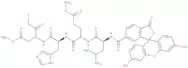


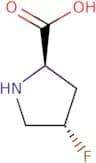

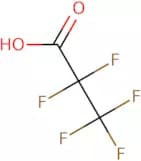
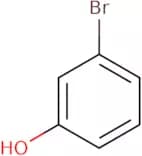
![2-Boc-2,9-Diazaspiro[5.5]undecane hydrochloride](/_next/image/?url=https%3A%2Fstatic.cymitquimica.com%2Fproducts%2F3D%2Fthumb-webp%2FFB154133.webp&w=3840&q=75)