Organic Halides
In this category, you can find organic molecules containing one or more halogen atoms in their structure. These organic halides include brominated, iodinated, chlorinated, and cyclic halide compounds. Organic halides are widely used in organic synthesis, pharmaceuticals, agrochemicals, and materials science due to their reactivity and ability to undergo a variety of chemical transformations. At CymitQuimica, we offer a comprehensive selection of high-quality organic halides to support your research and industrial applications, ensuring reliable and effective performance in your synthetic and analytical projects.
Subcategories of "Organic Halides"
Found 20437 products of "Organic Halides"
Sort by
Purity (%)
0
100
|
0
|
50
|
90
|
95
|
100
Silver(I) 2,2,2-trifluoroacetate
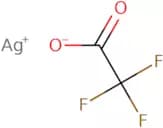
CAS:<p>Silver trifluoroacetate is a chemical compound that is a silver salt of trifluoroacetic acid. Silver trifluoroacetate is a white crystalline solid, soluble in water and alcohols, but insoluble in ethers. It has the chemical formula AgCF3CO2H. The crystal structure of silver trifluoroacetate has been determined by x-ray diffraction techniques and found to be orthorhombic with space group Pbam. The molecule consists of two 5-membered heteroaromatic rings, one containing carbon atoms and the other containing nitrogen atoms. The nitrogen atom is bonded to six hydrogen atoms and three fluorine atoms, while the carbon atom is bonded to four oxygen atoms and one fluorine atom. Synthesis methods for this compound include reacting silver nitrate with sodium carbonate in water vapor at 120°C.</p>Formula:C2AgF3O2Purity:Min. 95%Molecular weight:220.88 g/molToxin GaTx1 trifluoroacetate salt
<p>Please enquire for more information about Toxin GaTx1 trifluoroacetate salt including the price, delivery time and more detailed product information at the technical inquiry form on this page</p>Formula:C147H224N46O47S9Purity:Min. 95%Molecular weight:3,676.23 g/molD-Tryptophan methyl ester hydrochloride
CAS:<p>D-Tryptophan is an amino acid that is naturally produced by the human body and is also found in certain foods such as bananas, oats, and turkey. D-Tryptophan methyl ester hydrochloride is a synthetic form of this amino acid. It has been shown to inhibit cell growth and may have other physiological effects such as regulating mood or sleep patterns. This drug binds to the cavity of enzymes involved in the synthesis of proteins and nucleic acids, which prevents them from carrying out their normal functions. The binding constants for D-tryptophan methyl ester hydrochloride with these enzymes are stronger than those for natural d-tryptophan. The reaction solution was studied using UV absorption spectroscopy and showed that glycol ethers were more effective solvents than piperonal, which allowed for asymmetric synthesis. Molecular docking analysis has shown that D-tryptophan methyl ester hydrochloride binds to the enzyme cavity more tightly than</p>Formula:C12H14N2O2•HClPurity:Min. 95%Color and Shape:PowderMolecular weight:254.71 g/molMethyl 3-amino-4-bromo-2-nitrobenzoate
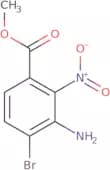
CAS:<p>Please enquire for more information about Methyl 3-amino-4-bromo-2-nitrobenzoate including the price, delivery time and more detailed product information at the technical inquiry form on this page</p>Formula:C8H7BrN2O4Purity:Min. 95%Molecular weight:275.06 g/molH-Tyr-Ile-Gly-Ser-Arg-OH trifluoroacetate salt
CAS:<p>The H-Tyr-Ile-Gly-Ser-Arg-OH trifluoroacetate salt is a synthetic peptide that has been shown to promote neuronal growth and axonal regeneration. This compound has been synthesized using a biocompatible polymer, collagen gel, and neurotrophic factors. The peptide is also able to stimulate the synthesis of collagen in mesenchymal cells cultured in tissue culture. The peptide can be used for treatment of subcutaneous tumors and neural injury.</p>Formula:C26H42N8O8Purity:Min. 95%Molecular weight:594.66 g/molNeuroendocrine Regulatory Peptide-2 (human) trifluoroacetate salt
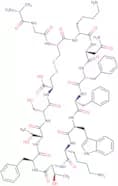
<p>Please enquire for more information about Neuroendocrine Regulatory Peptide-2 (human) trifluoroacetate salt including the price, delivery time and more detailed product information at the technical inquiry form on this page</p>Formula:C173H288N56O57Purity:Min. 95%Molecular weight:4,064.48 g/molH-Leu-Ser-Lys-Leu-NH2 trifluoroacetate salt
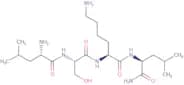
CAS:<p>L-Leu-Ser-Lys-Leu-NH2 is a cyclic peptide with the amino acid sequence H-Leu-Ser-Lys-Leu. It has been shown to have receptor activity and can be used as an experimental model of growth factors. L-Leu-Ser-Lys-Leu was found to stimulate collagen synthesis in a collagen gel, which may be due to its ability to inhibit the release of growth factor β1. L-Leu-Ser Lys Leu also has anti cancer effects by inhibiting the proliferation of malignant brain cells, as well as tubulointerstitial injury and renal cell carcinoma. This compound may also have some use in treating subarachnoid hemorrhage and fetal bovine serum (FBS) for tissue culture.</p>Formula:C21H42N6O5Purity:Min. 95%Molecular weight:458.6 g/molH-Pro-2-chlorotrityl resin (200-400 mesh) (High Substitution)
<p>Please enquire for more information about H-Pro-2-chlorotrityl resin (200-400 mesh) (High Substitution) including the price, delivery time and more detailed product information at the technical inquiry form on this page</p>Purity:Min. 95%Aminoguanidine hydrochloride
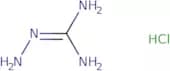
CAS:<p>Aminoguanidine hydrochloride is a basic compound that can be used as an anti-inflammatory drug. It has been shown to have a hypoglycemic effect, which may be due to its ability to increase the activity of glutathione peroxidase and glutathione reductase in experimental models. Aminoguanidine hydrochloride also inhibits the production of inflammatory cytokines such as TNF-α, IL-1β and IL-6. Experiments with transfected cells have shown that aminoguanidine hydrochloride induces neuronal death, which may be due to its ability to inhibit protein synthesis by interfering with ribosomal function.</p>Formula:CH6N4·HClPurity:Min. 95%Color and Shape:White PowderMolecular weight:110.55 g/molH-Gly-Arg-Gly-Glu-Ser-OH trifluoroacetate salt
CAS:<p>Please enquire for more information about H-Gly-Arg-Gly-Glu-Ser-OH trifluoroacetate salt including the price, delivery time and more detailed product information at the technical inquiry form on this page</p>Formula:C18H32N8O9Purity:Min. 95%Molecular weight:504.5 g/molEndothelin-2 (human, canine) trifluoroacetate
CAS:<p>Trifluoroacetate salt</p>Formula:C115H160N26O32S4Purity:Min. 95%Molecular weight:2,546.92 g/mol(Des-Thr5)-Glucagon trifluoroacetate salt
CAS:<p>Please enquire for more information about (Des-Thr5)-Glucagon trifluoroacetate salt including the price, delivery time and more detailed product information at the technical inquiry form on this page</p>Formula:C149H218N42O47SPurity:Min. 95%Molecular weight:3,381.65 g/mol(Met(O)35)-Amyloid b-Protein (1-40) trifluoroacetate salt
CAS:<p>Please enquire for more information about (Met(O)35)-Amyloid b-Protein (1-40) trifluoroacetate salt including the price, delivery time and more detailed product information at the technical inquiry form on this page</p>Formula:C194H295N53O59SPurity:Min. 95%Molecular weight:4,345.81 g/mol4-Bromo-6-chloropyridazin-3(2H)-one
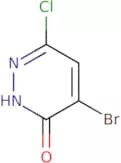
CAS:<p>4-Bromo-6-chloropyridazin-3(2H)-one is a glycosylation inhibitor and nucleoside analog that can be used in the treatment of cancer. It inhibits the synthesis of deoxyribonucleotides from ribonucleotides by binding to the enzyme ribonucleotide reductase, which catalyzes the conversion of ribonucleotides to deoxynucleotides. 4-Bromo-6-chloropyridazin-3(2H)-one has been shown to inhibit glycosylation in rat liver cells. This drug also inhibits acetone and glycosidation, which are reactions that produce glucose from amino acids or carbohydrates. The crystallization process is also inhibited by this drug because it prevents the formation of nucleoside crystals, which are involved in DNA replication and cell division.</p>Formula:C4H2BrClN2OPurity:Min. 95%Molecular weight:209.43 g/mol2-Bromo-6-methylpyridine-3-carboxaldehyde
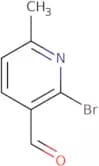
CAS:<p>2-Bromo-6-methylpyridine-3-carboxaldehyde (BMPCA) is a pharmacological agent that belongs to the group of antagonists. It has been shown to be a potent antagonist at the NMDA receptor and may be used for treating neuropathic pain. BMPCA also has been shown to have competitive inhibition at the naphthyridine receptor, which may allow it to act as an antagonist or an agonist depending on its binding site. The regioisomeric analogs of BMPCA are 2-(2,5-dichloropyridyl)-6-methylpyridine-3-carboxaldehyde and 2-(2,5-dimethylpyridyl)-6-methylpyridine-3-carboxaldehyde. These analogs have been shown to inhibit the growth of tumor cells in vitro and in vivo.</p>Formula:C7H6BrNOPurity:Min. 95%Molecular weight:200.03 g/molH-D-Ser-OBzl hydrochloride salt
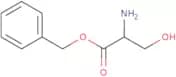
CAS:<p>H-D-Ser-OBzl hydrochloride salt is a monoclonal antibody that inhibits the activity of an enzyme called fatty acid synthase (FAS). It also binds to glycoconjugates, which are molecules that are involved in the inflammatory response. H-D-Ser-OBzl hydrochloride salt is used to treat various types of inflammatory diseases, such as arthritis and Crohn's disease. H-D-Ser-OBzl hydrochloride salt has been shown to inhibit tumor cell growth by binding to an enzyme called fatty acid synthase. H-D-Ser-OBzl hydrochloride salt also inhibits the production of inflammatory mediators, such as prostaglandins, leukotrienes and thromboxanes. The antiinflammatory effect of this drug may be due to its ability to inhibit prostaglandin synthesis.</p>Formula:C10H13NO3Purity:Min. 95%Molecular weight:195.22 g/molAdrenomedullin 5 (primate) trifluoroacetate salt
CAS:<p>Please enquire for more information about Adrenomedullin 5 (primate) trifluoroacetate salt including the price, delivery time and more detailed product information at the technical inquiry form on this page</p>Formula:C253H394N82O71S2Purity:Min. 95%Molecular weight:5,784.48 g/mol(D-Trp8)-Somatostatin-14 trifluoroacetate salt
CAS:<p>Please enquire for more information about (D-Trp8)-Somatostatin-14 trifluoroacetate salt including the price, delivery time and more detailed product information at the technical inquiry form on this page</p>Formula:C76H104N18O19S2Purity:Min. 95%Molecular weight:1,637.88 g/molEthylammonium Tetrafluoroborate
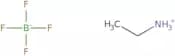
CAS:Controlled Product<p>Ethylammonium tetrafluoroborate is an ionic liquid that is a colorless, nonvolatile liquid at room temperature. It has a melting point of -9 °C and a boiling point of 230 °C. This compound is soluble in water and organic solvents, but insoluble in diethyl ether. Ethylammonium tetrafluoroborate can be used as an electrolyte for lithium-ion batteries. The reversible oxidation reaction of ethylammonium tetrafluoroborate can be catalyzed by the addition of fluorine or carbonyl groups to the molecule. The NMR spectra of ethylammonium tetrafluoroborate show that it contains an alcohol group with a phase transition temperature near 35 °C and an activation energy near 15 kJ/mol. This compound also undergoes polymerization reactions with various types of monomers, such as vinyl acetate and methyl methacrylate,</p>Formula:C2H7BF4NPurity:Min. 95%Color and Shape:PowderMolecular weight:131.89 g/mol1b-(4-Fluorophenyl)hexahydro-',7-dihydroxy-7-(1-methylethyl)-1a-phenyl-7a-[(phenylamino)carbonyl]-3H-oxireno[3,4]pyrrolo[2,1-b][1,3] oxazine-3-butanoic Acid
CAS:<p>Please enquire for more information about 1b-(4-Fluorophenyl)hexahydro-',7-dihydroxy-7-(1-methylethyl)-1a-phenyl-7a-[(phenylamino)carbonyl]-3H-oxireno[3,4]pyrrolo[2,1-b][1,3] oxazine-3-butanoic Acid including the price, delivery time and more detailed product information at the technical inquiry form on this page</p>Formula:C33H35FN2O7Purity:Min. 95%Molecular weight:590.64 g/molTyr-Amyloid P Component (27-38) amide trifluoroacetate salt
CAS:<p>Please enquire for more information about Tyr-Amyloid P Component (27-38) amide trifluoroacetate salt including the price, delivery time and more detailed product information at the technical inquiry form on this page</p>Formula:C77H116N20O19SPurity:Min. 95%Molecular weight:1,657.93 g/mol(Ile5,Trp23,Tyr36)-pTH-Related Protein (1-36) (human, mouse, rat) trifluoroacetate salt
CAS:<p>Please enquire for more information about (Ile5,Trp23,Tyr36)-pTH-Related Protein (1-36) (human, mouse, rat) trifluoroacetate salt including the price, delivery time and more detailed product information at the technical inquiry form on this page</p>Formula:C196H308N58O53Purity:Min. 95%Molecular weight:4,324.9 g/molProtein Kinase P34 (cd2) Substrate trifluoroacetate salt
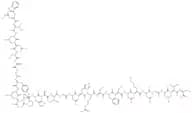
CAS:<p>H-ADAQHATPPKKKRKVEDPKDF-OH peptide, which can act as a substrate of Protein Kinase P34 (cd2). The peptide is supplied as a trifluoroacetate salt.</p>Formula:C106H172N32O32Purity:Min. 95%Molecular weight:2,406.7 g/mol6-Bromonaphthalen-1-ol
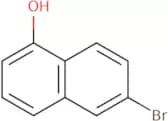
CAS:<p>6-Bromonaphthalen-1-ol is a compound that has shown antimicrobial and antifungal activity. It is the most potent of the naphthoxazines tested to date, with an MIC of 0.04 µg/ml against Escherichia coli. 6-Bromonaphthalen-1-ol was synthesized by reacting 1,2,4-trihydroxybenzene with bromine gas in the presence of mercuric chloride catalyst. The compound was hydrolyzed for elemental analysis and found to be C7H4BrO. Elemental analysis yielded a weight percentage of 71% carbon, 13% hydrogen, 3% bromine, and 12% oxygen. The x-ray diffraction pattern showed peaks at 2θ values of 22.3° (100), 26.5° (101), 33.7° (102), 40° (104), 44° (105) and 62°</p>Formula:C10H7BrOPurity:Min. 95%Molecular weight:223.07 g/molGalanin (human) trifluoroacetate salt
CAS:<p>Please enquire for more information about Galanin (human) trifluoroacetate salt including the price, delivery time and more detailed product information at the technical inquiry form on this page</p>Formula:C139H210N42O43Purity:Min. 95%Molecular weight:3,157.41 g/mol3-Bromopropiophenone
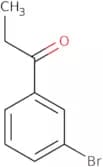
CAS:<p>3-Bromopropiophenone is a chemical compound that is structurally related to the antimalarial drug chloroquine. It has been shown to be a potent inhibitor of parasitic kinases in mammalian cells, with IC50 values in the nanomolar range. 3-Bromopropiophenone has been shown to inhibit the growth of trypanosomes, and can be used as an alternative treatment for this disease. The vibrational spectra and kinetic parameters of 3-bromopropiophenone have also been studied using cell culture and molecular modeling methods. The nature of the isomers formed during the reaction of 3-bromopropiophenone with its substrate have also been investigated using computational methods. 3-Bromopropiophenone inhibits heart disease progression by interacting with parameters such as frequency and heart rate.</p>Formula:C9H9BrOPurity:Min. 95%Color and Shape:White PowderMolecular weight:213.07 g/molPigment Yellow 138;3,4,5,6-Tetrachloro-N-[2-(4,5,6,7-tetrachloro-2,3-dihydro-1,3-dioxo-1H-inden-2-yl)-8-Quinolyl]phthalimide
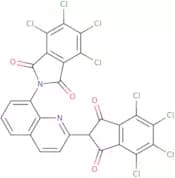
CAS:<p>Pigment Yellow 138 is a polycarboxylic acid with the chemical formula C8H6Cl4O2. Pigment Yellow 138 has a molecular weight of 434.07 and can be used as a yellow pigment in paint, plastics, and textiles. Pigment Yellow 138 has an acidic pH and can be prepared by reacting phthalic anhydride with sodium hydroxide in aqueous solution to produce the sodium salt of pigment yellow 138. Pigment Yellow 138 is also soluble in hydroxide solutions, which makes it an excellent cross-linking agent for polymers. The color of pigments depends on the size of their particles; pigments with larger particle sizes are more opaque than those with smaller particle sizes.</p>Formula:C26H6Cl8N2O4Purity:Strengh Min 95%.Molecular weight:693.96 g/mol3-Bromopyridazine
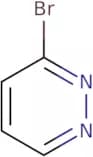
CAS:<p>3-Bromopyridazine is a dechlorinated derivative of pyridazine that has been used as an agrochemical. 3-Bromopyridazine can be synthesized by aminocarbonylation at the 3-position, which is a nucleophilic substitution reaction. It has been shown to yield high yields and to react with nucleophiles such as chlorine or heterocycles such as cinnoline. 3-Bromopyridazine can also be obtained by cross coupling of 2-bromoacetophenone with benzaldehyde and pyridine in the presence of copper. The resulting product is then reacted with sodium nitrite in hydrochloric acid to produce 3-bromopyridazine. This compound may have potential use as a chemical intermediate for other compounds, due to its chemical stability and its ability to undergo cross coupling reactions.</p>Formula:C4H3BrN2Purity:Min. 95%Molecular weight:158.98 g/molNeuropeptide VF (124-131) (human) trifluoroacetate salt
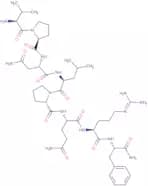
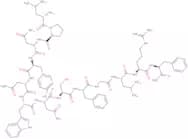
CAS:<p>Neuropeptide VF (124-131) (human) trifluoroacetate salt H-Val-Pro-Asn-Leu-Pro-Gln-Arg-Phe-NH2 trifluoroacetate salt is a peptide that is synthesized in the hypothalamus and is involved in the regulation of gonadotropin secretion. It has been shown to inhibit cell growth in vitro and to have an inhibitory effect on cancer cells. This peptide also binds to receptors α, adenohypophyseal, cellular, testicular, vasoactive intestinal peptide, messenger RNA, estradiol benzoate, cancer, and progesterone receptor.</p>Formula:C45H72N14O10Purity:Min. 95%Molecular weight:969.14 g/molH-Phe-D-Met-Arg-Phe-NH2 trifluoroacetate salt
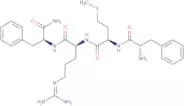
CAS:<p>Please enquire for more information about H-Phe-D-Met-Arg-Phe-NH2 trifluoroacetate salt including the price, delivery time and more detailed product information at the technical inquiry form on this page</p>Formula:C29H42N8O4SPurity:Min. 95%Molecular weight:598.76 g/mol5,7-Dichloro-8-hydroxyquinaldine
CAS:<p>5,7-Dichloro-8-hydroxyquinaldine is an antimicrobial agent that can be used to treat infections caused by Gram-negative bacteria. It has been shown to have a broad spectrum of activity against both aerobic and anaerobic bacteria. 5,7-Dichloro-8-hydroxyquinaldine is active against methicillin resistant Staphylococcus aureus (MRSA) and Enterococci species. The drug has been shown to be effective in treating tissue infections in women with menstrual blood flow due to its anti-inflammatory properties. This drug is not absorbed well into the body via oral administration and is not widely available outside of China.</p>Formula:C10H7Cl2NOPurity:Min. 95%Color and Shape:PowderMolecular weight:228.07 g/mol3-Bromobenzoic acid
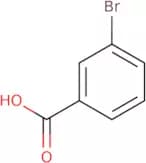
CAS:<p>3-Bromobenzoic acid is a molecule that is classified as a Group P2. It has an electronegativity of 1.3 and an acidity of 0.8, which are both in the middle range of values for this group. 3-Bromobenzoic acid is soluble in water and is soluble in ethanol, acetone, and ether. The chemical structure of 3-bromobenzoic acid can be determined by its monoclonal antibody binding sites, electrochemical impedance spectroscopy data, and Langmuir adsorption isotherm data. 3-Bromobenzoic acid reacts with hydrochloric acid to form benzoate and HCl gas. Chronic exposure to 3-bromobenzoic acid has been shown to cause glutamate dehydrogenase inhibition, leading to an accumulation of p-hydroxybenzoic acid in the body. This compound also reacts with thiourea or</p>Formula:C7H5BrO2Purity:Min. 95%Color and Shape:PowderMolecular weight:201.02 g/mol3-Fluoro-2-hydroxybenzaldehyde
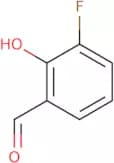
CAS:<p>3-Fluoro-2-hydroxybenzaldehyde is a colorless liquid with a sweet, aromatic odor. It has been shown to be an antibacterial agent against Gram positive bacteria and may have potential as a drug for the treatment of MRSA. 3-Fluoro-2-hydroxybenzaldehyde is used in the production of cellulose acetate and sodium sulfide. It is also used in the chemical reactions that form amines, hydroxyl groups, and chloride ions. It has been shown to inhibit mitochondrial respiration by chelating ring complexes in the respiratory chain. It also inhibits biological processes such as DNA synthesis, protein synthesis, and hydrogen bond formation.</p>Formula:C7H5FO2Purity:Min. 95%Color and Shape:PowderMolecular weight:140.11 g/molKisspeptin-13 (human) trifluoroacetate salt
CAS:<p>Please enquire for more information about Kisspeptin-13 (human) trifluoroacetate salt including the price, delivery time and more detailed product information at the technical inquiry form on this page</p>Formula:C78H107N21O18Purity:Min. 95%Molecular weight:1,626.81 g/molDABCYL-γ-Abu-Ile-His-Pro-Phe-His-Leu-Val-Ile-His-Thr-EDANS trifluoroacetate salt
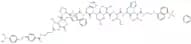
CAS:Controlled Product<p>DABCYL-gamma-Abu-Ile-His-Pro-Phe-His-Leu-Val-Ile-His-Thr (DABCYL) is a fluorescent substrate that has been used to study the kinetics of peptide hydrolysis by proteases. It is an amino acid sequence that is present in angiotensinogen, which is a blood protein involved in regulating blood pressure. The DABCYL group on the terminal amino acid of the peptide provides a highly fluorescent molecule that can be excited at wavelengths longer than 400 nm. This fluorophore can also be used as a donor for fluorescence resonance energy transfer (FRET) with other fluorophores, such as EDANS, which has been shown to have high affinity for DABCYL. DABCYL can be used to measure enzyme activity or inhibition and has been found to be sensitive enough to detect changes due to dilutions at concentrations as low as 10 nM.</p>Formula:C90H120N22O16SPurity:Min. 95%Molecular weight:1,798.12 g/mol2-Amino-1-phenylpropan-1-one hydrochloride
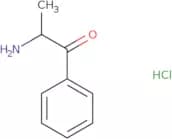
CAS:Controlled Product<p>2-Amino-1-phenylpropan-1-one hydrochloride is a chemical compound that can be used as an intermediate in the synthesis of ethyl formate. It is also a pharmaceutical intermediate, which is used to prepare triazine and alicyclic compounds. It has been shown to have potential use in the treatment of prostatic hypertrophy and heterocycle disorders. 2-Amino-1-phenylpropan-1-one hydrochloride has been found to be active in animals and humans and is not toxic to women or animals. This drug has shown no adverse effects on human health at doses up to 10 g/kg body weight.</p>Formula:C9H11NO•HClPurity:Min. 95%Color and Shape:PowderMolecular weight:185.65 g/mol2-Bromo-3-methylbenzoic acid
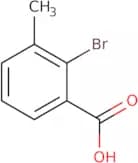
CAS:<p>2-Bromo-3-methylbenzoic acid is an alcohol that has been shown to be selective for the stereoselective synthesis of chiral secondary alcohols. It has been used in the reduction of 2-formylphenylboronic acid, yielding a mixture of the two possible diastereomers, and in the reductive elimination of carboxylic acids, which can be used as an alternative to the Baylis-Hillman reaction. The compound also has inhibitory activity against several bacteria, including methicillin resistant Staphylococcus aureus (MRSA) and Mycobacterium tuberculosis. 2-Bromo-3-methylbenzoic acid is photochromic and changes color from yellow to red when exposed to UV light.</p>Formula:C8H7BrO2Purity:Min. 95%Color and Shape:PowderMolecular weight:215.04 g/molH-Asp(OtBu)-2-chlorotrityl resin (200-400 mesh)
<p>Please enquire for more information about H-Asp(OtBu)-2-chlorotrityl resin (200-400 mesh) including the price, delivery time and more detailed product information at the technical inquiry form on this page</p>Purity:Min. 95%H-Pro-Pro-Gln-OH trifluoroacetate salt
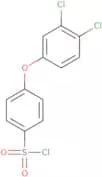
CAS:<p>Please enquire for more information about H-Pro-Pro-Gln-OH trifluoroacetate salt including the price, delivery time and more detailed product information at the technical inquiry form on this page</p>Formula:C15H24N4O5Purity:Min. 95%Molecular weight:340.38 g/mol4-(3,4-Dichlorophenoxy)benzenesulfonyl chloride
CAS:<p>4-(3,4-Dichlorophenoxy)benzenesulfonyl chloride is a sulfonate that is used in the synthesis of organic compounds. It has been shown to have torsion, oriented, and nucleophilic properties. The phenol group of 4-(3,4-dichlorophenoxy)benzenesulfonyl chloride has been shown to be nucleophilic in nature. The phenyl group is electron donating and the chloride atom is electron withdrawing. The crystal structure of 4-(3,4-dichlorophenoxy)benzenesulfonyl chloride is as follows:</p>Formula:C12H7Cl3O3SPurity:Min. 95%Color and Shape:PowderMolecular weight:337.61 g/molRitodrine hydrochloride
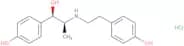
CAS:<p>β2-agonist; used in management of preterm labor</p>Formula:C17H22ClNO3Purity:Min. 95%Color and Shape:PowderMolecular weight:323.81 g/mol2-Fluoroanisole
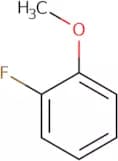
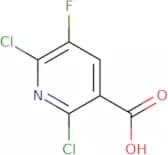
CAS:<p>2-Fluoroanisole is an organic compound that is used in organic synthesis as a chiral auxiliary. It has been shown to inhibit the growth of cancer cells by binding to nucleophilic sites on the cell and preventing the formation of new proteins. 2-fluoroanisole is synthesized through a two-step process that begins with the asymmetric synthesis of the desired chiral molecule using a chiral catalyst and deuterium isotope. The second step involves converting 2-fluoroanisole into its more stable form, dodecanedioic acid, by treating it with hydrochloric acid or trifluoroacetic acid. The structural analysis of this molecule revealed that it contains two nucleophilic substitutions, which are likely responsible for its inhibitory properties.</p>Formula:C7H7FOPurity:Min. 95%Color and Shape:Clear LiquidMolecular weight:126.13 g/mol2,6-Dichloro-5-fluoronicotinic acid
CAS:<p>2,6-Dichloro-5-fluoronicotinic acid (2,6-DCFNA) is a chlorinating agent that is activated in acidic solutions. It is used to produce the disinfectant peracetic acid and in the industrial process of producing phenol. 2,6-DCFNA reacts with chloride to form hypochlorous acid (HOCl), which causes inflammation in cells by activating inflammatory cells such as neutrophils and macrophages. 2,6-DCFNA also inhibits tyrosine kinase activity, which may contribute to its anti-inflammatory properties. The toxic effects of 2,6-DCFNA have been studied on hematopoietic cells in vitro. Studies show that this compound can cause apoptosis or death of these cells and may be useful for the treatment of inflammatory diseases such as rheumatoid arthritis. 2,6-DCFNA has also been shown to inhibit tumor growth when</p>Formula:C6H2Cl2FNO2Purity:Min. 95%Color and Shape:PowderMolecular weight:209.99 g/mol8-Chloro-5,6-dihydro-11H-benzo[5,6]cyclohepta[1,2-b]pyridin-11-one
CAS:<p>Please enquire for more information about 8-Chloro-5,6-dihydro-11H-benzo[5,6]cyclohepta[1,2-b]pyridin-11-one including the price, delivery time and more detailed product information at the technical inquiry form on this page</p>Formula:C14H10ClNOPurity:Min. 95%Molecular weight:243.69 g/molL-Phenylalanine benzyl ester hydrochloride
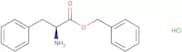
CAS:<p>L-Phenylalanine benzyl ester hydrochloride is an ester of L-phenylalanine and benzoic acid. It has a solubility of 1.9g/L in water, 2.1g/L in methanol, and 0.8g/L in acetonitrile at 20°C. The melting point is 119°C to 120°C and the boiling point is 243°C to 244°C at atmospheric pressure. This compound can be synthesized by reacting formamide with L-phenylalanine chloride in the presence of hexamethylphosphoramide as a catalyst.</p>Formula:C16H17NO2·HClPurity:Min. 95%Molecular weight:291.77 g/molFormyl-LHRH (2-10) trifluoroacetate salt
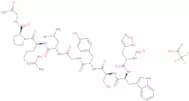
CAS:<p>Please enquire for more information about Formyl-LHRH (2-10) trifluoroacetate salt including the price, delivery time and more detailed product information at the technical inquiry form on this page</p>Formula:C51H70N16O12Purity:Min. 95%Molecular weight:1,099.2 g/mol2-Amino-6-(trifluoromethyl)benzothiazole
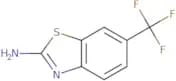
CAS:<p>2-Amino-6-(trifluoromethyl)benzothiazole is a new, optimised insecticide with alkylthio, halogen and alkoxy groups. It is highly toxic to insects and has been shown to be active against various species of Lepidoptera, Coleoptera and Diptera. 2-Amino-6-(trifluoromethyl)benzothiazole is also a broad spectrum contact insecticide that exhibits systemic properties. This insecticide can be used on plants, crops, livestock and pets.</p>Formula:C8H5F3N2SPurity:Min. 95%Molecular weight:218.2 g/molNeuromedin U-25 (porcine) trifluoroacetate salt
CAS:<p>Please enquire for more information about Neuromedin U-25 (porcine) trifluoroacetate salt including the price, delivery time and more detailed product information at the technical inquiry form on this page</p>Formula:C144H217N43O37Purity:Min. 95%Molecular weight:3,142.53 g/molChloromethyl acetate
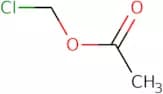
CAS:<p>Chloromethyl acetate is a potent antibacterial agent that inhibits the growth of bacteria by inhibiting the synthesis of fatty acids. It also has an inhibitory effect on adenosine receptors and is used to treat congestive heart failure, inflammatory diseases, metabolic disorders, and other conditions. Chloromethyl acetate has been shown to be effective against a number of bacterial strains, including methicillin-resistant Staphylococcus aureus (MRSA), Streptococcus pneumoniae, and Mycobacterium tuberculosis. Chloromethyl acetate binds to the cyanoformate group in the bacterial cell wall by competitive inhibition. This binding prevents the formation of an antibiotic-inhibitor complex with the enzyme fatty acid synthase that is required for fatty acid biosynthesis, inhibiting protein synthesis and cell division.</p>Formula:C3H5ClO2Purity:Min. 95%Molecular weight:108.52 g/molNuclear Factor NF-KB Inhibitor SN50 trifluoroacetate salt
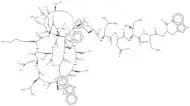
CAS:<p>SN50 is a nuclear factor NF-KB inhibitor that blocks the activity of transcription factors that are involved in inflammation and cancer. SN50 inhibits protease activity, which may be due to its ability to bind to response elements on DNA, leading to cytosolic calcium release and activation of signal pathways. It also binds to endothelin-a receptor and induces apoptosis. SN50 has been shown to have anti-tumour effects in resistant breast cancer cells as well as reducing serum aminotransferase levels in rats. This drug also activates transcriptional regulation by binding toll-like receptors and inducing colony stimulating factors. SN50 also has cardioprotective properties, which may be due to its ability to inhibit fatty acid synthase in cardiomyocytes.</p>Formula:C129H230N36O29SPurity:Min. 95%Molecular weight:2,781.5 g/mol







![1b-(4-Fluorophenyl)hexahydro-',7-dihydroxy-7-(1-methylethyl)-1a-phenyl-7a-[(phenylamino)carbonyl]-…](/_next/image/?url=https%3A%2Fstatic.cymitquimica.com%2Fproducts%2F3D%2Fthumb-webp%2FFF171220.webp&w=3840&q=75)




![8-Chloro-5,6-dihydro-11H-benzo[5,6]cyclohepta[1,2-b]pyridin-11-one](/_next/image/?url=https%3A%2Fstatic.cymitquimica.com%2Fproducts%2F3D%2Fthumb-webp%2FFC20116.webp&w=3840&q=75)