Biochemicals and Reagents
Biochemicals and reagents are fundamental substances for research and development in fields such as biotechnology, molecular biology, pharmacology, and medicine. These products are essential for a variety of applications, including compound synthesis, biological sample analysis, metabolic process research, and drug production. At CymitQuimica, we offer a wide selection of high-quality, high-purity biochemicals and reagents suitable for various scientific and industrial needs. Our catalog includes enzymes, antibodies, nucleic acids, amino acids, and many other products, all designed to support researchers and professionals in their research and development projects, ensuring reliable and reproducible results.
Subcategories of "Biochemicals and Reagents"
- Biomolecules(99,115 products)
- By Biological Target(99,074 products)
- By Pharmacological Effects(6,785 products)
- Cryopreservatives(21 products)
- Desinfectants and Related Compounds(28 products)
- Hormones(346 products)
- Plant Biology(6,693 products)
- Secondary Metabolites(14,219 products)
Found 130577 products of "Biochemicals and Reagents"
Sort by
Purity (%)
0
100
|
0
|
50
|
90
|
95
|
100
FRETS-25Pro (1 umol) (1umol)
<p>FRETS-25Pro (1 umol) is a peptide that belongs to the group of activator. It has been shown to inhibit ion channels and protein interactions, as well as receptor and ligand. FRETS-25Pro (1 umol) has high purity, which will be useful in research tools such as antibody or cell biology.</p>Purity:Min. 95%Nirtetralin
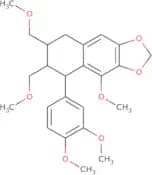
CAS:<p>Nirtetralin is a lignan with an inhibitory effect on the binding of receptor to its ligand, which is found in plants such as phyllanthus and niranthin. It has been shown to have potent inhibition of insulin resistance in K562 cells, an effect that may be due to changes in mitochondrial membrane potential. Nirtetralin also inhibits the ATPase activity of hexane-insensitive, liver-type pyruvate dehydrogenase kinase, which is involved in the regulation of hepatic glucose production and lipid metabolism. Nirtetralin has been shown to have anti-inflammatory effects by inhibiting the production of pro-inflammatory cytokines and lipopolysacharide (LPS) induced nitric oxide production from macrophages.</p>Formula:C24H30O7Purity:Min. 95%Molecular weight:430.5 g/molRHI002-Me
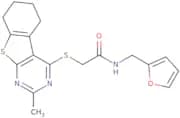
CAS:<p>RHI002-Me is a peptide that is used as a research tool to study ion channels, protein interactions, and receptor/ligand interactions. It has been shown to inhibit the activity of voltage-gated sodium channels in rat dorsal root ganglion neurons. This peptide binds to the extracellular domain of the GABAA receptor and inhibits GABA binding.</p>Formula:C18H19N3O2S2Purity:Min. 95%Molecular weight:373.5 g/molLY2510924
CAS:<p>LY2510924 is a small molecule chemokine antagonist that inhibits the binding of chemokines to their receptors. It has been shown to have potent in vivo efficacy against infectious diseases in combination with other drugs, such as monoclonal antibody and cyclic peptide. LY2510924 also inhibits the growth of cancer cells by inhibiting the production of growth factors and mesenchymal markers. This drug has been shown to bind to cxcr4, which is a receptor for chemokines CCL2, CCL7, and CCL12. LY2510924 does not have any effect on prostate cancer cell proliferation or migration in vitro assays.</p>Formula:C62H88N14O10Purity:Min. 95%Molecular weight:1,189.45 g/molRN-18
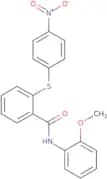
CAS:<p>RN-18 is a small molecule that can be taken orally. It has been shown to inhibit the infectivity of HIV-1 virions, as well as the activity of reverse transcriptase, protease, and integrase enzymes in human immunodeficiency virus-1 (HIV-1) infected cells. The mechanism by which RN-18 inhibits viral replication is not clear, but it may be due to an interaction with the E3 ubiquitin ligase and its ability to modify other proteins involved in HIV infection.</p>Formula:C20H16N2O4SPurity:Min. 95%Molecular weight:380.42 g/mol(±)-2-Chlorobutane-d9
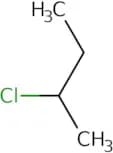
CAS:<p>Please enquire for more information about (±)-2-Chlorobutane-d9 including the price, delivery time and more detailed product information at the technical inquiry form on this page</p>Formula:C4H9ClPurity:Min. 95%Molecular weight:101.62 g/molPF 573228
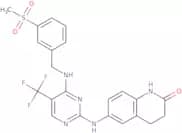
CAS:<p>Inhibitor of FAK kinase</p>Formula:C22H20F3N5O3SPurity:98%Molecular weight:491.49 g/molITD 1
CAS:<p>Inducer of TGFBR2 degradation; inhibitor of TGF-β signaling</p>Formula:C27H29NO3Purity:Min. 95%Molecular weight:415.52 g/molGlucosyl(β) sphingosine-d5
CAS:Controlled Product<p>Glucosyl(β)-sphingosine-d5 is a synthetic lipid that is used as a research tool to study protein interactions and receptor activation. Glucosyl(β) sphingosine-d5 has been shown to activate ion channels, such as the nicotinic acetylcholine receptor, by binding to the ligand binding site. This lipid also inhibits the activity of peptides, such as calcitonin gene-related peptide and substance P. Glucosyl(β) sphingosine-d5 can be used in pharmacological studies as an inhibitor of cell proliferation and as an anti-inflammatory agent.</p>Formula:C24H42D5NO7Purity:Min. 95%Molecular weight:466.66 g/molNortriptyline
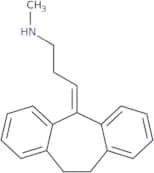
CAS:Controlled Product<p>Serotonin and norepinephrine reuptake inhibitor; anti-depressant</p>Formula:C19H21NPurity:Min. 95%Color and Shape:PowderMolecular weight:263.38 g/molGSK2593074A
CAS:<p>GSK2593074A is a potent inhibitor of the VSMACs, which are proteins that interact with the extracellular matrix and regulate the inflammatory response. GSK2593074A has been shown to inhibit aneurysm formation by inhibiting the expression levels of gelatinase and MMP2, two key enzymes in aneurysm progression. GSK2593074A also inhibits reactive oxygen species production by muscle cells and has a diameter of 2.5 nm.</p>Formula:C27H23N5OSPurity:Min. 95%Molecular weight:465.57 g/molOAKB hydrochloride
CAS:<p>OAKB is a peptide that is derived from the Alzheimer's disease-associated amyloid precursor protein. It has been shown to inhibit the formation of amyloid beta (Aβ) oligomers, which are toxic to nerve cells and thought to be one of the causes of Alzheimer's disease. OAKB also binds to antibodies and can be used as a research tool in immunology, cell biology, pharmacology, and life sciences. OAKB has been shown to inhibit ion channels and receptors, making it an interesting candidate for drug development. OAKB hydrochloride is high purity (>99%) with an inhibitor concentration of 2 mM.</p>Formula:C14H20ClN5O4Purity:Min. 95%Color and Shape:SolidMolecular weight:357.79 g/molACT-709478
CAS:<p>ACT-709478 is an orally bioavailable, non-peptide small molecule for the treatment of epileptic patients. It has a pharmacokinetic half-life of about 4 hours and penetrates the blood–brain barrier. ACT-709478 has been shown to be effective in animal models of cardiovascular diseases. The drug is metabolized by cytochrome P450 enzymes and has functional groups that are not well characterized. The terminal half-life of this molecule is about 2 hours.</p>Formula:C22H18F3N5OPurity:Min. 95%Molecular weight:425.4 g/molApelin-36 (rat, mouse)
CAS:<p>Apelin-36 is a peptide that is a ligand for the APJ receptor. It has been shown to activate this receptor in vitro, as well as in vivo in rats and mice. Apelin-36 has also been shown to act as an inhibitor of the activity of the enzyme phosphodiesterase 4 (PDE4), which is involved in inflammatory responses.</p>Formula:C185H304N68O43SPurity:Min. 95%Molecular weight:4,201 g/molIsofagomine
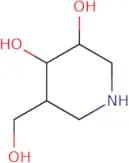
CAS:<p>Isofagomine is a chiral molecule that has been used as a model system for studying the stereochemical effects of enzyme inhibition. It is an inhibitor of the enzyme glucosylceramide synthase, which is involved in the synthesis of glucosylceramide (a major component of the myelin sheath). Isofagomine binds to an allosteric site on this enzyme and inhibits its activity. The binding site on glucosylceramide synthase has been mapped using X-ray crystallography and NMR spectroscopy. Isofagomine also inhibits other enzymes, such as phosphatidylethanolamine N-methyltransferase, which catalyzes the transfer of methyl groups from S-adenosylmethionine to phosphatidylethanolamine. Isofagomine has been shown to have neuroprotective properties against oxidative injury by reducing lipid peroxidation in rat brain cells. This may</p>Formula:C6H13NO3Purity:Min. 95%Molecular weight:147.17 g/mol3-(1-Benzyl-1H-imidazol-4-yl)-2(S)-[(6-benzyloxy-5-methoxy-1H-indole-2-carbonyl)-amino]-propionic acid methyl ester
CAS:<p>3-(1-Benzyl-1H-imidazol-4-yl)-2(S)-[(6-benzyloxy-5-methoxy-1H-indole-2-carbonyl)-amino]-propionic acid methyl ester is a small molecule that inhibits the activity of ion channels. It binds to the receptor and blocks the flow of ions across the membrane. This leads to a decrease in the generation of action potentials and causes muscle relaxation. 3-(1-Benzyl-1H-imidazol-4-yl)-2(S)-[(6 -benzyloxy--5,10,11,12,13,14,15,16,17,18,19 methoxy--1H--indole--2 carbonyl)amino]propionic acid methyl ester has been shown to bind to the Cys loop region of acetylcholine receptor channels and prevent activation</p>Formula:C31H30N4O5Purity:Min. 95%Molecular weight:538.6 g/molGPi 688
CAS:<p>GPi 688 is a glycogen synthase kinase-3 (GSK-3) inhibitor that has been shown to have a number of therapeutic benefits. It inhibits the activity of GSK-3, which is an enzyme that regulates glycogen synthesis and glucose metabolism in mammals. GPi 688 has been shown to increase the amount of muscle glycogen and improve muscle function in animal models. This drug also has inhibitory properties on other enzymes involved in carbohydrate metabolism, such as phosphofructokinase and phosphoglucomutase. GPi 688 has a safety profile similar to caffeine and is not expected to cause any adverse effects on the heart or central nervous system.</p>Formula:C19H18ClN3O4SPurity:Min. 95%Molecular weight:419.9 g/molEtodolac ethyl ester
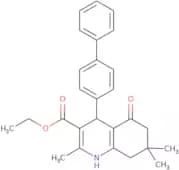
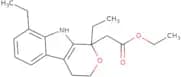
CAS:<p>Etodolac ethyl ester is an analog of the non-steroidal anti-inflammatory drug Etodolac. It is a potent inhibitor of kinases and has been shown to induce apoptosis in cancer cells. This compound has been studied for its potential as an anticancer agent, with promising results in inhibiting tumor growth in human and Chinese hamster cells. Etodolac ethyl ester has also been found to inhibit ghrelin-induced protein kinase activity, which may have implications for the treatment of obesity and other metabolic disorders. This compound is excreted primarily in urine, making it a promising candidate for further development as a therapeutic agent.</p>Formula:C19H25NO3Purity:Min. 95%Molecular weight:315.4 g/molMigrastatin
CAS:<p>Migrastatin is a peptide that binds to and inhibits the function of ion channels. It has been shown to inhibit voltage-activated potassium channels in rat hippocampal neurons, as well as transient receptor potential cation channel subfamily V member 1 (TRPV1) in human peripheral nociceptors. Migrastatin also inhibits the activity of ligand-gated ion channels such as nicotinic acetylcholine receptors and 5HT3 receptors. Migrastatin was previously shown to be an inhibitor of high purity with a CAS number of 314245-65-3. This chemical is used as a research tool for cell biology and pharmacology studies.</p>Formula:C27H39NO7Purity:Min. 95%Molecular weight:489.6 g/molTmppaa
CAS:<p>Tmppaa is a potentiator of 5-hydroxytryptamine (5-HT) and has been shown to increase the activity of serotonin in rat brain. It has also been shown to be an allosteric modulator of 5-HT and voltage-gated ion channels, which may be due to its interaction with the orthosteric binding site. Tmppaa interacts with 5-HT at high concentrations, but not at low concentrations. This compound was found to be well tolerated in animals and is characterized by a lack of toxicity. Tmppaa has also been shown to inhibit the growth of cancer cells in vitro.<br>Tmppaa is synthesized using an orthogonal chemistry approach that involves solid dispersions and cryo-electron microscopy (cryoEM).</p>Formula:C15H21NO2Purity:Min. 95%Molecular weight:247.33 g/molML 347
CAS:<p>Inhibitor of ALK2 kinase</p>Formula:C22H16N4OPurity:Min. 95%Molecular weight:352.39 g/molFGF 19 Human
<p>FGF-19 is a protein that has been shown to be an activator of the FGF receptor. It also has been shown to act as a ligand for the FGF receptor, which is a cell surface-bound protein. This protein is involved in the regulation of ion channels and other cellular processes that are important for growth and development. Recent studies have demonstrated that FGF-19 can inhibit the binding of peptides to antibodies, which may have an effect on pharmacology and immunology.</p>Purity:Min. 95%Neuropeptide Y, human
CAS:<p>Neuropeptide Y is a potent neuropeptide that regulates many biological processes in vertebrates. It has been shown to regulate various processes, including feeding, anxiety, reproduction, and pain. Neuropeptide Y is synthesized as an amide of the amino acid L-tyrosine. The synthetic peptide can be either enantiomer or a mixture of both enantiomers. The presence of neuropeptides Y in the extracellular fluid is potently regulated by the neuropeptide Y receptor subtype 2 (Y2R). Neuropeptide Y has been shown to inhibit egg development in mosquitoes when injected into their ovaries at high doses. This effect was dose-dependent and was mediated by receptors on the surface of cho-k1 cells (a rat kidney cell line). The homologues of neuropeptide Y are called peptides PYY and PYY3-36.</p>Formula:C189H285N55O57SPurity:Min. 95%Molecular weight:4,271.69 g/molL-Erythro-chloramphenicol
CAS:<p>L-Erythro-chloramphenicol is a deacylated form of chloramphenicol, which inhibits protein synthesis by binding to the bacterial ribosome. It is an antibiotic that is used to treat bacterial infections. L-Erythro-chloramphenicol has been shown to inhibit mitochondrial protein synthesis and mitochondrial proteins in mitochondria. The drug also inhibits the production of proteins in bacterial cells, such as extracts from Escherichia coli and escherichia coli. L-Erythro-chloramphenicol has two dichloroacetyl isomers, which are responsible for its antibacterial activity. The phenyl ring on the molecule serves as a site for chemical reactions with other molecules.</p>Formula:C11H12Cl2N2O5Purity:Min. 95%Molecular weight:323.13 g/mol(rac)-Benpyrine
CAS:<p>(rac)-Benpyrine is a cell biology research tool and a pharmacology inhibitor. It is used in Cell Biology and Pharmacology to study ion channels, ligands, receptors, peptides, and protein interactions. (rac)-Benpyrine can be used as an activator or an antibody. (rac)-Benpyrine binds to the receptor site on a cell membrane and changes the shape of the channel so that ions can flow through it more easily. This can lead to an increase in the rate of depolarization of the membrane.<br>(rac)-Benpyrine is also used as a ligand in high-affinity binding assays for proteins such as G-protein coupled receptors and protein kinases.</p>Formula:C16H16N6OPurity:Min. 95%Molecular weight:308.34 g/molrac3, His tagged human
CAS:<p>Rac3 is a small GTPase protein that belongs to the Rho family. Rac3 regulates cell morphology and motility by regulating the actin cytoskeleton. Rac3 also regulates ion channels, which are proteins that control the flow of ions, or charged atoms, across a cell membrane. Rac3 interacts with a number of other proteins including receptor tyrosine kinases and ion channels. Rac3 is a research tool for studying protein interactions and ion channel regulation.</p>Purity:Min. 95%NMDAR antagonist 1
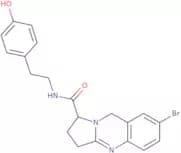
CAS:<p>NMDAR antagonist 1 is a chemical compound that functions as a non-competitive antagonist at the N-methyl-D-aspartate receptor (NMDAR), a subtype of glutamate receptor. Sourced synthetically, this compound is designed to modify neurotransmitter activity in the central nervous system by inhibiting the action of glutamate, which is the primary excitatory neurotransmitter. Its mode of action involves blocking the ion channel of the NMDAR, thereby preventing calcium ions from entering the neuron and modulating synaptic plasticity and neuronal communication.<br><br>This antagonist is widely used in neuroscience research to study the mechanisms of excitotoxicity, which is implicated in a variety of neurodegenerative disorders such as Alzheimer's disease, Parkinson's disease, and amyotrophic lateral sclerosis (ALS). It is also utilized to explore the fundamental processes involving learning, memory, and synaptic transmission. By providing insights into glutamatergic signaling pathways, NMDAR antagonist 1 aids in the development of therapeutic strategies for conditions related to excessive neuronal activity and synaptic dysfunction.</p>Formula:C20H20BrN3O2Purity:Min. 95%Molecular weight:414.3 g/molBD 1008 dihydrobromide
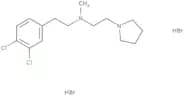
CAS:<p>Sigma (Ï) receptor antagonist</p>Formula:C15H24Br2Cl2N2Purity:Min. 95%Molecular weight:463.08 g/molELN-441958
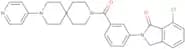
CAS:<p>ELN-441958 is a linker that is immunocompetent and potently competitive with the linker molecule. The ELN-441958 binds to the antigen on the CD4 receptor, which is found on the surface of immunocompetent cells, and this binding causes an autoimmune response in mice. ELN-441958 has been shown to be effective against a number of autoimmune diseases, such as rheumatoid arthritis, systemic lupus erythematosus, and multiple sclerosis. It also has anti-inflammatory properties in mice with induced colitis. The polymer is biocompatible and can be used for a number of purposes as a linker molecule in drug development, including pain models and other types of models for inflammatory diseases. ELN-441958 is also virulent in immunodeficient mice but not immunocompetent mice.</p>Formula:C29H29ClN4O2Purity:Min. 95%Molecular weight:501.02 g/molRacemic dobutamine
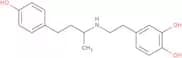
CAS:<p>Ã1-adrenoceptor agonist; cardiotonic agent</p>Formula:C18H23NO3Purity:Min. 95%Molecular weight:301.38 g/molWAY-262611
CAS:<p>WAY-262611 is a synthetic small-molecule compound, which is an experimental pharmacological agent originally sourced from chemical libraries aimed at modulating bone biology. This compound acts as an antagonist of the Wnt signaling pathway, specifically targeting low-density lipoprotein receptor-related protein 5 (LRP5). By inhibiting the binding of Wnt proteins, WAY-262611 modulates downstream signaling events, leading to alterations in gene expression that influence bone mass and density.</p>Formula:C20H22N4Purity:Min. 95%Molecular weight:318.42 g/mol5β-Dutasteride
CAS:<p>5β-Dutasteride is a research tool that belongs to the class of ligands. Its binding site is the Androgen Receptor (AR) and it is an antagonist. The binding of 5β-dutasteride to AR prevents the interaction with cofactors, such as 3-alpha hydroxysteroid dehydrogenase and 17,20 lyase, which are required for the synthesis of testosterone. This compound was also shown to inhibit ion channels by blocking potassium currents. The high purity and quality of this product makes it suitable for use in cell biology, pharmacology, and protein interactions.</p>Formula:C27H30F6N2O2Purity:Min. 95%Molecular weight:528.5 g/molPhosphoramidon
CAS:<p>Phosphoramidon is a peptide that is used as a research tool. It has been shown to activate the protein kinase C, which plays a role in the regulation of ion channels and other cellular functions. Phosphoramidon binds to the receptor site of protein A and inhibits the binding of phosphorylated erythropoietin (EPO) to its receptor. EPO is an important hormone for red blood cell production.</p>Formula:C23H34N3O10PPurity:Min. 95%Molecular weight:543.50 g/molAzapropazone
CAS:<p>Azapropazone is a nonsteroidal anti-inflammatory drug that has been used to treat rheumatoid arthritis, osteoarthritis, and pain. It is also used as an adjunct therapy for the treatment of myocardial infarct. Azapropazone inhibits the synthesis of prostaglandins, leukotrienes, and thromboxanes by blocking cyclooxygenase enzymes. The inhibition of these enzymes by azapropazone may be due to its structural similarity to coumarin derivatives such as warfarin or dicumarol. Azapropazone has been shown to interact with other drugs such as nonsteroidal anti-inflammatory drugs (NSAIDs) and may lead to gastrointestinal bleeding.</p>Formula:C16H20N4O2Purity:Min. 95%Molecular weight:300.36 g/molAS 101
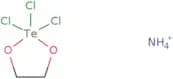
CAS:<p>AS 101 is a mixture of polyunsaturated fatty acids that are produced by the hydrolysis of vegetable oils and animal fats. The product is used to produce supernatants for use in cancer research. AS 101 has been shown to inhibit tumor growth, as well as inhibit HIV infection in vitro. The mechanism of action is not yet known, but it may be due to its ability to increase IL-10 production and transcriptional activity in mononuclear cells.</p>Formula:C2H4Cl3O2Te·NH4Purity:Min. 95%Molecular weight:294.01 g/mol(E)-N-(5-Bromo-2-methoxyphenyl)sulfonyl-3-[5-chloro-2-(naphthalen-2-ylmethyl)phenyl]prop-2-enamide
CAS:Controlled Product<p>A suggested mechanism of action for this drug is that it acts as a prodrug, which is converted to an active form by the enzyme esterase. The active form binds to the cannabinoid receptor type 2 (CB2) and mimics the effects of prostaglandin E2. This drug has been shown to inhibit acetylcholine release from preincubated rat brain tissues, as well as increase dopamine and serotonin levels in rat brain membranes.</p>Formula:C27H21BrClNO4SPurity:Min. 95%Molecular weight:570.9 g/molMK-0429
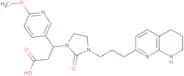
CAS:<p>MK-0429 is an inhibitor of the integrin receptor, which prevents fibrosis and inflammation in the kidneys. It has been shown to be a potent antagonist against fibrinogen and potent inducer of the release of interferon alfa-2b. MK-0429 has also been shown to have potent anti-inflammatory properties and to inhibit the growth of melanoma cells in mice. A phase 1 study was performed on 12 patients to assess safety and pharmacokinetics. The drug was well tolerated, with no significant adverse events observed during the trial.</p>Formula:C23H29N5O4Purity:Min. 95%Molecular weight:439.5 g/molUT-155
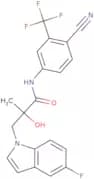
CAS:<p>UT-155 is a monoclonal antibody that binds to the ubiquitin-proteasome receptor. It is used in research to study the mechanism of ubiquitin-proteasome function in cells. UT-155 has been shown to inhibit prostate cancer cells and leukemia cells, as well as reduce tumor size in mice with prostate cancer. This drug also inhibits the production of ferroptosis and splicing, which are pro-apoptotic processes.</p>Formula:C20H15F4N3O2Purity:Min. 95%Molecular weight:405.3 g/molSU5205
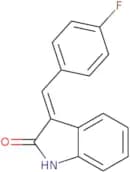
CAS:<p>SU5205 is a growth factor that has been shown to inhibit the growth of cancer cells. It binds to receptor-2, which is located on the surface of cancer cells, and modulates the activity of tyrosine kinase. SU5205 has also been shown to inhibit angiogenesis in crop plants by binding to lectin receptors. In simulations, SU5205 inhibited the growth of cancer cells and reduced their migration. Pharmacokinetic properties have not been studied for this drug. Molecular modeling studies have shown that SU5205 inhibits cancer cell proliferation by binding to receptor-2.</p>Formula:C15H10FNOPurity:Min. 95%Molecular weight:239.24 g/molNBDHEX
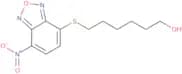
CAS:<p>NBDHEX is a drug that belongs to the group of drugs called ATP-binding cassette (ABC) transporter inhibitors. It is also known as NBDHEX, which is its chemical name. The inhibition of ABC transporters by NBDHEX prevents the transport of molecules across the mitochondrial membrane and affects energy metabolism. This drug has been shown to inhibit IL-10, an anti-inflammatory cytokine, in human osteosarcoma cells and to induce apoptosis in neuronal cells. NBDHEX also has synergistic effects on tumor cells and induces cell death in cancer cells. It can also modulate Toll-like receptor signaling pathways, which may lead to antitumor responses.</p>Formula:C12H15N3O4SPurity:Min. 95%Molecular weight:297.33 g/molLeptin Mouse
<p>Leptin is a peptide hormone that is produced by adipocytes and regulates appetite. Leptin binds to the leptin receptor, which is found in many tissues including the hypothalamus. The receptor activates an intracellular second messenger system that includes the protein kinase JAK2, leading to the activation of STAT3 transcription factor. Leptin has been shown to inhibit ion channels and activate or block receptors, depending on the type of cell it binds with.</p>Purity:Min. 95%LHC-165
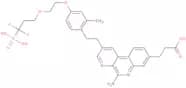
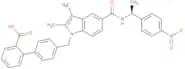
CAS:<p>LHC-165 is a biodegradable polymer drug that targets the tumor microenvironment. LHC-165 has been shown to induce myeloid-derived suppressor cells (MDSCs) and inhibit TGF-β signaling. MDSCs are immunosuppressive cells that have been implicated in tumor progression and resistance to therapy, as well as in postoperative recurrence of cancer. The mechanism of action of LHC-165 is mediated by toll-like receptor 4 (TLR4) activation. This leads to an intratumoral accumulation of MDSCs and an intraoperative reduction in their number. In addition, LHC-165 has been shown to be effective for the treatment of colorectal cancer when used with resection or radiation therapy.</p>Formula:C29H32F2N3O7PPurity:Min. 95%Molecular weight:603.55 g/molIACS 010759
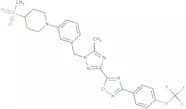
CAS:<p>Inhibitor of oxidative phosphorylation</p>Formula:C25H25F3N6O4SPurity:Min. 95%Color and Shape:SolidMolecular weight:562.57 g/molAmcasertib (BBI503)
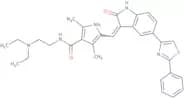
CAS:<p>Amcasertib is a β-catenin inhibitor that inhibits tumor growth and metastasis. It is currently in clinical trials for the treatment of cancer. Amcasertib inhibits the phosphorylation of β-catenin by GSK3β, which leads to its degradation by proteasomes, thereby reducing cellular levels of β-catenin. Amcasertib has also been shown to enhance the cytotoxicity of folfirinox, an anticancer drug. Amcasertib has a hydroxyl group at C-2 and a carbonyl group at C-4, which are necessary for binding to β-catenin. The lack of a disulfide bond makes amcasertib more stable than other potential β-catenin inhibitors.</p>Formula:C31H33N5O2SPurity:Min. 95%Molecular weight:539.69 g/molChlorodenafil
CAS:<p>Chlorodenafil is an analog of tadalafil, a PDE-5 inhibitor. It is used in the treatment of erectile dysfunction. The safety and efficacy of chlorodenafil have not been established. This drug is not recommended for use by patients with severe hepatic impairment or those who are taking medicines that inhibit CYP3A4. Chlorodenafil should not be used with other PDE-5 inhibitors, such as sildenafil and vardenafil, because this can lead to a serious decrease in blood pressure.<br>Chlorodenafil has been investigated for its possible role in the treatment of dyslipidemia and insulin resistance; however, it has not been approved for these indications.</p>Formula:C19H21ClN4O3Purity:Min. 95%Molecular weight:388.8 g/mol1400W dihydrochloride
CAS:<p>Inhibitor of inducible nitric oxide synthase</p>Formula:C10H17Cl2N3Purity:Min. 95%Molecular weight:250.17 g/molSR1664
CAS:<p>SR1664 is a non-peptide, synthetic, small molecule that binds to the fatty acid binding site on the PPARγ receptor. SR1664 has been shown to activate PPARγ and induce β-oxidation of fatty acids in vitro, leading to decreased triglycerides and cholesterol levels in mice. The pharmacokinetic properties of SR1664 are not yet well understood, but it may have potential for use as a pharmacological agent for treating metabolic disorders such as diabetes. The structural analysis of SR1664 reveals that it contains a hydroxyl group at position R3, which is responsible for its ability to bind to the receptor. SR1664 also has potent anti-inflammatory effects on liver cells due to its ability to block Toll-like receptor 4 (TLR4), which initiates inflammatory signaling pathways in response to lipopolysaccharide (LPS). This drug may have potential as an effective treatment for congestive heart failure or liver disease.</p>Formula:C33H29N3O5Purity:Min. 95%Molecular weight:547.6 g/mol18:1-6:0 Biotin pi(4,5)P2
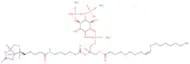
CAS:<p>Biotin is a coenzyme that plays an important role in the metabolism of fat and protein. Biotin is required for the synthesis of fatty acids and for the production of acetyl-coenzyme A from pyruvate. It also participates in gluconeogenesis, the conversion of pyruvate to glucose, and in cholesterol synthesis. Biotin deficiency may lead to skin rash, hair loss, impaired growth, or nerve degeneration. Biotin is a ligand for certain receptors such as the retinoic acid receptor and thyroid hormone receptor. In addition to its role as a ligand, biotin has been shown to act as an activator for some ion channels such as calcium channels.</p>Formula:C43H87N6O21P3SPurity:Min. 95%Molecular weight:1,149.16 g/molAZD4320
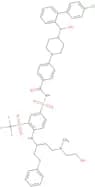
CAS:<p>AZD4320 is a molecule that binds to the CDK4/CDK6 complex, which controls the cell cycle. AZD4320 has been shown to induce apoptosis in cancer cells by triggering mitochondrial membrane depolarization and long-term treatment of chronic lymphocytic leukemia. AZD4320 also inhibits the proliferation of leukemic cells by binding to CDK4/CDK6. This agent has potential as an anti-leukemic drug because it can be used in combination with monoclonal antibodies and thrombocytopenia drugs.</p>Formula:C45H48ClF3N4O7S3Purity:Min. 95%Molecular weight:945.5 g/molDovitinib Lactate
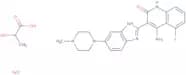
CAS:<p>Receptor tyrosine kinase inhibitor; anti-angiogenesis; anti-oncogenesis</p>Formula:C21H21FN6O·C3H6O3·H2OPurity:Min. 95%Color and Shape:Light (Or Pale) Yellow To Brown SolidMolecular weight:500.52 g/molSAR 405838
CAS:<p>HDM2 antagonist; inhibits interaction between MDM2 and p53</p>Formula:C29H34Cl2FN3O3Purity:Min. 95%Color and Shape:White To Yellow SolidMolecular weight:562.5 g/molPF 06260933 dihydrochloride
CAS:<p>PF 06260933 is a small-molecule that induces apoptosis in glioma cells by targeting mitogen-activated protein kinase (MAPK) and inhibiting the tumor suppressor gene p53. PF 06260933 binds to and inhibits MAPK, preventing the activation of downstream signaling proteins. PF 06260933 activates a process called large-scale genomic reorganization, which leads to cancer cell death. It is being investigated for the treatment of glioblastoma and other brain tumors. The drug has been shown to be effective in patients with malignant gliomas who have progressed on standard therapies.</p>Formula:C16H15Cl3N4Purity:Min. 95%Molecular weight:369.7 g/molBAY-474
CAS:<p>BAY-474 is a combination of two active compounds, vegfr and mapk inhibitors. It has been shown to be effective for the treatment of bladder cancer in vitro and in vivo. BAY-474 is administered intraperitoneally for prophylaxis purposes. BAY-474 may also be used for the treatment of other types of cancers that have a high incidence of vascular endothelial growth factor (VEGF) expression, such as nasal cancer. The drug is solvated with an organic solvent, which may help to stabilize the drug's activity and improve its pharmacokinetics.</p>Formula:C17H15N5Purity:Min. 95%Molecular weight:289.33 g/molDestruxin B2
CAS:<p>Destruxin B2 is a peptide that belongs to the group of activators. It has been shown to bind to the receptor and activate ion channels, which leads to an increase in calcium ions. Destruxin B2 has also been shown to inhibit the binding of ligands with receptors, such as antibodies. This product is used as a research tool for cell biology and cell signaling studies. It is also used as an inhibitor for high purity research compounds.</p>Formula:C29H49N5O7Purity:Min. 95%Molecular weight:579.7 g/mol2-Amino-5-[(1-methoxy-2-methylindolizin-3-yl)carbonyl]benzoic acid
CAS:<p>2-Amino-5-[(1-methoxy-2-methylindolizin-3-yl)carbonyl]benzoic acid is a sophisticated organic compound, typically synthesized for scientific research purposes. It is derived through multi-step chemical processes that integrate functional groups to achieve its specific structure. This compound functions by interacting with biological targets at the molecular level, potentially influencing biochemical pathways and signaling mechanisms.</p>Formula:C18H16N2O4Purity:Min. 95%Molecular weight:324.3 g/mol3-[[3-[2-(7-Chloroquinolin-2-yl)ethenyl]phenyl]-[3-(dimethylamino)-3-oxopropyl]sulfanylmethyl]sulfanylpropanoic acid
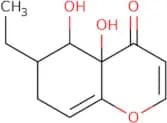
CAS:<p>3-[[3-[2-(7-Chloroquinolin-2-yl)ethenyl]phenyl]-[3-(dimethylamino)-3-oxopropyl]sulfanylmethyl]sulfanylpropanoic acid is a naturally occurring fatty acid that has been shown to have immunomodulatory effects in experimental models. This compound inhibits the leukotriene receptor, which may be due to its ability to bind to it and prevent the release of inflammatory mediators, such as prostaglandins. 3-[2-(7-Chloroquinolin-2-yl)ethenyl]phenol has been shown to inhibit prostaglandin synthesis in rat liver microsomes at concentrations of 1 µM or higher. 3-[2-(7-Chloroquinolin-2-yl)ethenyl]phenol also exhibits antiinflammatory properties in experimental models by inhibiting the production of TNFα and IL</p>Formula:C26H27ClN2O3S2Purity:Min. 95%Molecular weight:515.1 g/molAgistatin D
CAS:<p>Agistatin D is a metabolite of the fungus Penicillium agaricoides. It has been shown to have antimicrobial activity against Gram-negative bacteria such as Escherichia coli and Pseudomonas aeruginosa, as well as some Gram-positive bacteria such as Staphylococcus aureus. Agistatin D's antimicrobial activity is due in part to its ability to inhibit the growth of target organisms through inhibition of protein synthesis by binding to ribosomes. This compound also inhibits the production of certain secondary metabolites (e.g., indole-3-acetic acid) that are often associated with plant pathogenicity. The organic solvent used in this study was methanol, which was evaporated before extraction and analysis.</p>Formula:C11H14O4Purity:Min. 95%Molecular weight:210.23 g/molNvp-aew541 hydrochloride
CAS:<p>Please enquire for more information about Nvp-aew541 hydrochloride including the price, delivery time and more detailed product information at the technical inquiry form on this page</p>Formula:C27H31Cl2N5OPurity:Min. 95%Molecular weight:512.5 g/molTubacin
CAS:<p>Tubacin is a natural compound that has been found to inhibit the histone deacetylase (HDAC) enzyme. Tubacin has shown significant cytotoxicity against cancer cells and other cells in vitro. It inhibits HDAC and prevents the acetylation of histones, which are proteins that package DNA strands into chromosomes. This inhibition leads to increased gene expression and cell death. Tubacin is not toxic to normal cells, but it does cause oxidative injury to neurons.</p>Formula:C41H43N3O7SPurity:Min. 95%Molecular weight:721.9 g/molT 3775440 hydrochloride
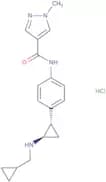
CAS:<p>Lysine-specific inhibitor of histone demethylase (LSD1)</p>Formula:C18H23ClN4OPurity:Min. 95%Molecular weight:346.85 g/molFmoc-Trp-Rink-Amide MBHA Resin
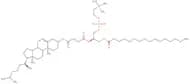
<p>Please enquire for more information about Fmoc-Trp-Rink-Amide MBHA Resin including the price, delivery time and more detailed product information at the technical inquiry form on this page</p>Purity:Min. 95%1-Palmitoyl-2-cholesterylhemisuccinoyl-sn-glycero-3-phosphocholine
CAS:<p>1-Palmitoyl-2-cholesterylhemisuccinoyl-sn-glycero-3-phosphocholine (1PCH) is a water soluble drug that has been developed for the diagnosis of tuberculosis. It is an antigen specific and chemically structured monolayer activated life-threatening diagnostic agent. The 1PCH monolayer is made up of a lipid membrane that has been solubilized in water to allow it to be used as a diagnostic agent. This drug can be used with mycolic acid or oxysterols to produce a high value reading. 1PCH is also an analog for cholesterol, which allows it to bind to the surface of cells and activate them in order to diagnose tuberculosis.</p>Formula:C55H98NO10PPurity:Min. 95%Molecular weight:964.34 g/mol2-[(4,5-Dihydro-2-thiazolyl)thio]-1-(3,4-dihydroxyphenyl)-ethanone hydrobromide
CAS:<p>2-[(4,5-Dihydro-2-thiazolyl)thio]-1-(3,4-dihydroxyphenyl)-ethanone hydrobromide is a potent inhibitor of protein interactions and activator of ligands. It is used as a research tool for studying peptides and cell biology. 2-[(4,5-Dihydro-2-thiazolyl)thio]-1-(3,4-dihydroxyphenyl)-ethanone hydrobromide can be synthesized from commercially available starting materials in high purity. This agent has been shown to interact with ion channels and act as an antagonist of the alpha 1A receptor.</p>Formula:C11H12BrNO3S2Purity:Min. 95%Molecular weight:350.3 g/molNSC 5844
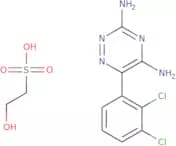
CAS:<p>NSC 5844 is a therapeutic inhibitor of angiogenesis. It inhibits the growth of new blood vessels that are required for tumors to grow and spread. NSC 5844 has been shown to inhibit the proliferation of endothelial cells in vitro and in vivo, and this activity is mediated through inhibition of vascular endothelial growth factor (VEGF) receptor tyrosine kinase. This drug also blocks tumor growth in animal models by inhibiting angiogenesis.</p>Formula:C20H16Cl2N4Purity:Min. 95%Molecular weight:383.27 g/molLamotrigine isethionate
CAS:Controlled Product<p>Lamotrigine isethionate is a drug that belongs to the class of psychostimulants. It is used in the treatment of bowel disease, such as inflammatory bowel disease, and epilepsy. Lamotrigine inhibits the mapk activity, which may lead to reduced locomotor activity. It also has potent inhibition on protonation reactions involving carbamazepine and lacosamide. Lamotrigine has been shown to be effective in clinical trials for the treatment of radiation-induced nausea and vomiting. This drug also has a potent inhibitory effect on the dihedral angle of triazine compounds, including chlorpromazine, promazine, and promethazine.</p>Formula:C11H13Cl2N5O4SPurity:Min. 95%Molecular weight:382.22 g/molAst2818 mesylate
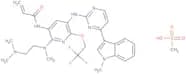
CAS:<p>Ast2818 mesylate is a small-molecule, orally active, selective factor receptor tyrosine kinase inhibitor that targets the epidermal growth factor receptor (EGFR) and its downstream signaling proteins. Ast2818 mesylate binds to the EGFR at a site distinct from the ATP binding site and prevents phosphorylation by protein tyrosine kinases. It inhibits cell proliferation by blocking the activation of downstream signaling proteins such as Ras, Raf, and Akt. The compound has been evaluated in preclinical studies for potential use as an antineoplastic agent in lung cancer. In these studies, Ast2818 mesylate inhibited tumor growth in mouse models of lung cancer. Further analysis showed that this effect was due to inhibition of epidermal growth factor receptor-mediated signaling pathways involved in cell proliferation and tumorigenesis.</p>Formula:C29H35F3N8O5SPurity:Min. 95%Molecular weight:664.7 g/molIL 1 β Mouse
<p>IL1-beta is a pro-inflammatory cytokine that belongs to the Interleukin family. It is expressed in response to inflammation, trauma, and infection and can be found in many tissues of the body. IL1-beta has been shown to have a wide variety of effects on the body including regulating cell growth and differentiation. IL1-beta has also been shown to bind with high affinity to specific receptors that are known as type I interleukins. These receptors are able to activate other cells such as T cells and macrophages, which produce more inflammatory cytokines such as tumor necrosis factor alpha (TNFα) and interferon gamma (IFNγ).<br>IL1-beta Mouse is a mouse monoclonal antibody that binds specifically with IL1-beta. This antibody can be used for immunohistochemistry or Western blotting experiments. It can also be used for blocking studies using an ELISA assay or RIA assay.</p>Purity:Min. 95%ATIII Light Tryptic Peptide Standard (4nmol)
<p>Antithrombin III light tryptic peptide standard for protein identification and quantitation studies. Antithrombin III is a glycoprotein found in blood plasma and is involved in the regulation of the coagulation process.</p>Purity:Min. 95%THK5351
CAS:<p>THK5351 is a high-affinity ligand for amyloid beta precursor protein (APP) and is used in positron emission tomography (PET) scans to diagnose Alzheimer's disease. It is a peptide that binds to the acid complex of APP, which is thought to be associated with the reactive form of the protein. THK5351 has been shown to bind specifically to the pathological form of APP, but not to normal APP. THK5351 has been shown in clinical studies to have an uptake in the brain's ganglia and cerebral cortex, areas associated with Alzheimer's disease pathology. Molecular modeling studies have shown that THK5351 binds to APP by binding at a site between two amino acids known as K16 and K17. This binding prevents formation of an amyloid beta peptide that can aggregate into plaques.</p>Formula:C18H18FN3O2Purity:Min. 95%Molecular weight:327.4 g/molUmibecestat
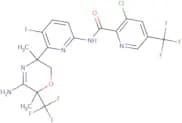
CAS:<p>Umibecestat is a monoclonal antibody that binds to am-6494, an absorber of serotonin. It has been shown to have therapeutic effects on hyperproliferative diseases such as cancer and inflammatory bowel disease. Umibecestat is a potent inhibitor of the serotonin reuptake transporter and exhibits anti-inflammatory properties by inhibiting the production of proinflammatory cytokines. It also inhibits metabolic disorders such as diabetes mellitus type 2 and obesity. Umibecestat has been shown to be safe in Phase 2 clinical trials for patients with IBD.</p>Formula:C19H15ClF7N5O2Purity:Min. 95%Molecular weight:513.8 g/molCP-775146
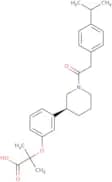
CAS:<p>CP-775146 is a molecule that has been shown to have pharmacological effects on the body. It is currently being researched as a potential treatment for cancer and metabolic disorders such as obesity and diabetes. CP-775146 binds to the beta-3 adrenergic receptor, which regulates blood pressure and insulin sensitivity. This binding increases the production of cyclic AMP, leading to increased thermogenesis in adipose tissue, increased lipolysis and decreased triglyceride lipase activity. CP-775146 also blocks fatty acid synthesis in cancer cells by inhibiting cytochrome P450 enzymes (Cyp1a2, Cyp2b6, Cyp2c8), which are involved in the conversion of arachidonic acid into prostaglandins.</p>Formula:C26H33NO4Purity:Min. 95%Molecular weight:423.54 g/molAnti Urocortin (3-40) Serum
<p>Anti Urocortin (3-40) Serum is a peptide that can be used as a research tool to activate ion channels and ligand receptors. This product is a high purity, lyophilized serum that can be reconstituted with water. Anti Urocortin (3-40) Serum has been shown to inhibit protein interactions in the cell biology and pharmacology fields. The CAS number for this product is 103425-75-4.</p>Purity:Min. 95%6-(3,4-Dimethoxyphenyl)-3-(2-thienyl)[1,2,4]triazolo[3,4-b][1,3,4]thiadiazole
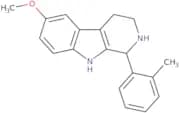
CAS:<p>6-(3,4-Dimethoxyphenyl)-3-(2-thienyl)[1,2,4]triazolo[3,4-b][1,3,4]thiadiazole is a potent and selective inhibitor of the protein kinase C (PKC) family. This compound has been shown to inhibit PKC in human neutrophils and mammalian cells. 6-(3,4-Dimethoxyphenyl)-3-(2-thienyl)[1,2,4]triazolo[3,4-b][1,3,4]thiadiazole is used as a research tool for studying the function of PKC and for developing new drugs that target this protein.</p>Formula:C15H12N4O2S2Purity:Min. 95%Molecular weight:344.4 g/molPheleuin
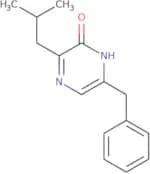
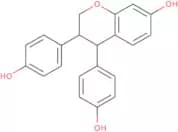
CAS:<p>Pheleuin is a ligand that binds to ion channels and receptor proteins. It is used as a research tool in pharmacology and cell biology to study protein interactions, as well as for the identification of new peptide drugs. Pheleuin is also an inhibitor of ion channels, which can be used in the treatment of various diseases, including Alzheimer's disease. Pheleuin has a CAS number of 169195-23-7 and can be purities up to 99%.</p>Formula:C15H18N2OPurity:Min. 95%Molecular weight:242.3 g/mol4,4'-(7-Hydroxychroman-3,4-diyl)diphenol
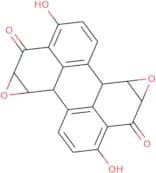
CAS:<p>4,4'-(7-Hydroxychroman-3,4-diyl)diphenol (DHP) is a synthetic small molecule that is being studied for its anticancer activity. DHP has been shown to inhibit mitochondrial membrane potential, which is essential for tumor cell proliferation and metastasis. DHP has also been shown to have toxicities in vivo, including increased levels of liver enzymes in mice. This drug has been used as a probe for the study of β-catenin signaling, and it has been shown to inhibit cancer cells with high levels of β-catenin. It also inhibits tumor growth in mice by inhibiting the initiation phase of mitosis. In addition, DHP may be able to reduce the risk of escalation from colon cancer to metastatic colorectal cancer by targeting mitochondria. There are currently no clinical trials using this drug as an anti-cancer therapy. However, there are some data suggesting that this drug may be promising</p>Formula:C21H18O4Purity:Min. 95%Molecular weight:334.4 g/molAltertoxin III
CAS:<p>Altertoxin III is a potent inhibitor of protein kinases that has shown promising results in the treatment of cancer. It is an analog of the natural compound Altertoxin, which was isolated from Chinese medicinal herbs. Altertoxin III has been shown to inhibit cyclin-dependent kinases (CDKs) and induce apoptosis in cancer cells. This inhibitor has also demonstrated anti-tumor activity in animal models, making it a promising candidate for further development as an anticancer agent. Additionally, Altertoxin III can be detected in human urine and may serve as a useful biomarker for monitoring cancer progression and response to therapy.</p>Formula:C20H12O6Purity:Min. 95%Molecular weight:348.3 g/molTENOVIN-5
CAS:<p>TENOVIN-5 is a peptide inhibitor of the P2X7 receptor. It is a high purity, stable, and water insoluble compound that can be used as a research tool to study protein interactions, ligand binding and activation of the P2X7 receptor. TENOVIN-5 has been shown to bind to the extracellular domain of the P2X7 receptor and inhibit its function. TENOVIN-5 also activates the P2Y1 receptor in a dose-dependent manner.</p>Formula:C25H25N3O2SPurity:Min. 95%Molecular weight:431.6 g/molDrainh-A250
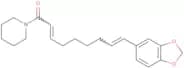
CAS:<p>Drainh-A250 is a synthetic compound that is used to treat cancer. It has the ability to regulate the expression of genes in cancer cells, which may be due to its ability to inhibit adenoma growth and induce apoptosis in caco-2 cells. Drainh-A250 is also an electroneutral compound, meaning it does not have any net electrical charge. It is forskolin-sensitive and apically secreted, which means it is active in the human small intestine. This drug binds to the 3′ and 5′ regulatory region of DNA and inhibits the production of cyclic 3′,5′-phosphate monophosphate (cAMP), which regulates cell proliferation and differentiation.</p>Formula:C20H17BrO5Purity:Min. 95%Molecular weight:417.2 g/molPipernonaline
CAS:<p>Pipernonaline is a bioactive phytochemical that has been shown to inhibit the growth of prostate cancer cells by mitochondrial membrane depolarization. It also inhibits the production of growth factors and cytokines, which may be due to its ability to inhibit the activity of tyrosinase and protein kinase C. Pipernonaline has potent inhibitory activity against infectious diseases such as pneumonia, bronchitis, tuberculosis, and leprosy. It also shows potent inhibitory activity against chronic inflammatory diseases including thp-1 cells and asthma. The mechanism of action for pipernonaline is through cation channel opening leading to an influx of calcium ions into the cell.</p>Formula:C21H27NO3Purity:Min. 95%Molecular weight:341.4 g/molsAJM589
CAS:<p>sAJM589 is a bifunctional molecule that contains an active methylene group and a photophysical group. In the presence of acid, its fluorescence is enhanced, which may lead to skin cancer. Specifically, sAJM589 has been shown to be cytotoxic in both cancer cells and normal cells. It also induces apoptosis in cancer cells by inhibiting DNA synthesis, protein synthesis, and cell proliferation. The functional theory of this molecule is not yet clear but it may be related to the metal ion binding properties of the molecule.</p>Formula:C16H10N2OPurity:Min. 95%Molecular weight:246.26 g/mol2-(4-Aminophenyl)-6-methoxybenzothiazole
CAS:<p>2-(4-Aminophenyl)-6-methoxybenzothiazole is a drug that is used for the diagnosis of Alzheimer's disease. It is also used to study the amyloid protein, which accumulates in the brain and forms plaques. The drug binds to apolipoprotein E (ApoE) and amyloid β (Aβ) and provides an imaging technique for alzheimer 's disease. This drug is useful in diagnosing familial Alzheimer's disease because it can distinguish between heterozygotes and homozygotes.</p>Formula:C14H12N2OSPurity:Min. 95%Molecular weight:256.32 g/mol3-Fluoro-afatinib
CAS:<p>3-Fluoro-afatinib is a potent anticancer drug that belongs to the class of kinase inhibitors. It is an analog of afatinib, which is used in the treatment of various types of cancer. 3-Fluoro-afatinib has been shown to inhibit the activity of certain protein kinases that are involved in tumor growth and proliferation. This drug induces apoptosis in human cancer cells by inhibiting the phosphorylation of specific proteins that are essential for cell survival. 3-Fluoro-afatinib has been used as a medicinal agent in China for its potent anticancer properties. It is excreted primarily through urine and has demonstrated promising results in preclinical studies as a potential therapy for various types of cancer.</p>Formula:C24H25F2N5O3Purity:Min. 95%Molecular weight:469.5 g/molSB-200646A
CAS:<p>SB-200646A is a drug that has been shown to have selective affinity for the 5-HT2 receptor subtype. It has been shown to bind to this receptor in vivo and inhibit the binding of serotonin, which is known for its ability to stimulate dopamine release. SB-200646A has also been shown to have synergistic effects with other drugs that have dopamine antagonist properties. The drug has not been tested on humans, but it has been used in experimental models and in vivo models.</p>Formula:C15H15ClN4OPurity:Min. 95%Molecular weight:302.76 g/molL-α-Phosphatidylinositol, from soy bean, 50%
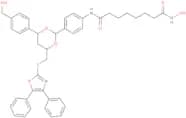
CAS:<p>L-a-Phosphatidylinositol is a phospholipid that is found in the membranes of cells. It is also a precursor to many other important molecules, including platelet-derived growth factor (PDGF), which are involved in different cellular processes. L-a-Phosphatidylinositol has been shown to inhibit the growth of renal cell cancer cells and may be useful for the treatment of cancer. L-a-Phosphatidylinositol has been shown to be an effective inhibitor of influenza virus emissions and may be used as a prophylactic treatment for those who are at high risk for infection. This compound has also been linked with increased risk for renal cell cancer, although it is unclear whether this association is causal or not.</p>Purity:Min. 50 Area-%Color and Shape:PowderN1-Hydroxy-N8-[4-[4-[(1-oxo-5-hexyn-1-yl)amino]benzoyl]phenyl]-octanediamide
CAS:<p>N1-Hydroxy-N8-[4-[4-[(1-oxo-5-hexyn-1-yl)amino]benzoyl]phenyl]-octanediamide is a molecule with chemical structure of a benzamide. It has been shown to have inhibitory properties against histone deacetylase (HDAC), an enzyme that regulates gene expression by removing acetyl groups from the lysine residues in histones. The compound was found to be an estrogen receptor modulator and inhibits the growth of cancer cells in culture. In rat cardiomyocytes, it increased contractility and inhibited calcium uptake. N1-Hydroxy-N8-[4-[4-[(1-oxo-5-hexyn-1-yl)amino]benzoyl]phenyl]-octanediamide binds to the protein target HDAC2, which is associated with breast cancer progression, highlighting its potential as a therapeutic drug for</p>Formula:C27H31N3O5Purity:Min. 95%Molecular weight:477.6 g/molN-Palmitoyl(d9) D-erythro-sphingosine
CAS:Controlled Product<p>N-Palmitoyl(d9) D-erythro-sphingosine is a fatty acid that is used as a research tool for receptor and ligand binding assays. This product is also used in Cell Biology to study protein interactions and in Pharmacology as an inhibitor of ion channels. In the Life Science industry, it is used to study the effects of membrane fluidity on ion channel activity. N-Palmitoyl(d9) D-erythro-sphingosine has been shown to activate G protein coupled receptors and inhibit K+ channels in human cells. It also binds with high affinity to antibodies raised against peptides containing palmitic acid residues.</p>Formula:C34H58D9NO3Purity:Min. 95%Molecular weight:546.96 g/molK-252D
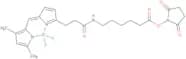
CAS:<p>K-252D is a potent and selective antagonist of the voltage-gated potassium channel Kv2.1. It acts as an inhibitor of potassium ion channels and is used in research for studying the function of voltage-gated potassium channels.</p>Formula:C26H23N3O5Purity:Min. 95%Molecular weight:457.50 g/mol3-Bodipy-propanoylaminocaproic acid N-hydroxysuccinimide ester
CAS:<p>Fluorescent dye for labeling amines</p>Formula:C24H29BF2N4O5Purity:Min. 95%Color and Shape:Red solid.Molecular weight:502.32 g/molAbt 239 tartrate
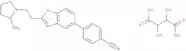
CAS:<p>Abt 239 tartrate is a peptide that inhibits protein interactions. It is used as a research tool and an antibody in the study of ion channels and receptor function. Abt 239 tartrate has a molecular weight of 6,788.50 Da, an empirical formula of C22H30N6O8, and a chemical structure that includes one L-amino acid residue, one D-amino acid residue, and two ester groups. Abt 239 tartrate is soluble in water at concentrations up to 10 mg/mL with slight turbidity. In order to avoid precipitation or discoloration, it should be dissolved in water at pH 8 or higher. The CAS Number for this compound is 460748-71-4.</p>Formula:C26H28N2O7Purity:Min. 95%Molecular weight:480.5 g/molTAK-828F
CAS:<p>TAK-828F is a monoclonal antibody that targets IL-17A. IL-17A is an inflammatory cytokine that has been shown to play a role in the development of autoimmune diseases and bowel disease. TAK-828F binds to IL-17A with high affinity and specificity, inhibiting its inflammatory effects on the immune system. TAK-828F was studied in clinical trials for use in the treatment of Crohn's disease, ulcerative colitis, and psoriasis. The drug was successful in treating Crohn's disease and psoriasis but not ulcerative colitis. TAK-828F is currently being developed for use as a treatment for inflammatory bowel disease and other autoimmune diseases.</p>Formula:C28H32FN3O5Purity:Min. 95%Molecular weight:509.6 g/molOAC-1
CAS:<p>Activates Oct-4 transcription factor; enhances iPSCs reprogramming</p>Formula:C14H11N3OPurity:Min. 95%Molecular weight:237.26 g/mol1-Heptanoyl-2-hydroxy-sn-glycero-3-phosphocholine
CAS:<p>1-Heptanoyl-2-hydroxy-sn-glycero-3-phosphocholine is a phospholipid compound that has been extensively studied in various experiments involving peroxisomes and human cells. It is known to enhance the activity of luciferases when used as a substrate in luciferase assays. Additionally, this compound has shown potential in promoting particle formation and increasing the expression of specific genes, such as those involved in salvianolic acid biosynthesis. Furthermore, 1-Heptanoyl-2-hydroxy-sn-glycero-3-phosphocholine has been found to have an impact on fructan metabolism and may play a role in regulating erythropoietin production. This versatile research chemical offers exciting possibilities for further exploration in various scientific fields.</p>Formula:C15H32NO7PPurity:Min. 95%Molecular weight:369.39 g/molTASP0415914
CAS:<p>TASP0415914 is a molecule that inhibits the activity of matrix metalloproteinases (MMPs) and is used for the treatment of osteoarthritis. TASP0415914 binds to collagen in cartilage, inhibiting the release of MMP-3 and MMP-13. TASP0415914 has been shown to have an inhibitory effect on autoimmune diseases in mice, such as rheumatoid arthritis. This drug also has a protective effect against cancer, although it does not affect tumor size. TASP0415914 also has pharmacokinetic properties that suggest it can be used as an oral drug.</p>Formula:C13H17N5O3SPurity:Min. 95%Molecular weight:323.37 g/molGodic
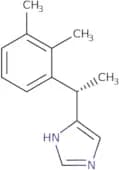
CAS:<p>Please enquire for more information about Godic including the price, delivery time and more detailed product information at the technical inquiry form on this page</p>Formula:C14H26N6O4Purity:Min. 95%Molecular weight:342.39 g/molDexmedetomidine
CAS:Controlled Product<p>α2-adrenoceptor agonist; analgesic; sedative; anxiolytic</p>Formula:C13H16N2Purity:Min. 95%Molecular weight:200.28 g/mol2-(3-Hydroxy-2-(3-hydroxypicolinamido)phenyl)benzo[D]oxazole-4-carboxylic acid
CAS:<p>Tetraacetyl-2-(3-hydroxy-2-(3-hydroxypicolinamido)phenyl)benzo[D]oxazole-4-carboxylic acid is an antibacterial agent that inhibits the biosynthesis of 3-hydroxyanthranilic acid, a precursor to coryneform and leishmanial quinolones. Tetraacetyl-2-(3-hydroxy-2-(3-hydroxypicolinamido)phenyl)benzo[D]oxazole-4-carboxylic acid also inhibits the growth of Streptococcus species, Staphylococcus species, and Leishmania major. Tetraacetyl 2-(3-hydroxy-2-(3-hydroxypicolinamido)phenyl)benzo[D]oxazole 4 carboxylic acid has been shown to be active against C16 cells in vitro</p>Formula:C20H13N3O6Purity:Min. 95%Molecular weight:391.3 g/molDechloroloxapine phosphate
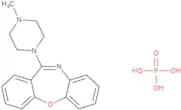
CAS:Controlled Product<p>Dechloroloxapine phosphate is a peptide that belongs to the class of protein ligands. It is an inhibitor of the muscarinic acetylcholine receptors and has been used as a research tool in cell biology, pharmacology, and life science. Dechloroloxapine phosphate binds to the receptor site on ion channels, thereby blocking their ability to open and close, inhibiting electrical current flow across the membrane. This peptide also interacts with antibodies and has been used as a reagent for immunological assays. Dechloroloxapine phosphate has a CAS number of 2058-53-9 and is made from pure material without any contaminants.</p>Formula:C18H22N3O5PPurity:Min. 95%Molecular weight:391.4 g/molNirogacestat
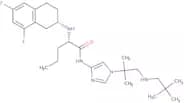
CAS:<p>Nirogacestat is a secretase inhibitor that binds to the catalytic site of the enzyme, thereby preventing the cleavage of amyloid beta-protein into its toxic fragments. It has been shown to be effective in treating infectious diseases such as HIV infection, and also has anti-inflammatory properties. Nirogacestat also exhibits antitumor response in solid tumor models. Nirogacestat inhibits endothelial cell growth by blocking the release of angiogenic factors such as epidermal growth factor and VEGF. This drug also has an effect on body mass index and may have antiangiogenic properties.</p>Formula:C27H41F2N5OPurity:Min. 95%Molecular weight:489.64 g/molN-Desacetyl O4-desmethyl O3-desethyl apremilast
CAS:<p>Apremilast is a research tool that can be used to study the role of certain ion channels in cell biology. It can also be used as a ligand in receptor binding studies. Apremilast has been shown to have an inhibitory effect on ion channels, and it is also known to interact with proteins and peptides. This drug is not yet approved for use in humans, but it has been shown to be effective for the treatment of psoriatic arthritis.</p>Formula:C17H16N2O6SPurity:Min. 95%Molecular weight:376.40 g/molPhe-Met-Arg-Phe amide trifluoroacetate
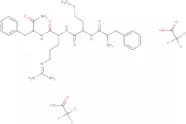
CAS:<p>Phe-Met-Arg-Phe amide trifluoroacetate is a high purity Receptor, Ligand, Activator that is used in research tool as a Cell Biology and Ion channels. It has CAS No. 159237-99-7, which makes it an Antibody, inhibitor of Protein interactions.</p>Formula:C33H44F6N8O8SPurity:Min. 95%Molecular weight:826.8 g/mol




![3-(1-Benzyl-1H-imidazol-4-yl)-2(S)-[(6-benzyloxy-5-methoxy-1H-indole-2-carbonyl)-amino]-propionic …](/_next/image/?url=https%3A%2Fstatic.cymitquimica.com%2Fproducts%2F3D%2Fthumb-webp%2FYNC42476.webp&w=3840&q=75)



![(E)-N-(5-Bromo-2-methoxyphenyl)sulfonyl-3-[5-chloro-2-(naphthalen-2-ylmethyl)phenyl]prop-2-enamide](/_next/image/?url=https%3A%2Fstatic.cymitquimica.com%2Fproducts%2F3D%2Fthumb-webp%2FUJA10103.webp&w=3840&q=75)




![2-Amino-5-[(1-methoxy-2-methylindolizin-3-yl)carbonyl]benzoic acid](/_next/image/?url=https%3A%2Fstatic.cymitquimica.com%2Fproducts%2F3D%2Fthumb-webp%2FYIB46313.webp&w=3840&q=75)
![3-[[3-[2-(7-Chloroquinolin-2-yl)ethenyl]phenyl]-[3-(dimethylamino)-3-oxopropyl]sulfanylmethyl]sulf…](/_next/image/?url=https%3A%2Fstatic.cymitquimica.com%2Fproducts%2F3D%2Fthumb-webp%2FKFA02815.webp&w=3840&q=75)
![2-[(4,5-Dihydro-2-thiazolyl)thio]-1-(3,4-dihydroxyphenyl)-ethanone hydrobromide](/_next/image/?url=https%3A%2Fstatic.cymitquimica.com%2Fproducts%2F3D%2Fthumb-webp%2FKRB87501.webp&w=3840&q=75)


![6-(3,4-Dimethoxyphenyl)-3-(2-thienyl)[1,2,4]triazolo[3,4-b][1,3,4]thiadiazole](/_next/image/?url=https%3A%2Fstatic.cymitquimica.com%2Fproducts%2F3D%2Fthumb-webp%2FDPA28772.webp&w=3840&q=75)




![N1-Hydroxy-N8-[4-[4-[(1-oxo-5-hexyn-1-yl)amino]benzoyl]phenyl]-octanediamide](/_next/image/?url=https%3A%2Fstatic.cymitquimica.com%2Fproducts%2F3D%2Fthumb-webp%2FFMB77288.webp&w=3840&q=75)

![2-(3-Hydroxy-2-(3-hydroxypicolinamido)phenyl)benzo[D]oxazole-4-carboxylic acid](/_next/image/?url=https%3A%2Fstatic.cymitquimica.com%2Fproducts%2F3D%2Fthumb-webp%2FFDA14845.webp&w=3840&q=75)