Biochemicals and Reagents
Biochemicals and reagents are fundamental substances for research and development in fields such as biotechnology, molecular biology, pharmacology, and medicine. These products are essential for a variety of applications, including compound synthesis, biological sample analysis, metabolic process research, and drug production. At CymitQuimica, we offer a wide selection of high-quality, high-purity biochemicals and reagents suitable for various scientific and industrial needs. Our catalog includes enzymes, antibodies, nucleic acids, amino acids, and many other products, all designed to support researchers and professionals in their research and development projects, ensuring reliable and reproducible results.
Subcategories of "Biochemicals and Reagents"
- Biomolecules(99,085 products)
- By Biological Target(99,070 products)
- By Pharmacological Effects(6,784 products)
- Cryopreservatives(21 products)
- Desinfectants and Related Compounds(28 products)
- Hormones(346 products)
- Plant Biology(6,693 products)
- Secondary Metabolites(14,217 products)
Found 130575 products of "Biochemicals and Reagents"
Sort by
Purity (%)
0
100
|
0
|
50
|
90
|
95
|
100
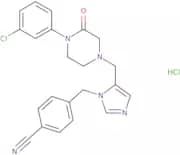
L 778123
CAS:<p>Inhibitor of farnesyltransferase and geranylgeranyltransferase 1</p>Formula:C22H20ClN5O·ClHPurity:Min. 95%Molecular weight:442.34 g/molResolvin d2-d5
CAS:<p>Please enquire for more information about Resolvin d2-d5 including the price, delivery time and more detailed product information at the technical inquiry form on this page</p>Formula:C22H32O5Purity:Min. 95%Molecular weight:381.5 g/mol3-Ethyl-5-(3-methyl-2(3H)-benzothiazolylidene)-2-(2-pyridinylmethylene)-4-thiazolidinone
CAS:<p>3-Ethyl-5-(3-methyl-2(3H)-benzothiazolylidene)-2-(2-pyridinylmethylene)-4-thiazolidinone is a ligand that binds to the acetylcholine receptor and inhibits the ion channel. It has been used as an experimental research tool in pharmacology, cell biology, and protein interactions. 3-Ethyl-5-(3-methyl-2(3H)-benzothiazolylidene)-2-(2-pyridinylmethylene)-4-thiazolidinone is sold for research purposes only.</p>Formula:C19H17N3OS2Purity:Min. 95%Molecular weight:367.49 g/mol4-o-Methylfisetin-d3
CAS:<p>4-o-Methylfisetin-d3 is an analog of the flavonoid fisetin that has shown potent anticancer properties. It is a kinase inhibitor that targets several kinases involved in cancer cell growth and survival. Studies have shown that 4-o-Methylfisetin-d3 inhibits the activity of tolvaptan, a drug used to treat polycystic kidney disease, by blocking its binding to specific proteins. This compound induces apoptosis (programmed cell death) in human cancer cells and has been shown to inhibit tumor growth in animal models. Additionally, 4-o-Methylfisetin-d3 has been found in urine samples from Chinese individuals and may have potential as a biomarker for cancer diagnosis and treatment. Overall, this inhibitor shows promising potential for the development of new anticancer therapies.</p>Formula:C16H12O6Purity:Min. 95%Molecular weight:300.26 g/molKPLH1130
CAS:<p>KPLH1130 is an analog of a protein kinase inhibitor that has shown promising results as an anticancer agent. It induces apoptosis in cancer cells by inhibiting the activity of protein kinases, which are enzymes involved in cell signaling pathways that regulate cell growth and division. KPLH1130 specifically targets Chinese hamster ovary cells and has been tested on human cancer cell lines with positive results. This potent inhibitor is derived from medicinal chemistry research on urine-derived inhibitors and shows promise as a potential tumor suppressor for various types of cancers. Its ability to target specific kinases makes it a valuable tool for cancer research and treatment.</p>Formula:C15H13N3O3Purity:Min. 95%Molecular weight:283.28 g/molAminoacrylic acid
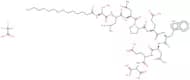
CAS:<p>Aminoacrylic acid is an anticancer agent that inhibits the growth of tumors by blocking the action of certain proteins. It has been shown to be effective against leukemia and other types of cancer cells. Aminoacrylic acid is a medicinal compound that acts as a kinase inhibitor, which prevents the activation of cancer cell growth pathways. This compound induces apoptosis or programmed cell death, which leads to the elimination of cancer cells from the body. It has been isolated from Chinese urine and has been extensively studied for its potential therapeutic applications in cancer treatment. Aminoacrylic acid disrupts the cell cycle and has been shown to be a promising candidate for future chemotherapy research.</p>Formula:C3H5NO2Purity:Min. 95%Molecular weight:87.08 g/molPkcβii peptide inhibitor I trifluoroacetate salt
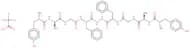
CAS:<p>Pkcβii peptide inhibitor I trifluoroacetate salt is a specific peptide inhibitor that targets the protein kinase C beta II (PKCβII) isoform. This inhibitor is commonly sourced from synthetic peptide libraries and is integrated with trifluoroacetate as a counterion to enhance stability and solubility. The mode of action involves the selective inhibition of PKCβII, interfering with its role in cellular signaling pathways. As PKCβII is implicated in the regulation of various cellular processes such as growth, differentiation, and apoptosis, the inhibitor is valuable for elucidating the mechanistic roles of this kinase in cellular physiology and pathophysiology.The Pkcβii peptide inhibitor I trifluoroacetate salt is primarily utilized in biochemical and cellular research to investigate the specific pathways mediated by PKCβII. Its applications extend to studies involving cancer research, diabetes, cardiovascular diseases, and other conditions where PKCβII's activity is a contributing factor. By enabling precise inhibition, researchers can dissect the isoform-specific effects and potentially tailor therapeutic strategies, thus advancing the understanding of PKCβII's function in health and disease.</p>Formula:C61H94N12O19·C2HF3O2Purity:(%) Min. 95%Molecular weight:1,299.47 g/mol3-Methoxy limaprost
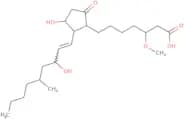
CAS:<p>3-Methoxy limaprost is a potent inhibitor of kinases, which are enzymes that play a critical role in regulating cellular processes such as protein synthesis and cell division. This inhibitor has been shown to be effective against cancer cells in vitro and in vivo. 3-Methoxy limaprost is an analog of limaprost, which is used as a medicinal drug to treat various diseases including cancer. This compound induces apoptosis (cell death) in human cancer cells by inhibiting the activity of kinases. It has also been found to inhibit the growth of tumors in Chinese hamsters and Balb/c mice. Additionally, 3-Methoxy limaprost has potential anticancer effects on urine-based cancers, suggesting its broad spectrum of anticancer activity.</p>Formula:C23H40O6Purity:Min. 95%Molecular weight:412.6 g/molBiphalin trifluoroacetate salt
CAS:<p>Biphalin trifluoroacetate salt is a research tool for the study of ion channels and ligand-receptor interactions. It is used in pharmacology to study the function of ion channels and ligand-receptor interactions. Biphalin trifluoroacetate salt also has a high purity, which makes it suitable for use in life science research. The biphalin molecule can be used as an activator or an antibody to activate certain receptors.</p>Formula:C46H56N10O10·C2HF3O2Purity:Min. 95%Rn 9893 hydrochloride
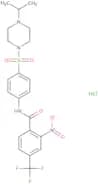
CAS:<p>Rn 9893 hydrochloride is an inhibitor that has shown promising results in the treatment of cancer. It works by targeting elastin, a protein that is highly expressed in cancer cells and plays a role in tumor growth and metastasis. Rn 9893 hydrochloride induces apoptosis, or programmed cell death, in cancer cells and has been found to be effective against various types of tumors. This medicinal compound acts as a kinase inhibitor, preventing the activation of proteins that are involved in cell cycle regulation and promoting cancer cell survival. Rn 9893 hydrochloride has been tested on Chinese hamster ovary cells and human urine samples with positive results, making it a potential candidate for future anticancer therapies.</p>Formula:C21H24ClF3N4O5SPurity:Min. 95%Molecular weight:537 g/mol1-(8Z-Pentadecenoyl)-rac-glycerol
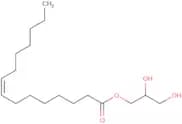
CAS:<p>1-(8Z-Pentadecenoyl)-rac-glycerol is an olefinic lipid that has a hydrophobic acyl chain. The 1-(8Z-pentadecenoyl) group is attached to the glycerol molecule through esterification. This lipid has been used to study the structural and functional effects of different acyl chains on lipids, as well as the effects of lipids on cellular morphology and function. It is also used in reconstituted systems to study lipid processing and its relationship with membrane function.</p>Formula:C18H34O4Purity:Min. 95%Molecular weight:314.46 g/molVU 0365114
CAS:<p>VU 0365114 is a novel compound that is synthesized to act as an allosteric modulator of the acetylcholine receptor. It has been shown to have antagonistic properties at the receptor subtype. VU 0365114 has been found to be active in knockout mice, and it was able to produce effects in the ventral tegmental area and substantia nigra. The drug was also able to increase phosphatidyl fumarate levels, which may be due to its ability to inhibit fumarate reductase activity.</p>Formula:C22H14F3NO3Purity:Min. 95%Molecular weight:397.35 g/molD-(-)-Amethopterin hydrate
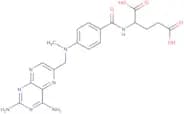
CAS:<p>D-(-)-Amethopterin hydrate is an analog of methotrexate, a chemotherapy drug used to treat cancer. It is a potent inhibitor of dihydrofolate reductase, an enzyme involved in the synthesis of DNA, RNA and proteins. D-(-)-Amethopterin hydrate has been shown to induce apoptosis in cancer cells by inhibiting the activity of kinases that regulate cell growth and survival. This drug has also demonstrated anti-tumor activity in human cancer cell lines and Chinese hamster ovary cells. Additionally, D-(-)-Amethopterin hydrate has been found to enhance the activity of rifampicin, an antibiotic used to treat tuberculosis. Its potential as a therapeutic agent for cancer treatment makes it a promising candidate for further research and development.</p>Formula:C20H22N8O5Purity:Min. 95%Molecular weight:454.4 g/molVER-246608
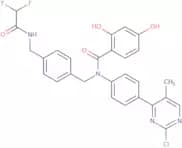
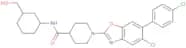
CAS:<p>VER-246608 is a fatty acid that inhibits aerobic glycolysis in cancer cells. It has been shown to inhibit the proliferation of lung cell lines and to induce apoptosis. VER-246608 also affects the mitochondrial membrane potential, which can lead to cell death. The pharmacokinetic properties of VER-246608 have been studied in a microenvironment model system and its effects on suppressor genes are being investigated as a prognostic factor for cancer patients.</p>Formula:C28H23ClF2N4O4Purity:Min. 95%Molecular weight:552.96 g/mol(2R)-1,1,1-Trifluoro-3-hydroxypropan-2-yl (1R,5S,6R)-6-[1-(4-fluorophenyl)-1H-pyrazol-3-yl]-3-azabicyclo[3.1.0]hexane-3-carboxylate
CAS:<p>The compound is a research tool that can be used in the fields of cell biology, pharmacology, and biochemistry. It has been shown to inhibit ion channels and receptor ligand interactions. The CAS number is 2075629-81-9 and the purity is high. The compound is not intended for therapeutic use.</p>Formula:C18H17F4N3O3Purity:Min. 95%Molecular weight:399.3 g/mol(E,E) Methyl farnesoate
CAS:<p>(E,E) Methyl farnesoate is a potent anticancer agent that has been shown to induce apoptosis in tumor cells. It acts as a kinase inhibitor, specifically targeting cyclin-dependent kinases, which are essential for cancer cell growth and division. This compound has been found to be effective against various types of cancer, including breast, prostate, and lung cancer. (E,E) Methyl farnesoate is an analog of a hormone found in insects and is not naturally present in humans. It can be detected in human urine after ingestion or exposure. Chinese researchers have identified this compound as a promising candidate for the development of new cancer therapies due to its potent anticancer activity and selectivity towards cancer cells.</p>Formula:C16H26O2Purity:Min. 95%Molecular weight:250.38 g/mol4,5-Bis(methoxymethoxy)-2-nitro-benzaldehyde
CAS:<p>Please enquire for more information about 4,5-Bis(methoxymethoxy)-2-nitro-benzaldehyde including the price, delivery time and more detailed product information at the technical inquiry form on this page</p>Formula:C11H13NO7Purity:Min. 95%Molecular weight:271.22 g/molJNJ 10191584 maleate salt
CAS:<p>JNJ 10191584 maleate salt is an anti-inflammatory agent that inhibits HDAC, a class of enzymes involved in regulating gene transcription. HDAC inhibitors have been shown to have beneficial effects in animal models of inflammatory bowel disease, muscle tissue injury, chronic cough, and allergic reactions. JNJ 10191584 maleate salt also has neurokinin-1 (NK1) receptor antagonist activity, which may be useful for the treatment of cancer and autoimmune diseases.</p>Formula:C13H15ClN4O·C4H4O4Purity:Min. 95%Molecular weight:394.81 g/molTaranabant racemate
CAS:<p>Taranabant is a potent and highly selective agonist of the cannabinoid receptor type 1. It binds to the CB1 receptor with high affinity and selectivity, and has been shown to inhibit weight gain in animals. Taranabant also reduces appetite, food intake, and body weight in obese patients. It has been approved for use in Europe under the trade name Acomplia.</p>Formula:C27H25ClF3N3O2Purity:Min. 95%Molecular weight:515.95 g/molAKI603
CAS:<p>AKI603 is a peptide that specifically inhibits the activity of protein kinase C. It has been shown to be an inhibitor of receptor tyrosine kinases and may be useful for the treatment of cancer. AKI603 is also a potential research tool for studying protein interactions, activator proteins, and ligands.</p>Formula:C19H23N9O2Purity:Min. 95%Molecular weight:409.4 g/molCis-clomiphene citrate
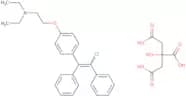
CAS:Controlled Product<p>Cis-clomiphene citrate is used for inducing ovulation, exhibiting both estrogenic agonist and antagonistic properties. It elevates the frequency of pulsatile GnRH, resulting in increased pituitary gonadotrophins and subsequent ovarian follicular activity. Cis-clomiphene citrate is a highly effective ovulation-inducing agent for women with oligo-ovulatory infertility, based on comparative studies. However, caution is advised due to the risks, including multiple pregnancies and a potential association with ovarian cancer.</p>Formula:C32H36ClNO8Purity:Min. 95%Molecular weight:598.1 g/molGSK 2837808A
CAS:<p>GSK 2837808A is a small molecule that inhibits mitochondrial respiration and ATP synthesis. It binds to the mitochondrial receptor, which is found on the outer membrane of mitochondria. GSK 2837808A has been shown to inhibit tumor growth in deficient mice and human cancer cells, due to its ability to induce apoptosis by activating caspase-1. Inhibition of mitochondrial respiration may also have an effect on cellular energy metabolism, as well as epithelial mesenchymal transition. GSK 2837808A has also been shown to inhibit glutamate dehydrogenase, which can lead to decreased production of neurotransmitters such as dopamine and serotonin. GSK 2837808A also inhibits aerobic glycolysis in cancer cells, leading to a decrease in glucose uptake.</p>Purity:Min. 95%RU 58841
CAS:<p>RU 58841 is a non-steroidal anti-androgen, which is a chemical compound sourced through synthetic processes in pharmaceutical laboratories. It functions by selectively binding to androgen receptors in the hair follicles, thereby inhibiting the action of androgens such as dihydrotestosterone (DHT). This mode of action prevents DHT from activating the receptor, which is a critical factor in the miniaturization of hair follicles.</p>Formula:C17H18F3N3O3Purity:Min. 95%Molecular weight:369.34 g/molIAXO-102
CAS:<p>IAXO-102 is a small molecule that is a potent inhibitor of the enzyme protein kinase C. It is believed to inhibit tumor growth by preventing the enzyme from activating tumor suppressor genes and promoting cell death. IAXO-102 has been shown to be active against human cancer cells in an experimental model, where it blocks the production of proteins that promote tumor growth. IAXO-102 also inhibits the activity of a protein called toll-like receptor, which plays a role in regulating inflammation.</p>Formula:C35H71NO5Purity:Min. 95%Molecular weight:585.94 g/molMS7972
CAS:<p>MS7972 is a ligand that binds to the Ligand-gated ion channels, which are protein channels that open and close in response to chemical signals. It is used as a research tool for studying the function of ion channels, including their interactions with other proteins, such as receptors. MS7972 has been shown to activate potassium channels and inhibit sodium channels. It also binds to the beta2-adrenergic receptor and inhibits adenylyl cyclase activity. MS7972 is highly pure and can be used as an antibody or peptide immobilizing agent.</p>Formula:C14H13NO2Purity:Min. 95%Molecular weight:227.26 g/molBAY 1000394
CAS:<p>BAY 1000394 is an investigational drug compound that functions as an oral anticoagulant. It originates from synthetic chemical processes designed to create potent and selective inhibitors of specific targets within the coagulation cascade. The mode of action involves the inhibition of Factor Xa, an essential enzyme in the coagulation pathway that catalyzes the conversion of prothrombin to thrombin, ultimately leading to fibrin clot formation. By targeting Factor Xa, BAY 1000394 effectively reduces the generation of thrombin, thereby diminishing the formation of pathologic clots without markedly altering existing fibrinogen levels.</p>Formula:C18H21F3N4O3SPurity:Min. 95%Molecular weight:430.44 g/molSKI 178
CAS:<p>SKI 178 is a potent and selective inhibitor of the enzyme soluble epidermal growth factor receptor, which is involved in cell signaling. This drug has been shown to inhibit the proliferation of tumor cells in solid tumours, lymphoproliferative disorders, and leukemias. SKI 178 inhibits the activation of epidermal growth factor receptor-mediated downstream signaling pathways that are required for cellular proliferation and survival. In addition, it induces apoptosis by activating caspase-3 in cancer cells. The molecular mechanisms of SKI 178's anti-tumor activity have been elucidated through genetic ablation experiments as well as biochemical properties. SKI 178 is a small molecule that binds to the heparan sulfate proteoglycan on the surface of cells, thereby inhibiting epidermal growth factor from binding to its receptor on the cell surface.</p>Formula:C21H22N4O4Purity:Min. 95%Molecular weight:394.4 g/molK201
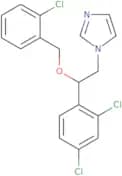
CAS:<p>K201 is a potent anticancer agent that targets cancer cells by inducing apoptosis. It is an analog of the protein kinase inhibitor, K252a, which has been used in Chinese medicine for centuries to treat tumors. K201 specifically targets human cancer cells and inhibits the cell cycle, leading to cell death. This drug has shown promising results in preclinical studies as an effective inhibitor of tumor growth and progression. K201 is also a urine metabolite, making it a potential biomarker for cancer diagnosis and monitoring. As a medicinal compound with strong anticancer properties, K201 holds great promise for the development of new cancer therapies.</p>Formula:C26H33NO2SPurity:Min. 95%Molecular weight:423.6 g/molMiconazole impurity I
CAS:<p>Miconazole impurity I is an analog of miconazole that has been found to have potential anticancer properties. Studies have shown that it has inhibitory effects on protein kinases, which are enzymes involved in the regulation of cell growth and survival. Miconazole impurity I has been found to induce apoptosis (programmed cell death) in Chinese hamster ovary cells and human cancer cells. Additionally, it has been detected in human urine samples, indicating its potential use as a medicinal compound for cancer treatment. Further research is needed to fully understand the mechanisms of action and therapeutic potential of this inhibitor.</p>Formula:C18H15Cl3N2OPurity:Min. 95%Molecular weight:381.7 g/molN-Hydroxy-2-(methylsulfonyl)benzenesulfonamide
CAS:<p>N-Hydroxy-2-(methylsulfonyl)benzenesulfonamide (NHMSB) is a promising anticancer agent with potent apoptotic activity. It is an analog of the tumor suppressor protein p53, which plays a crucial role in regulating the cell cycle and preventing cancer development. NHMSB has been shown to induce apoptosis in various human cancer cell lines, including Chinese hamster ovary cells and breast cancer cells. This medicinal compound acts as a kinase inhibitor, blocking the activity of enzymes that promote cell proliferation and survival. NHMSB also inhibits the growth of tumors in vivo and has potential for use as an anticancer drug.</p>Formula:C7H9NO5S2Purity:Min. 95%Molecular weight:251.3 g/molPentapotassium, 2-[2-[2-[6-[bis(carboxylatomethyl)amino]-2,3-difluorophenoxy]ethoxy]-N-(carboxylatomethyl)-4-(2,7-dichloro-3-oxido-6 -oxoxanthen-9-yl)anilino]acetate
CAS:<p>Pentapotassium, 2-[2-[2-[6-[bis(carboxylatomethyl)amino]-2,3-difluorophenoxy]ethoxy]-N-(carboxylatomethyl)-4-(2,7-dichloro-3-oxido-6-oxoxanthen-9-yl)anilino]acetate is a specialized chemical compound used in advanced biochemical and biomedical research. This compound is synthesized through a series of complex organic reactions involving the integration of carboxylate groups, fluorinated aromatic structures, and xanthenes. Such structural components are critical for its ion-binding properties and fluorescent characteristics.</p>Formula:C35H21Cl2F2K5N2O13Purity:Min. 95%Molecular weight:981.9 g/mol1-(4-Bromo-1-phenylbut-1-en-1-yl)-4-fluorobenzene
CAS:<p>Please enquire for more information about 1-(4-Bromo-1-phenylbut-1-en-1-yl)-4-fluorobenzene including the price, delivery time and more detailed product information at the technical inquiry form on this page</p>Formula:C16H14BrFPurity:Min. 95%Molecular weight:305.18 g/molCP-868388
CAS:<p>Please enquire for more information about CP-868388 including the price, delivery time and more detailed product information at the technical inquiry form on this page</p>Formula:C26H33NO5Purity:Min. 95%Molecular weight:439.5 g/mol20-Deoxo-20α-hydroxy-6α-methyl prednisolone
CAS:Controlled Product<p>20-Deoxo-20alpha-hydroxy-6alpha-methyl prednisolone is an analog of the glucocorticoid steroid hormone, prednisolone. It has been shown to have potent anti-tumor activity in Chinese hamster ovary cells and has been identified as a potent inhibitor of chitin kinase, which is involved in cell division and proliferation. This drug also exhibits strong anticancer effects by inducing apoptosis in cancer cells. Additionally, 20-Deoxo-20alpha-hydroxy-6alpha-methyl prednisolone has been found to inhibit heparin-induced potassium efflux in human leukocytes, which may contribute to its anti-inflammatory properties. Overall, this drug shows great promise as a potential treatment for various types of cancer.</p>Formula:C22H32O5Purity:Min. 95%Molecular weight:376.5 g/molWaol A
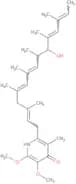
CAS:<p>Waol A is a Chinese analog that has been found to have potent anticancer properties. It works by inhibiting kinases, which are enzymes that play a key role in promoting cancer cell growth and survival. Waol A has been shown to induce apoptosis, or programmed cell death, in various human cancer cells. This inhibitor has also demonstrated its effectiveness in suppressing the growth of tumors in medicinal studies. It is believed that Waol A exerts its anticancer effects by interfering with protein synthesis and other cellular processes involved in tumor development. This promising compound shows great potential as a novel therapy for cancer treatment.</p>Formula:C13H16O4Purity:Min. 95%Molecular weight:236.26 g/molN-Deethylcyanazine
CAS:<p>N-Deethylcyanazine is a potent medicinal compound that has been shown to have anticancer properties. It is an analog of cyanazine, a herbicide used in agriculture. N-Deethylcyanazine has been found to inhibit the cell cycle and induce apoptosis in human cancer cells. This compound has been studied extensively for its ability to act as an inhibitor of tumor growth and proliferation. It has shown particularly promising results in the treatment of leukemia. N-Deethylcyanazine is a protein kinase inhibitor that works by blocking the activity of certain enzymes involved in cancer cell signaling pathways. It is excreted primarily through urine, making it an attractive candidate for development as an anticancer drug.</p>Formula:C7H9ClN6Purity:Min. 95%Molecular weight:212.64 g/mol9,11-Dichloro-dibenzo[b,f][1,4]thiazepine
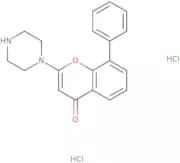
CAS:<p>Please enquire for more information about 9,11-Dichloro-dibenzo[b,f][1,4]thiazepine including the price, delivery time and more detailed product information at the technical inquiry form on this page</p>Formula:C13H7Cl2NSPurity:Min. 95%Molecular weight:280.2 g/mol2-(4-Piperazinyl)-8-phenyl-4H-1-benzopyran-4-one dihydrochloride
CAS:Controlled Product<p>2-(4-Piperazinyl)-8-phenyl-4H-1-benzopyran-4-one dihydrochloride is an antibody that binds to the extracellular domain of the beta2 subunit of the nicotinic acetylcholine receptor. It is used as a research tool in cell biology, pharmacology, ligand binding studies and ion channel research. 2-(4-Piperazinyl)-8-phenyl-4H-1-benzopyran-4-one dihydrochloride has been shown to be an activator of voltage gated sodium channels and calcium channels in vitro. This molecule also interacts with receptors such as the muscarinic M3 receptor, alpha2A adrenergic receptors, and dopamine D2 receptors.</p>Formula:C19H20Cl2N2O2Purity:Min. 95%Molecular weight:379.3 g/mol1-Cyclopropyl-2-nitro-naphthalene
CAS:<p>Please enquire for more information about 1-Cyclopropyl-2-nitro-naphthalene including the price, delivery time and more detailed product information at the technical inquiry form on this page</p>Formula:C13H11NO2Purity:Min. 95%Molecular weight:213.23 g/molGriseoviridin
CAS:<p>Griseoviridin is a medicinal compound that has shown promise as an anticancer agent. It is an analog of the natural product griseoviridin A, which was isolated from a fungus. Griseoviridin has been shown to inhibit the activity of kinases, which are enzymes that play a key role in cell cycle regulation and apoptosis. This inhibition leads to the selective killing of cancer cells, making it a potential treatment for various types of tumors. Griseoviridin also inhibits the activity of proteins involved in xylan degradation and has been shown to be effective against human cancer cell lines. Its potent anticancer activity makes it an attractive candidate for development as a new class of cancer therapeutics.</p>Formula:C22H27N3O7SPurity:Min. 95%Molecular weight:477.5 g/molPirinixil
CAS:<p>Pirinixil is a synthetic compound that acts as an acetylcholinesterase inhibitor. It is used to treat depression and other conditions associated with low acetylcholine levels in the brain, such as Alzheimer's disease. Pirinixil is a structural analogue of Acetyl-L-carnitine and has been shown to be efficacious in reducing depressive symptoms in patients with major depressive disorder or bipolar depression. Pirinixil also prevents the development of bowel disease by inhibiting the inflammatory response. This drug binds to nicotinic acetylcholine receptors within the intestines and inhibits cholesterol estersase activity, which may lead to decreased production of cholesterol esters in the gut.</p>Formula:C16H19ClN4O2SPurity:Min. 95%Molecular weight:366.9 g/molChelirubine chloride
CAS:<p>Chelirubine chloride is a medicinal compound that has been shown to have potent anticancer properties. It is a kinase inhibitor that targets tumor cells in humans and promotes apoptosis, or programmed cell death. Chelirubine chloride has been isolated from the urine of Chinese cancer patients and has been found to be effective against a range of cancer cell lines. This compound works by inhibiting protein synthesis and blocking the activity of kinases, which are enzymes that play a critical role in cancer cell growth and proliferation. Chelirubine chloride is an analog of other known inhibitors and has shown great promise as a potential treatment for various types of cancer.</p>Formula:C21H16ClNO5Purity:Min. 95%Molecular weight:397.8 g/molMDVN1003
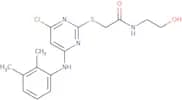
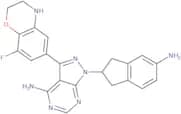
CAS:<p>MDVN1003 is a potent anticancer drug that inhibits the growth of cancer cells by targeting specific kinases. It is an analog of a Chinese medicinal plant-derived compound and has been shown to induce apoptosis in tumor cells. MDVN1003 works by blocking the activity of certain kinases that are involved in cell proliferation, survival, and migration. This drug also inhibits the production of proteins that promote tumor growth and metastasis. MDVN1003 has been tested in human cancer cell lines and has shown promising results in reducing tumor size and protein levels in urine samples. This inhibitor holds potential for developing new treatments for various types of cancers.</p>Formula:C22H20FN7OPurity:Min. 95%Molecular weight:417.4 g/molN3-Ethylthymidine-d5
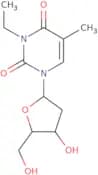
CAS:<p>N3-Ethylthymidine-d5 is a potent inhibitor of tumor kinases that has shown promise in the treatment of cancer. It has been extensively studied for its ability to induce apoptosis in human and Chinese hamster ovary cell lines. N3-Ethylthymidine-d5 is an analog of thymidine, a naturally occurring nucleoside that is essential for DNA synthesis. This medicinal compound has been found to be effective against a wide range of cancer cells, including those that are resistant to other anticancer inhibitors. In addition, N3-Ethylthymidine-d5 can be detected in urine, making it a useful diagnostic tool for monitoring cancer progression and response to therapy. Overall, this powerful inhibitor shows great potential as a therapeutic agent for the treatment of cancer.</p>Formula:C12H18N2O5Purity:Min. 95%Molecular weight:270.28 g/molCI 1020-d9
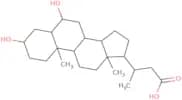
CAS:<p>Please enquire for more information about CI 1020-d9 including the price, delivery time and more detailed product information at the technical inquiry form on this page</p>Formula:C28H26O9Purity:Min. 95%Molecular weight:515.6 g/molNorhyodeoxycholic acid
CAS:Controlled Product<p>Norhyodeoxycholic acid is a medicinal compound that has shown to have anticancer properties. It is an analog of the bile acid hyodeoxycholic acid and has been found to act as a protein kinase inhibitor, which can lead to apoptosis and inhibit tumor growth. Norhyodeoxycholic acid has shown promising results in inhibiting the growth of human cancer cells, including breast and lung cancer cells. This compound is also commonly found in Chinese herbal medicine and has been used for its medicinal properties for centuries. Its presence in urine has also been linked to potential cancer-fighting effects. As a natural inhibitor of kinases, norhyodeoxycholic acid may be a promising avenue for developing new anticancer drugs.</p>Formula:C23H38O4Purity:Min. 95%Molecular weight:378.5 g/molRandialic acid B
CAS:Controlled Product<p>Randialic acid B is an analog of a natural product that exhibits potent anticancer activity. It acts as a kinase inhibitor and has been shown to induce apoptosis in various cancer cells, including those from human urine and Chinese hamster ovary cells. Randialic acid B inhibits tumor growth by targeting kinases involved in the regulation of cell cycle progression, such as cyclin-dependent kinases. This compound has potential therapeutic applications for the treatment of cancer and may serve as a lead compound for the development of new protein kinase inhibitors. Its unique mechanism of action makes it a promising candidate for further investigation in cancer research.</p>Formula:C30H46O3Purity:Min. 95%Molecular weight:454.7 g/mol(R)-4-(tert-Butyl)-N-(6-(2,3-dihydroxypropoxy)-5-(2-methoxyphenoxy)-2-(4-methoxyphenyl)pyrimidin-4-yl)benzenesulfonamide
CAS:<p>(R)-4-(tert-Butyl)-N-(6-(2,3-dihydroxypropoxy)-5-(2-methoxyphenoxy)-2-(4-methoxyphenyl)pyrimidin-4-yl)benzenesulfonamide is a non-peptide antagonist of endothelin A (ET A ) and endothelin B (ET B ). It has been shown to have a high selectivity for ET A over ET B , with potency at concentrations of 1 nM for ET A and 100 nM for ET B . This compound has been shown to inhibit the release of vasoconstrictive endothelin from cultured human endothelial cells. The inhibition is concentration dependent, with shifts in the concentration-response curves being observed as low as 10 μM. The inhibition of release was characterised by clarifying the mechanism involved.</p>Formula:C31H35N3O8SPurity:Min. 95%Molecular weight:609.7 g/molITX5061
CAS:<p>ITX5061 is a molecule that inhibits the replication of viruses by binding to the viral RNA and preventing its synthesis. It has been shown to inhibit HIV-1 infection in vitro, as well as other viruses such as Hepatitis C virus. ITX5061 binds to the plasma membrane of target cells and inhibits the uptake of growth factors, as well as inhibiting cell proliferation.</p>Formula:C30H38ClN3O7SPurity:Min. 95%Molecular weight:620.2 g/molBenzyl (2S)-2-[[(2S)-2-[[[(2S)-2-amino-4-phenylbutanoyl]amino]methyl]-4-methylpentanoyl]amino]-3-phenylpropanoate
CAS:<p>Benzyl (2S)-2-[[(2S)-2-[[[(2S)-2-amino-4-phenylbutanoyl]amino]methyl]-4-methylpentanoyl]amino]-3-phenylpropanoate is a peptide with the amino acid sequence Arg–Phe–Val–Ser–Leu–Tyr. It has been used as a research tool to study protein interactions, antibody binding, cell biology, ligand binding, and pharmacology. Benzyl (2S)-2-[[(2S)-2-[[[(2S)-2-amino-4-phenylbutanoyl]amino]methyl]-4-methylpentanoyl]amino]-3-phenylpropanoate has been shown to inhibit certain ion channels and receptors in cells. CAS No.: 875309-82-3.</p>Formula:C33H41N3O4Purity:Min. 95%Molecular weight:543.7 g/molFGH10019
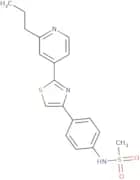
CAS:<p>FGH10019 is an enzyme formulation, which is derived from recombinant DNA technology, with a highly specific catalytic mode of action. This enzyme functions by selectively cleaving peptide bonds in protein substrates, enabling precise modification and degradation of target proteins. The source of FGH10019 is a genetically engineered strain of *Escherichia coli*, optimized for high yield and activity.</p>Formula:C18H19N3O2S2Purity:Min. 95%Molecular weight:373.49 g/molSPL-410
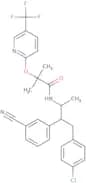
CAS:<p>SPL-410 is a Chinese anticancer drug that acts as a kinase inhibitor. It has been shown to induce apoptosis in cancer cells, making it an effective treatment option for various types of tumors. SPL-410 is an analog of Oseltamivir and Semaglutide, which are known inhibitors of human kinases. This drug has been found to be effective against a variety of cancers, including lung, breast, and colon cancer. It works by inhibiting the activity of tumor-associated kinases that are important for the growth and survival of cancer cells. SPL-410 is excreted in urine after metabolism by enzymes in the liver and kidneys. Its potent anticancer properties make it a promising candidate for the treatment of various types of cancer.</p>Formula:C24H31F3N2O4SPurity:Min. 95%Molecular weight:500.58 g/molGardiquimod
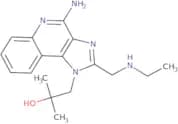
CAS:<p>Gardiquimod is a synthetic imidazoquinoline, which is a small molecule produced through chemical synthesis. Its primary mode of action involves binding to Toll-like receptor 7 (TLR7), a pattern recognition receptor that plays a pivotal role in the innate immune response. Through this interaction, Gardiquimod activates antigen-presenting cells such as dendritic cells and macrophages, leading to the production of type I interferons and other inflammatory cytokines.</p>Formula:C17H23N5OPurity:Min. 95%Molecular weight:313.4 g/molTetraazapentacene
CAS:<p>Tetraazapentacene is a potent inhibitor that has been shown to have antibacterial activity. It has been studied extensively in human cells, where it was found to be a potent kinase inhibitor. Molecular docking studies have shown that tetraazapentacene binds to the active site of the protein and inhibits its catalytic efficiency. Crystal structures of tetraazapentacene bound to the kinase have revealed the mechanism by which it inhibits its activity. In addition to its kinase inhibitory effect, tetraazapentacene has also been found to have an inhibitory effect on carboxylic acid and signal transducer proteins. The IC50 values for these inhibitors are in the nanomolar range, indicating their high potency. Tetraazapentacene also exhibits antibacterial activity against various bacterial strains, making it a promising candidate for future drug development.</p>Formula:C18H14N4Purity:Min. 95%Molecular weight:286.3 g/molPF-4693627
CAS:<p>PF-4693627 is a potent, selective, and orally active prostaglandin E2 receptor agonist with pharmacological activity at the COX-2 enzyme. PF-4693627 has been shown to be effective in reducing inflammation and pain in animal models of inflammatory diseases, such as uveitis and arthritis. PF-4693627 is also being investigated for its potential use as an analgesic in humans. This drug has been shown to have a good safety profile in clinical studies.<br>PF-4693627 binds selectively to the prostaglandin E2 receptor subtype EP3 (COX-2) without significant binding to EP1 or EP2 receptors. This compound was developed by Pfizer Inc., which will be conducting Phase III clinical trials on this drug.</p>Formula:C26H29Cl2N3O3Purity:Min. 95%Molecular weight:502.4 g/molBMS 599626 hydrochloride
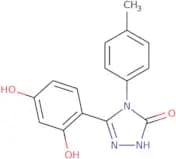
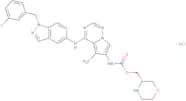
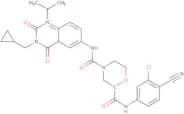
CAS:<p>Inhibitor of HER1, HER2 and HER4 tyrosine kinases</p>Formula:C27H27FN8O3·HClPurity:Min. 95%Molecular weight:567.01 g/mol4-(8-Methyl-9H-1,3-dioxolo[4,5-h][2,3]benzodiazepin-5-yl)benzenamine
CAS:<p>4-(8-Methyl-9H-1,3-dioxolo[4,5-h][2,3]benzodiazepin-5-yl)benzenamine is a drug that was originally synthesized to study the mechanisms of depression. It has been shown to alter energy metabolism and locomotor activity in rats. 4-(8-Methyl-9H-1,3-dioxolo[4,5-h][2,3]benzodiazepin-5-yl)benzenamine binds to the cation channel and induces neuronal death by causing an increase in oxidative stress and inhibition of atp synthesis. Chronic exposure to this compound leads to rotarod impairments and decreased atp levels in rat brain cells. This drug also has pharmacokinetic properties as a substrate for the neurotransmitter gamma aminobutyric acid (GABA).</p>Formula:C17H15N3O2Purity:Min. 95%Molecular weight:293.32 g/molPyribambenz-propyl
CAS:Controlled Product<p>Pyribambenz-propyl is a herbicide that inhibits the activity of the enzyme acetolactate synthase, which is essential for the biosynthesis of branched-chain amino acids in plants. It has been shown to have synergistic effects when used in combination with other herbicides such as glyphosate. Pyribambenz-propyl inhibits the growth of weeds by interfering with their ability to produce essential amino acids, leading to their death. This herbicide has been extensively studied using gel electrophoresis and liquid chromatography techniques to assess its inhibitory effects on specific plant enzymes. Pyribambenz-propyl also exhibits antioxidant properties, which may be due to its ability to scavenge reactive oxygen species (ROS) and protect against oxidative damage in plant species. In vitro assays have demonstrated that this compound can reduce ROS levels and enhance enzyme activity, making it a promising candidate for use in the discovery process of new active compounds with antioxidant properties.</p>Formula:C23H25N3O5Purity:Min. 95%Molecular weight:423.5 g/molω-Conotoxin MVIIC
CAS:<p>Omega-conotoxins are a group of peptides found in the venom of predatory marine snails. Omega-conotoxin MVIIC is a potent inhibitor of nicotinic acetylcholine receptors. It blocks the activation and desensitization of nicotinic acetylcholine receptor channels and has been used as a research tool to study the function of these proteins. Omega-conotoxin MVIIC binds to its target by interacting with specific sites on the alpha subunit of nicotinic acetylcholine receptor channels, which leads to inhibition of voltage-gated calcium channels. The high purity and low endotoxin levels make this product suitable for life science research applications.</p>Formula:C106H178N40O32S7Purity:Min. 95%Molecular weight:2,749.3 g/molAlendronic acid monosodium salt trihydrate
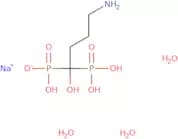
CAS:<p>Farnesyl diphosphate synthase inhibitor; inhibits bone resorption</p>Formula:C4H18NNaO10P2Purity:Min. 95%Molecular weight:325.12 g/molH-IADFGLAR-OH
<p>Peptide H-IADFGLAR-OH is a Research Peptide with significant interest within the field academic and medical research. This peptide is available for purchase at Cymit Quimica in multiple sizes and with a specification of your choice.</p>Purity:Min. 95%Erk1/2 inhibitor 2
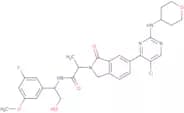
CAS:<p>Erk1/2 inhibitor 2 is a selective small molecule inhibitor designed to target and inhibit the activity of the extracellular signal-regulated kinases 1 and 2 (Erk1/2). These kinases are critical components of the mitogen-activated protein kinase (MAPK) signaling pathway, which is integral to regulating various cellular processes, including proliferation, differentiation, and survival. The source of Erk1/2 inhibitor 2 is synthetic, produced through meticulous organic synthesis techniques specifically tailored to enhance its selectivity and potency.</p>Formula:C29H31ClFN5O5Purity:Min. 95%Molecular weight:584 g/molAmino-dPEG®12-Tris (-dPEG®24-t-butyl ester)3
<p>Amino-dPEG®12-Tris (-dPEG®24-t-butyl ester)3 is a PEG compound with two different functional groups (also known as heterobifunctional). Unlike homobifunctional PEG compounds (same functional group on both ends), this type of compounds are more versatile as have two different anchor points. Amino-dPEG®12-Tris (-dPEG®24-t-butyl ester)3 is used as a linker and spacer to add a PEG moiety, via pegylation (a bioconjugation technique) to proteins, peptides, oligonucleotides, small molecules and nanoparticles.</p>Formula:C205H403N5O97Purity:Min. 95%Molecular weight:4,490.37 g/molColchicine-d6
CAS:<p>Colchicine-d6 is an analog of colchicine that has been deuterated at the C-ring. It is a potent inhibitor of tubulin polymerization and has been shown to induce apoptosis in various cancer cell lines. Colchicine-d6 inhibits kinases such as protein kinase C and glycogen synthase kinase-3β, which are involved in the regulation of apoptosis. It also inhibits xylanases, which are enzymes that degrade hemicellulose in plant cell walls. Colchicine-d6 has anticancer properties and can be used as an inhibitor for cancer treatment. Its efficacy has been demonstrated in Chinese hamster ovary cells and human urinary tumor cells. This compound shows promise as a potential therapeutic agent for the treatment of various cancers.</p>Formula:C22H25NO6Purity:Min. 95%Molecular weight:405.5 g/molCalpain Inhibitor III
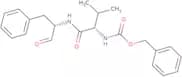
CAS:<p>Inhibitor of calpain and cathepsin B</p>Formula:C22H26N2O4Purity:Min. 95%Color and Shape:PowderMolecular weight:382.45 g/molTetranor-PGJM
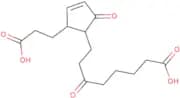
CAS:<p>Tetranor-PGJM is a potent anticancer agent that has been extensively studied for its potential to treat various types of cancer. It is a medicinal inhibitor of protein kinases, which play an important role in regulating cell cycle and apoptosis. Tetranor-PGJM has been shown to induce apoptosis in human and Chinese hamster ovary cells, as well as inhibit the growth of tumors in animal models. This compound is derived from urine and has been found to have high bioavailability and low toxicity. Its ability to selectively target cancer cells while sparing normal cells makes it a promising candidate for future cancer therapies.</p>Formula:C16H22O6Purity:Min. 95%Molecular weight:310.34 g/molGSK2983559 active metabolite
CAS:<p>GSK2983559 is an investigative compound, which is a small-molecule therapeutic derived from pharmaceutical research. This compound is synthesized through advanced medicinal chemistry techniques employed by GlaxoSmithKline (GSK) to target specific biological mechanisms. The active metabolite of GSK2983559 exerts its effects primarily by modulating molecular pathways involved in inflammation, specifically inhibiting certain immune cell signaling cascades.</p>Formula:C21H22N4O4S2Purity:Min. 95%Molecular weight:458.55 g/molLcat activator compound A
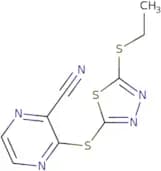
CAS:<p>Lcat activator compound A is a high purity ligand for the L-type calcium channel. It may be used as a research tool in cell biology, ion channels, and protein interactions.</p>Formula:C9H7N5S3Purity:Min. 95%Molecular weight:281.38 g/molIT-143a
CAS:<p>IT-143a is an analog of nalbuphine that has been developed as a potential anticancer agent. It works by inhibiting kinases, which are enzymes involved in cell signaling pathways that play a crucial role in cancer cell growth and survival. IT-143a has been shown to induce apoptosis in Chinese hamster ovary cells and human tumor cells, indicating its potential as an effective anticancer agent. This drug has also been found to be effective against various types of cancers, including breast cancer and lung cancer. IT-143a is excreted through urine and has low protein binding properties, making it an excellent candidate for cancer treatment.</p>Formula:C29H43NO4Purity:Min. 95%Molecular weight:469.7 g/molPindolol dimer-d7
CAS:<p>Please enquire for more information about Pindolol dimer-d7 including the price, delivery time and more detailed product information at the technical inquiry form on this page</p>Formula:C25H31N3O4Purity:Min. 95%Molecular weight:444.6 g/molDE 71
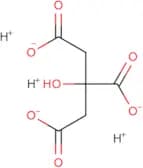
CAS:<p>DE 71 is a medicinal compound that has been shown to have anticancer properties. It is derived from Chinese herbal medicine and has been found to inhibit the growth of cancer cells in human urine. DE 71 acts as an inhibitor of apoptosis, which is the process by which cells undergo programmed cell death. This compound has been found to be effective against leukemia and other types of cancer cells in vitro. Additionally, DE 71 has been shown to inhibit the cell cycle and protein synthesis in tumor cell lines, leading to decreased cell proliferation. Overall, DE 71 represents a promising new avenue for the development of novel anticancer drugs.</p>Formula:C6H8O7Purity:Min. 95%Molecular weight:192.12 g/molrac-Syn-balanol
CAS:<p>Please enquire for more information about rac-Syn-balanol including the price, delivery time and more detailed product information at the technical inquiry form on this page</p>Formula:C28H26N2O10Purity:Min. 95%Molecular weight:550.5 g/molRorγt inverse agonist 6
CAS:<p>Please enquire for more information about Rorγt inverse agonist 6 including the price, delivery time and more detailed product information at the technical inquiry form on this page</p>Formula:C28H29ClN6O5Purity:Min. 95%Molecular weight:565 g/molWIN 18446
CAS:<p>WIN 18446 is a contraceptive that belongs to the class of progestins. It has been shown to inhibit the proliferation of cardiac, bowel, and testicular mesenchymal cells in vitro. WIN 18446 also showed high resistance and low toxicity against cancer cell viability in experimental models. In addition, WIN 18446 has shown promising results as a potential treatment for autoimmune diseases such as systemic lupus erythematosus and rheumatoid arthritis. This drug has also been shown to have anti-inflammatory effects by inhibiting the activity of enzymes that cause inflammation, such as cyclooxygenase-2 (COX-2) and lipoxygenase (LOX). Clinical studies have shown that WIN 18446 can be used to treat diaphragmatic hernia in rats with no side effects on liver function or weight gain.<br>WIN 18446 is not active against bacteria or viruses and does not affect the integrity of DNA.</p>Formula:C12H20Cl4N2O2Purity:Min. 95%Color and Shape:PowderMolecular weight:366.11 g/mol1-1(Z)-Hexadecenyl-2-palmitoyl-sn-glycero-3-pe
CAS:<p>1-1(Z)-Hexadecenyl-2-palmitoyl-sn-glycero-3-pe is an analog of phosphatidylethanolamine that has been shown to have anticancer properties. It acts as a kinase inhibitor, blocking the activity of specific proteins involved in cancer cell growth and survival. This compound has been tested in Chinese hamster ovary cells and human cancer cell lines, where it has been found to induce apoptosis and inhibit tumor growth. Additionally, 1-1(Z)-Hexadecenyl-2-palmitoyl-sn-glycero-3-pe has been detected in urine samples and may have potential as a diagnostic marker for certain types of cancer. Its anti-cancer effects are attributed to its ability to inhibit indirubin kinases, which play a critical role in promoting cancer cell proliferation. Overall, this compound shows promise as a potential therapeutic agent for various types of cancers.</p>Formula:C37H74NO7PPurity:Min. 95%Molecular weight:676 g/molBrodimoprim-d6
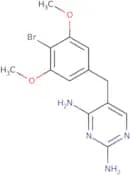
CAS:<p>Please enquire for more information about Brodimoprim-d6 including the price, delivery time and more detailed product information at the technical inquiry form on this page</p>Formula:C13H15BrN4O2Purity:Min. 95%Molecular weight:345.22 g/mol(7Z)-Monomyristolein
CAS:<p>(7Z)-Monomyristolein is a monounsaturated fatty acid ester, which is a derived lipid metabolite found in various natural sources. It is commonly synthesized or isolated from specific plant oils or animal fats that contain myristoleic acid. In terms of its mode of action, (7Z)-Monomyristolein participates in cellular lipid metabolism and plays an essential role in lipid signaling pathways. This ester interacts with cellular membranes and enzymes, influencing various biological processes, including intracellular signaling and lipid homeostasis.</p>Formula:C17H32O4Purity:Min. 95%Molecular weight:300.43 g/molN-Pentyl alcohol-d12
CAS:<p>Please enquire for more information about N-Pentyl alcohol-d12 including the price, delivery time and more detailed product information at the technical inquiry form on this page</p>Formula:C5H12OPurity:Min. 95%Molecular weight:100.22 g/molPMX 464
CAS:<p>PMX 464 is a potent antitumor agent that has been shown to have potent anti-angiogenic effects. This compound is not cytotoxic and does not affect the viability of prostate cancer cells. PMX 464 inhibits the release of reactive oxygen species, which is a major factor in inducing cell death in cancer cells. The mechanism by which PMX 464 inhibits angiogenesis may be due to its ability to inhibit the production of growth factors or molecules that are involved in physiological processes such as cell proliferation or migration.</p>Formula:C13H9NO2SPurity:Min. 95%Molecular weight:243.28 g/molEnpp1 inhibitor C
CAS:<p>Please enquire for more information about Enpp1 inhibitor C including the price, delivery time and more detailed product information at the technical inquiry form on this page</p>Formula:C15H18N6Purity:Min. 95%Molecular weight:282.34 g/molDabigatran-d3
CAS:<p>Dabigatran-d3 is a potent inhibitor of kinases that has shown promising anticancer activity. This analog of Dabigatran has been shown to induce apoptosis in cancer cells and inhibit tumor growth, making it a potential candidate for the treatment of cancer. Dabigatran-d3 works by inhibiting the activity of kinases, which are enzymes that play a critical role in cell signaling pathways. It has been shown to be effective against various types of cancer, including Chinese hamster ovary cells and human breast cancer cells. Additionally, Dabigatran-d3 can be detected in urine samples, making it a useful tool for monitoring drug levels during clinical trials. Overall, this kinase inhibitor shows great promise as an anticancer agent with significant potential for further development.</p>Formula:C25H25N7O3Purity:Min. 95%Molecular weight:474.5 g/molδ Sleep-Inducing Peptide (DSIP)
CAS:<p>The Delta Sleep-Inducing Peptide (DSIP) is a neuropeptide which is found in plasma, peripheral organs and neurons. It has been found to induce delta sleep in mammals and have the ability to cross the blood-brain barrier as well as be absorbed from the gut. Studies have shown that DSIP plasma concentration and the human circadian rhythm are correlated and that DSIP concentrations are dependent on the initiation of sleep. DSIP has also demonstrated its ability to affect levels of hormones, neurotransmitters and psychological performance. In patients with schizophrenia and depression levels of DSIP in the cerebrospinal fluid and plasma were found to be lower compared to healthy controls. Clinically DFSIP has already been used to treat opioid and alcohol withdrawal in reducing symptoms felt by patients.<br>This product is available as a 0.5mg vial.</p>Formula:C35H48N10O15Purity:Min. 95%Molecular weight:848.81 g/mol(11E)-12-(9-Anthracenyl)-N-[(1S,2R,3E)-2-hydroxy-1-(hydroxymethyl)-3-heptadecen-1-yl]-11-dodecenamide
CAS:<p>(11E)-12-(9-Anthracenyl)-N-[(1S,2R,3E)-2-hydroxy-1-(hydroxymethyl)-3-heptadecen-1-yl]-11-dodecenamide is a synthetic peptide that is used for pharmacological research. It is an inhibitor of protein interactions and has been shown to activate the receptor. The ligand binds to the receptor and blocks ion channels. (11E)-12-(9-Anthracenyl)-N-[(1S,2R,3E)-2-hydroxy-1-(hydroxymethyl)-3-heptadecen-1-yl]-11-dodecenamide is also known as CRLX101. This compound has high purity and can be used in various research fields, including cell biology and biochemistry.</p>Formula:C44H64O3Purity:Min. 95%Molecular weight:641 g/molVerubecestat
CAS:<p>Verubecestat is an experimental drug that has been shown to reduce the production of amyloid-beta protein, one of the key proteins in Alzheimer's disease. Verubecestat acts by blocking the activity of beta-secretase 1 (BACE1), which is an enzyme that is involved in the production of amyloid-beta protein. The drug also inhibits acetylcholine release and neuronal death, thereby reducing neuronal dysfunction. Verubecestat has been shown to be well tolerated with no adverse effects seen in clinical trials. It is being studied for use as a symptomatic treatment for patients with mild to moderate Alzheimer's disease. There are few side effects associated with this drug and it does not appear to cause any significant changes in laboratory values or blood counts.</p>Formula:C17H17F2N5O3SPurity:Min. 95%Molecular weight:409.41 g/molQ151
CAS:<p>Q151 is a hydrogen bond analog that inhibits HIV-1 reverse transcriptase by competitively binding to the HIV-1 template RNA. Q151 has been shown to be active in inhibiting the replication of the human immunodeficiency virus type 1 (HIV-1) and is an important component of highly active antiretroviral therapy (HAART). It has also been shown to inhibit inflammatory diseases, such as autoimmune diseases, and bacterial DNA polymerase. Q151 has a kinetic profile similar to that of zidovudine, but with a higher affinity for nucleotide levels. This drug binds to the viral enzyme and prevents it from synthesizing viral DNA by preventing the addition of nucleotides onto the DNA template strand.</p>Formula:C23H16F2N4O2Purity:Min. 95%Molecular weight:418.4 g/molSalusin-α (Human)
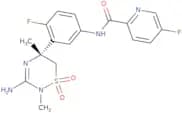
CAS:<p>Salusin-Alpha is a human protein that belongs to the peptide family. It has the ability to activate a receptor and is used in research as a pharmacology and cell biology tool. Salusin-Alpha binds to ion channels and inhibits their function, which may be due to its ability to inhibit ligand binding. Salusin-Alpha is used in research as an inhibitor of peptides and antibodies, which are used in research as receptor ligands. This product has been shown to have high purity, with no detectable contaminants such as proteases, lipases, or nucleases. The CAS number for this product is 624735-22-4.</p>Formula:C114H192N40O30Purity:Min. 95%Molecular weight:2,603 g/mol4-(7-Nitro-benzo[1,2,5]oxadiazol-4-ylamino)-benzoic
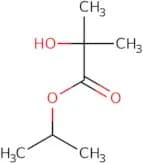
CAS:<p>Please enquire for more information about 4-(7-Nitro-benzo[1,2,5]oxadiazol-4-ylamino)-benzoic including the price, delivery time and more detailed product information at the technical inquiry form on this page</p>Formula:C13H10N4O5Purity:Min. 95%Molecular weight:302.24 g/molIsopropyl 2-methyllactate
CAS:<p>Isopropyl 2-methyllactate is a potent inhibitor of kinases, which are enzymes that play a crucial role in cell signaling and regulation. It acts as an analog to protein kinase inhibitors and has been found to inhibit the growth of cancer cells by inducing apoptosis. Isopropyl 2-methyllactate has been shown to have medicinal properties as an anticancer agent, with promising results in tumor reduction. Its effectiveness has been demonstrated in both human and Chinese hamster ovary cells, making it a valuable tool for cancer research. This compound can be detected in urine samples and may serve as a potential biomarker for kinase inhibitor therapy.</p>Formula:C7H14O3Purity:Min. 95%Molecular weight:146.18 g/molMelanin-Concentrating Hormone (Human)
CAS:<p>Melanin-concentrating hormone (MCH) is a neuropeptide that is used to study the regulation of food intake and body weight. MCH binds to its receptor, the melanocortin-4 receptor (MC4R), which is coupled to an ion channel. This binding causes the release of potassium ions from cells, leading to depolarization and increased neuronal excitability. It has been shown that MCH can be used as a research tool for studying ion channels, ligand-receptor interactions, and cell biology.</p>Formula:C105H160N30O26S4Purity:Min. 95%Molecular weight:2,386.8 g/molAdjuvant Peptide
CAS:<p>Adjuvant peptide is a research tool that can be used in the study of protein interactions, pharmacology and cell biology. It can also be used as an inhibitor for ion channels or receptors. Adjuvant peptide has a molecular weight of 638.2 Da and a purity of > 98%.</p>Formula:C19H32N4O11Purity:Min. 95%Molecular weight:492.48 g/molGly-Phe-NH2• AcOH
CAS:Controlled Product<p>Gly-Phe-NH2 is an amino acid that can be used as a research tool in the study of protein interactions, receptor activation, and ion channels. It has been shown to activate ligands such as peptides and antibodies. This compound also inhibits ligands in the cell biology field. Gly-Phe-NH2• AcOH is a white powder with a purity of 99%.</p>Formula:C11H15N3O2•CH3COOHPurity:Min. 95%Molecular weight:281.31 g/molPlatelet Factor-4 (Human, 58-70)
CAS:<p>Platelet Factor-4 (PF4) is an activator of G protein coupled receptors that belongs to the group of peptides. PF4 binds to the CXCR1 receptor and activates it, which causes a change in the ion channels. It has been shown that PF4 can activate other G protein coupled receptors such as CXCR2 and CXCR3. This protein is used in research as a ligand for antibody production or as a research tool for studying the interactions between proteins. Platelet Factor-4 has been shown to inhibit ATPase activity in cell membranes and may be useful in pharmacological studies.</p>Formula:C76H133N17O18Purity:Min. 95%Molecular weight:1,573 g/molNeuromedin C (Human, Porcine, Canine)
CAS:<p>Neuromedin C (NMC) is a peptide that belongs to the family of neuromedin and is a potent activator of ion channels. It has been shown to be a ligand for opioid receptors, which may be due to its ability to inhibit the release of neurotransmitters such as acetylcholine and noradrenaline. Neuromedin C has also been shown to inhibit the binding of morphine-6 beta-glucuronide in rat brain synaptosomes. In addition, NMC has been reported as an inhibitor of cell proliferation and induce apoptosis in various cancer cells including colon and prostate cancers.</p>Formula:C50H73N17O11SPurity:Min. 95%Molecular weight:1,120.3 g/molBIotin-ONp
CAS:<p>Biotin-ONp is a monoclonal antibody that binds to uptake and efflux pump proteins. It is a conjugate of biotin and an oligonucleotide containing a carboxy terminal peptide. This antibody has been used as a model system for the study of peptide hormones and their reaction products. Biotin-ONp has also been used as an analytical chemistry reagent for the determination of growth factors in serum, and for the detection of antibodies in immunoassays using magnetic particles.</p>Formula:C16H19N3O5SPurity:Min. 95%Molecular weight:365.41 g/molGlucagon-like Peptide 2 (Human)
CAS:<p>Glucagon-like peptide 2 (GLP-2) is a protein hormone that belongs to the glucagon family of peptides. GLP-2 has been shown to activate ion channels and regulate the movement of ions across cell membranes, which is important for many physiological processes. GLP-2 also has an inhibitory effect on the release of insulin from beta cells in pancreatic islets. It has been shown to improve glucose tolerance in animal models of Type 2 diabetes by stimulating the production and secretion of insulin from beta cells in pancreatic islets. Additionally, GLP-2 can bind to a receptor on the surface of certain types of immune cells called T lymphocytes and stimulate them to produce cytokines that promote growth and development of other immune cells. Glucagon-like Peptide 2 (Human) is a research tool used in studies involving protein interactions, ligand binding, pharmacology, cell biology, or antibody production. This product is highly purified with a purity</p>Formula:C165H254N44O55SPurity:Min. 95%Molecular weight:3,766.1 g/molPACAP (Human, 6-38)
CAS:<p>PACAP is a peptide that belongs to the class of activators. It is used as a research tool for its ability to activate ion channels in mammalian cells. PACAP interacts with receptors and can be found in both the central nervous system and peripheral tissues. The receptor for PACAP, known as the PAC1 receptor, is coupled to G-proteins and regulates adenylate cyclase activity. PACAP has been shown to inhibit cell proliferation and promote apoptosis in various types of cancer cells.<br>PACAP also stimulates the release of oxytocin from neurohypophysis cells, which may lead to its use as a treatment for autism spectrum disorders or depression.</p>Formula:C182H300N56O45SPurity:Min. 95%Molecular weight:4,024.7 g/molMaresin 1
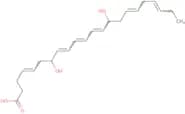
CAS:<p>Maresin 1 is a potent anticancer agent that has shown to induce apoptosis in cancer cells. It is a kinase inhibitor that targets multiple kinases involved in cancer cell growth and proliferation. Maresin 1 has also been shown to inhibit hepcidin, a hormone that regulates iron metabolism, which may contribute to its anticancer properties. This compound has been tested on Chinese hamster ovary cells and human tumor cell lines, showing promising results as an effective cancer inhibitor. Maresin 1 analogs have also been developed for potential use as cancer therapeutics. Additionally, Maresin 1 has been detected in human urine, indicating its potential role as a biomarker for cancer diagnosis and treatment monitoring.</p>Formula:C22H32O4Purity:Min. 95%Molecular weight:360.5 g/mol5-(2-Fluorophenyl)-N-methyl-1H-pyrrole-3-methanamine
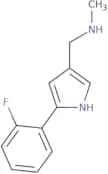
CAS:<p>5-(2-Fluorophenyl)-N-methyl-1H-pyrrole-3-methanamine is an analog of menthol that acts as a kinase inhibitor. It has been shown to inhibit the activity of tylosin kinase, which plays a key role in cell signaling and regulation. This compound has also been found to induce apoptosis in human cancer cells and inhibit the secretion of secretin, a hormone involved in digestive processes. In preclinical studies, this inhibitor has demonstrated anti-tumor activity against Chinese hamster ovary cells. The compound is excreted primarily through urine and may have potential therapeutic applications in cancer treatment.</p>Formula:C12H13FN2Purity:Min. 95%Molecular weight:204.24 g/molα2-Macroglobulin from human plasma
CAS:<p>α2-Macroglobulin is a proteolytic enzyme that has been shown to have receptor activity. It was first isolated from human plasma and purified by biochemical methods. α2-Macroglobulin is an important protein in the body because it has the ability to bind to a variety of ligands and regulate their biological activity. α2-Macroglobulin is capable of removing excess growth factors that are responsible for cancer cell proliferation, as well as removing excess cytokines that induce inflammation. This protein also binds to receptors on basic fibroblast cells, which may be associated with its function in collagen synthesis and bone mineralization. The x-ray crystal structures of α2-macroglobulin are available, which allow for detailed analysis of its three dimensional structure. α2-Macroglobulin has been shown to play a physiological role in maintaining body mass index (BMI), as well as wild type strains of mice and rats.</p>Purity:Min. 95%4-Acetyl ramelteon
CAS:<p>Ramelteon is a potent, selective, and orally active inhibitor of the peptidyl-prolyl cis-trans isomerase (PPIase) class of enzymes. It has been shown to inhibit the PPIases clostridium histolyticum and clostridium botulinum, which are involved in bacterial cell wall biosynthesis. Ramelteon binds to Ligand binding domain of GPCRs that are activated by endogenous ligands such as melatonin and serotonin. This binding prevents agonists from binding to the receptor and activating downstream signaling pathways. Ramelteon also inhibits ion channels that allow ions to flow across membranes and plays an important role in regulating neuronal excitability.</p>Formula:C18H23NO3Purity:Min. 95%Molecular weight:301.40 g/mol




![(2R)-1,1,1-Trifluoro-3-hydroxypropan-2-yl (1R,5S,6R)-6-[1-(4-fluorophenyl)-1H-pyrazol-3-yl]-3-azab…](/_next/image/?url=https%3A%2Fstatic.cymitquimica.com%2Fproducts%2F3D%2Fthumb-webp%2FAID62981.webp&w=3840&q=75)







![Pentapotassium, 2-[2-[2-[6-[bis(carboxylatomethyl)amino]-2,3-difluorophenoxy]ethoxy]-N-(carboxylat…](/_next/image/?url=https%3A%2Fstatic.cymitquimica.com%2Fproducts%2F3D%2Fthumb-webp%2FYNA07914.webp&w=3840&q=75)



![9,11-Dichloro-dibenzo[b,f][1,4]thiazepine](/_next/image/?url=https%3A%2Fstatic.cymitquimica.com%2Fproducts%2F3D%2Fthumb-webp%2FYWC29305.webp&w=3840&q=75)






![Benzyl (2S)-2-[[(2S)-2-[[[(2S)-2-amino-4-phenylbutanoyl]amino]methyl]-4-methylpentanoyl]amino]-3-p…](/_next/image/?url=https%3A%2Fstatic.cymitquimica.com%2Fproducts%2F3D%2Fthumb-webp%2FAKB30982.webp&w=3840&q=75)


![4-(8-Methyl-9H-1,3-dioxolo[4,5-h][2,3]benzodiazepin-5-yl)benzenamine](/_next/image/?url=https%3A%2Fstatic.cymitquimica.com%2Fproducts%2F3D%2Fthumb-webp%2FCEA77126.webp&w=3840&q=75)












![(11E)-12-(9-Anthracenyl)-N-[(1S,2R,3E)-2-hydroxy-1-(hydroxymethyl)-3-heptadecen-1-yl]-11-dodecenam…](/_next/image/?url=https%3A%2Fstatic.cymitquimica.com%2Fproducts%2F3D%2Fthumb-webp%2FNAC05240.webp&w=3840&q=75)


![4-(7-Nitro-benzo[1,2,5]oxadiazol-4-ylamino)-benzoic](/_next/image/?url=https%3A%2Fstatic.cymitquimica.com%2Fproducts%2F3D%2Fthumb-webp%2FPQA07627.webp&w=3840&q=75)