Biochemicals and Reagents
Biochemicals and reagents are fundamental substances for research and development in fields such as biotechnology, molecular biology, pharmacology, and medicine. These products are essential for a variety of applications, including compound synthesis, biological sample analysis, metabolic process research, and drug production. At CymitQuimica, we offer a wide selection of high-quality, high-purity biochemicals and reagents suitable for various scientific and industrial needs. Our catalog includes enzymes, antibodies, nucleic acids, amino acids, and many other products, all designed to support researchers and professionals in their research and development projects, ensuring reliable and reproducible results.
Subcategories of "Biochemicals and Reagents"
- Biomolecules(99,115 products)
- By Biological Target(99,074 products)
- By Pharmacological Effects(6,785 products)
- Cryopreservatives(21 products)
- Desinfectants and Related Compounds(28 products)
- Hormones(346 products)
- Plant Biology(6,693 products)
- Secondary Metabolites(14,219 products)
Found 130577 products of "Biochemicals and Reagents"
Sort by
Purity (%)
0
100
|
0
|
50
|
90
|
95
|
100
p53 antibody
<p>The p53 antibody is a monoclonal antibody that specifically targets the p53 protein, a key regulator of cell growth and division. This antibody is widely used in Life Sciences research for various applications, including immunohistochemical detection and Western blot analysis. The p53 antibody recognizes the carboxy-terminal region of the p53 protein, which includes the tetramerization domain. It has been shown to be highly specific and sensitive in detecting p53 expression levels in human serum samples, making it a valuable serum marker for various diseases and conditions. Additionally, this antibody can also be used to study the role of p53 in different cellular processes, such as apoptosis and DNA repair. Its high affinity and specificity make it an essential tool for researchers studying protein kinases and epidermal growth factor signaling pathways.</p>PRSS35 antibody
<p>PRSS35 antibody was raised using the N terminal of PRSS35 corresponding to a region with amino acids PTQNITTKGVSVRRKRQVYGTDSRFSILDKRFLTNFPFSTAVKLSTGCSG</p>Purity:Min. 95%Hey1 antibody
<p>Hey1 antibody was raised in rabbit using the C terminal of Hey1 as the immunogen</p>Purity:Min. 95%SCN5A Blocking Peptide
<p>A synthetic peptide for use as a blocking control in assays to test for specificity of SCN5A antibody, catalog no. 70R-5111</p>Purity:Min. 95%GNE-9605
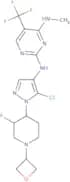
CAS:<p>GNE-9605 is a small molecule that is structurally unrelated to any other known kinase inhibitors. It has been shown to bind to and inhibit the activity of the GNE-9605 enzyme with high selectivity, which has been shown to be expressed in cells in vitro. Studies have also shown that this molecule can cross the blood brain barrier and accumulate in tissues such as the brain, spinal cord, and retina. GNE-9605 has been shown to have neuroprotective effects on cellular function by inhibiting the GNE-9605 enzyme.</p>Formula:C17H20ClF4N7OPurity:Min. 95%Molecular weight:449.83 g/molGlutamate Dehydrogenase antibody
<p>Glutamate dehydrogenase antibody was raised in rabbit using glutamate dehydrogenase isolated from bovine liver as the immunogen.</p>Purity:Min. 95%Elastin antibody
<p>Elastin antibody is a highly specialized adeno-associated monoclonal antibody that targets elastin, an important protein found in connective tissues. It is commonly used in the field of Life Sciences for research purposes. Elastin antibody specifically binds to elastin molecules and can be used to study their distribution and function in various biological processes. This antibody has been extensively validated and is widely recognized for its high specificity and sensitivity. It can be used in a variety of applications, including immunohistochemistry, Western blotting, and ELISA assays. With its unique properties, Elastin antibody is an essential tool for researchers studying the role of elastin in different physiological and pathological conditions.</p>DPP4 antibody
<p>DPP4 antibody was raised in rabbit using a synthetic peptide conjugated to KLH as the immunogen.</p>Purity:Min. 95%JNK Inhibitor VIII
CAS:<p>JNK inhibitor VIII is a potent, selective and cell-permeable JNK inhibitor that is effective in inhibiting the activation of pro-inflammatory genes. It has been shown to inhibit the proliferation and induce apoptosis in leukemia cells, as well as blocking the growth of primary human prostate cancer cells. JNK inhibitor VIII blocks ubiquitin ligases involved in protein degradation and mitochondrial membrane potential, which induces reactive oxygen species (ROS) production by mitochondria. This leads to an increase in cytosolic Ca2+, c-jun phosphorylation, and potential drug target for cancer therapy.</p>Formula:C18H20N4O4Purity:Min. 95%Molecular weight:356.38 g/molZNF138 Blocking Peptide
<p>A synthetic peptide for use as a blocking control in assays to test for specificity of ZNF138 antibody, catalog no. 70R-8721</p>Purity:Min. 95%MZF1 antibody
<p>The MZF1 antibody is a monoclonal antibody that specifically targets and binds to the MZF1 protein. This protein is involved in various cellular processes, including the regulation of gene expression and cell differentiation. The MZF1 antibody can be used in research and diagnostic applications to study the role of MZF1 in different biological systems.</p>ND2 antibody
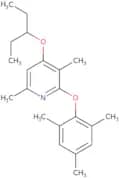
<p>The ND2 antibody is a highly specialized antibody that targets specific growth factors in the field of Life Sciences. It is available in both polyclonal and monoclonal forms, providing researchers with versatile options for their experiments. The ND2 antibody has been extensively studied for its ability to detect glycosylation patterns and identify key molecules involved in cellular processes.</p>3,6-Dimethyl-4-pentan-3-yloxy-2-(2,4,6-trimethylphenoxy)pyridine
CAS:<p>3,6-Dimethyl-4-pentan-3-yloxy-2-(2,4,6-trimethylphenoxy)pyridine is a drug that binds to the corticotropin releasing factor receptor (CRF) and the receptor for depression. This drug has been shown to be effective in clinical studies of depression and psychotic disorders. 3,6-Dimethyl-4-pentan-3-yloxy-2-(2,4,6-trimethylphenoxy)pyridine is a hydrogen bond donor and has a carbonyl group as one of its functional groups. This drug is used as a diluent in pharmaceuticals. 3,6 -Dimethyl -4 pentan -3 yloxy -2 ( 2, 4, 6 trim ethyl phenoxy ) pyridine has an acceptor group that can react with an electron pair donor such as oxygen. This drug also has properties that allow it to be</p>Formula:C21H29NO2Purity:Min. 95%Molecular weight:327.5 g/molMEK5 antibody
<p>The MEK5 antibody is a monoclonal antibody that targets the MEK5 protein, which is involved in cell growth and survival. It has been shown to inhibit the growth of microvessels by blocking the activity of growth factors such as epidermal growth factor (EGF). This antibody specifically binds to the MEK5 protein, preventing its interaction with downstream signaling molecules and inhibiting cell proliferation. Additionally, the MEK5 antibody has been found to have cytotoxic effects on granulosa cells, potentially making it a promising therapeutic option for conditions involving abnormal cell growth. Its specificity and ability to target specific proteins make it a valuable tool in life sciences research.</p>Purity:Min. 95%ERBB4 antibody
<p>ERBB4 antibody was raised in rabbit using a synthetic peptide conjugated to KLH as the immunogen.</p>Purity:Min. 95%GPR182 antibody
<p>GPR182 antibody was raised in rabbit using a synthetic peptide conjugated to KLH as the immunogen.</p>Purity:Min. 95%KIR2DL1 antibody
<p>KIR2DL1 antibody was raised in mouse using recombinant human kIR2DL1 (23-223 aa) purified from E. coli as the immunogen.</p>PAPSS2 antibody
<p>PAPSS2 antibody was raised using the C terminal of PAPSS2 corresponding to a region with amino acids PARHNEFDFISGTRMRKLAREGENPPDGFMAPKAWKVLTDYYRSLEKN</p>RUVBL1 antibody
<p>RUVBL1 antibody was raised in mouse using recombinant Human Ruvb-Like 1 (E. Coli) (Ruvbl1)</p>TRIM17 antibody
<p>TRIM17 antibody was raised in rabbit using the middle region of TRIM17 as the immunogen</p>Purity:Min. 95%NFKB1 antibody
<p>The NFKB1 antibody is a powerful tool used in Life Sciences research. It specifically targets the NFKB1 gene, which is an oncogene homolog involved in various cellular processes. This monoclonal antibody has been extensively validated and is widely used in bioassays to study the function and regulation of NFKB1.</p>GSTT1 Blocking Peptide
<p>A synthetic peptide for use as a blocking control in assays to test for specificity of GSTT1 antibody, catalog no. 70R-2157</p>Purity:Min. 95%TNF Receptor 1 antibody
<p>TNF Receptor 1 antibody is a highly effective monoclonal antibody used in the field of Life Sciences. It is specifically designed to neutralize the activity of TNF receptor 1, a cell surface protein involved in various cellular processes. This antibody acts as a potent inhibitor of TNF receptor 1 signaling, which plays a crucial role in inflammation and immune response. The TNF Receptor 1 antibody has been extensively studied and proven to be effective in inhibiting the growth factor-induced activation of downstream pathways. It has also shown promising results in preclinical studies targeting diseases such as cancer and autoimmune disorders. With its high specificity and cytotoxic properties, this antibody holds great potential for therapeutic applications in targeted therapy. Whether used alone or in combination with other antibodies such as anti-VEGF or tyrosinase inhibitors, TNF Receptor 1 antibody offers a promising avenue for researchers and clinicians alike in their quest to combat various diseases effectively.</p>LGR4 antibody
<p>The LGR4 antibody is a powerful tool in the field of life sciences. It is a cytotoxic antibody that specifically targets and binds to LGR4, a histidine-rich receptor protein. This antibody can be used in various research applications, including immunohistochemistry, Western blotting, and flow cytometry.</p>RFFL antibody
<p>RFFL antibody was raised using the middle region of RFFL corresponding to a region with amino acids KDQKGLQHLVSGAEDQNGGAVPSGLEENLCKICMDSPIDCVLLECGHMVT</p>Troponin T antibody (Cardiac)
<p>Troponin T antibody (cardiac) was raised in mouse using free human cTnT as the immunogen.</p>T and B cell activation antigen antibody
<p>Rat monoclonal T and B cell activation antigen antibody</p>Plectin antibody
<p>Plectin antibody was raised in guinea pig using the C-Terminal “C” domain of recombinant human plectin as the immunogen.</p>Purity:Min. 95%SLC9A9 antibody
<p>SLC9A9 antibody was raised using a synthetic peptide corresponding to a region with amino acids INYQEQASSPCSPPARLGLDQKASPQTPGKENIYEGDLGLGGYELKLEQT</p>Purity:Min. 95%IgM antibody
<p>The IgM antibody is a powerful tool in the field of Life Sciences. It is a monoclonal antibody that specifically targets the molecule called mesothelin, which is found in the nucleus of cells. This antibody has cytotoxic properties and can effectively neutralize the urokinase plasminogen activator, which plays a role in cell migration and invasion.</p>CYP3A7 antibody
<p>CYP3A7 antibody was raised using the middle region of CYP3A7 corresponding to a region with amino acids KLALVRVLQNFSFKPCKETQIPLKLRFGGLLLTEKPIVLKAESRDETVSG</p>Purity:Min. 95%GPR151 antibody
<p>GPR151 antibody was raised in rabbit using a synthetic peptide conjugated to KLH as the immunogen.</p>Purity:Min. 95%CYP2J2 antibody
<p>The CYP2J2 antibody is a highly specialized monoclonal antibody used in Life Sciences research. It is specifically designed to target and detect the CYP2J2 enzyme, which plays a crucial role in the metabolism of drugs and other foreign substances in the body. This antibody is commonly used in studies involving mesenchymal stem cells, reactive oxygen species, and electrode-based assays.</p>HAAO antibody
<p>HAAO antibody was raised using the N terminal of HAAO corresponding to a region with amino acids HRDVVIRQGEIFLLPARVPHSPQRFANTVGLVVERRRLETELDGLRYYVG</p>VASP antibody
<p>The VASP antibody is a highly specialized monoclonal antibody used in Life Sciences research. It specifically targets the epidermal growth factor (EGF)-like domain of VASP (Vasodilator-stimulated phosphoprotein), a protein involved in cell adhesion and migration. This antibody has been extensively characterized and validated for its high specificity and affinity towards VASP.</p>IL17F antibody
<p>The IL17F antibody is a powerful tool in the field of Life Sciences. It is specifically designed to target and neutralize the effects of IL17F, an important cytokine involved in various inflammatory processes. This antibody has been extensively tested and proven to effectively block IL17F activity, making it a valuable asset in research and therapeutic applications.</p>EpCAM antibody
<p>The EpCAM antibody is a monoclonal antibody that has been developed through recombinant technology. It specifically targets the epithelial cell adhesion molecule (EpCAM), which is expressed on the surface of various types of cancer cells. By binding to EpCAM, this antibody inhibits the growth and spread of cancer cells.</p>PIGK antibody
<p>PIGK antibody was raised using the N terminal of PIGK corresponding to a region with amino acids MAVTDSLSRAATVLATVLLLSFGSVAASHIEDQAEQFFRSGHTNNWAVLV</p>Purity:Min. 95%EIF4A3 antibody
<p>EIF4A3 antibody was raised in rabbit using the N terminal of EIF4A3 as the immunogen</p>Purity:Min. 95%AVIL antibody
<p>AVIL antibody was raised in rabbit using the middle region of AVIL as the immunogen</p>Purity:Min. 95%ZNF683 antibody
<p>ZNF683 antibody was raised in rabbit using the N terminal of ZNF683 as the immunogen</p>Purity:Min. 95%TP53INP1 antibody
<p>TP53INP1 antibody was raised in rabbit using the C terminal of TP53INP1 as the immunogen</p>Purity:Min. 95%Clcn1 antibody
<p>Clcn1 antibody was raised in rabbit using the C terminal of Clcn1 as the immunogen</p>Purity:Min. 95%FANCE antibody
<p>FANCE antibody was raised using the middle region of FANCE corresponding to a region with amino acids SPQAPDPEEEENRDSQQPGKRRKDSEEEAASPEGKRVPKRLRCWEEEEDH</p>Ttbk2 antibody
<p>Ttbk2 antibody was raised in rabbit using the N terminal of Ttbk2 as the immunogen</p>Purity:Min. 95%GPR182 antibody
<p>GPR182 antibody was raised in rabbit using a synthetic peptide conjugated to KLH as the immunogen.</p>Purity:Min. 95%LASP1 antibody
<p>LASP1 antibody was raised using the middle region of LASP1 corresponding to a region with amino acids IKKTQDQISNIKYHEEFEKSRMGPSGGEGMEPERRDSQDGSSYRRPLEQQ</p>MOGAT1 antibody
<p>MOGAT1 antibody was raised using the C terminal of MOGAT1 corresponding to a region with amino acids PIPVRQTLNPTQEQIEELHQTYMEELRKLFEEHKGKYGIPEHETLVLK</p>Purity:Min. 95%Tollip antibody
<p>Tollip antibody was raised in mouse using recombinant human Tollip (61-274aa) purified from E. coli as the immunogen.</p>LDLRAP1 antibody
<p>LDLRAP1 antibody was raised using the N terminal of LDLRAP1 corresponding to a region with amino acids WTDTRETLLEGMLFSLKYLGMTLVEQPKGEELSAAAIKRIVATAKASGKK</p>PCDH17 antibody
<p>PCDH17 antibody was raised using the C terminal of PCDH17 corresponding to a region with amino acids SEMGAVLEQLDHPNRDLGRESVDAEEVVREIDKLLQDCRGNDPVAVRK</p>SNAI1 antibody
<p>The SNAI1 antibody is a highly specific monoclonal antibody that targets the protein Snail1. This antibody has been extensively studied for its ability to inhibit the growth and metastasis of cancer cells. It works by binding to Snail1, preventing its interaction with other proteins involved in cell migration and invasion. The SNAI1 antibody has also been shown to neutralize the activity of growth factors that promote tumor progression. In addition, this antibody can be used in various research applications, such as Western blotting, immunohistochemistry, and flow cytometry. Its high affinity and specificity make it an invaluable tool for researchers in the field of life sciences.</p>MPG antibody
<p>MPG antibody was raised using the middle region of MPG corresponding to a region with amino acids QRDLAQDEAVWLERGPLEPSEPAVVAAARVGVGHAGEWARKPLRFYVRGS</p>Purity:Min. 95%SLK antibody
<p>The 6-Fluoro-3-indoxyl-beta-D-galactopyranoside is an effective antituberculosis drug belonging to the rifamycins class. It is specifically designed to combat tuberculosis infection by targeting active compounds with bactericidal activity. This drug works by binding to DNA-dependent RNA polymerase, which inhibits bacterial growth and prevents transcription and replication. Its high frequency of human activity has been proven through extensive testing using a patch-clamp technique on human erythrocytes. Additionally, it undergoes various metabolic transformations, including hydrolysis by esterases or glucuronidases, oxidation by cytochrome P450 enzymes, reduction by glutathione reductase, or conjugation with glucuronic acid. Rifapentine also shows specific binding to markers expressed at high levels in Mycobacterium tuberculosis strains and effectively inhibits cell growth in culture.</p>Purity:Min. 95%BSA Cohn Fraction V (Microbiological Grade)
<p>Microbiological Grade Bovine Serum Albumin, Cohn Fraction V, (99% pure)</p>Purity:Min. 95%HSD3B1 antibody
<p>HSD3B1 antibody was raised using the N terminal of HSD3B1 corresponding to a region with amino acids TGWSCLVTGAGGFLGQRIIRLLVKEKELKEIRVLDKAFGPELREEFSKLQ</p>Purity:Min. 95%GPC4 antibody
<p>The GPC4 antibody is a highly specialized monoclonal antibody that targets the glycine-proline-cysteine 4 (GPC4) protein. This antibody has been extensively studied and proven to be effective in various applications within the field of Life Sciences. It has shown significant potential as a therapeutic agent for diseases such as cancer, autoimmune disorders, and inflammatory conditions.</p>Arsb Blocking Peptide
<p>A synthetic peptide for use as a blocking control in assays to test for specificity of Arsb antibody, catalog no. 70R-9612</p>Purity:Min. 95%CLAD antibody
<p>The CLAD antibody is a monoclonal antibody that specifically binds to tyrosine kinase receptor-associated protein (CLAD), which is involved in various cellular processes. This antibody has been shown to inhibit the binding of glucagon to its receptor and interfere with downstream signaling pathways. Additionally, it has been demonstrated to modulate the activity of phosphatases and dopamine receptors, leading to cytotoxic effects on target cells. The CLAD antibody can also interact with carbonyl reductase and other binding proteins, further enhancing its therapeutic potential. With its ability to target specific antigens, this antibody holds promise in the field of Life Sciences and may have applications in the treatment of diseases such as cancer and autoimmune disorders.</p>Purity:Min. 95%Norfentanyl antibody
<p>Norfentanyl antibody is a highly specialized monoclonal antibody that is used to inhibit the activity of norfentanyl, a potent phosphatase inhibitor. This antibody specifically targets the amide group of norfentanyl and neutralizes its effects on cellular growth factors. It has been shown to effectively block the activation of tyrosine kinase receptors and prevent the binding of autoantibodies to growth hormone receptors. Norfentanyl antibody is widely used in life sciences research and has significant applications in studying cellular signaling pathways and understanding the role of growth factors in various physiological processes.</p>KIR2DL3 antibody
<p>KIR2DL3 antibody was raised in mouse using recombinant human KIR2DL3(19-161aa) purified from E. coli as the immunogen.</p>PAOX antibody
<p>PAOX antibody was raised using a synthetic peptide corresponding to a region with amino acids GGRIRSERCFGGVVEVGAHWIHGPSRGNPVFQLAAEYGLLGEKELSQENQ</p>β Tubulin 2A antibody
<p>Beta Tubulin 2A antibody was raised using the middle region of TUBB2A corresponding to a region with amino acids AVNMVPFPRLHFFMPGFAPLTSRGSQQYRALTVPELTQQMFDSKNMMAAC</p>SUMO2 antibody
<p>SUMO2 antibody was raised in mouse using recombinant human SUMO2 (1-93aa) purified from E.coli as the immunogen.</p>Mouse Macrophage antibody
<p>Mouse macrophage antibody was raised in rabbit using mouse macrophages as the immunogen.</p>Purity:Min. 95%Transferrin Receptor antibody
<p>Transferrin receptor antibody was raised in mouse using human soluble transferrin receptor as the immunogen.</p>TUPLE1 antibody
<p>TUPLE1 antibody was raised in mouse using recombinant H.Sapiens Tup1-Like Enhancer Of Split Gene 1 (Tuple1)</p>ZBTB38 antibody
<p>ZBTB38 antibody was raised in rabbit using the N terminal of ZBTB38 as the immunogen</p>Purity:Min. 95%MAP2K2 antibody
<p>MAP2K2 antibody was raised using the N terminal of MAP2K2 corresponding to a region with amino acids LARRKPVLPALTINPTIAEGPSPTSEGASEANLVDLQKKLEELELDEQQK</p>HSPB8 antibody
<p>HSPB8 antibody was raised using the middle region of HSPB8 corresponding to a region with amino acids PEELMVKTKDGYVEVSGKHEEKQQEGGIVSKNFTKKIQLPAEVDPVTVFA</p>NSD1 antibody
<p>NSD1 antibody was raised in mouse using recombinant Human Nuclear Receptor Binding Set Domain Protein 1 (Nsd1)</p>CLEC4M antibody
<p>CLEC4M antibody was raised in rabbit using the middle region of CLEC4M as the immunogen</p>Purity:Min. 95%DHFR antibody
<p>The DHFR antibody is a monoclonal antibody that is used in Life Sciences research. It is commonly used to detect and study antiphospholipid antibodies, which are associated with various autoimmune disorders such as heparin-induced thrombocytopenia. The DHFR antibody can also be used to investigate the role of interferon and caffeine in cellular processes.</p>Aquaporin 10 antibody
<p>Aquaporin 10 antibody was raised using the middle region of AQP10 corresponding to a region with amino acids VGATVGTATYQLLVALHHPEGPEPAQDLVSAQHKASELETPASAQMLECK</p>Purity:Min. 95%Cytokeratin 7 antibody
<p>Cytokeratin 7 antibody is a highly specific monoclonal antibody that targets the protein complex of cytokeratin 7. It is commonly used in Life Sciences research to study various cellular processes and functions. This antibody has been shown to have high affinity for cytokeratin 7, making it a valuable tool for detecting and quantifying this protein in different biological samples.</p>FAM14A antibody
<p>FAM14A antibody was raised using the middle region of FAM14A corresponding to a region with amino acids SVGSVLGACLGNSPSSSLPAEPEAKEDEARENVPQGEPPKPPLKSEKHEE</p>Purity:Min. 95%FAM134A antibody
<p>FAM134A antibody was raised using the N terminal of FAM134A corresponding to a region with amino acids AGSGARPHLLSVPELCRYLAESWLTFQIHLQELLQYKRQNPAQFCVRVCS</p>Purity:Min. 95%XRCC4 antibody
<p>The XRCC4 antibody is a highly specific monoclonal antibody that has an inhibitory effect on the progesterone concentration in human serum. It exhibits strong antioxidant activity and has been shown to neutralize autoantibodies and anti-drug antibodies. The XRCC4 antibody is widely used in various assays, particularly in Life Sciences research, for its ability to detect and quantify specific proteins of interest. This monoclonal antibody is colloidal gold-labeled, making it suitable for use in immunohistochemical staining and other applications requiring high sensitivity and specificity. Additionally, the XRCC4 antibody has been found to be effective in detecting granulosa cell tumors due to its binding affinity with mesothelin, a protein commonly expressed in these types of tumors. Its versatility and reliability make it an essential tool for researchers studying steroid hormones and related biological processes.</p>UTP18 antibody
<p>UTP18 antibody was raised in rabbit using the N terminal of UTP18 as the immunogen</p>Purity:Min. 95%RPP30 antibody
<p>RPP30 antibody was raised in mouse using recombinant Human Ribonuclease P/Mrp 30Kda Subunit (Rpp30)</p>PLP1 antibody
<p>PLP1 antibody was raised using the middle region of PLP1 corresponding to a region with amino acids IYGTASFFFLYGALLLAEGFYTTGAVRQIFGDYKTTICGKGLSATVTGGQ</p>Purity:Min. 95%PIWIL2 antibody
<p>PIWIL2 antibody was raised using a synthetic peptide corresponding to a region with amino acids QVLELKSQRKTDSAEISIKIQMTKILEPCSDLCIPFYNVVFRRVMKLLDM</p>KNTC2 antibody
<p>KNTC2 antibody was raised in mouse using recombinant Human Ndc80 Homolog, Kinetochore Complex Component (S.Cerevisiae) (Ndc80)</p>SLC5A9 antibody
<p>SLC5A9 antibody was raised in rabbit using a synthetic peptide conjugated to KLH as the immunogen.</p>Purity:Min. 95%RPL27 antibody
<p>RPL27 antibody was raised using the middle region of RPL27 corresponding to a region with amino acids SVDIPLDKTVVNKDVFRDPALKRKARREAKVKFEERYKTGKNKWFFQKLR</p>Diazepam antibody
<p>The Diazepam antibody is a highly specialized monoclonal antibody that is designed to target and bind to diazepam, a commonly used medication for the treatment of anxiety disorders and seizures. This antibody is equipped with an electrode that allows for easy detection and measurement of diazepam levels in various biological samples.</p>Purity:Min. 95%FAS antibody
<p>The FAS antibody is a highly specialized product in the field of Life Sciences. It is an essential tool for researchers and scientists working in various areas, including assays, protein analysis, and endothelial growth studies. This antibody is available in both polyclonal and monoclonal forms, offering versatility and flexibility for different experimental needs.</p>RRM2 antibody
<p>The RRM2 antibody is a powerful tool used in the field of Life Sciences. It specifically targets the growth hormone receptor and has been shown to inhibit lipoprotein lipase, an enzyme involved in lipid metabolism. This antibody can be used in various applications such as immunohistochemistry and Western blotting. It is available both as polyclonal antibodies, which offer broad specificity, and monoclonal antibodies, which provide high specificity. The RRM2 antibody has also been studied as a potential therapeutic target for inhibiting tyrosine kinase activity and blocking endothelial growth factor signaling pathways. Additionally, it has been used in combination with other inhibitors, such as trastuzumab, to enhance their efficacy. With its versatility and potential applications, the RRM2 antibody is an essential tool for researchers in the field of Life Sciences.</p>FADD antibody
<p>The FADD antibody is a highly specialized product in the field of Life Sciences. It is an essential tool for researchers studying various biological processes, including TGF-beta signaling, collagen synthesis, and immune responses. This antibody is available in both polyclonal and monoclonal forms, offering researchers a wide range of options to suit their specific needs.</p>Prasugrel (maleic acid)
CAS:<p>Prasugrel is an organic compound that belongs to the inorganic class of compounds. It has a polymorphic nature and has been shown to have anticoagulant properties. Prasugrel is a prodrug that is hydrolyzed in vivo to produce maleic acid, its active form. Maleic acid inhibits platelet aggregation by inhibiting the action of thrombin, which converts fibrinogen into fibrin. The antiplatelet effect of prasugrel can be enhanced by combining it with other drugs such as clopidogrel or aspirin.</p>Formula:C24H24FNO7SPurity:Min. 95%Molecular weight:489.5 g/molMK 2894 Na salt
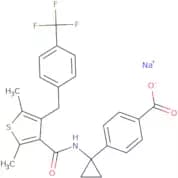
CAS:<p>EP4 antagonist; anti-inflammatory</p>Formula:C25H22F3NO3S•NaPurity:Min. 95%Molecular weight:496.5 g/mol3-[(4-Fluorophenyl)methyl]-2-sulfanylidene-1,3-thiazolidin-4-one
CAS:<p>3-[(4-Fluorophenyl)methyl]-2-sulfanylidene-1,3-thiazolidin-4-one is an inhibitor of ion channels. It binds to the alpha subunit of voltage gated potassium channels (Kv1.1) and inhibits potassium ion conductance. 3-[(4-Fluorophenyl)methyl]-2-sulfanylidene-1,3-thiazolidin-4-one has been shown to inhibit the binding of peptides and antibodies to receptors. This compound is used as a research tool for cell biology and in studies related to receptor interactions, ion channels, and peptides.</p>Formula:C10H8FNOS2Purity:Min. 95%Molecular weight:241.3 g/mol(R)-(-)-Coerulescine
CAS:<p>(R)-(-)-Coerulescine is a potent inhibitor of protein kinases and has been shown to have anticancer properties. It is an analog of the medicinal alkaloid, coerulein, which is found in the urine of Chinese patients with tumors. (R)-(-)-Coerulescine inhibits the growth of human cancer cells by inducing apoptosis, a process that leads to cell death. It specifically targets protein kinases that are involved in cancer cell proliferation and survival, making it a promising candidate for the development of new anticancer drugs. The unique structure of (R)-(-)-Coerulescine makes it a valuable tool for studying the function and regulation of protein kinases in normal and cancer cells.</p>Formula:C12H14N2OPurity:Min. 95%Molecular weight:202.25 g/molTL13-110
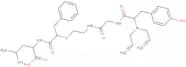
CAS:<p>TL13-110 is a peptide. It is a research tool that can be used to activate antibodies, ion channels, and receptors. TL13-110 has been shown to inhibit the human receptor for luteinizing hormone-releasing hormone (LHRH) and to bind to the LHRH receptor in rat brain tissue with high affinity. This peptide also has been shown to inhibit the activation of ion channels by various neurotransmitters and drugs.</p>Formula:C49H62ClN9O9SPurity:Min. 95%Molecular weight:988.6 g/molBIRG 613 BS
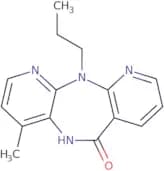
CAS:<p>BIRG 613 BS is a high-purity drug substance that has been validated using chromatographic and spectroscopic methods. It is intended for the manufacture of nevirapine. The purity of BIRG 613 BS is determined by measuring its chemical composition, impurities, and other properties. The chromatographic method involves the application of a liquid solvent to a solid material in order to separate it into individual components. This process relies on the different rates at which substances will dissolve in the solvent or be absorbed by the stationary phase. The linearity of BIRG 613 BS was measured by finding its coefficient and comparing it to a standard curve created from known concentrations of nevirapine.</p>Formula:C15H16N4OPurity:Min. 95%Molecular weight:268.13241des-Gln14-Ghrelin (rat)
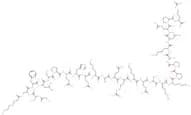
CAS:<p>Ghrelin is a peptide hormone that is produced by the stomach and plays an important role in regulating appetite. Ghrelin stimulates hunger by activating the ghrelin receptor, which is found on cells throughout the body. The ghrelin receptor has been shown to be a G-protein coupled receptor (GPCR), which has seven transmembrane domains with intracellular loops that form a ligand binding pocket. Ghrelin binds to its receptor, leading to activation of the G protein and subsequent opening of ion channels. This leads to depolarization of the cell membrane, which creates an action potential that ultimately triggers neurotransmitter release from the neuron. Des-Gln14-Ghrelin (rat) is a synthetic analog of ghrelin that may be used as a research tool for studying ion channels or protein interactions.</p>Formula:C142H237N43O40Purity:Min. 95%Molecular weight:3,186.7 g/molCER6-2′R(d9)
CAS:Controlled Product<p>CER6-2′R(d9) is a peptide that is a potent activator of the human vasopressin V2 receptor. It has been shown to selectively activate the V2 receptor in cells and animals, with no agonistic activity at other receptors. CER6-2′R(d9) is a highly purified peptide that can be used as a research tool for studying the structure and function of the vasopressin V2 receptor. The peptide binds to the extracellular domain of the receptor and stabilizes its conformation, which leads to increased receptor signaling.</p>Formula:C34H60D9NO5Purity:Min. 95%Molecular weight:580.97 g/molSimetride
CAS:<p>Simetride is a pharmacological agent that belongs to the group of ligands. It binds to and activates ion channels, which are membrane-spanning proteins that allow ions to pass across the cell membrane. Simetride is a high-purity drug with a CAS number of 154-82-5. It has been used as an experimental tool in cell biology and biochemistry laboratories for over 30 years.</p>Formula:C28H38N2O6Purity:Min. 95%Molecular weight:498.6 g/molNAS-181
CAS:<p>NAS-181 is a drug that inhibits the voltage-dependent calcium channels. It has been shown to be effective in reducing pain and inflammation from chronic headaches. NAS-181 is a non-selective antagonist of 5-HT1A and 5-HT1B receptors, which are both linked to the transmission of pain signals from the central nervous system. NAS-181 also affects neurotransmission by inhibiting glutamate release in the brain and monoamine neurotransmitters such as dopamine. This drug has been shown to inhibit neuronal activity in the mouse striatum, an area associated with motor control, cognition, and mood regulation.<br>br>br><br>This drug is being developed for the treatment of migraine headaches.br>br></p>Formula:C21H34N2O10S2Purity:Min. 95%Molecular weight:538.6 g/molCEP-28122
CAS:<p>CEP-28122 is a selective and potent small-molecule inhibitor, which is derived from chemical synthesis targeting receptor tyrosine kinases, specifically the fibroblast growth factor receptors (FGFRs). Its mode of action involves the competitive inhibition of ATP binding, thereby preventing the phosphorylation cascade necessary for signal transduction downstream of FGFRs. By inhibiting these pathways, CEP-28122 effectively impedes processes such as cell proliferation and angiogenesis, which are critical in various pathological conditions including cancer.</p>Formula:C28H35ClN6O3Purity:Min. 95%Molecular weight:539.07 g/molKPT-185
CAS:<p>KPT-185 is a novel pro-apoptotic agent that selectively induces cell death in cancer cells resistant to platinum chemotherapy. KPT-185 kills tumor cells by inducing apoptosis through inhibition of the anti-apoptotic protein survivin. The drug also has minimal toxicity in mice, which may be due to its lack of effect on energy metabolism or transcriptional regulation. In addition, KPT-185 has been shown to have minimal toxicity in leukemic mice and does not cause significant changes in mouse tumor size or weight, indicating that it is well tolerated by normal tissues.</p>Formula:C16H16F3N3O3Purity:Min. 95%Molecular weight:355.31 g/molFurosemide sodium
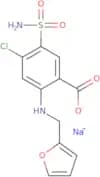
CAS:Controlled Product<p>Furosemide is an organic solvent that is used as a salt of furosemide sodium. It has been shown to have strong absorption in the UV range, which can be used for cellular and environmental pollution. Furosemide is also a natriuretic drug that is used to decrease blood pressure and to prevent and treat heart failure. Furosemide may be given orally or intravenously, which will lead to an increase in plasma albumin levels. This drug also binds to surfactant proteins, which are necessary for maintaining the stability of lung surfactant and preventing it from collapsing on itself. Furosemide inhibits the formation of calcium carbonate precipitates by chelating magnesium ions from solution. The drug also has a hydrodynamic effect on electrolytes such as sodium, potassium, and chloride ions. This leads to increased urinary excretion of these ions and a reduction in their concentrations in the blood plasma.<br>Furosemide is often formulated with other</p>Formula:C12H10ClN2NaO5SPurity:Min. 95%Molecular weight:352.73 g/molPapaveroxine
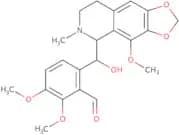
CAS:<p>Papaveroxine is a medicinal compound that has been found to have potential anticancer properties. It is an analog of elastin kinase, which plays a role in the regulation of cell growth and division. Papaveroxine has been isolated from urine samples and has shown promising results as an inhibitor of cancer cell growth and proliferation. Studies have shown that this compound induces apoptosis, or programmed cell death, in human cancer cells by inhibiting protein kinases that are involved in tumor growth. Furthermore, papaveroxine has been found to be effective against a variety of cancers, including breast, lung, and prostate cancer. This makes it a promising candidate for the development of new cancer treatments and inhibitors.</p>Formula:C22H25NO7Purity:Min. 95%Molecular weight:415.4 g/molML417
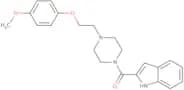
CAS:<p>ML417 is a novel, non-peptide, high-affinity dopamine D2 receptor agonist that has been shown to be a potent functional ligand in the rat and monkey. It has been shown to increase dopamine levels in the central nervous system. ML417 also blocks the binding of [3H]spiperone to the human D2 receptor with an affinity similar to that of quinpirole (a reference high-affinity D2 receptor agonist). The compound has been shown to have clinical relevance in animal models of myocardial infarct and in behavioral assays for antipsychotic activity. In vitro studies have revealed that ML417 has biochemical properties consistent with those observed for other dopamine receptor ligands. These include binding to d2/d3 receptors and inhibition of adenylyl cyclase activity. Molecular modeling studies have demonstrated that ML417 is a high-affinity molecule for the dopamine D2 receptor with a favorable pharmacokinetic profile.</p>Formula:C22H25N3O3Purity:Min. 95%Molecular weight:379.5 g/molLTA4H-IN-1
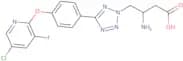
CAS:<p>LTA4H-IN-1 is a pentobarbital sodium salt that inhibits the activity of serine proteases. It is used as an immunosuppressive agent in cancer and autoimmune diseases. The effects of LTA4H-IN-1 on symptoms, diameter, and particle size have been studied using polymer films with different degrees of thermal expansion. An increase in the degree of thermal expansion leads to an increase in the size of particles and a decrease in the duration of symptoms.</p>Formula:C16H14ClFN6O3Purity:Min. 95%Molecular weight:392.77 g/molICI 154129
CAS:<p>ICI 154129 is a potent and selective δ-opioid receptor antagonist. It has been shown to produce antinociceptive effects in animal models of pain, and ICI 154129 has been shown to have an addictive potential in animals. ICI 154129 binds to the δ-opioid receptor with high affinity and selectivity, with a K i of 0.5 nM. It also binds to other opioid receptors at higher concentrations, including β-opioid receptors (K i = 1.3 nM) and μ-opioid receptors (K i = 2.6 nM). ICI 154129 is a competitive antagonist at all three opioid receptors, preventing binding of endogenous or exogenous agonists or antagonists. There are very few side effects associated with this drug, which may be due to its low affinity for other targets such as dopamine or serotonin receptors.</p>Formula:C34H46N4O6SPurity:Min. 95%Molecular weight:638.8 g/molHBsAg ayw
<p>HBsAg is the surface antigen of the Hepatitis-B-Virus (HBV). The capsid of a virus has different surface proteins from the rest of the virus. The antigen is a protein that binds specifically on one of these surface proteins. It is commonly referred to as the Australian Antigen.Recombinant HbsAg ayw full length is a 24kDa protein cloned from HBV 320 genome.</p>Purity:>99% By Sds-PageMubritinib
CAS:<p>Irreversible inhibitor of HER2 tyrosine kinase</p>Formula:C25H23F3N4O2Purity:Min. 95%Molecular weight:468.47 g/molN-1,3-Benzodioxol-5-yl-1-(4-nitrobenzyl)-1H-imidazole-4-carboxamide
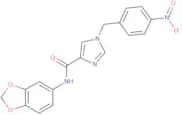
CAS:Controlled Product<p>N-1,3-Benzodioxol-5-yl-1-(4-nitrobenzyl)-1H-imidazole-4-carboxamide is a high purity research tool. It can be used in the study of receptor and ligand interactions as well as ion channels. This product is also used for Cell Biology and Antibodies.</p>Formula:C18H14N4O5Purity:Min. 95%Molecular weight:366.3 g/molTCS OX2 29
CAS:<p>TCS OX2 29 is a vasoactive intestinal peptide (VIP) receptor agonist that has been shown to have analgesic effects in rats. TCS OX2 29 is an excitatory neurotransmitter, which may be due to its ability to stimulate the release of glutamate and increase the activity of postsynaptic receptors. TCS OX2 29 also has a significant interaction with antinociceptive drugs such as morphine, which may be due to its ability to activate opioid receptors. Patch-clamp experiments on tegmental neurons have shown that TCS OX2 29 increases the frequency of spontaneous action potentials in these cells. It also induces locomotor activity in mice and pain hypersensitivity in rats. TCS OX2 29 has been used as an experimental model for symptoms associated with Parkinson’s disease, such as akinesia and muscle rigidity.</p>Formula:C23H31N3O3·HClPurity:Min. 95%Molecular weight:433.97 g/molXL177A
CAS:<p>XL177A is a peptide, which is a short chain of amino acids. It has been used as a research tool to investigate protein interactions and receptor-ligand binding. The structure of XL177A is unknown, but it has been shown to act as an inhibitor against ion channels.</p>Formula:C48H57ClN8O5Purity:Min. 95%Molecular weight:861.5 g/mol(Z)-2-((4-(Phenethylamino)-1-styryl-1H-pyrazolo[3,4-d]pyrimidin-6-yl)amino)ethan-1-ol
CAS:<p>(Z)-2-((4-(Phenethylamino)-1-styryl-1H-pyrazolo[3,4-d]pyrimidin-6-yl)amino)ethan-1-ol is a research tool that is used in cell biology and pharmacology. It is an activator that binds to the receptor and activates it by either increasing or decreasing the activity of ion channels. It also binds to antibodies and inhibits protein interactions. This ligand has been shown to inhibit the activity of ion channels such as potassium channels, calcium channels, sodium channels, and chloride channels.</p>Formula:C23H24N6OPurity:Min. 95%Molecular weight:400.5 g/mol2-Amino-6-fluoro-N-[5-fluoro-4-(1-methyl-1H-imidazol-5-yl)-3-pyridinyl]pyrazolo[1,5-a]pyrimidine-3-carboxamide
CAS:<p>2-Amino-6-fluoro-N-[5-fluoro-4-(1-methyl-1H-imidazol-5-yl)-3-pyridinyl]pyrazolo[1,5-a]pyrimidine-3-carboxamide is an inhibitor of viral RNA synthesis. It is a potent inhibitor of the human immunodeficiency virus type 1 (HIV) reverse transcriptase and has been shown to reduce the production of HIV in vitro. 2AFNPYPC is also active against hepatitis B virus (HBV). This drug binds to the active site of HIV reverse transcriptase and HBV polymerase, respectively. The binding affinity for these two enzymes is similar, suggesting that this drug may be effective against other viruses with a similar enzyme target.</p>Formula:C16H12F2N8OPurity:Min. 95%Molecular weight:370.32 g/mol1,2-Distearoyl-sn-glycero-3-phosphocholine-N,N,N-trimethyl-d9
CAS:Controlled Product<p>1,2-Distearoyl-sn-glycero-3-phosphocholine (DSC) is a lipid molecule that is used as a research tool. It is an inhibitor of the protein kinase C (PKC) and also has been shown to have other effects on proteins involved in cell signaling. DSC binds to receptors and ion channels and inhibits their function. This inhibitory effect may be due to the ability of DSC to bind to PKC, thereby preventing PKC from phosphorylating its target proteins. DSC has been shown to be a ligand for the peroxisome proliferator activated receptor alpha (PPARα), which regulates fat metabolism.</p>Formula:C44H79NO8PD9Purity:Min. 95%Molecular weight:799.2 g/molNolatrexed
CAS:<p>Nolatrexed is an ion channel ligand that blocks voltage-gated sodium channels. It is a research tool for studying the function of ion channels, and is used in pharmacology to study protein interactions. Nolatrexed has also been shown to inhibit the growth of certain cancer cells by blocking the receptor for epidermal growth factor (EGF) and by inhibiting cell proliferation. Nolatrexed is also used as a research tool to study protein interactions in studies on Cell Biology and Pharmacology. The product is available as a high-purity powder at a purity of 98% or greater.</p>Formula:C14H12N4OSPurity:Min. 95%Molecular weight:284.34 g/molUprosertib
CAS:<p>Inhibitor of ALK kinases; broad spectrum</p>Formula:C18H16Cl2F2N4O2Purity:Min. 95%Molecular weight:429.25 g/molSP1 antibody
<p>The SP1 antibody is a highly specialized product in the field of Life Sciences. It belongs to the category of anti-CD20 antibodies and is used for various research purposes. This antibody specifically targets and binds to the CD20 protein, which is expressed on the surface of certain cells, including B lymphocytes.</p>Mouse Macrophage antibody
<p>Mouse macrophage antibody was raised in rabbit using murine macrophages as the immunogen.</p>Purity:Min. 95%SOX2 antibody
<p>The SOX2 antibody is a nuclear antibody that is commonly found in human serum. It is often used in research related to interferon-gamma (IFN-gamma) and other aspects of the immune system. This monoclonal antibody specifically targets the SOX2 protein, which plays a crucial role in various cellular processes. It has been shown to interact with actin filaments, leading to changes in cell morphology and function. Additionally, this antibody has cytotoxic properties and can be used to selectively target and destroy activated cells. With its high specificity and effectiveness, the SOX2 antibody is widely used in life sciences research and holds great potential for therapeutic applications.</p>LOC285033 antibody
<p>LOC285033 antibody was raised using the N terminal of LOC285033 corresponding to a region with amino acids VIKEGAVCGIARPKTSRVNSSQDQIQVASENTHSGSLHQRPASGARLPAS</p>Oasl1 antibody
<p>Oasl1 antibody was raised in rabbit using the C terminal of Oasl1 as the immunogen</p>Purity:Min. 95%CNP antibody
<p>The CNP antibody is a highly specialized antibody used in the field of Life Sciences. It specifically targets insulin and adipocyte-related proteins, making it an invaluable tool for researchers studying these areas. This polyclonal antibody has been developed to detect and measure the levels of superoxide, fatty acids, interferon, and e-cadherin expression in various samples. Its high specificity and sensitivity make it ideal for use in experiments investigating the role of insulin in adipose tissue and its effects on other cellular processes. Whether you are studying metabolic disorders or exploring new therapeutic approaches, the CNP antibody can provide valuable insights into the intricate mechanisms underlying these conditions. Trust this reliable antibody to deliver accurate and reproducible results for your research needs.</p>Purity:Min. 95%TSPYL6 Blocking Peptide
<p>A synthetic peptide for use as a blocking control in assays to test for specificity of TSPYL6 antibody, catalog no. 70R-1995</p>Purity:Min. 95%Amyloid β A4 antibody
<p>The 6-Fluoro-3-indoxyl-beta-D-galactopyranoside is a powerful antituberculosis drug that falls under the class of rifamycins. It is specifically designed to combat tuberculosis infections by targeting the active compounds responsible for bacterial growth. This bactericidal activity is achieved by binding to DNA-dependent RNA polymerase, which prevents transcription and replication. Extensive research has been conducted on this compound using advanced techniques like transcription-quantitative polymerase chain and patch-clamp technique. The oxidative metabolites of this drug undergo various metabolic transformations, including hydrolysis by esterases, oxidation by cytochrome p450 enzymes, reduction by glutathione reductase, or conjugation with glucuronic acid. Additionally, it exhibits high affinity towards markers expressed in Mycobacterium tuberculosis strains and effectively inhibits their growth in culture.</p>KI67 antibody
<p>KI67 antibody was raised in rabbit using synthetic peptide derived from human Ki-67 protein as the immunogen.</p>Minute Virus of Mice protein
<p>Purified native Minute Virus of Mice protein (Mouse)</p>Purity:Min. 95%ZNF322A antibody
<p>ZNF322A antibody was raised in rabbit using the C terminal of ZNF322A as the immunogen</p>Purity:Min. 95%Dnak protein
<p>A lid covering the substrate 508-638 amino acids: MNEDEIQKMV RDAEANAEAD RKFEELVQTR NQGDHLLHST RKQVEEAGDK LPADDKTAIE SALTALETAL KGEDKAAIEA KMQELAQVSQ KLMEIAQQQH AQQQTAGADA SANNAKDDDV VDAEFEEVKD KK</p>Purity:Min. 95%p53 antibody
<p>The p53 antibody is an extracellular antigen that specifically targets the p53 protein. This antibody is widely used in research and diagnostics to detect and quantify the presence of p53 in various samples. It can be used in immunohistochemistry, Western blotting, and ELISA assays. The p53 antibody is available as both polyclonal antibodies and monoclonal antibodies, offering researchers a range of options for their experiments. Additionally, this antibody can be used to study the role of p53 in different cellular processes, including apoptosis, cell cycle regulation, and DNA repair. With its high specificity and sensitivity, the p53 antibody is an essential tool for scientists working in life sciences and related fields.</p>CD10 antibody
<p>The CD10 antibody is a monoclonal antibody that is used in Life Sciences research. It is commonly used as an inhibitor and immobilized to study the function and expression of CD10, also known as neprilysin. CD10 is a glycoprotein that plays a crucial role in various biological processes, including cell migration, chemokine regulation, and antigen processing.</p>










































![3-[(4-Fluorophenyl)methyl]-2-sulfanylidene-1,3-thiazolidin-4-one](/_next/image/?url=https%3A%2Fstatic.cymitquimica.com%2Fproducts%2F3D%2Fthumb-webp%2FAAA45369.webp&w=3840&q=75)




![(Z)-2-((4-(Phenethylamino)-1-styryl-1H-pyrazolo[3,4-d]pyrimidin-6-yl)amino)ethan-1-ol](/_next/image/?url=https%3A%2Fstatic.cymitquimica.com%2Fproducts%2F3D%2Fthumb-webp%2FSFC81646.webp&w=3840&q=75)
![2-Amino-6-fluoro-N-[5-fluoro-4-(1-methyl-1H-imidazol-5-yl)-3-pyridinyl]pyrazolo[1,5-a]pyrimidine-3…](/_next/image/?url=https%3A%2Fstatic.cymitquimica.com%2Fproducts%2F3D%2Fthumb-webp%2FNPC20051.webp&w=3840&q=75)