Biochemicals and Reagents
Biochemicals and reagents are fundamental substances for research and development in fields such as biotechnology, molecular biology, pharmacology, and medicine. These products are essential for a variety of applications, including compound synthesis, biological sample analysis, metabolic process research, and drug production. At CymitQuimica, we offer a wide selection of high-quality, high-purity biochemicals and reagents suitable for various scientific and industrial needs. Our catalog includes enzymes, antibodies, nucleic acids, amino acids, and many other products, all designed to support researchers and professionals in their research and development projects, ensuring reliable and reproducible results.
Subcategories of "Biochemicals and Reagents"
- Biomolecules(99,085 products)
- By Biological Target(99,070 products)
- By Pharmacological Effects(6,784 products)
- Cryopreservatives(21 products)
- Desinfectants and Related Compounds(28 products)
- Hormones(346 products)
- Plant Biology(6,693 products)
- Secondary Metabolites(14,217 products)
Found 130575 products of "Biochemicals and Reagents"
Sort by
Purity (%)
0
100
|
0
|
50
|
90
|
95
|
100
RACGAP1 antibody
<p>The 6-Fluoro-3-indoxyl-beta-D-galactopyranoside is a powerful antituberculosis drug from the rifamycin class. It is highly effective in treating tuberculosis infections due to its bactericidal activity. This compound works by binding to DNA-dependent RNA polymerase, preventing transcription and replication, thus inhibiting bacterial growth. Its potency has been confirmed through extensive research using the patch-clamp technique on human erythrocytes. The drug undergoes various metabolic transformations, including hydrolysis, oxidation, reduction, and conjugation with glucuronic acid. Additionally, it specifically targets markers expressed at high levels in Mycobacterium tuberculosis strains, inhibiting their growth. With its multifaceted mechanism of action and proven efficacy, 6-Fluoro-3-indoxyl-beta-D-galactopyranoside is an invaluable tool in the fight against tuberculosis.</p>Transferrin protein
<p>Transferrin protein is a versatile monoclonal antibody that has various applications in the field of life sciences. It plays a crucial role in cell growth and development by binding to specific molecules and promoting cellular processes. Transferrin protein is commonly used as a carrier for targeted drug delivery, especially in combination with trastuzumab, an anti-HER2 antibody. The protein contains an amino group that can be conjugated with different molecules, such as fatty acids or other monoclonal antibodies, to enhance its functionality.</p>Purity:Min. 95%CCNB1IP1 antibody
<p>CCNB1IP1 antibody was raised in mouse using recombinant Human Cyclin B1 Interacting Protein 1 (Ccnb1Ip1)</p>PDGFRalpha kinase inhibitor 1
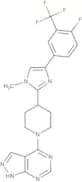
CAS:Controlled Product<p>PDGFRalpha kinase inhibitor 1 is an inhibitor of the PDGFRalpha protein. The PDGFRalpha protein is a receptor tyrosine kinase that belongs to the group of receptors that are activated by specific growth factors and cytokines. This inhibitor has affinity for the active site of PDGFRalpha, where it binds and blocks the catalytic activity of this enzyme.<br>PDGFRalpha kinase inhibitor 1 is a potent, selective and reversible inhibitor of PDGFRα with IC50 value in low micromolar range. It does not inhibit other tyrosine kinases such as PDGFRA, AXL, RET or KIT.</p>Formula:C34H34N8O2Purity:Min. 95%Molecular weight:586.7 g/molOxycodone antibody
<p>Oxycodone antibody was raised in mouse using oxycodone-BSA as the immunogen.</p>Purity:Min. 95%HCK antibody
<p>The HCK antibody is a polyclonal antibody that is used in Life Sciences research. It specifically targets the HCK protein, which is found in human hepatocytes. This antibody has been shown to have cytotoxic effects on cells expressing high levels of HCK. It can be used for various applications, including immunohistochemistry, western blotting, and flow cytometry. The HCK antibody can also be immobilized on an electrode for use in biosensor applications. In addition, this antibody has been used in studies investigating the role of interferon and CXCR4 binding proteins in cell signaling pathways. Its binding properties are highly specific to the acidic chemokine receptors expressed on human serum.</p>BIRC5 antibody
<p>The BIRC5 antibody is a monoclonal antibody that targets the growth factor known as neurotrophic factors. It acts as a neuroprotective agent by inhibiting the activity of phosphatase enzymes, which play a critical role in cell survival and growth. This antibody has shown promising results in studies involving sphingosine-induced neuronal death and pancreatic glucagon secretion. The BIRC5 antibody is produced using recombinant antigen technology and purified using cellulose-based chromatography methods. It can be used in various applications within the Life Sciences field, including research, diagnostics, and therapeutic development. This highly specific antibody is suitable for use in immunoassays, such as ELISA or Western blotting, to detect the presence of BIRC5 in samples such as blood plasma or tissue lysates. Its high affinity binding to BIRC5 makes it an ideal tool for studying cellular processes regulated by this growth factor.</p>MDL-29951
CAS:<p>Please enquire for more information about MDL-29951 including the price, delivery time and more detailed product information at the technical inquiry form on this page</p>Formula:C12H9Cl2NO4Purity:Min. 95%Molecular weight:302.11 g/molONO-7300243
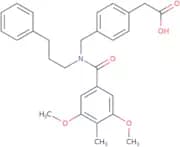
CAS:<p>ONO-7300243 is a hydrogen bond inhibitor that has been shown to have anti-fungal activity. This drug is being studied for its potential use in the treatment of HIV infection. ONO-7300243 blocks the binding of nitro groups to monoclonal antibodies, which prevents their aggregation and allows them to be used as therapeutic drugs against HIV. The mechanism of action for this drug is not fully understood, but it is thought that ONO-7300243 may inhibit the synthesis or release of inflammatory cytokines such as TNF alpha and IL-1 beta. It also binds to the CB2 receptor and MT2 receptors, which are found on immune cells, suggesting an immunosuppressive effect. ONO-7300243 has been shown to have pharmacokinetic properties that are different from other drugs in its class; it has a long half-life and low clearance rate. There are also studies showing that ONO-7300243 has fatty acid</p>Formula:C28H31NO5Purity:Min. 95%Molecular weight:461.55 g/molPDGF BB antibody
<p>PDGF BB antibody was raised in rabbit using highly pure recombinant human PDGF-BB as the immunogen.</p>Purity:Min. 95%Myeloperoxidase antibody
<p>Myeloperoxidase antibody was raised in mouse using human myeloperoxidase as the immunogen.</p>TRAPPC6B Blocking Peptide
<p>A synthetic peptide for use as a blocking control in assays to test for specificity of TRAPPC6B antibody, catalog no. 70R-3155</p>Purity:Min. 95%OXCT2 antibody
<p>OXCT2 antibody was raised using the middle region of OXCT2 corresponding to a region with amino acids GIPLLASNFISPSMTVHLHSENGILGLGPFPTEDEVDADLINAGKQTVTV</p>Purity:Min. 95%BECN1 antibody
<p>The BECN1 antibody is a monoclonal antibody that has been specifically designed to target and bind to the BECN1 protein. This protein plays a crucial role in autophagy, which is the process by which cells break down and recycle their own components. By binding to BECN1, this antibody activates the autophagy pathway, leading to increased cell survival and improved cellular function.</p>SCGB1A1 antibody
<p>SCGB1A1 antibody was raised using a synthetic peptide corresponding to a region with amino acids MDTPSSYEAAMELFSPDQDMREAGAQLKKLVDTLPQKPRESIIKLMEKIA</p>Purity:Min. 95%MAP3K15 antibody
<p>MAP3K15 antibody was raised using the middle region of MAP3K15 corresponding to a region with amino acids TLEQKTQELYHLQLKLKSNCITENPAGPYGQRTDKELIDWLRLQGADAKT</p>AID antibody
<p>The AID antibody is a highly specialized monoclonal antibody that targets the adeno-associated virus (AAV). It specifically binds to insulin and has cytotoxic properties, making it effective in the treatment of insulin-related disorders. The AID antibody works by inhibiting the activity of reactive 3-kinase, an enzyme involved in insulin signaling pathways. This inhibition leads to a decrease in insulin production and secretion, ultimately resulting in improved glucose control. Additionally, the AID antibody can be used as a diagnostic tool for detecting autoantibodies against insulin in patients with autoimmune diseases such as type 1 diabetes. With its high specificity and affinity for insulin, the AID antibody offers promising potential in the field of Life Sciences and holds great promise for therapeutic applications.</p>HSFY1 antibody
<p>HSFY1 antibody was raised in rabbit using the middle region of HSFY1 as the immunogen</p>Purity:Min. 95%DAGLB antibody
<p>DAGLB antibody was raised using the middle region of DAGLB corresponding to a region with amino acids STAELFSTYFSDTDLVPSDIAAGLALLHQQQDNIRNNQEPAQVVCHAPGS</p>Purity:Min. 95%Claudin 5 antibody
<p>Claudin 5 antibody was raised using a synthetic peptide corresponding to a region with amino acids GWAATALLMVGGCLLCCGAWVCTGRPDLSFPVKYSAPRRPTATGDYDKKN</p>Purity:Min. 95%TJP1 antibody
<p>TJP1 antibody was raised using a synthetic peptide corresponding to a region with amino acids QNHVLKQPAVSHPGHRPDKEPNLTYEPQLPYVEKQASRDLEQPTYRYESS</p>Purity:Min. 95%Cathepsin D antibody
<p>The Cathepsin D antibody is a highly specialized nuclear antibody that acts as an inhibitor of cytotoxic growth factors. This monoclonal antibody specifically targets the epidermal growth factor and has been shown to effectively neutralize its effects. Additionally, the Cathepsin D antibody has been found to inhibit the activity of hepatocyte growth factor and family kinase inhibitors, making it an ideal therapeutic option for conditions such as thrombocytopenia. With its colloidal superoxide properties, this antibody offers a comprehensive approach to combating various diseases and promoting overall health. Polyclonal Antibodies have also been developed against tumor necrosis factor-alpha (TNF-α), further expanding the potential applications of this powerful immunological tool.</p>IPP1 protein (His tag)
<p>1-171 amino acids: MEQDNSPRKI QFTVPLLEPH LDPEAAEQIR RRRPTPATLV LTSDQSSPEI DEDRIPNPHL KSTLAMSPRQ RKKMTRITPT MKELQMMVEH HLGQQQQGEE PEGAAESTGT QESRPPGIPD TEVESRLGTS GTAKKTAECI PKTHERGSKE PSTKEPSTHI PPLDSKGANS VLEHHHHHH</p>Purity:Min. 95%KIR2DL3 protein
<p>MEGVHRKPSL LAHPGPLVKS EETVILQCWS DVRFQHFLLH REGKFKDTLH LIGEHHDGIS KANFSIGPMM QDLAGTYRCY GSVTHSPYQL SAPSDPLDIV ITGLYEKPSL SAQPGPTVLA GESVTLSCSS RSSYDMYHLS REGEAHERRF SAGPKVNGTF QADFPLGPAT HGGTYRCFGS FRDSPYEWSN SSDPLLVSVT GN</p>Purity:Min. 95%MYL6 antibody
<p>MYL6 antibody was raised using the middle region of MYL6 corresponding to a region with amino acids PMLQTVAKNKDQGTYEDYVEGLRVFDKEGNGTVMGAEIRHVLVTLGEKMT</p>BHMT antibody
<p>The BHMT antibody is a highly specialized antibody that has been activated to target specific inhibitors in the body. It is commonly used in Life Sciences research and is known for its ability to bind to actin, a protein involved in cell movement and structure. This monoclonal antibody is widely used in various applications such as immunofluorescence, Western blotting, and immunohistochemistry. It can be used alongside other antibodies like phalloidin to study the dynamics of actin filaments within cells. The BHMT antibody has also been used in the detection of autoantibodies and atypical hemolytic disorders. Its versatility and specificity make it an essential tool for researchers in various fields. Additionally, this antibody does not interfere with the activity of multidrug antibiotics, making it an ideal choice for studies involving drug interactions.</p>EIF4ENIF1 antibody
<p>EIF4ENIF1 antibody was raised using the N terminal of EIF4ENIF1 corresponding to a region with amino acids TEEEPEWFSAGPTSQSETIELTGFDDKILEEDHKGRKRTRRRTASVKEGI</p>PMP22 antibody
<p>PMP22 antibody is a chemokine that exhibits cytotoxic properties and acts as an immunomodulatory agent. It has been shown to have anticancer activity by targeting reactive cells and inhibiting their growth. Additionally, PMP22 antibody possesses antiviral properties and is effective against multidrug-resistant viruses. In laboratory studies, this antibody has demonstrated its ability to bind to specific proteins and neutralize their effects. It can be used in various research applications in the field of life sciences, including but not limited to the development of monoclonal antibodies and interferon therapies. With its diverse range of functions, PMP22 antibody holds great potential for advancing scientific discoveries and medical breakthroughs.</p>NEDD8 antibody
<p>The NEDD8 antibody is a powerful tool in Life Sciences research. It is an interferon-induced protein that plays a crucial role in cell growth, differentiation, and survival. This antibody specifically targets NEDD8, neutralizing its activity and preventing it from binding to its target proteins. By inhibiting the function of NEDD8, this antibody can provide valuable insights into the molecular mechanisms underlying various cellular processes.</p>Src antibody
<p>The Src antibody is a specific antibody that targets protein kinases known as Src. This antibody acts as an enzyme inhibitor by blocking the activity of Src and preventing its phosphorylation of tyrosine residues. It also inhibits the action of phosphatases, which play a role in regulating cellular signaling pathways. The Src antibody is commonly used in Life Sciences research to study various cellular processes, including cell growth, differentiation, and migration. It has been widely utilized in studies involving polyclonal antibodies and has shown efficacy in detecting threonine phosphorylation events. This antibody can be used with human serum samples or isolated nucleic acids to investigate the role of Src in different signaling pathways, such as those involving epidermal growth factor or mitogen-activated protein kinases.</p>His tag antibody
<p>The His tag antibody is a monoclonal antibody that specifically recognizes and binds to the histidine (His) tag sequence. The histidine tag is commonly added to recombinant proteins for easy purification and detection. This antibody has been widely used in various applications such as protein-protein interactions, electrophoresis, and immunoassays. The His tag antibody can be used to detect the presence of His-tagged proteins in biological samples. It offers high specificity and sensitivity, allowing for accurate quantification of target proteins. Additionally, this antibody has low cross-reactivity with other proteins, ensuring reliable results. In addition to its use in research laboratories, the His tag antibody has also found applications in the biopharmaceutical industry. It plays a crucial role in the development and production of therapeutic proteins, including monoclonal antibodies like trastuzumab and erythropoietin. Overall, the His tag antibody is an essential tool for scientists working in life sciences research, protein engineering</p>SEK1 antibody
<p>SEK1 antibody is a highly specialized monoclonal antibody that targets the growth factor phosphatase. It has been extensively studied and proven to have cytotoxic effects on various types of cancer cells. This antibody specifically binds to the glutamate receptor, inhibiting its activity and preventing the growth and proliferation of cancerous cells. In addition, SEK1 antibody has shown promising results in bioassays, demonstrating its ability to induce apoptosis and inhibit tumor growth. Its high specificity and affinity make it an ideal tool for researchers in the field of Life Sciences who are studying the mechanisms of cell growth and development.</p>Pancreatic Polypeptide antibody
<p>The Pancreatic Polypeptide antibody is a highly specialized drug used in Life Sciences. It acts as a growth factor and works by targeting specific receptors on cells. This antibody forms dimers, which enhance its binding affinity and effectiveness. It is commonly used as an anti-CD25 antibody drug, blocking the CD25 receptor and inhibiting the function of T regulatory cells.</p>Purity:Min. 95%IKAP antibody
<p>IKAP antibody was raised in rabbit using C terminus of IKAP as the immunogen.</p>Purity:Min. 95%AXIN1 antibody
<p>The AXIN1 antibody is a monoclonal antibody that targets the protein AXIN1, which plays a crucial role in the regulation of the Wnt signaling pathway. This pathway is involved in various cellular processes and has been implicated in diseases such as cancer. The AXIN1 antibody specifically binds to AXIN1 and can be used for research purposes in Life Sciences or as a potential therapeutic agent.</p>MMP23B antibody
<p>MMP23B antibody was raised using the middle region of MMP23B corresponding to a region with amino acids QKILHKKGKVYWYKDQEPLEFSYPGYLALGEAHLSIIANAVNEGTYTCVV</p>Purity:Min. 95%Caspase 1 antibody
<p>The Caspase 1 antibody is a highly specialized monoclonal antibody that plays a crucial role in antiviral defense mechanisms. It acts as a metal-binding protein and phosphatase, regulating cellular processes such as taurine metabolism and neutralizing the effects of growth factors. This antibody can effectively induce lysis of infected cells by targeting Caspase 1, an enzyme involved in the inflammatory response.</p>Purity:Min. 95%P2RX2 antibody
<p>P2RX2 antibody was raised using the N terminal of P2RX2 corresponding to a region with amino acids VVRNRRLGVLYRAVQLLILLYFVWYVFIVQKSYQESETGPESSIITKVKG</p>Purity:Min. 95%Cytokeratin 16 antibody
<p>The Cytokeratin 16 antibody is a highly specialized product in the field of Life Sciences. It is an inhibitor that targets creatine kinase, dopamine, and other related enzymes. This monoclonal antibody is designed for the specific detection and immobilization of the nuclear isoform of cytokeratin 16.</p>ELOVL7 antibody
<p>ELOVL7 antibody was raised using a synthetic peptide corresponding to a region with amino acids MAFSDLTSRTVHLYDNWIKDADPRVEDWLLMSSPLPQTILLGFYVYFVTS</p>Haptoglobin antibody
<p>Haptoglobin antibody was raised using the middle region of HP corresponding to a region with amino acids NANFKFTDHLKYVMLPVADQDQCIRHYEGSTVPEKKTPKSPVGVQPILNE</p>Purity:Min. 95%Aprotinin antibody
<p>The Aprotinin antibody is a monoclonal antibody that targets the glycopeptide Aprotinin. This antibody has been shown to have a significant impact on various aspects of Life Sciences research. It has been found to inhibit the expression of E-cadherin, a protein involved in cell adhesion and migration. Additionally, the Aprotinin antibody has been used in studies investigating the role of interferon in adipose tissue and adipocyte function. It has also been utilized as a tool for studying insulin signaling and inhibitors of fatty acid metabolism. With its wide range of applications, this Aprotinin antibody is an essential tool for researchers in the field of Life Sciences.</p>DUX3 antibody
<p>DUX3 antibody was raised in rabbit using the N terminal of DUX3 as the immunogen</p>Purity:Min. 95%CDH1 antibody
<p>CDH1 antibody was raised in Mouse using a purified recombinant fragment of human CDH1 expressed in E. coli as the immunogen.</p>SP110 antibody
<p>The SP110 antibody is a monoclonal antibody that specifically targets the SP110 protein. This protein is involved in various cellular processes, including fibrinogen metabolism and regulation of mesenchymal stem cells. The SP110 antibody has been shown to have cytotoxic effects on cancer cells by activating caspase-9, a key enzyme involved in apoptosis. Additionally, this antibody can inhibit the activity of certain kinases, making it a potential therapeutic option for diseases related to kinase dysregulation. The SP110 antibody is widely used in life sciences research and has applications in fields such as immunology and oncology. It offers researchers a valuable tool for studying the function and regulation of the SP110 protein and its involvement in various biological pathways.</p>C13ORF7 antibody
<p>C13ORF7 antibody was raised using the N terminal Of C13Orf7 corresponding to a region with amino acids LVTDNPSKINPETVAEWKKKLRTANEIYEKVKDDVDKLKEANKKLKLENG</p>CD80 antibody
<p>The CD80 antibody is a growth factor that consists of acid residues. It belongs to the class of antibodies and specifically targets TGF-beta. This monoclonal antibody can be used in various applications in the Life Sciences field. It has been shown to neutralize the activity of CD80, which is involved in the regulation of immune responses. The CD80 antibody can be used in experiments involving transferrin or streptavidin as it binds specifically to these molecules. Additionally, it has been shown to have a trifunctional effect on mesenchymal stem cells, including promoting their proliferation, differentiation, and migration. This monoclonal antibody is highly specific and exhibits high affinity for its target molecule. Researchers can use the CD80 antibody as a valuable tool in their studies focused on understanding immune responses and developing therapeutic inhibitors.</p>PNMT antibody
<p>The PNMT antibody is a powerful tool used in Life Sciences research. It is a monoclonal antibody that specifically targets the enzyme phenylethanolamine N-methyltransferase (PNMT). This enzyme plays a crucial role in the synthesis of the neurotransmitter norepinephrine.</p>ARV1 antibody
<p>ARV1 antibody was raised using a synthetic peptide corresponding to a region with amino acids QAIRVTLNINRKLSFLAVLSGLLLESIMVYFFQSMEWDVGSDYAIFKSQD</p>Purity:Min. 95%IL16 antibody
<p>IL16 antibody was raised in rabbit using highly pure recombinant hIL-16 as the immunogen.</p>Purity:Min. 95%SULT1B1 antibody
<p>SULT1B1 antibody was raised using the N terminal of SULT1B1 corresponding to a region with amino acids MLSPKDILRKDLKLVHGYPMTCAFASNWEKIEQFHSRPDDIVIATYPKSG</p>PREP Blocking Peptide
<p>A synthetic peptide for use as a blocking control in assays to test for specificity of PREP antibody, catalog no. 70R-4323</p>Purity:Min. 95%CD5 antibody
<p>CD5 antibody is a monoclonal antibody that targets CD5, a protein expressed on the surface of certain cells, including MDA-MB-231 breast cancer cells. This antibody can be used in various life science applications, such as cell-based assays and immunohistochemistry. CD5 antibody has been shown to have cytotoxic effects on cancer cells and may be useful in combination with other anti-cancer drugs. Additionally, this antibody can be used in studies involving cardiac muscle troponin and glucagon. Its specificity and effectiveness make it a valuable tool for researchers in the field of molecular biology and drug discovery.</p>STAT2 antibody
<p>The STAT2 antibody is a polyclonal antibody that is used in life sciences research. It specifically targets the STAT2 protein, which plays a crucial role in signal transduction and immune response. This antibody can be used to study various cellular processes such as growth factor signaling, fatty acid metabolism, and phosphatase activity. The STAT2 antibody is highly specific and has been validated for use in different applications including Western blotting, immunohistochemistry, and immunofluorescence. It is produced using state-of-the-art techniques to ensure high quality and reliability. Additionally, this antibody has been purified using serum albumin-binding cellulose columns to eliminate any non-specific binding. Trust the STAT2 antibody for accurate and reproducible results in your research experiments.</p>Human Growth Hormone (> 95% pure)
<p>Purified native Human Human Growth Hormone (> 95% pure)</p>Purity:Purity ≥95% By Sds-PageCD41 antibody
<p>The CD41 antibody is a monoclonal antibody that is widely used in the field of Life Sciences. It specifically targets the CD41 protein, which is involved in various biological processes such as collagen binding and TGF-beta signaling. This antibody is highly effective in detecting and quantifying CD41 expression levels in different cell types.</p>DNASE2B antibody
<p>DNASE2B antibody was raised using the middle region of DNASE2B corresponding to a region with amino acids QKGTKNRWTCIGDLNRSPHQAFRSGGFICTQNWQIYQAFQGLVLYYESCK</p>Purity:Min. 95%ISLR2 antibody
<p>ISLR2 antibody was raised using the N terminal of ISLR2 corresponding to a region with amino acids PFHCGCGLVWLQAWAASTRVSLPEPDSIACASPPALQGVPVYRLPALPCA</p>Purity:Min. 95%TNFRSF11B antibody
<p>TNFRSF11B antibody was raised in Mouse using a purified recombinant fragment of human TNFRSF11B expressed in E. coli as the immunogen.</p>Cytokeratin 19 antibody
<p>Cytokeratin 19 antibody is a low-molecular-weight monoclonal antibody that specifically binds to cytokeratin 19, a protein found in epithelial cells. This antibody has been used in various applications in the field of life sciences, including research and diagnostics. It can be used to detect and quantify cytokeratin 19 expression in tissues and cells, making it a valuable tool for studying epithelial cell biology. The dextran sulfate conjugated to the antibody enhances its stability and allows for efficient binding to target molecules. Whether you're conducting experiments or developing new diagnostic assays, this cytokeratin 19 antibody is an essential component for your research toolkit. Trust its high specificity and sensitivity to deliver accurate and reliable results.</p>Binding/Coating Buffer (10X)
<p>ELISA buffer for optimal coating and binding of antibodies and antigens</p>Purity:Min. 95%CD13 antibody
<p>The CD13 antibody is a powerful tool used in Life Sciences research. It is a monoclonal antibody that specifically targets CD13, also known as Aminopeptidase N. This protein plays a crucial role in various physiological processes, including cell adhesion, migration, and signal transduction.</p>PIWIL4 antibody
<p>PIWIL4 antibody was raised using a synthetic peptide corresponding to a region with amino acids LSNNEASSSNGFLGTSRISTNDKYGISSGDAGSTFMERGVKNKQDFMDLS</p>TACC3 antibody
<p>The TACC3 antibody is a protein that acts as a monoclonal antibody. It specifically targets TNF-related apoptosis-inducing ligand (TRAIL), which plays a crucial role in cell death regulation. The TACC3 antibody has been shown to inhibit the activity of TRAIL, preventing it from triggering apoptosis in cells. This makes it an effective tool for research and development in the field of life sciences.</p>IVD antibody
<p>The IVD antibody is a powerful tool in the field of Life Sciences. It is a glycopeptide that specifically targets alpha-fetoprotein, chemokines, and globulins. This monoclonal antibody is designed to recognize and bind to specific antigens, allowing for precise detection and analysis. With its glycosylation properties, the IVD antibody can effectively neutralize and inhibit factors that may be harmful to the body. Additionally, it has been shown to have neuroprotective effects and can enhance the activity of interferon-gamma (IFN-gamma). Its ability to interact with glycans makes it a versatile tool in various research applications. Trust the IVD antibody to provide accurate and reliable results for your experiments and studies.</p>GPI antibody
<p>The GPI antibody is a biomolecule that belongs to the class of antibodies. It has been shown to have neutralizing effects on influenza hemagglutinin and is widely used in the field of Life Sciences. This monoclonal antibody can be used in various applications, including as a diagnostic tool or therapeutic agent. It has been extensively studied and characterized for its ability to bind specifically to its target antigen. The GPI antibody has been used in research studies involving DNA vaccines, neonatal serum, and human serum samples. Additionally, it has been utilized in the detection and measurement of autoantibodies, such as antiphospholipid antibodies, making it an invaluable tool for researchers in this field. With its high specificity and affinity, this monoclonal antibody is an essential component in various scientific experiments and assays.</p>ZBTB26 antibody
<p>ZBTB26 antibody was raised in rabbit using the C terminal of ZBTB26 as the immunogen</p>Purity:Min. 95%LY 2584702
CAS:<p>Inhibitor of ribosomal protein kinase p70S6K</p>Formula:C21H19F4N7Purity:Min. 95%Molecular weight:445.42 g/molEce2 antibody
<p>Ece2 antibody was raised in rabbit using the middle region of Ece2 as the immunogen</p>Purity:Min. 95%iNOS antibody
<p>The iNOS antibody is a highly specialized polyclonal antibody that targets the inducible nitric oxide synthase (iNOS). It is commonly used in life sciences research to study the role of iNOS in various biological processes. This antibody specifically binds to iNOS and can be used for applications such as immunohistochemistry, western blotting, and flow cytometry.</p>Hepatitis C Virus antibody
<p>Hepatitis C virus antibody was raised in mouse using hepatitis C core antigen as the immunogen.</p>Goat anti Donkey IgG (H + L) (HRP)
<p>This antibody reacts with heavy chains on Donkey IgG and light chains on all Donkey immunoglobulins.</p>Purity:Min. 95%SLCO5A1 antibody
<p>SLCO5A1 antibody was raised in rabbit using the middle region of SLCO5A1 as the immunogen</p>Purity:Min. 95%GALNT6 antibody
<p>GALNT6 antibody was raised using a synthetic peptide corresponding to a region with amino acids EIIPCSVVGHVFRTKSPHTFPKGTSVIARNQVRLAEVWMDSYKKIFYRRN</p>Purity:Min. 95%KIF12 antibody
<p>KIF12 antibody was raised using the N terminal of KIF12 corresponding to a region with amino acids SLGSPRPLPVRWNKTRGFYVEQLRVVEFGSLEALMELLQTGLSRRRNSAH</p>Purity:Min. 95%KIAA1468 antibody
<p>KIAA1468 antibody was raised in Rabbit using Human KIAA1468 as the immunogen</p>MBP antibody
<p>MBP antibody was raised using the middle region of MBP corresponding to a region with amino acids FKDRPSESDELQTIQEDSAATSESLDVMASQKRPSQRHGSKYLATASTMD</p>PPM1G antibody
<p>The PPM1G antibody is a highly potent inhibitor that belongs to the class of antibodies used in Life Sciences. It exhibits an inhibitory effect on phosphatase activity, making it an essential tool for research and industrial applications. This monoclonal antibody specifically targets PPM1G, a phosphatase enzyme involved in various cellular processes. The PPM1G antibody can be used for immobilization purposes or as part of molecular modeling studies. Its specificity and high affinity make it a valuable asset in the field of antibody-based research and development.</p>HAS3 antibody
<p>HAS3 antibody was raised using the C terminal of HAS3 corresponding to a region with amino acids SDTVLDPACTIEMLRVLEEDPQVGGVGGDVQPPGKGMAVEDDQVQAAQVR</p>Purity:Min. 95%MSH6 antibody
<p>MSH6 antibody was raised using a synthetic peptide corresponding to a region with amino acids ISDSESDIGGSDVEFKPDTKEEGSSDEISSGVGDSESEGLNSPVKVARKR</p>Purity:Min. 95%NFkB regulatory factor antibody
<p>Rabbit polyclonal NFkB antibody (Regulatory Factor)</p>Purity:Min. 95%Caspase 3 antibody
<p>The Caspase 3 antibody is a polyclonal antibody that is used in Life Sciences research. It is commonly used to study apoptosis, the process of programmed cell death. This antibody specifically targets caspase 3, an enzyme involved in the execution phase of apoptosis. It can be used in various applications such as immunohistochemistry, western blotting, and flow cytometry.</p>SKF 83822
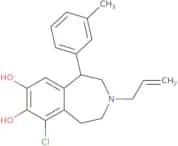
CAS:<p>SKF 83822 is a medicinal compound that acts as a cyclin-dependent kinase inhibitor. It has been shown to have potential as an anticancer agent, particularly for the treatment of leukemia and other tumors. This compound inhibits the activity of cyclin-dependent kinases, which play a crucial role in cell cycle regulation and proliferation. By blocking this process, SKF 83822 induces apoptosis (programmed cell death) in cancer cells, leading to their destruction. In addition to its effects on cancer cells, this compound has also been found to have anti-inflammatory properties in Chinese hamster ovary cells. Overall, SKF 83822 shows promise as a potent inhibitor of protein kinases and may be useful in the development of new cancer therapies.</p>Formula:C20H22ClNO2Purity:Min. 95%Molecular weight:343.8 g/molMinoxidil sulfate-d10
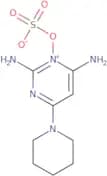
CAS:<p>Please enquire for more information about Minoxidil sulfate-d10 including the price, delivery time and more detailed product information at the technical inquiry form on this page</p>Formula:C9H15N5O4SPurity:Min. 95%Molecular weight:299.38 g/molTetraspanin 6 antibody
<p>Tetraspanin 6 antibody was raised using the N terminal of TSPAN6 corresponding to a region with amino acids VGIWGKVSLENYFSLLNEKATNVPFVLIATGTVIILLGTFGCFATCRASA</p>Purity:Min. 95%ARSH antibody
<p>ARSH antibody was raised using the middle region of ARSH corresponding to a region with amino acids FIERYKREPFLLFFSFLHVHTPLISKKKFVGRSKYGRYGDNVEEMDWMVG</p>Purity:Min. 95%Rabbit anti Mouse IgG (H + L) (Alk Phos)
<p>This antibody reacts with heavy (gamma) chains on mouse IgG and light chains on all mouse immunoglobulins.</p>Purity:Min. 95%IRS1 antibody
<p>The IRS1 antibody is a highly specialized antibody that targets the insulin receptor substrate 1 (IRS1). This antibody is widely used in research and diagnostic applications to study various cellular processes and signaling pathways.</p>MUM1 antibody
<p>MUM1 antibody was raised in Mouse using a purified recombinant fragment of human MUM1 expressed in E. coli as the immunogen.</p>BXDC1 antibody
<p>BXDC1 antibody was raised in mouse using recombinant Human Brix Domain Containing 1 (Bxdc1)</p>ANGPTL2 antibody
<p>ANGPTL2 antibody was raised using the N terminal of ANGPTL2 corresponding to a region with amino acids NSKEPEVLLENRVHKQELELLNNELLKQKRQIETLQQLVEVDGGIVSEVK</p>Purity:Min. 95%PRG3 antibody
<p>PRG3 antibody was raised in rabbit using residues 170-185 [VTLIHSQVALADKELL] of the 41 kDa human PRG3 protein as the immunogen.</p>Purity:Min. 95%PPP1R15A antibody
<p>The PPP1R15A antibody is a powerful tool used in various research applications. This antibody specifically targets the PPP1R15A protein, which plays a crucial role in cellular responses to stress and the regulation of protein synthesis.</p>VGLL1 antibody
<p>The VGLL1 antibody is a highly specific monoclonal antibody that targets mesothelin, a serum albumin protein. It is widely used in the field of Life Sciences for various research applications. This antibody has been shown to effectively detect and quantify mesothelin levels in biological samples, making it an invaluable tool for studying its expression and function. Additionally, the VGLL1 antibody has been proven to modulate glutamate signaling and regulate e-cadherin expression, which are essential processes in cellular communication and adhesion. Furthermore, this antibody has demonstrated interactions with other important proteins such as osteopontin, oncostatin, and β-catenin, suggesting its involvement in multiple signaling pathways. The VGLL1 antibody is available as both monoclonal and polyclonal antibodies and is compatible with human serum samples. With its high specificity and ability to activate downstream signaling pathways, the VGLL1 antibody is an indispensable resource for researchers in various fields of study.</p>Rab11B antibody
<p>Rab11B antibody was raised in Rat using Mouse RAB11B and GST fusion protein as the immunogen.</p>CLIC3 antibody
<p>CLIC3 antibody was raised in rabbit using the N terminal of CLIC3 as the immunogen</p>Purity:Min. 95%CD4 antibody (allophycocyanin)
<p>Rat monoclonal CD4 antibody (allophycocyanin); IgG2a kappa; clone RM4-5</p>IL16 antibody
<p>The IL16 antibody is a powerful tool in the field of Life Sciences. It is an interferon that plays a crucial role in various biological processes. This polyclonal antibody targets IL16, which is involved in the regulation of immune responses and inflammation. The IL16 antibody can be used for applications such as immunoassays, immunohistochemistry, and Western blotting.</p>Purity:Min. 95%FYN antibody
<p>FYN antibody was raised using the N terminal of FYN corresponding to a region with amino acids GCVQCKDKEATKLTEERDGSLNQSSGYRYGTDPTPQHYPSFGVTSIPNYN</p>Purity:Min. 95%BTK antibody
<p>The 6-Fluoro-3-indoxyl-beta-D-galactopyranoside is a powerful antituberculosis drug that falls under the class of rifamycins. It is highly effective in treating tuberculosis infections and contains active compounds that exhibit bactericidal activity. This drug works by binding to DNA-dependent RNA polymerase, preventing transcription and replication, thereby inhibiting bacterial growth. Its efficacy has been demonstrated through extensive research using techniques like patch-clamp on human erythrocytes. The drug undergoes various metabolic transformations, including hydrolysis by esterases or glucuronidases, oxidation by cytochrome P450 enzymes, reduction by glutathione reductase, or conjugation with glucuronic acid. Additionally, it specifically targets markers expressed at high levels in Mycobacterium tuberculosis strains and inhibits their growth in culture.</p>Arntl2 antibody
<p>Arntl2 antibody was raised in rabbit using the C terminal of Arntl2 as the immunogen</p>Purity:Min. 95%Normal Donkey Serum
<p>Normal Donkey Serum is a valuable biospecimen used in various life science and veterinary applications. Derived from donkeys, this serum contains a range of important components that make it useful for research purposes. Normal Donkey Serum is commonly used as a blocking agent to prevent non-specific binding of antibodies in immunohistochemistry and immunocytochemistry experiments. It also serves as an essential component in the development of monoclonal antibodies and other cell-based assays. This serum contains various growth factors, such as epidermal growth factor, which can promote cell proliferation and differentiation. Additionally, Normal Donkey Serum contains inhibitors that can modulate specific signaling pathways, including the interferon pathway and the phosphoinositide 3-kinase (PI3K) pathway. Researchers often use Normal Donkey Serum as a control or reference sample in their experiments. Its acidic pH and low hemolysis rate make it suitable for a wide range of applications. Furthermore, its immobilization properties allow for stable electrode</p>NAT2 antibody
<p>NAT2 antibody was raised using a synthetic peptide corresponding to a region with amino acids CLTEERGIWYLDQIRREQYITNKEFLNSHLLPKKKHQKIYLFTLEPRTIE</p>RPS16 antibody
<p>RPS16 antibody was raised in rabbit using the N terminal of RPS16 as the immunogen</p>Purity:Min. 95%His tag antibody
<p>The His tag antibody is a hormone peptide used in Life Sciences. It acts as an anti-connexin agent and can bind to collagen. This antibody is commonly used in research and diagnostics. It is available in both polyclonal and monoclonal forms, allowing for a wide range of applications. The His tag antibody has glycan-binding properties, making it suitable for studying glycan structures. Additionally, it has neutralizing capabilities against certain targets and can be used as a neuroprotective agent. With its high specificity and affinity, the His tag antibody is a valuable tool in the field of molecular biology.</p>Purity:Min. 95%Vibrio cholerae O1 Ogawa & Inaba antibody
<p>The Vibrio cholerae O1 Ogawa & Inaba antibody is a powerful tool used in the field of Life Sciences. This monoclonal antibody specifically targets the galactose and tyrosine residues present on the cell surface antigen of Vibrio cholerae O1 strains, including both Ogawa and Inaba serotypes. It plays a crucial role in various research applications, such as immunohistochemistry, flow cytometry, and ELISA.</p>UBE2D2 Blocking Peptide
<p>A synthetic peptide for use as a blocking control in assays to test for specificity of UBE2D2 antibody, catalog no. 70R-6976</p>Purity:Min. 95%RanBP17 antibody
<p>RanBP17 antibody was raised in rabbit using RanBP17 protein. as the immunogen.</p>Purity:Min. 95%