Biochemicals and Reagents
Biochemicals and reagents are fundamental substances for research and development in fields such as biotechnology, molecular biology, pharmacology, and medicine. These products are essential for a variety of applications, including compound synthesis, biological sample analysis, metabolic process research, and drug production. At CymitQuimica, we offer a wide selection of high-quality, high-purity biochemicals and reagents suitable for various scientific and industrial needs. Our catalog includes enzymes, antibodies, nucleic acids, amino acids, and many other products, all designed to support researchers and professionals in their research and development projects, ensuring reliable and reproducible results.
Subcategories of "Biochemicals and Reagents"
- Biomolecules(99,085 products)
- By Biological Target(99,070 products)
- By Pharmacological Effects(6,784 products)
- Cryopreservatives(21 products)
- Desinfectants and Related Compounds(28 products)
- Hormones(346 products)
- Plant Biology(6,693 products)
- Secondary Metabolites(14,217 products)
Found 130575 products of "Biochemicals and Reagents"
Sort by
Purity (%)
0
100
|
0
|
50
|
90
|
95
|
100
MFAP3L Blocking Peptide
<p>A synthetic peptide for use as a blocking control in assays to test for specificity of MFAP3L antibody, catalog no. 70R-1726</p>Purity:Min. 95%TGDS antibody
<p>TGDS antibody was raised using the middle region of TGDS corresponding to a region with amino acids DEVYGGSLDKEFDESSPKQPTNPYASSKAAAECFVQSYWEQYKFPVVITR</p>PPIA antibody
<p>PPIA antibody was raised using a synthetic peptide corresponding to a region with amino acids TAKTEWLDGKHVVFGKVKEGMNIVEAMERFGSRNGKTSKKITIADCGQLE</p>Lamin B2 antibody
<p>The Lamin B2 antibody is a highly specialized antibody that targets autoantibodies in cardiomyocytes. It is also effective against anti-mesothelin antibodies. This antibody plays a crucial role in the field of Life Sciences and medicine, as it serves as a serum marker for various diseases and conditions. The Lamin B2 antibody has been shown to interact with dopamine, which is involved in numerous physiological processes. Additionally, this antibody has the ability to activate methyltransferase enzymes and modulate interleukin levels. Furthermore, it influences the release of acetylcholine and regulates transmembrane conductance. With its unique properties and high specificity, the Lamin B2 antibody is an essential tool for researchers and healthcare professionals alike.</p>Hspb7 Blocking Peptide
<p>A synthetic peptide for use as a blocking control in assays to test for specificity of Hspb7 antibody, catalog no. 70R-8510</p>Purity:Min. 95%PPM1M Blocking Peptide
<p>A synthetic peptide for use as a blocking control in assays to test for specificity of PPM1M antibody, catalog no. 70R-3594</p>Purity:Min. 95%CAMK1G antibody
<p>CAMK1G antibody was raised using the middle region of CAMK1G corresponding to a region with amino acids KDFICHLLEKDPNERYTCEKALSHPWIDGNTALHRDIYPSVSLQIQKNFA</p>HER2 antibody
<p>The HER2 antibody, also known as trastuzumab, is a highly effective cytotoxic agent used in the treatment of various cancers. This monoclonal antibody specifically targets the HER2 receptor, a glycoprotein that plays a crucial role in cell growth and division. By binding to the HER2 receptor, trastuzumab inhibits its activity and prevents the growth and proliferation of cancer cells.</p>Purity:Min. 95%C19ORF28 Blocking Peptide
<p>A synthetic peptide for use as a blocking control in assays to test for specificity of C19orf28 antibody, catalog no. 70R-6785</p>Purity:Min. 95%RBM4 Blocking Peptide
<p>A synthetic peptide for use as a blocking control in assays to test for specificity of RBM4 antibody, catalog no. 70R-4829</p>Purity:Min. 95%RAD50 antibody
<p>The RAD50 antibody is a collagen-based monoclonal antibody used in bioassays within the Life Sciences field. It is designed for intraocular use and can be immobilized on microspheres or colloidal particles for ultrasensitive detection. This antibody demonstrates high reactivity with human serum, making it an ideal tool for various diagnostic applications. Additionally, the RAD50 antibody can be used in electrode-based assays to detect the presence of growth factors and other biomarkers. Its specificity and reliability have been validated through extensive testing using hybridoma cells that produce this monoclonal antibody.</p>PCBP2 antibody
<p>PCBP2 antibody was raised using a synthetic peptide corresponding to a region with amino acids KKGESVKKMREESGARINISEGNCPERIITLAGPTNAIFKAFAMIIDKLE</p>TAF15 Blocking Peptide
<p>A synthetic peptide for use as a blocking control in assays to test for specificity of TAF15 antibody, catalog no. 70R-4631</p>Purity:Min. 95%Lipoprotein Lipase Antibody
<p>Lipoprotein Lipase Antibody is a potent monoclonal antibody that specifically targets and neutralizes the activity of lipoprotein lipase (LPL). LPL is an enzyme that plays a crucial role in lipid metabolism, particularly in adipose tissue. This antibody has been extensively studied in the field of Life Sciences and has shown promising results in various applications.</p>PLA2G5 Blocking Peptide
<p>A synthetic peptide for use as a blocking control in assays to test for specificity of PLA2G5 antibody, catalog no. 70R-5272</p>Purity:Min. 95%Merlin antibody
<p>The Merlin antibody is a highly specialized monoclonal antibody that targets specific proteins involved in various physiological processes. It has been shown to have a significant impact on the regulation of erythropoietin and endothelial growth factor, both of which play crucial roles in cell growth and development. Additionally, the Merlin antibody has been found to interact with androgen receptors, modulating their activity and influencing hormone response.</p>Purity:Min. 95%DDHD2 antibody
<p>DDHD2 antibody was raised using the N terminal of DDHD2 corresponding to a region with amino acids DGWGSTPTEQGRPRTVKRGVENISVDIHCGEPLQIDHLVFVVHGIGPACD</p>HYOU1 Blocking Peptide
<p>A synthetic peptide for use as a blocking control in assays to test for specificity of HYOU1 antibody, catalog no. 70R-6400</p>Purity:Min. 95%Goat anti Human IgA (α chain) (HRP)
<p>Goat anti-Human IgA (alpha chain) (HRP) was raised in goat using purified Human IgA as the immunogen.</p>Purity:Min. 95%FLJ44894 antibody
<p>FLJ44894 antibody was raised in rabbit using the middle region of FLJ44894 as the immunogen</p>Purity:Min. 95%FBXO24 Blocking Peptide
<p>A synthetic peptide for use as a blocking control in assays to test for specificity of FBXO24 antibody, catalog no. 70R-2810</p>Purity:Min. 95%LTK Blocking Peptide
<p>A synthetic peptide for use as a blocking control in assays to test for specificity of LTK antibody, catalog no. 70R-10027</p>Purity:Min. 95%ABL1 antibody
<p>The ABL1 antibody is a highly specific monoclonal antibody that is widely used in life sciences research. It is designed to target and bind to the ABL1 protein, which plays a crucial role in cell signaling and regulation. This antibody has been extensively tested and characterized for its high affinity and specificity, ensuring accurate and reliable results in various immunoassays.</p>C17ORF80 Blocking Peptide
<p>A synthetic peptide for use as a blocking control in assays to test for specificity of C17orf80 antibody, catalog no. 70R-6883</p>Purity:Min. 95%RNF39 Blocking Peptide
<p>A synthetic peptide for use as a blocking control in assays to test for specificity of RNF39 antibody, catalog no. 70R-3093</p>Purity:Min. 95%UBE2L3 Blocking Peptide
<p>A synthetic peptide for use as a blocking control in assays to test for specificity of UBE2L3 antibody, catalog no. 70R-2746</p>Purity:Min. 95%PIAS2 Blocking Peptide
<p>A synthetic peptide for use as a blocking control in assays to test for specificity of PIAS2 antibody, catalog no. 70R-2646</p>Purity:Min. 95%Factor XI antibody (biotin)
<p>Factor XI antibody (biotin) was raised in goat using human Factor XI purified from plasma as the immunogen.</p>PDP2 Blocking Peptide
<p>A synthetic peptide for use as a blocking control in assays to test for specificity of PDP2 antibody, catalog no. 70R-3847</p>Purity:Min. 95%TIMELESS Blocking Peptide
<p>A synthetic peptide for use as a blocking control in assays to test for specificity of TIMELESS antibody, catalog no. 20R-1199</p>Purity:Min. 95%MAP2K3 Blocking Peptide
<p>A synthetic peptide for use as a blocking control in assays to test for specificity of MAP2K3 antibody, catalog no. 70R-2685</p>Purity:Min. 95%DDX4 antibody
<p>DDX4 antibody was raised in Mouse using a purified recombinant fragment of human DDX4 expressed in E. coli as the immunogen.</p>P2ry1 Blocking Peptide
<p>A synthetic peptide for use as a blocking control in assays to test for specificity of P2ry1 antibody, catalog no. 70R-9082</p>Purity:Min. 95%TFPI antibody
<p>TFPI antibody was raised in sheep using Synthetic peptide corresponding to NH-terminus of human TFPI conjugated to carrier as the immunogen.</p>Purity:Min. 95%Decorin Blocking Peptide
<p>A synthetic peptide for use as a blocking control in assays to test for specificity of DCN antibody, catalog no. 70R-5385</p>Purity:Min. 95%ZBTB43 Blocking Peptide
<p>A synthetic peptide for use as a blocking control in assays to test for specificity of ZBTB43 antibody, catalog no. 70R-8305</p>Purity:Min. 95%FSCN3 antibody
<p>FSCN3 antibody was raised in rabbit using the C terminal of FSCN3 as the immunogen</p>Purity:Min. 95%Donkey anti Goat IgG (H + L) (Alk Phos)
<p>Donkey anti-goat IgG (H+L) (Alk Phos) was raised in donkey using goat IgG whole molecule as the immunogen.</p>Purity:Min. 95%Norovirus genogroup I Antigen
<p>Norovirus genogroup I Antigen is a recombinant protein used for diagnostic purposes. It is commonly used in polymerase chain reaction (PCR) assays and electrochemical impedance-based techniques to detect the presence of norovirus genogroup I. This antigen is designed with specific amino acid residues that mimic the antigen binding domain of the virus, allowing for accurate detection in clinical samples such as human serum and plasma. The microsphere composition and crystal microbalance technology enhance the sensitivity of the assay, ensuring reliable results. This Norovirus genogroup I Antigen is widely used in life sciences research and clinical diagnostics to identify and monitor norovirus infections.</p>Purity:Min. 95%7α-Hydroxy-3-oxo-4-cholestenoic acid
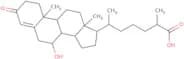
CAS:Controlled Product<p>7α-Hydroxy-3-oxo-4-cholestenoic acid is a fatty acid that is synthesized by the liver. This compound has been shown to have health effects, including increasing the production of monoclonal antibodies in mice and protecting brain cells from damage in rats. 7α-Hydroxy-3-oxo-4-cholestenoic acid also has an acidic nature and can form hydrogen ions when metabolized. It can be toxic to humans, with high doses causing liver damage. The metabolites of 7α-hydroxycholesterols are known to play a role in cancer progression and may be involved in the development of malignant melanoma cells.</p>Formula:C27H42O4Purity:Min. 95%Molecular weight:430.62 g/molTPH2 Blocking Peptide
<p>A synthetic peptide for use as a blocking control in assays to test for specificity of TPH2 antibody, catalog no. 70R-2011</p>Purity:Min. 95%RBPMS antibody
<p>RBPMS antibody was raised using the N terminal of RBPMS corresponding to a region with amino acids LFRPFKGYEGSLIKLTSKQPVGFVSFDSRSEAEAAKNALNGIRFDPEIPQ</p>OAS1 Blocking Peptide
<p>A synthetic peptide for use as a blocking control in assays to test for specificity of OAS1 antibody, catalog no. 70R-9084</p>Purity:Min. 95%Fatty Acid Synthase antibody
<p>The Fatty Acid Synthase antibody is a highly specialized protein used in Life Sciences research. It is an essential tool for studying the role of fatty acid synthesis in various biological processes. This antibody specifically targets and neutralizes proteins involved in the synthesis of fatty acids, such as TNF-α, interleukin-6, and chemokines.</p>XIAP antibody
<p>The XIAP antibody is a highly specialized and activated monoclonal antibody that targets specific proteins involved in cell growth and survival. It is particularly effective against autoantibodies and glycosylation, which can disrupt normal cellular function. The XIAP antibody has been shown to inhibit the activity of insulin and epidermal growth factor, two important growth factors involved in cell proliferation. Additionally, it has demonstrated the ability to neutralize alkaline phosphatases and anti-acth antibodies, which are known to contribute to various diseases. This antibody is a powerful tool in life sciences research and can be used in a variety of applications, including diagnostics, therapeutics, and protein analysis. With its high specificity and potency, the XIAP antibody is an indispensable asset for scientists and researchers in the field.</p>IgM Isotype Control Fc fusion protein (biotin)
<p>Rat monoclonal IgM Isotype Control Fc fusion protein (biotin)</p>Purity:Min. 95%RAD1 antibody
<p>RAD1 antibody was raised in rabbit using the middle region of RAD1 as the immunogen</p>Purity:Min. 95%RHOB Blocking Peptide
<p>A synthetic peptide for use as a blocking control in assays to test for specificity of RHOB antibody, catalog no. 70R-4030</p>Purity:Min. 95%ASB8 Blocking Peptide
<p>A synthetic peptide for use as a blocking control in assays to test for specificity of ASB8 antibody, catalog no. 70R-5837</p>Purity:Min. 95%REG3A Blocking Peptide
<p>A synthetic peptide for use as a blocking control in assays to test for specificity of REG3A antibody, catalog no. 70R-9069</p>Purity:Min. 95%Centa1 antibody
<p>Centa1 antibody was raised in rabbit using the C terminal of Centa1 as the immunogen</p>Purity:Min. 95%LY 225910
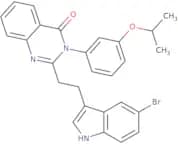
CAS:<p>LY 225910 is a polymerase chain inhibitor that prevents the formation of new DNA. It has been shown to inhibit the activity of gamma-aminobutyric acid (GABA) in rat model systems and to reduce symptoms of epilepsy. LY 225910 has also been shown to inhibit chelerythrine, an inhibitor of protein kinases, and whole-cell recordings have demonstrated that LY 225910 inhibits cellular physiology by reducing fatty acid metabolism. This drug also binds to bradykinin B2 receptors and neurotrophic factors, such as endocannabinoids, growth factors, and glutamate.</p>Formula:C27H24BrN3O2Purity:Min. 95%Molecular weight:502.4 g/molH-Asp-Leu-OH
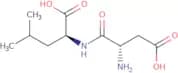
CAS:<p>Please enquire for more information about H-Asp-Leu-OH including the price, delivery time and more detailed product information at the technical inquiry form on this page</p>Formula:C10H18N2O5Purity:Min. 95 Area-%Color and Shape:PowderMolecular weight:246.26 g/molEstrogen Receptor α antibody
<p>The Estrogen Receptor alpha antibody is a powerful tool in the field of Life Sciences. It is an antibody that specifically targets and binds to the estrogen receptor alpha, a protein complex involved in various cellular processes. This antibody has been extensively tested and validated for its high affinity and specificity.</p>Purity:Min. 95%Akt antibody (Tyr474)
<p>Also known as Protein Kinase B (PKB), Akt is a signaling protein in cells that regulates important processes like cell growth, survival, metabolism, and proliferation. It functions within the PI3K/Akt pathway, one of the primary pathways for cell survival and growth. This pathway is activated by growth factors and hormones such as insulin. Upon activation, Akt is recruited to the cell membrane, where it is phosphorylated by kinases like PDK1, triggering its full activation. Akt can then influence downstream processes, inhibiting apoptosis to promote cell survival, supporting cell growth via pathways like mTOR, and enhancing glucose metabolism.Akt plays a key role in diseases like cancer and diabetes. Dysregulation of the Akt pathway is frequently observed in cancer, often due to mutations in pathway components such as PI3K, PTEN, or Akt itself, resulting in increased cell survival, growth, and resistance to therapies. In diabetes, insulin resistance diminishes Akt pathway responsiveness, reducing glucose uptake and leading to elevated blood glucose levels. Thus, the Akt pathway is a focal point in therapeutic research, particularly for diseases where its regulatory effects on cell growth and metabolism are implicated.</p>ZNF317 antibody
<p>ZNF317 antibody was raised in rabbit using the C terminal of ZNF317 as the immunogen</p>Purity:Min. 95%Acidic hair keratin K38 antibody
<p>acidic hair keratin K38 antibody was raised in Guinea Pig using synthetic peptide of human acidic hair (trichocytic) keratin K38 coupled to KLH as the immunogen.</p>Purity:Min. 95%DVL1 antibody
<p>DVL1 antibody was raised using a synthetic peptide corresponding to a region with amino acids LKITIANAVIGADVVDWLYTHVEGFKERREARKYASSLLKHGFLRHTVNK</p>ZNF71 antibody
<p>ZNF71 antibody was raised in rabbit using the N terminal of ZNF71 as the immunogen</p>Purity:Min. 95%Actin antibody
<p>The Actin antibody is a highly specific antibody that targets actin, a protein essential for cellular structure and movement. It is widely used in Life Sciences research to study the role of actin in various biological processes. This antibody has been validated for multiple applications, including immunofluorescence (IF), immunohistochemistry (IHC), Western blotting, and flow cytometry.</p>SLC12A8 antibody
<p>SLC12A8 antibody was raised using a synthetic peptide corresponding to a region with amino acids IIRLQLLLLFLLAVSTLDFVVGSFTHLDPEHGFIGYSPELLQNNTLPDYS</p>Purity:Min. 95%CTX-712
CAS:<p>CTX-712 is an innovative small-molecule inhibitor, which is synthesized through state-of-the-art organic chemical processes. This compound functions by selectively targeting and inhibiting specific intracellular pathways critical for tumor cell proliferation and survival. Through its precise mechanism of disrupting key signaling cascades, CTX-712 effectively impairs the growth of cancer cells while minimizing the impact on normal, healthy tissues.</p>Formula:C19H17FN8O2Purity:Min. 95%Molecular weight:408.39 g/molHK1 antibody
<p>HK1 antibody was raised in rabbit using the middle region of HK1 as the immunogen</p>MAL-dPEG®4-(m-dPEG®24)3
CAS:<p>MAL-dPEG®4-(m-dPEG®24)3 is a PEG compound with two different functional groups (also known as heterobifunctional). Unlike homobifunctional PEG compounds (same functional group on both ends), this type of compounds are more versatile as have two different anchor points. MAL-dPEG®4-(m-dPEG®24)3 is used as a linker and spacer to add a PEG moiety, via pegylation (a bioconjugation technique) to proteins, peptides, oligonucleotides, small molecules and nanoparticles.</p>Formula:C23H40N4O12Purity:Min. 95%Molecular weight:564.58 g/molm-dPEG®-Acid (MW = 412)
CAS:<p>m-dPEG®-Acid (MW = 412) is a PEG compound with two different functional groups (also known as heterobifunctional). Unlike homobifunctional PEG compounds (same functional group on both ends), this type of compounds are more versatile as have two different anchor points. m-dPEG®-Acid (MW = 412) is used as a linker and spacer to add a PEG moiety, via pegylation (a bioconjugation technique) to proteins, peptides, oligonucleotides, small molecules and nanoparticles.</p>Purity:Min. 95%Molecular weight:412.47 g/molLipoamido-dPEG®36-TFP Ester
CAS:<p>Lipoamido-dPEG®36-TFP Ester is a PEG molecule conjugated with a lipid moiety. Lipoamido-dPEG®36-TFP Ester, conjugated to this lipid constituent, is very important especially in drug delivery and vaccine development as it helps improve the stability and circulation time of lipid nanoparticles (LNPs) and liposomes.</p>Formula:C16H20N2O10Purity:Min. 95%Molecular weight:400.34 g/molSTAT5B antibody
<p>STAT5B antibody was raised in rabbit using the N terminal of STAT5B as the immunogen</p>Purity:Min. 95%LIMK1 antibody
<p>The LIMK1 antibody is a powerful tool in the field of Life Sciences. It is an inhibitor of actin-depolymerizing factor (ADF)/cofilin family kinase, which plays a crucial role in regulating actin dynamics. This monoclonal antibody specifically targets LIMK1, a key player in the regulation of cell migration and invasion. By blocking the activity of LIMK1, this antibody can effectively inhibit the growth and metastasis of cancer cells.</p>CBZ-N-Amido-dPEG®36-Acid
CAS:<p>CBZ-N-Amido-dPEG®36-Acid is a PEG compound with two different functional groups (also known as heterobifunctional). Unlike homobifunctional PEG compounds (same functional group on both ends), this type of compounds are more versatile as have two different anchor points. CBZ-N-Amido-dPEG®36-Acid is used as a linker and spacer to add a PEG moiety, via pegylation (a bioconjugation technique) to proteins, peptides, oligonucleotides, small molecules and nanoparticles.</p>Formula:C83H157NO40Purity:Min. 95%Molecular weight:1,809.12 g/molFmoc-N-Amido-dPEG®36-Acid
CAS:<p>Fmoc-N-Amido-dPEG®36-Acid is a PEG compound with two different functional groups (also known as heterobifunctional). Unlike homobifunctional PEG compounds (same functional group on both ends), this type of compounds are more versatile as have two different anchor points. Fmoc-N-Amido-dPEG®36-Acid is used as a linker and spacer to add a PEG moiety, via pegylation (a bioconjugation technique) to proteins, peptides, oligonucleotides, small molecules and nanoparticles.</p>Formula:C90H161NO40Purity:Min. 95%Molecular weight:1,897.22 g/molAzido-dPEG®8-Acid
CAS:<p>Azido-dPEG®8-Acid is a PEG compound with two different functional groups (also known as heterobifunctional). Unlike homobifunctional PEG compounds (same functional group on both ends), this type of compounds are more versatile as have two different anchor points. Azido-dPEG®8-Acid is used as a linker and spacer to add a PEG moiety, via pegylation (a bioconjugation technique) to proteins, peptides, oligonucleotides, small molecules and nanoparticles.</p>Formula:C72H146N4O35Purity:Min. 95%Molecular weight:1,627.94 g/molPYK2 antibody
<p>The PYK2 antibody is a high-quality product in the field of Life Sciences. It belongs to the category of Antibodies and is colloidal in nature. This antibody is specifically designed to target and detect PYK2, a protein kinase that plays a crucial role in cell signaling pathways.</p>Amino-dPEG®4-(m-dPEG®8)3
CAS:<p>Amino-dPEG®4-(m-dPEG®8)3 is a PEG compound with two different functional groups (also known as heterobifunctional). Unlike homobifunctional PEG compounds (same functional group on both ends), this type of compounds are more versatile as have two different anchor points. Amino-dPEG®4-(m-dPEG®8)3 is used as a linker and spacer to add a PEG moiety, via pegylation (a bioconjugation technique) to proteins, peptides, oligonucleotides, small molecules and nanoparticles.</p>Formula:C178H346N6O86Purity:Min. 95%Molecular weight:3,946.64 g/molThyroid Stimulating Hormone Human
<p>Please enquire for more information about Thyroid Stimulating Hormone Human including the price, delivery time and more detailed product information at the technical inquiry form on this page</p>Bis-dPEG®4-Acid
CAS:<p>Bis-dPEG®4-Acid is a PEG polymer categorised as homobifunctional PEG (X-PEG X). Used as a linker, bis-dPEG®4-Acid is used to attached PEG to proteins, peptides, oligonucleotides, nanoparticles and small molecules via pegylation, a bioconjugation technique.</p>Formula:C10H18O7Purity:Min. 95%Molecular weight:250.25 g/molGAP19 Trifluoroacetate
CAS:<p>Gap19 is a protein that regulates cell growth and has been implicated in cancer. Gap19 is a member of the myosin II family of proteins, which are involved in muscle contraction. Gap19 binds to calmodulin and is localized to the sarcomere region of cardiac ventricular myocytes. Gap19 has been shown to be a specific ligand for toll-like receptor 4 (TLR4). The binding of Gap19 leads to an increase in intracellular reactive oxygen species (ROS) levels, activation of transcription factors, and induction of inflammatory responses. These findings suggest that Gap19 plays an important role in regulating inflammatory diseases. Gap19 also has a biochemical function as a specific antibody for collagen, which is used to study cellular reactions involving collagen.</p>Formula:C55H96N14O13•(C2HF3O2)xPurity:Min. 95%Color and Shape:PowderMolecular weight:1,161.45 g/molPAK2 antibody
<p>The PAK2 antibody is a highly specialized monoclonal antibody used in Life Sciences research. It specifically targets and binds to the PAK2 protein, which plays a crucial role in cell signaling pathways. This antibody has been extensively studied for its ability to inhibit PAK2 activity and regulate various cellular processes.</p>MAL-dPEG®4-Glu(TFP e=Ester)-NH-m-dPEG®24
<p>MAL-dPEG®4-Glu(TFP Ester)-NH-m-dPEG®24 is a peptide containing polyethylene glycol (PEG) as spacer to alter their pharmacokinetic properties and pharmodynamics.</p>Formula:C78H134F4N4O35Purity:Min. 95%Molecular weight:1,763.9 g/molCH3O-PEG-NH2
<p>CH3O-PEG-NH2 is a PEG compound with two different functional groups (also known as heterobifunctional). Unlike homobifunctional PEG compounds (same functional group on both ends), this type of compounds are more versatile as have two different anchor points. CH3O-PEG-NH2 is used as a linker and spacer to add a PEG moiety, via pegylation (a bioconjugation technique) to proteins, peptides, oligonucleotides, small molecules and nanoparticles.</p>Purity:Min. 95%CYP1A2 antibody
<p>The CYP1A2 antibody is a growth factor that plays a crucial role in various biological processes. It acts as an electrode, facilitating the transfer of electrons to proteins and fatty acids. This activated molecule drug also exhibits anticoagulant properties and has been shown to possess anti-VEGF (vascular endothelial growth factor) activity. Additionally, it interacts with insulin, albumin, and fibrinogen, making it a versatile therapeutic agent. The CYP1A2 antibody is a monoclonal antibody that targets endogenous hematopoietic cells and is commonly used in research and clinical settings. Its efficacy has been demonstrated in human serum, highlighting its potential for diagnostic applications.</p>Carboxyl-dPEG®4-(m-dPEG®12)3
CAS:<p>Carboxyl-dPEG®4-(m-dPEG®12)3 is a PEG compound with two different functional groups (also known as heterobifunctional). Unlike homobifunctional PEG compounds (same functional group on both ends), this type of compounds are more versatile as have two different anchor points. Carboxyl-dPEG®4-(m-dPEG®12)3 is used as a linker and spacer to add a PEG moiety, via pegylation (a bioconjugation technique) to proteins, peptides, oligonucleotides, small molecules and nanoparticles.</p>Purity:Min. 95%Molecular weight:2,323.73 g/molFmoc-N-Lys-(dPEG®12-Biotin)-OH-(Acid)
CAS:<p>Please enquire for more information about Fmoc-N-Lys-(dPEG®12-Biotin)-OH-(Acid) including the price, delivery time and more detailed product information at the technical inquiry form on this page</p>Formula:C12H22O8Purity:Min. 95%Molecular weight:294.3 g/molCDC20 antibody
<p>The CDC20 antibody is a biomolecule that plays a crucial role in cyclase-activating signaling pathways. It specifically targets a conformational epitope found on low-density lipoproteins, making it an effective tool for studying and detecting these molecules. This antibody has antiviral properties and can be used to inhibit viral replication. It is also commonly used in research laboratories for various applications in the field of life sciences. Whether you need polyclonal antibodies or monoclonal antibodies, the CDC20 antibody is a reliable choice. With its high specificity and affinity, it ensures accurate and consistent results in experiments. Trust this antibody to provide you with valuable insights into cellular processes and molecular interactions.</p>SLD5 antibody
<p>SLD5 antibody was raised in rats which were immunized with murine SLD5. Rat spleen cells were isolated and fused with mouse melanoma in order to establish hybridoma cells.</p>H-GVDDAFYTL-OH
<p>Please enquire for more information about H-GVDDAFYTL-OH including the price, delivery time and more detailed product information at the technical inquiry form on this page</p>AURKA Blocking Peptide
<p>A synthetic peptide for use as a blocking control in assays to test for specificity of AURKA antibody, catalog no. 70R-7853</p>Purity:Min. 95%GFR antibody
<p>The GFR antibody is a highly specialized antibody used in the field of Life Sciences. It can be either polyclonal or monoclonal, depending on the specific application. This antibody has neutralizing properties and is designed to target and bind to chemokines, which are low-molecular-weight proteins involved in cell signaling. The GFR antibody can also interact with growth factors such as TGF-beta and EGF-like proteins, inhibiting their activity.</p>IL1 β antibody
<p>The IL1 beta antibody is a monoclonal antibody that specifically targets and binds to IL1 beta, an inflammatory cytokine involved in various biological processes. This antibody has been extensively studied in the field of Life Sciences and has shown great potential as a therapeutic agent. It has been found to inhibit the activation of IL1 beta, leading to a reduction in inflammation and associated symptoms.</p>Vinculin antibody
<p>The 6-Fluoro-3-indoxyl-beta-D-galactopyranoside is a powerful antituberculosis drug that falls under the class of rifamycins. It is specifically designed to combat tuberculosis infection by targeting active compounds and exhibiting bactericidal activity. This drug inhibits bacterial growth by binding to DNA-dependent RNA polymerase, effectively preventing transcription and replication. Its effectiveness has been demonstrated through extensive research using the patch-clamp technique on human erythrocytes.</p>UBE2I Blocking Peptide
<p>A synthetic peptide for use as a blocking control in assays to test for specificity of UBE2I antibody, catalog no. 70R-1159</p>Purity:Min. 95%SERPINB13 Blocking Peptide
<p>A synthetic peptide for use as a blocking control in assays to test for specificity of SERPINB13 antibody, catalog no. 70R-7068</p>Purity:Min. 95%HIV1 gp120 protein
<p>The HIV1 gp120 protein is a growth factor and monoclonal antibody that plays a crucial role in the replication of the HIV virus. It binds to CD4 receptors on human cells, allowing the virus to enter and infect the host. The gp120 protein has been extensively studied in Life Sciences research, particularly in the development of vaccines and antiretroviral therapies. It can be used as a target for neutralizing antibodies and as a tool for studying the interaction between the virus and human serum. The recombinant form of gp120 exhibits high purity and photostability, making it ideal for various laboratory applications. Additionally, studies have shown that this protein interacts with other molecules such as glutamate, interferon, dopamine, tgf-beta, imatinib, and collagen, suggesting its involvement in multiple cellular processes.</p>Purity:Min. 95%CD11b antibody (Spectral Red)
<p>CD11b antibody (FITC) was raised in rat using C57BL/10 murine splenic T-cells and concanavalin A-activted C57BL/10 splenocytes as the immunogen.</p>Purity:Min. 95%Molecular weight:0 g/molRANK
<p>RANK, also known as Receptor Activator of Nuclear Factor Kappa-B, is a glycoprotein involved in various biological processes. It plays a crucial role in regulating bone metabolism and immune function. RANK is expressed on the surface of osteoclasts, dendritic cells, and other immune cells.</p>Claudin 18 antibody
<p>Claudin 18 antibody was raised using the C terminal of CLDN18 corresponding to a region with amino acids PEETNYKAVSYHASGHSVAYKPGGFKASTGFGSNTKNKKIYDGGARTEDE</p>Purity:Min. 95%CD23 antibody (Allophycocyanin)
<p>CD23 antibody (Allophycocyanin) was raised in rat using CD23 low affinity IgE Fc receptor as the immunogen.</p>Purity:Min. 95%Molecular weight:0 g/molCD19 antibody (biotin)
<p>CD19 antibody (biotin) was raised in mouse using CD19+ murine pre-B cell line as the immunogen.</p>Purity:Min. 95%Molecular weight:0 g/molCD25 antibody (biotin)
<p>CD25 antibody (biotin) was raised in rat using alpha chain IL-2 receptor as the immunogen.</p>Purity:Min. 95%Molecular weight:0 g/molChondroadherin Blocking Peptide
<p>A synthetic peptide for use as a blocking control in assays to test for specificity of CHAD antibody, catalog no. 70R-5471</p>Purity:Min. 95%LIMK1 antibody
<p>The LIMK1 antibody is a monoclonal antibody that specifically targets LIM kinase 1 (LIMK1). It has been widely used in research and life sciences to study the role of LIMK1 in various cellular processes. This antibody is highly specific and shows minimal cross-reactivity with other proteins.</p>Mouse Brain antibody
<p>Mouse brain antibody was raised in rabbit using brain tissue from C3H mice as the immunogen.</p>Purity:Min. 95%ABCC8 Blocking Peptide
<p>A synthetic peptide for use as a blocking control in assays to test for specificity of ABCC8 antibody, catalog no. 70R-6686</p>Purity:Min. 95%CD19 antibody (PE-CY7)
<p>CD19 antibody (PE) was raised in rat using murine CD19-expressing K562 human erythroleukemia cells as the immunogen.</p>Purity:Min. 95%Molecular weight:0 g/molUGT2B15 antibody
<p>UGT2B15 antibody was raised using the N terminal of UGT2B15 corresponding to a region with amino acids IKLEVYPTSLTKNYLEDSLLKILDRWIYGVSKNTFWSYFSQLQELCWEYY</p>Purity:Min. 95%TXNDC5 antibody
<p>The TXNDC5 antibody is a highly specific antibody that targets the antigen transthyretin. It is available in both polyclonal and monoclonal forms. This antibody is widely used in Life Sciences research for various applications, including the detection and quantification of transthyretin levels in biological samples. The TXNDC5 antibody has been shown to be activated by interleukin-6 and natriuretic peptides, making it an important tool for studying their signaling pathways. Additionally, this antibody has been used to investigate the role of TXNDC5 in antiestrogen resistance and nuclear processes. With its high specificity and sensitivity, the TXNDC5 antibody is a valuable tool for researchers working with nuclear extracts and studying the viscosity of biological samples. Choose this antibody for reliable results and accurate analysis in your experiments.</p>MCP5 protein (Mouse)
<p>Region of MCP5 protein corresponding to amino acids GPDAVSTPVT CCYNVVKQKI HVRKLKSYRR ITSSQCPREA VIFRTILDKE ICADPKEKWV KNSINHLDKT SQTFILEPSC LG.</p>Purity:Min. 95%CD11b antibody (Spectral Red)
<p>CD11b antibody (PE was raised in rat using C57BL/10 murine splenic T-cells and concanavalin A-activted C57BL/10 splenocytes as the immunogen.</p>Purity:Min. 95%Molecular weight:0 g/mol17-Aminogeldanamycin
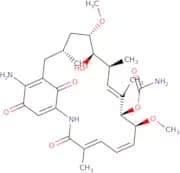
CAS:<p>Inhibits chaperone protein Hsp90; antineoplastic</p>Formula:C28H39N3O8Purity:Min. 95%Color and Shape:PowderMolecular weight:545.62 g/molTMCC2 Blocking Peptide
<p>A synthetic peptide for use as a blocking control in assays to test for specificity of TMCC2 antibody, catalog no. 70R-7035</p>Purity:Min. 95%CD102 antibody (PE)
<p>CD102 antibody (PE) was raised in rat using COS cells transfected with mouse ICAM-2 cDNA as the immunogen.</p>Purity:Min. 95%Molecular weight:0 g/molPRL antibody
<p>The PRL antibody is a monoclonal antibody used in Life Sciences research. It specifically targets and binds to prolactin (PRL), a hormone involved in various physiological processes such as lactation, reproduction, and metabolism. This antibody is widely used in studies related to steroid hormones, dopamine, globulin, and progesterone. It can be utilized for applications such as immunohistochemistry, Western blotting, ELISA assays, and flow cytometry.</p>Bt Cry1Ac protein
<p>Please enquire for more information about Bt Cry1Ac protein including the price, delivery time and more detailed product information at the technical inquiry form on this page</p>Purity:Min. 95%SLC5A5 Blocking Peptide
<p>A synthetic peptide for use as a blocking control in assays to test for specificity of SLC5A5 antibody, catalog no. 70R-7363</p>Purity:Min. 95%CD25 antibody (PE)
<p>CD25 antibody (PE) was raised in mouse using stimulated PBMC as the immunogen.</p>Purity:Min. 95%Molecular weight:0 g/molCD25 antibody (PE-CY7)
<p>CD25 antibody (PE-CY7) was raised in rat using IL-2-dependent BALB/c mouse helper T-cell clone HT-2 as the immunogen.</p>Purity:Min. 95%Molecular weight:0 g/moleIF4E antibody
<p>The eIF4E antibody is a highly specialized monoclonal antibody that targets the eukaryotic translation initiation factor 4E (eIF4E). This protein plays a crucial role in the regulation of gene expression and protein synthesis. The eIF4E antibody has been extensively studied for its ability to inhibit the activity of eIF4E, thereby disrupting the translation of specific mRNA molecules.</p>Purity:Min. 95%CD45.1 antibody (Allophycocyanin-CY7)
<p>CD45.1 (Allophycocyanin-CY7) antibody was raised in mouse using CD45.1 as the immunogen.</p>Purity:Min. 95%Molecular weight:0 g/molRAC2 protein (His tag)
<p>1-189 amino acids: MGSSHHHHHH SSGLVPRGSH MQAIKCVVVG DGAVGKTCLL ISYTTNAFPG EYIPTVFDNY SANVMVDSKP VNLGLWDTAG QEDYDRLRPL SYPQTDVFLI CFSLVSPASY ENVRAKWFPE VRHHCPSTPI ILVGTKLDLR DDKDTIEKLK EKKLAPITYP QGLALAKEID SVKYLECSAL TQRGLKTVFD EAIRAVLCPQ PTRQQKRAC</p>Purity:Min. 95%CD103 antibody (PE)
<p>CD103 antibody (biotin) was raised in hamster using murine CD103 as the immunogen.</p>Purity:Min. 95%Molecular weight:0 g/molFAS Blocking Peptide
<p>The FAS Blocking Peptide is a cytotoxic peptide that belongs to the Peptides and Biochemicals category. It is derived from Flavobacterium heparinum and is commonly used in research laboratories for various applications. This blocking peptide is designed to inhibit the binding of monoclonal antibodies or other binding proteins to FAS receptors, thereby preventing their activation. It can be used in studies related to growth factors, anti-MERTK antibodies, electrodes, animal serum, androgens, low-molecular-weight compounds, life sciences, DNA aptamers, monoclonal antibodies, and dextran sulfate. The FAS Blocking Peptide offers researchers a valuable tool for studying cellular processes and signaling pathways involving FAS receptors.</p>Purity:Min. 95%ATG5 antibody
<p>ATG5 antibody was raised in rabbit using the middle region of ATG5 as the immunogen</p>Purity:Min. 95%LOC344065 antibody
<p>LOC344065 antibody was raised in rabbit using the N terminal of LOC344065 as the immunogen</p>Purity:Min. 95%Fenquinotrione
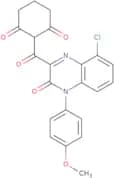
CAS:<p>Fenquinotrione is an anticancer drug that belongs to the class of inhibitors known as protein kinase inhibitors. It is a Chinese medicinal analog that has been shown to inhibit tumor growth by inducing apoptosis in cancer cells. Fenquinotrione acts as an inhibitor of kinases, which are enzymes involved in cell signaling and regulation. This drug has been found to be effective against various types of cancer, including lung, breast, and colon cancer. Fenquinotrione inhibits the activity of certain kinases involved in cancer cell proliferation and survival. It also blocks the formation of new blood vessels that supply nutrients to tumors, thereby preventing their growth. Fenquinotrione is excreted primarily through urine and has a favorable safety profile with minimal side effects.</p>Formula:C22H17ClN2O5Purity:Min. 95%Color and Shape:PowderMolecular weight:424.8 g/molCD28 antibody (FITC)
<p>CD28 antibody (FITC) was raised in mouse using chicken CD28 as the immunogen.</p>Purity:Min. 95%Molecular weight:0 g/molTroponin I protein (Cardiac) (Mouse)
<p>Purified native Mouse Troponin I protein (Cardiac)</p>Purity:Min. 95%TREML2 antibody
<p>TREML2 antibody was raised in rabbit using the N terminal of TREML2 as the immunogen</p>Purity:Min. 95%CD19 antibody (Spectral Red)
<p>CD19 antibody (Spectral Red) was raised in rat using murine CD19-expressing K562 human erythroleukemia cells as the immunogen.</p>Purity:Min. 95%Molecular weight:0 g/molTCP11 antibody
<p>The TCP11 antibody is a highly specialized monoclonal antibody used in Life Sciences research. It is commonly utilized in immunohistochemistry studies to detect the presence of the TRPV4 protein, which plays a crucial role in various biological processes. This antibody specifically targets and binds to activated TRPV4, allowing researchers to visualize and study its distribution within tissues.</p>SH2D3C antibody
<p>SH2D3C antibody was raised using the N terminal of SH2D3C corresponding to a region with amino acids AGSDYVKFSKEKYILDSSPEKLHKELEEELKLSSTDLRSHAWYHGRIPRE</p>Purity:Min. 95%CD3e antibody (Spectral Red)
<p>CD3e antibody (Spectral Red) was raised in rat using CD3e as the immunogen.</p>Purity:Min. 95%Molecular weight:0 g/molCD40 antibody (Allophycocyanin)
<p>CD40 antibody (Allophycocyanin) was raised in rat using CD40 as the immunogen</p>Purity:Min. 95%Molecular weight:0 g/molCD45RC antibody
<p>CD45RC antibody was raised in rat using an exon C-depentent epitope of the CD45 glycoprotein as the immunogen.</p>EFHC1 Blocking Peptide
<p>A synthetic peptide for use as a blocking control in assays to test for specificity of EFHC1 antibody, catalog no. 70R-9246</p>Purity:Min. 95%ATG12 Blocking Peptide
<p>A synthetic peptide for use as a blocking control in assays to test for specificity of ATG12 antibody, catalog no. 70R-9259</p>Purity:Min. 95%CD41a antibody (biotin)
<p>CD41a antibody (biotin) was raised in ouse using human PBL as the immunogen.</p>Purity:Min. 95%Molecular weight:0 g/molCD45.1 antibody (PE)
<p>CD45.1 antibody (PE-CY5.5) was raised in mouse using CD45.1 as the immunogen.</p>Purity:Min. 95%Molecular weight:0 g/molCD19 antibody (PE-CY7)
<p>CD19 antibody (PE-CY5.5) was raised in mouse using human CD19 as the immunogen.</p>Purity:Min. 95%Molecular weight:0 g/molCD20 antibody (Spectral Red)
<p>CD20 antibody (Spectral Red) was raised in mouse using human CD20 as the immunogen.</p>Purity:Min. 95%Molecular weight:0 g/molCD166 antibody (FITC)
<p>CD166 antibody (biotin) was raised in mouse using human thymic epithelial cells as the immunogen.</p>Purity:Min. 95%Molecular weight:0 g/molZNF608 antibody
<p>ZNF608 antibody was raised in rabbit using the middle region of ZNF608 as the immunogen</p>Purity:Min. 95%Srpx antibody
<p>Srpx antibody was raised in rabbit using the C terminal of Srpx as the immunogen</p>Purity:Min. 95%CD11b antibody (PE)
<p>CD11b antibody (biotin) was raised in rat using peritoneal macrophages from C57 B1/6 x DBA/2 F1 hybrid mice as the immunogen.</p>Purity:Min. 95%Molecular weight:0 g/molMirvetuximab
CAS:<p>Mirvetuximab is an antibody-drug conjugate (ADC), which is a targeted cancer therapy designed to deliver cytotoxic agents specifically to cancer cells. This ADC is derived from a monoclonal antibody that specifically binds to the folate receptor alpha (FRα), a protein overexpressed in certain types of cancer cells, including ovarian cancer. The mode of action involves the binding of Mirvetuximab to FRα on the cancer cell surface, followed by internalization of the complex. Once inside the cell, the cytotoxic drug is released, leading to cell death.Mirvetuximab is primarily utilized in the treatment of FRα-positive ovarian cancer, particularly in patients with platinum-resistant disease. By exploiting the differential expression of FRα, Mirvetuximab can deliver lethal doses of chemotherapy directly to the cancer cells, thereby minimizing systemic toxicity. This targeted approach enhances the therapeutic index of the treatment, improving efficacy while reducing adverse effects typically associated with conventional chemotherapy. Ongoing clinical trials are exploring its potential in other FRα-expressing malignancies, making it a pivotal component in the advancement of personalized cancer therapy.</p>AMDHD1 Blocking Peptide
<p>A synthetic peptide for use as a blocking control in assays to test for specificity of AMDHD1 antibody, catalog no. 70R-4162</p>Purity:Min. 95%Tnk1 antibody
<p>Tnk1 antibody was raised in Mouse using a purified recombinant fragment of Tnk1(aa451-560) expressed in E. coli as the immunogen.</p>