Biochemicals and Reagents
Biochemicals and reagents are fundamental substances for research and development in fields such as biotechnology, molecular biology, pharmacology, and medicine. These products are essential for a variety of applications, including compound synthesis, biological sample analysis, metabolic process research, and drug production. At CymitQuimica, we offer a wide selection of high-quality, high-purity biochemicals and reagents suitable for various scientific and industrial needs. Our catalog includes enzymes, antibodies, nucleic acids, amino acids, and many other products, all designed to support researchers and professionals in their research and development projects, ensuring reliable and reproducible results.
Subcategories of "Biochemicals and Reagents"
- Biomolecules(99,115 products)
- By Biological Target(99,074 products)
- By Pharmacological Effects(6,785 products)
- Cryopreservatives(21 products)
- Desinfectants and Related Compounds(28 products)
- Hormones(346 products)
- Plant Biology(6,693 products)
- Secondary Metabolites(14,219 products)
Found 130577 products of "Biochemicals and Reagents"
Sort by
Purity (%)
0
100
|
0
|
50
|
90
|
95
|
100
CD144 antibody
<p>The CD144 antibody is a neutralizing monoclonal antibody that specifically targets the CD144 antigen. It is commonly used in Life Sciences research to study various cellular processes and signaling pathways. The CD144 antibody can effectively block the activity of CD144, which is a low-density lipoprotein receptor-related protein involved in cell adhesion and growth factor signaling. This antibody has been shown to inhibit the binding of growth factors such as epidermal growth factor (EGF) and interferon-gamma (IFN-gamma) to their respective receptors, thereby modulating cellular responses. The CD144 antibody is highly specific and does not cross-react with other antibodies or antigens. It can be used in various experimental techniques, including immunofluorescence, immunohistochemistry, and Western blotting, to investigate the role of CD144 in different biological systems. With its high affinity and excellent performance, the CD144 antibody is an essential tool for researchers studying cell biology and molecular mechanisms.</p>cMyc antibody
<p>The cMyc antibody is a monoclonal antibody that specifically targets the c-myc protein. This antibody has been shown to have bace1 inhibitory properties, which may be beneficial in the treatment of certain diseases. Additionally, it has a high affinity for 5-hydroxymethylcytosine, making it an effective diagnostic agent for detecting this DNA modification. The cMyc antibody is also known for its low density lipoprotein stabilization activity and neutralizing capabilities against cyanobacterial toxins. With its wide range of applications in life sciences, this antibody is a valuable tool for researchers and clinicians alike. Whether you need monoclonal or polyclonal antibodies, the cMyc antibody is a reliable choice for your research needs.</p>DAPP1 antibody
<p>DAPP1 antibody was raised using the middle region of DAPP1 corresponding to a region with amino acids SLSVRAKDSVKHFHVEYTGYSFKFGFNEFSSLKDFVKHFANQPLIGSETG</p>IGF2 protein
<p>Region of IGF2 protein corresponding to amino acids AYRPSETLCG GELVDTLQFV CGDRGFYFSR PASRVSRRSR GIVEECCFRS CDLALLETYC ATPAKSE.</p>Purity:>98% By Sds Page And Hplc.E2F1 antibody
<p>The E2F1 antibody is a highly specific monoclonal antibody that targets the E2F1 protein. This protein plays a crucial role in regulating cell growth and division, making it an important target for research in the field of Life Sciences.</p>ALDH3A1 antibody
<p>ALDH3A1 antibody was raised in rabbit using the N terminal of ALDH3A1 as the immunogen</p>Purity:Min. 95%RELM β antibody
<p>RELM beta antibody was raised in rabbit using highly pure recombinant murine RELMbeta as the immunogen.</p>Purity:Min. 95%HLF antibody
<p>HLF antibody was raised in rabbit using the C terminal of HLF as the immunogen</p>Purity:Min. 95%ERBB3 protein
<p>The ERBB3 protein is a glycan that plays a crucial role in various biological processes. It is activated by molecules such as TNF-α and GM-CSF, which are involved in immune responses and cell growth regulation. In the field of Life Sciences, the ERBB3 protein is widely studied due to its importance in signaling pathways and cellular functions.</p>Purity:Min. 95%Park2 antibody
<p>Park2 antibody was raised in rabbit using the C terminal of Park2 as the immunogen</p>Purity:Min. 95%Slc22a3 antibody
<p>Slc22a3 antibody was raised in rabbit using the middle region of Slc22a3 as the immunogen</p>Purity:Min. 95%USP16 Blocking Peptide
<p>A synthetic peptide for use as a blocking control in assays to test for specificity of USP16 antibody, catalog no. 70R-1014</p>Purity:Min. 95%TTMB antibody
<p>TTMB antibody was raised using the N terminal Of Ttmb corresponding to a region with amino acids AGYWPHRAGAPGSRAANASSPQMSELRREGRGGGRAHGPHERLRLLGPVI</p>Purity:Min. 95%NOB1 antibody
<p>NOB1 antibody was raised using a synthetic peptide corresponding to a region with amino acids LPTPKGGKYAINPHLTEDQRFPQLRLSQKARQKTNVFAPDYIAGVSPFVE</p>ATCAY Blocking Peptide
<p>A synthetic peptide for use as a blocking control in assays to test for specificity of ATCAY antibody, catalog no. 70R-10197</p>Purity:Min. 95%STAT2 antibody
<p>The STAT2 antibody is a polyclonal antibody that targets the STAT2 molecule. It is commonly used in research and assays related to androgen signaling, low-density lipoprotein metabolism, autoantibodies, and inhibitors. This antibody has been shown to be effective in detecting and quantifying STAT2 expression in various cell types, including MCF-7 cells. In addition, it is widely used in life sciences research to study the regulation of cortisol concentration and the role of STAT2 in immune responses. The STAT2 antibody is a valuable tool for researchers looking to investigate the function and activation of this important signaling molecule.</p>Bcl-G antibody
<p>Bcl-G antibody was raised in rabbit using residues 298-312 [TKYLKENFSPWIQQH] of the human BCL-G Long form protein as the immunogen.</p>Purity:Min. 95%DERL3 antibody
<p>DERL3 antibody was raised using the C terminal of DERL3 corresponding to a region with amino acids YYFLEDVFPNQPGGKRLLQTPGFLKLLLDAPAEDPNYLPLPEEQPGPHLP</p>Purity:Min. 95%Donkey anti Goat IgG (H + L) (Alk Phos)
<p>This antibody reacts with heavy chains on Goat IgG and light chains on all Goat immunoglobulins.</p>Purity:Min. 95%TTC14 antibody
<p>TTC14 antibody was raised using the N terminal of TTC14 corresponding to a region with amino acids MDRDLLRQSLNCHGSSLLSLLRSEQQDNPHFRSLLGSAAEPARGPPPQHP</p>GR 203040
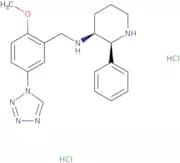
CAS:<p>Tachykinin receptor NK2 antagonist</p>Formula:C20H24N6O·2HClPurity:Min. 95%Molecular weight:437.37 g/molP2RX2 Blocking Peptide
<p>A synthetic peptide for use as a blocking control in assays to test for specificity of P2RX2 antibody, catalog no. 70R-5081</p>Purity:Min. 95%FYN antibody
<p>FYN antibody was raised using the middle region of FYN corresponding to a region with amino acids CPQDCPISLHELMIHCWKKDPEERPTFEYLQSFLEDYFTATEPQYQPGEN</p>Purity:Min. 95%CRMP1 antibody
<p>CRMP1 antibody was raised using the N terminal of CRMP1 corresponding to a region with amino acids SYQGKKSIPHITSDRLLIKGGRIINDDQSLYADVYLEDGLIKQIGENLIV</p>Purity:Min. 95%IL12RB1 protein
<p>The IL12RB1 protein is a crucial component in the field of Life Sciences. It plays a significant role in various biological processes, including immune responses and cell signaling. IL12RB1 interacts with CXCR4, a chemokine receptor, and acts as a receptor for colony-stimulating factors and TNF-α. This protein has been extensively studied and utilized in research and therapeutic applications.</p>Purity:Min. 95%...C-peptide antibody
<p>The C-peptide antibody is a synthetic, recombinant protein that has been activated for use in various life sciences assays. This antibody is specifically designed to detect and bind to C-peptide, a protein fragment that is cleaved from proinsulin during insulin synthesis. The C-peptide antibody can be used in electrophoresis and other laboratory techniques to study the presence and function of C-peptide in human serum samples. This monoclonal antibody is highly specific and has been extensively characterized for its performance and reliability. It can be used as a valuable tool in research and diagnostic applications related to diabetes, insulin secretion, and related disorders. With its buffered formulation and high sensitivity, the C-peptide antibody ensures accurate and reproducible results in various experimental settings. Trust this antibody for your research needs in the field of endocrinology and beyond.</p>WNT4 antibody
<p>The WNT4 antibody is a highly specialized monoclonal antibody that targets the WNT4 protein, a growth factor involved in various cellular processes. This antibody is designed to specifically bind to WNT4 dimers, inhibiting their activity and preventing downstream signaling pathways.</p>RASGEF1A antibody
<p>RASGEF1A antibody was raised using the N terminal of RASGEF1A corresponding to a region with amino acids TFLLSSRVFMPPHDLLARVGQICVEQKQQLEAGPEKAKLKSFSAKIVQLL</p>Purity:Min. 95%FGL2 antibody
<p>FGL2 antibody was raised using the middle region of FGL2 corresponding to a region with amino acids WTVLQARLDGSTNFTRTWQDYKAGFGNLRREFWLGNDKIHLLTKSKEMIL</p>Rabbit anti Goat IgG (H + L) (Fab'2)
<p>This antibody reacts with heavy chains on Goat IgG and light chains on all Goat immunoglobulins.</p>Purity:Min. 95%CRP antibody
<p>CRP antibody was raised in mouse using recombinant human CRP (19-224aa) purified from E. coli as the immunogen.</p>CREB antibody
<p>The CREB antibody is a highly specialized diagnostic reagent used in Life Sciences research. It is a monoclonal antibody that specifically targets and detects the activated form of CREB (cAMP response element-binding protein), a transcription factor involved in various cellular processes. This antibody has been extensively tested and validated for its specificity and sensitivity in detecting activated CREB in different cell types, including human hepatocytes, pluripotent stem cells, granulosa cells, and collagen-producing cells.</p>Osteonectin protein
<p>Osteonectin protein is a crucial component in the field of Life Sciences. It is commonly used in reaction solutions and can be detected using monoclonal antibodies. This Native Protein & Antigen plays a significant role in various biological processes, including cellular protein synthesis and mineralization. Osteonectin protein has been found to interact with histidine, epidermal growth factor, inhibitors, liver microsomes, and human serum. Additionally, it has been studied for its potential involvement in autoimmune diseases as autoantibodies against osteonectin have been detected. Its multifunctional nature makes it a valuable tool for research and the development of new medicines.</p>Purity:Min. 95%RFX5 Blocking Peptide
<p>A synthetic peptide for use as a blocking control in assays to test for specificity of RFX5 antibody, catalog no. 20R-1188</p>Purity:Min. 95%PPM1B antibody
<p>PPM1B antibody was raised using a synthetic peptide corresponding to a region with amino acids EIMEKSGEEGMPDLAHVMRILSAENIPNLPPGGGLAGKRNVIEAVYSRLN</p>SMN1 antibody
<p>SMN1 antibody is a monoclonal antibody that is widely used in Life Sciences research. It is specifically designed to target and detect Survival Motor Neuron 1 (SMN1) protein. This antibody has been extensively validated in various assays, including immunohistochemistry, Western blotting, and ELISA. SMN1 antibody can be used to study the expression and localization of SMN1 in different tissues and cell types. It has high specificity and sensitivity, ensuring accurate and reliable results. Additionally, this antibody has been shown to have minimal cross-reactivity with other proteins or molecules commonly found in human serum or biological samples. Its exceptional performance makes it an essential tool for researchers studying SMN1-related diseases or exploring the role of SMN1 in cellular processes.</p>Scamp5 Blocking Peptide
<p>A synthetic peptide for use as a blocking control in assays to test for specificity of Scamp5 antibody, catalog no. 70R-9786</p>Purity:Min. 95%C-peptide antibody
<p>The C-peptide antibody is a monoclonal antibody that specifically targets the C-peptide protein in human serum. This antibody has been extensively studied for its potential role in cellular protein synthesis and as an inhibitor of certain reactions. In laboratory settings, the C-peptide antibody has demonstrated cytotoxic effects on cells expressing high levels of the target protein. Additionally, this antibody has been used to investigate calcium binding and mineralization processes in various experimental models, including liver microsomes. The C-peptide antibody can be a valuable tool for researchers studying autoantibodies or histidine-related biological processes. Its high specificity and affinity make it an excellent choice for applications requiring precise detection and quantification of the C-peptide protein.</p>PDK1 antibody
<p>The PDK1 antibody is a monoclonal antibody that targets the growth factor receptor PDK1. It specifically binds to the antigen expressed on the surface of cells and inhibits the activation of PDK1, which plays a crucial role in cell growth and survival. This antibody has been shown to block the binding of vitronectin, glucagon, galactose, and chemokines to PDK1, thereby preventing downstream signaling pathways associated with cell proliferation. The PDK1 antibody is a potent family kinase inhibitor that can be used in research studies to investigate the role of PDK1 in various cellular processes. It has also shown promising results in preclinical studies as a potential therapeutic target for diseases such as cancer. Additionally, this antibody can be used in combination with other targeted therapies, such as cetuximab or epidermal growth factor receptor (EGFR) inhibitors, to enhance their efficacy. The PDK1 antibody is available as a high-quality monoclonal antibody</p>PDXK antibody
<p>PDXK antibody was raised using a synthetic peptide corresponding to a region with amino acids PLQVLGFEIDAVNSVQFSNHTGYAHWKGQVLNSDELQELYEGLRLNNMNK</p>TMEM16C Blocking Peptide
<p>A synthetic peptide for use as a blocking control in assays to test for specificity of TMEM16C antibody, catalog no. 70R-6548</p>Purity:Min. 95%PIK3IP1 antibody
<p>PIK3IP1 antibody was raised using the middle region of PIK3IP1 corresponding to a region with amino acids QALPAFTTEIQEASEGPGADEVQVFAPANALPARSEAAAVQPVIGISQRV</p>Purity:Min. 95%SLC4A5 antibody
<p>SLC4A5 antibody was raised in rabbit using the N terminal of SLC4A5 as the immunogen</p>Purity:Min. 95%CD18 antibody
<p>The CD18 antibody is a monoclonal antibody that targets endothelial growth and erythropoietin. It specifically binds to low density lipoprotein (LDL) receptors on the surface of cells, inhibiting their uptake of LDL cholesterol. This antibody has been extensively studied in the field of Life Sciences and has shown promising results in various applications.</p>MMP19 antibody
<p>The MMP19 antibody is a powerful tool used in the field of Life Sciences. It specifically targets Matrix Metalloproteinase 19 (MMP19), an enzyme that plays a crucial role in various physiological processes. This antibody is widely used in research and diagnostic applications.</p>Mouse PMN antibody
<p>Mouse PMN antibody was raised in rabbit using mouse PMNs as the immunogen.</p>Purity:Min. 95%SGMS2 antibody
<p>SGMS2 antibody was raised using the N terminal of SGMS2 corresponding to a region with amino acids KFPLEWWKTGIAFIYAVFNLVLTTVMITVVHERVPPKELSPPLPDKFFDY</p>Purity:Min. 95%GNL3 antibody
<p>GNL3 antibody was raised using a synthetic peptide corresponding to a region with amino acids RKQEEREDDKDSDQETVDEEVDENSSGMFAAEETGEALSEETTAGEQSTR</p>HIV1 antibody (HTLV3) (HRP)
<p>HIV1 antibody (HTLV3) (HRP) was raised in goat using human isolate as the immunogen.</p>EEN antibody
<p>The EEN antibody is a glycoprotein that has cytotoxic properties and is known for its anti-glial fibrillary acidic protein (GFAP) activity. It belongs to the family of antibodies that target specific proteins involved in various biological processes. This antibody has been extensively studied in the field of Life Sciences and has shown promising results in research related to adipocytes, endothelial growth factors, and fatty acid metabolism. The EEN antibody is widely used in scientific studies and experiments to investigate the role of GFAP and its potential therapeutic applications. It is available as polyclonal antibodies, ensuring high specificity and sensitivity for accurate detection and analysis.</p>RGS16 antibody
<p>RGS16 antibody is a monoclonal antibody that specifically targets and inhibits the activity of RGS16 protein. RGS16 is involved in various cellular processes, including growth factor signaling, apoptosis, and immune response. By binding to RGS16, this antibody prevents its activation and cytotoxic effects. It also interferes with the formation of RGS16 dimers, which are necessary for its function. This monoclonal antibody has been shown to be effective in inhibiting the growth of Mycoplasma genitalium, a bacterium associated with various reproductive disorders. Additionally, it has potential therapeutic applications in autoimmune diseases where autoantibodies target RGS16 or its interacting proteins. The use of this antibody may provide insights into the role of RGS16 in different cellular pathways and contribute to the development of novel treatments.</p>Rabbit anti Dog IgG (biotin)
<p>Rabbit anti-dog IgG (biotin) was raised in rabbit using canine IgG F(c) fragment as the immunogen.</p>Purity:Min. 95%NXF1 antibody
<p>NXF1 antibody was raised using the N terminal of NXF1 corresponding to a region with amino acids RPNRRGDTWHDRDRIHVTVRRDRAPPERGGAGTSQDGTSKNWFKITIPYG</p>ADAMTS4 Blocking Peptide
<p>A synthetic peptide for use as a blocking control in assays to test for specificity of ADAMTS4 antibody, catalog no. 70R-2304</p>Purity:Min. 95%UBC9 antibody
<p>The UBC9 antibody is a highly reactive protein that is used in various research applications. It specifically targets CD33, a cell surface marker that is expressed on certain immune cells. The UBC9 antibody can be used to detect and quantify CD33 levels in different samples, such as blood or tissue. This antibody is commonly used in life sciences research, particularly in studies related to calmodulin, adipose biology, 3-kinase signaling pathways, and activated immune cells. Additionally, the UBC9 antibody has been shown to have potential therapeutic applications in diseases caused by pathogens like Brucella abortus and oxidative stress-related conditions due to its ability to neutralize superoxide and modulate interleukin-6 activity. Trustworthy and reliable, the UBC9 antibody is an essential tool for researchers looking to explore various aspects of cellular biology and immunology.</p>RAD51AP1 Blocking Peptide
<p>A synthetic peptide for use as a blocking control in assays to test for specificity of RAD51AP1 antibody, catalog no. 70R-4861</p>Purity:Min. 95%ST6GAL1 antibody
<p>The ST6GAL1 antibody is a polyclonal antibody commonly used in the field of Life Sciences. It is specifically designed to target and bind to the ST6GAL1 protein, which plays a crucial role in various cellular processes. This antibody has been extensively tested and validated for its high specificity and sensitivity.</p>UCP5 antibody
<p>UCP5 antibody was raised in rabbit using a 16 amino acid peptide from rat UCP5 as the immunogen.</p>Purity:Min. 95%LDL protein
<p>LDL protein is a crucial component in the field of Life Sciences. It is commonly used for various research purposes, including the development of monoclonal antibodies and proteins. LDL protein is known for its low density and colloidal properties, making it an ideal candidate for experiments involving natriuretic activities or electrode studies.</p>Purity:Min. 95%TOM1 antibody
<p>TOM1 antibody was raised using a synthetic peptide corresponding to a region with amino acids SGRLEDEFDMFALTRGSSLADQRKEVKYEAPQATDGLAGALDARQQSTGA</p>Warfarin antibody
<p>The Warfarin antibody is a specialized polyclonal antibody that targets and neutralizes the effects of Warfarin, a commonly used anticoagulant medication. This antibody specifically binds to Warfarin and prevents its interaction with collagen, which is essential for the formation of blood clots. It has been extensively tested in both in vitro and in vivo studies, demonstrating high affinity and specificity for Warfarin. The Warfarin antibody can be used in various research applications within the field of life sciences, including but not limited to the study of atypical hemolytic disorders, human serum albumin interactions, and growth factor signaling pathways. With its unique properties and potential therapeutic applications, this antibody is a valuable tool for researchers in need of reliable and effective means to study and manipulate Warfarin-related processes.</p>Purity:Min. 95%PACSIN1 antibody
<p>The PACSIN1 antibody is a highly specific monoclonal antibody that has been extensively tested and validated for use in various life science research applications. This antibody is particularly useful for studying the role of PACSIN1, a protein involved in diverse cellular processes such as endocytosis, vesicle trafficking, and cytoskeletal dynamics.</p>FBXL5 Blocking Peptide
<p>A synthetic peptide for use as a blocking control in assays to test for specificity of FBXL5 antibody, catalog no. 70R-2735</p>Purity:Min. 95%MAP2K7 antibody
<p>MAP2K7 antibody was raised using the middle region of MAP2K7 corresponding to a region with amino acids ERIDPPDPTKPDYDIRADVWSLGISLVELATGQFPYKNCKTDFEVLTKVL</p>YPEL5 antibody
<p>YPEL5 antibody was raised in rabbit using the N terminal of YPEL5 as the immunogen</p>Purity:Min. 95%ZNF624 Blocking Peptide
<p>A synthetic peptide for use as a blocking control in assays to test for specificity of ZNF624 antibody, catalog no. 70R-8957</p>Purity:Min. 95%EIF5A antibody
<p>The 6-Fluoro-3-indoxyl-beta-D-galactopyranoside is a powerful antituberculosis drug that falls under the class of rifamycins. It is particularly effective in treating tuberculosis infections due to its strong bactericidal activity. This compound inhibits bacterial growth by binding to DNA-dependent RNA polymerase, preventing transcription and replication. Its efficacy has been proven through extensive research using the patch-clamp technique on human erythrocytes. The active form of this drug undergoes various metabolic transformations, including hydrolysis by esterases or glucuronidases, oxidation by cytochrome P450 enzymes, reduction by glutathione reductase, or conjugation with glucuronic acid. Additionally, it specifically binds to markers expressed at high levels in Mycobacterium tuberculosis strains and inhibits their cell growth in culture.</p>ARSA antibody
<p>ARSA antibody was raised using the middle region of ARSA corresponding to a region with amino acids KQLQLLKAQLDAAVTFGPSQVARGEDPALQICCHPGCTPRPACCHCPDPH</p>ACTH antibody
<p>The ACTH antibody is a monoclonal antibody used in Life Sciences research. It specifically targets and binds to adrenocorticotropic hormone (ACTH), a peptide hormone involved in the regulation of steroid synthesis in the adrenal glands. This antibody has been extensively studied and validated for its high specificity and affinity towards ACTH.</p>TOMM20 antibody
<p>The TOMM20 antibody is a growth factor that plays a crucial role in various biological processes. It is an antibody specifically designed to target and bind to TOMM20, an essential protein involved in mitochondrial import. This antibody can be used for research purposes in the field of life sciences, particularly in the study of mitochondrial function and dynamics.</p>TSKS antibody
<p>TSKS antibody was raised in rabbit using residues 577-592 of the human TSKS protein as the immunogen.</p>Purity:Min. 95%ZNF14 antibody
<p>ZNF14 antibody was raised using the N terminal of ZNF14 corresponding to a region with amino acids IYYQPFQRHERTHAGQKPYECKQCGKTFIYYQSFQKHAHTGKKPYECKQC</p>GRP78 antibody
<p>The GRP78 antibody is a specialized antibody that plays a crucial role in various biological processes. It contains unique sugar moieties, including EGF-like domains, which contribute to its functionality. This antibody has been found to possess hyaluronidase activity, making it capable of breaking down hyaluronic acid in the extracellular matrix. Additionally, the GRP78 antibody has neutralizing properties against specific targets, making it an essential tool in research and diagnostics.</p>CHRNB2 antibody
<p>CHRNB2 antibody was raised in rabbit using the N terminal of CHRNB2 as the immunogen</p>CHN1 antibody
<p>CHN1 antibody was raised using a synthetic peptide corresponding to a region with amino acids KVYSCDLTTLVKAHTTKRPMVVDMCIREIESRGLNSEGLYRVSGFSDLIE</p>Purity:Min. 95%Laminin β 3 antibody
<p>Laminin Beta 3 antibody was raised using the middle region of LAMB3 corresponding to a region with amino acids ERIKQKYAELKDRLGQSSMLGEQGARIQSVKTEAEELFGETMEMMDRMKD</p>Purity:Min. 95%ILF3 antibody
<p>ILF3 antibody was raised using the N terminal of ILF3 corresponding to a region with amino acids ALKAVSDWIDEQEKGSSEQAESDNMDVPPEDDSKEGAGEQKTEHMTRTLR</p>Purity:Min. 95%PRDM15 antibody
<p>PRDM15 antibody was raised in rabbit using the C terminal of PRDM15 as the immunogen</p>Purity:Min. 95%Claudin 7 antibody
<p>The Claudin 7 antibody is a neuroprotective monoclonal antibody that targets the glycoprotein Claudin 7. This antibody has been specifically designed to neutralize the inhibitory factor of Claudin 7, making it an effective therapeutic option for various neurological disorders. By targeting the glycosylation process of Claudin 7, this antibody can modulate its function and promote neuroprotection.</p>RNF19A antibody
<p>RNF19A antibody was raised using the N terminal of RNF19A corresponding to a region with amino acids IFSTNTSSDNGLTSISKQIGDFIECPLCLLRHSKDRFPDIMTCHHRSCVD</p>Purity:Min. 95%Sheep anti Rabbit IgG (H + L) (rhodamine)
<p>This antibody reacts with heavy (gamma) chains on rat IgG and light chains on all rat immunoglobulins.</p>Purity:Min. 95%FAM20A antibody
<p>FAM20A antibody was raised using the N terminal of FAM20A corresponding to a region with amino acids SKLLQDMRHFPTISADYSQDEKALLGACDCTQIVKPSGVHLKLVLRFSDF</p>Purity:Min. 95%PREP antibody
<p>PREP antibody was raised using the middle region of PREP corresponding to a region with amino acids LHSLKFIATLQYIVGRSRKQSNPLLIHVDTKAGHGAGKPTAKVIEEVSDM</p>RAC1 antibody
<p>The 6-Fluoro-3-indoxyl-beta-D-galactopyranoside is a powerful antituberculosis drug belonging to the rifamycins class. It effectively treats tuberculosis infections with its strong bactericidal activity. This compound inhibits bacterial growth by binding to DNA-dependent RNA polymerase, preventing transcription and replication. Its high efficacy has been demonstrated through patch-clamp technique on human erythrocytes. Metabolized through various transformations, including hydrolysis by esterases or glucuronidases, oxidation by cytochrome P450 enzymes, reduction by glutathione reductase, or conjugation with glucuronic acid. It also specifically targets markers expressed in Mycobacterium tuberculosis strains and inhibits cell growth in culture.</p>SULT1C4 Blocking Peptide
<p>A synthetic peptide for use as a blocking control in assays to test for specificity of SULT1C4 antibody, catalog no. 70R-2015</p>Purity:Min. 95%RNF125 Blocking Peptide
<p>A synthetic peptide for use as a blocking control in assays to test for specificity of RNF125 antibody, catalog no. 70R-2765</p>Purity:Min. 95%PCDHGC3 Blocking Peptide
<p>A synthetic peptide for use as a blocking control in assays to test for specificity of PCDHGC3 antibody, catalog no. 70R-6146</p>Purity:Min. 95%SARS-CoV-2 Nucleoprotein (356-370)
<p>The coronavirus (CoV) nucleoprotein is the major component of CoV structural proteins. The nucleoprotein has a critical role in virus assembly and RNA transcription. The nucleoprotein is essential in the formation of helical ribonucleoproteins and in regulating viral RNA synthesis. The nucleoprotein can also regulate infected host cellular mechanisms. It is highly expressed during infection and may induce protective immune responses against SARS-CoV and SARS-CoV-2.The nucleoprotein residues HIDAYKTFPPTEPKK (356-370) from SARS-CoV-2 have been identified as a T-cell epitope with a predicted HLA restriction. Immune targeting of confirmed epitopes may potentially offer protection against SARS-CoV-2 and help the development of vaccines for long-lasting immunity.</p>Molecular weight:1,770.9 g/molTPPP3 antibody
<p>TPPP3 antibody was raised using the middle region of TPPP3 corresponding to a region with amino acids PANVGVTKAKTGGAVDRLTDTSRYTGSHKERFDESGKGKGIAGRQDILDD</p>HNRPUL1 antibody
<p>HNRPUL1 antibody was raised using the C terminal of HNRPUL1 corresponding to a region with amino acids LDADDEPGRPGHINEEAELQPATLQPGRLQPGLHSPTASTSTTTCLQLWE</p>Cytokeratin 18 antibody
<p>The Cytokeratin 18 antibody is a diagnostic agent used in the field of Life Sciences. It is an inhibitory compound that specifically targets mesenchymal stem cells. This monoclonal antibody binds to cytokeratin 18, a protein found in the cytoplasm of epithelial cells. By targeting this protein, the antibody can be used to identify and isolate mesenchymal stem cells from other cell types. Additionally, the Cytokeratin 18 antibody can be used to detect cleavage products of cytokeratin 18 in blood plasma, which may serve as biomarkers for certain diseases or conditions. Its high specificity and affinity make it a valuable tool for researchers and clinicians working in various fields such as cancer research and regenerative medicine.</p>CYP11B2 protein
<p>The CYP11B2 protein is a versatile and essential component in the field of Life Sciences. It plays a crucial role in regulating various physiological processes, including the production of hormones such as aldosterone. This protein has been extensively studied for its involvement in pathways related to tnf-α, dopamine, interleukin-6, epidermal growth factor (EGF), and TGF-beta.</p>Purity:Min. 95%CDH1 antibody
<p>CDH1 antibody was raised in rabbit using the middle region of CDH1 as the immunogen</p>Purity:Min. 95%SMC2 antibody
<p>SMC2 antibody was raised using the middle region of SMC2 corresponding to a region with amino acids ATLAGQMMACKNDISKAQTEAKQAQMKLKHAQQELKNKQAEVKKMDSGYR</p>Purity:Min. 95%LZTR1 antibody
<p>LZTR1 antibody was raised in rabbit using the C terminal of LZTR1 as the immunogen</p>Purity:Min. 95%UCP4 antibody
<p>UCP4 antibody was raised in rabbit using a 14 amino acid peptide from rat UCP4 as the immunogen.</p>Purity:Min. 95%PRPS2 antibody
<p>PRPS2 antibody was raised using the N terminal of PRPS2 corresponding to a region with amino acids MPNIVLFSGSSHQDLSQRVADRLGLELGKVVTKKFSNQETSVEIGESVRG</p>CD22 antibody
<p>CD22 antibody was raised in rabbit using highly pure recombinant human CD22 as the immunogen.</p>Purity:Min. 95%MMP3 antibody
<p>The MMP3 antibody is a highly specialized monoclonal antibody that targets and neutralizes the activity of matrix metalloproteinase 3 (MMP3). This antibody is designed to specifically bind to the histidine region of MMP3, inhibiting its function and preventing it from degrading extracellular matrix components such as collagen. By blocking the activity of MMP3, this antibody helps maintain the integrity of tissues and prevents excessive tissue remodeling.</p>CD166 antibody
<p>CD166 antibody was raised in Mouse using a purified recombinant fragment of CD166(aa405-524) expressed in E. coli as the immunogen.</p>TPP1 antibody
<p>The TPP1 antibody is a polyclonal antibody that is used in Life Sciences research. It specifically targets the histidine residue of the TPP1 protein and has been shown to have neutralizing effects on its activity. The antibody binds to the polymorphic region of TPP1, preventing it from interacting with other proteins and affecting various cellular processes. This colloidal antibody can be used for quantitation purposes in experiments involving antigen-antibody reactions. Additionally, monoclonal antibodies derived from the TPP1 antibody have been developed for specific applications, such as detecting TPP1 levels in human serum or studying its role in adipose tissue.</p>Claudin 8 antibody
<p>Claudin 8 antibody was raised using the C terminal of CLDN8 corresponding to a region with amino acids IVGGALFCCVFCCNEKSSSYRYSIPSHRTTQKSYHTGKKSPSVYSRSQYV</p>KDM1A (493-503) Heavy
<p>Lysine-specific histone demethylase 1A (LSD1) or lysine (K)-specific demethylase 1A (KDM1A) is a protein in humans that encodes a flavin-dependent monoamine oxidase. The KDM1A protein can demethylate mono- and di-methylated lysines, specifically histone 3, lysines 4 and 9. KDM1A has crucial roles in embryogenesis and tissue-specific differentiation, as well as oocyte growth. KDM1A also appears to play a clinically important role in epigenetic reprogramming zygote formation. Deletion of the gene for KDM1A can have effects on the growth and differentiation of embryonic stem cells. KDM1A is also thought to play a role in cancer, as poorer outcomes can be correlated with higher expression of this gene. Therefore, the inhibition of KDM1A may be a possible treatment for cancer.The lysine residue at position 11 of this peptide is isotopically labelled with Carbon-13 (6) and Nitrogen-15 (2).</p>Purity:Min. 95%Molecular weight:1,289.6 g/molUBLCP1 antibody
<p>UBLCP1 antibody was raised in rabbit using the N terminal of UBLCP1 as the immunogen</p>Purity:Min. 95%CHD1L Blocking Peptide
<p>A synthetic peptide for use as a blocking control in assays to test for specificity of CHD1L antibody, catalog no. 70R-1304</p>Purity:Min. 95%Aldose Reductase antibody
<p>The 6-Fluoro-3-indoxyl-beta-D-galactopyranoside is a powerful antituberculosis drug that falls under the class of rifamycins. It is highly effective in treating tuberculosis infections. This active compound exhibits bactericidal activity by inhibiting bacterial growth through binding to DNA-dependent RNA polymerase, thereby preventing transcription and replication. Extensive research has shown its high frequency of human activity using a patch-clamp technique on human erythrocytes. The drug undergoes various metabolic transformations, including hydrolysis by esterases or glucuronidases, oxidation by cytochrome P450 enzymes, reduction by glutathione reductase, or conjugation with glucuronic acid. Furthermore, it specifically targets markers expressed at high levels in Mycobacterium tuberculosis strains and inhibits cell growth in culture.</p>Purity:Min. 95%Cbz-Phe-(Alloc)Lys-PAB-PNP
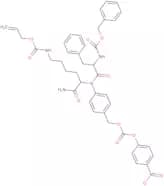
CAS:<p>Cbz-Phe-(Alloc)Lys-PAB-PNP is an antibody that recognizes the N-terminus of the alpha subunit of the nicotinic acetylcholine receptor. The antibody can be used to determine if a ligand binds to a receptor and is an activator or inhibitor. The antibody is also suitable for use in pharmacology/pharmacokinetics studies and as a research tool. Cbz-Phe-(Alloc)Lys-PAB-PNP has a purity of >98% and CAS No. 159857-90-6.</p>Formula:C41H43N5O11Purity:Min. 95%Molecular weight:781.8 g/molFactor XIII Subunit A antibody
<p>Factor XIII Subunit A antibody was raised in sheep using human Factor XIII Subunit A (A2) purified from plasma as the immunogen.</p>Arsg Blocking Peptide
<p>A synthetic peptide for use as a blocking control in assays to test for specificity of Arsg antibody, catalog no. 70R-9308</p>Purity:Min. 95%GSTM3 antibody
<p>GSTM3 antibody was raised using a synthetic peptide corresponding to a region with amino acids EEKIRVDIIENQVMDFRTQLIRLCYSSDHEKLKPQYLEELPGQLKQFSMF</p>Purity:Min. 95%Goat anti Human IgG (H + L) (biotin)
<p>Goat anti-human IgG (H+L) (biotin) was raised in goat using human IgG whole molecule as the immunogen.</p>Purity:Min. 95%GFAP antibody
<p>The GFAP antibody is a highly specialized monoclonal antibody that targets glial fibrillary acidic protein (GFAP). This protein is primarily expressed in astrocytes, which are a type of glial cell found in the central nervous system. The GFAP antibody is widely used in life sciences research to study the activation and function of astrocytes.</p>α-1-microglobulin monoclonal antibody
<p>Mouse anti-Human Alpha-1-microglobulin protein monoclonal antibody</p>HOXA11 antibody
<p>HOXA11 antibody was raised in rabbit using the C terminal of HOXA11 as the immunogen</p>Purity:Min. 95%FLAD1 antibody
<p>FLAD1 antibody was raised using a synthetic peptide corresponding to a region with amino acids PGRSVTAGIIIVGDEILKGHTQDTNTFFLCRTLRSLGVQVCRVSVVPDEV</p>Demecarium Bromide
<p>Demecarium Bromide (USP grade powder) chemical reference substance</p>Purity:Min. 95%ApoBEC3F Blocking Peptide
<p>A synthetic peptide for use as a blocking control in assays to test for specificity of APOBEC3F antibody, catalog no. 70R-4923</p>Purity:Min. 95%CBS antibody
<p>The CBS antibody is an endogenous hematopoietic monoclonal antibody that plays a crucial role in various Life Sciences applications. It is commonly used as a nuclear marker and can be utilized in experiments involving electrodes. The CBS antibody is highly specific and exhibits strong binding affinity to its target, making it an ideal tool for research purposes. Additionally, this antibody has been shown to have inhibitory effects on fatty acid metabolism and can serve as a valuable tool for studying the role of fatty acids in cellular processes. Antibodies against CBS are also used in diagnostic assays to detect autoantibodies in human serum samples. Furthermore, the CBS antibody has demonstrated anti-angiogenesis properties, making it a potential therapeutic candidate for conditions characterized by abnormal blood vessel growth. In summary, the CBS antibody is a versatile and valuable tool in the field of Life Sciences with diverse applications ranging from research to diagnostics and therapeutics.</p>Hepatic Lipase antibody
<p>The Hepatic Lipase antibody is a powerful tool in Life Sciences research. This antibody specifically targets the necrosis factor-related apoptosis-inducing hormone peptide, which plays a crucial role in various cellular processes. It has been extensively used to study the function of catechol-o-methyltransferase and its interaction with other proteins.</p>DGAT2L4 Blocking Peptide
<p>A synthetic peptide for use as a blocking control in assays to test for specificity of DGAT2L4 antibody, catalog no. 70R-6970</p>Purity:Min. 95%IRS1 antibody
<p>The 6-Fluoro-3-indoxyl-beta-D-galactopyranoside is a powerful antituberculosis drug that falls under the category of rifamycins. It is specifically designed to combat tuberculosis infections by targeting the active compounds responsible for the bactericidal activity. This drug works by binding to DNA-dependent RNA polymerase, preventing transcription and replication, thus inhibiting bacterial growth. Its effectiveness has been extensively studied using advanced techniques such as patch-clamp technique on human erythrocytes. The metabolization process involves various transformations, including hydrolysis by esterases or glucuronidases, oxidation by cytochrome P450 enzymes, reduction by glutathione reductase, or conjugation with glucuronic acid. Additionally, it selectively binds to markers expressed in Mycobacterium tuberculosis strains and effectively inhibits their cell growth in culture.</p>PTK2 antibody
<p>PTK2 antibody was raised in rabbit using a synthetic peptide conjugated to KLH as the immunogen.</p>Purity:Min. 95%DHRS1 antibody
<p>DHRS1 antibody was raised using a synthetic peptide corresponding to a region with amino acids ITGRHLDTLRVVAQEAQSLGGQCVPVVCDSSQESEVRSLFEQVDREQQGR</p>ACTR3B Blocking Peptide
<p>A synthetic peptide for use as a blocking control in assays to test for specificity of ACTR3B antibody, catalog no. 70R-3557</p>Purity:Min. 95%TNIK antibody
<p>TNIK antibody was raised in rabbit using a synthetic peptide conjugated to KLH as the immunogen.</p>Purity:Min. 95%RFP2 antibody
<p>RFP2 antibody was raised in rabbit using the middle region of RFP2 as the immunogen</p>Purity:Min. 95%SLC25A1 antibody
<p>SLC25A1 antibody was raised using a synthetic peptide corresponding to a region with amino acids NKPMNPLITGVFGAIAGAASVFGNTPLDVIKTRMQGLEAHKYRNTWDCGL</p>Purity:Min. 95%ERBB3 antibody
<p>The ERBB3 antibody is a monoclonal antibody that specifically targets the ERBB3 receptor. This receptor plays a crucial role in cell growth and survival pathways, making it an important target for therapeutic interventions. The ERBB3 antibody works by binding to the ERBB3 receptor and inhibiting its activity, thereby preventing the activation of downstream signaling pathways.</p>Purity:Min. 95%ERMAP antibody
<p>ERMAP antibody was raised using a synthetic peptide corresponding to a region with amino acids PANGHWLLRQSRGNEYEALTSPQTSFRLKEPPRCVGIFLDYEAGVISFYN</p>Purity:Min. 95%STUB1 antibody
<p>STUB1 antibody was raised using the C terminal of STUB1 corresponding to a region with amino acids VDEKRKKRDIPDYLCGKISFELMREPCITPSGITYDRKDIEEHLQRVGHF</p>HNRPL Blocking Peptide
<p>A synthetic peptide for use as a blocking control in assays to test for specificity of HNRPL antibody, catalog no. 70R-1334</p>Purity:Min. 95%CCL11 protein (His tag)
<p>24-97 amino acids: MGSSHHHHHH SSGLVPRGSH MGPASVPTTC CFNLANRKIP LQRLESYRRI TSGKCPQKAV IFKTKLAKDI CADPKKKWVQ DSMKYLDQKS PTPKP</p>Purity:Min. 95%