Biochemicals and Reagents
Biochemicals and reagents are fundamental substances for research and development in fields such as biotechnology, molecular biology, pharmacology, and medicine. These products are essential for a variety of applications, including compound synthesis, biological sample analysis, metabolic process research, and drug production. At CymitQuimica, we offer a wide selection of high-quality, high-purity biochemicals and reagents suitable for various scientific and industrial needs. Our catalog includes enzymes, antibodies, nucleic acids, amino acids, and many other products, all designed to support researchers and professionals in their research and development projects, ensuring reliable and reproducible results.
Subcategories of "Biochemicals and Reagents"
- Biomolecules(99,085 products)
- By Biological Target(99,070 products)
- By Pharmacological Effects(6,784 products)
- Cryopreservatives(21 products)
- Desinfectants and Related Compounds(28 products)
- Hormones(346 products)
- Plant Biology(6,693 products)
- Secondary Metabolites(14,217 products)
Found 130575 products of "Biochemicals and Reagents"
Sort by
Purity (%)
0
100
|
0
|
50
|
90
|
95
|
100
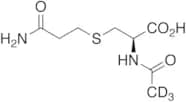
N-Acetyl-S-(carbamoylethyl)-L-cysteine-d3
CAS:Controlled Product<p>Stability Hygroscopic<br>Applications Labelled N-Acetyl-S-(carbamoylethyl)-L-cysteine (A171870). N-Acetyl-S-(carbamoylethyl)-L-cysteine is the urinary metabolite of Acrylamide (AA). Acrylamide is formed during the heating of food and is classified as a genotoxic carcinogen.<br>References Besaratinia, A., et al.: Mutat. Res., 80, 31 (2005), Bjellaas, T., et al.: Xenobiotica, 35, 1003 (2005), Bjellaas, T., et al.: Food Chem. Toxicol., 45, 1020 (2007), Bjellaas, T., et al.: Toxicol. Sci., 98, 110 (2007),<br></p>Formula:C8H11D3N2O4SColor and Shape:Off-WhiteMolecular weight:237.29(+)-20-Hydroxyecdysone
CAS:<p>Applications (+)-20-Hydroxyecdysone regulates gene transcription via a genomic pathway through a transcription complex that is formed.<br>References Liu, W. et al.: Endocrinol., 155, 1738 (2014); Wang, Q. et al.: Plant Physiol. Biochem., 84, 1 (2014);<br></p>Formula:C27H44O7Color and Shape:White To Off-WhiteMolecular weight:480.63C20 Dihydroceramide
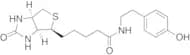
CAS:Controlled Product<p>Applications C20 Dihydroceramide (cas# 121459-06-1) is a compound useful in organic synthesis.<br></p>Formula:C38H77NO3Color and Shape:NeatMolecular weight:596.02Biotinyl Tyramide
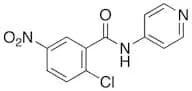
CAS:Controlled Product<p>Applications Biotinyl Tyramide is a Biotin (B389040) derivative, a growth factor present in minute amounts in every living cell. Plays an indispensable role in numerous naturally occurring carboxylation reactions. Occurs mainly bound to proteins or polypeptides. The richest sources are liver, kidney, pancreas, yeast, and milk. The biotin content of cancerous tumors is higher than that of normal tissue.<br>References Griesser, R. et al.: Biochem., 12, 1917 (1973); du Vigneaud, et al.: J. Biol. Chem., 146, 475 (1942); Traub, et al.: Nature, 178, 649 (1956); Siegel, H., et al.: Experienta, 37, 789 (1981); Vesely, D.L., Science, 216, 1329 (1982); Hugues, M., et al.: Biochemistry, 31, 12 (1992);<br></p>Formula:C18H25N3O3SColor and Shape:White To Light PinkMolecular weight:363.472-Chloro-5-nitro-N-4-pyridinylbenzamide
CAS:Controlled Product<p>Applications A cell-permeable chloro-nitro-benzamido compound that acts as a potent, specific, irreversible, and high-affinity antagonist of PPARγ with a Ki of 1 nM. Displays >800-fold greater selectivity for PPARγ over PPARα and PPARδ (Ki = 0.85 µM and 1.8 µM, respectively). Blocks hormone- and agonist-induced adipogenesis in 3T3-L1 cells. It suppresses interactions between PPARγ and coactivator-derived peptides, while promotes the recruitment of corepressor-derived peptides. Shown to modulate the interaction of PPARγ2 with the cofactor proteins through covalent binding to Cys313 in its ligand-binding domain.<br>References Lee, G., et al: J. Biol. Chem., 277, 19649 (2003), Schaefer, K.L., et al: Cancer Res., 65, 2251 (2005), Masuda, T., et al.: Clin. Cancer Res., 11, 4012 (2005), Raikwar, H.P., et al.: J. Neuroimmunol., 167, 99 (2005)<br></p>Formula:C12H8ClN3O3Color and Shape:NeatMolecular weight:277.66(3β)-7-Dehydro Cholesterol-d7
CAS:Controlled Product<p>Stability Light Sensitive<br>Applications A labelled vitamin precursor.<br></p>Formula:C272H7H37OColor and Shape:NeatMolecular weight:391.68(±)-3-Amino-iso-butyric-2,3,3-d3 Acid
CAS:Controlled Product<p>Applications (±)-3-Amino-iso-butyric-2,3,3-d3 Acid is the labeled version of DL-3-Aminoisobutyric Acid (A603043(P)), which is a useful compound for suppressing atherosclerosis in apolipoprotein E-knockout mouse.<br>References Shimba, Y., et al.: Bio. Pharma. Bull., 43, 1016 (2020)<br></p>Formula:C4D3H6NO2Color and Shape:White To Off-WhiteMolecular weight:106.14L-Iduronic Acid Sodium Salt
CAS:<p>Stability Hygroscopic<br>Applications A constituent of certain mucopolysaccharides.<br>References Hoffman, P., et al.: Science, 124, 1252 (1956), Meyer, K: Biochim et Biophys. Acta, 21, 506 (1956), Cifonelli, J.A., et al.: Federation Proc., 16, 165 (1957), Cifonelli, J.A., et al.: J. Biol. Chem., 233, 541 (1958)<br></p>Formula:C6H9NaO7Color and Shape:Light Orange Colour To Dark BrownMolecular weight:216.12Isoleucine-d10 (mixture of diastereomers)
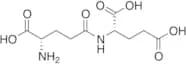
CAS:Controlled Product<p>Applications Isoleucine-d10 (mixture of diastereomers) (CAS# 29909-02-2) is a useful isotopically labeled research compound and can be used in gas liquid chromatography.<br>References VandenHeuvel, W., et.al., J. Chromatogr., 50, 405-412, (1970);<br></p>Formula:C6D10H3NO2Color and Shape:NeatMolecular weight:141.2345γ-L-Glutamyl L-Glutamic Acid
CAS:Controlled Product<p>Applications H-GAMMA-GLU-GLU-OH (cas# 1116-22-9) is a useful research chemical.<br></p>Formula:C10H16N2O7Color and Shape:NeatMolecular weight:276.24Terbutaline
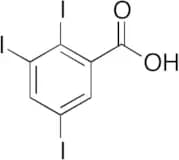
CAS:Controlled Product<p>Applications Terbutaline is a beta-adrenoceptor agonist used to treat asthma and premature labor.<br>References O'Byrne, P. M., et al.: Trials, 18, 12 (2017); Vijftigschild, L. A. W., et al.: Eur. Respir. J., 48, 768 (2016); Fang, M., et al.: Xiandai Zhenduan Yu Zhiliao, 25, 4877 (2014)<br></p>Formula:C12H19NO3Color and Shape:White To Light BrownMolecular weight:225.282,3,5-Triiodobenzoic Acid
CAS:Controlled Product<p>Applications 2,3,5-Triiodobenzoic Acid is a polar auxin transport inhibitor that inhibits and promotes endoreduplication in hypocotyls and cotyledons.<br>References Tanaka, R., et al.: Plant Cell Rep., 35, 2539-2547 (2016)<br></p>Formula:C7H3I3O2Color and Shape:NeatMolecular weight:499.81Disperse Diazo Black 3BF
CAS:Controlled Product<p>Applications Disperse Diazo Black 3BF (cas# 6232-57-1) is a useful research chemical. Dyes and metabolites, Environmental Testing.<br></p>Formula:C14H16N4OColor and Shape:NeatMolecular weight:256.30Stannous Octoate
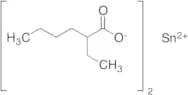
CAS:Controlled Product<p>Applications STANNOUS OCTOATE (cas# 301-10-0) is a useful research chemical.<br></p>Formula:C8H15O2·H2SnColor and Shape:NeatMolecular weight:407.13317β-Estradiol-13C2
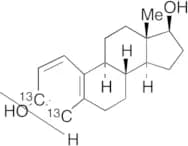
CAS:Controlled Product<p>Applications Isotope labelled 17β-Estradiol (E888000), which is the major estrogen (1) secreted by the premenopausal ovary (2).Drinking water contaminant candidate list 3 (CCL 3) compound as per United States Environmental Protection Agency (EPA), environmental, and food contaminants.<br>References 1. Salole, E. et al.: Anal. Profiles Drug Subs. 1986 15, 23 283-3182. Lievertz, R. et al.: Am. J. Obstet. Gynecol. 1987 May;156(5):1289-93.<br></p>Formula:C2C16H24O2Color and Shape:WhiteMolecular weight:274.37D-Serine Methyl Ester Hydrochloride
CAS:Controlled Product<p>Applications D-Serine Methyl Ester Hydrochloride (cas# 5874-57-7) is a compound useful in organic synthesis.<br></p>Formula:C4H9NO3·ClHColor and Shape:NeatMolecular weight:155.58D-Leucyl-L-Tyrosine
CAS:Controlled Product<p>Applications D-LEUCYL-L-TYROSINE (cas# 3303-29-5) is a useful research chemical.<br></p>Formula:C15H22N2O4Color and Shape:NeatMolecular weight:294.35Leucomalachite Green-d6
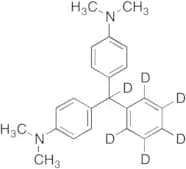
CAS:Controlled Product<p>Applications Leucomalachite Green-d6 is a labeled analog of leucomalachite green (LMG) (1173021-13-0), a major metabolite of malachite green (M110400). Dyes and metabolites, Environmental Testing.<br>References Mitrowska, Kamila., et al.: J. Chromatogr. A., 1089(1-2), 187 (2005),<br></p>Formula:C232H6H20N2Color and Shape:NeatMolecular weight:336.502-(Pyren-1-ylaminocarbonyl)ethyl Methanethiosulfonate
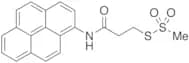
CAS:Controlled Product<p>Stability Moisture, Light Sensitive<br>Applications A fluorescent compound used for the rapid and selective modification of sulfhydryl groups of enzymes.<br>References Stauffer, D.A., and Karlin, A.: Biochemistry, 33, 6840 (1994), Yang, N. et al.: Neuron, 16, 113 (1996), Kuner, T. et al.: Neuron, 17, 343 (1996)<br></p>Formula:C20H17NO3S2Color and Shape:NeatMolecular weight:383.48(-)-Norgestrel-d6
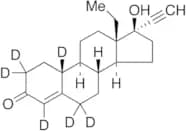
CAS:Controlled Product<p>Applications Labelled (-)-Norgestrel, an emergency contraceptive. Levonorgestrel is safe, tolerated and effective in emergency contraception in woman.<br>References Fotherby, K., et al.: J. Steroid Biochem., 19(1C), 817 (1983), Stanczyk, F. Z., et al.: Contraception, 42, 67 (1990), Bednarek, P., et al.: Drugs, 67, 2478 (2007),<br></p>Formula:C21D6H22O2Color and Shape:NeatMolecular weight:318.48Thymolphthalein Monophosphoric Acid Disodium Salt (>85%)
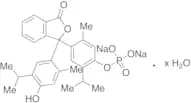
CAS:Controlled Product<p>Applications Thymolphthalein Monophosphoric Acid Disodium Salt is a chromogenic substrate for the determination of acid phosphatase and alkaline phosphatase. It is a disodium salt form of Thymolphthalein Monophosphoric Acid which can be used as reactant/reagent in reaction of homodimer and heterodimer subunits of human prostate acid phosphatase.<br>References Lee, H., et al.: Biochem J, 277, 759 (1991)<br></p>Formula:C28H29Na2O7P•xH2OPurity:>85%Color and Shape:NeatMolecular weight:554.4818025-Hydroxymethyl-2’-deoxyuridine
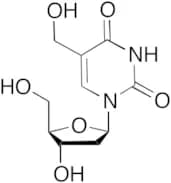
CAS:Controlled Product<p>Stability Hygroscopic<br>Applications 5-Hydroxymethyl-2’-deoxyuridine acts as a biomarker for the diagnosis for oxidative stress in humans. Used as a diagnostic to for propensitiy for the development of breast cancer.<br>References McAnulty, L. et al.: App. Physiol. Nutr. Metab., 36, 976 (2011); Djuric Z. et al.: Cancer Epidemiol. Biomarkers. Prev., 10, 147 (2001); Frenkel, K. et al.: 7, 49, (1998);<br></p>Formula:C10H14N2O6Color and Shape:White To Off-WhiteMolecular weight:258.2284-Amino-nicotinonitrile
CAS:Controlled Product<p>Applications 4-Amino-nicotinonitrile<br></p>Formula:C6H5N3Color and Shape:NeatMolecular weight:119.124N-Succinimidyloxycarbonylpropyl Methanethiosulfonate
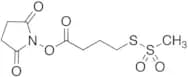
CAS:Controlled Product<p>Stability Moisture Sensitive: Desiccate<br>Applications A heterobifunctional sulfhydryl cross-linking reagent.<br></p>Formula:C9H13NO6S2Color and Shape:NeatMolecular weight:295.33(R)-3-Carboxy-2-(heptanoyloxy)-N,N,N-trimethylpropan-1-aminium Chloride
CAS:Controlled ProductFormula:C14H28NO4·ClColor and Shape:NeatMolecular weight:309.8292-[2-[2-[2-[6-(Biotinylaminohexanoyl]aminoethoxy]ethoxy]ethoxy]-4-[3-(trifluoromethyl)-3H-diazirin-3-yl]benzoic Acid
CAS:<p>Stability Light and Moisture Sensitive<br>Applications A cross-linking, biotin-labelled compound.<br>References Hatanaka, Y. et al: Bioorg. Med. Chem., 2, 1367 (1994); Hatanaka, Y. et al: J. Org. Chem., 59, 383 (1994); Hatanaka, Y. et al: Bioorg. Med. Chem. 2, 1367 (1994)<br></p>Formula:C31H43F3N6O8SColor and Shape:NeatMolecular weight:716.7687Mineral Oil (Heavy)
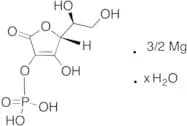
CAS:Controlled Product<p>Applications Mineral Oil can be used as preferred lubricant for aerosol lubricant and dispensing method. An aerosol container containing a propellant and a highly hydrogenated mineral oil lubricant for the lubrication of gaskets in pipe segments.<br>References Green, R., et al.: U.S., US 7578372 B1 20090825 (2009)<br></p>Formula:C9H8O4Color and Shape:ColourlessL-Ascorbic Acid 2-Phosphate Sesquimagnesium Salt Hydrate (~15% Inorganics)
CAS:Controlled ProductFormula:C6H9O9P•xHO·5MgColor and Shape:White To Off-WhiteMolecular weight:256.10 + x(18.02) + 1.5(24.30)LG 100268
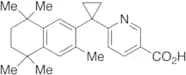
CAS:Controlled Product<p>Applications LG 100268 is a potent RXR agonist for evaluation in the treatment of non-insulin-dependent (type II) diabetes mellitus (NIDDM).<br>References Clyne, C., et al.: J. Biol. Chem., 277, 20591 (2002), Santen, R., et al.: J. Clin. Endocrinol. Metab., 87, 3007 (2002), Falender, A., et al.: Endocrinology, 144, 3598 (2003), Sablin, E., et al.: Mol. Cell., 11, 1575 (2003)<br></p>Formula:C24H29NO2Color and Shape:NeatMolecular weight:363.49N-Biotinyl-12-aminododecanoic Acid
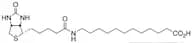
CAS:Controlled ProductFormula:C22H39N3O4SColor and Shape:NeatMolecular weight:441.63Hexamoll
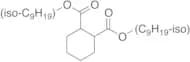
CAS:<p>Applications Hexamoll is one of the new plasticizers being used, which shows a structure similar to the most commonly used o-phthalates. It is favoured to substitute DEHP by DINCH as plasticizer for flexible poly(vinyl chloride).<br>References Crespo, J., et al.: J. Appl. Polym. Sci.,104, 1215 (2007).<br></p>Formula:C26H48O4Color and Shape:NeatMolecular weight:424.67(5Z,8Z,11Z,14Z,17Z)-N-[6-Hydroxy-5-(hydroxymethyl)hexyl]-5,8,11,14,17-eicosapentaenamide
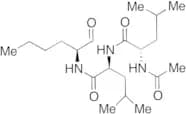
CAS:Controlled ProductFormula:C27H45NO3Color and Shape:NeatMolecular weight:431.651MG-101 (ALLN)
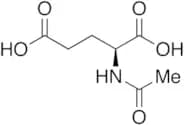
CAS:Controlled Product<p>Applications MG-101 (ALLN) is a potent inhibitor of cysteine proteases including caplains and cathespins. Used in the treatment of genotoxic agents or replication stress of cells. Neuroprotective product.<br>References Wang, H. et al.: Biochem., 54, 5781 (2015); Fukunaga, Y. et al.: Neurosci. Res., 101, 6 (2014);<br></p>Formula:C20H37N3O4Color and Shape:NeatMolecular weight:383.53N-Acetyl-L-glutamic Acid
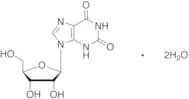
CAS:Controlled Product<p>Applications N-Acetyl-L-glutamic Acid is the N-Acetyl analogue of the non-essential amino acid, L-glutamic acid (G596960). N-Acetyl-L-glutamic Acid activates carbamoyl phosphate synthetase in the urea cycle.<br>References Saheki, T. et al.: J. Biochem., 77, 659 (1975); Rivas, J. et al.: Acta Biol. Med. Ger., 36, 1673 (1977); Zollner, H.: Biochim. Biophys. Acta, 676, 170 (1981);<br></p>Formula:C7H11NO5Color and Shape:NeatMolecular weight:189.17Xanthosine Dihydrate
CAS:<p>Applications The deamination product of Guanosine. Potential biomarker for detecting radiation exposure. Used in the amplification of DNA isothermal strand displacement.<br>References Magasanik, B, et al.: J. Bio. Chem., 206, 83 (1954).<br></p>Formula:C10H12N4O6·2H2OColor and Shape:NeatMolecular weight:320.256L-Ethionine
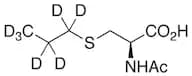
CAS:Controlled Product<p>Applications Ethionine-induced inhibition of protein synthesis and lowering of ATP level in the liver.<br>References Rotig, A., et al.: Lancet, 356, 391 (2000), Forsgren, M., et al.: Biochem. J., 382, 519 (2004), Johnson, A., et al.: J. Biol. Chem., 280, 31397 (2005), Horvath, R., et al.: Neurology, 66, 253 (2006), Mollet, M., et al.: J. Clin. Invest., 117, 765 (2007),<br></p>Formula:C6H13NO2SColor and Shape:NeatMolecular weight:163.24N-Acetyl-S-(propyl-d7)-L-cysteine
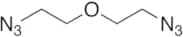
CAS:Controlled ProductFormula:C8D7H8NO3SColor and Shape:Off-WhiteMolecular weight:212.321,5-Diazido-3-oxapentane
CAS:Controlled ProductFormula:C4H8N6OColor and Shape:NeatMolecular weight:156.15Parathyroid Hormone Fragment (1-34)
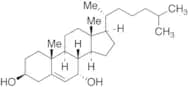
CAS:Controlled Product<p>Applications A fragment of human parathyroid hormone (hPTH) peptide sequence containing the 34 N-terminal residues of hPTH. This fragment was also found to be an agonist at PTH1 and PTH2 receptors.<br>References Niall, et al.: Proc. Natl. Acad. Sci., 71, 384 (1974); Dobnig,T., et al.: Endocrinol., 138, 4607 (1997); Manabe. et al.: Bone., 40, 1475 (2007);<br></p>Formula:C181H291N55O51S2Color and Shape:NeatMolecular weight:4117.727α-Hydroxy Cholesterol
CAS:Controlled Product<p>Applications Secondary metabolite of Cholesterol.<br>References Notaro, G., et al.: J. Nat. Prod., 55, 1588 (1992), Aydogmus, Z., et al.: Nat. Prod. Res., 18, 43 (2004), Mao, S., et al.: J. Nat. Prod ., 69, 1209 (2006), Shoji, T., et al.: J. Agric. Food Chem., 54, 884 (2006),<br></p>Formula:C27H46O2Color and Shape:Off-WhiteMolecular weight:402.65N6-(Hydroxymethyl)adenosine (~90%)
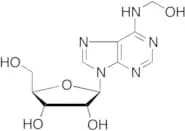
CAS:<p>Applications N6-(Hydroxymethyl)adenosine is an intermediate with modified ribonucleoside formed by chemical oxidation of N6-methyladenosine (M275895) mediated by bicarbonate-activated hydrogen peroxide. N6-(Hydroxymethyl)adenosine is also reported as active mutagen.<br>References Alderson, T.: Mutat. Res-Rev. Genet., 154, 101 (1985); Wu, J., et al.: Chem. Sci., 6, 3013 (2015);<br></p>Formula:C11H15N5O5Purity:~90%Color and Shape:NeatMolecular weight:297.27N6-[Bis(ethylamino)methylene]-D-lysine
CAS:Controlled Product<p>Applications N6-[Bis(ethylamino)methylene]-D-lysine is an intermediate in preparation of analogs of transforming and epidermal growth factor fragment.<br>References Nestor, John J., et al.: U.S., (1987);<br></p>Formula:C11H24N4O2Color and Shape:NeatMolecular weight:244.3342-Isobutyl-5,5-dimethyl-1,3-dioxane
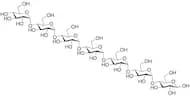
CAS:Controlled ProductFormula:C10H20O2Color and Shape:NeatMolecular weight:172.265Maltoheptaose (>80%)
CAS:Controlled ProductFormula:C42H72O36Purity:>80%Color and Shape:NeatMolecular weight:1153.00Lucifer Yellow CH Dipotassium Salt (Technical Grade)
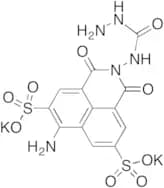
CAS:Controlled Product<p>Applications Lucifer Yellow CH dipotassium salt is a highly fluorescent dye useful in marking nerve cells. It can also be utilized in technical or engineered material use in effect of swelling on multiple energy transfer in conjugated polymer nanoparticles.<br>References Groff, L. C., et al.: J Phys Chem, 121, 7549 (2017)<br></p>Formula:C13H9K2N5O9S2Color and Shape:NeatMolecular weight:521.57Acridine Orange 10-Nonyl Bromide
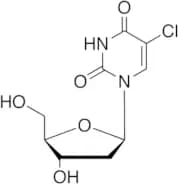
CAS:Controlled ProductFormula:C26H38N3·BrColor and Shape:NeatMolecular weight:472.5045-Chloro-2'-deoxyuridine
CAS:Controlled Product<p>Applications A halogenated uridine derivative used in pharmaceutical compositions.<br>References Brammer, K., et al.: Biochim. Biophys. Acta, 72, 217 (1963), Uesugi, S., et al.: Chem. Pharm. Bull., 26, 3040 (1978)<br></p>Formula:C9H11ClN2O5Color and Shape:NeatMolecular weight:262.65Trimedlure
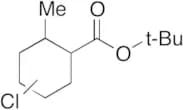
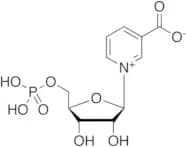
CAS:<p>Applications Trimedlure (cas# 12002-53-8) is a useful research chemical.<br></p>Formula:C12H21ClO2Color and Shape:NeatMolecular weight:232.75β-Nicotinic Acid Mononucleotide
CAS:Controlled Product<p>Stability Hygroscopic<br>Applications A nucleotide of nicotinic acid which is produced from quinolinic acid by quinolinate phosphoribosyltransferase via transfer of a phosphoribose group. It is an intermediate of nicotinic acid adenine dinucleotide (NaAD) which is then converted to NAD via amidation and in turn converted to NADPH.<br>References Petrelli, R. et al.: Curr. Med. Chem., 18, 1973 (2011); Shibata, K. et al.: J. Chrom. B Biomed. Sci. Appl., 749, 281 (2000); Evans, C. et al.: BMC Chem. Biol., 10, 2 (2010);<br></p>Formula:C11H14NO9PColor and Shape:NeatMolecular weight:335.2









![2-[2-[2-[2-[6-(Biotinylaminohexanoyl]aminoethoxy]ethoxy]ethoxy]-4-[3-(trifluoromethyl)-3H-diazirin…](/_next/image/?url=https%3A%2Fstatic.cymitquimica.com%2Fproducts%2FTR%2Fthumb-webp%2FB394857.webp&w=3840&q=75)

![(5Z,8Z,11Z,14Z,17Z)-N-[6-Hydroxy-5-(hydroxymethyl)hexyl]-5,8,11,14,17-eicosapentaen…](/_next/image/?url=https%3A%2Fstatic.cymitquimica.com%2Fproducts%2FTR%2Fthumb-webp%2FH351880.webp&w=3840&q=75)


![N6-[Bis(ethylamino)methylene]-D-lysine](/_next/image/?url=https%3A%2Fstatic.cymitquimica.com%2Fproducts%2FTR%2Fthumb-webp%2FB985820.webp&w=3840&q=75)