Heterocycles with Nitrogen (N)
In this category, you will find a wide variety of nitrogen-containing heterocycles. Heterocycles are carbon chains that form a cycle in which at least one position is occupied by a heteroatom, in this case, nitrogen. These compounds are integral in the synthesis of pharmaceuticals, agrochemicals, and dyes, offering unique reactivity and stability. At CymitQuimica, we provide a comprehensive selection of high-quality nitrogen-containing heterocycles to support your research and industrial applications
Subcategories of "Heterocycles with Nitrogen (N)"
- Azepane(434 products)
- Benzotriazoles(436 products)
- Diazepanes(331 products)
- Imidazoles(4,006 products)
- Imidazolines(385 products)
- Isoxazole(1,077 products)
- Piperazines(3,735 products)
- Piperidines(8,397 products)
- Pyrazines(1,299 products)
- Pyrazole(5,919 products)
- Pyrazolidine(21 products)
- Pyrazoline(142 products)
- Pyridazine(856 products)
- Pyridines(21,911 products)
- Pyrimidine(6,038 products)
- Pyrroles(2,440 products)
- Pyrrolidines(5,814 products)
- Pyrroline(48 products)
- Pyrrolo[1,2-b]pyridazine(10 products)
- Tetrazole(510 products)
- Triazines(462 products)
- Triazoles(1,679 products)
Show 14 more subcategories
Found 17855 products of "Heterocycles with Nitrogen (N)"
Sort by
Purity (%)
0
100
|
0
|
50
|
90
|
95
|
100
Pyridazine 3-carbaldehyde
CAS:<p>Pyridazine 3-carbaldehyde is a potential antiviral agent that has shown to be effective against herpes simplex virus type 1. It is a methylene compound that binds to the active site of the enzyme ribonucleotide reductase, which is required for DNA synthesis. This compound also exhibits synergistic effects with other antiviral agents and has cytotoxic properties. Pyridazine 3-carbaldehyde can be synthesized from pyridine-3-carboxaldehyde via a two-step process involving thermal decarboxylation followed by an oxidation reaction.</p>Formula:C5H4N2OPurity:Min. 95%Molecular weight:108.1 g/molWAY 316606
CAS:<p>WAY 316606 is a potent, orally administered small molecule that inhibits the Wnt signaling pathway by blocking the action of β-catenin. It has been shown to have potential for treating eye disorders, including age-related macular degeneration. This drug also has potential for treatment of cell and nervous system diseases such as Alzheimer's disease and Huntington's disease. WAY 316606 inhibits the transcriptional activity of the β-catenin/Tcf4 complex by binding to it and preventing its translocation into the nucleus. In addition, WAY 316606 prevents downstream activation of genes regulated by β-catenin signaling, including c-myc and cyclin D1. This drug also blocks growth factor receptor tyrosine kinases and monoclonal antibodies that activate these receptors.</p>Formula:C18H19F3N2O4S2Purity:Min. 95%Molecular weight:448.48 g/mol2,3,5-Trimethylpyridine
CAS:<p>2,3,5-Trimethylpyridine is an organic compound that is used in the production of pharmaceuticals. It is a colorless liquid with a strong odor. 2,3,5-Trimethylpyridine reacts with hydrochloric acid to produce an n-oxide and hydrogen chloride gas. This reaction can be carried out in solution or as a solid phase microextraction experiment. The optimal reaction conditions for this process are determined by measuring the yield of the desired product and the amount of byproducts formed during the reaction. The reaction can be inhibited by adding pump inhibitors such as methyl ethyl ketone or an organic solvent such as acetonitrile. The structures of 2,3,5-Trimethylpyridine have been determined using X-ray crystallography and phosphotungstic acid. Deionized water and chlorides react with 2,3,5-Trimethylpyridine to form a white precipitate. This product</p>Formula:C8H11NPurity:Min. 98 Area-%Color and Shape:Clear LiquidMolecular weight:121.18 g/mol1-(4-Aminophenyl)-1H-pyridin-2-one
CAS:<p>1-(4-Aminophenyl)-1H-pyridin-2-one is a synthetic chemical that is used in the manufacturing of 8-hydroxyquinoline. It is an industrial chemical that is used to produce potassium carbonate by a reflux reaction with potassium and carbonate. 1-(4-Aminophenyl)-1H-pyridin-2-one is a gas at room temperature and pressure and has been shown to be stable under these conditions.</p>Formula:C11H10N2OPurity:Min. 95%Color and Shape:White PowderMolecular weight:186.21 g/mol2-Ethyl-3(5 or 6)-dimethylpyrazine, mixture of isomers
CAS:<p>2-Ethyl-3(5 or 6)-dimethylpyrazine, mixture of isomers is a high quality chemical. It has been used as an intermediate in the synthesis of pharmaceuticals, agricultural chemicals, and other speciality chemicals. 2-Ethyl-3(5 or 6)-dimethylpyrazine, mixture of isomers is a versatile building block that can be used to synthesize complex compounds. It can also act as a reagent for the synthesis of other compounds. The CAS number for this compound is 27043-05-6.</p>Formula:C8H12N2Purity:Min. 99.0 Area-%Molecular weight:136.19 g/molRef: 3D-W-108294
1kgTo inquire100gTo inquire250gTo inquire500gTo inquire2500gTo inquire-Unit-kgkgTo inquire4-Chloropyrimidine HCl
CAS:<p>4-Chloropyrimidine HCl is a covalent molecule that contains 4-chloropyridine and hydrogen chloride. It exists as two tautomers, the enol form and the keto form. The protonation of the proton on nitrogen will determine which tautomer it will exist in. When there is no proton present, the molecule will exist in its enol form. Resonance is also an important factor with this molecule because it can have a variety of resonance forms. Resonance spectrometry has been used to identify 4-chloropyrimidine HCl because it produces a specific resonance pattern when exposed to magnetic fields. 4-Chloropyridinium trifluoroacetate is another name for this compound that is formed when the chlorine atom bonds with trifluoroacetic acid. This chemical does not have any interactions with azide but can react with tetrazole to produce a stable compound, which can be easily</p>Formula:C4H3ClN2·HClPurity:Min. 95%Color and Shape:PowderMolecular weight:150.99 g/mol2-Ethyl-6-methylpyridine
CAS:<p>2-Ethyl-6-methylpyridine is an organic compound that has been analyzed in a range of experiments, including the determination of its melting point. The compound has been found to be crystalline in nature, and this property can be used to determine its purity. 2-Ethyl-6-methylpyridine is a colorless liquid with a sweet odor that can be detected at concentrations as low as 0.5 parts per million. It is soluble in organic solvents such as benzene, chloroform, and acetone. This reagent is also known for its ability to catalyze reactions involving ketones and esters. 2-Ethyl-6-methylpyridine may be used as a marker for tobacco smoke, but it is not currently approved by the United States Food and Drug Administration (FDA) for this purpose.</p>Formula:C8H11NPurity:Min. 95%Molecular weight:121.18 g/mol4-Iodo-2-methoxypyridine-3-carboxaldehyde
CAS:<p>4-Iodo-2-methoxypyridine-3-carboxaldehyde is a disubstituted compound that has insulin-like properties. It inhibits the activity of the insulin receptor, which may contribute to its insulin-like growth factor effects. This inhibitor also targets the protein kinase, which is responsible for the response of cells to insulin. 4-Iodo-2-methoxypyridine 3 carboxaldehyde has been shown to inhibit IGF1R and malonate ion, and it may have potential as an oral treatment for diabetes.</p>Formula:C7H6INO2Purity:Min. 95%Molecular weight:263.03 g/mol10-[2-(1-Methyl-2-piperidinyl)ethyl]-2-(methylthio)-10H-phenothiazine hydrochloride
CAS:Controlled Product<p>The drug, 10-[2-(1-methyl-2-piperidinyl)ethyl]-2-(methylthio)-10H-phenothiazine hydrochloride (CGP 46660), is a competitive antagonist at the human histamine H3 receptor. It has been shown to bind to the histamine H3 receptor in the range of 0.001 to 1 μM and is selective for this receptor over other receptors. CGP 46660 is an optical sensor that can be used in titration calorimetry experiments to measure changes in heat production when it binds to histamine H3 receptors. The drug also has been shown to inhibit guanine nucleotide-binding protein (G protein) signaling pathways and brain functions such as memory formation, learning, and attention span. These effects were demonstrated in humans by measuring EEG activity. The optimum concentration of CGP 46660 for these effects was found to be between 0.01 and 10 μM.</p>Formula:C21H27ClN2S2Purity:Min. 95%Color and Shape:PowderMolecular weight:407.04 g/molPiperidine-2,5-dione
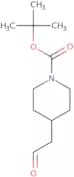
CAS:<p>Piperidine-2,5-dione is a synthetic compound that is used for the synthesis of benzyl esters, stereospecific chiral compounds, and amides. It can be used as a building block in the synthesis of natural products. Piperidine-2,5-dione has been shown to inhibit the activity of enzymes such as lactamases and amidases. The mechanism by which piperidine-2,5-dione inhibits these enzymes is not yet known. This compound also can react with potassium hydride to form radical species or alkylate boronic acids to form stereochemically pure products.</p>Formula:C5H7NO2Purity:Min. 95%Molecular weight:113.11 g/mol1-Boc-4-formyl piperidine
CAS:<p>The functional theory of 1-Boc-4-formyl piperidine (1BP) is that it activates the serine protease, which in turn inhibits the acetylcholine release. It also affects the 5-ht4 receptor, which is an important regulator of neuronal function and amine release. 1BP has been shown to have potent inhibitory activity against reactive molecules, including those that are involved in carcinogenesis. It also has a high affinity for the 5-ht4 receptor and can be used as a 5-ht4 receptor agonist.</p>Formula:C11H19NO3Purity:Min. 95%Color and Shape:PowderMolecular weight:213.27 g/mol1-(2,3-Dihydro-1H-inden-2-yl)piperazine dihydrochloride
CAS:Controlled Product<p>Please enquire for more information about 1-(2,3-Dihydro-1H-inden-2-yl)piperazine dihydrochloride including the price, delivery time and more detailed product information at the technical inquiry form on this page</p>Formula:C13H18N2Purity:Min. 95%Molecular weight:202.3 g/mol[4-(3,6-Dimethyl-9H-carbazol-9-yl)butyl]phosphonic acid
CAS:<p>Please enquire for more information about [4-(3,6-Dimethyl-9H-carbazol-9-yl)butyl]phosphonic acid including the price, delivery time and more detailed product information at the technical inquiry form on this page</p>Formula:C18H22NO3PPurity:Min. 95%Color and Shape:PowderMolecular weight:331.35 g/moltert-Butyl 4-(2-methoxy-2-oxoethyl)piperazine-1-carboxylate
CAS:<p>Please enquire for more information about tert-Butyl 4-(2-methoxy-2-oxoethyl)piperazine-1-carboxylate including the price, delivery time and more detailed product information at the technical inquiry form on this page</p>Formula:C12H22N2O4Purity:Min. 95%Molecular weight:258.31 g/mol4-Oxo-1-piperidinecarboxylic acid ethyl ester
CAS:Controlled Product<p>4-Oxo-1-piperidinecarboxylic acid ethyl ester is an antimicrobial agent that belongs to the group of unsaturated ketones. It has been shown to have clinical activity against gram-positive bacteria, including Staphylococcus aureus, Enterococcus faecalis and Streptococcus pneumoniae, as well as Candida albicans. It also exhibits significant antiinflammatory activity in mice with chronic inflammation induced by carrageenan or LPS. 4-Oxo-1-piperidinecarboxylic acid ethyl ester inhibits the enzyme dpp-4, which is involved in the production of amyloid beta peptides and type II diabetes. This compound was also shown to possess anticholinesterase activity in vitro.</p>Formula:C8H13NO3Purity:Min. 95%Molecular weight:171.19 g/mol4-Ethyl-5-fluoropyrimidine
CAS:<p>4-Ethyl-5-fluoropyrimidine is a white solid with a melting point of 258°C. It is soluble in organic solvents such as acetonitrile and methanol. The compound has been shown to have reversed phase chromatographic properties and can be used as a potential impurity in the synthesis of other compounds. 4-Ethyl-5-fluoropyrimidine is not susceptible to photolytic decomposition but can be oxidized by air, which may result in the formation of impurities. 4-Ethyl-5-fluoropyrimidine can be purified using chromatography methods with high sensitivity and low detection limits. The compound has also been shown to have good chemical stability under ambient conditions, making it suitable for storage or shipping.</p>Formula:C6H7FN2Purity:Min. 95%Molecular weight:126.13 g/molPerindopril diketopiperazine
CAS:<p>Please enquire for more information about Perindopril diketopiperazine including the price, delivery time and more detailed product information at the technical inquiry form on this page</p>Formula:C19H30N2O4Purity:Min. 95%Molecular weight:350.45 g/molPyrazine
CAS:<p>Pyrazine is a model system that has been used to investigate the reaction mechanism of pyrazinoic acid, an antimicrobial agent. Pyrazine reacts with water to give pyrazinoic acid and hydrogen gas. Pyrazine is also used as an analytical method for determining the concentration of odorant binding compounds in air and as a model system to study the electrochemical properties of odorant binding. The compound is characterized by intermolecular hydrogen bonding and synchronous fluorescence. Pyrazine has been shown to have an adsorption peak at 1780 cm-1 and a Langmuir adsorption isotherm at 10-4 M.</p>Formula:C4H4N2Purity:Min. 95%Molecular weight:80.09 g/mol5-[4-(3-Chlorophenyl)piperazin-1-yl]-5-oxopentanoic acid
CAS:Controlled Product<p>Please enquire for more information about 5-[4-(3-Chlorophenyl)piperazin-1-yl]-5-oxopentanoic acid including the price, delivery time and more detailed product information at the technical inquiry form on this page</p>Formula:C15H19ClN2O3Purity:Min. 95%Molecular weight:310.78 g/mol6-(2-Bromoethyl)-1,3-dimethyl-1H-pyrrolo[3,4-d]pyrimidine-2,4(3H,6H)-dione
CAS:Controlled Product<p>Please enquire for more information about 6-(2-Bromoethyl)-1,3-dimethyl-1H-pyrrolo[3,4-d]pyrimidine-2,4(3H,6H)-dione including the price, delivery time and more detailed product information at the technical inquiry form on this page</p>Formula:C10H12BrN3O2Purity:Min. 95%Molecular weight:286.13 g/mol2,4-Bis(octylthio)-6-(4-hydroxy-3,5-di-tert-butylanilino)-1,3,5-triazine
CAS:<p>2,4-Bis(octylthio)-6-(4-hydroxy-3,5-di-tert-butylanilino)-1,3,5-triazine is a triazine that has been synthesized by the reaction of glycol esters with hydrogenated hydrochloric acid. This compound is used as a polymerization initiator and is a liquid crystal composition stabiliser. It can be used in sample preparation to provide protection against water vapor and light emission. 2,4-Bis(octylthio)-6-(4-hydroxy-3,5-di-tert-butylanilino)-1,3,5-triazine has antioxidant properties and can be used for determining functional groups in organic compounds.</p>Formula:C33H56N4OS2Purity:Min. 95%Color and Shape:PowderMolecular weight:588.96 g/mol4-Amino-2,2'-bipyridine
CAS:<p>Please enquire for more information about 4-Amino-2,2'-bipyridine including the price, delivery time and more detailed product information at the technical inquiry form on this page</p>Formula:C10H9N3Purity:Min. 95%Color and Shape:PowderMolecular weight:171.2 g/mol1-Hexyl-4-phenylpiperazine
CAS:Controlled Product<p>Please enquire for more information about 1-Hexyl-4-phenylpiperazine including the price, delivery time and more detailed product information at the technical inquiry form on this page</p>Formula:C16H26N2Purity:Min. 95%Molecular weight:246.39 g/mol1-Acetyl-4-(2,4-difluorobenzyl)piperazine
CAS:Controlled Product<p>Please enquire for more information about 1-Acetyl-4-(2,4-difluorobenzyl)piperazine including the price, delivery time and more detailed product information at the technical inquiry form on this page</p>Formula:C13H16F2N2OPurity:Min. 95%Molecular weight:254.28 g/mol1-(4-Pyridinylmethyl)piperazine
CAS:Controlled Product<p>1-(4-Pyridinylmethyl)piperazine (1-PMP) is a piperazine derivative that is used as an active ingredient in psychoactive substances. It is chemically classified as a calibrant, meaning it has been designed to have a specific effect on the brain. It is also known as a signal calibrant because of its ability to produce signals in magnetic resonance imaging (MRI). 1-PMP has been shown to be psychoactive and can cause hallucinations when taken at high doses. This drug has a number of different isomers, which are all active, but vary in potency and duration of action. The most potent isomer for human use is 4-PMP. 1-PMP can be detected through nuclear magnetic resonance (NMR), which detects the presence of hyperpolarised atoms or molecules with an external magnetic field.</p>Formula:C10H15N3Purity:Min. 95%Molecular weight:177.25 g/mol1-(3-Phenylpropyl)piperazine
CAS:Controlled Product<p>1-(3-Phenylpropyl)piperazine (1PP) is a piperazine derivative that can be synthesized by the condensation of 3-phenylpropylamine and formaldehyde. 1PP has been shown to have neuroprotective effects in animal models of amyotrophic lateral sclerosis (ALS), brain injury, spinal cord injury, and traumatic brain injury. It has also been shown to act as a ligand for various receptors with therapeutic potential for cancer therapy. 1PP may be able to protect neurons from oxidative damage by scavenging reactive oxygen species. This drug has also been observed to inhibit the growth of cancer cells in vitro and in vivo.</p>Formula:C13H20N2Purity:Min. 95%Molecular weight:204.31 g/mol(Pyrimidin-4-ylmethyl)amine dihydrochloride
CAS:<p>Pyrimidin-4-ylmethyl)amine dihydrochloride is a drug that belongs to the class of drugs known as kinase inhibitors. Pyrimidin-4-ylmethyl)amine dihydrochloride inhibits the kinase activity of Jak3, which is involved in regulating inflammation and immune response. This inhibitor has been shown to be effective against chronic inflammatory diseases such as asthma, psoriasis, and rheumatoid arthritis. Pyrimidin-4-ylmethyl)amine dihydrochloride has an affinity for ATP binding sites and can be used to regulate kinase activity by competing with ATP for these binding sites.</p>Formula:C5H7N3Purity:Min. 95%Molecular weight:109.13 g/mol3-Bromoacetylpyridine, hydrobromide
CAS:<p>3-Bromoacetylpyridine, hydrobromide is a derivatizing agent that has been shown to react with nucleophiles. It can be used as an electron donor or electron acceptor in radical scavenging and other reactions. 3-Bromoacetylpyridine, hydrobromide is also a ligand for metal ions, and has been shown to bind to copper(II) ions. This product ionizes easily under electrospray ionization and reacts with thiourea to form 3-acetylpyridine.</p>Formula:C7H7Br2NOPurity:Min. 95%Molecular weight:280.94 g/mol1-Aminopiperidine
CAS:<p>1-Aminopiperidine is a hydrochloric acid derivative that is used to treat tuberculosis. It inhibits the enzyme catalysis of phospholipase A2 (PLA2) and blocks the release of arachidonic acid from cell membranes. 1-Aminopiperidine has been shown to have tuberculostatic activity in vivo by inhibiting PLA2 and blocking the release of arachidonic acid. This agent also exhibits antitumor properties, which may be due to its ability to inhibit the production of prostaglandin E2 (PGE2), an inflammatory mediator that can stimulate tumor growth. 1-Aminopiperidine binds to cannabinoid receptors, but does not bind to opioid or benzodiazepine receptors. This drug also exhibits antagonist activity against rimonabant, a type of receptor blocker for cannabinoid receptors.</p>Formula:C5H12N2Purity:Min. 95%Color and Shape:Clear LiquidMolecular weight:100.16 g/molZofenoprilat-d5
CAS:Controlled Product<p>Please enquire for more information about Zofenoprilat-d5 including the price, delivery time and more detailed product information at the technical inquiry form on this page</p>Formula:C15H14D5NO3S2Purity:Min. 95%Molecular weight:330.48 g/mol1-(3-Bromobenzyl)piperazine
CAS:Controlled Product<p>Please enquire for more information about 1-(3-Bromobenzyl)piperazine including the price, delivery time and more detailed product information at the technical inquiry form on this page</p>Formula:C11H15BrN2Purity:Min. 95%Molecular weight:255.15 g/mol2-Chloro-4-fluoropyridine-5-boronic acid, pinacol ester
CAS:<p>Please enquire for more information about 2-Chloro-4-fluoropyridine-5-boronic acid, pinacol ester including the price, delivery time and more detailed product information at the technical inquiry form on this page</p>Formula:C11H14BClFNO2Purity:Min. 95%Molecular weight:257.5 g/mol1-(3,5-Dimethoxyphenyl)piperazine
CAS:Controlled Product<p>1-(3,5-Dimethoxyphenyl)piperazine (1DMPP) is a phenylpiperazine derivative that has shown anticancer activity in vitro against human cancer cells. It is orally bioavailable and has been found to inhibit the growth of cancer cells in vivo. 1DMPP is metabolized by the liver into a number of metabolites that are excreted via the kidneys. The pharmacokinetic properties of 1DMPP have been studied in rats and mice, which revealed that it is well absorbed when administered orally and has a short terminal half-life. In vitro studies have demonstrated that 1DMPP inhibits cell growth through inhibition of protein synthesis and DNA replication.</p>Formula:C12H18N2O2Purity:Min. 95%Molecular weight:222.28 g/mol1-(4-Methoxybenzyl)piperidine-2,4-dione
CAS:<p>Please enquire for more information about 1-(4-Methoxybenzyl)piperidine-2,4-dione including the price, delivery time and more detailed product information at the technical inquiry form on this page</p>Formula:C13H15NO3Purity:Min. 95%Molecular weight:233.26 g/moltert-Butyl 3-(4,4,5,5-tetramethyl-1,3,2-dioxaborolan-2-yl)-5,6-dihydropyridine-1(2H)-carboxylate
CAS:<p>tert-Butyl 3-(4,4,5,5-tetramethyl-1,3,2-dioxaborolan-2-yl)-5,6-dihydropyridine-1(2H)-carboxylate is a chemical compound that is used as a reagent in organic synthesis. It is also used as a building block for the preparation of other compounds. This compound can be used in the synthesis of complex molecules such as heterocycles and natural products.</p>Formula:C16H28BNO4Purity:Min. 95%Color and Shape:PowderMolecular weight:309.21 g/mol2-Chloro-5-methylpyrazine
CAS:<p>Please enquire for more information about 2-Chloro-5-methylpyrazine including the price, delivery time and more detailed product information at the technical inquiry form on this page</p>Formula:C5H5ClN2Purity:Min. 95%Molecular weight:128.56 g/mol3-Aminopicolinic acid
CAS:<p>3-Aminopicolinic acid is a carboxylate that can be found in the cytosol, mitochondria, and nucleus of cells. It is an efficient method for the synthesis of picolinic acid from 3-aminopyridine-2-carboxylic acid. The synthesis of picolinic acid has been shown to have structural analogs to molecules involved in nucleotide metabolism such as single-stranded DNA, mitochondrial DNA, and mitochondrial RNA. 3-Aminopicolinic acid has been shown to increase renal blood flow by stabilizing complexes with chloride and phosphoenolpyruvate. This compound also enhances the renal excretion of picolinic acid. 3-Desacetylcefotaxime potassium Tilmicosin Gatifloxacin 3-Aminopicolinic acid</p>Formula:C6H6N2O2Purity:Min. 95 Area-%Color and Shape:Yellow PowderMolecular weight:138.12 g/mol4-(4-Chlorobenzoyl)piperidine
CAS:<p>Please enquire for more information about 4-(4-Chlorobenzoyl)piperidine including the price, delivery time and more detailed product information at the technical inquiry form on this page</p>Purity:Min. 95%1-Boc-4-imidazol-2-yl-piperidine
CAS:<p>Please enquire for more information about 1-Boc-4-imidazol-2-yl-piperidine including the price, delivery time and more detailed product information at the technical inquiry form on this page</p>Formula:C13H21N3O2Purity:Min. 95%Molecular weight:251.32 g/mol4,4'-Dithio-2,2'-bipyridine
CAS:<p>Please enquire for more information about 4,4'-Dithio-2,2'-bipyridine including the price, delivery time and more detailed product information at the technical inquiry form on this page</p>Formula:C10H8N2S2Purity:Min. 95%Color and Shape:PowderMolecular weight:220.32 g/mol1-(Chloroacetyl)-4-(4-chlorophenyl)piperazine
CAS:Controlled Product<p>Please enquire for more information about 1-(Chloroacetyl)-4-(4-chlorophenyl)piperazine including the price, delivery time and more detailed product information at the technical inquiry form on this page</p>Formula:C12H14Cl2N2OPurity:Min. 95%Molecular weight:273.16 g/mol4-(Difluoromethyl)-2-fluoropyridine
CAS:<p>Please enquire for more information about 4-(Difluoromethyl)-2-fluoropyridine including the price, delivery time and more detailed product information at the technical inquiry form on this page</p>Formula:C6H4F3NPurity:Min. 95%Molecular weight:147.1 g/mol7-Bromo-[1,2,4]triazolo[1,5-a]pyridin-2-ylamine
CAS:<p>Please enquire for more information about 7-Bromo-[1,2,4]triazolo[1,5-a]pyridin-2-ylamine including the price, delivery time and more detailed product information at the technical inquiry form on this page</p>Formula:C6H5BrN4Purity:Min. 95%Molecular weight:213.03 g/molIndole
CAS:<p>Indole is a heterocyclic aromatic organic compound. It is a colorless solid that has a strong, unpleasant odor. Indole is classified as a nitrogenous base and is found in many natural products such as the amino acid tryptophan and the alkaloid caffeine. Indole can also be used as a building block for complex molecules, such as pharmaceuticals, herbicides, and pesticides. Indole is soluble in water, but insoluble in most organic solvents. It can be used to synthesize other compounds through reactions with other chemicals or by heating it with different reagents.</p>Formula:C8H7NPurity:Min. 98 Area-%Molecular weight:117.15 g/molRef: 3D-I-0800
1kgTo inquire5kgTo inquire10kgTo inquire25kgTo inquire2500gTo inquire-Unit-kgkgTo inquire7H-Pyrrolo[2,3-d]pyrimidine-4-carboxylic acid
CAS:<p>7H-Pyrrolo[2,3-d]pyrimidine-4-carboxylic acid is a fine chemical that is used as a building block for more complex compounds. It is not an active ingredient in any pharmaceuticals or other products. 7H-Pyrrolo[2,3-d]pyrimidine-4-carboxylic acid can be used to produce research chemicals, reagents, and specialty chemicals. This compound has been shown to be useful as a reaction component or scaffold in the synthesis of more complex molecules.</p>Formula:C7H5N3O2Purity:Min. 95%Color and Shape:PowderMolecular weight:163.13 g/molCiprofloxacin piperazinyl-N4-sulfate
CAS:<p>Ciprofloxacin is a fluoroquinolone antibiotic with potent activity against many Gram-negative and Gram-positive bacteria. It is used in the treatment of urinary tract infections, respiratory tract infections, skin and soft tissue infections, bone and joint infections, and intra-abdominal infections. Ciprofloxacin piperazinyl-N4-sulfate has the potential to interact with other drugs. It binds to human serum albumin (HSA) and may be excreted into breast milk. The drug is well absorbed orally but has poor bioavailability due to rapid metabolism by the liver. Ciprofloxacin piperazinyl-N4-sulfate has been shown to have pharmacokinetic properties that are independent of dose or duration of administration.</p>Formula:C17H18FN3O6SPurity:Min. 95%Molecular weight:411.41 g/molMethyl 1H-pyrrolo[2,3-b]pyridine-2-carboxylate
CAS:<p>Please enquire for more information about Methyl 1H-pyrrolo[2,3-b]pyridine-2-carboxylate including the price, delivery time and more detailed product information at the technical inquiry form on this page</p>Formula:C9H8N2O2Purity:Min. 95%Molecular weight:176.17 g/mol3-Bromo-2-(bromomethyl)pyridine
CAS:<p>Please enquire for more information about 3-Bromo-2-(bromomethyl)pyridine including the price, delivery time and more detailed product information at the technical inquiry form on this page</p>Formula:C6H5Br2NPurity:Min. 95%Molecular weight:250.92 g/mol1-Benzyl-3-piperidinol
CAS:<p>1-Benzyl-3-piperidinol is a synthetic chemical that has been used as a long-acting calcium antagonist. It is synthesized by the reaction of 1,2-dibromoethane with piperidine and benzaldehyde in the presence of an acid catalyst. The reaction yield is high, and impurities are low. This drug substance is soluble in organic solvents, such as chloroform, ethyl acetate, and ether. The synthesis process uses chiral catalysts to produce the desired enantiomeric form of the drug substance. The use of immobilized catalysts improves the conversion rate, kinetic parameters, and reaction yield of this process.</p>Formula:C12H17NOPurity:Min. 95%Color and Shape:PowderMolecular weight:191.27 g/mol1-(2-Phenylethyl)piperidin-4-amine dihydrochloride
CAS:Controlled Product<p>Please enquire for more information about 1-(2-Phenylethyl)piperidin-4-amine dihydrochloride including the price, delivery time and more detailed product information at the technical inquiry form on this page</p>Formula:C13H20N2Purity:Min. 95%Molecular weight:204.31 g/mol3-Bromo-5-fluoropyridine
CAS:<p>3-Bromo-5-fluoropyridine is a synthetic dyestuff that is used in the production of dyes and pigments. It has an analogous structure to 3-amino-5-bromopyridine, which is used as a medicine for treating epilepsy. 3-Bromo-5-fluoropyridine reacts with acetoacetate or ethyl acetoacetate to form methylated products, such as 3-(4'-hydroxyphenyl)propionate. This compound can be synthesized by halogenation with bromine or chlorination followed by hydrolysis. The synthesis of 3-bromo-5-fluoropyridine from 3-amino-5-bromopyridine involves a series of reactions, including diazonium salt formation, followed by bromination and reduction to produce the desired product.</p>Formula:C5H3BrFNPurity:Min. 95%Color and Shape:PowderMolecular weight:175.9 g/molHaloperidol nonanoate
CAS:Controlled Product<p>Please enquire for more information about Haloperidol nonanoate including the price, delivery time and more detailed product information at the technical inquiry form on this page</p>Formula:C30H39ClFNO3Purity:Min. 95%Molecular weight:516.09 g/mol3-Ethyl haloperidol decanoate
CAS:<p>Please enquire for more information about 3-Ethyl haloperidol decanoate including the price, delivery time and more detailed product information at the technical inquiry form on this page</p>Formula:C33H45ClFNO3Purity:Min. 95%Molecular weight:558.17 g/mol2-Cyanopyridine-4-carboxaldehyde
CAS:<p>Please enquire for more information about 2-Cyanopyridine-4-carboxaldehyde including the price, delivery time and more detailed product information at the technical inquiry form on this page</p>Formula:C7H4N2OPurity:Min. 95%Molecular weight:132.12 g/molN-Isopropyl carvedilol
CAS:<p>Please enquire for more information about N-Isopropyl carvedilol including the price, delivery time and more detailed product information at the technical inquiry form on this page</p>Formula:C27H32N2O4Purity:Min. 95%Molecular weight:448.56 g/mol4-(2,4-Difluorobenzoyl)piperidine hydrochloride
CAS:<p>Iloperidone is a white to off-white crystalline powder that is soluble in water and alcohol. It is used as an antipsychotic drug and belongs to the class of benzamides. Iloperidone has been shown to be effective for schizophrenia, bipolar disorder, and major depressive disorder. The chemical name for iloperidone hydrochloride is 4-(2,4-Difluorobenzoyl)piperidine hydrochloride. This drug also has a high affinity for serotonin 5-HT2A receptors in the brain, which may contribute to its therapeutic effects.</p>Formula:C12H14ClF2NOPurity:Min. 95%Color and Shape:PowderMolecular weight:261.7 g/mol1-(3-Trifluoromethylphenyl)piperazine hydrochloride
CAS:Controlled Product<p>1-(3-Trifluoromethylphenyl)piperazine hydrochloride (TFMPP) is a derivative of the piperazine class of drugs. It is structurally similar to other drugs in this class, such as bromopropane, which acts as an agonist of the 5-HT1 receptor. TFMPP has been shown to be an agonist at 5-HT1 receptors and dopamine receptors. It has also been shown to inhibit serotonin uptake and release, and inhibits choline acetyltransferase activity in brain tissue. TFMPP is not active on the 5-HT2 receptor, but does have some affinity for the 5-HT2A receptor. TFMPP has high affinity for the serotonergic system, with selective binding to serotonin transporter proteins in vitro. TFMPP may also have some effect on cholinergic systems through its inhibition of acetylcholinesterase activity.</p>Formula:C11H14ClF3N2Purity:Min. 95%Color and Shape:White PowderMolecular weight:266.69 g/moltert-Butyl 4-azidopiperidine-1-carboxylate
CAS:<p>Please enquire for more information about tert-Butyl 4-azidopiperidine-1-carboxylate including the price, delivery time and more detailed product information at the technical inquiry form on this page</p>Formula:C10H18N4O2Purity:Min. 95%Molecular weight:226.28 g/mol4-Amino-1,3-dimethyl-2,6-dioxo-5-nitrosopyrimidine
CAS:<p>4-Amino-1,3-dimethyl-2,6-dioxo-5-nitrosopyrimidine is a monoclonal antibody that binds to cancer cells. It has been shown to be effective in the treatment of leukemia, Hodgkin's disease, and non-Hodgkin's lymphoma. The binding of 4-Amino-1,3-dimethyl-2,6-dioxo-5-nitrosopyrimidine to cancer cells is due to the formation of a coordination geometry between the copper complex and the nitrogen atoms on the amino group. This drug has been shown to inhibit tumor growth by blocking the synthesis of DNA and RNA, which are key components in cell division. 4AADNP also inhibits cancer cells' ability to uptake glucose by inhibiting cellular glucose transporters. The binding affinity of 4AADNP for cancer cells is higher than for normal cells because cancer cells have more receptors for this drug</p>Formula:C6H8N4O3Purity:Min. 95%Molecular weight:184.15 g/mol1-(4-Fluorophenyl)piperazine free base
CAS:Controlled Product<p>Please enquire for more information about 1-(4-Fluorophenyl)piperazine free base including the price, delivery time and more detailed product information at the technical inquiry form on this page</p>Purity:Min. 95%6-Chloro-1,3-dimethyl-1H-pyrazolo[3,4-b]pyridine-5-carboxaldehyde
CAS:<p>Please enquire for more information about 6-Chloro-1,3-dimethyl-1H-pyrazolo[3,4-b]pyridine-5-carboxaldehyde including the price, delivery time and more detailed product information at the technical inquiry form on this page</p>Formula:C9H8ClN3OPurity:Min. 95%Molecular weight:209.63 g/mol2,5-Difluoropyridine
CAS:<p>2,5-Difluoropyridine is a ligand that is used in the synthesis of pharmaceuticals and other organic compounds. 2,5-Difluoropyridine is typically activated by a metal ion (e.g., palladium) to form an organometallic complex. The orientation of substituents on the difluoropyridine ring can affect its reactivity and selectivity. For example, chlorine atoms interact with the electrophilic carbon atom in the ring and orientations with electron withdrawing groups are more reactive than those with electron donating groups. 2,5-Difluoropyridine can be used as a cross-coupling reagent for Grignard reactions and nucleophilic substitution reactions. It also has been shown to inhibit human erythrocyte pyruvate kinase activity in vitro and may be useful for the treatment of diabetic complications such as neuropathy or retinopathy.</p>Formula:C5H3F2NPurity:Min. 95%Color and Shape:Clear LiquidMolecular weight:115.08 g/molPyrrolidine
CAS:<p>Pyrrolidine is a hypoglycemic agent that has been shown to have antibacterial efficacy against some gram-positive bacteria. It inhibits bacterial growth by binding to the enzyme ribonucleotide reductase, which is required for DNA synthesis. Pyrrolidine also has an antimicrobial effect on human cells and is a substrate for the enzyme IDO1, which may be responsible for many of its biological effects. Pyrrolidine binds to methanol solvent and has been shown to inhibit the activity of endometrial cells by reducing glucose uptake. The reaction with methanol solvent also causes pyrrolidine molecules to change conformation, making them more susceptible to inhibition by IDO1.</p>Formula:C4H9NPurity:Min. 95%Color and Shape:Colorless Clear LiquidMolecular weight:71.12 g/mol1-(4-Methoxyphenyl)-7-oxo-6-(4-(2-oxopiperidin-1-yl)phenyl)-4,5,6,7-tetrahydro-1H-pyrazolo[3,4-c]pyridine-3-carboxylic acid
CAS:<p>Apixaban is a novel, orally active, and selective factor Xa inhibitor. It is the first oral anticoagulant that has been developed to inhibit both free and clot-bound thrombin. Apixaban binds reversibly to the active site of factor Xa and inhibits factor Xa-mediated conversion of prothrombin to thrombin, resulting in an increased concentration of prothrombin in blood. Apixaban also inhibits the activity of thrombin-activated protein C (APC) that degrades fibrin clots by proteolytic cleavage of fibrinogen. This drug has a crystalline form with a particle size between 10 and 100 μm.</p>Formula:C25H24N4O5Purity:Min. 95%Molecular weight:460.48 g/mol1-(2-Chloropropanoyl)azepane
CAS:<p>Please enquire for more information about 1-(2-Chloropropanoyl)azepane including the price, delivery time and more detailed product information at the technical inquiry form on this page</p>Formula:C9H16ClNOPurity:Min. 95%Molecular weight:189.68 g/mol5-Methylpyridine-2-boronicacid
CAS:<p>Please enquire for more information about 5-Methylpyridine-2-boronicacid including the price, delivery time and more detailed product information at the technical inquiry form on this page</p>Formula:C6H8BNO2Purity:Min. 95%Molecular weight:136.94 g/mol4-Iodo-1-tritylimidazole
CAS:<p>4-Iodo-1-tritylimidazole is an organic molecule that has a chemical stability comparable to that of a nucleophile. It is a molecule with a heterocycle and accepts electrons from carbinol compounds, halides, and other functional groups. 4-Iodo-1-tritylimidazole can be synthesized by the palladium-catalyzed coupling reaction between organometallic reagents and histidine. This compound has been shown to have properties that are similar to those of biomimetic molecules, such as cross-coupling.</p>Formula:C22H17IN2Purity:Min. 95%Color and Shape:PowderMolecular weight:436.29 g/mol1-(4-Ethoxyphenyl)piperazine
CAS:Controlled Product<p>Please enquire for more information about 1-(4-Ethoxyphenyl)piperazine including the price, delivery time and more detailed product information at the technical inquiry form on this page</p>Formula:C12H18N2OPurity:Min. 95%Molecular weight:206.28 g/mol1-(4-Methoxy-pyridin-2-yl)-ethanone
CAS:<p>Please enquire for more information about 1-(4-Methoxy-pyridin-2-yl)-ethanone including the price, delivery time and more detailed product information at the technical inquiry form on this page</p>Formula:C8H9NO2Purity:Min. 95%Molecular weight:151.16 g/mol4,4'-Dinitro-2,2'-bipyridine-N,N'-dioxide
CAS:<p>4,4'-Dinitro-2,2'-bipyridine-N,N'-dioxide is a high quality reagent that can be used for a variety of purposes including as a building block for the synthesis of complex compounds or as an intermediate in fine chemicals. The CAS number is 51595-55-2 and it has a molecular weight of 138.10 g/mol. This reagent can be used to synthesize useful scaffolds, useful building blocks, speciality chemicals and research chemicals. It also has versatile applications that allow it to react with other compounds to form different products.</p>Formula:C10H6N4O6Purity:Min. 94.0 Area-%Molecular weight:278.18 g/mol5-Chloro-4-methylpyrimidine
CAS:<p>Please enquire for more information about 5-Chloro-4-methylpyrimidine including the price, delivery time and more detailed product information at the technical inquiry form on this page</p>Formula:C5H5ClN2Purity:Min. 95%Molecular weight:128.56 g/mol4-Anilino-1-benzylpiperidine
CAS:Controlled Product<p>4-Anilino-1-benzylpiperidine is a synthetic opioid analgesic that is a prodrug of the active metabolite pethidine. It is an agonist at µ-opioid receptors and is used as an analgesic medication. 4-Anilino-1-benzylpiperidine has been shown to have a high affinity for the δ subtype of opioid receptor and also inhibits the reuptake of naloxone, which may be related to its antinociceptive effects. 4-Anilino-1-benzylpiperidine has been shown to be effective in humans when given in doses around 100mg. The drug binds to functional groups on proteins, such as serine hydroxyls and cysteine sulfhydryl groups, which may account for its efficacy in humans.</p>Formula:C18H22N2Purity:Min. 95%Molecular weight:266.38 g/mol1-[4-(4-bromophenyl)piperazin-1-yl]ethanone
CAS:Controlled Product<p>Please enquire for more information about 1-[4-(4-bromophenyl)piperazin-1-yl]ethanone including the price, delivery time and more detailed product information at the technical inquiry form on this page</p>Formula:C12H15BrN2OPurity:Min. 95%Molecular weight:283.16 g/mol4-Amino-1-Boc-piperidine-4-carboxamide
CAS:<p>Please enquire for more information about 4-Amino-1-Boc-piperidine-4-carboxamide including the price, delivery time and more detailed product information at the technical inquiry form on this page</p>Formula:C11H21N3O3Purity:Min. 95%Molecular weight:243.3 g/mol1-Boc-2,6-Dimethyl-4-oxopiperidine
CAS:<p>Please enquire for more information about 1-Boc-2,6-Dimethyl-4-oxopiperidine including the price, delivery time and more detailed product information at the technical inquiry form on this page</p>Formula:C12H21NO3Purity:Min. 95%Molecular weight:227.3 g/molPyridinoline
CAS:<p>Please enquire for more information about Pyridinoline including the price, delivery time and more detailed product information at the technical inquiry form on this page</p>Formula:C18H28N4O8Purity:Min. 95%Color and Shape:PowderMolecular weight:428.44 g/mol3-Chloro-2-nitropyridine
CAS:<p>3-Chloro-2-nitropyridine is a chemical compound that has been shown to have anticancer activity. It is a structural analog of the nucleophilic piperazine, which can react with hydrogen fluoride in an electrophilic substitution reaction to form 3-chloro-2-nitropyridine oxide. The anticancer activity of this compound may be due to its ability to inhibit the growth of tumor cells by binding to the d4 receptor, inhibiting the production of inflammatory cytokines and growth factors. 3-Chloro-2-nitropyridine has also been shown to have antiinflammatory activities, which may be due to its inhibition of nitric oxide synthesis and 5'-lipoxygenase.</p>Formula:C5H3N2O2ClPurity:Min. 95%Color and Shape:PowderMolecular weight:158.54 g/mol2-Hydroxy-4-methylpyrimidine
CAS:<p>2-Hydroxy-4-methylpyrimidine is a heterocyclic compound that is used in the synthesis of other heterocycles. It is prepared by the reaction of methylbenzene and nitrous acid, followed by hydrolysis to form an imine. This compound has been synthesized with various substituents at different positions on the ring and also as a series of homologues. The 2-hydroxy-4-methylpyrimidine molecule has four nitroso groups, which are substituted with methyl groups. X-ray crystallography studies have shown that the molecule can exist in two different forms: one with the methyl groups pointing "homotopically" towards each other and the other with them directed "heterotopically."</p>Formula:C5H6N2OPurity:Min. 95%Molecular weight:110.11 g/molPiperidine-1-sulfonyl chloride
CAS:<p>Piperidine-1-sulfonyl chloride (PSC) is a compound that has been found to have neuroprotective properties. PSC inhibits the production of nitric oxide and peroxynitrite, which are reactive oxygen species (ROS) that damage cells and DNA. PSC also prevents the formation of ROS by inhibiting the activation of protein kinase C and phospholipase A2. The neuroprotective effects of PSC may be due to its ability to inhibit matrix metalloproteinases, which are enzymes that break down tissue in response to injury or disease. This drug has also been shown to have high cytotoxicity against cancer cell lines in vitro. Piperidine-1-sulfonyl chloride is a chemical compound with neuroprotective properties. It inhibits the production of nitric oxide and peroxynitrite, which are reactive oxygen species (ROS) that damage cells and DNA. PSC also prevents the formation</p>Formula:C5H10ClNO2SPurity:Min. 95%Molecular weight:183.66 g/mol1-Benzyl-4-piperidinol
CAS:<p>1-Benzyl-4-piperidinol is a n-hexane soluble synthetic compound. It has been shown to inhibit the cholesterol acyltransferase enzyme in rat liver microsomes, which is involved in the synthesis of cholesterol. 1-Benzyl-4-piperidinol can also be used for the treatment of cancers, such as prostate adenocarcinoma, due to its potent antagonistic activity against prostate cancer cells. This compound has also been shown to induce apoptosis in cancer cells and inhibit growth. The mechanism of action may be due to bond cleavage and inhibition of protein synthesis.</p>Formula:C12H17NOPurity:Min. 95%Molecular weight:191.27 g/mol1-(2-Methylphenyl)piperazine 2HCl
CAS:Controlled Product<p>1-(2-Methylphenyl)piperazine 2HCl is a cholinergic agent that has been shown to increase the activity of acetylcholine in the brain. It has been used to study the effects of acetylcholine on locomotor activity and memory. 1-(2-Methylphenyl)piperazine 2HCl can be synthesized by reacting piperazine with paraformaldehyde. The synthesis of 1-(2-Methylphenyl)piperazine 2HCl is dependent on the alkyl substituents on the piperazine molecule, as well as whether or not it has an R group.</p>Purity:Min. 95%3-[4-(4-Methoxyphenyl)piperazin-1-yl]-3-oxopropanenitrile
CAS:Controlled Product<p>Please enquire for more information about 3-[4-(4-Methoxyphenyl)piperazin-1-yl]-3-oxopropanenitrile including the price, delivery time and more detailed product information at the technical inquiry form on this page</p>Formula:C14H17N3O2Purity:Min. 95%Molecular weight:259.3 g/mol1-(3-Methoxyphenyl)piperazine dihydrochloride
CAS:Controlled Product<p>Please enquire for more information about 1-(3-Methoxyphenyl)piperazine dihydrochloride including the price, delivery time and more detailed product information at the technical inquiry form on this page</p>Formula:C11H18Cl2N2OPurity:Min. 95%Color and Shape:PowderMolecular weight:265.18 g/mol1-(Piperidine-4-carbonyl)piperidin-4-one hydrochloride
CAS:Controlled Product<p>Please enquire for more information about 1-(Piperidine-4-carbonyl)piperidin-4-one hydrochloride including the price, delivery time and more detailed product information at the technical inquiry form on this page</p>Formula:C11H19ClN2O2Purity:Min. 95%Molecular weight:246.73 g/molN-[2-(4-Benzylpiperazin-1-yl)-2-oxoethyl]-N-methylamine
CAS:Controlled Product<p>Please enquire for more information about N-[2-(4-Benzylpiperazin-1-yl)-2-oxoethyl]-N-methylamine including the price, delivery time and more detailed product information at the technical inquiry form on this page</p>Formula:C14H21N3OPurity:Min. 95%Molecular weight:247.34 g/mol3,5-Dimethylpyrazine-2-carboxylic acid
CAS:<p>Please enquire for more information about 3,5-Dimethylpyrazine-2-carboxylic acid including the price, delivery time and more detailed product information at the technical inquiry form on this page</p>Purity:Min. 95%1-[(1-Ethyl-1H-pyrazol-4-yl)methyl]piperazine
CAS:Controlled Product<p>Please enquire for more information about 1-[(1-Ethyl-1H-pyrazol-4-yl)methyl]piperazine including the price, delivery time and more detailed product information at the technical inquiry form on this page</p>Formula:C10H18N4Purity:Min. 95%Molecular weight:194.28 g/moltert-Butyl 4-(aminomethyl)-4-methylpiperidine-1-carboxylate
CAS:<p>Please enquire for more information about tert-Butyl 4-(aminomethyl)-4-methylpiperidine-1-carboxylate including the price, delivery time and more detailed product information at the technical inquiry form on this page</p>Formula:C12H24N2O2Purity:Min. 95%Molecular weight:228.33 g/mol6-Fluoro-3-oxo-3,4-dihydro-2-pyrazinecarbonitrile
CAS:<p>Dibenzylamine is a tertiary amine with the chemical formula C6H12N2. Dibenzylamine is a colorless liquid that boils at 110°C and freezes at -50°C. It has a density of 0.859 g/mL and a refractive index of 1.539. When heated, it decomposes to form dipropylamine, dibutylamine, and dicyclohexylamine. It also reacts with nitric acid to form an explosive compound called nitrobenzene or dinitrobenzene. Dipropylamine is a colorless volatile liquid that has the chemical formula C6H12N2 and boils at 130°C. When heated, it decomposes to form dibutylamine and dicyclohexylamine. Dibutylamine is a colorless volatile liquid that has the chemical formula C6</p>Formula:C5H2FN3OPurity:Min. 95%Molecular weight:139.09 g/molFuro[3,4-b]pyrazine-5,7-dione
CAS:<p>Furo[3,4-b]pyrazine-5,7-dione is a chemical compound that belongs to the group of pyrazinoic acid derivatives. It has anti-inflammatory properties and is used as an ingredient in herbal products. Furo[3,4-b]pyrazine-5,7-dione shows a strong inhibitory effect on protease activity in vitro. This compound also inhibits tumor growth by modulating the expression of inflammatory cytokines such as IL1β, IL6, and TNFα. The molecular structure of Furo[3,4-b]pyrazine-5,7-dione can be accurately predicted using molecular modeling studies. In addition to its anti-inflammatory properties, furo[3,4-b]pyrazine-5,7-dione has been shown to be chemically stable at high temperatures and during chromatography.</p>Formula:C6H2N2O3Purity:Min. 95%Color and Shape:White PowderMolecular weight:150.09 g/molN,N-Dimethyl-N-[4-(piperazin-1-ylmethyl)phenyl]amine
CAS:Controlled Product<p>Please enquire for more information about N,N-Dimethyl-N-[4-(piperazin-1-ylmethyl)phenyl]amine including the price, delivery time and more detailed product information at the technical inquiry form on this page</p>Formula:C13H21N3Purity:Min. 95%Molecular weight:219.33 g/mol1-(4-Chloro-3-Trifluoromethylphenyl)Piperazine
CAS:Controlled Product<p>Please enquire for more information about 1-(4-Chloro-3-Trifluoromethylphenyl)Piperazine including the price, delivery time and more detailed product information at the technical inquiry form on this page</p>Formula:C11H12ClF3N2Purity:Min. 95%Molecular weight:264.67 g/mol2-Amino-4-bromopyrimidine
CAS:<p>Please enquire for more information about 2-Amino-4-bromopyrimidine including the price, delivery time and more detailed product information at the technical inquiry form on this page</p>Formula:C4H4BrN3Purity:Min. 95%Color and Shape:White PowderMolecular weight:174 g/mol2-Chloro-5-(trifluoromethyl)pyridin-4-ol
CAS:<p>Please enquire for more information about 2-Chloro-5-(trifluoromethyl)pyridin-4-ol including the price, delivery time and more detailed product information at the technical inquiry form on this page</p>Formula:C6H3ClF3NOPurity:Min. 95%Molecular weight:197.54 g/mol3-Hydroxy-1-methylpyridinium iodide
CAS:<p>3-Hydroxy-1-methylpyridinium iodide is a solute that has a molecular weight of 183.12 and the chemical formula CHNO. It is synthesized by the reaction of hydrogen peroxide with pyridinium dichromate in the presence of vitamin B6. 3-Hydroxy-1-methylpyridinium iodide has been shown to be an effective probe for 13C NMR spectroscopy and can be used as a boronic ester with an electron withdrawing group. The synthesis of 3-hydroxy-1-methylpyridinium iodide may also include halides such as bromo or chloro compounds, which are added to increase the solubility of the product.</p>Formula:C6H8NOPurity:Min. 95%Molecular weight:110.13 g/mol1-Piperonylpiperazine
CAS:Controlled Product<p>1-Piperonylpiperazine is a drug that is used to treat symptoms of diabetic neuropathy. It is an inhibitor of mitochondrial ATPases and blocks the synthesis of nucleotides in the liver. It also inhibits uptake processes in the brain and spinal cord, which are related to locomotor activity. The uptake assays showed that 1-piperonylpiperazine has a high affinity for receptors in the human liver, which could be useful for future research on drugs targeting this organ. 1-Piperonylpiperazine has been shown to have strong effects on mitochondrial membrane potential and ATP levels in primary cells, as well as increasing uptake into human liver cells. This drug may be useful for treating symptoms of diabetic neuropathy.</p>Formula:C12H16N2O2Purity:Min. 95%Color and Shape:SolidMolecular weight:220.27 g/mol3-Fluoro-2-(tributylstannyl)pyridine
CAS:Controlled Product<p>Please enquire for more information about 3-Fluoro-2-(tributylstannyl)pyridine including the price, delivery time and more detailed product information at the technical inquiry form on this page</p>Formula:C17H30FNSnPurity:Min. 95%Molecular weight:386.14 g/mol1-Benzyl-3-carbethoxy-4-piperidone hydrochloride
CAS:<p>1-Benzyl-3-carbethoxy-4-piperidone hydrochloride is a carboxylic acid that is used as a waterproofing agent in cyclohexane. It is absorbed by the skin and other tissues, which may lead to adverse effects on the body. Exposure to this compound has been shown to result in irritation of the skin, eyes, and respiratory tract, as well as changes in heart rate and blood pressure.</p>Formula:C15H19NO3•HClPurity:Min. 95%Molecular weight:297.78 g/mol2,3-Dimethylpyrazine
CAS:<p>2,3-Dimethylpyrazine (DMPA) is a compound that belongs to the group of fatty acid derivatives. It has been shown to enhance the transfer of hydrocarbons from water to organic solvents by reducing the surface tension. DMPA also produces hydrogen bonding interactions with ethylene diamine, which leads to increased phase equilibrium and a more efficient transfer mechanism. These interactions may be due to its structural analysis and x-ray crystal structures. The molecule is at a distance of 0.7 Å from the oxygen atoms in ethylene diamine and 2.6 Å from the hydrogen atoms in ethyl decanoate, which are both within hydrogen bond range. This proximity suggests that it will have an increased chance of interacting with these molecules compared to other compounds that do not have this ability.</p>Formula:C6H8N2Purity:Min. 95%Molecular weight:108.14 g/mol4-Amino-2,6-dimethoxypyrimidine
CAS:<p>4-Amino-2,6-dimethoxypyrimidine is an organic compound that has been shown to be a methylating agent. It reacts with the hydrogen chloride present in seawater to form methyl chloride and hydrochloric acid. 4-Amino-2,6-dimethoxypyrimidine also interacts with hydrogen bonds and forms hydrogen bonds with other molecules. The molecular modeling study revealed that this compound is soluble in mineral acids such as sulfuric acid and hydrochloric acid. The solubility data also showed that 4-amino-2,6-dimethoxypyrimidine is soluble in water but not in chlorinated water. This drug has shown significant antifungal activity against Cryptococcus neoformans and Gram-negative organisms such as Escherichia coli, Salmonella typhi, Pseudomonas aeruginosa, Klebsiella pneumoniae, Proteus mirabilis, Enterobacter</p>Formula:C6H9N3O2Purity:Min. 95%Molecular weight:155.15 g/mol(R)-1-Propylpiperidin-3-amine
CAS:<p>Please enquire for more information about (R)-1-Propylpiperidin-3-amine including the price, delivery time and more detailed product information at the technical inquiry form on this page</p>Formula:C8H18N2Purity:Min. 95%Molecular weight:142.24 g/mol2-chloro-3-nitro-5-(trifluoromethyl)pyridine
CAS:<p>Please enquire for more information about 2-chloro-3-nitro-5-(trifluoromethyl)pyridine including the price, delivery time and more detailed product information at the technical inquiry form on this page</p>Formula:C6H2ClF3N2O2Purity:Min. 95%Molecular weight:226.54 g/mol(R)-4-Boc-2-methylpiperazine
CAS:<p>(R)-4-Boc-2-methylpiperazine is a picolinamide dehydrogenase inhibitor that is used to treat type 2 diabetes. It has been shown to reduce blood glucose levels in animal models and human subjects with type 2 diabetes mellitus. The mechanism of action is thought to be via inhibition of the 11β-hydroxysteroid dehydrogenase, which increases insulin sensitivity. This drug also has good oral bioavailability, does not cause weight gain, and has an acceptable safety profile.</p>Formula:C10H20N2O2Purity:Min. 95%Color and Shape:White PowderMolecular weight:200.28 g/mol3-Piperidin-1-ylpropanoic acid
CAS:<p>3-Piperidin-1-ylpropanoic acid is a hydroxylated compound that belongs to the group of aromatic hydrocarbons. It has been shown to inhibit the activity of enzymes such as model studies and test compounds, which are used in biological samples. 3-Piperidin-1-ylpropanoic acid is not active against mouse tumor cells and does not show any locomotor activity. The terminal half life of this drug has been determined in urine samples from mice at 20 hours.</p>Formula:C8H15NO2Purity:Min. 95%Molecular weight:157.21 g/mol(2-Bromopyridin-4-yl)methanamine
CAS:<p>Please enquire for more information about (2-Bromopyridin-4-yl)methanamine including the price, delivery time and more detailed product information at the technical inquiry form on this page</p>Purity:Min. 95%1-Boc-2-methyl (2R,3S)-3-hydroxypyrrolidine-2-carboxylate
CAS:<p>Please enquire for more information about 1-Boc-2-methyl (2R,3S)-3-hydroxypyrrolidine-2-carboxylate including the price, delivery time and more detailed product information at the technical inquiry form on this page</p>Formula:C11H19NO5Purity:Min. 95%Molecular weight:245.27 g/mol3-(Boc-amino)pyridine
CAS:<p>3-(Boc-amino)pyridine is a glycine derivative with a trigonal, chelate ring. It can be hydrolyzed by acid to form 3-aminopyridine. 3-(Boc-amino)pyridine has been shown to react with trimethyltin chloride to form an intramolecular complex in the presence of alkyllithiums. This reaction proceeds through lithiation and methylation of the carboxyl group of 3-(Boc-amino)pyridine. The interaction between 3-(Boc-amino)pyridine and trimethyltin chloride forms an antiaromatic six membered ring that resembles a benzene molecule.</p>Formula:C10H14N2O2Purity:Min. 95%Molecular weight:194.23 g/mol[4,4'-Di-t-butyl-2,2'-bipyridine][bis[5-(t-butyl)-2-[4-(t-butyl)-2-pyridinyl-kN]phenyl-kC]iridium(III) hexafluorophosphate
CAS:<p>Please enquire for more information about [4,4'-Di-t-butyl-2,2'-bipyridine][bis[5-(t-butyl)-2-[4-(t-butyl)-2-pyridinyl-kN]phenyl-kC]iridium(III) hexafluorophosphate including the price, delivery time and more detailed product information at the technical inquiry form on this page</p>Formula:C56H72F6IrN4PPurity:Min. 95%Molecular weight:1,138.38 g/mol4,6-Dichloro-5-nitropyrimidine
CAS:<p>4,6-Dichloro-5-nitropyrimidine is an intermediate in the synthesis of Tenofovir, a nucleophilic drug that inhibits HIV. It is produced by the reaction of chloride with amines and nitro compounds in the presence of ammonium chloride. 4,6-Dichloro-5-nitropyrimidine has been shown to have anticancer activity against human lymphocytes and other cancer cells. It can also be used for the treatment of AIDS. The biological properties of this compound are dose dependent and are dependent on the size of chlorine atoms attached to nitrogen atoms.</p>Formula:C4HCl2N3O2Purity:Min. 95%Color and Shape:Yellow PowderMolecular weight:193.98 g/mol3-(cis-4-(2-(4-(2,3-Dichlorophenyl)piperazin-1-yl)ethyl)cyclohexyl)-1,1-dimethylurea
CAS:<p>Please enquire for more information about 3-(cis-4-(2-(4-(2,3-Dichlorophenyl)piperazin-1-yl)ethyl)cyclohexyl)-1,1-dimethylurea including the price, delivery time and more detailed product information at the technical inquiry form on this page</p>Formula:C21H32Cl2N4OPurity:Min. 95%Molecular weight:427.41 g/mol(3R,4R)-3-[(6-Amino-4-pyrimidinyl)methylamino]-4-methyl-β-oxo-1-piperidinepropanenitrile
CAS:<p>Please enquire for more information about (3R,4R)-3-[(6-Amino-4-pyrimidinyl)methylamino]-4-methyl-β-oxo-1-piperidinepropanenitrile including the price, delivery time and more detailed product information at the technical inquiry form on this page</p>Formula:C14H20N6OPurity:Min. 95%Molecular weight:288.35 g/mol4-Imidazole methyl carboxylate
CAS:<p>4-Imidazole methyl carboxylate is a drug that inhibits the activity of dehydrogenases and other enzymes. It has been shown to be an inhibitor of the enzyme catalase in vitro and in vivo, which may be due to its ability to bind bidentately with the active site. 4-Imidazole methyl carboxylate is effective when administered orally, and it has been shown to improve symptoms of neurodegenerative diseases such as Alzheimer's disease. This drug also has a trifunctional chemical structure that contains a macrocyclic ring system with an imidazole group and a carboxylic acid group. The redox potential of this molecule makes it suitable for use as an antioxidant.</p>Formula:C5H6N2O2Purity:Min. 95%Color and Shape:White PowderMolecular weight:126.11 g/molN,4-Dimethyl-1-(phenylmethyl)-3-piperidinamine hydrochloride (1:2)
CAS:<p>Intermediate in the synthesis of tofacitinib</p>Formula:C14H24N2Cl2Purity:Min. 95%Molecular weight:291.26 g/mol6-Methyl-2-(p-tolyl)imidazo[1,2-a]pyridine
CAS:<p>Formamidine is an organic compound that is used as a formylation reagent. It is a byproduct of the chlorination of formaldehyde and dimethylamine. Formamidine is produced by the reaction of chloride with formamide in the presence of dimethylamine, which leads to a high yield. Formamidine reacts with various imidazopyridines to produce a range of substituted imidazopyridines. The type and amount of substituent dictate the selectivity and reactivity of this reaction. The reagents are phosphorous pentachloride, oxalyl chloride, and N-methylformamide.</p>Formula:C15H14N2Purity:Min. 95%Molecular weight:222.29 g/mol3-Chloropyridazine-4-carbonitrile
CAS:<p>3-Chloropyridazine-4-carbonitrile is an acridone that has been shown to be an effective antibacterial agent. It was synthesized by the intramolecular Diels-Alder reaction of pyridine and 1,3-butadiene, followed by a sequence of reactions involving thioxanthones. 3-Chloropyridazine-4-carbonitrile binds to the bacterial enzyme 50S ribosomal subunit by competitive inhibition and prevents the formation of an antibiotic inhibitor complex with the enzyme cell wall synthesis that is required for cell wall biosynthesis, inhibiting protein synthesis and cell division. 3-Chloropyridazine-4-carbonitrile also has shown activity against methicillin resistant Staphylococcus aureus strains.</p>Formula:C5H2ClN3Purity:Min. 95%Molecular weight:139.54 g/mol1-{[5-(Cyclopropylcarbonyl)-1-methyl-4,5,6,7-tetrahydro-1H-pyrazolo[4,3-c]pyridin-3-yl]carbonyl}piperidine-4-carboxylic acid
CAS:<p>Please enquire for more information about 1-{[5-(Cyclopropylcarbonyl)-1-methyl-4,5,6,7-tetrahydro-1H-pyrazolo[4,3-c]pyridin-3-yl]carbonyl}piperidine-4-carboxylic acid including the price, delivery time and more detailed product information at the technical inquiry form on this page</p>Formula:C18H24N4O4Purity:Min. 95%Molecular weight:360.41 g/mol4-Aminopicolinic acid
CAS:<p>4-Aminopicolinic acid is a synthetic amine that has been shown to activate plant science. 4-Aminopicolinic acid is a cyclic peptide with two subunits, one of which is 4-amino-3-pyridinecarboxylic acid. This compound has been synthesized from picolinic acid, an agriculturally important compound that is found in plant and animal tissues. The synthesis of 4-aminopicolinic acid involves the reaction of picolinic acid with nitrous oxide, followed by hydrolysis and oxidation to form the desired product. Hplc analyses have confirmed the presence of picolinic acid in extracts from various plants containing this compound.</p>Formula:C6H6N2O2Purity:Min. 95%Color and Shape:White To Beige Or Pink To Light Brown SolidMolecular weight:138.12 g/mol5-Chloro-2-formylpyridine
CAS:<p>5-Chloro-2-formylpyridine is a peroxide that reacts with pyridine rings to form epoxides. It has been shown to be a potent oxidant and is used in the synthesis of epoxides. 5-Chloro-2-formylpyridine can also react with imidazoles and form tetradentate ligands, which are compounds that bind to metals. This chemical has selectivity for carboxylic acid groups, hydrogen peroxide, alkene, and piperazine. Irradiation of 5-chloro-2-formylpyridine yields an epoxide group on the pyridine ring.</p>Formula:C6H4NOClPurity:Min. 95%Molecular weight:141.55 g/molPyrrole-2-carboxylic acid
CAS:<p>Pyrrole-2-carboxylic acid is a polycyclic aromatic compound that can be found in coal tar. It has been shown to have anti-inflammatory, antiallergic, and antifungal properties. Pyrrole-2-carboxylic acid is produced by the human body as an intermediate in the metabolism of tryptophan. This compound can also be synthesized and used to treat chronic bronchitis, which is caused by excessive mucus production and inflammation of the airways. The reaction mechanism for pyrrole-2-carboxylic acid is similar to that of other drugs that are used in respiratory therapy, such as aminophylline or acetylcysteine.</p>Formula:C5H5NO2Purity:Min. 95%Molecular weight:111.1 g/mol4,4'-Dithiopyridine
CAS:<p>4,4'-Dithiopyridine is a reactive molecule that can be used in the synthesis of other organic compounds. It is a disulfide bond with a redox potential of -0.43 V, which makes it readily available for reaction. The structural analysis of 4,4'-dithiopyridine has been performed using NMR spectroscopy and gas chromatography/mass spectrometry (GC/MS). This compound is an inhibitor of sugar transport and can be used to study the p-nitrophenyl phosphate reductase enzyme in bacteria. The reaction product between 4,4'-dithiopyridine and NADPH cytochrome P450 produces the fluorescent molecule 2-aminopurine. This fluorescent molecule may be used as a probe to study transfer reactions in bacteria.</p>Formula:C10H8N2S2Purity:Min. 95%Color and Shape:Off-White To Light (Or Pale) Yellow SolidMolecular weight:220.32 g/molN-[3-Fluoro-4-[6-(2-methyl-2H-tetrazol-5-yl)-3-pyridinyl]phenyl]carbamic acid phenylmethyl ester
CAS:<p>Intermediate in the synthesis of tedizolid</p>Formula:C21H17FN6O2Purity:Min. 95%Molecular weight:404.4 g/molMethyl 6-bromo-1,2-dihydro-2-oxo-4-pyridineacetate
CAS:<p>Please enquire for more information about Methyl 6-bromo-1,2-dihydro-2-oxo-4-pyridineacetate including the price, delivery time and more detailed product information at the technical inquiry form on this page</p>Formula:C8H8BrNO3Purity:Min. 95%Molecular weight:246.06 g/mol2-(Bromomethyl)pyridine hydrobromide
CAS:<p>This compound is an optical sensor that can be used to detect the presence of metal ions. It has a labile nature and is sensitive to light, which makes it ideal for use in fluorescence microscopy. 2-(Bromomethyl)pyridine hydrobromide has been shown to bind to nitric oxide and produce a strong fluorescent signal when exposed to copper ions. This probe can also be used as a molecular model for studying the interaction of metal ions with other molecules.</p>Formula:C6H6BrN•HBrPurity:Min. 95%Color and Shape:PowderMolecular weight:252.93 g/mol4,4'-Diamino-2,2'-bipyridine
CAS:<p>4,4'-Diamino-2,2'-bipyridine (DABP) is a redox-active compound that is synthesized to be used as a single-stranded DNA probe. It has been shown to have high affinity for nucleic acids and can be used in many applications including the detection of mutations in human ovarian carcinoma cells. DABP can also be used as a model protein for studying interactions with other biomolecules. The immobilization of DABP on an electrode surface allows for the study of its electrochemical properties. This includes the correlation between the redox potential and luminescence intensity and the dependence on pH or ionic strength. DABP can also be used to detect oxygen concentration or ATP levels in mitochondria through its ability to absorb light at wavelengths from 400 nm to 800 nm which is then converted into light at lower wavelengths by uv irradiation.</p>Formula:C10H10N4Purity:Min. 97 Area-%Color and Shape:White PowderMolecular weight:186.21 g/mol4-Acetylimidazole
CAS:<p>4-Acetylimidazole is a histidine analogue that has been shown to have anticancer activity in breast cancer cells. It can react with amines and form imidazoles. The hydroxyl group on the 4-position of the imidazole ring is able to undergo dehydration, which leads to the formation of a chloride ion. This reaction mechanism is reversible and can be used in organic synthesis. 4-Acetylimidazole can also act as an h2 receptor antagonist, although it does not bind to the zwitterionic site of the h2 receptor. NMR spectra show that 4-acetylimidazole exists as a zwitterion in water solution, but becomes a monovalent ion when dissolved in an organic solvent such as methanol or acetone. 4-Acetylimidazole is chemically stable and does not react with poloxamer.</p>Formula:C5H6N2OPurity:Min. 95%Color and Shape:Yellow PowderMolecular weight:110.11 g/mol5-Bromo-2-nitropyridine
CAS:<p>5-Bromo-2-nitropyridine is a hydrogen bond donor. It is an organic molecule with the chemical formula C5H5BrN3. The compound has been used in the synthesis of other molecules, such as nicotinic acetylcholine and mitochondrial membrane potential inhibitors. 5-Bromo-2-nitropyridine is also a good candidate for cancer treatment due to its ability to inhibit cell cycle progression at G2/M phase. 5-Bromo-2-nitropyridine can be synthesized by reacting 2,4,6-trinitrobenzenesulfonic acid with bromine and potassium carbonate in a reaction vessel at 200 °C for about 30 minutes.</p>Formula:C5H3BrN2O2Color and Shape:PowderMolecular weight:202.99 g/mol3-(Chloromethyl)-5-methylpyridine hydrochloride
CAS:<p>3-(Chloromethyl)-5-methylpyridine hydrochloride (3CMPH) is a chemical compound that is synthesized from chlorine and methylpyridine. 3CMPH can be produced by the reaction of chlorination with toluene or hydrogen chloride. The synthesis of 3CMPH is done in two steps: first, reacting toluene with chlorine gas at high temperature and pressure in the presence of sulfuric acid, followed by the addition of sulfuric acid to the resulting product. In the second step, hydrogen chloride reacts with methylpyridine in an alkaline solution, yielding 3-(chloromethyl)-5-methylpyridine hydrochloride as a white solid. 3CMPH has been shown to have antihistamine effects and can be used for treating allergies. It can also be used as a skin protectant against uv light and rupatadine.</p>Formula:C7H8ClN·HClPurity:Min. 95%Molecular weight:178.06 g/mol4-Bromo-3-(trifluoromethoxy)pyridine hydrobromide
CAS:<p>Please enquire for more information about 4-Bromo-3-(trifluoromethoxy)pyridine hydrobromide including the price, delivery time and more detailed product information at the technical inquiry form on this page</p>Formula:C6H3BrF3NO•BrHPurity:Min. 95%Molecular weight:322.91 g/mol2-Chloro-3-(hydroxymethyl)pyridine
CAS:<p>2-Chloro-3-(hydroxymethyl)pyridine is an organic compound that is used as a building block for the synthesis of other heterocycles. This compound can be synthesized from 2-chloronicotinic acid, which is obtained by oxidation of nicotine with sodium hypochlorite in the presence of potassium ion. The reaction proceeds via a cleavage of the C-Cl bond and formation of a pyridine ring. The catalytic process can be performed at room temperature and at atmospheric pressure in a variety of solvents, including water.<br>2-Chloro-3-(hydroxymethyl)pyridine has been shown to have high yields for the preparation of compounds such as 2,4-dichloropyridine and 4,5-dichloropyrimidine. It also has been used in the preparation of pharmaceuticals such as atrial natriuretic factor (ANF).</p>Formula:C6H6ClNOPurity:Min. 98 Area-%Color and Shape:PowderMolecular weight:143.57 g/mol2-(4-Methyl-2-phenyl-1-piperazinyl)-3-pyridinemethanol
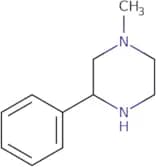
CAS:<p>2-(4-Methyl-2-phenyl-1-piperazinyl)-3-pyridinemethanol is an impurity in hexane that is generated during the reaction of pyridine with acetonitrile. The impurity is removed by crystallizing it from methanol. 2-(4-Methyl-2-phenyl-1-piperazinyl)-3-pyridinemethanol has a high efficiency, and can be used to synthesize hexamethyldisiloxane. This product can be used as a metal catalyst for reactions involving alkali metals or metal halides. It can also be used as an alcohol solvent, but not hydrogenated.</p>Formula:C17H21N3OPurity:Min. 95%Color and Shape:White to off white powderMolecular weight:283.37 g/mol4-Hydroxy-6-mercaptopyrazolo[3,4-d]pyrimidine
CAS:<p>4-Hydroxy-6-mercaptopyrazolo[3,4-d]pyrimidine is a pyrimidine compound that is a competitive inhibitor of xanthine oxidase (XO) with an IC50 of 0.5 μM. It binds reversibly to the XO enzyme and reverses the effect of the enzyme, thereby inhibiting the production of uric acid. 4-Hydroxy-6-mercaptopyrazolo[3,4-d]pyrimidine does not bind to any other enzymes in the body or affect serum protein levels, which makes it an ideal drug for patients with gout who are at risk for developing renal failure. The drug has been shown to be effective in animal models and is currently undergoing clinical trials in humans.</p>Formula:C5H4N4OSPurity:Min. 95%Color and Shape:PowderMolecular weight:168.18 g/mol2-Amino-6-chloropurine
CAS:<p>2-Amino-6-chloropurine is a nucleophilic substituent that is used in the synthesis of 2-amino-6-chloropurine. It reacts with hydroxyl groups to form a palladium-catalyzed coupling reaction solution, which is then treated with hydrochloric acid and trifluoroacetic acid. The product is purified by crystallization and recrystallization. This compound has potent antitumor activity against carcinoma cell lines, but it has not been shown to have any effect against Mycobacterium tuberculosis.</p>Formula:C5H4ClN5Purity:Min. 95%Color and Shape:Off-White PowderMolecular weight:169.57 g/mol8-Chloroimidazo[1,2-a]pyrazine
CAS:<p>Please enquire for more information about 8-Chloroimidazo[1,2-a]pyrazine including the price, delivery time and more detailed product information at the technical inquiry form on this page</p>Formula:C6H4ClN3Purity:Min. 95%Molecular weight:153.57 g/mol4-Bromo-2-chloropyridine
CAS:<p>4-Bromo-2-chloropyridine is a piperazine derivative that has potent inhibitory activity against 5-HT2C receptors. This compound is an amide and has been shown to have the ability to cross-couple with various other compounds, such as fatty acids. It is also used in clinical development for the treatment of obesity, depression, and Parkinson's disease. The purity of 4-bromo-2-chloropyridine can be determined by liquid chromatography methods.</p>Formula:C5H3BrCINPurity:90%Color and Shape:Clear LiquidMolecular weight:192.44 g/mol2-Bromo-6-methylpyridin-3-ol
CAS:<p>2-Bromo-6-methylpyridin-3-ol is a heterocyclic organic compound. It is a pyridine ring with two methyl groups attached to the ring at positions 2 and 6. The bromine atom is at position 3. This is an important intermediate in the Suzuki coupling reaction, which uses it as a starting material for the synthesis of many other compounds. The dieckmann condensation reaction produces this compound from 2,6-dichloropyridine and other reagents. Fluorescent when exposed to UV light, this compound has been used as a probe for chloride ions in solution using mass spectroscopy. This substance also yields dieckmann condensation products with alkynes and chlorine or bromine. 2-Bromo-6-methylpyridin-3-ol can be produced by treating pyridine with methylacrylate in the presence of catalysts such as copper(II)</p>Formula:C6H6BrNOPurity:Min. 95%Molecular weight:188.02 g/mol3-Chloro-2,5-dibromopyridine
CAS:<p>3-Chloro-2,5-dibromopyridine is a fine chemical that is used as a building block in the synthesis of other chemicals. It is a reagent and speciality chemical with high quality and complex structure. 3-Chloro-2,5-dibromopyridine is a versatile building block that can be used in the synthesis of many different compounds and as an intermediate or scaffold for other reactions. It has been shown to react with various nucleophiles, such as amines, alcohols, and thiols.</p>Formula:C5H2Br2CINPurity:Min. 95%Color and Shape:White/Off-White SolidMolecular weight:271.34 g/molrac-Demiditraz
CAS:<p>Please enquire for more information about rac-Demiditraz including the price, delivery time and more detailed product information at the technical inquiry form on this page</p>Formula:C13H16N2Purity:Min. 95%Molecular weight:200.28 g/mol2-Chloro-4-iodopyridine
CAS:<p>2-Chloro-4-iodopyridine is an antibacterial agent that inhibits bacterial growth by interfering with the synthesis of folic acid. It has been shown to be effective against Escherichia coli, Staphylococcus aureus, and Pseudomonas aeruginosa. 2-Chloro-4-iodopyridine is a ligand that binds to metal ions such as copper and silver. The transfer of electrons from the metal ion to the ligand facilitates the cross-coupling reaction in organic synthesis. Cross-coupling reactions are also used in devices such as solar cells and hydrogen fuel cells.<br>2-Chloro-4-iodopyridine can also be used for photophysical experiments with single crystal x-ray diffraction studies.</p>Formula:C5H3ClINPurity:Min. 95%Color and Shape:White PowderMolecular weight:239.44 g/mol5-Ethylpyridine-2-carboxylic acid
CAS:<p>5-Ethylpyridine-2-carboxylic acid is a biologically active compound that is biosynthesized from the amino acid tryptophan. This compound is also known as 5-ethylpicolinic acid or 5-ethylpyridin-2-yl carboxylic acid. It is a phytoalexin, which is an antimicrobial agent produced by plants to inhibit pathogen growth. 5-Ethylpyridine-2-carboxylic acid has been shown to be effective against picolinic acid phosphoribosyltransferase and flavopereirine reductase in vitro, and has also been shown to have antimicrobial properties against Escherichia coli, Staphylococcus aureus, and Bacillus cereus. 5-Ethylpyridine-2-carboxylic acid can be prepared by reacting ethyl acetoacetate with pyridine</p>Formula:C8H9NO2Purity:Min. 95%Color and Shape:Off-White PowderMolecular weight:151.16 g/mol5-Amino-2-methoxy-4-methylpyridine
CAS:<p>5-Amino-2-methoxy-4-methylpyridine is a small molecule that inhibits bromodomains. Bromodomains are protein domains that bind to acetylated lysine residues on histones. 5-Amino-2-methoxy-4-methylpyridine binds to the bromodomain, preventing the acetylated lysine residues from binding with other proteins and inhibiting transcription. This drug has been shown to be effective in treating prostate cancer by interacting with the androgen receptor. 5-Amino-2-methoxy-4-methylpyridine also interacts with ATPase, which may lead to increased levels of ATP production, and has been shown to have antitumor effects in vitro.</p>Formula:C7H10N2OPurity:Min. 95%Molecular weight:138.17 g/mol(R)-4-N-Boc-2-hydroxymethyl-piperazine
CAS:<p>Please enquire for more information about (R)-4-N-Boc-2-hydroxymethyl-piperazine including the price, delivery time and more detailed product information at the technical inquiry form on this page</p>Formula:C10H20N2O3Purity:Min. 95%Molecular weight:216.28 g/mol1-(2-Fluorobenzyl)-1H-pyrazolo[3,4-b]pyridine-3-carboximidamide hydrochloride
CAS:Controlled Product<p>Please enquire for more information about 1-(2-Fluorobenzyl)-1H-pyrazolo[3,4-b]pyridine-3-carboximidamide hydrochloride including the price, delivery time and more detailed product information at the technical inquiry form on this page</p>Formula:C14H12FN5•HClPurity:Min. 95%Color and Shape:PowderMolecular weight:305.74 g/mol2-Bromo-5-hydroxypyridine
CAS:<p>2-Bromo-5-hydroxypyridine is an aromatic compound that is used in the synthesis of a variety of pharmaceuticals and other organic compounds. It can be synthesized by the Suzuki coupling reaction from 2-bromobenzaldehyde and 5-aminopyridine. 2-Bromo-5-hydroxypyridine has been shown to be a hepatotoxin in humans, with possible carcinogenic activity. It also has cholinergic properties, as well as being able to cause fluorescence when exposed to halogens. The carbon next to the hydroxyl group is a stereocenter, so there are two different configurations for this molecule. The configuration shown above (R) is the more stable form of this molecule due to its electron withdrawing power on the neighboring oxygen atom.</p>Formula:C5H4BrNOPurity:Min. 95%Color and Shape:White PowderMolecular weight:174 g/mol6-Bromo-4-hydroxypyrazolo[1,5-a]pyridine-3-carbonitrile
CAS:<p>Please enquire for more information about 6-Bromo-4-hydroxypyrazolo[1,5-a]pyridine-3-carbonitrile including the price, delivery time and more detailed product information at the technical inquiry form on this page</p>Formula:C8H4BrN3OPurity:Min. 95%Molecular weight:238.04 g/molEthyl 3-(pyridin-2-ylamino)propanoate
CAS:<p>Ethyl 3-(pyridin-2-ylamino)propanoate is a thrombin inhibitor that can be used for the treatment of cancer. Ethyl 3-(pyridin-2-ylamino)propanoate is a reactive, profile compound with electrons and hydrogen bonds. It has been shown to have anticancer activity in vitro and in vivo, inhibiting tumor cell growth by inhibiting DNA synthesis. This molecule also has anti-inflammatory properties, which may be due to its ability to inhibit platelet aggregation.</p>Formula:C10H14N2O2Purity:Min. 95 Area-%Color and Shape:PowderMolecular weight:194.23 g/molCytosine
CAS:<p>Pyrimidine nucleobase; component of nucleic acids</p>Formula:C4H5N3OPurity:(Hplc) Min. 99%Color and Shape:White PowderMolecular weight:111.1 g/mol1-(5-Bromopyrimidin-2-yl)ethanone
CAS:<p>Please enquire for more information about 1-(5-Bromopyrimidin-2-yl)ethanone including the price, delivery time and more detailed product information at the technical inquiry form on this page</p>Formula:C6H5BrN2OPurity:Min. 95%Molecular weight:201.02 g/molN-α-Fmoc-β-(1-boc-piperidin-4-yl)-dl-alanine
CAS:<p>Please enquire for more information about N-alpha-Fmoc-beta-(1-boc-piperidin-4-yl)-dl-alanine including the price, delivery time and more detailed product information at the technical inquiry form on this page</p>Formula:C28H34N2O6Purity:Min. 95%Molecular weight:494.58 g/mol2-Amino-6-chloropyrimidin-4(3h)-one
CAS:<p>2-Amino-6-chloropyrimidin-4(3H)-one (ACPP) is a betaine that has been shown to exhibit potent activity against clinical isolates of methicillin-resistant Staphylococcus aureus (MRSA). It is a mesomeric molecule, which means that it can exist as two different tautomers. The frequency of the absorption bands in the FTIR spectra for ACPP are characteristic of the carbenes and ethanolamine tautomers. The presence of these tautomers may be due to stabilization from the nucleophilic character of the nitrogen atom in betaines. Betaines are also able to form polymersized chains by reacting with themselves or other molecules, such as ethanolamine.</p>Formula:C4H4ClN3OPurity:Min. 95%Color and Shape:PowderMolecular weight:145.55 g/mol2,2,6,6-Tetramethyl-4-piperidinol 1-oxyl, free radical
CAS:<p>2,2,6,6-Tetramethyl-4-piperidinol 1-oxyl (TEMPO) is a reactive oxygen species that belongs to the group of nitroxide radicals. It can be used as a radical scavenger and has been shown to inhibit the production of pro-apoptotic proteins in human macrophages. TEMPO has also been shown to bind to DNA and prevent the binding of HIV viral protein gp120. TEMPO can be used as an inhibitor for glycol ethers in laboratory experiments. The most common use is as a water vapor scavenger during polymerization reactions in organic chemistry.</p>Formula:C9H18NO2Purity:Min. 98 Area-%Color and Shape:Orange SolidMolecular weight:172.24 g/mol5-Fluoro-2-hydrazinopyridine
CAS:<p>Please enquire for more information about 5-Fluoro-2-hydrazinopyridine including the price, delivery time and more detailed product information at the technical inquiry form on this page</p>Formula:C5H6FN3Purity:Min. 95%Molecular weight:127.12 g/molDeschloro amlodipine maleate
CAS:<p>Please enquire for more information about Deschloro amlodipine maleate including the price, delivery time and more detailed product information at the technical inquiry form on this page</p>Formula:C20H26N2O5•C4H4O4Purity:Min. 95%Molecular weight:490.5 g/mol2,5-Pyrazinediethanol
CAS:<p>2,5-Pyrazinediethanol is a neutral compound that hydrolyzes in water to form the acidic 2,5-diketopiperazine. It also reacts with sodium hydroxide to form the alkaline 2,5-diketopiperazine. The chemical structure of this compound is similar to that of clavulanic acid, which is a drug used in combination with amoxicillin (a penicillin antibiotic) for the treatment of bacterial infections. 2,5-Pyrazinediethanol has been shown to have antibacterial properties against Escherichia coli and Bacillus subtilis. However, it is less active than clavulanic acid against Staphylococcus aureus or Clostridium perfringens.</p>Formula:C8H12N2O2Purity:(%) Min. 97%Color and Shape:PowderMolecular weight:168.19 g/molPerfluoro-N-(4-methylcyclohexyl)piperidine
CAS:Controlled Product<p>Perfluoro-N-(4-methylcyclohexyl)piperidine (4-FPP) is a fluorine compound that has been shown to inhibit the enzymatic activity of tyrosine kinases. It is a potent inhibitor of both human and murine tyrosine kinases, but it does not bind to bacterial tyrosine kinase domains. 4-FPP has been used in clinical studies as an anti-cancer drug, although it's clinical relevance remains unclear. It has also been shown to be effective against the influenza virus by inhibiting the synthesis of viral proteins that are involved in replication. The chemical structure of 4-FPP contains a carbonyl group that can react with other compounds through a photochemical process. This reaction is thought to result in the development of new drugs with similar biochemical properties to 4-FPP.</p>Formula:C12F23NPurity:Min. 95%Color and Shape:Clear LiquidMolecular weight:595.1 g/mol3-Hydroxy-2-nitropyridine
CAS:<p>3-Hydroxy-2-nitropyridine is a chemical compound that has been shown to be an inhibitor of nicotinic acetylcholine receptor. The compound has been found to have luminescence properties and can be used as a fluorescent probe in the study of molecular recognition processes. 3-Hydroxy-2-nitropyridine is also an effective antimicrobial agent and has been shown to have clinical potential for the treatment of neurodegenerative diseases such as Parkinson's disease, Alzheimer's disease, and Huntington's disease. It binds to the nicotinic acetylcholine receptor by forming hydrogen bonds with functional groups on the receptor surface. This binding prevents the agonist from binding and activating the ion channel that leads to depolarization of nerve cells. 3-Hydroxy-2-nitropyridine also reacts with chloride ions in order to form hydrochloric acid, which then inhibits microbial growth by altering their cell membrane permeability. The reaction yield is determined</p>Formula:C5H4N2O3Purity:Min. 95%Molecular weight:140.1 g/molCucurbit[7]uril
CAS:<p>Cucurbit[7]uril is a chemical compound that can be used as a fluorescent probe for protein target. It has been shown to produce significant cytotoxicity against cancer cell lines in vitro. Cucurbit[7]uril also exhibits hydrophobic effects, which bind to the cell nuclei of cancer cells and inhibits DNA replication. The photophysical properties of cucurbit[7]uril are stable under physiological conditions and it can be used in vivo as a styryl dye. This chemical compound is also able to form stable complexes with carbonyl oxygens, making it an interesting candidate for anti-cancer drug development.</p>Formula:C42H42N28O14Purity:Min. 95%Color and Shape:White To Yellow SolidMolecular weight:1,162.96 g/mol2-Methoxy-6-picolinic acid
CAS:<p>2-Methoxy-6-picolinic acid (2MPA) is a picolinate that has been shown to be an effective catalyst for the conversion of alcohols into allylic alcohols. 2MPA is able to catalyze the reaction by abstracting hydrogen from the carbonyl group, and then adding it to the adjacent carbon. This reaction can produce peroxide as a byproduct, which is subsequently hydrolyzed to form water and alcohol. The β-unsaturated carbonyl group of 2MPA provides additional stability for this catalytic process.<br>2MPA can also be used as a catalyst in other reactions, such as the oxidation of benzylic alcohols with hydrogen peroxide to form benzylic carbonyl compounds.</p>Formula:C7H7NO3Purity:Min. 95%Color and Shape:PowderMolecular weight:153.14 g/mol4-(tert-Butyldimethylsilyloxymethyl)pyridine
CAS:<p>4-(tert-Butyldimethylsilyloxymethyl)pyridine is a reagent that is used to prepare stoichiometric quantities of triethyloxonium ions in the presence of catalytic amounts of palladium. 4-(tert-Butyldimethylsilyloxymethyl)pyridine is also used as an anticancer agent, which may be due to its ability to inhibit cell proliferation and induce apoptosis. This compound has been shown to prevent the growth of micellar structures and reduce the rate of ester hydrolysis. It also has the ability to convert into two enantiomers, one with a hydroxyl group on the methylene carbon at position 4 and another with an alcohol group on this same carbon.</p>Formula:C12H21NOSiPurity:Min. 95%Color and Shape:Yellow LiquidMolecular weight:223.39 g/mol9-Piperazino levofloxacin
CAS:<p>Please enquire for more information about 9-Piperazino levofloxacin including the price, delivery time and more detailed product information at the technical inquiry form on this page</p>Formula:C18H20FN3O4Purity:Min. 95%Molecular weight:361.37 g/molN-Methyl-4-oxo-4,5-dihydropyridine-3-carboxamide
CAS:<p>N-Methyl-4-oxo-4,5-dihydropyridine-3-carboxamide is a fine chemical that can be used as a reagent or intermediate. It is a versatile building block that can be used in the production of useful scaffolds or useful intermediates. This compound has been shown to react with many different types of chemicals, including alcohols and amines. N-Methyl-4-oxo-4,5-dihydropyridine-3-carboxamide can also be used as a reaction component in the synthesis of diverse compounds.</p>Formula:C7H8N2O2Purity:Min. 95%Color and Shape:White to grey solid.Molecular weight:152.15 g/mol4-Chlorophenyl-2-pyridinylmethanol
CAS:<p>Please enquire for more information about 4-Chlorophenyl-2-pyridinylmethanol including the price, delivery time and more detailed product information at the technical inquiry form on this page</p>Formula:C12H10ClNOPurity:Min. 95%Molecular weight:219.67 g/molPiperazinoacetic acid anilide dihydrochloride
CAS:<p>Piperazinoacetic acid anilide dihydrochloride is a high quality, reagent compound which can be used as a useful intermediate or a speciality chemical. Piperazinoacetic acid anilide dihydrochloride is a complex compound that has been shown to have a number of useful properties, such as being an effective building block for the synthesis of other compounds. It can also be used as a reaction component in the preparation of fine chemicals and research chemicals. This product is also versatile, allowing it to be built into different scaffolds to create new compounds.</p>Formula:C12H17N3O•(HCl)2Purity:Min. 95%Molecular weight:292.2 g/mol6-Fluoro-3,4-Pyridinediamine
CAS:<p>Please enquire for more information about 6-Fluoro-3,4-Pyridinediamine including the price, delivery time and more detailed product information at the technical inquiry form on this page</p>Formula:C5H6FN3Purity:Min. 95%Molecular weight:127.12 g/mol6,7-Dichloro-1-cyclopropyl-1,4-dihydro-4-oxo-3-quinolinecarboxylic acid
CAS:<p>Please enquire for more information about 6,7-Dichloro-1-cyclopropyl-1,4-dihydro-4-oxo-3-quinolinecarboxylic acid including the price, delivery time and more detailed product information at the technical inquiry form on this page</p>Formula:C13H9Cl2NO3Purity:Min. 95%Molecular weight:298.12 g/mol1-Acetylpiperidine-4-carboxylic acid
CAS:<p>1-Acetylpiperidine-4-carboxylic acid (ACPC) is a synthetic compound that has been shown to be a potent inhibitor of the neurokinin-1 receptor. ACPC has been shown to have anti-inflammatory properties, which may be due to its inhibition of prostaglandin synthesis. It has also been shown to have antipsychotic effects and could be an effective treatment for psychotic disorders. The pharmacophore of ACPC is based on the cyclohexane ring and piperidine moieties, which are thought to provide affinity for the neurokinin-1 receptor.</p>Formula:C8H13NO3Purity:Min. 95%Color and Shape:PowderMolecular weight:171.19 g/mol3-Bromo-4-nitropyridine
CAS:<p>3-Bromo-4-nitropyridine is a pyridine compound that has been identified as an environmental contaminant. It is used to synthesize other compounds, such as 4-(3-bromopyridin-2-yl)morpholine, which is used in the synthesis of acetonitrile. 3-Bromo-4-nitropyridine undergoes nucleophilic substitution reactions with amines, leading to homoconjugation and bond cleavage. This reaction may be followed by nitration to give 3-(3'-nitro)pyridine. 3-Bromo-4-nitropyridine can be converted into its n-oxide form or into the ionic form by treatment with acetonitrile.</p>Formula:C5H3BrN2O2Purity:Min. 95%Color and Shape:Yellow PowderMolecular weight:202.99 g/mol(S)-1-Boc-3-methylpiperazine
CAS:<p>(S)-1-Boc-3-methylpiperazine is a hydrophobic compound that is structurally modified from the tetracyclic family of drugs. It has been shown to inhibit tumor cell growth by binding to the oncogene, KRASG12C, and downregulating its expression. (S)-1-Boc-3-methylpiperazine also inhibits cancer cell growth through the inhibition of the PI3K/AKT signaling pathway. The pharmacological effects of (S)-1-Boc-3-methylpiperazine are dependent on its ability to bind with high affinity to KRASG12C and inhibit its activity.</p>Formula:C10H20N2O2Purity:Min. 95%Color and Shape:White PowderMolecular weight:200.28 g/molOctahydro-2,6-naphthyridin-1(2H)-one acetate
CAS:Controlled Product<p>Please enquire for more information about Octahydro-2,6-naphthyridin-1(2H)-one acetate including the price, delivery time and more detailed product information at the technical inquiry form on this page</p>Formula:C8H14N2O•C2H4O2Purity:Min. 95%Molecular weight:214.26 g/mol5-Bromo-2-(methylthio)pyrimidine
CAS:<p>5-Bromo-2-(methylthio)pyrimidine is a synthetic compound that has been used to synthesize palladium complexes. It can also be used in the synthesis of vitamin B1, which is an essential nutrient for humans and animals. 5-Bromo-2-(methylthio)pyrimidine binds with magnesium and reacts with sulfoxide, nucleophilic attack and electronegativity. 5-Bromo-2-(methylthio)pyrimidine is activated by 2-chlorobenzothiazole and hydrogen chloride, which leads to nucleophilic attack on the electrophilic carbon atom. This causes a displacement reaction with the elimination of chlorine gas and production of dihydro.</p>Formula:C5H5BrN2SPurity:Min. 95%Molecular weight:205.08 g/mol2-Bromo-5-methylpyrimidine
CAS:<p>Please enquire for more information about 2-Bromo-5-methylpyrimidine including the price, delivery time and more detailed product information at the technical inquiry form on this page</p>Formula:C5H5BrN2Purity:95%NmrMolecular weight:173.01 g/mol5,7-Dimethyl-[1,2,4]triazolo[1,5-a]pyrimidine-2-carboxylic acid
CAS:<p>Please enquire for more information about 5,7-Dimethyl-[1,2,4]triazolo[1,5-a]pyrimidine-2-carboxylic acid including the price, delivery time and more detailed product information at the technical inquiry form on this page</p>Formula:C8H8N4O2Purity:Min. 95%Molecular weight:192.17 g/mol1-(4-Nitrophenyl)piperazine
CAS:<p>1-(4-Nitrophenyl)piperazine is a nitro compound with a molecular weight of 147.2. It is soluble in DMSO and ethanol, but not in water. 1-(4-Nitrophenyl)piperazine has the ability to absorb ultraviolet radiation (UV) and it can be used as a UV-absorbing agent in plastics. 1-(4-Nitrophenyl)piperazine can also be used as an intermediate for the synthesis of triazole antifungal agents. The molecule has been shown to have high values at magnetic resonance spectroscopy (NMR). The crystal structure of 1-(4-nitrophenyl)piperazine was determined by x-ray diffraction data and molecular modeling techniques. This molecule's melting point was determined by titration calorimetry, which showed that its melting point is around 195 degrees Celsius.br> 1-(4-Nitrophenyl)piper</p>Formula:C10H13N3O2Purity:Min. 95%Molecular weight:207.23 g/mol(R)-tert-Butyl 2-methylpiperazine-1-carboxylate
CAS:<p>(R)-tert-Butyl 2-methylpiperazine-1-carboxylate is a versatile building block that can be used for the synthesis of complex compounds. The compound is a reagent, speciality chemical, and useful building block in research. It can be used as a reaction component or scaffold in synthesis. (R)-tert-Butyl 2-methylpiperazine-1-carboxylate has been shown to react with nucleophiles such as amines and alcohols to form stable products. This product has high quality and is useful for chemical reactions involving carbonyl groups.</p>Formula:C10H20N2O2Purity:Min. 95%Color and Shape:White PowderMolecular weight:200.28 g/mol4-(Benzyloxy)piperidine HCl
CAS:<p>4-(Benzyloxy)piperidine HCl is a versatile building block that is used in the synthesis of complex compounds such as research chemicals, reagents and speciality chemicals. 4-(Benzyloxy)piperidine HCl is also a useful intermediate in organic synthesis and can be used as a reaction component. 4-(Benzyloxy)piperidine HCl has CAS number 81151-68-0 and is a useful scaffold for chemical syntheses.</p>Formula:C12H17NOHClPurity:Min. 95%Color and Shape:White PowderMolecular weight:227.73 g/mol4-[4-(4-Methyloxy-phenyl)-piperazin-1-yl]-phenylamine
CAS:<p>4-Methyloxy-phenyl)-piperazin-1-yl]-phenylamine is an organic compound that has a reactive silicon group. It contains two phenyl groups, one of which is attached to the silicon. This compound exhibits phase equilibrium in water and can be used as a monomer for fabricating inorganic materials with orderly patterns, such as glass and metal oxides. This product also has impurities and can be grown at different rates depending on the conditions, such as temperature. The optical properties of 4-methyloxy-phenyl)-piperazin-1-yl]-phenylamine are dependent on its environment and it has been shown to have exothermic properties when reacting with iron powder.</p>Formula:C17H21N3OPurity:Min. 95%Molecular weight:283.37 g/mol4,5-Dihydro-1H-imidazol-2-amine hydrochloride
CAS:<p>Please enquire for more information about 4,5-Dihydro-1H-imidazol-2-amine hydrochloride including the price, delivery time and more detailed product information at the technical inquiry form on this page</p>Formula:C3H7N3•HClPurity:Min. 95%Molecular weight:121.57 g/mol2-Hydroxy-5-nitro-3-(trifluoromethyl)pyridine
CAS:<p>Please enquire for more information about 2-Hydroxy-5-nitro-3-(trifluoromethyl)pyridine including the price, delivery time and more detailed product information at the technical inquiry form on this page</p>Formula:C6H3F3N2O3Purity:Min. 99.00 Area-%Molecular weight:208.09 g/mol3-Amino-2-nitropyridine
CAS:<p>3-Amino-2-nitropyridine is a heterocyclic compound that is an oxidation product of 2,4,6-trinitrotoluene. 3-Amino-2-nitropyridine is a potent inhibitor of the d4 receptor and has been shown to be active in animal models of cancer and autoimmune diseases. The mechanism of action of this drug is not well understood, but it has been found to inhibit cell proliferation in vitro by binding to nucleophilic sites on the receptor. Nitrobenzoic acid may also contribute to its activity. 3-Amino-2-nitropyridine inhibits inflammatory responses by inhibiting cell proliferation and migration.</p>Formula:C5H5N3O2Purity:Min. 95%Molecular weight:139.11 g/mol2,4,6-Trichloropyrimidine
CAS:<p>2,4,6-Trichloropyrimidine is an antimicrobial agent that belongs to the chemical class of pyrimidine compounds. It inhibits bacterial growth by cross-linking with amino acids and nucleic acids in the cell wall, thereby inhibiting protein synthesis. 2,4,6-Trichloropyrimidine is also a cross-linking agent for polymers such as polyurethane and vinyl chloride. This compound has been shown to be effective against P. aeruginosa and other bacteria that are resistant to antibiotics. 2,4,6-Trichloropyrimidine reacts with water vapor or oxygen nucleophiles to form hydrogen chloride and amine groups. These reactions can be used for identification of this compound in the laboratory.</p>Formula:C4HCl3N2Purity:Min. 95%Color and Shape:PowderMolecular weight:183.42 g/mol3-Iodo-1H-pyrrolo[2,3-b]pyridine
CAS:<p>3-Iodo-1H-pyrrolo[2,3-b]pyridine (3IOP) is a molecule that has been shown to be cytotoxic against human ovarian carcinoma cells. It induces significant cytotoxicity in cancer cell lines and inhibits the proliferation of lung fibroblasts. 3IOP has been shown to activate cellular signaling pathways and cause multinuclear DNA damage.</p>Formula:C7H5IN2Purity:Min. 95%Color and Shape:PowderMolecular weight:244.03 g/mol1-Pyridin-2-ylmethylpiperidine-4-carboxylic acid
CAS:<p>Please enquire for more information about 1-Pyridin-2-ylmethylpiperidine-4-carboxylic acid including the price, delivery time and more detailed product information at the technical inquiry form on this page</p>Formula:C12H16N2O2Purity:Min. 95%Molecular weight:220.27 g/mol8-Chloro-5,6-dihydro-11H-benzo[5,6]cyclohepta[1,2-b]pyridin-11-one
CAS:<p>Please enquire for more information about 8-Chloro-5,6-dihydro-11H-benzo[5,6]cyclohepta[1,2-b]pyridin-11-one including the price, delivery time and more detailed product information at the technical inquiry form on this page</p>Formula:C14H10ClNOPurity:Min. 95%Molecular weight:243.69 g/molCoproporphyrin III
CAS:<p>Please enquire for more information about Coproporphyrin III including the price, delivery time and more detailed product information at the technical inquiry form on this page</p>Formula:C36H38N4O8Purity:Min. 95%Molecular weight:654.71 g/mol3-Bromoimidazo[1,2-b]pyridazine
CAS:<p>3-Bromoimidazo[1,2-b]pyridazine (BIPM) is an analog of etoposide and has been shown to be a potent inhibitor of tyrosine kinases. BIPM selectively inhibits the activity of multikinase enzymes such as c-kit, PDGFRβ, and VEGFR2. In addition, BIPM has been shown to inhibit the proliferation of cancer cells by inducing apoptosis and cell cycle arrest in mcf-7 cells. This drug is not toxic to normal cells and shows a favorable safety profile when tested on animals.</p>Formula:C6H4BrN3Purity:Min. 95%Molecular weight:198.02 g/mol1-Dodecylpyridinium chloride
CAS:<p>1-Dodecylpyridinium Chloride is a quaternary ammonium salt that is used as an antimicrobial agent in a variety of products, such as pharmaceuticals, cosmetics, and household products. It has been shown to be toxic to humans at doses above 0.5 mg/kg. At sublethal doses, 1-dodecylpyridinium chloride inhibits the growth of bacteria by binding to the cationic sites on their cell surfaces and preventing them from attaching to other cells or molecules in their environment. 1-Dodecylpyridinium chloride also binds to the enzyme p-nitrophenyl phosphate reductase, which is required for bacterial growth. This inhibition leads to cell death by preventing ATP production and protein synthesis.</p>Formula:C17H30N•ClPurity:Min. 95%Molecular weight:283.88 g/mol1-Benzyl-3-piperidone HCl hydrate
CAS:<p>1-Benzyl-3-piperidone HCl hydrate is a synthetic organic compound that is used as a neutralizing agent in industrial processes. It is typically used in the extraction of metal ions from an acid solution, although it can also be used as a catalyst for chemical reactions. The neutralization reaction product, 1-benzyl-3-piperidone, has been reported to have significant antibacterial activity. The use of 1-benzyl-3-piperidone HCl hydrate may be limited by its high cost and toxicity.</p>Formula:C12H15NO·HCl·xH2OPurity:Min. 95%Color and Shape:PowderMolecular weight:225.71 g/molMethyl 6-oxo-1,6-dihydropyridazine-3-carboxylate
CAS:<p>Please enquire for more information about Methyl 6-oxo-1,6-dihydropyridazine-3-carboxylate including the price, delivery time and more detailed product information at the technical inquiry form on this page</p>Formula:C6H6N2O3Purity:Min. 95%Molecular weight:154.12 g/mol4-Bromo-3-methoxypyridine
CAS:<p>Please enquire for more information about 4-Bromo-3-methoxypyridine including the price, delivery time and more detailed product information at the technical inquiry form on this page</p>Formula:C6H6BrNOPurity:Min. 95%Molecular weight:188.02 g/mol3-Bromo-2-methyl-5-nitropyridine
CAS:<p>Please enquire for more information about 3-Bromo-2-methyl-5-nitropyridine including the price, delivery time and more detailed product information at the technical inquiry form on this page</p>Formula:C6H5BrN2O2Purity:Min. 95%Molecular weight:217.02 g/mol4-Cbz-aminopiperidine
CAS:<p>Please enquire for more information about 4-Cbz-aminopiperidine including the price, delivery time and more detailed product information at the technical inquiry form on this page</p>Formula:C13H18N2O2Purity:Min. 95%Molecular weight:234.29 g/mol2-Fluoro-3-pyridineboronic acid
CAS:<p>2-Fluoro-3-pyridineboronic acid is an amide that can be used as a catalyst for transfer reactions. It forms a complex with copper chloride and isohexane, which is then heated to produce the desired product. 2-Fluoro-3-pyridineboronic acid has been used in analytical methods such as constant pressure and methyl ethyl method. This compound also has high resistance to water vapor, hexane, and organic solvents. 2-Fluoro-3-pyridineboronic acid has been shown to inhibit the MCL-1 protein, which plays a role in regulating apoptosis. It can be used as a potential therapeutic agent against infectious diseases such as tuberculosis and HIV/AIDS due to its ability to inhibit MCL-1 protein expression.</p>Formula:C5H5NO2BFPurity:Min. 95%Color and Shape:White PowderMolecular weight:140.91 g/mol5-Bromo-2-dimethylaminopyridine
CAS:Controlled Product<p>Please enquire for more information about 5-Bromo-2-dimethylaminopyridine including the price, delivery time and more detailed product information at the technical inquiry form on this page</p>Formula:C7H9BrN2Purity:Min. 95%Molecular weight:201.01 g/mol(2S,3S)-(-)-3-Amino-2-phenylpiperidine
CAS:<p>The process of asymmetric epoxidation is used to convert alkenes into epoxides in a single step. This reaction is catalyzed by the use of a chiral catalyst with an enantiomeric excess (ee) greater than 50%. The reactants are added to the catalyst and hydrogen peroxide, which oxidizes the alkenes. The resulting epoxides can be isolated from the reaction mixture by distillation or extraction. Factors that affect this reaction include the type of reactant, solvent, temperature, and pressure.</p>Formula:C11H16N2Purity:Min. 95%Molecular weight:176.26 g/mol4-(Boc-amino)pyridine
CAS:<p>4-(Boc-amino)pyridine is a pyridine derivative that exhibits magnetic properties. It can be used to study the luminescence properties of pyridine rings. 4-(Boc-amino)pyridine inhibits cell proliferation and growth by binding to the kinase receptor in the cytoplasm, which blocks phosphorylation of proteins in the cell. This compound inhibits hCT-116 cells, which are human colorectal carcinoma cells, and has shown promising results in xenograft studies. 4-(Boc-amino)pyridine is an anionic molecule that can be used as a starting material for synthesis of other compounds. It was first synthesized by reacting 2-aminopyridine with boron trichloride in acetonitrile.</p>Formula:C10H14N2O2Purity:Min. 95%Color and Shape:White/Off-White SolidMolecular weight:194.23 g/mol1-Methyl-3-phenyl-piperazine
CAS:<p>1-Methyl-3-phenylpiperazine is a molecule with the chemical formula C6H14N2. It is an amide that belongs to the group of hexanes. 1-Methyl-3-phenylpiperazine is a colorless liquid with a strong ammonia odor and an irritating effect on skin. The molecule has been tested in vivo and found to be irritants when applied to the skin of rabbits, and can cause severe irritation when injected into the eyes of rabbits or rats. 1-Methyl-3-phenylpiperazine is not soluble in water but can be dissolved in ethanolamine, dimethyl sulfoxide, acetone, or chloroform.</p>Formula:C11H16N2Purity:Min. 95%Color and Shape:PowderMolecular weight:176.26 g/mol2-Phenylpyridine
CAS:<p>2-Phenylpyridine is a heterocyclic organic compound that has been shown to have x-ray crystal structures. It has redox potentials, nitrogen atoms, and a fatty acid group attached. 2-Phenylpyridine has been shown to have nmr spectra that are characteristic of a transfer reaction mechanism. The steric interactions and the biphenyl groups have been shown to have ancillary effects on the reaction mechanism. 2-Phenylpyridine is also known to coordinate in a geometric shape called octahedral, which is most likely due to hydrogen bonding and photophysical properties. The analytical chemistry of this molecule consists of determining its melting point, boiling point, and density. 2-phenylpyridine</p>Formula:C11H9NPurity:Min. 95%Molecular weight:155.2 g/molDesloratadine N-hydroxypiperidine
CAS:<p>Desloratadine N-hydroxypiperidine is a drug that is used to treat allergic rhinitis and urticaria. It belongs to the class of antihistamines, which block the activity of histamine in the body. Desloratadine N-hydroxypiperidine is a prodrug that has a piperidine moiety attached to its side chain. This prodrug is metabolized into desloratadine, its active form, by esterase enzymes in the liver and blood plasma. The onset of action is rapid after oral administration and the duration of action is 12 hours or more. Desloratadine N-hydroxypiperidine has shown linearity over a wide range of pH values (pH 1 to 10) and ionic strengths (0.1 M to 0.5 M). Optimization was achieved by adjusting elution time, ion-pairing agent, mobile phase composition, organic modifier concentration and column particle</p>Formula:C19H19ClN2OPurity:Min. 95%Molecular weight:326.82 g/molN-Boc-4-piperidineacetaldehyde
CAS:<p>N-Boc-4-piperidineacetaldehyde is a chiral, stable, and readily available aldehyde. It has been used in the synthesis of various biologically active molecules including imidazolidinones, which are important for their use as catalysts in organic chemistry. The synthesis of this molecule by the condensation of 4-piperidineacetic acid with acetaldehyde followed by reduction with sodium borohydride is an example of this type of reaction. N-Boc-4-piperidineacetaldehyde can be used to synthesize imines and linkers that are covalently bonded to the protein backbone. This molecule also has conformational stability and is not susceptible to oxidation or radiation damage.</p>Formula:C12H21NO3Purity:Min. 95%Molecular weight:227.3 g/mol3-Pyridinemethanol
CAS:<p>3-Pyridinemethanol is a chemical compound that is soluble in water. It has a molecular weight of 92.07 grams per mole, and the chemical formula CH3CH2NH. 3-Pyridinemethanol is used as a reagent for the synthesis of organic compounds, such as chlorides, esters, amides, nitriles, and thioamides. 3-Pyridinemethanol reacts with chloride to form an intermediate which reacts with water to produce hydrochloric acid and ammonium chloride. This reaction also produces heat, which can be used to generate energy or power other reactions. br> br> A nanotube was synthesized from 3-pyridinemethanol by using a template made from nickel atoms arranged in a hexagonal pattern on the surface of an indium tin oxide (ITO) glass substrate. The nanotubes are about 5 nm in diameter and can be up</p>Formula:C6H7NOPurity:Min. 95%Molecular weight:109.13 g/mol
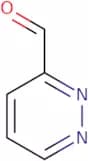


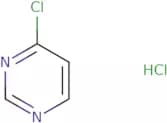

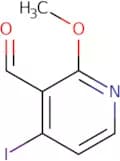
![10-[2-(1-Methyl-2-piperidinyl)ethyl]-2-(methylthio)-10H-phenothiazine hydrochloride](/_next/image/?url=https%3A%2Fstatic.cymitquimica.com%2Fproducts%2F3D%2Fthumb-webp%2FFT28238.webp&w=3840&q=75)
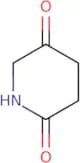
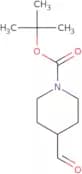
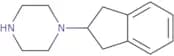
![[4-(3,6-Dimethyl-9H-carbazol-9-yl)butyl]phosphonic acid](/_next/image/?url=https%3A%2Fstatic.cymitquimica.com%2Fproducts%2F3D%2Fthumb-webp%2FFD183062.webp&w=3840&q=75)
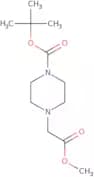
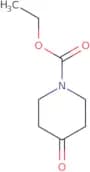
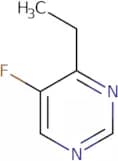
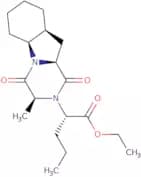
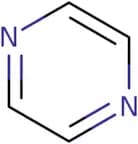
![5-[4-(3-Chlorophenyl)piperazin-1-yl]-5-oxopentanoic acid](/_next/image/?url=https%3A%2Fstatic.cymitquimica.com%2Fproducts%2F3D%2Fthumb-webp%2FFC124636.webp&w=3840&q=75)
![6-(2-Bromoethyl)-1,3-dimethyl-1H-pyrrolo[3,4-d]pyrimidine-2,4(3H,6H)-dione](/_next/image/?url=https%3A%2Fstatic.cymitquimica.com%2Fproducts%2F3D%2Fthumb-webp%2FFB117220.webp&w=3840&q=75)

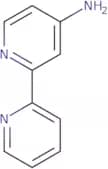
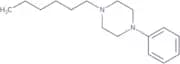
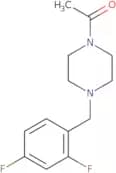
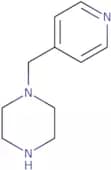

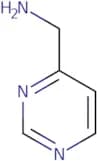

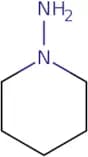


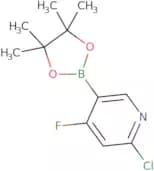
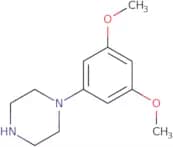
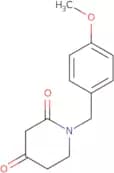
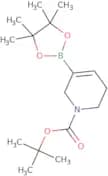
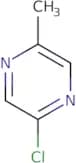
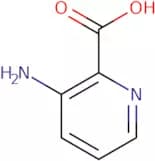
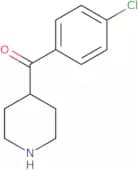
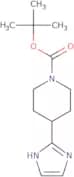
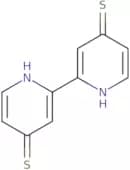
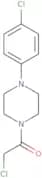
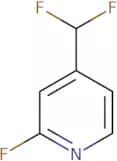
![7-Bromo-[1,2,4]triazolo[1,5-a]pyridin-2-ylamine](/_next/image/?url=https%3A%2Fstatic.cymitquimica.com%2Fproducts%2F3D%2Fthumb-webp%2FFB140382.webp&w=3840&q=75)

![7H-Pyrrolo[2,3-d]pyrimidine-4-carboxylic acid](/_next/image/?url=https%3A%2Fstatic.cymitquimica.com%2Fproducts%2F3D%2Fthumb-webp%2FFP167570.webp&w=3840&q=75)

![Methyl 1H-pyrrolo[2,3-b]pyridine-2-carboxylate](/_next/image/?url=https%3A%2Fstatic.cymitquimica.com%2Fproducts%2F3D%2Fthumb-webp%2FFM142039.webp&w=3840&q=75)

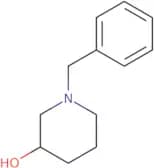
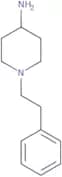
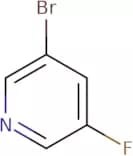


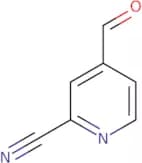



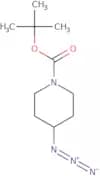

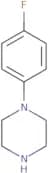
![6-Chloro-1,3-dimethyl-1H-pyrazolo[3,4-b]pyridine-5-carboxaldehyde](/_next/image/?url=https%3A%2Fstatic.cymitquimica.com%2Fproducts%2F3D%2Fthumb-webp%2FFC30642.webp&w=3840&q=75)

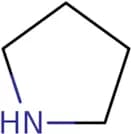
![1-(4-Methoxyphenyl)-7-oxo-6-(4-(2-oxopiperidin-1-yl)phenyl)-4,5,6,7-tetrahydro-1H-pyrazolo[3,4-c]p…](/_next/image/?url=https%3A%2Fstatic.cymitquimica.com%2Fproducts%2F3D%2Fthumb-webp%2FFM155764.webp&w=3840&q=75)
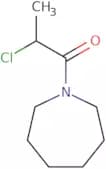
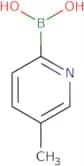

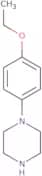
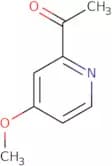


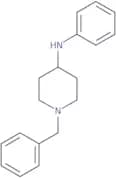
![1-[4-(4-bromophenyl)piperazin-1-yl]ethanone](/_next/image/?url=https%3A%2Fstatic.cymitquimica.com%2Fproducts%2F3D%2Fthumb-webp%2FFB137350.webp&w=3840&q=75)
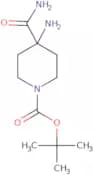
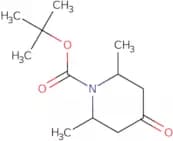

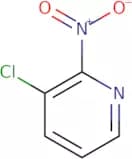
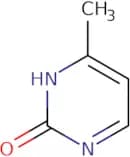
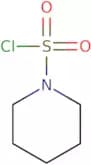

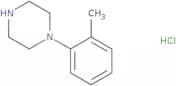
![3-[4-(4-Methoxyphenyl)piperazin-1-yl]-3-oxopropanenitrile](/_next/image/?url=https%3A%2Fstatic.cymitquimica.com%2Fproducts%2F3D%2Fthumb-webp%2FFM118645.webp&w=3840&q=75)
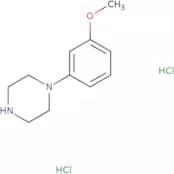
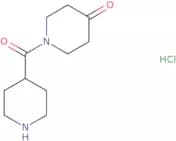
![N-[2-(4-Benzylpiperazin-1-yl)-2-oxoethyl]-N-methylamine](/_next/image/?url=https%3A%2Fstatic.cymitquimica.com%2Fproducts%2F3D%2Fthumb-webp%2FFB117802.webp&w=3840&q=75)
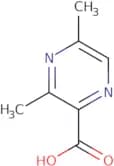
![1-[(1-Ethyl-1H-pyrazol-4-yl)methyl]piperazine](/_next/image/?url=https%3A%2Fstatic.cymitquimica.com%2Fproducts%2F3D%2Fthumb-webp%2FFE134454.webp&w=3840&q=75)
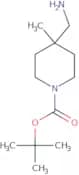

![Furo[3,4-b]pyrazine-5,7-dione](/_next/image/?url=https%3A%2Fstatic.cymitquimica.com%2Fproducts%2F3D%2Fthumb-webp%2FFF139883.webp&w=3840&q=75)
![N,N-Dimethyl-N-[4-(piperazin-1-ylmethyl)phenyl]amine](/_next/image/?url=https%3A%2Fstatic.cymitquimica.com%2Fproducts%2F3D%2Fthumb-webp%2FFD113841.webp&w=3840&q=75)

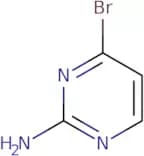
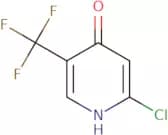

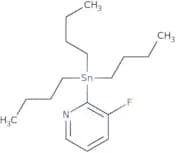
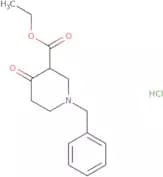
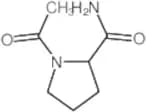

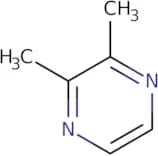
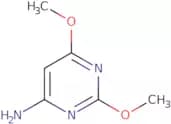

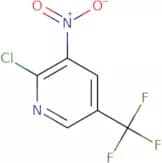
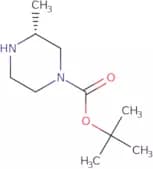
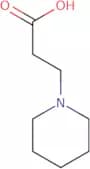
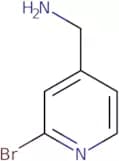

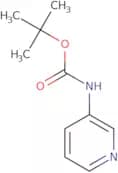
![[4,4'-Di-t-butyl-2,2'-bipyridine][bis[5-(t-butyl)-2-[4-(t-butyl)-2-pyridinyl-kN]phenyl-kC]iridium(…](/_next/image/?url=https%3A%2Fstatic.cymitquimica.com%2Fproducts%2F3D%2Fthumb-webp%2FFD159336.webp&w=3840&q=75)
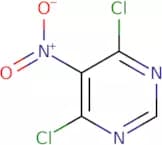

![(3R,4R)-3-[(6-Amino-4-pyrimidinyl)methylamino]-4-methyl-β-oxo-1-piperidinepropanenitrile](/_next/image/?url=https%3A%2Fstatic.cymitquimica.com%2Fproducts%2F3D%2Fthumb-webp%2FFA184079.webp&w=3840&q=75)
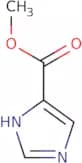
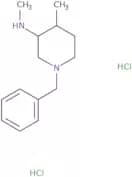
![6-Methyl-2-(p-tolyl)imidazo[1,2-a]pyridine](/_next/image/?url=https%3A%2Fstatic.cymitquimica.com%2Fproducts%2F3D%2Fthumb-webp%2FFM140064.webp&w=3840&q=75)
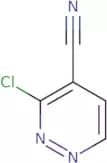
![1-{[5-(Cyclopropylcarbonyl)-1-methyl-4,5,6,7-tetrahydro-1H-pyrazolo[4,3-c]pyridin-3-yl]carbonyl}pi…](/_next/image/?url=https%3A%2Fstatic.cymitquimica.com%2Fproducts%2F3D%2Fthumb-webp%2FFC119596.webp&w=3840&q=75)
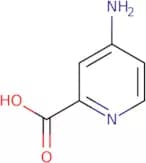
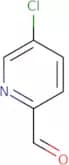
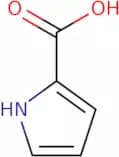
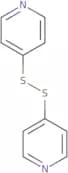
![N-[3-Fluoro-4-[6-(2-methyl-2H-tetrazol-5-yl)-3-pyridinyl]phenyl]carbamic acid phenylmethyl ester](/_next/image/?url=https%3A%2Fstatic.cymitquimica.com%2Fproducts%2F3D%2Fthumb-webp%2FFF102200.webp&w=3840&q=75)
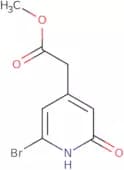
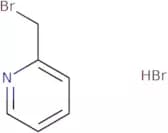
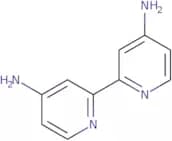
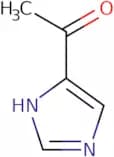
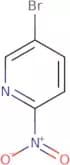
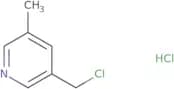

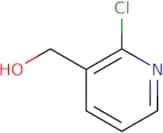

![4-Hydroxy-6-mercaptopyrazolo[3,4-d]pyrimidine](/_next/image/?url=https%3A%2Fstatic.cymitquimica.com%2Fproducts%2F3D%2Fthumb-webp%2FFH09751.webp&w=3840&q=75)
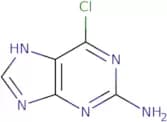
![8-Chloroimidazo[1,2-a]pyrazine](/_next/image/?url=https%3A%2Fstatic.cymitquimica.com%2Fproducts%2F3D%2Fthumb-webp%2FFC125475.webp&w=3840&q=75)
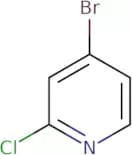



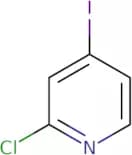

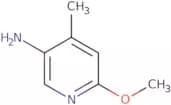
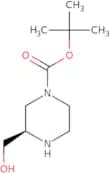
![1-(2-Fluorobenzyl)-1H-pyrazolo[3,4-b]pyridine-3-carboximidamide hydrochloride](/_next/image/?url=https%3A%2Fstatic.cymitquimica.com%2Fproducts%2F3D%2Fthumb-webp%2FFF104255.webp&w=3840&q=75)

![6-Bromo-4-hydroxypyrazolo[1,5-a]pyridine-3-carbonitrile](/_next/image/?url=https%3A%2Fstatic.cymitquimica.com%2Fproducts%2F3D%2Fthumb-webp%2FFB182798.webp&w=3840&q=75)

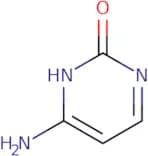
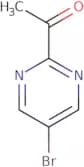


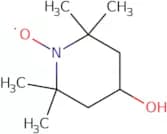


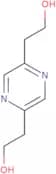
![Cucurbit[7]uril](/_next/image/?url=https%3A%2Fstatic.cymitquimica.com%2Fproducts%2F3D%2Fthumb-webp%2FFC171865.webp&w=3840&q=75)
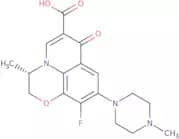
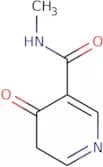
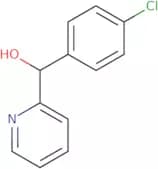
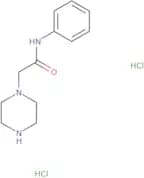
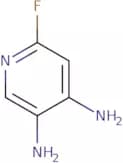


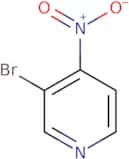
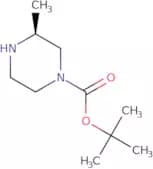
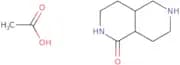

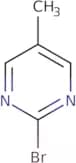
![5,7-Dimethyl-[1,2,4]triazolo[1,5-a]pyrimidine-2-carboxylic acid](/_next/image/?url=https%3A%2Fstatic.cymitquimica.com%2Fproducts%2F3D%2Fthumb-webp%2FFD12883.webp&w=3840&q=75)
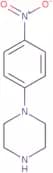

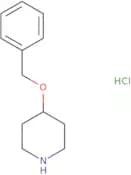
![4-[4-(4-Methyloxy-phenyl)-piperazin-1-yl]-phenylamine](/_next/image/?url=https%3A%2Fstatic.cymitquimica.com%2Fproducts%2F3D%2Fthumb-webp%2FFM25923.webp&w=3840&q=75)

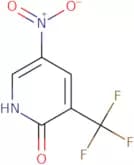
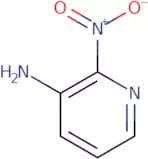
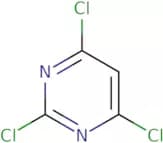
![3-Iodo-1H-pyrrolo[2,3-b]pyridine](/_next/image/?url=https%3A%2Fstatic.cymitquimica.com%2Fproducts%2F3D%2Fthumb-webp%2FFI42979.webp&w=3840&q=75)

![8-Chloro-5,6-dihydro-11H-benzo[5,6]cyclohepta[1,2-b]pyridin-11-one](/_next/image/?url=https%3A%2Fstatic.cymitquimica.com%2Fproducts%2F3D%2Fthumb-webp%2FFC20116.webp&w=3840&q=75)

![3-Bromoimidazo[1,2-b]pyridazine](/_next/image/?url=https%3A%2Fstatic.cymitquimica.com%2Fproducts%2F3D%2Fthumb-webp%2FFB33555.webp&w=3840&q=75)