Heterocycles with Nitrogen (N)
In this category, you will find a wide variety of nitrogen-containing heterocycles. Heterocycles are carbon chains that form a cycle in which at least one position is occupied by a heteroatom, in this case, nitrogen. These compounds are integral in the synthesis of pharmaceuticals, agrochemicals, and dyes, offering unique reactivity and stability. At CymitQuimica, we provide a comprehensive selection of high-quality nitrogen-containing heterocycles to support your research and industrial applications
Subcategories of "Heterocycles with Nitrogen (N)"
- Azepane(434 products)
- Benzotriazoles(436 products)
- Diazepanes(331 products)
- Imidazoles(4,006 products)
- Imidazolines(385 products)
- Isoxazole(1,077 products)
- Piperazines(3,735 products)
- Piperidines(8,397 products)
- Pyrazines(1,299 products)
- Pyrazole(5,919 products)
- Pyrazolidine(21 products)
- Pyrazoline(142 products)
- Pyridazine(856 products)
- Pyridines(21,911 products)
- Pyrimidine(6,038 products)
- Pyrroles(2,440 products)
- Pyrrolidines(5,814 products)
- Pyrroline(48 products)
- Pyrrolo[1,2-b]pyridazine(10 products)
- Tetrazole(510 products)
- Triazines(462 products)
- Triazoles(1,679 products)
Show 14 more subcategories
Found 17855 products of "Heterocycles with Nitrogen (N)"
Sort by
Purity (%)
0
100
|
0
|
50
|
90
|
95
|
100
(2E)-1-[5,6-Dihydro-3-(trifluoromethyl)-1,2,4-triazolo[4,3-a]pyrazin-7(8H)-yl]-4-(2,4,5-trifluorophenyl)-2-buten-1-one
CAS:<p>Please enquire for more information about (2E)-1-[5,6-Dihydro-3-(trifluoromethyl)-1,2,4-triazolo[4,3-a]pyrazin-7(8H)-yl]-4-(2,4,5-trifluorophenyl)-2-buten-1-one including the price, delivery time and more detailed product information at the technical inquiry form on this page</p>Formula:C16H12F6N4OPurity:95%NmrMolecular weight:390.28 g/mol3-Chloro-2,5-dibromopyridine
CAS:<p>3-Chloro-2,5-dibromopyridine is a fine chemical that is used as a building block in the synthesis of other chemicals. It is a reagent and speciality chemical with high quality and complex structure. 3-Chloro-2,5-dibromopyridine is a versatile building block that can be used in the synthesis of many different compounds and as an intermediate or scaffold for other reactions. It has been shown to react with various nucleophiles, such as amines, alcohols, and thiols.</p>Formula:C5H2Br2CINPurity:Min. 95%Color and Shape:White/Off-White SolidMolecular weight:271.34 g/mol(S)-1-N-Boc-2-methylpiperazine
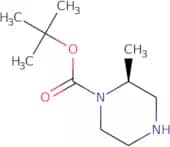
CAS:<p>(S)-1-N-Boc-2-methylpiperazine is a quinolone synthon that has been shown to have antibacterial activity against bacteria. The synthesis of this compound is done through the condensation of piperazine with an N-Boc protected 2,6-dichloroquinoline. This reaction proceeds in good yield and enantioselectivity. The antibacterial properties of (S)-1-N-Boc-2-methylpiperazine are not yet known.</p>Formula:C10H20N2O2Purity:Min. 95%Color and Shape:White PowderMolecular weight:200.28 g/mol1-Hydroxypyridine-2-thione zinc
CAS:<p>Zinc pyrithione is a chemical compound that can be used as an antifungal agent. It has been shown to have genotoxic activity in vitro and in vivo. Zinc pyrithione binds to the surface of the fungal cell wall and inhibits the synthesis of ergosterol, a component of the fungal cell membrane. This binding prevents the formation of an ergosterol-zinc complex with cytochrome P450 enzymes, which are required for sterol biosynthesis, leading to inhibition of energy metabolism. The model system for zinc pyrithione is a mixture of 1-hydroxypyridine-2-thione (1HP) and zinc ions in water. Some studies have shown that zinc pyrithione can cause long-term toxicity, including glycol ether toxicity, when applied topically on hair or skin. Acute toxicities may include skin irritation or contact dermatitis from shampoos containing this substance.</p>Formula:C10H8N2O2S2ZnPurity:Min. 95%Color and Shape:White/Off-White SolidMolecular weight:317.69 g/mol2,5-Dibromo-3-aminopyrazine
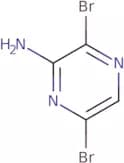
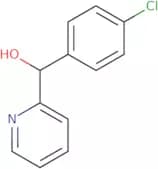
CAS:<p>2,5-Dibromo-3-aminopyrazine is an experimental drug with anticancer activity. It has been shown to have a high affinity for DNA and inhibit the growth of tumor cells in vivo. 2,5-Dibromo-3-aminopyrazine has undergone stability tests in vivo and in vitro and also completed clinical trials. This drug binds to DNA and inhibits the enzyme protein kinase C, leading to suppression of cellular proliferation. The pharmacokinetics of this drug were evaluated by measuring the concentration of 2,5-dibromo-3-aminopyrazine in plasma after oral administration to mice. This study found that the maximum concentration was achieved at 1 hour post dose and that there was a decrease in concentration over time. The drug has been shown to bind to the dimethoxybenzene metabolic pathway, which is involved in regulating cell proliferation.<br>2,5-Dibromo-3-aminopyrazine</p>Formula:C4H3Br2N3Purity:Min. 95%Color and Shape:PowderMolecular weight:252.89 g/mol4-Chlorophenyl-2-pyridinylmethanol
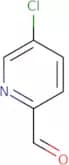
CAS:<p>Please enquire for more information about 4-Chlorophenyl-2-pyridinylmethanol including the price, delivery time and more detailed product information at the technical inquiry form on this page</p>Formula:C12H10ClNOPurity:Min. 95%Molecular weight:219.67 g/mol5-Chloro-2-formylpyridine
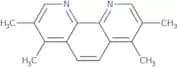
CAS:<p>5-Chloro-2-formylpyridine is a peroxide that reacts with pyridine rings to form epoxides. It has been shown to be a potent oxidant and is used in the synthesis of epoxides. 5-Chloro-2-formylpyridine can also react with imidazoles and form tetradentate ligands, which are compounds that bind to metals. This chemical has selectivity for carboxylic acid groups, hydrogen peroxide, alkene, and piperazine. Irradiation of 5-chloro-2-formylpyridine yields an epoxide group on the pyridine ring.</p>Formula:C6H4NOClPurity:Min. 95%Molecular weight:141.55 g/mol3,4,7,8-Tetramethyl-1,10-phenanthroline
CAS:<p>Metal-chelating agent</p>Formula:C16H16N2Purity:Min. 98 Area-%Color and Shape:White PowderMolecular weight:236.31 g/mol1-Acetylpiperidine-4-carboxylic acid
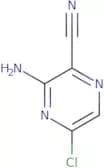
CAS:<p>1-Acetylpiperidine-4-carboxylic acid (ACPC) is a synthetic compound that has been shown to be a potent inhibitor of the neurokinin-1 receptor. ACPC has been shown to have anti-inflammatory properties, which may be due to its inhibition of prostaglandin synthesis. It has also been shown to have antipsychotic effects and could be an effective treatment for psychotic disorders. The pharmacophore of ACPC is based on the cyclohexane ring and piperidine moieties, which are thought to provide affinity for the neurokinin-1 receptor.</p>Formula:C8H13NO3Purity:Min. 95%Color and Shape:PowderMolecular weight:171.19 g/mol3-Amino-5-chloropyrazine-2-carbonitrile
CAS:<p>Please enquire for more information about 3-Amino-5-chloropyrazine-2-carbonitrile including the price, delivery time and more detailed product information at the technical inquiry form on this page</p>Formula:C5H3ClN4Purity:Min. 95%Molecular weight:154.56 g/mol5,7-Dimethyl-[1,2,4]triazolo[1,5-a]pyrimidine-2-carboxylic acid
CAS:<p>Please enquire for more information about 5,7-Dimethyl-[1,2,4]triazolo[1,5-a]pyrimidine-2-carboxylic acid including the price, delivery time and more detailed product information at the technical inquiry form on this page</p>Formula:C8H8N4O2Purity:Min. 95%Molecular weight:192.17 g/mol5,6,7,7a-Tetrahydrothieno[3,2-c]pyridinone hydrochloride
CAS:<p>5,6,7,7a-Tetrahydrothieno[3,2-c]pyridinone hydrochloride is a ketone with the chemical formula of C5H5NO2. It has been synthesized by acetylation of 5,6-dihydro-1,4-thieno[3,2-c]pyridinone in solvents and alkali. The reaction product has a melting point of 116–118 degrees Celsius. 5,6,7,7a-Tetrahydrothieno[3,2-c]pyridinone hydrochloride is used as a target compound for synthesis of prasugrel. Prasugrel is an antiplatelet drug that works by inhibiting the enzyme ADP P2Y 12 . This inhibition prevents activation of platelets and reduces platelet aggregation. The reactants toluene and chlorine were used in</p>Formula:C7H10ClNOSPurity:Min. 97 Area-%Color and Shape:PowderMolecular weight:191.68 g/mol3-Iodo-1H-pyrrolo[2,3-b]pyridine
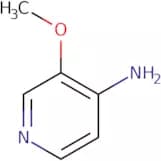
CAS:<p>3-Iodo-1H-pyrrolo[2,3-b]pyridine (3IOP) is a molecule that has been shown to be cytotoxic against human ovarian carcinoma cells. It induces significant cytotoxicity in cancer cell lines and inhibits the proliferation of lung fibroblasts. 3IOP has been shown to activate cellular signaling pathways and cause multinuclear DNA damage.</p>Formula:C7H5IN2Purity:Min. 95%Color and Shape:PowderMolecular weight:244.03 g/mol4-Amino-3-methoxypyridine
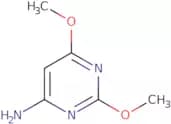
CAS:<p>4-Amino-3-methoxypyridine (4AMMP) is a naturally occurring amino acid that can be found in the nuclei of innervated tissues. It is an inhibitor of the enzyme tyrosine hydroxylase and inhibits the synthesis of catecholamines. The concentration of 4AMMP in blood was measured by radioactivity. This agent has been used for studies on the thalamic nucleus and cortex, as well as for measuring catecholamine levels in tissue homogenates.</p>Formula:C6H8N2OPurity:Min. 95%Molecular weight:124.14 g/mol4-Amino-2,6-dimethoxypyrimidine
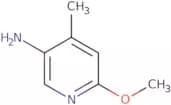
CAS:<p>4-Amino-2,6-dimethoxypyrimidine is an organic compound that has been shown to be a methylating agent. It reacts with the hydrogen chloride present in seawater to form methyl chloride and hydrochloric acid. 4-Amino-2,6-dimethoxypyrimidine also interacts with hydrogen bonds and forms hydrogen bonds with other molecules. The molecular modeling study revealed that this compound is soluble in mineral acids such as sulfuric acid and hydrochloric acid. The solubility data also showed that 4-amino-2,6-dimethoxypyrimidine is soluble in water but not in chlorinated water. This drug has shown significant antifungal activity against Cryptococcus neoformans and Gram-negative organisms such as Escherichia coli, Salmonella typhi, Pseudomonas aeruginosa, Klebsiella pneumoniae, Proteus mirabilis, Enterobacter</p>Formula:C6H9N3O2Purity:Min. 95%Molecular weight:155.15 g/mol5-Amino-2-methoxy-4-methylpyridine
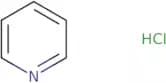
CAS:<p>5-Amino-2-methoxy-4-methylpyridine is a small molecule that inhibits bromodomains. Bromodomains are protein domains that bind to acetylated lysine residues on histones. 5-Amino-2-methoxy-4-methylpyridine binds to the bromodomain, preventing the acetylated lysine residues from binding with other proteins and inhibiting transcription. This drug has been shown to be effective in treating prostate cancer by interacting with the androgen receptor. 5-Amino-2-methoxy-4-methylpyridine also interacts with ATPase, which may lead to increased levels of ATP production, and has been shown to have antitumor effects in vitro.</p>Formula:C7H10N2OPurity:Min. 95%Molecular weight:138.17 g/molPyridine hydrochloride
CAS:<p>Pyridine hydrochloride is a white crystalline solid. It has high values for affinity to the CB2 receptor and can be used for the treatment of metabolic disorders, such as diabetes. Pyridine hydrochloride can be synthesized in two ways: by hydrogenation of pyridine with hydrochloric acid or by reacting pyridine with hydrogen fluoride. This compound also has an effect on locomotor activity and increases glutamate levels in the brain, which may contribute to its therapeutic effects. Pyridine hydrochloride is also used as a fluorescent derivative in analytical methods that measure nucleotide levels, such as the phosphorimager technique.</p>Formula:C5H5N·HClPurity:Min. 95%Color and Shape:White To Yellow To Light Brown SolidMolecular weight:115.56 g/mol2-Pyridineboronic acid
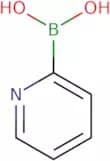
CAS:<p>2-Pyridineboronic acid is a chemical compound that belongs to the group of quinoline derivatives. It is used in pharmaceutical preparations, including as an intermediate for the synthesis of other compounds. 2-Pyridineboronic acid has been shown to have antiproliferative effects on cancer cells and has been found to be active against nicotinic acetylcholine receptors (NAR). The compound also inhibits lipid kinase activity, which is involved in the production of phosphatidylcholine and phosphatidylethanolamine from phosphatidylserine. 2-Pyridineboronic acid can react with hydrochloric acid and electrochemical impedance spectroscopy to produce a solution that has a detection time of about 10 minutes.</p>Formula:C5H6BNO2Purity:Min. 95%Molecular weight:122.92 g/mol2,3,5,6-Tetra-methyl-pyrazine
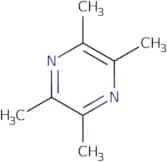
CAS:<p>2,3,5,6-Tetra-methyl-pyrazine is a chemical compound that is structurally similar to ATP. It has been shown to inhibit the mitochondrial membrane potential and induce apoptosis in rat heart cells. 2,3,5,6-Tetra-methyl-pyrazine has also been shown to inhibit ATP synthase activity and increase lactate levels in the presence of glucose. This compound inhibits cyclase activity and increases microdialysis probe signal pathways. 2,3,5,6-Tetra-methyl-pyrazine may be useful for the treatment of myocardial infarcts.</p>Formula:C8H12N2Purity:Min. 95%Molecular weight:136.19 g/mol1-t-Boc-piperidine-4-spiro-5'-[1',3'-bis-t-boc]-hydantoin
CAS:<p>Please enquire for more information about 1-t-Boc-piperidine-4-spiro-5'-[1',3'-bis-t-boc]-hydantoin including the price, delivery time and more detailed product information at the technical inquiry form on this page</p>Formula:C22H35N3O8Purity:Min. 95%Molecular weight:469.53 g/mol4-(Benzyloxy)piperidine HCl
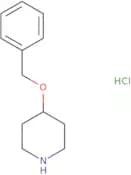
CAS:<p>4-(Benzyloxy)piperidine HCl is a versatile building block that is used in the synthesis of complex compounds such as research chemicals, reagents and speciality chemicals. 4-(Benzyloxy)piperidine HCl is also a useful intermediate in organic synthesis and can be used as a reaction component. 4-(Benzyloxy)piperidine HCl has CAS number 81151-68-0 and is a useful scaffold for chemical syntheses.</p>Formula:C12H17NOHClPurity:Min. 95%Color and Shape:White PowderMolecular weight:227.73 g/mol1,1',1''-(1,3,5-Triazinane-1,3,5-triyl)tris(2-bromoethan-1-one)
CAS:<p>Please enquire for more information about 1,1',1''-(1,3,5-Triazinane-1,3,5-triyl)tris(2-bromoethan-1-one) including the price, delivery time and more detailed product information at the technical inquiry form on this page</p>Formula:C9H12Br3N3O3Purity:Min. 95%Color and Shape:PowderMolecular weight:449.82 g/molMethyl 6-bromo-1,2-dihydro-2-oxo-4-pyridineacetate
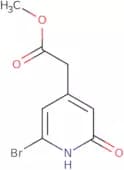
CAS:<p>Please enquire for more information about Methyl 6-bromo-1,2-dihydro-2-oxo-4-pyridineacetate including the price, delivery time and more detailed product information at the technical inquiry form on this page</p>Formula:C8H8BrNO3Purity:Min. 95%Molecular weight:246.06 g/mol5-Ethylpyridine-2-carboxylic acid
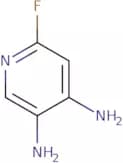
CAS:<p>5-Ethylpyridine-2-carboxylic acid is a biologically active compound that is biosynthesized from the amino acid tryptophan. This compound is also known as 5-ethylpicolinic acid or 5-ethylpyridin-2-yl carboxylic acid. It is a phytoalexin, which is an antimicrobial agent produced by plants to inhibit pathogen growth. 5-Ethylpyridine-2-carboxylic acid has been shown to be effective against picolinic acid phosphoribosyltransferase and flavopereirine reductase in vitro, and has also been shown to have antimicrobial properties against Escherichia coli, Staphylococcus aureus, and Bacillus cereus. 5-Ethylpyridine-2-carboxylic acid can be prepared by reacting ethyl acetoacetate with pyridine</p>Formula:C8H9NO2Purity:Min. 95%Color and Shape:Off-White PowderMolecular weight:151.16 g/mol6-Fluoro-3,4-Pyridinediamine
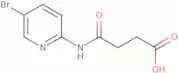
CAS:<p>Please enquire for more information about 6-Fluoro-3,4-Pyridinediamine including the price, delivery time and more detailed product information at the technical inquiry form on this page</p>Formula:C5H6FN3Purity:Min. 95%Molecular weight:127.12 g/mol4-((5-Bromopyridin-2-yl)amino)-4-oxobutanoic acid
CAS:<p>4-((5-Bromopyridin-2-yl)amino)-4-oxobutanoic acid (BABA) is a potent photosynthetic inhibitor that inhibits light-driven electron transport in chloroplasts. This inhibition of electron transport leads to the accumulation of reactive oxygen species and cellular dysfunction. BABA is used to induce dormancy in plants and is also used as a chemical inhibitor for arabidopsis thaliana, a type of plant commonly used in molecular biology research. Studies have shown that BABA inhibits the growth of fat cells, which may be due to its ability to inhibit protein synthesis, leading to decreased fat deposition. In addition, this drug has been shown to reduce eye disorders such as retinal degeneration and cataracts by inhibiting the production of reactive oxygen species, which causes oxidative stress.</p>Formula:C9H9BrN2O3Purity:(Elemental Analysis) Min. 97%Color and Shape:PowderMolecular weight:273.08 g/mol2-Bromo-5-hydroxypyridine
CAS:<p>2-Bromo-5-hydroxypyridine is an aromatic compound that is used in the synthesis of a variety of pharmaceuticals and other organic compounds. It can be synthesized by the Suzuki coupling reaction from 2-bromobenzaldehyde and 5-aminopyridine. 2-Bromo-5-hydroxypyridine has been shown to be a hepatotoxin in humans, with possible carcinogenic activity. It also has cholinergic properties, as well as being able to cause fluorescence when exposed to halogens. The carbon next to the hydroxyl group is a stereocenter, so there are two different configurations for this molecule. The configuration shown above (R) is the more stable form of this molecule due to its electron withdrawing power on the neighboring oxygen atom.</p>Formula:C5H4BrNOPurity:Min. 95%Color and Shape:White PowderMolecular weight:174 g/mol4-[4-(4-Methyloxy-phenyl)-piperazin-1-yl]-phenylamine
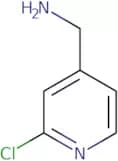
CAS:<p>4-Methyloxy-phenyl)-piperazin-1-yl]-phenylamine is an organic compound that has a reactive silicon group. It contains two phenyl groups, one of which is attached to the silicon. This compound exhibits phase equilibrium in water and can be used as a monomer for fabricating inorganic materials with orderly patterns, such as glass and metal oxides. This product also has impurities and can be grown at different rates depending on the conditions, such as temperature. The optical properties of 4-methyloxy-phenyl)-piperazin-1-yl]-phenylamine are dependent on its environment and it has been shown to have exothermic properties when reacting with iron powder.</p>Formula:C17H21N3OPurity:Min. 95%Molecular weight:283.37 g/mol(2-Chloropyridin-4-yl)methanamine
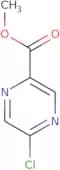
CAS:<p>2-Chloropyridin-4-yl)methanamine is a hydrogenated molecule that has been shown to inhibit the activity of certain cancer cells. It inhibits the expression of the enzyme molecules involved in the synthesis of DNA and RNA. 2-Chloropyridin-4-yl)methanamine also inhibits the hydrolysis of hydrogen chloride (HCl) to produce hydrogen (H2). This drug is used as an inhibitor for medicines that require acidic pH for absorption, such as HCl.</p>Formula:C6H7ClN2Purity:Min. 95%Molecular weight:142.59 g/mol5-Chloro-2-methoxycarbonyl pyrazine
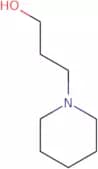
CAS:<p>5-Chloro-2-methoxycarbonyl pyrazine is a linker that is used to connect two pharmacophores. β-Lactamase, which is an enzyme that degrades β-lactams antibiotics, was inhibited by 5-chloro-2-methoxycarbonyl pyrazine in vitro and in vivo. The inhibitory potency of 5-chloro-2-methoxycarbonyl pyrazine was increased when it was combined with other molecules. This molecule has shown antibacterial activity against Enterobacter cloacae, methicillin resistant Staphylococcus aureus (MRSA), and Mycobacterium tuberculosis.</p>Formula:C6H5ClN2O2Purity:Min. 95%Color and Shape:PowderMolecular weight:172.57 g/mol3-Piperidin-1-ylpropan-1-ol
CAS:<p>3-Piperidin-1-ylpropan-1-ol is a substance that is structurally related to biperiden and has affinity for the H3 receptor. It has been shown to have a high affinity for the H3 receptor, which is found in high concentration in the rat brain. 3-Piperidin-1-ylpropan-1-ol has been shown to have antagonistic activity against neuropathic pain in rats, by inhibiting the release of norepinephrine from nerve endings. This substance also has antihistaminic properties, which may be due to its ability to inhibit histamine release. 3-Piperidin-1-ylpropan-1-ol is an enantiomer of piperidine, with a slightly higher affinity for the H3 receptor than its mirror image. The racemic mixture isomeric form (i.e., both enantiomers) inhibits the H3 receptor with an equal potency,</p>Formula:C8H17NOPurity:Min. 95%Color and Shape:Colorless Clear LiquidMolecular weight:143.23 g/molN-α-Fmoc-β-(1-boc-piperidin-4-yl)-dl-alanine
CAS:<p>Please enquire for more information about N-alpha-Fmoc-beta-(1-boc-piperidin-4-yl)-dl-alanine including the price, delivery time and more detailed product information at the technical inquiry form on this page</p>Formula:C28H34N2O6Purity:Min. 95%Molecular weight:494.58 g/molEthyl 4-amino-2-mercaptopyrimidine-5-carboxylate
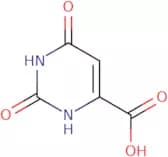
CAS:<p>Please enquire for more information about Ethyl 4-amino-2-mercaptopyrimidine-5-carboxylate including the price, delivery time and more detailed product information at the technical inquiry form on this page</p>Formula:C7H9N3O2SPurity:Min. 95%Molecular weight:199.23 g/molOrotic acid anhydrous
CAS:<p>Orotic acid anhydrous is a hydrogen bonding interaction that can be found in biological systems. It plays a role in the physiological effects of orotic acid, which is a metabolite of uridine and an intermediate in the synthesis of pyrimidine nucleotides. Orotic acid has antimicrobial properties and has been shown to inhibit enzyme activities involved in energy metabolism, such as polymerase chain reaction (PCR) and adenosine triphosphate (ATP) synthase. Orotic acid also inhibits the growth of bacteria, fungi, and parasites. Orotic acid anhydrous is used for treating myocardial infarcts or brain functions. The untreated group was given no treatment at all.</p>Formula:C5H4N2O4Purity:Min. 98 Area-%Color and Shape:White PowderMolecular weight:156.1 g/mol(3R,4R)-3-[(6-Amino-4-pyrimidinyl)methylamino]-4-methyl-β-oxo-1-piperidinepropanenitrile
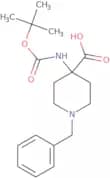
CAS:<p>Please enquire for more information about (3R,4R)-3-[(6-Amino-4-pyrimidinyl)methylamino]-4-methyl-β-oxo-1-piperidinepropanenitrile including the price, delivery time and more detailed product information at the technical inquiry form on this page</p>Formula:C14H20N6OPurity:Min. 95%Molecular weight:288.35 g/mol1-Benzyl-4-((tert-butoxycarbonyl)amino)piperidine-4-carboxylic acid
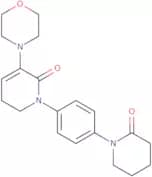
CAS:<p>Please enquire for more information about 1-Benzyl-4-((tert-butoxycarbonyl)amino)piperidine-4-carboxylic acid including the price, delivery time and more detailed product information at the technical inquiry form on this page</p>Formula:C18H26N2O4Purity:Min. 95%Molecular weight:334.41 g/mol3-Morpholino-1-(4-(2-oxopiperidin-1-yl)phenyl)-5,6-dihydropyridin-2(1H)-one
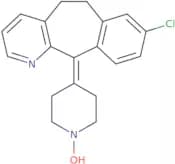
CAS:<p>3-Morpholino-1-(4-(2-oxopiperidin-1-yl)phenyl)-5,6-dihydropyridin-2(1H)-one is a synthetic compound that has been shown to have potent antiplatelet activity. It was developed as a new drug for the prevention of thrombosis and embolism, and was recently approved by the FDA in 2010. The molecular weight of this compound is 459.3 g/mol with an impurity level of 1.2%. 3-Morpholino-1-(4-(2-oxopiperidin-1-yl)phenyl)-5,6-dihydropyridin-2(1H)-one is used in the pulping process for paper production.</p>Formula:C20H25O3N3Purity:Min. 95%Molecular weight:355.43 g/molDesloratadine N-hydroxypiperidine
CAS:<p>Desloratadine N-hydroxypiperidine is a drug that is used to treat allergic rhinitis and urticaria. It belongs to the class of antihistamines, which block the activity of histamine in the body. Desloratadine N-hydroxypiperidine is a prodrug that has a piperidine moiety attached to its side chain. This prodrug is metabolized into desloratadine, its active form, by esterase enzymes in the liver and blood plasma. The onset of action is rapid after oral administration and the duration of action is 12 hours or more. Desloratadine N-hydroxypiperidine has shown linearity over a wide range of pH values (pH 1 to 10) and ionic strengths (0.1 M to 0.5 M). Optimization was achieved by adjusting elution time, ion-pairing agent, mobile phase composition, organic modifier concentration and column particle</p>Formula:C19H19ClN2OPurity:Min. 95%Molecular weight:326.82 g/mol3-(cis-4-(2-(4-(2,3-Dichlorophenyl)piperazin-1-yl)ethyl)cyclohexyl)-1,1-dimethylurea
CAS:<p>Please enquire for more information about 3-(cis-4-(2-(4-(2,3-Dichlorophenyl)piperazin-1-yl)ethyl)cyclohexyl)-1,1-dimethylurea including the price, delivery time and more detailed product information at the technical inquiry form on this page</p>Formula:C21H32Cl2N4OPurity:Min. 95%Molecular weight:427.41 g/mol2,4-Dichloropyrido [2,3-D] pyrimidine
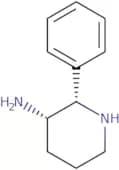
CAS:<p>2,4-Dichloropyrido [2,3-D] pyrimidine is a regioselective chlorination agent that can be used for the synthesis of various organic compounds. It is often used in cross-coupling reactions to form carbon-carbon bonds. 2,4-Dichloropyrido [2,3-D] pyrimidine has been shown to give high yields and is selective for disubstituted or monosubstituted substrates. This compound is also useful for the functionalization of C-H bonds via palladium-catalyzed coupling reactions.</p>Formula:C7H3Cl2N3Purity:Min. 95%Color and Shape:White PowderMolecular weight:200.02 g/mol(2S,3S)-(-)-3-Amino-2-phenylpiperidine
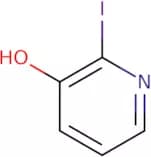
CAS:<p>The process of asymmetric epoxidation is used to convert alkenes into epoxides in a single step. This reaction is catalyzed by the use of a chiral catalyst with an enantiomeric excess (ee) greater than 50%. The reactants are added to the catalyst and hydrogen peroxide, which oxidizes the alkenes. The resulting epoxides can be isolated from the reaction mixture by distillation or extraction. Factors that affect this reaction include the type of reactant, solvent, temperature, and pressure.</p>Formula:C11H16N2Purity:Min. 95%Molecular weight:176.26 g/mol2-lodo-3-hydroxypyridine
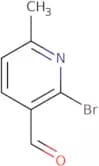
CAS:<p>2-lodo-3-hydroxypyridine is a chemical compound that is used as a solvent and as a reagent in organic synthesis. 2-Lodo-3-hydroxypyridine has shown potent inhibition against influenza A and B viruses, which are the causative agents of the flu. It also has prognostic value in patients with chronic hepatitis B virus infection. The structure of 2-lodo-3-hydroxypyridine is similar to that of the nucleoside ribonucleotide, which can be synthesized by reacting with compounds such as magnesium ion, phenolate ion, and hydroxylamine. This reaction is known to occur through an electrophilic substitution mechanism, in which the nucleophile attacks the electrophilic carbocation intermediate to form a covalent bond. The optical properties of 2-lodo-3-hydroxypyridine were found by this research group to be sensitive to its environment; they found that when</p>Formula:C5H4INOPurity:Min. 95%Molecular weight:221 g/mol2-Bromo-6-methylpyridine-3-carboxaldehyde
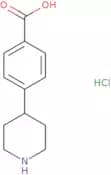
CAS:<p>2-Bromo-6-methylpyridine-3-carboxaldehyde (BMPCA) is a pharmacological agent that belongs to the group of antagonists. It has been shown to be a potent antagonist at the NMDA receptor and may be used for treating neuropathic pain. BMPCA also has been shown to have competitive inhibition at the naphthyridine receptor, which may allow it to act as an antagonist or an agonist depending on its binding site. The regioisomeric analogs of BMPCA are 2-(2,5-dichloropyridyl)-6-methylpyridine-3-carboxaldehyde and 2-(2,5-dimethylpyridyl)-6-methylpyridine-3-carboxaldehyde. These analogs have been shown to inhibit the growth of tumor cells in vitro and in vivo.</p>Formula:C7H6BrNOPurity:Min. 95%Molecular weight:200.03 g/mol4-(Piperidin-4-yl)benzoic acid hydrochloride
CAS:<p>Please enquire for more information about 4-(Piperidin-4-yl)benzoic acid hydrochloride including the price, delivery time and more detailed product information at the technical inquiry form on this page</p>Formula:C12H16ClNO2Purity:Min. 95%Molecular weight:241.71 g/mol4,5-Dihydro-1H-imidazol-2-amine hydrochloride
CAS:<p>Please enquire for more information about 4,5-Dihydro-1H-imidazol-2-amine hydrochloride including the price, delivery time and more detailed product information at the technical inquiry form on this page</p>Formula:C3H7N3•HClPurity:Min. 95%Molecular weight:121.57 g/mol5-Bromo-2-(methylthio)pyrimidine
CAS:<p>5-Bromo-2-(methylthio)pyrimidine is a synthetic compound that has been used to synthesize palladium complexes. It can also be used in the synthesis of vitamin B1, which is an essential nutrient for humans and animals. 5-Bromo-2-(methylthio)pyrimidine binds with magnesium and reacts with sulfoxide, nucleophilic attack and electronegativity. 5-Bromo-2-(methylthio)pyrimidine is activated by 2-chlorobenzothiazole and hydrogen chloride, which leads to nucleophilic attack on the electrophilic carbon atom. This causes a displacement reaction with the elimination of chlorine gas and production of dihydro.</p>Formula:C5H5BrN2SPurity:Min. 95%Molecular weight:205.08 g/mol2-[Chloro(4-chlorophenyl)methyl]-pyridine
CAS:<p>Please enquire for more information about 2-[Chloro(4-chlorophenyl)methyl]-pyridine including the price, delivery time and more detailed product information at the technical inquiry form on this page</p>Formula:C12H9Cl2NPurity:Min. 95%Molecular weight:238.11 g/mol2,5-Dibromopyridine
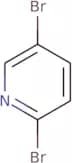
CAS:<p>2,5-Dibromopyridine is a chemical compound that can be used as a coupling agent in palladium-catalyzed cross-coupling reactions. It is used on the surface of metal particles to increase the efficiency of the reaction, and has been shown to react with substrates such as sodium hydroxide solution, sodium carbonate, halides and hydroxides. 2,5-Dibromopyridine also reacts with benzoate to form a palladium complex. 2,5-Dibromopyridine can be used as an oxidant or reductant depending on the type of reaction it is being used in. It has redox potentials at -0.6 volts for oxidation and +0.6 volts for reduction.</p>Formula:C5H3Br2NPurity:Min. 95%Color and Shape:PowderMolecular weight:236.89 g/mol5-Bromo-2-iodopyridine
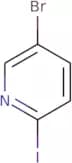
CAS:<p>5-Bromo-2-iodopyridine is an antibiotic that is used to treat bacterial infections. It has been shown to inhibit the growth of bacteria by binding to the 50S ribosomal subunit. This drug also has a toxic effect on respiratory system cells, which may be due to its ability to induce apoptosis. 5-Bromo-2-iodopyridine interacts with DNA in a triazine ring and inhibits bacterial growth by inhibiting protein synthesis. The drug binds to the 50S ribosomal subunit at a site that is different from that of rifampin and other antibiotics. The reaction is catalyzed by palladium at high temperatures and takes place in organic solvents such as chloroform or benzene. This synthetic process can be made more efficient by using inexpensive starting materials, such as bromine, iodine, and acetone, rather than expensive starting materials like platinum or gold salts.</p>Formula:C5H3BrINPurity:Min. 95%Color and Shape:Slightly Yellow PowderMolecular weight:283.89 g/mol3,5-Dichloropyrazine-2-carboxylicacid
CAS:<p>Please enquire for more information about 3,5-Dichloropyrazine-2-carboxylicacid including the price, delivery time and more detailed product information at the technical inquiry form on this page</p>Formula:C5H2Cl2N2O2Purity:Min. 95%Molecular weight:192.99 g/mol
![(2E)-1-[5,6-Dihydro-3-(trifluoromethyl)-1,2,4-triazolo[4,3-a]pyrazin-7(8H)-yl]-4-(2,4,5-trifluorop…](/_next/image/?url=https%3A%2Fstatic.cymitquimica.com%2Fproducts%2F3D%2Fthumb-webp%2FFD103313.webp&w=3840&q=75)




![5,7-Dimethyl-[1,2,4]triazolo[1,5-a]pyrimidine-2-carboxylic acid](/_next/image/?url=https%3A%2Fstatic.cymitquimica.com%2Fproducts%2F3D%2Fthumb-webp%2FFD12883.webp&w=3840&q=75)
![5,6,7,7a-Tetrahydrothieno[3,2-c]pyridinone hydrochloride](/_next/image/?url=https%3A%2Fstatic.cymitquimica.com%2Fproducts%2F3D%2Fthumb-webp%2FFT28146.webp&w=3840&q=75)
![3-Iodo-1H-pyrrolo[2,3-b]pyridine](/_next/image/?url=https%3A%2Fstatic.cymitquimica.com%2Fproducts%2F3D%2Fthumb-webp%2FFI42979.webp&w=3840&q=75)
![1-t-Boc-piperidine-4-spiro-5'-[1',3'-bis-t-boc]-hydantoin](/_next/image/?url=https%3A%2Fstatic.cymitquimica.com%2Fproducts%2F3D%2Fthumb-webp%2FFB18981.webp&w=3840&q=75)



![4-[4-(4-Methyloxy-phenyl)-piperazin-1-yl]-phenylamine](/_next/image/?url=https%3A%2Fstatic.cymitquimica.com%2Fproducts%2F3D%2Fthumb-webp%2FFM25923.webp&w=3840&q=75)


![(3R,4R)-3-[(6-Amino-4-pyrimidinyl)methylamino]-4-methyl-β-oxo-1-piperidinepropanenitrile](/_next/image/?url=https%3A%2Fstatic.cymitquimica.com%2Fproducts%2F3D%2Fthumb-webp%2FFA184079.webp&w=3840&q=75)

![2,4-Dichloropyrido [2,3-D] pyrimidine](/_next/image/?url=https%3A%2Fstatic.cymitquimica.com%2Fproducts%2F3D%2Fthumb-webp%2FFD31600.webp&w=3840&q=75)


![2-[Chloro(4-chlorophenyl)methyl]-pyridine](/_next/image/?url=https%3A%2Fstatic.cymitquimica.com%2Fproducts%2F3D%2Fthumb-webp%2FFC152996.webp&w=3840&q=75)