Building Blocks
This section contains fundamental products for the synthesis of organic and biological compounds. Building blocks are the essential starting materials used to construct complex molecules through various chemical reactions. They play a critical role in drug discovery, material science, and chemical research. At CymitQuimica, we offer a diverse range of high-quality building blocks to support your innovative research and industrial projects, ensuring you have the essential components for successful synthesis.
Subcategories of "Building Blocks"
- Boronic Acids & Boronic Acid Derivatives(5,756 products)
- Chiral Building Blocks(1,242 products)
- Hydrocarbon Building Blocks(6,093 products)
- Organic Building Blocks(60,534 products)
Found 195534 products of "Building Blocks"
Sort by
Purity (%)
0
100
|
0
|
50
|
90
|
95
|
100
3-(Propan-2-yl)bicyclo[1.1.1]pentane-1-carboxylic acid
CAS:<p>Versatile small molecule scaffold</p>Formula:C9H14O2Purity:Min. 95%Molecular weight:154.21 g/mol3-tert-Butylbicyclo[1.1.1]pentan-1-amine hydrochloride
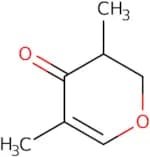
CAS:<p>Versatile small molecule scaffold</p>Formula:C9H17NPurity:Min. 95%Molecular weight:139.24 g/mol3,5-Dimethyl-3,4-dihydro-2H-pyran-4-one
CAS:<p>Versatile small molecule scaffold</p>Formula:C7H10O2Purity:Min. 95%Molecular weight:126.15 g/mol3-[(2,3-Dimethylphenyl)amino]propanenitrile
CAS:<p>Versatile small molecule scaffold</p>Formula:C11H14N2Purity:Min. 95%Molecular weight:174.24 g/mol3-[(3,4-Dimethylphenyl)amino]propanenitrile
CAS:<p>Versatile small molecule scaffold</p>Formula:C11H14N2Purity:Min. 95%Molecular weight:174.24 g/mol3-[(3,5-Dimethylphenyl)amino]propanenitrile
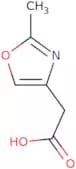
CAS:<p>Versatile small molecule scaffold</p>Formula:C11H14N2Purity:Min. 95%Molecular weight:174.24 g/mol2-(2-Methyl-1,3-oxazol-4-yl)acetic acid
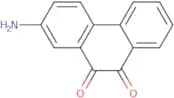
CAS:<p>Versatile small molecule scaffold</p>Formula:C6H7NO3Purity:Min. 95%Molecular weight:141.12 g/mol2-Amino-9,10-dihydrophenanthrene-9,10-dione
CAS:<p>2-Amino-9,10-dihydrophenanthrene-9,10-dione is a quinone that has a density of 1.0 g/mL. This compound is insoluble in water and soluble in acetonitrile and tetrahydrofuran. It has been shown to be polymerized spontaneously at room temperature with no additives. 2-Amino-9,10-dihydrophenanthrene-9,10-dione is a molecule with an energy efficiency of 100% when synthesized by the tethering strategy. The synthesis of this molecule can be scaled up to industrial levels using the acetonitrile solvent as an additive.</p>Formula:C14H9NO2Purity:Min. 95%Molecular weight:223.23 g/mol5-Ethyl-5H-[1,2,4]triazino[5,6-b]indole-3-thiol
CAS:<p>Versatile small molecule scaffold</p>Formula:C11H10N4SPurity:Min. 95%Molecular weight:230.29 g/mol5-Propyl-5H-[1,2,4]triazino[5,6-b]indole-3-thiol
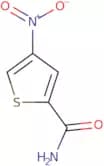
CAS:<p>Versatile small molecule scaffold</p>Formula:C12H12N4SPurity:Min. 95%Molecular weight:244.32 g/mol4-Nitrothiophene-2-carboxamide
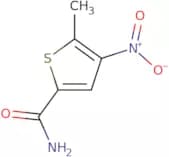
CAS:<p>4-Nitrothiophene-2-carboxamide is a synthetic compound that inhibits the growth of bacteria by binding to the 50S ribosomal subunit. It has been shown to be a potent inhibitor of mycobacterial growth in vitro, with a minimum inhibitory concentration (MIC) of 0.5 µg/mL. The compound has also been shown to have antimycobacterial activity against cancer cells in culture by inhibiting DNA synthesis and inducing necrotic cell death. 4-Nitrothiophene-2-carboxamide has also been shown to be an effective inhibitor of cellular inflammatory responses and is currently being investigated as a potential therapeutic agent for treatment of cardiovascular disease.</p>Formula:C5H4N2O3SPurity:Min. 95%Molecular weight:172.16 g/mol5-Methyl-4-nitrothiophene-2-carboxamide
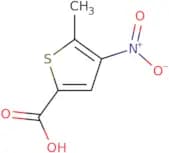
CAS:<p>Versatile small molecule scaffold</p>Formula:C6H6N2O3SPurity:Min. 95%Molecular weight:186.19 g/mol5-methyl-4-nitrothiophene-2-carboxylic acid
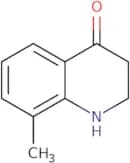
CAS:<p>Versatile small molecule scaffold</p>Formula:C6H5NO4SPurity:Min. 95%Molecular weight:187.2 g/mol8-Methyl-1,2,3,4-tetrahydroquinolin-4-one
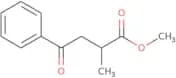
CAS:<p>Versatile small molecule scaffold</p>Formula:C10H11NOPurity:Min. 95%Molecular weight:161.2 g/molMethyl 2-methyl-4-oxo-4-phenylbutanoate
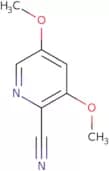
CAS:<p>Methyl 2-methyl-4-oxo-4-phenylbutanoate (MMOB) is an inhibitor of histone lysine methylation and demethylation. MMOB binds to the active site of protein and acts as a competitive inhibitor of histone methyltransferases. Methyl 2-methyl-4-oxo-4-phenylbutanoate can be used to study the effect of epigenetic changes on gene expression at the cellular level. This drug has been shown to have clastogenic effects in mammalian cells, which may be due to its ability to inhibit DNA replication by binding to actin filaments or its ability to alter the structure of chromatin.</p>Formula:C12H14O3Purity:Min. 95%Molecular weight:206.24 g/mol3,5-Dimethoxypicolinonitrile
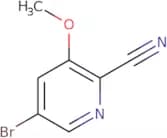
CAS:<p>Versatile small molecule scaffold</p>Formula:C8H8N2O2Purity:Min. 95%Molecular weight:164.16 g/mol5-Bromo-3-methoxy-pyridine 2-carbonitrile
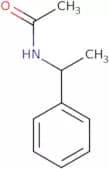
CAS:<p>Versatile small molecule scaffold</p>Formula:C7H5BrN2OPurity:Min. 95%Molecular weight:213.03 g/molN-(1-Phenyl-ethyl)-acetamide
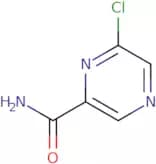
CAS:<p>N-(1-Phenyl-ethyl)-acetamide is a growth factor that can be used to treat cancer. It has been shown to have anti-leukemic activity, and the uptake of this drug by hematopoietic cells is thought to be due to its ability to bind to epidermal growth factor. N-(1-Phenyl-ethyl)-acetamide has also been shown in clinical studies to inhibit tumor perfusion, which may help prevent the spread of cancerous cells. This drug has been shown to also have antineoplastic effects against renal cell cancer.</p>Formula:C10H13NOPurity:Min. 95%Molecular weight:163.22 g/mol6-Chloropyrazine-2-carboxamide
CAS:<p>6-Chloropyrazine-2-carboxamide is a tuberculostatic agent that inhibits the growth of Mycobacterium tuberculosis by alkylating nucleophilic sites on the bacterial cell wall. The antimycobacterial activity of 6-chloropyrazine-2-carboxamide has been shown in vitro using a densitometric assay, where it was able to inhibit the growth of M. tuberculosis. This drug also possesses antibacterial properties and has been shown to be effective against other bacteria such as Escherichia coli and Staphylococcus aureus. 6-Chloropyrazine-2-carboxamide is an amidating agent that reacts with amines to form amides or with carboxylic acids to form esters, which may have been used for its synthesis.<br>6-Chloropyrazine-2-carboxamide is a white crystalline powder that is soluble in water and alcohol</p>Formula:C5H4ClN3OPurity:Min. 95%Molecular weight:157.56 g/mol3-[(2,5-Dimethylphenyl)amino]propanenitrile
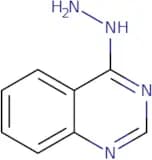
CAS:<p>Versatile small molecule scaffold</p>Formula:C11H14N2Purity:Min. 95%Molecular weight:174.24 g/mol4-Hydrazinoquinazoline
CAS:<p>4-Hydrazinoquinazoline is a type of inhibitor that binds to the polymerase domain of the ns5B enzyme and inhibits bacterial growth. The binding of 4-hydrazinoquinazoline to the polymerase domain of the ns5B enzyme prevents the formation of nucleotides, which are necessary for RNA synthesis. 4-Hydrazinoquinazoline has been shown to be an effective antibacterial agent with a broad spectrum against Gram-positive and Gram-negative bacteria, as well as fungi. It has also been shown to be active against Mycobacterium tuberculosis in culture. 4-Hydrazinoquinazoline is used in small amounts because it is unstable in aqueous solution.</p>Formula:C8H8N4Purity:Min. 95%Molecular weight:160.18 g/molEthyl 2-[1-(methylamino)cyclohexyl]acetate hydrochloride
CAS:<p>Versatile small molecule scaffold</p>Formula:C11H22ClNO2Purity:Min. 95%Molecular weight:235.75 g/mol[4-(1H-1,3-Benzodiazol-2-yl)phenyl]methanamine
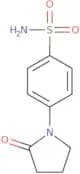
CAS:<p>Versatile small molecule scaffold</p>Formula:C14H13N3Purity:Min. 95%Molecular weight:223.27 g/mol4-(2-Oxopyrrolidin-1-yl)benzene-1-sulfonamide
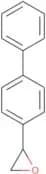
CAS:<p>Versatile small molecule scaffold</p>Formula:C10H12N2O3SPurity:Min. 95%Molecular weight:240.28 g/mol2-(4-Phenylphenyl)oxirane
CAS:<p>Versatile small molecule scaffold</p>Formula:C14H12OPurity:Min. 95%Molecular weight:196.24 g/mol2-[2-Methoxy-4-(prop-1-en-1-yl)phenoxymethyl]oxirane
CAS:<p>Versatile small molecule scaffold</p>Formula:C13H16O3Purity:Min. 95%Molecular weight:220.3 g/mol3-[(2-Chlorophenyl)methyl]-2-sulfanyl-3,4-dihydroquinazolin-4-one
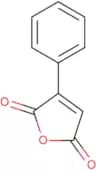
CAS:<p>Versatile small molecule scaffold</p>Formula:C15H11ClN2OSPurity:Min. 95%Molecular weight:302.8 g/molPhenylmaleic Anhydride
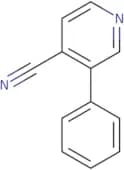
CAS:<p>Phenylmaleic anhydride is a polycarboxylic acid that contains a reactive carbonyl group. It can be used as an intermediate in the synthesis of prostacyclin receptor agonists and has been shown to have anti-inflammatory effects in various animal models. Phenylmaleic anhydride is also used as an ingredient in creams or gels that are applied to the skin for treatments of inflammatory diseases such as psoriasis, eczema, or dermatitis. Some of the properties of phenylmaleic anhydride include viscosity and hydrogen bonding ability, which make it useful for these types of applications.</p>Formula:C10H6O3Purity:Min. 95%Molecular weight:174.16 g/mol3-Phenylpyridine-4-carbonitrile
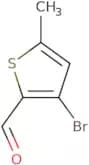
CAS:<p>Versatile small molecule scaffold</p>Formula:C12H8N2Purity:Min. 95%Molecular weight:180.2 g/mol3-bromo-5-methylthiophene-2-carbaldehyde
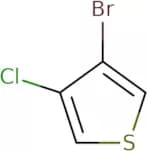
CAS:<p>Versatile small molecule scaffold</p>Formula:C6H5BrOSPurity:Min. 95%Molecular weight:205.1 g/mol3-Bromo-4-chlorothiophene
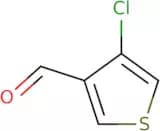
CAS:<p>Versatile small molecule scaffold</p>Formula:C4H2SClBrPurity:Min. 95%Molecular weight:197.48 g/mol4-Chlorothiophene-3-carbaldehyde
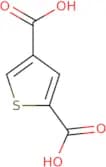
CAS:<p>Versatile small molecule scaffold</p>Formula:C5H3ClOSPurity:Min. 95%Molecular weight:146.6 g/molThiophene-2,4-dicarboxylic acid
CAS:<p>Versatile small molecule scaffold</p>Formula:C6H4O4SPurity:Min. 95%Molecular weight:172.16 g/molN-[4-(4-Bromophenoxy)phenyl]-2-chloroacetamide
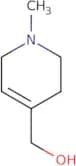
CAS:<p>Versatile small molecule scaffold</p>Formula:C14H11BrClNO2Purity:Min. 95%Molecular weight:340.6 g/mol1-Methyl-4-(hydroxymethyl)-1,2,3,6-tetrahydropyridine
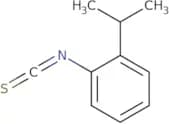
CAS:<p>Versatile small molecule scaffold</p>Formula:C7H13NOPurity:Min. 95%Molecular weight:127.18 g/molBenzene, 1-isothiocyanato-2-(1-methylethyl)-
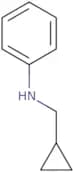
CAS:<p>Versatile small molecule scaffold</p>Formula:C10H11NSPurity:Min. 95%Molecular weight:177.27 g/molN-(Cyclopropylmethyl)aniline
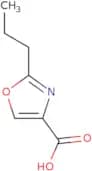
CAS:<p>Versatile small molecule scaffold</p>Formula:C10H13NPurity:Min. 95%Molecular weight:147.22 g/mol2-Propyl-1,3-oxazole-4-carboxylic acid
CAS:<p>2-Propyl-1,3-oxazole-4-carboxylic acid is an organic compound with a nitrile group, carboxylic acid group, and two amide groups. It can be synthesized by reacting acrylonitrile with acrylic acid in the presence of nitrile hydrates. The reaction produces amidoxime as a byproduct. This compound has been used to produce thioamides and hydrazides. 2-Propyl-1,3-oxazole-4-carboxylic acid is also used for the synthesis of other derivatives such as acid chlorides and esters.</p>Formula:C7H9NO3Purity:Min. 95%Molecular weight:155.15 g/mol2-Propyl-1,3-oxazole-4-carbonitrile
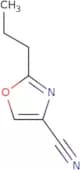
CAS:<p>Versatile small molecule scaffold</p>Formula:C7H8N2OPurity:Min. 95%Molecular weight:136.15 g/mol(2-Aminophenyl)(p-tolyl)methanone+
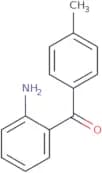
CAS:<p>The isomeric 2-aminophenyl (p-tolyl)methanone+ is a hydrogen bond acceptor. It has been synthesised by the diazotisation reaction of 3-acetylacetonate and aluminium. The synthesis of this compound has been achieved by the removal of water from 3-acetylacetonate, followed by the addition of aluminium to form an acetylacetonate complex. The reaction was completed by adding a solution of phenothiazine in acridone to produce the desired product. The nature and solvents used for this synthesis were not listed.br>br></p>Formula:C14H13NOPurity:Min. 95%Molecular weight:211.27 g/molN-Hydroxy2-aminopentanimidic acid
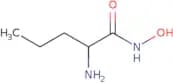
CAS:<p>N-Hydroxy2-aminopentanimidic acid is a metal complexing agent that forms a ligand with the metal ion. It has been shown to form complexes with zinc, copper, and nickel ions. The protonation of N-hydroxy2-aminopentanimidic acid leads to its formation constants. These are determined by potentiometric titrations and can be used to estimate the concentration of hydrogen ions in solution. This chemical has been shown to have potentiometric properties, which make it useful for determining the concentrations of hydroxo and metal ions in solution. The formation constants of N-hydroxy2-aminopentanimidic acid are also determined by complex formation techniques and can be used to estimate the concentration of ligands in solution.</p>Formula:C5H12N2O2Purity:Min. 95%Molecular weight:132.16 g/mol(Pyridin-2-ylmethyl)urea
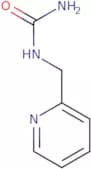
CAS:<p>Versatile small molecule scaffold</p>Formula:C7H9N3OPurity:Min. 95%Molecular weight:151.17 g/molN-(3-Pyridinylmethyl)urea
CAS:Controlled Product<p>N-(3-Pyridinylmethyl)urea is an analog of isonicotinamide. It binds to the receptor tyrosine and inhibits the growth of cells that are exposed to radiation. N-(3-Pyridinylmethyl)urea has been shown to inhibit cell proliferation in vitro by preventing DNA synthesis. This compound can also be used as a fluorescent probe for tyrosine kinase activity.</p>Formula:C7H9N3OPurity:Min. 95%Molecular weight:151.17 g/mol(Pyridin-4-ylmethyl)urea
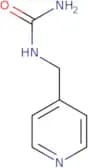
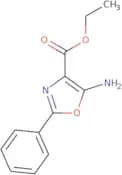
CAS:<p>Versatile small molecule scaffold</p>Formula:C7H9N3OPurity:Min. 95%Molecular weight:151.17 g/molethyl 5-amino-2-phenyl-1,3-oxazole-4-carboxylate
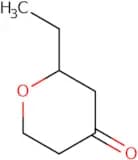
CAS:<p>Versatile small molecule scaffold</p>Formula:C12H12N2O3Purity:Min. 95%Molecular weight:232.2 g/mol2-Ethyltetrahydro-4H-pyran-4-one
CAS:<p>Versatile small molecule scaffold</p>Formula:C7H12O2Purity:Min. 95%Molecular weight:128.16 g/mol2-Amino-6,7-dihydrobenzo[d]thiazol-4(5H)-one
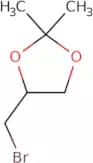
CAS:<p>Versatile small molecule scaffold</p>Formula:C7H8N2OSPurity:Min. 95%Molecular weight:168.21 g/mol4-(Bromomethyl)-2,2-dimethyl-1,3-dioxolane
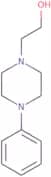
CAS:<p>Versatile small molecule scaffold</p>Formula:C6H11BrO2Purity:Min. 95%Molecular weight:195.05 g/mol2-(4-Phenylpiperazin-1-yl)ethan-1-ol
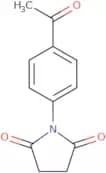
CAS:<p>Versatile small molecule scaffold</p>Formula:C12H18N2OPurity:Min. 95%Molecular weight:206.28 g/mol1-(4-Acetylphenyl)pyrrolidine-2,5-dione
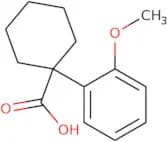
CAS:<p>Versatile small molecule scaffold</p>Formula:C12H11NO3Purity:Min. 95%Molecular weight:217.22 g/mol1-(2-Methoxyphenyl)cyclohexane-1-carboxylic acid
CAS:<p>Versatile small molecule scaffold</p>Formula:C14H18O3Purity:Min. 95%Molecular weight:234.29 g/mol2-Hydrazinylquinazoline
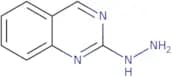
CAS:<p>2-Hydrazinylquinazoline is a heterocyclic compound that inhibits the binding of active substances to their receptors. It has been shown to be a potent antagonist in assays measuring the inhibition of benzodiazepine receptor and quinazolinones. 2-Hydrazinylquinazoline has also been used as an antidepressant drug, due to its ability to inhibit the uptake of serotonin into cells. This compound is also reactive and can form sulfa drugs with amines, amino acids, or peptides. The detection sensitivity for this compound is high and it can be found in human serum at concentrations of 0.2-0.4 mg/L.</p>Formula:C8H8N4Purity:Min. 95%Molecular weight:160.18 g/mol1,2-Bis(4-methoxyphenyl)ethan-1-amine
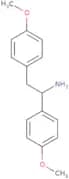
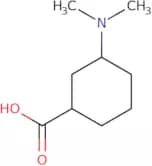
CAS:<p>1,2-Bis(4-methoxyphenyl)ethan-1-amine is an organic compound with the formula CH3C6H4(OCH2CH2)2NH. It is a colorless liquid that is soluble in water and polar organic solvents. The molecule consists of an ethanamine moiety substituted with two methoxyphenyl groups at the 1 and 2 positions. The molecule has been shown to react via a hydride transfer reaction with diborane to form a boronate ester, which can be hydrogenated back to the starting material. This process is catalyzed by acid or acid esters such as pyridine or triethylamine.</p>Formula:C16H19NO2Purity:Min. 95%Molecular weight:257.33 g/mol3-(Dimethylamino)cyclohexane-1-carboxylic acid
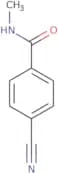
CAS:<p>Versatile small molecule scaffold</p>Formula:C9H17NO2Purity:Min. 95%Molecular weight:171.24 g/mol4-Cyano-N-methylbenzamide
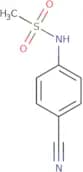
CAS:<p>Versatile small molecule scaffold</p>Formula:C9H8N2OPurity:Min. 95%Molecular weight:160.17 g/mol4-(Methanesulfonylamino)benzonitrile
CAS:<p>4-(Methanesulfonylamino)benzonitrile is a potent and selective vanilloid receptor antagonist. It has been shown to inhibit the uptake of nitro compounds by rat brain synaptosomes in vitro and to block the binding of [3H]nitro-N-methyl-4-phenylpyridinium ion (NMPA) to rat brain membranes. 4-(Methanesulfonylamino)benzonitrile has been shown to bind to albumin, which may be an important factor in its pharmacokinetics. This drug also binds with serum albumin, which may reduce its absorption after oral administration.</p>Formula:C8H8N2O2SPurity:Min. 95%Molecular weight:196.23 g/mol2-Amino-4λ⁵-[1,2,4]thiadiazolo[2,3-a]pyridin-4-ylium chloride
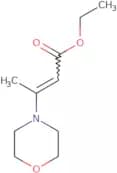
CAS:<p>Versatile small molecule scaffold</p>Formula:C6H6ClN3SPurity:Min. 95%Molecular weight:187.65 g/molEthyl 3-(morpholin-4-yl)but-2-enoate
CAS:<p>Versatile small molecule scaffold</p>Formula:C10H17NO3Purity:Min. 95%Color and Shape:PowderMolecular weight:199.25 g/mol(1S,6R)-8,8-Dimethylbicyclo[4.2.0]octan-7-one
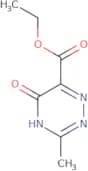
CAS:<p>Versatile small molecule scaffold</p>Formula:C10H16OPurity:Min. 95%Molecular weight:152.23 g/molEthyl 5-hydroxy-3-methyl-1,2,4-triazine-6-carboxylate
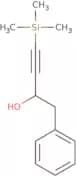
CAS:<p>Versatile small molecule scaffold</p>Formula:C7H9N3O3Purity:Min. 95%Molecular weight:183.16 g/mol1-Phenyl-4-(trimethylsilyl)but-3-yn-2-ol
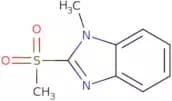
CAS:<p>Versatile small molecule scaffold</p>Formula:C13H18OSiPurity:Min. 95%Molecular weight:218.37 g/mol1-Methyl-2-(methylsulfonyl)benzimidazole
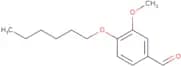
CAS:<p>1-Methyl-2-(methylsulfonyl)benzimidazole is a reagent that reacts with carbonyl groups to form terminal alkenes. It can be used to form terminal alkenes from aldehydes and ketones by the addition of an appropriate nucleophile, such as sodium borohydride. The reaction has high yields and does not produce any byproducts.</p>Formula:C9H10N2O2SPurity:Min. 95%Molecular weight:210.25 g/mol4-(Hexyloxy)-3-methoxybenzaldehyde
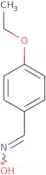
CAS:<p>4-(Hexyloxy)-3-methoxybenzaldehyde is an aldehyde that has a molecular weight of 166.14 g/mol and the following connectivity:</p>Formula:C14H20O3Purity:Min. 95%Molecular weight:236.31 g/mol4-Ethoxybenzaldehyde oxime
CAS:<p>Versatile small molecule scaffold</p>Formula:C9H11NO2Purity:Min. 95%Molecular weight:165.19 g/mol7-Chloro-5,6-dimethylpyrazolo[1,5-a]pyrimidine
CAS:<p>Versatile small molecule scaffold</p>Formula:C8H8ClN3Purity:Min. 95%Molecular weight:181.62 g/mol1-Azabicyclo[3.3.1]nonan-4-one
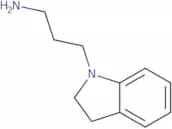
CAS:<p>Versatile small molecule scaffold</p>Formula:C8H13NOPurity:Min. 95%Molecular weight:139.19 g/mol3-(2,3-Dihydro-indol-1-yl)-propylamine
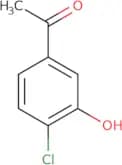
CAS:<p>Versatile small molecule scaffold</p>Formula:C11H16N2Purity:Min. 95%Molecular weight:176.26 g/mol1-(4-Chloro-3-hydroxyphenyl)ethanone
CAS:<p>Versatile small molecule scaffold</p>Formula:C8H7O2ClPurity:Min. 95%Molecular weight:170.59 g/molMethyl 2-[(2-hydroxyethyl)sulfanyl]acetate
CAS:<p>Versatile small molecule scaffold</p>Formula:C5H10O3SPurity:Min. 95%Molecular weight:150.2 g/mol[1,2,3,4]Tetrazolo[1,5-a]quinoxalin-4-amine
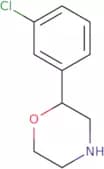
CAS:<p>Versatile small molecule scaffold</p>Formula:C8H6N6Purity:Min. 95%Molecular weight:186.17 g/mol2-(3-chlorophenyl)morpholine
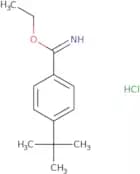
CAS:<p>Versatile small molecule scaffold</p>Formula:C10H12ClNOPurity:Min. 95%Molecular weight:197.66 g/molEthyl 4-tert-butylbenzene-1-carboximidate hydrochloride
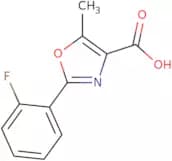
CAS:<p>Versatile small molecule scaffold</p>Formula:C13H20ClNOPurity:Min. 95%Molecular weight:241.76 g/mol2-(2-Fluorophenyl)-5-methyl-1,3-oxazole-4-carboxylic acid
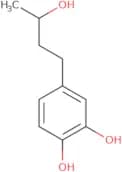
CAS:<p>Versatile small molecule scaffold</p>Formula:C11H8FNO3Purity:Min. 95%Molecular weight:221.18 g/mol4-(3-Hydroxybutyl)benzene-1,2-diol
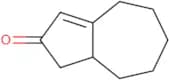
CAS:<p>Versatile small molecule scaffold</p>Formula:C10H14O3Purity:Min. 95%Molecular weight:182.22 g/mol1,2,4,5,6,7,8,8a-Octahydroazulen-2-one
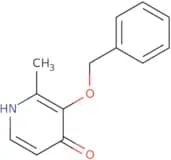
CAS:<p>Versatile small molecule scaffold</p>Formula:C10H14OPurity:Min. 95%Molecular weight:150.22 g/mol3-(Benzyloxy)-2-methyl-4(1H)-pyridinone
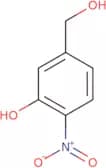
CAS:<p>Versatile small molecule scaffold</p>Formula:C13H13NO2Purity:Min. 95%Molecular weight:215.25 g/mol5-(Hydroxymethyl)-2-nitrophenol
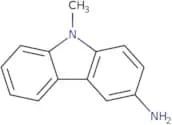
CAS:<p>5-(Hydroxymethyl)-2-nitrophenol (5-HMNP) is a reactive intermediate in the catalytic mechanism of hydroxylation. 5-HMNP is produced by the reaction of an epoxide with a hydroxyl group. The isotope effect has been shown to be due to resonance stabilization, which stabilizes the molecule and prevents it from reacting further. 5-HMNP reacts with chloride ions to form phenols, which have been shown to have antioxidant properties.</p>Formula:C7H7NO4Purity:Min. 95%Molecular weight:169.14 g/mol9-Methyl-9H-carbazol-3-amine
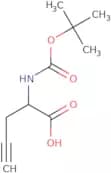
CAS:<p>9-Methyl-9H-carbazol-3-amine is a synthetic amine that has been shown to have cytotoxic activity against human cancer cells in vitro. It inhibits the growth of cancer cells by binding to DNA and RNA. 9-Methyl-9H-carbazol-3-amine has been shown to be a fluorescent compound, with excitation and emission maxima at 337 nm and 438 nm, respectively. The fluorescence properties of 9-methyl-9H carbazole 3 amine are pH dependent, with maximal emission occurring at pH 5.5. 9MCCA is soluble in water and dodecyl alcohol but insoluble in organic solvents such as benzene or chloroform. It also has been found to have gel permeation chromatography (GPC) retention times of about 1 hour and a polyvinylpyrrolidone (PVP) molecular weight of about 40,000 daltons.</p>Formula:C13H12N2Purity:Min. 95%Molecular weight:196.25 g/mol2-(Boc-amino)-4-pentynoic acid
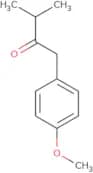
CAS:<p>Versatile small molecule scaffold</p>Formula:C10H15NO4Purity:Min. 95%Molecular weight:213.23 g/mol1-(4-Methoxyphenyl)-3-methylbutan-2-one
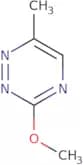
CAS:<p>Versatile small molecule scaffold</p>Formula:C12H16O2Purity:Min. 95%Molecular weight:192.25 g/mol3-Methoxy-6-methyl-1,2,4-triazine
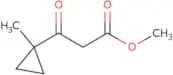
CAS:<p>Versatile small molecule scaffold</p>Formula:C5H7N3OPurity:Min. 95%Molecular weight:125.13 g/molMethyl 3-(1-methylcyclopropyl)-3-oxopropanoate
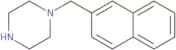
CAS:<p>Versatile small molecule scaffold</p>Formula:C8H12O3Purity:Min. 95%Molecular weight:156.18 g/mol1-(Naphthalen-2-ylmethyl)piperazine
CAS:<p>Versatile small molecule scaffold</p>Formula:C15H18N2Purity:Min. 95%Molecular weight:226.32 g/mol4H,5H,6H,7H,8H-Furo[3,2-c]azepin-4-one
CAS:<p>Versatile small molecule scaffold</p>Formula:C8H9NO2Purity:Min. 95%Molecular weight:151.16 g/mol1-(Bromomethyl)bicyclo[2.2.1]heptane
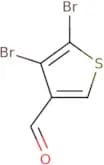
CAS:<p>Versatile small molecule scaffold</p>Formula:C8H13BrPurity:Min. 95%Molecular weight:189.09 g/mol4,5-Dibromothiophene-3-carbaldehyde
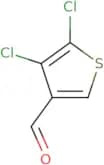
CAS:<p>Versatile small molecule scaffold</p>Formula:C5H2Br2OSPurity:Min. 95%Molecular weight:269.94 g/mol4,5-Dichlorothiophene-3-carbaldehyde
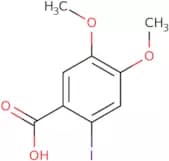
CAS:<p>Versatile small molecule scaffold</p>Formula:C5H2Cl2OSPurity:Min. 95%Molecular weight:181.04 g/mol4,5-Dimethoxy-2-iodobenzoic acid
CAS:<p>4,5-Dimethoxy-2-iodobenzoic acid is a diazo compound that belongs to the class of aryl ethyl compounds. It is an efficient method for the synthesis of unsymmetrical aryl ethyl compounds. This compound has been shown to have potent antitumor activity against experimental tumors in mice when given orally. 4,5-Dimethoxy-2-iodobenzoic acid inhibits tumor cell proliferation by blocking DNA synthesis and transcription. It also binds to receptor protein kinase C, which may be responsible for its antitumor activity.</p>Formula:C9H9IO4Purity:Min. 95%Molecular weight:308.07 g/mol2-Hydroxy-3-methoxy-4-nitrobenzoic acid
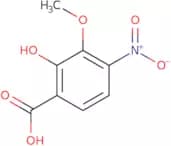
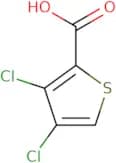
CAS:<p>Versatile small molecule scaffold</p>Formula:C8H7NO6Purity:Min. 95%Molecular weight:213.14 g/mol3,4-Dichlorothiophene-2-carboxylic acid
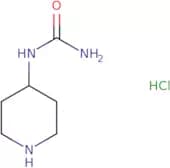
CAS:<p>Versatile small molecule scaffold</p>Formula:C5H2Cl2O2SPurity:Min. 95%Molecular weight:197.04 g/mol(Piperidin-4-yl)urea
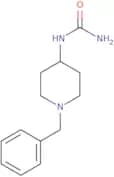
CAS:<p>Versatile small molecule scaffold</p>Formula:C6H14ClN3OPurity:Min. 95%Molecular weight:179.65 g/mol(1-Benzylpiperidin-4-yl)urea
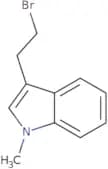
CAS:<p>Versatile small molecule scaffold</p>Formula:C13H19N3OPurity:Min. 95%Molecular weight:233.31 g/mol3-(2-Bromoethyl)-1-methyl-1H-indole
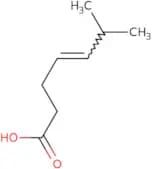
CAS:Controlled Product<p>Versatile small molecule scaffold</p>Formula:C11H12BrNPurity:Min. 95%Molecular weight:238.12 g/mol(4E)-6-Methylhept-4-enoic acid
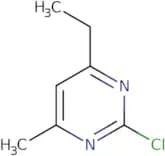
CAS:<p>Versatile small molecule scaffold</p>Formula:C8H14O2Purity:Min. 95%Molecular weight:142.2 g/mol2-Chloro-4-ethyl-6-methylpyrimidine
CAS:<p>Versatile small molecule scaffold</p>Formula:C7H9ClN2Purity:Min. 95%Molecular weight:156.61 g/mol1-{[1,1'-Biphenyl]-2-yl}-2-bromoethan-1-one
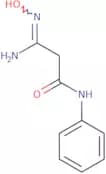
CAS:<p>Versatile small molecule scaffold</p>Formula:C14H11BrOPurity:Min. 95%Molecular weight:275.14 g/mol2-(N'-Hydroxycarbamimidoyl)-N-phenylacetamide
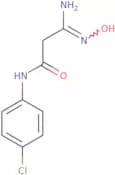
CAS:<p>Versatile small molecule scaffold</p>Formula:C9H11N3O2Purity:Min. 95%Molecular weight:193.2 g/molN-(4-Chlorophenyl)-2-(N'-hydroxycarbamimidoyl)acetamide
CAS:<p>Versatile small molecule scaffold</p>Formula:C9H10ClN3O2Purity:Min. 95%Molecular weight:227.65 g/molN-Benzyl-6-chlorobenzo[D]thiazol-2-amine
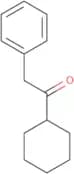
CAS:<p>Versatile small molecule scaffold</p>Formula:C14H11ClN2SPurity:Min. 95%Molecular weight:274.8 g/mol1-Cyclohexyl-2-phenyl-1-ethanone
CAS:<p>1-Cyclohexyl-2-phenyl-1-ethanone is a serotonergic drug that belongs to the group of arylpiperazines. It has been shown to have therapeutic potential for the treatment of symptoms associated with depression, anxiety, and other mood disorders. 1-Cyclohexyl-2-phenyl-1-ethanone inhibits serotonin reuptake in the brain by binding to the serotonin transporter (SERT) and preventing it from recycling serotonin into the presynaptic neuron. This active form of 1-cyclohexyl-2-phenyl-1 -ethanone can be synthesized by reacting benzylamine derivatives with birefringent crystals in hydrochloric acid. The reaction products are then purified using inorganic acid and polymer film amines. 1C2PE also binds to and inhibits protein kinase C, which is involved in inflammatory processes.</p>Formula:C14H18OPurity:Min. 95%Molecular weight:202.29 g/mol
![3-(Propan-2-yl)bicyclo[1.1.1]pentane-1-carboxylic acid](/_next/image/?url=https%3A%2Fstatic.cymitquimica.com%2Fproducts%2F3D%2Fthumb-webp%2FLAD96755.webp&w=3840&q=75)

![3-tert-Butylbicyclo[1.1.1]pentan-1-amine hydrochloride](/_next/image/?url=https%3A%2Fstatic.cymitquimica.com%2Fproducts%2F3D%2Fthumb-webp%2FLAD96757.webp&w=3840&q=75)
![3-[(2,3-Dimethylphenyl)amino]propanenitrile](/_next/image/?url=https%3A%2Fstatic.cymitquimica.com%2Fproducts%2F3D%2Fthumb-webp%2FLBA03459.webp&w=3840&q=75)
![3-[(3,4-Dimethylphenyl)amino]propanenitrile](/_next/image/?url=https%3A%2Fstatic.cymitquimica.com%2Fproducts%2F3D%2Fthumb-webp%2FLBA03461.webp&w=3840&q=75)
![3-[(3,5-Dimethylphenyl)amino]propanenitrile](/_next/image/?url=https%3A%2Fstatic.cymitquimica.com%2Fproducts%2F3D%2Fthumb-webp%2FLBA03462.webp&w=3840&q=75)
![5-Ethyl-5H-[1,2,4]triazino[5,6-b]indole-3-thiol](/_next/image/?url=https%3A%2Fstatic.cymitquimica.com%2Fproducts%2F3D%2Fthumb-webp%2FLBA04755.webp&w=3840&q=75)
![5-Propyl-5H-[1,2,4]triazino[5,6-b]indole-3-thiol](/_next/image/?url=https%3A%2Fstatic.cymitquimica.com%2Fproducts%2F3D%2Fthumb-webp%2FLBA04756.webp&w=3840&q=75)
![3-[(2,5-Dimethylphenyl)amino]propanenitrile](/_next/image/?url=https%3A%2Fstatic.cymitquimica.com%2Fproducts%2F3D%2Fthumb-webp%2FLBA07216.webp&w=3840&q=75)
![Ethyl 2-[1-(methylamino)cyclohexyl]acetate hydrochloride](/_next/image/?url=https%3A%2Fstatic.cymitquimica.com%2Fproducts%2F3D%2Fthumb-webp%2FLBA07772.webp&w=3840&q=75)
![[4-(1H-1,3-Benzodiazol-2-yl)phenyl]methanamine](/_next/image/?url=https%3A%2Fstatic.cymitquimica.com%2Fproducts%2F3D%2Fthumb-webp%2FLBA07889.webp&w=3840&q=75)
![2-[2-Methoxy-4-(prop-1-en-1-yl)phenoxymethyl]oxirane](/_next/image/?url=https%3A%2Fstatic.cymitquimica.com%2Fproducts%2F3D%2Fthumb-webp%2FLBA11541.webp&w=3840&q=75)
![3-[(2-Chlorophenyl)methyl]-2-sulfanyl-3,4-dihydroquinazolin-4-one](/_next/image/?url=https%3A%2Fstatic.cymitquimica.com%2Fproducts%2F3D%2Fthumb-webp%2FLBA12041.webp&w=3840&q=75)
![N-[4-(4-Bromophenoxy)phenyl]-2-chloroacetamide](/_next/image/?url=https%3A%2Fstatic.cymitquimica.com%2Fproducts%2F3D%2Fthumb-webp%2FLBA16096.webp&w=3840&q=75)
![2-Amino-6,7-dihydrobenzo[d]thiazol-4(5H)-one](/_next/image/?url=https%3A%2Fstatic.cymitquimica.com%2Fproducts%2F3D%2Fthumb-webp%2FLBA23466.webp&w=3840&q=75)
![2-Amino-4λ⁵-[1,2,4]thiadiazolo[2,3-a]pyridin-4-ylium chloride](/_next/image/?url=https%3A%2Fstatic.cymitquimica.com%2Fproducts%2F3D%2Fthumb-webp%2FLBA27397.webp&w=3840&q=75)
![(1S,6R)-8,8-Dimethylbicyclo[4.2.0]octan-7-one](/_next/image/?url=https%3A%2Fstatic.cymitquimica.com%2Fproducts%2F3D%2Fthumb-webp%2FLBA27738.webp&w=3840&q=75)
![7-Chloro-5,6-dimethylpyrazolo[1,5-a]pyrimidine](/_next/image/?url=https%3A%2Fstatic.cymitquimica.com%2Fproducts%2F3D%2Fthumb-webp%2FLCA09839.webp&w=3840&q=75)
![1-Azabicyclo[3.3.1]nonan-4-one](/_next/image/?url=https%3A%2Fstatic.cymitquimica.com%2Fproducts%2F3D%2Fthumb-webp%2FLCA10824.webp&w=3840&q=75)
![Methyl 2-[(2-hydroxyethyl)sulfanyl]acetate](/_next/image/?url=https%3A%2Fstatic.cymitquimica.com%2Fproducts%2F3D%2Fthumb-webp%2FLCA14695.webp&w=3840&q=75)
![[1,2,3,4]Tetrazolo[1,5-a]quinoxalin-4-amine](/_next/image/?url=https%3A%2Fstatic.cymitquimica.com%2Fproducts%2F3D%2Fthumb-webp%2FLCA14829.webp&w=3840&q=75)
![4H,5H,6H,7H,8H-Furo[3,2-c]azepin-4-one](/_next/image/?url=https%3A%2Fstatic.cymitquimica.com%2Fproducts%2F3D%2Fthumb-webp%2FLCA19048.webp&w=3840&q=75)
![1-(Bromomethyl)bicyclo[2.2.1]heptane](/_next/image/?url=https%3A%2Fstatic.cymitquimica.com%2Fproducts%2F3D%2Fthumb-webp%2FLCA19217.webp&w=3840&q=75)
![1-{[1,1'-Biphenyl]-2-yl}-2-bromoethan-1-one](/_next/image/?url=https%3A%2Fstatic.cymitquimica.com%2Fproducts%2F3D%2Fthumb-webp%2FLCA23614.webp&w=3840&q=75)
![N-Benzyl-6-chlorobenzo[D]thiazol-2-amine](/_next/image/?url=https%3A%2Fstatic.cymitquimica.com%2Fproducts%2F3D%2Fthumb-webp%2FLCA24937.webp&w=3840&q=75)