Building Blocks
This section contains fundamental products for the synthesis of organic and biological compounds. Building blocks are the essential starting materials used to construct complex molecules through various chemical reactions. They play a critical role in drug discovery, material science, and chemical research. At CymitQuimica, we offer a diverse range of high-quality building blocks to support your innovative research and industrial projects, ensuring you have the essential components for successful synthesis.
Subcategories of "Building Blocks"
- Boronic Acids & Boronic Acid Derivatives(5,756 products)
- Chiral Building Blocks(1,242 products)
- Hydrocarbon Building Blocks(6,093 products)
- Organic Building Blocks(60,519 products)
Found 195533 products of "Building Blocks"
Sort by
Purity (%)
0
100
|
0
|
50
|
90
|
95
|
100
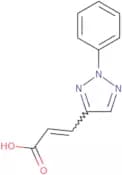
(2E)-3-(2-Phenyl-2H-1,2,3-triazol-4-yl)prop-2-enoic acid
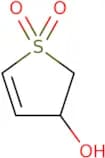
CAS:<p>Versatile small molecule scaffold</p>Formula:C11H9N3O2Purity:Min. 95%Molecular weight:215.21 g/mol2,3-Dihydro-3-hydroxythiophene 1,1-Dioxide
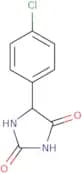
CAS:<p>2,3-Dihydro-3-hydroxythiophene 1,1-dioxide is a reactive intermediate that can be used in the oxidative chlorination of alcohols. It is an aliphatic nucleophile that reacts with electrophilic aromatic amines to yield reactive intermediates such as hydrosulfide and sulfinic acid. The disulfide derivative of 2,3-dihydro-3-hydroxythiophene 1,1-dioxide has been shown to react with magnesium metal to form a novel organometallic complex. Thermography studies have also been carried out on 2,3-dithydro-3-hydroxythiophene 1,1-dioxide derivatives.</p>Formula:C4H6O3SPurity:Min. 95%Molecular weight:134.15 g/mol5-(4-Chlorophenyl)imidazolidine-2,4-dione
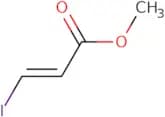
CAS:<p>Versatile small molecule scaffold</p>Formula:C9H7ClN2O2Purity:Min. 95%Molecular weight:210.62 g/mol(E)-Methyl 3-iodoacrylate
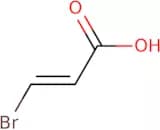
CAS:<p>Versatile small molecule scaffold</p>Formula:C4H5IO2Purity:Min. 95%Molecular weight:211.99 g/mol(E)-3-Bromoacrylic acid
CAS:<p>3-Bromoacrylic acid is a chemical that is used for debromination of the antidiabetic drug alloxan. It is also used as an intermediate in the synthesis of a number of pharmaceuticals, including antifungal drugs, and in the manufacture of dyestuffs. 3-Bromoacrylic acid has been shown to be effective in controlling diabetes and lowering blood sugar levels in animals by preventing the release of glucose from the liver and stimulating insulin secretion. This chemical also has anti-inflammatory properties that may be due to its inhibitory effect on prostaglandin synthesis. As a result, 3-bromoacrylic acid has been shown to have beneficial effects on chronic inflammatory diseases such as arthritis.</p>Formula:C3H3BrO2Purity:Min. 95%Molecular weight:150.96 g/mol4,7-Dihydro-1,3,2-dioxathiepine 2-oxide
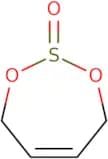
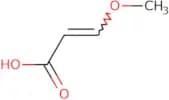
CAS:<p>Versatile small molecule scaffold</p>Formula:C4H6O3SPurity:Min. 95%Molecular weight:134.16 g/mol(E)-3-Methoxyacrylic acid
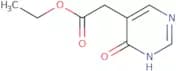
CAS:<p>Versatile small molecule scaffold</p>Formula:C4H6O3Purity:Min. 95%Molecular weight:102.09 g/molEthyl 2-(4-hydroxypyrimidin-5-yl)acetate
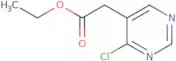
CAS:<p>Versatile small molecule scaffold</p>Formula:C8H10N2O3Purity:Min. 95%Molecular weight:182.18 g/molEthyl 2-(4-chloropyrimidin-5-yl)acetate
CAS:<p>Ethyl 2-(4-chloropyrimidin-5-yl)acetate is a synthetic chemical compound that belongs to the family of aromatic compounds and has been shown to be catalytic in reducing acetone. The mechanism of this reaction is not yet fully understood, but it is thought to involve a catalytic reduction. In order to test this hypothesis, experimental studies are being conducted to see if the catalytic activity can be replicated.</p>Formula:C8H9ClN2O2Purity:Min. 95%Molecular weight:200.62 g/mol3-(3-Nitrophenyl)-1H-1,2,4-triazole
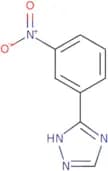
CAS:<p>Versatile small molecule scaffold</p>Formula:C8H6N4O2Purity:Min. 95%Molecular weight:190.16 g/mol3-(4H-[1,2,4]Triazol-3-yl)-phenylamine
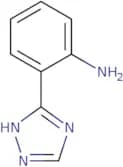
CAS:<p>Versatile small molecule scaffold</p>Formula:C8H8N4Purity:Min. 95%Molecular weight:160.18 g/mol2-(1H-1,2,4-triazol-5-yl)aniline
CAS:<p>2-(1H-1,2,4-triazol-5-yl)aniline is an anti-inflammatory agent that has been shown to reduce inflammation by inhibiting the cyclooxygenase enzyme. It is a potent inhibitor of prostaglandin synthesis and can be used as an alternative to aspirin. 2-(1H-1,2,4-triazol-5-yl)aniline is an organic compound that can be synthesized from hydrazine and methylenedioxybenzene with high efficiency. This chemical compound has been shown to have anti-inflammatory properties and may also have potential use in the treatment of myocardial infarction.</p>Formula:C8H8N4Purity:Min. 95%Molecular weight:160.18 g/molMethyl 3-[3-(3-methoxy-3-oxopropyl)phenyl]propanoate
CAS:<p>Versatile small molecule scaffold</p>Formula:C14H18O4Purity:Min. 95%Molecular weight:250.29 g/molBicyclo[3.3.1]nonane-3-carboxylic acid
CAS:<p>Versatile small molecule scaffold</p>Formula:C10H16O2Purity:Min. 95%Molecular weight:168.23 g/molBicyclo[3.2.1]octane-3-carboxylic acid
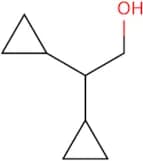
CAS:<p>Versatile small molecule scaffold</p>Formula:C9H14O2Purity:Min. 95%Molecular weight:154.21 g/mol2,2-Dicyclopropylethan-1-ol
CAS:<p>Versatile small molecule scaffold</p>Formula:C8H14OPurity:Min. 95%Molecular weight:126.2 g/molBicyclo[4.1.0]heptan-7-ylmethanol
CAS:<p>Bicyclo[4.1.0]heptan-7-ylmethanol is a hydride inhibitor of lactate dehydrogenase, which is an enzyme that catalyzes the conversion of pyruvate to lactate in the liver. Bicyclo[4.1.0]heptan-7-ylmethanol has inhibitory properties against aldehyde dehydrogenase and alcohol dehydrogenase, which are enzymes involved in the metabolism of aldehydes and alcohols respectively. This substance also inhibits mitochondrial monoamine oxidase (MAO), which is an enzyme that breaks down neurotransmitters such as dopamine, norepinephrine, and serotonin. Bicyclo[4.1.0]heptan-7-ylmethanol can be used to inhibit the function of MAO in order to increase levels of these neurotransmitters in the brain, which may be helpful for conditions like depression or Parkinson</p>Formula:C8H14OPurity:Min. 95%Molecular weight:126.2 g/mol1-Azabicyclo[2.2.2]octane-3-carboxylic acid hydrochloride
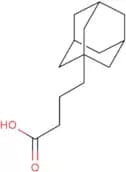
CAS:<p>Versatile small molecule scaffold</p>Formula:C8H14ClNO2Purity:Min. 95%Molecular weight:191.65 g/mol4-(Adamantan-1-yl)butanoic acid
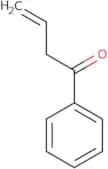
CAS:<p>Versatile small molecule scaffold</p>Formula:C14H22O2Purity:Min. 95%Molecular weight:222.3 g/mol1-Phenylbut-3-en-1-one
CAS:<p>1-Phenylbut-3-en-1-one is an alkylthio group that is a polymer film with a diameter of 2.5 μm and has been shown to be effective as a choroidal neovascularization inhibitor. It can inhibit the development of new blood vessels in the eye by cross-linking the collagen fibers and inhibiting their growth. 1-Phenylbut-3-en-1-one has also been shown to have an inhibitory effect on inflammatory diseases, such as arthritis, and can be used for treatment of these conditions. The hydroxy group and alkynyl groups in this molecule are responsible for its antiinflammatory properties.</p>Formula:C10H10OPurity:Min. 95%Molecular weight:146.19 g/molSpiro[imidazolidine-4,1'-indane]-2,5-dione
CAS:<p>Versatile small molecule scaffold</p>Formula:C11H10N2O2Purity:Min. 95%Molecular weight:202.21 g/mol10-Oxa-4-azatricyclo[5.2.1.0,2,6]dec-8-ene-3,5-dione
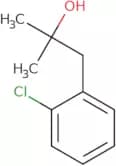
CAS:<p>Versatile small molecule scaffold</p>Formula:C8H7NO3Purity:Min. 95%Molecular weight:165.15 g/mol1-(2-Chlorophenyl)-2-methylpropan-2-ol
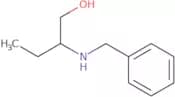
CAS:<p>Versatile small molecule scaffold</p>Formula:C10H13ClOPurity:Min. 95%Molecular weight:184.66 g/mol(2R)-2-(Benzylamino)butan-1-ol
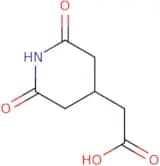
CAS:<p>Versatile small molecule scaffold</p>Formula:C11H17NOPurity:Min. 95%Molecular weight:179.26 g/mol(2,6-Dioxo-piperidin-4-yl)-acetic acid
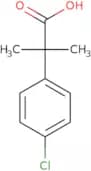
CAS:<p>Versatile small molecule scaffold</p>Formula:C7H9NO4Purity:Min. 95%Molecular weight:171.15 g/mol4-Chloro-α,α-dimethylphenylacetic acid
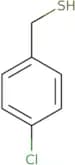
CAS:<p>Versatile small molecule scaffold</p>Formula:C10H11ClO2Purity:Min. 95%Molecular weight:198.64 g/mol4-Chlorobenzyl Mercaptan
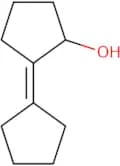
CAS:<p>4-Chlorobenzyl Mercaptan is a metastable, reactive chemical that is used in the synthesis of β-unsaturated ketones. It is also an intermediate for the synthesis of carbofuran, an acylation reaction product, and has been shown to be reactive with chloride ions. 4-Chlorobenzyl Mercaptan can be used in the treatment of infectious diseases, such as malaria and African trypanosomiasis (sleeping sickness). This compound has been shown to have anti-malarial activity in animals and has been found to inhibit the growth of HIV. 4-Chlorobenzyl Mercaptan reacts with fatty acids at high temperatures to form β-unsaturated ketones.</p>Formula:C7H7ClSPurity:Min. 95%Molecular weight:158.64 g/mol2-Cyclopentylidenecyclopentan-1-ol
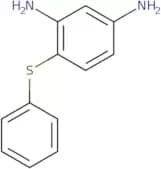
CAS:<p>2-Cyclopentylidenecyclopentan-1-ol is a cyclic ether with the chemical formula of C10H14O. It is a reactive, exploratory molecule that contains a hydrogenated, hydrochloric acid, and photolyzed dipole. This compound is a hydroxyl group with an epoxide that yields centrosymmetric molecules. 2-Cyclopentylidenecyclopentan-1-ol has been shown to have yields of 54%.</p>Formula:C10H16OPurity:Min. 95%Molecular weight:152.23 g/mol4-(Phenylsulfanyl)benzene-1,3-diamine
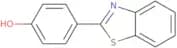
CAS:<p>Versatile small molecule scaffold</p>Formula:C12H12N2SPurity:Min. 95%Molecular weight:216.3 g/mol4-(1,3-Benzothiazol-2-yl)phenol
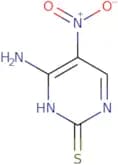
CAS:<p>4-(1,3-Benzothiazol-2-yl)phenol is an antibacterial agent that contains a methoxy group. It has been shown to have potent cytotoxicity against cancer cells and may be used for the treatment of cancer. 4-(1,3-Benzothiazol-2-yl)phenol is an oxidant that is able to form covalent bonds with proteins and other molecules through hydrogen bonding. The oxidation products of 4-(1,3-Benzothiazol-2-yl)phenol are also potent cytotoxins and inhibitors of bacterial growth. The molecular modeling studies on this compound indicate that it binds to DNA by intermolecular hydrogen bonding. This drug targets the enzyme thymidylate synthase, which catalyzes the conversion of dUMP to dTMP in the de novo pathway of DNA synthesis. 4-(1,3-Benzothiazol-2-yl)phenol has been</p>Formula:C13H9NOSPurity:Min. 95%Molecular weight:227.29 g/mol4-Amino-5-nitropyrimidine-2-thiol
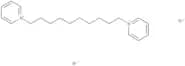
CAS:<p>Versatile small molecule scaffold</p>Formula:C4H4N4O2SPurity:Min. 95%Molecular weight:172.17 g/molDecamethylenebispyridinium dibromide
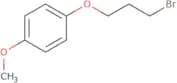
CAS:<p>Versatile small molecule scaffold</p>Formula:C20H30Br2N2Purity:Min. 95%Molecular weight:458.3 g/mol1-(3-Bromo-propoxy)-4-methoxy-benzene
CAS:<p>Versatile small molecule scaffold</p>Formula:C10H13BrO2Purity:Min. 95%Molecular weight:245.12 g/mol2-[(Methoxycarbonyl)amino]benzoic acid
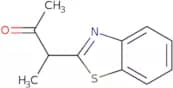
CAS:<p>Versatile small molecule scaffold</p>Formula:C9H9NO4Purity:Min. 95%Molecular weight:195.17 g/mol3-(1,3-Benzothiazol-2-yl)butan-2-one
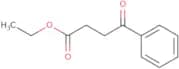
CAS:<p>Versatile small molecule scaffold</p>Formula:C11H11NOSPurity:Min. 95%Molecular weight:205.28 g/molEthyl 4-oxo-4-phenylbutyrate
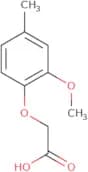
CAS:<p>Ethyl 4-oxo-4-phenylbutyrate is a butyrophenone that is used as an intermediate in organic synthesis. It is produced by the reaction of ethyl diazoacetate with peroxide, followed by the addition of propiophenone and regiospecific solvents. This reaction can be carried out using organocatalysts or without them. The optimised conditions for this type of reaction are: a temperature of 20 °C, an alkylation time of 1 hour, and a molecular weight range from 200 to 600 g/mol. Ethyl 4-oxo-4-phenylbutyrate has been shown to react with carbenes and stereospecific solvents in order to produce levulinate.</p>Formula:C12H14O3Purity:Min. 95%Molecular weight:206.24 g/mol(2-Methoxy-4-methyl-phenoxy)-acetic acid
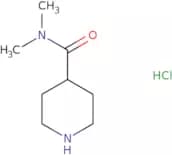
CAS:<p>Versatile small molecule scaffold</p>Formula:C10H12O4Purity:Min. 95%Molecular weight:196.2 g/molPiperidine-4-carboxylic acid dimethylamide HCl
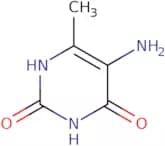
CAS:<p>Versatile small molecule scaffold</p>Formula:C8H16N2O·HClPurity:Min. 95%Molecular weight:192.69 g/mol5-Amino-6-methyl-pyrimidine-2,4-diol
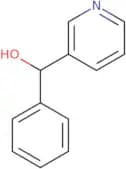
CAS:<p>5-Amino-6-methyl-pyrimidine-2,4-diol is a tautomer of 5-Aminouracil. It is an antiradical agent that has been shown to have hydroxyl radical scavenging activity in the presence of peroxide. The mechanism of the reaction involves the formation of a hydrated form of 5-amino-6-methylpyrimidine 2,4-diol, which reacts with the peroxide to form a stable product. The hydration step is required for this reaction to occur and may be rate limiting. The measurements obtained from nmr spectra are consistent with this mechanism. 5 aminouracil has been shown to inhibit growth and DNA synthesis in tumor cells in vitro.</p>Formula:C5H7N3O2Purity:Min. 95%Molecular weight:141.13 g/molPhenyl(pyridin-3-yl)methanol
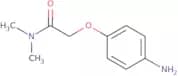
CAS:<p>Phenyl(pyridin-3-yl)methanol is an organic compound that can be used as a chemical reagent. It reacts with alcohols to form phenols and has been shown to selectively react with heteroarenes and amino groups. Phenyl(pyridin-3-yl)methanol is able to oxidize cyclic, aromatic, and diamino compounds using oxidants such as hydrogen peroxide or sodium hypochlorite. It has also been shown to be catalyzed by palladium in the oxidation of amines.</p>Formula:C12H11NOPurity:Min. 95%Molecular weight:185.23 g/mol2-(4-Aminophenoxy)-N,N-dimethylacetamide
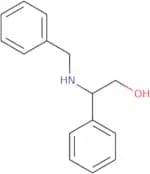
CAS:<p>Versatile small molecule scaffold</p>Formula:C10H14N2O2Purity:Min. 95%Molecular weight:194.23 g/mol2-(Benzylamino)-2-phenylethanol
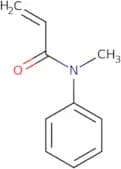
CAS:<p>Versatile small molecule scaffold</p>Formula:C15H17NOPurity:Min. 95%Molecular weight:227.3 g/molN-Methyl-N-phenylprop-2-enamide
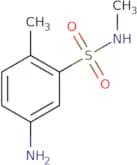
CAS:<p>N-Methyl-N-phenylprop-2-enamide is a perfluorinated compound with acrylate functional groups. It is a monomer that can react with other compounds to form polymers. It has been shown to be useful in the production of polyacrylates, which are used in industrial and medical applications. NMPEA has a bond cleavage reaction when it reacts with triphosgene, which can lead to the formation of acrylonitrile and chlorobenzene. This type of reaction also exhibits hydrogen bonding interactions and can be activated by an amide or an alcohol.</p>Formula:C10H11NOPurity:Min. 95%Molecular weight:161.2 g/mol5-Amino-N,2-dimethylbenzenesulfonamide
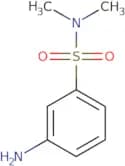
CAS:<p>Versatile small molecule scaffold</p>Formula:C8H12N2O2SPurity:Min. 95%Molecular weight:200.26 g/mol3-Amino-N,N-dimethyl-benzenesulfonamide
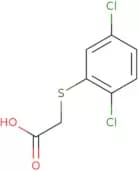
CAS:<p>Versatile small molecule scaffold</p>Formula:C8H12N2O2SPurity:Min. 95%Molecular weight:200.26 g/mol2,5-Dichlorophenylthioglycolic Acid
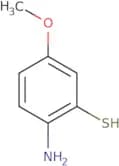
CAS:<p>2,5-Dichlorophenylthioglycolic Acid is an organic compound that is used as a reagent for the synthesis of thiourea. This product can be used in the production of high yield of monochloroacetic acid and sulfuric acid. 2,5-Dichlorophenylthioglycolic Acid is used in the synthesis of sodium salt. It has been shown to be an environmental pollutant and is toxic to aquatic life. The main route of exposure to this compound is through inhalation or ingestion. 2,5-Dichlorophenylthioglycolic Acid may also cause irritation on skin contact and eye contact.</p>Formula:C8H6Cl2O2SPurity:Min. 95%Molecular weight:237.09 g/mol2-Amino-5-methoxythiophenol
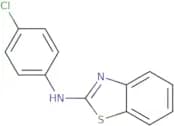
CAS:<p>2-Amino-5-methoxythiophenol is an organic compound that is used as a fluorescent probe for the measurement of mitochondrial membrane potential. The optimal reaction conditions are 3:1 methanol to water, with a reaction time of 10 minutes at room temperature. The demethylation of 2-amino-5-methoxythiophenol yields 3-mercaptopropionic acid, which can be used as a synthetic intermediate in other organic synthesis reactions. It has been found that the ring opening of 2-amino-5-methoxythiophenol occurs through oxidation and the formation of radicals. This reaction mechanism is supported by the photophysical properties observed in its fluorescence spectrum.</p>Formula:C7H9NOSPurity:Min. 95%Molecular weight:155.22 g/molN-(4-Chlorophenyl)-1,3-benzothiazol-2-amine
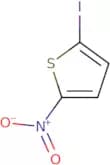
CAS:<p>Versatile small molecule scaffold</p>Formula:C13H9ClN2SPurity:Min. 95%Molecular weight:260.74 g/mol2-Iodo-5-nitrothiophene
CAS:<p>2-Iodo-5-nitrothiophene is a chloride that is used in the synthesis of other compounds. It reacts with phosphorus pentachloride to form 2-chloro-5-nitrothiophene, which can be converted to 2-iodo-5-nitrothiophene by treatment with hydrochloric acid and nitrobenzene. The molecule has a proton on one end and a nitro group on the other. This compound is soluble in dimethylformamide and hydrogen bond to itself. 2-Iodo-5-nitrothiophene can be synthesized using palladium catalysis, which is an advanced technique for coupling organic molecules. The optical properties of this compound have been studied through transient absorption spectroscopy and photocleavage techniques.</p>Formula:C4H2INO2SPurity:Min. 95%Molecular weight:255.04 g/mol2-[2-(Naphthalen-1-yl)acetamido]acetic acid
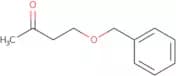
CAS:<p>Versatile small molecule scaffold</p>Formula:C14H13NO3Purity:Min. 95%Molecular weight:243.26 g/mol4-(Benzyloxy)-2-butanone
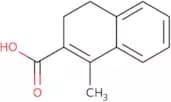
CAS:<p>4-(Benzyloxy)-2-butanone is a solvent that is used in the laboratory environment. It has been used as an extraction solvent for microextraction and has been used in various reactions such as alkylation and tetrahydrofuran synthesis. 4-(Benzyloxy)-2-butanone is also often used in analytical chemistry to analyse solids and liquids. In addition, it can be used as a catalyst for lipase activity, which leads to the hydrolysis of fats. This chemical has also been shown to have anti-coleoptera properties.</p>Formula:C11H14O2Purity:Min. 95%Molecular weight:178.23 g/mol1-Methyl-3,4-dihydronaphthalene-2-carboxylic acid
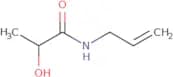
CAS:<p>Versatile small molecule scaffold</p>Formula:C12H12O2Purity:Min. 95%Molecular weight:188.22 g/mol2-Hydroxy-N-(prop-2-en-1-yl)propanamide
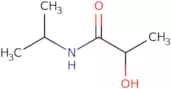
CAS:<p>Versatile small molecule scaffold</p>Formula:C6H11NO2Purity:Min. 95%Molecular weight:129.16 g/mol2-Hydroxy-N-(propan-2-yl)propanamide
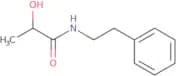
CAS:<p>Versatile small molecule scaffold</p>Formula:C6H13NO2Purity:Min. 95%Molecular weight:131.17 g/mol2-Hydroxy-N-(2-phenylethyl)propanamide
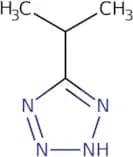
CAS:<p>Versatile small molecule scaffold</p>Formula:C11H15NO2Purity:Min. 95%Molecular weight:193.24 g/mol5-Isopropyl-1H-tetrazole
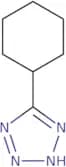
CAS:<p>Versatile small molecule scaffold</p>Formula:C4H8N4Purity:Min. 95%Molecular weight:112.13 g/mol5-Cyclohexyl-1H-1,2,3,4-tetrazole
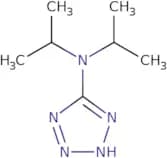
CAS:<p>Versatile small molecule scaffold</p>Formula:C7H12N4Purity:Min. 95%Molecular weight:152.2 g/molN,N-Bis(propan-2-yl)-2H-1,2,3,4-tetrazol-5-amine
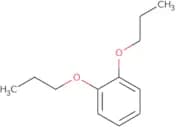
CAS:<p>Versatile small molecule scaffold</p>Formula:C7H15N5Purity:Min. 95%Molecular weight:169.23 g/mol1,2-Dipropoxybenzene
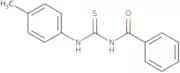
CAS:<p>1,2-Dipropoxybenzene is a colorless liquid with a pleasant odor. It is soluble in water and insoluble in alcohol. The compound has been shown to inhibit the growth of bacteria such as Bacillus subtilis and Escherichia coli at low concentrations. This compound also has strong interactions with other compounds, such as its reaction with 1,4-dichlorobenzene to form 2,4-dichlorobenzophenone. 1,2-Dipropoxybenzene is biodegradable and has been shown to have a low toxicity for both aquatic organisms and mammals. This compound crystallizes from hot water or ethanol solution at room temperature.br>br><br>The structure of this molecule includes an aromatic ring that contains two benzene rings fused together with one oxygen atom between them. The three hydrogens on the benzene ring are not involved in any hydrogen bonding interactions; instead they are passively protonated by</p>Formula:C12H18O2Purity:Min. 95%Molecular weight:194.27 g/mol3-Benzoyl-1-(4-methylphenyl)thiourea
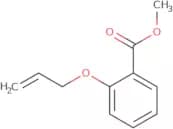
CAS:<p>Versatile small molecule scaffold</p>Formula:C15H14N2OSPurity:Min. 95%Molecular weight:270.4 g/molMethyl 2-(prop-2-en-1-yloxy)benzoate
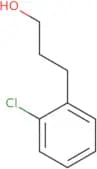
CAS:<p>Methyl 2-(prop-2-en-1-yloxy)benzoate is a magnesium ion recycler that is used to cleave bonds in organometallic compounds. It has been shown to catalyze bond cleavage of allyl ethers with magnesium ions and electrochemically generate propylene oxide from propylene. Methyl 2-(prop-2-en-1-yloxy)benzoate can be used as an alternative to the traditional ferrocene/triethylamine system for electrogenerated chemoselective reactions.</p>Formula:C11H12O3Purity:Min. 95%Molecular weight:192.21 g/mol3-(2-Chlorophenyl)propan-1-ol
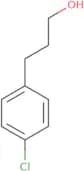
CAS:<p>Versatile small molecule scaffold</p>Formula:C9H11ClOPurity:Min. 95%Molecular weight:170.64 g/mol3-(4'-Chlorophenyl)propanol
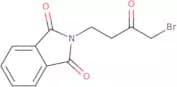
CAS:<p>3-(4'-Chlorophenyl)propanol is a synthetic chemical that is used as a raw material for the production of hydrobromic acid, hydrobromic, and sulfuric acid. This chemical is also used in the fields of agrochemicals, pharmaceuticals, and high yield. 3-(4'-Chlorophenyl)propanol is synthesized by reacting phenol with chloroacetic acid in the presence of sulfuric acid. The reaction starts with an electrophilic aromatic substitution at the para position. The product is then hydrogenated to give the desired product.</p>Formula:C9H11ClOPurity:Min. 95%Molecular weight:170.64 g/mol2-(3-Bromo-2-oxopropyl)isoindoline-1,3-dione
CAS:<p>2-(3-Bromo-2-oxopropyl)isoindoline-1,3-dione is a methyl ester of 2-(3-bromo-2-oxopropyl)isoindoline. It is also known as 2-(2,6-dibromohexyl)-isoindoline. This compound has been used for the bromination of 1,4 dioxane and the synthesis of methyl 4-nitrobenzoate. The acid hydrochloride form has been used in the synthesis of 2-(3,5-dibromophenyl)isoindoline.</p>Formula:C11H8BrNO3Purity:Min. 95%Molecular weight:282.09 g/molN-Methyl-1H-pyrazolo[3,4-d]pyrimidin-4-amine
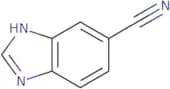
CAS:<p>Versatile small molecule scaffold</p>Formula:C6H7N5Purity:Min. 95%Molecular weight:149.15 g/mol1H-Benzimidazole-5-carbonitrile
CAS:<p>1H-Benzimidazole-5-carbonitrile is a product that belongs to the group of aminopyridine derivatives and has potent activity in vitro. It can be orally administered and has been shown to have pharmacological properties. 1H-Benzimidazole-5-carbonitrile has been shown to inhibit the biosynthesis of prostaglandin E2 by blocking the conversion of arachidonic acid into PGH2 by inhibiting cyclooxygenase, which is an enzyme necessary for the synthesis of prostaglandins. This drug also inhibits platelet aggregation, which is caused by the release of thromboxane A2 from platelets. 1H-Benzimidazole-5-carbonitrile binds to imidazole rings in proteins and prevents them from forming hydrogen bonds with other amino acids, which disrupts protein folding. X-ray crystallographic studies have been used to optimize this drug for oral administration and</p>Formula:C8H5N3Purity:Min. 95%Molecular weight:143.15 g/molMethyl 11-Bromoundecanoate
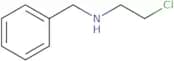
CAS:<p>Methyl 11-Bromoundecanoate is a dodecyl n-oxide with a zwitterionic character. It has been shown to be an inhibitor of corrosion in some organic solvents, such as acetone and methylene chloride. The inhibitory concentration values are low, but the inhibitory activities are high. Methyl 11-Bromoundecanoate is soluble in water and has an amine functional group. This compound is also an amide and has a fatty acid chain of 12 carbon atoms. It can be used as a corrosion inhibitor for metals that are sensitive to water or organic solvents, such as aluminum, copper, and zinc.</p>Formula:C12H23BrO2Purity:Min. 95%Molecular weight:279.22 g/molN-Benzyl-N-(2-chloroethyl)amine hydrochloride
CAS:<p>N-Benzyl-N-(2-chloroethyl)amine hydrochloride is an aniline derivative that is catalytically converted to an isocyanate. It has been used as a chiral building block for the synthesis of analogues and can be used in high yield as a regiospecific sulfone formation. The chlorosulfonyl chloride is generated in situ from triethylamine and chlorosulfonyl isocyanate, which leads to cyclic sulfones.</p>Formula:C9H13Cl2NPurity:Min. 95%Molecular weight:206.11 g/mol6-Chloro-1-phenyl-1H,4H,5H-pyrazolo[3,4-d]pyrimidin-4-one
CAS:<p>Versatile small molecule scaffold</p>Formula:C11H7ClN4OPurity:Min. 95%Molecular weight:246.65 g/mol1-(Methylamino)cyclohexanecarbonitrile
CAS:<p>Versatile small molecule scaffold</p>Formula:C8H14N2Purity:Min. 95%Molecular weight:138.21 g/mol4-Morpholin-4-yl-phenol
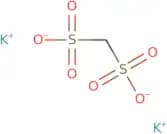
CAS:<p>4-Morpholin-4-yl-phenol is a molecule that belongs to the class of organic compounds called morpholines. It is an intermediate in the formation of 4-morpholinoaniline. In this reaction, a nucleophilic oxygen atom (OH) reacts with an electrophilic nitrogen atom (N) and forms a tetrahedral intermediate. This intermediate then undergoes dimerization, which results in the loss of water molecules and produces a double bond between carbon atoms 3 and 4. The product of this reaction is 4-morpholin-4-yl phenol. <br>The kinetics of this reaction are first order with respect to both reactants. The rate constant for this reaction is 0.0029 mol/L/s at 25°C and can be calculated from the equation:<br>k = A[R]*[S]/(R*S)<br>where A is the concentration of R and S is the concentration of S</p>Formula:C10H13NO2Purity:Min. 95%Molecular weight:179.22 g/molMethanedisulfonic acid dipotassium salt
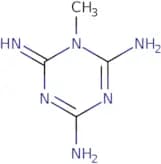
CAS:<p>Methanedisulfonic acid dipotassium salt (MSAD) is a metal chelator that is used for the treatment of Wilson's disease. It binds to copper ions in the body and prevents them from being absorbed by the body. MSAD can be used as a diagnostic agent to measure copper levels in patients with Wilson's disease. It has been shown to be effective in stabilizing motoneurons, preventing neuronal death due to insufficient oxygen supply. MSAD also has an anti-inflammatory effect, which may be due to its ability to inhibit prostaglandin synthesis. This compound is also used as a precursor for carbamidine, which is an activating agent for amines and thiols.</p>Formula:CH2K2O6S2Purity:Min. 95%Molecular weight:252.35 g/mol6-Imino-1-methyl-1,6-dihydro-1,3,5-triazine-2,4-diamine
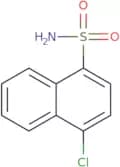
CAS:<p>Versatile small molecule scaffold</p>Formula:C4H8N6Purity:Min. 95%Molecular weight:140.15 g/mol4-Chloronaphthalene-1-sulfonamide
CAS:<p>Versatile small molecule scaffold</p>Formula:C10H8ClNO2SPurity:Min. 95%Molecular weight:241.69 g/mol3-{[2-(Hydrazinecarbonyl)ethyl]sulfanyl}propanehydrazide
CAS:<p>Versatile small molecule scaffold</p>Formula:C6H14N4O2SPurity:Min. 95%Molecular weight:206.27 g/mol3-[(2-Hydroxyphenyl)formamido]propanoic acid
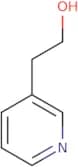
CAS:<p>Versatile small molecule scaffold</p>Formula:C10H11NO4Purity:Min. 95%Molecular weight:209.2 g/mol3-(2-hydroxyethyl)pyridine
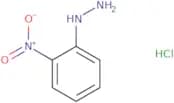
CAS:<p>3-(2-Hydroxyethyl)pyridine is a pyridine derivative that has been shown to have anti-inflammatory properties. It inhibits the production of prostaglandins, which are important mediators of inflammation. 3-(2-Hydroxyethyl)pyridine also has antitumor and antileukemic activity, as well as being toxic.</p>Formula:C7H9NOPurity:Min. 95%Molecular weight:123.15 g/mol2-Nitrophenylhydrazine Hydrochloride
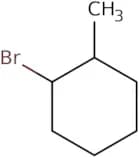
CAS:<p>2-Nitrophenylhydrazine hydrochloride is a low-dose group of nonsteroidal anti-inflammatory drugs (NSAIDs) that is used as a pharmaceutical preparation for the treatment of pain and inflammation. This drug may be used in conjunction with other NSAIDs such as ibuprofen, naproxen, or diclofenac to treat more severe pain. NSAIDs inhibit the cyclooxygenase enzyme that produces prostaglandins, which are mediators of pain and inflammation. NSAIDs can also inhibit the production of certain types of cells found in the stomach lining, which can lead to ulcers. 2-Nitrophenylhydrazine hydrochloride has been shown to inhibit the formation of acid when combined with hydrochloric acid and sodium salts. It also exhibits hydrogen bonding properties.</p>Formula:C6H7N3O2·HClPurity:Min. 95%Molecular weight:189.6 g/mol1-Bromo-2-methylcyclohexane
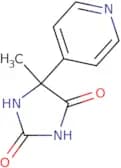
CAS:<p>Versatile small molecule scaffold</p>Formula:C7H13BrPurity:Min. 95%Molecular weight:177.08 g/mol5-Methyl-5-(pyridin-4-yl)imidazolidine-2,4-dione
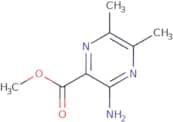
CAS:<p>5-Methyl-5-(pyridin-4-yl)imidazolidine-2,4-dione is a compound that is structurally related to cisplatin. It has antibacterial activity and has been found to inhibit the growth of Escherichia coli. 5-Methyl-5-(pyridin-4-yl)imidazolidine-2,4-dione has been shown to be effective against gram positive bacteria such as Staphylococcus aureus and Streptococcus pneumoniae, but not against gram negative bacteria such as Pseudomonas aeruginosa. The molecule is an inhibitor with a broad spectrum of action. It binds to the active site of bacterial DNA gyrase, which is an enzyme that maintains the integrity of bacterial DNA by preventing supercoiling. This binding prevents the formation of an antibiotic resistant complex with the enzyme cell wall synthesis that is required for cell wall biosynthesis</p>Formula:C9H9N3O2Purity:Min. 95%Molecular weight:191.19 g/molMethyl 3-amino-5,6-dimethylpyrazine-2-carboxylate
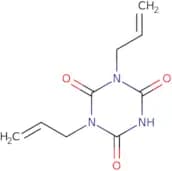
CAS:<p>Versatile small molecule scaffold</p>Formula:C8H11N3O2Purity:Min. 95%Molecular weight:181.19 g/molDiallyl Isocyanurate
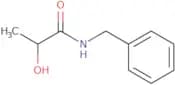
CAS:<p>Diallyl Isocyanurate is an aliphatic hydrocarbon and a cross-linking agent. It reacts with amines to form amides, which are the backbone of many polymers and plastics. This chemical has strong hydrogen bonding properties, making it suitable for use as a sealant. Diallyl Isocyanurate also has hydroxyl groups that can react with other compounds to form adducts or polyclonal antibodies. It is chemically stable and has a high boiling point, making it useful in radiation as a sealant.</p>Formula:C9H11N3O3Purity:Min. 95%Molecular weight:209.21 g/molN-Benzyl-2-hydroxypropanamide
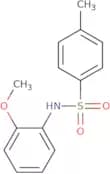
CAS:<p>N-Benzyl-2-hydroxypropanamide is an amide that is a carboxylic acid and an unsaturated compound. It has a chiral center, which can be either erythro or threo depending on the configuration of the substituents. N-Benzyl-2-hydroxypropanamide is a diastereomer of 2-(benzyloxy)propanoic acid and can be obtained by alkylation of 2-(benzyloxy)ethanol with chloroacetic acid followed by hydrolysis. This compound can exist in mixtures of enantiomers due to its stereochemistry.</p>Formula:C10H13NO2Purity:Min. 95%Molecular weight:179.22 g/molN-(2-Methoxyphenyl)-4-methylbenzene-1-sulfonamide
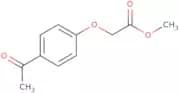
CAS:<p>N-(2-Methoxyphenyl)-4-methylbenzene-1-sulfonamide is a drug that has been shown to be effective in treating nerve injury. It binds to extracellular nicotinic acetylcholine receptors and blocks the neurotransmitter acetylcholine from binding to its receptor, preventing it from stimulating the postsynaptic neuron. N-(2-Methoxyphenyl)-4-methylbenzene-1-sulfonamide also prevents the release of nitric oxide, which is a neurotransmitter that stimulates the postsynaptic neuron. The dihedral angles of this compound are close to those found in natural products such as nicotine, which possess similar effects on nerve injury. This drug has been shown to be successful in treating cerebral injuries, but not peripheral ones.END></p>Formula:C14H15NO3SPurity:Min. 95%Molecular weight:277.34 g/molMethyl 2-(4-acetylphenoxy)acetate
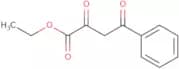
CAS:<p>Versatile small molecule scaffold</p>Formula:C11H12O4Purity:Min. 95%Molecular weight:208.21 g/molEthyl 4-phenyl-2,4-dioxobutanoate
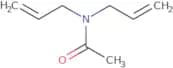
CAS:<p>Ethyl 4-phenyl-2,4-dioxobutanoate is a hydrogenated derivative of the pyrazole. It has been shown to have antimicrobial activity against bacteria and fungi. Ethyl 4-phenyl-2,4-dioxobutanoate has an active methylene group that is susceptible to nucleophilic attack by amines. This chemical also has fluorescence properties that may be used in pharmaceutical preparations. The carbonyl group on the ethyl 4-phenyl-2,4-dioxobutanoate molecule can undergo reactions with nucleophiles such as malonic acid or hydroxy groups found on other molecules.</p>Formula:C12H12O4Purity:Min. 95%Molecular weight:220.22 g/molN,N-Bis(prop-2-en-1-yl)acetamide
CAS:<p>N,N-Bis(prop-2-en-1-yl)acetamide is a water-soluble polymer that can be used in the production of polymers. It reacts with oxazoline to form a salt that can be crystallized. This polymer also interacts with hydrochloric acid to form a precipitate and is soluble in water. N,N-Bis(prop-2-en-1-yl)acetamide has been shown to be reactive with sodium as well as water soluble polymers such as tetrachloride.</p>Formula:C8H13NOPurity:Min. 95%Molecular weight:139.19 g/mol4-Bromo-2,6-bis-hydroxymethyl-phenol
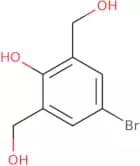
CAS:<p>4-Bromo-2,6-bis-hydroxymethylphenol is a molecule with an exothermic reaction. This compound has been used to measure the concentration of fluoride ions in water. The anion is colorless and has a constant pH level of 7. It reacts with phenolic compounds to form a yellow or red solution that can be measured using a colorimetric method. 4-Bromo-2,6-bis-hydroxymethylphenol is fluorescent and will emit light when exposed to electromagnetic radiation with wavelengths between 300 and 400 nanometers.</p>Formula:C8H9BrO3Purity:Min. 95%Molecular weight:233.06 g/molMethyl 2-amino-6-chloropyrimidine-4-carboxylate
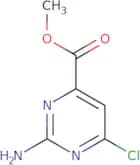
CAS:<p>Versatile small molecule scaffold</p>Formula:C6H6ClN3O2Purity:Min. 95%Molecular weight:187.58 g/mol1H-Benzimidazol-1-amine
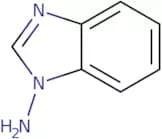
CAS:<p>1H-Benzimidazol-1-amine is a chemical compound that is found in the alkaloid family. It has been shown to have a number of different polymorphic forms and can be found as an anion, protonated form or as a neutral molecule. 1H-Benzimidazol-1-amine has been shown to be an intermediate in the synthesis of piperazine and morpholine. 1H-Benzimidazol-1-amine is also used as an intermediate for the production of picrate, pyrrole, and chloride.</p>Formula:C7H7N3Purity:Min. 95%Molecular weight:133.15 g/mol2-Methyl-1H-1,3-benzodiazol-1-amine
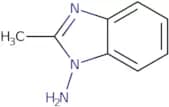
CAS:<p>Versatile small molecule scaffold</p>Formula:C8H9N3Purity:Min. 95%Molecular weight:147.18 g/mol6-Phenyl-1,3-diazinane-2,4-dione
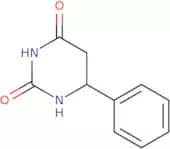
CAS:<p>6-Phenyl-1,3-diazinane-2,4-dione is a compound that belongs to the class of diazo compounds. It has an axial conformation as well as a methyl ester group. This compound is a β-amino acid with an electronegativity of 1.2 and a catalysis rate constant of 2×10 M/s. 6-Phenyl-1,3-diazinane-2,4-dione is also an inhibitor of carboxy reductase and dihydroorotic dehydrogenase.</p>Formula:C10H10N2O2Purity:Min. 95%Molecular weight:190.2 g/mol4-Azatricyclo[5.2.2.0,2,6]undec-8-ene-3,5-dione
CAS:<p>4-Azatricyclo[5.2.2.0,2,6]undec-8-ene-3,5-dione (ATU) is a chemical compound that has been shown to have antimicrobial properties. It inhibits the growth of gram-negative and gram-positive bacteria and shows significant inhibition of MT4 cells in culture. ATU also demonstrated antifungal properties against Candida albicans and Aspergillus niger in vitro. ATU has been found to be cytotoxic to cells in culture, but not to mammals. The mechanism of action is not known, but it may be due to binding with DNA or RNA.>>END>></p>Formula:C10H11NO2Purity:Min. 95%Molecular weight:177.2 g/mol3-(4-Iodo-5-methyl-1H-pyrazol-1-yl)propanoic acid
CAS:<p>Versatile small molecule scaffold</p>Formula:C7H9IN2O2Purity:Min. 95%Molecular weight:280.06 g/mol3,3-Dimethyl-1-phenylbutan-2-one
CAS:<p>3,3-Dimethyl-1-phenylbutan-2-one is a ketone that can be prepared by the hydration of acetophenone with toluene. The yield for this reaction is about 56%. This ketone has been shown to undergo photochemical reactions in benzene and dioxane. These reactions are classified as triketones, which are characterized by their electron transfer properties. 3,3-Dimethyl-1-phenylbutan-2-one is also capable of undergoing vicinal dioxan transfer reactions with electron donors like phenols or nitro compounds.</p>Formula:C12H16OPurity:Min. 95%Molecular weight:176.25 g/molPyrazolo[3,2-c][1,2,4]triazin-4-ol
CAS:<p>Versatile small molecule scaffold</p>Formula:C5H4N4OPurity:Min. 95%Molecular weight:136.11 g/mol4-Iodobutanenitrile
CAS:<p>4-Iodobutanenitrile is a synthetic compound that is used in the preparation of cyclobutanones. It can be prepared by the reaction of bromoacetic acid chloride with lysine. This procedure yields the product in high yield and purity and without significant amounts of undesired side products, such as 4-bromobutanenitrile and 2-chlorobenzene. The 4-iodobutanenitrile is synthesized using an asymmetric synthesis which includes hydrochloric acid as a reagent.</p>Formula:C4H6INPurity:Min. 95%Molecular weight:195 g/mol5-Iodopentanenitrile
CAS:<p>5-Iodopentanenitrile is a reactive chemical that can be used to produce organic compounds. This compound is an intermediate in the production of 5-iodo-1,3-dihydrobenzofuran and 5-iodoquinoline. It is also used for the production of pharmaceutical intermediates such as fluoroquinolones and alkylating agents. The mechanism of this chemical's reactivity has been studied extensively, which led to the discovery that it reacts by nucleophilic addition at electron deficient carbonyls groups. These reactions are known as Grignard reactions or halolactonizations. This chemical has also been shown to be reactive with biomolecules, such as DNA and RNA, and can bind to their sugar residues.</p>Formula:C5H8INPurity:Min. 95%Molecular weight:209.03 g/mol6-Bromo-4,5-dihydro-1H-benzo[b]azepin-2(3H)-one
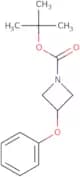
CAS:<p>Versatile small molecule scaffold</p>Formula:C10H10BrNOPurity:Min. 95%Molecular weight:240.1 g/moltert-Butyl 3-phenoxyazetidine-1-carboxylate
CAS:<p>Tert-butyl 3-phenoxyazetidine-1-carboxylate is a boronate ester that can be used in the coupling of arylboronic acids. It reacts with aryl halides or triflates to form a new carbon-carbon bond. This reaction proceeds through the formation of an intermediate, phenoxyacetylene. The tertiary alcohol group on the tert-butyl 3-phenoxyazetidine-1-carboxylate molecule is then attacked by the carbonyl carbon atom on the phenoxyacetylene intermediate to form a new carbon-carbon bond. This reaction can be catalyzed with palladium and copper catalysis.</p>Formula:C14H19NO3Purity:Min. 95%Molecular weight:249.3 g/mol

![3-(4H-[1,2,4]Triazol-3-yl)-phenylamine](/_next/image/?url=https%3A%2Fstatic.cymitquimica.com%2Fproducts%2F3D%2Fthumb-webp%2FGAA21957.webp&w=3840&q=75)
![Methyl 3-[3-(3-methoxy-3-oxopropyl)phenyl]propanoate](/_next/image/?url=https%3A%2Fstatic.cymitquimica.com%2Fproducts%2F3D%2Fthumb-webp%2FGAA22161.webp&w=3840&q=75)
![Bicyclo[3.3.1]nonane-3-carboxylic acid](/_next/image/?url=https%3A%2Fstatic.cymitquimica.com%2Fproducts%2F3D%2Fthumb-webp%2FGAA22162.webp&w=3840&q=75)
![Bicyclo[3.2.1]octane-3-carboxylic acid](/_next/image/?url=https%3A%2Fstatic.cymitquimica.com%2Fproducts%2F3D%2Fthumb-webp%2FGAA22165.webp&w=3840&q=75)
![Bicyclo[4.1.0]heptan-7-ylmethanol](/_next/image/?url=https%3A%2Fstatic.cymitquimica.com%2Fproducts%2F3D%2Fthumb-webp%2FGAA22639.webp&w=3840&q=75)
![1-Azabicyclo[2.2.2]octane-3-carboxylic acid hydrochloride](/_next/image/?url=https%3A%2Fstatic.cymitquimica.com%2Fproducts%2F3D%2Fthumb-webp%2FGAA23834.webp&w=3840&q=75)
![Spiro[imidazolidine-4,1'-indane]-2,5-dione](/_next/image/?url=https%3A%2Fstatic.cymitquimica.com%2Fproducts%2F3D%2Fthumb-webp%2FGAA25298.webp&w=3840&q=75)
![10-Oxa-4-azatricyclo[5.2.1.0,2,6]dec-8-ene-3,5-dione](/_next/image/?url=https%3A%2Fstatic.cymitquimica.com%2Fproducts%2F3D%2Fthumb-webp%2FGAA25328.webp&w=3840&q=75)
![2-[(Methoxycarbonyl)amino]benzoic acid](/_next/image/?url=https%3A%2Fstatic.cymitquimica.com%2Fproducts%2F3D%2Fthumb-webp%2FGAA26838.webp&w=3840&q=75)
![2-[2-(Naphthalen-1-yl)acetamido]acetic acid](/_next/image/?url=https%3A%2Fstatic.cymitquimica.com%2Fproducts%2F3D%2Fthumb-webp%2FGAA27760.webp&w=3840&q=75)
![N-Methyl-1H-pyrazolo[3,4-d]pyrimidin-4-amine](/_next/image/?url=https%3A%2Fstatic.cymitquimica.com%2Fproducts%2F3D%2Fthumb-webp%2FGAA28474.webp&w=3840&q=75)

![6-Chloro-1-phenyl-1H,4H,5H-pyrazolo[3,4-d]pyrimidin-4-one](/_next/image/?url=https%3A%2Fstatic.cymitquimica.com%2Fproducts%2F3D%2Fthumb-webp%2FGAA28899.webp&w=3840&q=75)
![3-{[2-(Hydrazinecarbonyl)ethyl]sulfanyl}propanehydrazide](/_next/image/?url=https%3A%2Fstatic.cymitquimica.com%2Fproducts%2F3D%2Fthumb-webp%2FGAA29268.webp&w=3840&q=75)
![3-[(2-Hydroxyphenyl)formamido]propanoic acid](/_next/image/?url=https%3A%2Fstatic.cymitquimica.com%2Fproducts%2F3D%2Fthumb-webp%2FGAA29294.webp&w=3840&q=75)
![4-Azatricyclo[5.2.2.0,2,6]undec-8-ene-3,5-dione](/_next/image/?url=https%3A%2Fstatic.cymitquimica.com%2Fproducts%2F3D%2Fthumb-webp%2FGAA71529.webp&w=3840&q=75)


![Pyrazolo[3,2-c][1,2,4]triazin-4-ol](/_next/image/?url=https%3A%2Fstatic.cymitquimica.com%2Fproducts%2F3D%2Fthumb-webp%2FGAA72665.webp&w=3840&q=75)


![6-Bromo-4,5-dihydro-1H-benzo[b]azepin-2(3H)-one](/_next/image/?url=https%3A%2Fstatic.cymitquimica.com%2Fproducts%2F3D%2Fthumb-webp%2FGAA72930.webp&w=3840&q=75)