Building Blocks
This section contains fundamental products for the synthesis of organic and biological compounds. Building blocks are the essential starting materials used to construct complex molecules through various chemical reactions. They play a critical role in drug discovery, material science, and chemical research. At CymitQuimica, we offer a diverse range of high-quality building blocks to support your innovative research and industrial projects, ensuring you have the essential components for successful synthesis.
Subcategories of "Building Blocks"
- Boronic Acids & Boronic Acid Derivatives(5,756 products)
- Chiral Building Blocks(1,242 products)
- Hydrocarbon Building Blocks(6,093 products)
- Organic Building Blocks(60,519 products)
Found 195533 products of "Building Blocks"
Sort by
Purity (%)
0
100
|
0
|
50
|
90
|
95
|
100
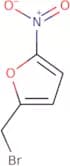
2-(Bromomethyl)-5-nitrofuran
CAS:<p>2-(Bromomethyl)-5-nitrofuran is a hydroxyl-containing molecule that is able to target hypoxic tumor sites. It has been shown to be effective against ges-1 cells, which are the most common cell type in the bone marrow and are resistant to chemotherapy. 2-(Bromomethyl)-5-nitrofuran causes DNA damage by reacting with amines, such as methylamine, and nucleophilic groups, such as thiols. This molecule also has antibacterial properties, which may be due to its ability to react with bacterial cytochrome P450 enzymes. 2-(Bromomethyl)-5-nitrofuran can be synthesized from commercially available starting materials in an economically feasible manner.</p>Formula:C5H4BrNO3Purity:Min. 97 Area-%Color and Shape:White PowderMolecular weight:205.99 g/mol1-Bromo-3-chloropropane
CAS:<p>1-Bromo-3-chloropropane is a chemical that has been used in the synthesis of various organic compounds. It has been shown to exhibit neurotoxicity, as well as to be carcinogenic and mutagenic. The compound can also affect the central nervous system by decreasing locomotor activity. It has also been shown to cause respiratory problems in rats, and may be toxic if inhaled or ingested. 1-Bromo-3-chloropropane exhibits cytotoxic effects on human cells grown in vitro, which may be due to its ability to bind nucleophilic groups on proteins. This reaction is thought to yield an acylated product with a chloride ion at one terminus and a methyl anthranilate at the other terminus.</p>Formula:C3H6BrClPurity:Min. 98 Area-%Color and Shape:Colorless Clear LiquidMolecular weight:157.44 g/mol4-Cyanobenzoic acid
CAS:<p>4-Cyanobenzoic acid (4CB) is a benzene derivative that inhibits the activity of tyrosinase, an enzyme involved in the production of melanin. It is synthesized by reacting 2,4-dichlorobenzoic acid with sodium hydroxide and acetone. 4CB has been shown to have a potent inhibitory effect on the enzyme, with an isolated yield of up to 83%. The compound also shows strong hydrogen bonding interactions with water molecules and coordinates in a geometry where one of its oxygen atoms is double bonded to two nitrogen atoms. This structural analysis suggests that 4 CB may bind to tyrosinase through adsorption mechanism.</p>Formula:C8H5NO2Purity:Min. 95%Color and Shape:White PowderMolecular weight:147.13 g/mol3-Chloro-2-methylaniline
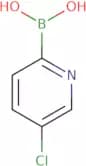
CAS:<p>3-Chloro-2-methylaniline is an organic chemical that is used as a raw material in the production of pesticides and pharmaceuticals. 3-Chloro-2-methylaniline is generated by the reaction of hydrochloric acid with isobutyl chloride, which produces a mixture of chloroalkylcarbinols. This product can be activated to form chloromethylketones or chloromethylcarbonyls by reacting it with sodium hypochlorite or hydrogen peroxide. The impurities found in 3-Chloro-2-methylaniline are mainly carbon sources and inorganic compounds such as chloride and strain. It can be synthesized from other chemicals and also through chromatographic science.</p>Formula:C7H8ClNPurity:Min. 95%Color and Shape:Clear LiquidMolecular weight:141.6 g/mol5-Chloropyridine-2-boronicacid
CAS:<p>Please enquire for more information about 5-Chloropyridine-2-boronicacid including the price, delivery time and more detailed product information at the technical inquiry form on this page</p>Formula:C5H5BClNO2Purity:Min. 95%Molecular weight:157.36 g/molN-Chlorosuccinimide
CAS:<p>Chlorinating agents are used in the production of pharmaceutical preparations and other chemical products. They react with amines to form diazonium salts, which can then be reduced to azo compounds. N-Chlorosuccinimide is a chlorinating agent that reacts with amines to form diazonium salts. It is used primarily as an injection solution for the treatment of trichomoniasis and other sexually transmitted diseases, but it also has been used in the preparation of pharmaceutical preparations. The reaction mechanism for N-chlorosuccinimide is not well understood, but it may involve a free radical intermediate or electron transfer from the chlorine atom to the carbon atom. Diazonium salts are formed by the reaction between an amine and an acid chloride. The addition of sodium hydroxide produces the corresponding azo compound. The reaction mechanism for N-chlorosuccinimide is not well understood, but it may involve a free radical intermediate or</p>Formula:C4H4ClNO2Purity:Min. 95%Color and Shape:White PowderMolecular weight:133.53 g/mol5-Chloro-4-methylpyrimidine
CAS:<p>Please enquire for more information about 5-Chloro-4-methylpyrimidine including the price, delivery time and more detailed product information at the technical inquiry form on this page</p>Formula:C5H5ClN2Purity:Min. 95%Molecular weight:128.56 g/mol2-Chloro-10-[3-[[3-(dimethylamino)propyl]methylamino]propyl]phenothiazine dihydrochloride
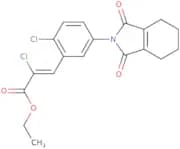
CAS:<p>Please enquire for more information about 2-Chloro-10-[3-[[3-(dimethylamino)propyl]methylamino]propyl]phenothiazine dihydrochloride including the price, delivery time and more detailed product information at the technical inquiry form on this page</p>Formula:C21H28ClN3S•(HCl)2Purity:Min. 95%Molecular weight:462.91 g/molCinidon ethyl
CAS:<p>Please enquire for more information about Cinidon ethyl including the price, delivery time and more detailed product information at the technical inquiry form on this page</p>Formula:C19H17Cl2NO4Purity:Min. 95%Color and Shape:PowderMolecular weight:394.2 g/mol1-(2-Chlorophenyl)-2-(2H-tetrazol-2-yl)ethanone
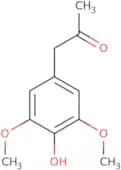
CAS:<p>Please enquire for more information about 1-(2-Chlorophenyl)-2-(2H-tetrazol-2-yl)ethanone including the price, delivery time and more detailed product information at the technical inquiry form on this page</p>Formula:C9H7ClN4OPurity:Min. 95%Molecular weight:222.63 g/mol(3,5-Dimethoxy-4-hydroxyphenyl)acetone
CAS:<p>(3,5-Dimethoxy-4-hydroxyphenyl)acetone is a phenolic compound that is used as a calibration standard in the analysis of tannins. It has been shown to have a catalytic effect on the oxidation of oleic acid and linoleic acid in the presence of peroxides. The addition of (3,5-dimethoxy-4-hydroxyphenyl)acetone to an oil or fat emulsion at room temperature leads to an increase in the viscosity of the emulsion. This compound can be found in many plants, such as tea and coffee beans, cocoa beans, and red wine grapes.</p>Formula:C11H14O4Purity:Min. 95%Color and Shape:Orange PowderMolecular weight:210.23 g/mol4,6-Dichloroisatin
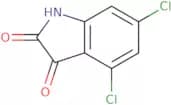
CAS:<p>4,6-Dichloroisatin is a pro-apoptotic compound that is synthesized from amino acids. It has been shown to have anticancer activity in human liver cancer cells, which may be due to its ability to induce apoptosis. 4,6-Dichloroisatin has also been shown to inhibit the production of electron transport chain proteins in the mitochondria by binding to their regulatory sites and inhibiting their phosphorylation. This inhibition of electron transport chain proteins leads to an accumulation of electrons that can react with molecular oxygen and produce reactive oxygen species (ROS). ROS are known for their ability to cause DNA damage and cell death through oxidative stress.</p>Formula:C8H3Cl2NO2Purity:Min. 95%Molecular weight:216.02 g/mol3,4-Dichlorobenzaldehyde
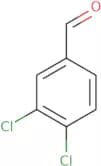
CAS:<p>3,4-Dichlorobenzaldehyde is a monosubstituted aromatic organic compound with inhibitory effects. 3,4-Dichlorobenzaldehyde has shown significant antifungal activity against Candida albicans and Saccharomyces cerevisiae. It also inhibits the growth of certain cancer cells in cell culture studies. 3,4-Dichlorobenzaldehyde has been found to have anti-inflammatory properties and would be effective in treating inflammatory diseases such as asthma or arthritis. This compound has been shown to have significant effects on energy metabolism and fatty acid synthesis by inhibiting enzymes that are involved in these processes. 3,4-Dichlorobenzaldehyde can also be used to treat metabolic disorders such as diabetes mellitus type II and hyperlipidemia by inhibiting enzymes that are involved in these processes.</p>Formula:C7H4Cl2OPurity:Min. 95%Color and Shape:White To Off-White SolidMolecular weight:175.01 g/molN~1~-(tert-Butyl)glycinamide hydrochloride
CAS:<p>Versatile small molecule scaffold</p>Formula:C6H15ClN2OPurity:Min. 95%Molecular weight:166.65 g/mol4-(Piperidine-1-carbonyl)benzaldehyde
CAS:<p>Versatile small molecule scaffold</p>Formula:C13H15NO2Purity:Min. 95%Molecular weight:217.26 g/molEthyl 5-(bromomethyl)-2-phenyl-1,3-oxazole-4-carboxylate
CAS:<p>Versatile small molecule scaffold</p>Formula:C13H12BrNO3Purity:Min. 95%Molecular weight:310.14 g/molEthyl 5-(bromomethyl)-1,2,3-thiadiazole-4-carboxylate
CAS:<p>Versatile small molecule scaffold</p>Formula:C6H7BrN2O2SPurity:Min. 95%Molecular weight:251.1 g/mol2-Cyano-3-fluorobenzene-1-sulfonyl chloride
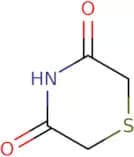
CAS:<p>Versatile small molecule scaffold</p>Formula:C7H3ClFNO2SPurity:Min. 95%Molecular weight:219.62 g/molThiomorpholine-3,5-dione
CAS:<p>Thiomorpholine-3,5-dione is a chemical compound that has an x-ray crystal structure. It was first synthesized in 1892 and was the first organic molecule with a herringbone molecular geometry to be discovered. Thiomorpholine-3,5-dione is used as a precursor for dyes, pharmaceuticals, and other organic compounds.</p>Formula:C4H5NO2SPurity:Min. 95%Molecular weight:131.16 g/mol5-Amino-1-[4-(trifluoromethyl)phenyl]-1H-pyrazole-4-carbonitrile
CAS:<p>Versatile small molecule scaffold</p>Formula:C11H7F3N4Purity:Min. 95%Molecular weight:252.2 g/mol3-Bromo-2,4-dichloroaniline
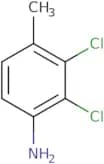
CAS:<p>Versatile small molecule scaffold</p>Formula:C6H4BrCl2NPurity:Min. 95%Molecular weight:240.91 g/mol2,3-dichloro-4-methylaniline
CAS:<p>Versatile small molecule scaffold</p>Formula:C7H7NCl2Purity:Min. 95%Molecular weight:176.04 g/mol1,2,3,4,5,6-Hexahydrophenanthridin-6-one
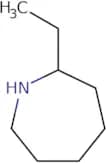
CAS:<p>Versatile small molecule scaffold</p>Formula:C13H13NOPurity:Min. 95%Molecular weight:199.25 g/mol2-Ethylazepane
CAS:<p>Versatile small molecule scaffold</p>Formula:C8H17NPurity:Min. 95%Molecular weight:127.23 g/mol2-(2-Methylpropyl)azepane
CAS:<p>Versatile small molecule scaffold</p>Formula:C10H21NPurity:Min. 95%Molecular weight:155.28 g/mol6-Chloro-2,2-dimethyl-4-chromanone
CAS:<p>Versatile small molecule scaffold</p>Formula:C11H11ClO2Purity:Min. 95%Molecular weight:210.65 g/mol7-Chloro-2,2-dimethyl-3,4-dihydro-2H-1-benzopyran-4-one
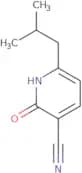
CAS:<p>Versatile small molecule scaffold</p>Formula:C11H11ClO2Purity:Min. 95%Molecular weight:210.65 g/mol6-(2-Methylpropyl)-2-oxo-1,2-dihydropyridine-3-carbonitrile
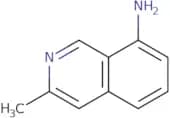
CAS:<p>Versatile small molecule scaffold</p>Formula:C10H12N2OPurity:Min. 95%Molecular weight:176.21 g/mol3-Methylisoquinolin-8-amine
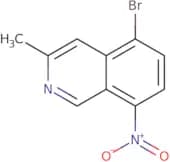
CAS:<p>Versatile small molecule scaffold</p>Formula:C10H10N2Purity:Min. 95%Molecular weight:158.2 g/mol5-bromo-3-methyl-8-nitroisoquinoline
CAS:<p>Versatile small molecule scaffold</p>Formula:C10H7BrN2O2Purity:Min. 95%Molecular weight:267.08 g/molrac-(3R,4R)-4-Phenylpiperidin-3-ol
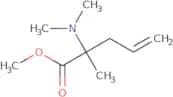
CAS:<p>Versatile small molecule scaffold</p>Formula:C11H15NOPurity:Min. 95%Molecular weight:177.2 g/molMethyl 2-(dimethylamino)-2-methylpent-4-enoate
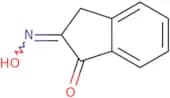
CAS:<p>Versatile small molecule scaffold</p>Formula:C9H17NO2Purity:Min. 95%Molecular weight:171.24 g/mol(Z)-2-(Hydroxyimino)-2,3-dihydro-1H-inden-1-one
CAS:<p>Versatile small molecule scaffold</p>Formula:C9H7NO2Purity:Min. 95%Molecular weight:161.16 g/mol2-[(6-Phenylpyridazin-3-yl)amino]ethan-1-ol
CAS:<p>Versatile small molecule scaffold</p>Formula:C12H13N3OPurity:Min. 95%Molecular weight:215.25 g/mol3-(5-Methyl-1,2-oxazol-3-yl)propanoic acid
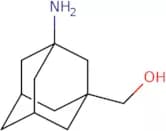
CAS:<p>3-(5-Methyl-1,2-oxazol-3-yl)propanoic acid (MTPA) is an extracellular cationic surfactant that has been shown to be an efficient method for the synthesis of citric acid. MTPA is a stable and soluble compound that is used in the production of polymers, plastics, and cosmetics. It also has antioxidant effects due to its ability to scavenge free radicals. MTPA can be synthesized by reacting methyl 3-(5-methyl-1,2-oxazol-3-yl)propanoate with hydrochloric acid and chlorine gas or chlorate ions in aqueous solution.</p>Formula:C7H9NO3Purity:Min. 95%Molecular weight:155.15 g/mol(3-Aminoadamantan-1-yl)methanol
CAS:<p>3-Aminoadamantan-1-ylmethanol (3MAM) is a carboxylic acid that is the target molecule in the hydrolysis of adamantane. It can be synthesized from 3-aminoadamantane by reacting with methanol, which reacts with the carboxylic acid group to form an ester. 3MAM is used as a neutralization agent for the synthesis of other compounds, such as 2-adamantanol. 3MAM is reactive with elemental mercury, which causes it to break down and form a carboxylic acid. Hydrolysis of 3MAM also occurs under acidic conditions and produces acetic acid, water, and hydrogen gas.</p>Formula:C11H19NOPurity:Min. 95%Molecular weight:181.27 g/molBenzyl prolinate hydrochloride
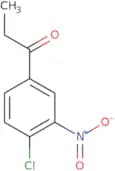
CAS:<p>Benzyl prolinate hydrochloride is a pressor drug that has been shown to be active against angiotensin-converting enzyme (ACE) and other enzymes. It is an inhibitor of the enzyme that converts angiotensin I to angiotensin II, which causes vasoconstriction and stimulates the release of aldosterone. The diethylamine salt of this compound is used as an antihypertensive agent in animals. Benzyl prolinate hydrochloride also inhibits esterase enzymes, which are involved in the metabolism of drugs such as barbiturates and benzodiazepines. This drug has been shown to inhibit both high-and low-activity forms of esterases.</p>Formula:C12H16ClNO2Purity:Min. 95%Molecular weight:241.71 g/mol1-(4-Chloro-3-nitrophenyl)propan-1-one
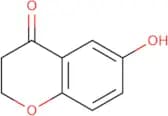
CAS:<p>Versatile small molecule scaffold</p>Formula:C9H8ClNO3Purity:Min. 95%Molecular weight:213.62 g/mol6-Hydroxy-chroman-4-one
CAS:<p>6-Hydroxy-chroman-4-one is a synthetic compound that is structurally similar to flavonoids. It has been shown as an antipsychotic agent in schizophrenia, but needs to be tested further. 6-Hydroxy-chroman-4-one binds to the dopamine D2 receptor, which is one of the main receptors involved in schizophrenia. This binding prevents the receptor from functioning, reducing psychotic symptoms. There are also a number of benzisoxazole derivatives that have been synthesized and tested for antipsychotic properties. 6-Hydroxy-chroman-4-one binds to the dopamine D2 receptor and prevents it from functioning, reducing psychotic symptoms.<br>6-Hydroxy chroman 4 one can also be used as a medicine or synthesize with other compounds such as chloropropane or isoflavones to make medicines.</p>Formula:C9H8O3Purity:Min. 95%Molecular weight:164.16 g/mol1-Methyl-4-oxo-5-[3-(trifluoromethyl)phenyl]-1,4-dihydropyridine-3-carboxylic acid
CAS:<p>Versatile small molecule scaffold</p>Formula:C14H10F3NO3Purity:Min. 95%Molecular weight:297.23 g/molMethyl 2-amino-4-methoxybutanoate hydrochloride
CAS:<p>Versatile small molecule scaffold</p>Formula:C6H14ClNO3Purity:Min. 95%Molecular weight:183.63 g/molEthyl 4-tert-butylbenzoylformate
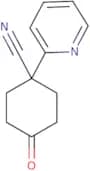
CAS:<p>Versatile small molecule scaffold</p>Formula:C14H18O3Purity:Min. 95%Molecular weight:234.29 g/mol4-Oxo-1-(2-pyridinyl)cyclohexanecarbonitrile
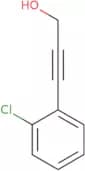
CAS:<p>Versatile small molecule scaffold</p>Formula:C12H12N2OPurity:Min. 95%Molecular weight:200.24 g/mol3-(2-Chlorophenyl)prop-2-yn-1-ol
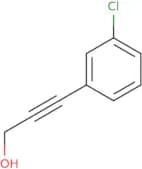
CAS:<p>Versatile small molecule scaffold</p>Formula:C9H7ClOPurity:Min. 95%Molecular weight:166.6 g/mol3-(3-Chloro-phenyl)-prop-2-yn-1-ol
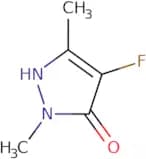
CAS:<p>Versatile small molecule scaffold</p>Formula:C9H7ClOPurity:Min. 95%Molecular weight:166.6 g/mol4-Fluoro-1,3-dimethyl-1H-pyrazol-5-ol
CAS:<p>Versatile small molecule scaffold</p>Formula:C5H7FN2OPurity:Min. 95%Molecular weight:130.12 g/mol3-(Ethoxymethyl)aniline
CAS:<p>Versatile small molecule scaffold</p>Formula:C9H13NOPurity:Min. 95%Molecular weight:151.21 g/mol3-[(Hexyloxy)methyl]aniline
CAS:<p>Versatile small molecule scaffold</p>Formula:C13H21NOPurity:Min. 95%Molecular weight:207.31 g/mol2-[[(1,1-Dimethylethyl)dimethylsilyl]oxy]phenol
CAS:<p>Versatile small molecule scaffold</p>Formula:C12H20O2SiPurity:Min. 95%Molecular weight:224.37 g/mol2-{[(Pyridin-2-yl)methyl]sulfanyl}ethan-1-ol
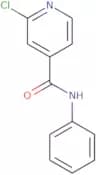
CAS:<p>Versatile small molecule scaffold</p>Formula:C8H11NOSPurity:Min. 95%Molecular weight:169.25 g/mol2-Chloro-N-phenylisonicotinamide
CAS:<p>Versatile small molecule scaffold</p>Formula:C12H9ClN2OPurity:Min. 95%Molecular weight:232.67 g/mol3,6-Dimethyl-2-sulfanyl-3,4-dihydroquinazolin-4-one
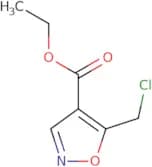
CAS:<p>Versatile small molecule scaffold</p>Formula:C10H10N2OSPurity:Min. 95%Molecular weight:206.3 g/molEthyl 5-(chloromethyl)-1,2-oxazole-4-carboxylate
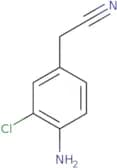
CAS:<p>Versatile small molecule scaffold</p>Formula:C7H8ClNO3Purity:Min. 95%Molecular weight:189.59 g/mol2-(4-Amino-3-chlorophenyl)acetonitrile
CAS:<p>Versatile small molecule scaffold</p>Formula:C8H7ClN2Purity:Min. 95%Molecular weight:166.61 g/mol(4-Chloro-1H-pyrazol-1-yl)methanol
CAS:<p>Versatile small molecule scaffold</p>Formula:C4H5ClN2OPurity:Min. 95%Molecular weight:132.55 g/mol4-[(1H-Pyrazol-1-yl)methyl]phenol
CAS:<p>4-[(1H-Pyrazol-1-yl)methyl]phenol (4PMP) is an inhibitor of dopamine beta-hydroxylase that has been studied in assays with dopamine and noradrenaline. It has been shown to activate both noradrenaline and dopamine receptors, and can be used as a tool for the study of blood pressure regulation. 4PMP also increases reactive oxygen species production, which may be due to its ability to react with cyanide ions. The binding of 4PMP to the enzyme is reversible and competitive. The pH profile of 4PMP has also been studied, with a range from 2 to 5.4. Kinetic studies have shown that the reaction rate for 4PMP is best described by a Michaelis-Menten kinetic model, with a Km value of 0.03 mM and Vmax value of 9.3 μM/min for dopamine β-hydroxylase inhibition. There are</p>Formula:C10H10N2OPurity:Min. 95%Molecular weight:174.2 g/mol(2-Iodoethyl)cyclohexane
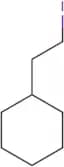
CAS:<p>Versatile small molecule scaffold</p>Formula:C8H15IPurity:Min. 95%Molecular weight:238.11 g/mol3-(Cyclopentylsulfonyl)aniline
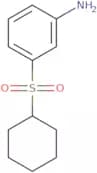
CAS:<p>Versatile small molecule scaffold</p>Formula:C11H15NO2SPurity:Min. 95%Molecular weight:225.31 g/mol3-(Cyclohexanesulfonyl)aniline
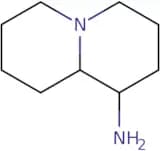
CAS:<p>Versatile small molecule scaffold</p>Formula:C12H17NO2SPurity:Min. 95%Molecular weight:239.34 g/molOctahydro-1H-quinolizin-1-amine
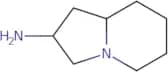
CAS:<p>Versatile small molecule scaffold</p>Formula:C9H18N2Purity:Min. 95%Molecular weight:154.25 g/molOctahydroindolizin-2-amine
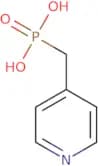
CAS:<p>Versatile small molecule scaffold</p>Formula:C8H16N2Purity:Min. 95%Molecular weight:140.23 g/mol4-Pyridylmethylphosphonic acid
CAS:<p>4-Pyridylmethylphosphonic acid is an inorganic compound that is a ligand for the metal Ruthenium. It is used in organic synthesis as a photosensitizer and a potentiometric titrant. The ligand binds to the metal through one or more of its oxygen atoms, forming a coordination complex. The bond cleavage reaction occurs when the molecule absorbs light of sufficient energy, causing it to break into two parts. 4-Pyridylmethylphosphonic acid is not very soluble in water and is therefore used as an electrolyte in potentiometric titrations. The pH of the solution will change depending on the concentration of the acid. 4-Pyridylmethylphosphonic acid can also be used as a catalyst for certain organic reactions such as esterification and transesterification reactions.</p>Formula:C6H8NO3PPurity:Min. 95%Molecular weight:173.11 g/mol4-Cyano-1H-pyrrole-2-carboxylic acid
CAS:<p>4-Cyano-1H-pyrrole-2-carboxylic acid is a small molecule that has been shown to have potent anti-cancer activity in animal models. It can induce the proliferation of human epidermal progenitor cells and the growth of tumor cells in culture. Animal studies have demonstrated that 4-cyano-1H-pyrrole-2-carboxylic acid enhances the infiltration of microglia and csf-1 receptor expression in brain tumors, leading to an increase in microglial activation. This agent also interacts with cancer cell factor receptor, enhancing its function and leading to increased infiltration of tumor cells by microglia.</p>Formula:C6H4N2O2Purity:Min. 95%Molecular weight:136.11 g/molEthyl 2-cycloheptylacetate
CAS:<p>Ethyl 2-cycloheptylacetate is an organic compound with the formula CH3CH2C6H11CH2CO2Et. It is a colorless liquid which is soluble in water and ether, but not in most common organic solvents. It has been shown to be effective in inhibiting the development of atherosclerosis in mice by interfering with cholesterol synthesis. In addition, it has been shown to inhibit the proliferation of vascular smooth muscle cells and to alter their gene expression profile. The compound also inhibits angiotensin II-induced hypertension, as well as norepinephrine-induced vasoconstriction and platelet aggregation.</p>Formula:C11H20O2Purity:Min. 95%Molecular weight:184.28 g/molEthyl 3-ethylpentanoate
CAS:<p>Versatile small molecule scaffold</p>Formula:C9H18O2Purity:Min. 95%Molecular weight:158.24 g/mol3-acetamido-2,2-dimethylpropanoic acid
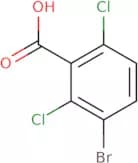
CAS:<p>Versatile small molecule scaffold</p>Formula:C7H13NO3Purity:Min. 95%Molecular weight:159.19 g/mol2,6-dichloro-3-bromobenzoic acid
CAS:<p>Versatile small molecule scaffold</p>Formula:C7H3BrCl2O2Purity:Min. 95%Molecular weight:269.9 g/mol2-(4-Nitrophenyl)ethane-1-sulfonyl chloride
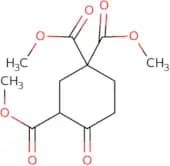
CAS:<p>Versatile small molecule scaffold</p>Formula:C8H8ClNO4SPurity:Min. 95%Molecular weight:249.67 g/mol1,1,3-Cyclohexanetricarboxylic acid, 4-oxo-, trimethyl ester
CAS:<p>Versatile small molecule scaffold</p>Formula:C12H16O7Purity:Min. 95%Molecular weight:272.25 g/mol1-(2-Methyltetrahydrofuran-2-yl)pent-4-en-1-one
CAS:<p>Versatile small molecule scaffold</p>Formula:C10H16O2Purity:Min. 95%Molecular weight:168.23 g/mol5-chloro-2,1,3-benzoxadiazol-4-amine
CAS:<p>Versatile small molecule scaffold</p>Formula:C6H4ClN3OPurity:Min. 95%Molecular weight:169.57 g/mol2,3-Dihydro-1H-indole-6-sulfonic acid
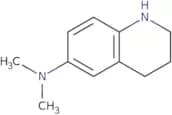
CAS:<p>Versatile small molecule scaffold</p>Formula:C8H9NO3SPurity:Min. 95%Molecular weight:199.23 g/molN,N-Dimethyl-1,2,3,4-tetrahydroquinolin-6-amine
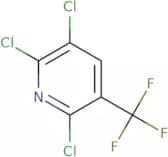
CAS:<p>Versatile small molecule scaffold</p>Formula:C11H16N2Purity:Min. 95%Molecular weight:176.26 g/mol2,3,6-Trichloro-5-(trifluoromethyl)pyridine
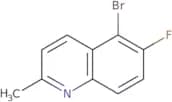
CAS:<p>Sodium hypochlorite is a chemical compound that contains one chlorine atom and one sodium atom. It is used in the manufacture of various products, such as bleaches, disinfectants, and water treatment. Hypochlorite can be produced by reacting chlorine with sodium hydroxide or ammonia. Hypochlorite is also used to make other chemicals, such as phenols and chlorinated compounds. Hydrazine is a colorless liquid with a suffocating odor that is highly toxic and corrosive. It has been used as rocket fuel and has been shown to have carcinogenic effects on humans.</p>Formula:C6HCl3F3NPurity:Min. 95%Molecular weight:250.4 g/mol5-Bromo-6-fluoro-2-methylquinoline
CAS:<p>5-Bromo-6-fluoro-2-methylquinoline is a reagent that is used as a counterion in organic synthesis. It also can be used as a synthetic intermediate for the production of ethoxymethylenemalonate. 5-Bromo-6-fluoro-2-methylquinoline is catalytic and readily reacts with Grignard reagents, polyphosphoric acid, and methyl groups to form reaction products. This product has been shown to react with diethyl ether and toluene in high yield under basic conditions.</p>Formula:C10H7BrFNPurity:Min. 95%Molecular weight:240.07 g/molMethyl 1-(propan-2-yl)-1H-imidazole-5-carboxylate
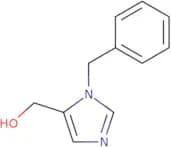
CAS:<p>Versatile small molecule scaffold</p>Formula:C8H12N2O2Purity:Min. 95%Molecular weight:168.2 g/mol1-Benzyl-5-hydroxymethyl-1H-imidazole
CAS:<p>1-Benzyl-5-hydroxymethyl-1H-imidazole is a dialkyl calcium channel antagonist that blocks the voltage-gated calcium channels in the nucleus and jejunum. It has been shown to have relaxant properties and antagonistic activity when it binds to the calcium channel. 1-Benzyl-5-hydroxymethyl-1H-imidazole has been investigated for its potential use as a treatment for disorders such as dyspepsia and peptic ulcer disease. The dimethylamino substituent on 1BHM may be responsible for its spontaneous decomposition, which limits its usefulness in vivo.</p>Formula:C11H12N2OPurity:Min. 95%Molecular weight:188.23 g/mol2-(Thiophen-3-yloxy)acetic acid
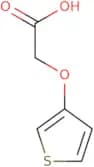
CAS:<p>Versatile small molecule scaffold</p>Formula:C6H6O3SPurity:Min. 95%Molecular weight:158.18 g/mol4-Bromo-1-vinyl-1H-pyrazole
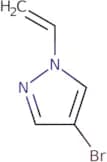
CAS:<p>4-Bromo-1-vinyl-1H-pyrazole is a substituted pyrazole that has a molecular formula of C6H4BrN. It is a paramagnetic compound with two different rotational constants for the vinyl group. 4-Bromo-1-vinyl-1H-pyrazole has been shown to interact with ruthenium and titanium complexes, which is due to its ability to bind to the metal center by coordinate covalent bonding. This interaction leads to conformational changes in the molecules and can be rationalized as population constants or as quantum numbers. 4-Bromo-1-vinyl-1H-pyrazole also has an NMR spectrum that includes peaks at 0.9 ppm, 1.7 ppm, 2.3 ppm, and 3.2 ppm that correspond to various nuclei in the molecule such as protons and carbon isotopes.</p>Formula:C5H5BrN2Purity:Min. 95%Molecular weight:173.01 g/mol2-(3-Oxo-1,2,3,4-tetrahydroquinoxalin-1-yl)acetic acid
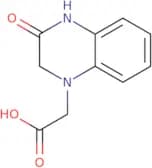
CAS:<p>Versatile small molecule scaffold</p>Formula:C10H10N2O3Purity:Min. 95%Molecular weight:206.2 g/mol(2S)-3-(Boc-amino)-2-amino-1-propanol
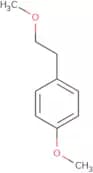
CAS:<p>Versatile small molecule scaffold</p>Formula:C8H18N2O3Purity:Min. 95%Molecular weight:190.24 g/molp-Methoxyphenethyl methyl ether-d3
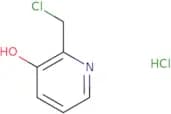
CAS:<p>Versatile small molecule scaffold</p>Formula:C10H14O2Purity:Min. 95%Molecular weight:166.22 g/mol2-(Chloromethyl)pyridin-3-ol hydrochloride
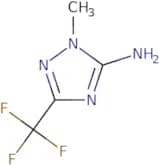
CAS:<p>Versatile small molecule scaffold</p>Formula:C6H7Cl2NOPurity:Min. 95%Molecular weight:180.03 g/mol1-Methyl-3-(trifluoromethyl)-1H-1,2,4-triazol-5-amine
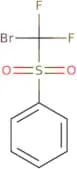
CAS:<p>Versatile small molecule scaffold</p>Formula:C4H5F3N4Purity:Min. 95%Molecular weight:166.1 g/molBromodifluoromethanesulfonylbenzene
CAS:<p>Bromodifluoromethanesulfonylbenzene is a nucleophilic synthon that can be used for the synthesis of organometallic compounds. It is a halide with a trifluoromethyl group that is used in organic chemistry as an efficient method for the synthesis of sulfoxides and sulfones. Bromodifluoromethanesulfonylbenzene can be used in combination with aryl boronic acids, amines, and silicon to synthesize aldimines.</p>Formula:C7H5BrF2O2SPurity:Min. 95%Molecular weight:271.08 g/molEthyl 2-bromoimidazo[2,1-b][1,3]thiazole-6-carboxylate
CAS:<p>Versatile small molecule scaffold</p>Formula:C8H7BrN2O2SPurity:Min. 95%Molecular weight:275.12 g/mol2-Bromoimidazo[2,1-b]thiazole-6-carboxylic acid
CAS:<p>Versatile small molecule scaffold</p>Formula:C6H3BrN2O2SPurity:Min. 95%Molecular weight:247.07 g/molSpiro[bicyclo[3.2.1]octane-3,4'-imidazolidine]-2',5'-dione
CAS:<p>Versatile small molecule scaffold</p>Formula:C10H14N2O2Purity:Min. 95%Molecular weight:194.2 g/mol2-Methyl-5H-pyrrolo[3,4-b]pyrazine-5,7(6H)-dione
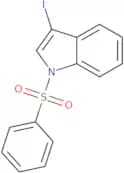
CAS:<p>Versatile small molecule scaffold</p>Formula:C7H5N3O2Purity:Min. 95%Molecular weight:163.13 g/mol3-Iodo-1-(phenylsulfonyl)indole
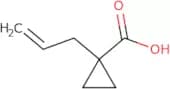
CAS:<p>3-Iodo-1-(phenylsulfonyl)indole (3-ISI) is a ligand that is used to crystallize metal ions. 3-ISI binds to metal ions through interactions with the halide ion. The 3-ISI molecule has two phenylsulfonyl groups and one iodine atom, which are the sites of coordination to metal ions. Friedel-Crafts acylation reactions use 3-ISI as a ligand because it does not react with the catalyst or acid, but can be easily replaced by other ligands during the reaction. Parameters for determining its structure include X-ray crystallography, NMR spectroscopy, IR spectroscopy, and elemental analysis. The chloride anion in 3-ISI is able to form hydrogen bonds with other chloride anions in order to stabilize its structure.<br>3-ISI can be synthesized by reacting iodides with benzyl bromide and phosphorous pent</p>Formula:C14H10INO2SPurity:Min. 95%Molecular weight:383.21 g/mol1-Allylcyclopropanecarboxylic acid
CAS:<p>Versatile small molecule scaffold</p>Formula:C7H10O2Purity:Min. 95%Molecular weight:126.15 g/mol2-Chloro-N-[(3,4-dimethoxyphenyl)methyl]propanamide
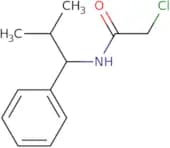
CAS:<p>Versatile small molecule scaffold</p>Formula:C12H16ClNO3Purity:Min. 95%Molecular weight:257.71 g/mol2-Chloro-N-(2-methyl-1-phenylpropyl)acetamide
CAS:<p>Versatile small molecule scaffold</p>Formula:C12H16ClNOPurity:Min. 95%Molecular weight:225.71 g/mol(S)-1-(2-Nitrophenyl)ethanol
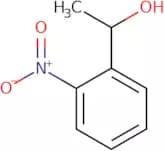
CAS:<p>Versatile small molecule scaffold</p>Formula:C8H9NO3Purity:Min. 95%Molecular weight:167.16 g/mol2-(Methylsulfonyl)pyridin-3-amine
CAS:<p>Versatile small molecule scaffold</p>Formula:C6H8N2O2SPurity:Min. 95%Molecular weight:172.2 g/mol4-Thiocarbamoyl-benzoic acid methyl ester
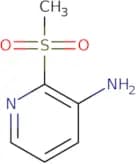
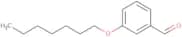
CAS:<p>Versatile small molecule scaffold</p>Formula:C9H9NO2SPurity:Min. 95%Molecular weight:195.24 g/mol3-(Heptyloxy)benzaldehyde
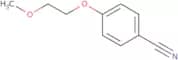
CAS:<p>Versatile small molecule scaffold</p>Formula:C14H20O2Purity:Min. 95%Molecular weight:220.31 g/mol4-(2-Methoxyethoxy)benzonitrile
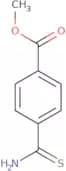
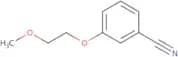
CAS:<p>4-(2-Methoxyethoxy)benzonitrile is a phenyl ether that can be synthesized by the reaction of 4-hydroxybenzonitrile and methoxymethyl chloride. It is an organic compound with a molecular formula of C8H12O2N2. This compound has been shown to undergo hydrolysis in nonaqueous solvents, as well as microwave irradiation, which produces phenol, acetone, and methanol.</p>Formula:C10H11NO2Purity:Min. 95%Molecular weight:177.2 g/mol3-(2-Methoxyethoxy)benzonitrile
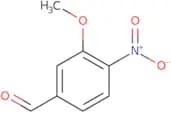
CAS:<p>Versatile small molecule scaffold</p>Formula:C10H11NO2Purity:Min. 95%Molecular weight:177.2 g/mol3-methoxy-4-nitrobenzaldehyde
CAS:<p>3-Methoxy-4-nitrobenzaldehyde (3MNB) is a biomolecular that is used to study nucleophilic substitutions. It has been shown to inhibit the growth of cells in culture, specifically those with fatty acid amides. 3MNB inhibits the synthesis of β-amyloid, a protein associated with Alzheimer's disease. 3MNB also has potent inhibitory activity on chloride channels and phenylhydrazone binding sites, which are targets for antipsychotic drugs. 3MNB inhibits the production of sh-sy5y cells and piperazine binding sites in the brain. The inhibition of these sites leads to an improvement in memory and learning ability.</p>Formula:C8H7NO4Purity:Min. 95%Molecular weight:181.1 g/mol




![2-Chloro-10-[3-[[3-(dimethylamino)propyl]methylamino]propyl]phenothiazine dihydrochloride](/_next/image/?url=https%3A%2Fstatic.cymitquimica.com%2Fproducts%2F3D%2Fthumb-webp%2FFC183794.webp&w=3840&q=75)


![5-Amino-1-[4-(trifluoromethyl)phenyl]-1H-pyrazole-4-carbonitrile](/_next/image/?url=https%3A%2Fstatic.cymitquimica.com%2Fproducts%2F3D%2Fthumb-webp%2FFDA02567.webp&w=3840&q=75)





![2-[(6-Phenylpyridazin-3-yl)amino]ethan-1-ol](/_next/image/?url=https%3A%2Fstatic.cymitquimica.com%2Fproducts%2F3D%2Fthumb-webp%2FFDA07191.webp&w=3840&q=75)


![1-Methyl-4-oxo-5-[3-(trifluoromethyl)phenyl]-1,4-dihydropyridine-3-carboxylic acid](/_next/image/?url=https%3A%2Fstatic.cymitquimica.com%2Fproducts%2F3D%2Fthumb-webp%2FFDA09715.webp&w=3840&q=75)



![3-[(Hexyloxy)methyl]aniline](/_next/image/?url=https%3A%2Fstatic.cymitquimica.com%2Fproducts%2F3D%2Fthumb-webp%2FFDA17200.webp&w=3840&q=75)
![2-[[(1,1-Dimethylethyl)dimethylsilyl]oxy]phenol](/_next/image/?url=https%3A%2Fstatic.cymitquimica.com%2Fproducts%2F3D%2Fthumb-webp%2FFDA18046.webp&w=3840&q=75)
![2-{[(Pyridin-2-yl)methyl]sulfanyl}ethan-1-ol](/_next/image/?url=https%3A%2Fstatic.cymitquimica.com%2Fproducts%2F3D%2Fthumb-webp%2FFDA19191.webp&w=3840&q=75)

![4-[(1H-Pyrazol-1-yl)methyl]phenol](/_next/image/?url=https%3A%2Fstatic.cymitquimica.com%2Fproducts%2F3D%2Fthumb-webp%2FFDA20009.webp&w=3840&q=75)








![Ethyl 2-bromoimidazo[2,1-b][1,3]thiazole-6-carboxylate](/_next/image/?url=https%3A%2Fstatic.cymitquimica.com%2Fproducts%2F3D%2Fthumb-webp%2FFDA35398.webp&w=3840&q=75)
![2-Bromoimidazo[2,1-b]thiazole-6-carboxylic acid](/_next/image/?url=https%3A%2Fstatic.cymitquimica.com%2Fproducts%2F3D%2Fthumb-webp%2FFDA35400.webp&w=3840&q=75)
![Spiro[bicyclo[3.2.1]octane-3,4'-imidazolidine]-2',5'-dione](/_next/image/?url=https%3A%2Fstatic.cymitquimica.com%2Fproducts%2F3D%2Fthumb-webp%2FFDA35506.webp&w=3840&q=75)
![2-Methyl-5H-pyrrolo[3,4-b]pyrazine-5,7(6H)-dione](/_next/image/?url=https%3A%2Fstatic.cymitquimica.com%2Fproducts%2F3D%2Fthumb-webp%2FFDA35697.webp&w=3840&q=75)
![2-Chloro-N-[(3,4-dimethoxyphenyl)methyl]propanamide](/_next/image/?url=https%3A%2Fstatic.cymitquimica.com%2Fproducts%2F3D%2Fthumb-webp%2FFDA36488.webp&w=3840&q=75)