


Building Blocks
This section contains fundamental products for the synthesis of organic and biological compounds. Building blocks are the essential starting materials used to construct complex molecules through various chemical reactions. They play a critical role in drug discovery, material science, and chemical research. At CymitQuimica, we offer a diverse range of high-quality building blocks to support your innovative research and industrial projects, ensuring you have the essential components for successful synthesis.
Subcategories of "Building Blocks"
- Boronic Acids & Boronic Acid Derivatives(5,756 products)
- Chiral Building Blocks(1,242 products)
- Hydrocarbon Building Blocks(6,093 products)
- Organic Building Blocks(60,519 products)
Found 195533 products of "Building Blocks"
Sort by
Purity (%)
0
100
|
0
|
50
|
90
|
95
|
100
4,6-Dimethyl-5-nitro-1,2-dihydropyridin-2-one
CAS:<p>Versatile small molecule scaffold</p>Formula:C7H8N2O3Purity:Min. 95%Molecular weight:168.15 g/mol3-Ethyl-4-methoxybenzoic acid
CAS:<p>Versatile small molecule scaffold</p>Formula:C10H12O3Purity:Min. 95%Molecular weight:180.2 g/mol6-Fluoroquinoline-8-carbaldehyde
CAS:<p>Versatile small molecule scaffold</p>Formula:C10H6FNOPurity:Min. 95%Molecular weight:175.16 g/mol8-Methylquinoline-6-carbaldehyde
CAS:<p>Versatile small molecule scaffold</p>Formula:C11H9NOPurity:Min. 95%Molecular weight:171.19 g/mol6-chloroquinoline-8-carbaldehyde
CAS:<p>Versatile small molecule scaffold</p>Formula:C10H6NOClPurity:Min. 95%Molecular weight:191.61 g/mol6-Chloro-N2-cyclopropyl-N4-(propan-2-yl)-1,3,5-triazine-2,4-diamine
CAS:<p>6-Chloro-N2-cyclopropyl-N4-(propan-2-yl)-1,3,5-triazine-2,4-diamine is a herbicide that belongs to the chemical family of triazines. It is a potent inhibitor of the herbicide transporter (HTP) and has been shown to inhibit mouse liver microsomal drug metabolism. The optical rotation of 6CNTD is negative (-14.7°). It can react with nucleophiles such as water or amines by nucleophilic attack to produce reaction products. 6CNTD inhibits the growth of plants by inhibiting the synthesis of chlorophyll and other plant pigments, which leads to an abnormal coloration in plant leaves. This herbicide is also used as an adjuvant in insecticides and fungicides. The proposed reaction mechanism for 6CNTD is through a nucleophilic attack on the pyrazole ring followed by a Michael addition</p>Formula:C9H14ClN5Purity:Min. 95%Molecular weight:227.69 g/mol4-Methoxy-3-nitrobenzene-1-sulfonamide
CAS:<p>Versatile small molecule scaffold</p>Formula:C7H8N2O5SPurity:Min. 95%Molecular weight:232.22 g/mol(5-Methylpyridin-2-yl)methanol
CAS:<p>5-Methylpyridin-2-yl)methanol is a heterocyclic compound that can be synthesized by the reaction of sodium ethoxide with hydrogen. This reaction produces the intermediate product 2-(5-methylpyridin-2-yl)ethanol, which can be reacted with potassium to produce (5-methylpyridin-2-yl)methanol. The synthesis of 5-methylpyridin-2-yl)methanol can also be achieved by reacting sodium hydride with 5-(chloromethyl)-2-(4,4,5,5,-tetramethyl-[1,3,2]dioxaborolan-2yl)pyridine. 5-(chloromethyl)-2-(4,4,5,5,-tetramethyl-[1,3,2]dioxaborolan-2yl)pyridine is reacted with methyl iodide</p>Formula:C7H9NOPurity:Min. 95%Molecular weight:123.15 g/mol2-(2-Methoxybenzoyl)pyridine
CAS:<p>2-(2-Methoxybenzoyl)pyridine is a synthetic compound that is a 5-HT1A receptor agonist. It has been shown to stimulate the release of guanosine from ovary cells, which may be due to its ability to activate the G protein. 2-(2-Methoxybenzoyl)pyridine has been shown to inhibit the effects of antipsychotic haloperidol in vitro and in vivo. This may be due to its ability to antagonize the 5-HT1A receptor. This drug also inhibits ovary cell proliferation and induces apoptosis, which may be related to its ability to inhibit protein synthesis by binding with ribosomes and preventing translation.</p>Formula:C13H11NO2Purity:Min. 95%Molecular weight:213.23 g/mol2-Methyl-4-nitrobenzene-1-sulfonamide
CAS:<p>Versatile small molecule scaffold</p>Formula:C7H8N2O4SPurity:Min. 95%Molecular weight:216.22 g/mol5-Nitro-1,2-benzisothiazol-3(2H)-one 1,1-dioxide
CAS:<p>Versatile small molecule scaffold</p>Formula:C7H4N2O5SPurity:Min. 95%Molecular weight:228.18 g/molMethyl 6-methoxy-1-oxo-2,3-dihydro-1H-indene-2-carboxylate
CAS:<p>Versatile small molecule scaffold</p>Formula:C12H12O4Purity:Min. 95%Molecular weight:220.22 g/mol(4-Sulfamoyl-phenyl)-acetic acid
CAS:<p>4-Sulfamoyl-phenylacetic acid (SPAA) is a potent and selective Cox-2 inhibitor. SPAA has been found to inhibit the polymerase activity of the virus, leading to apoptosis. This drug also inhibits the COX-2 enzyme and prevents the formation of prostaglandins, which are inflammatory mediators. SPAA has shown inhibitory activities against prostate cancer cells and may be effective in treating prostate cancer. SPAA also inhibits COX-2 enzyme activity in human prostate cancer cells, suggesting that it may be useful for preventing metastasis.</p>Formula:C8H9NO4SPurity:Min. 95%Molecular weight:215.23 g/mol2,2-Dimethyl-1,3-dioxaindan-4-ol
CAS:<p>2,2-Dimethyl-1,3-dioxaindan-4-ol is a yellow crystalline solid that is soluble in water. It reacts with formaldehyde to give 2,2-dimethyl-1,3-dioxane dicarboxylic acid. This compound has been used as an insecticide and as a reagent in organic synthesis. It is also expressed by some mammalian cells and can be measured using immunological techniques. The antibody reacts strongly with the carboxyl group of the molecule.</p>Formula:C9H10O3Purity:Min. 95%Molecular weight:166.17 g/mol2-(5-Bromobenzo[b]thiophen-3-yl)ethanamine hydrochloride
CAS:<p>Versatile small molecule scaffold</p>Formula:C10H11BrClNSPurity:Min. 95%Molecular weight:292.62 g/mol1-(Pyridin-2-yl)butan-1-one
CAS:<p>Versatile small molecule scaffold</p>Formula:C9H11NOPurity:Min. 95%Molecular weight:149.19 g/mol2-(3,5-Dimethoxyphenyl)-2-methylpropanenitrile
CAS:<p>Versatile small molecule scaffold</p>Formula:C12H15NO2Purity:Min. 95%Molecular weight:205.26 g/molN,3-Dihydroxynaphthalene-2-carboxamide
CAS:<p>N,N'-Dihydroxynaphthalene-2-carboxamide is a ligand that binds to the covid-19 pandemic. It has been shown to have magnetic properties and can be used for accessing metal salts. Covid-19 is a metal salt with transition metal ions such as iron or cobalt, which can be accessed using N,N'-dihydroxynaphthalene-2-carboxamide. The carboxylate group in this ligand allows it to bind to metals and form complexes. Covid-19 also has chemistry and stoichiometry properties that make it suitable for polynuclear coordination compounds. Covid-19 belongs to the divalent family of ligands, which are characterized by two donor atoms.</p>Formula:C11H9NO3Purity:Min. 95%Molecular weight:203.19 g/mol1,3-Diethyl 2-(2-nitro-1-phenylethyl)propanedioate
CAS:<p>Versatile small molecule scaffold</p>Formula:C15H19NO6Purity:Min. 95%Molecular weight:309.31 g/mol1-Acetylpiperidine-3-carbonitrile
CAS:<p>Versatile small molecule scaffold</p>Formula:C8H12N2OPurity:Min. 95%Molecular weight:152.19 g/mol2-Chloro-N-(4-hydroxyphenyl)-5-nitrobenzamide
CAS:<p>Versatile small molecule scaffold</p>Formula:C13H9ClN2O4Purity:Min. 95%Molecular weight:292.67 g/mol2-(2-Methyl-1H-indol-3-yl)-2-oxoacetyl chloride
CAS:<p>Versatile small molecule scaffold</p>Formula:C11H8ClNO2Purity:Min. 95%Molecular weight:221.64 g/mol2-Hydroxyethylphosphonic acid
CAS:<p>2-Hydroxyethylphosphonic acid (2-HEP) is a bifunctional reagent that reacts with hexadecanoic acid (16:0) to form 2-hydroxyethylhexadecanoic acid (2-HEHA). This reaction is catalyzed by the enzyme pyridoxal phosphate, which acts as a cofactor. The carbonyl group of 2-HEP reacts with the hydroxyl group of 2-HEHA to form an ester linkage, which can be cleaved by bond cleavage because it is a carboxylic acid. This process is used in analytical chemistry and has been shown to improve the quality of transgenic crops and chemical structures. The crystal structure of 2-HEP was obtained using x-ray diffraction and showed that the molecule has a flat shape with two hydroxyl groups at opposite ends.</p>Formula:C2H7O4PPurity:Min. 95%Molecular weight:126.05 g/mol4-(5-Methyl-thiophen-2-yl)-4-oxo-butyric acid
CAS:<p>Versatile small molecule scaffold</p>Formula:C9H10O3SPurity:Min. 95%Molecular weight:198.24 g/mol4-(5-Methylthiophen-2-yl)butanoic acid
CAS:<p>Versatile small molecule scaffold</p>Formula:C9H12O2SPurity:Min. 95%Molecular weight:184.26 g/mol3-(3-Chlorophenyl)propan-1-ol
CAS:<p>3-(3-Chlorophenyl)propan-1-ol is a chemical that is used as an intermediate in the synthesis of epoxides. It has been shown to be a useful asymmetric epoxidation reagent for the syntheses of natural products and pharmaceuticals. 3-(3-Chlorophenyl)propan-1-ol is typically used as a racemic mixture or as an enantiomerically pure compound. The use of this reagent allows for the synthesis of stereocenters with high levels of diastereoselectivity, which can then be converted into enantiomers.</p>Formula:C9H11ClOPurity:Min. 95%Molecular weight:170.64 g/mol4-(3-Chlorophenyl)butanoic acid
CAS:<p>Versatile small molecule scaffold</p>Formula:C10H11ClO2Purity:Min. 95%Molecular weight:198.64 g/mol5,5-Dimethyl-2,3,4,5-tetrahydro-1H-1-benzazepine
CAS:<p>Versatile small molecule scaffold</p>Formula:C12H17NPurity:Min. 95%Molecular weight:175.27 g/mol4-Chloro-2-nitrobenzyl alcohol
CAS:<p>4-Chloro-2-nitrobenzyl alcohol is an organic compound that is a reactive nucleophile and isomer. It undergoes slow reactions with water and other nucleophiles. The reactivity of 4-chloro-2-nitrobenzyl alcohol is dependent on the solvent, pH, and temperature. This chemical does not react with most substances, including proteins and carbohydrates. 4-Chloro-2-nitrobenzyl alcohol inhibits the growth of bacteria by reacting with bacterial cytoplasmic membrane lipids, which disrupts its integrity. 4-Chloro-2-nitrobenzyl alcohol also inhibits the synthesis of proteins in bacterial cells by binding to ribosomes and interfering with translation.</p>Formula:C7H6ClNO3Purity:Min. 95%Molecular weight:187.58 g/mol4-Methyl-2-nitrobenzylalcohol
CAS:<p>4-Methyl-2-nitrobenzylalcohol is a reagent used in organic synthesis. It is an acyl halide that can be prepared by the reaction of an aliphatic or aromatic alcohol with nitrous acid. 4-Methyl-2-nitrobenzylalcohol has been used to prepare acyl halides, such as acetyl chloride and benzoyl chloride, from aliphatic and aromatic alcohols respectively. This compound has also been used to convert ketones into alpha,beta-unsaturated carbonyl compounds, such as 1,3-diketones.</p>Formula:C8H9NO3Purity:Min. 95%Molecular weight:167.16 g/mol2-{(1S)-1-[(tert-Butoxycarbonyl)amino]ethyl}-1,3-oxazole-4-carboxylic acid
CAS:<p>Versatile small molecule scaffold</p>Formula:C11H16N2O5Purity:Min. 95%Molecular weight:256.25 g/mol4-Amino-2-hydroxy-N-(prop-2-en-1-yl)benzamide
CAS:<p>Versatile small molecule scaffold</p>Formula:C10H12N2O2Purity:Min. 95%Molecular weight:192.21 g/molMethyl 2-bromo-3-fluorobenzoate
CAS:<p>Versatile small molecule scaffold</p>Formula:C8H6BrFO2Purity:Min. 95%Molecular weight:233.03 g/mol4-(1,3-Dioxaindan-5-ylmethylidene)-1,2,3,4-tetrahydroacridine-9-carboxylic acid
CAS:<p>Versatile small molecule scaffold</p>Formula:C22H17NO4Purity:Min. 95%Molecular weight:359.4 g/mol4-(1,3-Dioxaindan-5-ylmethylidene)-2-tert-butyl-1,2,3,4-tetrahydroacridine-9-carboxylic acid
CAS:<p>Versatile small molecule scaffold</p>Formula:C26H25NO4Purity:Min. 95%Molecular weight:415.5 g/mol1-(tert-Butyl)-3,5-dimethyl-1H-pyrazole
CAS:<p>Versatile small molecule scaffold</p>Formula:C9H16N2Purity:Min. 95%Molecular weight:152.24 g/mol1-tert-Butyl-3,5-dimethyl-1H-pyrazole-4-carbaldehyde
CAS:<p>Versatile small molecule scaffold</p>Formula:C10H16N2OPurity:Min. 95%Molecular weight:180.25 g/mol(5-Amino-2-ethoxyphenyl)methanol
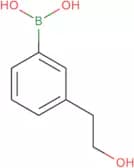
CAS:<p>Versatile small molecule scaffold</p>Formula:C9H13NO2Purity:Min. 95%Molecular weight:167.2 g/mol3-(2-Hydroxyethyl)benzeneboronic acid
CAS:<p>Versatile small molecule scaffold</p>Formula:C8H11BO3Purity:Min. 95%Molecular weight:165.98 g/mol2-Bromo-4,5-difluorobenzyl bromide
CAS:<p>Versatile small molecule scaffold</p>Formula:C7H4Br2F2Purity:Min. 95%Molecular weight:285.91 g/mol1,3-Dimethyl-5-(1H-1,2,4-triazol-1-yl)-1H-pyrazole-4-carbonitrile
CAS:<p>Versatile small molecule scaffold</p>Formula:C8H8N6Purity:Min. 95%Molecular weight:188.19 g/mol6-Amino-N-[4-(propan-2-yl)phenyl]pyridine-2-carboxamide
CAS:<p>Versatile small molecule scaffold</p>Formula:C15H17N3OPurity:Min. 95%Molecular weight:255.31 g/mol5-Fluoro-2-(thiomorpholin-4-yl)benzonitrile
CAS:<p>Versatile small molecule scaffold</p>Formula:C11H11FN2SPurity:Min. 95%Molecular weight:222.28 g/mol2,6-Dimethyl-4-[2-(piperidin-4-yloxy)ethyl]morpholine
CAS:<p>Versatile small molecule scaffold</p>Formula:C13H26N2O2Purity:Min. 95%Molecular weight:242.36 g/mol5,5-Dimethyl-1,2,2a,3,4,5-hexahydroacenaphthylen-1-amine
CAS:<p>Versatile small molecule scaffold</p>Formula:C14H19NPurity:Min. 95%Molecular weight:201.31 g/mol6-[(3-Methyl-1,2,4-oxadiazol-5-yl)methoxy]-1,3-dioxaindane-5-carbaldehyde
CAS:<p>Versatile small molecule scaffold</p>Formula:C12H10N2O5Purity:Min. 95%Molecular weight:262.22 g/mol4-Fluoro-1-N-(2-phenoxyethyl)benzene-1,2-diamine
CAS:<p>Versatile small molecule scaffold</p>Formula:C14H15FN2OPurity:Min. 95%Molecular weight:246.28 g/mol(Furan-2-ylmethyl)[(5-methyl-1-benzofuran-2-yl)methyl]amine
CAS:<p>Versatile small molecule scaffold</p>Formula:C15H15NO2Purity:Min. 95%Molecular weight:241.28 g/mol{[6-Methyl-2-(piperidin-1-yl)pyrimidin-4-yl]methyl}(2-methylpropyl)amine
CAS:<p>Versatile small molecule scaffold</p>Formula:C15H26N4Purity:Min. 95%Molecular weight:262.39 g/mol2-(4-Chlorophenyl)-6-methylpyrimidine-4-carboxylic acid
CAS:<p>Versatile small molecule scaffold</p>Formula:C12H9ClN2O2Purity:Min. 95%Molecular weight:248.66 g/mol5-Bromo-2-methoxypyridine-3-sulfonamide
CAS:<p>Versatile small molecule scaffold</p>Formula:C6H7BrN2O3SPurity:Min. 95%Molecular weight:267.1 g/moltert-Butyl 2-(but-3-yn-1-yl)pyrrolidine-1-carboxylate
CAS:<p>Versatile small molecule scaffold</p>Formula:C13H21NO2Purity:Min. 95%Molecular weight:223.31 g/moltert-Butyl 6-(aminomethyl)-3-azabicyclo[3.1.0]hexane-3-carboxylate
CAS:<p>Versatile small molecule scaffold</p>Formula:C11H20N2O2Purity:Min. 95%Molecular weight:212.29 g/mol(OC-6-21)-Pentafluoro(3-methoxyphenyl)-sulfur
CAS:<p>Versatile small molecule scaffold</p>Formula:C7H7F5OSPurity:Min. 95%Molecular weight:234.19 g/mol2,2-dimethyl-1λ6-thiomorpholine-1,1-dione
CAS:<p>Versatile small molecule scaffold</p>Formula:C6H13NO2SPurity:Min. 95%Molecular weight:163.24 g/mol3,3-Dimethylthiomorpholine-1,1-dioxide hydrochloride
CAS:<p>Versatile small molecule scaffold</p>Formula:C6H14ClNO2SPurity:Min. 95%Molecular weight:199.7 g/mol1-[4-(3-Aminocyclobutyl)piperazin-1-yl]ethan-1-one
CAS:<p>Versatile small molecule scaffold</p>Formula:C10H19N3OPurity:Min. 95%Molecular weight:197.28 g/mol2-Methyl-4-[(2R)-pyrrolidin-2-yl]-1,3-thiazole
CAS:<p>Versatile small molecule scaffold</p>Formula:C8H12N2SPurity:Min. 95%Molecular weight:168.26 g/mol2-Methyl-4-[(2S)-pyrrolidin-2-yl]-1,3-thiazole
CAS:<p>Versatile small molecule scaffold</p>Formula:C8H12N2SPurity:Min. 95%Molecular weight:168.26 g/mol4-Difluoromethoxy-benzoic acid methyl ester
CAS:<p>Versatile small molecule scaffold</p>Formula:C9H8F2O3Purity:Min. 95%Molecular weight:202.16 g/molMethyl 2,4-bis(difluoromethoxy)benzoate
CAS:<p>Versatile small molecule scaffold</p>Formula:C10H8F4O4Purity:Min. 95%Molecular weight:268.16 g/mol2,4-Bis(difluoromethoxy)benzoic acid
CAS:<p>Versatile small molecule scaffold</p>Formula:C9H6F4O4Purity:Min. 95%Molecular weight:254.13 g/molChlorsulfaquinoxaline
CAS:<p>Chlorsulfaquinoxaline is a chiral sulfonamide that inhibits the activity of cyclooxygenase-2 (COX-2) and 5-lipoxygenase. It has been shown to inhibit tumor growth in animal models of metastatic colorectal cancer as well as bowel disease. In addition, Chlorsulfaquinoxaline has been shown to have clinical relevance for inflammatory bowel disease and primary sclerosing cholangitis.<br>Chlorsulfaquinoxaline is an inhibitor of the COX-2 and 5-lipoxygenase enzymes, which are key enzymes in prostaglandin synthesis. It has been shown to inhibit tumor growth in animal models of metastatic colorectal cancer as well as bowel disease. In addition, Chlorsulfaquinoxaline has been shown to have clinical relevance for inflammatory bowel disease and primary sclerosing cholangitis.</p>Formula:C14H11ClN4O2SPurity:Min. 95%Molecular weight:334.8 g/mol4-(Trifluoromethyl)isatoic anhydride
CAS:<p>Versatile small molecule scaffold</p>Formula:C9H4F3NO3Purity:Min. 95%Molecular weight:231.13 g/molMethyl 9H-carbazole-3-carboxylate
CAS:<p>Methyl 9H-carbazole-3-carboxylate is a copper compound that reacts with boronic acids in the presence of a catalyst to form cross-coupling products. It can also be used for the synthesis of carbazoles, which are important for their ability to bind to copper. The reaction is highly selective and does not require harsh conditions or catalysts. Methyl 9H-carbazole-3-carboxylate has been shown to react with uracil, forming an arylation product in vivo at physiological temperature and pH. This reaction has been shown to have potential as a treatment for cervical cancer.</p>Formula:C14H11NO2Purity:Min. 95%Molecular weight:225.24 g/mol1,1-Dimethyl 2-methylcyclopropane-1,1-dicarboxylate
CAS:<p>Versatile small molecule scaffold</p>Formula:C8H12O4Purity:Min. 95%Molecular weight:172.18 g/mol3-bromo-2-methylpyridin-4-amine
CAS:<p>Versatile small molecule scaffold</p>Formula:C6H7BrN2Purity:Min. 95%Molecular weight:187 g/mol5-Chloro-2-methylpyridin-4-amine
CAS:<p>Versatile small molecule scaffold</p>Formula:C6H7ClN2Purity:Min. 95%Molecular weight:142.59 g/mol2-Chloro-5-methyl-4-nitropyridine
CAS:<p>2-Chloro-5-methyl-4-nitropyridine is a compound that has an intense yellow color. It has the chemical formula of C6H3ClN2O2. This molecule belongs to the group of heterocyclic compounds and contains a nitrogen atom with two substituents, one chloro, and one methyl group. The energy levels for this molecule are determined by its transition energies, which vary depending on the substitution patterns and electronic spectra. For example, if it has substituents at the 2 position, then its uv spectrum will have a maximum in the region of 230 nm. The electronic spectra for this molecule is characterized by transitions from the singlet state to the triplet state. In addition to these properties, 2-chloro-5-methyl-4-nitropyridine possesses n-oxides as well as an electron spin resonance (ESR) spectrum that contains peaks at g = 3/2 and g</p>Formula:C6H5ClN2O2Purity:Min. 95%Molecular weight:172.57 g/mol2-(Difluoromethoxy)-1-fluoro-4-nitro-benzene
CAS:<p>Versatile small molecule scaffold</p>Formula:C7H4F3NO3Purity:Min. 95%Molecular weight:207.11 g/mol3-(Difluoromethoxy)-4-methoxyaniline
CAS:<p>Versatile small molecule scaffold</p>Formula:C8H9F2NO2Purity:Min. 95%Molecular weight:189.16 g/mol2-(2-Cyclohexyl-1H-1,3-benzodiazol-1-yl)acetic acid
CAS:<p>Versatile small molecule scaffold</p>Formula:C15H18N2O2Purity:Min. 95%Molecular weight:258.32 g/molN,6-Dimethylpyridin-2-amine
CAS:<p>Versatile small molecule scaffold</p>Formula:C7H10N2Purity:Min. 95%Molecular weight:122.17 g/molDiethyl (1-amino-2,2,2-trifluoroethyl)phosphonate hydrochloride
CAS:<p>Versatile small molecule scaffold</p>Formula:C6H14ClF3NO3PPurity:Min. 95%Molecular weight:271.6 g/mol1-(5-Amino-2,3-dihydro-1H-isoindol-2-yl)ethan-1-one
CAS:<p>Versatile small molecule scaffold</p>Formula:C10H12N2OPurity:Min. 95%Molecular weight:176.21 g/mol3-[Benzyl(phenyl)sulfamoyl]benzoic acid
CAS:<p>3-[Benzyl(phenyl)sulfamoyl]benzoic acid is an analytical standard that can be used in the quality control of natural products. It is a secondary metabolite of plants, which are bioactive and may have medicinal properties. 3-[Benzyl(phenyl)sulfamoyl]benzoic acid is also a reference material for high purity and screening.</p>Formula:C20H17NO4SPurity:Min. 95%Molecular weight:367.4 g/mol4-(Morpholine-4-sulfonyl)-2-nitrophenol
CAS:<p>4-(Morpholine-4-sulfonyl)-2-nitrophenol is an analytical standard that is used as a reference material for the determination of purity and quality of other compounds. It has been isolated from plants and is a secondary metabolite. 4-(Morpholine-4-sulfonyl)-2-nitrophenol also acts as a plant derived phytochemical that can be used to study the chemical properties, biological activities, and chemical structures of natural products. This compound can be used in research and development by pharmaceutical companies to synthesize new drugs or as HPLC standards for quality control.</p>Formula:C10H12N2O6SPurity:Min. 95%Molecular weight:288.28 g/mol3-[2,5-Bis(trifluoromethyl)phenyl]-2-sulfanyl-3,4-dihydroquinazolin-4-one
CAS:<p>Versatile small molecule scaffold</p>Formula:C16H8F6N2OSPurity:Min. 95%Molecular weight:390.3 g/mol4-(2-Fluorophenyl)-5-(4-methoxyphenyl)-4H-1,2,4-triazole-3-thiol
CAS:<p>Versatile small molecule scaffold</p>Formula:C15H12FN3OSPurity:Min. 95%Molecular weight:301.3 g/mol6-Amino-1-benzyl-5-[(3-methylbutyl)amino]-1,2,3,4-tetrahydropyrimidine-2,4-dione
CAS:<p>Versatile small molecule scaffold</p>Formula:C16H22N4O2Purity:Min. 95%Molecular weight:302.37 g/mol6-Amino-1-benzyl-5-[(3-methoxypropyl)amino]-1,2,3,4-tetrahydropyrimidine-2,4-dione
CAS:<p>Versatile small molecule scaffold</p>Formula:C15H20N4O3Purity:Min. 95%Molecular weight:304.34 g/mol6-Amino-1-benzyl-5-[(2-methoxyethyl)amino]-1,2,3,4-tetrahydropyrimidine-2,4-dione
CAS:<p>Versatile small molecule scaffold</p>Formula:C14H18N4O3Purity:Min. 95%Molecular weight:290.32 g/mol1-(2,3,5,6-Tetramethylbenzenesulfonyl)piperidine-4-carboxylic acid
CAS:<p>Versatile small molecule scaffold</p>Formula:C16H23NO4SPurity:Min. 95%Molecular weight:325.4 g/mol1-(2-Methyl-5-nitrobenzenesulfonyl)piperidine-4-carboxylic acid
CAS:<p>Versatile small molecule scaffold</p>Formula:C13H16N2O6SPurity:Min. 95%Molecular weight:328.34 g/mol3-{[(1,3-Dioxaindan-5-yl)methyl]sulfamoyl}benzoic acid
CAS:<p>Versatile small molecule scaffold</p>Formula:C15H13NO6SPurity:Min. 95%Molecular weight:335.3 g/molN-[(2-Chlorophenyl)methyl]-2-fluorobenzene-1-sulfonamide
CAS:<p>Versatile small molecule scaffold</p>Formula:C13H11ClFNO2SPurity:Min. 95%Molecular weight:299.75 g/molethyl (cyclopropylamino)(oxo)acetate
CAS:<p>Versatile small molecule scaffold</p>Formula:C7H11NO3Purity:Min. 95%Molecular weight:157.16 g/mol4-Methoxy-3-(3-methylbutoxy)benzaldehyde
CAS:<p>Versatile small molecule scaffold</p>Formula:C13H18O3Purity:Min. 95%Molecular weight:222.28 g/mol2-Chloro-N-cyclopropyl-N-methylacetamide
CAS:<p>Versatile small molecule scaffold</p>Formula:C6H10ClNOPurity:Min. 95%Molecular weight:147.6 g/mol2-Amino-4-(pyrrolidin-1-yl)pyridine
CAS:<p>2-Amino-4-(pyrrolidin-1-yl)pyridine is a reagent used in the 1,3-dipolar cycloaddition reaction with an electron donor such as an ether or enol ether. It has been shown to be useful in the synthesis of imidazopyridines and cyclocondensation reactions. This compound can also be used for the synthesis of heterocycles by coupling two different molecules together.</p>Formula:C9H13N3Purity:Min. 95%Molecular weight:163.22 g/mol3-(1H-Pyrazol-5-yl)-1H-pyrazol-5-amine
CAS:<p>Versatile small molecule scaffold</p>Formula:C6H7N5Purity:Min. 95%Molecular weight:149.15 g/mol3-Amino-N-[2-(dimethylamino)ethyl]-1H-pyrazole-5-carboxamide
CAS:<p>Versatile small molecule scaffold</p>Formula:C8H15N5OPurity:Min. 95%Molecular weight:197.24 g/mol5-(Piperidin-1-ylcarbonyl)-1H-pyrazol-3-amine
CAS:<p>Versatile small molecule scaffold</p>Formula:C9H14N4OPurity:Min. 95%Molecular weight:194.23 g/mol5-(1H-1,3-Benzodiazol-2-yl)-1H-pyrazol-3-amine
CAS:<p>Versatile small molecule scaffold</p>Formula:C10H9N5Purity:Min. 95%Molecular weight:199.21 g/mol2-(1,2,3,6-Tetrahydropyridin-4-yl)pyridine dihydrochloride
CAS:<p>Versatile small molecule scaffold</p>Formula:C10H14Cl2N2Purity:Min. 95%Molecular weight:233.13 g/mol{5-Chlorofuro[3,2-b]pyridin-2-yl}methanol
CAS:<p>Versatile small molecule scaffold</p>Formula:C8H6ClNO2Purity:Min. 95%Molecular weight:183.59 g/mol2-{[(tert-Butoxy)carbonyl](propyl)amino}propanoic acid
CAS:<p>Versatile small molecule scaffold</p>Formula:C11H21NO4Purity:Min. 95%Molecular weight:231.29 g/molMethyl 3-amino-5,7-dimethyladamantane-1-carboxylate hydrochloride
CAS:<p>Versatile small molecule scaffold</p>Formula:C14H24ClNO2Purity:Min. 95%Molecular weight:273.8 g/mol2-Amino-3,3,3-trifluoro-2-methylpropanamide
CAS:<p>Versatile small molecule scaffold</p>Formula:C4H7F3N2OPurity:Min. 95%Molecular weight:156.11 g/mol[(2S)-1-(Benzenesulfonyl)pyrrolidin-2-yl]methanol
CAS:<p>Versatile small molecule scaffold</p>Formula:C11H15NO3SPurity:Min. 95%Molecular weight:241.31 g/mol


![2-(5-Bromobenzo[b]thiophen-3-yl)ethanamine hydrochloride](/_next/image/?url=https%3A%2Fstatic.cymitquimica.com%2Fproducts%2F3D%2Fthumb-webp%2FXAA96400.webp&w=3840&q=75)


![2-{(1S)-1-[(tert-Butoxycarbonyl)amino]ethyl}-1,3-oxazole-4-carboxylic acid](/_next/image/?url=https%3A%2Fstatic.cymitquimica.com%2Fproducts%2F3D%2Fthumb-webp%2FXAB01110.webp&w=3840&q=75)




![6-Amino-N-[4-(propan-2-yl)phenyl]pyridine-2-carboxamide](/_next/image/?url=https%3A%2Fstatic.cymitquimica.com%2Fproducts%2F3D%2Fthumb-webp%2FXAC08966.webp&w=3840&q=75)

![2,6-Dimethyl-4-[2-(piperidin-4-yloxy)ethyl]morpholine](/_next/image/?url=https%3A%2Fstatic.cymitquimica.com%2Fproducts%2F3D%2Fthumb-webp%2FXAC11368.webp&w=3840&q=75)

![6-[(3-Methyl-1,2,4-oxadiazol-5-yl)methoxy]-1,3-dioxaindane-5-carbaldehyde](/_next/image/?url=https%3A%2Fstatic.cymitquimica.com%2Fproducts%2F3D%2Fthumb-webp%2FXAC17698.webp&w=3840&q=75)

![(Furan-2-ylmethyl)[(5-methyl-1-benzofuran-2-yl)methyl]amine](/_next/image/?url=https%3A%2Fstatic.cymitquimica.com%2Fproducts%2F3D%2Fthumb-webp%2FXAC20756.webp&w=3840&q=75)
![{[6-Methyl-2-(piperidin-1-yl)pyrimidin-4-yl]methyl}(2-methylpropyl)amine](/_next/image/?url=https%3A%2Fstatic.cymitquimica.com%2Fproducts%2F3D%2Fthumb-webp%2FXAC30138.webp&w=3840&q=75)


![tert-Butyl 6-(aminomethyl)-3-azabicyclo[3.1.0]hexane-3-carboxylate](/_next/image/?url=https%3A%2Fstatic.cymitquimica.com%2Fproducts%2F3D%2Fthumb-webp%2FXAC42500.webp&w=3840&q=75)


![1-[4-(3-Aminocyclobutyl)piperazin-1-yl]ethan-1-one](/_next/image/?url=https%3A%2Fstatic.cymitquimica.com%2Fproducts%2F3D%2Fthumb-webp%2FXAC66829.webp&w=3840&q=75)
![2-Methyl-4-[(2R)-pyrrolidin-2-yl]-1,3-thiazole](/_next/image/?url=https%3A%2Fstatic.cymitquimica.com%2Fproducts%2F3D%2Fthumb-webp%2FXAC72802.webp&w=3840&q=75)
![2-Methyl-4-[(2S)-pyrrolidin-2-yl]-1,3-thiazole](/_next/image/?url=https%3A%2Fstatic.cymitquimica.com%2Fproducts%2F3D%2Fthumb-webp%2FXAC74351.webp&w=3840&q=75)


![3-[Benzyl(phenyl)sulfamoyl]benzoic acid](/_next/image/?url=https%3A%2Fstatic.cymitquimica.com%2Fproducts%2F3D%2Fthumb-webp%2FXDB46444.webp&w=3840&q=75)

![3-[2,5-Bis(trifluoromethyl)phenyl]-2-sulfanyl-3,4-dihydroquinazolin-4-one](/_next/image/?url=https%3A%2Fstatic.cymitquimica.com%2Fproducts%2F3D%2Fthumb-webp%2FXDB46584.webp&w=3840&q=75)

![6-Amino-1-benzyl-5-[(3-methylbutyl)amino]-1,2,3,4-tetrahydropyrimidine-2,4-dione](/_next/image/?url=https%3A%2Fstatic.cymitquimica.com%2Fproducts%2F3D%2Fthumb-webp%2FXDB47186.webp&w=3840&q=75)
![6-Amino-1-benzyl-5-[(3-methoxypropyl)amino]-1,2,3,4-tetrahydropyrimidine-2,4-dione](/_next/image/?url=https%3A%2Fstatic.cymitquimica.com%2Fproducts%2F3D%2Fthumb-webp%2FXDB47188.webp&w=3840&q=75)
![6-Amino-1-benzyl-5-[(2-methoxyethyl)amino]-1,2,3,4-tetrahydropyrimidine-2,4-dione](/_next/image/?url=https%3A%2Fstatic.cymitquimica.com%2Fproducts%2F3D%2Fthumb-webp%2FXDB47191.webp&w=3840&q=75)


![3-{[(1,3-Dioxaindan-5-yl)methyl]sulfamoyl}benzoic acid](/_next/image/?url=https%3A%2Fstatic.cymitquimica.com%2Fproducts%2F3D%2Fthumb-webp%2FXDB47364.webp&w=3840&q=75)
![N-[(2-Chlorophenyl)methyl]-2-fluorobenzene-1-sulfonamide](/_next/image/?url=https%3A%2Fstatic.cymitquimica.com%2Fproducts%2F3D%2Fthumb-webp%2FXDB47855.webp&w=3840&q=75)


![3-Amino-N-[2-(dimethylamino)ethyl]-1H-pyrazole-5-carboxamide](/_next/image/?url=https%3A%2Fstatic.cymitquimica.com%2Fproducts%2F3D%2Fthumb-webp%2FXDC08826.webp&w=3840&q=75)


![{5-Chlorofuro[3,2-b]pyridin-2-yl}methanol](/_next/image/?url=https%3A%2Fstatic.cymitquimica.com%2Fproducts%2F3D%2Fthumb-webp%2FXDC81495.webp&w=3840&q=75)
amino}propanoic acid](/_next/image/?url=https%3A%2Fstatic.cymitquimica.com%2Fproducts%2F3D%2Fthumb-webp%2FXDC87515.webp&w=3840&q=75)


![[(2S)-1-(Benzenesulfonyl)pyrrolidin-2-yl]methanol](/_next/image/?url=https%3A%2Fstatic.cymitquimica.com%2Fproducts%2F3D%2Fthumb-webp%2FXEA03080.webp&w=3840&q=75)