Building Blocks
This section contains fundamental products for the synthesis of organic and biological compounds. Building blocks are the essential starting materials used to construct complex molecules through various chemical reactions. They play a critical role in drug discovery, material science, and chemical research. At CymitQuimica, we offer a diverse range of high-quality building blocks to support your innovative research and industrial projects, ensuring you have the essential components for successful synthesis.
Subcategories of "Building Blocks"
- Boronic Acids & Boronic Acid Derivatives(5,756 products)
- Chiral Building Blocks(1,242 products)
- Hydrocarbon Building Blocks(6,093 products)
- Organic Building Blocks(60,534 products)
Found 195534 products of "Building Blocks"
Sort by
Purity (%)
0
100
|
0
|
50
|
90
|
95
|
100
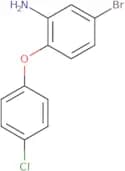
5-Bromo-2-(4-chlorophenoxy)aniline
CAS:<p>Versatile small molecule scaffold</p>Formula:C12H9BrClNOPurity:Min. 95%Molecular weight:298.56 g/mol1-Benzyl-5-chloro-1H-1,2,3-triazole-4-carboxylic acid
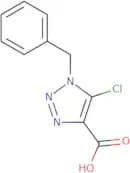
CAS:<p>Versatile small molecule scaffold</p>Formula:C10H8ClN3O2Purity:Min. 95%Molecular weight:237.64 g/mol2-(1H-1,2,3-Triazol-1-yl)aniline
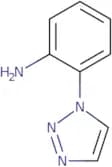
CAS:<p>Versatile small molecule scaffold</p>Formula:C8H8N4Purity:Min. 95%Molecular weight:160.18 g/molEthyl 2-(prop-2-en-1-yloxy)acetate
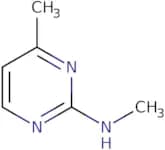
CAS:<p>Versatile small molecule scaffold</p>Formula:C7H12O3Purity:Min. 95%Molecular weight:144.2 g/mol4-Methyl-2-methylaminopyrimidine
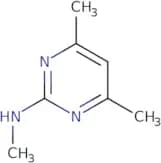
CAS:<p>Versatile small molecule scaffold</p>Formula:C6H9N3Purity:Min. 95%Molecular weight:123.16 g/molN,4,6-Trimethylpyrimidin-2-amine
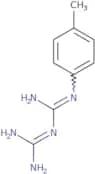
CAS:<p>Versatile small molecule scaffold</p>Formula:C7H11N3Purity:Min. 95%Molecular weight:137.18 g/mol1-Carbamimidamido-N-(4-methylphenyl)methanimidamide
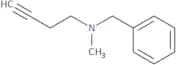
CAS:<p>Versatile small molecule scaffold</p>Formula:C9H13N5Purity:Min. 95%Molecular weight:191.23 g/molBenzyl(but-3-yn-1-yl)methylamine
CAS:<p>Versatile small molecule scaffold</p>Formula:C12H15NPurity:Min. 95%Molecular weight:173.25 g/molTriruthenium Dodecacarbonyl
CAS:<p>Triruthenium dodecacarbonyl is a group p2 metal carbonyl. It has a thermal expansion of 5.5 x 10⁻⁶ K-1 and an enthalpy of formation of -12.7 kJ mol-1. This compound undergoes reactions with amines, resulting in the formation of diazonium salts. FTIR spectroscopy has been used to identify the presence of nitrogen atoms in this molecule, which are responsible for its strong absorption bands in the region between 3200 and 3400 cm-1. The carbonyl group found in triruthenium dodecacarbonyl reacts with fatty acids to produce tiglic acid, a chemical substance that can be used as a raw material for the production of synthetic ruthenium. Picolinic acid, a natural product found in plants, also reacts with triruthenium dodecacarbonyl and copper complex to form an ion pair known</p>Formula:C12O12Ru3Purity:Min. 95%Molecular weight:639.33 g/molEthyl 3-ethylpent-2-enoate
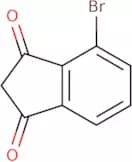
CAS:<p>Ethyl 3-ethylpent-2-enoate is a molecule that is synthesised in organic chemistry. It has been shown to have vasculitis, which is an inflammation of the blood vessels. This molecule also has anti-inflammatory properties and can be used as a drug in clinical trials. Ethyl 3-ethylpent-2-enoate is synthesised from the two amino acids valine and allylamines. The synthesis of this compound requires dehydration, which removes one of the alcohol groups on the molecule.</p>Formula:C9H16O2Purity:Min. 95%Molecular weight:156.22 g/mol4-Bromo-2,3-dihydro-1H-indene-1,3-dione
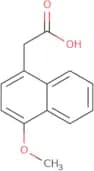
CAS:<p>Versatile small molecule scaffold</p>Formula:C9H5BrO2Purity:Min. 95%Molecular weight:225.04 g/mol2-(4-Methoxynaphthalen-1-yl)acetic acid
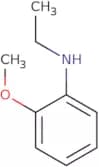
CAS:<p>Versatile small molecule scaffold</p>Formula:C13H12O3Purity:Min. 95%Molecular weight:216.24 g/molN-Ethyl-2-methoxyaniline
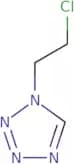
CAS:<p>Versatile small molecule scaffold</p>Formula:C9H13NOPurity:Min. 95%Molecular weight:151.21 g/mol1-(2-Chloroethyl)-1H-1,2,3,4-tetrazole
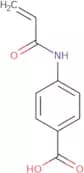
CAS:<p>1-(2-Chloroethyl)-1H-1,2,3,4-tetrazole is a ligand that can be used in crystallography. It has a low spin state, which can be determined by the diffraction techniques. This ligand is usually studied in the group p2 space group and shown as an orthorhombic system. The parameters for this molecule are calculated using different techniques such as synchrotron radiation and computational algorithms.</p>Formula:C3H5ClN4Purity:Min. 95%Molecular weight:132.55 g/mol4-(Prop-2-enamido)benzoic acid
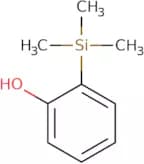
CAS:<p>4-(Prop-2-enamido)benzoic acid is an antimicrobial agent that is used in the synthesis of polymers. 4-(Prop-2-enamido)benzoic acid reacts with ammonium persulfate to form a monomer which can be polymerized with other compounds such as dioxane. The reaction time and activation energy for this compound are determined by the type of solvent used. This compound is biodegradable and has been shown to be easily copolymerized with other substances. <br>4-(Prop-2-enamido)benzoic acid is soluble in water, dioxane, and dimethylformamide (DMF). It also has a high refractive index under ultraviolet light microscopy when gelatinized. The molecular weight of this compound increases when it is heated due to water loss, but it does not change when it is cooled down or mixed with other chemicals. <br>4-(Prop-2-</p>Formula:C10H9NO3Purity:Min. 95%Molecular weight:191.18 g/mol2-(Trimethylsilyl)phenol
CAS:<p>2-(Trimethylsilyl)phenol is an inorganic compound that is used as a reagent to cleave bonds, which can be achieved by the addition of sodium sulfide or ultrasonic extraction. It also reacts with o-glycosylations and fatty acids. 2-(Trimethylsilyl)phenol is used to prepare samples for analysis by gas chromatography, mass spectrometry, or nuclear magnetic resonance spectroscopy.<br>2- (Trimethylsilyl)phenol is an analytical method that has been developed for the determination of chloride in water samples. This method is based on the protonation of chloride ions followed by bond cleavage reactions with protonated trimethylsilyl phenols and sodium sulfide. The reaction products are then analyzed using gas chromatography or infrared spectroscopy.</p>Formula:C9H14OSiPurity:Min. 95%Molecular weight:166.29 g/mol3-(Trimethylsilyl)benzoic acid
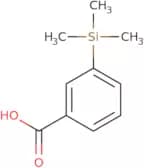
CAS:<p>Versatile small molecule scaffold</p>Formula:C10H14O2SiPurity:Min. 95%Molecular weight:194.3 g/mol4-(Trimethylsilyl)benzoic Acid
CAS:<p>4-(Trimethylsilyl)benzoic Acid is a modification of the benzoic acid molecule. It is an organosilicon compound that can be synthesized by reacting trimethylsilyl chloride with 4-aminobenzoic acid in hydrochloric acid at low temperature. This modification has been shown to form nanoribbons when used as a photoelectron emitter, which changes the nature of the molecule. The functional theory and acetylation analysis have been done on this compound, and it has been shown to be centrosymmetric with a diameter of 1 nm. Synthetic yields are not high because temperatures must be maintained below -78°C.</p>Formula:C10H14O2SiPurity:Min. 95%Molecular weight:194.3 g/mol2-(2-Methylbenzenesulfonyl)acetic acid
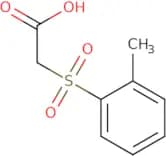
CAS:<p>2-(2-Methylbenzenesulfonyl)acetic acid is a heterocycle that belongs to the group of organic compounds. It is a chloride, which is a reactive functional group. The chloride can be found in the subunits of proteins and nucleic acids, which are involved in cell division and metabolism. The chloride ion has been shown to function as an antioxidant by scavenging reactive oxygen species such as hydroxyl radicals and peroxides. 2-(2-Methylbenzenesulfonyl)acetic acid also has anti-inflammatory properties, which may be due to its ability to inhibit prostaglandin synthesis. This compound has been shown to have neuroprotective effects against Alzheimer's disease and Parkinson's disease, as well as cancerous tumours. 2-(2-Methylbenzenesulfonyl)acetic acid is prepared by reacting hydrochloric acid with an alkylsulfonyl chloride in the presence of an organic</p>Formula:C9H10O4SPurity:Min. 95%Molecular weight:214.24 g/molEthyl 2-cyano-3-(4-fluorophenyl)but-2-enoate
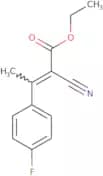
CAS:<p>Versatile small molecule scaffold</p>Formula:C13H12FNO2Purity:Min. 95%Molecular weight:233.24 g/mol2-Phenylcyclopentan-1-amine
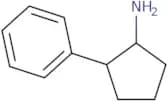
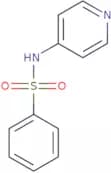
CAS:<p>2-Phenylcyclopentan-1-amine is a reconstituted drug that belongs to the group of amines. It is used for the treatment of inflammatory bowel disease, and is also an anti-epileptic drug. 2-Phenylcyclopentan-1-amine has been shown to inhibit mast cell activation and histamine release in rats with experimental colitis. This drug may be effective for the treatment of allergic diseases such as asthma, urticaria, and eczema.</p>Formula:C11H15NPurity:Min. 95%Molecular weight:161.24 g/molN-(Pyridin-4-yl)benzenesulfonamide
CAS:<p>Versatile small molecule scaffold</p>Formula:C11H10N2O2SPurity:Min. 95%Molecular weight:234.28 g/mol2-[(2,5-Dimethylphenyl)sulfanyl]acetic acid
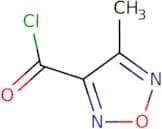
CAS:<p>Versatile small molecule scaffold</p>Formula:C10H12O2SPurity:Min. 95%Molecular weight:196.27 g/mol4-Methyl-1,2,5-oxadiazole-3-carbonyl chloride
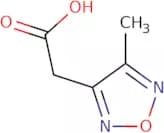
CAS:<p>Versatile small molecule scaffold</p>Formula:C4H3ClN2O2Purity:Min. 95%Molecular weight:146.53 g/mol(4-Methyl-furazan-3-yl)-acetic acid
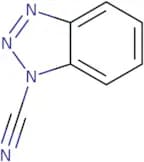
CAS:<p>Versatile small molecule scaffold</p>Formula:C5H6N2O3Purity:Min. 95%Molecular weight:142.1 g/mol1-Cyanobenzotriazole
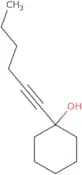
CAS:<p>1-Cyanobenzotriazole is a labile and reactive compound that has been used as a reagent in organic synthesis, due to its nucleophilic properties. 1-Cyanobenzotriazole can be used in the elimination reactions of amines or as a coupling agent for the formation of nitriles from terminal alkynes. The compound has been used as an analytical method for measuring the concentration of protein, nucleic acid and peptide bonds. 1-Cyanobenzotriazole is also used in the preparation of biomolecules such as proteins, peptides, and oligosaccharides.</p>Formula:C7H4N4Purity:Min. 95%Molecular weight:144.13 g/mol1-(Hex-1-yn-1-yl)cyclohexan-1-ol
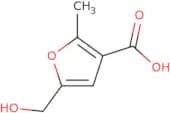
CAS:<p>Versatile small molecule scaffold</p>Formula:C12H20OPurity:Min. 95%Molecular weight:180.29 g/mol5-(Hydroxymethyl)-2-methylfuran-3-carboxylic acid
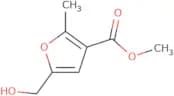
CAS:<p>Versatile small molecule scaffold</p>Formula:C7H8O4Purity:Min. 95%Molecular weight:156.14 g/molMethyl 5-(hydroxymethyl)-2-methylfuran-3-carboxylate
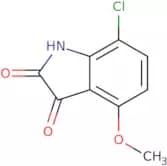
CAS:<p>Versatile small molecule scaffold</p>Formula:C8H10O4Purity:Min. 95%Molecular weight:170.16 g/mol7-Chloro-4-methoxyindoline-2,3-dione
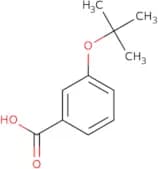
CAS:<p>Versatile small molecule scaffold</p>Formula:C9H6ClNO3Purity:Min. 95%Molecular weight:211.6 g/mol3-(tert-Butoxy)benzenecarboxylic acid
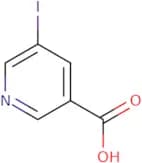
CAS:<p>Versatile small molecule scaffold</p>Formula:C11H14O3Purity:Min. 95%Molecular weight:194.23 g/mol5-iodopyridine-3-carboxylic acid
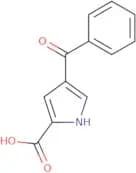
CAS:<p>5-Iodopyridine-3-carboxylic acid is a monoclonal antibody that binds to the epidermal growth factor receptor. It is used in vitro and in vivo as a tool for identifying the epidermal growth factor receptor and its interaction with other proteins. 5-Iodopyridine-3-carboxylic acid has been shown to have high affinity for the epidermal growth factor receptor, and it can be used to identify the presence of this receptor on cells or tissues. The compound has also been conjugated to different molecules, such as carboxylates, which can be used to study their effects on cell uptake.</p>Formula:C6H4INO2Purity:Min. 95%Molecular weight:249 g/mol4-Benzoyl-1H-pyrrole-2-carboxylic acid
CAS:<p>Versatile small molecule scaffold</p>Formula:C12H9NO3Purity:Min. 95%Molecular weight:215.2 g/mol1H,2H,3H,4H,7H,8H-Pyrido[2,3-d]pyridazin-8-one
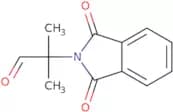
CAS:<p>Versatile small molecule scaffold</p>Formula:C7H9N3OPurity:Min. 95%Molecular weight:151.17 g/mol2-(1,3-Dioxo-2,3-dihydro-1H-isoindol-2-yl)-2-methylpropanal
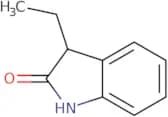
CAS:<p>Versatile small molecule scaffold</p>Formula:C12H11NO3Purity:Min. 95%Molecular weight:217.22 g/mol3-ethylindolin-2-one
CAS:<p>3-Ethylindolin-2-one is a synthetic compound that has been shown to be able to alkylate olefins. It is not yet known what the biological function of 3-ethylindolin-2-one might be. It has been found in leaves, but its presence there is not well understood. The reaction of 3-ethylindolin-2-one with amines gives the corresponding amides, while acylation reactions with alcohols yield esters and other compounds. The addition of 3-ethylindolin-2-one to benzene or butyllithium results in the formation of a new ring system containing three carbons and two nitrogens.</p>Formula:C10H11NOPurity:Min. 95%Molecular weight:161.2 g/mol4-[(3-Chlorophenyl)amino]-4-oxobutanoic acid
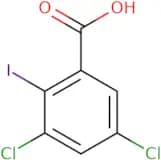
CAS:<p>4-Amino-4-oxobutanoic acid is a weak organic acid that is found in the form of a white, crystalline powder. It has a molecular weight of 123.17 and a melting point of 163°C. 4-Amino-4-oxobutanoic acid is soluble in water, but not in alcohols or ethers. This compound can be classified as an amide, due to the presence of hydrogen bonds between the carbonyl group and the amino group. 4-Amino-4-oxobutanoic acid is also known as 4-[(3-chlorophenyl)amino]-4-oxobutanoic acid (CLAB).</p>Formula:C10H10ClNO3Purity:Min. 95%Molecular weight:227.64 g/mol3,5-Dichloro-2-iodobenzoic acid
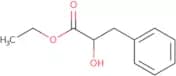
CAS:<p>Versatile small molecule scaffold</p>Formula:C7H3Cl2IO2Purity:Min. 95%Molecular weight:316.9 g/molEthyl 2-hydroxy-3-phenylpropanoate
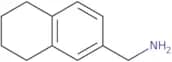
CAS:<p>Ethyl 2-hydroxy-3-phenylpropanoate (EPP) is a component of the fragrance, which is used in perfumes, soaps, and detergents. It has been shown to have a hypocholesterolemic effect in rats and a proliferator-activated receptor agonist effect on human cells. EPP also has been shown to stimulate collagen production and inhibit the proliferation of human keratinocytes. The biological properties of this compound are related to its ability to activate insulin receptors in muscle cells. EP can be synthesized by reacting 3-phenylpropanal with ethyl bromoacetate followed by hydrolysis of the resulting ester.</p>Formula:C11H14O3Purity:Min. 95%Molecular weight:194.23 g/mol(5,6,7,8-tetrahydronaphthalen-2-yl)methanamine
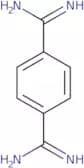
CAS:<p>Versatile small molecule scaffold</p>Formula:C11H15NPurity:Min. 95%Molecular weight:161.24 g/mol1,4-Diamidinobenzene
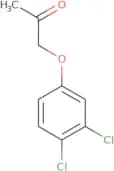
CAS:<p>1,4-Diamidinobenzene is a chemical compound that belongs to the group of triazines. It has been extensively used in pharmaceutical preparations because of its stability and low toxicity. 1,4-Diamidinobenzene is an acid complex with a molecule that has a crystalline structure. It is soluble in organic solvents such as ethanol and acetone. The terminal half-life of 1,4-diamidinobenzene depends on the type of coating applied to the metal surface; it can be degradable or not. The electronic interaction between 1,4-diamidinobenzene and urokinase-type plasminogen increases its activity by tenfold when compared to other non-interacting molecules.</p>Formula:C8H10N4Purity:Min. 95%Molecular weight:162.19 g/mol1-(3,4-Dichlorophenoxy)propan-2-one
CAS:<p>Versatile small molecule scaffold</p>Formula:C9H8Cl2O2Purity:Min. 95%Molecular weight:219.06 g/mol3-(2-bromoethoxy)prop-1-ene
CAS:<p>Versatile small molecule scaffold</p>Formula:C5H9OBrPurity:Min. 95%Molecular weight:165.02 g/mol3-(3-Bromopropoxy)prop-1-ene
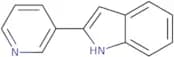
CAS:<p>Versatile small molecule scaffold</p>Formula:C6H11BrOPurity:Min. 95%Molecular weight:179.05 g/mol2-(Pyridin-3-yl)-1H-indole
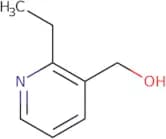
CAS:<p>Versatile small molecule scaffold</p>Formula:C13H10N2Purity:Min. 95%Molecular weight:194.23 g/mol(2-Ethylpyridin-3-yl)methanol
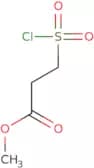
CAS:<p>(2-Ethylpyridin-3-yl)methanol is a drug that can be used for the treatment of cerebral ischemia. It has been shown to increase blood flow to the brain and reduce the infarct size in animal models. (2-Ethylpyridin-3-yl)methanol is also effective in treating acute ischemic stroke, as it has been shown to reduce the severity of cerebral vasospasm. This drug can be used as a substitute for insulin in type 2 diabetes mellitus, because it reduces insulin resistance and improves glycemic control. As with other drugs in this class, (2-Ethylpyridin-3-yl)methanol should be administered by intravenous infusion only. The recommended dose for adults with normal renal function is 3 mg/kg body weight over 15 minutes followed by an infusion at 0.5 mg/kg over 4 hours. If given as an infusion,</p>Formula:C8H11NOPurity:Min. 95%Molecular weight:137.18 g/molmethyl 3-(chlorosulfonyl)propanoate
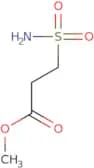
CAS:<p>Versatile small molecule scaffold</p>Formula:C4H7ClO4SPurity:Min. 95%Molecular weight:186.6 g/molMethyl 3-sulfamoylpropanoate
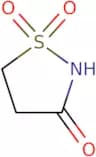
CAS:<p>Versatile small molecule scaffold</p>Formula:C4H9NO4SPurity:Min. 95%Molecular weight:167.19 g/mol1,1-dioxo-1,2-thiazolidin-3-one
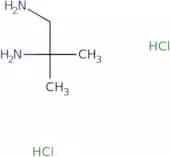
CAS:<p>1,1-Dioxo-1,2-thiazolidin-3-one is a protease inhibitor that inhibits the activity of serine proteases. It is used to treat inflammatory diseases and cancer. 1,1-Dioxo-1,2-thiazolidin-3-one prevents the spread of cancer cells by inhibiting their ability to break down proteins that are important for cell growth and division. This drug also possesses anti-inflammatory properties. These effects may be due to its inhibition of serine proteases such as matrix metalloproteinases (MMPs) and cathepsins.</p>Formula:C3H5NO3SPurity:Min. 95%Molecular weight:135.14 g/mol2-Methylpropane-1,2-diamine dihydrochloride
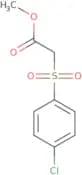
CAS:<p>Versatile small molecule scaffold</p>Formula:C4H14Cl2N2Purity:Min. 95%Molecular weight:161.07 g/molMethyl 2-(4-chlorobenzenesulfonyl)acetate
CAS:<p>Versatile small molecule scaffold</p>Formula:C9H9ClO4SPurity:Min. 95%Molecular weight:248.68 g/molDimethyl bicyclo[2.2.1]heptane-1,4-dicarboxylate
CAS:<p>Dimethyl bicyclo[2.2.1]heptane-1,4-dicarboxylate is a synthetic diol with the chemical formula (CH)C(O)CH(CH)(CO)OCH. It has been shown to be one of the most effective diols for alkylation of ethylene in a continuous process, yielding high yields and low amounts of byproducts. Dimethyl bicyclo[2.2.1]heptane-1,4-dicarboxylate has also been used as an immobilized catalyst for lipase production and has shown potential as an immobilized catalyst for cycloaliphatic ring opening reactions using magnetic fields to control reactivity and stereochemistry.</p>Formula:C11H16O4Purity:Min. 95%Molecular weight:212.24 g/mol4-(methoxycarbonyl)bicyclo[2.2.1]heptane-1-carboxylic acid
CAS:<p>4-(Methoxycarbonyl)bicyclo[2.2.1]heptane-1-carboxylic acid is a dicarboxylic acid that can be prepared by the reaction of malonic ester and allyl alcohol in the presence of base. It is a precursor to 4-hydroxybutyric acid, which is an intermediate in the conversion of lysine to methionine. 4-(Methoxycarbonyl)bicyclo[2.2.1]heptane-1-carboxylic acid is used as a monoester and diester in the preparation of detergents and emulsifiers, as well as being used in the synthesis of pharmaceuticals and other organic compounds. The monoester form has been shown to have high yields for use with Burkholderia cepacia lipases (BCL) immobilized on silica gel, while the diesters are</p>Formula:C10H14O4Purity:Min. 95%Molecular weight:198.2 g/molMethyl 4-carbamoylbicyclo[2.2.1]heptane-1-carboxylate
CAS:<p>Versatile small molecule scaffold</p>Formula:C10H15NO3Purity:Min. 95%Molecular weight:197.23 g/mol4-Bromobicyclo[2.2.1]heptane-1-carboxylic acid
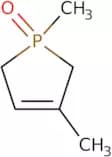
CAS:<p>Versatile small molecule scaffold</p>Formula:C8H11BrO2Purity:Min. 95%Molecular weight:219.08 g/mol1,3-Dimethyl-3-phospholene 1-oxide
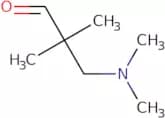
CAS:<p>Versatile small molecule scaffold</p>Formula:C6H11OPPurity:Min. 95%Molecular weight:130.12 g/mol3-Dimethylamino-2,2-dimethyl-propionaldehyde
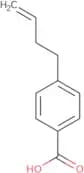
CAS:<p>3-Dimethylamino-2,2-dimethylpropionaldehyde is an equimolar mixture of 3-dimethylamino-2,2-dimethylpropionaldehyde and 3-methylbutyraldehyde. This aldehyde has multifunctional properties and can be used in the preparation of a wide variety of aldehydes, such as acetaldehyde, benzaldehyde, butyraldehyde, and cinnamaldehyde. The reaction products are known for their pharmacophore activity. This product was also shown to have nmr spectrum with signals at δ 0.94 (3H), δ 1.23 (3H), δ 2.00 (6H), δ 4.82 (1H). The proton signal is at δ 7.28 ppm and the nitrogen atom is at δ 5.04 ppm in the spectrum of this product.END><br>END></p>Formula:C7H15NOPurity:Min. 95%Molecular weight:129.2 g/mol4-(But-3-en-1-yl)benzoic acid
CAS:<p>Versatile small molecule scaffold</p>Formula:C11H12O2Purity:Min. 95%Molecular weight:176.21 g/mol2-[2-(4-Methoxyphenyl)ethyl]-1H-1,3-benzodiazole
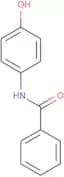
CAS:<p>Versatile small molecule scaffold</p>Formula:C16H16N2OPurity:Min. 95%Molecular weight:252.31 g/molN-(4-Hydroxyphenyl)benzamide
CAS:<p>4-Hydroxyphenylbenzamide is a metabolite of biphenyl and an estrogen receptor modulator. It has been shown to inhibit the proliferation of human breast cancer cells in vitro. 4-Hydroxyphenylbenzamide binds to the estrogen receptors and inhibits the negative feedback on the hypothalamus, which leads to increased levels of luteinizing hormone and follicle stimulating hormone. This results in vasomotor symptoms such as hot flashes, night sweats, and mood swings. The drug also has effects on bone metabolism by increasing bone resorption and decreasing bone formation. 4-Hydroxyphenylbenzamide is metabolized in the liver by glucuronidation conjugates, which are excreted in feces or eliminated through urine.</p>Formula:C13H11NO2Purity:Min. 95%Molecular weight:213.23 g/mol4-Chloro-2,6-diiodophenol
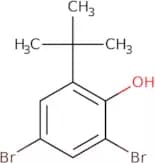
CAS:<p>4-Chloro-2,6-diiodophenol is a disinfectant that belongs to the family of phenolic compounds. It is used as a water purifier and has been shown to be effective against Diptera, Culicidae and Trichoptera, although it is not effective against other insects. 4-Chloro-2,6-diiodophenol reacts with chlorine to form chloral hydrate, which is an intermediate in the synthesis of trichloroacetic acid. This reaction rate has been shown to increase with population density. The effectiveness of 4-chloro-2,6-diiodophenol as a disinfectant has been found to be dependent on the concentration of chlorine in the water.</p>Formula:C6H3ClI2OPurity:Min. 95%Molecular weight:380.35 g/mol2,4-Dibromo-6-tert-butylphenol
CAS:<p>Versatile small molecule scaffold</p>Formula:C10H12Br2OPurity:Min. 95%Molecular weight:308.01 g/mol4-[Cyano(hydroxy)methyl]benzonitrile
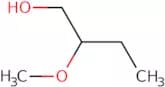
CAS:<p>Versatile small molecule scaffold</p>Formula:C9H6N2OPurity:Min. 95%Molecular weight:158.16 g/mol2-Methoxy-1-butanol
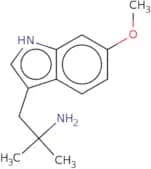
CAS:<p>2-Methoxy-1-butanol is a hydroxy group with a primary alcohol that is often used in the oxidation of epoxides. The cavity of 2-methoxy-1-butanol forms hydrogen bonds with the epoxide ring, which allows for an epoxide to be cleaved by the ring opening. This process requires an acid catalyst and has an activation energy of 170 kJ/mol. The reaction rate is 5.0 x 10^6 M/sec and the reaction mechanism is proposed to be as follows: first, phosphotungstic acid reacts with water to form phosphotungstate ion; second, phosphotungstate ion reacts with butanol to produce hydroxyl group.</p>Formula:C5H12O2Purity:Min. 95%Molecular weight:104.15 g/mol1-(6-Methoxy-1H-indol-3-yl)-2-methylpropan-2-amine
CAS:Controlled Product<p>Versatile small molecule scaffold</p>Formula:C13H18N2OPurity:Min. 95%Molecular weight:218.3 g/mol4-Nitrobutanamide
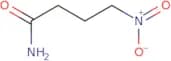
CAS:<p>4-Nitrobutanamide is an aliphatic aldehyde that is used as a reagent in the synthesis of quinoxaline derivatives. 4-Nitrobutanamide can be synthesized by the reaction of ammonium carbonate with aliphatic aldehydes and quinoxaline. The mechanism for this reaction has been elucidated through electrospray ionization mass spectrometry. This compound is also used in the synthesis of activated ammonium amides.</p>Formula:C4H8N2O3Purity:Min. 95%Molecular weight:132.12 g/mol2-Hydroxy-1-(4-methylphenyl)propan-1-one
CAS:<p>2-Hydroxy-1-(4-methylphenyl)propan-1-one is a putrefactive compound that has been detected in the breath of pneumoniae and escherichia coli patients. It is also present in the urine of porcine, where it can be used as a biomarker for bacterial infection. The detection of 2-hydroxy-1-(4-methylphenyl)propan-1-one was found to be detectable by magnetic resonance spectroscopy and monitoring with magnetic resonance spectroscopy. The compound has been shown to inhibit bacterial growth in vitro.</p>Formula:C10H12O2Purity:Min. 95%Molecular weight:164.2 g/mol2-Hydroxy-1-(4-methoxyphenyl)propan-1-one
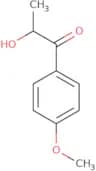
CAS:<p>Versatile small molecule scaffold</p>Formula:C10H12O3Purity:Min. 95%Molecular weight:180.2 g/mol2-Hydroxy-3-(4-nitrophenyl)propanoic acid
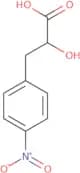
CAS:<p>Versatile small molecule scaffold</p>Formula:C9H9NO5Purity:Min. 95%Molecular weight:211.17 g/mol2-Oxo-1H-quinoline-4-carbaldehyde
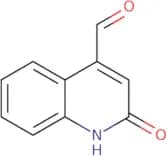
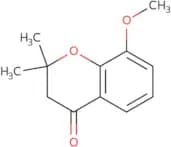
CAS:<p>2-Oxo-1H-quinoline-4-carbaldehyde is a synthetic compound that was synthesized by modifying the experimental method. Single crystals of this compound were obtained by x-ray analysis and x-ray diffraction. The infrared spectrum and mass spectrum of this compound showed it to be a single molecule composed of two identical molecules. 2-Oxo-1H-quinoline-4-carbaldehyde has been found to have transforming properties, which can be used for the synthesis of other compounds. Experimental methods have been developed to optimize the production of this substance and analyze its physical properties.</p>Formula:C10H7NO2Purity:Min. 95%Molecular weight:173.17 g/mol8-Methoxy-2,2-dimethyl-3,4-dihydro-2H-1-benzopyran-4-one
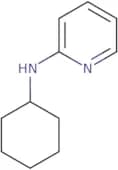
CAS:<p>Versatile small molecule scaffold</p>Formula:C12H14O3Purity:Min. 95%Molecular weight:206.24 g/molN-Cyclohexylpyridin-2-amine
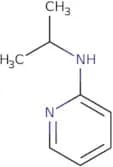
CAS:<p>N-Cyclohexylpyridin-2-amine is a cyclic amine that has two cyclohexane rings with a nitrogen atom in the center. This compound is a dimer, which means it has two identical molecules bonded together. The hydrogen bond between the molecules causes them to have different geometries than expected. The catalytic activity of this compound is dependent on the nature and steric interactions of the macrocycles. Spectroscopies can be used to determine the molecular structure and confirm its dimeric form. X-ray crystal structures show that N-Cyclohexylpyridin-2-amine forms a macrocycle with one molecule bound to another in a head-to-tail orientation. Ligands are compounds that bind to metal ions, such as magnesium, zinc, or iron.</p>Formula:C11H16N2Purity:Min. 95%Molecular weight:176.26 g/molN-(Propan-2-yl)pyridin-2-amine
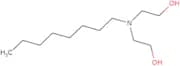
CAS:<p>N-(Propan-2-yl)pyridin-2-amine is a ligand that binds to metal ions via the chloride, n-oxide and bidentate ligands. It is used in coordination chemistry as a precursor for the preparation of complexes with metals. In electron spin resonance spectroscopy it has been used as an anion for the determination of chloride and nitrate content in water. The damaged and halogenated forms of this compound are useful in the synthesis of other compounds, such as nerve agents.</p>Formula:C8H12N2Purity:Min. 95%Molecular weight:136.19 g/mol2,2'-(Octylazanediyl)diethanol
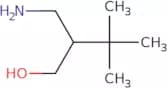
CAS:<p>2,2'-(Octylazanediyl)diethanol is a boron-containing chemical that is used to extract uranium from its ores. It is an effective complexing agent for the extraction of uranium from its ores. This chemical has been shown to be able to extract uranium from ores with a concentration of up to 0.15%. The extraction process takes place in acidic containers and is optimized by varying the reaction time and diethanolamine concentration. 2,2'-(Octylazanediyl)diethanol also inhibits ATPase activity in bacteria, which may be due to its ability to inhibit the transport function in these organisms.</p>Formula:C12H27NO2Purity:Min. 95%Molecular weight:217.35 g/mol2-(Aminomethyl)-3,3-dimethylbutan-1-ol
CAS:<p>Versatile small molecule scaffold</p>Formula:C7H17NOPurity:Min. 95%Molecular weight:131.22 g/mol1,3-Dichloro-5H,6H,7H-cyclopenta[C]pyridine-4-carbonitrile
CAS:<p>Versatile small molecule scaffold</p>Formula:C9H6Cl2N2Purity:Min. 95%Molecular weight:213.06 g/mol5H,6H,7H-Cyclopenta[C]pyridine-4-carbonitrile
CAS:<p>Versatile small molecule scaffold</p>Formula:C9H8N2Purity:Min. 95%Molecular weight:144.17 g/mol3-tert-Butyl-7-oxabicyclo[4.1.0]heptane
CAS:<p>Versatile small molecule scaffold</p>Formula:C10H18OPurity:Min. 95%Molecular weight:154.25 g/mol2-Cyclohexyl-2-methoxyacetic acid
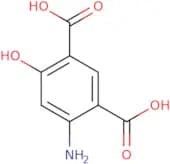
CAS:<p>2-Cyclohexyl-2-methoxyacetic acid (CHMA) is a spectroscopic reagent. The 13C NMR spectrum of CHMA shows the presence of two carbonyl groups, one methylene and one methoxymethylene group. The compound can be derivatized to produce an aldehyde or ester.</p>Formula:C9H16O3Purity:Min. 95%Molecular weight:172.22 g/mol4-Amino-6-hydroxybenzene-1,3-dicarboxylic acid
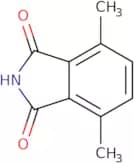
CAS:<p>Versatile small molecule scaffold</p>Formula:C8H7NO5Purity:Min. 95%Molecular weight:197.14 g/mol4,7-Dimethyl-2,3-dihydro-1H-isoindole-1,3-dione
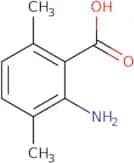
CAS:<p>Versatile small molecule scaffold</p>Formula:C10H9NO2Purity:Min. 95%Molecular weight:175.18 g/mol2-Amino-3,6-dimethylbenzoic acid
CAS:<p>2-Amino-3,6-dimethylbenzoic acid is an equilibrating agent that has been used to study the interaction and kinetics of hydrogen bonds. It is a white crystalline solid with a molecular weight of 164.2 g/mol and a melting point of 127 °C. The kinetic method has been used to study the equilibration between its two forms: 3,4-dihydroxybenzoic acid (DHB) and 2-hydroxybenzoic acid (HBA). This equilibrium can be described by the equation DHB + HBA ⇌ DHB + HBA, where the equilibrium constant is K = [DHB][HBA]/[DHB][HBA]. The kinetic method was also applied to study the reaction between 2-amino-3,6-dimethylbenzoic acid and methyl derivatives of olefins. In this case, the kinetic method was used to determine</p>Formula:C9H11NO2Purity:Min. 95%Molecular weight:165.19 g/molbicyclo[2.2.1]heptane-1,4-dicarboxylic acid
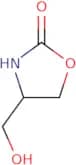
CAS:<p>Versatile small molecule scaffold</p>Formula:C9H12O4Purity:Min. 95%Molecular weight:184.19 g/mol4-(Hydroxymethyl)oxazolidin-2-one
CAS:<p>4-(Hydroxymethyl)oxazolidin-2-one is an activated form of oxazolidinones that can react with potassium ions to form a stable, water soluble salt. This reaction is catalyzed by lanthanum ion and the reaction mechanism involves the formation of fatty acid esters. It has been found to be effective in the synthesis of methyl palmitate, which is a fatty acid that can be used as a raw material for biodiesel production. The reaction intermediates are dehydrating and constant, and the metal ion is lanthanum. 4-(Hydroxymethyl)oxazolidin-2-one has impurities such as adiponitrile, acidic impurities, and stereoselective impurities.</p>Formula:C4H7NO3Purity:Min. 95%Molecular weight:117.1 g/mol4-[(Ethoxycarbonyl)oxy]benzoic acid
CAS:<p>Versatile small molecule scaffold</p>Formula:C10H10O5Purity:Min. 95%Molecular weight:210.18 g/mol2-(2,6-Dimethoxyphenyl)acetic acid
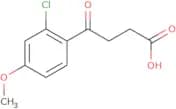
CAS:<p>2-(2,6-Dimethoxyphenyl)acetic acid is a phenolic compound that can be found in the urine of people suffering from alcaptonuria. This disease is caused by the accumulation of homogentisic acid in the body and results in abnormalities such as neural tube defects. 2-(2,6-Dimethoxyphenyl)acetic acid is formed during the conversion of resorcinol to dihydroxybenzene by demethylation. It also has low yields when synthesized from methyl ester and benzene, which makes it difficult to produce synthetically.</p>Formula:C10H12O4Purity:Min. 95%Molecular weight:196.2 g/mol4-(2-Chloro-4-methoxyphenyl)-4-oxobutanoic acid
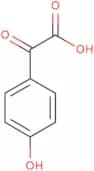
CAS:<p>Versatile small molecule scaffold</p>Formula:C11H11ClO4Purity:Min. 95%Molecular weight:242.65 g/mol2-(4-Hydroxyphenyl)-2-oxoacetic acid
CAS:<p>2-Hydroxyphenyl-2-oxoacetic acid (HPPAA) is a pharmaceutical preparation used to treat insulin resistance and type 2 diabetes. It has been shown to increase the activity of mitochondrial enzymes, inhibit oxidative phosphorylation, and increase the oxidation of fatty acids. HPPAA has also been shown to reduce carnitine levels in muscle tissue, which may contribute to its anti-obesity effects. HPPAA is an analytical method for detecting insulin resistance in Sprague-Dawley rats. This method is based on UV absorption at 280 nm and can be used with other analytical methods such as gas chromatography or liquid chromatography.</p>Formula:C8H6O4Purity:Min. 95%Molecular weight:166.13 g/mol{7-Oxabicyclo[2.2.1]heptan-1-yl}methanol
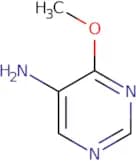
CAS:<p>Versatile small molecule scaffold</p>Formula:C7H12O2Purity:Min. 95%Molecular weight:128.2 g/mol4-methoxypyrimidin-5-amine
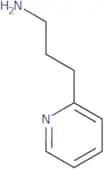
CAS:<p>Versatile small molecule scaffold</p>Formula:C5H7N3OPurity:Min. 95%Molecular weight:125.12 g/mol3-(Pyridin-2-yl)propan-1-amine
CAS:<p>Versatile small molecule scaffold</p>Formula:C8H12N2Purity:Min. 95%Molecular weight:136.2 g/molN-Methyl-3-(pyridin-2-yl)propan-1-amine
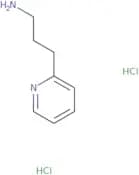
CAS:<p>Versatile small molecule scaffold</p>Formula:C9H14N2Purity:Min. 95%Molecular weight:150.22 g/mol3-(Pyridin-2-yl)propan-1-amine dihydrochloride
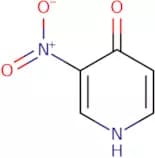
CAS:<p>Versatile small molecule scaffold</p>Formula:C8H14Cl2N2Purity:Min. 95%Molecular weight:209.11 g/mol3-Nitropyridin-4(1H)-one
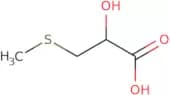
CAS:<p>3-Nitropyridin-4(1H)-one is an organic solvent that has a number of industrial applications. It is used as a raw material for the production of other chemicals and as a cleaning agent in wastewater treatment plants. 3-Nitropyridin-4(1H)-one is also used in the synthesis of amines and nitro compounds. This compound is found in high concentrations in urban air due to its use as a solvent and its presence as a contaminant in carbon tetrachloride. The sublimed form of 3-nitropyridin-4(1H)-one has been shown to react with primary amines, amines, and tautomeric compounds, leading to the formation of nitro compounds or chloride ions. The nmr spectra show that this compound interacts with low energy radiation.</p>Formula:C5H4N2O3Purity:Min. 95%Molecular weight:140.1 g/mol2-Hydroxy-3-(methylsulfanyl)propanoic acid
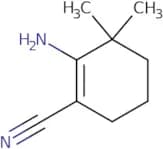
CAS:<p>2-Hydroxy-3-(methylsulfanyl)propanoic acid is a polychromatic compound that has been used as an x-ray contrast agent. It has been shown to be useful in imaging techniques such as diffraction, x-ray, and electron microscopy. 2-Hydroxy-3-(methylsulfanyl)propanoic acid is also used in the study of human genome structure and function. This molecule has been found to bind to DNA in the nucleus, which is believed to help with its ability to transport electrons along DNA molecules. 2-Hydroxy-3-(methylsulfanyl)propanoic acid has been shown to have anticancer properties and has also been found useful for tissue imaging.</p>Formula:C4H8O3SPurity:Min. 95%Molecular weight:136.17 g/mol2-Amino-3,3-dimethylcyclohex-1-ene-1-carbonitrile
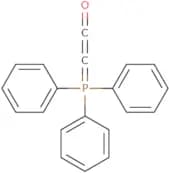
CAS:<p>Versatile small molecule scaffold</p>Formula:C9H14N2Purity:Min. 95%Molecular weight:150.22 g/mol(Triphenylphosphoranylidene)ketene
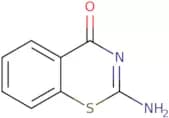
CAS:<p>Triphenylphosphoranylidene)ketene is an amine-containing compound that is used as a catalyst in organic synthesis. It can be used in reactions involving the cleavage of carbon-carbon bonds and has been shown to oxidize alcohols, ethers, and esters. Triphenylphosphoranylidene)ketene was first synthesized in 1887 by the reaction of triphenylphosphine with ethylene dione.</p>Formula:C20H15OPPurity:Min. 95%Molecular weight:302.31 g/mol2-Amino-4H-1,3-benzothiazin-4-one
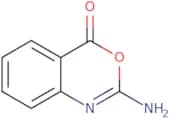
CAS:<p>Versatile small molecule scaffold</p>Formula:C8H6N2OSPurity:Min. 95%Molecular weight:178.21 g/mol2-Amino-4H-3,1-benzoxazin-4-one
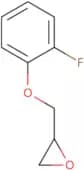
CAS:<p>Quinazolone is a quinazoline derivative with a 2-amino-4H-3,1-benzoxazin-4-one moiety. It is an inhibitor of enzymes that catalyze the phosphorylation of alkenes and alkynes, such as malonate decarboxylase and acetoacetyl-CoA thiolase. Quinazolones are also used in pharmaceuticals, mainly as anticonvulsants or antipsychotics. The quinazolone group is obtained by condensation of cyanamide with diethyl malonate or ethyl malonate. The resulting quinazoline can be converted to the corresponding quinazolone by replacement of the amino group with an amine. This reaction is called the Baeyer–Villiger oxidation. Quinazolones can also be synthesized from aralkyl chlorides by treatment with phenylurea followed by hydrolysis</p>Formula:C8H6N2O2Purity:Min. 95%Molecular weight:162.15 g/mol2-(2-Fluorophenoxymethyl)oxirane
CAS:<p>2-(2-Fluorophenoxymethyl)oxirane is an organic compound that has been used as a diagnostic agent for the detection of Staphylococcus. It reacts with 2-amino-3-ketobutyric acid, which is the end product of bacterial metabolism and can be detected by gas chromatography. The sensitivity of this assay is approximately 10 CFU/mL. This compound has also been used as a probe for the study of bacterial metabolites in aerogenes cultures. In addition, it has been utilized as a sensor for bacterial growth in supernatants from subtilis bacteria cultures. 2-(2-Fluorophenoxymethyl)oxirane is not active against resistant strains of bacteria such as enterobacter and epidermidis species.</p>Formula:C9H9FO2Purity:Min. 95%Molecular weight:168.16 g/mol





![2-[(2,5-Dimethylphenyl)sulfanyl]acetic acid](/_next/image/?url=https%3A%2Fstatic.cymitquimica.com%2Fproducts%2F3D%2Fthumb-webp%2FQAA31087.webp&w=3840&q=75)
![1H,2H,3H,4H,7H,8H-Pyrido[2,3-d]pyridazin-8-one](/_next/image/?url=https%3A%2Fstatic.cymitquimica.com%2Fproducts%2F3D%2Fthumb-webp%2FQAA37578.webp&w=3840&q=75)
![4-[(3-Chlorophenyl)amino]-4-oxobutanoic acid](/_next/image/?url=https%3A%2Fstatic.cymitquimica.com%2Fproducts%2F3D%2Fthumb-webp%2FQAA38696.webp&w=3840&q=75)


![Dimethyl bicyclo[2.2.1]heptane-1,4-dicarboxylate](/_next/image/?url=https%3A%2Fstatic.cymitquimica.com%2Fproducts%2F3D%2Fthumb-webp%2FQAA44876.webp&w=3840&q=75)
![4-(methoxycarbonyl)bicyclo[2.2.1]heptane-1-carboxylic acid](/_next/image/?url=https%3A%2Fstatic.cymitquimica.com%2Fproducts%2F3D%2Fthumb-webp%2FQAA44877.webp&w=3840&q=75)
![Methyl 4-carbamoylbicyclo[2.2.1]heptane-1-carboxylate](/_next/image/?url=https%3A%2Fstatic.cymitquimica.com%2Fproducts%2F3D%2Fthumb-webp%2FQAA44878.webp&w=3840&q=75)
![4-Bromobicyclo[2.2.1]heptane-1-carboxylic acid](/_next/image/?url=https%3A%2Fstatic.cymitquimica.com%2Fproducts%2F3D%2Fthumb-webp%2FQAA44885.webp&w=3840&q=75)
![2-[2-(4-Methoxyphenyl)ethyl]-1H-1,3-benzodiazole](/_next/image/?url=https%3A%2Fstatic.cymitquimica.com%2Fproducts%2F3D%2Fthumb-webp%2FQAA45232.webp&w=3840&q=75)

![4-[Cyano(hydroxy)methyl]benzonitrile](/_next/image/?url=https%3A%2Fstatic.cymitquimica.com%2Fproducts%2F3D%2Fthumb-webp%2FQAA46407.webp&w=3840&q=75)

![1,3-Dichloro-5H,6H,7H-cyclopenta[C]pyridine-4-carbonitrile](/_next/image/?url=https%3A%2Fstatic.cymitquimica.com%2Fproducts%2F3D%2Fthumb-webp%2FQAA52446.webp&w=3840&q=75)
![5H,6H,7H-Cyclopenta[C]pyridine-4-carbonitrile](/_next/image/?url=https%3A%2Fstatic.cymitquimica.com%2Fproducts%2F3D%2Fthumb-webp%2FQAA52447.webp&w=3840&q=75)
![3-tert-Butyl-7-oxabicyclo[4.1.0]heptane](/_next/image/?url=https%3A%2Fstatic.cymitquimica.com%2Fproducts%2F3D%2Fthumb-webp%2FQAA53671.webp&w=3840&q=75)

![bicyclo[2.2.1]heptane-1,4-dicarboxylic acid](/_next/image/?url=https%3A%2Fstatic.cymitquimica.com%2Fproducts%2F3D%2Fthumb-webp%2FQAA54451.webp&w=3840&q=75)
![4-[(Ethoxycarbonyl)oxy]benzoic acid](/_next/image/?url=https%3A%2Fstatic.cymitquimica.com%2Fproducts%2F3D%2Fthumb-webp%2FQAA55232.webp&w=3840&q=75)

![{7-Oxabicyclo[2.2.1]heptan-1-yl}methanol](/_next/image/?url=https%3A%2Fstatic.cymitquimica.com%2Fproducts%2F3D%2Fthumb-webp%2FQAA57403.webp&w=3840&q=75)