


Building Blocks
This section contains fundamental products for the synthesis of organic and biological compounds. Building blocks are the essential starting materials used to construct complex molecules through various chemical reactions. They play a critical role in drug discovery, material science, and chemical research. At CymitQuimica, we offer a diverse range of high-quality building blocks to support your innovative research and industrial projects, ensuring you have the essential components for successful synthesis.
Subcategories of "Building Blocks"
- Boronic Acids & Boronic Acid Derivatives(5,756 products)
- Chiral Building Blocks(1,242 products)
- Hydrocarbon Building Blocks(6,093 products)
- Organic Building Blocks(60,519 products)
Found 195533 products of "Building Blocks"
Sort by
Purity (%)
0
100
|
0
|
50
|
90
|
95
|
100
1-[3-(Trifluoromethoxy)phenyl]pyrrolidin-3-amine
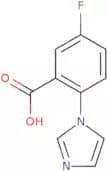
CAS:<p>Versatile small molecule scaffold</p>Formula:C11H13F3N2OPurity:Min. 95%Molecular weight:246.23 g/mol5-Fluoro-2-(1H-imidazol-1-yl)benzoic acid
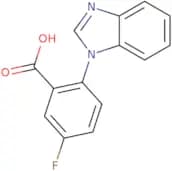
CAS:<p>Versatile small molecule scaffold</p>Formula:C10H7FN2O2Purity:Min. 95%Molecular weight:206.17 g/mol2-(1H-1,3-Benzodiazol-1-yl)-5-fluorobenzoic acid
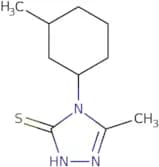
CAS:<p>Versatile small molecule scaffold</p>Formula:C14H9FN2O2Purity:Min. 95%Molecular weight:256.23 g/mol5-Methyl-4-(3-methylcyclohexyl)-4H-1,2,4-triazole-3-thiol
CAS:<p>Versatile small molecule scaffold</p>Formula:C10H17N3SPurity:Min. 95%Molecular weight:211.33 g/mol1-{[Methyl(propan-2-yl)carbamoyl]methyl}-1H-indole-4-carboxylic acid
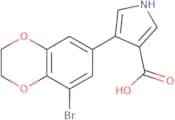
CAS:<p>Versatile small molecule scaffold</p>Formula:C15H18N2O3Purity:Min. 95%Molecular weight:274.31 g/mol4-(8-Bromo-2,3-dihydro-1,4-benzodioxin-6-yl)-1H-pyrrole-3-carboxylic acid
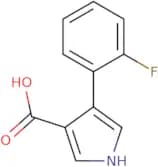
CAS:<p>Versatile small molecule scaffold</p>Formula:C13H10BrNO4Purity:Min. 95%Molecular weight:324.13 g/mol4-(2-Fluorophenyl)-1H-pyrrole-3-carboxylic acid
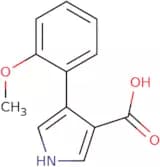
CAS:<p>Versatile small molecule scaffold</p>Formula:C11H8FNO2Purity:Min. 95%Molecular weight:205.18 g/mol4-(2-Methoxyphenyl)-1H-pyrrole-3-carboxylic acid
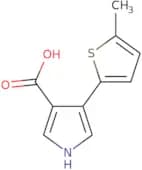
CAS:<p>Versatile small molecule scaffold</p>Formula:C12H11NO3Purity:Min. 95%Molecular weight:217.22 g/mol4-(5-Methylthiophen-2-yl)-1H-pyrrole-3-carboxylic acid
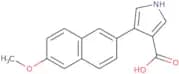
CAS:<p>Versatile small molecule scaffold</p>Formula:C10H9NO2SPurity:Min. 95%Molecular weight:207.25 g/mol4-(6-Methoxynaphthalen-2-yl)-1H-pyrrole-3-carboxylic acid
CAS:<p>Versatile small molecule scaffold</p>Formula:C16H13NO3Purity:Min. 95%Molecular weight:267.28 g/mol2-(2-Fluorophenyl)propanenitrile
CAS:<p>Versatile small molecule scaffold</p>Formula:C9H8FNPurity:Min. 95%Molecular weight:149.2 g/molMethyl 4-amino-3-[(methylcarbamoyl)methoxy]benzoate
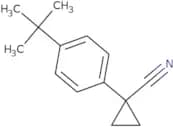
CAS:<p>Versatile small molecule scaffold</p>Formula:C11H14N2O4Purity:Min. 95%Molecular weight:238.24 g/mol1-(4-tert-Butylphenyl)cyclopropane-1-carbonitrile
CAS:<p>Versatile small molecule scaffold</p>Formula:C14H17NPurity:Min. 95%Molecular weight:199.29 g/mol[1-(4-tert-Butylphenyl)cyclopentyl]methanamine
CAS:<p>Versatile small molecule scaffold</p>Formula:C16H25NPurity:Min. 95%Molecular weight:231.38 g/mol{[2-(4-Chloro-2-methylphenoxy)-5-fluorophenyl]methyl}(methyl)amine
CAS:<p>Versatile small molecule scaffold</p>Formula:C15H15ClFNOPurity:Min. 95%Molecular weight:279.73 g/mol2-[(4-Methylpiperazin-1-yl)methyl]-1H-1,3-benzodiazol-6-amine
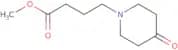
CAS:<p>Versatile small molecule scaffold</p>Formula:C13H19N5Purity:Min. 95%Molecular weight:245.32 g/molMethyl 4-(4-oxopiperidin-1-yl)butanoate
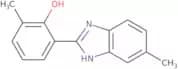
CAS:<p>Versatile small molecule scaffold</p>Formula:C10H17NO3Purity:Min. 95%Molecular weight:199.25 g/mol2-Methyl-6-(6-methyl-1H-1,3-benzodiazol-2-yl)phenol
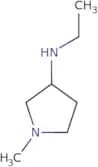
CAS:<p>Versatile small molecule scaffold</p>Formula:C15H14N2OPurity:Min. 95%Molecular weight:238.28 g/molEthyl-(1-methyl-pyrrolidin-3-yl)-amine
CAS:<p>Versatile small molecule scaffold</p>Formula:C7H16N2Purity:Min. 95%Molecular weight:128.22 g/mol1-[2-(Trifluoromethyl)phenyl]pyrrolidin-3-amine
CAS:<p>Versatile small molecule scaffold</p>Formula:C11H13F3N2Purity:Min. 95%Molecular weight:230.23 g/mol[5-Fluoro-2-(1H-1,2,4-triazol-1-yl)phenyl]methanol
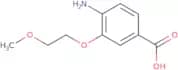
CAS:<p>Versatile small molecule scaffold</p>Formula:C9H8FN3OPurity:Min. 95%Molecular weight:193.18 g/mol4-Amino-3-(2-methoxyethoxy)benzoic acid
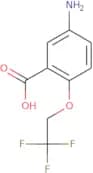
CAS:<p>Versatile small molecule scaffold</p>Formula:C10H13NO4Purity:Min. 95%Molecular weight:211.21 g/mol5-Amino-2-(2,2,2-trifluoroethoxy)benzoic acid
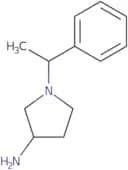
CAS:<p>Versatile small molecule scaffold</p>Formula:C9H8F3NO3Purity:Min. 95%Molecular weight:235.16 g/mol1-(1-Phenylethyl)pyrrolidin-3-amine
CAS:<p>Versatile small molecule scaffold</p>Formula:C12H18N2Purity:Min. 95%Molecular weight:190.28 g/mol2-[4-Ethyl-4-(4-ethylphenyl)-2,5-dioxoimidazolidin-1-yl]acetic acid
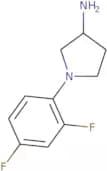
CAS:<p>Versatile small molecule scaffold</p>Formula:C15H18N2O4Purity:Min. 95%Molecular weight:290.31 g/mol1-(2,4-Difluorophenyl)pyrrolidin-3-amine
CAS:<p>Versatile small molecule scaffold</p>Formula:C10H12F2N2Purity:Min. 95%Molecular weight:198.21 g/mol1-Cyclopropyl-N-methylpiperidin-4-amine
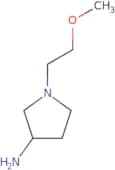
CAS:<p>Versatile small molecule scaffold</p>Formula:C9H18N2Purity:Min. 95%Molecular weight:154.25 g/mol1-(2-Methoxyethyl)pyrrolidin-3-amine
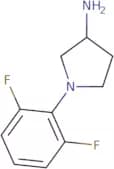
CAS:<p>1-(2-Methoxyethyl)pyrrolidin-3-amine is a novel non-opioid, non-NSAID analgesic that is being developed for the treatment of pelvic and infectious diseases. It has also been shown to have antiinflammatory and neuroprotective effects in animal models. 1-(2-Methoxyethyl)pyrrolidin-3-amine inhibits prostaglandin synthesis by binding to cyclooxygenase (COX) enzymes. These COX enzymes catalyze the conversion of arachidonic acid to prostaglandins, which mediate pain, fever, inflammation and tissue growth. 1-(2-Methoxyethyl)pyrrolidin-3-amine has shown efficacy in treating cancer pain syndrome and inflammatory pain syndromes such as fibromyalgia or osteoarthritis. This drug has also been shown to be effective in treating endometriosis and aberrant signaling caused by inflammatory diseases</p>Formula:C7H16N2OPurity:Min. 95%Molecular weight:144.21 g/mol1-(2,6-Difluorophenyl)pyrrolidin-3-amine
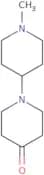
CAS:<p>Versatile small molecule scaffold</p>Formula:C10H12F2N2Purity:Min. 95%Molecular weight:198.21 g/mol1-(1-Methylpiperidin-4-yl)piperidin-4-one
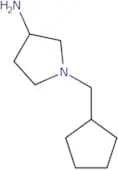
CAS:<p>Versatile small molecule scaffold</p>Formula:C11H20N2OPurity:Min. 95%Molecular weight:196.29 g/mol1-(Cyclopentylmethyl)pyrrolidin-3-amine
CAS:<p>Versatile small molecule scaffold</p>Formula:C10H20N2Purity:Min. 95%Molecular weight:168.28 g/molMethyl({2-[methyl(2,2,2-trifluoroethyl)amino]ethyl})amine
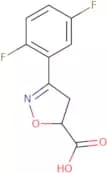
CAS:<p>Versatile small molecule scaffold</p>Formula:C6H13F3N2Purity:Min. 95%Molecular weight:170.18 g/mol3-(2,5-Difluorophenyl)-4,5-dihydro-1,2-oxazole-5-carboxylic acid
CAS:<p>Versatile small molecule scaffold</p>Formula:C10H7F2NO3Purity:Min. 95%Molecular weight:227.16 g/molMethyl 4-[(4-methoxypiperidin-1-yl)methyl]benzoate
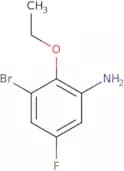
CAS:<p>Versatile small molecule scaffold</p>Formula:C15H21NO3Purity:Min. 95%Molecular weight:263.33 g/mol3-bromo-2-ethoxy-5-fluoroaniline
CAS:<p>Versatile small molecule scaffold</p>Formula:C8H9BrFNOPurity:Min. 95%Molecular weight:234.1 g/mol1-[1-(4-Methoxypiperidin-1-yl)cyclopentyl]methanamine
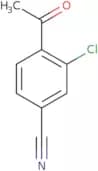
CAS:<p>Versatile small molecule scaffold</p>Formula:C12H24N2OPurity:Min. 95%Molecular weight:212.33 g/mol4-Acetyl-3-chlorobenzonitrile
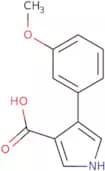
CAS:<p>Versatile small molecule scaffold</p>Formula:C9H6ClNOPurity:Min. 95%Molecular weight:179.6 g/mol4-(3-Methoxyphenyl)-1H-pyrrole-3-carboxylic acid
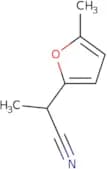
CAS:<p>Versatile small molecule scaffold</p>Formula:C12H11NO3Purity:Min. 95%Molecular weight:217.22 g/mol2-(5-Methylfuran-2-yl)propanenitrile
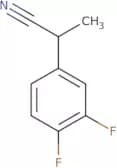
CAS:<p>Versatile small molecule scaffold</p>Formula:C8H9NOPurity:Min. 95%Molecular weight:135.16 g/mol2-(3,4-Difluorophenyl)propanenitrile
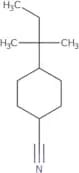
CAS:<p>Versatile small molecule scaffold</p>Formula:C9H7F2NPurity:Min. 95%Molecular weight:167.15 g/mol4-(2-Methylbutan-2-yl)cyclohexane-1-carbonitrile
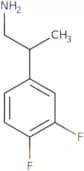
CAS:<p>Versatile small molecule scaffold</p>Formula:C12H21NPurity:Min. 95%Molecular weight:179.3 g/mol2-(3,4-Difluorophenyl)propan-1-amine
CAS:Controlled Product<p>Versatile small molecule scaffold</p>Formula:C9H11F2NPurity:Min. 95%Molecular weight:171.19 g/mol2-[(Aminocarbamothioyl)amino]-N-methylacetamide
CAS:<p>Versatile small molecule scaffold</p>Formula:C4H10N4OSPurity:Min. 95%Molecular weight:162.22 g/mol2-[(4-Amino-2-chlorophenyl)formamido]-N,N-dimethylacetamide
CAS:<p>Versatile small molecule scaffold</p>Formula:C11H14ClN3O2Purity:Min. 95%Molecular weight:255.7 g/mol2-Amino-4-[(4-methylpiperazin-1-yl)methyl]phenol
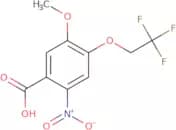
CAS:<p>Versatile small molecule scaffold</p>Formula:C12H19N3OPurity:Min. 95%Molecular weight:221.3 g/mol5-Methoxy-2-nitro-4-(2,2,2-trifluoroethoxy)benzoic acid
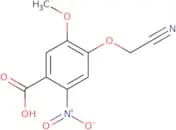
CAS:<p>Versatile small molecule scaffold</p>Formula:C10H8F3NO6Purity:Min. 95%Molecular weight:295.17 g/mol4-(Cyanomethoxy)-5-methoxy-2-nitrobenzoic acid
CAS:<p>Versatile small molecule scaffold</p>Formula:C10H8N2O6Purity:Min. 95%Molecular weight:252.18 g/mol6-Ethyl-3-(propan-2-yl)-[1,2]oxazolo[5,4-b]pyridine-4-carboxylic acid
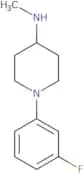
CAS:<p>Versatile small molecule scaffold</p>Formula:C12H14N2O3Purity:Min. 95%Molecular weight:234.25 g/mol1-(3-Fluorophenyl)-N-methylpiperidin-4-amine
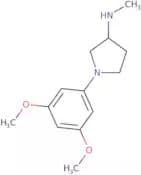
CAS:<p>Versatile small molecule scaffold</p>Formula:C12H17FN2Purity:Min. 95%Molecular weight:208.27 g/mol1-(3,5-Dimethoxyphenyl)-N-methylpyrrolidin-3-amine
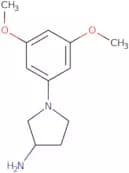
CAS:<p>Versatile small molecule scaffold</p>Formula:C13H20N2O2Purity:Min. 95%Molecular weight:236.31 g/mol1-(3,5-Dimethoxyphenyl)pyrrolidin-3-amine
CAS:<p>Versatile small molecule scaffold</p>Formula:C12H18N2O2Purity:Min. 95%Molecular weight:222.28 g/mol5-Fluoro-2-[methyl(pentyl)amino]benzaldehyde
CAS:<p>Versatile small molecule scaffold</p>Formula:C13H18FNOPurity:Min. 95%Molecular weight:223.29 g/mol5-Fluoro-2-[methyl(2-methylbutyl)amino]benzaldehyde
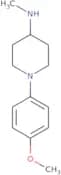
CAS:<p>Versatile small molecule scaffold</p>Formula:C13H18FNOPurity:Min. 95%Molecular weight:223.29 g/mol1-(4-Methoxyphenyl)-N-methylpiperidin-4-amine
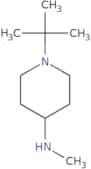
CAS:<p>Versatile small molecule scaffold</p>Formula:C13H20N2OPurity:Min. 95%Molecular weight:220.31 g/mol(1-tert-Butyl-piperidin-4-yl)-methyl-amine
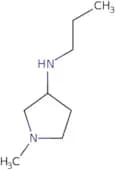
CAS:<p>Versatile small molecule scaffold</p>Formula:C10H22N2Purity:Min. 95%Molecular weight:170.3 g/mol1-Methyl-N-propylpyrrolidin-3-amine
CAS:<p>Versatile small molecule scaffold</p>Formula:C8H18N2Purity:Min. 95%Molecular weight:142.24 g/molN-Methyl-1-[2-(trifluoromethyl)phenyl]piperidin-4-amine
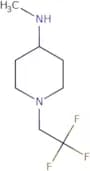
CAS:<p>Versatile small molecule scaffold</p>Formula:C13H17F3N2Purity:Min. 95%Molecular weight:258.28 g/molN-Methyl-1-(2,2,2-trifluoroethyl)piperidin-4-amine
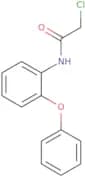
CAS:<p>Versatile small molecule scaffold</p>Formula:C8H15F3N2Purity:Min. 95%Molecular weight:196.21 g/mol2-Chloro-N-(2-phenoxy-phenyl)-acetamide
CAS:<p>Versatile small molecule scaffold</p>Formula:C14H12ClNO2Purity:Min. 95%Molecular weight:261.7 g/mol2-Chloro-N-[2-(phenylsulfanyl)phenyl]acetamide
CAS:<p>Versatile small molecule scaffold</p>Formula:C14H12ClNOSPurity:Min. 95%Molecular weight:277.8 g/mol5-[(Diethylamino)methyl]quinolin-8-ol
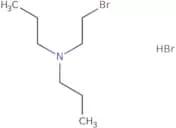
CAS:<p>Versatile small molecule scaffold</p>Formula:C14H18N2OPurity:Min. 95%Molecular weight:230.31 g/mol(2-Bromoethyl)dipropylamine hydrobromide
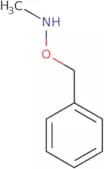
CAS:<p>Versatile small molecule scaffold</p>Formula:C8H19Br2NPurity:Min. 95%Molecular weight:289.05 g/mol(Benzyloxy)(methyl)amine
CAS:<p>Benzyloxy(methyl)amine (BMA) is a potent inhibitor of oligosaccharide synthesis. BMA has been shown to inhibit cellular growth in a variety of cell culture assays. It also inhibits proton-dependent biosynthesis, which is the mechanism by which cells produce energy. BMA binds to protonated dinucleotide phosphate and has been shown to induce cancer cell death by inhibiting protein synthesis.</p>Formula:C8H11NOPurity:Min. 95%Molecular weight:137.18 g/molSodium Benzohydroxamate
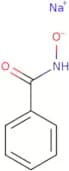
CAS:<p>Sodium benzohydroxamate (SBH) is a synthetic reagent that is used in organic synthesis to form hydroxamic acids. Sodium benzohydroxamate can be used as a substitute for sodium carbonate, which is not available in some countries. The reaction time of SBH and cyanamide is much shorter than the reaction time of sodium carbonate and cyanamide. The yield of hydroxamic acid formed by SBH is lower than the yield of hydroxamic acid formed by sodium carbonate, due to its low efficiency. Sodium hydrogen reacts with the cyanide ion to form the corresponding hydroxamic acid and ammonium ion, which are separated from each other during the process. A postulated mechanism for this reaction includes an aldehyde dehydrogenase enzyme that oxidizes the aldehyde group on the reactant, thereby forming an alcohol group.</p>Formula:C7H6NNaO2Purity:Min. 95%Molecular weight:159.12 g/molMethyl 3-(trimethylsilyl)benzoate
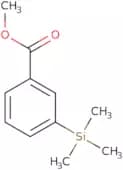
CAS:<p>Versatile small molecule scaffold</p>Formula:C11H16O2SiPurity:Min. 95%Molecular weight:208.33 g/molMethyl 4-(Trimethylsilyl)benzoate
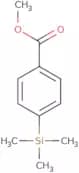
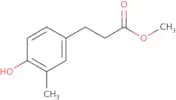
CAS:<p>Methyl 4-(trimethylsilyl)benzoate is a chemical compound that is used in geosmin removal. Geosmin is a natural chemical compound that has a strong, earthy smell. Methyl 4-(trimethylsilyl)benzoate is used to remove geosmin from recycled water and wastewater, as well as the fatty acids that have been released into the environment by oil spills. It is also used in the synthesis of linearis, which can be used for the production of halides and undecanoic acid. Methyl 4-(trimethylsilyl)benzoate can be used for catalysis of reactions at room temperature or below, without the need for high pressures or temperatures. This chemical compound has been shown to be an effective catalyst for cross-coupling reactions involving disilane, isolating silicon from siloxanes, and producing linearis from unsaturated fatty acids and alcohols. Methyl 4</p>Formula:C11H16O2SiPurity:Min. 95%Molecular weight:208.33 g/molMethyl 3-(4-hydroxy-3-methylphenyl)propanoate
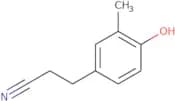
CAS:<p>Versatile small molecule scaffold</p>Formula:C11H14O3Purity:Min. 95%Molecular weight:194.23 g/mol3-(4-Hydroxy-3-methylphenyl)propanenitrile
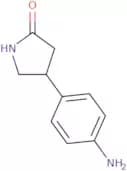
CAS:<p>Versatile small molecule scaffold</p>Formula:C10H11NOPurity:Min. 95%Molecular weight:161.2 g/mol4-(4-Aminophenyl)pyrrolidin-2-one
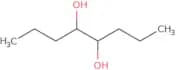
CAS:<p>Versatile small molecule scaffold</p>Formula:C10H12N2OPurity:Min. 95%Molecular weight:176.21 g/mol(4R,5S)-Octane-4,5-diol
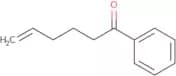
CAS:<p>Versatile small molecule scaffold</p>Formula:C8H18O2Purity:Min. 95%Molecular weight:146.2 g/mol1-Phenylhex-5-en-1-one
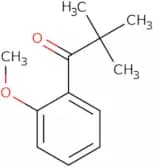
CAS:<p>Pyrrole is a heterocyclic organic compound with the chemical formula C5H5N. It is structurally similar to benzene, with one of the hydrogen atoms replaced by a nitrogen atom in the 1-position. Pyrrole has been used extensively as a starting material for synthesizing other heterocycles and compounds. The advances in pyrrole synthesis have been made using acetonitrile as an acceptor and phenyl ring as a five-membered ring. In this reaction, photoirradiation or irradiation can be used to generate an oxime which can then be coupled with an acceptor molecule such as aniline or cyclohexanone. This process yields neocryptolepine, which has shown anti-inflammatory properties and is currently being researched for use in drug development.</p>Formula:C12H14OPurity:Min. 95%Molecular weight:174.24 g/mol1-(2-Methoxyphenyl)-2,2-dimethylpropan-1-one
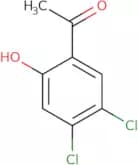
CAS:<p>Versatile small molecule scaffold</p>Formula:C12H16O2Purity:Min. 95%Molecular weight:192.25 g/mol1-(4,5-Dichloro-2-hydroxyphenyl)ethanone
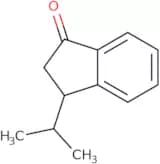
CAS:<p>Versatile small molecule scaffold</p>Formula:C8H6O2Cl2Purity:Min. 95%Molecular weight:205.03 g/mol3-(Propan-2-yl)-2,3-dihydro-1H-inden-1-one
CAS:<p>The conformational analysis of 3-(Propan-2-yl)-2,3-dihydro-1H-inden-1-one was carried out by the technique of conformational analysis. It was found that this molecule has two possible conformations, one with an alkyl group in the axial position and another with an alkyl group on the equatorial position.</p>Formula:C12H14OPurity:Min. 95%Molecular weight:174.24 g/mol[(2-Oxo-2-phenylethyl)sulfanyl]acetic acid
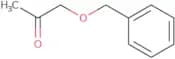
CAS:<p>[(2-Oxo-2-phenylethyl)sulfanyl]acetic acid is a methyl ester that belongs to the class of alpha,alpha-diphenylacetates. It has been shown to be an effective inhibitor of protein synthesis in bacteria and yeast. This inhibition may be due to its ability to inhibit ribosome function by binding to the 30S subunit of bacterial ribosomes. The acid methyl ester form of [(2-Oxo-2-phenylethyl)sulfanyl]acetic acid is also an inhibitor of protein synthesis in bacteria and yeast, but it does not inhibit ribosome function.</p>Formula:C10H10O3SPurity:Min. 95%Molecular weight:210.25 g/molbenzyloxyacetone
CAS:<p>Benzyloxyacetone is a chiral compound that can be synthesized from salicylic acid. It has been shown to induce apoptosis in cancer cells, and is also an antibiotic. Benzyloxyacetone can be used as a substrate for the biosynthesis of various isoprenoid compounds such as cholesterol, steroids, and vitamins. The asymmetric synthesis of benzyloxyacetone is due to the presence of a hydroxyl group on one side of the molecule.</p>Formula:C10H12O2Purity:Min. 95%Molecular weight:164.2 g/mol[(4-Methoxyphenyl)methyl][2-(pyridin-2-yl)ethyl]amine
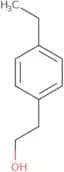
CAS:<p>Versatile small molecule scaffold</p>Formula:C15H18N2OPurity:Min. 95%Molecular weight:242.32 g/mol2-(4-Ethylphenyl)ethan-1-ol
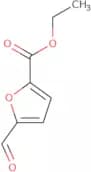
CAS:<p>Versatile small molecule scaffold</p>Formula:C10H14OPurity:Min. 95%Molecular weight:150.22 g/molEthyl 5-formylfuran-2-carboxylate
CAS:<p>Versatile small molecule scaffold</p>Formula:C8H8O4Purity:Min. 95%Molecular weight:168.15 g/mol1,2-Dimethoxy-4-[(E)-2-nitroethenyl]benzene
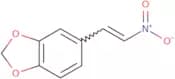
CAS:<p>Versatile small molecule scaffold</p>Formula:C10H11NO4Purity:Min. 95%Molecular weight:209.2 g/mol5-(2-Nitroethenyl)-2H-1,3-benzodioxole
CAS:<p>Versatile small molecule scaffold</p>Formula:C9H7NO4Purity:Min. 95%Molecular weight:193.16 g/mol2-({4-[(Carboxymethyl)carbamoyl]phenyl}formamido)acetic acid
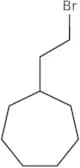
CAS:<p>Versatile small molecule scaffold</p>Formula:C12H12N2O6Purity:Min. 95%Molecular weight:280.23 g/mol(2-Bromoethyl)cycloheptane
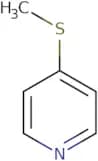
CAS:<p>Versatile small molecule scaffold</p>Formula:C9H17BrPurity:Min. 95%Molecular weight:205.13 g/mol4-(Methylsulfanyl)pyridine
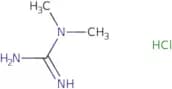
CAS:<p>4-Methylsulfanylpyridine is a ligand, chiral, and metallophilic. It has a pyridine ring that is magnetic. 4-Methylsulfanylpyridine also shows oxidation process profiles in hexane and tetrahydrofuran. 4-Methylsulfanylpyridine interacts with other compounds through a number of spectroscopies, including photoelectron, diffraction, and single-crystal x-ray diffraction. 4-Methylsulfanylpyridine can be used to catalyze reactions.</p>Formula:C6H7NSPurity:Min. 95%Molecular weight:125.19 g/mol1,1-Dimethylguanidine hydrochloride
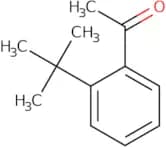
CAS:<p>1,1-Dimethylguanidine hydrochloride is an oxadiazole derivative that is used in the treatment of bacterial infections. It is a competitive inhibitor of bacterial leukocyte-mediated killing of bacteria and inhibits the growth of staphylococcal and staphylococcus aureus isolates. In vitro, 1,1-dimethylguanidine hydrochloride has been shown to inhibit the growth of gram-positive bacteria by binding to their cell wall. This drug also has a kinetic effect on leukocytes, which may be due to its ability to inhibit the release of reactive oxygen species from these cells.</p>Formula:C3H10ClN3Purity:Min. 95%Molecular weight:123.58 g/mol1-(2-tert-Butylphenyl)ethan-1-one
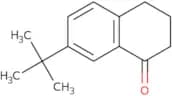
CAS:<p>Versatile small molecule scaffold</p>Formula:C12H16OPurity:Min. 95%Molecular weight:176.25 g/mol7-tert-Butyl-1,2,3,4-tetrahydronaphthalen-1-one
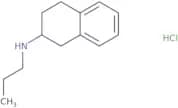
CAS:<p>Versatile small molecule scaffold</p>Formula:C14H18OPurity:Min. 95%Molecular weight:202.29 g/molN-Propyl-1,2,3,4-tetrahydronaphthalen-2-amine hydrochloride
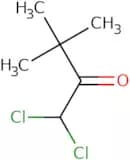
CAS:Controlled Product<p>Versatile small molecule scaffold</p>Formula:C13H20ClNPurity:Min. 95%Molecular weight:225.76 g/mol1,1-Dichloropinacolone
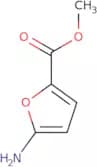
CAS:<p>1,1-Dichloropinacolone is a chlorinated derivative of the organic compound 1,1-dichloropinacol. It is used as a precursor to produce chloride gas and hydrogen chloride. The reaction of 1,1-dichloropinacolone with hydrochloric acid produces hydrogen and chlorine gas. This method has been used to remove nitro compounds from wastewater as well as to produce pesticides. The reaction products include hydrogen peroxide which can be used for wastewater treatment. Treatment methods include the use of organic solvents or catalysts to speed up the reaction rate.</p>Formula:C6H10Cl2OPurity:Min. 95%Molecular weight:169.05 g/molMethyl 5-amino-2-furoate
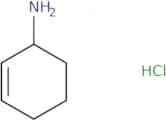
CAS:<p>Methyl 5-amino-2-furoate is a nitrofuran that is used as a reagent in the synthesis of other compounds. It has been shown to be metabolized by acetylation, hydrazine, and reduction. Methyl 5-amino-2-furoate can also act as an inhibitor of xanthine oxidase and xanthine dehydrogenase. The compound has been shown to inhibit the production of xanthine and aminofuran in an incubated system containing these enzymes. Spectrometry analysis showed that methyl 5-amino-2-furoate was reduced to form methyl 2,5-dihydroxybenzoate during incubation with xanthine oxidase and xanthine dehydrogenase.</p>Formula:C6H7NO3Purity:Min. 95%Molecular weight:141.13 g/molCyclohex-2-en-1-amine hydrochloride
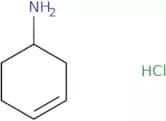
CAS:<p>Versatile small molecule scaffold</p>Formula:C6H12ClNPurity:Min. 95%Molecular weight:133.62 g/molCyclohex-3-en-1-amine hydrochloride
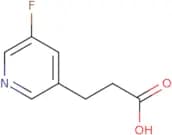
CAS:<p>Versatile small molecule scaffold</p>Formula:C6H11N·HClPurity:Min. 95%Molecular weight:133.62 g/mol3-(5-fluoropyridin-3-yl)propanoic acid
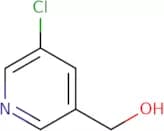
CAS:<p>Versatile small molecule scaffold</p>Formula:C8H8NO2FPurity:Min. 95%Molecular weight:169.15 g/mol(5-Chloro-3-pyridinyl)methanol
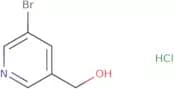
CAS:<p>Versatile small molecule scaffold</p>Formula:C6H6ClNOPurity:Min. 95%Molecular weight:143.57 g/mol(5-bromopyridin-3-yl)methanol hcl
CAS:<p>Versatile small molecule scaffold</p>Formula:C6H7BrClNOPurity:Min. 95%Molecular weight:224.48 g/mol3-Ethoxy-2-cyclopentenone
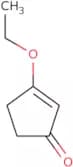
CAS:<p>3-Ethoxy-2-cyclopentenone is an unsaturated fatty acid that is used in the synthesis of prostaglandins and other biologically active compounds. It can be synthesized by the hydrogenation of 3-ethoxy-2-cyclohexenecarboxaldehyde, which is an analog of a natural product. 3-Ethoxy-2-cyclopentenone has been used as a radioisotope for medical diagnosis, yielding high specific activity with low radiation dosages. This compound can also be produced by formylation and hydrogenation of 2-(3'-formoxyphenoxy)propane. 3-Ethoxy-2-cyclopentenone has shown inhibitory effects on glycosidases and can be diluted at 1:10 to produce a 10% concentration.</p>Formula:C7H10O2Purity:Min. 95%Molecular weight:126.15 g/mol3-(3-Butenyl)cyclopentanone
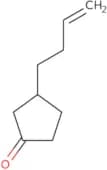
CAS:<p>Versatile small molecule scaffold</p>Formula:C9H14OPurity:Min. 95%Molecular weight:138.21 g/mol1-(Adamantan-2-yl)ethan-1-one
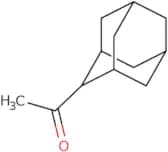
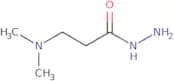
CAS:<p>Adamantan-2-yl ethan-1-one is a carbocation with an electron deficient double bond. This compound has been shown to react with alkyl halides, such as benzyl chloride, to form a 1,3-diphenylpropane. Adamantan-2-yl ethan-1-one was synthesized by radical intermediates in the course of hydrocarbon activation and has shown to be an important reaction intermediate for the synthesis of carbonyl compounds. The activation of hydrocarbons by adamantan-2-yl ethan-1-one has been studied extensively and has led to advances in medicinal chemistry.</p>Formula:C12H18OPurity:Min. 95%Molecular weight:178.27 g/mol3-(Dimethylamino)propanohydrazide
CAS:<p>3-(Dimethylamino)propanohydrazide is a potent inhibitor of lipoxygenases in the nanomolar range. It has been shown to inhibit a number of lipoxygenases, including 5-lipoxygenase and 15-lipoxygenase, which are enzymes that catalyze the conversion of arachidonic acid to leukotrienes. 3-(Dimethylamino)propanohydrazide was also found to be an efficient inhibitor of acylhydrazone formation and is being used as a lead compound for drug discovery. This compound has been shown to be potent inhibitors of regulatory enzymes in the lung disease screening reaction mixtures, such as those that regulate inflammation or blood pressure.</p>Formula:C5H13N3OPurity:Min. 95%Molecular weight:131.18 g/mol3-{Bicyclo[2.2.1]heptan-2-yl}propanoic acid
CAS:<p>Versatile small molecule scaffold</p>Formula:C10H16O2Purity:Min. 95%Molecular weight:168.23 g/mol
![1-[3-(Trifluoromethoxy)phenyl]pyrrolidin-3-amine](/_next/image/?url=https%3A%2Fstatic.cymitquimica.com%2Fproducts%2F3D%2Fthumb-webp%2FWTB30623.webp&w=3840&q=75)

![1-{[Methyl(propan-2-yl)carbamoyl]methyl}-1H-indole-4-carboxylic acid](/_next/image/?url=https%3A%2Fstatic.cymitquimica.com%2Fproducts%2F3D%2Fthumb-webp%2FWTB30757.webp&w=3840&q=75)
![Methyl 4-amino-3-[(methylcarbamoyl)methoxy]benzoate](/_next/image/?url=https%3A%2Fstatic.cymitquimica.com%2Fproducts%2F3D%2Fthumb-webp%2FWTB30923.webp&w=3840&q=75)
![[1-(4-tert-Butylphenyl)cyclopentyl]methanamine](/_next/image/?url=https%3A%2Fstatic.cymitquimica.com%2Fproducts%2F3D%2Fthumb-webp%2FWTB31729.webp&w=3840&q=75)
![{[2-(4-Chloro-2-methylphenoxy)-5-fluorophenyl]methyl}(methyl)amine](/_next/image/?url=https%3A%2Fstatic.cymitquimica.com%2Fproducts%2F3D%2Fthumb-webp%2FWTB31905.webp&w=3840&q=75)
![2-[(4-Methylpiperazin-1-yl)methyl]-1H-1,3-benzodiazol-6-amine](/_next/image/?url=https%3A%2Fstatic.cymitquimica.com%2Fproducts%2F3D%2Fthumb-webp%2FWTB32161.webp&w=3840&q=75)
![1-[2-(Trifluoromethyl)phenyl]pyrrolidin-3-amine](/_next/image/?url=https%3A%2Fstatic.cymitquimica.com%2Fproducts%2F3D%2Fthumb-webp%2FWTB32652.webp&w=3840&q=75)
![[5-Fluoro-2-(1H-1,2,4-triazol-1-yl)phenyl]methanol](/_next/image/?url=https%3A%2Fstatic.cymitquimica.com%2Fproducts%2F3D%2Fthumb-webp%2FWTB32929.webp&w=3840&q=75)
![2-[4-Ethyl-4-(4-ethylphenyl)-2,5-dioxoimidazolidin-1-yl]acetic acid](/_next/image/?url=https%3A%2Fstatic.cymitquimica.com%2Fproducts%2F3D%2Fthumb-webp%2FWTB33339.webp&w=3840&q=75)

![Methyl({2-[methyl(2,2,2-trifluoroethyl)amino]ethyl})amine](/_next/image/?url=https%3A%2Fstatic.cymitquimica.com%2Fproducts%2F3D%2Fthumb-webp%2FWTB34860.webp&w=3840&q=75)
![Methyl 4-[(4-methoxypiperidin-1-yl)methyl]benzoate](/_next/image/?url=https%3A%2Fstatic.cymitquimica.com%2Fproducts%2F3D%2Fthumb-webp%2FWTB35339.webp&w=3840&q=75)
![1-[1-(4-Methoxypiperidin-1-yl)cyclopentyl]methanamine](/_next/image/?url=https%3A%2Fstatic.cymitquimica.com%2Fproducts%2F3D%2Fthumb-webp%2FWTB35579.webp&w=3840&q=75)
![2-[(Aminocarbamothioyl)amino]-N-methylacetamide](/_next/image/?url=https%3A%2Fstatic.cymitquimica.com%2Fproducts%2F3D%2Fthumb-webp%2FWTB79370.webp&w=3840&q=75)
![2-[(4-Amino-2-chlorophenyl)formamido]-N,N-dimethylacetamide](/_next/image/?url=https%3A%2Fstatic.cymitquimica.com%2Fproducts%2F3D%2Fthumb-webp%2FWTB79402.webp&w=3840&q=75)
![2-Amino-4-[(4-methylpiperazin-1-yl)methyl]phenol](/_next/image/?url=https%3A%2Fstatic.cymitquimica.com%2Fproducts%2F3D%2Fthumb-webp%2FWTB80145.webp&w=3840&q=75)
![6-Ethyl-3-(propan-2-yl)-[1,2]oxazolo[5,4-b]pyridine-4-carboxylic acid](/_next/image/?url=https%3A%2Fstatic.cymitquimica.com%2Fproducts%2F3D%2Fthumb-webp%2FWTB80570.webp&w=3840&q=75)
![5-Fluoro-2-[methyl(pentyl)amino]benzaldehyde](/_next/image/?url=https%3A%2Fstatic.cymitquimica.com%2Fproducts%2F3D%2Fthumb-webp%2FWTB80955.webp&w=3840&q=75)
![5-Fluoro-2-[methyl(2-methylbutyl)amino]benzaldehyde](/_next/image/?url=https%3A%2Fstatic.cymitquimica.com%2Fproducts%2F3D%2Fthumb-webp%2FWTB80956.webp&w=3840&q=75)
![N-Methyl-1-[2-(trifluoromethyl)phenyl]piperidin-4-amine](/_next/image/?url=https%3A%2Fstatic.cymitquimica.com%2Fproducts%2F3D%2Fthumb-webp%2FWTB81082.webp&w=3840&q=75)
![2-Chloro-N-[2-(phenylsulfanyl)phenyl]acetamide](/_next/image/?url=https%3A%2Fstatic.cymitquimica.com%2Fproducts%2F3D%2Fthumb-webp%2FXAA50408.webp&w=3840&q=75)
![5-[(Diethylamino)methyl]quinolin-8-ol](/_next/image/?url=https%3A%2Fstatic.cymitquimica.com%2Fproducts%2F3D%2Fthumb-webp%2FXAA50613.webp&w=3840&q=75)
![[(2-Oxo-2-phenylethyl)sulfanyl]acetic acid](/_next/image/?url=https%3A%2Fstatic.cymitquimica.com%2Fproducts%2F3D%2Fthumb-webp%2FXAA53646.webp&w=3840&q=75)
![[(4-Methoxyphenyl)methyl][2-(pyridin-2-yl)ethyl]amine](/_next/image/?url=https%3A%2Fstatic.cymitquimica.com%2Fproducts%2F3D%2Fthumb-webp%2FXAA54058.webp&w=3840&q=75)
![1,2-Dimethoxy-4-[(E)-2-nitroethenyl]benzene](/_next/image/?url=https%3A%2Fstatic.cymitquimica.com%2Fproducts%2F3D%2Fthumb-webp%2FXAA56847.webp&w=3840&q=75)
![2-({4-[(Carboxymethyl)carbamoyl]phenyl}formamido)acetic acid](/_next/image/?url=https%3A%2Fstatic.cymitquimica.com%2Fproducts%2F3D%2Fthumb-webp%2FXAA57894.webp&w=3840&q=75)
![3-{Bicyclo[2.2.1]heptan-2-yl}propanoic acid](/_next/image/?url=https%3A%2Fstatic.cymitquimica.com%2Fproducts%2F3D%2Fthumb-webp%2FXAA63741.webp&w=3840&q=75)