Building Blocks
This section contains fundamental products for the synthesis of organic and biological compounds. Building blocks are the essential starting materials used to construct complex molecules through various chemical reactions. They play a critical role in drug discovery, material science, and chemical research. At CymitQuimica, we offer a diverse range of high-quality building blocks to support your innovative research and industrial projects, ensuring you have the essential components for successful synthesis.
Subcategories of "Building Blocks"
- Boronic Acids & Boronic Acid Derivatives(5,756 products)
- Chiral Building Blocks(1,242 products)
- Hydrocarbon Building Blocks(6,093 products)
- Organic Building Blocks(60,519 products)
Found 195533 products of "Building Blocks"
Sort by
Purity (%)
0
100
|
0
|
50
|
90
|
95
|
100
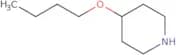
4-Butoxypiperidine
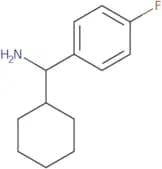
CAS:<p>Versatile small molecule scaffold</p>Formula:C9H19NOPurity:Min. 95%Molecular weight:157.25 g/molCyclohexyl(4-fluorophenyl)methanamine
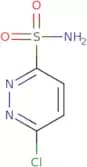
CAS:<p>Versatile small molecule scaffold</p>Formula:C13H18FNPurity:Min. 95%Molecular weight:207.29 g/mol6-Chloropyridazine-3-sulfonamide
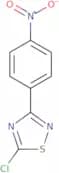
CAS:<p>Versatile small molecule scaffold</p>Formula:C4H4ClN3O2SPurity:Min. 95%Molecular weight:193.61 g/mol5-Chloro-3-(4-nitrophenyl)-1,2,4-thiadiazole
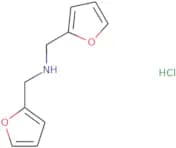
CAS:<p>Versatile small molecule scaffold</p>Formula:C8H4ClN3O2SPurity:Min. 95%Molecular weight:241.66 g/mol1-(2-Furyl)-N-(2-furylmethyl)methanamine hydrochloride
CAS:<p>Versatile small molecule scaffold</p>Formula:C10H12ClNO2Purity:Min. 95%Molecular weight:213.66 g/mol2-(Methoxymethyl)benzoic acid
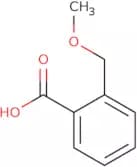
CAS:<p>2-(Methoxymethyl)benzoic acid is a natural product that has been shown to have antibacterial activity. It is an ethylene precursor and is synthesized by the alkaline hydrolysis of 2-hydroxybenzoic acid. 2-(Methoxymethyl)benzoic acid has been shown to inhibit the growth of bacteria, such as E. coli, in the presence of hexanoic or octanoic acids. This compound also inhibits the growth of other bacterial species, including lamiaceae and eugenol, at low concentrations. The inhibitory effect may be due to its ability to bind to hydrophobic sites on bacterial cell membranes. 2-(Methoxymethyl)benzoic acid acts as a phenolic compound with a hydrocarbon group.</p>Formula:C9H10O3Purity:Min. 95%Molecular weight:166.18 g/molPyrazolo[1,5-b]pyridazine-3-carboxylic acid
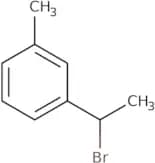
CAS:<p>Versatile small molecule scaffold</p>Formula:C7H5N3O2Purity:Min. 95%Molecular weight:163.13 g/mol1-(1-Bromoethyl)-3-methylbenzene
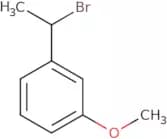
CAS:<p>Versatile small molecule scaffold</p>Formula:C9H11BrPurity:Min. 95%Molecular weight:199.09 g/mol1-(1-Bromoethyl)-3-methoxybenzene
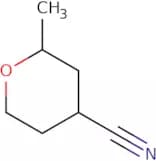
CAS:<p>Versatile small molecule scaffold</p>Formula:C9H11BrOPurity:Min. 95%Molecular weight:215.09 g/mol2-Methyloxane-4-carbonitrile
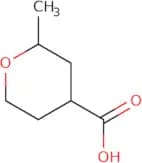
CAS:<p>Versatile small molecule scaffold</p>Formula:C7H11NOPurity:Min. 95%Molecular weight:125.17 g/mol2-Methyloxane-4-carboxylic acid
CAS:<p>Versatile small molecule scaffold</p>Formula:C7H12O3Purity:Min. 95%Molecular weight:144.17 g/mol2-Azaspiro[4.5]decane-3-carboxylic acid hydrochloride
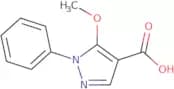
CAS:<p>Versatile small molecule scaffold</p>Formula:C10H18ClNO2Purity:Min. 95%Molecular weight:219.71 g/mol5-Methoxy-1-phenyl-1H-pyrazole-4-carboxylic acid
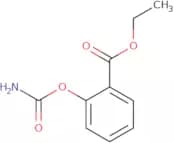
CAS:<p>Versatile small molecule scaffold</p>Formula:C11H10N2O3Purity:Min. 95%Molecular weight:218.21 g/molEthyl 2-(carbamoyloxy)benzoate
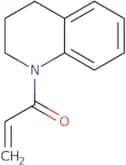
CAS:<p>Ethyl 2-(carbamoyloxy)benzoate (EMCB) is a prodrug that is hydrolyzed in vivo to the active form, fenoprofen. It has been shown to inhibit prostaglandin synthesis and to have analgesic, antipyretic, and anti-inflammatory properties. EMBC inhibits the enzyme cyclooxygenase which converts arachidonic acid into prostaglandins. In humans, EMBC is absorbed from the gastrointestinal tract and excreted in the urine unchanged or as metabolites. The drug has been found to be effective against activated platelets and plasma albumin, but not against intestinal enzymes such as ileal or pancreatic amylases. EMBC also has contraceptive properties and can be used as an oral contraceptive for up to three months at a time. EMBC may interact with other drugs that are broken down by cytochrome P450 enzymes, including acetylsalicylic acid and corticoster</p>Formula:C10H11NO4Purity:Min. 95%Molecular weight:209.2 g/mol1-(1,2,3,4-Tetrahydroquinolin-1-yl)prop-2-en-1-one
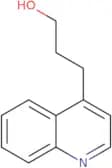
CAS:<p>Versatile small molecule scaffold</p>Formula:C12H13NOPurity:Min. 95%Molecular weight:187.24 g/mol3-(Quinolin-4-yl)propan-1-ol
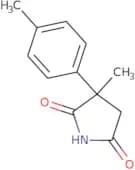
CAS:<p>Versatile small molecule scaffold</p>Formula:C12H13NOPurity:Min. 95%Molecular weight:187.24 g/mol3-Methyl-3-(4-methylphenyl)pyrrolidine-2,5-dione
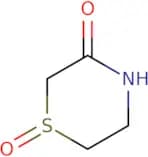
CAS:<p>Versatile small molecule scaffold</p>Formula:C12H13NO2Purity:Min. 95%Molecular weight:203.24 g/mol1λ⁴-Thiomorpholine-1,3-dione
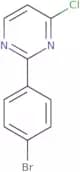
CAS:<p>Versatile small molecule scaffold</p>Formula:C4H7NO2SPurity:Min. 95%Molecular weight:133.17 g/mol2-(4-Bromophenyl)-4-chloropyrimidine
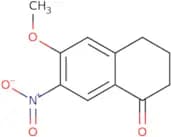
CAS:<p>Versatile small molecule scaffold</p>Formula:C10H6BrClN2Purity:Min. 95%Molecular weight:269.52 g/mol6-Methoxy-7-nitro-1,2,3,4-tetrahydronaphthalen-1-one
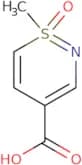
CAS:<p>Versatile small molecule scaffold</p>Formula:C11H11NO4Purity:Min. 95%Molecular weight:221.21 g/mol1-Methyl-1λ4-1,2-thiazine-4-carboxylic acid 1-oxide
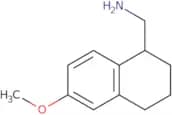
CAS:<p>Versatile small molecule scaffold</p>Formula:C6H7NO3SPurity:Min. 95%Molecular weight:173.19 g/mol(6-Methoxy-1,2,3,4-tetrahydronaphthalen-1-yl)methanamine
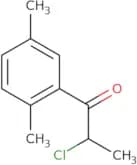
CAS:<p>Versatile small molecule scaffold</p>Formula:C12H17NOPurity:Min. 95%Molecular weight:191.27 g/mol2-Chloro-1-(2,5-dimethylphenyl)propan-1-one
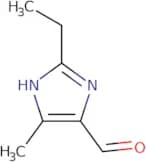
CAS:<p>Versatile small molecule scaffold</p>Formula:C11H13ClOPurity:Min. 95%Molecular weight:196.67 g/mol1H-Imidazole-4-carboxaldehyde, 2-ethyl-5-methyl-
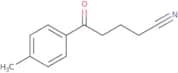
CAS:<p>1H-Imidazole-4-carboxaldehyde, 2-ethyl-5-methyl-, is a mononuclear ligand that can be immobilized on magnetic plates. It has been used in catalytic studies of transition metal complexes and unsymmetrical architectures. The ligand has been shown to have a strong magnetic moment with two methyl groups on the nitrogen atoms that are capable of coordinating to metal ions. This ligand has been studied using several crystallographic methodologies, including X-ray diffraction, electron diffraction, and NMR spectroscopy.<br>The polymorphs of this compound include trigonal bipyramidal (P3) and cubic (Fd3m).</p>Formula:C7H10N2OPurity:Min. 95%Molecular weight:138.17 g/mol5-(4-Methylphenyl)-5-oxopentanenitrile
CAS:<p>Versatile small molecule scaffold</p>Formula:C12H13NOPurity:Min. 95%Molecular weight:187.24 g/molN-[3-(3-Oxobutanoyl)phenyl]acetamide
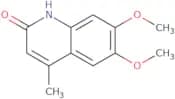
CAS:<p>Versatile small molecule scaffold</p>Formula:C12H13NO3Purity:Min. 95%Molecular weight:219.24 g/mol6,7-Dimethoxy-4-methyl-1,2-dihydroquinolin-2-one
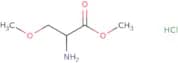
CAS:<p>Versatile small molecule scaffold</p>Formula:C12H13NO3Purity:Min. 95%Molecular weight:219.24 g/molMethyl 2-amino-3-methoxypropanoate hydrochloride
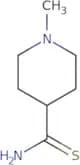
CAS:<p>Versatile small molecule scaffold</p>Formula:C5H12ClNO3Purity:Min. 95%Molecular weight:169.61 g/mol1-Methylpiperidine-4-carbothioamide
CAS:<p>Versatile small molecule scaffold</p>Formula:C7H14N2SPurity:Min. 95%Molecular weight:158.27 g/mol2-[4-(2-Methylpropoxy)phenyl]ethan-1-amine
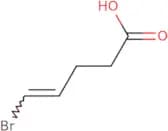
CAS:Controlled Product<p>Versatile small molecule scaffold</p>Formula:C12H19NOPurity:Min. 95%Molecular weight:193.29 g/mol(4E)-5-Bromopent-4-enoic acid
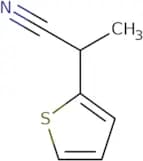
CAS:<p>Versatile small molecule scaffold</p>Formula:C5H7BrO2Purity:Min. 95%Molecular weight:179.01 g/mol2-(Thiophen-2-yl)propanenitrile
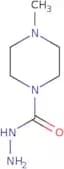
CAS:<p>Versatile small molecule scaffold</p>Formula:C7H7NSPurity:Min. 95%Molecular weight:137.2 g/mol4-Methylpiperazine-1-carbohydrazide
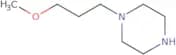
CAS:<p>Versatile small molecule scaffold</p>Formula:C6H14N4OPurity:Min. 95%Molecular weight:158.2 g/mol1-(3-Methoxypropyl)piperazine
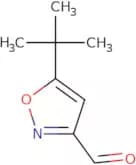
CAS:<p>Versatile small molecule scaffold</p>Formula:C8H18N2OPurity:Min. 95%Molecular weight:158.24 g/mol5-tert-Butyl-1,2-oxazole-3-carbaldehyde
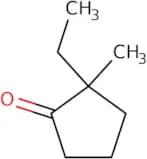
CAS:<p>Versatile small molecule scaffold</p>Formula:C8H11NO2Purity:Min. 95%Molecular weight:153.18 g/mol2-Ethyl-2-methylcyclopentan-1-one
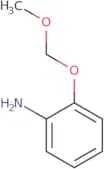
CAS:<p>Versatile small molecule scaffold</p>Formula:C8H14OPurity:Min. 95%Molecular weight:126.2 g/mol2-(Methoxymethoxy)aniline
CAS:<p>Versatile small molecule scaffold</p>Formula:C8H11NO2Purity:Min. 95%Molecular weight:153.18 g/mol{[(3-Bromopropyl)sulfanyl]methyl}benzene
CAS:<p>Versatile small molecule scaffold</p>Formula:C10H13BrSPurity:Min. 95%Molecular weight:245.18 g/mol{[4-(Benzyloxy)-3-methoxyphenyl]methyl}(methyl)amine hydrochloride
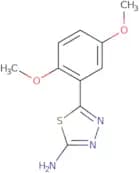
CAS:<p>Versatile small molecule scaffold</p>Formula:C16H20ClNO2Purity:Min. 95%Molecular weight:293.79 g/mol5-(2,5-Dimethoxyphenyl)-1,3,4-thiadiazol-2-amine
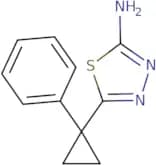
CAS:<p>Versatile small molecule scaffold</p>Formula:C10H11N3O2SPurity:Min. 95%Molecular weight:237.28 g/mol5-(1-Phenylcyclopropyl)-1,3,4-thiadiazol-2-amine
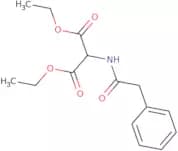
CAS:<p>Versatile small molecule scaffold</p>Formula:C11H11N3SPurity:Min. 95%Molecular weight:217.29 g/mol1,3-Diethyl 2-(2-phenylacetamido)propanedioate
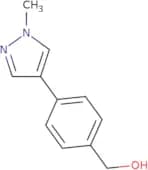
CAS:<p>Versatile small molecule scaffold</p>Formula:C15H19NO5Purity:Min. 95%Molecular weight:293.31 g/mol(4-(1-Methyl-1H-pyrazol-4-yl)phenyl)methanol
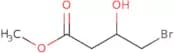
CAS:<p>Versatile small molecule scaffold</p>Formula:C11H12N2OPurity:Min. 95%Molecular weight:188.23 g/molMethyl (3R)-4-bromo-3-hydroxybutanoate
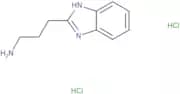
CAS:<p>Versatile small molecule scaffold</p>Formula:C5H9BrO3Purity:Min. 95%Molecular weight:197.03 g/mol3-(1H-1,3-Benzodiazol-2-yl)propan-1-amine dihydrochloride
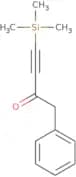
CAS:<p>Versatile small molecule scaffold</p>Formula:C10H15Cl2N3Purity:Min. 95%Molecular weight:248.15 g/mol1-Phenyl-4-(trimethylsilyl)but-3-yn-2-one
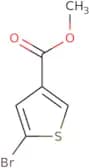
CAS:<p>Versatile small molecule scaffold</p>Formula:C13H16OSiPurity:Min. 95%Molecular weight:216.35 g/molMethyl 5-bromo-3-thiophenecarboxylate
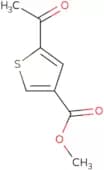
CAS:<p>Versatile small molecule scaffold</p>Formula:C6H5BrO2SPurity:Min. 95%Molecular weight:221.07 g/molMethyl 5-acetylthiophene-3-carboxylate
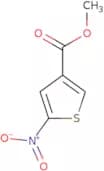
CAS:<p>Versatile small molecule scaffold</p>Formula:C8H8O3SPurity:Min. 95%Molecular weight:184.21 g/molMethyl 5-nitrothiophene-3-carboxylate
CAS:<p>Methyl 5-nitrothiophene-3-carboxylate is a dienophile that reacts with electron-rich diene compounds to form substituted benzothiophenes by the Diels-Alder reaction. The electron acceptor in this reaction is the diene, and the electron donor is methyl 5-nitrothiophene-3-carboxylate. The selectivity of this reaction can be controlled by altering the substitution pattern on the diene. The cycloaddition product is a monocyclic system containing four fused rings and one unsaturated bond. This product is also known as an indanone.</p>Formula:C6H5NO4SPurity:Min. 95%Molecular weight:187.18 g/mol3-Amino-5-isopropylisoxazole
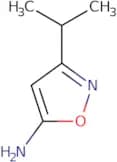
CAS:<p>Versatile small molecule scaffold</p>Formula:C6H10N2OPurity:Min. 95%Molecular weight:126.16 g/mol2-Methyl-2-phenylpentan-3-ol
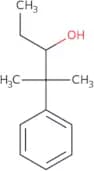
CAS:<p>Versatile small molecule scaffold</p>Formula:C12H18OPurity:Min. 95%Molecular weight:178.27 g/moltert-Butyl (2S)-2-(2-methoxy-2-oxoethyl)pyrrolidine-1-carboxylate
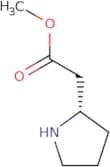
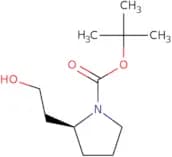
CAS:<p>Versatile small molecule scaffold</p>Formula:C12H21NO4Purity:Min. 95%Molecular weight:243.3 g/mol(S)-1-BOC-2-(2-Hydroxyethyl)pyrrolidine
CAS:<p>Versatile small molecule scaffold</p>Formula:C11H21NO3Purity:Min. 95%Molecular weight:215.29 g/molMethyl 3-aminonaphthalene-1-carboxylate
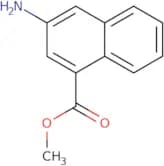
CAS:<p>Versatile small molecule scaffold</p>Formula:C12H11NO2Purity:Min. 95%Molecular weight:201.22 g/mol7-Methoxybenzo[b]thiophene-2-carboxylic acid
CAS:<p>7-Methoxybenzo[b]thiophene-2-carboxylic acid is a condensation product that can be formed by reacting chloramine with 2-hydroxy-3-methoxybenzaldehyde. This compound can also be produced by demethylation of 7-methoxybenzo[b]thiophene, decarboxylation of 7-methoxybenzo[b]thiophene, and nitration of 7-methoxybenzo[b]thiophene. The reaction of this compound with thiols produces the corresponding 3,4,5,6-tetrahydrobenzothiazoles. Bromination followed by hydrolysis produces benzo[b]thiophenesulfonic acid and bromine.</p>Formula:C10H8O3SPurity:Min. 95%Molecular weight:208.23 g/mol2-Chloroethyl N-carbamoylcarbamate
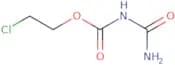
CAS:<p>Versatile small molecule scaffold</p>Formula:C4H7ClN2O3Purity:Min. 95%Molecular weight:166.56 g/molEthyl 5-amino-3-methylthiophene-2-carboxylate
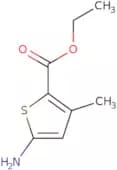
CAS:<p>Versatile small molecule scaffold</p>Formula:C8H11NO2SPurity:Min. 95%Molecular weight:185.25 g/mol4-{[(5-Nitrofuran-2-yl)methyl]amino}benzoic acid
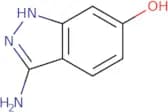
CAS:<p>Versatile small molecule scaffold</p>Formula:C12H10N2O5Purity:Min. 95%Molecular weight:262.22 g/mol3-Amino-1H-indazol-6-ol
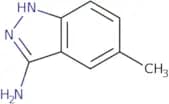
CAS:<p>Versatile small molecule scaffold</p>Formula:C7H7N3OPurity:Min. 95%Molecular weight:149.15 g/mol5-methyl-1H-indazol-3-amine
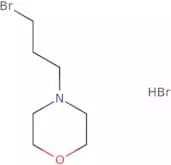
CAS:<p>Versatile small molecule scaffold</p>Formula:C8H9N3Purity:Min. 95%Molecular weight:147.18 g/mol3-(4-Morpholine)propyl bromide hydrobromide
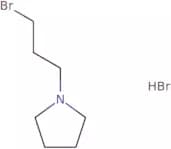
CAS:<p>Versatile small molecule scaffold</p>Formula:C7H14BrNO·HBrPurity:Min. 95%Molecular weight:289.01 g/mol1-(3-Bromopropyl)pyrrolidine hydrobromide
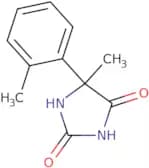
CAS:<p>Versatile small molecule scaffold</p>Formula:C7H15Br2NPurity:Min. 95%Molecular weight:273.01 g/mol5-Methyl-5-(2-methylphenyl)imidazolidine-2,4-dione
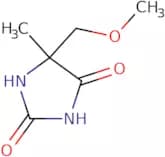
CAS:<p>Versatile small molecule scaffold</p>Formula:C11H12N2O2Purity:Min. 95%Molecular weight:204.22 g/mol5-(Methoxymethyl)-5-methylimidazolidine-2,4-dione
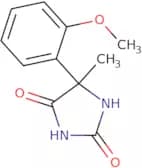
CAS:<p>Versatile small molecule scaffold</p>Formula:C6H10N2O3Purity:Min. 95%Molecular weight:158.16 g/mol5-(2-Methoxyphenyl)-5-methylimidazolidine-2,4-dione
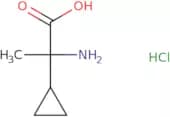
CAS:<p>Versatile small molecule scaffold</p>Formula:C11H12N2O3Purity:Min. 95%Molecular weight:220.22 g/mol2-Amino-2-cyclopropylpropanoic acid HCl
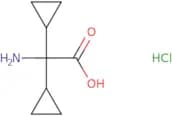
CAS:<p>Versatile small molecule scaffold</p>Formula:C6H11NO2·ClHPurity:Min. 95%Molecular weight:165.62 g/mol2-Amino-2,2-dicyclopropylacetic acid hydrochloride
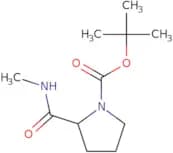
CAS:<p>Versatile small molecule scaffold</p>Formula:C8H14ClNO2Purity:Min. 95%Molecular weight:191.65 g/moltert-Butyl 2-(methylcarbamoyl)pyrrolidine-1-carboxylate
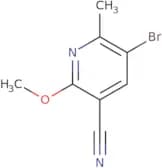
CAS:<p>Versatile small molecule scaffold</p>Formula:C11H20N2O3Purity:Min. 95%Molecular weight:228.29 g/mol5-Bromo-2-methoxy-6-methylpyridine-3-carbonitrile
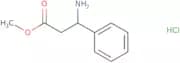
CAS:<p>Versatile small molecule scaffold</p>Formula:C8H7BrN2OPurity:Min. 95%Molecular weight:227.06 g/molmethyl 3-amino-3-phenylpropanoate hydrochloride
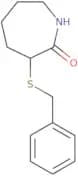
CAS:<p>Methyl 3-amino-3-phenylpropanoate hydrochloride is a carboxamide that can be synthesized by the reaction of an amine with methyl 3-hydroxybutanoate. The compound can exist as three tautomers, two of which are enolates. The compound has been shown to undergo hydrogen bonding in its crystal structure and has been characterized by NMR spectroscopy. Methyl 3-amino-3-phenylpropanoate hydrochloride is a precursor to other compounds such as 6-alkyl, 4-hydroxy, and amides.</p>Formula:C10H14ClNO2Purity:Min. 95%Molecular weight:215.7 g/mol3-(Benzylsulfanyl)azepan-2-one
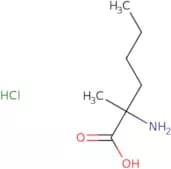
CAS:<p>Versatile small molecule scaffold</p>Formula:C13H17NOSPurity:Min. 95%Molecular weight:235.35 g/mol2-Amino-2-methylhexanoic acid hydrochloride
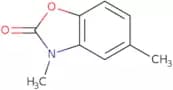
CAS:<p>Versatile small molecule scaffold</p>Formula:C7H16ClNO2Purity:Min. 95%Molecular weight:181.7 g/mol3,5-dimethyl-1,3-benzoxazol-2-one
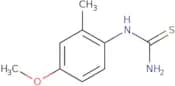
CAS:<p>Versatile small molecule scaffold</p>Formula:C9H9NO2Purity:Min. 95%Molecular weight:163.17 g/mol(4-Methoxy-2-methylphenyl)thiourea
CAS:<p>Versatile small molecule scaffold</p>Formula:C9H12N2OSPurity:Min. 95%Molecular weight:196.27 g/mol4-Methoxybicyclo[2.2.1]heptane-1-carboxylic acid
CAS:<p>Versatile small molecule scaffold</p>Formula:C9H14O3Purity:Min. 95%Molecular weight:170.21 g/mol4-Hydroxybicyclo[2.2.1]heptane-1-carboxylic acid
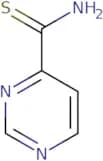
CAS:<p>Versatile small molecule scaffold</p>Formula:C8H12O3Purity:Min. 95%Molecular weight:156.18 g/molPyrimidine-4-carbothioamide
CAS:<p>Versatile small molecule scaffold</p>Formula:C5H5N3SPurity:Min. 95%Molecular weight:139.18 g/mol[5-(Aminomethyl)furan-2-yl]methanol
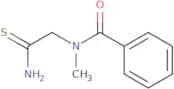
CAS:<p>5-(Aminomethyl)furan-2-yl]methanol (AFM) is a signalling molecule that is used in the study of heterologous expression. It has been shown to be more potent than the natural growth factor, TGF-β, and has been found to induce corneal endothelium cell proliferation. AFM is also a degradable molecule with l-amino acid side chains. The degradation of AFM can be inhibited by erythromycin.</p>Formula:C6H9NO2Purity:Min. 95%Molecular weight:127.14 g/molN-(Carbamothioylmethyl)-N-methylbenzamide
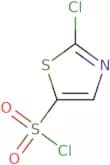
CAS:<p>Versatile small molecule scaffold</p>Formula:C10H12N2OSPurity:Min. 95%Molecular weight:208.28 g/mol2-Chloro-1,3-thiazole-5-sulfonyl chloride
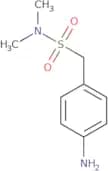
CAS:<p>Versatile small molecule scaffold</p>Formula:C3HCl2NO2S2Purity:Min. 95%Molecular weight:218.08 g/mol1-(4-Aminophenyl)-N,N-dimethylmethanesulfonamide
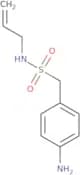
CAS:<p>Versatile small molecule scaffold</p>Formula:C9H14N2O2SPurity:Min. 95%Molecular weight:214.29 g/mol1-(4-Aminophenyl)-N-(prop-2-en-1-yl)methanesulfonamide
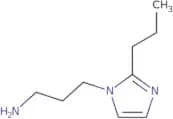
CAS:<p>Versatile small molecule scaffold</p>Formula:C10H14N2O2SPurity:Min. 95%Molecular weight:226.3 g/mol3-(2-Propyl-1H-imidazol-1-yl)propan-1-amine
CAS:<p>Versatile small molecule scaffold</p>Formula:C9H17N3Purity:Min. 95%Molecular weight:167.25 g/molrac-(3aR,6aS)-Hexahydrofuro[2,3-b]furan-2-one
CAS:<p>Versatile small molecule scaffold</p>Formula:C6H8O3Purity:Min. 95%Molecular weight:128.13 g/mol4-(Pyridin-3-yl)butan-2-amine
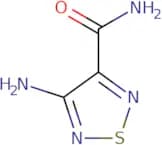
CAS:<p>Versatile small molecule scaffold</p>Formula:C9H14N2Purity:Min. 95%Molecular weight:150.2 g/mol4-Amino-1,2,5-thiadiazole-3-carboxamide
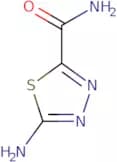
CAS:<p>Versatile small molecule scaffold</p>Formula:C3H4N4OSPurity:Min. 95%Molecular weight:144.15 g/mol5-Amino-1,3,4-thiadiazole-2-carboxamide
CAS:<p>Versatile small molecule scaffold</p>Formula:C3H4N4OSPurity:Min. 95%Molecular weight:144.16 g/mol2-(2-Oxoazocan-1-yl)acetamide
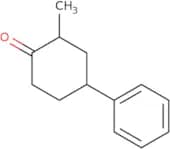
CAS:<p>Versatile small molecule scaffold</p>Formula:C9H16N2O2Purity:Min. 95%Molecular weight:184.24 g/mol2-Methyl-4-phenylcyclohexan-1-one
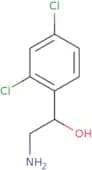
CAS:<p>Versatile small molecule scaffold</p>Formula:C13H16OPurity:Min. 95%Molecular weight:188.26 g/mol(±)-2-(2,4-Dichlorophenyl)-2-hydroxyethylamine
CAS:<p>Versatile small molecule scaffold</p>Formula:C8H9Cl2NOPurity:Min. 95%Molecular weight:206.07 g/mol2,6-Dichloro-4-fluorobenzenesulfonyl chloride
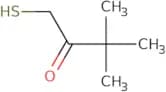
CAS:<p>Versatile small molecule scaffold</p>Formula:C6H2Cl3FO2SPurity:Min. 95%Molecular weight:263.5 g/mol3,3-Dimethyl-1-sulfanylbutan-2-one
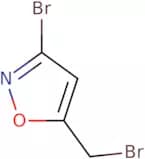
CAS:<p>Versatile small molecule scaffold</p>Formula:C6H12OSPurity:Min. 95%Molecular weight:132.23 g/mol3-Bromo-5-(bromomethyl)isoxazole
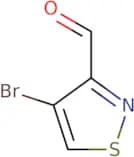
CAS:<p>Versatile small molecule scaffold</p>Formula:C4H3Br2NOPurity:Min. 95%Molecular weight:240.88 g/mol4-Bromo-1,2-thiazole-3-carbaldehyde
CAS:<p>Versatile small molecule scaffold</p>Formula:C4H2BrNOSPurity:Min. 95%Molecular weight:192.04 g/mol4-Bromo-1,2-thiazole-5-carboxylic acid
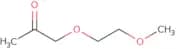
CAS:<p>Versatile small molecule scaffold</p>Formula:C4H2BrNO2SPurity:Min. 95%Molecular weight:208.04 g/mol1-(2-Methoxyethoxy)propan-2-one
CAS:<p>Versatile small molecule scaffold</p>Formula:C6H12O3Purity:Min. 95%Molecular weight:132.16 g/moltert-Butyl 5-Bromovalerate
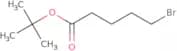
CAS:<p>Tert-Butyl 5-bromovalerate is an agrochemical that was found to be a potent inhibitor of the enzyme acetylcholinesterase. Tert-Butyl 5-bromovalerate is also known as tert-butyl 2,5-dibromovalerate or tert-butyl 2,5-dibromoacetate. This chemical can be produced by amidation of tert-butyl 5-(hydroxymethyl)valerate with bromide ions in the presence of methyltransferase and tetrazole. The synthesis of tert-butyl 5-bromovalerate can also be achieved by reacting a carboxylic acid with diazomethane, which converts the carboxylic acid into an acetic acid derivative followed by conversion to a bromide derivative. Tert butyl 5-bromovalerate has been shown to inhibit acetylcholinesterase in caco2</p>Formula:C9H17BrO2Purity:Min. 95%Molecular weight:237.13 g/mol1-Bromo-4-(4-bromobutyl)benzene
CAS:<p>Versatile small molecule scaffold</p>Formula:C10H12Br2Purity:Min. 95%Molecular weight:292.01 g/mol5-(4-Chlorophenyl)-4-(3-methoxypropyl)-4H-1,2,4-triazole-3-thiol
CAS:<p>Versatile small molecule scaffold</p>Formula:C12H14ClN3OSPurity:Min. 95%Molecular weight:283.78 g/mol5-(4-tert-Butylphenyl)-4-(4-methoxyphenyl)-4H-1,2,4-triazole-3-thiol
CAS:<p>Versatile small molecule scaffold</p>Formula:C19H21N3OSPurity:Min. 95%Molecular weight:339.5 g/mol

![Pyrazolo[1,5-b]pyridazine-3-carboxylic acid](/_next/image/?url=https%3A%2Fstatic.cymitquimica.com%2Fproducts%2F3D%2Fthumb-webp%2FNDA56191.webp&w=3840&q=75)
![2-Azaspiro[4.5]decane-3-carboxylic acid hydrochloride](/_next/image/?url=https%3A%2Fstatic.cymitquimica.com%2Fproducts%2F3D%2Fthumb-webp%2FNDA57897.webp&w=3840&q=75)
![N-[3-(3-Oxobutanoyl)phenyl]acetamide](/_next/image/?url=https%3A%2Fstatic.cymitquimica.com%2Fproducts%2F3D%2Fthumb-webp%2FNDA63674.webp&w=3840&q=75)
![2-[4-(2-Methylpropoxy)phenyl]ethan-1-amine](/_next/image/?url=https%3A%2Fstatic.cymitquimica.com%2Fproducts%2F3D%2Fthumb-webp%2FNDA65503.webp&w=3840&q=75)
![{[(3-Bromopropyl)sulfanyl]methyl}benzene](/_next/image/?url=https%3A%2Fstatic.cymitquimica.com%2Fproducts%2F3D%2Fthumb-webp%2FNDA73851.webp&w=3840&q=75)
![{[4-(Benzyloxy)-3-methoxyphenyl]methyl}(methyl)amine hydrochloride](/_next/image/?url=https%3A%2Fstatic.cymitquimica.com%2Fproducts%2F3D%2Fthumb-webp%2FNDA74150.webp&w=3840&q=75)
![7-Methoxybenzo[b]thiophene-2-carboxylic acid](/_next/image/?url=https%3A%2Fstatic.cymitquimica.com%2Fproducts%2F3D%2Fthumb-webp%2FNDA79107.webp&w=3840&q=75)
![4-{[(5-Nitrofuran-2-yl)methyl]amino}benzoic acid](/_next/image/?url=https%3A%2Fstatic.cymitquimica.com%2Fproducts%2F3D%2Fthumb-webp%2FNDA79661.webp&w=3840&q=75)
![4-Methoxybicyclo[2.2.1]heptane-1-carboxylic acid](/_next/image/?url=https%3A%2Fstatic.cymitquimica.com%2Fproducts%2F3D%2Fthumb-webp%2FNDA88829.webp&w=3840&q=75)
![4-Hydroxybicyclo[2.2.1]heptane-1-carboxylic acid](/_next/image/?url=https%3A%2Fstatic.cymitquimica.com%2Fproducts%2F3D%2Fthumb-webp%2FNDA88830.webp&w=3840&q=75)
![[5-(Aminomethyl)furan-2-yl]methanol](/_next/image/?url=https%3A%2Fstatic.cymitquimica.com%2Fproducts%2F3D%2Fthumb-webp%2FNDA91022.webp&w=3840&q=75)
![rac-(3aR,6aS)-Hexahydrofuro[2,3-b]furan-2-one](/_next/image/?url=https%3A%2Fstatic.cymitquimica.com%2Fproducts%2F3D%2Fthumb-webp%2FNDA93872.webp&w=3840&q=75)