Building Blocks
This section contains fundamental products for the synthesis of organic and biological compounds. Building blocks are the essential starting materials used to construct complex molecules through various chemical reactions. They play a critical role in drug discovery, material science, and chemical research. At CymitQuimica, we offer a diverse range of high-quality building blocks to support your innovative research and industrial projects, ensuring you have the essential components for successful synthesis.
Subcategories of "Building Blocks"
- Boronic Acids & Boronic Acid Derivatives(5,756 products)
- Chiral Building Blocks(1,242 products)
- Hydrocarbon Building Blocks(6,093 products)
- Organic Building Blocks(60,519 products)
Found 195533 products of "Building Blocks"
Sort by
Purity (%)
0
100
|
0
|
50
|
90
|
95
|
100
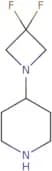
4-(3,3-Difluoroazetidin-1-yl)piperidine
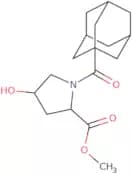
CAS:<p>Versatile small molecule scaffold</p>Formula:C8H14F2N2Purity:Min. 95%Molecular weight:176.21 g/molMethyl (2S,4R)-1-(adamantane-1-carbonyl)-4-hydroxypyrrolidine-2-carboxylate
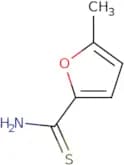
CAS:<p>Versatile small molecule scaffold</p>Formula:C17H25NO4Purity:Min. 95%Molecular weight:307.4 g/mol5-Methylfuran-2-carbothioamide
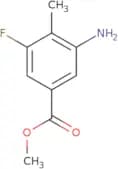
CAS:<p>Versatile small molecule scaffold</p>Formula:C6H7NOSPurity:Min. 95%Molecular weight:141.19 g/molMethyl 3-amino-5-fluoro-4-methylbenzoate
CAS:<p>Versatile small molecule scaffold</p>Formula:C9H10FNO2Purity:Min. 95%Molecular weight:183.18 g/mol8-Bromo-6-chloroimidazo[1,2-a]pyridine-3-carbaldehyde
CAS:<p>Versatile small molecule scaffold</p>Formula:C8H4BrClN2OPurity:Min. 95%Molecular weight:259.49 g/mol6-Bromo[1,2,4]triazolo[4,3-a]pyridine-3-thiol
CAS:<p>Versatile small molecule scaffold</p>Formula:C6H4BrN3SPurity:Min. 95%Molecular weight:230.09 g/mol1-(3-aminophenyl)piperidin-4-ol
CAS:<p>Versatile small molecule scaffold</p>Formula:C11H16N2OPurity:Min. 95%Molecular weight:192.26 g/mol2-Bromo-6,7-dihydro-4H-pyrano[4,3-d]thiazole
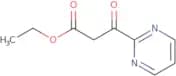
CAS:<p>Versatile small molecule scaffold</p>Formula:C6H6BrNOSPurity:Min. 95%Molecular weight:220.09 g/molEthyl 3-oxo-(3-pyrimidin-2-yl)propanoate
CAS:<p>Versatile small molecule scaffold</p>Formula:C9H10N2O3Purity:Min. 95%Molecular weight:194.19 g/molEthyl 3-(1-methyl-1H-imidazol-4-yl)-3-oxopropanoate
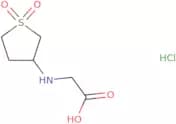
CAS:<p>Versatile small molecule scaffold</p>Formula:C9H12N2O3Purity:Min. 95%Molecular weight:196.2 g/molN-(Tetrahydro-1,1-dioxido-3-thienyl)-glycine hydrochloride
CAS:<p>Versatile small molecule scaffold</p>Formula:C6H12ClNO4SPurity:Min. 95%Molecular weight:229.68 g/mol1-(tert-Butoxy)-4-ethynylbenzene
CAS:<p>Versatile small molecule scaffold</p>Formula:C12H14OPurity:Min. 95%Molecular weight:174.24 g/mol4-Amino-6-bromo-1,2-dihydroquinazolin-2-one
CAS:<p>Versatile small molecule scaffold</p>Formula:C8H6BrN3OPurity:Min. 95%Molecular weight:240.06 g/mol4-(Cyclopropylmethyl)benzoic acid
CAS:<p>Versatile small molecule scaffold</p>Formula:C11H12O2Purity:Min. 95%Molecular weight:176.21 g/mol1,1-Dimethyl-1,3-dihydro-2-benzofuran-5-carboxylic acid
CAS:<p>Versatile small molecule scaffold</p>Formula:C11H12O3Purity:Min. 95%Molecular weight:192.21 g/mol1-[(tert-Butoxy)carbonyl]-3-(ethoxycarbonyl)piperidine-3-carboxylic acid
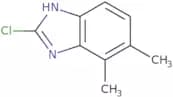
CAS:<p>Versatile small molecule scaffold</p>Formula:C14H23NO6Purity:Min. 95%Molecular weight:301.34 g/mol2-Chloro-4,5-dimethyl-1H-benzimidazole
CAS:<p>Versatile small molecule scaffold</p>Formula:C9H9ClN2Purity:Min. 95%Molecular weight:180.63 g/mol3-(2-Aminoethyl)-5-[(4-methylphenyl)methylidene]-1,3-thiazolidine-2,4-dione hydrochloride
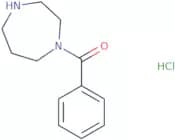
CAS:<p>Versatile small molecule scaffold</p>Formula:C13H15ClN2O2SPurity:Min. 95%Molecular weight:298.79 g/mol1-Benzoyl-1,4-diazepane hydrochloride
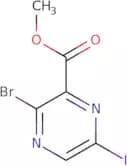
CAS:<p>Versatile small molecule scaffold</p>Formula:C12H17ClN2OPurity:Min. 95%Molecular weight:240.73 g/molMethyl 3-bromo-6-iodopyrazine-2-carboxylate
CAS:<p>Versatile small molecule scaffold</p>Formula:C6H4BrIN2O2Purity:Min. 95%Molecular weight:342.92 g/mol4-[1-(Methylamino)ethyl]phenol hydrobromide
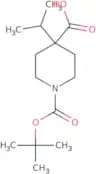
CAS:<p>Versatile small molecule scaffold</p>Formula:C9H14BrNOPurity:Min. 95%Molecular weight:232.12 g/mol1-Boc-4-isopropyl-4-piperidinecarboxylic Acid
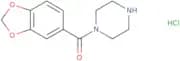
CAS:<p>Versatile small molecule scaffold</p>Formula:C14H25NO4Purity:Min. 95%Molecular weight:271.35 g/mol1-(1,3-Dioxaindane-5-carbonyl)piperazine hydrochloride
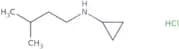
CAS:<p>Versatile small molecule scaffold</p>Formula:C12H15ClN2O3Purity:Min. 95%Molecular weight:270.71 g/molN-(3-Methylbutyl)cyclopropanamine hydrochloride
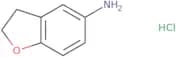
CAS:<p>Versatile small molecule scaffold</p>Formula:C8H18ClNPurity:Min. 95%Molecular weight:163.69 g/mol2,3-Dihydrobenzofuran-5-amine HCl
CAS:<p>Versatile small molecule scaffold</p>Formula:C8H9NO·HClPurity:Min. 95%Molecular weight:171.63 g/molN-(3-Methylbutan-2-yl)cyclopropanamine hydrochloride
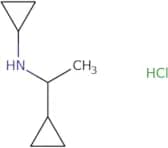
CAS:<p>Versatile small molecule scaffold</p>Formula:C8H18ClNPurity:Min. 95%Molecular weight:163.69 g/molN-(1-Cyclopropylethyl)cyclopropanamine hydrochloride
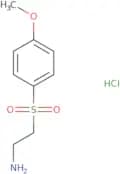
CAS:<p>Versatile small molecule scaffold</p>Formula:C8H16ClNPurity:Min. 95%Molecular weight:161.67 g/mol2-(4-Methoxybenzenesulfonyl)ethan-1-amine hydrochloride
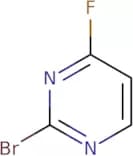
CAS:<p>Versatile small molecule scaffold</p>Formula:C9H14ClNO3SPurity:Min. 95%Molecular weight:251.73 g/mol2-Bromo-4-fluoropyrimidine
CAS:<p>Versatile small molecule scaffold</p>Formula:C4H2BrFN2Purity:Min. 95%Molecular weight:176.97 g/mol5-Chloro-3-methyl-1H-pyrazole-4-carboxylic acid
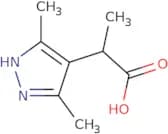
CAS:<p>Versatile small molecule scaffold</p>Formula:C5H5ClN2O2Purity:Min. 95%Molecular weight:160.56 g/mol2-(3,5-Dimethyl-1H-pyrazol-4-yl)propanoic acid
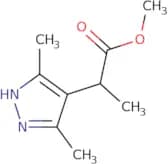
CAS:<p>Versatile small molecule scaffold</p>Formula:C8H12N2O2Purity:Min. 95%Molecular weight:168.19 g/molMethyl 2-(3,5-dimethyl-1H-pyrazol-4-yl)propanoate
CAS:<p>Versatile small molecule scaffold</p>Formula:C9H14N2O2Purity:Min. 95%Molecular weight:182.22 g/mol1-(3,5-Dimethyl-1H-pyrazol-4-yl)propan-2-amine
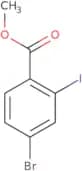
CAS:<p>Versatile small molecule scaffold</p>Formula:C8H15N3Purity:Min. 95%Molecular weight:153.22 g/molmethyl 4-bromo-2-iodobenzoate
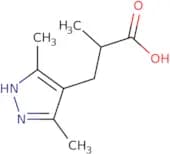
CAS:<p>Versatile small molecule scaffold</p>Formula:C8H6BrIO2Purity:Min. 95%Molecular weight:340.9 g/mol3-(3,5-Dimethyl-1H-pyrazol-4-yl)-2-methylpropanoic acid
CAS:Controlled Product<p>Versatile small molecule scaffold</p>Formula:C9H14N2O2Purity:Min. 95%Molecular weight:182.22 g/mol(3-Ethyl-1H-pyrazol-5-yl)methanamine
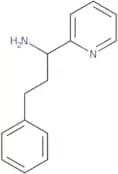
CAS:<p>Versatile small molecule scaffold</p>Formula:C6H11N3Purity:Min. 95%Molecular weight:125.17 g/mol3-Phenyl-1-(pyridin-2-yl)propan-1-amine
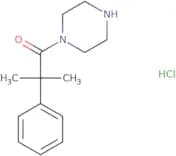
CAS:<p>Versatile small molecule scaffold</p>Formula:C14H16N2Purity:Min. 95%Molecular weight:212.29 g/mol2-Methyl-2-phenyl-1-(piperazin-1-yl)propan-1-one hydrochloride
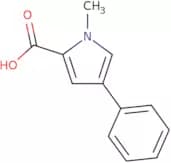
CAS:<p>Versatile small molecule scaffold</p>Formula:C14H21ClN2OPurity:Min. 95%Molecular weight:268.78 g/mol1-Methyl-4-phenyl-1H-pyrrole-2-carboxylic acid
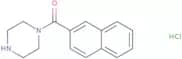
CAS:<p>Versatile small molecule scaffold</p>Formula:C12H11NO2Purity:Min. 95%Molecular weight:201.22 g/mol1-(Naphthalene-2-carbonyl)piperazine hydrochloride
CAS:<p>Versatile small molecule scaffold</p>Formula:C15H17ClN2OPurity:Min. 95%Molecular weight:276.76 g/mol[1-(4-Methanesulfonylphenyl)ethyl](methyl)amine hydrochloride
CAS:<p>Versatile small molecule scaffold</p>Formula:C10H16ClNO2SPurity:Min. 95%Molecular weight:249.76 g/mol4-[(5-Cyanopyridin-2-yl)oxy]benzoic acid
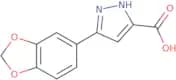
CAS:<p>Versatile small molecule scaffold</p>Formula:C13H8N2O3Purity:Min. 95%Molecular weight:240.21 g/mol5-(1,3-Benzodioxol-5-yl)-1H-pyrazole-3-carboxylic acid
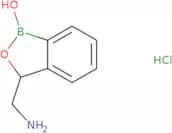
CAS:<p>Versatile small molecule scaffold</p>Formula:C11H8N2O4Purity:Min. 95%Molecular weight:232.19 g/mol3-(Aminomethyl)-1,3-dihydro-2,1-benzoxaborol-1-ol hydrochloride
CAS:<p>Versatile small molecule scaffold</p>Formula:C8H11BClNO2Purity:Min. 95%Molecular weight:199.44 g/mol2-[(4-Fluorobenzyl)amino]ethanol hydrochloride
CAS:<p>Versatile small molecule scaffold</p>Formula:C9H13ClFNOPurity:Min. 95%Molecular weight:205.66 g/mol[(5-tert-Butyl-1H-pyrazol-3-yl)methyl]aminedihydrochloride
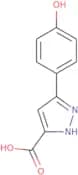
CAS:<p>Versatile small molecule scaffold</p>Formula:C8H17Cl2N3Purity:Min. 95%Molecular weight:226.15 g/mol3-(4-Hydroxyphenyl)-1H-pyrazole-5-carboxylic acid
CAS:<p>Versatile small molecule scaffold</p>Formula:C10H8N2O3Purity:Min. 95%Molecular weight:204.18 g/mol(7-Chloronaphthalen-1-yl)methanamine hydrochloride
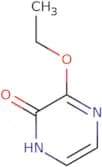
CAS:<p>Versatile small molecule scaffold</p>Formula:C11H11Cl2NPurity:Min. 95%Molecular weight:228.12 g/mol3-Ethoxy-1,2-dihydropyrazin-2-one
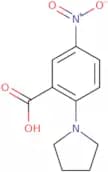
CAS:<p>Versatile small molecule scaffold</p>Formula:C6H8N2O2Purity:Min. 95%Molecular weight:140.14 g/mol5-Nitro-2-(1-pyrrolidinyl)benzenecarboxylic acid
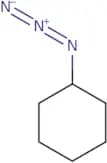
CAS:<p>Versatile small molecule scaffold</p>Formula:C11H12N2O4Purity:Min. 95%Molecular weight:236.22 g/molAzidocyclohexane
CAS:<p>Azidocyclohexane is an unsymmetrical azide that is used in pharmaceutical preparations. It is a non-selective cation, which means it can bind to both positive and negative ions. Azidocyclohexane has been shown to have a chemokine receptor activity, which may be related to its immunosuppressive effects on autoimmune diseases. Azidocyclohexane also has been found to inhibit the binding of adenosine receptors in cancer cells, which may lead to cancer cell death. In addition, azidocyclohexane may also be effective in treating inflammatory bowel disease due to its anti-inflammatory properties.</p>Formula:C6H11N3Purity:Min. 95%Molecular weight:125.17 g/mol2-{[(2-Methylphenyl)(phenyl)methoxy]methyl}oxirane
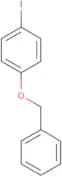
CAS:<p>Versatile small molecule scaffold</p>Formula:C17H18O2Purity:Min. 95%Molecular weight:254.32 g/mol4-Iodobenzyloxybenzene
CAS:<p>4-Iodobenzyloxybenzene is an organic compound with a molecular formula of C6H5OHO. It is an aromatic hydrocarbon that can be used as a monomer for supramolecular chemistry. 4-Iodobenzyloxybenzene can also be used to introduce a clickable group to other molecules and is capable of forming nanowires in the presence of aluminium. The diameter of these nanowires can be controlled by changing the concentration of aluminium ions and temperature. This product has been shown to form complexes with water molecules, chloride, and halides.</p>Formula:IC6H4OCH2C6H5Purity:Min. 95%Molecular weight:310.13 g/mol5-(3-Chloropropyl)-3-(thiophen-2-yl)-1,2,4-oxadiazole
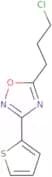
CAS:<p>Versatile small molecule scaffold</p>Formula:C9H9ClN2OSPurity:Min. 95%Molecular weight:228.7 g/mol3-Phenylquinoline-2,4-dicarboxylic acid
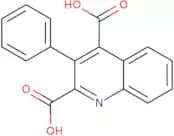
CAS:<p>Versatile small molecule scaffold</p>Formula:C17H11NO4Purity:Min. 95%Molecular weight:293.27 g/mol2-Chloro-1-(2,5-dimethyl-1H-pyrrol-3-yl)ethan-1-one
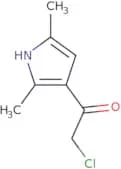
CAS:<p>Versatile small molecule scaffold</p>Formula:C8H10ClNOPurity:Min. 95%Molecular weight:171.62 g/mol2,7-Dichloro-[1,3]thiazolo[5,4-d]pyrimidine
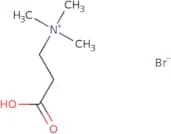
CAS:<p>Versatile small molecule scaffold</p>Formula:C5HCl2N3SPurity:Min. 95%Molecular weight:206.05 g/mol(2-Carboxyethyl)trimethylazanium bromide
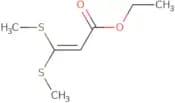
CAS:<p>Versatile small molecule scaffold</p>Formula:C6H14BrNO2Purity:Min. 95%Molecular weight:212.08 g/molEthyl 3,3-bis(methylsulfanyl)prop-2-enoate
CAS:<p>Versatile small molecule scaffold</p>Formula:C7H12O2S2Purity:Min. 95%Molecular weight:192.3 g/mol1-bromo-2-[(methylsulfanyl)methyl]benzene
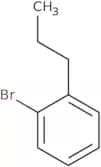
CAS:<p>Versatile small molecule scaffold</p>Formula:C8H9BrSPurity:Min. 95%Molecular weight:217.12 g/mol1-Bromo-2-propylbenzene
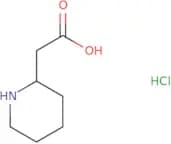
CAS:<p>Versatile small molecule scaffold</p>Formula:C9H11BrPurity:Min. 95%Molecular weight:199.09 g/mol2-(Piperidin-2-yl)acetic acid hydrochloride
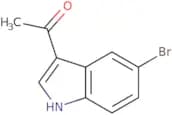
CAS:<p>2-(Piperidin-2-yl)acetic acid hydrochloride is a research chemical that is used in the synthesis of esters, solvents and other organic compounds. It is also used as a solvent in the production of pharmaceuticals. 2-(Piperidin-2-yl)acetic acid hydrochloride can be obtained by chemoenzymatic reactions or by alcoholysis of methyl esters. This compound has been shown to have the ability to act as a lipase inhibitor.</p>Formula:C7H14ClNO2Purity:Min. 95%Molecular weight:179.6 g/mol1-(5-Bromo-1H-indol-3-yl)ethanone
CAS:Controlled Product<p>Versatile small molecule scaffold</p>Formula:C10H8BrNOPurity:Min. 95%Molecular weight:238.08 g/mol2-Acetyl-2-azatricyclo[6.3.1.0,4,12]dodeca-1(12),8,10-trien-7-one
CAS:<p>Versatile small molecule scaffold</p>Formula:C13H13NO2Purity:Min. 95%Molecular weight:215.25 g/molMethyl 2-[(2-methylpropyl)amino]acetate
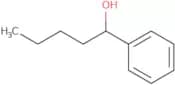
CAS:<p>Versatile small molecule scaffold</p>Formula:C7H15NO2Purity:Min. 95%Molecular weight:145.2 g/mol(1R)-1-Phenylpentan-1-ol
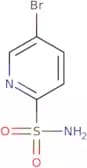
CAS:<p>Versatile small molecule scaffold</p>Formula:C11H16OPurity:Min. 95%Molecular weight:164.24 g/mol5-Bromopyridine-2-sulfonamide
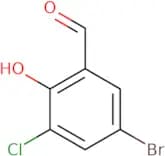
CAS:<p>Versatile small molecule scaffold</p>Formula:C5H5BrN2O2SPurity:Min. 95%Molecular weight:237.08 g/mol5-Bromo-3-chloro-2-hydroxybenzaldehyde
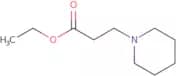
CAS:<p>5-Bromo-3-chloro-2-hydroxybenzaldehyde is a potent regulator of microglia, a type of immune cell. It has been shown to be neuroprotective in the presence of radiation and activated TNF-α, by decreasing necrosis and inflammation. This compound is also capable of inhibiting the production of IL-1β and IL-6 from human monocytes, which may be due to its hydrophobic properties. 5-Bromo-3-chloro-2-hydroxybenzaldehyde has been shown to suppress the development of experimental sclerosis in rats. The mechanism for this effect is unknown, but it may be due to its ability to inhibit the activation of proinflammatory genes such as p65 nuclear translocation or nuclear factor kappa B (NFκB).</p>Formula:C7H4BrClO2Purity:Min. 95%Molecular weight:235.46 g/molEthyl 1-Piperidinepropionate
CAS:<p>Ethyl 1-Piperidinepropionate is an organic compound that is an electron donor. It has an average molecular weight of 170.1 g/mol and a sensitivity to radiation. Ethyl 1-Piperidinepropionate can be used as a polymerization initiator for the preparation of polymers with a patterning ability. This compound is also used to produce dyes, flavours, perfumes, and pesticides.</p>Formula:C10H19NO2Purity:Min. 95%Molecular weight:185.27 g/mol1-[(4-Formylphenyl)sulfanyl]-N,N-dimethylformamide
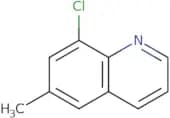
CAS:<p>Versatile small molecule scaffold</p>Formula:C10H11NO2SPurity:Min. 95%Molecular weight:209.27 g/mol8-Chloro-6-methylquinoline
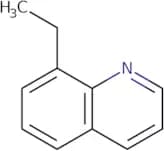
CAS:<p>8-Chloro-6-methylquinoline is a heterocyclic compound with the structure of an indole. This compound has been shown to selectively dehydrogenate cyclohexanones and transiminate indoles. 8-Chloro-6-methylquinoline is also capable of dehydrochlorinating indoles and tetrahydroquinolines, as well as azaheterocycles. The sequence in which these reactions occur can be controlled by the substitution of chlorine atoms at different positions on the ring.</p>Formula:C10H8ClNPurity:Min. 95%Molecular weight:177.63 g/mol8-Ethylquinoline
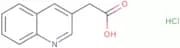
CAS:<p>8-Ethylquinoline is a chemical compound that is classified as an organometallic. It reacts with trifluoroacetic acid to give 8-ethyltrifluoromethylquinoline, which can undergo reductive elimination to form 8-ethylquinoline. 8-Ethylquinoline has been used in the synthesis of azobenzene derivatives, including a luminescent n-oxide and various quinolines. The structural studies of 8-ethylquinoline have been carried out by nmr spectroscopy. The compound has also been shown to be useful for the preparation of terminal alkynes, tetrachloropalladate ions, and constant potential cells.</p>Formula:C11H11NPurity:Min. 95%Molecular weight:157.21 g/mol2-(Quinolin-3-yl)acetic acid hydrochloride
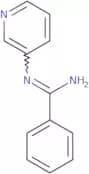
CAS:<p>Versatile small molecule scaffold</p>Formula:C11H10ClNO2Purity:Min. 95%Molecular weight:223.65 g/molN'-(Pyridin-3-yl)benzenecarboximidamide
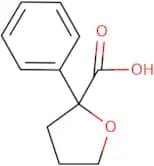
CAS:<p>Versatile small molecule scaffold</p>Formula:C12H11N3Purity:Min. 95%Molecular weight:197.24 g/mol2-Phenyloxolane-2-carboxylic acid
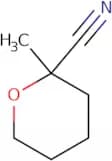
CAS:<p>Versatile small molecule scaffold</p>Formula:C11H12O3Purity:Min. 95%Molecular weight:192.21 g/mol2-Methyloxane-2-carbonitrile
CAS:<p>Versatile small molecule scaffold</p>Formula:C7H11NOPurity:Min. 95%Molecular weight:125.17 g/mol2-Chloro-N-[4-(2-phenyldiazen-1-yl)phenyl]acetamide
CAS:<p>Versatile small molecule scaffold</p>Formula:C14H12ClN3OPurity:Min. 95%Molecular weight:273.72 g/mol1-Oxa-3-azaspiro[4.4]nonan-2-one
CAS:<p>Versatile small molecule scaffold</p>Formula:C7H11NO2Purity:Min. 95%Molecular weight:141.17 g/mol8-Chloro-2,3,4,5-tetrahydro-1H-pyrido[4,3-b]-indole
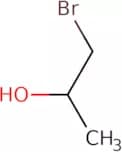
CAS:<p>Versatile small molecule scaffold</p>Formula:C11H11ClN2Purity:Min. 95%Molecular weight:206.67 g/mol1-Bromo-2-propanol
CAS:<p>Silver trifluoromethanesulfonate is a chemical that is used in the manufacture of 1-bromo-2-propanol. When it reacts with hydroxyl groups, it forms an anhydrous sodium salt that can be used to inhibit population growth. Silver trifluoromethanesulfonate has been shown to have an inhibitory effect on human serum and postharvest populations of bacteria by reacting with the hydroxyl group in the enzyme population growth. Chemical ionization mass spectrometry (CI-MS) has been used to identify the aromatic hydrocarbon produced during this reaction. The mechanism for this reaction is thought to be due to hydrogen bonding between silver trifluoromethanesulfonate and the hydroxyl group.</p>Formula:C3H7BrOPurity:Min. 95%Molecular weight:138.99 g/mol[(5-Amino-1,3-dimethyl-1H-pyrazol-4-yl)sulfanyl]formonitrile
CAS:<p>Versatile small molecule scaffold</p>Formula:C6H8N4SPurity:Min. 95%Molecular weight:168.22 g/mol[(5-Amino-3-methyl-1-phenyl-1H-pyrazol-4-yl)sulfanyl]formonitrile
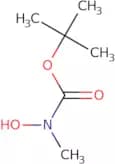
CAS:<p>Versatile small molecule scaffold</p>Formula:C11H10N4SPurity:Min. 95%Molecular weight:230.29 g/moltert-Butyl hydroxy(methyl)carbamate
CAS:<p>Tert-Butyl hydroxy(methyl)carbamate is a linker that has been used in the synthesis of a number of pharmaceuticals including the anti-inflammatory drug celecoxib. It is an intermediate in the synthesis of several drugs, such as erythromycin, cefuroxime, and amoxicillin. Tert-Butyl hydroxy(methyl)carbamate can be activated to form reactive carbonyl groups by treatment with reagents like diazoethane or oxalyl chloride. These carbonyl groups can then react with nucleophiles like hydroxide ion to produce tert-butyl hydroxy(methyl)carbamate derivatives. Tert-Butyl hydroxy(methyl)carbamate reacts with bacterial cells by binding to purine bases on the ribosome. This binding prevents protein synthesis and cell division, leading to cell death.</p>Formula:C6H13NO3Purity:Min. 95%Molecular weight:147.17 g/mol3-(Acetyloxy)naphthalene-1-carboxylic acid
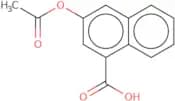
CAS:<p>Versatile small molecule scaffold</p>Formula:C13H10O4Purity:Min. 95%Molecular weight:230.2 g/mol4-Amino-3-methyl-quinoline
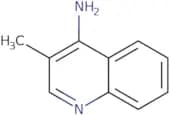
CAS:<p>Versatile small molecule scaffold</p>Formula:C10H10N2Purity:Min. 95%Molecular weight:158.19 g/mol(2S)-1-Acetyl-N-methylpyrrolidine-2-carboxamide
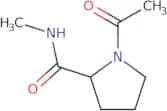
CAS:<p>(2S)-1-Acetyl-N-methylpyrrolidine-2-carboxamide is a functional theory that has been shown to be able to form an intramolecular hydrogen bond. This compound's crystal x-ray diffraction study showed the presence of a water molecule, which helps to stabilize the molecule. The molecule was found to interact with a nonpolar solvent, such as chloroform, through a hydrogen bond. The computational method used for this study was DFT (density functional theory). The hydroxymethyl group on the 1st carbon atom forms a hydrogen bond with the oxygen atom on the 2nd carbon atom and also interacts with the chlorine atom on the 3rd carbon atom.</p>Formula:C8H14N2O2Purity:Min. 95%Molecular weight:170.21 g/mol3-Acetamido-2-naphthoic acid
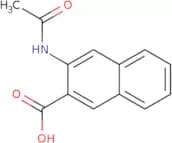
CAS:<p>Versatile small molecule scaffold</p>Formula:C13H11NO3Purity:Min. 95%Molecular weight:229.23 g/mol3-(4-Methoxyphenyl)piperidine hydrochloride
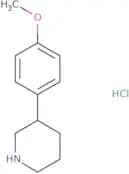
CAS:<p>Versatile small molecule scaffold</p>Formula:C12H18ClNOPurity:Min. 95%Molecular weight:227.73 g/mol3-(3-Methoxyphenyl)piperidine hydrochloride
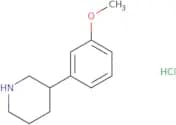
CAS:<p>Versatile small molecule scaffold</p>Formula:C12H18ClNOPurity:Min. 95%Molecular weight:227.74 g/mol7-Methoxy-2-methyl-3-phenyl-4H-chromen-4-one
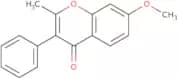
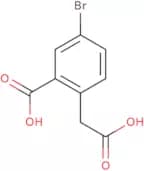
CAS:<p>7-Methoxy-2-methyl-3-phenyl-4H-chromen-4-one is a fungal metabolite that can be found in plants such as soybeans, peanuts, and peas. It also exists in human urine. 7-Methoxyisoflavone can inhibit the growth of fungi by inducing DNA damage. This compound has been shown to exhibit estrogenic activity and may have anticarcinogenic properties. 7-Methoxyisoflavone can also act as an inhibitor of the enzyme cyclopium and demethylase, which are responsible for the conversion of methoxyisoflavones into their corresponding phenolic acids.</p>Formula:C17H14O3Purity:Min. 95%Molecular weight:266.29 g/mol5-Bromo-2-(carboxymethyl)benzoic acid
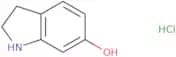
CAS:<p>Versatile small molecule scaffold</p>Formula:C9H7BrO4Purity:Min. 95%Molecular weight:259.05 g/mol2,3-Dihydro-1H-indol-6-ol hydrochloride
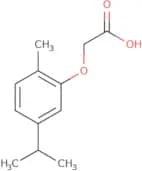
CAS:<p>Versatile small molecule scaffold</p>Formula:C8H10ClNOPurity:Min. 95%Molecular weight:171.62 g/mol(5-Isopropyl-2-methyl-phenoxy)-acetic acid
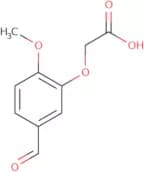
CAS:<p>Versatile small molecule scaffold</p>Formula:C12H16O3Purity:Min. 95%Molecular weight:208.26 g/mol2-(5-Formyl-2-methoxyphenoxy)acetic acid
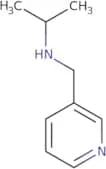
CAS:<p>Versatile small molecule scaffold</p>Formula:C10H10O5Purity:Min. 95%Molecular weight:210.18 g/molN-(Pyridin-3-ylmethyl)propan-2-amine
CAS:<p>Versatile small molecule scaffold</p>Formula:C9H14N2Purity:Min. 95%Molecular weight:150.22 g/mol3-(4-Nitrophenyl)piperidine hydrochloride
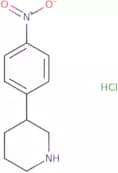
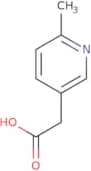
CAS:<p>Versatile small molecule scaffold</p>Formula:C11H15ClN2O2Purity:Min. 95%Molecular weight:242.7 g/mol(6-Methylpyridin-3-yl)acetic acid
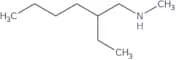
CAS:<p>Versatile small molecule scaffold</p>Formula:C8H9NO2Purity:Min. 95%Molecular weight:151.17 g/mol(2-Ethylhexyl)(methyl)amine
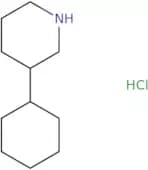
CAS:<p>Versatile small molecule scaffold</p>Formula:C9H21NPurity:Min. 95%Molecular weight:143.27 g/mol3-Cyclohexylpiperidine hydrochloride
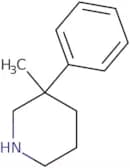
CAS:<p>Versatile small molecule scaffold</p>Formula:C11H22ClNPurity:Min. 95%Molecular weight:203.75 g/mol3-Methyl-3-phenylpiperidine
CAS:<p>3-Methyl-3-phenylpiperidine is a tertiary amine that contains a quaternary carbon. It has three different conformers, which can be determined by the presence of trifluoromethanesulfonic acid. The tertiary amine has two hydrogen atoms on the nitrogen atom and one hydrogen atom on the methyl group. 3-Methyl-3-phenylpiperidine is stable at room temperature in ethanol and preferentially reacts with sodium borohydride to form sodium N-(3-methyl-3-phenylpiperidinium) borohydride. This compound also has an electron withdrawing substituent, so it will have a higher thermodynamic stability than benzene or pyridinium salts.</p>Formula:C12H17NPurity:Min. 95%Molecular weight:175.27 g/mol

![8-Bromo-6-chloroimidazo[1,2-a]pyridine-3-carbaldehyde](/_next/image/?url=https%3A%2Fstatic.cymitquimica.com%2Fproducts%2F3D%2Fthumb-webp%2FTTB09263.webp&w=3840&q=75)
![6-Bromo[1,2,4]triazolo[4,3-a]pyridine-3-thiol](/_next/image/?url=https%3A%2Fstatic.cymitquimica.com%2Fproducts%2F3D%2Fthumb-webp%2FTTB09264.webp&w=3840&q=75)

![2-Bromo-6,7-dihydro-4H-pyrano[4,3-d]thiazole](/_next/image/?url=https%3A%2Fstatic.cymitquimica.com%2Fproducts%2F3D%2Fthumb-webp%2FTTB10756.webp&w=3840&q=75)



![1-[(tert-Butoxy)carbonyl]-3-(ethoxycarbonyl)piperidine-3-carboxylic acid](/_next/image/?url=https%3A%2Fstatic.cymitquimica.com%2Fproducts%2F3D%2Fthumb-webp%2FTTB21491.webp&w=3840&q=75)
![3-(2-Aminoethyl)-5-[(4-methylphenyl)methylidene]-1,3-thiazolidine-2,4-dione hydrochloride](/_next/image/?url=https%3A%2Fstatic.cymitquimica.com%2Fproducts%2F3D%2Fthumb-webp%2FTTB34489.webp&w=3840&q=75)
![4-[1-(Methylamino)ethyl]phenol hydrobromide](/_next/image/?url=https%3A%2Fstatic.cymitquimica.com%2Fproducts%2F3D%2Fthumb-webp%2FTTB39065.webp&w=3840&q=75)




amine hydrochloride](/_next/image/?url=https%3A%2Fstatic.cymitquimica.com%2Fproducts%2F3D%2Fthumb-webp%2FTTB63040.webp&w=3840&q=75)
![4-[(5-Cyanopyridin-2-yl)oxy]benzoic acid](/_next/image/?url=https%3A%2Fstatic.cymitquimica.com%2Fproducts%2F3D%2Fthumb-webp%2FTTB64147.webp&w=3840&q=75)
![2-[(4-Fluorobenzyl)amino]ethanol hydrochloride](/_next/image/?url=https%3A%2Fstatic.cymitquimica.com%2Fproducts%2F3D%2Fthumb-webp%2FTTB64813.webp&w=3840&q=75)
![[(5-tert-Butyl-1H-pyrazol-3-yl)methyl]aminedihydrochloride](/_next/image/?url=https%3A%2Fstatic.cymitquimica.com%2Fproducts%2F3D%2Fthumb-webp%2FTTB64971.webp&w=3840&q=75)

![2-{[(2-Methylphenyl)(phenyl)methoxy]methyl}oxirane](/_next/image/?url=https%3A%2Fstatic.cymitquimica.com%2Fproducts%2F3D%2Fthumb-webp%2FUAA57483.webp&w=3840&q=75)
![2,7-Dichloro-[1,3]thiazolo[5,4-d]pyrimidine](/_next/image/?url=https%3A%2Fstatic.cymitquimica.com%2Fproducts%2F3D%2Fthumb-webp%2FUAA60261.webp&w=3840&q=75)
![1-bromo-2-[(methylsulfanyl)methyl]benzene](/_next/image/?url=https%3A%2Fstatic.cymitquimica.com%2Fproducts%2F3D%2Fthumb-webp%2FUAA61411.webp&w=3840&q=75)
![2-Acetyl-2-azatricyclo[6.3.1.0,4,12]dodeca-1(12),8,10-trien-7-one](/_next/image/?url=https%3A%2Fstatic.cymitquimica.com%2Fproducts%2F3D%2Fthumb-webp%2FUAA62115.webp&w=3840&q=75)
![Methyl 2-[(2-methylpropyl)amino]acetate](/_next/image/?url=https%3A%2Fstatic.cymitquimica.com%2Fproducts%2F3D%2Fthumb-webp%2FUAA62856.webp&w=3840&q=75)
![1-[(4-Formylphenyl)sulfanyl]-N,N-dimethylformamide](/_next/image/?url=https%3A%2Fstatic.cymitquimica.com%2Fproducts%2F3D%2Fthumb-webp%2FUAA65438.webp&w=3840&q=75)
![2-Chloro-N-[4-(2-phenyldiazen-1-yl)phenyl]acetamide](/_next/image/?url=https%3A%2Fstatic.cymitquimica.com%2Fproducts%2F3D%2Fthumb-webp%2FUAA68035.webp&w=3840&q=75)
![1-Oxa-3-azaspiro[4.4]nonan-2-one](/_next/image/?url=https%3A%2Fstatic.cymitquimica.com%2Fproducts%2F3D%2Fthumb-webp%2FUAA68459.webp&w=3840&q=75)
![8-Chloro-2,3,4,5-tetrahydro-1H-pyrido[4,3-b]-indole](/_next/image/?url=https%3A%2Fstatic.cymitquimica.com%2Fproducts%2F3D%2Fthumb-webp%2FUAA68584.webp&w=3840&q=75)
![[(5-Amino-1,3-dimethyl-1H-pyrazol-4-yl)sulfanyl]formonitrile](/_next/image/?url=https%3A%2Fstatic.cymitquimica.com%2Fproducts%2F3D%2Fthumb-webp%2FUAA68892.webp&w=3840&q=75)
![[(5-Amino-3-methyl-1-phenyl-1H-pyrazol-4-yl)sulfanyl]formonitrile](/_next/image/?url=https%3A%2Fstatic.cymitquimica.com%2Fproducts%2F3D%2Fthumb-webp%2FUAA68895.webp&w=3840&q=75)