Building Blocks
This section contains fundamental products for the synthesis of organic and biological compounds. Building blocks are the essential starting materials used to construct complex molecules through various chemical reactions. They play a critical role in drug discovery, material science, and chemical research. At CymitQuimica, we offer a diverse range of high-quality building blocks to support your innovative research and industrial projects, ensuring you have the essential components for successful synthesis.
Subcategories of "Building Blocks"
- Boronic Acids & Boronic Acid Derivatives(5,756 products)
- Chiral Building Blocks(1,242 products)
- Hydrocarbon Building Blocks(6,093 products)
- Organic Building Blocks(60,534 products)
Found 195534 products of "Building Blocks"
Sort by
Purity (%)
0
100
|
0
|
50
|
90
|
95
|
100
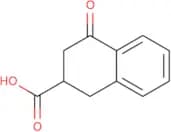
2-Naphthalenecarboxylic acid, 1,2,3,4-tetrahydro-4-oxo-
CAS:<p>2-Naphthalenecarboxylic acid, 1,2,3,4-tetrahydro-4-oxo-, is an organic compound that is a derivative of naphthalene. It can be synthesized by reacting benzene with acetic anhydride in the presence of a base catalyst. This product is used as a solvent and antioxidant in plastics manufacturing.</p>Formula:C11H10O3Purity:Min. 95%Molecular weight:190.2 g/mol2-Bromo-5-methylhexane
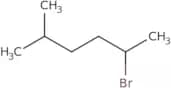
CAS:<p>2-Bromo-5-methylhexane is a homologous series of compounds with an alkylating agent that can inhibit cholinesterase and cause cancer. This compound has been shown to have anti-inflammatory properties, which may be due to its ability to modulate fatty acid metabolism. 2-Bromo-5-methylhexane also has been found to be effective in the treatment of prostate cancer cells. It is believed that this compound inhibits chloride channels, which are involved in the regulation of cell volume, and sodium channels, which are involved in nerve transmission. 2-Bromo-5-methylhexane also has fluorescence properties and can be used as a stain for sternal glands.</p>Formula:C7H15BrPurity:Min. 95%Molecular weight:179.1 g/mol2-(2-Cyanophenoxy)acetic acid
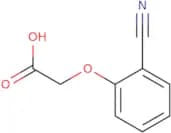
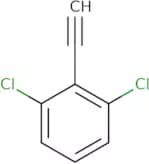
CAS:<p>Versatile small molecule scaffold</p>Formula:C9H7NO3Purity:Min. 95%Molecular weight:177.16 g/mol1,3-Dichloro-2-ethynylbenzene
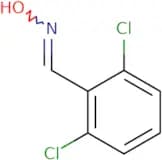
CAS:<p>Versatile small molecule scaffold</p>Formula:C8H4Cl2Purity:Min. 95%Molecular weight:171.02 g/mol(E)-2,6-Dichlorobenzaldehyde oxime
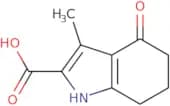
CAS:<p>(E)-2,6-Dichlorobenzaldehyde oxime is an oxime that has a high affinity for electron-rich molecules. It is a toxicant that targets toxicants with electron-donating groups such as benzene. This compound also has physicochemical properties such as solubility in water and lipids which make it suitable for mucosal administration. (E)-2,6-Dichlorobenzaldehyde oxime is used as a herbicide to control weeds in crops like soybeans and corn.</p>Formula:C7H5Cl2NOPurity:Min. 95%Molecular weight:190.02 g/mol3-Methyl-4-oxo-4,5,6,7-tetrahydro-1H-indole-2-carboxylic acid
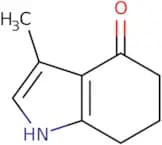
CAS:<p>Versatile small molecule scaffold</p>Formula:C10H11NO3Purity:Min. 95%Molecular weight:193.2 g/mol3-Methyl-4,5,6,7-tetrahydro-1H-indol-4-one
CAS:<p>Versatile small molecule scaffold</p>Formula:C9H11NOPurity:Min. 95%Molecular weight:149.19 g/mol4-Azatricyclo[5.2.2.0,2,6]undec-8-ene-3,5-dione
CAS:<p>4-Azatricyclo[5.2.2.0,2,6]undec-8-ene-3,5-dione (ATU) is a chemical compound that has been shown to have antimicrobial properties. It inhibits the growth of gram-negative and gram-positive bacteria and shows significant inhibition of MT4 cells in culture. ATU also demonstrated antifungal properties against Candida albicans and Aspergillus niger in vitro. ATU has been found to be cytotoxic to cells in culture, but not to mammals. The mechanism of action is not known, but it may be due to binding with DNA or RNA.>>END>></p>Formula:C10H11NO2Purity:Min. 95%Molecular weight:177.2 g/mol3-(4-Iodo-5-methyl-1H-pyrazol-1-yl)propanoic acid
CAS:<p>Versatile small molecule scaffold</p>Formula:C7H9IN2O2Purity:Min. 95%Molecular weight:280.06 g/mol3,3-Dimethyl-1-phenylbutan-2-one
CAS:<p>3,3-Dimethyl-1-phenylbutan-2-one is a ketone that can be prepared by the hydration of acetophenone with toluene. The yield for this reaction is about 56%. This ketone has been shown to undergo photochemical reactions in benzene and dioxane. These reactions are classified as triketones, which are characterized by their electron transfer properties. 3,3-Dimethyl-1-phenylbutan-2-one is also capable of undergoing vicinal dioxan transfer reactions with electron donors like phenols or nitro compounds.</p>Formula:C12H16OPurity:Min. 95%Molecular weight:176.25 g/molPyrazolo[3,2-c][1,2,4]triazin-4-ol
CAS:<p>Versatile small molecule scaffold</p>Formula:C5H4N4OPurity:Min. 95%Molecular weight:136.11 g/mol4-Iodobutanenitrile
CAS:<p>4-Iodobutanenitrile is a synthetic compound that is used in the preparation of cyclobutanones. It can be prepared by the reaction of bromoacetic acid chloride with lysine. This procedure yields the product in high yield and purity and without significant amounts of undesired side products, such as 4-bromobutanenitrile and 2-chlorobenzene. The 4-iodobutanenitrile is synthesized using an asymmetric synthesis which includes hydrochloric acid as a reagent.</p>Formula:C4H6INPurity:Min. 95%Molecular weight:195 g/mol5-Iodopentanenitrile
CAS:<p>5-Iodopentanenitrile is a reactive chemical that can be used to produce organic compounds. This compound is an intermediate in the production of 5-iodo-1,3-dihydrobenzofuran and 5-iodoquinoline. It is also used for the production of pharmaceutical intermediates such as fluoroquinolones and alkylating agents. The mechanism of this chemical's reactivity has been studied extensively, which led to the discovery that it reacts by nucleophilic addition at electron deficient carbonyls groups. These reactions are known as Grignard reactions or halolactonizations. This chemical has also been shown to be reactive with biomolecules, such as DNA and RNA, and can bind to their sugar residues.</p>Formula:C5H8INPurity:Min. 95%Molecular weight:209.03 g/mol6-Bromo-4,5-dihydro-1H-benzo[b]azepin-2(3H)-one
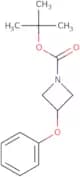
CAS:<p>Versatile small molecule scaffold</p>Formula:C10H10BrNOPurity:Min. 95%Molecular weight:240.1 g/moltert-Butyl 3-phenoxyazetidine-1-carboxylate
CAS:<p>Tert-butyl 3-phenoxyazetidine-1-carboxylate is a boronate ester that can be used in the coupling of arylboronic acids. It reacts with aryl halides or triflates to form a new carbon-carbon bond. This reaction proceeds through the formation of an intermediate, phenoxyacetylene. The tertiary alcohol group on the tert-butyl 3-phenoxyazetidine-1-carboxylate molecule is then attacked by the carbonyl carbon atom on the phenoxyacetylene intermediate to form a new carbon-carbon bond. This reaction can be catalyzed with palladium and copper catalysis.</p>Formula:C14H19NO3Purity:Min. 95%Molecular weight:249.3 g/mol2-cyclopropyl-1-phenylethan-1-one
CAS:<p>2-Cyclopropyl-1-phenylethan-1-one is a drug that has been used in the treatment of psychosis. It has been shown to have growth regulatory properties and to be able to inhibit the conversion of catecholamines and serotonin into their respective metabolites. 2-Cyclopropyl-1-phenylethan-1-one also decreases the level of dopamine, which can lead to symptoms such as psychosis. This drug is used for the treatment of hypofunction and may be effective in patients with Parkinson's disease who have low levels of dopamine in their brains. 2-Cyclopropyl-1-phenylethan-1-one has been shown to produce a number of hydrosilylation products when reacted with an alkene or alkyne substrate. These reactions are catalyzed by platinum complexes, which often undergo formylation, cyclization, or addition reactions during these processes. The 2-, 3-, 4-, 5-,</p>Formula:C11H12OPurity:Min. 95%Molecular weight:160.21 g/molMethyl 4-(2-oxopyrrolidin-1-yl)butanoate
CAS:<p>Versatile small molecule scaffold</p>Formula:C9H15NO3Purity:Min. 95%Molecular weight:185.22 g/molEthyl 1-Oxo-2,3-Dihydro-1H-Indene-2-Carboxylate
CAS:<p>Ethyl 1-Oxo-2,3-dihydro-1H-indene-2-carboxylate is an organic compound which is an envisaged dicarbonyl. It is also a reagent in the synthesis of naphthoquinones and aldol condensation. It has been used as a tosylating agent and diazo transfer agent. The crystal structure of this compound was determined by XRD analysis.</p>Formula:C12H12O3Purity:Min. 95%Molecular weight:204.22 g/mol2-(1-Oxo-1,2,3,4-tetrahydronaphthalen-2-yl)acetic acid
CAS:<p>Versatile small molecule scaffold</p>Formula:C12H12O3Purity:Min. 95%Molecular weight:204.2 g/mol4-(4-Methoxy-phenyl)-piperidine hydrochloride
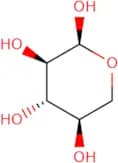
CAS:<p>Versatile small molecule scaffold</p>Formula:C12H18ClNOPurity:Min. 95%Molecular weight:227.74 g/mol(2R,3S,4R,5R)-Oxane-2,3,4,5-tetrol
CAS:<p>(2R,3S,4R,5R)-Oxane-2,3,4,5-tetrol is a ligand that binds to metal ions and isomers of nitro groups. This compound has four chiral centers and two stereogenic centers. It has been used as an immobilized catalyst in the synthesis of enantiopure alcohols and aldehydes. (2R,3S,4R,5R)-Oxane-2,3,4,5-tetrol can be used as a feedstock for the production of polyols or polymers. It can also be used in fermentations such as the conversion of sugars into alcohols using yeast. (2R,3S,4R,5R)-Oxane-2,3,4,5-tetrol is transported across cell membranes by active transport or diffusion. Growth temperature affects its solubility in water and its ability to form hydrogen bonds</p>Formula:C5H10O5Purity:Min. 95%Molecular weight:150.13 g/mol3,7,11-Trimethyldodecan-1-ol
CAS:<p>Versatile small molecule scaffold</p>Formula:C15H32OPurity:Min. 95%Molecular weight:228.41 g/mol5-(Methoxycarbonyl)furan-2-carboxylic acid
CAS:<p>5-(Methoxycarbonyl)furan-2-carboxylic acid is a chemical that can be used as a feedstock for the production of chemicals such as polymers, plastics, and pharmaceuticals. It can be synthesized using an oxidation process involving 5-methoxybenzoic acid as a substrate.</p>Formula:C7H6O5Purity:Min. 95%Molecular weight:170.12 g/mol2-Bromoresorcinol
CAS:<p>2-Bromoresorcinol is a carbonyl compound that has been shown to inhibit farnesyltransferase, an enzyme that mediates the transfer of farnesyl groups. The inhibition of this enzyme leads to a decrease in the production of lipids and other substances essential for cancer cell growth. 2-Bromoresorcinol also inhibits the production of furocoumarins by hydroxide solution, trifluoromethanesulfonic acid, and sodium hydroxide solution. This product can be used as a synthetic intermediate for the synthesis of drugs such as benzofuran derivatives.</p>Formula:C6H5BrO2Purity:Min. 95%Molecular weight:189.01 g/mol2-Methylquinoline-4-carbaldehyde
CAS:<p>Versatile small molecule scaffold</p>Formula:C11H9NOPurity:Min. 95%Molecular weight:171.19 g/mol9-azabicyclo[3.3.1]nonane hcl
CAS:<p>9-azabicyclo[3.3.1]nonane hcl is an aliphatic, alcohol oxidant that has radical mechanism and is mediated by hydroxylamine. It can be used in the oxidation of benzyl alcohol to benzaldehyde. This compound also has a catalytic effect on the oxidation of 5-hydroxytryptamine (5-HT) to 5-hydroxyindoleacetic acid (5-HIAA). The product may be used in pharmaceuticals, such as the treatment of depression or anxiety, as well as in oxidations involving aliphatic alcohols. The activation energy for this reaction is 32 kcal/mol at 25°C and atmospheric pressure.</p>Formula:C8H16ClNPurity:Min. 95%Molecular weight:161.67 g/molD-Xylopyranose
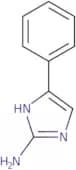
CAS:<p>D-Xylopyranose is a sugar with the chemical formula C5H10O5. It is a potent antagonist of sweet taste, which may be due to its ability to bind to the sweet receptor on the tongue. D-Xylopyranose can also be used as an analytical reagent in analytical chemistry and has been shown to have anti-inflammatory properties. D-Xylopyranose can be hydrolyzed by acid or base into two molecules of l-arabinose and one molecule of water, and is composed of five carbon atoms, 10 hydrogen atoms, one oxygen atom, and one hydroxyl group. The structure of D-xylopyranose contains a terminal residue (e.g., l-arabinose) that can form glycosidic bonds with other sugars such as glucose or sucrose to form disaccharides such as maltose or sucrose.</p>Formula:C5H10O5Purity:Min. 95%Molecular weight:150.13 g/mol5-Phenyl-1H-imidazol-2-amine
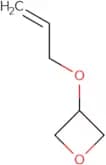
CAS:<p>5-Phenyl-1H-imidazol-2-amine is a marine alkaloid that has been shown to have antibacterial activity. It is active against both Gram-positive and Gram-negative bacteria, as well as fungi. 5-Phenyl-1H-imidazol-2-amine has also been shown to inhibit the growth of Escherichia coli and Staphylococcus aureus. This compound is not active against Sarcina lutea, Enterobacter cloacae, Pseudomonas aeruginosa, Proteus vulgaris, or Klebsiella pneumoniae.</p>Formula:C9H9N3Purity:Min. 95%Molecular weight:159.19 g/mol3-(Allyloxy)oxetane
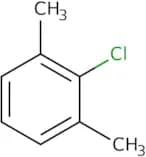
CAS:<p>3-(Allyloxy)oxetane is a monomer that has been found to be an effective adhesive. It is synthesized by the reaction of allyl alcohol with oxetane in the presence of base. 3-(Allyloxy)oxetane is used as an adhesive in textile manufacturing, paper coating, and sealing windows. It has also been found to be a promising material for use in sealants and adhesives.</p>Formula:C6H10O2Purity:Min. 95%Molecular weight:114.14 g/mol2-Chloro-m-xylene
CAS:<p>2-Chloro-m-xylene is a nucleophilic reagent that is used for the Suzuki coupling reaction. It reacts with amines to produce chloroalkyl amines and can be used as a cross-coupling agent for the synthesis of halides or palladium complexes. 2-Chloro-m-xylene has been shown to react with chloride ion to form an optimal reaction, which proceeds at low temperature, in the presence of copper chloride. The chlorine atom in this compound is very reactive and has a nucleophilic nature, which allows it to react with other molecules. This property makes 2-chloro-m-xylene an excellent reagent for the synthesis of organic compounds.</p>Formula:C8H9ClPurity:Min. 95%Molecular weight:140.61 g/mol3-[(2-Furylmethyl)amino]propanenitrile
CAS:<p>Versatile small molecule scaffold</p>Formula:C8H10N2OPurity:Min. 95%Molecular weight:150.18 g/mol4,5,6,7-Tetrahydro-1H-1,2,3-benzotriazole
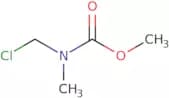
CAS:<p>Versatile small molecule scaffold</p>Formula:C6H9N3Purity:Min. 95%Molecular weight:123.16 g/molMethyl N-(chloromethyl)-N-methylcarbamate
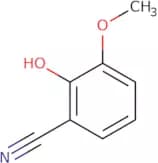
CAS:<p>Versatile small molecule scaffold</p>Formula:C4H8ClNO2Purity:Min. 95%Molecular weight:137.56 g/mol2-Hydroxy-3-methoxybenzenecarbonitrile
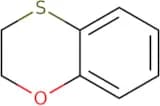
CAS:<p>2-Hydroxy-3-methoxybenzenecarbonitrile (2HMB) is a reagent that is used in the synthesis of benzofurans. It is an analog of 2,2'-dichlorodiethyl carbonate. The reaction mechanism involves the conversion of 2HMB to 2-chloro-3-methoxybenzenecarbonitrile, followed by the elimination of chloride to yield 3-hydroxybenzofuran. This reagent also has the ability to catalyze reactions such as demethylation and alkylations.</p>Formula:C8H7NO2Purity:Min. 95%Molecular weight:149.15 g/mol2,3-Dihydro-1,4-benzoxathiine
CAS:<p>2,3-Dihydro-1,4-benzoxathiine is a chemical compound that blocks the action of ethylene. It is an antimycotic and has been used to treat fungal infections. The structure of 2,3-dihydro-1,4-benzoxathiine is similar to that of the estrogen molecule and it binds to the estrogen receptor with high affinity. This drug also acts as a selective serotonin receptor ligand and binds selectively to serotonin receptors. In addition, this drug has been shown to act on the nucleus by inhibiting melatonin synthesis in rats.</p>Formula:C8H8OSPurity:Min. 95%Molecular weight:152.22 g/mol1,4-Dioxa-8-azaspiro[4.5]decan-7-one
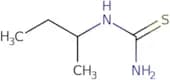
CAS:<p>Versatile small molecule scaffold</p>Formula:C7H11NO3Purity:Min. 95%Molecular weight:157.17 g/mol(Butan-2-yl)thiourea
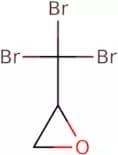
CAS:<p>Versatile small molecule scaffold</p>Formula:C5H12N2SPurity:Min. 95%Molecular weight:132.23 g/mol2-(Tribromomethyl)oxirane
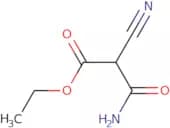
CAS:<p>Versatile small molecule scaffold</p>Formula:C3H3Br3OPurity:Min. 95%Molecular weight:294.77 g/molEthyl 2-carbamoyl-2-cyanoacetate
CAS:<p>Versatile small molecule scaffold</p>Formula:C6H8N2O3Purity:Min. 95%Molecular weight:156.14 g/mol4-Amino-1H-pyrazolo[3,4-d]pyrimidine-3-carbonitrile
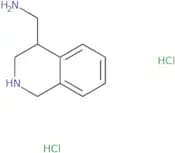
CAS:<p>Versatile small molecule scaffold</p>Formula:C6H4N6Purity:Min. 95%Molecular weight:160.14 g/mol(1,2,3,4-Tetrahydroisoquinolin-4-yl)methanamine dihydrochloride
CAS:<p>Versatile small molecule scaffold</p>Formula:C10H16Cl2N2Purity:Min. 95%Molecular weight:235.15 g/mol3-Hydroxy-4-phenylbutanoic acid
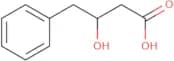
CAS:<p>3-Hydroxy-4-phenylbutanoic acid is a chemical compound that is used in the synthesis of medicines. It is a stereospecific, water soluble, and soluble form of butyric acid. 3-Hydroxy-4-phenylbutanoic acid can be synthesized by Streptomyces coelicolor through biosynthesis. This process involves two steps: the first step is the synthesis of butyryl coenzyme A from acetone and acetoacetate; and the second step is the conversion of butyryl coenzyme A to 3-(3-hydroxyphenyl)-4-(1,1,2,2,-tetrafluoroethyl)butyric acid. The use of this compound as a carbon source in high temperature cultures has been shown to increase production of other metabolites such as antibiotics.</p>Formula:C10H12O3Purity:Min. 95%Molecular weight:180.2 g/molN-Methyl-2-phenylacetamide
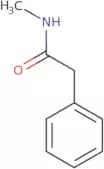
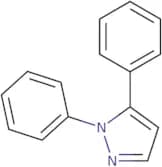
CAS:<p>Phenylacetamide is a white crystalline solid that belongs to the group of phenyl compounds. It can be synthesized from acetamide and phenylmagnesium bromide. Phenylacetamide has been shown to interact with proteolytic enzymes, such as trypsin, chymotrypsin, papain, and elastase. The interaction between phenylacetamide and these enzymes is thought to be based on the similarity in their chemical structures. The skeleton of phenylacetamide contains an active methylene group that can react with lipases or carbon tetrachloride to form profiles. Phenylacetamide also reacts with amines to form amides.</p>Formula:C9H11NOPurity:Min. 95%Molecular weight:149.19 g/mol1,5-diphenyl-1H-pyrazole
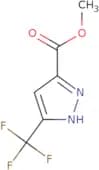
CAS:<p>1,5-diphenyl-1H-pyrazole is a nitro compound that binds to the guanine nucleotide binding protein. It is an inhibitor of cyclic nucleotide phosphodiesterase and has been shown to inhibit the growth of cryptococcus neoformans in vitro assays. 1,5-Diphenyl-1H-pyrazole has been synthesized by an asymmetric synthesis method. The molecular modeling and nmr spectra show that 1,5-diphenyl-1H-pyrazole has a pyrazole ring with a fluorine atom at the 5 position. The reaction products of this compound are not known; however, it does have an inhibitory effect on rat liver microsomes.</p>Formula:C15H12N2Purity:Min. 95%Molecular weight:220.28 g/molMethyl 5-(trifluoromethyl)pyrazole-3-carboxylate
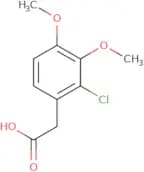
CAS:<p>Versatile small molecule scaffold</p>Formula:C6H5F3N2O2Purity:Min. 95%Molecular weight:194.11 g/mol2-(2-Chloro-3,4-dimethoxyphenyl)acetic acid
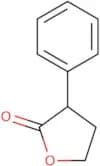
CAS:<p>Versatile small molecule scaffold</p>Formula:C10H11ClO4Purity:Min. 95%Molecular weight:230.64 g/mol3-Phenyloxolan-2-one
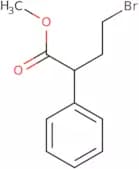
CAS:<p>Phenyloxolan-2-one is a metabolite of glutethimide. It has been shown to produce dose-dependent sedation and hypnosis in rats. It is also a potent inhibitor of the enzyme gamma-aminobutyric acid transaminase, which is responsible for the conversion of GABA to succinic semialdehyde, and may inhibit the formation of gamma-aminobutyric acid from glutamate. Phenyloxolan-2-one can be detected in urine as a metabolite of glutethimide and has been used as an analytical tool for monitoring glutethimide use.</p>Formula:C10H10O2Purity:Min. 95%Molecular weight:162.18 g/molMethyl 4-bromo-2-phenylbutanoate
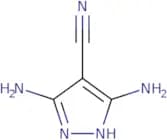
CAS:<p>Versatile small molecule scaffold</p>Formula:C11H13BrO2Purity:Min. 95%Molecular weight:257.12 g/mol3,5-Diamino-1H-pyrazole-4-carbonitrile
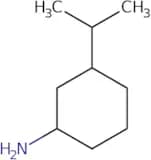
CAS:<p>3,5-Diamino-1H-pyrazole-4-carbonitrile is a bioactive molecule that has been shown to have a range of bioactivities. This compound has been shown to be cytotoxic in human lung cancer cells and also inhibits the proliferation of human breast cancer cells. It has also been shown to inhibit the production of nitric oxide by lipopolysaccharide (LPS)-stimulated macrophages. The effects of 3,5-diamino-1H-pyrazole-4-carbonitrile on LPS stimulated macrophage nitric oxide production are due to its ability to inhibit protein synthesis, leading to reduced levels of the enzyme nitric oxide synthase.</p>Formula:C4H5N5Purity:Min. 95%Molecular weight:123.12 g/mol3-(Propan-2-yl)cyclohexan-1-amine
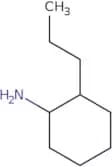
CAS:<p>Versatile small molecule scaffold</p>Formula:C9H19NPurity:Min. 95%Molecular weight:141.25 g/mol2-Propylcyclohexan-1-amine
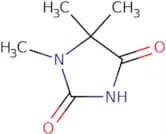
CAS:<p>2-Propylcyclohexan-1-amine is a hydrogenation reaction intermediate that is produced by the thermodynamic equilibrium of cyclohexanone. It is a colorless liquid that has an amine odor. 2-Propylcyclohexan-1-amine can be used as a solvent and as a reactant in industrial processes. The phosphide ion, P, in this compound can be oxidized to form phosphoric acid with heat or light. This reaction has an activation energy (Ea) of 78 kJ/mol and produces hydrogen gas and the corresponding acid from 2-propyclohexanone. The bond cleavage reaction between phosphine and cyclohexane has an Ea of 54 kJ/mol and produces hydrogen gas, phosphate ions, and the corresponding alcohol.</p>Formula:C9H19NPurity:Min. 95%Molecular weight:141.25 g/mol1,5,5-Trimethylhydantoin
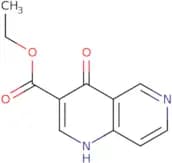
CAS:<p>1,5,5-Trimethylhydantoin is an activated ring-opening compound that can be used as an inhibitor in the synthesis of amines. The reaction mechanism of 1,5,5-Trimethylhydantoin is a ring-opening reaction with the help of amines to form a phosphazene. To synthesize amines from 1,5,5-Trimethylhydantoin and amine monomers in the reaction mixture, it is necessary to have a cocatalyst such as chloride or silver trifluoromethanesulfonate. The crystalline structure of 1,5,5-Trimethylhydantoin is dependent on temperature and pH; at room temperature it has a monoclinic crystal structure and at higher temperatures it has a rhombic crystal structure. It was found that 1,5,5-Trimethylhydantoin also inhibits the metabolism of urinary creatinine and increases its level in</p>Formula:C6H10N2O2Purity:Min. 95%Molecular weight:142.16 g/molEthyl 4-hydroxy-1,6-naphthyridine-3-carboxylate
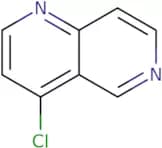
CAS:<p>Versatile small molecule scaffold</p>Formula:C11H10N2O3Purity:Min. 95%Molecular weight:218.21 g/mol4-Chloro-1,6-naphthyridine
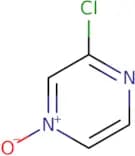
CAS:<p>4-Chloro-1,6-naphthyridine is a chlorinated derivative of 1,6-naphthyridine. It is synthesized by catalytic hydrogenation. Catalytic hydrogenation of 4-chloro-1,6-naphthyridine yields two isomeric products: 4-chloronicotinamide and 4-chlorobenzamide. The industrial process for the synthesis of 4-chloro-1,6-naphthyridine involves condensation with ethyl acetate to form the N-(4'-chlorophenyl)ethane sulfonate salt followed by reaction with potassium chloride in alcoholic solution.</p>Formula:C8H5ClN2Purity:Min. 95%Molecular weight:164.6 g/mol3-Chloropyrazine 1-oxide
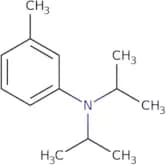
CAS:<p>3-Chloropyrazine 1-oxide is a colorless solid that is soluble in chloroform, acetonitrile, and ethyl acetate. It has a molecular weight of 171.44 and a melting point of -8°C. 3-Chloropyrazine 1-oxide is used as an intermediate in the preparation of quinoxalines using the cross-coupling reaction with palladium complexes. This product can be used to synthesize unsymmetrical compounds that contain nitrogen atoms by reacting with pyridine ring, which will result in a frequency shift. The chloride ion in this compound is minuscule and does not participate in any reactions. 3-Chloropyrazine 1-oxide reacts with phosphine to form chlorobenzene, which is then oxidized to form n-oxide.</p>Formula:C4H3ClN2OPurity:Min. 95%Molecular weight:130.53 g/mol3-Methyl-N,N-bis(propan-2-yl)aniline
CAS:<p>Versatile small molecule scaffold</p>Formula:C13H21NPurity:Min. 95%Molecular weight:191.31 g/mol4H,5H,7H-Thiopyrano[3,4-b]furan-4-one
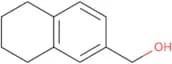
CAS:<p>Versatile small molecule scaffold</p>Formula:C7H6O2SPurity:Min. 95%Molecular weight:154.19 g/mol(5,6,7,8-Tetrahydronaphthalen-2-yl)methanol
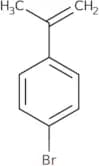
CAS:<p>(5,6,7,8-Tetrahydronaphthalen-2-yl)methanol is a hexacyclic molecule that is used as an intermediate in the production of drugs. It can also be used as a precursor for the synthesis of various nitrogen compounds. This compound has potent inducers of cytochrome P450 and hydroxylase enzymes. This product is also considered to be carcinogenic and has been shown to cause tumors in rats when given orally.</p>Formula:C11H14OPurity:Min. 95%Molecular weight:162.23 g/mol1-Bromo-4-(1-propen-2-yl)benzene
CAS:<p>Versatile small molecule scaffold</p>Formula:C9H9BrPurity:Min. 95%Molecular weight:197.08 g/mol{[3-(Trifluoromethyl)phenyl]carbamoyl}formic acid
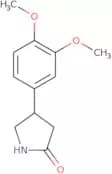
CAS:<p>Versatile small molecule scaffold</p>Formula:C9H6F3NO3Purity:Min. 95%Molecular weight:233.14 g/mol4-(3,4-Dimethoxyphenyl)-2-pyrrolidinone
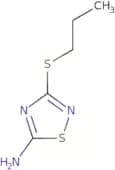
CAS:<p>Versatile small molecule scaffold</p>Formula:C12H15NO3Purity:Min. 95%Molecular weight:221.25 g/mol3-(Propylsulfanyl)-1,2,4-thiadiazol-5-amine
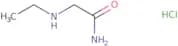
CAS:<p>Versatile small molecule scaffold</p>Formula:C5H9N3S2Purity:Min. 95%Molecular weight:175.3 g/mol2-(Ethylamino)acetamide hydrochloride
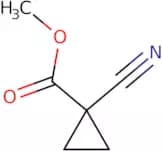
CAS:<p>Versatile small molecule scaffold</p>Formula:C4H11ClN2OPurity:Min. 95%Molecular weight:138.59 g/molMethyl 1-cyanocyclopropanecarboxylate
CAS:<p>Versatile small molecule scaffold</p>Formula:C6H7NO2Purity:Min. 95%Molecular weight:125.13 g/mol2-(4-Hydroxy-phenyl)-benzo[de]isoquinoline-1,3-dione
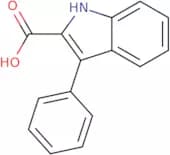
CAS:<p>Versatile small molecule scaffold</p>Formula:C18H11NO3Purity:Min. 95%Molecular weight:289.3 g/mol3-Phenyl-1H-indole-2-carboxylic Acid
CAS:<p>3-Phenyl-1H-indole-2-carboxylic acid is a chemical compound that has an acidic property. It is used in the analysis of hormones, such as testosterone and estradiol. 3-Phenyl-1H-indole-2-carboxylic acid is used to analyze the biotic and abiotic properties of a sample by liquid chromatography. It can be used for the profiling of steroids, such as cortisol and cortisone, and sex hormones. This chemical is also used to highlight the presence of acetonitrile in a sample.</p>Formula:C15H11NO2Purity:Min. 95%Molecular weight:237.25 g/molN-Methoxy-N-methylbenzamide
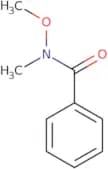
CAS:<p>N-Methoxy-N-methylbenzamide is an amide that has been synthesized and characterized. It is a hydrogen bonding compound with the ability to form stable complexes with boron trifluoride etherate. This complex can be used as a reagent for the synthesis of quinoxalines from carbocations, which are formed by the reaction of trifluoroacetic acid with amides. The synthesis of N-Methoxy-N-methylbenzamide has been shown to be an efficient method for the production of quinoxalines. N-Methoxy-N-methylbenzamide has also been found to have anticancer activity, which may be due to its absorption in the UV region.</p>Formula:C9H11NO2Purity:Min. 95%Molecular weight:165.19 g/mol1-Azidonaphthalene
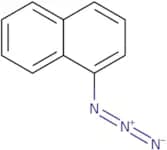
CAS:<p>1-Azidonaphthalene is a chemical species that has an absorption band at around 280 nm. It is used in the optical and vibrational spectroscopy of silver trifluoromethanesulfonate, which is a reactive, azide-forming species. The compound can be obtained by reacting 1-naphthol with sodium azide in the presence of cellulose acetate to form a peroxide and an aromatic acid. 1-Azidonaphthalene is unstable due to its intramolecular hydrogen and reacts with oxygen or ozone to generate other chemical species such as nitrosobenzene and nitrobenzene.</p>Formula:C10H7N3Purity:Min. 95%Molecular weight:169.18 g/mol1-(4-Cyclopropylphenyl)ethanone
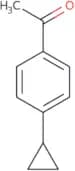
CAS:<p>Versatile small molecule scaffold</p>Formula:C11H12OPurity:Min. 95%Molecular weight:160.22 g/mol1-(4-Cyclobutylphenyl)ethan-1-one
CAS:<p>Versatile small molecule scaffold</p>Formula:C12H14OPurity:Min. 95%Molecular weight:174.24 g/mol2-(Hydroxymethyl)-2-methylbutanoic acid
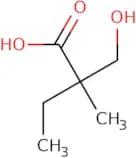
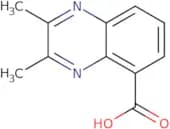
CAS:<p>2-(Hydroxymethyl)-2-methylbutanoic acid is an inducer of microbial growth that can be used in the synthesis of organic acids. It has been shown to be efficient in the synthesis of 2-methyl-3-oxobutyric acid, which is a byproduct of L-malate degradation. The enantiomeric form of 2-(hydroxymethyl)-2-methylbutanoic acid is more effective at inducing the production of organic acids than its enantiomer. The source for this chemical is either from natural sources or from chemical synthesis. The carbon source for this chemical can be sugars, starch, or cellulose. This chemical has been found to increase efficiency in the production of organic acids through enzymatic reactions when used as a culture medium additive.</p>Formula:C6H12O3Purity:Min. 95%Molecular weight:132.16 g/mol2,3-Dimethyl-quinoxaline-5-carboxylic acid
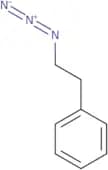
CAS:<p>Versatile small molecule scaffold</p>Formula:C11H10N2O2Purity:Min. 95%Molecular weight:202.21 g/mol(2-Azidoethyl)benzene
CAS:<p>2-Azidoethylbenzene is a coumarin derivative that has been identified as an important bioactive molecule. It is synthesized by the reaction of azides and benzene using a reaction solution. The compound reacts with hydroxyl groups to form a C-N bond, which may be responsible for its biological activity. 2-Azidoethylbenzene has been shown to have anti-leukemia effects in radiation-sensitive leukemia cells. It also has vasodilatory properties that may be related to the increase in blood pressure induced by the compound. 2-Azidoethylbenzene has also been shown to be effective against hypoxia inducible factors such as HIF1α, which are proteins involved in cell growth and proliferation.</p>Formula:C8H9N3Purity:Min. 95%Molecular weight:147.18 g/mol1-Azidohexane
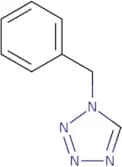
CAS:<p>1-Azidohexane is a nitro-containing molecule that can be used as a receptor binding agent. It binds to the dopamine receptor and has been shown to inhibit tumor growth in mice. 1-Azidohexane has been found to bind to the polymerase chain reaction (PCR) enzyme, which is an enzyme that replicates DNA as part of the process of DNA amplification. The hydroxyl group on the molecule reacts with azides to form cationic polymers that are able to cross membranes and enter cells, which then polymerize inside the cell. This process can be used for gene delivery or for DNA sequencing.</p>Formula:C6H13N3Purity:Min. 95%Molecular weight:127.19 g/mol1-Benzyl-1H-1,2,3,4-tetrazole
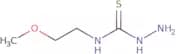
CAS:<p>1-Benzyl-1H-1,2,3,4-tetrazole (BTT) is a tetrazole compound that can be used as an alkylating agent. It reacts with primary amines to form a 1:1 adduct by N-alkylation. The reaction of BTT with azide results in the formation of an azido group. BTT has shown minimal inhibitory concentration against gram-negative bacteria such as Salmonella enterica and Escherichia coli. It also interacts with the molecule's p2 orbital which is predicted to have minimal interaction and reaction intermediates.</p>Formula:C8H8N4Purity:Min. 95%Molecular weight:160.18 g/mol3-Amino-1-(2-methoxyethyl)thiourea
CAS:<p>Versatile small molecule scaffold</p>Formula:C4H11N3OSPurity:Min. 95%Molecular weight:149.22 g/mol4,4-Dimethyl-3-thiosemicarbazide
CAS:<p>Versatile small molecule scaffold</p>Formula:C3H9N3SPurity:Min. 95%Molecular weight:119.19 g/mol2-[2-(Methoxycarbonyl)phenyl]benzoic acid
CAS:<p>2-[2-(Methoxycarbonyl)phenyl]benzoic acid is a colorless crystalline compound that is soluble in water and insoluble in alcohol. It has a constant boiling point at 310°C, with a melting point of 186°C. 2-[2-(Methoxycarbonyl)phenyl]benzoic acid reacts with methyl alcohol and heat to produce methyl benzoate. The reaction rate increases with increasing concentrations of alkaline hydrolysis, monomethyl, and methyl alcohol. The product of the reaction is an anion that can be alkenyl or diphenic depending on the other reactants present. The parameters for this reaction are temperature, kinetics, alkaline hydrolysis, monomethyl, and isopropyl alcohol.</p>Formula:C15H12O4Purity:Min. 95%Molecular weight:256.25 g/mol1,7,7-Trimethylspiro[bicyclo[2.2.1]heptane-2,4'-imidazolidine]-2',5'-dione
CAS:<p>Versatile small molecule scaffold</p>Formula:C12H18N2O2Purity:Min. 95%Molecular weight:222.28 g/mol6,6-Dimethylspiro[bicyclo[3.1.1]heptane-2,2'-oxirane]
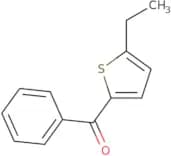
CAS:<p>6,6-Dimethylspiro[bicyclo[3.1.1]heptane-2,2'-oxirane] is an inorganic compound that can be synthesized through the reaction of diphenyl sulfoxide with hydroxyl group. It is a polymerization initiator that is used to produce polymers with cationic polymerization and has been shown to have bactericidal activity against gram-positive bacteria such as Staphylococcus aureus. 6,6-Dimethylspiro[bicyclo[3.1.1]heptane-2,2'-oxirane] is also an excellent chemical for producing epoxides and other organic compounds as products of its reactions.</p>Formula:C10H16OPurity:Min. 95%Molecular weight:152.23 g/mol(5-Ethylthiophen-2-yl)(phenyl)methanone
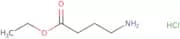
CAS:<p>Extensive studies have been conducted to investigate the photochemical reactivity of (5-ethylthiophen-2-yl)(phenyl)methanone. The compound is activated by irradiation, and the rate of reaction increases with the intensity of light. Potassium clavulanate enhances this process, increasing the yield of products formed. Studies have shown that carprofen and benoxaprofen inhibit this reaction, which suggests that these drugs may be useful for treating skin diseases caused by bacteria. The ethyl group in (5-ethylthiophen-2-yl)(phenyl)methanone is a nonsteroidal moiety that produces an antibacterial effect. Hplc analysis has shown that clavulanic acid can be used as a constant in a model system to study the interaction between (5-ethylthiophen-2-yl)(phenyl)methanone and bacterial cells in vivo.</p>Formula:C13H12OSPurity:Min. 95%Molecular weight:216.3 g/molEthyl 4-aminobutyrate hydrochloride
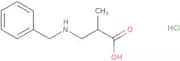
CAS:<p>Ethyl 4-aminobutyrate hydrochloride is a potent inhibitor of matrix metalloproteinases that is used in the treatment of cancer. It has been shown to inhibit the production of lipofuscin and oxidative stress in cell cultures. Ethyl 4-aminobutyrate hydrochloride has also been shown to inhibit the uptake of toxic substances by cells, as well as to suppress degenerative diseases such as Parkinson's disease. This compound is able to inhibit MMPs by competitive inhibition of zinc binding or by binding to the active site. It can also be synthesized chemically using a fluorophore and chemoenzymatic method. The synthesis requires a hydroxide solution and a sodium hydroxide solution.</p>Formula:C6H13NO2·HClPurity:Min. 95%Molecular weight:167.63 g/mol3-(Benzylamino)-2-methylpropanoic acid hydrochloride
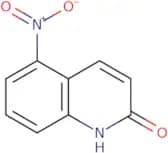
CAS:<p>Versatile small molecule scaffold</p>Formula:C11H16ClNO2Purity:Min. 95%Molecular weight:229.7 g/mol5-Nitro-1H-quinolin-2-one
CAS:<p>Versatile small molecule scaffold</p>Formula:C9H6N2O3Purity:Min. 95%Molecular weight:190.16 g/mol1-Bromodocosane
CAS:<p>1-Bromodocosane is a microcapsule that is used as an antimicrobial agent. It consists of a water-soluble polymer, polyvinyl alcohol, which forms a shell around the active ingredient, 1-bromodocosane. The brominated derivative of docosane has been shown to have a profound effect on aliphatic hydrocarbons in plant physiology.</p>Formula:C22H45BrPurity:Min. 95%Molecular weight:389.5 g/mol2-(Heptylamino)acetic acid hydrochloride
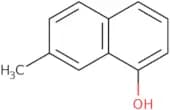
CAS:<p>Versatile small molecule scaffold</p>Formula:C9H20ClNO2Purity:Min. 95%Molecular weight:209.71 g/mol7-Methyl-1-naphthol
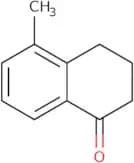
CAS:<p>7-Methyl-1-naphthol is a prenylated aromatic compound that has been shown to have antioxidative properties. This compound has been found in Streptomyces coelicolor and was shown to have an inhibitory effect on the growth of monosubstituted benzenes. 7-Methyl-1-naphthol has also been found to be insoluble in water and does not dissolve in organic solvents, making it difficult to analyse. It is presumed that this compound is present in environmental pollution because it is resistant to peroxide degradation.</p>Formula:C11H10OPurity:Min. 95%Molecular weight:158.2 g/mol5-Methyl-3,4-dihydronaphthalen-1(2H)-one
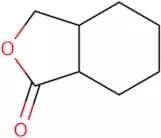
CAS:<p>Versatile small molecule scaffold</p>Formula:C11H12OPurity:Min. 95%Molecular weight:160.22 g/molrac-(3aR,7aS)-Octahydro-2-benzofuran-1-one
CAS:<p>Racemic octahydro-2-benzofuran-1-one can be synthesized by the electrogenerated method. The reaction of benzyl alcohol and o-toluic acid in dimethylformamide with a constant current of 8 amps produces a constant yield of racemic octahydro-2-benzofuran-1-one. Racemic octahydro-2-benzofuran-1-one can also be synthesized from toluene and perchlorate in anion exchange resin at room temperature. This reaction is conducted for 24 hours, and yields about 60% of the desired product. Racemic octahydro-2-benzofuran 1 one is a colorless liquid that has a boiling point of 138°C at atmospheric pressure, and it has a constant boiling point of 141°C at reduced pressure. It has a density of 0.988 g/mL, and its molecular weight</p>Formula:C8H12O2Purity:Min. 95%Molecular weight:140.18 g/mol3-Chloro-±-methylbenzyl Alcohol
CAS:<p>3-Chloro-±-methylbenzyl Alcohol is an alcohol that can be used as a biocatalyst. It is chiral and has been shown to be an efficient catalyst for the asymmetric synthesis of (R)-2,3-butanediol in the presence of saccharomyces cerevisiae. This compound has also been shown to be an effective optical resolution agent, with a high optical purity and excellent stability in organic solvents. 3-Chloro-±-methylbenzyl Alcohol is useful in the catalyzed conversion of glucose into ethanol, which is a dry weight procedure that does not require water or addition of cosubstrate.</p>Formula:C8H9ClOPurity:Min. 95%Molecular weight:156.61 g/mol2-[2,2-Bis-(1H-indol-3-yl)-ethyl]-phenylamine
CAS:<p>2-[2,2-Bis-(1H-indol-3-yl)-ethyl]-phenylamine is a drug that inhibits the growth of cancer cells by interfering with the epidermal growth factor receptor, which is a protein involved in cell proliferation. This drug has been shown to be effective against leukemia and breast cancer cells. 2-[2,2-Bis-(1H-indol-3-yl)-ethyl]-phenylamine has also been shown to synergistically interact with light emission and preventative therapies, such as radiation therapy and chemotherapy. The compound has been shown to have an effect on body fat mass and also transport properties for certain drugs.</p>Formula:C24H21N3Purity:Min. 95%Molecular weight:351.4 g/mol1-Phenyl-1,2,4-triazolidine-3,5-dione
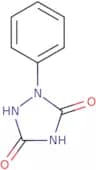
CAS:<p>1-Phenyl-1,2,4-triazolidine-3,5-dione is a molecule that can be used for biological purposes. It has the chemical formula of C6H4N2O3 and a molecular weight of 180.14 g/mol. The hydrogen bonds between the hydroxyl group and the skeleton are strong enough to keep the molecule in shape. The molecule is thermally developable; it can be developed after exposure to heat or light. 1-Phenyl-1,2,4-triazolidine-3,5-dione has been shown to react with silver ions and metal surfaces such as aluminum and titanium oxide. This compound may also be useful for coatings that are reactive to light or heat because it will form a film when exposed to either one.</p>Formula:C8H7N3O2Purity:Min. 95%Molecular weight:177.16 g/mol2-Hydroxyethyl 2-methylpropanoate
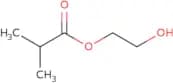
CAS:<p>2-Hydroxyethyl 2-methylpropanoate is a fatty acid ester that has been used as a chemical intermediate in the synthesis of other chemicals. It can be synthesized by reacting a carboxylate with an alcohol, followed by hydrolysis. The reaction is exothermic, and the product has a lipophilic nature. This compound is often used in clinical applications because it is hydrophobic and can form polymers easily.</p>Formula:C6H12O3Purity:Min. 95%Molecular weight:132.16 g/mol5-(3-Bromo-phenyl)-5-methyl-imidazolidine-2,4-dione
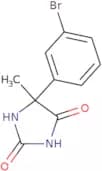
CAS:<p>Versatile small molecule scaffold</p>Formula:C10H9BrN2O2Purity:Min. 95%Molecular weight:269.1 g/mol2-Bromo-allylamine
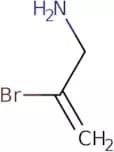
CAS:<p>2-Bromo-allylamine is an inorganic compound that can be used as a synthetic intermediate for organic synthesis. It has been used to synthesize a variety of compounds, such as pharmaceuticals and agrochemicals. The bromide group is attached to the amine group through an ether bond. Bromoallylation is a chemoenzymatic reaction system that uses 2-bromo-allylamine as an intermediate.<br>2-Bromo-allylamine can also be synthesized by reacting allyl chloride with bromine or chlorodibromomethane in the presence of catalysts such as copper(II) acetate and sodium methoxide. This reaction has been shown to be able to produce 2-bromo-allylamine in high yield without any side reactions.</p>Formula:C3H6BrNPurity:Min. 95%Molecular weight:135.99 g/molN-(3-Bromo-4-methoxyphenyl)acetamide
CAS:<p>Versatile small molecule scaffold</p>Formula:C9H10BrNO2Purity:Min. 95%Molecular weight:244.08 g/mol1-(3-Bromopropyl)-3-methoxybenzene
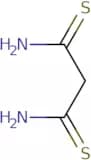
CAS:<p>Versatile small molecule scaffold</p>Formula:C10H13OBrPurity:Min. 95%Molecular weight:229.11 g/molPropanedithioamide
CAS:<p>Propanedithioamide is an organic compound that shows surfactant properties. It has a hydrophobic character and can be used as a coating or stabilizer. Propanedithioamide reacts with metal ions in the environment, such as chloride ions, to form metal-dithiocarbamate complexes that are soluble in organic solvents. The ligand is also able to react with hydroxyl groups on surfaces, which leads to bond cleavage and a new coating. The chemical reactions of propanedithioamide are often used as catalysts for other reactions.</p>Formula:C3H6N2S2Purity:Min. 95%Molecular weight:134.23 g/mol5-Methoxyorotic acid
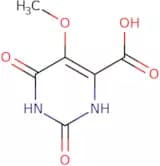
CAS:<p>Versatile small molecule scaffold</p>Formula:C6H6N2O5Purity:Min. 95%Molecular weight:186.12 g/mol4-(4-Aminophenyl)-4-oxobutanoic acid
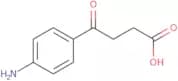
CAS:<p>Versatile small molecule scaffold</p>Formula:C10H11NO3Purity:Min. 95%Molecular weight:193.2 g/mol

![4-Azatricyclo[5.2.2.0,2,6]undec-8-ene-3,5-dione](/_next/image/?url=https%3A%2Fstatic.cymitquimica.com%2Fproducts%2F3D%2Fthumb-webp%2FGAA71529.webp&w=3840&q=75)


![Pyrazolo[3,2-c][1,2,4]triazin-4-ol](/_next/image/?url=https%3A%2Fstatic.cymitquimica.com%2Fproducts%2F3D%2Fthumb-webp%2FGAA72665.webp&w=3840&q=75)


![6-Bromo-4,5-dihydro-1H-benzo[b]azepin-2(3H)-one](/_next/image/?url=https%3A%2Fstatic.cymitquimica.com%2Fproducts%2F3D%2Fthumb-webp%2FGAA72930.webp&w=3840&q=75)


![9-azabicyclo[3.3.1]nonane hcl](/_next/image/?url=https%3A%2Fstatic.cymitquimica.com%2Fproducts%2F3D%2Fthumb-webp%2FGAA76043.webp&w=3840&q=75)
![3-[(2-Furylmethyl)amino]propanenitrile](/_next/image/?url=https%3A%2Fstatic.cymitquimica.com%2Fproducts%2F3D%2Fthumb-webp%2FGAA78868.webp&w=3840&q=75)

![1,4-Dioxa-8-azaspiro[4.5]decan-7-one](/_next/image/?url=https%3A%2Fstatic.cymitquimica.com%2Fproducts%2F3D%2Fthumb-webp%2FGAA81354.webp&w=3840&q=75)
![4-Amino-1H-pyrazolo[3,4-d]pyrimidine-3-carbonitrile](/_next/image/?url=https%3A%2Fstatic.cymitquimica.com%2Fproducts%2F3D%2Fthumb-webp%2FGAA82696.webp&w=3840&q=75)
![4H,5H,7H-Thiopyrano[3,4-b]furan-4-one](/_next/image/?url=https%3A%2Fstatic.cymitquimica.com%2Fproducts%2F3D%2Fthumb-webp%2FGAA88151.webp&w=3840&q=75)
![{[3-(Trifluoromethyl)phenyl]carbamoyl}formic acid](/_next/image/?url=https%3A%2Fstatic.cymitquimica.com%2Fproducts%2F3D%2Fthumb-webp%2FGAA89083.webp&w=3840&q=75)
![2-(4-Hydroxy-phenyl)-benzo[de]isoquinoline-1,3-dione](/_next/image/?url=https%3A%2Fstatic.cymitquimica.com%2Fproducts%2F3D%2Fthumb-webp%2FGAA91499.webp&w=3840&q=75)



![2-[2-(Methoxycarbonyl)phenyl]benzoic acid](/_next/image/?url=https%3A%2Fstatic.cymitquimica.com%2Fproducts%2F3D%2Fthumb-webp%2FGAA92684.webp&w=3840&q=75)
![1,7,7-Trimethylspiro[bicyclo[2.2.1]heptane-2,4'-imidazolidine]-2',5'-dione](/_next/image/?url=https%3A%2Fstatic.cymitquimica.com%2Fproducts%2F3D%2Fthumb-webp%2FGAA92930.webp&w=3840&q=75)
![6,6-Dimethylspiro[bicyclo[3.1.1]heptane-2,2'-oxirane]](/_next/image/?url=https%3A%2Fstatic.cymitquimica.com%2Fproducts%2F3D%2Fthumb-webp%2FGAA93154.webp&w=3840&q=75)



![2-[2,2-Bis-(1H-indol-3-yl)-ethyl]-phenylamine](/_next/image/?url=https%3A%2Fstatic.cymitquimica.com%2Fproducts%2F3D%2Fthumb-webp%2FGAA94173.webp&w=3840&q=75)