


Building Blocks
This section contains fundamental products for the synthesis of organic and biological compounds. Building blocks are the essential starting materials used to construct complex molecules through various chemical reactions. They play a critical role in drug discovery, material science, and chemical research. At CymitQuimica, we offer a diverse range of high-quality building blocks to support your innovative research and industrial projects, ensuring you have the essential components for successful synthesis.
Subcategories of "Building Blocks"
- Boronic Acids & Boronic Acid Derivatives(5,756 products)
- Chiral Building Blocks(1,242 products)
- Hydrocarbon Building Blocks(6,093 products)
- Organic Building Blocks(60,534 products)
Found 195534 products of "Building Blocks"
Sort by
Purity (%)
0
100
|
0
|
50
|
90
|
95
|
100
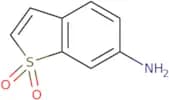
1,1-Dioxido-1-benzothien-6-ylamine
CAS:<p>1,1-Dioxido-1-benzothien-6-ylamine is a cytotoxic drug that inhibits the synthesis of DNA and RNA in cancer cells. It is synthesized from benzo[c]thiophene-2,5-dione by oxidation with nitric acid to give the corresponding dioxido compound. The synthesized product has high lipophilicity (log P = 2.2) and a reactive hydroxy group that can undergo modifications such as esterification or alkylation. 1,1-Dioxido-1-benzothien-6-ylamine shows potent antitumor activity against solid tumours and high lipophilicity that enables it to cross the blood brain barrier very easily. It also induces apoptosis in tumour cells by binding to nucleic acids and inhibiting their synthesis. This drug is cytotoxic at nanomolar concentrations and has been shown to be effective against lung</p>Formula:C8H7NO2SPurity:Min. 95%Molecular weight:181.21 g/molrac-[(1R,2R,4R)-Bicyclo[2.2.2]oct-5-en-2-yl]methanol
CAS:<p>Versatile small molecule scaffold</p>Formula:C9H14OPurity:Min. 95%Molecular weight:138.2 g/molrac-(1R,2R,4R)-Bicyclo[2.2.2]oct-5-ene-2-carboxylic acid
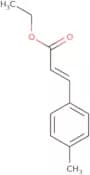
CAS:<p>Versatile small molecule scaffold</p>Formula:C9H12O2Purity:Min. 95%Molecular weight:152.19 g/molEthyl 4-methylcinnamate
CAS:<p>Ethyl 4-methylcinnamate is a ligand that binds to diazoacetate, which reacts with ethylene and aldehydes to form ethyl diazoacetate. The reaction rate increases with the addition of alkali, which causes hydrolysis of the acetal group in ethyl 4-methylcinnamate. Impurities may be present in this product, including genotoxic impurities and 8-hydroxyquinoline. Industrialized countries have strict quality control standards for this compound, whereas in developing countries, the purity of this chemical is not regulated.</p>Formula:C12H14O2Purity:Min. 95%Molecular weight:190.24 g/mol1-[2-(1H-Imidazol-1-yl)phenyl]ethan-1-one
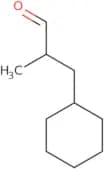
CAS:<p>Versatile small molecule scaffold</p>Formula:C11H10N2OPurity:Min. 95%Molecular weight:186.21 g/mol3-Cyclohexyl-2-methylpropanal
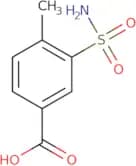
CAS:<p>Versatile small molecule scaffold</p>Formula:C10H18OPurity:Min. 95%Molecular weight:154.25 g/mol4-Methyl-3-sulfamoylbenzoic acid
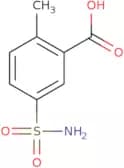
CAS:<p>Versatile small molecule scaffold</p>Formula:C8H9NO4SPurity:Min. 95%Molecular weight:215.23 g/mol5-(Aminosulfonyl)-2-methylbenzoic acid
CAS:<p>Versatile small molecule scaffold</p>Formula:C8H9NO4SPurity:Min. 95%Molecular weight:215.23 g/mol2,4-Dichlorobenzenesulphonamide
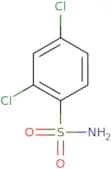
CAS:<p>2,4-Dichlorobenzenesulphonamide is a chlorinated benzenesulphonamide compound that has been shown to have anticancer activity. The mechanism of action is not well understood, but it has been suggested that the drug may inhibit mitochondrial membrane potential, leading to cancer cell death. 2,4-Dichlorobenzenesulphonamide has also been shown to induce apoptosis in cervical cancer cells. This drug may be useful for the treatment of carcinomas, as well as other cancers.</p>Formula:C6H5Cl2NO2SPurity:Min. 95%Molecular weight:226.08 g/mol5-Methoxy-benzo[b]thiophene
CAS:<p>5-Methoxy-benzo[b]thiophene is a synthetic compound that has been shown to have antiestrogenic activity. It was synthesized using the acetonitrile technique and has been shown to inhibit the growth of mammary carcinomas in mice. 5-Methoxy-benzo[b]thiophene binds to estrogen receptor protein, which inhibits the binding of estrogen and prevents its effects on breast cancers. This agent also has been shown to be an effective therapy for some human breast cancer cells, which may be due to its ability to block estrogen receptor function.</p>Formula:C9H8OSPurity:Min. 95%Molecular weight:164.22 g/mol1-Benzothien-5-ylmethanol
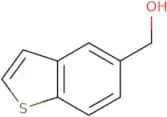
CAS:<p>Versatile small molecule scaffold</p>Formula:C9H8OSPurity:Min. 95%Molecular weight:164.23 g/molN-(4-{[(2-Hydroxyethyl)amino]-sulfonyl}phenyl)acetamide
CAS:<p>Versatile small molecule scaffold</p>Formula:C10H14N2O4SPurity:Min. 95%Molecular weight:258.29 g/mol2,2,6-Trimethyl-1,4-cyclohexanedione
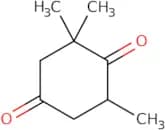
CAS:<p>2,2,6-Trimethyl-1,4-cyclohexanedione is a diketone that is produced from the shikimate pathway. It is used in organic synthesis as a carbon source and to produce volatile compounds. 2,2,6-Trimethyl-1,4-cyclohexanedione has been shown to be an attractant for mosquitoes and other insects. This compound also has pheromone activity which may be due to the presence of different isomers. 2,2,6-Trimethyl-1,4-cyclohexanedione can be found in solution form as well as in solid form with a melting point of 156°C. The compound can also be identified using various biochemical markers (e.g., esterase) or by biological studies on subcultures of bacteria or fungi.</p>Formula:C9H14O2Purity:Min. 95%Molecular weight:154.21 g/mol4-Hydroxy-2,2,6-trimethylcyclohexan-1-one
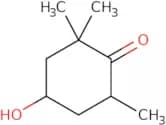
CAS:<p>4-Hydroxy-2,2,6-trimethylcyclohexan-1-one is a subunit of the nonproteinogenic amino acid, selenocysteine. It is an intermediate in the synthesis of selenocysteine and has been shown to be stereoselective and homologous to other amino acids. 4-Hydroxy-2,2,6-trimethylcyclohexan-1-one is found in corynebacterium and thermophilic species. The enzyme dehydrogenase catalyses the conversion of this compound to 3-(3′hydroxyphenyl)-4-(4′hydroxyphenyl)butanoic acid (4HPPBA). This reaction also produces hydrogen peroxide as a byproduct. 4HPPBA can be converted back into 4-hydroxy-2,2,6-trimethylcyclohexanone by the enzyme reductase. There</p>Formula:C9H16O2Purity:Min. 95%Molecular weight:156.22 g/mol2-Chloro-5-(trifluoromethyl)benzamide
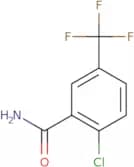
CAS:<p>2-Chloro-5-(trifluoromethyl)benzamide is a profile that belongs to the group of anti-tuberculosis drugs. It has a high cytotoxic effect against eukaryotic cells and has been shown to have an anti-tuberculosis effect in mice. 2C5BM also inhibits bacterial growth by binding to DNA gyrase and topoisomerases, thereby inhibiting the replication of bacteria. Studies have found that 2C5BM can inhibit the growth of Mycobacterium tuberculosis, but not Mycobacterium avium complex. The therapeutic index for 2C5BM is high, which means it has a wide range of safety margins, with no detectable side effects on healthy human erythrocytes.</p>Formula:C8H5ClF3NOPurity:Min. 95%Molecular weight:223.58 g/molRef: 3D-VAA56693
1gTo inquire5gTo inquire10gTo inquire25gTo inquire50gTo inquire250mg298.00€2500mg1,126.00€6-Methyl-3,4-dihydro-2H-pyrido[3,2-b][1,4]oxazine
CAS:<p>Versatile small molecule scaffold</p>Formula:C8H10N2OPurity:Min. 95%Molecular weight:150.18 g/mol2-Phenylbutan-1-amine HCl
CAS:<p>Versatile small molecule scaffold</p>Formula:C10H15N·HClPurity:Min. 95%Molecular weight:185.7 g/molSpiro[2.3]hexan-4-one
CAS:<p>Spiro[2.3]hexan-4-one is a reactive, hydrophobic molecule that is synthesized by the reaction of an epoxide with an alcohol. This compound has been shown to undergo photooxidation and thermally induced reactions. It can be used in coatings to provide resistance to environmental effects such as hydrolysis, oxidation, or photooxidation. Spiro[2.3]hexan-4-one can also be used in the production of methylenecyclopropanes, which are used as chemical intermediates for pharmaceuticals and other organic compounds.</p>Purity:Min. 95%Methyl 5-methyl-2,4-dioxohexanoate
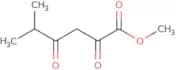
CAS:<p>Versatile small molecule scaffold</p>Formula:C8H12O4Purity:Min. 95%Molecular weight:172.18 g/mol4-Methyl-1,5,6,7-tetrahydro-2H-cyclopenta[b]-pyridin-2-one
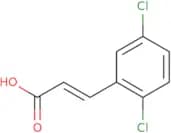
CAS:<p>4-Methyl-1,5,6,7-tetrahydro-2H-cyclopenta[b]-pyridin-2-one is a cycloalkane that has been shown to have antiinflammatory properties. It has been found to produce phosphoric acid and methanol when heated in the presence of phosphoric acid. 4-Methylcyclohexanone has also been shown to form hydrogen bonds with a variety of molecules including other cycloalkanes, nitro compounds, aromatic hydrocarbons, and heterocyclic compounds. Single crystal x-ray diffraction studies of this compound have revealed that it adopts an anisotropic molecular structure.</p>Formula:C9H11NOPurity:Min. 95%Molecular weight:149.19 g/moltrans-2,5-Dichlorocinnamic acid
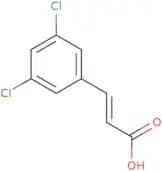
CAS:<p>Versatile small molecule scaffold</p>Formula:C9H6Cl2O2Purity:Min. 95%Molecular weight:217.05 g/mol3-(3,5-Dichlorophenyl)acrylic acid
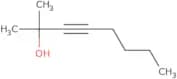
CAS:<p>Versatile small molecule scaffold</p>Formula:C9H6Cl2O2Purity:Min. 95%Molecular weight:217.5 g/mol2-Methyloct-3-yn-2-ol
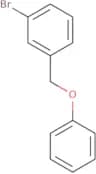
CAS:<p>2-Methyloct-3-yn-2-ol is a nucleophile that can be used to make an efficient method for the synthesis of olefinic bonds. This compound is also a ligand, which can form bidentate complexes with electrophilic metal centers. 2-Methyloct-3-yn-2-ol has been shown to react with heterocycles and alkenes in nucleophilic addition reactions. The reaction mechanism is thought to proceed through c–h bond cleavage, followed by dehydration of the resulting olefinic products. This process is reversible and can be driven by acid or base catalysis.</p>Formula:C9H16OPurity:Min. 95%Molecular weight:140.22 g/mol1-Bromo-3-(phenoxymethyl)benzene
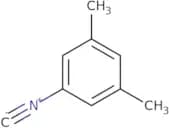
CAS:<p>Versatile small molecule scaffold</p>Formula:C13H11BrOPurity:Min. 95%Molecular weight:263.13 g/mol1-Isocyano-3,5-dimethylbenzene
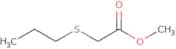
CAS:<p>Versatile small molecule scaffold</p>Formula:C9H9NPurity:Min. 95%Molecular weight:131.17 g/molMethyl 2-(propylsulfanyl)acetate
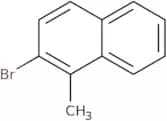
CAS:<p>Versatile small molecule scaffold</p>Formula:C6H12O2SPurity:Min. 95%Molecular weight:148.23 g/mol2-Bromo-1-methylnaphthalene
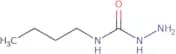
CAS:<p>2-Bromo-1-methylnaphthalene is the chemical compound with the formula C6H5BrCH2. It is a brominated derivative of naphthalene. This compound is an intermediate in the synthesis of arylboronic acids, which are used as coupling partners in Suzuki and Miyaura cross-coupling reactions. It also has been used as a catalyst for indole synthesis from chlorobenzene and ammonia. 2-Bromo-1-methylnaphthalene can be prepared by treating naphthalene with bromine and potassium t-butoxide at low temperature. The reaction can also be conducted using chloride or potassium instead of t-butoxide.<br>2-Bromo-1methyhnaphthalene is a useful chemical because it can react efficiently with aryl bromides to produce coupling products, such as benzofuran derivatives, in high yield.</p>Formula:C11H9BrPurity:Min. 95%Molecular weight:221.09 g/mol3-Amino-1-butylurea
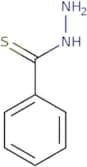
CAS:<p>Versatile small molecule scaffold</p>Formula:C5H13N3OPurity:Min. 95%Molecular weight:131.18 g/molN-Aminobenzenecarbothioamide
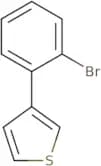
CAS:<p>N-Aminobenzenecarbothioamide is a chemical compound that is stable in hydrochloric acid and carbon disulphide. It has been shown to inhibit the growth of skin cells by binding to epidermal growth factor. It also inhibits the production of inflammatory bowel disease, which may be due to its ability to inhibit nitro and nitrite ion. The antimicrobial activity of N-aminobenzenecarbothioamide has not been studied.</p>Formula:C7H8N2SPurity:Min. 95%Molecular weight:152.22 g/mol3-(2-Bromo-phenyl)-thiophene
CAS:<p>Versatile small molecule scaffold</p>Formula:C10H7BrSPurity:Min. 95%Molecular weight:239.13 g/molRef: 3D-VAA60883
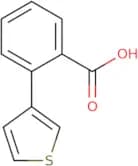
1gTo inquire5gTo inquire5mg192.00€50mg759.00€100mgTo inquire250mgTo inquire500mgTo inquire2-Thiophen-3-yl-benzoic acid
CAS:<p>Versatile small molecule scaffold</p>Formula:C11H8O2SPurity:Min. 95%Molecular weight:204.24 g/molRef: 3D-VAA60887
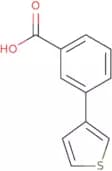
1gTo inquire5gTo inquire10gTo inquire10mg197.00€100mg705.00€250mgTo inquire500mgTo inquire3-Thiophen-3-yl-benzoic acid
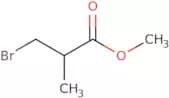
CAS:<p>Versatile small molecule scaffold</p>Formula:C11H8O2SPurity:Min. 95%Molecular weight:204.24 g/molPropanoic acid, 3-bromo-2-methyl-, methyl ester
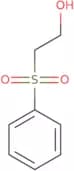
CAS:<p>3-Bromo-2-methylpropanoic acid is a colorimetric substrate that is used in the screening of enzymes with propionate as a cofactor. This substrate has been found to be selective for esterases, and can be used as an alternative to octanoate for enzymatic studies. The 3-bromo-2-methylpropanoic acid esters are also hydrophobic and have higher melting points than their corresponding acids, making them more suitable for thermophilic organisms. <br>The 3-bromo-2-methylpropanoic acid esters are chiral compounds that can be synthesized in two forms: (R)-3-bromo-2-methylpropanoic acid methyl ester and (S)-3-bromo-2-methylpropanoic acid methyl ester. The enantiomers of these compounds exhibit different biological activity. For example, the (S)-enantiomer</p>Formula:C5H9BrO2Purity:Min. 95%Molecular weight:181.03 g/molEthanol, 2-(phenylsulfonyl)-
CAS:<p>Ethanol, 2-(phenylsulfonyl)- is a synthetic chemical compound. It is used as an electron donor in the Suzuki coupling reaction and has shown significant cytotoxicity against tumour cell lines. This product also has been used in the synthesis of naphthalene and pulchella. The mechanism for its cytotoxicity involves the desulfurization of tyrosinase, which is an enzyme that catalyzes the conversion of dihydroxyphenylalanine to melanin. This product has also been shown to be effective against glandularia with structural studies showing that it reacts with sulfonic acid groups.</p>Formula:C8H10O3SPurity:Min. 95%Molecular weight:186.23 g/molRef: 3D-VAA61121
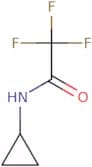
1g737.00€5gTo inquire10gTo inquire25gTo inquire50gTo inquire100gTo inquire100mg208.00€N-Cyclopropyl-2,2,2-trifluoroacetamide
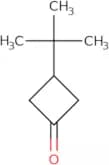
CAS:<p>Versatile small molecule scaffold</p>Formula:C5H6F3NOPurity:Min. 95%Molecular weight:153.1 g/mol3-tert-Butylcyclobutanone
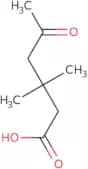
CAS:<p>3-tert-Butylcyclobutanone is an organocatalyst that is used for the asymmetric synthesis of cyclobutanones. It has been shown to be a chiral, stereoselective and catalytic mediator in the Baeyer–Villiger oxidation of enones. 3-tert-Butylcyclobutanone also exhibits self-assembly properties and can form dimers with other molecules. This compound is also capable of catalyzing cycloadditions between electron deficient alkenes and electron rich dienes. The dimers of 3-tert-butylcyclobutanone are formed by hydrogen bonding interactions between the keto groups on adjacent molecules.</p>Formula:C8H14OPurity:Min. 95%Molecular weight:126.2 g/mol3,3-Dimethyl-5-oxohexanoic acid
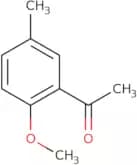
CAS:<p>3,3-Dimethyl-5-oxohexanoic acid is a peroxide with the chemical formula C10H16O4. It is synthesized by the ozonolysis of isophorone. 3,3-Dimethyl-5-oxohexanoic acid can be used as a dehydrating agent and has been shown to be effective in the production of esters, such as methyl esters. The dehydration of this compound gives rise to hydrogen peroxide and acetone. The hydrolysis of 3,3-dimethyl-5-oxohexanoic acid with water yields acetic acid and methyl alcohol. This reaction has been shown to be stoichiometric.</p>Formula:C8H14O3Purity:Min. 95%Molecular weight:158.19 g/mol1-(2-Methoxy-5-methylphenyl)ethanone
CAS:<p>1-(2-Methoxy-5-methylphenyl)ethanone is a volatile, synthetic compound. It is used as a chemical intermediate in the production of picotamide and esterification products. Methoxyphenylacetic acid (1) is methylated with methanol in the presence of hydrochloric acid to form 2,5-dimethoxybenzoic acid (2). The latter is then esterified with methanol and acetic anhydride to yield picotamide (3).</p>Formula:C10H12O2Purity:Min. 95%Molecular weight:164.2 g/mol1-(2,3-Dihydro-benzo[1,4]dioxin-6-yl)-propan-1-one
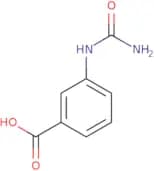
CAS:<p>Versatile small molecule scaffold</p>Formula:C11H12O3Purity:Min. 95%Molecular weight:192.21 g/mol3-Ureidobenzoic acid
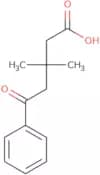
CAS:<p>3-Ureidobenzoic acid is an organic compound that can act as a reducer or bidentate ligand. The reductive properties of 3-ureidobenzoic acid are due to its ability to accept electrons from other molecules, which can be used to reduce metal ions. The ligand properties of 3-ureidobenzoic acid are due to the formation of a covalent bond with other molecules, often metal ions. 3-Ureidobenzoic acid is also known to be a synthetase, which catalyzes the formation of peptide bonds in proteins by joining amino acids together. This compound has been found in cytochrome P450 enzymes, where it is believed to play a role in electron transfer and activation reactions. It has also been shown to be involved in supramolecular hydrogen bonding, which stabilizes certain compounds and plays an important role in enzyme activity and intermolecular reactions.</p>Formula:C8H8N2O3Purity:Min. 95%Molecular weight:180.16 g/mol3,3-Dimethyl-5-oxo-5-phenylpentanoic acid
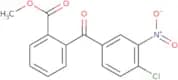
CAS:<p>Versatile small molecule scaffold</p>Formula:C13H16O3Purity:Min. 95%Molecular weight:220.26 g/molMethyl 2-(4-chloro-3-nitrobenzoyl)benzoate
CAS:<p>Versatile small molecule scaffold</p>Formula:C15H10ClNO5Purity:Min. 95%Molecular weight:319.69 g/mol{Tricyclo[2.2.1.0,2,6]heptan-1-yl}methanol
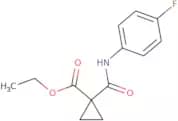
CAS:<p>Versatile small molecule scaffold</p>Formula:C8H12OPurity:Min. 95%Molecular weight:124.2 g/molEthyl 1-((4-fluorophenyl)carbamoyl)cyclopropanecarboxylate
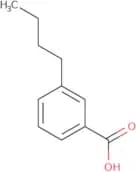
CAS:<p>Versatile small molecule scaffold</p>Formula:C13H14FNO3Purity:Min. 95%Molecular weight:251.25 g/mol3-N-Butylbenzoic acid
CAS:<p>Versatile small molecule scaffold</p>Formula:C11H14O2Purity:Min. 95%Molecular weight:178.23 g/molRef: 3D-VAA65172
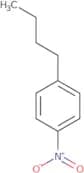
1gTo inquire5gTo inquire10gTo inquire5mg200.00€50mg715.00€250mgTo inquire500mgTo inquire1-Butyl-4-nitrobenzene
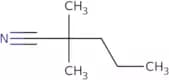
CAS:<p>1-Butyl-4-nitrobenzene is an environmental pollutant that is a byproduct of coal combustion and industrial processes. It can be chlorinated to produce 1,2,3-trichloropropane, which is used in the production of various chemicals. The chemical transformation of 1-butyl-4-nitrobenzene yields a variety of products including nitroarenes and anilines. The mechanistic pathways for the production of these compounds are not completely understood but it has been shown that isotope effects may play a role in the formation of certain product yields.</p>Formula:C10H13NO2Purity:Min. 95%Molecular weight:179.22 g/mol2,2-Dimethylpentanenitrile
CAS:<p>2,2-Dimethylpentanenitrile is a solvent that can be used in the polymerization of cellulose acetate. It has been shown to have reactive sites and be resistant to radiation and heat. 2,2-Dimethylpentanenitrile has also been used as a polymerization initiator for cationic polymers, which are water vapor-resistant and bond cleavage resistant. This compound is an experimental infection agent that is used against enteritidis, which is an antibiotic-resistant bacterium. 2,2-Dimethylpentanenitrile has also been shown to be effective as an electrophotographic developer for particle suspensions and gaseous emissions.</p>Purity:Min. 95%Ref: 3D-VAA65447
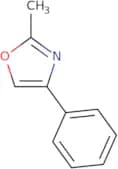
1gTo inquire5gTo inquire10gTo inquire25gTo inquire50gTo inquire10mg197.00€100mg705.00€2-Methyl-4-phenyl-1,3-oxazole
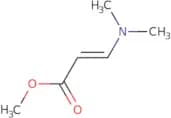
CAS:<p>2-Methyl-4-phenyl-1,3-oxazole is an organic compound that is a white solid. It has a molecular weight of 222.2 g/mol and chemical formula C6H5NO2. 2-Methyl-4-phenyl-1,3-oxazole can be synthesized by reacting phenylmagnesium bromide with methyl iodide in an ether solvent at room temperature. The reaction produces a product in high yield, which is soluble in both water and organic solvents. The product is stable to air and light for up to two months at room temperature.<br><br>The following are the properties of 2-methyl 4 phenyl 1,3 oxazole:<br><br>• White solid<br>• Molecular weight of 222.2 g/mol<br>• Chemical formula C6H5NO2 <br>• Soluble in both water and organic solvents <br>• Synthesized by reacting phenylmag</p>Formula:C10H9NOPurity:Min. 95%Molecular weight:159.18 g/molMethyl (2E)-3-(dimethylamino)prop-2-enoate
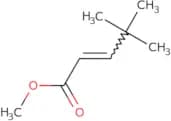
CAS:<p>Versatile small molecule scaffold</p>Formula:C6H11NO2Purity:Min. 95%Molecular weight:129.2 g/molMethyl 4,4-dimethylpent-2-enoate
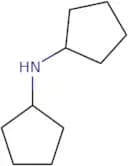
CAS:<p>Methyl 4,4-dimethylpent-2-enoate is a natural product that has been isolated from the fungus Candida albicans. It has been shown to inhibit the growth of Aspergillus niger and Candida albicans.</p>Formula:C8H14O2Purity:Min. 95%Molecular weight:142.2 g/molN-Cyclopentylcyclopentanamine
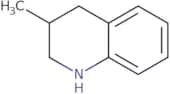
CAS:<p>N-Cyclopentylcyclopentanamine is a cyclic amine that has a carboxylate and an amino function. It can be used as a substrate film for reaction rate studies and to investigate the effect of surface active agents on the patterning of the polymer. The compound is also used as a primary amino reactant in reactions with hydrocarbon groups, amines, and silicone. This substance is soluble in organic solvents such as acetone, ether, chloroform, and benzene.</p>Formula:C10H19NPurity:Min. 95%Molecular weight:153.26 g/mol3-Methyl-1,2,3,4-tetrahydroquinoline
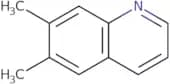
CAS:<p>3-Methyl-1,2,3,4-tetrahydroquinoline is a synthetic molecule that has been shown to have adjuvant activity in the treatment of cancer. 3-Methyl-1,2,3,4-tetrahydroquinoline inhibits bacterial growth by alkylating DNA and RNA. It binds to nucleic acids and prevents transcription and replication. The molecular structure of 3-methyl-1,2,3,4-tetrahydroquinoline was elucidated by FTIR spectroscopy and XRPD analysis. This compound has also been shown to inhibit the growth of Staphylococcus aureus strains.</p>Formula:C10H13NPurity:Min. 95%Molecular weight:147.21 g/mol6,7-Dimethylquinoline
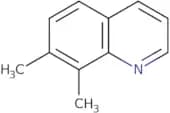
CAS:<p>6,7-Dimethylquinoline is a chemical that is used as a research tool in the study of the uptake of drugs into tissues and their excretion by the body. 6,7-Dimethylquinoline is used as an internal standard for gas chromatography to measure the uptake rate of drugs into tissues. This chemical has also been shown to have significant cutaneous absorption and may be metabolized to glucuronide conjugates in humans. It has been shown to bioconcentrate in muscle tissue and may be metabolized by biotransformation products. 6,7-Dimethylquinoline is excreted primarily in the bile and its whole-body half-life ranges from 3.2 hours to 5.3 hours.</p>Formula:C11H11NPurity:Min. 95%Molecular weight:157.21 g/mol7,8-Dimethylquinoline
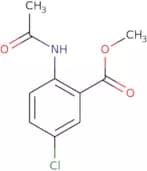
CAS:<p>7,8-Dimethylquinoline is an electrophilic agent that has been shown to be active against a variety of fungi. 7,8-Dimethylquinoline is a phenolic compound that can be used as an antifungal agent and has been shown to possess narcotic properties. 7,8-Dimethylquionline is not toxic to mammals but may cause toxicity in other organisms. It also has potential to inhibit membrane transport processes in fungi.</p>Formula:C11H11NPurity:Min. 95%Molecular weight:157.22 g/molMethyl 2-Acetamido-5-chlorobenzoate
CAS:<p>Methyl 2-acetamido-5-chlorobenzoate is a chemical compound that belongs to the group of organic compounds. It has a crystal structure with orthorhombic and isotropic properties. The radiation used in the measurement of this compound is atomic and it has been measured using a Bruker instrument.</p>Formula:C10H10ClNO3Purity:Min. 95%Molecular weight:227.64 g/molRef: 3D-VAA67654
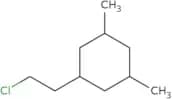
25gTo inquire50gTo inquire100gTo inquire250gTo inquire500gTo inquire250mg348.00€2500mg1,299.00€1-(2-Chloroethyl)-3,5-dimethylcyclohexane
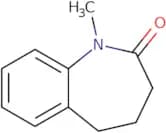
CAS:<p>Versatile small molecule scaffold</p>Formula:C10H19ClPurity:Min. 95%Molecular weight:174.71 g/mol1-Methyl-2,3,4,5-tetrahydro-1H-1-benzazepin-2-one
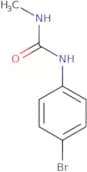
CAS:<p>Versatile small molecule scaffold</p>Formula:C11H13NOPurity:Min. 95%Molecular weight:175.23 g/mol1-(4-Bromophenyl)-3-methylurea
CAS:<p>1-(4-Bromophenyl)-3-methylurea is a nitrosourea that has been shown to be carcinogenic in experiments. It is an alkylating agent that may also have genotoxic properties. 1-(4-Bromophenyl)-3-methylurea can react with DNA, forming DNA adducts. This chemical is a potent inhibitor of the enzyme nitrite reductase, which reduces nitrite to nitric oxide and water. Nitric oxide is important for blood vessel dilation and vasodilation, as well as the regulation of vasoconstriction. The inhibition of this enzyme leads to increased blood pressure by blocking these effects. 1-(4-Bromophenyl)-3-methylurea is commonly used in the laboratory to induce papillomas on the skin of animals or fish, as well as carcinogenic activity in vitro.</p>Formula:C8H9BrN2OPurity:Min. 95%Molecular weight:229.07 g/molRef: 3D-VAA68007
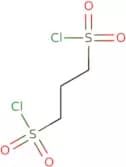
1mgTo inquire250mg298.00€50µgTo inquire100µgTo inquire2500mg1,126.00€250µgTo inquire500µgTo inquirePropane-1,3-disulfonyl dichloride
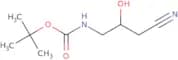
CAS:<p>Versatile small molecule scaffold</p>Formula:C3H6Cl2O4S2Purity:Min. 95%Molecular weight:241.1 g/moltert-Butyl N-(3-cyano-2-hydroxypropyl)carbamate
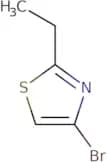
CAS:<p>Versatile small molecule scaffold</p>Formula:C9H16N2O3Purity:Min. 95%Molecular weight:200.23 g/mol4-Bromo-2-ethylthiazole
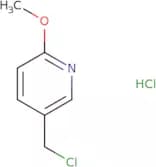
CAS:<p>Versatile small molecule scaffold</p>Formula:C5H6BrNSPurity:Min. 95%Molecular weight:192.08 g/mol5-(Chloromethyl)-2-methoxypyridine hydrochloride
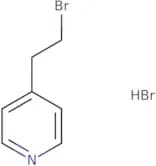
CAS:<p>Versatile small molecule scaffold</p>Formula:C7H9Cl2NOPurity:Min. 95%Molecular weight:194.06 g/mol4-(2-Bromoethyl)pyridine hydrobromide
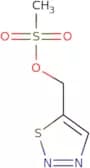
CAS:<p>Versatile small molecule scaffold</p>Formula:C7H9Br2NPurity:Min. 95%Molecular weight:266.96 g/mol(1,2,3-Thiadiazol-5-yl)methyl methanesulfonate
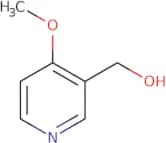
CAS:<p>Versatile small molecule scaffold</p>Formula:C4H6N2O3S2Purity:Min. 95%Molecular weight:194.2 g/mol3-Pyridinemethanol, 4-methoxy-
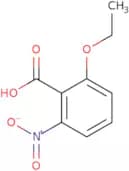
CAS:<p>Versatile small molecule scaffold</p>Formula:C7H9NO2Purity:Min. 95%Molecular weight:139.15 g/mol2-Ethoxy-6-nitrobenzoic acid
CAS:<p>Versatile small molecule scaffold</p>Formula:C9H9NO5Purity:Min. 95%Molecular weight:211.17 g/mol2-[2-(tert-Butoxy)-2-oxoethoxy]acetic acid
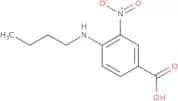
CAS:<p>Versatile small molecule scaffold</p>Formula:C8H14O5Purity:Min. 95%Molecular weight:190.19 g/mol4-(Butylamino)-3-nitrobenzoic acid
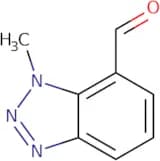
CAS:<p>4-(Butylamino)-3-nitrobenzoic acid is a compound that has a coplanar, nitro group and a nitro group. It has the conformation of 4-(butylamino)-3-nitrobenzoic acid and is also asymmetric. The geometry of the molecule is planar with an angle of 120 degrees. The nitro group resides in the coplanar structure. The hydrogen bond is formed between the nitrogen atom and the carboxyl group in the chain, which creates an asymmetric effect. The hydrogen bonds are also present in this molecule due to its benzene ring. 4-(Butylamino)-3-nitrobenzoic acid is found in natural products such as plants, fruits, and vegetables.</p>Formula:C11H14N2O4Purity:Min. 95%Molecular weight:238.24 g/mol1-Methyl-1H-1,2,3-benzotriazole-7-carbaldehyde
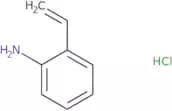
CAS:<p>Versatile small molecule scaffold</p>Formula:C8H7N3OPurity:Min. 95%Molecular weight:161.16 g/mol2-Ethenylaniline hydrochloride
CAS:<p>Versatile small molecule scaffold</p>Formula:C8H10ClNPurity:Min. 95%Molecular weight:155.62 g/mol2-{[(tert-Butoxy)carbonyl]amino}pentanedioic acid
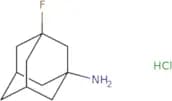
CAS:<p>Versatile small molecule scaffold</p>Formula:C10H17NO6Purity:Min. 95%Molecular weight:247.24 g/mol3-Fluoro-1-aminoadamantane hydrochloride
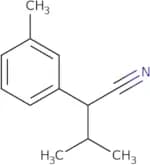
CAS:<p>Versatile small molecule scaffold</p>Formula:C10H17ClFNPurity:Min. 95%Molecular weight:205.7 g/mol3-Methyl-2-(3-methylphenyl)butanenitrile
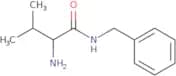
CAS:<p>Versatile small molecule scaffold</p>Formula:C12H15NPurity:Min. 95%Molecular weight:173.25 g/mol(2S)-2-Amino-N-benzyl-3-methylbutanamide
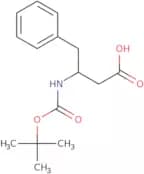
CAS:<p>Versatile small molecule scaffold</p>Formula:C12H18N2OPurity:Min. 95%Molecular weight:206.28 g/molβ-(Boc-amino)-benzenebutanoic acid
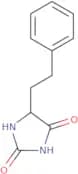
CAS:<p>Versatile small molecule scaffold</p>Formula:C15H21NO4Purity:Min. 95%Molecular weight:279.33 g/mol5-(2-Phenylethyl)imidazolidine-2,4-dione
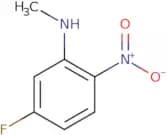
CAS:<p>Versatile small molecule scaffold</p>Formula:C11H12N2O2Purity:Min. 95%Molecular weight:204.22 g/mol5-Fluoro-N-methyl-2-nitroaniline
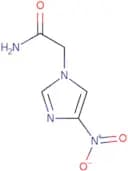
CAS:<p>Versatile small molecule scaffold</p>Formula:C7H7FN2O2Purity:Min. 95%Molecular weight:170.14 g/mol2-(4-Nitro-1H-imidazol-1-yl)acetamide
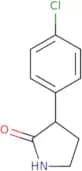
CAS:<p>Versatile small molecule scaffold</p>Formula:C5H6N4O3Purity:Min. 95%Molecular weight:170.13 g/mol3-(4-Chlorophenyl)pyrrolidin-2-one
CAS:<p>Versatile small molecule scaffold</p>Formula:C10H10ClNOPurity:Min. 95%Molecular weight:195.64 g/mol3-Methyl-1h-pyrazolo[4,3-c]pyridine
CAS:<p>Versatile small molecule scaffold</p>Formula:C7H7N3Purity:Min. 95%Molecular weight:133.15 g/mol4-Chloro-3-methyl-1H-pyrazolo[4,3-c]pyridine
CAS:<p>Versatile small molecule scaffold</p>Formula:C7H6ClN3Purity:Min. 95%Molecular weight:167.6 g/mol5-(2,3-Dihydro-1,4-benzodioxin-2-yl)-1,3,4-oxadiazole-2-thiol
CAS:<p>Versatile small molecule scaffold</p>Formula:C10H8N2O3SPurity:Min. 95%Molecular weight:236.25 g/mol1-Cyclopropylpiperazine-2,3-dione
CAS:<p>Versatile small molecule scaffold</p>Formula:C7H10N2O2Purity:Min. 95%Molecular weight:154.17 g/mol1-Amino-4,6-dimethyl-5-(methylsulfanyl)-2-oxo-1,2-dihydropyridine-3-carbonitrile
CAS:<p>Versatile small molecule scaffold</p>Formula:C9H11N3OSPurity:Min. 95%Molecular weight:209.27 g/mol(1R)-1-(3,4-Dimethoxyphenyl)ethan-1-ol
CAS:<p>Versatile small molecule scaffold</p>Formula:C10H14O3Purity:Min. 95%Molecular weight:182.22 g/mol(4R)-3,4-Dihydro-2H-1-benzothiopyran-4-ol
CAS:<p>Versatile small molecule scaffold</p>Formula:C9H10OSPurity:Min. 95%Molecular weight:166.24 g/mol4-[5-(Trifluoromethyl)-1,2,4-oxadiazol-3-yl]-1,2,5-oxadiazol-3-amine
CAS:<p>Versatile small molecule scaffold</p>Formula:C5H2F3N5O2Purity:Min. 95%Molecular weight:221.1 g/mol4-Fluoro-3,5-dimethylbenzoic acid
CAS:<p>Versatile small molecule scaffold</p>Formula:C9H9FO2Purity:Min. 95%Molecular weight:168.17 g/mol(1R)-1-(2,5-Dimethoxyphenyl)ethan-1-ol
CAS:<p>Versatile small molecule scaffold</p>Formula:C10H14O3Purity:Min. 95%Molecular weight:182.22 g/mol1-Benzyl-4-chloro-1H-imidazo[4,5-c]pyridine
CAS:<p>Versatile small molecule scaffold</p>Formula:C13H10ClN3Purity:Min. 95%Molecular weight:243.69 g/molN-Carbobenzoxypropargylamine
CAS:<p>N-Carbobenzoxypropargylamine (CBPA) is an isoxazole that has been shown to bind to the integrin receptor, which is a type of protein found on the surface of cells. CBPA binds to the ligand-binding site of the integrin receptor and inhibits its activation by connecting it with a peptide fragment. This results in a loss of cell adhesion and reduced proliferation. CBPA has a nanomolar range and can be used as a potential drug candidate for cancer treatment because it has high affinity for cells and high frequency of occurrence. The pharmacophore model for CBPA was generated using aspartic acid, which is one of the most abundant amino acids in proteins.</p>Formula:C11H11NO2Purity:Min. 95%Molecular weight:189.21 g/mol4-Methoxy cyclohexane carboxaldehyde
CAS:<p>Versatile small molecule scaffold</p>Formula:C8H14O2Purity:Min. 95%Molecular weight:142.2 g/mol4-(Trifluoromethyl)isoquinoline
CAS:<p>Versatile small molecule scaffold</p>Formula:C10H6F3NPurity:Min. 95%Molecular weight:197.16 g/mol5-(Trifluoromethyl)isoquinoline
CAS:<p>Versatile small molecule scaffold</p>Formula:C10H6F3NPurity:Min. 95%Molecular weight:197.16 g/mol8-(Trifluoromethyl)isoquinoline
CAS:<p>Versatile small molecule scaffold</p>Formula:C10H6F3NPurity:Min. 95%Molecular weight:197.16 g/mol4-(2-Methylpropyl)aniline hydrochloride
CAS:<p>Versatile small molecule scaffold</p>Formula:C10H16ClNPurity:Min. 95%Molecular weight:185.69 g/mol(R)-Methyl 2-(benzylamino)propanoate
CAS:<p>Versatile small molecule scaffold</p>Formula:C11H15NO2Purity:Min. 95%Molecular weight:193.24 g/mol4-Acetyl-3,4-dihydro-1H-quinoxalin-2-one
CAS:<p>Versatile small molecule scaffold</p>Formula:C10H10N2O2Purity:Min. 95%Molecular weight:190.2 g/mol4-Amino-2-chloronaphthalen-1-ol
CAS:<p>Versatile small molecule scaffold</p>Formula:C10H8ClNOPurity:Min. 95%Color and Shape:PowderMolecular weight:193.63 g/molHexahydro-1H-cyclopenta[b]pyridin-4(4ah)-one hydrochloride
CAS:<p>Versatile small molecule scaffold</p>Formula:C8H13NO·HClPurity:Min. 95%Molecular weight:175.66 g/mol

![rac-[(1R,2R,4R)-Bicyclo[2.2.2]oct-5-en-2-yl]methanol](/_next/image/?url=https%3A%2Fstatic.cymitquimica.com%2Fproducts%2F3D%2Fthumb-webp%2FVAA50755.webp&w=3840&q=75)
![rac-(1R,2R,4R)-Bicyclo[2.2.2]oct-5-ene-2-carboxylic acid](/_next/image/?url=https%3A%2Fstatic.cymitquimica.com%2Fproducts%2F3D%2Fthumb-webp%2FVAA50756.webp&w=3840&q=75)
![1-[2-(1H-Imidazol-1-yl)phenyl]ethan-1-one](/_next/image/?url=https%3A%2Fstatic.cymitquimica.com%2Fproducts%2F3D%2Fthumb-webp%2FVAA51361.webp&w=3840&q=75)
![5-Methoxy-benzo[b]thiophene](/_next/image/?url=https%3A%2Fstatic.cymitquimica.com%2Fproducts%2F3D%2Fthumb-webp%2FVAA53230.webp&w=3840&q=75)
![N-(4-{[(2-Hydroxyethyl)amino]-sulfonyl}phenyl)acetamide](/_next/image/?url=https%3A%2Fstatic.cymitquimica.com%2Fproducts%2F3D%2Fthumb-webp%2FVAA53576.webp&w=3840&q=75)
![6-Methyl-3,4-dihydro-2H-pyrido[3,2-b][1,4]oxazine](/_next/image/?url=https%3A%2Fstatic.cymitquimica.com%2Fproducts%2F3D%2Fthumb-webp%2FVAA56767.webp&w=3840&q=75)
![Spiro[2.3]hexan-4-one](/_next/image/?url=https%3A%2Fstatic.cymitquimica.com%2Fproducts%2F3D%2Fthumb-webp%2FVAA57115.webp&w=3840&q=75)
![4-Methyl-1,5,6,7-tetrahydro-2H-cyclopenta[b]-pyridin-2-one](/_next/image/?url=https%3A%2Fstatic.cymitquimica.com%2Fproducts%2F3D%2Fthumb-webp%2FVAA59430.webp&w=3840&q=75)
![1-(2,3-Dihydro-benzo[1,4]dioxin-6-yl)-propan-1-one](/_next/image/?url=https%3A%2Fstatic.cymitquimica.com%2Fproducts%2F3D%2Fthumb-webp%2FVAA63212.webp&w=3840&q=75)
![{Tricyclo[2.2.1.0,2,6]heptan-1-yl}methanol](/_next/image/?url=https%3A%2Fstatic.cymitquimica.com%2Fproducts%2F3D%2Fthumb-webp%2FVAA64797.webp&w=3840&q=75)
![2-[2-(tert-Butoxy)-2-oxoethoxy]acetic acid](/_next/image/?url=https%3A%2Fstatic.cymitquimica.com%2Fproducts%2F3D%2Fthumb-webp%2FVEA28922.webp&w=3840&q=75)
![2-{[(tert-Butoxy)carbonyl]amino}pentanedioic acid](/_next/image/?url=https%3A%2Fstatic.cymitquimica.com%2Fproducts%2F3D%2Fthumb-webp%2FVEA34133.webp&w=3840&q=75)
![3-Methyl-1h-pyrazolo[4,3-c]pyridine](/_next/image/?url=https%3A%2Fstatic.cymitquimica.com%2Fproducts%2F3D%2Fthumb-webp%2FVEA42291.webp&w=3840&q=75)
![4-Chloro-3-methyl-1H-pyrazolo[4,3-c]pyridine](/_next/image/?url=https%3A%2Fstatic.cymitquimica.com%2Fproducts%2F3D%2Fthumb-webp%2FVEA42293.webp&w=3840&q=75)


![4-[5-(Trifluoromethyl)-1,2,4-oxadiazol-3-yl]-1,2,5-oxadiazol-3-amine](/_next/image/?url=https%3A%2Fstatic.cymitquimica.com%2Fproducts%2F3D%2Fthumb-webp%2FVEA49319.webp&w=3840&q=75)


![1-Benzyl-4-chloro-1H-imidazo[4,5-c]pyridine](/_next/image/?url=https%3A%2Fstatic.cymitquimica.com%2Fproducts%2F3D%2Fthumb-webp%2FVEA53743.webp&w=3840&q=75)


![Hexahydro-1H-cyclopenta[b]pyridin-4(4ah)-one hydrochloride](/_next/image/?url=https%3A%2Fstatic.cymitquimica.com%2Fproducts%2F3D%2Fthumb-webp%2FVEA64101.webp&w=3840&q=75)