Building Blocks
This section contains fundamental products for the synthesis of organic and biological compounds. Building blocks are the essential starting materials used to construct complex molecules through various chemical reactions. They play a critical role in drug discovery, material science, and chemical research. At CymitQuimica, we offer a diverse range of high-quality building blocks to support your innovative research and industrial projects, ensuring you have the essential components for successful synthesis.
Subcategories of "Building Blocks"
- Boronic Acids & Boronic Acid Derivatives(5,756 products)
- Chiral Building Blocks(1,242 products)
- Hydrocarbon Building Blocks(6,093 products)
- Organic Building Blocks(60,519 products)
Found 195533 products of "Building Blocks"
Sort by
Purity (%)
0
100
|
0
|
50
|
90
|
95
|
100
3-Amino-5-bromo-2-chloropyridine
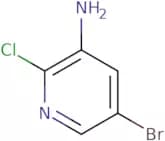
CAS:<p>3-Amino-5-bromo-2-chloropyridine is a synthetic compound that has been shown to be an inhibitor of phosphoinositide 3 kinase delta (PI3Kδ). It is also a potent inhibitor of the proliferation of human cancer cells in vitro and in vivo. The PI3Kδ is activated by insulin and other growth factors, which leads to the activation of downstream pathways. These pathways trigger cell growth and proliferation. 3-Amino-5-bromo-2-chloropyridine may have potential as a novel anticancer drug due to its ability to inhibit PI3Kδ activity and prevent the progression of cancer.</p>Formula:C5H4BrClN2Purity:Min. 95%Color and Shape:Yellow PowderMolecular weight:207.46 g/mol3,4-Dimethoxyphenylacetic acid
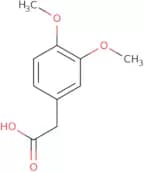
CAS:3,4-Dimethoxyphenylacetic acid is an aromatic acid that has antimicrobial properties. It is used as a food additive for the preservation of meat and poultry. The 3,4-dimethoxyphenyl group in this molecule is an intramolecular hydrogen acceptor. This property allows it to undergo transfer reactions with other molecules, such as protocatechuic acid and lignin. 3,4-Dimethoxyphenylacetic acid also inhibits cellular physiology and can be used in the treatment of bacteria in biological systems. The hydroxyl group can form an acidic compound by reacting with a proton donor, such as water or trifluoroacetic acid (TFA). This reaction may be catalyzed by the enzyme cytochrome P450 reductase.Formula:C10H12O4Purity:Min. 95%Color and Shape:White PowderMolecular weight:196.2 g/mol(-)-3-Bromocamphor-8-sulfonic Acid Ammonium Salt
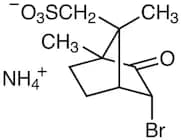
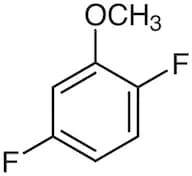
CAS:Formula:C10H18BrNO4SPurity:>97.0%(T)Color and Shape:White to Light yellow to Light orange powder to crystalMolecular weight:328.222,5-Difluoroanisole
CAS:Formula:C7H6F2OPurity:>98.0%(GC)Color and Shape:Colorless to Almost colorless clear liquidMolecular weight:144.12Neu5Acα(2-6)Galβ(1-3)GlcNAc-β-pNP
Formula:C31H45N3O21Purity:>97.0%(HPLC)Color and Shape:White to Light yellow to Green powder to crystalMolecular weight:795.70c(R,S)-1-(2-Nitrophenyl)ethanol
CAS:<p>1,2-Dichloroethane is an organic solvent that has a number of industrial uses. It is also used as an antigen for the detection of antibodies in biological studies. 1,2-Dichloroethane reacts with free amino groups on proteins to form antigen-binding sites. The cavity created by the reaction then binds to the antigen and induces a change in fluorescence. This process can be detected using fluorescence resonance energy transfer (FRET). Irradiation of 1,2-dichloroethane leads to the formation of reactive oxygen species (ROS) such as singlet oxygen, which can react with aspartyl groups in proteins to form diphosgene. This reaction can lead to protein denaturation and loss of function, which may be responsible for some of the toxic effects observed with this compound.</p>Formula:C8H9NO3Purity:Min. 95%Color and Shape:PowderMolecular weight:167.16 g/mol6,6'-Dibromo-2,2'-bipyridine
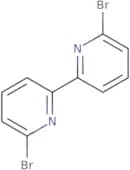
CAS:<p>6,6'-Dibromo-2,2'-bipyridine is a synthetic molecule that is used to produce amines. It can be synthesized in a cross-coupling reaction involving the reaction of an amine with bromine and a palladium catalyst. 6,6'-Dibromo-2,2'-bipyridine reacts with formaldehyde to form 2,4-diaminobiphenyls. This reaction is catalyzed by acid or base. 6,6'-Dibromo-2,2'-bipyridine has been shown to be reactive and photoexcited. Its photophysical properties make it a useful synthetic intermediate for the production of amines.</p>Formula:C10H6Br2N2Purity:Min. 95%Color and Shape:PowderMolecular weight:313.98 g/mol2-Fluoro-4-iodo-5-methylpyridine
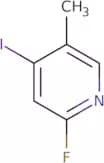
CAS:<p>2-Fluoro-4-iodo-5-methylpyridine is a versatile building block that can be used as a reagent or reaction component. It is an intermediate for the production of pharmaceuticals, pesticides, and other organic compounds. 2-Fluoro-4-iodo-5-methylpyridine is also used as a speciality chemical in research laboratories. 2-Fluoro-4-iodo-5-methylpyridine can be used as a building block to produce complex compounds with various functionalities.</p>Formula:C6H5FINPurity:Min. 95%Color and Shape:White PowderMolecular weight:237.01 g/mol6-Nitroquinoline
CAS:<p>6-Nitroquinoline is a nucleophilic compound that reacts with nitroalkanes to form alkyl nitrites. It undergoes a bioreductive reaction, in which it is reduced to the corresponding amine by hydrogen peroxide and ammonia. 6-Nitroquinoline contains functional groups that can act as either electron donors or electron acceptors and is therefore reactive towards other compounds. The reaction mechanism involves nucleophilic attack at the carbon atom in the ring of the 6-nitroquinoline molecule, resulting in an addition product. 6-Nitroquinoline has been shown to react with fluorophores such as fluorescein, forming a fluorescent product that can be detected by spectroscopy. This chemical can also form hydrogen bonds with other molecules, which are important for its reactivity. The reaction products of this compound are nitrite and quinolines where one or more of the nitrogens have been oxidized to nitro groups.<br>END</p>Formula:C9H6N2O2Purity:Min. 95%Color and Shape:White PowderMolecular weight:174.16 g/mol3-Bromochromone
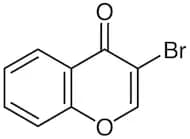
CAS:Formula:C9H5BrO2Purity:>98.0%(GC)Color and Shape:White to Orange to Green powder to crystalMolecular weight:225.044-Amino-N-(2-phenylethyl)benzenesulfonamide
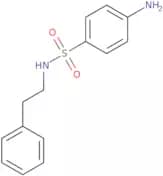
CAS:<p>4-Amino-N-(2-phenylethyl)benzenesulfonamide (4APBS) is a histone deacetylase inhibitor. It has been shown to inhibit the histone methyltransferase activity of EZH2, which is important for regulating gene expression, in cells treated with 4APBS. This inhibition leads to increased levels of the transcriptional coactivator β-catenin and reduced levels of tumor suppressor genes. These changes ultimately lead to an increase in cancer cell proliferation and decreased apoptosis. 4APBS also interacts with hormone receptors that are found on the surface of cells and can regulate cellular functions such as proliferation, differentiation, or apoptosis.</p>Formula:C14H16N2O2SPurity:Min. 95%Color and Shape:Off-White PowderMolecular weight:276.36 g/mol2-(tert-Butyldimethylsilyl)thiazole
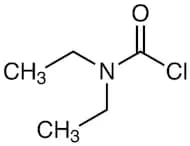
CAS:Formula:C9H17NSSiPurity:>97.0%(GC)Color and Shape:Colorless to Light orange to Yellow clear liquidMolecular weight:199.39Diethylcarbamoyl Chloride
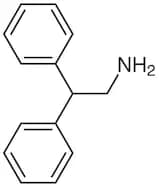
CAS:Formula:C5H10ClNOPurity:>98.0%(GC)(T)Color and Shape:Colorless to Yellow to Orange clear liquidMolecular weight:135.592,2-Diphenylethylamine
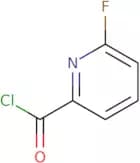
CAS:Formula:C14H15NPurity:>98.0%(GC)(T)Color and Shape:White or Colorless to Light yellow to Light orange powder to lump to clear liquidMolecular weight:197.286-Fluoropyridine-2-carbonyl chloride
CAS:<p>6-Fluoropyridine-2-carbonyl chloride (6FC) is a versatile building block that is used in the synthesis of complex compounds. It is also a reagent for organic chemistry, research chemicals, and speciality chemicals. 6FC has been shown to be useful as a building block for the preparation of high quality and useful intermediates. The compound reacts with nucleophiles in good yields to produce amines, nitriles, alcohols, and carboxylic acids. 6FC can also be used as a reaction component in organic reactions. It has been shown to be an excellent scaffold for the synthesis of bioactive molecules such as amino acid derivatives and natural products.</p>Formula:C6H3ClFNOPurity:Min. 95%Color and Shape:White PowderMolecular weight:159.55 g/mol2-Naphthalenesulfonic acid sodium
CAS:<p>2-Naphthalenesulfonic acid sodium is a chemical compound that belongs to the class of naphthalene sulfonic acids. It is used in the production of medicines and as an industrial chemical. 2-Naphthalenesulfonic acid sodium has been shown to inhibit the viscosity of blood capillaries and has been proposed for use in the treatment of diabetic retinopathy. This compound also reduces the permeability of cell membranes by binding to fatty acids, which has led it to be studied for its potential effects on prostate cancer. 2-Naphthalenesulfonic acid sodium has been shown to have a Michaelis–Menten kinetics with respect to the enzyme ft-ir spectroscopy and can be used as a reagent for cationic surfactants. 2-Naphthalenesulfonic acid sodium is soluble in water, but insoluble in hydrochloric acid or solvents such as chloroform or acetone.</p>Formula:C10H7O3SNaPurity:Min. 98 Area-%Color and Shape:White Off-White PowderMolecular weight:230.22 g/mol4-(Hydroxymethyl)cyclohexanol
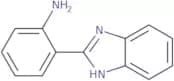
CAS:<p>4-(Hydroxymethyl)cyclohexanol is a versatile building block that can be used in the synthesis of complex compounds. This chemical has been shown to have a high degree of purity and is a useful intermediate or reaction component for many different reactions. It is also an excellent scaffold for synthesizing other organic molecules.</p>Formula:C7H14O2Purity:Min. 95%Color and Shape:Clear To White To Off-White SolidMolecular weight:130.18 g/mol2-(2-Aminophenyl)benzimidazole
CAS:<p>2-(2-Aminophenyl)benzimidazole is a synthetic compound with the chemical formula C8H6N2. It has an intramolecular hydrogen bond and reacts with salicylaldehyde to form 2-aminobenzimidazole, which is a reaction product. 2-(2-Aminophenyl)benzimidazole may be used as an antimicrobial agent, but it also has other uses such as a reagent in organic synthesis. It is soluble in water and can be obtained through liquid chromatography.</p>Formula:C13H11N3Purity:Min. 95%Color and Shape:Off-White PowderMolecular weight:209.25 g/mol2,6-Dibromopyridine
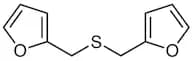
CAS:<p>2,6-Dibromopyridine (2,6-DBP) is a chemical compound that has been used in the synthesis of other organic compounds. It is an aromatic heterocycle with nitrogen atoms at the 2 and 6 positions. 2,6-DBP is a monosubstituted pyridine derivative that undergoes a palladium-catalyzed coupling reaction with an aryl halide to form pyrazoles. This process can be done unsymmetrically by protonating the 2 position of the dibromopyridine molecule. The presence of serine protease has been shown to promote this reaction by increasing the surface area of the substrate.</p>Formula:C5H3Br2NPurity:Min. 98 Area-%Color and Shape:Off-White Yellow PowderMolecular weight:236.89 g/molDifurfuryl Sulfide
CAS:Formula:C10H10O2SPurity:>98.0%(GC)Color and Shape:White or Colorless to Yellow powder to lump to clear liquidMolecular weight:194.25