Building Blocks
This section contains fundamental products for the synthesis of organic and biological compounds. Building blocks are the essential starting materials used to construct complex molecules through various chemical reactions. They play a critical role in drug discovery, material science, and chemical research. At CymitQuimica, we offer a diverse range of high-quality building blocks to support your innovative research and industrial projects, ensuring you have the essential components for successful synthesis.
Subcategories of "Building Blocks"
- Boronic Acids & Boronic Acid Derivatives(5,756 products)
- Chiral Building Blocks(1,242 products)
- Hydrocarbon Building Blocks(6,093 products)
- Organic Building Blocks(60,519 products)
Found 195533 products of "Building Blocks"
Sort by
Purity (%)
0
100
|
0
|
50
|
90
|
95
|
100
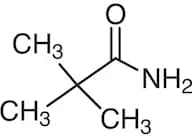
Pivalamide
CAS:Formula:C5H11NOPurity:>98.0%(GC)(N)Color and Shape:White to Almost white powder to crystalMolecular weight:101.152-(Chloromethyl)-1,3-thiazole
CAS:<p>2-(Chloromethyl)-1,3-thiazole is an aromatic hydrocarbon that is used as a pesticide. It is also a metabolic intermediate in the metabolism of chlorinating agents and has been shown to be carcinogenic. This compound degrades by reacting with hydrochloric acid, nitric acid, sodium hydroxide solution, or hydrogen chloride to form 2-chloro-1,3-thiazole or 2-chloromethyltetrahydrothiophene. The pharmacokinetic properties of this compound are unknown.</p>Formula:C4H4ClNSPurity:Min. 95%Color and Shape:PowderMolecular weight:133.6 g/mol1,4-Diazabicyclo[3.2.2]nonane
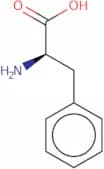
CAS:<p>Diazepam (also known as Valium) is a benzodiazepine drug used to treat anxiety disorders, muscle spasms, alcohol withdrawal symptoms, and other conditions. Diazepam is a tranquilizer that works by slowing down the activity of the central nervous system. It may also be used to control seizures, prevent certain types of muscle spasms, treat insomnia and relieve anxiety before surgery. Diazepam has been shown to have an affinity for nicotinic acetylcholine receptors in rat brains. This drug can work by blocking these receptors and preventing the transmission of impulses between neurons. Diazepam is marketed in many countries as an anxiolytic agent under trade names such as Valium and Librium. The clinical use of diazepam should be limited because it has been shown to cause birth defects in animal studies when given at high doses or during pregnancy.</p>Formula:C7H14N2Purity:Min. 95%Color and Shape:White PowderMolecular weight:126.2 g/molD-Phenylalanine
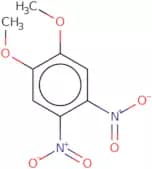
CAS:<p>D-Phenylalanine is an amino acid that is found in the human body and is used as a pharmacological agent. It has been shown to be an antimicrobial peptide with a broad spectrum of activity against bacteria, yeast, and fungi. D-Phenylalanine also has the ability to inhibit the production of peptide hormones, such as gastrin and vasopressin, and can be used as an inhibitor for enzymes such as acetylcholine esterase. Studies have shown that D-phenylalanine can increase mitochondrial membrane potential in cells by binding to ester hydrochloride. This leads to increased enzyme activities, which may result in a decrease in hydrogen bonding interactions.</p>Formula:C9H11NO2Purity:Min. 95%Color and Shape:White Off-White PowderMolecular weight:165.19 g/mol1,2-Dimethoxy-4,5-dinitrobenzene
CAS:<p>1,2-Dimethoxy-4,5-dinitrobenzene is a fluorescent compound that can be used as a probe to study the response elements in DNA. It has been shown to inhibit HDAC activity and induce nuclear translocation of Nrf2 in wild-type mice. 1,2-Dimethoxy-4,5-dinitrobenzene has also been shown to decrease the level of plasma protein carbonyls in cancer patients. This molecule has analytical applications for determining the presence of it's target compounds in biological samples.</p>Formula:C8H8N2O6Purity:Min. 95%Color and Shape:PowderMolecular weight:228.16 g/mol2,6-Pyridinedicarboxylic acid dimethyl ester
CAS:<p>2,6-Pyridinedicarboxylic acid dimethyl ester is a drug that has shown anticancer activity in animal models. It binds to DNA, forming a ternary complex with the DNA and the enzyme topoisomerase I. The binding of this drug to the enzyme prevents it from breaking the DNA strands during replication, causing the cell to die. It has been shown that 2,6-pyridinedicarboxylic acid dimethyl ester can be used as a non-competitive inhibitor of topoisomerase I. Furthermore, it has been demonstrated that 2,6-pyridinedicarboxylic acid dimethyl ester is able to bind to human endometrial cancer cells with high affinity. Finally, 2,6-pyridinedicarboxylic acid dimethyl ester was found in x-ray crystal structures of complexes with hydrogen bonds and low activation enthalpy and entropy.</p>Formula:C9H9NO4Purity:Min. 95%Color and Shape:White PowderMolecular weight:195.17 g/molBenzo[b]furan-2-boronic acid
CAS:<p>Benzo[b]furan-2-boronic acid is a potent matrix metalloproteinase inhibitor that can be used in the treatment of cancer. It is synthesized from 2-aminobenzofuran by using a Suzuki coupling reaction with boronic acid. Benzo[b]furan-2-boronic acid has been shown to inhibit MMP-1, MMP-13, and MMP-14. This compound also inhibits the activity of other proteases such as cathepsin G, elastase, and chymase. The compound has been shown to be cytotoxic against human breast cancer cells and colon cancer cells. In addition, this compound is fluorescent and its fluorescence has been shown to increase when it binds to cancer cells.</p>Formula:C8H7BO3Purity:Min. 95%Color and Shape:White PowderMolecular weight:161.95 g/molNeu5Ac[1Me,4789Ac]α(2-6)Gal[24Bz,3Bn]-β-MP
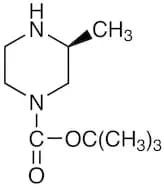
CAS:Formula:C54H59NO21Purity:>95.0%(HPLC)Color and Shape:White to Almost white powder to crystalMolecular weight:1,058.05(S)-1-Boc-3-methylpiperazine
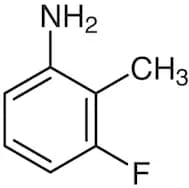
CAS:Formula:C10H20N2O2Purity:>98.0%(GC)(T)Color and Shape:White to Light yellow powder to lumpMolecular weight:200.283-Fluoro-2-methylaniline
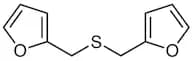
CAS:Formula:C7H8FNPurity:>98.0%(GC)(T)Color and Shape:Light yellow to Yellow to Orange clear liquidMolecular weight:125.15Difurfuryl Sulfide
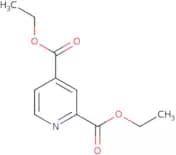
CAS:Formula:C10H10O2SPurity:>98.0%(GC)Color and Shape:White or Colorless to Yellow powder to lump to clear liquidMolecular weight:194.252,4-Pyridinedicarboxylic acid diethyl ester
CAS:<p>2,4-Pyridinedicarboxylic acid diethyl ester is an aliphatic hydrocarbon that has been shown to be a potent active oxygen scavenger. It has also been shown to inhibit the uptake of fatty acids and organic anions by tubule cells in the liver, as well as to reduce collagen breakdown in the endoplasmic reticulum. This compound is converted into pyridinedicarboxylic acid, which inhibits hepcidin production and thus increases iron absorption. 2,4-Pyridinedicarboxylic acid diethyl ester also has a biochemical profile that is similar to that of a lipophilic fatty acid ester.</p>Formula:C11H13NO4Purity:Min. 95%Color and Shape:Colorless PowderMolecular weight:223.23 g/mol3'-Iodoacetophenone
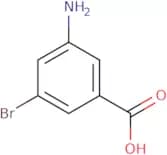
CAS:<p>3'-Iodoacetophenone is a synthetic analog of o-chloroaniline. 3'-Iodoacetophenone is used as a reagent for the kinetic study of anions and hydrogenated derivatives. It is also used in the palladium-catalyzed coupling of monobenzyl phenols to form phenol nucleophiles. The synthesis of 3'-iodoacetophenone starts with the dehydration of 2,6-dichloroaniline with phosphorous pentachloride and subsequent reaction with iodine in acetic acid.</p>Formula:C8H7IOPurity:Min. 95%Color and Shape:Off-White Clear LiquidMolecular weight:246.05 g/mol3-Amino-5-bromobenzoic acid
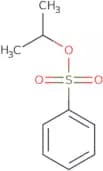
CAS:<p>3-Amino-5-bromobenzoic acid is a synthetic, water soluble anti-inflammatory agent. It is cytotoxic to macrophages in vitro and has significant efficacy in vivo. Its mechanism of action is to inhibit the synthesis of nucleotides in the cell. 3-Amino-5-bromobenzoic acid also inhibits inflammation by inhibiting prostaglandin synthesis and has been shown to be effective against seborrheic dermatitis. This drug has pharmacokinetic properties that are favourable for oral administration and is rapidly absorbed from the gastrointestinal tract with a half life of 2 hours. The drug is eliminated through the kidneys, with an elimination half life of 6 hours.</p>Formula:C7H6BrNO2Purity:Min. 95%Color and Shape:PowderMolecular weight:216.03 g/molIsopropyl benzenesulfonate
CAS:<p>Isopropyl benzenesulfonate is an ester compound that reacts with the chlorine atom to produce a sulfonic acid. It has antimicrobial properties and is used in the production of quinoline derivatives, which are aliphatic hydrocarbons that have been found to be effective in the treatment of cancer. Isopropyl benzenesulfonate also has potential as a cross-linking agent for ester compounds, due to its ability to react with both aromatic hydrocarbons and radiation. It can be synthesized by reacting a phase liquid chromatography solution with hydroxyl group or patterning with a solid catalyst. Isopropyl benzenesulfonate has carbonyl groups that are reactive with other chemicals and may be used as a reagent for storing reactive substances.</p>Formula:C9H12O3SPurity:Min. 95%Color and Shape:Colorless Clear LiquidMolecular weight:200.26 g/mol5,6-Diaminobenzimidazole dihydrochloride
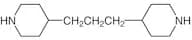
CAS:<p>Please enquire for more information about 5,6-Diaminobenzimidazole dihydrochloride including the price, delivery time and more detailed product information at the technical inquiry form on this page</p>Formula:C7H10Cl2N4Purity:Min. 95%Color and Shape:Off-white to pale brown solid.Molecular weight:221.09 g/mol1,3-Di-4-piperidylpropane
CAS:Formula:C13H26N2Purity:>97.0%(GC)Color and Shape:White to Light yellow powder to crystalMolecular weight:210.37Indole-3-acetonitrile
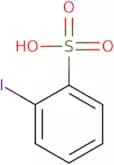
CAS:<p>Indole-3-acetonitrile is a natural product that belongs to the class of antimicrobial agents. It has been shown to have antiinflammatory activity in mice and to inhibit enzyme activities in the plasma of rats. This compound was also found to be an inhibitor of indole synthesis, which may provide insight into its potential use as a therapeutic agent for cancer treatment. Indole-3-acetonitrile has been shown to have antimicrobial properties against galleria mellonella, which are insect larvae that are used as model organisms for research on development and genetics. The biological properties of this compound have been studied using structural analysis and biochemical research.</p>Formula:C10H8N2Purity:Min. 95%Color and Shape:Yellow To Brown SolidMolecular weight:156.18 g/mol2-Iodobenzenesulfonic acid
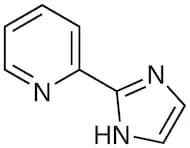
CAS:<p>2-Iodobenzenesulfonic acid is a synthetic molecule with a molecular weight of 169.27 g/mol. It is an acidic salt that reacts with nucleophilic substitutions, such as hydroxyl groups and heterocycles. 2-Iodobenzenesulfonic acid has been studied using molecular modeling techniques to identify its pharmacophore and the key features that may be important for binding to the active site of the enzyme. The results of these studies show that the most important features are a sulfonyl group, two hydroxyl groups, and an aromatic ring.</p>Formula:C6H5IO3SPurity:Min. 95%Color and Shape:Slightly Yellow PowderMolecular weight:284.07 g/mol2-(1H-Imidazol-2-yl)pyridine
CAS:Formula:C8H7N3Purity:>98.0%(GC)(T)Color and Shape:White to Light yellow to Light orange powder to crystalMolecular weight:145.17



![1,4-Diazabicyclo[3.2.2]nonane](/_next/image/?url=https%3A%2Fstatic.cymitquimica.com%2Fproducts%2F3D%2Fthumb-webp%2FFD07111.webp&w=3840&q=75)

![Benzo[b]furan-2-boronic acid](/_next/image/?url=https%3A%2Fstatic.cymitquimica.com%2Fproducts%2F3D%2Fthumb-webp%2FFB40264.webp&w=3840&q=75)
![Neu5Ac[1Me,4789Ac]α(2-6)Gal[24Bz,3Bn]-β-MP](/_next/image/?url=https%3A%2Fstatic.cymitquimica.com%2Fproducts%2F3B%2Fthumb-webp%2FM1761.webp&w=3840&q=75)