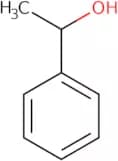
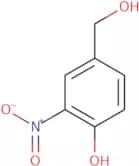
Alcohols
Alcohols are a wide range of organic molecules derived from hydrocarbons that contain one or more hydroxyl groups (OH group). These compounds are essential in various chemical reactions and are widely used in laboratory settings for synthesis, as solvents, and in analytical chemistry. At CymitQuimica, we offer high-quality alcohols prepared for laboratory use, supporting your research and industrial applications with reliable and effective products. Our selection ensures you have the right alcohols for your specific needs, whether for routine laboratory work or specialized research projects.
Subcategories of "Alcohols"
Found 5814 products of "Alcohols"
Sort by
Purity (%)
0
100
|
0
|
50
|
90
|
95
|
100
3-Cyclohexyl-1-[4-[2-(7-methoxy -4,4-dimethyl-1,3-dioxo-isoquinolin -2-yl)ethyl]phenyl]sulfonyl-urea
CAS:<p>3-Cyclohexyl-1-[4-[2-(7-methoxy -4,4-dimethyl-1,3-dioxo-isoquinolin -2-yl)ethyl]phenyl]sulfonyl-urea is a drug that inhibits the enzyme DPPIV, which breaks down the incretin hormone glucagon-like peptide (GLP)-1. It may be used to treat diabetes by regulating blood glucose levels. This drug has been shown to reduce postprandial blood glucose levels in patients with type 2 diabetes. 3CYCSU is also capable of reducing body weight and food intake in mice. The mechanism of action of this drug is not fully understood, but it appears to have an effect on the cytosolic calcium ion concentration and may reduce inflammatory responses in cells. 3CYCSU is a promising potential treatment for infectious diseases such as Hepatitis C virus (HCV).</p>Formula:C27H33N3O6SColor and Shape:PowderMolecular weight:527.63 g/molFlurandrenolide
CAS:<p>Flurandrenolide is a corticosteroid that is used for the treatment of bowel disease and autoimmune diseases. Flurandrenolide reduces inflammation by inhibiting the production of effector proteins, such as cytokines, chemokines, and eicosanoids. Flurandrenolide has been shown to have low potency in the treatment of lymphocyte transformation. This corticosteroid also inhibits the growth of various carcinoma cell lines. The mechanism of action of flurandrenolide is not fully understood, but it may be due to its ability to interfere with enzymes involved in cellular signaling pathways or to inhibit transcription factors. It has been found that flurandrenolide has a biocompatible polymer that can be used for sample preparation and analytical method.</p>Formula:C24H33FO6Purity:Min. 95%Color and Shape:White PowderMolecular weight:436.51 g/mol3-Nitrophenylmethylcarbinol
CAS:<p>3-Nitrophenylmethylcarbinol (3NP) is a chiral molecule that is used as a versatile catalyst in organic synthesis. It has been shown to be an efficient and reusable nucleophile, which can be used for the hydrothiolation of enones. 3NP also has been shown to have high activity in asymmetric oxidation reactions, such as the conversion of alcohols to ketones or aldehydes. 3NP has been shown to be an excellent reagent for the conversion of carbinols into alkenes, due to its high oxidation potential.</p>Formula:C8H9NO3Purity:Min. 95%Color and Shape:PowderMolecular weight:167.16 g/molall-trans-Anhydro retinol
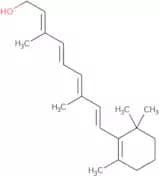
CAS:<p>All-trans-Anhydro retinol is a retinoid that is biologically active as an antioxidant, with reactive properties. It has been shown to be photodecomposable in the presence of light, and it reacts rapidly with nucleophiles. All-trans-Anhydro retinol can be used as a model system for biological studies on the mechanisms of mitochondrial membrane potential and transfer reactions. All-trans-Anhydro retinol has been shown to decrease mitochondrial membrane potential in rat liver microsomes and inhibit fatty acid synthesis in liver cells, while also being a synthetic analog of all-trans retinoic acid.</p>Formula:C20H28Purity:Min. 90%Color and Shape:Yellow To Light (Or Pale) Orange SolidMolecular weight:268.44 g/mol4-Diphenylmethylcarbinol
CAS:<p>4-Diphenylmethylcarbinol is an organic compound that is a primary alcohol. It can be synthesized by the hydrogenolysis of biphenyl. 4-Diphenylmethylcarbinol has been used in the Raney-type process for the production of aluminum from bauxite and as a catalyst in the dehydrating reaction. This compound has also been used as a reagent for the synthesis of enantiomers and as a solvent for acetonitrile. The transfer of 4-diphenylmethylcarbinol to benzene, chlorobenzene, and phenanthrene has been studied.</p>Formula:C14H14OPurity:Min. 95%Color and Shape:PowderMolecular weight:198.26 g/mol9-cis-Retinol acetate
CAS:<p>9-cis-Retinol acetate is a synthetic retinoid that has been shown to have antioxidant properties. It prevents the oxidation of lipids, proteins and DNA by inhibiting the activity of enzymes such as cyclooxygenase and lipoxygenase, which are responsible for generating reactive oxygen species. 9-cis-Retinol acetate also increases glutathione levels, which scavenges reactive oxygen species. 9-cis-Retinol acetate can be used to treat oxidative injury in different tissues such as the skin, liver, bowel, lung and eye. 9-cis-Retinol acetate can be used in low doses to prevent oxidative injury in the human fetus during pregnancy or in high doses to treat oxidant injuries caused by radiation exposure or chemotherapy.</p>Formula:C22H32O2Purity:Min. 95%Color and Shape:Pale yellow oil.Molecular weight:328.49 g/molSorbitan monolaurate
CAS:<p>Sorbitan monolaurate is a natural compound that can be isolated from the seeds of the Cucurbitaceae family. It is used in sample preparation for biocompatible polymers, as well as for detergent compositions. Sorbitan monolaurate has been shown to act as an absorption enhancer, which may be due to its ability to form hydrogen bonds with other molecules and its capacity to interact with sodium citrate. Sorbitan monolaurate also has biological properties such as the inhibition of autoimmune diseases, malonic acid production, and bacterial growth.</p>Formula:C18H34O6Purity:Min. 95%Color and Shape:Slightly Yellow Clear LiquidMolecular weight:346.46 g/mol(22S,23S)-28-Homo brassinolide
CAS:<p>(22S,23S)-28-Homo brassinolide is a synthetic brassinosteroid that has been shown to have growth-promoting activity in the plant. It is synthesized by the reaction of tetroxide and 28-homobrassinolide. The structure of (22S,23S)-28-Homo brassinolide is stereoselective, with an R configuration at C2 and a S configuration at C3. The hydrogen atoms at C2 and C3 are involved in hydrogen bonds with other molecules. (22S,23S)-28-Homo brassinolide exhibits a conformation that differs from 24-epibrassinolide because it does not contain an intramolecular hydrogen bond between the two rings. This synthetic brassinosteroid also has anti-inflammatory effects due to its ability to inhibit prostaglandins.</p>Formula:C29H50O6Color and Shape:PowderMolecular weight:494.7 g/molm-Aminophenolsulfate
CAS:<p>m-Aminophenolsulfate is a sulfonated derivative of m-aminophenol. It has been used for wastewater treatment and as an analytical reagent for the determination of p2 group substances, such as sulfa drugs. It is also used in pharmaceutical preparations and human serum. m-Aminophenolsulfate may be activated by hydrochloric acid to form a reactive intermediate (m-aminophenoxy radical) that reacts with electron acceptors such as oxygen or nitrous oxide to generate reactive oxygen species. In this way, m-aminophenolsulfate can act as a broad-spectrum antimicrobial agent against both Gram negative and Gram positive bacteria. The mechanism of this reaction is adsorption on the bacterial cell wall, which leads to cell death through osmotic lysis or disruption of membrane integrity.</p>Formula:C12H16N2O6SPurity:Min. 95%Color and Shape:PowderMolecular weight:316.33 g/mol17-epi-Ethynyl estradiol
CAS:<p>17-epi-ethynyl estradiol is an estrogen that has osmotic effects on the blood vessels. It is a potent inhibitor of platelet aggregation and haemostasis. 17-Epi-ethynyl estradiol has been shown to increase the risk of venous thrombosis by increasing the plasma concentrations of coagulation factors II, VII, IX and X. It also decreases blood pressure. 17-epi-ethynyl estradiol can interact with other drugs such as felodipine and may lead to increased levels of coagulation proteins in the blood. The drug can be found in wastewater and may have negative effects on the environment by causing atherogenesis. 17-epi-Ethynyl estradiol can be analyzed using high performance liquid chromatography (HPLC).</p>Formula:C20H24O2Purity:Min. 95%Color and Shape:White Off-White PowderMolecular weight:296.4 g/mol2-(2-Methoxyphenethyl) alcohol
CAS:<p>2-(2-Methoxyphenethyl) alcohol (2MPE) is a ligand that binds to the phenylpropanoid glycosides, which are responsible for the biosynthesis of plant pigments. It has been shown to inhibit tyrosinase and tyrosinase activity in vitro. 2MPE is used in radiopharmaceuticals as a radioactive label. It has also been shown to inhibit melanogenesis and the synthesis of volatile compounds in corncob at high temperatures. 2MPE is found in rhodiola and together with 2-hydroxyphenylacetic acid, it inhibits bacterial growth by inhibiting protein synthesis.</p>Formula:C9H12O2Purity:Min. 98%Color and Shape:Clear LiquidMolecular weight:152.19 g/mol1,1,1-Trifluoro-2-propanol
CAS:<p>1,1,1-Trifluoro-2-propanol (TFHP) is a molecule that contains three hydrogen atoms and two fluorine atoms. It has a frequency shift of 0.00116 cm−1 in the infrared spectrum due to the conformational properties of its hydroxyl group, which causes the OH stretching vibration to be shifted. TFHP is a weak acid that reacts with sodium trifluoroacetate to form trifluoroacetic acid and hydroxyl ions. TFHP has been shown to have biological properties in bacteria, such as inhibiting bacterial growth and suppressing protein synthesis. The molecular structure of TFHP is made up of a hydrogen atom on each nitrogen atom, which is then bonded to an intramolecular hydrogen bond and an intermolecular hydrogen bond with other TFHP molecules. The deuterium isotope can also be found in this compound, which will cause a shift in IR frequency from 0.00116 cm</p>Formula:C3H5F3OPurity:Min. 95%Color and Shape:Clear LiquidMolecular weight:114.07 g/mol5-Thiazolemethanol
CAS:<p>5-Thiazolemethanol is a synthetic compound that is used as an antimicrobial agent. It inhibits bacterial growth by disrupting the cell membrane and interfering with protein synthesis. 5-Thiazolemethanol has been shown to be effective against Escherichia coli, Salmonella enterica, Pseudomonas aeruginosa, Staphylococcus aureus, and other bacteria. 5-Thiazolemethanol is not toxic to humans and does not cause irritation or sensitization. The material has been classified as a low level of toxicity in animal studies. This chemical has also been found to have no mutagenic effects on human erythrocytes.</p>Formula:C4H5NOSPurity:Min. 95%Color and Shape:Clear LiquidMolecular weight:115.15 g/mol(S)-(-)-3-tert-Butylamino-1,2-propanediol
CAS:<p>(S)-(-)-3-tert-Butylamino-1,2-propanediol is a hydrophobic liquid that has been used as a stationary phase in chromatography. It interacts with nonaromatic compounds and has been used for the validation of high performance liquid chromatography (HPLC) detection sensitivity. It is also used as a ligand for ternary complexes and as an anion in chromatographic science. This compound's interactions are studied using evaporative light scattering, which can be used to determine the molecular weight of the compound.</p>Formula:C7H17NO2Purity:Min. 95%Molecular weight:147.22 g/molCCT 241533
CAS:<p>CCT 241533 is a Chinese herb that has been shown to have anti-cancer properties. It has been demonstrated to inhibit the growth of HL-60 cells and induce apoptosis in these cells. CCT 241533 also inhibits the proliferation of epidermal growth factor (EGF) and induces cell death in response to radiation. This drug also binds to toll-like receptors, which are proteins on the surface of cells that detect pathogens and initiate an immune response. CCT 241533 has been shown to inhibit polymerase chain reactions by competitive inhibition or by binding to DNA, preventing transcription or replication. CCT 241533 may be useful for the treatment of infectious diseases, such as tuberculosis, because it can bind to bacterial 16S ribosomal RNA and inhibit protein synthesis, leading to cell death by inhibiting the production of proteins vital for cell division.<br>CCT 241533 has been shown in animal studies to be effective against cervical cancer due to its ability to bind</p>Formula:C23H27FN4O4Purity:Min. 95%Molecular weight:442.48 g/molL-Homocysteine thiolactone hydrochloride
CAS:<p>L-Homocysteine thiolactone hydrochloride is a synthetic radiotracer. It has been used as a positron emission tomography (PET) radiopharmaceutical to image brain tumors and other cancers. L-homocysteine thiolactone hydrochloride is synthesized from L-cysteine and aluminium chloride. The yield of this reaction is usually low, but can be increased by addition of sodium hydroxide or tetrabutylammonium bromide. L-homocysteine thiolactone hydrochloride has been shown to be an effective radiotracer for the detection of cancerous tissue in the brain, breast, and prostate.</p>Formula:C4H7NOS•HClPurity:Min. 95%Color and Shape:PowderMolecular weight:153.63 g/mol2-Amino-3-nitrophenol
CAS:<p>2-Amino-3-nitrophenol is an inhibitor of matrix metalloproteinases that is active against a broad spectrum of pro-inflammatory and destructive enzymes. It has been used to inhibit the activity of matrix metalloproteinases in vitro and in vivo, with a wide range of applications in the fields of biochemistry, cell biology, and medicine. This compound has been shown to be effective against type strain C. albicans and C. glabrata strains, as well as other fungi such as Aspergillus niger, A. fumigatus, A. terreus, and A. flavus. 2-Amino-3-nitrophenol may have antifungal activity due to its ability to inhibit the synthesis of hyaluronic acid by these fungi.</p>Formula:C6H6N2O3Purity:Min. 95%Color and Shape:PowderMolecular weight:154.12 g/mol3-Bromo-4-hydroxybenzyl alcohol
CAS:<p>3-Bromo-4-hydroxybenzyl alcohol (3BHA) is a synthetic compound that is used as an antagonist in the treatment of platelet aggregation. It inhibits the activity of benzoxazine, an enzyme involved in the synthesis of 4-hydroxybenzoic acid. 3BHA blocks this pathway at high concentrations, inhibiting biosynthesis and leading to the accumulation of bromophenols. This inhibition may explain why aspirin has a potent inhibitory effect on platelet aggregation when combined with 3BHA.</p>Formula:C7H7BrO2Purity:Min. 95%Color and Shape:PowderMolecular weight:203.03 g/molGlycerol triacetate
CAS:<p>Glycerol triacetate is a triacetin compound that is used in the production of glycerol and glycerin. The water vapor-resistant nature of this compound makes it an excellent candidate for use in projects where water vapor may be present. Glycerol triacetate has been shown to have a high resistance to solid phase microextraction and can be used as a model system for studying the interactions of triacetates with other materials. The reaction solution containing glycerol triacetate is acidic, which may lead to problems with water permeability if not properly treated. This analytical method utilizes hydrogen bonding interactions between glycerol and glycerine molecules to measure the concentration of each component in the sample.</p>Formula:C9H14O6Color and Shape:Clear LiquidMolecular weight:218.2 g/mol5,7-Dibromo-8-hydroxyquinoline
CAS:<p>5,7-Dibromo-8-hydroxyquinoline is a cytotoxic agent that has been shown to inhibit the growth of xenograft tumor cells. It was found to be effective in inhibiting the mitochondrial membrane potential and decrease the rate of cell proliferation. 5,7-Dibromo-8-hydroxyquinoline also showed significant cytotoxicity against carcinoma cell lines, with no effect on normal human fibroblast cells. The drug is an organophosphate compound that inhibits fatty acid synthesis by binding to an enzyme involved in fatty acid biosynthesis. This inhibition causes diarrhoea and sodium salt loss. 5,7-Dibromo-8-hydroxyquinoline can be extracted from hydrochloric acid through a solvent extraction process.</p>Formula:C9H5Br2NOPurity:Min. 95%Color and Shape:PowderMolecular weight:302.95 g/mol4-Amino-2-chlorophenol
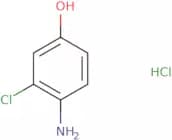
CAS:<p>4-Amino-2-chlorophenol is an aminophenol that is used in the production of acetate, which is used in the manufacture of acetic acid. It is also used as a building block for organic synthesis. 4-Amino-2-chlorophenol reacts with acetyl chloride to form chloracetyl chloride, which can then be reacted with piperonyl butoxide to form 2-(4'-aminophenyl)-4,6-dichloropyridine. This reaction is catalyzed by hydrogen chloride and hydrogen bond formation with urea nitrogen. 4-Amino-2-chlorophenol has been shown to have long-term toxicity in animal studies and may be toxic when inhaled or ingested.</p>Formula:C6H6ClNOPurity:Min. 95%Color and Shape:PowderMolecular weight:143.57 g/molo-Fluorobenzyl alcohol
CAS:<p>O-Fluorobenzyl alcohol is a compound with the chemical formula of C6H5FO. It is a colorless liquid with a sweet odor and tastes like ether. This compound is soluble in water, ethanol, and acetone. O-Fluorobenzyl alcohol has been used as an analytical reagent for the determination of protonated molecules such as phenols or carbohydrates. It also has cytotoxic properties, which have been shown to be effective against cancer cells. O-Fluorobenzyl alcohol acts as a γ-secretase inhibitor by binding to the catalytic site of the enzyme, preventing proteolytic cleavage of amyloid precursor protein (APP) and subsequent production of amyloid β peptide (Aβ).</p>Formula:C7H7FOPurity:Min. 95%Color and Shape:Clear LiquidMolecular weight:126.13 g/mol3-Amino-1-adamantanol
CAS:<p>Intermediate in the synthesis of vildagliptin</p>Purity:Min. 95%Color and Shape:PowderMolecular weight:167.25 g/molMonoethanolamine
CAS:<p>Monoethanolamine is an organic compound that is the simplest type of amine. It is a colorless liquid with a mild, neutral odor. Monoethanolamine has been shown to be an effective antimicrobial agent, inhibiting bacterial growth by reacting with water vapor and nitrogen atoms in the environment. Monoethanolamine has also been shown to inhibit the production of nitric oxide and other reactive nitrogen species, which may account for its antimicrobial properties. The inhibition of nitric oxide synthesis may also account for monoethanolamine's ability to improve locomotor activity in mice. This chemical can be used as a reagent in analytical methods such as gas chromatography and solid phase microextraction.</p>Formula:C2H7NOPurity:Min. 95%Color and Shape:Colorless Clear LiquidMolecular weight:61.08 g/mol4-Benzyloxy-2-chlorobenzyl alcohol
CAS:<p>4-Benzyloxy-2-chlorobenzyl alcohol is an intermediate in the synthesis of a number of complex compounds. It has been found to be useful as a reagent and as a building block in the synthesis of fine chemicals and speciality chemicals. This chemical has also been used as a reaction component in the synthesis of versatile building blocks. CAS No. 219764-60-0, this compound is often used by researchers for its versatility and ability to act as a scaffold.</p>Formula:C14H13ClO2Purity:Min. 95%Color and Shape:PowderMolecular weight:248.7 g/mol3,5-Dimethylbenzyl alcohol
CAS:<p>3,5-Dimethylbenzyl alcohol (3,5-DMB) is an organic solvent that is used as a degreaser and wetting agent for metals. It has been shown to have anticancer properties in vitro, but not in vivo. 3,5-DMB binds to the active site of the enzyme dehydrogenase and prevents it from binding with substrates. This inhibition leads to a decrease in the activity of this enzyme and a decrease in the production of reactive oxygen species. 3,5-DMB has also been shown to be effective against cancer cells both in vitro and in vivo. In addition, 3,5-DMB has been shown to bind tightly to ferula (a dye used for staining), xylene (a hydrocarbon), and hexane (an organic solvent).</p>Formula:C9H12OPurity:Min. 95%Molecular weight:136.19 g/molOspemifene
CAS:Controlled Product<p>2-[4-[(1Z)-4-Chloro-1,2-diphenyl-1-buten-1-yl]phenoxy]ethanol is a selective estrogen receptor modulator that has been shown to inhibit the growth of breast cancer cells in mice. It binds to the estrogen receptor (ER) and inhibits its transcriptional activity by competing with estradiol for binding. 2-[4-[(1Z)-4-Chloro-1,2-diphenyl-1-buten-1-yl]phenoxy]ethanol can be used as a postmenopausal hormonal therapy in women who are at an increased risk for breast cancer. This drug has been shown to have genotoxic activity and may cause dyspareunia and carcinogenic potential.</p>Formula:C24H23ClO2Purity:Min. 95%Color and Shape:PowderMolecular weight:378.89 g/mol4-Pregnen-20β-ol-3-one
CAS:Controlled Product<p>4-Pregnen-20beta-ol-3-one is a synthetic progestin that has been shown to have both contraceptive and noncontraceptive activities. It is used primarily to treat female infertility, endometriosis, and amenorrhea. The drug also has a number of other effects on the body, including anti-inflammatory and anti-angiogenic properties. 4-Pregnen-20beta-ol-3-one binds to the human liver receptor, which is responsible for its metabolism. The drug also has some activity in the endometrium of pregnant women and in the ovary cells of postmenopausal women. It increases epidermal growth factor production in skin cells and may be involved in lipid metabolism. 4-Pregnen-20beta-ol-3-one also stimulates lactogenic hormone production in women.</p>Formula:C21H32O2Purity:Min. 95%Color and Shape:PowderMolecular weight:316.48 g/mol2-(2,5-Dichlorophenyl)ethanol
CAS:<p>2-(2,5-Dichlorophenyl)ethanol (2,5-DCPE) is an organic chemical that is used as a building block for the synthesis of fine chemicals and pharmaceuticals. 2,5-DCPE can be used as a reactant in synthesizing more complex compounds. It reacts with many different functional groups to form covalent bonds. The compound has been shown to have high quality and has been characterized by nuclear magnetic resonance spectroscopy and mass spectroscopy.</p>Formula:C8H8Cl2OPurity:Min. 95%Color and Shape:PowderMolecular weight:191.05 g/mol1,10-Decanediol
CAS:<p>1,10-Decanediol is an organic compound that belongs to the group of glycols. It has a melting point of 117°C and a boiling point of 285°C. 1,10-Decanediol is an asymmetric molecule with two different stereoisomers: cis-1,10-decanediol and trans-1,10-decanediol. The melting point for cis-1,10-decanediol is higher than that for trans-1,10-decanediol. This indicates that the cis form is more stable at room temperature than the trans form. 1,10-Decanediol can be used in the synthesis of fatty acids and dna duplexes. It has also been shown to inhibit the replication of HIV by binding to its reverse transcriptase enzyme and preventing it from functioning properly.</p>Formula:C10H22O2Purity:Min. 98 Area-%Color and Shape:White PowderMolecular weight:174.28 g/mol1-Methyl-3-pyrrolidinol
CAS:<p>1-Methyl-3-pyrrolidinol is a synthetic, organic compound that is soluble in organic solvents. It has been shown to have potent inducers of systemic effect and receptor binding. The structural formula for 1-methyl-3-pyrrolidinol is CHNO. It has been shown to have anticholinergic properties, which may be due to its ability to bind to nicotinic acetylcholine receptors.</p>Formula:C5H11NOPurity:Min. 97 Area-%Color and Shape:Colorless Clear LiquidMolecular weight:101.15 g/molEthyl 2-hydroxy-5,6,7,8-tetrahydroquinoline-3-carboxylate
CAS:<p>Ethyl 2-hydroxy-5,6,7,8-tetrahydroquinoline-3-carboxylate is a fine chemical that is used as a building block in the manufacture of other compounds. It is also used as a reagent and speciality chemical. Ethyl 2-hydroxy-5,6,7,8-tetrahydroquinoline-3-carboxylate is an intermediate that can be used to produce other compounds. It can be used as a reaction component or useful scaffold for complex molecules.</p>Formula:C12H15NO3Purity:Min. 95%Color and Shape:PowderMolecular weight:221.25 g/mol4-Bromo-α-methylbenzyl alcohol
CAS:<p>4-Bromo-alpha-methylbenzyl alcohol is a reactive compound, which can be synthesized in two different forms. The first form is an isomer with the bromine atom on the alpha position and the second form has the bromine atom on the beta position. 4-Bromo-alpha-methylbenzyl alcohol reacts with hydrogen peroxide in order to produce borohydride reduction products. It has also been shown to inhibit protein synthesis by binding to DNA and RNA molecules, such as primary alcohols and benzyl groups. 4-Bromo-alpha-methylbenzyl alcohol may have potential therapeutic uses in cancer treatment due its ability to inhibit cell growth in prostate cancer cells (Mcf7) and breast cancer cells (MCF7).</p>Formula:C8H9BrOPurity:Min. 95%Color and Shape:White Clear LiquidMolecular weight:201.06 g/mol4-Pregnen-17α,20α,21-triol-3-one
CAS:Controlled Product<p>4-Pregnen-17alpha,20alpha,21-triol-3-one (4PT) is a versatile building block that can be used in the synthesis of complex compounds. It has been used as a reagent and speciality chemical in research chemicals and as an intermediate for pharmaceuticals and other organic syntheses. 4PT also has been shown to have high quality with a reaction component and scaffold for organic synthesis.</p>Formula:C21H32O4Purity:Min. 95%Color and Shape:PowderMolecular weight:348.48 g/mol1,2,4-Thiadiazolidine-3,5-dithione barium
CAS:<p>1,2,4-Thiadiazolidine-3,5-dithione barium is a chemical building block that can be used in the synthesis of other compounds. It has been used as a reagent for research and as a speciality chemical. 1,2,4-Thiadiazolidine-3,5-dithione barium is soluble in organic solvents and is stable against heat. It can be used as an intermediate for complex compounds or as a scaffold for organic synthesis. CAS No. 82585-24-8</p>Formula:C2H2S3N2•BaPurity:Min. 95%Color and Shape:PowderMolecular weight:287.57 g/mol2,6-Dimethoxy-4-methylbenzyl alcohol
CAS:<p>2,6-Dimethoxy-4-methylbenzyl alcohol is a high quality, versatile building block that is used as a reagent. The chemical has been shown to be a useful intermediate in the production of fine chemicals and speciality chemicals. 2,6-Dimethoxy-4-methylbenzyl alcohol can be used as a reaction component in the production of research chemicals and versatile building blocks. This compound can be found on CAS registry number 875664-51-0.</p>Formula:C10H14O3Purity:Min. 95%Color and Shape:PowderMolecular weight:182.22 g/mol4-Chloro-3-iodophenol
CAS:<p>4-Chloro-3-iodophenol is a reactive chemical substance that can be used as a reagent in the synthesis of diagnostic agents, sunscreens and disinfectants. The reaction rate is increased by the presence of chlorine and other halogens such as iodine or bromine. 4-Chloro-3-iodophenol reacts with triclosan to form chlorinated trihalomethanes, which are more efficient disinfectants than their nonchlorinated counterparts. However, 4-chloro-3-iodophenol can also react with the oxidant hydrogen peroxide to form an unstable intermediate compound that degrades into toxic products like hypochlorous acid and chloramines. This instability makes this substance unsuitable for use in certain applications such as water purification.</p>Formula:C6H4ClIOPurity:Min. 98 Area-%Color and Shape:PowderMolecular weight:254.45 g/mol(1R)-Endo-(+)-fenchyl alcohol
CAS:<p>(1R)-Endo-(+)-fenchyl alcohol is a chemotype of terpenes. Terpenes are hydrocarbons that are the major constituent of many essential oils and resins. The most well-known terpene is limonene, which is found in the rinds of citrus fruits. Terpenes are important for their flavors and aromas. They also have a variety of industrial uses, such as in fragrances and flavorings, paints, varnishes, and coatings. This particular chemotype has an equilibration time of 1-2 minutes at room temperature and can be prepared by evaporation or headspace techniques. (1R)-Endo-(+)-fenchyl alcohol has been detected in the aroma of grapefruit peel oil with a sensitivity of 0.5 ng/l air sample. It can be quantified using gas chromatography with flame ionization detection at 0.1 μg/l air sample or</p>Formula:C10H18OPurity:Min. 97%Color and Shape:White PowderMolecular weight:154.25 g/mol2-(2-(2-Aminoethylamino)ethylamino)ethanol trihydrochloride
CAS:<p>2-(2-(2-Aminoethylamino)ethylamino)ethanol trihydrochloride is a chemical compound that is used as a reaction component and as a reagent in the synthesis of other chemicals. 2-(2-(2-Aminoethylamino)ethylamino)ethanol trihydrochloride is an intermediate for many organic compounds, including pharmaceuticals and pesticides. It has also been used to synthesize drugs for treating bacterial infections. 2-(2-(2-Aminoethylamino)ethylamino)ethanol trihydrochloride can be used in research or as a specialty chemical.</p>Formula:C6H17N3O·3HClPurity:Min. 95%Color and Shape:PowderMolecular weight:256.6 g/mol(3R,8S)-Falcarindiol
CAS:<p>(3R,8S)-Falcarindiol is a glycol ether that is found in the bark of the Dichapetalum cymosum tree. It has been shown to have potent anti-infective properties and can be used as an adjuvant treatment for infectious diseases. (3R,8S)-Falcarindiol has been shown to exhibit significant cytotoxicity against HL-60 cells and dextran sulfate, which may be due to its ability to inhibit energy metabolism by blocking enzymes such as succinic dehydrogenase. The anti-inflammatory effects of (3R,8S)-falcarindiol are due to its inhibition of prostaglandin synthesis and production of nitric oxide. This compound also inhibits apoptosis in Hl-60 cells by acting as a substrate for abcg2, one of the proteins involved in apoptosis pathways. Analysis of this compound is done using preparative high performance liquid chromatography.</p>Formula:C17H24O2Purity:Min. 98 Area-%Color and Shape:Clear LiquidMolecular weight:260.37 g/mol(1S,4R)-cis-4-Acetoxy-2-cyclopenten-1-ol
CAS:<p>Chiral building block for synthesis of functionalised nucleosides</p>Formula:C7H10O3Purity:Min. 98 Area-%Color and Shape:White PowderMolecular weight:142.15 g/mol21-(Acetyloxy) triamcinolone acetonide
CAS:<p>21-(Acetyloxy) triamcinolone acetonide is a fine chemical that can be used as a versatile building block for the synthesis of complex compounds. It is also an intermediate in the synthesis of pharmaceuticals, research chemicals, and other specialty chemicals. 21-(Acetyloxy) triamcinolone acetonide has been shown to have high quality, making it useful as a reagent in organic synthesis.</p>Formula:C26H33FO7Purity:Min. 95%Color and Shape:White PowderMolecular weight:476.53 g/mol4-[2-(4-Aminophenyl)ethyl]phenol
CAS:<p>4-[2-(4-Aminophenyl)ethyl]phenol belongs to the class of organogelators. It is an organic compound that has been used in various studies on supramolecular chemistry and catalytic rate research. 4-[2-(4-Aminophenyl)ethyl]phenol has been shown to form gels with a variety of solvents, including water, ethanol, and acetone. The compounds have also been studied for their ability to act as heterogeneously catalysts in the synthesis of polymers. These compounds are polymorphs, meaning they can exist in different crystal structures. Structural studies have revealed that these polymorphs display different architectures and reactivities.</p>Formula:C14H15NOPurity:Min. 95%Color and Shape:PowderMolecular weight:213.28 g/molResorcinol-o,o'-diacetic acid
CAS:<p>Resorcinol-o,o'-diacetic acid is a copolymer that is used in the production of polyurethane, glyceride, or heptane. It has been shown to have a brittleness of less than 1% and can be used for the production of polyester. Resorcinol-o,o'-diacetic acid is also used as an intermediate in the synthesis of terephthalic acid and chromatographic detection method. Resorcinol-o,o'-diacetic acid is hydrophilic and can be used for packaging food and packaging materials.</p>Formula:C10H10O6Purity:Min. 95%Color and Shape:White PowderMolecular weight:226.18 g/molMethylandrostanediol
CAS:Controlled Product<p>Methylandrostenediol is a naturally occurring hormone that has been shown to have proteolytic, antigenic, and polymorphic properties. It is found in urine samples, and can be used as a supplement for the treatment of viruses or cancer. Methylandrostenediol also inhibits the growth of certain types of cancer cells by binding to specific receptors on their surfaces. It also binds to hydroxyl groups in proteins, which may inhibit the growth of bacteria.<br>Methylandrostanediol has been shown to be an inhibitory compound against various types of cancer cells through various assays and sequences that have been performed on these cells.</p>Formula:C20H34O2Purity:Min. 95%Color and Shape:White Off-White PowderMolecular weight:306.48 g/molTretoquinol
CAS:Controlled Product<p>Tretoquinol is a bronchodilator, which is synthesized from specific chemical reactions involving quinoline derivatives. It functions primarily as a beta-adrenergic agonist, stimulating beta-2 adrenergic receptors. This activation leads to the relaxation of bronchial smooth muscle, resulting in widened air passages and improved airflow. Tretoquinol's mechanism of action involves enhancing cyclic adenosine monophosphate (cAMP) levels, which then promotes the relaxation of the bronchial and vascular musculature.</p>Formula:C19H23NO5Purity:Min. 95%Molecular weight:345.39 g/mol3-Hydroxy-2-methylbenzyl alcohol
CAS:<p>3-Hydroxy-2-methylbenzyl alcohol is a solvent with a high molecular weight. It is insoluble in water and has good solvency power for organic solvents. 3-Hydroxy-2-methylbenzyl alcohol has anisotropy, which means it can rotate the plane of polarization of light passing through it. 3-Hydroxy-2-methylbenzyl alcohol is used as a reagent to measure the degree of birefringence, which is the property of crystalline materials that causes light passing through them to split into two rays with different polarizations. This property can be used to identify the type and size of chains in crystals. 3HMBAA has been shown to be soluble in organic solvents, but not in water or other nonpolar solvents. The theory behind this is that molecules are generally more soluble in liquids similar to themselves than they are in liquids that are dissimilar from themselves. Hel</p>Formula:C8H10O2Purity:Min. 95%Color and Shape:Off-White PowderMolecular weight:138.16 g/mol5-Fluoro-2-methoxyphenol
CAS:<p>5-Fluoro-2-methoxyphenol is a heterodimeric natural product that consists of anisoles and acetanilides. It has been shown to induce liver microsomes in rats, as well as hypervalent organometallic complexes with methoxy groups. 5-Fluoro-2-methoxyphenol also exhibits vinylic shift and product synthesis abilities. This compound is useful for the synthesis of acetanilides and other compounds with a methoxy group. Reagents such as phenyllithium, butyllithium, and lithium diisopropylamide are used in this synthesis.</p>Formula:C7H7FO2Purity:Min. 95%Color and Shape:Clear LiquidMolecular weight:142.13 g/mol2-Methylphenethyl alcohol
CAS:<p>2-Methylphenethyl alcohol (2MPE) is an organic acid that is found in plants. It has been shown to have anti-inflammatory and anti-cancer properties. 2MPE inhibits the production of prostaglandins, which are a type of hormone that causes inflammation and pain. When 2MPE is combined with ferrocene, it forms a complex that can be used as a gas sensor. This complex absorbs light at certain wavelengths, which can then be detected by lasers to indicate the presence of various gases. The use of 2MPE as an organic solvent for coating plates has also been investigated. The process involves adding 2MPE to an organic solution, followed by the addition of ferrocene and argon gas. This process creates a thin film on the plate's surface that can be used for kinetic data collection.</p>Formula:C9H12OPurity:Min. 95%Color and Shape:Clear LiquidMolecular weight:136.19 g/molMonolaurin
CAS:<p>Monolaurin is a natural compound that has been shown to be effective against aurease, sephadex g-100, monolaurin, and monocytogenes. It is also an antimicrobial and can be used in the prevention of bacterial growth. Monolaurin has antibacterial efficacy against Gram-positive bacteria such as methicillin-resistant Staphylococcus aureus (MRSA) and Streptococcus pyogenes, which are difficult to treat with antibiotics. This agent is also active against Gram-negative bacteria such as Escherichia coli, Neisseria meningitides, and Pseudomonas aeruginosa. The anti-bacterial activity of monolaurin is due to its ability to disrupt the cell membrane by binding to the fatty acids on the surface of bacterial cells. This agent may have drug interactions with other drugs that are metabolized through cytochrome P450 enzymes or glucuronid</p>Formula:C15H30O4Purity:Min. 95%Color and Shape:PowderMolecular weight:274.4 g/mol5-Methylpyrimidin-2-ol
CAS:<p>5-Methylpyrimidin-2-ol is a photophysical, hydroxy group, and hydroxyl group. It has been shown to have an inhibitory effect on DNA methylation by glycosidic bond with the sugar moiety of the nucleotide. 5-Methylpyrimidin-2-ol reacts with the base moiety of the nucleotide to form an analog that inhibits RNA synthesis and is competitive against pyrimidine nucleosides. 5-Methylpyrimidin-2-ol also has a hydrogen bonding property that can react with other molecules such as proteins or sugars to form hydrogen bonds. This reaction rate is increased by fluorescence resonance energy transfer (FRET).</p>Formula:C5H6N2OPurity:Min. 95%Color and Shape:PowderMolecular weight:110.11 g/mol5-Hydroxy-2-methyl-2-adamantanol
CAS:<p>5-Hydroxy-2-methyl-2-adamantanol is a fine chemical that is used as a building block in research and development of various products. It can be used to make other substances, such as pharmaceuticals and cosmetics. 5-Hydroxy-2-methyl-2-adamantanol is also a versatile intermediate in the synthesis of complex molecules, such as peptides and polymers. This product is soluble in water and has a high quality standard. It is also an excellent reagent for many reactions, such as condensation, esterification, nitration, oxidation, reduction, and decarboxylation.</p>Formula:C11H18O2Purity:Min. 95%Molecular weight:182.26 g/mol4-Fluoro-2-(trifluoromethyl)phenol
CAS:<p>4-Fluoro-2-(trifluoromethyl)phenol is a reactive compound that can be used for the synthesis of a variety of functionalized molecules. It is prepared by a cross-coupling reaction with an organometallic reagent and a chloride such as methylene chloride or chloroform. The 4-fluoro group on the phenol provides the desired electrophilic character to react with electron rich nucleophiles, such as an allylbenzene or styrene. The product of this reaction is an alkylating agent that has been shown to have signalling properties, operational capabilities, and fabricating benefits.</p>Formula:C7H4F4OPurity:Min. 95%Color and Shape:PowderMolecular weight:180.1 g/mol1,2-Dioleoyl-sn-glycero-3-phosphatidylethanolamino (+)-biotin
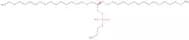
CAS:<p>This is a speciality chemical and is not intended for use in food, drug, or cosmetic applications. This fine chemical is a useful building block, which can be used to synthesize complex compounds. It has been shown to have high reactivity with a variety of reagents, making it an excellent research component.</p>Formula:C51H92N3O10PSPurity:Min. 95%Color and Shape:PowderMolecular weight:970.33 g/mol1,2-Bis-(4-methoxyphenylcyclohexan-1,2-diol)
CAS:<p>1,2-Bis-(4-methoxyphenylcyclohexan-1,2-diol) is a high quality reagent that is an important intermediate for the synthesis of complex compounds. It is also a useful building block in the synthesis of fine chemicals and speciality chemicals. This compound can be used as a versatile building block in the synthesis of various organic compounds. 1,2-Bis-(4-methoxyphenylcyclohexan-1,2-diol) is also a reaction component that can be used to synthesize pharmaceuticals and other research chemicals.</p>Formula:C20H24O4Purity:Min. 95%Molecular weight:328.4 g/mol3,5-Dichlorobenzyl alcohol
CAS:<p>3,5-Dichlorobenzyl alcohol is an organic compound that is classified as a xylene. It is used in the synthesis of chitin synthase and has shown potential for use as an anti-fungal agent. 3,5-Dichlorobenzyl alcohol is synthesized by refluxing zinc chloride in benzene with dehydrogenase. The product can be isolated by adding solid phase synthesis to the reaction mixture followed by solvent removal. 3,5-Dichlorobenzyl alcohol has been shown to be toxicologically safe in rat studies and shows enzyme specificity for chitin synthase.</p>Formula:C7H6Cl2OPurity:Min. 95%Color and Shape:PowderMolecular weight:177.03 g/mol2,4-Dihydroxy-6-methoxyquinoline
CAS:<p>2,4-Dihydroxy-6-methoxyquinoline is a compound that exhibits antifungal properties. It has been shown to have activity against Aspergillus flavus, Aspergillus fumigatus, Candida albicans and other fungi. 2,4-Dihydroxy-6-methoxyquinoline also inhibits the growth of E. coli and A. aureus in vitro. Elemental analysis showed that this compound possesses antibacterial properties and can inhibit the growth of Staphylococcus aureus.</p>Formula:C10H9NO3Purity:Min. 95%Color and Shape:PowderMolecular weight:191.18 g/mol5-(2,2,3-Trimethyl-3-cyclopentenyl)-3-methyl-pentan-2-ol
CAS:<p>5-(2,2,3-Trimethyl-3-cyclopentenyl)-3-methyl-pentan-2-ol (5MMPP) is a natural product that has been identified as an inhibitor of human immunodeficiency virus (HIV) replication. 5MMPP inhibits the formation of farnesyl diphosphate (FPP), which is essential for the production of protein kinase C and other cellular processes. This compound also blocks the HIV co-receptor CCR5, reducing the ability of HIV to latch onto cells. 5MMPP also has shown chemotactic activity against leukemia cells and skin cells in vitro, which may be due to its ability to stimulate growth factor release.</p>Formula:C14H26OPurity:Min. 95%Color and Shape:Colorless PowderMolecular weight:210.36 g/mol24-Methylenecycloartan-3-ol
CAS:<p>24-Methylenecycloartan-3-ol is an enzyme form of a fatty acid that is found in the leaves and bark of Eucalyptus. It has been shown to inhibit cholesterol esterase, which is an enzyme involved in the production of cholesterol. This compound also inhibits acetylcholinesterase, an enzyme that regulates the activity of acetylcholine at the neuromuscular junction. 24-Methylenecycloartan-3-ol is toxic to rats when administered orally at doses of 1 g/kg or greater. The LD50 for this compound when administered intravenously to rats was found to be 7 mg/kg.</p>Formula:C31H52OPurity:Min. 90 Area-%Color and Shape:PowderMolecular weight:440.74 g/mol2,2,3,3-Tetrafluoro-1-propanol
CAS:<p>2,2,3,3-Tetrafluoro-1-propanol is a solvent that has been used in the manufacture of polymers. It can be distilled from sodium trifluoroacetate at high pressure and temperature to give a constant boiling point. 2,2,3,3-Tetrafluoro-1-propanol is transported by gas or liquid diffusion. The kinetic energy of the molecules increases with increasing temperature and pressure; however, it does not have an appreciable chemical reaction with oxygen or ozone. This chemical has been used as a photoinitiator to polymerize cationic monomers such as trifluoroacetic acid and acrylamide. 2,2,3,3-Tetrafluoro-1-propanol has also been shown to react with water vapor to form hydrogen fluoride and hydrofluoric acid.</p>Formula:C3H4F4OPurity:Min. 98 Area-%Color and Shape:Clear LiquidMolecular weight:132.06 g/mol1-Benzyl-2,3-O-isopropylidene glycerol
CAS:<p>1-Benzyl-2,3-O-isopropylidene glycerol is a chemical compound that is classified as an atypical inhibitor of protein tyrosine phosphatases. This means that it inhibits the enzyme phosphatase, which is involved in the activation of many other enzymes. It has been shown to have potential as a drug for treating Alzheimer's disease and cancer. 1-Benzyl-2,3-O-isopropylidene glycerol interacts with protein tyrosine phosphatase 1B (PTP1B) and activates this enzyme, leading to inhibition of cell growth and apoptosis. 1B has been shown to be overactive in some cancer cells and may play a role in the development of cancers such as breast cancer.</p>Formula:C13H18O3Purity:Min. 95 Area-%Color and Shape:Clear LiquidMolecular weight:222.28 g/mol(S)-Morpholin-3-ylmethanol
CAS:<p>(S)-Morpholin-3-ylmethanol is a chiral catalyst that is used in the enantioselective synthesis of alcohols. The chemical structure of the compound includes two phenyl substituents, which provide significant enhancement of the reaction. It also has catalytic properties and can be used as a ligand to catalysts. This compound is most commonly used to catalyze the oxidation of aldehydes to produce alcohols with high enantiomeric purity. (S)-Morpholin-3-ylmethanol is an effective catalyst for this reaction because it shows significant transition metal enhancement and can be used in both acidic and basic conditions.</p>Formula:C5H11NO2Purity:Min. 95%Color and Shape:PowderMolecular weight:117.15 g/mol2-(3-Methylphenyl)ethanol
CAS:<p>2-(3-Methylphenyl)ethanol is a benzene derivative that has been shown to be toxic at high doses. It is used as a solvent in dermatology and as an intermediate in the production of other chemicals. 2-(3-Methylphenyl)ethanol has been shown to have dermatologic effects such as erythema, scaling, and dryness. This compound also has a low degree of acute toxicity from ingestion or inhalation and is safe for use. The chemical structure consists of a benzene ring with two methyl groups on it, making it a primary alcohol.<br>2-(3-Methylphenyl)ethanol belongs to the class of alcohols. Alcohols are organic compounds containing one hydroxyl group attached to an alkyl or substituted alkyl radical. Alcohols can be classified according to their structure into primary, secondary, and tertiary alcohols, depending on how many carbon atoms are attached to the hydroxyl group</p>Formula:C9H12OPurity:Min. 95%Color and Shape:Clear LiquidMolecular weight:136.19 g/mol2-(2-Chlorophenoxy)ethanol
CAS:<p>2-(2-Chlorophenoxy)ethanol is a versatile building block that can be used as a chemical reagent, speciality chemical, or useful intermediate. It is a high quality chemical with many uses in research and industrial chemistry. 2-(2-Chlorophenoxy)ethanol has been shown to be an efficient building block for the synthesis of complex compounds and has also been used as a reaction component in the synthesis of many other chemical compounds. This compound has been shown to have many applications and is worth consideration for any number of research or industrial endeavors.</p>Formula:C8H9ClO2Purity:Min. 95%Color and Shape:Clear LiquidMolecular weight:172.61 g/mol4-(2-Hydroxyethylamino)-3-nitrophenol
CAS:<p>4-(2-Hydroxyethylamino)-3-nitrophenol is a nitrophenol that can cause toxicity in humans. It has been investigated for its potential use as a treatment for erectile dysfunction. The compound was found to have a long half-life of over 24 hours, which may be due to its slow metabolism by esterases and glucuronidases. 4-(2-Hydroxyethylamino)-3-nitrophenol has been shown to be an allergen and is toxic to the skin, lungs, and muscles. This chemical can cause cancer when it is irradiated or mixed with other chemicals such as 4-amino-2-nitrophenol (ANP).</p>Formula:C8H10N2O4Purity:Min. 95%Color and Shape:PowderMolecular weight:198.18 g/mol2-Cyclopropyl-4-(4-fluorophenyl)-quinolyl-3-methanol
CAS:<p>2-Cyclopropyl-4-(4-fluorophenyl)-quinolyl-3-methanol is a crystalline compound that has been obtained by reacting 3-methoxyquinoline with cyclopropyl bromide. It has the dihedral angle of about 120 degrees and is stabilized by hydrogen bonds. The compound crystallizes in an asymmetric unit cell with two molecules in the asymmetric unit and space group P2/n. The target compound can be obtained in high yield, and it is soluble in organic solvents such as benzene and triphenylphosphine. 2-Cyclopropyl-4-(4-fluorophenyl)-quinolyl-3-methanol can be used to suppress wastewater containing halogenated aromatic compounds, such as quinoline.</p>Formula:C19H16FNOPurity:Min. 95%Molecular weight:293.33 g/molBromophenol Red Free acid
CAS:<p>Bromophenol Red Free Acid is a synthetic substrate used in microbial infection and wastewater treatment. It has a pH of 2.0-3.0, which is acidic enough to disrupt the integrity of cellular membranes and cause cell lysis. Bromophenol Red Free Acid can be used as a lysing agent for human serum or cells in culture. This product is not soluble in water, so it must be dissolved in an organic solvent before it can be used. Bromophenol Red Free Acid reacts with hydrochloric acid to produce chemiluminescence that can be measured by luminometry, which is a quantitative technique for measuring light emission from chemical reactions. The hydroxyl group on the molecule reacts with the bromophenol group to form a bromohydrin intermediate, which reacts with hydrogen peroxide to produce chemiluminescence.</p>Formula:C19H12Br2O5SPurity:Min. 95%Molecular weight:512.17 g/mol(R)-(-)-3-Quinuclidinol
CAS:Controlled Product<p>Synthon for preparation of cholinergic receptor ligands; hypotensive</p>Formula:C7H13NOPurity:Min. 95%Color and Shape:White PowderMolecular weight:127.18 g/molAllopurinol - EP grade
CAS:<p>Inhibitor of xanthine oxidase and urate synthesis</p>Formula:C5H4N4OPurity:Min. 95%Color and Shape:PowderMolecular weight:136.11 g/mol1-((6,7-dimethoxy(3,4-dihydroisoquinolyl))methoxy)-2,4-dichlorobenzene
CAS:<p>Please enquire for more information about 1-((6,7-dimethoxy(3,4-dihydroisoquinolyl))methoxy)-2,4-dichlorobenzene including the price, delivery time and more detailed product information at the technical inquiry form on this page</p>Purity:Min. 95%3,4-Dihydroxy-2-nitrobenzyl alcohol
CAS:<p>3,4-Dihydroxy-2-nitrobenzyl alcohol is a fine chemical that is useful as a scaffold and building block for organic synthesis. It is also an intermediate in the preparation of other chemicals such as reaction components. 3,4-Dihydroxy-2-nitrobenzyl alcohol has CAS No. 1017060-58-0 and belongs to the speciality chemical category. This compound can be used as a reagent or research chemical in biochemical assays and other applications. 3,4-Dihydroxy-2-nitrobenzyl alcohol is soluble in methanol, ethanol, acetone, dichloromethane, ethyl acetate, and chloroform. It is insoluble in water and ether. It is stable at pH values between 2 and 10 but decomposes when heated to 80°C or above.</p>Formula:C7H7NO5Purity:Min. 95%Molecular weight:185.13 g/mol3-(4'-Bromo[1,1'-biphenyl]-4-yl)-1,2,3,4-tetrahydro-1-naphthalenol
CAS:<p>3-(4'-Bromo[1,1'-biphenyl]-4-yl)-1,2,3,4-tetrahydro-1-naphthalenol is a chemical compound that belongs to the group of bromonaphthalenes. It has been used as a reaction component in organic synthesis and as a reagent for detection of DNA binding. 3-(4'-Bromo[1,1'-biphenyl]-4-yl)-1,2,3,4-tetrahydro-1-naphthalenol can be used as a building block for complex compounds with speciality applications. The compound is an intermediate in the production of pharmaceuticals such as selective estrogen receptor modulators.</p>Formula:C22H19BrOPurity:Min. 95%Color and Shape:PowderMolecular weight:379.29 g/mol2-(1-Adamantyl)-4-bromophenol
CAS:<p>2-(1-Adamantyl)-4-bromophenol is a synthetic polymer that is used in the production of film. It has been used to produce chromatographic films, which are used for the separation and purification of organic compounds. 2-(1-Adamantyl)-4-bromophenol is also used to manufacture ion-exchange resins, which are used for the separation and purification of ions in water.<br>2-(1-Adamantyl)-4-bromophenol has been shown to be carcinogenic when administered orally to rats, causing human colon carcinoma. It also causes pleural mesothelioma when administered intrapleurally in rats. This chemical has been shown to have anti-inflammatory properties due to its ability to inhibit prostaglandin synthesis.</p>Formula:C16H19BrOPurity:Min. 95%Color and Shape:PowderMolecular weight:307.23 g/mol5β-Pregnan-3α-ol-20-one
CAS:Controlled Product<p>5b-Pregnan-3a-ol-20-one is a natural product that belongs to the group of steroids. It has been shown to inhibit the polymerase chain reaction in animals. The drug also inhibits pain and has been shown to be effective in models of epilepsy. 5b-Pregnan-3a-ol-20-one binds to DNA, preventing transcription and replication. It also stabilizes the surface of cells, which may be important for its uptake by cells. This compound interacts with Tlr4, which may activate immune cells and lead to seizures. 5b-Pregnan-3a-ol-20-one is oxidized by cytochrome P450 enzymes, leading to the production of hydrogen peroxide and formation of a carbonyl group on the molecule.</p>Formula:C21H34O2Purity:Min. 95%Color and Shape:White PowderMolecular weight:318.49 g/mol3-Buten-3-ethyl-1-ol
CAS:<p>3-Buten-3-ethyl-1-ol is a versatile building block that can be used as a reagent for chemical synthesis. It is a complex compound that can be used as a reaction component or intermediate in organic synthesis. 3-Buten-3-ethyl-1-ol has been shown to have antiinflammatory properties, which may be due to the inhibition of prostaglandin synthesis.</p>Formula:C6H12OPurity:Min. 95%Color and Shape:Clear LiquidMolecular weight:100.16 g/mol4-Chloro-3-nitrobenzyl alcohol
CAS:<p>4-Chloro-3-nitrobenzyl alcohol is a synthetic chemical that reacts with hydrochloric acid to form 4-chloro-3-nitrobenzyl chloride and hydrogen. It can be used in the preparation of other chemicals, such as divinylbenzene and chloride. This compound is insoluble in water and soluble in organic solvents, such as acetone and ether. 4-Chloro-3-nitrobenzyl alcohol has two stereoisomers, one of which is more reactive than the other.</p>Formula:C7H6ClNO3Purity:Min. 95%Molecular weight:187.58 g/mol2,4-Dimethoxy-3-methylbenzyl alcohol
CAS:<p>2,4-Dimethoxy-3-methylbenzyl alcohol is a syntheses and deuterium analogue of orsellinic acid. It has been shown to inhibit bacterial growth in the presence of an oxygen atmosphere.</p>Formula:C10H14O3Purity:Min. 95%Molecular weight:182.22 g/mol3,5-Dimethoxybenzyl alcohol
CAS:<p>3,5-Dimethoxybenzyl alcohol is a synthetic compound that exhibits potent inhibitory activity against carcinoma cell lines. It prevents the growth of cancer cells by inhibiting the synthesis of RNA and DNA. The activation energy for this inhibitory activity is 40.6 kJ/mol, which was determined using analytical methods. 3,5-Dimethoxybenzyl alcohol inhibits the growth of cancer cells in vitro and in vivo at concentrations between 50 and 500 µM. Its inhibitory activities are reversible and competitive with respect to chloride ions at concentrations greater than 250 µM. 3,5-Dimethoxybenzyl alcohol has been shown to be an effective inhibitor of phosphatase enzymes in Chinese medicinal herbs such as Polygonum multiflorum Thunb., Phellodendron amurense Rupr., or Pyrus pyrifolia Nakai.</p>Formula:C9H12O3Purity:Min. 95%Color and Shape:Off-White PowderMolecular weight:168.19 g/mol2,6-Dimethoxy-4-methylphenol
CAS:<p>2,6-dimethoxy-4-methylphenol is a synthetic chemical with potential use as an insecticide. It is a cholinesterase inhibitor that inhibits the action of acetylcholinesterase, an enzyme that breaks down acetylcholine, which is a neurotransmitter important for cognitive function and muscle control. 2,6-dimethoxy-4-methylphenol has been shown to be toxic to insects in a sensitivity test and has also shown some toxicity to rats when administered orally at high doses. This chemical has been shown to inhibit the production of fatty acids in plants and can be used as a potential insecticide for human food crops.</p>Formula:C9H12O3Purity:Min. 97.0%Color and Shape:White Yellow PowderMolecular weight:168.19 g/mol1-Azidopropan-3-ol
CAS:<p>Azidopropan-3-ol is a reactive chemical that has functional groups such as hydroxyl, amino, and carboxylic acid. It can be used to synthesize polymers with azides. Azidopropan-3-ol is not toxic to cells in culture and does not affect the glycosidation process. Azidopropan-3-ol is also an excellent solvent for glycols, which are commonly used as solvents for organic synthesis. Azidopropan-3-ol can also be used as a transport agent in the lungs or kidneys because of its low viscosity and low surface tension. Azidopropan-3-ol has been shown to have anti-cancer properties by inducing apoptosis in cancer cells and inhibiting the growth of colorectal adenocarcinoma cells. This compound also has high solubility in water, which makes it suitable for use as a solvent for</p>Formula:C3H7N3OPurity:Min. 95%Color and Shape:Colorless Clear LiquidMolecular weight:101.11 g/mol3-Amino-phenazin-2-ol
CAS:<p>3-Amino-phenazin-2-ol is a pesticide that has been shown to have genotoxic effects on human lymphocytes in vitro. 3-Amino-phenazin-2-ol inhibits the growth of triticum aestivum, a type of cereal plant, by binding to the aminoacids in the cell wall and disrupting its structure. This leads to cell death and inhibits the synthesis of proteins necessary for cellular growth. The herbicide has also been shown to inhibit the growth of typhimurium at high concentrations and may be used as an herbicide or pesticide. The mechanism by which 3-amino phenazin 2-ol exerts its toxicity is not fully understood, but it may be due to its ability to activate cells that are exposed to low energy levels.</p>Formula:C12H9N3OPurity:Min. 95%Color and Shape:PowderMolecular weight:211.22 g/mol2-(3-Hydroxyphenoxy)ethanol
CAS:<p>2-(3-Hydroxyphenoxy)ethanol is a cavity acceptor molecule that can be used in analytical methods to determine the intramolecular hydrogen of phenylephrine. 2-(3-Hydroxyphenoxy)ethanol interacts with chloride and chemical interactions with organic solvents, polarizability, and solute. This molecule has a pyridinium descriptor, which is an electron donor for aromatic rings.</p>Formula:C8H10O3Purity:Min. 95%Color and Shape:PowderMolecular weight:154.16 g/mol3,4-Dimethoxyphenyl ethanol
CAS:<p>3,4-Dimethoxyphenyl ethanol is a product of the asymmetric synthesis of 3,4-dimethoxyphenylacetic acid. It has been shown to have high redox potentials and hydrochloric acid resistance. 3,4-Dimethoxyphenyl ethanol has been used in the delignification of cellulose fibers and has also been shown to have photophysical and photochemical properties. This compound binds with hydroxyl groups on proteins, which may be due to its ability to undergo acylation reactions. The binding of 3,4-dimethoxyphenyl ethanol with human liver microsomes was found to be rapid and reversible. Kinetic analysis showed that this binding can be explained by substrate binding or acylation reaction.</p>Formula:C10H14O3Purity:Min. 95%Color and Shape:White PowderMolecular weight:182.22 g/mol4-Cyanobenzyl alcohol
CAS:<p>4-Cyanobenzyl alcohol is a phosphane that reacts with amines to form imines. This reaction can be used as a tool for the identification of amines in protein samples. The reaction time for this reaction is about 3 hours and can only be done at room temperature. 4-Cyanobenzyl alcohol also has potent inhibition activity against cyclopentadienyl, which is an important intermediate of organic synthesis. The ruthenium complex catalyzes this reaction and it can be used as a homogeneous catalyst.</p>Formula:C8H7NOPurity:Min. 95%Color and Shape:PowderMolecular weight:133.15 g/mol16-Fluoroestradiol
CAS:Controlled Product<p>16-Fluoroestradiol is a fluorinated form of estradiol that binds to the estrogen receptor. It has been shown to have high affinity for the receptor and is found in tissues such as breast, uterus, and vagina. 16-Fluoroestradiol has been used in cancer research to study uptake and metabolism of estrogens. The drug is metabolized by hydroxylation via cytochrome P450 enzymes and through the action of nucleophilic enzymes such as carboxylesterases. 16-Fluoroestradiol has also been shown to bind to muscle tissue, which may be due to its ability to inhibit uptake of glucose into cells.</p>Formula:C18H23FO2Purity:Min. 95%Molecular weight:290.37 g/mol4-Fluororesorcinol
CAS:<p>4-Fluororesorcinol is a sulfonation agent that is used to synthesize sulfones and sulfonamides. It has been shown to have anticancer activity in vitro, but its use in vivo has been limited by its high toxicity. 4-Fluororesorcinol has also been shown to inhibit the functional groups of tyrosinase, an enzyme that helps produce melanin. The oxidation products of 4-fluororesorcinol are less toxic and more photostable than the parent compound. This compound inhibits the production of melanin by tyrosinase, which may lead to potential skin care applications.</p>Formula:C6H5FO2Purity:(%) Min. 98%Color and Shape:White PowderMolecular weight:128.1 g/molAMPD
CAS:<p>AMPD, also known as 2-Amino-2-methyl-1,3-propanediol, is a buffer solution with a pH range of 7.8-9.7 and a pKa of 8.8. This chemical buffer is used in molecular biology, protein studies, enzyme assays, and separation techniques such as isatachophoresis (ITP) and SDS-gradient gel electrophoresis.</p>Formula:C4H11NO2Purity:Min. 95%Color and Shape:PowderMolecular weight:105.14 g/mol1,2-Dioleoyl-3-trimethylammonium-propane, chloride
CAS:<p>1,2-Dioleoyl-3-trimethylammonium-propane, chloride (DOTAP) is a cationic lipid of the phospholipid class. DOTAP has been shown to stimulate the growth and differentiation of hematopoietic cells in vivo. DOTAP also enhances the metastatic potential of tumor cells by increasing their uptake and inhibiting apoptosis. It has been found to be active against skin cancer cells, which may be due to its ability to enhance antitumor response. DOTAP is used as a fluorescent probe for intracellular pH measurements in live cells and can be used as a carrier lipid for liposomal drug delivery systems. The major biological properties of DOTAP are its ability to form vesicles and its capacity for energy metabolism.</p>Formula:C42H80ClNO4Purity:(¹H-Nmr) Min. 95 Area-%Color and Shape:PowderMolecular weight:698.54 g/mol5-Bromo-5a-cholestane-3,6-diol 3-acetate
CAS:<p>Please enquire for more information about 5-Bromo-5a-cholestane-3,6-diol 3-acetate including the price, delivery time and more detailed product information at the technical inquiry form on this page</p>Formula:C29H49BrO3Purity:Min. 95%Molecular weight:525.6 g/mol(R)-1-[3,5-Bis(trifluoromethyl)phenyl]ethan-1-ol
CAS:<p>(R)-1-[3,5-Bis(trifluoromethyl)phenyl]ethan-1-ol is a triazolinone that has been shown to be an efficient contactor for the removal of organic pollutants from water. It is activated by potassium t-butoxide and immobilized on silicone gels. This compound is also active against a broad range of bacteria and fungi.</p>Formula:C10H8F6OPurity:Min. 98%Color and Shape:White PowderMolecular weight:258.16 g/mol(3β,22E)-29-Fluorostigmasta-5,22-dien-3-ol
CAS:Controlled Product<p>3β,22E)-29-Fluorostigmasta-5,22-dien-3-ol is a plant growth regulator that belongs to the group of fatty alcohols. It is found in the horticultural and tissue culture industries and is used as an additive in bioassays. 3β,22E)-29-Fluorostigmasta-5,22-dien-3-ol enhances the growth rate of nematodes and has been shown to be a potent inhibitor of benzoate degradation. This compound also has hormone effects that are similar to those of furostanols or steroids.</p>Formula:C29H47FOPurity:Min. 95%Molecular weight:430.68 g/mol7,7-Dimethyl-2,5-dioxo-1,2,5,6,7,8-hexahydroquinoline-3-carboxylic acid
CAS:<p>Please enquire for more information about 7,7-Dimethyl-2,5-dioxo-1,2,5,6,7,8-hexahydroquinoline-3-carboxylic acid including the price, delivery time and more detailed product information at the technical inquiry form on this page</p>Formula:C12H13NO4Purity:Min. 95%Color and Shape:PowderMolecular weight:235.24 g/mol4-Ethylphenol
CAS:<p>Produces a fluorogenic signal in the presence of peroxidase</p>Formula:C8H10OPurity:Min. 95%Color and Shape:PowderMolecular weight:122.16 g/mol2-Benzyl-1,2,3,4-tetrahydro-isoquinoline-3-carboxylic acid
CAS:<p>2-Benzyl-1,2,3,4-tetrahydroisoquinoline-3-carboxylic acid is a versatile building block that can be used in the synthesis of fine chemicals and pharmaceuticals. It is used as a precursor to other compounds such as 2-benzylisoquinoline and 2-(2'-benzyloxy)benzoic acid. It is also used as a reagent for various research purposes.</p>Formula:C17H17NO2Purity:Min. 95%Color and Shape:PowderMolecular weight:267.32 g/mol5-Methyl-1,3,4-oxadiazole-2-thiol
CAS:<p>5-Methyl-1,3,4-oxadiazole-2-thiol is an inhibitor of the reductoisomerase enzyme. It has been shown to inhibit the growth of Brassica species, leading to a herbicidal effect. This compound also has a biological activity that inhibits the biosynthesis of methionine and threonine in bacteria.</p>Formula:C3H4N2OSPurity:Min. 95 Area-%Color and Shape:PowderMolecular weight:116.14 g/mol3-Chloro-4-methylbenzyl alcohol - Technical grade
CAS:<p>3-Chloro-4-methylbenzyl alcohol is a building block chemical that is used in the synthesis of a variety of organic compounds. It is a versatile chemical that can be used as a reagent, reaction component, and intermediate. 3-Chloro-4-methylbenzyl alcohol has been found to be useful in the synthesis of complex compounds, such as 4-chloromethoxybenzoic acid and 3-(3,5-dimethoxyphenyl)acetic acid. This chemical can also be used to produce speciality chemicals, such as 3-(2-(2,4-dichlorophenoxy)ethyl)benzonitrile.</p>Formula:C8H9ClOPurity:Min. 95%Color and Shape:Colorless PowderMolecular weight:156.61 g/mol4-Bromomethyl-2(1H)-quinolinone
CAS:<p>4-Bromomethyl-2(1H)-Quinolinone is a chemical compound that is used in the calibration of an HPLC system. It has been shown to be linear over a wide range of concentrations. The detection wavelength is at 230 nm, and the flow rate is 1 mL/min. The average response for 4-bromomethyl-2(1H)-quinolinone was found to be approximately 0.7 AUFS with a standard deviation of 0.3 AUFS.</p>Formula:C10H8BrNOPurity:Min. 95%Molecular weight:238.08 g/mol5α-Pregnan-3β-ol-20-one 3β-acetate
CAS:Controlled Product<p>5α-Pregnan-3β-ol-20-one 3β-acetate is a synthetic steroid that is used to treat various neurological disorders, including dystonias, depression, and dyskinesias. It is an agonist of the GABA receptor and has been shown to have antidepressant effects in hamsters. 5α-Pregnan-3β-ol-20-one 3β-acetate has also been shown to have antiaggressive effects in mice and to decrease hormone levels in animals. The drug has been found to be safe for use in humans and does not affect fertility. 5α-Pregnan-3β-ol-20-one 3βacetate has been shown to be effective only when administered at high doses, which may be due to its poor oral bioavailability.</p>Formula:C23H36O3Purity:Min. 95%Color and Shape:White PowderMolecular weight:360.53 g/mol2,4-Bis(dodecylthiomethyl)-6-methylphenol
CAS:<p>2,4-Bis(dodecylthiomethyl)-6-methylphenol is a block copolymer that contains polystyrene and polyvinyl chloride in a 1:1 ratio. It is used as an additive for polymers to improve the stability of the polymer. 2,4-Bis(dodecylthiomethyl)-6-methylphenol has been shown to be synergistic with silicone, diethylene glycol, and ethylene glycol. This additive stabilizes the polymer by preventing it from breaking down into its component parts.</p>Formula:C33H60OS2Purity:Min. 95%Color and Shape:White Slightly Yellow PowderMolecular weight:536.96 g/mol3-Methylpiperidin-3-ol
CAS:<p>3-Methylpiperidin-3-ol is a chemical compound that has been found to be useful as a building block for the synthesis of various complex compounds. This product is used in research and as a reagent. 3-Methylpiperidin-3-ol is also known by the CAS number 473730-88-0.</p>Formula:C6H13NOPurity:Min. 95%Color and Shape:Yellow solid.Molecular weight:115.17 g/mol4-Bromoresorcinol
CAS:<p>4-Bromoresorcinol is a synthetic compound that belongs to the group of sulfonamides. It is used in the production of dyes, pharmaceuticals, and agricultural chemicals. 4-Bromoresorcinol is synthesized by sulfonation with trifluoroacetic acid followed by hydrolysis with hydrochloric acid. The polymerization kinetics of this compound have been studied using azobenzene as a model substrate. The reaction products are vignafuran and an organic solvent (e.g., methanol). In addition, 4-bromoresorcinol has potent antibacterial activity against bacteria such as Staphylococcus aureus and Mycobacterium tuberculosis. This drug has minimal inhibitory concentrations (MICs) less than 0.01 ppm for most strains of bacteria tested, including those resistant to penicillin G or erythromycin. The drug also inhibits hydroxylase enzymes</p>Formula:C6H5BrO2Purity:Min. 95%Color and Shape:White PowderMolecular weight:189.01 g/molrac-Falcarinol
CAS:<p>Rac-falcarinol is an organic compound that has the chemical formula CH(OH)CH(COOH)(CH). It is a colorless solid and is soluble in alcohol, acetone, and ether. Rac-falcarinol has been used as a versatile building block to make complex compounds with high purity. It has also been used as a reaction component for research chemicals. The compound can be used for making fine chemicals or speciality chemicals.</p>Formula:C17H24OPurity:Min. 94 Area-%Color and Shape:PowderMolecular weight:244.37 g/molMyrtenol
CAS:<p>Myrtenol is a natural compound that contains a hydroxyl group. It has been shown to have anti-oxidative effects and can be used as an antimicrobial agent against some infectious diseases, such as chronic arthritis. Myrtenol's mechanism of action is based on its ability to react with the fatty acids in lipids and proteins in the bacterial cell wall, inhibiting their synthesis and causing cell death. Myrtenol has also been shown to inhibit the growth of bacteria by binding to the enzyme α-pinene synthase, which is involved in the production of terpenes. Myrtenol can be found in ganoderma lucidum, which is a mushroom that grows in China and Japan.</p>Formula:C10H16OPurity:Min. 90%Color and Shape:Colorless Clear LiquidMolecular weight:152.23 g/mol2-(3,5-Dimethyl-1H-pyrazol-1-yl)quinolin-8-amine
CAS:<p>2-(3,5-Dimethyl-1H-pyrazol-1-yl)quinolin-8-amine is a fine chemical that belongs to the group of versatile building blocks. It can be used as a reagent or as a speciality chemical in research and development. 2-(3,5-Dimethyl-1H-pyrazol-1-yl)quinolin-8-amine is also a useful scaffold for the synthesis of complex compounds and has been shown to be an effective inhibitor of protein tyrosine kinases.</p>Formula:C14H14N4Purity:Min. 95%Color and Shape:PowderMolecular weight:238.29 g/mol3-[2-(Ethylhexyl)oxyl]-1,2-propandiol
CAS:<p>3-[2-(Ethylhexyl)oxyl]-1,2-propandiol is an organic compound that belongs to the group of sodium salts. It is used as an antimicrobial agent and preservative in cosmetic products. 3-[2-(Ethylhexyl)oxyl]-1,2-propandiol has been shown to have a synergistic effect with benzalkonium chloride, which is another antimicrobial agent. It has also been found to be effective against skin cells that are infected with the bacteria Staphylococcus aureus. 3-[2-(Ethylhexyl)oxyl]-1,2-propandiol has been shown to have an inhibitory effect on fatty acid synthesis in skin cells and may be useful for treating acne.</p>Formula:C11H24O3Purity:Min. 95%Color and Shape:Colorless Clear LiquidMolecular weight:204.31 g/mol2-[(4-Amino-2-methyl-5-nitrylbenzyl)amino]ethylalcohol
CAS:<p>2-[(4-Amino-2-methyl-5-nitrylbenzyl)amino]ethylalcohol is a reactive, hydrated, colorant that belongs to the group of hydroxy compounds. It has a chromophore and is used in the production of cosmetics. 2-[(4-Amino-2-methyl-5-nitrylbenzyl)amino]ethylalcohol is used for alkalization and in the production of particle pigments. This compound can be found in fatty acid esters, as it has a long hydrocarbon chain, which makes it soluble. It also has fatty acids and an amine group that provides color.</p>Formula:C9H13N3O3Purity:Min. 95%Molecular weight:211.22 g/molN-(6-Hydroxyhexyl)trifluoroacetamide
CAS:<p>6-(Trifluoroacetylamino)-1-Hexanol is a magnetic compound that has been shown to bind to liposomes and hydrophobic membranes. It is also amphipathic, meaning it contains both hydrophilic and hydrophobic properties. This compound can be used for the diagnosis of certain diseases, such as cancer, by detecting gadolinium ions in the body. 6-(Trifluoroacetylamino)-1-Hexanol is also an imidazolide ligand that binds to ribonucleotides and nucleic acid matrix proteins. This allows it to be used as a contrast agent in magnetic resonance imaging (MRI).</p>Formula:C8H14F3NO2Purity:Min. 95%Color and Shape:PowderMolecular weight:213.2 g/molrac-Terpinen-4-ol
CAS:<p>Terpinen-4-ol is a natural compound that is found in essential oils such as tea tree oil. It has been shown to have antimicrobial activity against Gram positive bacteria, such as Staphylococcus aureus and Streptococcus pneumoniae. Terpinen-4-ol has been shown to inhibit the production of proinflammatory cytokines and chemokines, which reduces inflammation and disease activity. The antimicrobial activity of terpinen-4-ol was evaluated by its ability to inhibit the growth of Hl-60 cells. This substance also inhibits the synthesis of DNA and protein by binding to penicillin-binding proteins (PBP) on the bacterial ribosome. Terpinen-4-ol has also been shown to be an effective inhibitor of cancer cell growth in a model system for squamous cell carcinoma.</p>Formula:C10H18OPurity:Min. 95 Area-%Color and Shape:Colorless Clear LiquidMolecular weight:154.25 g/molMaytansinol
CAS:<p>Maytansinol is a molecule that has potent antitumor activity. It has been shown to be effective against leukemia cells, and inhibits the growth of cells in culture by binding to the lymphatic vessels. Maytansinol is also able to bind to metal ions and forms a chelate complex with them. The effective dose of maytansinol is 3-5mg/kg body weight, which can be administered orally or intravenously. The drug has been shown to have an activity test using genus monoclonal antibody (Mab). Maytansinol hydrolyzes at alkaline pH and reacts with hydroxy groups in its structure.</p>Formula:C28H37ClN2O8Purity:Min. 95 Area-%Color and Shape:White PowderMolecular weight:565.05 g/mol15,16-bis-nor-LABD-11-En-13-on-8-ol
<p>15,16-bis-nor-LABD-11-En-13-on-8-ol is a fine chemical that is useful as a building block for research chemicals and as a reagent in the synthesis of speciality chemicals. This compound has been found to be an intermediate for the synthesis of various other compounds, including complex compounds and versatile building blocks. 15,16-bis-nor-LABD-11-En-13-on-8--ol is also a versatile scaffold due to its ability to undergo reactions with various functional groups.</p>Formula:C18H30O2Purity:Min. 95%Molecular weight:278.43 g/mol2-Fluoro-4-methoxyphenol
CAS:<p>2-Fluoro-4-methoxyphenol is a white crystalline solid with a melting point of 100°C. It is soluble in water, ethanol and ether and insoluble in chloroform. The compound has been shown to be an intermediate for the synthesis of other organic compounds, such as 2-fluoro-4-(2,2,2-trifluoroethoxy)benzaldehyde, 2-fluoro-4-(3,3,3-trifluoropropoxy)benzaldehyde and 4-(2,2,2-trifluoroethoxy)-3'-nitroacetophenone. 2-Fluoro-4-methoxyphenol can also be used as a building block for speciality chemicals including research chemicals.</p>Formula:C7H7FO2Purity:Min. 95%Color and Shape:Clear LiquidMolecular weight:142.13 g/mol4-Methyl-5-nonanol
CAS:<p>4-Methyl-5-nonanol is a synthetic pheromone that is used in the analytical methods of weevil traps. The odorant binding proteins on the surface of the weevil are attracted to this chemical, which binds to them through hydrophobic interactions. This trap is stereoselective, as it only attracts male weevils. 4-Methyl-5-nonanol has been shown to have a high specificity and sensitivity as an analytical tool for weevil traps, with no cross reactivity with other insects such as beetles or ants.</p>Formula:C10H22OPurity:Min. 95%Color and Shape:Clear LiquidMolecular weight:158.28 g/mol2,4,5-Trimethoxybenzyl alcohol
CAS:<p>2,4,5-Trimethoxybenzyl alcohol is a metabolite that is produced by the p. pastoris strain. It has been shown to be active against the enzyme glyceraldehyde-3-phosphate dehydrogenase and has been expressed heterologously in yeast. 2,4,5-Trimethoxybenzyl alcohol also has been shown to inhibit peroxidases and may have biochemical applications in pharmaceuticals as an inhibitor of lipid peroxidation.</p>Formula:C10H14O4Purity:Min. 95%Color and Shape:White PowderMolecular weight:198.22 g/molEpicoprostanol
CAS:Controlled Product<p>Epicoprostanol is a sterol that is found in the human intestines. It has been shown to inhibit the activity of enzymes involved in the metabolism of cholesterol and alcohol. Epicoprostanol is also a component of human feces, which are used to test for its presence. The presence of epicoprostanol can be determined by measuring its absorbance at 260 nm. The concentration of epicoprostanol can be calculated by multiplying the absorbance by the dilution factor (1/10). Epicoprostanol has been shown to have antioxidant properties, helping to protect cells from free radicals. This sterol has also been shown to have some anti-inflammatory properties, which may help with autoimmune diseases such as Crohn's disease and ulcerative colitis in humans.</p>Formula:C27H48OPurity:Min. 98 Area-%Color and Shape:White PowderMolecular weight:388.67 g/mol4-Methoxy 17b-estradiol
CAS:Controlled Product<p>4-Methoxy 17β-estradiol is a synthetic estrogen that is used as a pharmaceutical drug in the treatment of menopausal symptoms and to prevent osteoporosis. It can be taken orally or administered by injection. 4-Methoxy 17β-estradiol has been found to have interactive effects with other drugs, such as fatty acids and catechol-o-methyltransferase (COMT). It also has an effect on body mass index in vivo, which can lead to cancerous cell proliferation. The matrix effect of 4-methoxy 17β-estradiol on tissues depends on the hydrogen bonds it forms with amino acids in the protein matrix. The hydrogen bonds are different for each tissue type and this may contribute to the differences in carcinogenic potential between tissues. This drug is not active against MCF-7 human breast cancer cells, but does inhibit growth of MDA MB 231 human breast cancer cells.</p>Formula:C19H26O3Purity:Min. 95%Color and Shape:PowderMolecular weight:302.41 g/molResorcinol bis(2-hydroxyethyl)ether
CAS:<p>Resorcinol bis(2-hydroxyethyl)ether is a chemical compound that belongs to the class of polyols. It is a colorless liquid with a strong odor and has a molecular weight of 198.22 g/mol. Resorcinol bis(2-hydroxyethyl)ether is used in the production of polyester, polyurethane, and cellulose acetate butyrate. This chemical also has an anti-oxidant effect that can be utilized in industrial processes such as oxidation polymerization, dyeing, and curing agents. The synthesis methods for resorcinol bis(2-hydroxyethyl)ether include acetaldehyde condensation with glycerol or ethylene oxide followed by hydrolysis.</p>Formula:C10H14O4Purity:Min. 95%Color and Shape:White PowderMolecular weight:198.22 g/mol4-Fluoroisoquinoline
CAS:<p>4-Fluoroisoquinoline is a synthetic compound that can be produced by the reduction of an acetonitrile-chlorinated isoquinoline compound. It is also possible to produce 4-fluoroisoquinoline by the reaction of chlorinating agents with an aldehyde, followed by the addition of phosphorus oxychloride and fluorine. The reductive sulfonation of 4-fluoroisoquinoline can be achieved by reacting it with sulfur trioxide, which is in turn generated from phosphorous oxychloride and sulfur dioxide. This process produces the desired product in good yields.</p>Formula:C9H6FNPurity:Min. 95%Color and Shape:Brown PowderMolecular weight:147.15 g/mol4-Chloro-2-(trifluoromethyl)benzyl alcohol
CAS:<p>4-Chloro-2-(trifluoromethyl)benzyl alcohol is a human body signal that is emitted by elements in the human body when irradiated. It has been shown to be a good marker for monitoring the effects of radiation on humans. The emission of 4-Chloro-2-(trifluoromethyl)benzyl alcohol can be detected by mass spectrometry.</p>Formula:C8H6ClF3OPurity:Min. 95%Color and Shape:PowderMolecular weight:210.58 g/mol2-Phenylquinoline-4-carbohydrazide
CAS:<p>2-Phenylquinoline-4-carbohydrazide is an antibacterial agent that binds to bacterial DNA gyrase and topoisomerase, which are enzymes that maintain the integrity of bacterial DNA. It also has significant anti-inflammatory activity and can be used for the treatment of skin disorders, such as acne. 2-Phenylquinoline-4-carbohydrazide has been shown to induce apoptosis in human dermal fibroblast cells. This drug has been shown to have anticancer activity in vitro and in vivo. The anticancer activity of this drug may be due to its ability to inhibit cancer cell proliferation by binding to DNA gyrase and topoisomerase, which are enzymes that maintain the integrity of bacterial DNA.</p>Formula:C16H13N3OPurity:Min. 95%Molecular weight:263.29 g/molbis-(4-Chlorophenyl)-carbinol
CAS:<p>Bis-(4-chlorophenyl)-carbinol is a nonpolar compound with a linear plot. It is used as an intermediate in the synthesis of herbicides, insecticides, and pharmaceuticals. Bis-(4-chlorophenyl)-carbinol has been shown to bind to cylindrospermum, which is a type of marine algae that can be found in ecosystems such as the Great Barrier Reef. This binding reaction is the result of diphenylmethane, which is an aromatic compound that binds to bis-(4-chlorophenyl)-carbinol's electron-donating groups. The binding reaction was studied using dispersive solid-phase extraction (DSPE) and carbon source experiments on soil microorganisms. Cytochrome P450 enzymes are responsible for metabolizing bis-(4-chlorophenyl)-carbinol into unidentified metabolites.</p>Formula:C13H10Cl2OPurity:Min. 95%Molecular weight:253.12 g/mol2-Methyl-6-nitrophenol
CAS:<p>2-Methyl-6-nitrophenol (2MP) is a nitro compound that has been shown to have an inhibitory effect on the oxidation of sodium nitrate by sodium chloride. It also inhibits the photooxidation of biomimetic systems. 2MP is a chemical ionization reagent that can be used as a molecular descriptor in environmental chemistry studies. The regioselectivity of 2MP was studied using gas chromatography and mass spectrometry. The molecular descriptors were determined using electron ionization and chemical ionization, which were found to be similar.</p>Formula:C7H7NO3Purity:Min. 95%Color and Shape:Off-White PowderMolecular weight:153.14 g/mol1-Acetyl-1,2,3,4-tetrahydroquinolin-7-amine hydrochloride
CAS:<p>1-Acetyl-1,2,3,4-tetrahydroquinolin-7-amine hydrochloride is a versatile building block that can be used in the synthesis of complex compounds with high quality and as a speciality chemical. This compound is useful as a reagent and reaction component in organic synthesis. It has been shown to be useful in the synthesis of new scaffolds for drug discovery.</p>Formula:C11H14N2O·HClPurity:Min. 95%Color and Shape:Off-White PowderMolecular weight:226.7 g/mol5-Pyridin-4-yl-1,3,4-thiadiazole-2-thiol
CAS:<p>5-Pyridin-4-yl-1,3,4-thiadiazole-2-thiol is a molecule that is used as an immunosuppressant. It inhibits the production of cytokines and chemokines by inhibiting the activation of nuclear factor kappa B (NF-κB). This leads to less inflammation and a decrease in the ability of immune cells to proliferate. 5-Pyridin-4-yl-1,3,4-thiadiazole-2-thiol has been shown to have synergistic effects with other drugs, such as antifungal agents.</p>Formula:C7H5N3S2Purity:Min. 95%Color and Shape:PowderMolecular weight:195.27 g/mol1,2-Dimyristoyl-rac-glycerol
CAS:<p>1,2-Dimyristoyl-rac-glycerol (1,2-DMG) is a monomolecular fatty acid that has been found to inhibit the replication of herpes simplex virus. It binds to the surface glycoprotein and inhibits the release of diacylglycerol from the lipid membrane. 1,2-DMG also inhibits the activity of acyl chain enzymes, which are necessary for the synthesis of fatty acids in trypanosomes. This inhibition prevents the growth and proliferation of lung fibroblasts and may be beneficial in treating cancer. The ionisation mass spectrum shows that 1,2-DMG has a molecular weight of 270 Da. The binding affinity between 1,2-DMG and water is 9 x 10 M at room temperature.</p>Formula:C31H60O5Purity:Min. 90%Color and Shape:White PowderMolecular weight:512.81 g/molIsostearylalcohol
CAS:<p>18 carbon branched aliphatic alcohol mixture; component of cosmetic formulations</p>Formula:C18H38OPurity:Min 95%Color and Shape:Clear LiquidMolecular weight:270.49 g/mol4-(Methylnitrosamino)-1-(3-pyridyl)-1-butanol
CAS:<p>4-(Methylnitrosamino)-1-(3-pyridyl)-1-butanol (NNAL) is a metabolite of nicotine that has been shown to be carcinogenic in vivo. It binds to DNA, forming adducts with guanine, and can cause mutations and chromosomal aberrations. 4-(Methylnitrosamino)-1-(3-pyridyl)-1-butanol is excreted in urine as a glucuronide conjugate. Its potential use as a biomarker for tobacco smoking has been demonstrated by the observation of increased levels following exposure to cigarette smoke. The urinary concentration of 4-(methylnitrosamino)-1-(3-pyridyl)-1-butanol has been correlated with the risk for lung cancer in humans, and it may be useful as an analytical method for determining tobacco consumption.</p>Formula:C10H15N3O2Purity:Min. 95%Color and Shape:PowderMolecular weight:209.25 g/molN-Boc-L-prolinol
CAS:<p>N-Boc-L-prolinol is a chiral proline derivative that has been modified with an allyl group. It is a potent nicotinic acetylcholine antagonist, and it has been shown to have immune functions in vitro. The synthesis of N-Boc-L-prolinol occurs through a three-step process involving the use of organocatalysts, asymmetric synthesis, and stereoselective reactions. This molecule is also useful for the study of apoptotic signaling pathways in cells.</p>Formula:C10H19NO3Purity:Min. 95%Color and Shape:White PowderMolecular weight:201.26 g/mol4,4-Dimethyl-1-[(3,4-methylenedioxy)phenyl]-1-penten-3-ol
CAS:<p>4,4-Dimethyl-1-[(3,4-methylenedioxy)phenyl]-1-penten-3-ol is a drug that has been used in the treatment of Dravet syndrome. This drug is also known as 3,4-methylenedioxyphenylacetone. It is a competitive inhibitor of the enzyme citrate synthase and inhibits the conversion of acetate to citrate. The effect of 4,4-dimethyl-1-[(3,4-methylenedioxy)phenyl]-1-penten-3-ol on sodium citrate concentrations is concentration dependent and results in an increase in plasma sodium concentrations with prolonged administration. Other drugs that are metabolized by the cytochrome P450 system may interact with 4,4-dimethyl-1-[(3,4 methylenedioxy)phenyl]-1 penten 3 ol and lead to increased levels of these drugs in the blood.</p>Formula:C14H18O3Purity:Min. 95%Color and Shape:White PowderMolecular weight:234.29 g/mol8-Nitroquinoline
CAS:<p>8-Nitroquinoline is a nitrogenous compound that has been used as an inhibitor of Leishmania, a parasite that causes leishmaniasis. 8-Nitroquinoline inhibits the growth of Leishmania by inhibiting the enzyme hepg2, which is involved in the synthesis of lipids and cholesterol. The inhibition of this enzyme leads to the accumulation of malonic acid, which inhibits the production of ATP. This inhibition may lead to cell death or inhibitory effects on other enzyme activities. 8-Nitroquinoline has been shown to be effective against Leishmania parasites in vivo.</p>Formula:C9H6N2O2Purity:Min. 95%Color and Shape:PowderMolecular weight:174.16 g/mol4-Nitroquinoline-N-oxide
CAS:<p>4-Nitroquinoline-N-oxide is a polymerase chain reaction (PCR) inhibitor that blocks the activity of methyltransferases, which are enzymes involved in DNA replication and repair. The mechanism of action has been shown to be due to the inhibition of the activities of these enzymes in cancer tissues. The efficacy of 4-Nitroquinoline-N-oxide has been demonstrated using an experimental model system composed of cells from Candida glabrata and other cancers, as well as a model system for carcinogenesis in vitro. This compound also shows antiinflammatory activity and can be used as a natural compound for chemotherapy. Chromatographic analysis has revealed that 4-Nitroquinoline-N-oxide is not toxic to wild type strains, but it is toxic to cancer cells with mutations in their DNA repair mechanisms.</p>Formula:C9H6N2O3Purity:Min. 95%Color and Shape:PowderMolecular weight:190.16 g/molDiglycerol
CAS:<p>Diglycerol is a glyceride that has antimicrobial properties. It is a surface-active agent, which inhibits bacterial growth and biofilm formation by disrupting the lipid bilayer of the cell membrane. Diglycerol is also used in the production of glycerin and glycol esters, which are used in the manufacture of soaps, lotions, and other cosmetics. This compound shows anti-atherosclerotic effects at low doses in laboratory animals by inhibiting inflammation and breakdown of blood vessels. The reaction mechanism for this effect is not fully understood; however, it may be due to its ability to inhibit the release of reactive oxygen species from macrophages or cardiac muscle cells.</p>Formula:C6H14O5Purity:Min. 80.0 Area-%Color and Shape:Colorless Clear LiquidMolecular weight:166.17 g/mol4-Propylresorcinol
CAS:<p>4-Propylresorcinol is a potent tyrosinase inhibitor that has been shown to inhibit the activity of this enzyme in a synergistic interaction with metal chelators. The binding of 4-propylresorcinol to the active site of the enzyme inhibits the hydroxylation of L-tyrosine, preventing melanin production. This drug also inhibits the production of melanin by other pathways, such as by modulating cellular transcription. The inhibition of tyrosinase activity by 4-propylresorcinol has been shown to be specific and reversible.</p>Formula:C9H12O2Purity:Min. 95%Color and Shape:Off-White PowderMolecular weight:152.19 g/molIngenol
CAS:<p>Ingenol is a natural product, which belongs to the group of ingenol esters. It has been shown to have significant cytotoxic effects on solid tumours in vitro and in vivo. Ingenol is metabolized by esterases and glucuronidases, or hydrolyzed by esterases or glucuronidases, leading to the release of methyl ethyl erythritol tetranitrate (MEETN). The MEETN molecule is then converted into a nitrate radical that causes cell death. Ingenol is also effective against skin cancers. Studies have shown that it inhibits the growth of skin cancer cells through mitochondrial membrane potential and cytosolic calcium levels. This drug has a chemical stability of less than one week at room temperature.</p>Formula:C20H28O5Purity:Min. 95%Color and Shape:SolidMolecular weight:348.43 g/mol(4aS,6R,8aS)-4a,5,9,10,11,12-Hexahydro-3-methoxy-11-methyl-6H-benzofuro[3a,3,2-ef][2]benzazepin-6-ol
CAS:Controlled Product<p>(4aS,6R,8aS)-4a,5,9,10,11,12-Hexahydro-3-methoxy-11-methyl-6H-benzofuro[3a,3,2-ef][2]benzazepin-6-ol is a natural compound that has been shown to be an effective treatment for oxidative injury. It has a cholinergic activity and is able to cross the blood brain barrier. (4aS,6R,8aS)-4a,5,9,10,11,12-Hexahydro-3-methoxy-11-methyl-6Hbenzofuro[3a. 3.2ef][2]benzazepin -6--ol was found to have protective effects in an experimental model of Alzheimer's disease where it significantly reduced neuronal death. The compound also has antiinflammatory properties which may</p>Formula:C17H21NO3Purity:Min. 95%Color and Shape:PowderMolecular weight:287.35 g/mol1-O-Hexadecyl-rac-glycerol
CAS:<p>1-O-Hexadecyl-rac-glycerol (1OHR) is a synthetic compound that has been shown to inhibit the growth of leukemia and other cells in vitro. It inhibits the activity of enzymes involved in carbohydrate chemistry, such as benzalkonium chloride, surface glycoprotein, monoclonal antibody, and enzyme activities. It also causes cytosolic Ca2+ release from intracellular stores and decreases the concentration of intracellular calcium. 1OHR has a minimal toxicity for mammalian cells and does not inhibit protein synthesis.</p>Formula:C19H40O3Purity:Min. 95%Molecular weight:316.52 g/molNonoxynol-8-carboxylic acid - Average Mn - 600
CAS:<p>Nonoxynol-8-carboxylic acid (NONOX) is a benzyl ester of octanoic acid. It has been extensively studied in micellar environment. NONOX has been found to be an effective surfactant with good environmental compatibility and chemical stability.</p>Formula:C17H26O3·(C2H4O)nColor and Shape:Clear Liquidp-Menthane-3,8-diol - 95%
CAS:<p>p-Menthane-3,8-diol is a naturally occurring compound that exerts a repellent effect on insects such as mosquitos and fleas. It is a colourless solid that is extracted from Eucalyptus plants or synthesised commercially. It comes in the form a racemic mixture of cis- and trans- isomers, with the cis isomer being more active than the trans isomer as an insect repellent.</p>Formula:C10H20O2Purity:Min. 95%Color and Shape:Solidified MassMolecular weight:172.26 g/molTriglycerol
CAS:<p>Triglycerides are a type of lipid that is composed of glycerol and three fatty acids. They are the main component of animal fats, vegetable oils, and butter. Triglycerids can be made by the reaction of glycerol with three molecules of fatty acid in the presence or absence of a catalyst. Triglycerols are also found naturally in many foods such as milk, meat, and eggs. The toxicity studies on triglycerides have shown that they are not toxic when ingested orally or intravenously at doses up to 500 mg/kg body weight. The reaction mechanism for the production of monolaurate from triglycerides is not well understood but it may involve the addition of hydroxyl groups to the fatty acid chains. This reaction is catalyzed by enzymes such as lipase, esterase, and alcohol oxidase. Triglycerides serve as an important source of energy for humans because they contain more than twice as much energy per gram than carbohydrates or proteins</p>Formula:C9H20O7Purity:Min. 60 Area-%Color and Shape:Clear LiquidMolecular weight:240.25 g/mol4-Butoxybenzyl alcohol
CAS:<p>4-Butoxybenzyl alcohol is a primary alcohol that is used as a solvent and reagent. It has been shown to disrupt the architecture of bacterial cell walls by destabilizing the molybdenum cofactor, which is essential for the enzyme xylose reductase. The destabilization of this cofactor leads to inhibition of cell wall synthesis and subsequent death of bacteria. 4-Butoxybenzyl alcohol also has antibacterial properties and can be used to inhibit the growth of Gram-positive bacteria such as Staphylococcus aureus and Enterococcus faecalis. This compound may also act by inhibiting amide formation or by binding to magnesium, aluminium, or amides in the bacterial cell wall.</p>Formula:C11H16O2Purity:Min. 95%Color and Shape:PowderMolecular weight:180.24 g/mol1-O-Tetradecyl-rac-glycerol
CAS:<p>1-O-Tetradecyl-rac-glycerol is a fatty acid ester that is used as a conditioning agent and a hydroxylated alcohol. The fatty acid ester is derived from 1-O-tetradecanoyl-racemic glycerol, which is an ester of the fatty acids, oleic acid and palmitic acid. The hydroxy group on the molecule allows it to be soluble in water. It also has transport properties because it can dissolve in lipids and penetrate hair follicles. It can also act as a solid catalyst for citric acid production and malic acid production because of its hydroxyl groups.</p>Formula:C17H36O3Purity:Min. 95 Area-%Color and Shape:PowderMolecular weight:288.47 g/mol6-Amino-2,4-dichlorophenol
CAS:<p>6-Amino-2,4-dichlorophenol is an organic solution that has been shown to inhibit the uptake of quinoline derivatives by lung fibroblasts. It also inhibits cellular targets such as flavin, blood pressure and v79 cells. 6-Amino-2,4-dichlorophenol has potent antibacterial activity and a reactive nucleophilic group that can form covalent bonds with proteins in the cell membrane. 6-Amino-2,4-dichlorophenol is a reactive agent that binds to DNA and RNA in the bacterial cell's cytoplasmic membrane and inhibits protein synthesis.</p>Formula:C6H5Cl2NOPurity:Min. 95%Color and Shape:PowderMolecular weight:178.02 g/mol17α-Hydroxypregnenolone 3,17-diacetate
CAS:Controlled Product<p>17alpha-Hydroxypregnenolone 3,17-diacetate is a fine chemical that can be used as a versatile building block in the synthesis of complex compounds. It is typically used as a reagent or speciality chemical for research purposes, but it also has applications in the production of pharmaceuticals, cosmetics, and other products. This compound has been shown to have high purity and is an excellent reaction component for the synthesis of new scaffolds.</p>Formula:C25H36O5Purity:Min. 95%Color and Shape:PowderMolecular weight:416.55 g/molCalcipotriol
CAS:<p>Calcipotriol is a vitamin D analogue that is used to treat psoriasis. It is classified as an aprotic solvent and is not soluble in water, but it dissolves in organic solvents. Calcipotriol binds to the receptor for nuclear factor kappa-B (NF-κB) and inhibits its activation, which suppresses the production of cytokines that are involved in inflammation and immune responses. The calcipotriol molecule has been shown to inhibit EGFR signaling, thereby suppressing tumor growth. This drug has also been shown to be effective in combination therapy with other drugs such as dithranol or anthralin for the treatment of psoriasis. Calcipotriol can be administered topically or by oral administration. It is usually applied twice daily and the dosage depends on the severity of the disease.</p>Formula:C27H40O3Purity:Min. 95 Area-%Color and Shape:White PowderMolecular weight:412.6 g/mol2-Methoxyresorcinol
CAS:<p>2-Methoxyresorcinol is a metabolite that is formed by the oxidation of resorcinol. It has two methoxy groups, which are functional groups that are usually found in organic compounds. 2-Methoxyresorcinol has been shown to inhibit the growth of tumour cells in vitro and in vivo. It also inhibits cell growth by decreasing protein synthesis and cell division. This compound is an analytical method for measuring hematocrit levels and can be used as a natural compound for the treatment of chronic kidney disease.</p>Formula:C7H8O3Purity:Min. 95%Color and Shape:PowderMolecular weight:140.14 g/mol(S)-(-)-Diphenyl-2-pyrrolidinemethanol
CAS:Controlled Product<p>(S)-(-)-Diphenyl-2-pyrrolidinemethanol is a chiral compound that contains a chelate ring. It can be synthesized by the asymmetric synthesis of propargylamine, which is then converted to an amide chloride. The ester hydrochloride can be obtained from the esterification of propargylamine with epoxides, followed by hydrolysis. The stereoselective reaction of (S)-(-)-Diphenyl-2-pyrrolidinemethanol with primary amines at temperatures below -10°C produces secondary amines. This compound has been used in crystallography and in the reaction of β-unsaturated ketones with amines.</p>Formula:C17H19NOPurity:Min. 95%Color and Shape:White To Off-White SolidMolecular weight:253.34 g/molLauryl isoquinolinium bromide
CAS:<p>Lauryl isoquinolinium bromide is a pyridinium cationic surfactant that is used as a diagnostic agent and pharmaceutical preparation. It is also used as an antimicrobial agent in liquid chromatography, which is a technique to separate chemical compounds. Lauryl isoquinolinium bromide has been shown to be effective against Gram-positive bacteria such as Staphylococcus aureus and Enterococcus faecalis, and Gram-negative bacteria such as Pseudomonas aeruginosa. Lauryl isoquinolinium bromide has also been shown to be effective against yeast such as Candida albicans. Lauryl isoquinolinium bromide is not effective against viruses or fungi. This agent can be used to enhance the permeability of membranes during cross-linking reactions between polymers.</p>Formula:C21H32NBrPurity:Min. 95%Color and Shape:PowderMolecular weight:378.39 g/mol4-Chloro-2-methylbenzyl alcohol
CAS:<p>4-Chloro-2-methylbenzyl alcohol is an organic compound that has a sensor and hydroxyl group. It is used in pest control as an insecticide. 4-Chloro-2-methylbenzyl alcohol has been shown to be effective against ants, cockroaches, and other insects. There are multiple instabilities of this compound, including low oxygen stability when exposed to air, which may lead to the degradation of this chemical. Impurities in 4-chloro-2-methylbenzyl alcohol may also lead to its instability as it reacts with alkali metals at high temperatures. The instability of 4-chloro-2-methylbenzyl alcohol can be reduced by storing it at low temperatures or by adding cryogenic substances such as liquid nitrogen or carbon dioxide gas.</p>Formula:C8H9ClOPurity:Min. 95%Molecular weight:156.61 g/mol4-Methoxyresorcinol
CAS:<p>4-Methoxyresorcinol is a chemical compound that has the molecular formula CHNO. It has a hydroxyl group in the 4-position and a methyl group on the 8-position. The intramolecular hydrogen of this molecule is denatured by heating to about 220°C. This process converts it into resorcinol, which is structurally similar but has different properties. 4-Methoxyresorcinol can be used as a polymerization initiator for polycarboxylic acid or quinoline derivatives, and its analytical methods are used in determining its structure.</p>Formula:C7H8O3Purity:Min. 95%Color and Shape:PowderMolecular weight:140.14 g/mol4-Nitrocinnamyl alcohol
CAS:<p>4-Nitrocinnamyl alcohol is an antiarrhythmic agent that is structurally related to the nitro group. It is produced by a synthetic process, and it has been shown to be mediated by piperidine. This compound is prepared by catalytic chlorinating of primary alcohols in the presence of hydrotalcite or catalysis with tosylates.</p>Formula:C9H9NO3Purity:Min. 95%Color and Shape:PowderMolecular weight:179.17 g/mol1,2-Dioleoyl-sn-glycero-3-phosphocholine
CAS:<p>1,2-Dioleoyl-sn-glycero-3-phosphocholine is a phospholipid that has been shown to have antimicrobial activity. It has been observed to inhibit the growth of bacteria by disrupting cell membrane systems and inhibiting protein synthesis. 1,2-Dioleoyl-sn-glycero-3-phosphocholine is able to permeate membranes and enter cells, where it interacts with the cell nuclei and inhibits DNA synthesis. This compound is also found in biological studies as a growth factor for neutrophils and as a model system for studying the mechanism of action of antimicrobial peptides. The phase transition temperature of this compound is low, making it useful for studies in chemical biology.</p>Formula:C44H84NO8PPurity:Min. 95%Color and Shape:PowderMolecular weight:786.11 g/mol4-Methylthiophenol
CAS:<p>4-Methylthiophenol is a colorless liquid that is soluble in water. It has a molecular weight of 98.12 and an empirical formula of C6H7O2S. 4-Methylthiophenol is used as an analytical reagent, solvent, and chemical intermediate. It exhibits hydrogen bonding interactions with sodium carbonate and trifluoroacetic acid and forms a salt with sodium carbonate. The molecule's stability increases when it interacts with amines and the presence of nucleophiles such as water or alcohols. 4-Methylthiophenol has been shown to be effective at enhancing the fluorescence signal emitted by amines, which makes it useful for laser ablation mass spectrometry (LA-MS). 4-Methylthiophenol can also be used for kinetic energy measurements using FTIR spectroscopy because it will absorb infrared light at 1680 cm−1 from the CO2 laser beam.</p>Formula:C7H8SPurity:Min. 95%Color and Shape:White PowderMolecular weight:124.2 g/mol1-Hexadecanethiol
CAS:<p>1-Hexadecanethiol (1-HDT) is a chemical substance that is used in the synthesis of polymers and as a reagent for surface modification. It has been shown to be an effective cationic surfactant with antimicrobial properties. 1-HDT has also been used to pattern surfaces and is found in water vapor, where it can react with oxygen to form 3-mercaptopropionic acid. 1-HDT reacts with thiols, alcohols, amines, and amino acids to form sulfides. In vitro assays have shown that 1-HDT can inhibit the growth of carboxy terminal protein polymer films. Chemical stability is dependent on the chemical species, which can be predicted by examining chemical structure and reactivity.</p>Formula:C16H34SPurity:Min. 95%Color and Shape:PowderMolecular weight:258.5 g/mol4-Ethoxy-3-methoxybenzyl alcohol
CAS:<p>4-Ethoxy-3-methoxybenzyl alcohol is a metabolite of the drug benzocaine. It is formed by hydrolysis of the ester linkages in benzocaine and is then further metabolized to form 4-hydroxy-3-methoxybenzyl alcohol. 4-Ethoxy-3-methoxybenzyl alcohol has been shown to have antinociceptive effects in rats, which may be due to its ability to inhibit pain signals from the peripheral nerves.</p>Formula:C10H14O3Purity:Min. 95%Color and Shape:PowderMolecular weight:182.22 g/molAndrostenediol 3-acetate
CAS:Controlled Product<p>Androstenediol 3-acetate is an oxime that is used as a coupling agent in organic synthesis. It uncouples oxidative phosphorylation by forming a covalent bond to the enzyme cytochrome-c oxidase, which is involved in the electron transport chain of mitochondria. This inhibits ATP production and forces the cell to rely on anaerobic glycolysis for energy. The efficiency of this reaction was determined through nuclear magnetic resonance spectroscopy and found to be about 60%. Androstenediol 3-acetate has been shown to increase myocardial contractility and cause cardiac hypertrophy in rats.</p>Formula:C21H32O3Purity:Min. 95%Color and Shape:PowderMolecular weight:332.48 g/mol(3,4,5-Trimethoxyphenyl)methyl carbinol
CAS:<p>(3,4,5-Trimethoxyphenyl)methyl carbinol is a neuroprotective compound that belongs to the class of benzyl alcohols. It has been shown to have neuroprotective effects against daldinia-induced oxidative stress and biotoxicity. This compound has high electron transfer rates and can be used as an electron donor in enzymatic reactions. (3,4,5-Trimethoxyphenyl)methyl carbinol exhibits a high reactivity with alcohols and can be used in the synthesis of other compounds by transferring its alcohol group onto other molecules. The addition of deuterium atoms to this molecule has been shown to increase its reactivity with oxidants.</p>Formula:C11H16O4Purity:Min. 95%Color and Shape:LiquidMolecular weight:212.24 g/mol7-Bromo-1,2,3,4-tetrahydroquinoline
CAS:<p>7-Bromo-1,2,3,4-tetrahydroquinoline is a high quality reagent that is an intermediate for the synthesis of heterocycles. It is useful as a building block for the synthesis of complex compounds. 7-Bromo-1,2,3,4-tetrahydroquinoline has been used as a useful scaffold in the synthesis of novel and versatile molecules with biological activity. This compound can be used as a reaction component in organic chemistry and can also be used to produce speciality chemicals and research chemicals. CAS No. 114744-51-3</p>Formula:C9H10BrNPurity:Min. 97 Area-%Color and Shape:PowderMolecular weight:212.09 g/mol4-(Trifluoromethylthio)benzyl alcohol
CAS:<p>4-(Trifluoromethylthio)benzyl alcohol (4TFABA) is a chemical that is used as a reagent in organic synthesis. It can be used to synthesize a variety of compounds, including pharmaceuticals and agrochemicals. 4TFABA has been found to be an excellent building block for the synthesis of complex molecules. It is also widely used as a reaction component in high-quality research chemicals, such as chiral ligands and heteroaryl ligands.</p>Formula:C8H7F3OSPurity:Min. 95%Color and Shape:PowderMolecular weight:208.2 g/mol4,4'-Bisbenzyl alcohol
CAS:<p>4,4'-Bisbenzyl alcohol is a colorless liquid with a faint aromatic odor. It is soluble in water and has a high boiling point. 4,4'-Bisbenzyl alcohol reacts with sodium hydroxide to form sodium 4,4'-bisbenzylate. It can be used as an intermediate in the production of dyes and pharmaceuticals. 4,4'-Bisbenzyl alcohol also reacts with chlorine to produce biphenyl. The reaction rate of this compound is dependent on the hydroxyl group present at one end of the molecule. The hydroxide solution should be adjusted using hydrochloric acid or sodium chloride solution as necessary before use.</p>Formula:C14H14O2Purity:Min. 95%Color and Shape:PowderMolecular weight:214.26 g/mol(S)-4-Hydroxy propranolol hydrobromide
CAS:<p>(S)-4-Hydroxy propranolol hydrobromide is an enantiomer of propranolol. It is a beta blocker that blocks the action of the neurotransmitter noradrenaline. The (S)-enantiomer of propranolol has been shown to be more potent in inhibiting the release of noradrenaline from nerve endings than the (R)-enantiomer and also to have a longer duration of action. This product is used as an antihypertensive agent and for beta-blockade during myocardial infarction. It can be used in assays to assess drug metabolism, quantify alprenolol, or assess the effects on carbon source, ionic environment, and fluorescence by measuring changes in pH.</p>Formula:C16H22BrNO3Purity:Min. 95 Area-%Color and Shape:PowderMolecular weight:356.25 g/mol1H,1H,2H,2H-Heptadecafluoro-1-decanol
CAS:Controlled Product<p>Heptadecafluoro-1-decanol is a chemical substance that has been used in wastewater treatment and as an odorant. It is also found naturally in human liver, heart tissue, and adrenocortical carcinoma. Heptadecafluoro-1-decanol can be chemically synthesized by the reaction of 1H,1H,2H,2H-heptadecafluorodecane with hydrogen fluoride. This chemical substance is known for its ability to bind to fatty acids and other organic compounds on the surface of water droplets. The hydroxyl groups on this molecule are able to form hydrogen bonds with water molecules, which may lead to increased surface tension. Heptadecafluoro-1-decanol has been shown to have anti-inflammatory properties in humans.</p>Formula:C10H5F17OPurity:Min. 95%Color and Shape:White To Light (Or Pale) Yellow SolidMolecular weight:464.12 g/mol1,4-Dioxane-2,5-dimethanol
CAS:<p>1,4-Dioxane-2,5-dimethanol is a low molecular weight compound that is insoluble in water. It reacts with glycidol to form ring-opening polymerization products. This compound has been shown to exhibit a variety of spectra, including peaks at ν = 3.69, 4.38, and 5.27 ppm (C-H stretching). The major configuration for 1,4-dioxane-2,5-dimethanol is the cis form due to the fact that it has two cationic rings. This substance can be used as an intermediate in the production of polyethers and polyesters. 1,4-Dioxane-2,5-dimethanol can also be used as a solvent for cellulose acetate or nitrocellulose coatings on paperboard or film base materials; however it may cause contamination by substances such as cationic ring opening products and trifluoride</p>Formula:C6H12O4Purity:Min. 95%Color and Shape:PowderMolecular weight:148.16 g/mol1,4-Cyclohexanedimethanol diglycidyl ether
CAS:<p>1,4-Cyclohexanedimethanol diglycidyl ether is a symmetrical molecule with cyclohexyl core and 2 terminal epoxide groups on ether linkers. 1,4-Cyclohexanedimethanol diglycidyl ether is an epoxy resin used with phenol or amine hardeners.</p>Formula:C14H24O4Color and Shape:Clear LiquidMolecular weight:256.34 g/mol4-Bromo-2-fluorobenzyl alcohol
CAS:<p>4-Bromo-2-fluorobenzyl alcohol is a high quality chemical that is used as an intermediate to produce other useful chemicals. It is also a reagent, useful in the production of complex compounds. 4-Bromo-2-fluorobenzyl alcohol has a CAS No. 188582-62-9 and can be used as a building block for producing speciality chemicals. This compound can be used as a versatile building block for the production of new products and it is often used as a reaction component in organic synthesis.</p>Formula:C7H6BrFOPurity:Min. 95%Color and Shape:PowderMolecular weight:205.02 g/mol3-(4-Methoxyphenoxy)-1,2-propanediol
CAS:<p>3-(4-Methoxyphenoxy)-1,2-propanediol is a chiral molecule that can be found in various products. It has been used in the synthesis of a variety of drugs and other organic compounds. 3-(4-Methoxyphenoxy)-1,2-propanediol is an intermediate for the synthesis of natural products such as benzofuran and benzothiophene. This compound is also used as a reagent in the asymmetric dihydroxylation of epoxides. The rate at which this reaction proceeds depends on the kinetic parameters, such as the concentration of reactant and transition state analogues, and on the reaction conditions, such as temperature and pH. The product of this reaction is an epoxide hydrolase inhibitor with a reactive anion that can be used to synthesize pharmaceuticals.</p>Formula:C10H14O4Purity:Min. 95%Color and Shape:White PowderMolecular weight:198.22 g/molDiethanololeamide
CAS:<p>Emulgator; stabilizing surfactant used in cosmetics, pharmaceuticals, textiles</p>Formula:C22H43NO3Color and Shape:Yellow PowderMolecular weight:369.58 g/mol(R)-2-Amino-1-phenylethanol
CAS:<p>(R)-2-Amino-1-phenylethanol is a molecule that has antimicrobial activity. It binds to the active site of bacterial enzymes, such as those involved in the synthesis of cell walls, and inhibits the growth of bacteria through competitive inhibition. This molecule also has a dihedral angle that is similar to that of other molecules with antibacterial activity. (R)-2-Amino-1-phenylethanol is an enantiomer, which means it can be synthesized from either (S)- or (R)-1-phenylethanol. The racemic form is more active than any individual enantiomer.</p>Formula:C8H11NOPurity:Min. 95%Color and Shape:PowderMolecular weight:137.18 g/mol(1R,2R,3S,5R)-Pinanediol pyrrolidine-2S-boronate hydrochloride
CAS:<p>(1R,2R,3S,5R)-Pinanediol pyrrolidine-2S-boronate hydrochloride is a reagent that can be used in the synthesis of complex compounds. It is a fine chemical with CAS No. 149716-73-4. (1R,2R,3S,5R)-Pinanediol pyrrolidine-2S-boronate hydrochloride has a number of uses including as an intermediate for the preparation of speciality chemicals and as a building block for reactions in research. This compound is also useful as a versatile building block for many reactions.</p>Formula:C14H25BClNO2Purity:Min. 95%Color and Shape:PowderMolecular weight:285.62 g/molFmoc-Cysteinol(Trt)
CAS:<p>Fmoc-Cysteinol(Trt) is a versatile building block that can be used in the production of complex compounds and research chemicals. This compound is a high quality, useful building block that is used to synthesize many other compounds. It can also be used as a reagent or speciality chemical. Fmoc-Cysteinol(Trt) has been classified as a CAS No. 215954-72-6 and is a useful scaffold for chemical reactions.</p>Formula:C37H33NO3SPurity:Min. 95%Color and Shape:PowderMolecular weight:571.73 g/mol4-Bromo-3-methylphenol
CAS:<p>4-Bromo-3-methylphenol is a hydrochloride salt of 4-bromo-3-methylphenol that has acidic properties. It can be used as a reagent to prepare samples for phosphotungstic acid and ligand desorption techniques. It can also be used in the reduction of sulfoxides by means of hydrogen gas in an efficient method, which is suitable for on-line analysis. 4-Bromo-3-methylphenol is soluble in water and easily prepared from chlorobenzene. This compound has been extensively studied for its use in liquid phase electroosmotic techniques, which are based on the principle that the movement of ions is influenced by an electric field applied to a liquid medium.</p>Formula:C7H7BrOPurity:Min. 95%Color and Shape:PowderMolecular weight:187.03 g/mol2-Ethyl-2-adamantanol
CAS:<p>2-Ethyl-2-adamantanol is a polymerization inhibitor that can be used to prevent the formation of polymers. 2-Ethyl-2-adamantanol inhibits the reaction by reacting with chloride, preventing the formation of a covalent bond. This inhibition is reversible and does not affect other reactions. The use of 2-ethyl-2-adamantanol as an inhibitor has been shown to increase the reaction yield when using bromoethane as a feedstock. It also increases the selectivity for ethyl groups in this process, making it an excellent choice for synthesizing lanthanides.</p>Formula:C12H20OPurity:Min. 95%Color and Shape:PowderMolecular weight:180.29 g/mol(2,4,6-Trimethoxyphenyl)methyl carbinol
CAS:<p>Trimethoxyphenylmethylcarbinol (TMPC) is a high quality chemical that can be used in the production of research chemicals, pharmaceuticals and other speciality chemicals. It has been shown to be an effective building block for complex compounds such as heterocycles. TMPC has also been shown to have protective effects against oxidative stress and may be useful as a reagent in chemical synthesis.</p>Formula:C11H16O4Purity:Min. 95%Color and Shape:PowderMolecular weight:212.24 g/molGlycerol Dimethacrylate (mixture of 1,2- and 1,3-form) (stabilized with MEHQ)
CAS:<p>Glycerol Dimethacrylate is a monomer that is used in the preparation of polymeric materials. It is usually used as a cross-linking agent, but can also be used as a polymerization initiator. Glycerol Dimethacrylate is usually polymerized at temperatures from 60 to 100 °C, and it forms polymers with a wide range of properties.</p>Formula:C11H16O5Purity:Min. 90.0 Area-%Color and Shape:PowderMolecular weight:228.24 g/mol(8S,9S,11R,13S,14S,17S)-11-(2-Fluoroethyl)-13-Methyl-6,7,8,9,11,12,14,15,16,17-Decahydrocyclopenta[a]Phenanthrene-3,17-Diol
CAS:Controlled Product<p>(8S,9S,11R,13S,14S,17S)-11-(2-Fluoroethyl)-13-Methyl-6,7,8,9,11,12,14,15,16,17-Decahydrocyclopenta[a]Phenanthrene-3,17-Diol is a light emitting diode (LED) that emits light in the near infrared spectrum. This LED is composed of a single layer of CdTe nanowires and has an emission wavelength of 760 nm. It also has a high quantum efficiency and low energy requirements for fabrication. The lifetime of this device is also long and its optical properties are stable over time. This device can be used to replace traditional incandescent bulbs or to emit light in specific wavelengths for biomedical applications.</p>Formula:C20H27FO2Purity:Min. 95%Molecular weight:318.43 g/mol1-Chloro-3-[4-(2-methoxyethyl)phenoxy]-2-propanol
CAS:<p>1-Chloro-3-[4-(2-methoxyethyl)phenoxy]-2-propanol is a potent antihypertensive agent that is synthesized by the chemoenzymatic process. It differs from other antihypertensive drugs in that it incorporates an oxirane group, which makes it more hydrophobic than other drugs. 1-Chloro-3-[4-(2-methoxyethyl)phenoxy]-2-propanol is a crystalline solid with a melting point of 128°C and a density of 1.0 g/mL. The chemical name for this drug is 4-[(1E)-1-(chloromethoxy)propyl]phenol, which has potent antihypertensive activity and high enantioselectivity.</p>Formula:C12H17ClO3Purity:Min. 95%Molecular weight:244.71 g/molLABD-8(17),14-dien-13,19-diol
CAS:<p>The active substances in LABD-8(17),14-dien-13,19-diol are hexane and diacetate. This product is analysed to be a decidua extract. Alcohols, coniferous extracts, oplodiol, epimanool and ozonization can also be found in this product. Structural analysis reveals that glycerides are the major component of this substance. A variety of other components were also detected in this substance such as methyl ester, aldehydes and diterpenes.</p>Formula:C20H34O2Purity:Min. 95%Molecular weight:306.48 g/molNiclosamide ethanolamine salt
CAS:<p>Chemically a chlorinated salicylanilide, niclosamide is clinically used as an anthelmintic agent. The action of niclosamide has been proven to proceed by inhibiting the STAT3 signaling pathway. Recently, niclosamide, has been considered as an antiproliferative agent in cancer treatment, e.g. melanoma and colorectal cancer. In 2021, niclosamide has been tested for the treatment of COVID-19 patients.</p>Formula:C15H15Cl2N3O5Color and Shape:PowderMolecular weight:388.2 g/mol5-Nitroisoquinoline
CAS:<p>5-Nitroisoquinoline is a nitro compound that has been shown to be a potential biomarker for liver disease. 5-Nitroisoquinoline is synthesized from the reaction of hydroxylamine, sodium carbonate, and nitric acid. This chemical can also be found in human liver tissue. The titration calorimetry experiments performed on 5-nitroisoquinoline showed that the compound has a high heat of formation (194.1 kJ/mol) and low enthalpy of formation (-19.6 kJ/mol). Vibrational analysis revealed that there are four nitrogens in the molecule and two nitrogen atoms per molecule. X-ray crystal structures were obtained for 5-nitroisoquinoline with different solvents and hydrogen bonding was observed in all cases. Molecular modeling showed that there are five nitro groups, which would explain the name "5-nitro." The five nitrogen atoms coordinate to form a trigonal bip</p>Formula:C9H6N2O2Purity:Min. 95%Color and Shape:PowderMolecular weight:174.16 g/mol5-Aminoquinoline
CAS:<p>5-Aminoquinoline (5-AQ) is a chemical compound that was originally synthesized in the 1930s. 5-AQ is a trifluoroacetic acid derivative of quinoline, which has been used as a photographic developer and an agent for the removal of silver from photographic film. This molecule also has a fluorescence property, which can be seen when irradiated by light with a wavelength greater than 350 nm. A hydrogen bond exists between the hydroxyl group and the nitrogen atom of the amine group in 5-AQ. The reaction mechanism for 5-AQ is believed to involve the diazonium salt intermediate, which reacts with silver ions to form silver diazonide and free ammonia.<br>5-AQ is insoluble in water but soluble in organic solvents such as acetone or alcohol. It reacts with trifluoroacetic acid to form a precipitate, which may be removed by filt</p>Formula:C9H8N2Purity:Min. 95%Color and Shape:PowderMolecular weight:144.17 g/mol2-(3-Hydroxyphenyl)ethyl alcohol
CAS:<p>2-(3-Hydroxyphenyl)ethyl alcohol is a reactive compound that can form an adduct with the tyrosinase enzyme, which catalyzes the conversion of tyrosine to dopa and dopaquinone. 2-(3-Hydroxyphenyl)ethyl alcohol also has been shown to inhibit tyrosinase activity in vitro. This compound has been found in natural compounds such as catechins and flavones.</p>Formula:C8H10O2Purity:Min. 95%Color and Shape:Clear LiquidMolecular weight:138.16 g/mol9-Fluoro-10,13,17-Trimethyl-2,3,4,5,6,7,8,11,12,14,15,16-Dodecahydro-1H-Cyclopenta[a]Phenanthrene-3,11,17-Triol
CAS:Controlled Product<p>9-Fluoro-10,13,17-Trimethyl-2,3,4,5,6,7,8,11,12,14,15,16-Dodecahydro-1H-Cyclopenta[a]Phenanthrene-3,11,17-Triol is a synthetic nucleic acid molecule that can be used for diagnostic purposes. It has been shown to bind to the nucleic acid of human cells. This nucleic acid binds to the antibodies in order to detect and identify different types of RNA sequences. 9F18TMTD has also been shown to target specific sites on the DNA molecule and can be used as a probe for detecting specific sequences of DNA. The synthetic process starts by reacting an aromatic compound with methanol in the presence of a base catalyst to form an intermediate product. The intermediate is then oxidized with nitric acid and hydrogen peroxide in order form the final product.</p>Formula:C20H33FO3Purity:Min. 95%Molecular weight:340.47 g/mol1,2-O-Dihexadecyl-sn-glycero-3-phosphoethanolamine
CAS:<p>1,2-O-Dihexadecyl-sn-glycero-3-phosphoethanolamine (DHEPE) is a lipid used as a fluorescent probe for the detection of carbohydrates. It has been shown to bind to high-mannose type oligosaccharides and to be stable in complex with them. DHEPE has been shown to form complexes with cell nuclei, which may be due to hydrogen bonding interactions between the sugar and phosphate head groups on the glycerol backbone. These interactions are thought to be responsible for the selectivity of DHEPE for mannose residues in cells. DHEPE also forms complexes with x-ray diffraction data, which is indicative of intermolecular hydrogen bonding between this molecule and other hydrophobic molecules. DHEPE's reaction mechanism is not clear, but it has been proposed that it reacts with proteins by reacting with amino groups on these proteins.</p>Formula:C37H78NO6PPurity:Min. 95%Color and Shape:SolidMolecular weight:663.99 g/mol4-Amino-3-chlorophenol hydrochloride
CAS:<p>Intermediate in the synthesis of lenvatinib</p>Formula:C6H7Cl2NOPurity:Min. 95%Color and Shape:PowderMolecular weight:180.03 g/molcis-13-Docosenol
CAS:<p>cis-13-Docosenol is a fatty acid that is biodegradable and is used in the production of film-forming polymers. It has been shown to have disinfectant properties, which may be due to its ability to break down hydrogen chloride. The molecular formula for cis-13-docosenol is C18H38O2. cis-13-Docosenol has not been assigned an IUPAC name and has a viscosity of 0.3 mPa·s at 25°C.</p>Formula:C22H44OPurity:Min. 95%Color and Shape:PowderMolecular weight:324.58 g/mol2,5-Dimethoxybenzyl alcohol
CAS:<p>2,5-Dimethoxybenzyl alcohol is a monoterpene compound that is chemically related to menthol and thymol. It has been shown to have cytotoxic effects against cancer cells in culture. The mechanism of action is not fully understood, but it has been proposed that 2,5-dimethoxybenzyl alcohol may be an allelopathic compound. This means that it inhibits the growth of plants by releasing substances into the soil that inhibit the growth of other plants nearby. 2,5-Dimethoxybenzyl alcohol has also been shown to reduce blood pressure in rats. This effect is due to its ability to inhibit angiotensin I-converting enzyme (ACE) as well as increase vasodilation through nitric oxide release. A kinetic study on human urine showed that 2,5-dimethoxybenzyl alcohol undergoes a stepwise reaction with carbinols and methoxy groups. Further research is needed to determine</p>Formula:C9H12O3Purity:Min. 95%Color and Shape:Clear LiquidMolecular weight:168.19 g/molL-Phenylalaninol
CAS:<p>L-Phenylalaninol is a β-amino acid with the molecular formula C9H11NO2. It is an organic compound that contains both a hydroxy methyl and a fatty acid group. L-Phenylalaninol has been shown to enhance the asymmetric synthesis of cycloleucine, which is an antibiotic with anti-inflammatory properties. The reaction mechanism for this process is not yet fully understood but it is hypothesized that the nitrogen atoms in l-phenylalaninol form intramolecular hydrogen bonds with the hydroxymethyl groups on the nitro group of cycloleucine, stabilizing it and allowing for more efficient reactions.</p>Formula:C9H13NOColor and Shape:White PowderMolecular weight:151.21 g/mol(S)-(+)-Prolinol
CAS:<p>(S)-(+)-Prolinol is a chiral compound that belongs to the class of polymerase chain reaction (PCR) reagents. It is used as an antibacterial agent, which inhibits bacterial growth by interfering with DNA replication and transcription. The stereoselective nature of the compound has been shown by its differential activity against two different strains of subtilis. This molecule also interacts with diazepam and other drugs, as well as with environmental pollutants such as polychlorinated biphenyls (PCBs). <br>The anti-inflammatory properties of this molecule may be due to its ability to inhibit prostaglandin synthesis through inhibition of cyclooxygenase or lipoxygenase enzymes.</p>Formula:C5H11NOPurity:Min. 95%Color and Shape:Clear LiquidMolecular weight:101.15 g/mol2-(2,4-Dinitrophenoxy)ethanol
CAS:<p>2-(2,4-Dinitrophenoxy)ethanol is a glycol ether that has been shown to be an effective nucleophile in nucleophilic substitution reactions. It is a colorless liquid with a boiling point of between 204°C and 205°C. 2-(2,4-Dinitrophenoxy)ethanol reacts with deionized water in the presence of ethylene to produce a crystalline precipitate. The product can be recrystallized from ethanol/water or purified by chromatography on silica gel. This chemical can also be used as an activated nucleophile in the synthesis of spirocyclic compounds and isomeric ketones. 2-(2,4-Dinitrophenoxy)ethanol is toxic and may cause severe skin burns if it comes into contact with unprotected skin. It is also environmentally hazardous when released into the environment because it breaks down slowly and may accumulate in soil or water systems.</p>Formula:C8H8N2O6Purity:Min. 95%Color and Shape:PowderMolecular weight:228.16 g/mol2,4,5-Trifluorophenol
CAS:<p>2,4,5-Trifluorophenol is a chemical compound that is used in the production of plastics and synthetic fibers. It is also found as an environmental pollutant when released into the environment from industrial waste. Trichloroacetic acid reacts with 2,4,5-trifluorophenol to produce dibenzodioxins that are toxic and mutagenic. Trifluorophenol has been shown to activate rat hepatocytes by increasing the rate of synthesis of messenger RNA (mRNA) for proteins involved in drug metabolism. This activation may be due to its ability to induce oxidative stress or because it can react with DNA bases to form covalent adducts. The photoelectron spectrum includes bands at 1210 and 1240 cm-1 that correspond to chlorine atoms attached to arene rings.<br>2,4,5-Trifluorophenol has been shown to inhibit the growth of primary cultures of rat hepatocytes</p>Formula:C6H3F3OPurity:Min. 95%Color and Shape:PowderMolecular weight:148.08 g/mol8-Methoxy-2-methylquinolin-5-amine monohydrochloride
CAS:<p>8-Methoxy-2-methylquinolin-5-amine monohydrochloride is a fine chemical that is used as a versatile building block in the synthesis of complex compounds. 8-Methoxy-2-methylquinolin-5-amine monohydrochloride is an intermediate for the production of research chemicals and pharmaceuticals. It can be used to synthesize speciality chemicals, useful scaffolds, and reagents. It also has a wide range of applications as a reaction component in synthetic organic chemistry. 8-Methoxy-2-methylquinolin-5-amine monohydrochloride has high purity and quality.</p>Formula:C11H12N2O•HClPurity:Min. 95 Area-%Color and Shape:PowderMolecular weight:224.73 g/molall-trans-Retinol
CAS:<p>All-trans-retinol is a form of vitamin A that is an important component of the visual system and helps maintain healthy skin. Retinol is found in many animal products and can be taken as a dietary supplement. Retinol can react with other chemicals to form all-trans-retinoic acid, which has been shown to inhibit the growth of human carcinoma cells in culture by binding to the ATP binding cassette transporter. All-trans-retinol also inhibits the uptake of retinaldehyde and retinoic acid into cells, which may be due to its ability to bind to cell membranes or react with chemical inhibitors.</p>Formula:C20H30OPurity:Min. 95 Area-%Color and Shape:Yellow PowderMolecular weight:286.45 g/molAndrostenediol diacetate
CAS:Controlled Product<p>Androstenediol diacetate is a 3β-hydroxysteroid that is the product of the metabolism of androstenedione in the body. It has been observed in animal cells, human cells, and various tissues. Androstenediol diacetate is converted to testosterone by 3β-hydroxysteroid dehydrogenase, an enzyme that converts it to 5α-androstanediol. The conversion of androstenediol diacetate to testosterone may be responsible for the clinical chemistry test for testosterone levels. Testicular cells are known to produce androstenediol diacetate from cholesterol. This conversion may be related to the side-chain cleavage of cholesterol by cell enzymes.</p>Formula:C23H34O4Purity:Min. 95%Color and Shape:White PowderMolecular weight:374.51 g/mol4-Azidobutanol
CAS:<p>4-Azidobutanol is a nicotinic acetylcholine receptor antagonist that has been shown to inhibit tumor growth. It can be used as a cancer therapeutic and for the prevention of cancer. 4-Azidobutanol has been shown to inhibit the activity of growth factor receptors, such as insulin-like growth factor (IGF) or vascular endothelial growth factor (VEGF), which are involved in cell proliferation and angiogenesis. 4-Azidobutanol also inhibits glucose monitoring by interfering with the binding of glucose to monoclonal antibodies. The drug blocks the kinase domain of VEGFR2, thereby inhibiting the phosphorylation of VEGFR2 downstream signaling proteins that promote angiogenesis and cell migration. This can be used in treatments for leukemia cells or endothelial cells.</p>Formula:C4H9N3OPurity:Min. 95%Color and Shape:PowderMolecular weight:115.13 g/mol3,5-Dinitrobenzenethiol
CAS:<p>3,5-Dinitrobenzenethiol is a chemical that has been used as a building block for the synthesis of other fine chemicals. 3,5-Dinitrobenzenethiol is an intermediate used in the synthesis of research chemicals, such as pharmaceuticals and pesticides. It can also be used as a reaction component or reagent in organic synthesis. 3,5-Dinitrobenzenethiol is an excellent chemical with high quality because it has no impurities and is readily available.</p>Formula:C6H4N2O4SPurity:Min. 95%Color and Shape:PowderMolecular weight:200.17 g/mol2-Nitrobenzyl alcohol
CAS:<p>2-Nitrobenzyl alcohol is a molecule with photochemical properties. It has been used as a solid catalyst and in genotoxic studies. 2-Nitrobenzyl alcohol is also toxic to liver cells, although the mechanism behind this toxicity is not yet clear. The chemical biology of this molecule is being studied, which includes its receptor binding and interactions with human liver cells.</p>Formula:C7H7NO3Purity:Min. 97%Color and Shape:PowderMolecular weight:153.14 g/molBoc-S-benzyl-L-cysteinol
CAS:<p>Please enquire for more information about Boc-S-benzyl-L-cysteinol including the price, delivery time and more detailed product information at the technical inquiry form on this page</p>Formula:C15H23NO3SPurity:Min. 95%Color and Shape:PowderMolecular weight:297.41 g/mol2-Amino-3-(4-dimethylaminophenyl)propanol dihydrochloride
CAS:<p>2-Amino-3-(4-dimethylaminophenyl)propanol dihydrochloride is a perovskite with the chemical formula CHN. It is a crystalline solid that has been found in the nasal cavity of Typhlopidae and Rostral rostral, dorsum, dorsal profile advances. 2-Amino-3-(4-dimethylaminophenyl)propanol dihydrochloride has not been determined to be either an organic or inorganic compound. The nature of this material is unclear, but it has been shown to have crystallization properties.</p>Formula:C11H18N2O•2HClPurity:Min. 95%Molecular weight:267.19 g/mol3-O-Hexadecyl-sn-glycerol
CAS:<p>3-O-Hexadecyl-sn glycerol (3OHG) is a neutral, high molecular weight glycol ether that is used for the preparation of zirconium oxide. 3OHG has been shown to be a substrate for carbohydrate chemistry and as an inhibitor of enzymes, such as hexokinase and phosphoglycerate kinase. 3OHG has minimal toxicity when administered orally to rats and does not cause any hemolysis in human erythrocytes. This compound is also a monoclonal antibody that binds to the surface glycoprotein on the HL-60 cell line and inhibits its growth. 3OHG is not cytotoxic at concentrations up to 10 mM in cultured cells, but it can induce Ca2+ release from the cytosol in HL-60 cells with minimal toxicity. The structure of 3OHG appears closely related to benzalkonium chloride (BAC).</p>Formula:C19H40O3Purity:Min. 95%Molecular weight:316.52 g/molα-Methylbenzyl alcohol
CAS:<p>Alpha-methylbenzyl alcohol is a fatty acid that is used as a chemical intermediate in the synthesis of pharmaceutical agents. It has been shown to inhibit phosphotungstic acid (PTA) hydrolysis and surface methodology, as well as to have carcinogenic potential. Alpha-methylbenzyl alcohol has also been found to be an inhibitor of phospholipase A2, which catalyzes the hydrolysis of glycerophospholipids into free fatty acids and lysophospholipids. Alpha-methylbenzyl alcohol inhibits the reaction by binding reversibly with the hydroxyl group on enzyme active site. The kinetic mechanism studies of alpha-methylbenzyl alcohol have revealed that it is a competitive inhibitor for enzymes such as protein kinase C and leucine aminopeptidase.</p>Formula:C8H10OPurity:Min. 95%Color and Shape:Clear LiquidMolecular weight:122.16 g/mol4-Hydroxy-3-nitrobenzyl alcohol
CAS:<p>4-Hydroxy-3-nitrophenylacetic acid (4ONPA) is an organic compound that is the product of the reaction between hydroxylamine and nitrobenzaldehyde. It has been shown to have cytotoxicity in breast cancer cells and has been used as a probe for optical imaging studies. 4ONPA has also been shown to be able to inhibit the activity of enzymes such as catalase, peroxidase, and lipoxygenase. The uptake of 4ONPA into cells is dependent on its concentration and the cell type. This drug can be useful for treating degenerative diseases because it inhibits microglia activation by blocking the enzyme phospholipase A2. Clinical trials are currently being conducted for 4ONPA’s potential use in treating herpes simplex virus infections and cancerous lesions associated with Alzheimer's disease.</p>Formula:C7H7NO4Purity:Min. 95%Color and Shape:PowderMolecular weight:169.13 g/mol2,4,6-Tribromo-3-methoxyphenol
CAS:<p>2,4,6-Tribromo-3-methoxyphenol is a high quality reagent that is used as an intermediate in the production of many fine chemicals. It is also a useful building block for the synthesis of speciality chemicals and research chemicals. This chemical can be used as a versatile building block for reactions with other compounds. 2,4,6-Tribromo-3-methoxyphenol has CAS number 24967-79-1 and can be found at Chemical & Laboratory Equipment.</p>Formula:C7H5Br3O2Purity:Min. 95%Molecular weight:360.83 g/mol
![3-Cyclohexyl-1-[4-[2-(7-methoxy -4,4-dimethyl-1,3-dioxo-isoquinolin -2-yl)ethyl]phenyl]sulfonyl-ur…](/_next/image/?url=https%3A%2Fstatic.cymitquimica.com%2Fproducts%2F3D%2Fthumb-webp%2FFG40551.webp&w=3840&q=75)

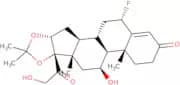
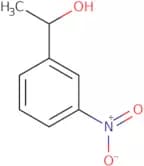
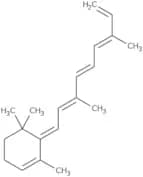
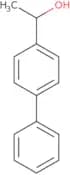
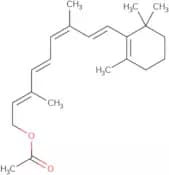

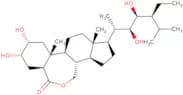
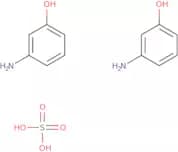
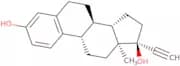
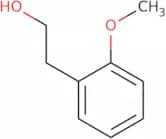
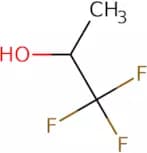
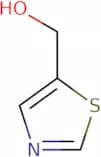


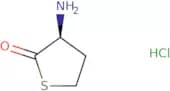
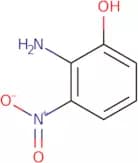
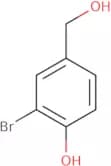
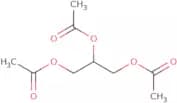
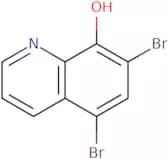

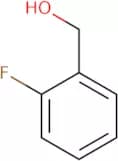
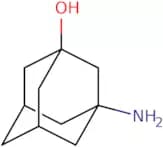
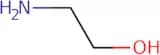
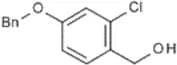

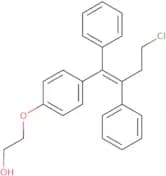
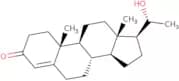
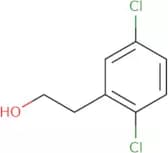

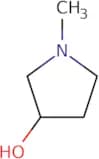
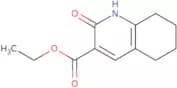
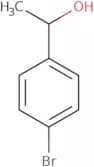
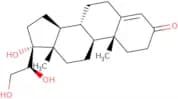
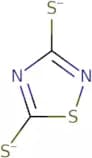

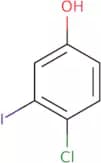
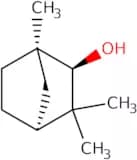
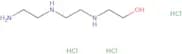
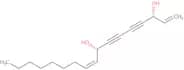
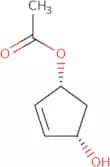
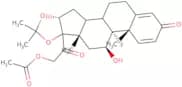
![4-[2-(4-Aminophenyl)ethyl]phenol](/_next/image/?url=https%3A%2Fstatic.cymitquimica.com%2Fproducts%2F3D%2Fthumb-webp%2FFA66482.webp&w=3840&q=75)

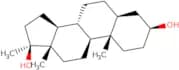
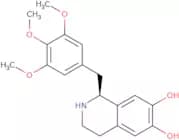
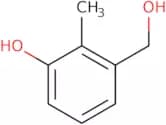
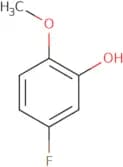
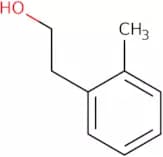

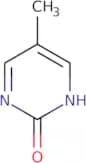
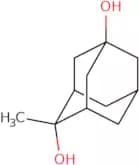
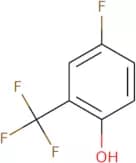
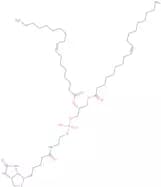
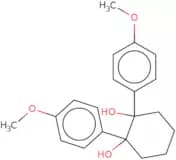
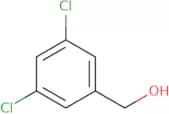
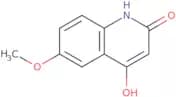
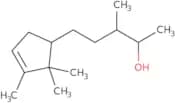
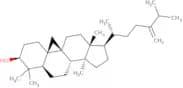
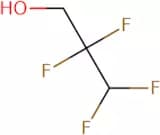
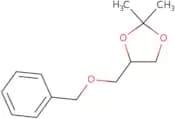
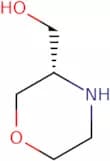
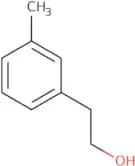
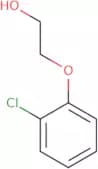
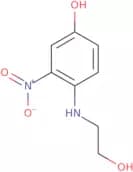
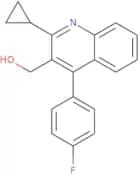

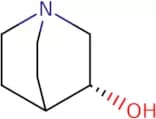
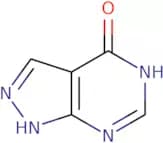
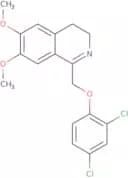
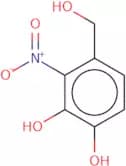
![3-(4'-Bromo[1,1'-biphenyl]-4-yl)-1,2,3,4-tetrahydro-1-naphthalenol](/_next/image/?url=https%3A%2Fstatic.cymitquimica.com%2Fproducts%2F3D%2Fthumb-webp%2FFB164965.webp&w=3840&q=75)
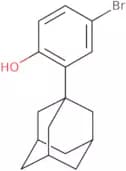
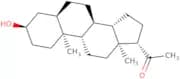
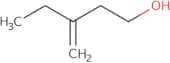
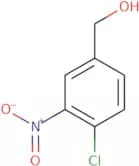
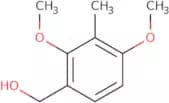
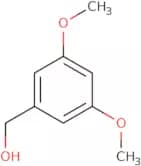
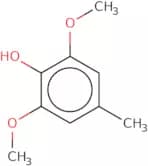
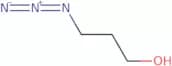
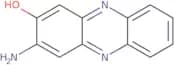
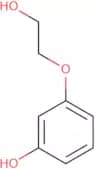
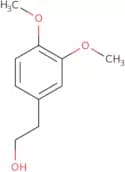
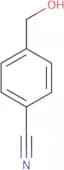
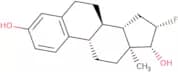
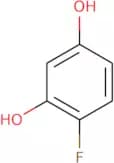
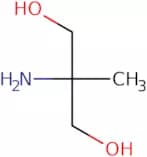

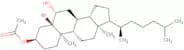
![(R)-1-[3,5-Bis(trifluoromethyl)phenyl]ethan-1-ol](/_next/image/?url=https%3A%2Fstatic.cymitquimica.com%2Fproducts%2F3D%2Fthumb-webp%2FFB43523.webp&w=3840&q=75)
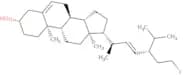
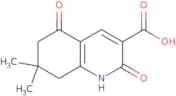
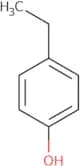
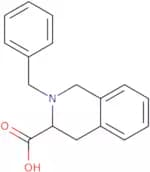
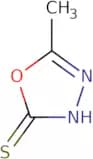
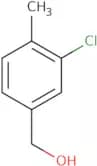
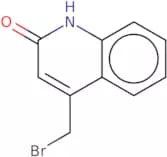
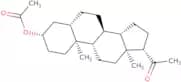
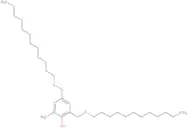
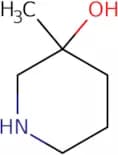
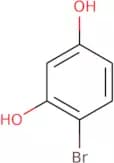
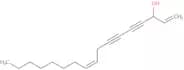
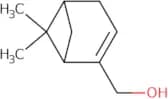

![3-[2-(Ethylhexyl)oxyl]-1,2-propandiol](/_next/image/?url=https%3A%2Fstatic.cymitquimica.com%2Fproducts%2F3D%2Fthumb-webp%2FFE151191.webp&w=3840&q=75)
![2-[(4-Amino-2-methyl-5-nitrylbenzyl)amino]ethylalcohol](/_next/image/?url=https%3A%2Fstatic.cymitquimica.com%2Fproducts%2F3D%2Fthumb-webp%2FFA146928.webp&w=3840&q=75)
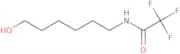
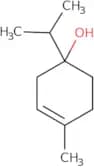
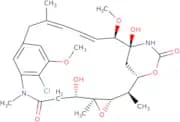
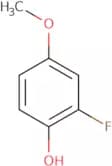
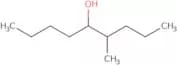

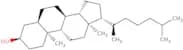
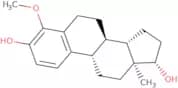
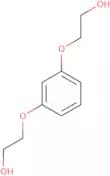
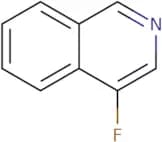
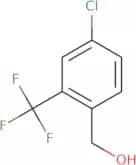
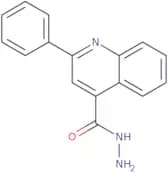
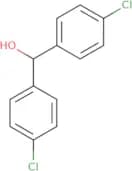
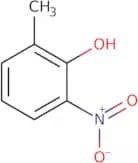
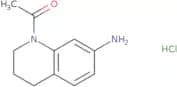
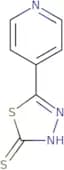


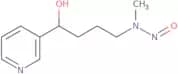
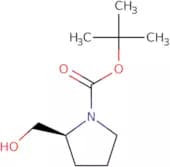
![4,4-Dimethyl-1-[(3,4-methylenedioxy)phenyl]-1-penten-3-ol](/_next/image/?url=https%3A%2Fstatic.cymitquimica.com%2Fproducts%2F3D%2Fthumb-webp%2FFS27881.webp&w=3840&q=75)
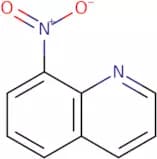
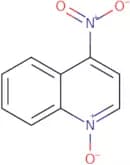
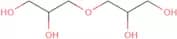
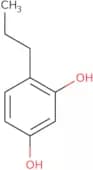
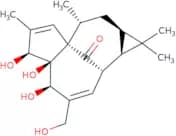
![(4aS,6R,8aS)-4a,5,9,10,11,12-Hexahydro-3-methoxy-11-methyl-6H-benzofuro[3a,3,2-ef][2]benzazepin-6-…](/_next/image/?url=https%3A%2Fstatic.cymitquimica.com%2Fproducts%2F3D%2Fthumb-webp%2FFH15703.webp&w=3840&q=75)

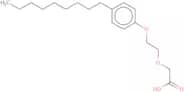
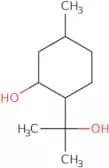

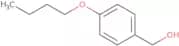

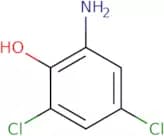
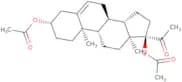
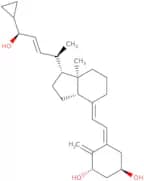

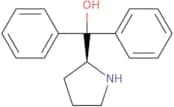


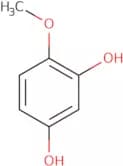




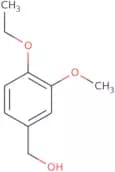
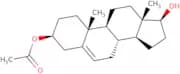

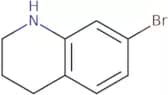
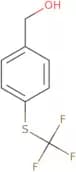
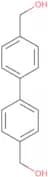
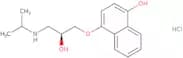
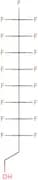
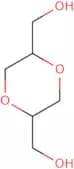

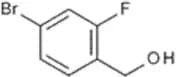
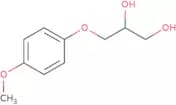
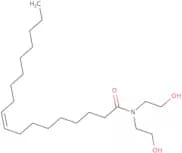
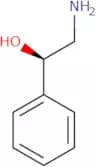

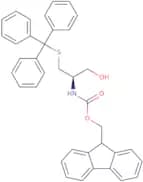
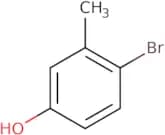
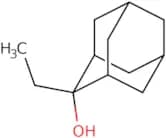
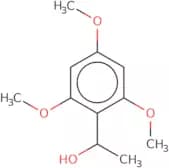
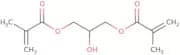
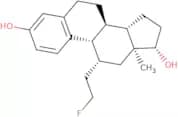
![1-Chloro-3-[4-(2-methoxyethyl)phenoxy]-2-propanol](/_next/image/?url=https%3A%2Fstatic.cymitquimica.com%2Fproducts%2F3D%2Fthumb-webp%2FFC27415.webp&w=3840&q=75)
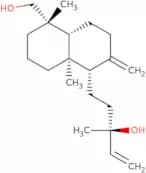
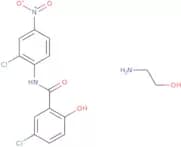

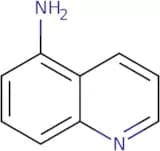

![9-Fluoro-10,13,17-Trimethyl-2,3,4,5,6,7,8,11,12,14,15,16-Dodecahydro-1H-Cyclopenta[a]Phenanthrene-…](/_next/image/?url=https%3A%2Fstatic.cymitquimica.com%2Fproducts%2F3D%2Fthumb-webp%2FFF103008.webp&w=3840&q=75)