Amines
Amines are a set of molecules containing an amino functional group (derived from ammonia). This category includes amines at any level of substitution : primary, secondary, tertiary, and ammonium salts. Amines are fundamental in organic synthesis and are widely used in pharmaceuticals, agrochemicals, and materials science. At CymitQuimica, we provide a comprehensive selection of amines to meet your research and industrial needs. Our range ensures access to various amines for diverse chemical processes and innovative research.
Subcategories of "Amines"
- Nitrosamines(2,606 products)
- Primary Amines(30,805 products)
- Quaternary Ammonium Cations and Salts(1,099 products)
- Secondary Amines(20,809 products)
- Tertiary Amines(17,111 products)
Found 8776 products of "Amines"
Sort by
Purity (%)
0
100
|
0
|
50
|
90
|
95
|
100
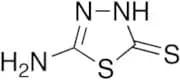
5-Amino-1,3,4-thiadiazole-2-thiol
CAS:Controlled Product<p>Impurity Acetazolamide EP Impurity G<br>Applications 5-Amino-1,3,4-thiadiazole-2-thiol is a thiadiazole derivative with antibacterial acitivity used in the preparation of herbicides as well as carbonic anhydrase inhibitors. (Acetazolamide EP Impurity G)<br>References Li, Z. et al.: Ying. Huax., 5, 54 (1988); Supuran, C. et al.: Rev. Roum. Chim., 40, 1227 (1995);<br></p>Formula:C2H3N3S2Color and Shape:White To BeigeMolecular weight:133.192-(Aminooxy)ethanol
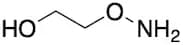
CAS:<p>Applications 2-(Aminooxy)ethanol<br></p>Formula:C2H7NO2Color and Shape:NeatMolecular weight:77.08Tris(2-aminoethyl)amine
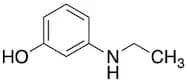
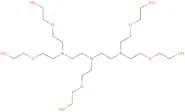
CAS:Controlled Product<p>Applications Tris(2-aminoethyl)amine is a tetradentate chelating ligand and forms stable complexes with transition metals.<br> Not a dangerous good if item is equal to or less than 1g/ml and there is less than 100g/ml in the package<br>References Xu, C., et al.: J. Mater. Chem. A, 3, 16229-16234 (2015); Sietzen, M., et al.: Organometallics, 34, 1118-1128 (2015);<br></p>Formula:C6H18N4Color and Shape:NeatMolecular weight:146.2343-(Ethylamino)phenol
CAS:Controlled Product<p>Applications 3-(ethylamino)phenol (cas# 621-31-8) is a useful research chemical.<br></p>Formula:C8H11NOColor and Shape:NeatMolecular weight:137.18rac 2-Aminothiazoline-4-carboxylic Acid
CAS:Controlled Product<p>Stability Hygroscopic<br>Applications Used in the manufacturing of L-tryptophan by enzymic reaction.<br>References Franke, L., et al.: J. Med. Chem., 48, 6997 (2005), Fox, T., et al.: Curr. Top Med. Chem., 6, 1579 (2006),<br></p>Formula:C4H6N2O2SColor and Shape:NeatMolecular weight:146.171,3,5-Tris(4-aminophenyl)benzene
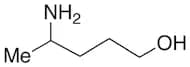
CAS:Controlled Product<p>Applications 1,3,5-Tris(4-aminophenyl)benzene (cas# 118727-34-7) is a useful reagent for catalytic asymmetric synthesis of chiral covalent compounds.<br>References Wang, J., et al.: J. Am. Chem. Soc., 142, 16915 (2020)<br></p>Formula:C24H21N3Color and Shape:Light Orange To OrangeMolecular weight:351.444-Amino-1-pentanol
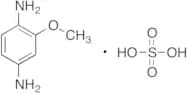
CAS:Controlled Product<p>Applications 4-Amino-1-pentanol (cas# 927-55-9) is a compound useful in organic synthesis.<br> Not a dangerous good if item is equal to or less than 1g/ml and there is less than 100g/ml in the package<br></p>Formula:C5H13NOColor and Shape:NeatMolecular weight:103.162,5-Diaminoanisole Sulfate
CAS:Controlled ProductFormula:C7H10N2O·(H2O4S)Color and Shape:NeatMolecular weight:138.17 + (98.08)3-Amino-1-propanol
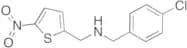
CAS:<p>Stability hygroscopic<br>Applications 3-Amino-1-propanol is used in the synthesis of tetrathiafulvalenes displaying optical and electrochemical properties. Also used in the synthesis of lipid-like materials for the delivery and encapsulation of RNAi therapeutics.<br> Not a dangerous good if item is equal to or less than 1g/ml and there is less than 100g/ml in the package<br>References Ignatenko, E. et al.: Russ. J. Org. Chem., 49, 1379 (2013); Akinc, A. et al.: Nat. Biotech., 26, 561 (2008);<br></p>Formula:C3H9NOColor and Shape:ColourlessMolecular weight:75.11N-(4-Chlorobenzyl)-1-(5-nitrothiophen-2-yl)methanamine
CAS:Controlled Product<p>Applications N-(4-Chlorobenzyl)-1-(5-nitrothiophen-2-yl)methanamine is an analogue of GSK 4112 (G797700) which is a synthetic ligand for REV-ERBα, a member of the nuclear receptor superfamily that functions as a receptor for the porphoryin heme. GSK 4112 mimics the action of heme acting as agonist and suppresses the expression of REV-ERBα target genes involved in gluconeogenesis.<br>References Kojetin, D. et al.: ACS Chem. Biol., 6, 131 (2011); Grant, D. et al.: ACS Chem. Biol., 5, 925 (2010)<br></p>Formula:C12H11ClN2O2SColor and Shape:NeatMolecular weight:282.746N-[(4-Chlorophenyl)methyl]cyclopentanamine
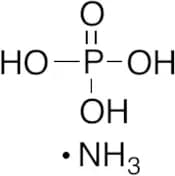
CAS:Controlled Product<p>Applications N-[(4-chlorophenyl)methyl]cyclopentanamine is a useful reagent for the preparation of γ-lactams.<br>References Fujii, T., et al.: Tetrahedron Letters, 61, 152276 (2020)<br></p>Formula:C12H16ClNColor and Shape:ColourlessMolecular weight:209.72Phosphoric Acid Ammonium Salt (1:1)
CAS:<p>Applications Phosphoric acid, ammonium salt (1:1) is a useful reagent for organic synthesis.<br></p>Formula:H3N·H3O4PColor and Shape:NeatMolecular weight:115.0263,4'-Diaminodiphenyl Ether
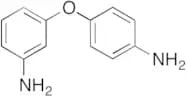
CAS:Controlled Product<p>Applications 3,4'-Diaminodiphenyl Ether, can be used for the synthesis of asymmetric soluble polyimides. It can also be used as a spacer in the preparation of glycine-based molecular tongs as inhibitors of β-amyloid peptide Aβ1-40 aggregation in vitro.<br>References Zhao, T., et al.: Suliao Gongye, 39, 20 (2011); Cellamare, S., et al.: Bioorg. Med. Chem., 16, 4810 (2008);<br></p>Formula:C12H12N2OColor and Shape:NeatMolecular weight:200.24Nicametate
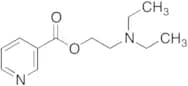
CAS:Controlled Product<p>Applications Nicotinic Acid 2-Diethylamino-Ethyl Ester (cas# 3099-52-3) is a useful research chemical.<br></p>Formula:C12H18N2O2Color and Shape:NeatMolecular weight:222.28O,O-Diethyl Thiophosphate Ammonium Salt
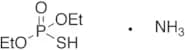
CAS:Controlled Product<p>Stability Moisture Sensitive<br>Applications Used in the synthesis of novel phosphorothioates and phosphorodithioates as cholinesterase inhibitor.<br>References Sussman, J., et al.: Science, 253, 872 (1991), Mallender, W., et al.: J. Biol. Chem 1999, 274, 8491,<br></p>Formula:C4H10O3PS·H4NColor and Shape:NeatMolecular weight:187.202-(4-Diethylaminophenyl)ethylamine dihydrochloride
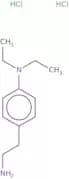
CAS:<p>2-(4-Diethylaminophenyl)ethylamine dihydrochloride is a fine chemical that belongs to the group of versatile building blocks. It is mainly used as a reagent and speciality chemical in research. 2-(4-Diethylaminophenyl)ethylamine dihydrochloride can be used as a high quality, useful intermediate or reaction component in the synthesis of complex compounds. As a scaffold, it can be used to synthesize other useful compounds.</p>Formula:C12H20N2·2HClPurity:Min. 95%Color and Shape:PowderMolecular weight:265.22 g/mola-[2-(Methylamino)ethyl]benzyl alcohol
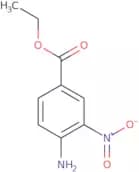
CAS:<p>a-[2-(Methylamino)ethyl]benzyl alcohol is a zwitterion that forms an imine when reacted with piperazine. It has been shown to have antibacterial activity in subcritical water extraction and HPLC analysis. This compound also has a profile of impurities, including β-unsaturated aldehydes and pseudoephedrine.</p>Formula:C10H15NOPurity:Min. 95%Color and Shape:PowderMolecular weight:165.23 g/molEthyl 4-amino-3-nitrobenzoate
CAS:<p>Ethyl 4-amino-3-nitrobenzoate is a molecule that is used as an inhibitor of butyrylcholinesterase. It has been shown to have inhibitory effects on enzymes such as cholinesterase, which are involved in the breakdown of acetylcholine and other neurotransmitters. Ethyl 4-amino-3-nitrobenzoate is a dihydrate and it has been found to be an efficient inhibitor of butyrylcholinesterase with a KI value of 0.2 mM. Single crystal x-ray diffraction analysis showed that the compound was centrosymmetric with hydrogen bonding interactions. The parameters were rationalized by this analysis, which led to the discovery of a more efficient method for synthesizing this molecule.</p>Formula:C9H10N2O4Purity:Min. 95%Color and Shape:PowderMolecular weight:210.19 g/mol1,3-Dipalmitoyl-glycero-2-phosphoethanolamine
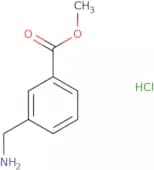
CAS:<p>Please enquire for more information about 1,3-Dipalmitoyl-glycero-2-phosphoethanolamine including the price, delivery time and more detailed product information at the technical inquiry form on this page</p>Formula:C37H74NO8PPurity:ReportedColor and Shape:White/Off-White SolidMolecular weight:691.96 g/mol(3-Aminomethyl)benzoic acid methyl ester HCl
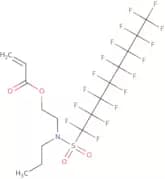
CAS:<p>3-Aminomethylbenzoic acid methyl ester HCl is a fine chemical that is used as a reagent for the synthesis of other compounds. It is also a versatile building block, which can be used to make many different compounds. 3-Aminomethylbenzoic acid methyl ester HCl has been demonstrated to be a useful intermediate in the synthesis of various pharmaceuticals, such as metoclopramide and clozapine. 3-Aminomethylbenzoic acid methyl ester HCl is also a useful scaffold for research chemicals, such as 4-amino-N-(2-hydroxyethyl)benzenesulfonamide or N-[3-(aminomethyl)phenyl]acetamide.</p>Formula:C9H11NO2·HClPurity:Min. 95%Color and Shape:PowderMolecular weight:201.65 g/molPerfluorooctylsulfonylpropylaminoethyl acrylate
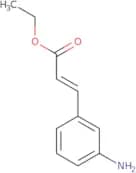
CAS:Controlled Product<p>Perfluorooctylsulfonylpropylaminoethyl acrylate is a sulfonate, which is a chemical that can be found in mixtures. It is a chemical substance that has the ability to connect with other chemicals. This chemical has not been classified as hazardous by the National Institute for Occupational Safety and Health (NIOSH).</p>Formula:C16H14F17NO4SPurity:Min. 95%Molecular weight:639.33 g/mol3-Aminocinnamic acid ethyl ester
CAS:<p>3-Aminocinnamic acid ethyl ester is a synthetic compound that is derived from pyridine and has a liriodenine ring. The synthesis of this compound starts with an olefinic coupling reaction, which yields an imine intermediate. The imine is hydrolyzed to yield the desired product. 3-Aminocinnamic acid ethyl ester can be found in plants such as liriodenine and liriodendronine, as well as in animal tissues. It also acts as a neurotransmitter and activates the nitrate receptor on nerves, which leads to increased blood pressure or heart rate. 3-Aminocinnamic acid ethyl ester also binds to the cation channel of benzoquinoline drugs and mediates their effects on the central nervous system.</p>Formula:C11H13NO2Purity:Min. 95%Color and Shape:PowderMolecular weight:191.23 g/mol2-Benzyltryptamine
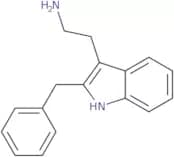
CAS:<p>2-Benzyltryptamine (2BT) is a synthetic substance that has been used as a research chemical in the study of the interactions between serotonergic and dopaminergic neurotransmission. In one study, 2BT was found to inhibit dopamine uptake in rat brain synaptosomes and to bind to both serotonin and dopamine receptors. 2BT has also been shown to have an affinity for melatonin receptors, which may be due to its structural similarity to melatonin.</p>Formula:C17H18N2Purity:Min. 95%Color and Shape:SolidMolecular weight:250.34 g/mol3-Aminophthalic acid hydrochloride
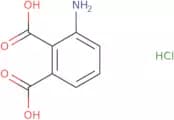
CAS:<p>3-Aminophthalic acid hydrochloride is a diazonium salt that emits light when it reacts with chloride. This compound has been shown to be photophysically active in the presence of human serum, tumor tissue, and micelles. 3-Aminophthalic acid hydrochloride has also been found to be cytotoxic in a number of cancer models. It may also cause death by chemiexcitation of tissues. Furthermore, 3-aminophthalate and acetyl derivatives have shown anticancer activity.</p>Formula:C8H7NO4HClPurity:80%Color and Shape:PowderMolecular weight:217.61 g/mol2-(4-Morpholinophenyl)ethylamine
CAS:<p>Please enquire for more information about 2-(4-Morpholinophenyl)ethylamine including the price, delivery time and more detailed product information at the technical inquiry form on this page</p>Formula:C12H18N2OPurity:Min. 95%Color and Shape:PowderMolecular weight:206.28 g/mol3-Chlorobenzylamine
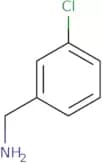
CAS:<p>3-Chlorobenzylamine is a model system for the study of the metabolism of human pathogens. It has been shown to have cytostatic effects in sarcoma cells and pain-relieving properties in animal models. 3-Chlorobenzylamine inhibits the replication of HIV, herpes virus, and adenosine receptor antagonists. This drug has also been found to be an effective anticancer agent. 3-Chlorobenzylamine is structurally similar to other anticancer agents such as methotrexate, mercaptopurine, and pyrimidine analogs.</p>Formula:C7H8ClNPurity:Min. 95%Molecular weight:141.6 g/molThiamine tetrahydrofurfuryl disulfide
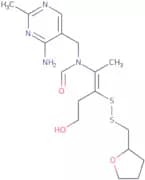
CAS:<p>Thiamine tetrahydrofurfuryl disulfide is a thiamine derivative that has been shown to serve as a cofactor for enzymes such as peptidyl-prolyl cis-trans isomerase, which catalyzes the formation of peptide hormones. It also plays a role in the synthesis of polymers such as cellulose. Thiamine tetrahydrofurfuryl disulfide can be found in crystalline cellulose and is an important component of two-way crossover studies on peptide hormones. This drug has been shown to stimulate oxidative metabolism in cells and may have therapeutic potential for treating conditions associated with oxidative injury, such as stroke, head trauma, and heart attack. <br>Thiamine tetrahydrofurfuryl disulfide may also have a role in the development of inflammatory responses through its interaction with toll-like receptor 4 (TLR4).</p>Formula:C17H26N4O3S2Purity:Min. 98 Area-%Color and Shape:PowderMolecular weight:398.55 g/mol2-Amino-5-nitro-2'-chlorobenzophenone
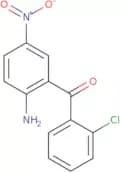
CAS:<p>2-Amino-5-nitro-2'-chlorobenzophenone (2ACCB) is a precursor for the synthesis of 2,4,6-trichlorophenol. 2ACCB reacts with hydrochloric acid in the presence of a scrubber to produce diphenyl ether and activated 2ACCB. The reaction rate can be increased by adding sodium hydroxide solution to the reaction solution. The hydroxy group on the 2ACCB molecule can be converted to a terpene by transfer reactions with glycol esters. This compound has been used as a sterilant and disinfectant in reaction solutions containing chlorine atoms or carbonyl groups.</p>Formula:C13H9ClN2O3Purity:Min. 95%Color and Shape:PowderMolecular weight:276.67 g/mol5-Amino-2-bromobenzoic acid
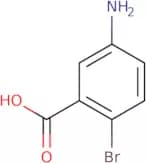
CAS:<p>5-Amino-2-bromobenzoic acid is an organic compound that is used in the manufacture of other chemicals. It is a white crystalline solid with a melting point of 133°C, and it has a molecular weight of 222.27 g/mol. This chemical has been shown to be mutagenic, and it may also cause adverse effects on the liver, kidneys, stomach, and skin when taken orally or applied to the skin. 5-Amino-2-bromobenzoic acid is found in many products that are used for industrial purposes such as dyes, rubber chemicals, textile chemicals, pesticides, and herbicides. The chemical can be found in products that are sold in hardware stores and supermarkets.</p>Formula:C7H6BrNO2Purity:Min. 95%Color and Shape:PowderMolecular weight:216.03 g/molIsobutyl 3,5-diamino-4-chlorobenzoate
CAS:<p>Isobutyl 3,5-diamino-4-chlorobenzoate is a compound that can be used as an inhibitor in the reaction process of dehalogenation. It is a low-temperature compound that crystallizes with isobutyl, which can be recycled and hydrogen gas. Isobutyl 3,5-diamino-4-chlorobenzoate absorbs nitrogen gas at high pressure and has a molecular weight of 146.</p>Formula:C11H15ClN2O2Purity:Min. 95%Color and Shape:Brown PowderMolecular weight:242.7 g/mol3-(1H-Imidazol-4-yl)benzylamine
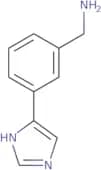
CAS:<p>3-(1H-Imidazol-4-yl)benzylamine is a diagnostic agent that can be used for the diagnosis of Alzheimer's disease. It has been shown to have a synthetase activity, which is an enzymatic activity that forms a new compound from simpler ones. It has also been shown to increase uptake in the cerebral cortex and inhibit matrix metalloproteinase in autoimmune diseases. This drug may be used as a marker for early stage Alzheimer's disease. 3-(1H-Imidazol-4-yl)benzylamine binds to the repressor protein and stabilizes holoenzyme complexes, which are necessary for DNA transcription. This drug also inhibits chromosomal replication by binding to the histone H3 protein and prevents polymerization of DNA strands.</p>Formula:C10H11N3Purity:Min. 95 Area-%Color and Shape:PowderMolecular weight:173.21 g/mol4-Aminoindole
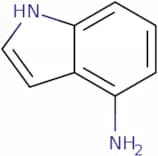
CAS:<p>4-Aminoindole is a heterocycle with a carboxy group and four nitrogen atoms. It can be synthesized by reacting hydrochloric acid with nitrobenzene. 4-Aminoindole has shown potential as a drug target, which may be due to its ability to inhibit the enzyme carboxamidase. The compound is also acidic in water, making it an ideal candidate for use as an acid catalyst. Electropolymerization of 4-aminoindole has been achieved using Pt electrodes in the presence of an acidic environment. This reaction results in the formation of functional groups on the metal surface that are not found in most other electropolymerization reactions.</p>Formula:C8H8N2Color and Shape:PowderMolecular weight:132.16 g/mol[1-(Morpholin-4-ylcarbonyl)butyl]amine hydrochloride
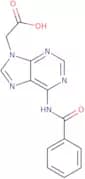
CAS:Controlled Product<p>Please enquire for more information about [1-(Morpholin-4-ylcarbonyl)butyl]amine hydrochloride including the price, delivery time and more detailed product information at the technical inquiry form on this page</p>Formula:C9H18N2O2Purity:Min. 95%Molecular weight:186.25 g/mol6-Benzoylamino-9H-purine-9-acetic acid
CAS:<p>6-Benzoylamino-9H-purine-9-acetic acid (BAPAA) is a high quality reagent that is used in the synthesis of complex compounds. It is also a useful intermediate in the preparation of fine chemicals, speciality chemicals, and research chemicals. 6-Benzoylamino-9H-purine-9-acetic acid is a versatile building block for the synthesis of novel compounds with desired biological activity. This compound is an excellent reaction component because it can be used to synthesize various chemical structures.</p>Formula:C14H11N5O3Purity:Min. 95%Color and Shape:PowderMolecular weight:297.27 g/molTyramine
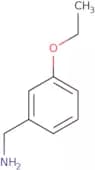
CAS:<p>Tyramine targets peroxidase to form a brown color</p>Formula:C8H11NOColor and Shape:Off-White Slightly Brown PowderMolecular weight:137.18 g/mol3-Ethoxybenzylamine hydrochloride
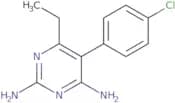
CAS:<p>3-Ethoxybenzylamine hydrochloride is a chemical compound that belongs to the group of industrial chemicals. It is used as an intermediate for the production of vanillin and as a catalyst for hydrogenation reactions. 3-Ethoxybenzylamine hydrochloride can be used in large-scale, industrial reactions. The target product is a reaction solvent that can be used in reduction reactions and aminations. The catalytic activity of 3-ethoxybenzylamine hydrochloride has been shown to increase with increasing pH, temperature, and concentration. The use of this product as a catalyst in the hydrogenation process results in high yield products with low levels of byproducts.</p>Formula:C9H13NO·HClPurity:Min. 95%Color and Shape:White PowderMolecular weight:187.67 g/molPyrimethamine
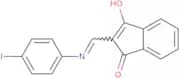
CAS:<p>Pyrimethamine is an antimalarial agent that has been used in the treatment of various infectious diseases. Pyrimethamine is a folic acid antagonist which inhibits the synthesis of DNA and RNA by inhibiting the enzyme dihydrofolate reductase. The drug binds to sulfadiazine, a sulfa drug, which prevents its conversion to active form and thereby prevents bacterial growth. Pyrimethamine can be administered orally or intravenously. It exhibits low toxicity and is excreted in the urine as an inactive metabolite. In vitro assays have shown pyrimethamine to be effective against HIV-1 infection, but it is not active against other viruses such as herpes simplex virus and influenza virus.</p>Formula:C12H13ClN4Purity:Min. 95%Color and Shape:PowderMolecular weight:248.71 g/mol2-(((4-iodophenyl)amino)methylene)indane-1,3-dione
CAS:<p>Please enquire for more information about 2-(((4-iodophenyl)amino)methylene)indane-1,3-dione including the price, delivery time and more detailed product information at the technical inquiry form on this page</p>Formula:C16H10INO2Purity:Min. 95%Color and Shape:PowderMolecular weight:375.16 g/mol4,4'-Diaminostilbene-2,2'-disulfonic acid
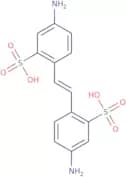
CAS:<p>4,4'-Diaminostilbene-2,2'-disulfonic acid (DAIDS) is a fluorescent dye that can be used to measure the activity of mitochondrial enzymes. It is a substrate for polymerase chain reaction and can be used as a cell viability assay. DAIDS has been shown to cause mitochondrial membrane depolarization and cytosolic calcium release in prostate cancer cells. This compound also inhibits the proliferation of human liver cells and has been proposed as a potential analytical method for wastewater samples. The anhydrous sodium form of DAIDS has been shown to increase the rate of metabolism by up to 30% in rats with body mass index greater than 25 kg/m^2.</p>Formula:C14H14N2O6S2Purity:Min. 95%Color and Shape:SolidMolecular weight:370.4 g/molBoc-2-aminobenzoic acid
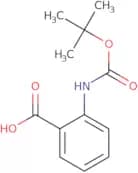
CAS:<p>Boc-2-aminobenzoic acid is a synthetic amino acid that can be used for the synthesis of recombinant proteins. It contains lysine residues, which are often used in protein engineering. This product is hydrolyzed to form a chloride gas and a hydrochloride salt by the enzyme chloridase. The hydrolysis proceeds through an amine intermediate and proceeds with a rate that is first order in chloride gas and second order in Boc-2-aminobenzoic acid. The kinetic constants for this reaction have been determined using fluorescence resonance energy transfer (FRET) spectroscopy on the solid phase.</p>Formula:C12H15NO4Purity:Min. 95%Color and Shape:PowderMolecular weight:237.25 g/mol(3-Chloropropyl)-trimethylammonium chloride
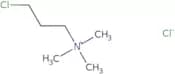
CAS:<p>Please enquire for more information about (3-Chloropropyl)-trimethylammonium chloride including the price, delivery time and more detailed product information at the technical inquiry form on this page</p>Formula:C6H15ClN•ClPurity:Min. 95%Molecular weight:172.1 g/mol4-Amino-3-bromobenzonitrile
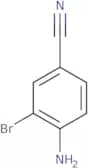
CAS:<p>4-Amino-3-bromobenzonitrile is a chemical compound that is synthesized by the reaction of 4-amino-2-bromobenzonitrile and NaBH4. It can be used as a ligand for copper, nickel, and cobalt ions. The crystalline form of 4-amino-3-bromobenzonitrile has been studied using x-ray diffraction and ultraviolet irradiation. The absorption spectra of the compound are in agreement with its nature as an azobenzene derivative.</p>Formula:C7H5BrN2Purity:Min. 95%Color and Shape:PowderMolecular weight:197.03 g/mol9-[[[4-[(2,5-Dioxo-1-pyrrolidinyl) oxy]-4-oxobutyl][(4-methylphenyl) sulfonyl]amino]carbonyl]-10- (3-sulfopropyl)-acridinium inner salt
CAS:<p>9-[(4-Methylphenyl) sulfonyl]amino]carbonyl]-10-[3-sulfopropyl)-acridinium inner salt is a synthetic antigen that is conjugated to an acridinium moiety. The 9-[[[4-[(2,5-Dioxo-1-pyrrolidinyl) oxy]-4-oxobutyl][(4-methylphenyl) sulfonyl]amino]carbonyl]-10-(3-sulfopropyl)-acridinium inner salt antigen has been shown to be effective for the detection of antibodies to the human immunodeficiency virus type 1 (HIV-1). It has a high affinity for both CD4 and CD8 T cells, which are important in the immune response to HIV infection. The 9-[(4-methylphenyl) sulfonyl]amino]carbonyl]-10-[3</p>Formula:C32H31N3O10S2Purity:Min. 95 Area-%Color and Shape:PowderMolecular weight:681.73 g/molMelamine
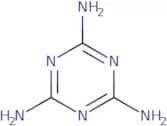
CAS:<p>Melamine is a nitrogen-containing heterocyclic amine that is used as a flame retardant, plasticizer, and textile dye. The toxicity of melamine has been evaluated in animal studies, which showed that it has low acute oral toxicity but high inhalation and dermal toxicity profiles. The acute effects of melamine are due to its capacity to bind to the erythrocyte membrane and cause hemolysis. Melamine can also react with cyanuric acid to form cyanuramide, which can be detected by gas chromatography/mass spectrometry (GC/MS) analysis. The carcinogenic potential of melamine has not been determined, but there is evidence that it may be genotoxic and have the potential to induce cancer in humans.</p>Formula:C3H6N6Purity:Min. 95%Color and Shape:SolidMolecular weight:126.12 g/mol2-(4-(2,5-Dichlorophenylamino)-3,5-thiazolyl)acetic acid
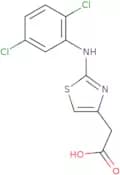
CAS:<p>Please enquire for more information about 2-(4-(2,5-Dichlorophenylamino)-3,5-thiazolyl)acetic acid including the price, delivery time and more detailed product information at the technical inquiry form on this page</p>Purity:Min. 80%4-Hydroxy benzeneacetic acid 2-(dimethylamino)-2-oxoethyl ester
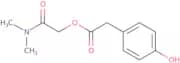
CAS:<p>4-Hydroxybenzeneacetic acid 2-(dimethylamino)-2-oxoethyl ester is a reagent with a CAS number of 59721-16-3. It is one of the building blocks of complex compounds, useful as an intermediate in fine chemicals and research chemicals. This chemical is used in reactions as a reaction component or scaffold. The versatility of this chemical makes it a useful building block for speciality chemicals.</p>Formula:C12H15NO4Purity:Min. 95%Color and Shape:PowderMolecular weight:237.25 g/molBoc-D-glutamine
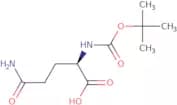
CAS:<p>Boc-D-glutamine is a small, water-soluble amino acid that has shown anticancer efficacy in vivo. It is structurally related to the cyclic peptide, glutamic acid-α-ketoglutarate (GAK). Boc-D-glutamine specifically binds to the tumor vasculature and inhibits cancer cell growth by inhibiting the uptake of essential nutrients. This drug also inhibits tumor angiogenesis and prevents metastasis by preventing the formation of new blood vessels. Boc-D-glutamine has been shown to have a greater effect on human nasopharyngeal carcinoma cells than other types of cancer cells because it targets a specific receptor found in these cells. The anticancer activity of this drug is due to its inhibition of uptake and chloride ion transport. In addition, Boc-D-glutamine has been shown to inhibit the proliferation of human embryonic kidney cells when used at high concentrations.</p>Formula:C10H18N2O5Color and Shape:White Off-White PowderMolecular weight:246.26 g/mol[2-(Pyridin-2-ylthio)ethyl]amine dihydrochloride
CAS:<p>2-(Pyridin-2-ylthio)ethyl]amine dihydrochloride is a chemical compound that has been used as a research reagent. It reacts with other compounds to produce new substances, and it can be used as a building block for more complex compounds. 2-(Pyridin-2-ylthio)ethyl]amine dihydrochloride is soluble in water and organic solvents such as acetone and ethanol, making it useful for reactions that require both types of solvents. This product also has CAS No. 40379-31-5, which means it is listed on the Chemical Abstracts Service registry. 2-(Pyridin-2-ylthio)ethyl]amine dihydrochloride has an interesting chemical structure that makes it a versatile building block or intermediate for many different reactions.</p>Formula:C7H10N2S•(HCl)2Purity:Min. 95%Color and Shape:PowderMolecular weight:227.15 g/molEthyl 2-(4-((5-chloro-2-methoxyphenyl)amino)-3,5-thiazolyl)acetate
CAS:<p>Please enquire for more information about Ethyl 2-(4-((5-chloro-2-methoxyphenyl)amino)-3,5-thiazolyl)acetate including the price, delivery time and more detailed product information at the technical inquiry form on this page</p>Purity:Min. 95%Ammoniumdithiocarbamate
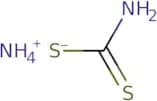
CAS:<p>Ammoniumdithiocarbamate is a group p2 compound that reacts with hydrochloric acid to form a dithiocarbamic acid. This reaction is reversible and an equilibrium between the two compounds exists. Ammoniumdithiocarbamate can be used to synthesize nucleophilic substitutions, which are used in many industrial applications. The reactivity of ammoniumdithiocarbamate is increased by the presence of amp-activated protein, which increases hydrogen bonding interactions with the dithiocarbamic acid. Ammoniumdithiocarbamate has been shown in animal studies to inhibit inflammatory diseases and lung damage caused by carbon disulphide.</p>Formula:CH6N2S2Purity:Min. 95%Color and Shape:PowderMolecular weight:110.2 g/molEthyl 3-(dimethylamino)acrylate - Liquid
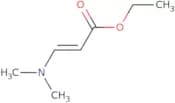
CAS:<p>Ethyl 3-(dimethylamino)acrylate (EDMA) is a liquid amide that has potent inhibitory activity against the chloride ion. EDMA is reactive and can form an adduct with the chloride ion. Molecular modeling studies have shown that EDMA binds to the cap-dependent endonuclease domain of the protein, inhibiting dioxime formation and DNA synthesis in bacteria. The β-unsaturated ketones in EDMA are also antibacterial. This compound has been found to be efficient at reducing oxalyl levels, which may be due to its ability to react with oxalate ions.</p>Formula:C7H13NO2Purity:Min. 95%Color and Shape:Yellow Clear LiquidMolecular weight:143.18 g/molClorsulon
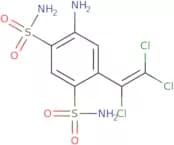
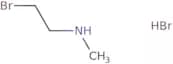
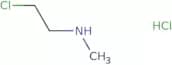
CAS:<p>Clorsulon is an anthelmintic drug that belongs to the group of benzimidazoles. It is used in veterinary medicine to treat nematode and cestode infections, as well as tapeworm infections. Clorsulon is a dispersive solid-phase extraction (DSPE) extractant that can be used for the separation of drugs and their metabolites from biological fluids. The chemical stability of clorsulon was assessed by exposing it to various solvents and pHs. Clorsulon was found to be stable in acetate, benzene, chloroform, ethyl acetate, ethanol, methanol, and water at pH 1-14 and a variety of temperatures ranging from -20 ˚C to 50 ˚C. No significant loss or degradation occurred after exposure to these conditions for up to 24 hours.</p>Formula:C8H8Cl3N3O4S2Purity:(Hplc) Min. 98.0%Color and Shape:PowderMolecular weight:380.66 g/mol2-Bromo-N-methyl-ethylamine hydrobromide
CAS:<p>2-Bromo-N-methyl-ethylamine hydrobromide is a versatile building block that can be used in the synthesis of many fine chemicals. It is a high quality research chemical that is used to synthesize complex compounds. 2-Bromo-N-methyl-ethylamine hydrobromide is also used as a reagent and reaction component for organic synthesis, especially for the production of pharmaceuticals and other speciality chemicals. CAS No. 40052-63-9</p>Formula:C3H9Br2NPurity:Min. 95%Color and Shape:PowderMolecular weight:218.92 g/mol2-N-Methylaminoethyl chloride·HCl
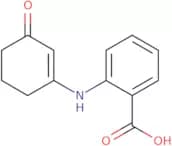
CAS:<p>2-N-Methylaminoethyl chloride·HCl is a nitro compound that has been programmed to inhibit PD-1. It is an inhibitor of this protein, which is involved in the regulation of immune responses. Inhibition of PD-1 can lead to an increase in T cell function and proliferation, as well as the production of cytokines. 2-N-Methylaminoethyl chloride·HCl has been shown to be a potent inhibitor of PD-1 with a Ki value of 2 nM, and it inhibits PD-L1 at concentrations up to 10 μM. This drug also inhibits resorcinol at low concentrations (0.5 μM). It is a synthetic molecule that was generated for screening purposes and does not have any other known biological activity.</p>Formula:C3H8ClN·HClPurity:Min. 95%Color and Shape:PowderMolecular weight:130.02 g/mol2-((3-Oxocyclohex-1-enyl)amino)benzoic acid
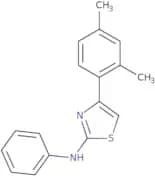
CAS:<p>Please enquire for more information about 2-((3-Oxocyclohex-1-enyl)amino)benzoic acid including the price, delivery time and more detailed product information at the technical inquiry form on this page</p>Formula:C13H13NO3Purity:Min. 95%Color and Shape:PowderMolecular weight:231.25 g/mol(4-(2,4-dimethylphenyl)(2,5-thiazolyl))phenylamine
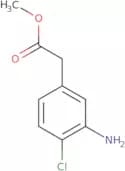
CAS:<p>Please enquire for more information about (4-(2,4-dimethylphenyl)(2,5-thiazolyl))phenylamine including the price, delivery time and more detailed product information at the technical inquiry form on this page</p>Purity:Min. 95%3-Amino-4-chlorophenylacetic acid methyl ester
CAS:<p>3-Amino-4-chlorophenylacetic acid methyl ester is a fine chemical that is useful as a building block in the synthesis of complex compounds. It has been used as a reagent and speciality chemical, which can be used for research purposes. CAS No. 59833-69-1</p>Formula:C9H10ClNO2Purity:Min. 95%Molecular weight:199.63 g/molAncamine T
CAS:<p>Ancamine T is an amine curing agent, which is derived from synthetic chemical processes, specifically developed for use in epoxy systems. Its mode of action involves catalyzing the cross-linking reaction between epoxide groups in epoxy resins, leading to the formation of a highly cross-linked, thermoset polymer network. This curing process is essential for achieving the desired mechanical, thermal, and chemical resistance properties of the final product.</p>Purity:Min. 95%5-Fluoro-2-(trifluoromethyl)pyridin-4-amine
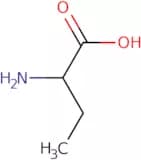
CAS:<p>5-Fluoro-2-(trifluoromethyl)pyridin-4-amine is a fine chemical that is used to create other organic compounds. This compound is an intermediate in the production of pharmaceuticals, pesticides, and herbicides. It can also be used as a reagent or a speciality chemical in research. 5-Fluoro-2-(trifluoromethyl)pyridin-4-amine can be used as a reaction component to synthesize other compounds and has been shown to have versatile functions as a building block for complex molecules. This compound is not classified by the Chemical Abstract Service (CAS) and does not have any reported toxic effects on humans.</p>Formula:C6H4F4N2Purity:Min. 95 Area-%Color and Shape:PowderMolecular weight:180.1 g/molDL-Aminobutyric acid
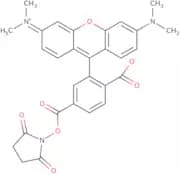
CAS:<p>DL-Aminobutyric acid is an analog of amino acids and a potent inhibitor of protease activity. It has been shown to inhibit the proteolytic activity of amyloid protein in human serum, most likely by competitive inhibition. DL-Aminobutyric acid also inhibits the enzyme activities that are responsible for the production of ammonia from amino acids. DL-Aminobutyric acid is an analyte in blood sampling and has a pH optimum of 8.0. It has been shown to have inhibitory properties on bacteria strains including Staphylococcus aureus and Streptococcus pneumoniae, but not Mycobacterium tuberculosis or Escherichia coli.</p>Formula:C4H9NO2Purity:Min 97%Color and Shape:PowderMolecular weight:103.12 g/mol6-Carboxytetramethylrhodamine succinimidyl ester
CAS:<p>6-Carboxytetramethylrhodamine (TAMRA) is a widely employed fluorescent dye (orange-red) suitable for different uses. In PCR applications, it has been used both as a reporter at the 5â or as a quencher at the 3â end. TAMRA-labelled oligonucleotides have been used to study interactions with DNA or DNA/proteins interactions. It is an excellent fluorescent acceptor for FRET applications with a suitable dye pair. It is used as a protein/antibody labelling agent for structural studies, immunochemistry and flow cytometry. Bioconjugation is generally performed through coupling of the carboxylic acid to a primary amine at the N-terminus of a protein, on lysine side chains or amino-modified oligonucleotide. Carboxylic acids activated with succinimidyl esters react with primary amines.</p>Formula:C29H25N3O7Purity:Min. 95 Area-%Color and Shape:PowderMolecular weight:527.52 g/molAvanafil
CAS:<p>Avanafil is a drug that can be used as a treatment for male erectile dysfunction. It works by inhibiting the production of PDE5, which is an enzyme that regulates the levels of cGMP in the penis. Avanafil has been shown to be effective when taken at a dose of 100 mg; this is because it takes about 30 minutes for avanafil to reach its peak level. Avanafil has a chemical stability that is greater than 12 hours, with an average lifespan of 24 hours. The drug also has no major drug interactions and does not inhibit any other drugs from working.</p>Formula:C23H26ClN7O3Purity:Min. 98 Area-%Color and Shape:White PowderMolecular weight:483.95 g/mol(R)-4-(Boc-amino)-3-(Z-amino)butyric acid
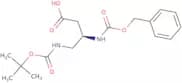
CAS:<p>(R)-4-(Boc-amino)-3-(Z-amino)butyric acid is a synthetic ligand that binds to dna. The binding of this ligand can be monitored by the thermodynamic interaction between the ligand and dna. (R)-4-(Boc-amino)-3-(Z-amino)butyric acid has been shown to bind to the phosphate groups on dna, which are apolar in nature. This ligand also interacts with the vector group of dna, and it has a multivalency of two. It is water soluble and neutral, making it suitable for use in supramolecular chemistry. (R)-4-(Boc-amino)-3-(Z-amino)butyric acid is not very polar and does not have any charges or functional groups that would make it an ionizable species. It can form complexes with carbohydrates because it is neutral, and its interactions with them are</p>Formula:C17H24N2O6Purity:Min. 98 Area-%Color and Shape:PowderMolecular weight:352.38 g/mol2-(Dimethylamino)-6-dodecanoylnaphthalene
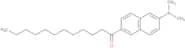
CAS:<p>2-(Dimethylamino)-6-dodecanoylnaphthalene (2DODN) is a fluorescent probe that interacts with cell membranes and has been shown to be cytotoxic. This compound also has high values for phase transition temperature, fluorescence and emission. 2DODN is used as a fluorescence probe in the study of HIV infection and can be used to measure the fatty acid composition of cellular membranes. 2DODN has been shown to bind to hiv viral envelope protein gp120 and inhibit its function. 2DODN binds to model systems such as k562 cells, which are primary cells derived from human erythrocytes and can be used for titration calorimetry measurements.</p>Formula:C24H35NOColor and Shape:PowderMolecular weight:353.54 g/mol3-Amino-5-nitrobenzhydrazide
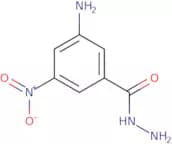
CAS:<p>3-Amino-5-nitrobenzhydrazide is a useful scaffold that can be used as a building block in the synthesis of other chemical compounds. It is a versatile intermediate that has been used in research to synthesize drugs and other chemicals, such as insecticides and herbicides. 3-Amino-5-nitrobenzhydrazide has been shown to be an effective reagent for the synthesis of complex compounds. This chemical has also been found to be an effective reaction component for the synthesis of speciality chemicals. 3-Amino-5-nitrobenzhydrazide is a fine chemical that can be used in many different applications.</p>Formula:C7H8N4O3Purity:Min. 95%Color and Shape:PowderMolecular weight:196.16 g/mol1-(4-Fluorophenyl)-N-Methylcyclohexylamine
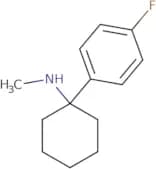
CAS:Controlled Product<p>1-(4-Fluorophenyl)-N-Methylcyclohexylamine is a planar molecule with an electron density distribution that is more concentrated in the region of the benzene ring. The 4-fluorostyrene substituent has a vinyl group. The electron density distribution is more concentrated in the region of the benzene ring, and is less concentrated in the region of the methyl group, which is substituted by a fluorine atom. This molecule can be used as an intermediate to synthesize other molecules with conformational, planar, or hybridized properties.</p>Formula:C13H18FNPurity:Min. 95%Molecular weight:207.29 g/mol1,2-Diaminoethane trityl resin
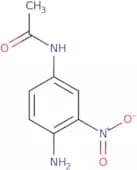
CAS:<p>1,2-Diaminoethane trityl resin is a versatile solid support widely used in peptide synthesis and proteomics research. This resin comprises a trityl group attached to a polystyrene backbone, functionalized with 1,2-diaminoethane groups, enabling its role as a covalent cross-linker for plasma membrane binding. The resin's primary applications include solid-phase peptide synthesis, antibody immobilization for immunoassays, and various proteomics studies. Its unique structure allows for the synthesis of peptidyl-aminoethylamines using Fmoc solid-phase peptide synthesis (SPPS) techniques, which offers a free primary amine at the C-terminus for further modifications. Its trityl linker allows mild cleavage conditions using TFA, compatible with most Fmoc-protected amino acids. The resin's lower loading capacity benefits challenging sequence synthesis to optimize coupling efficiency with typical coupling agents (e.g. HATU, PyBOP, HBTU, and HOBt), especially for initial amino acids, as the ethylenediamine spacer may affect these reactions. The resulting peptides, featuring a flexible C-terminal amine, are valuable for creating peptide-drug conjugates, fluorescent probes, and other bioactive molecules.</p>Purity:Min. 95%1-N-Acetyl-3-nitro-p-phenylenediamine
CAS:<p>1-N-Acetyl-3-nitro-p-phenylenediamine is a hydrolytic product of 1,4-diaminobenzene. It is an intermediate in the preparation of naphthalene diamine and has been shown to hydrolyze in acidic solutions.</p>Formula:C8H9N3O3Purity:Min. 95%Color and Shape:PowderMolecular weight:195.18 g/molDibenzocyclooctyne-amine
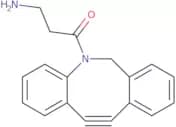
CAS:<p>Dibenzocyclooctyne-amine is used in SPAAC reactions to link drugs or biomolecules to provide stable conjugates in ADC synthesis.</p>Formula:C18H16N2OPurity:Min. 95%Molecular weight:276.33 g/mol4-Amino-3-pyridinecarboxylic acid
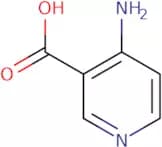
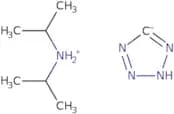
CAS:<p>4-Amino-3-pyridinecarboxylic acid (4APC) is a histidine amino acid. It is an intermediate in the synthesis of 6-aminonicotinic acid, which is an intermediate in the synthesis of nicotinamide, an important vitamin. 4APC has been used as a chemical probe to elucidate the transfer mechanism of amines to histidine. The active methylene group on 4APC can be easily detected by high-throughput analysis using liquid chromatography with fluorescence detection. The 3-aminoisonicotinic acid product can be detected by nmr spectra and electron microscope imaging. A synthetic route for 4APC involves ammonolysis followed by fluorescence resonance energy transfer.</p>Formula:C6H6N2O2Purity:Min. 95%Color and Shape:Brown PowderMolecular weight:138.12 g/molDiisopropylammonium tetrazolide
CAS:Controlled Product<p>Diisopropylammonium tetrazolide or tetrazole diisopropylamine is used to synthesize nucleoside 3'-CE phosphoramidites, which are building blocks in the chemical synthesis of novel oligonucleotides. Tetrazole diisopropylamine catalyses the reaction of 2-cyanoethyl tetraisopropylphosphorodiamidite with a nucleophile, usually the 3’-OH of a suitably protected nucleoside. This approach has been used to efficiently make modified cytosine oligonucleotides.</p>Formula:C7H17N5Purity:Min. 95%Color and Shape:White PowderMolecular weight:171.24 g/mol1-Heptylamine
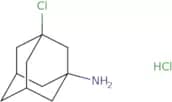
CAS:<p>1-Heptylamine is a chiral dinucleotide phosphate. It has been shown to have a high affinity for the nicotinic acetylcholine receptors in the human body, where it acts as an agonist. This compound also has a variety of other reactions that are not yet fully understood. 1-Heptylamine is found naturally in the human body and can be detected in wastewater treatment plants.<br>1-Heptylamine has been used in analytical methods such as titration calorimetry and laser ablation to measure nitrogen atoms or chiral compounds respectively. The compound is also used as an amide or alkanoic acid, although its role in these reactions is unknown.</p>Formula:C7H17NPurity:Min. 95%Color and Shape:Clear LiquidMolecular weight:115.22 g/mol3-Chloro-1-aminoadamantane hydrochloride
CAS:<p>3-Chloro-1-aminoadamantane hydrochloride is a versatile building block that can be used to synthesize a variety of complex compounds. It has been shown to be an effective reagent for the synthesis of new chemical compounds and has also been used in the synthesis of pharmaceuticals, agrochemicals, and other useful organic compounds. 3-Chloro-1-aminoadamantane hydrochloride can be used as a high quality intermediate for the synthesis of other chemicals or as a reaction component for organic reactions. This compound is also an important scaffold for the construction of biologically active molecules.</p>Formula:C10H16ClN•HClPurity:Min. 95%Color and Shape:PowderMolecular weight:222.15 g/mol{[2-(2-Methoxyphenyl)-1,3-thiazol-5-yl]methyl}amine
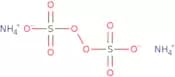
CAS:<p>Please enquire for more information about {[2-(2-Methoxyphenyl)-1,3-thiazol-5-yl]methyl}amine including the price, delivery time and more detailed product information at the technical inquiry form on this page</p>Formula:C11H12N2OSPurity:Min. 95%Color and Shape:PowderMolecular weight:220.29 g/molAmmonium persulfate
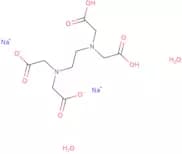
CAS:<p>Ammonium persulfate is used as a strong oxidizing agent in histological staining to produce an insoluble precipitate of silver sulfide on the tissue. It is also used for the manufacture of glycol ethers, which are solvents that are used in paints, varnishes, and lacquers. The reaction mechanism of ammonium persulfate is complex and involves three stages:<br>1) Ammonium persulfate reacts with water vapor to form hydrogen peroxide and ammonia gas.<br>2) Potassium dichromate reacts with hydrogen peroxide to form chromic acid and water. <br>3) The ammonium ion reacts with chromic acid to form a soluble salt (chromium(III) ammonium nitrate).<br>The reaction solution contains ammonium ions, which can be detected by electrochemical impedance spectroscopy (EIS).</p>Formula:N2H8S2O8Purity:Min. 95%Color and Shape:PowderMolecular weight:228.2 g/molEthylenediaminetetraacetic acid disodium dihydrate
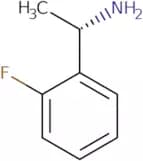
CAS:<p>Hexadentate chelator</p>Formula:C10H14N2Na2O8·2H2OColor and Shape:White PowderMolecular weight:372.24 g/mol(S)-1-(2-Fluorophenyl)ethylamine
CAS:<p>(S)-1-(2-Fluorophenyl)ethylamine is a fine chemical that is used as a versatile building block and reaction component. It has been shown to be an intermediate in the synthesis of other compounds such as (±) -N-benzyl-2,4-dioxo-3-piperidinamine. This compound can also be used as a reagent for the preparation of other high quality chemicals. The CAS Registry Number for this compound is 68285-25-6.</p>Formula:C8H10FNPurity:Min. 95%Color and Shape:Colorless Clear LiquidMolecular weight:139.17 g/mol(6S)-5,6,7,8-Tetrahydro-6-[propyl[2-(2-thienyl)ethyl]amino]-1-naphthalenol hydrochloride
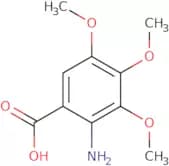
CAS:Controlled Product<p>(6S)-5,6,7,8-Tetrahydro-6-[propyl[2-(2-thienyl)ethyl]amino]-1-naphthalenol hydrochloride is a reagent that can be used as an intermediate for the synthesis of many complex compounds. It is a useful building block for the synthesis of pharmaceuticals with speciality chemicals and research chemicals. This compound has been shown to be a versatile building block in the synthesis of natural products, pharmaceuticals and other organic molecules. (6S)-5,6,7,8-Tetrahydro-6-[propyl[2-(2-thienyl)ethyl]amino]-1-naphthalenol hydrochloride is also a reaction component that can be used to synthesize many chemical substances with different functional groups.</p>Formula:C19H26ClNOSPurity:Min. 95%Color and Shape:White PowderMolecular weight:351.93 g/mol2-Amino-3,4,5-trimethoxybenzoic acid
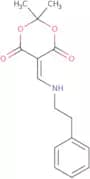
CAS:<p>2-Amino-3,4,5-trimethoxybenzoic acid (2AMTB) is a potential anticancer agent that inhibits the growth of cancer cells by interfering with the epidermal growth factor receptor. It also blocks the binding of this receptor to its ligands, preventing the activation of downstream signaling pathways. 2AMTB has been shown to inhibit epidermal growth factor (EGF)-induced proliferation in vitro and in vivo. 2AMTB has also been shown to inhibit the production of reactive oxygen species and DNA damage caused by amines such as quinazolone, which are commonly found in chemotherapy drugs. These properties make it a potential anticancer drug candidate for use with other chemotherapeutic agents such as epirubicin.</p>Formula:C10H13NO5Purity:Min. 95%Color and Shape:PowderMolecular weight:227.21 g/mol2,2-dimethyl-5-(((2-phenylethyl)amino)methylene)-1,3-dioxane-4,6-dione
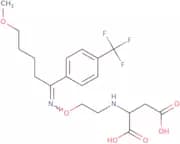
CAS:<p>Please enquire for more information about 2,2-dimethyl-5-(((2-phenylethyl)amino)methylene)-1,3-dioxane-4,6-dione including the price, delivery time and more detailed product information at the technical inquiry form on this page</p>Purity:Min. 95%N-(2-Succinyl) fluvoxamine
CAS:<p>N-(2-Succinyl) fluvoxamine is a fine chemical that is used as a versatile building block in the synthesis of complex compounds. It is also a research chemical, reagent, and speciality chemical. N-(2-Succinyl) fluvoxamine can be used as an intermediate to produce other compounds. It has been shown to be useful in the synthesis of scaffolds for drugs, antibiotics, and other organic molecules. This compound has high quality and can be used as a reactant or catalyst in reactions with water or alcohols.</p>Formula:C19H25F3N2O6Purity:Min. 95%Color and Shape:PowderMolecular weight:434.41 g/molZanamivir amine
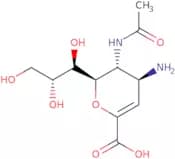
CAS:<p>Anti-viral; influenza neuraminidase inhibitor</p>Formula:C11H18N2O7Purity:Min. 95%Color and Shape:PowderMolecular weight:290.27 g/mol2-Amino-5-(trifluoromethyl)benzonitrile
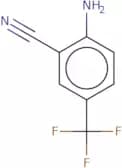
CAS:<p>2-Amino-5-(trifluoromethyl)benzonitrile is a versatile chemical building block that can be used in a variety of reactions. It has been used as a reagent and intermediate for research, as well as a speciality chemical. This compound has been found to have applications in the synthesis of complex compounds, such as pharmaceuticals and agrochemicals. 2-Amino-5-(trifluoromethyl)benzonitrile is also a useful scaffold for organic synthesis, due to its high quality and versatility.</p>Formula:C8H5F3N2Purity:Min. 95%Color and Shape:solid.Molecular weight:186.13 g/mol2-(Tributylstannyl)pyrimidin-5-amine
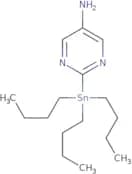
CAS:Controlled Product<p>Please enquire for more information about 2-(Tributylstannyl)pyrimidin-5-amine including the price, delivery time and more detailed product information at the technical inquiry form on this page</p>Formula:C16H31N3SnPurity:Min. 95%Molecular weight:384.15 g/molMonoethanolamine
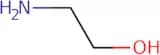
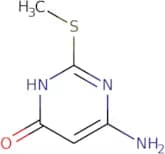
CAS:<p>Monoethanolamine is an organic compound that is the simplest type of amine. It is a colorless liquid with a mild, neutral odor. Monoethanolamine has been shown to be an effective antimicrobial agent, inhibiting bacterial growth by reacting with water vapor and nitrogen atoms in the environment. Monoethanolamine has also been shown to inhibit the production of nitric oxide and other reactive nitrogen species, which may account for its antimicrobial properties. The inhibition of nitric oxide synthesis may also account for monoethanolamine's ability to improve locomotor activity in mice. This chemical can be used as a reagent in analytical methods such as gas chromatography and solid phase microextraction.</p>Formula:C2H7NOPurity:Min. 95%Color and Shape:Colorless Clear LiquidMolecular weight:61.08 g/mol6-Amino-2-methylthio-4(3H)pyrimidinone
CAS:<p>6-Amino-2-methylthio-4(3H)pyrimidinone is a potential antitumor drug with a radical mechanism of action. It inhibits the activity of the NS5B polymerase, an enzyme in the virus's RNA replication complex. The drug has been shown to inhibit proliferation of cancer cells in vitro and to have antiviral effects against a number of viruses, including influenza A and B. 6-Amino-2-methylthio-4(3H)pyrimidinone inhibits tyrosine kinases and also inhibits erythrocyte progenitors from differentiating into megakaryocytes. This drug is not metabolized by cytochrome P450 enzymes and does not bind to plasma proteins.</p>Formula:C5H7N3OSPurity:Min. 95%Color and Shape:White PowderMolecular weight:157.19 g/molDiammonium N-ethylheptadecafluoro-N-[2-(phosphonatooxy)ethyl]octanesulfonamidate
CAS:Controlled Product<p>Diammonium N-ethylheptadecafluoro-N-[2-(phosphonatooxy)ethyl]octanesulfonamidate is a phosphonic acid that is used in the industrial process of water treatment. It has a high efficiency and low cost, which makes it an appropriate alternative to conventional chemical treatments. Diammonium N-ethylheptadecafluoro-N-[2-(phosphonatooxy)ethyl]octanesulfonamidate has been shown to be safe for the environment and for animals. Studies on its uptake by organisms have been conducted.</p>Formula:C12H9F17NO6PS•(NH4)2Purity:Min. 95%Molecular weight:685.29 g/molN-[(3R)-1-(3,3-Dimethyl-2-oxobutyl)-2,3-dihydro-2-oxo-5-(2-pyridinyl)-1H-1,4-benzodiazepin-3-yl]-N'-[3-(methylamino)phenyl]urea
CAS:Controlled Product<p>N-[(3R)-1-(3,3-Dimethyl-2-oxobutyl)-2,3-dihydro-2-oxo-5-(2-pyridinyl)-1H-1,4-benzodiazepin-3-yl]-N'-[3-(methylamino)phenyl]urea (GZ4081) is a drug that inhibits gastrin secretion by blocking the G protein coupled receptor. It has been shown to be effective in treating cancer and also has an inhibitory effect on tissue samples. GZ4081 has been shown to have long term treatment effects as well as being effective for prognosis. The effective dose of GZ4081 is not yet known but it is believed to be at least 10 times lower than the doses used for other drugs in its class.</p>Formula:C28H30N6O3Purity:Min. 95%Molecular weight:498.58 g/mol2-(hydroxyimino)-1-((4-(isopropyl)phenyl)sulfonyl)eth-2-ylamine
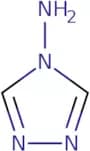
CAS:<p>Please enquire for more information about 2-(hydroxyimino)-1-((4-(isopropyl)phenyl)sulfonyl)eth-2-ylamine including the price, delivery time and more detailed product information at the technical inquiry form on this page</p>Formula:C11H16N2O3SPurity:Min. 95%Color and Shape:PowderMolecular weight:256.32 g/mol4-Amino-4H-1,2,4-triazole
CAS:<p>4-Amino-4H-1,2,4-triazole is a nitrogen heterocycle that has been used in the synthesis of copper complexes. 4-Amino-4H-1,2,4-triazole is synthesized by the reaction of copper chloride and hydrochloric acid with a redox potential of 0.03 V. The synthesis of this compound can be achieved through two different mechanisms: one involving an exothermic reaction with an adsorption mechanism and the other involving a kinetic mechanism. 4-Amino-4H-1,2,4-triazole has been used in FTIR spectroscopy to differentiate between various nitrogen atoms on the basis of their vibrational frequencies.</p>Formula:C2H4N4Purity:Min. 98.5 Area-%Color and Shape:Brown White PowderMolecular weight:84.08 g/mol4-Bromobutan-1-amine hydrobromide
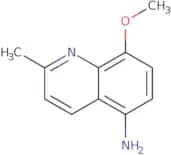
CAS:<p>4-Bromobutan-1-amine hydrobromide is a microtubule stabilizer that blocks the polymerization of tubulin and prevents cell division. It is activated by protonation and can be used to probe for cisplatin sensitivity. 4-Bromobutan-1-amine hydrobromide has been shown to have a high degree of specificity for cancer cells in culture, as well as sensitivity in animal models. This drug also has an excellent safety profile in humans and is an FDA approved chemotherapeutic agent.</p>Formula:C4H11Br2NPurity:Min. 95%Color and Shape:PowderMolecular weight:232.94 g/mol8-Methoxy-2-methylquinolin-5-amine monohydrochloride
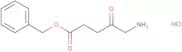
CAS:<p>8-Methoxy-2-methylquinolin-5-amine monohydrochloride is a fine chemical that is used as a versatile building block in the synthesis of complex compounds. 8-Methoxy-2-methylquinolin-5-amine monohydrochloride is an intermediate for the production of research chemicals and pharmaceuticals. It can be used to synthesize speciality chemicals, useful scaffolds, and reagents. It also has a wide range of applications as a reaction component in synthetic organic chemistry. 8-Methoxy-2-methylquinolin-5-amine monohydrochloride has high purity and quality.</p>Formula:C11H12N2O•HClPurity:Min. 95 Area-%Color and Shape:PowderMolecular weight:224.73 g/mol5-Amino-4-oxopentanoic acid benzyl ester hydrochloride
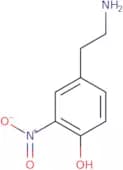
CAS:<p>Please enquire for more information about 5-Amino-4-oxopentanoic acid benzyl ester hydrochloride including the price, delivery time and more detailed product information at the technical inquiry form on this page</p>Formula:C12H15NO3·HClPurity:Min. 97%Color and Shape:PowderMolecular weight:257.71 g/mol3-Nitrotyramine
CAS:<p>3-Nitrotyramine is a compound that has catabolic properties. It is the product of tyrosine, which is an amino acid found in most proteins. 3-Nitrotyramine has been shown to be metabolized by humans through the liver and kidneys. The metabolic pathway for this compound starts with the conversion of L-methionine into dl-methionine. This reaction generates a molecule called S-adenosyl methionine, or SAMe, which is involved in many biological processes such as neurotransmitter synthesis and gene expression regulation. 3-Nitrotyramine can also be converted into dopamine by way of the enzyme catecholamine methyltransferase. Dopamine has been shown to have a variety of effects on human physiology, including being involved in mood disorders and motor control. 3-Nitrotyramine can also be converted into gold nanoparticles by means of an acid analysis test.</p>Formula:C8H10N2O3Purity:Min. 95%Color and Shape:PowderMolecular weight:182.18 g/mol4-(4-Aminophenyl)-3-methyl-4-oxobutanoic acid
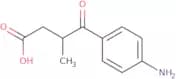
CAS:<p>4-(4-Aminophenyl)-3-methyl-4-oxobutanoicacid is a chemical substance that has been shown to be effective in treating insects. It is also used as an insecticide and herbicide. 4-(4-Aminophenyl)-3-methyl-4-oxobutanoicacid has been shown to have a high toxicity against insects, with a LD50 value of 5.6 mg/kg. This compound has been tested for its effects against the weevil species Rhinotia haemoptera, which is a pest that damages crops in Australia. 4-(4-Aminophenyl)-3-methyl-4-oxobutanoicacid was found to be highly toxic to this species of insect with an LC50 value of 0.1%.</p>Formula:C11H13NO3Purity:Min. 95%Color and Shape:SolidMolecular weight:207.23 g/molGiosiamine
<p>Giosiamine is a heterocyclic molecule that is used as a reaction component, reagent, and useful scaffold. It is also a high-quality research chemical with speciality use in the synthesis of other chemicals. Giosiamine is available at CAS No. 1815-02-7 and can be used as an intermediate for the production of complex compounds such as pharmaceuticals, pesticides, and fine chemicals. This product has been shown to be versatile in its applications and can serve as a building block for various types of reactions.</p>Purity:Min. 95%(2-Aminophenyl)boronic acid hydrochloride
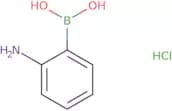
CAS:<p>(2-Aminophenyl)boronic acid hydrochloride is an analytical reagent that is used in the cross-coupling reaction between aryl bromides and organoboron compounds. It has been synthesized from 2-aminophenylboronic acid, which can be produced by the alkylation of phenol with 3-bromoquinoline. This compound has been shown to have antimalarial activity against the human malaria parasite Plasmodium falciparum in vitro. (2-Aminophenyl)boronic acid hydrochloride has also been shown to have a high intestinal absorption rate when given orally to rats. In vivo studies are needed to determine whether this chemical is safe for humans.</p>Formula:C6H9BClNO2Purity:Min. 95%Color and Shape:PowderMolecular weight:173.41 g/molN-Amino-2-(4-iodophenoxy)ethanamide
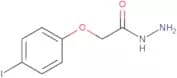
CAS:<p>Please enquire for more information about N-Amino-2-(4-iodophenoxy)ethanamide including the price, delivery time and more detailed product information at the technical inquiry form on this page</p>Formula:C8H9IN2O2Purity:Min. 95%Color and Shape:PowderMolecular weight:292.07 g/molN-Boc-2-bromoethylamine
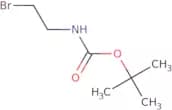
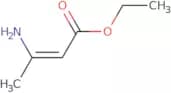
CAS:<p>N-Boc-2-bromoethylamine is a chemical compound that is used as a gadolinium chelate. This molecule has been shown to be chemically stable and can be easily synthesized in high yield, which makes it an ideal candidate for use in cell culture experiments. The reaction solution of N-Boc-2-bromoethylamine with serine proteases, such as trypsin and chymotrypsin, has been shown to result in the formation of peptides with amide bonds at the C terminus. This process is called a "Michael addition." The 2-nitroimidazole group of N-Boc-2-bromoethylamine is potent inhibitor of protein kinases and has been shown to inhibit hypoxic tumor growth by inhibiting the uptake of glucose by cancer cells. It also has antimicrobial properties, acting as an affinity ligand for binding to bacterial or fungal cells.</p>Formula:C7H14BrNO2Purity:Min. 95%Color and Shape:PowderMolecular weight:224.1 g/molEthyl 3-aminobut-2-enoate
CAS:<p>Ethyl 3-aminobut-2-enoate is an organic compound that belongs to the class of amides. It can be prepared from the reaction of ethyl acetoacetate with ammonia and sodium ethoxide in a solvent such as ethanol or water. Ethyl 3-aminobut-2-enoate has been used as a substrate for the synthesis of felodipine, which is a drug used to treat high blood pressure. The molecule has efficient hydrogen bonding properties and can form acid conjugates with chloride ions and alcohols. This compound can also form intermolecular hydrogen bonds between different molecules to give crystalline structures with vibrational, rotational, and electronic spectra that have been studied using nmr spectroscopy and crystallography.</p>Formula:C6H11NO2Purity:Min. 95%Color and Shape:PowderMolecular weight:129.16 g/mol





![N-[(4-Chlorophenyl)methyl]cyclopentanamine](/_next/image/?url=https%3A%2Fstatic.cymitquimica.com%2Fproducts%2FTR%2Fthumb-webp%2FN300096.webp&w=3840&q=75)

![a-[2-(Methylamino)ethyl]benzyl alcohol](/_next/image/?url=https%3A%2Fstatic.cymitquimica.com%2Fproducts%2F3D%2Fthumb-webp%2FFM02610.webp&w=3840&q=75)



![[1-(Morpholin-4-ylcarbonyl)butyl]amine hydrochloride](/_next/image/?url=https%3A%2Fstatic.cymitquimica.com%2Fproducts%2F3D%2Fthumb-webp%2FFM130676.webp&w=3840&q=75)

![9-[[[4-[(2,5-Dioxo-1-pyrrolidinyl) oxy]-4-oxobutyl][(4-methylphenyl) sulfonyl]amino]carbonyl]-10- …](/_next/image/?url=https%3A%2Fstatic.cymitquimica.com%2Fproducts%2F3D%2Fthumb-webp%2FFD106522.webp&w=3840&q=75)
![[2-(Pyridin-2-ylthio)ethyl]amine dihydrochloride](/_next/image/?url=https%3A%2Fstatic.cymitquimica.com%2Fproducts%2F3D%2Fthumb-webp%2FFP121658.webp&w=3840&q=75)



![{[2-(2-Methoxyphenyl)-1,3-thiazol-5-yl]methyl}amine](/_next/image/?url=https%3A%2Fstatic.cymitquimica.com%2Fproducts%2F3D%2Fthumb-webp%2FFM124085.webp&w=3840&q=75)
![(6S)-5,6,7,8-Tetrahydro-6-[propyl[2-(2-thienyl)ethyl]amino]-1-naphthalenol hydrochloride](/_next/image/?url=https%3A%2Fstatic.cymitquimica.com%2Fproducts%2F3D%2Fthumb-webp%2FFT27763.webp&w=3840&q=75)
![Diammonium N-ethylheptadecafluoro-N-[2-(phosphonatooxy)ethyl]octanesulfonamidate](/_next/image/?url=https%3A%2Fstatic.cymitquimica.com%2Fproducts%2F3D%2Fthumb-webp%2FFD100565.webp&w=3840&q=75)
![N-[(3R)-1-(3,3-Dimethyl-2-oxobutyl)-2,3-dihydro-2-oxo-5-(2-pyridinyl)-1H-1,4-benzodiazepin-3-yl]-N…](/_next/image/?url=https%3A%2Fstatic.cymitquimica.com%2Fproducts%2F3D%2Fthumb-webp%2FFD153499.webp&w=3840&q=75)