Amines
Amines are a set of molecules containing an amino functional group (derived from ammonia). This category includes amines at any level of substitution : primary, secondary, tertiary, and ammonium salts. Amines are fundamental in organic synthesis and are widely used in pharmaceuticals, agrochemicals, and materials science. At CymitQuimica, we provide a comprehensive selection of amines to meet your research and industrial needs. Our range ensures access to various amines for diverse chemical processes and innovative research.
Subcategories of "Amines"
- Nitrosamines(2,606 products)
- Primary Amines(30,805 products)
- Quaternary Ammonium Cations and Salts(1,099 products)
- Secondary Amines(20,809 products)
- Tertiary Amines(17,111 products)
Found 8776 products of "Amines"
Sort by
Purity (%)
0
100
|
0
|
50
|
90
|
95
|
100
3-Aminocyclopentanol
CAS:Controlled ProductFormula:C5H11NOColor and Shape:NeatMolecular weight:101.147(E)-N-(2-((7-Nitrobenzo[c][1,2,5]oxadiazol-4-yl)amino)ethyl)-4-oxo-4-phenylbut-2-enamide
Controlled Product<p>Applications (E)-N-(2-((7-nitrobenzo[c][1,2,5]oxadiazol-4-yl)amino)ethyl)-4-oxo-4-phenylbut-2-enamide is a useful research chemical.<br></p>Formula:C18H15N5O5Color and Shape:NeatMolecular weight:381.342N-Nitroso-N,N-dinonylamine
CAS:Controlled ProductFormula:C18H38N2OColor and Shape:NeatMolecular weight:298.507Bis(3-chloropropyl)amine Hydrochloride
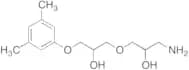
CAS:Controlled Product<p>Stability Hygroscopic<br>Applications Bis(3-chloropropyl)amine Hydrochloride is used in silica studies, and is grafted onto a silica support to evaluate CO2 adsorption.<br>References Yoo, C. et al.: Ind. Eng. Chem. Res., 59, 7061 (2020);<br></p>Formula:C6H13NCl2·HClColor and Shape:NeatMolecular weight:206.541-Amino-3-(3-(3,5-dimethylphenoxy)-2-hydroxypropoxy)propan-2-ol
Controlled ProductFormula:C14H23NO4Color and Shape:NeatMolecular weight:269.337N1-(2-Chloroethyl)-N2-(2,3-dichlorophenyl)ethane-1,2-diamine Hydrochloride (>80%)
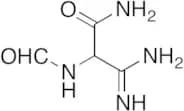
CAS:Controlled ProductFormula:C10H13Cl3N2·xHClPurity:>80%Color and Shape:NeatMolecular weight:340.5053-Amino-2-(formylamino)-3-iminopropanamide
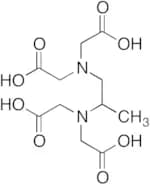
CAS:Controlled Product<p>Applications 3-Amino-2-(formylamino)-3-iminopropanamide is a Temozolomide (T017775) impurity. Temozolomide acts as a imidazotetrazine alkylating agent. An antineoplastic.<br>References Newlands, E.S., et al.: Cancer Treat. Rev., 23, 35 (1997), Kim, C., et al.: J. Biol. Chem., 274, 1233 (1999), Hait, W., et al.: Cancer Res., 69, 1263 (2009),<br></p>Formula:C4H8N4O2Color and Shape:NeatMolecular weight:144.1321,2-Diaminopropane-N,N,N',N'-tetraacetic Acid
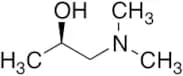
CAS:Controlled Product<p>Applications 1,2-Diaminopropane-N,N,N',N'-tetraacetic Acid is an aminopolycarboxylic acids found at ultra-trace levels in water; Also, it is used in the construction of Eu3+ ion-selective membrane electrode as suitable ionophore.<br>References Nette, D., et al.: Anal. Chim. Acta, 884, 124-132 (2015); Abedi, M. R., et al.: E-J. Chem., 8, S467-S473 (2011)<br></p>Formula:C11H18N2O8Color and Shape:NeatMolecular weight:306.27(2R)-1-(dimethylamino)propan-2-ol
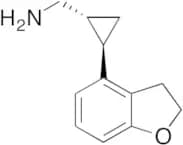
CAS:Controlled ProductFormula:C5H13NOColor and Shape:NeatMolecular weight:103.163((1R,2R)-2-(2,3-Dihydrobenzofuran-4-yl)cyclopropyl)methanamine
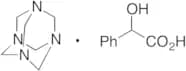
CAS:Controlled ProductFormula:C12H15NOColor and Shape:NeatMolecular weight:189.254Methenamine Mandelate
CAS:Controlled ProductFormula:C8H8O3·C6H12N4Color and Shape:NeatMolecular weight:292.332-(Diethylamino)ethyl 4-amino-3-butoxybenzoate
CAS:Controlled Product<p>Applications 2-(diethylamino)ethyl 4-amino-3-butoxybenzoate (cas# 99-43-4) is a useful research chemical.<br> Not a dangerous good if item is equal to or less than 1g/ml and there is less than 100g/ml in the package<br></p>Formula:C17H28N2O3Color and Shape:NeatMolecular weight:308.425H,7H,8H-Pyrano[4,3-c]pyridazin-3-amine
CAS:Controlled ProductFormula:C7H9N3OColor and Shape:NeatMolecular weight:151.166rac-trans-3-Amino-1-indanol
CAS:Controlled ProductFormula:C9H11NOColor and Shape:NeatMolecular weight:149.19N-[[4-(Phenylmethoxy)phenyl]methyl]-2-[(3-thienylcarbonyl)amino]-4-thiazoleacetamide
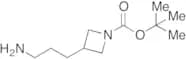
CAS:Controlled Product<p>Applications N-[[4-(Phenylmethoxy)phenyl]methyl]-2-[(3-thienylcarbonyl)amino]-4-thiazoleacetamide is derived from ethyl 2-amino-4-thiaxolacetate (E899330) which is used in the synthesis of various pharmaceutical and biologically active compounds including inhibitors and antibiotics.<br>References Inamoto, Y., et al.: J. Antibiot., 41, 828 (1988)<br></p>Formula:C24H21N3O3S2Color and Shape:NeatMolecular weight:463.572tert-Butyl 3-(3-Aminopropyl)azetidine-1-carboxylate
CAS:Controlled ProductFormula:C11H22N2O2Color and Shape:NeatMolecular weight:214.31rac-cis-3-Amino-1-indanol
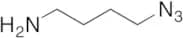
CAS:Controlled ProductFormula:C9H11NOColor and Shape:NeatMolecular weight:149.194-Azidobutylamine (Solution in Dichloromethane)
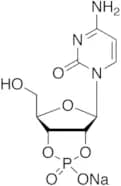
CAS:Controlled Product<p>Applications 4-Azidobutylamine is weakly or non-mutagenic to Salmonella typhimurium.<br>References Owais, W.M., et. al.: Mutat. Res. Genetic Toxicol. Testing, 118, 229 (1983)<br></p>Formula:C4H10N4Color and Shape:Single SolutionMolecular weight:114.15Cytidine-2’,3’-cyclic Monophosphate Triethylamine Salt
CAS:Controlled ProductFormula:C9H12N3O7P•(C6H15N)Color and Shape:NeatMolecular weight:406.16174rel-[(1R,2R)-2-(Aminomethyl)cyclobutyl]methylamine
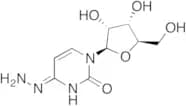
CAS:Controlled ProductFormula:C6H14N2Color and Shape:NeatMolecular weight:114.189N4-Aminocytidine
CAS:Controlled Product<p>Applications N4-Aminocytidine (cas# 57294-74-3) is a useful research chemical.<br></p>Formula:C9H14N4O5Color and Shape:NeatMolecular weight:258.23Dimethylamine (40% aq.)
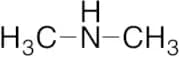
CAS:Controlled Product<p>Applications Dimethylamine (40% aq.) is a compound often used in industry as a precursor to Nitrosodimethylamine (N525625), a potent carcinogen that is produced during disinfection of wastewater effluent, and is also present in trace amounts in food and polluted air. Dimethylamine is also present in human urine and can be indicative of certain disorders.<br> Not a dangerous good if item is equal to or less than 1g/ml and there is less than 100g/ml in the package<br>References Gereke, A. & Sedlak, D.: Env. Sci. Tech., 37, 1331 (2003); Mitch, W., et al.: Env. Eng. Sci., 20, 389 (2003); Tsikas, D., et al.: J. Chromatogr. B, 851, 229 (2007)<br></p>Formula:C2H7NColor and Shape:NeatMolecular weight:45.086-Amino-1,3-dimethyl-5-nitrosouracil
CAS:Controlled Product<p>Applications 6-Amino-1,3-dimethyl-5-nitrosouracil (cas# 3346-61-0) is a compound useful in organic synthesis.<br>References Varma, R., et al.: J. Ocular Pharmacol. Ther., 16, 571 (2000),<br></p>Formula:C6H8N4O3Color and Shape:NeatMolecular weight:184.15Tetramethylammonium Chloride
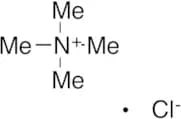
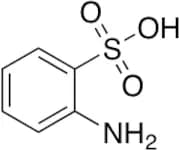
CAS:Controlled Product<p>Applications Tetramethylammonium Chloride is used as a reagent in the synthesis of β-Triglycidyl Isocyanurate (T793805); a crosslinker and neoplasm inhibitor.<br> Not a dangerous good if item is equal to or less than 1g/ml and there is less than 100g/ml in the package<br>References Vargha, V., et al.: J. Therm. Anal. Calorim., 83, 199 (2006); Spreafico, F., et al.: Cancer Chemoth. Pharm., 5, 103 (1980)<br></p>Formula:C4H12ClNColor and Shape:NeatMolecular weight:109.62-Aminobenzenesulphonic Acid
CAS:Controlled Product<p>Applications 2-Aminobenzenesulphonic acid (cas# 88-21-1) is a useful research chemical.<br> Not a dangerous good if item is equal to or less than 1g/ml and there is less than 100g/ml in the package<br></p>Formula:C6H7NO3SColor and Shape:Light Brown SolidMolecular weight:173.19tert-Butyl [(S)-1-amino-3-(4-iodophenyl)-1-oxopropan-2-yl]carbamate
CAS:Controlled ProductFormula:C14H19IN2O3Color and Shape:NeatMolecular weight:390.217[(2S)-2-Aminopropyl]dimethylamine Hydrochloride
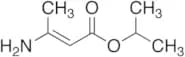
CAS:Controlled ProductFormula:C5H14N2·HClColor and Shape:NeatMolecular weight:138.639Isopropyl 3-Aminocrotonate
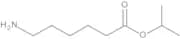
CAS:Controlled Product<p>Applications Isopropyl 3-Aminocrotonate (cas# 14205-46-0) is a compound useful in organic synthesis.<br></p>Formula:C7H13NO2Color and Shape:NeatMolecular weight:143.18Isopropyl 6-Aminohexanoate
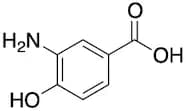
CAS:Controlled ProductFormula:C9H19NO2Color and Shape:NeatMolecular weight:173.253-Amino-4-hydroxybenzoic Acid
CAS:Controlled Product<p>Applications 3-Amino-4-hydroxybenzoic acid (cas# 1571-72-8) is a useful research chemical.<br></p>Formula:C7H7NO3Color and Shape:NeatMolecular weight:153.14Tetra-N-octylammonium Iodide
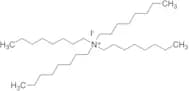
CAS:<p>Applications Tetra-N-octylammonium iodide (CAS# 16829-91-7) is a tetraalkylammonium salt and a useful nitrogen-containing building block. Tetra-N-octylammonium iodide is also used as a solid extrantant for platinum and gold in analysis of natural objects.<br>References Dmitriev, S.; et al.: Anal. Sci., 7, 65 (1991).<br></p>Formula:C32H68N·IColor and Shape:NeatMolecular weight:593.7932-Amino-N,N,3-trimethyl-butanamide
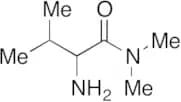
CAS:Controlled ProductFormula:C7H16N2OColor and Shape:NeatMolecular weight:144.2153-Azidopropan-1-amine Hydrochloride Salt
CAS:Controlled Product<p>Applications 3-AZIDOPROPAN-1-AMINE (cas# 88192-19-2) is a useful research chemical.<br></p>Formula:C3H8N4·HClColor and Shape:NeatMolecular weight:100.12 + 36.462-(6-Aminopurin-9-yl)ethanol
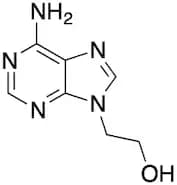
CAS:Controlled Product<p>Applications 2-(6-Aminopurin-9-yl)ethanol is a useful intermediate in the preparation of aryloxyalkyl derivatives of adenine with antiviral activity.<br>References Petrov, V. I., et al.: Chemistry of Heterocyclic Compounds, 39, 1218 (2003)<br></p>Formula:C7H9N5OColor and Shape:NeatMolecular weight:179.18Disperse Blue 3
CAS:Controlled Product<p>Applications Nonoxidative coloring agent for semipermanent coloring of keratin fibers such as hair and wool.<br>References Chen, C., et al.: Science, 279, 851 (1998), Nitz, M., et al.: Chembiochem., 4, 272 (2003),<br></p>Formula:C17H16N2O3Color and Shape:NeatMolecular weight:296.32O-(2-Aminoethyl)-O’-(2-azidoethyl)pentaethylene Glycol
CAS:Controlled ProductFormula:C14H30N4O6Color and Shape:NeatMolecular weight:350.411O-(2-Aminoethyl)-O’-(2-azidoethyl)triethylene Glycol
CAS:Controlled ProductFormula:C10H22N4O4Color and Shape:NeatMolecular weight:262.306Amino-PEG4-alcohol
CAS:Controlled Product<p>Applications 1-Amino-3,6,9-trioxaundecanyl-11-ol (cas# 86770-74-3) is a compound useful in organic synthesis.<br></p>Formula:C8H19NO4Color and Shape:NeatMolecular weight:193.24Benzyl 5-Amino-2-(benzyloxy)benzoate
CAS:Controlled ProductFormula:C21H19NO3Color and Shape:NeatMolecular weight:333.396-(4-Phenylbutoxy)-1-hexanamine
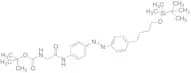
CAS:<p>Applications 6-(4-Phenylbutoxy)-1-hexanamine is an intermediate in the synthesis of salmeterol (S090100), a structural analog of Albuterol (A514500).<br>References Goswami, J., et al.: Tetrahedron. Asym., 12, 3343 (2002);<br></p>Formula:C16H27NOColor and Shape:Off White SolidMolecular weight:249.39(E)-tert-Butyl (2-((4-((4-(4-((tert-Butyldimethylsilyl)oxy)butyl)phenyl)diazenyl)phenyl)amino)-2-oxoethyl)carbamate
Controlled ProductFormula:C29H44N4O4SiColor and Shape:NeatMolecular weight:540.77S-(+)-2-Amino-1-propanol
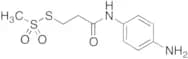
CAS:<p>Applications S-(+)-2-Amino-1-propanol is an aliphatic amino alcohol shown to induce an antiproliferative effect in B16 melanoma cells. S-(+)-2-Amino-1-propanol is used in the preparation of oxazolines which are often used as ligands in homogeneous catalysis.<br> Not a dangerous good if item is equal to or less than 1g/ml and there is less than 100g/ml in the package<br>References Landau, O. et al.: Cancer Lett., 69, 203 (1993); Gant, T.G. et al.: Tetrahedron, 50, 2297 (1994);<br></p>Formula:C3H9NOColor and Shape:ColourlessMolecular weight:75.1097S-(3-((4-Aminophenyl)amino)-3-oxopropyl) Methanesulfonothioate
Controlled Product<p>Applications S-(3-((4-Aminophenyl)amino)-3-oxopropyl) Methanesulfonothioate is an intermediate used in the synthesis of (E)-S-(3-((4-((4-(4-hydroxybutyl)phenyl)diazenyl)phenyl)amino)-3-oxopropyl) methanesulfonothioate (H895230), which a useful research chemical.<br></p>Formula:C10H14N2O3S2Color and Shape:NeatMolecular weight:274.36trans-1-Amino-3-fluoro-cyclobutanecarboxylic Acid
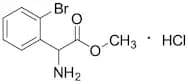
CAS:Controlled ProductFormula:C5H8FNO2Color and Shape:NeatMolecular weight:133.121Methyl Amino(2-bromophenyl)acetate Hydrochloride
CAS:Controlled Product<p>Applications methyl amino(2-bromophenyl)acetate hydrochloride (cas# 1219408-44-2) is a useful research chemical.<br></p>Formula:C9H10BrNO2·HClColor and Shape:NeatMolecular weight:244.09 + (36.46)N-Decylaminoethanol
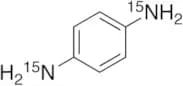
CAS:Controlled Product<p>Applications Used in the antileishmanial activity of lipidic amino alcohols.<br>References Coimbra, E.: Chem. Biol. Drug Des. 75, 233 (2010).<br></p>Formula:C12H27NOColor and Shape:NeatMolecular weight:201.351,4-Phenylenediamine-15N2
CAS:<p>Applications 1,4-Phenylenediamine-13N2 is the isotope labelled analogue of 1,4-Phenylenediamine (P319845), an organic compound that is a derivative of aniline and a main ingredient for the production of polymers and hair dyes.<br> Not a dangerous good if item is equal to or less than 1g/ml and there is less than 100g/ml in the package<br>References Chugh, K., et al.: J. Med., 13, 131 (1982), Baud, F., et al.: J. Toxicol. Med., 4, 279 (1984), Ashraf, W., et al.: Human Exp. Toxicol., 13, 167 (1994),<br></p>Formula:C6H815N2Color and Shape:NeatMolecular weight:110.134-(3-Aminopropyl)-N,N-dimethylaniline Hydrochloride
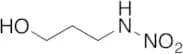
CAS:Controlled Product<p>Applications 4-(3-aminopropyl)-N,N-dimethylaniline (cas# 112103-97-6) is a useful research chemical.<br></p>Formula:C11H18N2·HClColor and Shape:NeatMolecular weight:214.7353-(Nitroamino)propanol
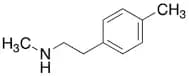
CAS:Controlled Product<p>Applications 3-(Nitroamino)propanol is an analog of 2-(Nitroamino)ethanol (N491750), which is used in the preparation of N-alkylnitratoethyl nitramines as energetic plasticizers for explosives and propellants.<br></p>Formula:C3H8N2O3Color and Shape:NeatMolecular weight:120.11Methyl-(2-p-tolyl-ethyl)-amine
CAS:Controlled ProductFormula:C10H15NColor and Shape:NeatMolecular weight:149.233tert-Butyl 2-amino-3-hydroxypropanoate
CAS:Controlled ProductFormula:C7H15NO3Color and Shape:NeatMolecular weight:161.199Ethyl (Z)-[2-amino-4-thiazolyl](methoxyimino)acetate
CAS:Controlled Product<p>Stability Hygroscopic<br>Applications Ethyl (Z)-[2-amino-4-thiazolyl](methoxyimino)acetate is used in the preparation of ceftriaxone-d3 (C245002), which is a labelled antibacterial.<br>References Reiner, R., et al.: J. Antibiot., 33, 783 (1980)<br></p>Formula:C8H11N3O3SColor and Shape:NeatMolecular weight:229.262-(1-Cyclohexenyl)ethylamine
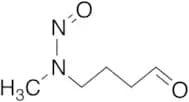
CAS:Controlled ProductFormula:C8H15NColor and Shape:NeatMolecular weight:125.214-(Methylnitrosoamino)-butanal
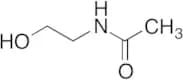
CAS:Controlled ProductFormula:C5H10N2O2Color and Shape:NeatMolecular weight:130.145N-Acetylethanolamine
CAS:<p>Applications N-Acetylethanolamine can be used as an antistatic agent, foam boosting agent, hair conditioning humectant, skin conditioning surfactant and viscosity controlling agent in cosmetics industry. It is a non-tacky glycerine alternative for use in skin and hair care.<br>References Hough, L., et al.: J. Chem. Soc., 7923994-3997 (1957); Auzanneau, F-I, et al.: J. Chem. Soc., 10, 2831-2834 (1990);<br></p>Formula:C4H9NO2Purity:~90%Color and Shape:NeatMolecular weight:103.121-Phenyl-3-Azetidinamine Dihydrochloride
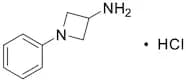
CAS:Controlled ProductFormula:C9H14Cl2N2Color and Shape:NeatMolecular weight:184.666N,N-Diethyl-2-[(phenylmethyl)thio]ethanamine
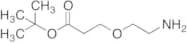
CAS:Controlled ProductFormula:C13H21NSColor and Shape:NeatMolecular weight:223.377Amino-peg1-t-butyl Ester
CAS:Controlled Product<p>Applications Amino-peg1-t-butyl Ester is a reagent used in the preparation of β2 adrenergic receptor agonists and muscarinic receptor activity antagonists.<br>References Donald, D. K., et al.: PCT Int. Appl., WO 2011048409 A1 WO2010-GB51751 (2011)<br></p>Formula:C9H19NO3Color and Shape:NeatMolecular weight:189.256-[[6-[[6-[(6-Aminohexyl)amino]-1,6-dioxohexyl]amino]hexyl]amino]-6-oxo-hexanoic Acid
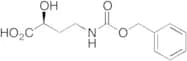
CAS:Controlled ProductFormula:C24H46N4O5Color and Shape:NeatMolecular weight:470.646(S)-(+)-N-Carboxybenzoyl-4-Amino-2-hydroxybutyric Acid
CAS:Controlled Product<p>Applications (S)-(+)-Z-4-Amino-2-hydroxybutyric Acid is used in the synthesis of aminoglycoside antibiotics.<br>References Rai, R. et al.: Org. Lett., 8, 887 (2006); Li, Jie. et al.: J. org. Chem., 72, 4055 (2007);<br></p>Formula:C12H15NO5Color and Shape:NeatMolecular weight:253.253-(3-Amino-1H-1,2,4-triazol-5-yl)propanoic acid
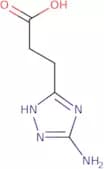
CAS:<p>Aminoguanidine is a selective inhibitor of the enzyme succinic dehydrogenase, which catalyzes the conversion of succinic acid to fumarate. Aminoguanidine is used in the treatment of diabetic complications and other conditions that result from high levels of blood glucose in order to lower the levels of blood sugar. The drug is administered orally or intravenously as aminoguanidine hydrochloride, which is converted to aminoguanidine in the body. Aminoguanidine can also be synthesized by reacting succinic anhydride with guanidine hydrochloride in a regioselective reaction. This synthesis yields quantitatively aminoguanidine, with little or no formation of guanidine. The product can be purified by washing with alkali and recrystallizing it from water. X-ray diffraction studies have shown that aminoguanidine hydrochloride exists as zwitterions in solution at physiological pH values.</p>Formula:C5H8N4O2Purity:Min. 95%Molecular weight:156.14 g/mol(7S)-7-Amino-1,2,3,10-tetramethoxy-6,7-dihydro-5H-benzo[g]heptalen-9-one
CAS:<p>(7S)-7-Amino-1,2,3,10-tetramethoxy-6,7-dihydro-5H-benzo[g]heptalen-9-one is a hydroxylated analog of demecolcine. It has been shown to be an effective antimicrobial agent with proteolytic and hypoglycemic effects in mice. 7SATM is able to inhibit the activity of human macrophages. This drug has also been shown to have diagnostic potential by binding to a monoclonal antibody that recognizes the myeloperoxidase enzyme on the surface of neutrophils.</p>Formula:C20H23NO5Purity:Min. 95 Area-%Color and Shape:Slightly Yellow PowderMolecular weight:357.4 g/mol2-Amino-2-(2-chlorophenyl)cyclohexan-1-one
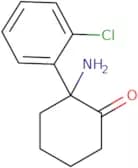
CAS:Controlled Product<p>2-Amino-2-(2-chlorophenyl)cyclohexan-1-one is an anesthetic drug that belongs to the group of ketamine. It is a chiral compound and has been shown to have central nervous system depressant effects, which are more pronounced than those of ketamine. This drug also affects the cardiovascular system and can cause respiratory depression. 2-Amino-2-(2-chlorophenyl)cyclohexan-1-one has been shown to be metabolized in humans by cytochrome P450 (CYP3A4). It may potentiate the effect of drugs that induce CYP3A4 activity such as erythromycin, rifampin, and phenobarbital.<br> 2-Amino-2-(2-chlorophenyl)cyclohexan-1-one is not active against MRSA or methicillin resistant pseudomonas aeruginosa (MR</p>Formula:C12H14ClNOPurity:Min. 95%Color and Shape:PowderMolecular weight:223.7 g/mol4-(Butylamino)benzoic acid
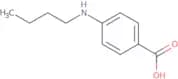
CAS:<p>4-(Butylamino)benzoic acid is a non-steroidal anti-inflammatory drug (NSAID) that has been used to treat pain. It is a prodrug, which is metabolized in the liver to 4-(butylamino)-phenylacetic acid, its active form. The 4-(butylamino)benzoic acid molecule has a hydrophobic effect and binds to chloride ions. This binding inhibits the production of prostaglandins, which are mediators of pain. 4-(Butylamino)benzoic acid also reduces the activity of plasma cells that produce antibodies and increases the activity of lymphocytes and platelets, leading to an increase in immunoglobulin levels.</p>Formula:C11H15NO2Purity:Min. 95%Color and Shape:PowderMolecular weight:193.24 g/mol1-(4-Aminophenyl)-1H-pyridin-2-one
CAS:<p>1-(4-Aminophenyl)-1H-pyridin-2-one is a synthetic chemical that is used in the manufacturing of 8-hydroxyquinoline. It is an industrial chemical that is used to produce potassium carbonate by a reflux reaction with potassium and carbonate. 1-(4-Aminophenyl)-1H-pyridin-2-one is a gas at room temperature and pressure and has been shown to be stable under these conditions.</p>Formula:C11H10N2OPurity:Min. 95%Color and Shape:White PowderMolecular weight:186.21 g/mol(R)-1-Boc-3-(aminomethyl)pyrrolidine
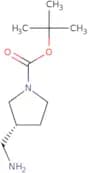
CAS:<p>Please enquire for more information about (R)-1-Boc-3-(aminomethyl)pyrrolidine including the price, delivery time and more detailed product information at the technical inquiry form on this page</p>Formula:C10H20N2O2Purity:Min. 95%Molecular weight:200.28 g/molMethyl 4-amino-2-fluorobenzoate
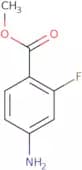
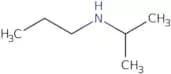
CAS:<p>Please enquire for more information about Methyl 4-amino-2-fluorobenzoate including the price, delivery time and more detailed product information at the technical inquiry form on this page</p>Formula:C8H8FNO2Purity:Min. 95%Molecular weight:169.15 g/molN-Propyl-N-isopropylamine
CAS:<p>N-Propyl-N-isopropylamine is a beta-blocker that is used in the treatment of hypertension. It has potent inhibition of the enzyme transaminase, which is involved in the metabolism of amino acids and branched chain amino acids. N-Propyl-N-isopropylamine inhibits the synthesis of catecholamines, such as adrenaline, noradrenaline, and dopamine. Beta blockers are also used to treat angina pectoris and heart failure. Beta blockers work by blocking beta receptors in the sympathetic nervous system, thereby decreasing cardiac output and blood pressure. The drug can be administered orally or intravenously to achieve its desired effects. This drug is also catalytic with a low toxicity profile that makes it suitable for wastewater treatment.</p>Formula:C6H15NPurity:Min. 95%Molecular weight:101.19 g/mol1-(5-Methyl-1,2,4-oxadiazol-3-yl)cyclohexanamine hydrochloride
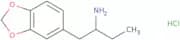
CAS:Controlled Product<p>Please enquire for more information about 1-(5-Methyl-1,2,4-oxadiazol-3-yl)cyclohexanamine hydrochloride including the price, delivery time and more detailed product information at the technical inquiry form on this page</p>Formula:C9H16N3OClPurity:Min. 95%Molecular weight:217.7 g/molrac benzodioxole-5-butanamine hydrochloride
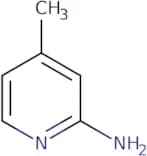
CAS:Controlled Product<p>Racemic benzodioxole-5-butanamine hydrochloride (RAC) is a pharmacologic agent that has been shown to bind to dopamine receptors, thereby activating them. It has been shown to be an effective treatment for depression and other mental illnesses. Racemic benzodioxole-5-butanamine hydrochloride is also used in analytical toxicology as a chromatographic standard. This compound has been synthesized using the asymmetric synthesis of primary amines. RAC is also an enantiomer and can exist in two forms: (+)-RAC and (-)-RAC, which are mirror images of each other. The (+) form of racemic benzodioxole-5-butanamine hydrochloride is the more active form, with greater binding affinity for dopamine receptors than the (-) form.</p>Formula:C11H16ClNO2Purity:Min. 95%Molecular weight:229.7 g/mol2-Amino-4-picoline
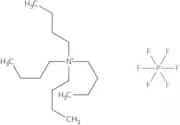
CAS:<p>2-Amino-4-picoline is a protonated nitrogenous base that has a chemical structure of 2-amino-4-picoline. It is used in the titration calorimetry of copper complexes. This compound has been shown to have antiinflammatory activity and can be used for the treatment of inflammatory diseases such as malonic acid and alkanoic acid induced inflammation. 2-Amino-4-picoline is also used in cisplatin induced nephrotoxicity, where it was shown to prevent high values in urine protein excretion and creatinine clearance by preventing oxidative stress and inhibiting the production of reactive oxygen species (ROS). This compound also reacts with hydrochloric acid to form an aminopyridine salt and hydrogen bond with a hydroxyl group.</p>Formula:C6H8N2Purity:Min. 95%Color and Shape:PowderMolecular weight:108.14 g/molTetrabutylammonium hexafluorophosphate
CAS:<p>Tetrabutylammonium hexafluorophosphate is a chemical reagent that is used in organic synthesis. It is a strong Lewis acid that reacts with substrates to form adducts. Tetrabutylammonium hexafluorophosphate reacts with trifluoroacetic acid, ethylene diamine, and hydrogen fluoride to produce the salt tetrabutylammonium hexafluorophosphate dihydrate (TBAPF). The reaction proceeds through an ionic intermediate that involves the abstraction of a proton from the substrate by the tetrabutylammonium cation followed by nucleophilic attack on the anion by water. Tetrabutylammonium hexafluorophosphate dihydrate can be formed via this mechanism as well as through a simple salt metathesis reaction between TBAPF and sodium carbonate. This reagent has been shown to form crystals of good quality for</p>Formula:C16H36F6NPPurity:Min. 98.0%Color and Shape:PowderMolecular weight:387.43 g/mol2-Dimethylaminoisopropyl chloride hydrochloride
CAS:<p>2-Dimethylaminoisopropyl chloride hydrochloride is a fluorescent molecule that emits light at wavelengths of 370-430 nm. It has a number of uses, such as detecting the presence or absence of chloride ions in water samples, determining the composition of petroleum products, and measuring the concentration of sodium ions in electrolytes. 2-Dimethylamino-1-propanesulfonic acid chloride hydrochloride can be used to identify the transition metal (Cu) in a sample, because it absorbs light at wavelengths below 450 nm.</p>Formula:C5H12ClN·HClPurity:Min. 95%Color and Shape:White to off-white solid.Molecular weight:158.07 g/molN,N'-Diisopropylethylenediamine
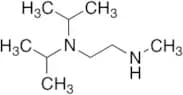
CAS:<p>N,N'-Diisopropylethylenediamine is a light-resistant, microprocessor-grade ligand that binds to imatinib. It is used in the synthesis of acrylonitrile and potassium clavulanate. N,N'-Diisopropylethylenediamine has been shown to bind to copper ions and bortezomib, which are drugs used for the treatment of cancer. This chemical may be an organic solvent that can cross-link proteins and prevent them from unfolding.</p>Formula:C8H20N2Purity:Min. 95%Molecular weight:144.26 g/mol2-Hydroxybenzylamine
CAS:<p>2-Hydroxybenzylamine is a dietary supplement that is used to prevent atherosclerosis and cardiovascular disease. It inhibits the oxidation of fatty acids and decreases the production of reactive oxygen species. This drug has been shown to have an effect on cardiac hypertrophy and blood pressure. 2-Hydroxybenzylamine has been shown to reduce the levels of 4-hydroxybutyric acid, malondialdehyde, and reactive oxygen species in cultured cells. These effects may be due to its ability to inhibit the enzyme fatty acid synthase. 2HBA also has a protective effect against oxidative injury by reducing the release of reactive oxygen species from mitochondria in cultured cells.</p>Formula:C7H9NOPurity:Min. 95%Molecular weight:123.15 g/mol3,3'-Diaminodiphenylmethane
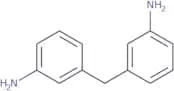
CAS:<p>3,3'-Diaminodiphenylmethane is a diamine that is used in organic synthesis as an electron-deficient ligand. It is used to prepare metal complexes and as a catalyst for the preparation of various organic compounds. 3,3'-Diaminodiphenylmethane has been used as an imprinting agent to generate fluorescent labels on proteins, nucleotides, and peptides. 3,3'-Diaminodiphenylmethane also emits fluorescence when irradiated with ultraviolet light. This compound can be used to identify amines in urine samples by reacting with them under acidic conditions.</p>Formula:C13H14N2Purity:Min. 95%Color and Shape:White To Tan To Orange SolidMolecular weight:198.26 g/mol6-Chloro-5-methylpyridin-2-amine
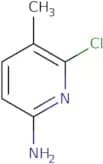
CAS:<p>6-Amino-2-chloro-3-methylpyridine is a heteroaromatic compound that belongs to the class of imidazopyridine. It is a monomer used in research, and can be transformed into the cross-coupling reaction with electron irradiation, which provides an efficient method for synthesizing other heteroaromatic compounds. 6-Amino-2-chloro-3-methylpyridine has low ionization potential and can be used as a drug discovery agent.</p>Formula:C6H7ClN2Purity:Min. 95%Molecular weight:142.59 g/mol3-Amino-6,7-dimethoxy-2-methylquinazolin-4(3H)-one
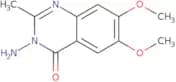
CAS:Controlled Product<p>Please enquire for more information about 3-Amino-6,7-dimethoxy-2-methylquinazolin-4(3H)-one including the price, delivery time and more detailed product information at the technical inquiry form on this page</p>Formula:C11H13N3O3Purity:Min. 95%Molecular weight:235.24 g/mol2-Amino-1-(2,3-dihydro-benzofuran-5-yl)-ethanolHydrochloride
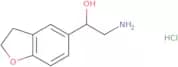
CAS:Controlled Product<p>Please enquire for more information about 2-Amino-1-(2,3-dihydro-benzofuran-5-yl)-ethanolHydrochloride including the price, delivery time and more detailed product information at the technical inquiry form on this page</p>Formula:C10H14ClNO2Purity:Min. 95%Molecular weight:215.68 g/molTris(dimethylaminomethyl)phenol
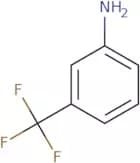
CAS:<p>Tris(dimethylaminomethyl)phenol (TDAP) is a compound that has been used as an additive in detergents, paints, and sealants. TDAP is a reactive chemical with the potential to cause adverse effects in humans such as allergic reactions and environmental pollution. TDAP is classified as an extremely hazardous substance by the United States Environmental Protection Agency. TDAP can be found in many household products and building materials, including paint and sealants. TDAP can also be found in cosmetics such as shampoos, lotions, and deodorant. TDAP may also be found in some types of food packaging materials. Long-term exposure to TDAP may lead to calcium carbonate deposits on the lungs or kidney stones due to increased levels of boron nitride-induced calcium oxalate crystals in urine.</p>Formula:C15H27N3OPurity:Min. 95%Color and Shape:Clear LiquidMolecular weight:265.39 g/mol3-Aminobenzotrifluoride
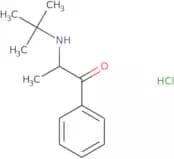
CAS:<p>3-Aminobenzotrifluoride is a chemical substance that can be used as an intermediate in the synthesis of pharmaceuticals. It is an aryl halide and has been shown to react with hydrogen fluoride, hydrochloric acid, nitrous acid, and trifluoroacetic acid to produce 3-aminobenzotrifluoride derivatives. This product is not readily bioavailable due to its low solubility in water and high lipophilicity. The preparation of 3-aminobenzotrifluoride requires a sample preparation step such as diazonium salt or diphenyl ether. Magnetic resonance spectroscopy has been used to identify the chemical structures of 3-aminobenzotrifluoride derivatives.</p>Formula:C7H6F3NPurity:Min. 95%Color and Shape:Colorless Clear LiquidMolecular weight:161.12 g/mol2-(tert-Butylamino)propiophenone hydrochloride
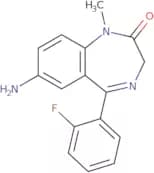
CAS:Controlled Product<p>Please enquire for more information about 2-(tert-Butylamino)propiophenone hydrochloride including the price, delivery time and more detailed product information at the technical inquiry form on this page</p>Formula:C13H20ClNOPurity:Min. 95%Molecular weight:241.76 g/mol7-Aminoflunitrazepam
CAS:Controlled Product<p>7-Aminoflunitrazepam is an active metabolite of flunitrazepam and a benzodiazepine. It can be detected in urine samples using an on-line LC-MS/MS method. The detection time of 7-aminoflunitrazepam is between 3 to 4 hours, which is longer than that of its parent drug, flunitrazepam. The use of monoclonal antibodies specific for fluoroquinolones allows the detection of 7-aminoflunitrazepam with high sensitivity and specificity. This method can be used to detect the presence of flunitrazepam in human serum samples, as well as in femoral vein blood samples, urine samples, and blood sputum samples. Solid phase microextraction (SPME) was used as the sample preparation technique for this study. SPME also allows for the extraction and analysis of lysine residues from protein matrices such as human serum.</p>Formula:C16H14FN3OPurity:Min. 98%Color and Shape:PowderMolecular weight:283.3 g/mol3,5-Diamino-2,4,6-trimethylbenzenesulfonicacid
CAS:<p>3,5-Diamino-2,4,6-trimethylbenzenesulfonic acid (DTMS) is an aromatic hydrocarbon that has been found in the environment. DTMS is used as a chlorine scavenger in water treatment plants and wastewater treatment facilities to remove chlorinated organics from the water. It has been shown to be a ligand for uranium. DTMS reacts with cyanuric acid to form 3,5-dichloro-2,4,6-trimethylbenzenesulfonyl chloride (CAS No. 52834-57-1). DTMS also exhibits affinity for metal ions such as copper and nickel.</p>Formula:C9H14N2O3SPurity:90%NmrMolecular weight:230.29 g/mol[2-(2,5-Dimethyl-1H-indol-3-yl)ethyl]amine hydrochloride
CAS:Controlled Product<p>Please enquire for more information about [2-(2,5-Dimethyl-1H-indol-3-yl)ethyl]amine hydrochloride including the price, delivery time and more detailed product information at the technical inquiry form on this page</p>Formula:C12H16N2Purity:Min. 95%Molecular weight:188.27 g/mol2-Amino-3,7,8-trimethyl-3H-imidazo[4,5-f]quinoxaline
CAS:<p>2-Amino-3,7,8-trimethyl-3H-imidazo[4,5-f]quinoxaline is a synthetic compound that is used as an analytical reagent. It has been shown to inhibit the growth of cancer cells by reacting with amines in the cell nucleus and forming the corresponding quinone. This reaction products then react with alkoxy radical to form reactive oxygen species that induce apoptosis. The use of 2-amino-3,7,8-trimethyl-3H-imidazo[4,5-f]quinoxaline as an analytical reagent has been shown to be effective in the determination of creatine and creatinine levels.</p>Formula:C12H13N5Purity:Min. 95%Molecular weight:227.27 g/mol(S)-1-N-Boc-Propane-1,2-diamine hydrochloride
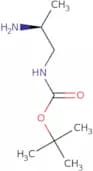
CAS:<p>Please enquire for more information about (S)-1-N-Boc-Propane-1,2-diamine hydrochloride including the price, delivery time and more detailed product information at the technical inquiry form on this page</p>Formula:C8H19ClN2O2Purity:Min. 95%Molecular weight:210.7 g/mol3-Amino-2,3-dihydro-1λ6-thiophene-1,1-dione hydrochloride
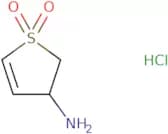
CAS:<p>Please enquire for more information about 3-Amino-2,3-dihydro-1λ6-thiophene-1,1-dione hydrochloride including the price, delivery time and more detailed product information at the technical inquiry form on this page</p>Formula:C4H7NO2S•HClPurity:Min. 95%Molecular weight:169.63 g/mol3-(4-Methoxyphenyl)-1,2-oxazol-5-amine
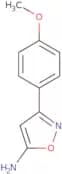
CAS:<p>Please enquire for more information about 3-(4-Methoxyphenyl)-1,2-oxazol-5-amine including the price, delivery time and more detailed product information at the technical inquiry form on this page</p>Formula:C10H10N2O2Purity:Min. 95%Molecular weight:190.2 g/mol[2-(1-Isobutyl-1H-benzimidazol-2-yl)ethyl]amine dihydrochloride
CAS:Controlled Product<p>Please enquire for more information about [2-(1-Isobutyl-1H-benzimidazol-2-yl)ethyl]amine dihydrochloride including the price, delivery time and more detailed product information at the technical inquiry form on this page</p>Formula:C13H19N3Purity:Min. 95%Molecular weight:217.31 g/molLycopsamine N-oxide
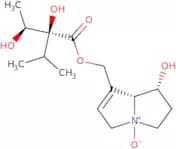
CAS:<p>Lycopsamine N-oxide is a pyrrolizidine alkaloid derivative, which is a naturally occurring compound found in certain plant species, particularly within the Boraginaceae family. This compound is typically produced as a secondary metabolite in these plants. Its mode of action involves metabolic activation in the liver, where enzymes convert it into reactive intermediates capable of binding to cellular macromolecules, ultimately leading to toxic effects.</p>Formula:C15H25NO6Purity:Min. 95%Molecular weight:315.36 g/mol4-[(4-Acetylphenyl)amino]-4-oxobutanoic acid
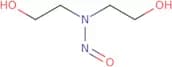
CAS:<p>Please enquire for more information about 4-[(4-Acetylphenyl)amino]-4-oxobutanoic acid including the price, delivery time and more detailed product information at the technical inquiry form on this page</p>Formula:C12H13NO4Purity:Min. 95%Molecular weight:235.24 g/molNitrosobis(2-hydroxyethyl)amine
CAS:<p>Nitrosobis(2-hydroxyethyl)amine (NBEA) is an inhibitor of nitrite reductase, an enzyme that catalyzes the reduction of nitrite to ammonia. Nitrite reductase is used in wastewater treatment and is also involved in the metabolism of some carcinogens. NBEA has been shown to inhibit the activity of nitrite reductase by binding to its active site, preventing the enzyme from reducing nitrite to ammonia. NBEA has genotoxic effects on E. coli K-12 cells and increases DNA damage with prolonged exposure, which may be due to the production of reactive oxygen species such as superoxide radical anion and hydrogen peroxide.</p>Formula:C4H10N2O3Purity:Min. 95%Color and Shape:Clear LiquidMolecular weight:134.13 g/mol(2R)-1-[2-[(3-Hydroxytricyclo[3.3.1.1(3,7)]dec-1-yl)amino]acetyl]-2-pyrrolidinecarbonitrile
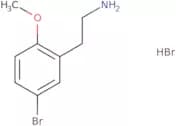
CAS:<p>(2R)-1-[2-[(3-Hydroxytricyclo[3.3.1.1(3,7)]dec-1-yl)amino]acetyl]-2-pyrrolidinecarbonitrile is a drug that belongs to the class of DPP-IV inhibitors and is used for the treatment of type 2 diabetes mellitus. It has been shown to be effective in reducing postprandial blood glucose levels in patients with type 2 diabetes mellitus. The mechanism of action of this drug is not fully understood, but it may have an effect on insulin release from pancreatic beta cells and/or inhibition of gastric emptying or intestinal absorption of glucose. This drug has been shown to reduce tubulointerstitial injury in diabetic rats and can be used as a combination therapy for type 2 diabetes mellitus. There are no known clinically relevant interactions between (2R)-1-[2-[(3-Hydroxytricyclo</p>Formula:C17H25N3O2Purity:Min. 95%Molecular weight:303.4 g/mol5-Bromo-2-methoxyphenethylamine hydrobromide
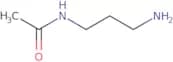
CAS:Controlled Product<p>Please enquire for more information about 5-Bromo-2-methoxyphenethylamine hydrobromide including the price, delivery time and more detailed product information at the technical inquiry form on this page</p>Formula:C9H13Br2NOPurity:Min. 95%Molecular weight:311.01 g/molN-(3-Aminopropyl)acetamide
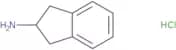
CAS:<p>N-(3-Aminopropyl)acetamide is a secondary amine that is used as a reagent in the profiling of tissues. It has been shown to inhibit the growth of Thermus thermophilus and other bacteria, including Staphylococcus aureus, Escherichia coli, and Pseudomonas aeruginosa. N-(3-Aminopropyl)acetamide has also been shown to inhibit the growth of cancer cells in cell culture. It was found to be effective against logarithmic growth phase cells and not against stationary phase cells. However, its mechanism of action is unknown.</p>Formula:C5H12N2OPurity:Min. 95%Color and Shape:Colorless PowderMolecular weight:116.16 g/mol2-Aminoindane HCl
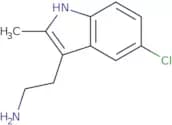
CAS:Controlled Product<p>2-Aminoindane HCl is a betalamic acid derivative that inhibits the activity of the dopamine receptor. It has been shown to inhibit the binding of dopamine in both rat and human liver, as well as in a model system. 2-Aminoindane HCl is formed by intramolecular hydrogenation of betalamic acid and hydrolysis of the resulting 2-aminoindane acetic acid chloride. The carbonic ester group on the indane ring forms an alkoxy radical with hydrogen chloride in water, which then reacts with a hydroxy group on the indane ring to form 2-aminoindane HCl. This process can be modeled using molecular modeling techniques.</p>Purity:Min. 95%Molecular weight:169.65 g/mol2-(5-chloro-2-methyl-1H-indol-3-yl)ethanamine
CAS:Controlled Product<p>Please enquire for more information about 2-(5-chloro-2-methyl-1H-indol-3-yl)ethanamine including the price, delivery time and more detailed product information at the technical inquiry form on this page</p>Formula:C11H13ClN2Purity:Min. 95%Molecular weight:208.69 g/molDinonylamine
CAS:<p>Dinonylamine is an industrial chemical that is used as a solvent for waxes and resins. It has been used as a substrate film for the production of polycarbonate plastics and in the manufacture of amines, nitroaromatic compounds, and fluoropolymers. Dinonylamine has been shown to have an inhibitory effect on the growth of microorganisms by reacting with their aromatic hydrocarbons. This chemical reacts with carbonyl groups to form hydroxyl groups, which are toxic to bacteria. It also reacts with radiation to form a patterned surface that can be used to immobilize enzymes or other proteins.br>br> br>br> Dinonylamine is used in industrial processes as a precursor for amines and hydroxy groups, which are important components in many organic molecules including pharmaceuticals. These reactions take place in solvent vapor phase reaction vessels at high temperatures.br>br> br>br> Din</p>Formula:C18H39NPurity:Min. 95%Color and Shape:PowderMolecular weight:269.51 g/mol


![(E)-N-(2-((7-Nitrobenzo[c][1,2,5]oxadiazol-4-yl)amino)ethyl)-4-oxo-4-phenylbut-2-enamide](/_next/image/?url=https%3A%2Fstatic.cymitquimica.com%2Fproducts%2FTR%2Fthumb-webp%2FN495010.webp&w=3840&q=75)




![5H,7H,8H-Pyrano[4,3-c]pyridazin-3-amine](/_next/image/?url=https%3A%2Fstatic.cymitquimica.com%2Fproducts%2FTR%2Fthumb-webp%2FH267251.webp&w=3840&q=75)

![N-[[4-(Phenylmethoxy)phenyl]methyl]-2-[(3-thienylcarbonyl)amino]-4-thiazoleacetamide](/_next/image/?url=https%3A%2Fstatic.cymitquimica.com%2Fproducts%2FTR%2Fthumb-webp%2FP335650.webp&w=3840&q=75)

![rel-[(1R,2R)-2-(Aminomethyl)cyclobutyl]methylamine](/_next/image/?url=https%3A%2Fstatic.cymitquimica.com%2Fproducts%2FTR%2Fthumb-webp%2FA365730.webp&w=3840&q=75)

![tert-Butyl [(S)-1-amino-3-(4-iodophenyl)-1-oxopropan-2-yl]carbamate](/_next/image/?url=https%3A%2Fstatic.cymitquimica.com%2Fproducts%2FTR%2Fthumb-webp%2FB689690.webp&w=3840&q=75)
![[(2S)-2-Aminopropyl]dimethylamine Hydrochloride](/_next/image/?url=https%3A%2Fstatic.cymitquimica.com%2Fproducts%2FTR%2Fthumb-webp%2FA565253.webp&w=3840&q=75)












acetate](/_next/image/?url=https%3A%2Fstatic.cymitquimica.com%2Fproducts%2FTR%2Fthumb-webp%2FE678475.webp&w=3840&q=75)

![N,N-Diethyl-2-[(phenylmethyl)thio]ethanamine](/_next/image/?url=https%3A%2Fstatic.cymitquimica.com%2Fproducts%2FTR%2Fthumb-webp%2FD444715.webp&w=3840&q=75)
![6-[[6-[[6-[(6-Aminohexyl)amino]-1,6-dioxohexyl]amino]hexyl]amino]-6-oxo-hexanoic Acid](/_next/image/?url=https%3A%2Fstatic.cymitquimica.com%2Fproducts%2FTR%2Fthumb-webp%2FA610105.webp&w=3840&q=75)

![(7S)-7-Amino-1,2,3,10-tetramethoxy-6,7-dihydro-5H-benzo[g]heptalen-9-one](/_next/image/?url=https%3A%2Fstatic.cymitquimica.com%2Fproducts%2F3D%2Fthumb-webp%2FFA20821.webp&w=3840&q=75)





![[2-(2,5-Dimethyl-1H-indol-3-yl)ethyl]amine hydrochloride](/_next/image/?url=https%3A%2Fstatic.cymitquimica.com%2Fproducts%2F3D%2Fthumb-webp%2FFD118369.webp&w=3840&q=75)
![2-Amino-3,7,8-trimethyl-3H-imidazo[4,5-f]quinoxaline](/_next/image/?url=https%3A%2Fstatic.cymitquimica.com%2Fproducts%2F3D%2Fthumb-webp%2FFA17506.webp&w=3840&q=75)
![[2-(1-Isobutyl-1H-benzimidazol-2-yl)ethyl]amine dihydrochloride](/_next/image/?url=https%3A%2Fstatic.cymitquimica.com%2Fproducts%2F3D%2Fthumb-webp%2FFI135795.webp&w=3840&q=75)
![4-[(4-Acetylphenyl)amino]-4-oxobutanoic acid](/_next/image/?url=https%3A%2Fstatic.cymitquimica.com%2Fproducts%2F3D%2Fthumb-webp%2FFA114593.webp&w=3840&q=75)
![(2R)-1-[2-[(3-Hydroxytricyclo[3.3.1.1(3,7)]dec-1-yl)amino]acetyl]-2-pyrrolidinecarbonitrile](/_next/image/?url=https%3A%2Fstatic.cymitquimica.com%2Fproducts%2F3D%2Fthumb-webp%2FFH46129.webp&w=3840&q=75)