Amines
Amines are a set of molecules containing an amino functional group (derived from ammonia). This category includes amines at any level of substitution : primary, secondary, tertiary, and ammonium salts. Amines are fundamental in organic synthesis and are widely used in pharmaceuticals, agrochemicals, and materials science. At CymitQuimica, we provide a comprehensive selection of amines to meet your research and industrial needs. Our range ensures access to various amines for diverse chemical processes and innovative research.
Subcategories of "Amines"
- Nitrosamines(2,606 products)
- Primary Amines(30,805 products)
- Quaternary Ammonium Cations and Salts(1,099 products)
- Secondary Amines(20,809 products)
- Tertiary Amines(17,111 products)
Found 8776 products of "Amines"
Sort by
Purity (%)
0
100
|
0
|
50
|
90
|
95
|
100
Fmoc-4-(neopentyloxysulfonyl)-Abu-OH (S)-2-(Fmoc-amino)-4-neopentyloxysulfonyl-butyric acid
CAS:<p>Please enquire for more information about Fmoc-4-(neopentyloxysulfonyl)-Abu-OH (S)-2-(Fmoc-amino)-4-neopentyloxysulfonyl-butyric acid including the price, delivery time and more detailed product information at the technical inquiry form on this page</p>Formula:C24H29NO7SPurity:Min. 95%Molecular weight:475.56 g/molTetraethylammonium tetrafluoroborate
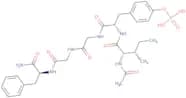
CAS:<p>Tetraethylammonium tetrafluoroborate is a diamagnetic chemical species that reacts with water, forming the hydrated salt tetraethylammonium hydroxide. Tetraethylammonium tetrafluoroborate has a high resistance to oxidation and reduction reactions. It can be used as an electrolyte in electrochemistry and as a thermal expansion agent in plastics. The potentials of this substance are around +1 V, which makes it useful for electrochemical impedance spectroscopy. Tetraethylammonium tetrafluoroborate is activated by organic solvents, but not by water vapor.</p>Formula:C8H20N·BF4Color and Shape:White Off-White PowderMolecular weight:217.06 g/molAc-Ile-Tyr(PO3H2)-Gly-Glu-Phe-NH2 ammonium salt
CAS:<p>Please enquire for more information about Ac-Ile-Tyr(PO3H2)-Gly-Glu-Phe-NH2 ammonium salt including the price, delivery time and more detailed product information at the technical inquiry form on this page</p>Formula:C33H45N6O12PPurity:Min. 95%Molecular weight:748.72 g/molHydroxylamine-Wang resin (200-400 mesh)
<p>Please enquire for more information about Hydroxylamine-Wang resin (200-400 mesh) including the price, delivery time and more detailed product information at the technical inquiry form on this page</p>Purity:Min. 95%(7-Diethylaminocoumarin-3-yl)carbonyl-Amyloid b-Protein (1-40) trifluoroacetate salt
CAS:<p>Please enquire for more information about (7-Diethylaminocoumarin-3-yl)carbonyl-Amyloid b-Protein (1-40) trifluoroacetate salt including the price, delivery time and more detailed product information at the technical inquiry form on this page</p>Formula:C208H308N54O61SPurity:Min. 95%Molecular weight:4,573.06 g/mol[2,6-Dimethyl-4-(3-[2-(Z-amino)-ethylcarbamoyl]-propoxy)-benzenesulfonyl]-Dap (Boc)-OMe
CAS:<p>Please enquire for more information about [2,6-Dimethyl-4-(3-[2-(Z-amino)-ethylcarbamoyl]-propoxy)-benzenesulfonyl]-Dap (Boc)-OMe including the price, delivery time and more detailed product information at the technical inquiry form on this page</p>Formula:C31H44N4O10SPurity:Min. 95%Molecular weight:664.77 g/mol3-Maleimidopropionylaminomethyl resin (200-400 mesh)
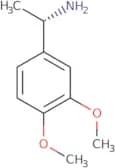
<p>Please enquire for more information about 3-Maleimidopropionylaminomethyl resin (200-400 mesh) including the price, delivery time and more detailed product information at the technical inquiry form on this page</p>Purity:Min. 95%(1S)-1-(3,4-Dimethoxyphenyl)ethan-1-amine
CAS:<p>Please enquire for more information about (1S)-1-(3,4-Dimethoxyphenyl)ethan-1-amine including the price, delivery time and more detailed product information at the technical inquiry form on this page</p>Formula:C10H15NO2Purity:Min. 95%Molecular weight:181.23 g/molN-Des(2-diethylamino) metoclopramide acetic acid
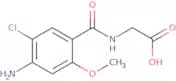
CAS:<p>N-Des(2-diethylamino) metoclopramide acetic acid is a benzyl ester of metoclopramide, a prodrug that is metabolized to the active form in the body. It has been shown to be effective against healthy human subjects and hplc analyses of biological samples have shown it to be a metabolite of metoclopramide. N-Des(2-diethylamino) metoclopramide acetic acid is used as a catalyst for catalytic hydrogenation reactions, such as the conversion of methyl esters into ethyl or butyl esters. It can also be used for catalytic hydrogenation reactions with diazomethane, such as those required for the synthesis of quinolones.</p>Formula:C10H11ClN2O4Purity:Min. 95%Molecular weight:258.66 g/mol5-Amino-2-methoxyisonicotinic acid
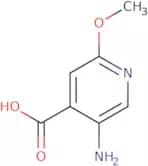
CAS:<p>5-Amino-2-methoxyisonicotinic acid is a carboxylic acid that is used in the synthesis of aminopyridines. The compound can be synthesized from formamidine acetate and diethyl dicarbonate. This process involves lithiation, followed by addition of an amine and finally conversion to the desired product with formamidine acetate. 5-Amino-2-methoxyisonicotinic acid can also be synthesized from formamide and diethyl ether. 5-Amino-2-methoxyisonicotinic acid is an analog of 2,4,6-trimethylaniline and has been shown to have similar properties to this compound, including strong basicity.</p>Formula:C7H8N2O3Purity:Min. 95%Molecular weight:168.15 g/molFmoc-4-methoxy-4'-(γ-carboxypropyloxy)-benzhydrylamine linked to Alanyl-aminomethyl resin (200-400 mesh)
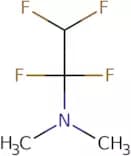
<p>Please enquire for more information about Fmoc-4-methoxy-4'-(gamma-carboxypropyloxy)-benzhydrylamine linked to Alanyl-aminomethyl resin (200-400 mesh) including the price, delivery time and more detailed product information at the technical inquiry form on this page</p>Purity:Min. 95%N,N-Dimethyl-1,1,2,2-tetrafluoroethylamine
CAS:<p>Dimethyl 1,1,2,2-tetrafluoroethylamine (DMTFEA) is a fluorinated compound that contains a cyclohexane ring. It can be synthesized using pyrazoles and reaction solution. DMTFEA has functional groups such as halides, fluorine and chlorine. DMTFEA is acidic and has the structural formula of CF3CF=N-CH2CH2COOH. This chemical can also be synthesized by reacting chloroacetic acid with dimethylamine. The pharmacokinetic properties of DMTFEA are not well-known, but it does have ester compounds that are synthetic in nature.</p>Formula:C4H7F4NPurity:Min. 95%Molecular weight:145.1 g/moltert-Butyl6-[(1e)-2-[4-(4-fluorophenyl)-6-(1-methylethyl)-2-[methyl(methylsulfonyl)amino]-5-pyrimidinyl]ethenyl]-2,2-dimethyl-1,3-di oxane-4-acetate
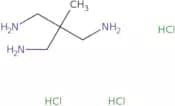
CAS:<p>Please enquire for more information about tert-Butyl6-[(1e)-2-[4-(4-fluorophenyl)-6-(1-methylethyl)-2-[methyl(methylsulfonyl)amino]-5-pyrimidinyl]ethenyl]-2,2-dimethyl-1,3-di oxane-4-acetate including the price, delivery time and more detailed product information at the technical inquiry form on this page</p>Formula:C29H40FN3O6SPurity:Min. 95%Molecular weight:577.71 g/mol2-(Aminomethyl)-2-methyl-1,3-propanediamine trihydrochloride
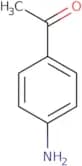
CAS:<p>Please enquire for more information about 2-(Aminomethyl)-2-methyl-1,3-propanediamine trihydrochloride including the price, delivery time and more detailed product information at the technical inquiry form on this page</p>Formula:C5H15N3•(HCl)3Purity:Min. 95%Color and Shape:PowderMolecular weight:226.57 g/mol4-Aminoacetophenone
CAS:<p>4-Aminoacetophenone is an inhibitor of the enzyme acetylcholinesterase and it is used as an insecticide. It inhibits the enzyme by forming hydrogen bonding interactions with the active site. The inhibition of this enzyme leads to paralysis and death in insects. 4-Aminoacetophenone has been shown to have anti-cancer effects in vitro, which may be due to its ability to inhibit glycoside hydrolases and amine oxidases that are involved in cancer development. The compound also has a thermal expansion coefficient that is comparable to other polymers used in drug delivery systems.</p>Formula:C8H9NOColor and Shape:Slightly Yellow PowderMolecular weight:135.16 g/moltert-Butyl 2-amino-6,7-dihydrothiazolo[5,4-c]pyridine-5(4H)-carboxylate
CAS:<p>Please enquire for more information about tert-Butyl 2-amino-6,7-dihydrothiazolo[5,4-c]pyridine-5(4H)-carboxylate including the price, delivery time and more detailed product information at the technical inquiry form on this page</p>Purity:Min. 95%OM99-2trifluoroacetate salt
CAS:<p>Please enquire for more information about OM99-2trifluoroacetate salt including the price, delivery time and more detailed product information at the technical inquiry form on this page</p>Formula:C41H64N8O14Purity:Min. 95%Molecular weight:892.99 g/mol5-tert-Butyl-1,3,4-oxadiazol-2-amine
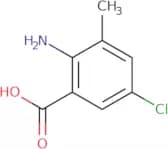
CAS:<p>Please enquire for more information about 5-tert-Butyl-1,3,4-oxadiazol-2-amine including the price, delivery time and more detailed product information at the technical inquiry form on this page</p>Formula:C6H11N3OPurity:Min. 95%Molecular weight:141.17 g/mol2-Amino-5-chloro-3-methylbenzoic acid
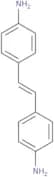
CAS:<p>2-Amino-5-chloro-3-methylbenzoic acid (ACMB) is a substructure of the insecticidal compound chlorantraniliprole. It is a solid at room temperature and has a molecular weight of 142.15 g/mol. ACMB can be extracted from n-hexane, chlorantraniliprole, or xylene using gravimetric analysis. The bioactivity of ACMB can be determined by an anthranilic assay, while its solubility data are available in the literature. ACMB has been shown to have insecticidal activity against lepidoptera larvae and cyanuric activity against mosquito larvae.</p>Formula:C8H8ClNO2Purity:Min. 95%Molecular weight:185.61 g/mol4,4'-Diaminostilbene
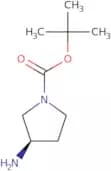
CAS:<p>4,4'-Diaminostilbene is a chemical compound that is stable in the presence of alkali metals. It also has been shown to be titrated with sodium salts and to have a cavity that can be analyzed by fluorescence. 4,4'-Diaminostilbene has been used for the detection of beta-cyclodextrin and sodium ion in analytical methods. The intensity of its fluorescence depends on the concentration of aniline and protonated amines. This compound has been used as a reagent for nmr spectroscopy analysis.</p>Formula:C14H14N2Purity:Min. 95%Color and Shape:PowderMolecular weight:210.27 g/mol(R)-1-Boc-3-Aminopyrrolidine
CAS:<p>(R)-1-Boc-3-Aminopyrrolidine is a small molecule that inhibits 3-kinase. It has been shown to bind to the ATP binding site of PI3Kδ and inhibit its activity. This results in the inhibition of phosphoinositide production, which leads to decreased cell proliferation and survival. (R)-1-Boc-3-Aminopyrrolidine has also been shown to have selectivity for isoform α over β, γ, and δ. The drug binds specifically to the ATP binding site on PI3Kδ, but does not disrupt other interactions such as hydrogen bonding or pi stacking interactions with residues in the vicinity of the ATP binding site. The IC50 values for (R)-1-Boc-3-Aminopyrrolidine were determined using siRNA knockdown experiments against human isoform α PI3Kδ.</p>Formula:C9H18N2O2Purity:Min. 95%Molecular weight:186.25 g/molAc-p-amino-Phe-OMe
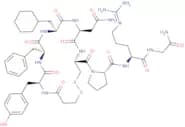
CAS:<p>Please enquire for more information about Ac-p-amino-Phe-OMe including the price, delivery time and more detailed product information at the technical inquiry form on this page</p>Formula:C12H16N2O3Purity:Min. 95%Molecular weight:236.27 g/mol(Deamino-Cys1,b-cyclohexyl-Ala4,Arg8)-Vasopressin trifluoroacetate salt
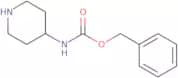
CAS:<p>Desmopressin is a synthetic analogue of vasopressin, which is used to treat disorders associated with insufficient secretion of vasopressin. It has been shown that desmopressin binds to the vasopressin V2 receptor subtype and stimulates the release of arginine-vasopressin in corticotropin-releasing hormone (CRH)-treated rat pituitary cells. This stimulation was mediated by a residue on the Cys1,b-cyclohexyl residue. The binding of desmopressin to this site was demonstrated in vitro using binding experiments on rat brain synaptosomes. Desmopressin has also been shown to stimulate ovulation in rats and humans, and it has been shown to be effective for treating nocturnal enuresis in children.</p>Formula:C50H71N13O11S2Purity:Min. 95%Molecular weight:1,094.31 g/mol4-Cbz-aminopiperidine
CAS:<p>Please enquire for more information about 4-Cbz-aminopiperidine including the price, delivery time and more detailed product information at the technical inquiry form on this page</p>Formula:C13H18N2O2Purity:Min. 95%Molecular weight:234.29 g/mol2-Aminoacetophenone hydrochloride
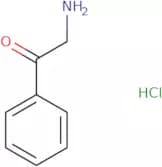
CAS:Controlled Product<p>2-Aminoacetophenone hydrochloride is a chemical compound that is used in analytical chemistry as a reagent for the determination of protein and amino acid concentrations. This reagent can be prepared in various forms, depending on the type of analysis being performed. 2-Aminoacetophenone hydrochloride is used to determine the concentration of free amino acids in a sample by binding to it. It can also be used for determining the concentration of bound amino acids by reacting with them with hydrochloric acid. 2-Aminoacetophenone hydrochloride is an excellent substrate for matrix effect, which may cause errors in measurement due to interference from other substances present in the sample. The use of light exposure reduces this problem by removing interfering substances from the sample.</p>Formula:C8H9NO·HClPurity:Min. 95%Color and Shape:PowderMolecular weight:171.62 g/mol(Deamino-Cys11,D-2-Nal 14,Cys18)-b-MSH (11-22) amide trifluoroacetate salt
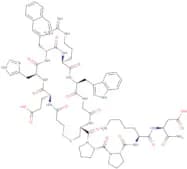
CAS:<p>Please enquire for more information about (Deamino-Cys11,D-2-Nal 14,Cys18)-b-MSH (11-22) amide trifluoroacetate salt including the price, delivery time and more detailed product information at the technical inquiry form on this page</p>Formula:C69H91N19O16S2Purity:Min. 95%Molecular weight:1,506.71 g/mol2-Amino-5-(trifluoromethoxy)benzoic acid
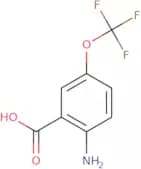
CAS:<p>Please enquire for more information about 2-Amino-5-(trifluoromethoxy)benzoic acid including the price, delivery time and more detailed product information at the technical inquiry form on this page</p>Formula:C8H6F3NO3Purity:Min. 95%Molecular weight:221.13 g/molN-Methyl-2-fluoro-4-aminobenzamide
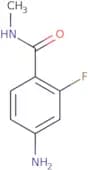
CAS:<p>N-Methyl-2-fluoro-4-aminobenzamide is a toxic compound that is commonly used as a reagent in chemical synthesis and research. It has been studied for its potential use in medicine, particularly in the treatment of castration-resistant prostate cancer. N-Methyl-2-fluoro-4-aminobenzamide acts as a nucleophilic agent, participating in reactions that involve the addition of an acyl group to a target molecule. Its stable formyl group allows for efficient reaction yields and reliable results. However, due to its toxic nature, caution must be exercised when handling this compound.</p>Formula:C8H9FN2OPurity:Min. 95%Molecular weight:168.17 g/molImidazo[1,2-a]pyridin-7-amine hydrobromide
CAS:<p>Please enquire for more information about Imidazo[1,2-a]pyridin-7-amine hydrobromide including the price, delivery time and more detailed product information at the technical inquiry form on this page</p>Formula:C7H8BrN3Purity:Min. 95%Molecular weight:214.06 g/mol2-Amino-6-chloropyrimidin-4(3h)-one
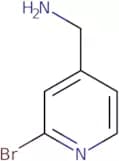
CAS:<p>2-Amino-6-chloropyrimidin-4(3H)-one (ACPP) is a betaine that has been shown to exhibit potent activity against clinical isolates of methicillin-resistant Staphylococcus aureus (MRSA). It is a mesomeric molecule, which means that it can exist as two different tautomers. The frequency of the absorption bands in the FTIR spectra for ACPP are characteristic of the carbenes and ethanolamine tautomers. The presence of these tautomers may be due to stabilization from the nucleophilic character of the nitrogen atom in betaines. Betaines are also able to form polymersized chains by reacting with themselves or other molecules, such as ethanolamine.</p>Formula:C4H4ClN3OPurity:Min. 95%Color and Shape:PowderMolecular weight:145.55 g/mol(2-Bromopyridin-4-yl)methanamine
CAS:<p>Please enquire for more information about (2-Bromopyridin-4-yl)methanamine including the price, delivery time and more detailed product information at the technical inquiry form on this page</p>Purity:Min. 95%3-[(2-Aminoethyl)dithio]propionic acid
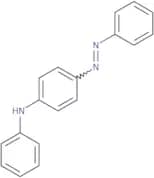
CAS:<p>Dithiobis(3-mercaptopropionate) is an analog of 3-[(2-Aminoethyl)dithio]propionic acid (DTA). It has been used as a cross-linking agent for the synthesis of polymers with acidic pH. Dithiobis(3-mercaptopropionate) is also used for the synthesis of conjugates and bifunctional molecules. Dithiobis(3-mercaptopropionate) can be synthesized by reacting bis(sulfanylmethyl)amine with sodium azide in an acidic solution. The cross-linking reaction will produce a disulfide bond, which is a covalent linkage between two cysteine residues in two different polypeptides or proteins. This crosslink is irreversible, so it cannot be broken down by chemical processes, but can be broken down by enzymatic digestion.</p>Formula:C5H11NO2S2Purity:(%) Min. 95%Color and Shape:PowderMolecular weight:181.28 g/mol4-(Phenylazo)diphenylamine
CAS:<p>4-(Phenylazo)diphenylamine is a phenylazodiphenyl amine that is soluble in nonpolar solvents. It has been used as a dye for the detection of heavy metals, such as mercury and lead. This compound can be synthesized by trimerization of nitrobenzene with ammonia and phenol in acidic conditions. 4-(Phenylazo)diphenylamine has been used for the detection of chloride ions, boron nitride, or other impurities in pharmaceutical products due to its high sensitivity.</p>Formula:C18H15N3Purity:Min. 95%Molecular weight:273.33 g/molH-Arg-ε-aminocaproyl-Arg-ε-aminocaproyl-Arg-ε-aminocaproyl-Arg-ε-aminocaproyl-Arg-ε-aminocaproyl-Arg-e psilon-aminocaproyl-Arg-OH trifluoroacetate salt
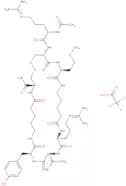
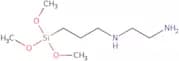
CAS:<p>Please enquire for more information about H-Arg-epsilon-aminocaproyl-Arg-epsilon-aminocaproyl-Arg-epsilon-aminocaproyl-Arg-epsilon-aminocaproyl-Arg-epsilon-aminocaproyl-Arg-e psilon-aminocaproyl-Arg-OH trifluoroacetate salt including the price, delivery time and more detailed product information at the technical inquiry form on this page</p>Formula:C78H152N34O14Purity:Min. 95%Molecular weight:1,790.26 g/molN-(2-Aminoethyl)-3-(trimethoxysilyl)propylamine
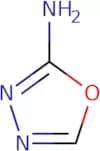
CAS:<p>N-(2-Aminoethyl)-3-(trimethoxysilyl)propylamine (NAP) is a cationic surfactant that is used as a fluorescent probe to study the binding of proteins to cell surface integrin receptors. The adsorption mechanism is based on the interaction between the hydrophobic parts of the protein and the hydrophobic parts of NAP. This interaction leads to an increase in the concentration of NAP at the interface and thus an increase in fluorescence. NAP has been shown to bind human serum albumin, fatty acids, and monoclonal antibodies with high affinity. It also has been shown to bind to plasma proteins through hydrogen bonding. The optimum concentration for NAP adsorption is 1mM.</p>Formula:C8H22N2O3SiPurity:Min. 95%Molecular weight:222.36 g/mol1,3,4-Oxadiazol-2-amine
CAS:<p>1,3,4-Oxadiazol-2-amine is a synthetic compound that belongs to the group of peptidomimetics. It is an alkylating agent that has been shown to inhibit glycogen synthase kinase 3 (GSK3) and prevent the formation of amyloid plaques in Alzheimer's disease. 1,3,4-Oxadiazol-2-amine also has antibacterial activity against Gram-positive and Gram-negative bacteria. This compound can be synthesized by reacting chloroacetaldehyde with 2-(2'-aminophenoxy)ethanol in the presence of acid. The molecular weight for this compound is 167.260 g/mol. Crystals are obtained from melting the substance at 180 °C under vacuum and then allowing it to cool down to room temperature over a period of 4 hours. The crystal system for this molecule is monoclinic and its space group is P21/c. X-ray diffraction</p>Formula:C2H3N3OPurity:Min. 95%Molecular weight:85.06 g/mol(aR)-a-[[[2-(4-Aminophenyl)ethyl]amino]methyl]-benzenemethanol
CAS:<p>Please enquire for more information about (aR)-a-[[[2-(4-Aminophenyl)ethyl]amino]methyl]-benzenemethanol including the price, delivery time and more detailed product information at the technical inquiry form on this page</p>Formula:C16H20N2OPurity:Min. 95%Color and Shape:PowderMolecular weight:256.34 g/mol2-Amino-4-fluorobenzonitrile
CAS:<p>2-Amino-4-fluorobenzonitrile is a chemical compound that can be used as a radioprotectant. It is also an intermediate in the synthesis of other compounds, such as methoxycyanamides and hypervalent amines. 2-Amino-4-fluorobenzonitrile has shown to have anti-tumour effects by scavenging free radicals. This chemical can be used to produce formic acid or bisphosphonates.</p>Formula:C7H5FN2Purity:Min. 95%Color and Shape:PowderMolecular weight:136.13 g/mol2,5-Diaminoterephthalic acid
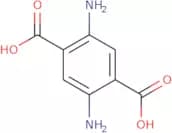
CAS:<p>2,5-Diaminoterephthalic acid is a synthetic organic compound that is used as a building block for the synthesis of polyamides. It has been shown to have high salt adsorption properties and low detection limits for certain analytes. 2,5-Diaminoterephthalic acid has also been found to have photocatalytic activity and can be used in the treatment of cancer. This chemical reacts with nitro groups on nucleophilic attack to form the carcinogenic nitrosamine. The formation rate of this nitrosamine depends on the presence of methoxy groups and nitrogen atoms in 2,5-diaminoterephthalic acid.</p>Formula:C8H8N2O4Purity:Min. 95%Molecular weight:196.16 g/mol4-Amino-3-hydroxypyridine
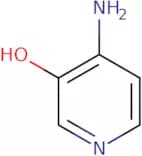
CAS:<p>4-Amino-3-hydroxypyridine is a cholinergic drug that has a dose-proportional profile. This drug has been shown to be clinically relevant in humans, and the clinical studies have demonstrated a clear pharmacokinetic profile. 4-Amino-3-hydroxypyridine is metabolized by carbamic acid to form an active metabolite, which binds acetylcholine receptors on cells. This binding results in increased levels of acetylcholine, which can lead to muscle contraction. The drug also inhibits plasma concentrations of other drugs such as warfarin and phenytoin, which may lead to adverse effects or reduced therapeutic efficacy. 4-Amino-3-hydroxypyridine also has functional groups that make it soluble in water and able to cross the blood–brain barrier. In cell culture experiments, 4-amino-3-hydroxypyridine inhibited the growth of rat striatal neurons.</p>Formula:C5H6N2OPurity:Min. 95%Color and Shape:Off-White PowderMolecular weight:110.11 g/mol3-[(Dimethylamino)methyl]-1,2,4-oxadiazol-5-amine hydrochloride
CAS:<p>3-[(Dimethylamino)methyl]-1,2,4-oxadiazol-5-amine hydrochloride is a versatile building block that is used as an intermediate in the synthesis of fine chemicals. It is also a useful scaffold for the synthesis of biologically active compounds and research chemicals. 3-[(Dimethylamino)methyl]-1,2,4-oxadiazol-5-amine hydrochloride can be prepared by reacting methylamine with 2-aminothiophenol in the presence of a base. This reagent is also useful for the preparation of other compounds such as carbamates and cyclic ureas.</p>Formula:C5H10N4O•HClPurity:Min. 95%Color and Shape:PowderMolecular weight:178.62 g/mol2-(5-Bromo-2-pyridylazo)-5-(diethylamino)phenol
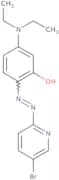
CAS:<p>2-(5-Bromo-2-pyridylazo)-5-(diethylamino)phenol is a chemical that is used for the detection of hydrochloric acid in water vapor. It reacts with zirconium oxide, which generates a red fluorescing complex. The reaction can be detected by using a fluorescence spectrometer with a test sample. 2-(5-Bromo-2-pyridylazo)-5-(diethylamino)phenol is also used to detect the presence of nitrogen atoms and sodium citrate in samples by reacting with them. This chemical reacts with an acid complex to form stable complexes. The analytical method is based on measuring the redox potential of this reaction. The flow system of this technique allows for dehydration of dehydroascorbic acid (DHA).</p>Formula:C15H17BrN4OPurity:Min. 95%Color and Shape:PowderMolecular weight:349.23 g/mol6-Fluoro-3,4-Pyridinediamine
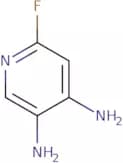
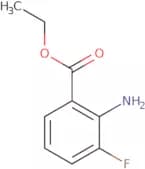
CAS:<p>Please enquire for more information about 6-Fluoro-3,4-Pyridinediamine including the price, delivery time and more detailed product information at the technical inquiry form on this page</p>Formula:C5H6FN3Purity:Min. 95%Molecular weight:127.12 g/mol2-Amino-3-fluorobenzoic acid ethyl ester
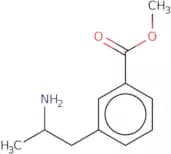
CAS:<p>Please enquire for more information about 2-Amino-3-fluorobenzoic acid ethyl ester including the price, delivery time and more detailed product information at the technical inquiry form on this page</p>Formula:C9H10FNO2Purity:Min. 95%Color and Shape:PowderMolecular weight:183.18 g/mol3'-(2-Propylamine)benzoic acid methyl ester
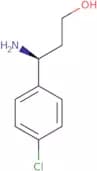
CAS:<p>3'-(2-Propylamine)benzoic acid methyl ester is a high quality, complex compound that can be used as a reagent, speciality chemical, or reaction component. It has a wide range of applications in the synthesis of pharmaceuticals, agrochemicals, and other biologically active compounds. 3'-(2-Propylamine)benzoic acid methyl ester is also a versatile building block and useful intermediate in organic synthesis.</p>Formula:C11H15NO2Purity:Min. 95%Molecular weight:193.24 g/mol(S)-3-Amino-3-(4-chlorophenyl)-propan-1-ol
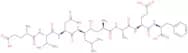
CAS:<p>Please enquire for more information about (S)-3-Amino-3-(4-chlorophenyl)-propan-1-ol including the price, delivery time and more detailed product information at the technical inquiry form on this page</p>Formula:C9H12ClNOPurity:Min. 95%Molecular weight:185.65 g/molH-Glu-Leu-Asp-[(2R,4S,5S)-5-amino-4-hydroxy-2,7-dimethyl-octanoyl]-Ala-Glu-Phe-OH
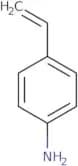
CAS:<p>Please enquire for more information about H-Glu-Leu-Asp-[(2R,4S,5S)-5-amino-4-hydroxy-2,7-dimethyl-octanoyl]-Ala-Glu-Phe-OH including the price, delivery time and more detailed product information at the technical inquiry form on this page</p>Formula:C42H65N7O15Purity:Min. 95%Molecular weight:908 g/mol4-Aminostyrene
CAS:<p>4-Aminostyrene is a chemical compound that belongs to the class of ethylene diamines. It is a photoelectron acceptor and can be used as a cross-linking agent. 4-Aminostyrene reacts with nitro groups to form polycarboxylic acid amines, which are used in the preparation of model proteins. The use of 4-aminostyrene is limited by its high reactivity with oxygen and light, which leads to degradation.</p>Formula:C8H9NPurity:Min. 95%Color and Shape:Liquid.Molecular weight:119.16 g/molDes[3-acetyl-5-(2-dimethylamino)ethyl] diltiazem
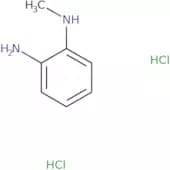
CAS:<p>Diltiazem is an anti-anginal agent that belongs to the group of calcium channel blockers. It is used to treat chest pain (angina) due to coronary artery disease and other conditions. Diltiazem is a racemic mixture of two enantiomers, (+)-diltiazem and (-)-diltiazem. The synthesis of diltiazem from (+)-diltiazem has been reported by asymmetric synthesis with a chiral catalyst. In this process, irradiation of the reaction mixture at 254 nm converts the nitro group in the molecule into an anisaldehyde group, which can be cleaved by nucleophilic substitution with phenylmethyl sulfide. This high yield, efficient method produces diltiazem hydrochloride as a white solid that crystallizes in needles or crystals.</p>Formula:C16H15NO3SPurity:Min. 95%Color and Shape:Beige PowderMolecular weight:301.36 g/molN-Methyl-1,2-phenylenediamine dihydrochloride
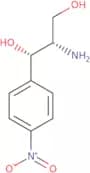
CAS:<p>N-Methyl-1,2-phenylenediamine dihydrochloride (NMP) is a synthetic compound that is used as the precursor to various pharmaceuticals, such as the antihypertensive drug clonidine. NMP can be synthesized from benzene and ammonia or phenylmagnesium bromide. It is carcinogenic in animals and humans, and has been shown to cause DNA damage and cell apoptosis. The chemical has a high potential for nitrosation reactions when exposed to nitrites. This reaction produces nitric oxide, which is cytotoxic and can lead to liver cancer in rats.<br>The synthesis of NMP generates impurities such as methanol solvent, sodium sulfide, and hydrogen chloride gas. These impurities are often found in recycled NMP due to incomplete removal during processing.</p>Formula:C7H12Cl2N2Purity:Min. 95%Color and Shape:PowderMolecular weight:195.09 g/molL-threo-(+)-2-Amino-1-(4-nitrophenyl)-1,3-propanediol
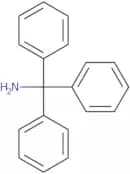
CAS:<p>L-threo-(+)-2-amino-1-(4-nitrophenyl)-1,3-propanediol is a functional group that is composed of a fatty acid and an amino acid. It has been shown to inhibit the growth of corynebacterium glutamicum bacteria by hydrolyzing their cell wall. This compound also inhibits the activity of bacterial enzymes that are involved in the synthesis of proteins. This functional group may be useful for the treatment of chronic lymphocytic leukemia and HIV infection.</p>Formula:C9H12N2O4Purity:Min. 95%Color and Shape:PowderMolecular weight:212.2 g/molTritylamine
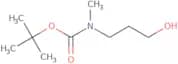
CAS:<p>Tritylamine is an inorganic acid that is synthesized by the reaction of trifluoroacetic acid with ammonia. It can be used to treat autoimmune diseases, such as rheumatoid arthritis, and has been shown to have a beneficial effect on collagen synthesis. Tritylamine has also been studied as a fluorescent probe for the detection of metal ions in biological systems. Tritylamine has been used in asymmetric synthesis and can also inhibit enzymes that catalyze metabolic reactions.</p>Formula:C19H17NPurity:Min. 98 Area-%Color and Shape:White PowderMolecular weight:259.35 g/molN-Methyl-N-boc-aminopropan-3-ol
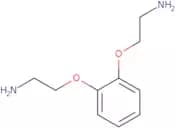
CAS:<p>N-Methyl-N-boc-aminopropan-3-ol is a fine chemical with CAS No. 98642-44-5 that is used in the synthesis of complex compounds, as a reagent for research chemicals, and as a speciality chemical. It is also used in the synthesis of versatile building blocks, reaction components and scaffolds. N-Methyl-N-boc-aminopropan-3-ol has a high quality and can be used as a versatile intermediate or a useful scaffold.</p>Formula:C9H19NO3Purity:Min. 95%Color and Shape:Colourless To Pale Yellow LiquidMolecular weight:189.25 g/molO-Bis(2-aminoethoxy)benzene
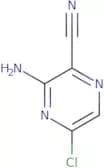
CAS:<p>O-Bis(2-aminoethoxy)benzene is a cyclic compound that has a predominantly thionyl character. It has an amide group, which is formed by the condensation of two carboxylic acids. O-Bis(2-aminoethoxy)benzene can act as a ligand for metal ions in the form of an anion or chloride ion, and it also interacts with neutral ligands. This compound can be used to prepare ferrocenyl derivatives through alkylation. The interaction between O-Bis(2-aminoethoxy)benzene and ferrocene was studied using voltammetry.</p>Formula:C10H16N2O2Purity:Min. 95%Molecular weight:196.25 g/mol3-Amino-5-chloropyrazine-2-carbonitrile
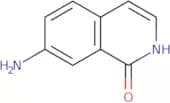
CAS:<p>Please enquire for more information about 3-Amino-5-chloropyrazine-2-carbonitrile including the price, delivery time and more detailed product information at the technical inquiry form on this page</p>Formula:C5H3ClN4Purity:Min. 95%Molecular weight:154.56 g/mol7-Amino-1(2h)-isoquinolinone
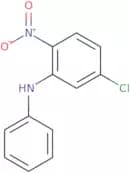
CAS:<p>Please enquire for more information about 7-Amino-1(2h)-isoquinolinone including the price, delivery time and more detailed product information at the technical inquiry form on this page</p>Formula:C9H8N2OPurity:Min. 95%Molecular weight:160.17 g/mol5-Chloro-2-nitrodiphenylamine
CAS:<p>5-Chloro-2-nitrodiphenylamine is a synthetic dyestuff that belongs to the class of acridones. It can be used as an anti-epileptic drug, although it has not been approved for this use in any country. 5-Chloro-2-nitrodiphenylamine is manufactured by reacting a 6-carboxylic acid with an organic solvent and ammonolysis. This chemical is also known as 6'-chloroacridone and is used in the production of dyes and pigments. The manufacturing process produces impurities such as chloride, which must be removed by evaporation. Nitro groups are introduced during the manufacturing process to improve the dye's stability and color fastness under light exposure.</p>Formula:C12H9ClN2O2Purity:Min. 95%Color and Shape:Orange To Red SolidMolecular weight:248.66 g/mol(Deamino-Phe19,D-Ala24,D-Pro26-psi(CH2NH)Phe27)-GRP (19-27) (human, porcine, canine) trifluoroacetate salt
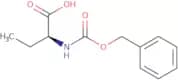
CAS:<p>Please enquire for more information about (Deamino-Phe19,D-Ala24,D-Pro26-psi(CH2NH)Phe27)-GRP (19-27) (human, porcine, canine) trifluoroacetate salt including the price, delivery time and more detailed product information at the technical inquiry form on this page</p>Formula:C57H72N14O8Purity:Min. 95%Molecular weight:1,081.27 g/molZ-L-α-aminobutyric acid
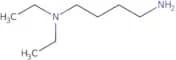
CAS:<p>Z-L-alpha-aminobutyric acid is a homogeneous, optically active, linear phosphinic analogue of alpha-aminobutyric acid. It has been used in the synthesis of phosphinic analogues of cyclosporin and undecapeptides with high yields. The coupling reaction between Z-L-alpha-aminobutyric acid and benzaldehyde was carried out in two steps to produce the desired product. A stepwise condensation between Z-L-alpha-aminobutyric acid and 3,4,5,6 tetrahydropyrimidine was also successful.</p>Formula:C12H15NO4Purity:Min. 98 Area-%Color and Shape:White PowderMolecular weight:237.25 g/mol4-(Diethylamino)butyl amine
CAS:<p>4-(Diethylamino)butyl amine is a chemical that is used as a radiolabeled probe for the uptake of amines into tumors. It is used to measure tumor uptake and pharmacokinetic properties. This chemical has been found to be stable in both water and organic solvents, which makes it an excellent candidate for use in radiopharmaceuticals. 4-(Diethylamino)butyl amine also has a high affinity for cells, which may make it an ideal choice for therapeutic purposes.</p>Formula:C8H20N2Purity:Min. 95%Molecular weight:144.26 g/molMyristyl dimethylamine oxide
CAS:<p>Myristyl dimethylamine oxide is a surfactant that is used in wastewater treatment. It is also an antimicrobial agent that exhibits broad-spectrum activity against bacteria, yeast and moulds. Myristyl dimethylamine oxide has been shown to have a low toxicity to humans and other mammals. The antimicrobial activity of this compound may be due to its ability to inhibit microbial growth by disrupting the cell membrane or by inhibiting protein synthesis. Myristyl dimethylamine oxide can be found in many household products, including soaps, shampoos, toothpaste, mouthwash, and cosmetics. !-- -->Myristyl dimethylamine oxide is also used in the prevention of HIV infection by blocking the binding of HIV to the CD4 receptor on cells. This compound has been shown to block HIV-1 entry into human cells and inhibit HIV replication in vitro with high values for protonation.</p>Formula:C16H35NOPurity:(%) Min. 98%Color and Shape:Clear LiquidMolecular weight:257.46 g/mol2-Hydroxy-5-[(4-{[(6-methoxypyridazin-3-yl)amino]sulfonyl}phenyl)diazenyl]benzoic acid
CAS:<p>Used in treatment of nonspecific ulcerative colitis</p>Formula:C18H15N5O6SPurity:Min. 95%Color and Shape:PowderMolecular weight:429.41 g/mol5-(H-Gly-Pro-Gly-Pro-amido)-9-[di-(3-sulfonylpropyl)amino]-benzo[a]phenoxazonium perchlorate
CAS:<p>Please enquire for more information about 5-(H-Gly-Pro-Gly-Pro-amido)-9-[di-(3-sulfonylpropyl)amino]-benzo[a]phenoxazonium perchlorate including the price, delivery time and more detailed product information at the technical inquiry form on this page</p>Formula:C36H42N7O11S2Purity:Min. 95%Molecular weight:812.89 g/mol[5-(5,6-Dimethyl-1,3-benzoxazol-2-yl)-2-methylphenyl]amine
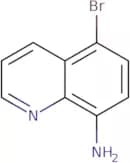
CAS:<p>[5-(5,6-Dimethyl-1,3-benzoxazol-2-yl)-2-methylphenyl]amine is a high quality chemical used in the research and development of new drugs. It is useful as a building block or intermediate for complex compounds, such as pharmaceuticals, agrochemicals, and dyes. It is also used as an intermediate to produce other chemicals with antimicrobial properties. This compound can be used in the production of many different types of products.</p>Formula:C16H16N2OPurity:Min. 95%Color and Shape:Beige PowderMolecular weight:252.31 g/mol5-Bromoquinolin-8-amine
CAS:<p>5-Bromoquinolin-8-amine is a topoisomerase inhibitor that can be used as an antitumor agent. It has been shown to inhibit the growth of tumor cell lines and suppress the growth of colon carcinoma cells in rats and human colon carcinomas in mice. 5-Bromoquinolin-8-amine interacts with DNA, specifically inhibiting the formation of supercoiled DNA. This interaction may lead to the inhibition of tumor cell growth. 5-Bromoquinolin-8-amine also inhibits protein synthesis by interacting with proteins at the ribosomal level, leading to inhibited cell growth.</p>Formula:C9H7BrN2Purity:Min. 95%Molecular weight:223.07 g/mol4-Aminobenzocyclobutene
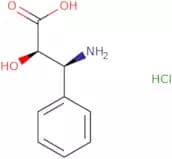
CAS:<p>4-Aminobenzocyclobutene is a monomer that can be used as a crosslinker. It has been shown to have magnetic properties and is soluble in organic solvents such as dioxane and dichloromethane. 4-Aminobenzocyclobutene readily reacts with paraformaldehyde to form the corresponding paraformaldehyde resin, which is insoluble in water and can be used for the preparation of coatings or adhesives. The hydrosilylation reaction between 4-aminobenzocyclobutene and 3-chloropropyl trimethoxysilane leads to the formation of an aminosilane resin, which exhibits a low water absorption rate and high thermal expansion coefficient. This material can also be used for coating or adhesive applications.</p>Formula:C8H7NPurity:Min. 95%Molecular weight:117.15 g/mol(2R,3S)-3-Amino-2-hydroxy-3-phenylpropanoic acid hydrochloride
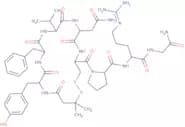
CAS:<p>(2R,3S)-3-Amino-2-hydroxy-3-phenylpropanoic acid hydrochloride is an organic compound that is used in the manufacture of taxol, an anticancer drug. It is synthesized by reacting chloroacetic acid with a metal hydroxide, such as sodium hydroxide or potassium hydroxide. The reaction proceeds spontaneously to form the enantiomerically pure (2R,3S) form and unreacted (2S,3R) form. The (2R,3S) enantiomer has been found to be more reactive than the (2S,3R) form. Quaternary ammonium salts are formed when the (2R,3S) enantiomer reacts with quaternary ammonium compounds such as benzyltrimethylammonium chloride. This compound can also be used in catalytic reactions to produce drugs such as carbapenems and pen</p>Formula:C9H12ClNO3Purity:Min. 95%Molecular weight:217.65 g/mol(Deamino-Pen 1,Val4,D-Arg8)-Vasopressin
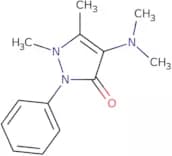
CAS:<p>Vasopressin is a peptide hormone that regulates water balance. It is synthesized in the hypothalamus and stored in the posterior pituitary gland, from where it is released when blood pressure falls. Vasopressin binds to V1 receptors in the kidney and vascular smooth muscle cells, causing vasoconstriction and increased blood pressure. Vasopressin also stimulates phosphatidic acid synthesis and hypotension, which are mediated through V2 receptors. Vasopressin has been found to be effective against cardiac arrest and myocardial infarction in animals. This drug has also been shown to stimulate the paraventricular nucleus of the hypothalamus and inhibit sympathetic activity in ganglia.</p>Formula:C48H69N13O11S2Purity:Min. 95%Molecular weight:1,068.27 g/mol4-Dimethylamino antipyrine
CAS:Controlled Product<p>4-Dimethylamino antipyrine is an aminopyrine derivative that has been shown to inhibit the growth of certain bacteria. It has chemiluminescence properties, which are due to its ability to release electrons from electron donor molecules. 4-Dimethylamino antipyrine has been used as a substrate for in vitro assays measuring the activity of enzymes such as growth factor-β1, pge2 levels and hepatic enzyme activities. 4-Dimethylamino antipyrine also has electrochemical impedance spectroscopy (EIS) properties, which allow it to be used in drug interactions studies. The drug can be measured using a sodium salt assay and aminophenazone as a probe molecule. In addition, amidopyrine can be used as a probe molecule for the measurement of 4-dimethylamino antipyrine because they have similar chemical structures.</p>Formula:C13H17N3OPurity:Min. 95%Color and Shape:PowderMolecular weight:231.29 g/molEthylammonium Tetrafluoroborate
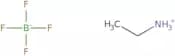
CAS:Controlled Product<p>Ethylammonium tetrafluoroborate is an ionic liquid that is a colorless, nonvolatile liquid at room temperature. It has a melting point of -9 °C and a boiling point of 230 °C. This compound is soluble in water and organic solvents, but insoluble in diethyl ether. Ethylammonium tetrafluoroborate can be used as an electrolyte for lithium-ion batteries. The reversible oxidation reaction of ethylammonium tetrafluoroborate can be catalyzed by the addition of fluorine or carbonyl groups to the molecule. The NMR spectra of ethylammonium tetrafluoroborate show that it contains an alcohol group with a phase transition temperature near 35 °C and an activation energy near 15 kJ/mol. This compound also undergoes polymerization reactions with various types of monomers, such as vinyl acetate and methyl methacrylate,</p>Formula:C2H7BF4NPurity:Min. 95%Color and Shape:PowderMolecular weight:131.89 g/molN'-Nitrosopentyl-(3-picolyl)amine
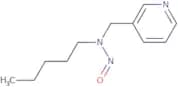
CAS:<p>N'-Nitrosopentyl-(3-picolyl)amine is a research chemical that can be used as a reaction component, reagent, or intermediate. It is a high quality and versatile building block for the synthesis of complex compounds. N'-Nitrosopentyl-(3-picolyl)amine has been shown to be useful as an intermediate in the synthesis of drugs such as pentoxifylline and lodoxamide, which are used to treat respiratory diseases. This chemical is also used to synthesize other compounds that have speciality applications such as pharmaceuticals and rubber additives.</p>Formula:C11H17N3OPurity:Min. 95%Color and Shape:Off-White To Yellow LiquidMolecular weight:207.27 g/mol3,5-Dimethyl-4H-1,2,4-triazol-4-amine
CAS:<p>3,5-Dimethyl-4H-1,2,4-triazol-4-amine is a crystalline compound with antiproliferative and anti-inflammatory properties. It has been shown to inhibit the growth of cancer cells in vitro and in vivo. The mechanism of action is not fully understood but may be due to inhibition of DNA synthesis or by inhibiting the activity of topoisomerase II. 3,5-Dimethyl-4H-1,2,4-triazol-4-amine can also act as an antioxidant by scavenging reactive oxygen species (ROS). 3,5-Dimethyl-4H-1,2,4-triazol-4-amine has been shown to have a low toxicity in animals and humans.</p>Formula:C4H8N4Purity:Min. 95%Molecular weight:112.13 g/mol1-Aminononadecane
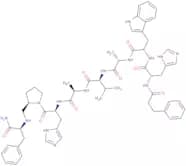
CAS:<p>1-Aminononadecane is a monolayer, which is a type of thin film that consists of two layers of molecules. It consists of fatty acids, which are long-chain carboxylic acid molecules, and particle, which is the smallest part of a substance. 1-Aminononadecane has been shown to be biocompatible with cells when mixed with amines, such as amino acids and proteins. The film also has phase transition temperature between -20°C and +100°C, viscosity values that range from 10-6 to 10-1 Pa·s for polymer films (10 Pa·s for pure 1-aminononadecane), reaction vessel where it is made in an organic solvent or water at neutral pH, and chemical structures that include both aromatic hydrocarbons and unsaturated alkyl chains.</p>Formula:C19H41NPurity:Min. 95%Color and Shape:White PowderMolecular weight:283.54 g/mol6-(7-Nitro-benzo[2,1,3]oxadiazol-4-ylamino)-hexanoyl-Arg-Pro-Lys-Pro-Leu-Ala-Nva-Trp-Lys((7-dimethylaminocoumarin-4-yl)-acetyl)-NH2 trifluoroacetate salt
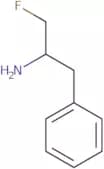
CAS:<p>Please enquire for more information about 6-(7-Nitro-benzo[2,1,3]oxadiazol-4-ylamino)-hexanoyl-Arg-Pro-Lys-Pro-Leu-Ala-Nva-Trp-Lys((7-dimethylaminocoumarin-4-yl)-acetyl)-NH2 trifluoroacetate salt including the price, delivery time and more detailed product information at the technical inquiry form on this page</p>Formula:C78H111N21O16Purity:Min. 95%Molecular weight:1,598.85 g/mol1-Fluoro-3-phenylpropan-2-amine
CAS:Controlled Product<p>Please enquire for more information about 1-Fluoro-3-phenylpropan-2-amine including the price, delivery time and more detailed product information at the technical inquiry form on this page</p>Formula:C9H12FNPurity:Min. 95%Color and Shape:Clear LiquidMolecular weight:153.2 g/molMidodrine
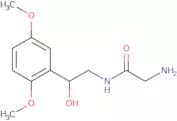
CAS:Controlled Product<p>2-Amino-N-[2-(2,5-dimethoxyphenyl)-2-hydroxyethyl]-acetamide is a drug that has been used to treat a variety of diseases and conditions. It is an alpha adrenergic agonist that works by stimulating the alpha receptors in the body, which increase blood pressure and improve blood flow. This drug also has significant effects on energy metabolism, including the production of ATP. 2-Amino-N-[2-(2,5-dimethoxyphenyl)-2-hydroxyethyl]-acetamide is used to treat patients with congestive heart failure who are taking low doses of midodrine hydrochloride or nonsteroidal antiinflammatory drugs.</p>Formula:C12H18N2O4Purity:Min. 95%Color and Shape:PowderMolecular weight:254.28 g/mol4-Nitrophenethylamine HCl
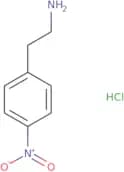
CAS:Controlled Product<p>Intermediate in the synthesis of mirabegron</p>Formula:C8H10N2O2·HClPurity:Min. 95%Color and Shape:Off-White PowderMolecular weight:202.64 g/mol9-Aminoacridine
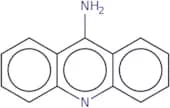
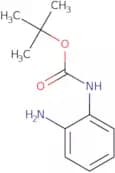
CAS:<p>9-Aminoacridine is a potential anticancer agent that intercalates into the DNA and prevents the replication process. It has been shown to inhibit the growth of bacteria resistant to tetracycline by interfering with bacterial DNA replication. 9-Aminoacridine also has anti-inflammatory properties, which may be due to its inhibition of prostaglandin synthesis.</p>Formula:C13H10N2Purity:Min. 95%Molecular weight:194.23 g/molN-Boc-1,2-phenyldiamine
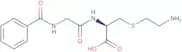
CAS:<p>N-Boc-1,2-phenyldiamine is a histone acetyltransferase (HAT) inhibitor. It is an acetylated molecule that contains two phenyl rings, one of which is substituted with an amine group. This compound was designed to inhibit the activity of HATs, which are enzymes involved in the chemical modification of histones and other proteins. N-Boc-1,2-phenyldiamine inhibits the activities of these enzymes and prevents the acetylation of lysines on histones or other proteins. It has been shown to be efficient in inducing apoptosis in human cancer cells and may also have some antitumor effects.</p>Formula:C11H16N2O2Purity:Min. 95%Color and Shape:PowderMolecular weight:208.26 g/molHippuryl-Cys(2-aminoethyl)-OH hydrochloride salt
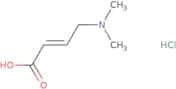
CAS:<p>Please enquire for more information about Hippuryl-Cys(2-aminoethyl)-OH hydrochloride salt including the price, delivery time and more detailed product information at the technical inquiry form on this page</p>Formula:C14H19N3O4SPurity:Min. 95%Molecular weight:325.38 g/moltrans 4-Dimethylaminocrotonic acid HCl
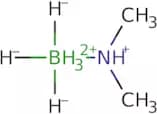
CAS:<p>Intermediate in the synthesis of afatinib</p>Formula:C6H12ClNO2Purity:Min. 95%Color and Shape:White To Off-White SolidMolecular weight:165.62 g/molBorane dimethylamine complex
CAS:<p>Please enquire for more information about Borane dimethylamine complex including the price, delivery time and more detailed product information at the technical inquiry form on this page</p>Formula:C2H10BNPurity:Min. 95%Color and Shape:White Clear LiquidMolecular weight:58.92 g/mol1-Oleoyl-3-palmitoyl-rac-glycero-2-phosphoethanolamine
CAS:<p>Please enquire for more information about 1-Oleoyl-3-palmitoyl-rac-glycero-2-phosphoethanolamine including the price, delivery time and more detailed product information at the technical inquiry form on this page</p>Formula:C39H76NO8PPurity:Min. 95%Molecular weight:718 g/molFmoc-ε-aminocaproic acid-Wang resin (200-400 mesh)
<p>Please enquire for more information about Fmoc-epsilon-aminocaproic acid-Wang resin (200-400 mesh) including the price, delivery time and more detailed product information at the technical inquiry form on this page</p>Purity:Min. 95%(2-Furylmethyl)methylamine
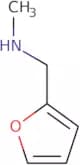
CAS:<p>(2-Furylmethyl)methylamine is a protein inhibitor that has been shown to inhibit γ-secretase, an enzyme responsible for the cleavage of amyloid precursor protein (APP) and the production of beta-amyloid. It has also been shown to be effective in treating cancer and Alzheimer's disease when administered as an intravenous injection or oral medication. The effects on animals were observed in a study involving mice with bladder cancer. (2-Furylmethyl)methylamine was found to inhibit the growth of bladder cancer cells and induce apoptosis. This compound also inhibits glycogen synthase kinase 3 (GSK3), which is involved in cell proliferation. Trichophyton mentagrophytes, a fungus that causes athlete's foot, has also been found to be sensitive to this drug. Heterocycles are not affected by this compound because they lack nitrogen atoms at their positions corresponding to those in the amide group</p>Formula:C6H9NOPurity:Min. 95%Color and Shape:Colorless Clear LiquidMolecular weight:111.14 g/molAc-Arg-Cys-Met-5-aminopentanoyl-Arg-Val-Tyr-5-aminopentanoyl-Cys-NH2 trifluoroacetate salt (Disulfide bond)
CAS:<p>Please enquire for more information about Ac-Arg-Cys-Met-5-aminopentanoyl-Arg-Val-Tyr-5-aminopentanoyl-Cys-NH2 trifluoroacetate salt (Disulfide bond) including the price, delivery time and more detailed product information at the technical inquiry form on this page</p>Formula:C49H82N16O11S3Purity:Min. 95%Molecular weight:1,167.47 g/molN,N,N',N'-Tetrakis(4-aminophenyl)-1,4-phenylenediamine
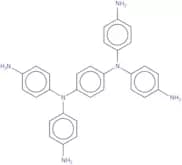
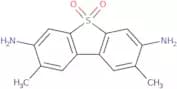
CAS:<p>TPD is a versatile building block and intermediate that is used as a research chemical and speciality chemical. TPD is an important and useful scaffold in organic chemistry, which can be used to produce various compounds. It is also a reagent for the synthesis of low-molecular-weight compounds with a wide range of applications, such as pharmaceuticals, agrochemicals, dyes, fragrances, etc. TPD is soluble in water and can be easily purified by recrystallization or column chromatography. TPD has been shown to have high quality and purity because it does not contain any impurities.</p>Formula:C30H28N6Purity:Min. 95%Color and Shape:Brown PowderMolecular weight:472.59 g/mol3,7-Diamino-2,8-dimethyldibenzothiophene sulfone, contains 2,6-Dimethyl isomer
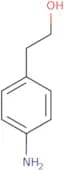
CAS:<p>3,7-Diamino-2,8-dimethyldibenzothiophene sulfone (contains 2,6-Dimethyl isomer) is a hydrophilic aromatic hydrocarbon that is used in the production of polymers. It is a copolymerization agent and monomer for epoxy resins and vulcanizates. The product contains impurities such as benzene and sulfur.</p>Formula:C14H14N2O2SPurity:Min. 95%Color and Shape:Slightly Yellow PowderMolecular weight:274.34 g/mol4-Aminophenethyl alcohol
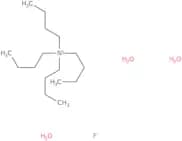
CAS:<p>4-Aminophenethyl alcohol is a monosubstituted, basic compound that is used in the laboratory as a cell culture medium supplement to promote growth of fibroblasts. This compound has been shown to stimulate human intestinal cells and human peripheral blood mononuclear cells. 4-Aminophenethyl alcohol acts as a hydroxyl group donor, which may be due to its ability to form hydrogen ions when reacted with sodium hydroxide solution. The reaction of this compound with diazonium salt produces an intermediate, which can be hydrolyzed by the addition of sodium hydroxide solution. The resultant chloride ion reacts with the aminophenethyldihydroxylamine (APDA) moiety to produce APDCl. This product has been shown to increase the population growth rate of fibroblasts in culture by causing DNA synthesis and protein synthesis. Linear regression analysis revealed that there was no statistically significant difference between the control and experimental groups for either DNA</p>Formula:C8H11NOPurity:Min. 95%Molecular weight:137.18 g/molTetrabutylammonium fluoride trihydrate
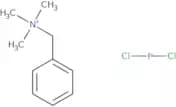
CAS:<p>Tetrabutylammonium fluoride trihydrate is an aromatic hydrocarbon with a hydroxyl group. It is soluble in water and has a strong inhibitory effect on chain reactions. Tetrabutylammonium fluoride trihydrate can be used to inhibit the oxidation of quinoline derivatives that are used as drugs or pesticides. It also has an inhibitory effect on thermodynamic data such as the heat of vaporization, heat capacity, and entropy. The addition of trifluoroacetic acid to an organic solution containing hydrogen bonding interactions increases the solubility of tetrabutylammonium fluoride trihydrate in the organic solutions.</p>Formula:C16H36FN•(H2O)3Purity:Min. 95%Color and Shape:PowderMolecular weight:315.51 g/molBenzyltrimethylammonium dichloroiodate
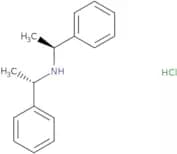
CAS:<p>Benzyltrimethylammonium dichloroiodate (BTMD) is an aliphatic hydrocarbon with a molecular weight of 278.32 g/mol. It has a basic fibroblast growth factor and has been shown to have anti-inflammatory properties. BTMD has also been shown to have a kinetic, reactive, and aromatic hydrocarbon as well as a carboxyl group. BTMD is postulated to bind to the serine protease and inhibit its activity, which may be due to the carbonyl group.</p>Formula:C10H16Cl2INPurity:Min. 95%Color and Shape:Yellow solid.Molecular weight:348.05 g/mol(S,S)-(-)-Bis(a-methylbenzyl)amine Hcl
CAS:<p>Please enquire for more information about (S,S)-(-)-Bis(a-methylbenzyl)amine Hcl including the price, delivery time and more detailed product information at the technical inquiry form on this page</p>Formula:C16H19N·HClPurity:Min. 95%Molecular weight:261.79 g/molDABCYL-(Asn670,Leu671)-Amyloid b/A4 Protein Precursor770 (667-675)-EDANS ammonium salt
CAS:<p>Please enquire for more information about DABCYL-(Asn670,Leu671)-Amyloid b/A4 Protein Precursor770 (667-675)-EDANS ammonium salt including the price, delivery time and more detailed product information at the technical inquiry form on this page</p>Formula:C71H91N15O21SPurity:Min. 95%Molecular weight:1,522.64 g/molFmoc-N-(4-boc-aminobutyl)glycine
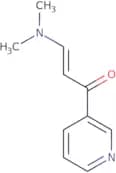
CAS:<p>Please enquire for more information about Fmoc-N-(4-boc-aminobutyl)glycine including the price, delivery time and more detailed product information at the technical inquiry form on this page</p>Formula:C26H32N2O6Purity:Min. 95%Molecular weight:468.54 g/mol3-Dimethylamino-1-(3-pyridyl)-2-propen-1-one
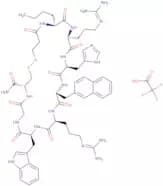
CAS:<p>3-Dimethylamino-1-(3-pyridyl)-2-propen-1-one is a synthetic anticancer compound. It is an amide derivative of 3-dimethylamino-1-(3-pyridyl)-2-propenal, which is synthesized by reacting 3,5,6,7 tetrahydrobenzo[b]thiophene with 3-(dimethylamino)acrylic acid chloride. The synthesis of 3DAP was reported in 1974 by Novartis Pharmaceuticals Corporation and it has been used as a lead compound for the development of other anticancer agents. This drug can inhibit the growth of myelogenous leukemia cells and has been shown to be effective against cancer cells that are resistant to imatinib.</p>Formula:C10H12N2OPurity:Min. 95%Color and Shape:Off-White To Yellow SolidMolecular weight:176.22 g/mol(Deamino-Cys3, Nle 4,Arg5,D-2-Nal 7,Cys11)-a-MSH (3-11) amide trifluoroacetate salt
CAS:<p>Please enquire for more information about (Deamino-Cys3, Nle 4,Arg5,D-2-Nal 7,Cys11)-a-MSH (3-11) amide trifluoroacetate salt including the price, delivery time and more detailed product information at the technical inquiry form on this page</p>Formula:C56H76N18O9S2Purity:Min. 95%Molecular weight:1,209.45 g/molDidecylamine
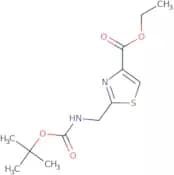
CAS:<p>Didecylamine is an amine that can be used as a cross-linking agent in the production of polyurethane foam. It is synthesized from acetaldehyde, which reacts with hydroxyl groups in the presence of sodium carbonate. The reaction product has a carbonyl group and two hydrochloric acid molecules. Didecylamine has been shown to have transport properties and is used in fatty acid synthesis. This compound also has liver cell toxicity and has been shown to cause cross-linking of human liver cells. Didecylamine binds to cationic surfactants, metal chelates, or multi-walled carbon particles by forming hydrogen bonds with their amines. It also undergoes frequency shifts and can be used as an amine reactant for the production of polyurethane foam due to its high boiling point.</p>Formula:C20H43NPurity:Min. 95%Molecular weight:297.56 g/molEthyl 2-((tert-butoxycarbonylamino)methyl)thiazole-4-carboxylate
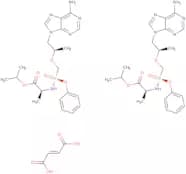
CAS:<p>Please enquire for more information about Ethyl 2-((tert-butoxycarbonylamino)methyl)thiazole-4-carboxylate including the price, delivery time and more detailed product information at the technical inquiry form on this page</p>Formula:C12H18N2O4SPurity:Min. 95%Molecular weight:286.35 g/mol1-Methylethyl N-((S)-(((1R)-2-(6-amino-9H-purin-9-yl)-1-methylethoxy)methyl)phenoxyphosphinoyl)-L-alaninate
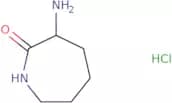
CAS:<p>Tenofovir is a nucleoside analog reverse transcriptase inhibitor that binds to the RNA-dependent polymerase. This compound is used in combination with other antiviral agents for the treatment of HIV-1 infection and for prophylaxis against HIV-1 infection. Tenofovir has been shown to be effective against infections caused by strains of HIV-1, such as the drug resistant virus. Tenofovir is absorbed rapidly after oral administration, with a bioavailability of over 80%. The prodrug fumarate is hydrolyzed to tenofovir in vivo and this conversion occurs more efficiently in acidic conditions. Alafenamide, a prodrug of tenofovir, has been approved by the FDA as an alternative to tenofovir disoproxil fumarate (TDF) for the treatment of HIV-1 infection. Alafenamide is an acyclic nucleoside phosphonate that inhibits viral replication by inhibiting reverse</p>Formula:C46H62N12O14P2Purity:Min. 95%Color and Shape:PowderMolecular weight:1,069 g/mol3-Aminoazepan-2-one hydrochloride
CAS:<p>Please enquire for more information about 3-Aminoazepan-2-one hydrochloride including the price, delivery time and more detailed product information at the technical inquiry form on this page</p>Formula:C6H12N2O•HClPurity:Min. 95%Molecular weight:164.63 g/mol



![[2,6-Dimethyl-4-(3-[2-(Z-amino)-ethylcarbamoyl]-propoxy)-benzenesulfonyl]-Dap (Boc)-OMe](/_next/image/?url=https%3A%2Fstatic.cymitquimica.com%2Fproducts%2F3D%2Fthumb-webp%2FFD111582.webp&w=3840&q=75)


![tert-Butyl6-[(1e)-2-[4-(4-fluorophenyl)-6-(1-methylethyl)-2-[methyl(methylsulfonyl)amino]-5-pyrimi…](/_next/image/?url=https%3A%2Fstatic.cymitquimica.com%2Fproducts%2F3D%2Fthumb-webp%2FFB148489.webp&w=3840&q=75)
![tert-Butyl 2-amino-6,7-dihydrothiazolo[5,4-c]pyridine-5(4H)-carboxylate](/_next/image/?url=https%3A%2Fstatic.cymitquimica.com%2Fproducts%2F3D%2Fthumb-webp%2FFB143127.webp&w=3840&q=75)


![Imidazo[1,2-a]pyridin-7-amine hydrobromide](/_next/image/?url=https%3A%2Fstatic.cymitquimica.com%2Fproducts%2F3D%2Fthumb-webp%2FFI111192.webp&w=3840&q=75)

![3-[(2-Aminoethyl)dithio]propionic acid](/_next/image/?url=https%3A%2Fstatic.cymitquimica.com%2Fproducts%2F3D%2Fthumb-webp%2FFA17745.webp&w=3840&q=75)

![(aR)-a-[[[2-(4-Aminophenyl)ethyl]amino]methyl]-benzenemethanol](/_next/image/?url=https%3A%2Fstatic.cymitquimica.com%2Fproducts%2F3D%2Fthumb-webp%2FFA75045.webp&w=3840&q=75)

![3-[(Dimethylamino)methyl]-1,2,4-oxadiazol-5-amine hydrochloride](/_next/image/?url=https%3A%2Fstatic.cymitquimica.com%2Fproducts%2F3D%2Fthumb-webp%2FFD135937.webp&w=3840&q=75)
![H-Glu-Leu-Asp-[(2R,4S,5S)-5-amino-4-hydroxy-2,7-dimethyl-octanoyl]-Ala-Glu-Phe-OH](/_next/image/?url=https%3A%2Fstatic.cymitquimica.com%2Fproducts%2F3D%2Fthumb-webp%2FFG111094.webp&w=3840&q=75)
![Des[3-acetyl-5-(2-dimethylamino)ethyl] diltiazem](/_next/image/?url=https%3A%2Fstatic.cymitquimica.com%2Fproducts%2F3D%2Fthumb-webp%2FFD21106.webp&w=3840&q=75)

![2-Hydroxy-5-[(4-{[(6-methoxypyridazin-3-yl)amino]sulfonyl}phenyl)diazenyl]benzoic acid](/_next/image/?url=https%3A%2Fstatic.cymitquimica.com%2Fproducts%2F3D%2Fthumb-webp%2FFH134950.webp&w=3840&q=75)
![5-(H-Gly-Pro-Gly-Pro-amido)-9-[di-(3-sulfonylpropyl)amino]-benzo[a]phenoxazonium perchlorate](/_next/image/?url=https%3A%2Fstatic.cymitquimica.com%2Fproducts%2F3D%2Fthumb-webp%2FFG110995.webp&w=3840&q=75)
![[5-(5,6-Dimethyl-1,3-benzoxazol-2-yl)-2-methylphenyl]amine](/_next/image/?url=https%3A%2Fstatic.cymitquimica.com%2Fproducts%2F3D%2Fthumb-webp%2FFD134975.webp&w=3840&q=75)


![6-(7-Nitro-benzo[2,1,3]oxadiazol-4-ylamino)-hexanoyl-Arg-Pro-Lys-Pro-Leu-Ala-Nva-Trp-Lys((7-dimeth…](/_next/image/?url=https%3A%2Fstatic.cymitquimica.com%2Fproducts%2F3D%2Fthumb-webp%2FFN110943.webp&w=3840&q=75)