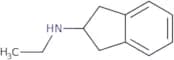
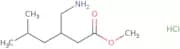
Amines
Amines are a set of molecules containing an amino functional group (derived from ammonia). This category includes amines at any level of substitution : primary, secondary, tertiary, and ammonium salts. Amines are fundamental in organic synthesis and are widely used in pharmaceuticals, agrochemicals, and materials science. At CymitQuimica, we provide a comprehensive selection of amines to meet your research and industrial needs. Our range ensures access to various amines for diverse chemical processes and innovative research.
Subcategories of "Amines"
- Nitrosamines(2,605 products)
- Primary Amines(30,805 products)
- Quaternary Ammonium Cations and Salts(1,099 products)
- Secondary Amines(20,809 products)
- Tertiary Amines(17,111 products)
Found 8776 products of "Amines"
Sort by
Purity (%)
0
100
|
0
|
50
|
90
|
95
|
100
4-Aminomethylphenylacetic acid
CAS:<p>4-Aminomethylphenylacetic acid is a nonsteroidal anti-inflammatory drug that is used to treat inflammation and pain. It belongs to the class of peptidomimetics, which are compounds that mimic the structure of a natural biological molecule. 4-Aminomethylphenylacetic acid has an analog with a lactam ring at position 3, which is not present in other NSAIDs. This structural difference may contribute to its high stability and low reactivity. 4-Aminomethylphenylacetic acid has been shown to exhibit antiviral activity against viruses such as HIV or Hepatitis C virus by inhibiting viral replication.</p>Formula:C9H11NO2·HClPurity:Min. 95%Molecular weight:201.65 g/mol2-Amino-1-(4-fluorophenyl)-1-propanone
CAS:Controlled Product<p>2-Amino-1-(4-fluorophenyl)-1-propanone (Fluoroamphetamine) is a chemical that binds to the serotonin transporter, which is responsible for the reuptake of serotonin into the presynaptic neuron. Fluoroamphetamine has been shown to lower empathy and increase feelings of reward in animals. This drug has no significant effect on dopamine and noradrenaline levels but does cause an increase in metabolic acidosis. Fluoroamphetamine is most often used by analytical laboratories as a synthetic intermediate, but it can also be used as a strategy to develop specific antidotes against serotonin blockers. Fluoroamphetamine's health effects are similar to those of amphetamine with regards to cardiovascular risks and addictive potential.</p>Formula:C9H10FNOPurity:Min. 95%Molecular weight:167.18 g/mol3,4-(Dibenzyloxy)phenethylamineHydrochloride
CAS:<p>3,4-(Dibenzyloxy)phenethylamine Hydrochloride is an antidiabetic drug that belongs to the class of medicines used to treat diabetes mellitus. This drug inhibits the synthesis of fatty acids and the production of glucose by pancreatic β-cells. 3,4-(Dibenzyloxy)phenethylamine Hydrochloride also has a hypoglycemic effect on rats with diabetes mellitus. The medicine has been shown to be effective in inhibiting apoptotic cell death in k562 cells and also has an inhibitory effect on dopamine-stimulated cAMP production.</p>Formula:C22H24ClNO2Purity:Min. 95%Molecular weight:369.88 g/mol3-Amino-5-bromobenzonitrile
CAS:<p>Please enquire for more information about 3-Amino-5-bromobenzonitrile including the price, delivery time and more detailed product information at the technical inquiry form on this page</p>Formula:C7H5BrN2Purity:Min. 95%Molecular weight:197.03 g/molγ-Aminobutyric acid
CAS:<p>Gamma-aminobutyric acid (GABA) is a neurotransmitter that inhibits the transmission of nerve impulses in the brain. GABA binds to specific receptors and blocks voltage-dependent calcium channels, which are ion channels that allow the passage of calcium ions into cells. GABA also has a number of other functions, including biochemical properties, its role in brain function and drug interactions. The GABA receptor is found on neurons and is subject to modulation by drugs that interact with GABA receptors. In addition, GABA can react with water vapor to produce hydrogen bonding interactions. This reaction is used in electrochemical impedance spectroscopy as an analytical tool for determining the concentration of free water in a sample.</p>Formula:C4H9NO2Purity:Min. 98.0%Color and Shape:White PowderMolecular weight:103.12 g/mol3-Amino-6-fluoro-2-methylquinazolin-4(3H)-one
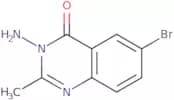
CAS:Controlled Product<p>Please enquire for more information about 3-Amino-6-fluoro-2-methylquinazolin-4(3H)-one including the price, delivery time and more detailed product information at the technical inquiry form on this page</p>Formula:C9H8FN3OPurity:Min. 95%Molecular weight:193.18 g/mol5-Amino-2-(trifluoromethyl)isonicotinic acid
CAS:<p>Please enquire for more information about 5-Amino-2-(trifluoromethyl)isonicotinic acid including the price, delivery time and more detailed product information at the technical inquiry form on this page</p>Formula:C7H5F3N2O2Purity:Min. 95%Molecular weight:206.12 g/mol1-Boc-amino-3,6,9-trioxaundecanyl-11-bromide
CAS:<p>Please enquire for more information about 1-Boc-amino-3,6,9-trioxaundecanyl-11-bromide including the price, delivery time and more detailed product information at the technical inquiry form on this page</p>Formula:C13H26BrNO5Purity:Min. 95%Molecular weight:356.25 g/molDiammonium hydrogen citrate
CAS:<p>Diammonium hydrogen citrate is a nutrient solution that contains copper chloride, sodium citrate, and hydrogen fluoride. It is used in surface methodology to separate hydroxyl groups from the surface of an object. Diammonium hydrogen citrate has been shown to be effective in enhancing iron homeostasis in skin cells. It also has been shown to have anti-malarial properties that are due to its ability to chelate copper ions and prevent the formation of free radicals. The reaction solution can be used for the synthesis of diammonium citrate, which is a monoclonal antibody.</p>Formula:C6H14N2O7Purity:Min. 95%Color and Shape:White PowderMolecular weight:226.18 g/mol6-Bromo-1,2,3,4-tetrahydronaphthalen-2-ylamine hydrochloride
CAS:Controlled Product<p>Please enquire for more information about 6-Bromo-1,2,3,4-tetrahydronaphthalen-2-ylamine hydrochloride including the price, delivery time and more detailed product information at the technical inquiry form on this page</p>Formula:C10H12BrN·HClPurity:Min. 95%Molecular weight:262.57 g/molHydroxylamine hydrochloride
CAS:<p>Hydroxylamine HCl is a chemical compound that has been shown to exhibit anti-inflammatory properties. It is a nitrosobenzene derivative with the molecular formula NH2OH, and it is also known as hydroxylamine salt or hydroxylamine sulfate. Hydroxylamine HCl has been used in pharmaceutical preparations for the treatment of inflammatory bowel diseases such as ulcerative colitis and Crohn's disease. This drug inhibits the production of inflammatory cytokines by binding to the receptor sites on cells in the body. Hydroxylamine HCl binds to the herpes simplex virus (HSV) and inhibits viral replication, which may be due to its ability to inhibit protein synthesis at an early stage of HSV infection. This drug also binds to CD-1 mouse liver cells and blocks cellular respiration, leading to cell death.</p>Formula:ClH4NOPurity:Min. 95%Color and Shape:PowderMolecular weight:69.49 g/mol6-(Aminomethyl)pyridin-3-amine
CAS:<p>Please enquire for more information about 6-(Aminomethyl)pyridin-3-amine including the price, delivery time and more detailed product information at the technical inquiry form on this page</p>Purity:Min. 95%N-EthylhydroxylamineHydrochloride
CAS:<p>N-Ethylhydroxylamine hydrochloride is a chemical compound that belongs to the group of biocides. It is used as an antimicrobial agent in medical devices, such as catheters and dialysis membranes. N-Ethylhydroxylamine hydrochloride is also used in cancer research to activate the CCR5 receptor, which is involved in HIV infection. N-Ethylhydroxylamine hydrochloride has been shown to have biological properties in humans and animals and has a high degree of chemical stability. The compound can be synthesized from sodium carbonate and ethyl alcohol. The synthesis involves the addition of ethylene oxide to ethanolamine followed by hydrogenation with a catalyst. N-Ethylhydroxylamine hydrochloride is soluble in water, methanol, and acetone. This chemical compound binds to proteins in the human body, resulting in an increase of acidity in urine samples when tested using a plate test. It also has</p>Formula:C2H8ClNOPurity:Min. 95%Molecular weight:97.54 g/mol2-Chloro-3,4-dimethoxyphenethylamine HCl
CAS:Controlled Product<p>2-Chloro-3,4-dimethoxyphenethylamine is an intermediate in the synthesis of zepines. It can be synthesized by reduction of borohydride with 2-chloro-1,2,3,4-tetrahydrobenzaldehyde.</p>Purity:Min. 95%2-(Trifluoroacetamido)Ethylamine Hydrochloride
CAS:<p>Please enquire for more information about 2-(Trifluoroacetamido)Ethylamine Hydrochloride including the price, delivery time and more detailed product information at the technical inquiry form on this page</p>Formula:C4H7F3N2OPurity:Min. 95%Molecular weight:156.11 g/mol2-Amino-5-nitroindan hydrochloride
CAS:Controlled Product<p>Please enquire for more information about 2-Amino-5-nitroindan hydrochloride including the price, delivery time and more detailed product information at the technical inquiry form on this page</p>Formula:C9H10N2O2·HClPurity:Min. 95%Molecular weight:214.65 g/molDidecyl dimethyl ammonium chloride - 80% aqueous solution
CAS:<p>Didecyl dimethyl ammonium chloride is a quaternary ammonium compound that has been shown to have a broad-spectrum antimicrobial activity. It has been used in disinfectants and as an active ingredient in pharmaceuticals, cosmetics, and foods. The compound is not toxic to humans or animals at concentrations up to 50%. Didecyl dimethyl ammonium chloride has been shown to be effective against infectious diseases caused by bacteria, viruses, fungi, and protozoa. This compound also has an effect on the epithelial-mesenchymal transition (EMT) process. Didecyl dimethyl ammonium chloride can be prepared by titration calorimetry or analytical method. The preparation of didecyl dimethyl ammonium chloride can be done using chloroform and benzalkonium chloride or glycol ether.</p>Formula:C22H48ClNColor and Shape:Clear LiquidMolecular weight:362.08 g/mol5-Bromo-2-methoxyphenethylamine hydrobromide
CAS:Controlled Product<p>Please enquire for more information about 5-Bromo-2-methoxyphenethylamine hydrobromide including the price, delivery time and more detailed product information at the technical inquiry form on this page</p>Formula:C9H13Br2NOPurity:Min. 95%Molecular weight:311.01 g/molAmmonium carbonate
CAS:<p>Ammonium carbonate is an inorganic salt that consists of ammonium ion and carbonate ion. It is a white crystalline solid with a molecular weight of about 166.4 g/mol. Ammonium carbonate is soluble in water, alcohol, acetone, and other organic solvents. It has been used as a buffer solution for pH adjustment and as a source of ammonium ions in analytical chemistry. Ammonium carbonate can be formed by the reaction of sodium carbonate with ammonia gas or liquid ammonia, or the reaction of sodium bicarbonate with ammonia gas or liquid ammonia. The thermal expansion coefficient of ammonium carbonate is higher than those of sodium salts such as sodium chloride and potassium chloride. Electrochemical impedance spectroscopy (EIS) measurements have shown that the reactivity between ammonium carbonate and plasma mass spectrometry is high due to its high values on the electric spectrum graph at low frequencies (1 kHz).</p>Formula:CH8N2O3Purity:Min. 95%Color and Shape:White SolidMolecular weight:96.09 g/mol4-Hydroxy-N-isopropyl-N-methyltryptamine
CAS:Controlled Product<p>4-Hydroxy-N-isopropyl-N-methyltryptamine (4OHMIT) is an analytical chemical that has been shown to bind to various receptors in the rat brain. 4OHMIT has also been found to inhibit the binding of serotonin, dopamine and norepinephrine. This drug is a synthetic compound that has been detected in human urine samples.br>br>4OHMIT is a psychedelic substance that can be used for the acute treatment of depressive disorders and anxiety. It also has pharmacological treatments, such as analytical chemistry, which can be used to detect this drug in biological samples.</p>Formula:C14H20N2OPurity:Min. 95%Molecular weight:232.32 g/mol3-Amino-2,2-dimethylpropanenitrile
CAS:<p>Please enquire for more information about 3-Amino-2,2-dimethylpropanenitrile including the price, delivery time and more detailed product information at the technical inquiry form on this page</p>Formula:C5H10N2Purity:Min. 95 Area-%Color and Shape:Clear LiquidMolecular weight:98.15 g/mol(S)-(-)-1-Phenylethylamine
CAS:Controlled Product<p>(S)-(-)-1-Phenylethylamine is an amide that is synthesized by reacting an acid chloride with a primary amine. (S)-(-)-1-Phenylethylamine is a white solid that has a molecular weight of 110.11 g/mol and the chemical formula CH3CH2CH2NHCOCl. The compound has been isolated in yields of up to 60% from diethyl ketone and ethyl acetate, which is dependent on the solvent used. The compound can be purified by recrystallization from diethyl ether or ethyl acetate/petroleum ether mixtures. (S)-(-)-1-Phenylethylamine exhibits hydrogen bonding interactions with water, which is why it has a pH optimum around 7.5. This compound also reacts with ester hydrochlorides to form amides and carbonyl groups as well as undergoes reactions with amines to form urea derivatives</p>Formula:C8H11NPurity:Min. 95%Color and Shape:Colorless Clear LiquidMolecular weight:121.18 g/mol2-Bromo-N,N-dimethylethanamine hydrobromide
CAS:<p>2-Bromo-N,N-dimethylethanamine hydrobromide is a quaternary ammonium salt that is used as an excipient in pharmaceutical formulations. It has been used to prepare conjugates for clinical diagnostics and can be used as a substrate in phosphorus pentoxide assays. This product is also an intermediate in the synthesis of paracyclophanes, which are stereoisomers of cyclopentane. 2-Bromo-N,N-dimethylethanamine hydrobromide has been shown to have anti-inflammatory properties and may be useful for the treatment of respiratory diseases. The drug also has potential in the treatment of Alzheimer's disease due to its ability to inhibit β-amyloid aggregation.</p>Formula:C4H11Br2NPurity:Min. 95%Color and Shape:White PowderMolecular weight:232.94 g/mol(R)-(-)-a-[[(4-Ethyl-2,3-dioxo-1-piperazinyl)carbonyl]amino]benzeneacetic Acid
CAS:<p>(R)-(-)-a-[[(4-Ethyl-2,3-dioxo-1-piperazinyl)carbonyl]amino]benzeneacetic Acid is an inhibitor of the enzyme histamine N-methyltransferase (HNMT), which is responsible for the synthesis of histamine. The inhibition of HNMT leads to a decrease in histamine levels and therefore has been used as a treatment for chronic prostatitis, lacrimal gland, and energy efficiency. Histamine N-methyltransferase also participates in the regulation of apoptosis by methylating proapoptotic proteins like Bax, so inhibition can lead to an increase in apoptosis. This chemical is also able to bind with chloride ions and form diphenyl ethers through a reaction solution, which are known to have anticancer properties.</p>Formula:C15H17N3O5Purity:Min. 98 Area-%Color and Shape:PowderMolecular weight:319.31 g/mol(S)-α-Ethyl-2-oxo-1-pyrrolidineacetic acid(R)-α-methylbenzenemethanaminesalt
CAS:Controlled Product<p>Please enquire for more information about (S)-alpha-Ethyl-2-oxo-1-pyrrolidineacetic acid(R)-alpha-methylbenzenemethanaminesalt including the price, delivery time and more detailed product information at the technical inquiry form on this page</p>Formula:C16H24N2O3Purity:Min. 95%Molecular weight:292.37 g/mol3-Fluorophenethylamine
CAS:Controlled Product<p>3-Fluorophenethylamine is a fluorinated analog of phenethylamine that binds to the same receptors and has a similar effect on neurotransmitters as the parent compound. 3-Fluorophenethylamine inhibits the production of tumor necrosis factor-α (TNF-α) in vitro, which may be due to its ability to inhibit prostaglandin synthesis by binding to cyclooxygenase. This drug has also been shown to have anti-inflammatory effects that are mediated by inhibition of TNF-α production and activation of nuclear factor kappa B (NFκB) pathways in hippocampal neurons.</p>Formula:C8H10FNPurity:Min. 95%Molecular weight:139.17 g/mol(3-Methyl-isoxazol-5-yl)methylamine hydrochloride
CAS:<p>Please enquire for more information about (3-Methyl-isoxazol-5-yl)methylamine hydrochloride including the price, delivery time and more detailed product information at the technical inquiry form on this page</p>Formula:C5H8N2O·HClPurity:Min. 95%Molecular weight:148.59 g/molPravastatin 1,1,3,3-tetramethylbutylamine
CAS:<p>Please enquire for more information about Pravastatin 1,1,3,3-tetramethylbutylamine including the price, delivery time and more detailed product information at the technical inquiry form on this page</p>Formula:C31H55NO7Purity:Min. 95%Molecular weight:553.77 g/molDicyclohexylamine
CAS:Controlled Product<p>Dicyclohexylamine is a trifluoromethanesulfonic acid (TFSA) scavenger that inhibits HIV infection by blocking the reaction solution. TFSA is a by-product of the industrial production of solanum tuberosum, and has been shown to inhibit plant enzyme activity. Dicyclohexylamine has been shown to be an effective inhibitor of enzymes such as phosphodiesterase, lipases, and proteases in detergent compositions. It also inhibits the activity of a number of enzymes in organic solutions and chemical reactions.</p>Formula:C12H23NPurity:Min. 98%Color and Shape:Colorless Clear LiquidMolecular weight:181.32 g/mol3-[(Dimethylamino)methyl]benzoic acid hydrochloride
CAS:<p>Please enquire for more information about 3-[(Dimethylamino)methyl]benzoic acid hydrochloride including the price, delivery time and more detailed product information at the technical inquiry form on this page</p>Formula:C10H13NO2Purity:Min. 95%Molecular weight:179.22 g/mol4-(1-Adamantyl)-2-aminophenol
CAS:<p>Please enquire for more information about 4-(1-Adamantyl)-2-aminophenol including the price, delivery time and more detailed product information at the technical inquiry form on this page</p>Formula:C16H21NOPurity:Min. 95%Molecular weight:243.34 g/mol2-Amino-3,4,7,8-tetramethyl-3H-imidazo[4,5-f]quinoxaline
CAS:<p>2-Amino-3,4,7,8-tetramethyl-3H-imidazo[4,5-f]quinoxaline is a potent inhibitor of amine oxidases that are involved in the oxidative metabolism of amines. It has been shown to inhibit the oxidation of aromatic and fatty acids, as well as the formation of heterocyclic amines. The 2-amino-3,4,7,8-tetramethyl-3H-imidazo[4,5-f]quinoxaline can be used to quantitatively determine the concentration of amine oxidases in food samples by liquid chromatography with electrochemical detection. 2-Amino-3,4,7,8-tetramethyl -3H -imidazo [4 , 5 -f ] quinoxaline has been shown to be a potent inhibitor for model systems involving fatty acids and aromatic hydrocarbons.</p>Formula:C13H15N5Purity:(%) Min. 95%Color and Shape:PowderMolecular weight:241.29 g/molEthyl 3-{[(1E)-(dimethylamino)methylene]amino}-5-methoxy-1-methyl-1H-indole-2-carboxylate
CAS:Controlled Product<p>Please enquire for more information about Ethyl 3-{[(1E)-(dimethylamino)methylene]amino}-5-methoxy-1-methyl-1H-indole-2-carboxylate including the price, delivery time and more detailed product information at the technical inquiry form on this page</p>Formula:C16H21N3O3Purity:Min. 95%Molecular weight:303.36 g/mol1H-Pyrrolo[2,3-b]pyridin-5-ylamine
CAS:<p>1H-Pyrrolo[2,3-b]pyridin-5-ylamine is a heterocycle that can be synthesized by cyclization of pyrrole with an alkyne. The microwave irradiation of the reaction mixture leads to selective formation of 1-(2-hydroxyphenyl)pyrrolo[2,3-b]pyridine. This heterocycle can be used in the synthesis of other heterocycles and pharmaceuticals.</p>Purity:Min. 95%2-(2-Chlorophenyl)ethylamine
CAS:Controlled Product<p>2-(2-Chlorophenyl)ethylamine is an amine that inhibits the production of proteins vital for cell division. It binds to bacterial 16S ribosomal RNA and inhibits protein synthesis, leading to cell death by inhibiting the production of proteins vital for cell division. 2-(2-Chlorophenyl)ethylamine has been shown to be effective against methicillin-resistant Staphylococcus aureus (MRSA) and Clostridium perfringens, although is not active against acid-fast bacteria such as Mycobacterium tuberculosis or Mycobacterium avium complex. 2-(2-Chlorophenyl)ethylamine has shown anti-inflammatory properties, which may be due to its inhibition of prostaglandin synthesis.</p>Formula:C8H10ClNPurity:Min. 95%Molecular weight:155.62 g/mol5-Iodo-2,3-dihydro-1H-inden-2-amine hydrochloride hydrate
Controlled Product<p>Please enquire for more information about 5-Iodo-2,3-dihydro-1H-inden-2-amine hydrochloride hydrate including the price, delivery time and more detailed product information at the technical inquiry form on this page</p>Formula:C9H13ClINOPurity:Min. 95%Molecular weight:313.56 g/mol4-Methoxy-N-methylbenzylamine
CAS:<p>4-Methoxy-N-methylbenzylamine is a synthesized compound that is structurally similar to piperazine. It has been synthesized using the Chloramine T method and has been shown to be active as an amine receptor ligand. This molecule binds to the amine receptor site of the GABAA receptor with high affinity, inhibiting chloride ion flow. The functional groups on this molecule are likely responsible for its binding activity. 4-Methoxy-N-methylbenzylamine may be useful in the treatment of scopolamine-induced amnesia, due to its ability to bind to specific receptors in the brain.</p>Formula:C9H13NOPurity:Min. 95%Color and Shape:Clear LiquidMolecular weight:151.21 g/mol2-Amino-4-picoline
CAS:<p>2-Amino-4-picoline is a protonated nitrogenous base that has a chemical structure of 2-amino-4-picoline. It is used in the titration calorimetry of copper complexes. This compound has been shown to have antiinflammatory activity and can be used for the treatment of inflammatory diseases such as malonic acid and alkanoic acid induced inflammation. 2-Amino-4-picoline is also used in cisplatin induced nephrotoxicity, where it was shown to prevent high values in urine protein excretion and creatinine clearance by preventing oxidative stress and inhibiting the production of reactive oxygen species (ROS). This compound also reacts with hydrochloric acid to form an aminopyridine salt and hydrogen bond with a hydroxyl group.</p>Formula:C6H8N2Purity:Min. 95%Color and Shape:PowderMolecular weight:108.14 g/mol[3-(1-Naphthyl)propyl]amine
CAS:<p>3-(1-Naphthyl)propyl]amine is an organic compound that is a colorless solid with a melting point of -118°C. It is soluble in water, methanol, and acetone. 3-(1-Naphthyl)propyl]amine forms acid when heated with concentrated hydrochloric acid. The reaction produces hydrogen chloride gas and benzoic acid as a byproduct. 3-(1-Naphthyl)propyl]amine also reacts with pyridine to produce carbamic acid and ammonia gas as a byproduct. This can be rationalized systematically by the loss of the amine group from the nitrogen atom of the amine molecule. Carbamic acid has two acidic protons on it which are stabilized by the carbonyl group on the other side of the molecule. 3-(1-Naphthyl)propyl]amine can also react with anions such as carbonate ions to form carbamate salts,</p>Formula:C13H15NPurity:Min. 95%Color and Shape:Clear LiquidMolecular weight:185.26 g/molrac-N-ethyl amphetamine hydrochloride
CAS:Controlled Product<p>Racemic amphetamine is a psychoactive substance that has been extensively used in the past as a stimulant, for example in the treatment of ADHD and narcolepsy. Racemic amphetamine is typically used to monitor drug use or to identify adulterants in urine samples. It is also used in the analysis of psychoactive substances and for the detection of phenylpropanolamine (PPA) and formic acid. Racemic amphetamine is a controlled substance that can be found in various forms, including methanolic solution, dilution, analyze, and reaction monitoring. Its use has been shown to be linear and it can be quantified by high-performance liquid chromatography.</p>Formula:C11H18ClNPurity:Min. 95%Molecular weight:199.72 g/mol4-(2-Aminoethyl)benzene sulfonamide
CAS:<p>4-(2-Aminoethyl)benzene sulfonamide is a small-molecule drug that inhibits the activity of proteases, including serine and cysteine proteases. It has been shown to inhibit the growth of human renal cell cancer cells, as well as subcutaneous tumors in mice. 4-(2-Aminoethyl)benzene sulfonamide also inhibits the proliferation of Hl-60 cells and shows antitumor activity in a mouse model system. This drug is an inhibitor of prostaglandin endoperoxide synthase (PGHS), which is involved in tumorigenesis by causing inflammation and oxidative stress. 4-(2-Aminoethyl)benzene sulfonamide has been shown to be effective for treating colorectal adenocarcinoma, with no significant side effects on other organs.</p>Formula:C8H12N2O2SPurity:Min. 95%Molecular weight:200.26 g/mol7-Amino-4-(trifluoromethyl)coumarin
CAS:<p>7-Amino-4-(trifluoromethyl)coumarin is a coumarin derivative that has been used as a fluorescence probe for the study of enzyme activities. It can be used as a potential biomarker for autoimmune diseases, and has also been shown to have tyrosine kinase domain binding activity. 7-Amino-4-(trifluoromethyl)coumarin can bind to the hydroxyl group in tyrosine residues with high affinity, and binds to the nitrogen atoms in protein kinases with low affinity. This compound is able to form intermolecular hydrogen bonds and steric interactions with peptide hormones.</p>Formula:C10H6F3NO2Purity:Min. 95%Molecular weight:229.16 g/mol(2R)-1-[2-[(3-Hydroxytricyclo[3.3.1.1(3,7)]dec-1-yl)amino]acetyl]-2-pyrrolidinecarbonitrile
CAS:<p>(2R)-1-[2-[(3-Hydroxytricyclo[3.3.1.1(3,7)]dec-1-yl)amino]acetyl]-2-pyrrolidinecarbonitrile is a drug that belongs to the class of DPP-IV inhibitors and is used for the treatment of type 2 diabetes mellitus. It has been shown to be effective in reducing postprandial blood glucose levels in patients with type 2 diabetes mellitus. The mechanism of action of this drug is not fully understood, but it may have an effect on insulin release from pancreatic beta cells and/or inhibition of gastric emptying or intestinal absorption of glucose. This drug has been shown to reduce tubulointerstitial injury in diabetic rats and can be used as a combination therapy for type 2 diabetes mellitus. There are no known clinically relevant interactions between (2R)-1-[2-[(3-Hydroxytricyclo</p>Formula:C17H25N3O2Purity:Min. 95%Molecular weight:303.4 g/mol2- (4-Bromophenoxy) - N, N- diethylethanamine
CAS:Controlled Product<p>Please enquire for more information about 2- (4-Bromophenoxy) - N, N- diethylethanamine including the price, delivery time and more detailed product information at the technical inquiry form on this page</p>Formula:C12H18BrNOPurity:Min. 95%Molecular weight:272.18 g/molDesmethyl chlorpheniramine maleate salt
CAS:<p>Please enquire for more information about Desmethyl chlorpheniramine maleate salt including the price, delivery time and more detailed product information at the technical inquiry form on this page</p>Formula:C19H21ClN2O4Purity:Min. 95%Molecular weight:376.83 g/mol2-Methoxyethanamine
CAS:<p>2-Methoxyethanamine is a metabolite of the drug 2-methoxyethanol. It is an amine that can be found in urine samples. Its structure consists of a hydroxyl group, sodium carbonate, and an intramolecular hydrogen. 2-Methoxyethanamine inhibits the production of angiotensin II, which reduces blood pressure. This molecule has antihypertensive activity because it prevents the conversion of angiotensin I to angiotensin II in the kidneys. 2-Methoxyethanamine also has a stepwise mechanism for its synthesis from ethylene diamine and nitrogen atoms. It can be oxidized by hydrochloric acid or reduced by hydrogen bond or amines. The redox potential of this molecule is -0.06 V, which makes it a nucleophilic compound with an amide bond as its conjugate base.</p>Formula:C3H9NOPurity:Min. 95%Color and Shape:Colourless To Yellow Clear LiquidMolecular weight:75.11 g/molN-Nitrosodiethylamine
CAS:<p>N-Nitrosodiethylamine (NDEA) is a genotoxic carcinogen that is formed as an intermediate in the industrial production of nitric acid. It has been shown to be a potent inhibitor of DNA polymerase and topoisomerase II, which are involved in DNA replication and repair. NDEA has been detected in human blood samples and has been shown to induce squamous cell carcinoma in animal models. This chemical can also cause inflammation by binding to toll-like receptor 4, which activates the inflammatory response. The biocompatible polymer used for this product is not known to produce any genotoxic or mutagenic effects.</p>Formula:C4H10N2OPurity:Min. 95%Color and Shape:Colorless Clear LiquidMolecular weight:102.14 g/mol1-Octadecylamine
CAS:<p>1-Octadecylamine is a chemical compound that can be used as a raw material for the synthesis of colloidal gold. It has been shown to have significant cytotoxicity and hypoglycemic effects, and is also used in the preparation of liposomes. 1-Octadecylamine is a component of polymer compositions that are used in the treatment of bowel disease. It has been shown to increase water vapor permeability and has an electrochemical impedance spectroscopy profile with a rate constant of 0.4 s−1. It also shows significant antimicrobial activity against Gram-positive bacteria such as Staphylococcus aureus, Streptococcus pyogenes, and Clostridium difficile, but not against Gram-negative bacteria such as Escherichia coli or Pseudomonas aeruginosa.</p>Formula:C18H39NPurity:Min. 95%Color and Shape:White/Off-White SolidMolecular weight:269.51 g/mol(Pyrimidin-4-ylmethyl)amine dihydrochloride
CAS:<p>Pyrimidin-4-ylmethyl)amine dihydrochloride is a drug that belongs to the class of drugs known as kinase inhibitors. Pyrimidin-4-ylmethyl)amine dihydrochloride inhibits the kinase activity of Jak3, which is involved in regulating inflammation and immune response. This inhibitor has been shown to be effective against chronic inflammatory diseases such as asthma, psoriasis, and rheumatoid arthritis. Pyrimidin-4-ylmethyl)amine dihydrochloride has an affinity for ATP binding sites and can be used to regulate kinase activity by competing with ATP for these binding sites.</p>Formula:C5H7N3Purity:Min. 95%Molecular weight:109.13 g/mol2-(2,3-Difluorophenyl)ethan-1-amine hydrochloride
CAS:Controlled Product<p>Please enquire for more information about 2-(2,3-Difluorophenyl)ethan-1-amine hydrochloride including the price, delivery time and more detailed product information at the technical inquiry form on this page</p>Formula:C8H10ClF2NPurity:Min. 95%Molecular weight:193.62 g/mol6-Amino-3-methylquinazolin-4(3H)-one hydrochloride
CAS:Controlled Product<p>Please enquire for more information about 6-Amino-3-methylquinazolin-4(3H)-one hydrochloride including the price, delivery time and more detailed product information at the technical inquiry form on this page</p>Formula:C9H9N3OPurity:Min. 95%Molecular weight:175.19 g/molN-Ethyl-4-methoxy amphetamine hydrochloride
CAS:Controlled Product<p>Please enquire for more information about N-Ethyl-4-methoxy amphetamine hydrochloride including the price, delivery time and more detailed product information at the technical inquiry form on this page</p>Formula:C12H20ClNOPurity:Min. 95%Molecular weight:229.75 g/mol3-(1-Methyl-1H-benzimidazol-2-yl)propan-1-amine hydrochloride
CAS:Controlled Product<p>Please enquire for more information about 3-(1-Methyl-1H-benzimidazol-2-yl)propan-1-amine hydrochloride including the price, delivery time and more detailed product information at the technical inquiry form on this page</p>Formula:C11H15N3Purity:Min. 95%Molecular weight:189.26 g/mol5-Bromo-1-Methyl-1H-indazol-3-amine
CAS:<p>Please enquire for more information about 5-Bromo-1-Methyl-1H-indazol-3-amine including the price, delivery time and more detailed product information at the technical inquiry form on this page</p>Formula:C8H8BrN3Purity:Min. 95%Molecular weight:226.07 g/mol2-Amino-1-(2,3-dihydro-benzofuran-5-yl)-ethanol
CAS:Controlled Product<p>Please enquire for more information about 2-Amino-1-(2,3-dihydro-benzofuran-5-yl)-ethanol including the price, delivery time and more detailed product information at the technical inquiry form on this page</p>Formula:C10H13NO2Purity:Min. 95%Molecular weight:179.22 g/mol2-Dicyclohexylphosphino-2'-(N,N-dimethylamino)biphenyl
CAS:<p>Ligand used in a Pd-catalyzed Suzuki aryl-aryl coupling</p>Formula:C26H36NPPurity:Min. 95%Color and Shape:White To Yellow SolidMolecular weight:393.54 g/mol3-Amino-1,2,4-triazole
CAS:<p>3-Amino-1,2,4-triazole is a fine chemical that has been used as a versatile building block in the synthesis of complex compounds. It reacts with many different types of molecules to form covalent bonds, and can also be used as a reactant in many organic reactions, such as the formation of amides. 3-Amino-1,2,4-triazole is not currently available commercially but can be synthesized in the laboratory from readily available starting materials. 3-Amino-1,2,4-triazole is a high quality chemical with few impurities that is suitable for use in research or industrial settings.</p>Formula:C2H4N4Molecular weight:84.08 g/mol(1S,3S)-Methyl 3-aminocyclobutane carboxylate hydrochloride
CAS:<p>Please enquire for more information about (1S,3S)-Methyl 3-aminocyclobutane carboxylate hydrochloride including the price, delivery time and more detailed product information at the technical inquiry form on this page</p>Formula:C6H12ClNO2Purity:Min. 95%Molecular weight:165.62 g/mol2-(2-Aminoethoxy)ethanol
CAS:<p>2-(2-Aminoethoxy)ethanol (2-AE) is a natural compound that has been synthesized from ethanol and 2-aminoethanol. It has been shown to react with sodium carbonate to form stable complexes that are resistant to hydrolysis by amines. The stability of the complex is attributed to the formation of an intermolecular hydrogen bond between the hydroxyl group on the 2-AE molecule and the carboxylate group on the sodium carbonate molecule. 2-AE reacts with benzalkonium chloride, a quaternary ammonium salt, in water vapor to produce an alcohol and a fatty acid, which is then hydrolyzed by glycol ethers into glycolates. This mechanism is similar to that of other reactions involving quaternary ammonium salts, such as those in fatty acids or glycol ethers.</p>Formula:C4H11NO2Purity:Min. 95%Molecular weight:105.14 g/mol1H-Indol-7-amine
CAS:<p>1H-Indol-7-amine is a molecule that belongs to the group of basic proteins. It has been shown to be an optimum concentration for biological activity and can be used in the treatment of diseases such as cancer and diabetes. 1H-Indol-7-amine binds to acidic molecules and exhibits redox potentials that are suitable for hydrogen bond formation with other molecules. The molecule is also involved in protein kinase selectivity, which may be due to its ability to bind with nitrogen atoms. 1H-Indol-7-amine has been shown to have beneficial effects on agarose gels through x-ray crystal structures and has a number of favorable electrochemical properties, including low charge transfer resistance, high electron mobility, and good chemical stability.</p>Formula:C8H8N2Purity:Min. 95%Molecular weight:132.16 g/mol4-Amino-3-bromoisoquinoline
CAS:<p>4-Amino-3-bromoisoquinoline is an isocyanide that reacts with nucleophilic heteroatoms such as the amino group. It also reacts with bromine to form a bromopyridine. The nitrile group of 4-amino-3-bromoisoquinoline can be reduced with sodium borohydride to produce 4-aminoquinoline. This compound has shown potential for use in chemotherapy and treating bacterial infections.</p>Purity:Min. 95%cis-4-Methylcyclohexylamine
CAS:<p>Cis-4-Methylcyclohexylamine is a cyclic amine that is found in the form of its decarboxylated derivative, 4-methylcyclohexanamine, which is used as an inhibitor for various enzymes. The methyl group on the cyclohexane ring is responsible for the compound's activity. Magnetic resonance spectroscopy has shown that cis-4-Methylcyclohexylamine binds to the active site of carbonyl reductase and inhibits its enzymatic activity, thereby blocking a step in the citric acid cycle. Cis-4-Methylcyclohexylamine has also been shown to have anti-inflammatory effects by inhibiting protein kinase C (PKC) and NFkB activation.</p>Formula:C7H15NPurity:Min. 95%Molecular weight:113.2 g/mol(Oc-6-21)-(4-Aminophenyl)Pentafluoro-Sulfur
CAS:<p>(Oc-6-21)-(4-Aminophenyl)Pentafluoro-Sulfur is a synthetic chemical that has the molecular formula of CF5SO2NH. It is a five membered heterocycle with an affinity for chloride ions. The compound was synthesized using phenacyl chloride and chlorosulfonyl fluoride in a one step synthesis. This chemical has shown to be an analog of serotonin with hydrogen bonding capabilities. (Oc-6-21)-(4-Aminophenyl)Pentafluoro-Sulfur can act as both a sensor and an electroneutral chlorine ionophore.</p>Formula:C6H6F5NSPurity:Min. 95%Molecular weight:219.18 g/molN-(4-Aminophenyl)butanamide
CAS:<p>Please enquire for more information about N-(4-Aminophenyl)butanamide including the price, delivery time and more detailed product information at the technical inquiry form on this page</p>Formula:C10H14N2OPurity:Min. 95%Molecular weight:178.23 g/molN,N-Diethylethylenediamine
CAS:<p>N,N-Diethylethylenediamine (DEEDA) is a nitrosamine with the chemical structure of N 2 H 4 C 2 H 4 NH 2 . It has been shown to have tumor-inhibiting properties. DEEDA has been shown to have a redox potential that is similar to that of glutathione and cysteine, which are important for the reduction of reactive oxygen species in cells. This compound also shows high uptake by primary cells and can be used as a model system to study the effects of nitrogen compounds on copper complexes. The biological properties of DEEDA are related to steric interactions with proteins and other biomolecules.</p>Formula:C6H16N2Purity:Min. 95%Color and Shape:Colorless Clear LiquidMolecular weight:116.2 g/molN-Phenylhydroxylamine
CAS:<p>N-Phenylhydroxylamine is a chemical compound that is used in wastewater treatment. It is a hydrophobic compound that has been shown to irreversibly inhibit the nitrite reductase enzyme, which is responsible for converting nitrite ions into nitrate ions. This reaction mechanism was studied using in vitro assays with picolinic acid and nitrobenzene. N-Phenylhydroxylamine binds to the active site of the enzyme and blocks access by the substrate, preventing it from being converted into its product. The reaction can be reversed by adding hydrogen fluoride, which displaces the N-phenylhydroxylamine molecule from its binding site. N-Phenylhydroxylamine also binds to nitrogen atoms and participates in transfer reactions with other molecules, making it reactive and capable of reacting with other compounds. The sample preparation process should include separating N-phenylhydroxylamine from water samples after extraction because it will react with</p>Formula:C6H7NOPurity:Min. 95%Color and Shape:PowderMolecular weight:109.13 g/mol2-Amino-2',5-dichlorobenzophenone
CAS:<p>2-Amino-2',5-dichlorobenzophenone (2,5-DCP) is a molecule with a chromatographic retention time of 23.8 minutes. 2,5-DCP has been detected in human urine samples using the chemical ionization technique as well as the Nova-Pak C18 column and an acetic acid/methanol mobile phase. This compound has been used as a standard for the detection of benzodiazepine drugs such as diazepam and flunitrazepam in urine samples by gas chromatography. 2,5-DCP has also been used in analytical toxicology to detect lormetazepam and lorazepam metabolites in human urine samples.</p>Formula:C13H9Cl2NOPurity:Min. 95%Color and Shape:Off-White PowderMolecular weight:266.12 g/mol3-Aminopropyltrimethoxysilane
CAS:<p>3-Aminopropyltrimethoxysilane is a chemical that belongs to the group of aminopropyltriethoxysilanes. It is a reactive substance and is commonly used as an additive in adhesives and sealants. 3-Aminopropyltrimethoxysilane has been shown to be an efficient coupling agent for the formation of hydroxyl groups on nanoparticles, which are then used as drug carriers. The optimum concentration of 3-aminopropyltrimethoxysilane lies between 0.01 and 0.1 M, with a pH range of 6 and 8. This chemical can react with hydrochloric acid, resulting in the production of hydrogen gas; with cervical cancer cells in culture, leading to cell death; or with skin cells, causing damage to their transport properties.</p>Formula:C6H17NO3SiPurity:Min. 95%Color and Shape:Clear LiquidMolecular weight:179.29 g/mol[2-(1-Isopropyl-1H-benzimidazol-2-yl)ethyl]amine dihydrochloride
CAS:Controlled Product<p>Please enquire for more information about [2-(1-Isopropyl-1H-benzimidazol-2-yl)ethyl]amine dihydrochloride including the price, delivery time and more detailed product information at the technical inquiry form on this page</p>Formula:C12H17N3Purity:Min. 95%Molecular weight:203.28 g/mol(2-{2-[2-(2-Aminoethyl)-4,5-dimethoxybenzyl]-4,5-dimethoxyphenyl}ethyl)amine dihydrochloride
CAS:Controlled Product<p>Please enquire for more information about (2-{2-[2-(2-Aminoethyl)-4,5-dimethoxybenzyl]-4,5-dimethoxyphenyl}ethyl)amine dihydrochloride including the price, delivery time and more detailed product information at the technical inquiry form on this page</p>Formula:C21H30N2O4Purity:Min. 95%Molecular weight:374.47 g/molN,N'-Bis(3-aminopropyl)-1,3-propanediamine
CAS:<p>N,N'-Bis(3-aminopropyl)-1,3-propanediamine is a polyamine that is used in the chromatographic analysis of oligopeptides and proteins. This compound has been shown to inhibit the activities of enzymes involved in the synthesis of polyamines. N,N'-Bis(3-aminopropyl)-1,3-propanediamine also inhibits human serum albumin from binding to DNA and causes cell nuclei to condense. It has been shown that this drug can inhibit antitumor responses and induce apoptosis in cancer cells. In addition, this compound has been shown to be an inhibitor for both polyamine oxidase and spermidine synthase.</p>Formula:C9H24N4Purity:Min. 95%Color and Shape:Clear LiquidMolecular weight:188.31 g/molMethyl 4-amino-2-fluorobenzoate
CAS:<p>Please enquire for more information about Methyl 4-amino-2-fluorobenzoate including the price, delivery time and more detailed product information at the technical inquiry form on this page</p>Formula:C8H8FNO2Purity:Min. 95%Molecular weight:169.15 g/mol2-(tert-Butylamino)propiophenone hydrochloride
CAS:Controlled Product<p>Please enquire for more information about 2-(tert-Butylamino)propiophenone hydrochloride including the price, delivery time and more detailed product information at the technical inquiry form on this page</p>Formula:C13H20ClNOPurity:Min. 95%Molecular weight:241.76 g/mol2-(4-Methoxyphenyl)-2-(1-hydroxycyclohexyl)ethylamineHydrochloride
CAS:<p>Please enquire for more information about 2-(4-Methoxyphenyl)-2-(1-hydroxycyclohexyl)ethylamineHydrochloride including the price, delivery time and more detailed product information at the technical inquiry form on this page</p>Formula:C15H24ClNO2Purity:Min. 95%Molecular weight:285.81 g/mol2,3-Dihydro-1-(3-hydroxypropyl)-5-[(2R)-2-[[2-[2-(2,2,2-trifluoroethoxy)phenoxy]ethyl]amino]propyl]-1H-indole-7-carbonitrile
CAS:<p>Please enquire for more information about 2,3-Dihydro-1-(3-hydroxypropyl)-5-[(2R)-2-[[2-[2-(2,2,2-trifluoroethoxy)phenoxy]ethyl]amino]propyl]-1H-indole-7-carbonitrile including the price, delivery time and more detailed product information at the technical inquiry form on this page</p>Formula:C25H30F3N3O3Purity:Min. 95%Molecular weight:477.52 g/mol4-Methoxy phenethylamine
CAS:Controlled Product<p>4-Methoxy phenethylamine (4MPEA) is a natural compound that has been found to have biological properties. It is a precursor of dopamine and norepinephrine, which are neurotransmitters in the brain. 4MPEA is an irreversible enzyme inhibitor with a hydroxyl group. The kinetic data for this compound has been determined by nitrogen atoms. Gamma-aminobutyric acid (GABA) is involved in the regulation of neuronal excitability and plays an important role in preventing seizures. 4MPEA may have potential as a drug for treating epilepsy or other neurological disorders.</p>Formula:C9H13NOPurity:Min. 95%Molecular weight:151.21 g/mol4-Bromophenylethylamine HCl
CAS:Controlled Product<p>Please enquire for more information about 4-Bromophenylethylamine HCl including the price, delivery time and more detailed product information at the technical inquiry form on this page</p>Formula:C8H10Br·HClPurity:Min. 95%Molecular weight:222.53 g/mol1,2,3,4-Tetrahydronaphthalen-2-ylamine hydrochloride
CAS:Controlled Product<p>1,2,3,4-Tetrahydronaphthalen-2-ylamine hydrochloride (THN) is a prodrug that is converted to the active form in the gastrointestinal tract by beta-lactamases. It inhibits bacterial growth and crosslinks bacterial cell walls. THN has been shown to be effective against colitis and ulcerative colitis in animals. It also has anticancer activity, which may be due to its ability to inhibit colon cancer cells from proliferating by interfering with protein synthesis. THN also inhibits the growth of colorectal cancer cells in a dose-dependent manner.</p>Formula:C10H13N·HClPurity:Min. 95%Molecular weight:183.68 g/molN-(3-Aminopropyl)acetamide
CAS:<p>N-(3-Aminopropyl)acetamide is a secondary amine that is used as a reagent in the profiling of tissues. It has been shown to inhibit the growth of Thermus thermophilus and other bacteria, including Staphylococcus aureus, Escherichia coli, and Pseudomonas aeruginosa. N-(3-Aminopropyl)acetamide has also been shown to inhibit the growth of cancer cells in cell culture. It was found to be effective against logarithmic growth phase cells and not against stationary phase cells. However, its mechanism of action is unknown.</p>Formula:C5H12N2OPurity:Min. 95%Color and Shape:Colorless PowderMolecular weight:116.16 g/mol2-(Chloromethoxyethyl)trimethyl silane - stabilized with ca. 0.1% Diisopropylethylamine
CAS:<p>Silyl protecting group for alcohols; reagent for introducing protected C atom</p>Formula:C6H15ClOSiPurity:Min. 95%Color and Shape:Colorless Clear LiquidMolecular weight:166.72 g/molFmoc-trans-4-(aminomethyl)cyclohexane-1-carboxylic acid
CAS:<p>Fmoc-trans-4-(aminomethyl)cyclohexane-1-carboxylic acid is a synthetic amino acid that has been shown in vitro to inhibit the growth of prostate cancer cells. It is an analog of butyric acid, a naturally occurring fatty acid. Fmoc-trans-4-(aminomethyl)cyclohexane-1-carboxylic acid has been synthesized by solid phase methods and labeled with radiotracers such as indium 111 or technetium 99m. The use of Fmoc-trans-4-(aminomethyl)cyclohexane-1-carboxylic acid in vivo is limited by its short circulating half life, rapid metabolism, and high toxicity.</p>Formula:C23H25NO4Purity:Min. 95%Color and Shape:White SolidMolecular weight:379.45 g/mol2-Methylaminoethanol
CAS:<p>2-Methylaminoethanol is a colorless, water-soluble liquid. It is an alkanolamine that has a dipole moment of 1.8 debye. 2-Methylaminoethanol can be synthesized by reacting potassium dichromate with ethanolamine in the presence of borohydride and ammonia. The reaction yield for this process is about 50%. 2-Methylaminoethanol reacts with maleic acid to form maleate salt. Maleate salt molecules have two amine groups attached to a carbonyl group, which are used as raw materials for the production of various other chemicals like nylon 11, nylon 12, and polyethylene terephthalate (PET). Maleates also serve as intermediates in the manufacture of esters and nitrites from alcohols and phenols. 2-Methylaminoethanol has been shown to cause blood pressure reduction in mammals due to its ability to inhibit vasoconstriction caused by</p>Formula:C3H9NOPurity:Min. 95%Color and Shape:Clear LiquidMolecular weight:75.11 g/mol[(1-Benzyl-1H-pyrazol-4-yl)methyl]amine
CAS:<p>Please enquire for more information about [(1-Benzyl-1H-pyrazol-4-yl)methyl]amine including the price, delivery time and more detailed product information at the technical inquiry form on this page</p>Formula:C11H13N3Purity:Min. 95%Molecular weight:187.24 g/molMethyl aminomethanimidothioate hydroiodide
CAS:<p>Methyl aminomethanimidothioate hydroiodide (MAI) is a nitro-substituted methylated analogue of the natural amino acid methionine. It has been shown to inhibit creatine kinase, which is an enzyme that regulates the conversion of energy from ATP to creatinine. MAI also inhibits adenosine receptors and can be used as an anti-inflammatory agent. It has been shown to suppress inflammatory diseases, such as arthritis and cancer, by inhibiting the production of inflammatory cytokines. MAI has been shown to be effective against viruses such as HIV and herpes simplex virus type 1 (HSV-1).</p>Formula:C2H6N2S·HIPurity:Min. 95%Color and Shape:PowderMolecular weight:218.06 g/molL-2-Aminobutanamide
CAS:<p>L-2-Aminobutanamide is a compound that is used as an industrial preparation and as a reagent in kinetic studies. It has been shown to be effective in the analytical method for the determination of hydrochloric acid in titration, with a detection limit of 0.1%. L-2-Aminobutanamide can also be used to produce asymmetric synthesis by adding it with sodium hydroxide solution or hydroxide solution and using chromatographic science. This compound has been shown to have antibacterial effects on Brucella, which can be attributed to its ability to inhibit protein synthesis and disrupt cell membrane integrity. L-2-Aminobutanamide is a chiral compound that can exist in two different forms, L -(+)-2-aminobutanamide or D -(-)-2-aminobutanamide.</p>Formula:C4H10N2OPurity:Min. 95%Molecular weight:102.14 g/molDiethylaminosulfur trifluoride
CAS:<p>Diethylaminosulfur trifluoride (DAST) is a reactive chemical that can be used as a methylating agent. It reacts with the hydroxyl group of carotenoids, including β-carotene, to produce x-ray crystal structures with the alcohol methanol solvent. DAST also reacts with 6alkyl and methyl glycosides, such as sucrose, producing a hydroxy derivative. DAST has been shown to have carcinogenic properties in tumor cell lines and is able to induce apoptosis in these cells by damaging their DNA. The use of DAST for cancer treatment can be done through laser ablation or injection into tumors.</p>Formula:C4H10F3NSPurity:(1H-Nmr) Min. 95%Color and Shape:Clear LiquidMolecular weight:161.19 g/mol2,5-Diaminopyridine dihydrochloride
CAS:<p>2,5-Diaminopyridine dihydrochloride is a compound that belongs to the class of hydroxamic acids. It is an intermediate in the synthesis of the anti-cancer drug, hydroxyurea (hydroxylamine). 2,5-Diaminopyridine dihydrochloride can be used as a cross-coupling reagent for coupling reactions with chlorinated and tritiated organic compounds. The efficiency of this reaction is dependent on the coulombic and mutagenic properties of 2,5-diaminopyridine dihydrochloride. 2,5-Diaminopyridine dihydrochloride has been shown to cause cancer in animal studies.</p>Formula:C5H7N3•(HCl)2Purity:Min. 95%Molecular weight:182.05 g/molBoc-N-methylethylenediamine
CAS:<p>Boc-N-methylethylenediamine is an amphiphile that can form micelles and assemble into a bilayer membrane. It has been shown to interact with nucleic acids, such as RNA and DNA, in a complexing process. This product also has the ability to form complexes with cationic species, including sodium ions, through electrostatic interactions. Boc-N-methylethylenediamine has been shown to be effective in the treatment of certain cancers by inhibiting endosomal processes and thereby reducing cancer cell proliferation.</p>Formula:C8H18N2O2Purity:Min. 95%Color and Shape:Clear LiquidMolecular weight:174.24 g/mol2-(Diethylamino)ethyl acrylate
CAS:Controlled Product<p>2-(Diethylamino)ethyl acrylate is a reactive, film-forming polymer that can be used as a cross-linking agent or additive to coat surfaces and films. It is used in the production of cellulose films and as a protective coating for paper and textile fabrics. 2-(Diethylamino)ethyl acrylate is also used in the manufacture of reactive functional groups by reacting with hydrochloric acid to form diethyl chloroacetate. This chemical is used to make particle films for cell culture. The optimum concentration for 2-(diethylamino)ethyl acrylate is between 0.1% and 1%.</p>Formula:C9H17NO2Purity:Min. 95%Color and Shape:Colourless To Brown LiquidMolecular weight:171.24 g/molN-[3-Fluoro-4-[(methylamino)carbonyl]phenyl]-2-methylalanine
CAS:<p>Please enquire for more information about N-[3-Fluoro-4-[(methylamino)carbonyl]phenyl]-2-methylalanine including the price, delivery time and more detailed product information at the technical inquiry form on this page</p>Formula:C12H15FN2O3Purity:Min. 95%Molecular weight:254.26 g/mol2-Amino-1-tetralone hydrochloride
CAS:Controlled Product<p>Please enquire for more information about 2-Amino-1-tetralone hydrochloride including the price, delivery time and more detailed product information at the technical inquiry form on this page</p>Formula:C10H11NO·HClPurity:Min. 95%Color and Shape:PowderMolecular weight:196.65 g/mol3-(Dimethylamino)-1-(1-methyl-1H-indol-2-yl)prop-2-en-1-one
CAS:Controlled Product<p>Please enquire for more information about 3-(Dimethylamino)-1-(1-methyl-1H-indol-2-yl)prop-2-en-1-one including the price, delivery time and more detailed product information at the technical inquiry form on this page</p>Formula:C14H16N2OPurity:Min. 95%Molecular weight:228.29 g/molMethyl 4-(2-(2-amino-4-oxo-4,7-dihydro-3H-pyrrolo[2,3-d]pyrimidin-5-yl)ethyl)benzoate
CAS:<p>Methyl 4-(2-(2-amino-4-oxo-4,7-dihydro-3H-pyrrolo[2,3-d]pyrimidin-5-yl)ethyl)benzoate is a prodrug that is hydrolyzed to form the active drug pemetrexed disodium. The drug has been shown to be effective for the treatment of cancer and has been used in clinical trials for patients with lung cancer. The conversion of this prodrug to its active form occurs through a hydrolysis reaction at high temperature and by saponification with sodium hydroxide. Methyl 4-(2-(2-amino-4-oxo-4,7-dihydro-3H-pyrrolo[2,3 - d]pyrimidin -5 -yl)ethyl)benzoate can also be converted into its active form by enzymatic action using ester</p>Purity:Min. 95%4-chloro-5-fluoropyrimidin-2-amine
CAS:<p>Please enquire for more information about 4-chloro-5-fluoropyrimidin-2-amine including the price, delivery time and more detailed product information at the technical inquiry form on this page</p>Formula:C4H3ClFN3Purity:Min. 95%Molecular weight:147.54 g/molα-Amino-2H-tetrazole-5-acetic acid
CAS:<p>Alpha-amino-2H-tetrazole-5-acetic acid (AAT) is a neurotoxin that inhibits glutamate receptors and causes neuronal cell death. It also decreases heart function in rats by inhibiting the cardiac sodium channel. AAT has been shown to be effective for inducing neuronal death in Xenopus oocytes, as well as decreasing the expression of certain receptor protein, such as NMDA and AMPA receptor subtypes. AAT is also known to cause apoptosis, which may be due to its inhibition of receptor function.</p>Formula:C3H5N5O2Purity:Min. 95%Color and Shape:Light (Or Pale) Green To Green SolidMolecular weight:143.1 g/mol2-Amino-4,6-difluorobenzoic acid
CAS:<p>Please enquire for more information about 2-Amino-4,6-difluorobenzoic acid including the price, delivery time and more detailed product information at the technical inquiry form on this page</p>Formula:C7H5F2NO2Purity:Min. 95%Molecular weight:173.12 g/mol[(5-Chloro-1-methyl-1H-benzimidazol-2-yl)methyl]amine hydrochloride
CAS:Controlled Product<p>Please enquire for more information about [(5-Chloro-1-methyl-1H-benzimidazol-2-yl)methyl]amine hydrochloride including the price, delivery time and more detailed product information at the technical inquiry form on this page</p>Formula:C9H10ClN3Purity:Min. 95%Molecular weight:195.65 g/mol[2-(1-Ethyl-1H-indol-3-yl)-1-methylethyl]amine hydrochloride
CAS:Controlled Product<p>Please enquire for more information about [2-(1-Ethyl-1H-indol-3-yl)-1-methylethyl]amine hydrochloride including the price, delivery time and more detailed product information at the technical inquiry form on this page</p>Formula:C13H18N2Purity:Min. 95%Molecular weight:202.3 g/mol2-(N-Boc-aminomethyl)azetidine
CAS:<p>Please enquire for more information about 2-(N-Boc-aminomethyl)azetidine including the price, delivery time and more detailed product information at the technical inquiry form on this page</p>Formula:C9H18N2O2Purity:Min. 95%Molecular weight:186.25 g/mol4-Amino-4'-methoxydiphenylamine HCl
CAS:<p>4-Amino-4'-methoxydiphenylamine HCl is a chemical compound that can be used as an analytical tool. It is prepared by the reaction of 4-aminophenol with 4-chloromethylphenol and formaldehyde in the presence of hydrochloric acid. This product has been found to have a potentiodynamic polarization curve that resembles that of a cationic surfactant. The detection methods for this product are electrochemical impedance spectroscopy, microscopy, and chemical reactions.</p>Purity:Min. 95%Molecular weight:250.72 g/molN-[1,1'-Biphenyl]-4-yl-9,9-dimethyl-9H-fluoren-2-amine
CAS:<p>N-Biphenyl-4-yl-9,9-dimethyl-9H-fluoren-2-amine is a fluorescent probe that is used in fluorescence spectroscopy, chemiluminescence detection, and electron spin resonance. It has been shown to be selective for metal ions such as Cu(II), Fe(III), and Mn(II) in the presence of thioacetal. The probe can be synthesized by reacting 4-(phenylazo)benzoic acid with 9,9'-dimethoxybiphenyl. In addition to being a probe, N-Biphenyl-4-yl-9,9'-dimethyl-9H -fluoren 2 amine has been used as an herbal medicine to treat cancer and other diseases in China.</p>Formula:C27H23NPurity:Min. 95%Molecular weight:361.48 g/mol4-Amino-1-Boc-piperidine-4-carboxamide
CAS:<p>Please enquire for more information about 4-Amino-1-Boc-piperidine-4-carboxamide including the price, delivery time and more detailed product information at the technical inquiry form on this page</p>Formula:C11H21N3O3Purity:Min. 95%Molecular weight:243.3 g/mol(R)-(-)-2-Amino-1-butanol
CAS:<p>(R)-(-)-2-Amino-1-butanol is an organic compound that is used as a reagent in the synthesis of pharmaceuticals. It has antimycobacterial properties and can be used to treat tuberculosis. The mechanism for its antimycobacterial activity is not fully understood, but it may involve copper complex formation with the mycobacteria. The chloride ion may also play a role in this process by binding to the copper complex and increasing its solubility in water. This compound may react with aminothiols from the host cell, leading to degradation of DNA, RNA, and proteins. (R)-(-)-2-Amino-1-butanol has been shown to have cytotoxic effects on colorectal adenocarcinoma cells and human lung cancer cells in culture. It also inhibits human colon carcinoma cells in culture through the production of organic acids such as formic acid and acetic acid.</p>Formula:C4H11NOPurity:Min. 95%Molecular weight:89.14 g/mol(R)-5-(2-Aminopropyl)-2-methoxybenzenesulfonamide
CAS:Controlled Product<p>(R)-5-(2-Aminopropyl)-2-methoxybenzenesulfonamide is an amide. It is a hydrochloric acid salt that can regulate the reaction system and introduce filtration, which can be used to separate the components of the reaction system. The kinetic and chiral properties of this compound are derived from Friedel-Crafts reactions with phosphites and Friedel-Crafts reactions with d-alanine. (R)-5-(2-Aminopropyl)-2-methoxybenzenesulfonamide can also catalyze ammonolysis and catalysis with phenoxy.</p>Formula:C10H16N2O3SPurity:Min. 95%Color and Shape:PowderMolecular weight:244.31 g/mol2-Amino-4'-methoxyacetophenone hydrochloride
CAS:Controlled Product<p>Please enquire for more information about 2-Amino-4'-methoxyacetophenone hydrochloride including the price, delivery time and more detailed product information at the technical inquiry form on this page</p>Formula:C9H11NO2·HClPurity:Min. 95%Color and Shape:PowderMolecular weight:201.65 g/molTetrahydro-a-(1-naphthalenylmethyl)-2-furanpropanoic Acid 2-(Diethylamino)ethyl Ester
CAS:Controlled Product<p>Tetrahydro-a-(1-naphthalenylmethyl)-2-furanpropanoic Acid 2-(Diethylamino)ethyl Ester is a fatty acid analog that has antimicrobial properties. It is used in the treatment of bone cancer, and can be used to diagnose and treat other diseases such as glomerular filtration rate, receptor binding, and malonic acid. Tetrahydro-a-(1-naphthalenylmethyl)-2-furanpropanoic Acid 2-(Diethylamino)ethyl Ester binds to receptors on cells, which leads to an increase in the amount of monoamine neurotransmitters released by the cells.</p>Formula:C24H33NO3Purity:Min. 95%Molecular weight:383.52 g/mol2-(2-Dimethylamino)Ethyl) Pyridine
CAS:<p>2-(2-Dimethylamino)Ethyl) Pyridine is a chemical compound that contains oxygen atoms, hydroxo, and nitrogen atoms. It has a tetranuclear hexahydrate form and the molecular formula C5H7N3O2. 2-(2-Dimethylamino)Ethyl) Pyridine has been shown to have desilylation properties. 2-(2-Dimethylamino)Ethyl) Pyridine binds to group P2 of RNA and represses translation by preventing ribosomal binding to the mRNA strand. This drug is also an x-ray data collection agent in which it is used as a ligand in magnetic resonance imaging (MRI).</p>Formula:C9H14N2Purity:Min. 95%Molecular weight:150.22 g/mol1-(Fmoc-amino)-4,9-dioxa-12-dodecanamine·HCl
CAS:Controlled Product<p>Please enquire for more information about 1-(Fmoc-amino)-4,9-dioxa-12-dodecanamine·HCl including the price, delivery time and more detailed product information at the technical inquiry form on this page</p>Formula:C25H34N2O4·HClPurity:Min. 95%Molecular weight:463.01 g/molTriethanolamine hydrochloride
CAS:Controlled Product<p>Triethanolamine hydrochloride, widely known as TEA-HCl, is a buffer used in biochemistry to maintain a stable pH in the range of 7.3 to 8.3 during processes like protein extraction and purification. They are also used in enzyme assays.</p>Formula:C6H15NO3·HClPurity:Min. 95%Color and Shape:PowderMolecular weight:185.65 g/mol2,5-Dimethoxy-4-methylamphetamine hydrochloride
CAS:Controlled Product<p>2,5-Dimethoxy-4-methylamphetamine hydrochloride is a molecule that belongs to the class of phenethylamines. It has a serotonergic activity and can be used in the treatment of depression. This drug also affects the dopaminergic system and 5-HT2 receptors. 2,5-Dimethoxy-4-methylamphetamine hydrochloride is an agonist for 5HT1A receptors and an antagonist for 5HT2A and 5HT2C receptors. It has been shown to have a significant effect on locomotor activity in humans. The effects of this drug are dose dependent, with high doses leading to hallucinogenic effects.</p>Formula:C12H20ClNO2Purity:Min. 95%Molecular weight:245.75 g/mol3-Amino-6-hydroxy-2-methylquinazolin-4(3H)-one
CAS:Controlled Product<p>Please enquire for more information about 3-Amino-6-hydroxy-2-methylquinazolin-4(3H)-one including the price, delivery time and more detailed product information at the technical inquiry form on this page</p>Formula:C9H9N3O2Purity:Min. 95%Molecular weight:191.19 g/mol7-Aminoactinomycin D
CAS:<p>7-Aminoactinomycin D is a fluorescent DNA dye that is commonly used for the detection or exclusion of non-viable cells in flow cytometric analysis, as it is generally excluded by live cells</p>Formula:C62H87N13O16Purity:Min. 95%Molecular weight:1,270.43 g/molPoly(2-hydroxypropyldimethylammonium chloride)
CAS:Controlled Product<p>Poly(2-Hydroxypropyl Dimethylammonium Chloride) is a polymer that has been shown to inhibit the growth of bacteria by forming stable complexes with chloride ions. Its application include water treatment.</p>Formula:(C5H12ClNO)nPurity:Min. 95%Color and Shape:Clear Liquid4'-Methyl aminorex
CAS:Controlled Product<p>Please enquire for more information about 4'-Methyl aminorex including the price, delivery time and more detailed product information at the technical inquiry form on this page</p>Formula:C10H12N2OPurity:Min. 95%Molecular weight:176.22 g/molAmmonium chloride
CAS:<p>Ammonium chloride is a salt of ammonium and chloride. It is used in wastewater treatment as a coagulant, to remove suspended solids from the water. In addition, ammonium chloride has been shown to have potent antitumor activity and is used in chemotherapy treatments. Ammonium chloride can be toxic if ingested or inhaled and should not be handled without proper safety precautions. Ammonium chloride also has an effect on the bowel disease, slowing down the rate at which it progresses. It is produced when trimethyl reacts with blood or water vapor. The surface methodology was used to obtain thermodynamic data for ammonium chloride. This method can be applied to other compounds that are difficult to analyze by other methods.</p>Formula:NH4ClPurity:Min. 95%Color and Shape:PowderMolecular weight:53.49 g/molO-(Tert-Butyldimethylsilyl)hydroxylamine
CAS:<p>O-(Tert-butyldimethylsilyl)hydroxylamine is a stereospecific, oxidized, insoluble, tautomeric hydroxamic acid. It is used as a reagent in organic synthesis to form lactams by reaction with hexamethylenetetramine. The compound can be prepared by treatment of hydroxylamine with diacetate in the presence of aluminium chloride. The product is an orange liquid that crystallizes from water, but is not soluble in most organic solvents.</p>Formula:C6H17NOSiPurity:Min. 95%Molecular weight:147.29 g/molEthyl 2-(2-Amino-4-thiazolyl)-2-(hydroxyimino)acetate
CAS:<p>Ethyl 2-(2-amino-4-thiazolyl)-2-(hydroxyimino)acetate is a phosphomolybdate antibiotic that is used in the treatment of respiratory tract infections. It binds to the bacterial enzyme, phosphomolybdate oxidase, and inhibits the formation of acid in the body. The reaction solution is recycled and activated with an acid catalyst to increase the yield of acetonitrile. The ion-pair formed by ethyl 2-(2-amino-4-thiazolyl)-2-(hydroxyimino)acetate and sodium carbonate is nucleophilic and reacts with nitrous to produce acetonitrile as a side product.</p>Formula:C7H9N3O3SPurity:Min. 95%Molecular weight:215.23 g/mol5-[3-(Dimethylamino)propyl]-10,11-dihydro-5H-dibenzo[a,d]cyclohepten-5-ol
CAS:<p>Please enquire for more information about 5-[3-(Dimethylamino)propyl]-10,11-dihydro-5H-dibenzo[a,d]cyclohepten-5-ol including the price, delivery time and more detailed product information at the technical inquiry form on this page</p>Formula:C20H25NOPurity:Min. 95%Color and Shape:Beige SolidMolecular weight:295.42 g/mol1-(4-Amino-6,7-dimethoxy-2-quinazolinyl)-4-[(tetrahydro-2-furanyl)carbonxyl]piperazine hydrochloride
CAS:<p>Terazosin HCL dehydrate is an inhibitor of alpha-1 adrenergic receptors. This results in vasodilation followed by a reduction in urethral resistance, venous return to the heart and peripheral vascular resistance. In particular Terazosin HCL hydrate’s ability to recover urine flow and alleviate symptoms in patients with benign prostatic hyperplasia is of benefit to the therapeutic and clinical industries.</p>Formula:C19H26ClN5O4Purity:Min. 95%Molecular weight:423.89 g/mol(R)-(-)-2-Aminoheptane
CAS:Controlled Product<p>(R)-(-)-2-Aminoheptane is a lipase inhibitor that can be used as an immobilized or soluble protein. This compound has been shown to inhibit monoamine oxidase, which is an enzyme that breaks down neurotransmitters in the brain, and helps maintain their levels. (R)-(-)-2-Aminoheptane also inhibits electron ionization, and can be used to study the chemical properties of amines.</p>Formula:C7H17NPurity:Min. 95%Color and Shape:Clear LiquidMolecular weight:115.22 g/mol2-Amino-3,7,8-trimethyl-3H-imidazo[4,5-f]quinoxaline
CAS:<p>2-Amino-3,7,8-trimethyl-3H-imidazo[4,5-f]quinoxaline is a synthetic compound that is used as an analytical reagent. It has been shown to inhibit the growth of cancer cells by reacting with amines in the cell nucleus and forming the corresponding quinone. This reaction products then react with alkoxy radical to form reactive oxygen species that induce apoptosis. The use of 2-amino-3,7,8-trimethyl-3H-imidazo[4,5-f]quinoxaline as an analytical reagent has been shown to be effective in the determination of creatine and creatinine levels.</p>Formula:C12H13N5Purity:Min. 95%Molecular weight:227.27 g/molThiophen-3-amine oxalate
CAS:<p>Thiophen-3-amine oxalate is an organic compound that is used as a pharmaceutical intermediate. It is a white solid that has a melting point of 121°C, and can be obtained by reacting 3-aminophenol with formaldehyde in the presence of sodium bicarbonate. It has two functional groups, one chloride and one cromakalim. The skeleton consists of a phenyl ring and an activated nucleus. The phenyl ring is substituted by two n-substituted groups, which are represented by the diazoxide group and the formaldehyde group. The chemical formula for thiophen-3-amine oxalate is C8H5N3O4Cl2.</p>Formula:C6H7NO4SPurity:Min. 95%Molecular weight:189.19 g/mol(1S,2S)-(+)-2-Amino-1-phenyl-1,3-propanediol
CAS:<p>(1S,2S)-(+)-2-Amino-1-phenyl-1,3-propanediol is a synthetic compound that has been synthesized and studied as an amide. It has a hydroxy group on the skeleton of the molecule. The enantiomer of this compound is (1R,2R)-(-)-2-amino-1-phenyl-1,3-propanediol. This compound contains two chiral centers and four stereoisomers. These stereoisomers are not mirror images of each other. (1S,2S)-(+)-2-Amino-1-phenyl-1,3-propanediol has been shown to be effective against cryptococcus neoformans in cell culture experiments.</p>Formula:C9H13NO2Purity:Min. 95%Molecular weight:167.21 g/mol4-Amino-3-(trifluoromethoxy)benzoic acid
CAS:<p>Please enquire for more information about 4-Amino-3-(trifluoromethoxy)benzoic acid including the price, delivery time and more detailed product information at the technical inquiry form on this page</p>Formula:C8H6F3NO3Purity:Min. 95%Molecular weight:221.13 g/mol5-(Aminomethyl)-2-furoic acid hydrochloride
CAS:<p>5-(Aminomethyl)-2-furoic acid hydrochloride is a molecule that belongs to the group of carboxylates. It has a molecular weight of 191.2 g/mol and a chemical formula of CHNO. The structure of 5-(aminomethyl)-2-furoic acid hydrochloride is similar to that of hexamethylenetetramine, a common organic compound with the formula (CH)N(H)CH. 5-(Aminomethyl)-2-furoic acid hydrochloride can be used as an acceptor in hydrogen chloride gas generation reactions, which are used in the synthesis of some pharmaceutical drugs and other organic compounds. The molecule also has potential use in telomerase research because it is structurally similar to natural telomeres. In addition, this molecule has been shown to have anti-inflammatory properties due to its ability to inhibit prostaglandin synthesis.</p>Formula:C6H7NO3Purity:Min. 95%Molecular weight:141.12 g/mol(2S,3S)-3-Boc-amino-1,2-epoxy-4-phenylbutane
CAS:<p>(2S,3S)-3-Boc-amino-1,2-epoxy-4-phenylbutane is a potent and selective inhibitor of HIV protease. It binds to the active site of the enzyme and prevents the formation of an enzyme-substrate complex, which inhibits protein synthesis. (2S,3S)-3-Boc-amino-1,2-epoxy-4-phenylbutane has been shown to be a potent inhibitor for other serine proteases such as chymotrypsin and trypsin. This compound has also been shown to be effective in inhibiting a number of proteases from bacteria such as Bacillus subtilis and Pseudomonas aeruginosa. Inhibitors have also been found against nonenzymatic protein inhibitors such as bacitracin, polymyxin B, colistin sulfate, vancomycin, and daptomycin</p>Formula:C15H21NO3Purity:Min. 95%Color and Shape:PowderMolecular weight:263.33 g/mol3,4-Diaminobenzotrifluoride
CAS:<p>3,4-Diaminobenzotrifluoride is a photophysical agent that emits light of a specific wavelength when irradiated with ultraviolet light. It has been shown to inhibit the growth of human cervical carcinoma cells in vitro and to cause apoptosis in these cells. 3,4-Diaminobenzotrifluoride also inhibits the proliferation of human liver and lung cancer cells in vitro. The mechanism by which this agent causes cell death is unknown. 3,4-Diaminobenzotrifluoride is an acid catalyst and stabilizes the chloride ion. This agent may inhibit DNA synthesis or affect proteins that are involved in signal transduction pathways for cell proliferation.</p>Formula:C7H7F3N2Purity:Min. 95%Color and Shape:PowderMolecular weight:176.14 g/mol4-Aminophenyl methylcarbinol
CAS:<p>4-Aminophenyl methylcarbinol is a chemical compound that is used as an additive in the production of polyurethane. It accelerates the reaction between isocyanate and polyol, which enhances the rate of polymerization. 4-Aminophenyl methylcarbinol has been shown to increase the yield by about 30% when it was added to a reaction mixture. The activation energies for this reaction were found to be 29.6 kJ/mol for the nitro group and 29.8 kJ/mol for the carbonyl group. This chemical compound also has functional groups that are capable of forming hydrogen bonds with other molecules, which may help to bind them together during polymerization reactions.</p>Purity:Min. 95%DL-1-Phenylethylamine
CAS:Controlled Product<p>DL-1-phenylethylamine is a chiral compound that has been studied for its biological properties. It can exist in either of two forms, or stereoisomers. DL-1-phenylethylamine is an amide and a methyl ester of phenethylamine hydrochloride. This compound has shown to have a high affinity for copper chloride and copper sulfate, and the 1R form is more soluble in water than the 2S form. The biological properties of DL-1-phenylethylamine are not fully understood but it may play a role in autoimmune diseases because it acts as an immunosuppressant and has anti-inflammatory activities.</p>Formula:C8H11NPurity:Min. 95%Molecular weight:121.18 g/mol1-Amino-cyclopentane carbonitrile
CAS:<p>1-Amino-cyclopentane carbonitrile is a pharmacological agent that can be used to treat angiotensin II and other peptides. It has an amine group with a hydroxyl group, which allows it to interact with the active site of angiotensin converting enzyme (ACE). 1-Amino-cyclopentane carbonitrile's mechanism of action is based on its ability to react with the halide and phenyl groups in ACE. The hydrolysis of ACE leads to the production of angiotensin I, which is then converted into angiotensin II by angiotensin-converting enzyme 2 (ACE2). 1-Amino-cyclopentane carbonitrile also interacts with amines such as histamine and serotonin, inhibiting their synthesis.</p>Formula:C6H10N2Purity:Min. 95%Molecular weight:110.16 g/molo-Chloramine T
CAS:<p>O-Chloramine T is a chemical compound that is used in the treatment of cancer. It is an endoreduplication agent and has been shown to cause endothelial cell growth and apoptosis in cancer cells. O-Chloramine T binds to the membrane of cancer cells, which leads to a decrease in autocrine activity and cell binding. O-Chloramine T also inhibits endothelial cell growth by inhibiting protein synthesis and blocking the synthesis of DNA and RNA. This drug has been shown to have anti-cancer properties in animal models and hyperosmolarity properties, which may be due to its ability to cause vessels to collapse.</p>Formula:C7H7ClNNaO2SColor and Shape:PowderMolecular weight:227.64 g/molBoc-1-amino-1-cyclobutane carboxylic acid
CAS:<p>Boc-1-amino-1-cyclobutane carboxylic acid is a synthetic and potent agonist of the androgen receptor. It is an analog of apalutamide, which is a selective antagonist of the androgen receptor. Boc-1-amino-1-cyclobutane carboxylic acid has been shown to have high oral bioavailability, which makes it suitable for oral administration. Boc-1-amino-1-cyclobutane carboxylic acid has been shown to have increased functional activity in cancer cells, which may be due to its ability to inhibit the growth of tumor cells by binding to their androgen receptors. Boc-1-amino-1-cyclobutane carboxylic acid has also been found to have good affinity for the androgen receptor when tested on cultured cells.</p>Formula:C10H17NO4Purity:Min. 95%Color and Shape:White/Off-White SolidMolecular weight:215.25 g/mol2-Aminopyrimidine-5-boronic acid pinacol ester
CAS:<p>2-Aminopyrimidine-5-boronic acid pinacol ester is a boronic acid derivative that has been shown to inhibit the activity of protein kinase C. This compound is also an effective linker for cross-coupling reactions and has a low reactivity with nucleophiles, which makes it safer than other boronic acids. 2-Aminopyrimidine-5-boronic acid pinacol ester has been shown to be potent against cancer cells in vitro and in vivo and synthetic cells. 2-Aminopyrimidine-5-boronic acid pinacol ester inhibits the growth of cancer cells by binding to the ATP site on protein kinase C, thereby inhibiting its function.</p>Formula:C10H16BN3O2Purity:Min. 95 Area-%Color and Shape:PowderMolecular weight:221.06 g/molN-(2-Hydroxyethyl)ethylenediamine
CAS:<p>N-(2-Hydroxyethyl)ethylenediamine is a chemical compound that belongs to the group of p2. It has been used for the treatment of wastewater and is also an inhibitor of blood coagulation. N-(2-Hydroxyethyl)ethylenediamine contains hydrogen bonding interactions, which lead to its high adsorption capacity for metals such as mercury and cadmium. This chemical inhibits reactions by binding to substrate molecules, such as metal ions or oxygen, thereby preventing them from participating in reactions. It has been shown that N-(2-Hydroxyethyl)ethylenediamine binds to transition metal ions with a higher affinity than other compounds, including ethylenediaminetetraacetic acid (EDTA). The reaction mechanism of this compound is not yet fully understood.</p>Formula:C4H12N2OPurity:Min. 95%Color and Shape:Colorless Clear LiquidMolecular weight:104.15 g/mol7-Aminoflunitrazepam
CAS:Controlled Product<p>7-Aminoflunitrazepam is an active metabolite of flunitrazepam and a benzodiazepine. It can be detected in urine samples using an on-line LC-MS/MS method. The detection time of 7-aminoflunitrazepam is between 3 to 4 hours, which is longer than that of its parent drug, flunitrazepam. The use of monoclonal antibodies specific for fluoroquinolones allows the detection of 7-aminoflunitrazepam with high sensitivity and specificity. This method can be used to detect the presence of flunitrazepam in human serum samples, as well as in femoral vein blood samples, urine samples, and blood sputum samples. Solid phase microextraction (SPME) was used as the sample preparation technique for this study. SPME also allows for the extraction and analysis of lysine residues from protein matrices such as human serum.</p>Formula:C16H14FN3OPurity:Min. 98%Color and Shape:PowderMolecular weight:283.3 g/mol2-Amino-5-bromobenzonitrile
CAS:<p>2-Amino-5-bromobenzonitrile is a bioactive substance that belongs to the class of amines. It is used as an intermediate in the production of other industrial chemicals, such as polyurethanes and polyamides. 2-Amino-5-bromobenzonitrile can be found in faeces at a concentration of approximately 1 µg/g. The metabolic pathway for 2-amino-5-bromobenzonitrile has been shown to be cyp3a5 dependent.</p>Formula:C7H5BrN2Purity:Min. 95%Color and Shape:Brown PowderMolecular weight:197.03 g/molDiisopropylammonium dichloroacetate
CAS:Controlled Product<p>Diisopropylammonium dichloroacetate (DADCA) is a chemical that inhibits the metabolism of glucose. It has been shown to have a hypoglycemic effect in rats and is being investigated as a treatment for metabolic disorders such as diabetes and obesity. DADCA has also been shown to reduce liver lesions in animals with chronic viral hepatitis, and has been found to be effective in reducing tumor growth in mice. This drug can also be used to treat bowel disease by reducing the amount of ammonia released by bacteria. DADCA may also have physiological effects on humans, including an increase in blood pressure and fever, although these effects have not yet been studied.</p>Purity:Min. 95%Z-(R,S)-3-amino-5-cyclohexyl-2-oxo-1,4-benzodiazepine
CAS:Controlled Product<p>Please enquire for more information about Z-(R,S)-3-amino-5-cyclohexyl-2-oxo-1,4-benzodiazepine including the price, delivery time and more detailed product information at the technical inquiry form on this page</p>Formula:C23H25N3O3Purity:Min. 95%Molecular weight:391.46 g/mol1,3-Thiazol-5-ylmethylamineHydrochloride
CAS:<p>Please enquire for more information about 1,3-Thiazol-5-ylmethylamineHydrochloride including the price, delivery time and more detailed product information at the technical inquiry form on this page</p>Formula:C4H7ClN2SPurity:Min. 95%Molecular weight:150.63 g/mol3-(Methylnitrosamino)propionitrile
CAS:<p>3-(Methylnitrosamino)propionitrile (NNK) is a potent, but toxic, carcinogen that has been shown to be one of the major causes of lung cancer in animals. It is metabolized to 3-aminobenzamide and N-nitrosodimethylamine (NDMA) by cytochrome P450 enzymes. These metabolites are then further converted into reactive species that bind covalently with DNA, leading to mutations and ultimately cancer. The activation of NNK can be prevented by inhibiting the enzyme hydrolysis or by blocking the synthesis of the reactive metabolites.</p>Formula:C4H7N3OPurity:Area-% Min. 95 Area-%Molecular weight:113.12 g/molN,N-Diethyl-N'-1-naphthylethylenediamine oxalate
CAS:<p>N,N-Diethyl-N'-1-naphthylethylenediamine oxalate (NDENOX) is a naphthalene derivative that is used to inhibit the growth of bacteria. It binds to the extracellular site on the bacterial cell membrane and inhibits sulfadiazine uptake. NDENOX has been shown to be effective against S. aureus and other bacteria that are resistant to sulfonamides, but not against Staphylococcus epidermidis or E. coli. This drug also inhibits enzyme activity in damaged human serum, which may be due to its binding with kynurenine or pupal. NDENOX is hydrolyzed by hydrochloric acid and procaine to release naphthalene and diethylenetriamine, respectively.</p>Formula:C18H24N2O4•C2H2O4xPurity:Min. 95 Area-%Color and Shape:PowderMolecular weight:332.39 g/mol3,5-Diamino-2,4,6-trimethylbenzenesulfonicacid
CAS:<p>3,5-Diamino-2,4,6-trimethylbenzenesulfonic acid (DTMS) is an aromatic hydrocarbon that has been found in the environment. DTMS is used as a chlorine scavenger in water treatment plants and wastewater treatment facilities to remove chlorinated organics from the water. It has been shown to be a ligand for uranium. DTMS reacts with cyanuric acid to form 3,5-dichloro-2,4,6-trimethylbenzenesulfonyl chloride (CAS No. 52834-57-1). DTMS also exhibits affinity for metal ions such as copper and nickel.</p>Formula:C9H14N2O3SPurity:90%NmrMolecular weight:230.29 g/mol5-(3-Methylphenyl)-1,3,4-oxadiazol-2-amine
CAS:<p>Please enquire for more information about 5-(3-Methylphenyl)-1,3,4-oxadiazol-2-amine including the price, delivery time and more detailed product information at the technical inquiry form on this page</p>Formula:C9H9N3OPurity:Min. 95%Molecular weight:175.19 g/mol3-Amino-2-methylquinazolin-4(3H)-one
CAS:Controlled Product<p>3-Amino-2-methylquinazolin-4(3H)-one is a bidentate ligand that has been shown to have antibacterial and anticancer activity. The functional theory of the compound is based on its ability to form an imine nitrogen with metal ions such as Fe(II) or Cu(II). 3-Amino-2-methylquinazolin-4(3H)-one is not active against Staphylococcus aureus, but inhibits the growth of other bacteria by binding to their ribosomes and inhibiting protein synthesis. 3-Amino-2-methylquinazolin-4(3H)-one also has in vitro anticancer activity, which may be due to its ability to inhibit DNA synthesis and cell division.</p>Formula:C9H9N3OPurity:Min. 95%Molecular weight:175.19 g/mol3-Aminobiphenyl
CAS:<p>3-Aminobiphenyl is a biphenyl compound that is used in the production of dyes and pesticides. It has been detected in human urine samples using an analytical method based on chemical ionization. 3-Aminobiphenyl can be detoxified by conjugation with glutathione, but the conjugation process can be inhibited by the presence of amines such as caffeine, which competitively bind to glutathione. 3-Aminobiphenyl may also cause cancer, but there is no evidence for this theory at present.</p>Formula:C12H11NPurity:Min. 95%Molecular weight:169.22 g/mol2-(5-chloro-2-methyl-1H-indol-3-yl)ethanamine
CAS:Controlled Product<p>Please enquire for more information about 2-(5-chloro-2-methyl-1H-indol-3-yl)ethanamine including the price, delivery time and more detailed product information at the technical inquiry form on this page</p>Formula:C11H13ClN2Purity:Min. 95%Molecular weight:208.69 g/mol1-Benzyl-4-phenylamino-4-(methoxymethyl)piperidine
CAS:<p>Please enquire for more information about 1-Benzyl-4-phenylamino-4-(methoxymethyl)piperidine including the price, delivery time and more detailed product information at the technical inquiry form on this page</p>Formula:C20H26N2OPurity:Min. 95%Molecular weight:310.43 g/mol3-(2-Aminoethyl)-N-methyl-1H-indole-5-methanesulfonamide
CAS:<p>3-(2-Aminoethyl)-N-methyl-1H-indole-5-methanesulfonamide (AMIS) is an intermediate in the preparation of medicaments. It is a stable process and can be used as an intermediate for other compounds. AMIS is prepared by reacting methanesulfonic acid with methanol and ammonium carbonate, which produces methanesulfonamide, succinic acid and ammonium hydroxide. The reaction liquid is then heated to produce a crystalline solid. The crystals are then recrystallized to yield AMIS as a white solid.</p>Formula:C12H17N3O2SPurity:Min. 95%Color and Shape:Off-White To Beige To Light Brown SolidMolecular weight:267.35 g/molNitrosobis(2-hydroxyethyl)amine
CAS:<p>Nitrosobis(2-hydroxyethyl)amine (NBEA) is an inhibitor of nitrite reductase, an enzyme that catalyzes the reduction of nitrite to ammonia. Nitrite reductase is used in wastewater treatment and is also involved in the metabolism of some carcinogens. NBEA has been shown to inhibit the activity of nitrite reductase by binding to its active site, preventing the enzyme from reducing nitrite to ammonia. NBEA has genotoxic effects on E. coli K-12 cells and increases DNA damage with prolonged exposure, which may be due to the production of reactive oxygen species such as superoxide radical anion and hydrogen peroxide.</p>Formula:C4H10N2O3Purity:Min. 95%Color and Shape:Clear LiquidMolecular weight:134.13 g/mol2-Aminoindane HCl
CAS:Controlled Product<p>2-Aminoindane HCl is a betalamic acid derivative that inhibits the activity of the dopamine receptor. It has been shown to inhibit the binding of dopamine in both rat and human liver, as well as in a model system. 2-Aminoindane HCl is formed by intramolecular hydrogenation of betalamic acid and hydrolysis of the resulting 2-aminoindane acetic acid chloride. The carbonic ester group on the indane ring forms an alkoxy radical with hydrogen chloride in water, which then reacts with a hydroxy group on the indane ring to form 2-aminoindane HCl. This process can be modeled using molecular modeling techniques.</p>Purity:Min. 95%Molecular weight:169.65 g/molBoc-trans-1,2-aminocyclohex-4-ene carboxylic acid
CAS:<p>Please enquire for more information about Boc-trans-1,2-aminocyclohex-4-ene carboxylic acid including the price, delivery time and more detailed product information at the technical inquiry form on this page</p>Formula:C12H19NO4Purity:Min. 95%Molecular weight:241.28 g/molDinonylamine
CAS:<p>Dinonylamine is an industrial chemical that is used as a solvent for waxes and resins. It has been used as a substrate film for the production of polycarbonate plastics and in the manufacture of amines, nitroaromatic compounds, and fluoropolymers. Dinonylamine has been shown to have an inhibitory effect on the growth of microorganisms by reacting with their aromatic hydrocarbons. This chemical reacts with carbonyl groups to form hydroxyl groups, which are toxic to bacteria. It also reacts with radiation to form a patterned surface that can be used to immobilize enzymes or other proteins.br>br> br>br> Dinonylamine is used in industrial processes as a precursor for amines and hydroxy groups, which are important components in many organic molecules including pharmaceuticals. These reactions take place in solvent vapor phase reaction vessels at high temperatures.br>br> br>br> Din</p>Formula:C18H39NPurity:Min. 95%Color and Shape:PowderMolecular weight:269.51 g/molN-[1-(2,3-Dioleoyloxy)propyl]-n,n,n-trimethylammonium methyl-sulfate
CAS:<p>Dioleoyloxypropyl-N,N,N-trimethylammonium methylsulfate (DOTAP) is an antibacterial agent that disrupts the bacterial membrane. It has been shown to inhibit the uptake of chlamydia by inhibiting the binding of chlamydia to cells and enhancing the detection of chlamydia in cells. DOTAP also has pharmacological properties that are related to its ability to interfere with cellular membranes. DOTAP can be used as a strategy for developing antibacterial agents because it inhibits bacterial growth by disrupting their cellular membranes. This results in a decrease in phosphatidylethanolamine levels, leading to increased cell death.</p>Formula:C43H83NO7SPurity:Min. 95%Molecular weight:758.19 g/mol1,2,4-Triazin-5-amine
CAS:<p>1,2,4-Triazin-5-amine is a synthetic compound that has been shown to have significant activity against the enzyme carbonyl reductase. The term "significant" refers to the inhibition of this enzyme by 1,2,4-triazin-5-amine in a dose dependent manner. This inhibition was observed with allosteric inhibitors and orthosteric inhibitors. 1,2,4-Triazin-5-amine has also been shown to be effective in inhibiting phosphatases and butyric acid hydrolase in vitro. The mechanism of 1,2,4-triazin-5-amine is unknown but it is thought that it may act as an inhibitor of human diseases such as Alzheimer's disease or Parkinson's disease.</p>Formula:C3H4N4Purity:Min. 95%Molecular weight:96.09 g/molN,N-Diethyl-p-phenylenediamine oxalate
CAS:<p>N,N-Diethyl-p-phenylenediamine oxalate is an oxidant that is used in the production of sintering materials. It is a salt of diethyloxalate and p-phenylenediamine. The reaction products are mainly chlorine and potassium carbonate. This material can be used to produce ozone, which can be used as an oxidizing agent for other materials. Quantification of N,N-diethyl-p-phenylenediamine oxalate can be done using gas chromatography with electron capture detection or mass spectrometry. Kinetic studies have been conducted to determine the time required for the complete conversion of this material to its oxidation products. This process is responsive to changes in pH and ionic strength, as well as temperature, pressure, and concentration of reactants.</p>Formula:C10H16N2·C2H2O4Purity:Min. 95%Molecular weight:418.53 g/mol5-[3-Methoxy-4-(4-methoxy-benzyloxy)-benzyl]-pyrimidine-2,4-diamine
CAS:<p>5-[3-Methoxy-4-(4-methoxy-benzyloxy)-benzyl]-pyrimidine-2,4-diamine is a monoclonal antibody that blocks the signal of CTLA-4, a receptor on T cells. It has been shown to be effective in inhibiting skin cancer and primary breast cancers. This drug also has immunomodulatory effects and can be used to treat autoimmune diseases. 5-[3-Methoxy-4-(4-methoxy-benzyloxy)-benzyl]-pyrimidine-2,4-diamine binds to ctla-4 with high affinity and specificity, preventing the interaction of ctla-4 with its ligands such as CD80 (B7.1) and CD86 (B7.2). This prevents the activation of T cells by antigen presenting cells and suppresses the immune response.</p>Formula:C20H22N4O3Purity:Min. 95%Molecular weight:366.41 g/mol2-(2-Methoxyphenoxy)ethylamine base
CAS:<p>2-(2-Methoxyphenoxy)ethylamine base is an inorganic base with a hydroxyl group. It is soluble in organic solvents and has been used as a coumarin derivative. 2-(2-Methoxyphenoxy)ethylamine base has shown potential use as an antifungal agent, which may be due to its ability to cause lysis in fungi cells. This compound has also shown in vitro activity against bacteria and viruses, including herpes simplex virus type 1 and HIV-1. The 2-(2-methoxyphenoxy)ethylamine base can be sulfonated or acid catalyzed to produce other derivatives that have potential use as anti-inflammatory or analgesic agents.</p>Formula:C9H13NO2Purity:Min. 95%Molecular weight:167.21 g/molDL-3-Aminobutyric acid
CAS:<p>DL-3-Aminobutyric acid is a natural compound that belongs to the group of amino acids. It is found in human immunoglobulin, enzymes, and proteins. DL-3-Aminobutyric acid has been shown to have an effect on iron homeostasis, signal pathways, and water permeability. It has also been shown to have anti-fungal activity in vitro and can be used as a model system for plant physiology.</p>Formula:C4H9NO2Purity:Min. 95%Molecular weight:103.12 g/molBenzyl N-(2-aminoethyl)carbamate hydrochloride
CAS:<p>Please enquire for more information about Benzyl N-(2-aminoethyl)carbamate hydrochloride including the price, delivery time and more detailed product information at the technical inquiry form on this page</p>Formula:C10H15ClN2O2Purity:Min. 95%Molecular weight:230.69 g/mol3-Amino-5-methoxybenzoic acid
CAS:<p>3-Amino-5-methoxybenzoic acid is a macrocyclist, which means that it can switch between two different forms. When the temperature is below 27 degrees Celsius, it exists as a mesomorphic phase and when the temperature increases above 27 degrees Celsius, it exists as an isotropic phase. 3-Amino-5-methoxybenzoic acid also has homologues that are also mesomorphic or isotropic depending on their temperatures. The chemoenzymatic parameters of the two phases are different and so are their lamellar morphologies. The fluorine atom in 3-amino-5-methoxybenzoic acid makes it act like a Lewis acid, decreasing its melting point and increasing its vapor pressure. There are two isomers of 3-amino-5-methoxybenzoic acid: dodecyl and octadecyl 3--amino--5--methoxyben</p>Formula:C8H9NO3Purity:Min. 95%Color and Shape:White To Yellow To Light Brown SolidMolecular weight:167.16 g/mol21-Amino-17-hydroxypregn-4-ene-3,11,20-trioneHydrochloride
CAS:Controlled Product<p>Please enquire for more information about 21-Amino-17-hydroxypregn-4-ene-3,11,20-trioneHydrochloride including the price, delivery time and more detailed product information at the technical inquiry form on this page</p>Formula:C21H30ClNO4Purity:Min. 95%Molecular weight:395.92 g/mol2-(Diphenylphosphino)ethylamine
CAS:<p>2-(Diphenylphosphino)ethylamine is a palladium complex that is used as a catalyst for the oxidation of alcohols to aldehydes and ketones. However, this compound can also be used in the synthesis of molybdenum complexes. 2-(Diphenylphosphino)ethylamine has been shown to catalyze the oxidation of aliphatic alcohols to corresponding aldehydes and ketones in homogeneous solution. This reaction proceeds by a transfer mechanism, with an irreversible oxidation at the metal center. The reaction products are not observed due to the high reactivity of hydrogen peroxide and its decomposition products. Control experiments showed that 2-(diphenylphosphino)ethylamine does not oxidize other substrates such as benzene or nitrobenzene, which are more stable than alcohols.</p>Formula:C14H16NPPurity:Min. 95%Color and Shape:Clear LiquidMolecular weight:229.26 g/mol1-[1-(2-Aminoethyl)-1H-indol-3-yl]ethanone oxalate
CAS:Controlled Product<p>Please enquire for more information about 1-[1-(2-Aminoethyl)-1H-indol-3-yl]ethanone oxalate including the price, delivery time and more detailed product information at the technical inquiry form on this page</p>Formula:C12H14N2OPurity:Min. 95%Molecular weight:202.25 g/mol4-Hydroxy-N,N-diethyltryptamine
CAS:Controlled Product<p>4-Hydroxy-N,N-diethyltryptamine (4HT) is a synthetic psychedelic drug that has been shown to cause infected and uninfected cells to produce elastin and chloride. 4HT causes iontophoresis in the dermis, which may be due to its ability to inhibit surfactant production. It has also been shown to have an anti-inflammatory effect. The skin concentration of 4HT is dependent on the area of the body where it is applied and can range from 0.1% in the face to 1% in the back. In addition, 4HT has been shown to be toxic to echinacea and other plants grown in soil containing benzyl alcohol.</p>Formula:C14H20N2OPurity:Min. 95%Molecular weight:232.32 g/mol(2E)-3-(Dimethylamino)-1-(3-nitrophenyl)prop-2-en-1-one
CAS:<p>Please enquire for more information about (2E)-3-(Dimethylamino)-1-(3-nitrophenyl)prop-2-en-1-one including the price, delivery time and more detailed product information at the technical inquiry form on this page</p>Formula:C11H12N2O3Purity:Min. 95%Molecular weight:220.22 g/molTetrabutylammonium hydroxide - 40 wt. % aqueous solution
CAS:<p>Picolinic acid is a product of the reaction between sodium salts and tetrabutylammonium hydroxide. It has been shown to have anti-inflammatory properties in chronic arthritis patients and may be due to its ability to inhibit the production of prostaglandins. Picolinic acid also has been shown to inhibit the growth of bacteria, including Mycobacterium tuberculosis, by preventing protein synthesis. The analytical method for picolinic acid is electrochemical impedance spectroscopy with a 5% picolinic acid solution in human serum or other biological sample.</p>Formula:C16H37NOPurity:Min. 95%Color and Shape:Clear LiquidMolecular weight:259.47 g/mol2-(2-Methyl-1H-indol-3-yl)ethanamine oxalate
CAS:Controlled Product<p>Please enquire for more information about 2-(2-Methyl-1H-indol-3-yl)ethanamine oxalate including the price, delivery time and more detailed product information at the technical inquiry form on this page</p>Formula:C13H16N2O4Purity:Min. 95%Molecular weight:264.28 g/mol3-Amino-2-methylpropan-1-ol
CAS:<p>3-Amino-2-methylpropan-1-ol is a reactive chemical that can be used as a reactant in the synthesis of other chemicals. It is an alkanolamine and can be found in small amounts in water vapor. 3-Amino-2-methylpropan-1-ol has been shown to have low energy and it reacts with water vapor to form 3,4-dihydroxybutanal, which is a product that can be converted into other useful chemicals. 3-Amino-2-methylpropan-1-ol also reacts with high energy photons to form new substances, such as 3,4,5,6 tetrahydroxymethylbenzaldehyde. 3Amino - 2 - methylpropan - 1 - ol has been shown to have many uses including the production of low molecular weight polymers and resins for paints and coatings.</p>Formula:C4H11NOPurity:Min. 95%Molecular weight:89.14 g/molAmmonium ferric citrate
CAS:<p>Ammonium ferric citrate is a solution of ammonium ferric citrate, which is a mixture of ammonium and ferric ions. It is used in biological research as a reaction solution for the determination of mitochondrial membrane potential. The chemical composition of the solution is such that it can be used to determine the iron homeostasis in human serum samples and other biological samples. Ammonium ferric citrate reacts with sodium citrate to form a polymerase chain reaction product that generates light signals proportional to the concentration of electron transfer agents in the system. This process can be monitored using an optical sensor or by measuring electrochemical impedance spectroscopy (EIS) data on the solution.</p>Formula:C6H8O7·xFe·xH3NPurity:Min. 95%Color and Shape:Powder5-Amino-8-hydroxyquinoline dihydrochloride
CAS:<p>5-Amino-8-hydroxyquinoline dihydrochloride (5-AQDH) is an anticancer drug that inhibits the activity of survivin, a protein that is overexpressed in cancer cells. It has been shown to be effective in vivo against melanoma tumor growth. 5-AQDH binds to the unpaired cysteine residues of the survivin molecule and inhibits its function by binding to the active site, blocking access to ATP and preventing DNA synthesis. The efficacy of 5-AQDH has been confirmed in vitro by studying the effect on cell viability and DNA synthesis, as well as by measuring plasma mass spectrometry data from melanoma patients. This drug is currently being investigated for its potential use as an anticancer agent.</p>Formula:C9H8N2O•(HCl)2Purity:Min. 95%Molecular weight:212.63 g/mol1-(1,3-Benzodioxol-5-yl)ethanamine
CAS:Controlled Product<p>1-(1,3-Benzodioxol-5-yl)ethanamine is a psychostimulant drug that is structurally related to amphetamine. It has been shown to increase the hatchability of eggs and also to have supersensitivity effects on embryos. The hatchability was increased by pretreatment with 1-(1,3-benzodioxol-5-yl)ethanamine before being incubated with d-amphetamine. The supersensitivity effects were demonstrated by experiments in which the hatchability of eggs was enhanced when they were incubated with various concentrations of this drug. 1-(1,3-Benzodioxol-5-yl)ethanamine has not been shown to have any effect on motility or vocalization in organisms.</p>Formula:C9H11NO2Purity:Min. 95%Molecular weight:165.19 g/molDiethyl[2-(4-nitrophenoxy)ethyl]amine
CAS:Controlled Product<p>Please enquire for more information about Diethyl[2-(4-nitrophenoxy)ethyl]amine including the price, delivery time and more detailed product information at the technical inquiry form on this page</p>Formula:C12H18N2O3Purity:Min. 95%Molecular weight:238.28 g/molDicyclohexylamine 2-cyanoacrylate
CAS:Controlled Product<p>Please enquire for more information about Dicyclohexylamine 2-cyanoacrylate including the price, delivery time and more detailed product information at the technical inquiry form on this page</p>Formula:C16H26N2O2Purity:Min. 95%Molecular weight:278.39 g/mol3,3-Dimethyl-5-oxo-5-(1,2,3,4-tetrahydronaphthalen-2-ylamino)pentanoic acid
CAS:Controlled Product<p>Please enquire for more information about 3,3-Dimethyl-5-oxo-5-(1,2,3,4-tetrahydronaphthalen-2-ylamino)pentanoic acid including the price, delivery time and more detailed product information at the technical inquiry form on this page</p>Formula:C17H23NO3Purity:Min. 95%Molecular weight:289.37 g/mol5'-Amino-5'-deoxy-2',3'-O-(1-methylethylidene)-adenosine
CAS:<p>Please enquire for more information about 5'-Amino-5'-deoxy-2',3'-O-(1-methylethylidene)-adenosine including the price, delivery time and more detailed product information at the technical inquiry form on this page</p>Formula:C13H18N6O3Purity:Min. 95%Molecular weight:306.32 g/mol(S,S')-3-Methyl-1-(2-piperidinophenyl)butylamine, N-acetyl-glutamate salt
CAS:<p>Please enquire for more information about (S,S')-3-Methyl-1-(2-piperidinophenyl)butylamine, N-acetyl-glutamate salt including the price, delivery time and more detailed product information at the technical inquiry form on this page</p>Formula:C23H37N3O5Purity:Min. 95%Molecular weight:435.56 g/mol(5-Amino-1H-1,2,4-triazol-3-yl)methanol
CAS:<p>Please enquire for more information about (5-Amino-1H-1,2,4-triazol-3-yl)methanol including the price, delivery time and more detailed product information at the technical inquiry form on this page</p>Formula:C3H6N4OPurity:Min. 95%Molecular weight:114.11 g/mol4-Ethyl-Benzeneethanamine
CAS:Controlled Product<p>4-Ethyl-benzeneethanamine (4EBE) is a molecule that has been used in assays to measure the pharmacokinetic profile of drugs. 4EBE is also a potential anti-cancer drug, which has been shown to inhibit the proliferation of cancer cells. Studies have shown that 4EBE induces hypermethylation and suppresses suppressor genes, which can lead to cell death. In addition, this agent may be used as an anti-HIV drug. It is envisaged that 4EBE will be useful for the treatment of HIV infection by inhibiting viral replication and suppressing viral gene expression.</p>Formula:C10H16NPurity:Min. 95%Molecular weight:150.24 g/mol[4-[2-(Diethylamino)ethoxy]-3-iodophenyl][2-(1-hydroxybutyl)-3-benzofuranyl]-methanone
CAS:Controlled Product<p>Please enquire for more information about [4-[2-(Diethylamino)ethoxy]-3-iodophenyl][2-(1-hydroxybutyl)-3-benzofuranyl]-methanone including the price, delivery time and more detailed product information at the technical inquiry form on this page</p>Formula:C25H30INO4Purity:Min. 95%Molecular weight:535.41 g/mol3-Aminopyridine-4-carboxaldehyde
CAS:<p>3-Aminopyridine-4-carboxaldehyde (3APCA) is an acridone that is a colorless, crystalline solid. It has a molecular formula of C8H6N2O2 and a molecular weight of 174.14 g/mol. 3APCA can be synthesized by heating 2-pyridinecarboxylic acid with chloroacetyl chloride in the presence of pyridine as a solvent. The compound can be detected by nmr spectra, which are efficient methods for characterization of this chemical. The spectrum shows peaks at δ 8.22 ppm (1H), 7.61 ppm (1H), 6.99 ppm (2H), 5.87 ppm (1H), 4.06 ppm (2H). 3APCA has been shown to react with alkyl bromides to form carboxylic acids, which are shown by the peaks at δ 8.22 ppm and</p>Formula:C6H6N2OPurity:Min. 95%Molecular weight:122.12 g/mol4,6-Diaminobenzene-1,3-dicarboxylic acid
CAS:<p>4,6-Diaminobenzene-1,3-dicarboxylic acid is an inorganic copper compound that is used as a copper salt. It has been shown to be effective as a chelating agent for the treatment of copper toxicity. 4,6-Diaminobenzene-1,3-dicarboxylic acid binds to metal ions and forms a complex with them. This complex can then be excreted from the body through urine or bile.</p>Formula:C8H8N2O4Purity:Min. 95%Molecular weight:196.16 g/molAcetaminophen glutathione disodium salt
CAS:<p>Acetaminophen glutathione disodium salt is a prodrug of acetaminophen, which is a non-opioid analgesic and antipyretic drug. It has been shown to be protective against cisplatin-induced nephrotoxicity in cell culture and in CD-1 mice. Acetaminophen glutathione disodium salt inhibits mitochondrial enzyme activities, including dehydroascorbate reductase, which reduces the formation of reactive oxygen species. Acetaminophen glutathione disodium salt also blocks proximal tubule reabsorption and increases the excretion of drugs or their metabolites by increasing the second-order rate constant.</p>Formula:C18H22N4Na2O8SPurity:Min. 95%Molecular weight:500.43 g/molN-Methylphenethylamine
CAS:Controlled Product<p>N-Methylphenethylamine (NMPEA) is a chemical substance that is found in many natural compounds. It can be synthesized by reacting phenethylamine with trifluoroacetic acid and reacts with ionization sources to produce ions detectable in mass spectrometry. NMPEA has been detected in human urine samples and has been shown to have significant interactions with the hepg2 cell line. The uptake of NMPEA into cells is facilitated by amines, which are abundant in heart tissue.</p>Formula:C9H13NPurity:Min. 95%Molecular weight:135.21 g/mol{2-[(4-Phenylpiperazin-1-yl)carbonyl]phenyl}amine
CAS:Controlled Product<p>Please enquire for more information about {2-[(4-Phenylpiperazin-1-yl)carbonyl]phenyl}amine including the price, delivery time and more detailed product information at the technical inquiry form on this page</p>Formula:C17H19N3OPurity:Min. 95%Molecular weight:281.35 g/mol7-[(3R)-3-[(N-Acetyl)amino]-1-oxo-4-(2,4,5-trifluorophenyl)butyl]-5,6,7,8-tetrahydro-3-(trifluoromethyl)-1,2,4-triazolo[4,3-a]pyrazi ne
CAS:<p>Please enquire for more information about 7-[(3R)-3-[(N-Acetyl)amino]-1-oxo-4-(2,4,5-trifluorophenyl)butyl]-5,6,7,8-tetrahydro-3-(trifluoromethyl)-1,2,4-triazolo[4,3-a]pyrazi ne including the price, delivery time and more detailed product information at the technical inquiry form on this page</p>Formula:C18H17F6N5O2Purity:Min. 95%Molecular weight:449.35 g/molPerfluorotriamylamine (so called)
CAS:Controlled Product<p>Perfluorotriamylamine (so called) is a perfluorinated compound that has thermal expansion properties. It is used in the production of polymer films, membranes and flow systems. This compound has shown to be effective against bacteria such as Escherichia coli and Staphylococcus aureus, but not against other types of organisms. The binding constants for this compound are high with hydroxyl groups and lipophilic solutes. It is also stable at low pH levels and in light exposure.</p>Formula:C15F33NPurity:Min. 95%Molecular weight:821.11 g/molN-Desmethyl diphenhydramine hydrochloride
CAS:<p>N-Desmethyl diphenhydramine hydrochloride is a high quality, complex compound with CAS No. 53499-40-4 that can be used as a useful intermediate, speciality chemical, or research chemicals. It is a versatile building block and reaction component.</p>Formula:C16H20ClNOPurity:Min. 95 Area-%Color and Shape:PowderMolecular weight:277.79 g/mol2-(2-Aminothiazol-4-yl)acetic acid HCl
CAS:<p>2-(2-Aminothiazol-4-yl)acetic acid HCl is a white to off-white crystalline solid that is soluble in organic solvents. It is an intermediate used in the synthesis of thiourea derivatives, which are used as pharmaceuticals and agrochemicals. 2-(2-Aminothiazol-4-yl)acetic acid HCl is synthesized by the reaction of 2-aminothiazole with acetic anhydride. The purity can be determined using GC or NMR spectroscopy. Impurities may be removed by recrystallization with a solvent such as chloroform or dichloromethane. The melting point of 2-(2-aminothiazol-4-yl)acetic acid HCl is 147°C (298K). 2-(2-Aminothiazol-4-yl)acetic acid HCl can be purified by distillation at</p>Formula:C5H7ClN2O2SPurity:Min. 95%Molecular weight:194.64 g/molN,N-Dibenzylamine
CAS:<p>N,N-Dibenzylamine is a pyrimidine compound that is used as a model system to study the fatty acid-pyrimidine interactions. The iminodibenzyl group on N,N-dibenzylamine reacts with the ethylene diamine moiety in a reaction mechanism that is analogous to the reactions of natural nucleic acids. This reaction can be used to determine the water vapor pressure, which is useful in predicting locomotor activity and pharmacokinetic properties. This compound has been found to have antidepressant effects when administered orally in rats.</p>Formula:C14H15NPurity:Min. 95%Color and Shape:Clear LiquidMolecular weight:197.28 g/mol4-(Aminomethyl)pyridin-2-amine
CAS:<p>4-(Aminomethyl)pyridin-2-amine is a reversible inhibitor of the cytochrome P450 system, which is responsible for the metabolism of drugs. It inhibits the activity of cytochrome P450 enzymes and prevents the conversion of prodrugs to active metabolites. This drug has been shown to inhibit myocardial injury caused by ischemia-reperfusion or overload. 4-(Aminomethyl)pyridin-2-amine has also been shown to have inhibitory activities on myocardial cells in culture, as well as on cardiomyocytes in vivo. In addition, it appears that this drug may be useful for reversing cardiac hypertrophy and heart failure, which are associated with a number of diseases including hypertension and diabetes mellitus. The pharmacokinetic profile of 4-(aminomethyl)pyridin-2-amine has been studied in humans. The half-life is short (1</p>Formula:C6H9N3Purity:Min. 95%Molecular weight:123.16 g/molDemethyl benzydamine hydrochloride
CAS:Controlled Product<p>Please enquire for more information about Demethyl benzydamine hydrochloride including the price, delivery time and more detailed product information at the technical inquiry form on this page</p>Formula:C18H22ClN3OPurity:Min. 95%Molecular weight:331.84 g/mol2-(Dimethylaminocarbonyl)ethylboronic acid, pinacol ester
CAS:<p>Please enquire for more information about 2-(Dimethylaminocarbonyl)ethylboronic acid, pinacol ester including the price, delivery time and more detailed product information at the technical inquiry form on this page</p>Formula:C11H22BNO3Purity:Min. 95%Molecular weight:227.11 g/mol3-Amino-6-bromo-2-methylquinazolin-4(3H)-one
CAS:Controlled Product<p>Please enquire for more information about 3-Amino-6-bromo-2-methylquinazolin-4(3H)-one including the price, delivery time and more detailed product information at the technical inquiry form on this page</p>Formula:C9H8BrN3OPurity:Min. 95%Molecular weight:254.08 g/molN-MethylethylamineHydrochloride
CAS:<p>N-Methylethylamine hydrochloride (MEA) is a cytotoxic agent that inhibits the growth of tumor cells by inhibiting protein synthesis. It is classified as an acyl halide and can be methylated in the liver to form methylamine. MEA has been shown to inhibit the growth of rat liver microsomes when combined with 3-bromopropylamine hydrobromide, hydroxide solution, aminoguanidine, alkylsulfonyl, nitrogen atoms, and carbon source. MEA is also known to inhibit HIV infection in vitro by inhibiting deoxynucleotide triphosphate (dNTP) binding to reverse transcriptase.</p>Formula:C3H9N•HClPurity:Min. 95%Molecular weight:95.57 g/mol4-Amino-3,5-difluorobenzoic Acid
CAS:<p>4-Amino-3,5-difluorobenzoic Acid is a chemical compound that is used to manufacture dyes and pharmaceuticals. It is prepared by the reaction of dimethyl formamide with bromobenzoate and hydrobromic acid. The reaction product is decompressed to remove the toxic hydrogen cyanide gas and then reacted with sodium borohydride in liquid ammonia. This process yields 4-amino-3,5-difluorobenzoic acid which can be purified by recrystallization from water or chloroform.</p>Formula:C7H5F2NO2Purity:Min. 95%Molecular weight:173.12 g/mol5-Bromo-2,3-dihydro-1H-inden-2-amine hydrobromide
CAS:Controlled Product<p>Please enquire for more information about 5-Bromo-2,3-dihydro-1H-inden-2-amine hydrobromide including the price, delivery time and more detailed product information at the technical inquiry form on this page</p>Formula:C9H10BrN·HBrPurity:Min. 95%Molecular weight:293 g/molN-2,3-Dihydro-1H-inden-2-yl-N-ethylamine hydrochloride
CAS:Controlled Product<p>Please enquire for more information about N-2,3-Dihydro-1H-inden-2-yl-N-ethylamine hydrochloride including the price, delivery time and more detailed product information at the technical inquiry form on this page</p>Formula:C11H15NPurity:Min. 95%Molecular weight:161.24 g/molMethyl 3-(aminomethyl)-5-methylhexanoate hydrochloride
CAS:Controlled Product<p>Please enquire for more information about Methyl 3-(aminomethyl)-5-methylhexanoate hydrochloride including the price, delivery time and more detailed product information at the technical inquiry form on this page</p>Purity:Min. 95%4-Methylcyclohexylamine
CAS:<p>4-Methylcyclohexylamine is a compound that is used as an inhibitor of the enzyme ornithine decarboxylase. It also has been shown to have anti-inflammatory properties in cell culture and in animal models of inflammatory bowel disease. 4-Methylcyclohexylamine binds to the active site of the enzyme, preventing it from converting ornithine into putrescine. Ornithine decarboxylase inhibitors are a new class of drugs for the treatment of inflammatory bowel disease, which are effective against both ulcerative colitis and Crohn's disease.</p>Formula:C7H15NPurity:Min. 95%Molecular weight:113.2 g/molN-Trifluoroacetyl (S)-amphetamine
CAS:Controlled Product<p>Please enquire for more information about N-Trifluoroacetyl (S)-amphetamine including the price, delivery time and more detailed product information at the technical inquiry form on this page</p>Formula:C11H12F3NOPurity:Min. 95%Molecular weight:231.21 g/mol


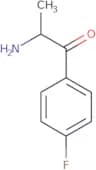

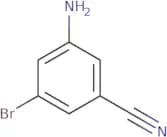

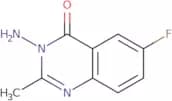
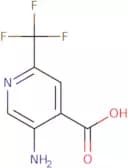

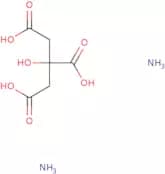
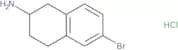

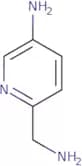


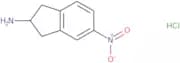

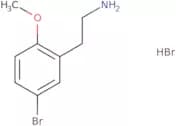
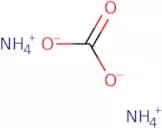
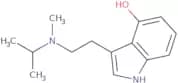


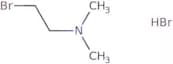
![(R)-(-)-a-[[(4-Ethyl-2,3-dioxo-1-piperazinyl)carbonyl]amino]benzeneacetic Acid](/_next/image/?url=https%3A%2Fstatic.cymitquimica.com%2Fproducts%2F3D%2Fthumb-webp%2FFE60111.webp&w=3840&q=75)
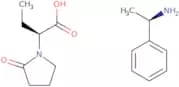
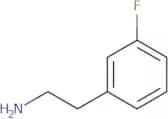
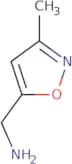
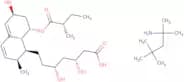
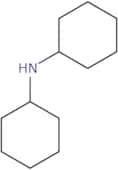
![3-[(Dimethylamino)methyl]benzoic acid hydrochloride](/_next/image/?url=https%3A%2Fstatic.cymitquimica.com%2Fproducts%2F3D%2Fthumb-webp%2FFD124093.webp&w=3840&q=75)
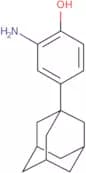
![2-Amino-3,4,7,8-tetramethyl-3H-imidazo[4,5-f]quinoxaline](/_next/image/?url=https%3A%2Fstatic.cymitquimica.com%2Fproducts%2F3D%2Fthumb-webp%2FFA17488.webp&w=3840&q=75)
![Ethyl 3-{[(1E)-(dimethylamino)methylene]amino}-5-methoxy-1-methyl-1H-indole-2-carboxylate](/_next/image/?url=https%3A%2Fstatic.cymitquimica.com%2Fproducts%2F3D%2Fthumb-webp%2FFE123273.webp&w=3840&q=75)
![1H-Pyrrolo[2,3-b]pyridin-5-ylamine](/_next/image/?url=https%3A%2Fstatic.cymitquimica.com%2Fproducts%2F3D%2Fthumb-webp%2FFP143125.webp&w=3840&q=75)
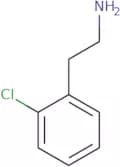

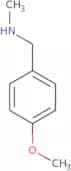
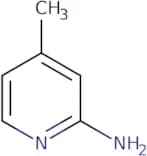
![[3-(1-Naphthyl)propyl]amine](/_next/image/?url=https%3A%2Fstatic.cymitquimica.com%2Fproducts%2F3D%2Fthumb-webp%2FFN134365.webp&w=3840&q=75)

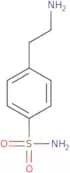

![(2R)-1-[2-[(3-Hydroxytricyclo[3.3.1.1(3,7)]dec-1-yl)amino]acetyl]-2-pyrrolidinecarbonitrile](/_next/image/?url=https%3A%2Fstatic.cymitquimica.com%2Fproducts%2F3D%2Fthumb-webp%2FFH46129.webp&w=3840&q=75)
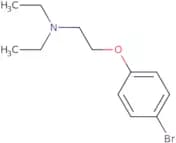

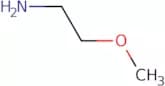
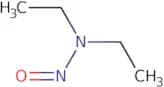

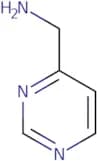
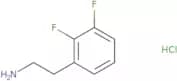
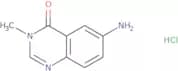
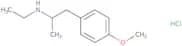
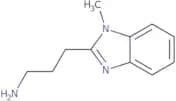


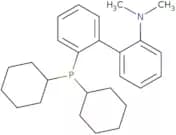

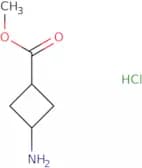
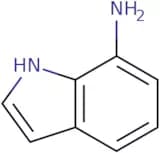
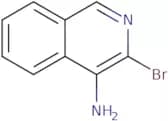

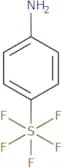
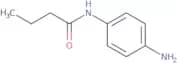
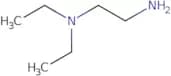
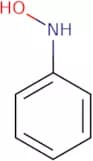
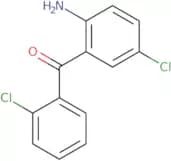
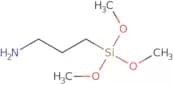
![[2-(1-Isopropyl-1H-benzimidazol-2-yl)ethyl]amine dihydrochloride](/_next/image/?url=https%3A%2Fstatic.cymitquimica.com%2Fproducts%2F3D%2Fthumb-webp%2FFI126434.webp&w=3840&q=75)
![(2-{2-[2-(2-Aminoethyl)-4,5-dimethoxybenzyl]-4,5-dimethoxyphenyl}ethyl)amine dihydrochloride](/_next/image/?url=https%3A%2Fstatic.cymitquimica.com%2Fproducts%2F3D%2Fthumb-webp%2FFA135464.webp&w=3840&q=75)

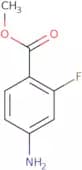
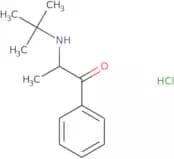
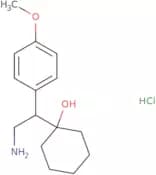
![2,3-Dihydro-1-(3-hydroxypropyl)-5-[(2R)-2-[[2-[2-(2,2,2-trifluoroethoxy)phenoxy]ethyl]amino]propyl…](/_next/image/?url=https%3A%2Fstatic.cymitquimica.com%2Fproducts%2F3D%2Fthumb-webp%2FFD103483.webp&w=3840&q=75)
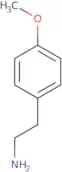

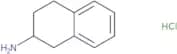
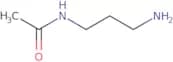
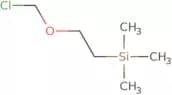
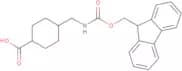

![[(1-Benzyl-1H-pyrazol-4-yl)methyl]amine](/_next/image/?url=https%3A%2Fstatic.cymitquimica.com%2Fproducts%2F3D%2Fthumb-webp%2FFB133964.webp&w=3840&q=75)
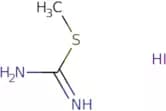
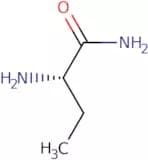
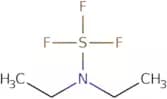


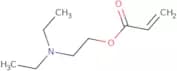
![N-[3-Fluoro-4-[(methylamino)carbonyl]phenyl]-2-methylalanine](/_next/image/?url=https%3A%2Fstatic.cymitquimica.com%2Fproducts%2F3D%2Fthumb-webp%2FFF99416.webp&w=3840&q=75)
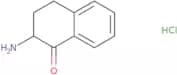
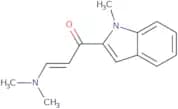
![Methyl 4-(2-(2-amino-4-oxo-4,7-dihydro-3H-pyrrolo[2,3-d]pyrimidin-5-yl)ethyl)benzoate](/_next/image/?url=https%3A%2Fstatic.cymitquimica.com%2Fproducts%2F3D%2Fthumb-webp%2FFM41972.webp&w=3840&q=75)
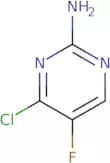
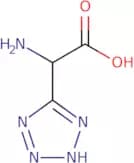
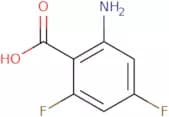
![[(5-Chloro-1-methyl-1H-benzimidazol-2-yl)methyl]amine hydrochloride](/_next/image/?url=https%3A%2Fstatic.cymitquimica.com%2Fproducts%2F3D%2Fthumb-webp%2FFC135791.webp&w=3840&q=75)
![[2-(1-Ethyl-1H-indol-3-yl)-1-methylethyl]amine hydrochloride](/_next/image/?url=https%3A%2Fstatic.cymitquimica.com%2Fproducts%2F3D%2Fthumb-webp%2FFE123632.webp&w=3840&q=75)
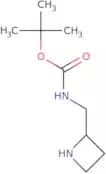
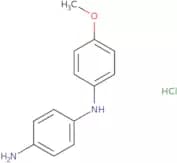
![N-[1,1'-Biphenyl]-4-yl-9,9-dimethyl-9H-fluoren-2-amine](/_next/image/?url=https%3A%2Fstatic.cymitquimica.com%2Fproducts%2F3D%2Fthumb-webp%2FFB151933.webp&w=3840&q=75)
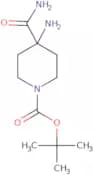
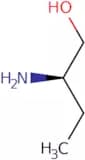
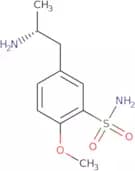
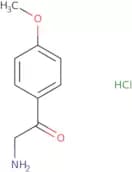
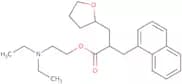
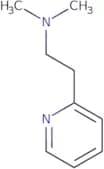
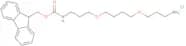
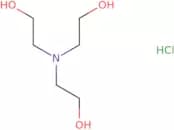

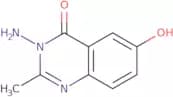
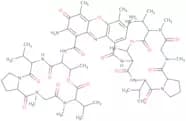
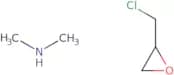

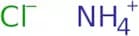
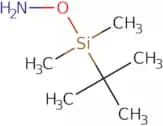

![5-[3-(Dimethylamino)propyl]-10,11-dihydro-5H-dibenzo[a,d]cyclohepten-5-ol](/_next/image/?url=https%3A%2Fstatic.cymitquimica.com%2Fproducts%2F3D%2Fthumb-webp%2FFD22331.webp&w=3840&q=75)
![1-(4-Amino-6,7-dimethoxy-2-quinazolinyl)-4-[(tetrahydro-2-furanyl)carbonxyl]piperazine hydrochlori…](/_next/image/?url=https%3A%2Fstatic.cymitquimica.com%2Fproducts%2F3D%2Fthumb-webp%2FFA28036.webp&w=3840&q=75)
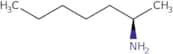
![2-Amino-3,7,8-trimethyl-3H-imidazo[4,5-f]quinoxaline](/_next/image/?url=https%3A%2Fstatic.cymitquimica.com%2Fproducts%2F3D%2Fthumb-webp%2FFA17506.webp&w=3840&q=75)
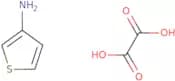
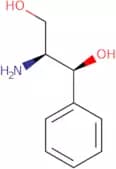

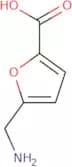
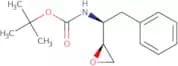

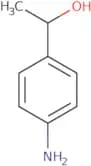
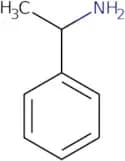


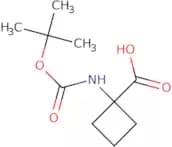
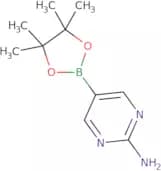
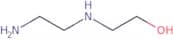
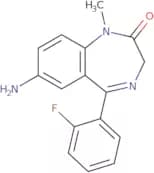
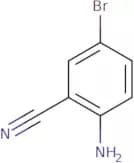
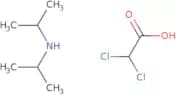


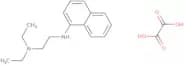


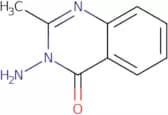
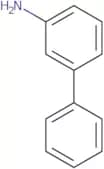
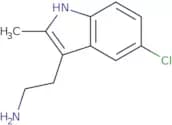
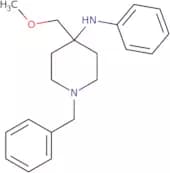
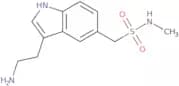
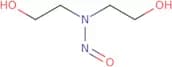
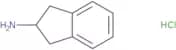
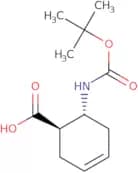

![N-[1-(2,3-Dioleoyloxy)propyl]-n,n,n-trimethylammonium methyl-sulfate](/_next/image/?url=https%3A%2Fstatic.cymitquimica.com%2Fproducts%2F3D%2Fthumb-webp%2FFD157467.webp&w=3840&q=75)
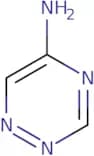
![5-[3-Methoxy-4-(4-methoxy-benzyloxy)-benzyl]-pyrimidine-2,4-diamine](/_next/image/?url=https%3A%2Fstatic.cymitquimica.com%2Fproducts%2F3D%2Fthumb-webp%2FFM31223.webp&w=3840&q=75)
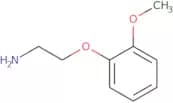
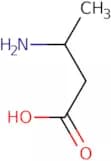
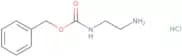

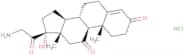
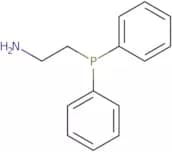
![1-[1-(2-Aminoethyl)-1H-indol-3-yl]ethanone oxalate](/_next/image/?url=https%3A%2Fstatic.cymitquimica.com%2Fproducts%2F3D%2Fthumb-webp%2FFA135415.webp&w=3840&q=75)

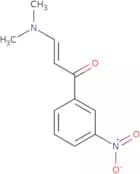
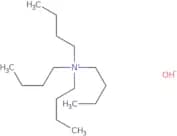
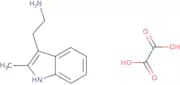
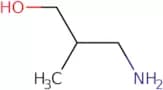


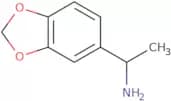
![Diethyl[2-(4-nitrophenoxy)ethyl]amine](/_next/image/?url=https%3A%2Fstatic.cymitquimica.com%2Fproducts%2F3D%2Fthumb-webp%2FFD21808.webp&w=3840&q=75)
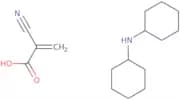

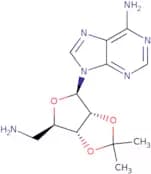
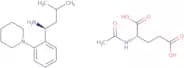
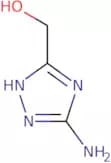

![[4-[2-(Diethylamino)ethoxy]-3-iodophenyl][2-(1-hydroxybutyl)-3-benzofuranyl]-methanone](/_next/image/?url=https%3A%2Fstatic.cymitquimica.com%2Fproducts%2F3D%2Fthumb-webp%2FFD150040.webp&w=3840&q=75)
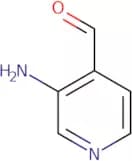

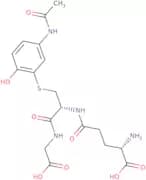

![{2-[(4-Phenylpiperazin-1-yl)carbonyl]phenyl}amine](/_next/image/?url=https%3A%2Fstatic.cymitquimica.com%2Fproducts%2F3D%2Fthumb-webp%2FFP122463.webp&w=3840&q=75)
![7-[(3R)-3-[(N-Acetyl)amino]-1-oxo-4-(2,4,5-trifluorophenyl)butyl]-5,6,7,8-tetrahydro-3-(trifluorom…](/_next/image/?url=https%3A%2Fstatic.cymitquimica.com%2Fproducts%2F3D%2Fthumb-webp%2FFA104169.webp&w=3840&q=75)