Amines
Amines are a set of molecules containing an amino functional group (derived from ammonia). This category includes amines at any level of substitution : primary, secondary, tertiary, and ammonium salts. Amines are fundamental in organic synthesis and are widely used in pharmaceuticals, agrochemicals, and materials science. At CymitQuimica, we provide a comprehensive selection of amines to meet your research and industrial needs. Our range ensures access to various amines for diverse chemical processes and innovative research.
Subcategories of "Amines"
- Nitrosamines(2,606 products)
- Primary Amines(30,805 products)
- Quaternary Ammonium Cations and Salts(1,099 products)
- Secondary Amines(20,809 products)
- Tertiary Amines(17,111 products)
Found 8776 products of "Amines"
Sort by
Purity (%)
0
100
|
0
|
50
|
90
|
95
|
100
1-Boc-4-aminopiperidine-4-carboxylic acid
CAS:<p>Please enquire for more information about 1-Boc-4-aminopiperidine-4-carboxylic acid including the price, delivery time and more detailed product information at the technical inquiry form on this page</p>Formula:C11H20N2O4Purity:Min. 95%Color and Shape:White To Beige SolidMolecular weight:244.29 g/mol(R)-3-Amino-4-(2,4,5-trifluorophenyl)butanoic acid hydrochloride
CAS:<p>Please enquire for more information about (R)-3-Amino-4-(2,4,5-trifluorophenyl)butanoic acid hydrochloride including the price, delivery time and more detailed product information at the technical inquiry form on this page</p>Formula:C10H10F3NO2·HClPurity:Min. 95%Molecular weight:269.65 g/molEthyl 2-(2-Amino-4-thiazolyl)-2-(hydroxyimino)acetate
CAS:<p>Ethyl 2-(2-amino-4-thiazolyl)-2-(hydroxyimino)acetate is a phosphomolybdate antibiotic that is used in the treatment of respiratory tract infections. It binds to the bacterial enzyme, phosphomolybdate oxidase, and inhibits the formation of acid in the body. The reaction solution is recycled and activated with an acid catalyst to increase the yield of acetonitrile. The ion-pair formed by ethyl 2-(2-amino-4-thiazolyl)-2-(hydroxyimino)acetate and sodium carbonate is nucleophilic and reacts with nitrous to produce acetonitrile as a side product.</p>Formula:C7H9N3O3SPurity:Min. 95%Molecular weight:215.23 g/mol3-(Dimethylamino)-1-(1-methyl-1H-indol-2-yl)prop-2-en-1-one
CAS:Controlled Product<p>Please enquire for more information about 3-(Dimethylamino)-1-(1-methyl-1H-indol-2-yl)prop-2-en-1-one including the price, delivery time and more detailed product information at the technical inquiry form on this page</p>Formula:C14H16N2OPurity:Min. 95%Molecular weight:228.29 g/mol6-Amino-5,6,7,8-tetrahydronaphthalene-2,3-diol
CAS:Controlled Product<p>6-Amino-5,6,7,8-tetrahydronaphthalene-2,3-diol is a potent dopamine D2 receptor antagonist. It has been shown to inhibit the light emission of dopamine in vitro. This compound also has a high affinity for 5-HT receptors and has been shown to be a potent agonist at these sites. 6-Amino-5,6,7,8-tetrahydronaphthalene-2,3-diol has been found to induce pluripotent stem cells from human fibroblasts. These cells can differentiate into virtually any cell type in the body and may be used to study diseases such as Parkinson's disease and cancer.</p>Formula:C10H13NO2Purity:Min. 95%Molecular weight:179.22 g/molN,N-Dimethyl-N-[4-(piperazin-1-ylmethyl)phenyl]amine
CAS:Controlled Product<p>Please enquire for more information about N,N-Dimethyl-N-[4-(piperazin-1-ylmethyl)phenyl]amine including the price, delivery time and more detailed product information at the technical inquiry form on this page</p>Formula:C13H21N3Purity:Min. 95%Molecular weight:219.33 g/mol(2R)-2-Amino-3-phenylpropionyl amide
CAS:<p>(2R)-2-Amino-3-phenylpropionyl amide is a synthetic cannabinoid that has been shown to bind to the CB2 receptor. It has been found to be an effective analgesic in rat models of inflammatory and neuropathic pain. This drug is also a serine protease inhibitor, with activity against ochrobactrum, an antibiotic-resistant bacteria. (2R)-2-Amino-3-phenylpropionyl amide is also used as a substrate for d-alanine synthesis and has been sequenced. It can form hydrogen bonds with water molecules and chloride ions. (2R)-2-Amino-3-phenylpropionyl amide has been synthesized by Clostridium coli K12 cells and is expected to have similar effects on human cells.</p>Formula:C9H12N2OPurity:Min. 95%Molecular weight:164.2 g/mol2-[2-(Dimethylamino)ethyl]-1-indanone
CAS:<p>Please enquire for more information about 2-[2-(Dimethylamino)ethyl]-1-indanone including the price, delivery time and more detailed product information at the technical inquiry form on this page</p>Formula:C13H17NOPurity:Min. 95%Molecular weight:203.28 g/molTetramethylammonium triacetoxyborohydride
CAS:<p>Tetramethylammonium triacetoxyborohydride is a potent antagonist that binds to the active site of hydrogen-bond forming enzymes. It is used in the treatment of bowel disease, as well as other diseases such as cancer, diabetic neuropathy and inflammatory bowel disease. Tetramethylammonium triacetoxyborohydride has been shown to inhibit the growth of certain bacteria by inhibiting their ability to form hydrogen bonds. This chemical can also be used in asymmetric synthesis, which is the process of synthesizing only one enantiomer from a racemic mixture. Tetramethylammonium triacetoxyborohydride can function as an organocatalyst for this process by activating achiral substrates into chiral ones.</p>Formula:C10H22BNO6Purity:Min. 95%Color and Shape:White PowderMolecular weight:263.1 g/mol1-(4-Amino-3,5-dichloro-phenyl)-2-bromo-ethanone
CAS:<p>Please enquire for more information about 1-(4-Amino-3,5-dichloro-phenyl)-2-bromo-ethanone including the price, delivery time and more detailed product information at the technical inquiry form on this page</p>Formula:C8H6BrCl2NOPurity:Min. 95%Molecular weight:282.95 g/mol1-Amino-cyclopentane carbonitrile
CAS:<p>1-Amino-cyclopentane carbonitrile is a pharmacological agent that can be used to treat angiotensin II and other peptides. It has an amine group with a hydroxyl group, which allows it to interact with the active site of angiotensin converting enzyme (ACE). 1-Amino-cyclopentane carbonitrile's mechanism of action is based on its ability to react with the halide and phenyl groups in ACE. The hydrolysis of ACE leads to the production of angiotensin I, which is then converted into angiotensin II by angiotensin-converting enzyme 2 (ACE2). 1-Amino-cyclopentane carbonitrile also interacts with amines such as histamine and serotonin, inhibiting their synthesis.</p>Formula:C6H10N2Purity:Min. 95%Molecular weight:110.16 g/mol7-Methoxy-1,2,3,4-tetrahydronaphthalen-2-ylamine hydrochloride
CAS:Controlled Product<p>Please enquire for more information about 7-Methoxy-1,2,3,4-tetrahydronaphthalen-2-ylamine hydrochloride including the price, delivery time and more detailed product information at the technical inquiry form on this page</p>Formula:C11H15NO•HClPurity:Min. 95%Molecular weight:213.7 g/mol2-(4-fluorophenyl)-n-methylethanamine
CAS:Controlled Product<p>Please enquire for more information about 2-(4-fluorophenyl)-n-methylethanamine including the price, delivery time and more detailed product information at the technical inquiry form on this page</p>Formula:C9H12FNPurity:Min. 95%Molecular weight:153.2 g/mol2-(2-Dimethylamino)Ethyl) Pyridine
CAS:<p>2-(2-Dimethylamino)Ethyl) Pyridine is a chemical compound that contains oxygen atoms, hydroxo, and nitrogen atoms. It has a tetranuclear hexahydrate form and the molecular formula C5H7N3O2. 2-(2-Dimethylamino)Ethyl) Pyridine has been shown to have desilylation properties. 2-(2-Dimethylamino)Ethyl) Pyridine binds to group P2 of RNA and represses translation by preventing ribosomal binding to the mRNA strand. This drug is also an x-ray data collection agent in which it is used as a ligand in magnetic resonance imaging (MRI).</p>Formula:C9H14N2Purity:Min. 95%Molecular weight:150.22 g/mol(R)-5-(2-Aminopropyl)-2-methoxybenzenesulfonamide
CAS:Controlled Product<p>(R)-5-(2-Aminopropyl)-2-methoxybenzenesulfonamide is an amide. It is a hydrochloric acid salt that can regulate the reaction system and introduce filtration, which can be used to separate the components of the reaction system. The kinetic and chiral properties of this compound are derived from Friedel-Crafts reactions with phosphites and Friedel-Crafts reactions with d-alanine. (R)-5-(2-Aminopropyl)-2-methoxybenzenesulfonamide can also catalyze ammonolysis and catalysis with phenoxy.</p>Formula:C10H16N2O3SPurity:Min. 95%Color and Shape:PowderMolecular weight:244.31 g/mol4-Amino-1-Boc-piperidine-4-carboxamide
CAS:<p>Please enquire for more information about 4-Amino-1-Boc-piperidine-4-carboxamide including the price, delivery time and more detailed product information at the technical inquiry form on this page</p>Formula:C11H21N3O3Purity:Min. 95%Molecular weight:243.3 g/mol2-(Aminomethyl)-1,3-benzothiazole hydrochloride
CAS:<p>Please enquire for more information about 2-(Aminomethyl)-1,3-benzothiazole hydrochloride including the price, delivery time and more detailed product information at the technical inquiry form on this page</p>Formula:C8H8N2S·HClPurity:Min. 95%Molecular weight:200.69 g/mol3-Methoxyphenethylamine
CAS:Controlled Product<p>3-Methoxyphenethylamine is a naturally occurring phenethylamine that is found in the human body. It is produced by the enzyme phenylethanolamine N-methyltransferase from dopamine and 3-methoxytyramine. 3-Methoxyphenethylamine can be found in the saliva, but also in the brain, muscle and kidneys. Its presence has been detected in women's breast milk. This compound has been shown to have a significant effect on chloride ion absorption and renal blood flow, as well as on 5-hydroxyindoleacetic acid levels in the urine of patients with Parkinson's disease. The predominant metabolite of 3-methoxyphenethylamine is 3-hydroxymethylphenethylamine (3HMPEA).</p>Formula:C9H13NOPurity:Min. 95%Color and Shape:Colorless Clear LiquidMolecular weight:151.21 g/mol4-(Aminomethyl)benzoate hydrochloride
CAS:<p>4-(Aminomethyl)benzoate hydrochloride is a peroxidase-like enzyme that has been shown to inhibit cancer cell proliferation in vitro and in vivo. This enzyme inhibits HDACs, which are enzymes that regulate the expression of genes by removing acetyl groups from histones. 4-(Aminomethyl)benzoate hydrochloride has been shown to have anti-cancer properties and may be used for the prevention and treatment of colon cancer. 4-(Aminomethyl)benzoate hydrochloride also has anti-inflammatory properties, which may be due to its inhibition of prostaglandin synthesis.</p>Formula:C9H11NO2·ClHPurity:Min. 95%Color and Shape:PowderMolecular weight:201.65 g/mol5-tert-Butyl-1,3-thiazol-2-amine
CAS:<p>5-tert-Butyl-1,3-thiazol-2-amine is an aromatic compound with the molecular formula CHN. This compound is a colorless solid that is soluble in water and alcohol. It can be used as a substitute for 2-aminothiazole, which belongs to the group of halogenated compounds. 5-tert-Butyl-1,3-thiazol-2-amine has been shown to react with alkyl halides to form alkylated products. The reaction with alkyl halides may be due to its primary amino group and amino group. 5-tert-Butyl-1,3-thiazol-2-amine also reacts with sulfuric acid and sulfuric acid salts to form thiazoles and thiazolones.</p>Formula:C7H12N2SPurity:Min. 95%Molecular weight:156.25 g/molDesmethyl chlorpheniramine maleate salt
CAS:<p>Please enquire for more information about Desmethyl chlorpheniramine maleate salt including the price, delivery time and more detailed product information at the technical inquiry form on this page</p>Formula:C19H21ClN2O4Purity:Min. 95%Molecular weight:376.83 g/mol3-Azido-1-propanamine
CAS:<p>3-Azido-1-propanamine is a model protein that has been used in analytical chemistry and clinical relevance. It has also been used as a model system to study the effects of immobilization, titration calorimetry, reactive species, and hepg2 cells on cancer growth. 3-Azido-1-propanamine is reactive with superparamagnetic iron, which results in a change in the redox potential. This change can be detected by using disulfide bonds.</p>Formula:C3H8N4Purity:Min. 95%Color and Shape:Clear LiquidMolecular weight:100.12 g/mol3-Morpholinopropylamine
CAS:<p>3-Morpholinopropylamine is a nitrogen-containing heterocyclic organic amine. It has been shown to bind to receptor cells and inhibit the uptake of chloride ions by liver cells, which may be due to its ability to form hydrogen bonds with chloride ions. The binding constants for this drug have also been determined using X-ray crystallography and nuclear magnetic resonance spectroscopy. 3-Morpholinopropylamine has been shown to have anticancer properties and is able to bind with DNA in a manner that inhibits DNA synthesis. This drug also inhibits the production of hydrochloric acid in the stomach, which may be due to its ability to interact electrochemically with amines.</p>Formula:C7H16N2OPurity:Min. 95%Molecular weight:144.21 g/molN-MethylethylamineHydrochloride
CAS:<p>N-Methylethylamine hydrochloride (MEA) is a cytotoxic agent that inhibits the growth of tumor cells by inhibiting protein synthesis. It is classified as an acyl halide and can be methylated in the liver to form methylamine. MEA has been shown to inhibit the growth of rat liver microsomes when combined with 3-bromopropylamine hydrobromide, hydroxide solution, aminoguanidine, alkylsulfonyl, nitrogen atoms, and carbon source. MEA is also known to inhibit HIV infection in vitro by inhibiting deoxynucleotide triphosphate (dNTP) binding to reverse transcriptase.</p>Formula:C3H9N•HClPurity:Min. 95%Molecular weight:95.57 g/mol4-(Aminomethyl)pyridin-2-amine
CAS:<p>4-(Aminomethyl)pyridin-2-amine is a reversible inhibitor of the cytochrome P450 system, which is responsible for the metabolism of drugs. It inhibits the activity of cytochrome P450 enzymes and prevents the conversion of prodrugs to active metabolites. This drug has been shown to inhibit myocardial injury caused by ischemia-reperfusion or overload. 4-(Aminomethyl)pyridin-2-amine has also been shown to have inhibitory activities on myocardial cells in culture, as well as on cardiomyocytes in vivo. In addition, it appears that this drug may be useful for reversing cardiac hypertrophy and heart failure, which are associated with a number of diseases including hypertension and diabetes mellitus. The pharmacokinetic profile of 4-(aminomethyl)pyridin-2-amine has been studied in humans. The half-life is short (1</p>Formula:C6H9N3Purity:Min. 95%Molecular weight:123.16 g/molN-Butyl nor scopolamine hydrochloride
CAS:<p>Please enquire for more information about N-Butyl nor scopolamine hydrochloride including the price, delivery time and more detailed product information at the technical inquiry form on this page</p>Formula:C20H28ClNO4Purity:Min. 95%Molecular weight:381.89 g/mol2- (4-Bromophenoxy) - N, N- diethylethanamine
CAS:Controlled Product<p>Please enquire for more information about 2- (4-Bromophenoxy) - N, N- diethylethanamine including the price, delivery time and more detailed product information at the technical inquiry form on this page</p>Formula:C12H18BrNOPurity:Min. 95%Molecular weight:272.18 g/mol1H-Indol-7-amine
CAS:<p>1H-Indol-7-amine is a molecule that belongs to the group of basic proteins. It has been shown to be an optimum concentration for biological activity and can be used in the treatment of diseases such as cancer and diabetes. 1H-Indol-7-amine binds to acidic molecules and exhibits redox potentials that are suitable for hydrogen bond formation with other molecules. The molecule is also involved in protein kinase selectivity, which may be due to its ability to bind with nitrogen atoms. 1H-Indol-7-amine has been shown to have beneficial effects on agarose gels through x-ray crystal structures and has a number of favorable electrochemical properties, including low charge transfer resistance, high electron mobility, and good chemical stability.</p>Formula:C8H8N2Purity:Min. 95%Molecular weight:132.16 g/mol1-Acetyl-5-(2-aminopropyl)-2,3-dihydro-1H-indole-7-carbonitrile
CAS:Controlled Product<p>Please enquire for more information about 1-Acetyl-5-(2-aminopropyl)-2,3-dihydro-1H-indole-7-carbonitrile including the price, delivery time and more detailed product information at the technical inquiry form on this page</p>Formula:C14H17N3OPurity:Min. 95%Molecular weight:243.3 g/molTetraethylenepentamine
CAS:<p>Tetraethylenepentamine is a cell-signaling agent that binds to the MCL-1 protein and inhibits its function as a cell factor. This inhibition prevents the induction of apoptosis, which is important for the development of bowel disease. Tetraethylenepentamine can be used in wastewater treatment to remove glycol ethers from industrial effluent. It also has been shown to adsorb at acidic pH levels, making it an ideal candidate for use in solid phase microextraction (SPME) experiments. Tetraethylenepentamine interacts with fluorescence probes such as hydroxycoumarin, which makes it useful for surface methodology studies.</p>Formula:C8H23N5Purity:Min. 95%Color and Shape:Clear LiquidMolecular weight:189.3 g/mol3-Methylphenethylamine
CAS:Controlled Product<p>3-Methylphenethylamine is a synthetic amine that is used in the production of 3-methylphenethylamine hydrochloride. It has been shown to have a wide range of pharmacological effects, including increasing blood pressure, heart rate, and respiration. This drug also has an antitussive effect and can be used to treat asthma symptoms. 3-Methylphenethylamine can be synthesized by reacting phenylethylamine with formaldehyde and hydrogen chloride gas in the presence of alcohol or sodium hydroxide solution.</p>Formula:C9H13NPurity:Min. 95%Molecular weight:135.21 g/mol21-Amino-17-hydroxypregn-4-ene-3,11,20-trioneHydrochloride
CAS:Controlled Product<p>Please enquire for more information about 21-Amino-17-hydroxypregn-4-ene-3,11,20-trioneHydrochloride including the price, delivery time and more detailed product information at the technical inquiry form on this page</p>Formula:C21H30ClNO4Purity:Min. 95%Molecular weight:395.92 g/mol[(5-Methyl-1,3-thiazol-2-yl)methyl]amine dihydrochloride
CAS:<p>Please enquire for more information about [(5-Methyl-1,3-thiazol-2-yl)methyl]amine dihydrochloride including the price, delivery time and more detailed product information at the technical inquiry form on this page</p>Formula:C5H8N2SPurity:Min. 95%Molecular weight:128.2 g/mol3-(4-Methoxyphenyl)-1,2-oxazol-5-amine
CAS:<p>Please enquire for more information about 3-(4-Methoxyphenyl)-1,2-oxazol-5-amine including the price, delivery time and more detailed product information at the technical inquiry form on this page</p>Formula:C10H10N2O2Purity:Min. 95%Molecular weight:190.2 g/molZ-(R,S)-3-amino-5-cyclohexyl-2-oxo-1,4-benzodiazepine
CAS:Controlled Product<p>Please enquire for more information about Z-(R,S)-3-amino-5-cyclohexyl-2-oxo-1,4-benzodiazepine including the price, delivery time and more detailed product information at the technical inquiry form on this page</p>Formula:C23H25N3O3Purity:Min. 95%Molecular weight:391.46 g/mol[2-(2,5-Dimethyl-1H-indol-3-yl)ethyl]amine hydrochloride
CAS:Controlled Product<p>Please enquire for more information about [2-(2,5-Dimethyl-1H-indol-3-yl)ethyl]amine hydrochloride including the price, delivery time and more detailed product information at the technical inquiry form on this page</p>Formula:C12H16N2Purity:Min. 95%Molecular weight:188.27 g/mol4-Aminobiphenyl-D9
CAS:Controlled Product<p>4-Aminobiphenyl is a chemical compound that belongs to the group of aromatic amines. It is a human carcinogen and has been shown to cause cancer in animals. 4-Aminobiphenyl has been detected in the environment as an environmental pollutant and can be found in small quantities at low levels in food, air, and water. 4-Aminobiphenyl can be hydrolyzed by acid or alkaline hydrolysis to form its hydrolysate, which contains nitroarenes that are not present in the original compound. The DNA modification caused by 4-aminophenol may be due to its ability to modify DNA bases through reactive metabolites such as nitroarenes.</p>Formula:C12H2D9NPurity:Min. 95%Molecular weight:178.27 g/mol5-[3-Methoxy-4-(4-methoxy-benzyloxy)-benzyl]-pyrimidine-2,4-diamine
CAS:<p>5-[3-Methoxy-4-(4-methoxy-benzyloxy)-benzyl]-pyrimidine-2,4-diamine is a monoclonal antibody that blocks the signal of CTLA-4, a receptor on T cells. It has been shown to be effective in inhibiting skin cancer and primary breast cancers. This drug also has immunomodulatory effects and can be used to treat autoimmune diseases. 5-[3-Methoxy-4-(4-methoxy-benzyloxy)-benzyl]-pyrimidine-2,4-diamine binds to ctla-4 with high affinity and specificity, preventing the interaction of ctla-4 with its ligands such as CD80 (B7.1) and CD86 (B7.2). This prevents the activation of T cells by antigen presenting cells and suppresses the immune response.</p>Formula:C20H22N4O3Purity:Min. 95%Molecular weight:366.41 g/mol6-Chloro-5-methylpyridin-2-amine
CAS:<p>6-Amino-2-chloro-3-methylpyridine is a heteroaromatic compound that belongs to the class of imidazopyridine. It is a monomer used in research, and can be transformed into the cross-coupling reaction with electron irradiation, which provides an efficient method for synthesizing other heteroaromatic compounds. 6-Amino-2-chloro-3-methylpyridine has low ionization potential and can be used as a drug discovery agent.</p>Formula:C6H7ClN2Purity:Min. 95%Molecular weight:142.59 g/mol4-Chlorophenyl 2-aminobenzoate
CAS:Controlled Product<p>Please enquire for more information about 4-Chlorophenyl 2-aminobenzoate including the price, delivery time and more detailed product information at the technical inquiry form on this page</p>Formula:C13H10ClNO2Purity:Min. 95%Molecular weight:247.68 g/molN-Boc-1,6-diaminohexane hydrochloride
CAS:<p>Please enquire for more information about N-Boc-1,6-diaminohexane hydrochloride including the price, delivery time and more detailed product information at the technical inquiry form on this page</p>Formula:C11H24N2O2•HClPurity:Min. 95%Molecular weight:252.78 g/molTetrabutylammonium hexafluorophosphate
CAS:<p>Tetrabutylammonium hexafluorophosphate is a chemical reagent that is used in organic synthesis. It is a strong Lewis acid that reacts with substrates to form adducts. Tetrabutylammonium hexafluorophosphate reacts with trifluoroacetic acid, ethylene diamine, and hydrogen fluoride to produce the salt tetrabutylammonium hexafluorophosphate dihydrate (TBAPF). The reaction proceeds through an ionic intermediate that involves the abstraction of a proton from the substrate by the tetrabutylammonium cation followed by nucleophilic attack on the anion by water. Tetrabutylammonium hexafluorophosphate dihydrate can be formed via this mechanism as well as through a simple salt metathesis reaction between TBAPF and sodium carbonate. This reagent has been shown to form crystals of good quality for</p>Formula:C16H36F6NPPurity:Min. 98.0%Color and Shape:PowderMolecular weight:387.43 g/mol1,2,3,4-Tetrahydronaphthalen-2-amine hydrobromide
CAS:Controlled Product<p>1,2,3,4-Tetrahydronaphthalen-2-amine hydrobromide (THNA) is an amine that inhibits the enzyme tyrosine hydroxylase. This inhibition leads to a decrease in the synthesis of dopamine and norepinephrine. THNA has been shown to have inhibitory properties on locomotor activity, acid complex formation, and aminotransferases. It also exhibits receptor binding and agonist binding site activity. One study found that THNA had no effect on rat striatal tissue. The drug has been shown to be effective in metabolic disorders such as obesity.</p>Formula:C10H13NPurity:Min. 95%Molecular weight:147.22 g/mol2-Aminomethyl-4-(4-fluorobenzyl)morpholine
CAS:<p>2-Aminomethyl-4-(4-fluorobenzyl)morpholine (2AMFM) is a prokinetic agent that has been shown to be effective as a treatment for gastrointestinal motility disorders. This drug binds to the 5HT4 receptors, which are found on the enteric nervous system and in the gut. 2AMFM has been shown to increase the frequency of contractions in rat ileum and small intestine preparations. It also increases gastric emptying time and decreases postprandial acidity in dogs. 2AMFM is an enantiomeric mixture of two chiral molecules that are mirror images of each other. The racemic mixture is synthesized by reacting 2-aminomethyl-4-(4-fluorobenzyl)morpholine with chloroacetic acid ethyl ester.</p>Formula:C12H17FN2OPurity:Min. 95%Color and Shape:Clear LiquidMolecular weight:224.27 g/molN-[3-Fluoro-4-[(methylamino)carbonyl]phenyl]-2-methylalanine
CAS:<p>Please enquire for more information about N-[3-Fluoro-4-[(methylamino)carbonyl]phenyl]-2-methylalanine including the price, delivery time and more detailed product information at the technical inquiry form on this page</p>Formula:C12H15FN2O3Purity:Min. 95%Molecular weight:254.26 g/molα-Amino-2H-tetrazole-5-acetic acid
CAS:<p>Alpha-amino-2H-tetrazole-5-acetic acid (AAT) is a neurotoxin that inhibits glutamate receptors and causes neuronal cell death. It also decreases heart function in rats by inhibiting the cardiac sodium channel. AAT has been shown to be effective for inducing neuronal death in Xenopus oocytes, as well as decreasing the expression of certain receptor protein, such as NMDA and AMPA receptor subtypes. AAT is also known to cause apoptosis, which may be due to its inhibition of receptor function.</p>Formula:C3H5N5O2Purity:Min. 95%Color and Shape:Light (Or Pale) Green To Green SolidMolecular weight:143.1 g/mol1,2-Diamino-2-methylpropane
CAS:<p>Intermediate in the synthesis of anagliptin</p>Formula:C4H12N2Purity:Min. 95%Molecular weight:88.15 g/mol[2-(5-Chloro-1H-indol-3-yl)-1-methylethyl]amine hydrochloride
CAS:Controlled Product<p>Please enquire for more information about [2-(5-Chloro-1H-indol-3-yl)-1-methylethyl]amine hydrochloride including the price, delivery time and more detailed product information at the technical inquiry form on this page</p>Formula:C11H13ClN2Purity:Min. 95%Molecular weight:208.69 g/mol5-Iodo-2,3-dihydro-1H-inden-2-amine hydrochloride hydrate
Controlled Product<p>Please enquire for more information about 5-Iodo-2,3-dihydro-1H-inden-2-amine hydrochloride hydrate including the price, delivery time and more detailed product information at the technical inquiry form on this page</p>Formula:C9H13ClINOPurity:Min. 95%Molecular weight:313.56 g/molBoc-trans-1,2-aminocyclohex-4-ene carboxylic acid
CAS:<p>Please enquire for more information about Boc-trans-1,2-aminocyclohex-4-ene carboxylic acid including the price, delivery time and more detailed product information at the technical inquiry form on this page</p>Formula:C12H19NO4Purity:Min. 95%Molecular weight:241.28 g/molcis-4-Methylcyclohexylamine
CAS:<p>Cis-4-Methylcyclohexylamine is a cyclic amine that is found in the form of its decarboxylated derivative, 4-methylcyclohexanamine, which is used as an inhibitor for various enzymes. The methyl group on the cyclohexane ring is responsible for the compound's activity. Magnetic resonance spectroscopy has shown that cis-4-Methylcyclohexylamine binds to the active site of carbonyl reductase and inhibits its enzymatic activity, thereby blocking a step in the citric acid cycle. Cis-4-Methylcyclohexylamine has also been shown to have anti-inflammatory effects by inhibiting protein kinase C (PKC) and NFkB activation.</p>Formula:C7H15NPurity:Min. 95%Molecular weight:113.2 g/mol(1,3-Benzodioxol-5-ylmethyl)methylamine hydrochloride
CAS:Controlled Product<p>(1,3-Benzodioxol-5-ylmethyl)methylamine hydrochloride (BZMA) is a drug that has been used in research to study the role of serotonin in psychological effects and as a marker for fingerprinting. BZMA is a synthetic compound that is structurally similar to drugs like amphetamine and MDMA. It is not known to have any recreational use. BZMA can be detected using matrix-assisted laser desorption/ionization mass spectrometry. This technique requires a sample containing less than 1% impurities, which are usually silicon compounds or other ions.</p>Formula:C9H11NO2Purity:Min. 95%Molecular weight:165.19 g/molMethyl 2-(methylamino)benzoate
CAS:<p>Methyl 2-(methylamino)benzoate is a compound that belongs to the group of antimicrobial agents. It is used in the preparation of pharmaceuticals and other chemical substances. Methyl 2-(methylamino)benzoate has been shown to be toxic to the liver and may cause liver lesions. In addition, this compound has photochemical properties, which make it a potential environmental pollutant. Methyl 2-(methylamino)benzoate can react with uv light and form compounds such as benzene, phenols, and fatty acids. These products can lead to toxicity in humans and animals.</p>Formula:C9H11NO2Purity:Min. 95%Molecular weight:165.19 g/mol2-Amino-4'-methoxyacetophenone hydrochloride
CAS:Controlled Product<p>Please enquire for more information about 2-Amino-4'-methoxyacetophenone hydrochloride including the price, delivery time and more detailed product information at the technical inquiry form on this page</p>Formula:C9H11NO2·HClPurity:Min. 95%Color and Shape:PowderMolecular weight:201.65 g/mol4-Chloro-3-iodopyridin-2-amine
CAS:<p>Please enquire for more information about 4-Chloro-3-iodopyridin-2-amine including the price, delivery time and more detailed product information at the technical inquiry form on this page</p>Formula:C5H4ClIN2Purity:Min. 95%Molecular weight:254.46 g/mol(S)-(-)-1-(4-Merthylphenylethylamine
CAS:<p>(S)-(-)-1-(4-Merthylphenylethylamine is a crystalline solid that is soluble in organic solvents. It has a melting point of 159 degrees Celsius and a solubility of 0.3g/mL in water. The compound is used as an intermediate for synthesizing other chemical compounds, such as pharmaceuticals. This chemical has been shown to exhibit photochemical reactions with uv irradiation and high pressure parameters, which are the basis for its use in diffraction studies. The crystals can be monitored using x-ray diffraction studies or x-ray crystallography, which provides information about their structure and molecular parameters.</p>Formula:C9H13NPurity:Min. 95%Molecular weight:135.21 g/mol4-Aminophenyl methylcarbinol
CAS:<p>4-Aminophenyl methylcarbinol is a chemical compound that is used as an additive in the production of polyurethane. It accelerates the reaction between isocyanate and polyol, which enhances the rate of polymerization. 4-Aminophenyl methylcarbinol has been shown to increase the yield by about 30% when it was added to a reaction mixture. The activation energies for this reaction were found to be 29.6 kJ/mol for the nitro group and 29.8 kJ/mol for the carbonyl group. This chemical compound also has functional groups that are capable of forming hydrogen bonds with other molecules, which may help to bind them together during polymerization reactions.</p>Purity:Min. 95%7-Aminoactinomycin D
CAS:<p>7-Aminoactinomycin D is a fluorescent DNA dye that is commonly used for the detection or exclusion of non-viable cells in flow cytometric analysis, as it is generally excluded by live cells</p>Formula:C62H87N13O16Purity:Min. 95%Molecular weight:1,270.43 g/mol(±)-N-Methyl-p-methoxyamphetamine
CAS:Controlled Product<p>(±)-N-Methyl-p-methoxyamphetamine (MEM) is a synthetic cannabinoid that is used as an ingredient in the manufacture of designer drugs. MEM can be detected by gas chromatography and mass spectrometry, although it is not possible to distinguish MEM from other synthetic cannabinoids by these methods. MEM produces no significant adverse effects on human liver, but may have serious adverse effects on the heart and blood vessels. The drug can be found in urine samples with a chemical ionization detector or electrochemical detector. <br>The analytical method for MEM detection is based on liquid chromatography-tandem mass spectrometry (LC/MS/MS). The LC/MS/MS technique separates and identifies compounds by creating ions through the use of an electric field. This method has been shown to accurately detect MEM, while also eliminating false positives due to its specificity.</p>Formula:C11H17NOPurity:Min. 95%Molecular weight:179.26 g/mol{[5-(Trifluoromethyl)-1,2,4-oxadiazol-3-yl]methyl}amine hydrochloride
CAS:<p>Please enquire for more information about {[5-(Trifluoromethyl)-1,2,4-oxadiazol-3-yl]methyl}amine hydrochloride including the price, delivery time and more detailed product information at the technical inquiry form on this page</p>Formula:C4H4F3N3O•HClPurity:Min. 95%Molecular weight:203.55 g/mol(aR)-a-[[[2-(4-Nitrophenyl)ethyl]amino]methyl]benzenemethanol
CAS:<p>(aR)-a-[[[2-(4-Nitrophenyl)ethyl]amino]methyl]benzenemethanol is a chiral, carbonyl compound that has been used in the synthesis of mirabegron. It is synthesized by reacting an amide with a hydrochloric acid salt. The product yield of (aR)-a-[[[2-(4-Nitrophenyl)ethyl]amino]methyl]benzenemethanol is high and it does not react with aluminium or amide impurities. This compound can be used for the industrial synthesis of mirabegron, which is a drug for the treatment of urinary incontinence. The reduction reaction and hydrolysis reactions are both important to this process.</p>Purity:Min. 95%2-Amino-2-(2-chlorophenyl)cyclohexan-1-one
CAS:Controlled Product<p>2-Amino-2-(2-chlorophenyl)cyclohexan-1-one is an anesthetic drug that belongs to the group of ketamine. It is a chiral compound and has been shown to have central nervous system depressant effects, which are more pronounced than those of ketamine. This drug also affects the cardiovascular system and can cause respiratory depression. 2-Amino-2-(2-chlorophenyl)cyclohexan-1-one has been shown to be metabolized in humans by cytochrome P450 (CYP3A4). It may potentiate the effect of drugs that induce CYP3A4 activity such as erythromycin, rifampin, and phenobarbital.<br> 2-Amino-2-(2-chlorophenyl)cyclohexan-1-one is not active against MRSA or methicillin resistant pseudomonas aeruginosa (MR</p>Formula:C12H14ClNOPurity:Min. 95%Color and Shape:PowderMolecular weight:223.7 g/mol4-(Butylamino)benzoic acid
CAS:<p>4-(Butylamino)benzoic acid is a non-steroidal anti-inflammatory drug (NSAID) that has been used to treat pain. It is a prodrug, which is metabolized in the liver to 4-(butylamino)-phenylacetic acid, its active form. The 4-(butylamino)benzoic acid molecule has a hydrophobic effect and binds to chloride ions. This binding inhibits the production of prostaglandins, which are mediators of pain. 4-(Butylamino)benzoic acid also reduces the activity of plasma cells that produce antibodies and increases the activity of lymphocytes and platelets, leading to an increase in immunoglobulin levels.</p>Formula:C11H15NO2Purity:Min. 95%Color and Shape:PowderMolecular weight:193.24 g/mol1-(4-Aminophenyl)-1H-pyridin-2-one
CAS:<p>1-(4-Aminophenyl)-1H-pyridin-2-one is a synthetic chemical that is used in the manufacturing of 8-hydroxyquinoline. It is an industrial chemical that is used to produce potassium carbonate by a reflux reaction with potassium and carbonate. 1-(4-Aminophenyl)-1H-pyridin-2-one is a gas at room temperature and pressure and has been shown to be stable under these conditions.</p>Formula:C11H10N2OPurity:Min. 95%Color and Shape:White PowderMolecular weight:186.21 g/molN-Fmoc-N'-trityl-D-glutamine
CAS:<p>N-Fmoc-N'-trityl-D-glutamine is a synthetic molecule that has been shown to have antibacterial activity. It inhibits the influenza virus by binding to the hemagglutinin protein and blocking the ability of the virus to infect cells. This compound also inhibits bacterial growth by binding to the cell wall, preventing cell division. N-Fmoc-N'-trityl-D-glutamine is stable at room temperature and can be stored for up to three years if stored in a dry environment.</p>Formula:C39H34N2O5Purity:Min. 95%Color and Shape:PowderMolecular weight:610.7 g/mol2-Hydroxybenzylamine
CAS:<p>2-Hydroxybenzylamine is a dietary supplement that is used to prevent atherosclerosis and cardiovascular disease. It inhibits the oxidation of fatty acids and decreases the production of reactive oxygen species. This drug has been shown to have an effect on cardiac hypertrophy and blood pressure. 2-Hydroxybenzylamine has been shown to reduce the levels of 4-hydroxybutyric acid, malondialdehyde, and reactive oxygen species in cultured cells. These effects may be due to its ability to inhibit the enzyme fatty acid synthase. 2HBA also has a protective effect against oxidative injury by reducing the release of reactive oxygen species from mitochondria in cultured cells.</p>Formula:C7H9NOPurity:Min. 95%Molecular weight:123.15 g/mol1,3-Thiazol-5-ylmethylamineHydrochloride
CAS:<p>Please enquire for more information about 1,3-Thiazol-5-ylmethylamineHydrochloride including the price, delivery time and more detailed product information at the technical inquiry form on this page</p>Formula:C4H7ClN2SPurity:Min. 95%Molecular weight:150.63 g/mol7-Aminoflunitrazepam
CAS:Controlled Product<p>7-Aminoflunitrazepam is an active metabolite of flunitrazepam and a benzodiazepine. It can be detected in urine samples using an on-line LC-MS/MS method. The detection time of 7-aminoflunitrazepam is between 3 to 4 hours, which is longer than that of its parent drug, flunitrazepam. The use of monoclonal antibodies specific for fluoroquinolones allows the detection of 7-aminoflunitrazepam with high sensitivity and specificity. This method can be used to detect the presence of flunitrazepam in human serum samples, as well as in femoral vein blood samples, urine samples, and blood sputum samples. Solid phase microextraction (SPME) was used as the sample preparation technique for this study. SPME also allows for the extraction and analysis of lysine residues from protein matrices such as human serum.</p>Formula:C16H14FN3OPurity:Min. 98%Color and Shape:PowderMolecular weight:283.3 g/mol3-Amino-5-bromobenzonitrile
CAS:<p>Please enquire for more information about 3-Amino-5-bromobenzonitrile including the price, delivery time and more detailed product information at the technical inquiry form on this page</p>Formula:C7H5BrN2Purity:Min. 95%Molecular weight:197.03 g/mol3-Amino-2,3-dihydro-1λ6-thiophene-1,1-dione hydrochloride
CAS:<p>Please enquire for more information about 3-Amino-2,3-dihydro-1λ6-thiophene-1,1-dione hydrochloride including the price, delivery time and more detailed product information at the technical inquiry form on this page</p>Formula:C4H7NO2S•HClPurity:Min. 95%Molecular weight:169.63 g/mol[2-(1-Isobutyl-1H-benzimidazol-2-yl)ethyl]amine dihydrochloride
CAS:Controlled Product<p>Please enquire for more information about [2-(1-Isobutyl-1H-benzimidazol-2-yl)ethyl]amine dihydrochloride including the price, delivery time and more detailed product information at the technical inquiry form on this page</p>Formula:C13H19N3Purity:Min. 95%Molecular weight:217.31 g/mol4-[(4-Acetylphenyl)amino]-4-oxobutanoic acid
CAS:<p>Please enquire for more information about 4-[(4-Acetylphenyl)amino]-4-oxobutanoic acid including the price, delivery time and more detailed product information at the technical inquiry form on this page</p>Formula:C12H13NO4Purity:Min. 95%Molecular weight:235.24 g/molNitrosobis(2-hydroxyethyl)amine
CAS:<p>Nitrosobis(2-hydroxyethyl)amine (NBEA) is an inhibitor of nitrite reductase, an enzyme that catalyzes the reduction of nitrite to ammonia. Nitrite reductase is used in wastewater treatment and is also involved in the metabolism of some carcinogens. NBEA has been shown to inhibit the activity of nitrite reductase by binding to its active site, preventing the enzyme from reducing nitrite to ammonia. NBEA has genotoxic effects on E. coli K-12 cells and increases DNA damage with prolonged exposure, which may be due to the production of reactive oxygen species such as superoxide radical anion and hydrogen peroxide.</p>Formula:C4H10N2O3Purity:Min. 95%Color and Shape:Clear LiquidMolecular weight:134.13 g/molMethyl 3-(aminomethyl)-5-methylhexanoate hydrochloride
CAS:Controlled Product<p>Please enquire for more information about Methyl 3-(aminomethyl)-5-methylhexanoate hydrochloride including the price, delivery time and more detailed product information at the technical inquiry form on this page</p>Purity:Min. 95%Chloro[2-(di-tert-butylphosphino)-2',4',6'-triisopropyl-1,1'-biphenyl][2-(2-aminoethyl)phenyl)]palladium(II)
CAS:Controlled Product<p>Chloro[2-(di-tert-butylphosphino)-2',4',6'-triisopropyl-1,1'-biphenyl][2-(2-aminoethyl)phenyl)]palladium(II) is a molecule that inhibits the adenosine receptor in autoimmune diseases and cancer. It also has an inhibitory effect on the membrane transport of glucose, glucosan, and aziridine. This drug can be used to treat inflammatory diseases such as diabetes, asthma, and inflammatory bowel disease. The geometric isomers of this molecule are not identical in shape or size and can have different effects on the body.</p>Formula:C37H55ClNPPdPurity:Min. 95%Molecular weight:686.69 g/molN,N'-Dimethyl-(1S,2S)-1,2-Cyclohexanediamine
CAS:<p>Please enquire for more information about N,N'-Dimethyl-(1S,2S)-1,2-Cyclohexanediamine including the price, delivery time and more detailed product information at the technical inquiry form on this page</p>Formula:C8H18N2Purity:Min. 95%Color and Shape:PowderMolecular weight:142.24 g/mol5-Amino-3,4-dimethylisoxazole
CAS:<p>5-Amino-3,4-dimethylisoxazole (5AIDMI) is a choline analog that is a substrate for the reaction rate with heterocyclic amines to form carcinogenic compounds. It has been shown to have an inhibitory effect on sulfathiazole uptake and hydrolysis by protonation. 5AIDMI also inhibits the uptake of amines in the brain by oriented molecules and fatty acid dihedrals. 5AIDMI has also been shown to be effective against gamma-aminobutyric acid (GABA) receptors and is used as a research tool for studying GABA receptor function.</p>Formula:C5H8N2OPurity:Min. 95%Molecular weight:112.13 g/molN-[4-(Aminosulfonyl)-2,1,3-benzoxadiazol-7-yl]-2-aminoethyl methanethiosulfonate
CAS:<p>Please enquire for more information about N-[4-(Aminosulfonyl)-2,1,3-benzoxadiazol-7-yl]-2-aminoethyl methanethiosulfonate including the price, delivery time and more detailed product information at the technical inquiry form on this page</p>Formula:C9H12N4O5S3Purity:Min. 95%Molecular weight:352.41 g/mol1-Amino-9-fluorenone
CAS:<p>1-Amino-9-fluorenone is a hydrogen bond acceptor molecule that has been shown to have anticancer activity and rate enhancement. The 1-Amino-9-fluorenone binds to the DNA of cancer cells, inhibiting cell growth and proliferation. This molecule also interacts with the cellular membrane by reversible binding, which leads to an increase in the concentration of intracellular nitric oxide (NO). This increase in NO levels inhibits the growth of cancer cells by blocking their ability to produce ATP. 1-Amino-9-fluorenone has been shown to inhibit hCT116 human colon cancer cells.</p>Formula:C13H9NOPurity:Min. 95%Molecular weight:195.22 g/mol1H-1,2,3-Benzotriazol-4-amine
CAS:<p>1H-1,2,3-Benzotriazol-4-amine is a hydroxylated compound that belongs to the group of benzotriazole derivatives. It has been shown to inhibit the growth of cells in culture by binding to the nitrogen atoms in glutamate and inhibiting the production of nitric oxide synthase. 1H-1,2,3-Benzotriazol-4-amine also has binding constants for certain growth regulators that are 10 times higher than for other benzotriazoles. In vitro assays have shown that 1H-1,2,3-benzotriazol-4-amine is a potent corrosion inhibitor with an optical purity greater than 98%. The molecule was modeled using molecular modeling software and found to be stable when exposed to light. The molecule has also been tested on Sprague Dawley rats and found not to cause skin reactions.</p>Formula:C6H6N4Purity:Min. 95%Molecular weight:134.14 g/mol4-Methoxybenzene-1,3-diamine sulfate
CAS:Controlled Product<p>4-Methoxybenzene-1,3-diamine sulfate (4MBD) is a chemical substance that inhibits the activity of cytochrome P450 enzymes. It has been shown to inhibit the activity of rat liver microsomal p-450 enzymes, and is used in studies on the effects of chemicals on protein synthesis. When 4MBD is administered to rats at dietary concentrations, it causes an increase in thyroid hormone levels and a decrease in renal function. The enzyme inhibition caused by 4MBD may be due to its ability to acylate amines, which are located near the active site of the enzyme. Linear regression analysis showed that there was a strong correlation between dietary concentrations and the inhibition of protein synthesis caused by 4MBD.</p>Formula:C7H12N2O5SPurity:Min. 95%Molecular weight:236.25 g/mol3-Amino-6-hydroxy-2-methylquinazolin-4(3H)-one
CAS:Controlled Product<p>Please enquire for more information about 3-Amino-6-hydroxy-2-methylquinazolin-4(3H)-one including the price, delivery time and more detailed product information at the technical inquiry form on this page</p>Formula:C9H9N3O2Purity:Min. 95%Molecular weight:191.19 g/molO-Desmethyl pyrilamine
CAS:<p>Please enquire for more information about O-Desmethyl pyrilamine including the price, delivery time and more detailed product information at the technical inquiry form on this page</p>Formula:C16H21N3OPurity:Min. 95%Molecular weight:271.36 g/mol4,4'-Bis(dimethylamino)diphenyl carbinol
CAS:<p>4,4'-Bis(dimethylamino)diphenyl carbinol is a bathochromic compound that belongs to the group of amines. It has been synthesized from 4,4'-diaminodiphenylmethane and hydrochloric acid. This molecule has been shown to react with protonated nitrogen atoms in an oxidation-reduction reaction. The protonation process occurs via kinetic, thermodynamic, and photophysical mechanisms. 4,4'-Bis(dimethylamino)diphenyl carbinol was used to study the proton transfer reactions between chlorine and nitrogen atoms in molecular modeling studies. On the other hand, this molecule has been shown to have fluorescence properties due to its carbonyl group.</p>Formula:C17H22N2OPurity:Min. 95%Color and Shape:White PowderMolecular weight:270.37 g/mol4-Amino-N,N-dipropylbenzenesulfonamide
CAS:<p>4-Amino-N,N-dipropylbenzenesulfonamide is a molecule that has been shown to be an effective antimicrobial agent against bacteria. It inhibits the growth of bacteria by inhibiting the enzyme that catalyzes the formation of acyl radicals from alkoxy radicals and ethoxycarbonyl groups. This prevents bacterial cell membrane lipid peroxidation and thus prevents bacterial growth. 4-Amino-N,N-dipropylbenzenesulfonamide also inhibits bacterial DNA synthesis by interfering with the enzymes that synthesize nucleotides and proteins. The molecule has been shown to bind to nucleophilic sites on DNA gyrase, preventing its activity, which leads to inhibition of DNA replication. 4-Amino-N,N-dipropylbenzenesulfonamide can also bind to pyrazolyl groups on carbanion molecules and form a stable carbamate group.</p>Formula:C12H20N2O2SPurity:Min. 95%Color and Shape:White PowderMolecular weight:256.37 g/mol4-Aminotetrahydrothiophene-3-ol 1,1-dioxide
CAS:<p>Please enquire for more information about 4-Aminotetrahydrothiophene-3-ol 1,1-dioxide including the price, delivery time and more detailed product information at the technical inquiry form on this page</p>Formula:C4H9NO3SPurity:Min. 95%Molecular weight:151.19 g/molN,N-Diethyl-p-phenylenediamine oxalate
CAS:<p>N,N-Diethyl-p-phenylenediamine oxalate is an oxidant that is used in the production of sintering materials. It is a salt of diethyloxalate and p-phenylenediamine. The reaction products are mainly chlorine and potassium carbonate. This material can be used to produce ozone, which can be used as an oxidizing agent for other materials. Quantification of N,N-diethyl-p-phenylenediamine oxalate can be done using gas chromatography with electron capture detection or mass spectrometry. Kinetic studies have been conducted to determine the time required for the complete conversion of this material to its oxidation products. This process is responsive to changes in pH and ionic strength, as well as temperature, pressure, and concentration of reactants.</p>Formula:C10H16N2·C2H2O4Purity:Min. 95%Molecular weight:418.53 g/molThiophen-3-amine oxalate
CAS:<p>Thiophen-3-amine oxalate is an organic compound that is used as a pharmaceutical intermediate. It is a white solid that has a melting point of 121°C, and can be obtained by reacting 3-aminophenol with formaldehyde in the presence of sodium bicarbonate. It has two functional groups, one chloride and one cromakalim. The skeleton consists of a phenyl ring and an activated nucleus. The phenyl ring is substituted by two n-substituted groups, which are represented by the diazoxide group and the formaldehyde group. The chemical formula for thiophen-3-amine oxalate is C8H5N3O4Cl2.</p>Formula:C6H7NO4SPurity:Min. 95%Molecular weight:189.19 g/molBis[(S)-1-phenylethyl]amine
CAS:<p>Bis[(S)-1-phenylethyl]amine (BPEA) is an amide that is used as a synthetic intermediate in the process of alkylating and halogenating amines. BPEA is prepared by reacting phenethylamine with chloroacetic acid and phosphorous trichloride. It has been shown to have high efficiency in this reaction, with little impurities and a high yield. The product of this reaction can be purified using recrystallization or preparative thin-layer chromatography. BPEA is a ligand that contains a stereogenic center, which allows for the preparation of chiral compounds with great stereoselectivity. This synthetic intermediate can be used to prepare organometallic compounds in the presence of a phosphite ligand.</p>Formula:C16H19NPurity:Min. 95%Molecular weight:225.33 g/mol3,4-Methylenedioxy amphetamine hydrochloride
CAS:Controlled Product<p>3,4-Methylenedioxy amphetamine hydrochloride is an enantiomer of methylenedioxyamphetamine. It is a synthetic molecule that has been used as a drug and chemical intermediate. 3,4-MDA has not been detected in any natural products. 3,4-MDA is not soluble in water but is soluble in most organic solvents and oils. 3,4-MDA can be made into a non-polymeric form by adding acid to the molecule. The impurities are typically related to the solvent used during synthesis and include unreacted starting materials, side products from chemical reactions, and traces of other chemicals such as acetyl derivatives or polymers. 3,4-MDA can be assayed using high performance liquid chromatography (HPLC) with fluorescent detection; however, due to the impurities present in this substance it may be difficult to obtain a reliable result. There are two polymorphs for 3,4-MDA:</p>Formula:C10H14ClNO2Purity:Min. 95%Color and Shape:PowderMolecular weight:215.68 g/mol(1S,2R)-2-[N-Benzyl-N-(mesitylenesulfonyl)amino]-1-phenyl-1-propanol
CAS:Controlled Product<p>Please enquire for more information about (1S,2R)-2-[N-Benzyl-N-(mesitylenesulfonyl)amino]-1-phenyl-1-propanol including the price, delivery time and more detailed product information at the technical inquiry form on this page</p>Formula:C25H29NO3SPurity:Min. 95%Molecular weight:423.57 g/moltert-Butyl 4-(6-aminopyridin-3-yl)piperazine-1-carboxylate
CAS:<p>tert-Butyl 4-(6-aminopyridin-3-yl)piperazine-1-carboxylate is an organic compound that can be synthesized by the reduction of 5-bromo-2-nitro pyridine with a palladium catalyst. It has been shown to inhibit the growth of cancer cells in vitro and in vivo, and is being investigated as a potential treatment for breast cancer.</p>Formula:C14H22N4O2Purity:Min. 95%Molecular weight:278.35 g/mol6-Bromo-1H-indazol-3-yl-amine
CAS:<p>6-Bromo-1H-indazol-3-yl-amine is an indazole derivative that has shown anti-cancer effects in vitro and in vivo. 6-Bromo-1H-indazol-3-yl-amine inhibits the proliferation of cancer cells, which may be due to its inhibition of cell cycle progression at the G2/M phase. It also inhibits the growth of tumor cells by inducing apoptosis. The drug's mechanism of action is not yet fully understood, but it has been shown to inhibit the activity of axitinib, a tyrosine kinase inhibitor. This drug has also shown anti-proliferative activities with acid catalysts and supramolecular systems. In addition, 6-bromo 1H indazol 3 yl amine contains functional groups such as nitro and pyrrole groups.</p>Formula:C7H6BrN3Purity:Min. 95%Molecular weight:212.05 g/mol1H,1H-Nonafluoropentylamine
CAS:<p>Please enquire for more information about 1H,1H-Nonafluoropentylamine including the price, delivery time and more detailed product information at the technical inquiry form on this page</p>Formula:C5H4F9NPurity:Min. 95%Color and Shape:Clear LiquidMolecular weight:249.08 g/molN-(2-Aminoethyl)piperazine
CAS:<p>N-(2-Aminoethyl)piperazine (NAPE) is a chemical compound that can be used as an environmentally friendly catalyst for the degradation of ethylene diamine and other amines. NAPE has been shown to be stable under alkaline conditions, and its fluorescence probe has been used to monitor the progress of the reaction. This compound is a coordination complex with nitrogen atoms at the corners of a square and two amines at opposite corners of the square. The amine groups are coordinated to metal ions in a geometry that is determined by the atomic number of the metal ion. Disulfide bonds form between two cysteine residues on adjacent chains. Glycol ethers can also form disulfide bonds with NAPE, forming glycol ether-NAPE complexes. Antibodies have been shown to bind to glycol ether-NAPE complexes, suggesting that these complexes may play a role in antibody response, although experimental solubility data have not yet confirmed this</p>Formula:C6H15N3Purity:Min. 95%Molecular weight:129.2 g/molFmoc-S-trityl-D-penicillamine
CAS:<p>Please enquire for more information about Fmoc-S-trityl-D-penicillamine including the price, delivery time and more detailed product information at the technical inquiry form on this page</p>Formula:C39H35NO4SPurity:Min. 95%Molecular weight:613.77 g/mol2’-Nor thiamine hydrochloride
CAS:<p>Please enquire for more information about 2’-Nor thiamine hydrochloride including the price, delivery time and more detailed product information at the technical inquiry form on this page</p>Formula:C11H16Cl2N4OSPurity:Min. 95%Molecular weight:323.24 g/mol[3-(1-Piperidin-1-ylcyclohexyl)phenyl]amine hydrochloride
CAS:Controlled Product<p>3-(1-Piperidin-1-ylcyclohexyl)phenyl]amine hydrochloride is a ligand that binds to the acetylcholine receptor. 3-(1-Piperidin-1-ylcyclohexyl)phenyl]amine hydrochloride is an active analogue and has a high binding affinity for the cholinergic receptor. It has been shown to have a kinetic effect on the excitatory system, enhancing excitatory effects of acetylcholine without affecting inhibitory effects. 3-(1-Piperidin-1-ylcyclohexyl)phenyl]amine hydrochloride also has an antagonistic effect on modifiers of acetylcholine activity such as amantadine, but enhances the effects of other drugs, such as clonidine.</p>Formula:C17H26N2Purity:Min. 95%Molecular weight:258.4 g/mol6-Hydroxytryptamine creatinine sulfate
CAS:Controlled Product<p>6-Hydroxytryptamine creatinine sulfate (HTPS) is a metabolite of serotonin and dopamine that can be found in human urine. HTPS is not active on its own, but it has been shown to increase blood pressure in rats when administered together with other substances such as 5-hydroxytryptamine. HTPS also interacts with noradrenaline and hydroxylates serotonin to produce 6-hydroxyserotonin. The biosynthesis of HTPS starts with the hydroxylation of tryptophan by tryptophan 4-hydroxylase (TPH), followed by the conversion of 5-hydroxytryptophan to 5-hydroxyindoleacetic acid (5HIAA). This enzyme is inhibited by drugs such as clozapine, which is used for treatment of schizophrenia. 6-Hydroxytryptamine creatinine sulfate can be found in many tissues, including the brain and kidney</p>Formula:C14H21N5O6SPurity:Min. 95%Molecular weight:387.41 g/molN,N-Diethylaminoethyl 2,2-diphenylvalerate hydrochloride
CAS:Controlled Product<p>N,N-Diethylaminoethyl 2,2-diphenylvalerate hydrochloride is a depressant drug that inhibits the growth of bacteria by inhibiting fatty acid synthesis. It has been shown to inhibit group P2 enzymes that are involved in the production of fatty acids. In this way, it inhibits the formation and release of ATP, which is essential for bacterial growth. N,N-Diethylaminoethyl 2,2-diphenylvalerate hydrochloride also has inhibitory properties against bacteria that cause infectious diseases. This drug is effective against Hl-60 cells and can be used as a diagnostic tool for detection sensitivity and detection time.</p>Formula:C23H32ClNO2Purity:Min. 95%Molecular weight:389.96 g/mol(Oc-6-21)-(4-Aminophenyl)Pentafluoro-Sulfur
CAS:<p>(Oc-6-21)-(4-Aminophenyl)Pentafluoro-Sulfur is a synthetic chemical that has the molecular formula of CF5SO2NH. It is a five membered heterocycle with an affinity for chloride ions. The compound was synthesized using phenacyl chloride and chlorosulfonyl fluoride in a one step synthesis. This chemical has shown to be an analog of serotonin with hydrogen bonding capabilities. (Oc-6-21)-(4-Aminophenyl)Pentafluoro-Sulfur can act as both a sensor and an electroneutral chlorine ionophore.</p>Formula:C6H6F5NSPurity:Min. 95%Molecular weight:219.18 g/mol3-(1-Methyl-1H-benzimidazol-2-yl)propan-1-amine hydrochloride
CAS:Controlled Product<p>Please enquire for more information about 3-(1-Methyl-1H-benzimidazol-2-yl)propan-1-amine hydrochloride including the price, delivery time and more detailed product information at the technical inquiry form on this page</p>Formula:C11H15N3Purity:Min. 95%Molecular weight:189.26 g/molN-Ethyl-4-methoxy amphetamine hydrochloride
CAS:Controlled Product<p>Please enquire for more information about N-Ethyl-4-methoxy amphetamine hydrochloride including the price, delivery time and more detailed product information at the technical inquiry form on this page</p>Formula:C12H20ClNOPurity:Min. 95%Molecular weight:229.75 g/mol1-Octadecylamine
CAS:<p>1-Octadecylamine is a chemical compound that can be used as a raw material for the synthesis of colloidal gold. It has been shown to have significant cytotoxicity and hypoglycemic effects, and is also used in the preparation of liposomes. 1-Octadecylamine is a component of polymer compositions that are used in the treatment of bowel disease. It has been shown to increase water vapor permeability and has an electrochemical impedance spectroscopy profile with a rate constant of 0.4 s−1. It also shows significant antimicrobial activity against Gram-positive bacteria such as Staphylococcus aureus, Streptococcus pyogenes, and Clostridium difficile, but not against Gram-negative bacteria such as Escherichia coli or Pseudomonas aeruginosa.</p>Formula:C18H39NPurity:Min. 95%Color and Shape:White/Off-White SolidMolecular weight:269.51 g/mol(S)-α-Ethyl-2-oxo-1-pyrrolidineacetic acid(R)-α-methylbenzenemethanaminesalt
CAS:Controlled Product<p>Please enquire for more information about (S)-alpha-Ethyl-2-oxo-1-pyrrolidineacetic acid(R)-alpha-methylbenzenemethanaminesalt including the price, delivery time and more detailed product information at the technical inquiry form on this page</p>Formula:C16H24N2O3Purity:Min. 95%Molecular weight:292.37 g/mol2-Bromo-N,N-dimethylethanamine hydrobromide
CAS:<p>2-Bromo-N,N-dimethylethanamine hydrobromide is a quaternary ammonium salt that is used as an excipient in pharmaceutical formulations. It has been used to prepare conjugates for clinical diagnostics and can be used as a substrate in phosphorus pentoxide assays. This product is also an intermediate in the synthesis of paracyclophanes, which are stereoisomers of cyclopentane. 2-Bromo-N,N-dimethylethanamine hydrobromide has been shown to have anti-inflammatory properties and may be useful for the treatment of respiratory diseases. The drug also has potential in the treatment of Alzheimer's disease due to its ability to inhibit β-amyloid aggregation.</p>Formula:C4H11Br2NPurity:Min. 95%Color and Shape:White PowderMolecular weight:232.94 g/mol4-Hydroxy-N-isopropyl-N-methyltryptamine
CAS:Controlled Product<p>4-Hydroxy-N-isopropyl-N-methyltryptamine (4OHMIT) is an analytical chemical that has been shown to bind to various receptors in the rat brain. 4OHMIT has also been found to inhibit the binding of serotonin, dopamine and norepinephrine. This drug is a synthetic compound that has been detected in human urine samples.br>br>4OHMIT is a psychedelic substance that can be used for the acute treatment of depressive disorders and anxiety. It also has pharmacological treatments, such as analytical chemistry, which can be used to detect this drug in biological samples.</p>Formula:C14H20N2OPurity:Min. 95%Molecular weight:232.32 g/molN-(4-Fluorophenyl)piperidin-4-amine
CAS:Controlled Product<p>Fentanyl is a synthetic opioid that is similar to morphine. It has been used in human studies for its analgesic effects. Fentanyl has been shown to have a high potential for abuse and can cause life-threatening respiratory depression. It can be administered orally, intravenously, or by inhalation. The drug is metabolized by the liver into several inactive metabolites. Fentanyl is an analog of the natural opioid peptide endorphin and binds to δ-opioid receptors in the central nervous system, which are involved in the regulation of pain. This drug also has antinociceptive properties at low doses and δ-opioid agonist activity at higher doses.</p>Formula:C11H15FN2Purity:Min. 95%Molecular weight:194.25 g/molZ-(R,S)-3-amino-2-oxo-5-phenyl-1,4-benzodiazepine
CAS:Controlled Product<p>Please enquire for more information about Z-(R,S)-3-amino-2-oxo-5-phenyl-1,4-benzodiazepine including the price, delivery time and more detailed product information at the technical inquiry form on this page</p>Formula:C23H19N3O3Purity:Min. 95%Molecular weight:385.42 g/molN-EthylhydroxylamineHydrochloride
CAS:<p>N-Ethylhydroxylamine hydrochloride is a chemical compound that belongs to the group of biocides. It is used as an antimicrobial agent in medical devices, such as catheters and dialysis membranes. N-Ethylhydroxylamine hydrochloride is also used in cancer research to activate the CCR5 receptor, which is involved in HIV infection. N-Ethylhydroxylamine hydrochloride has been shown to have biological properties in humans and animals and has a high degree of chemical stability. The compound can be synthesized from sodium carbonate and ethyl alcohol. The synthesis involves the addition of ethylene oxide to ethanolamine followed by hydrogenation with a catalyst. N-Ethylhydroxylamine hydrochloride is soluble in water, methanol, and acetone. This chemical compound binds to proteins in the human body, resulting in an increase of acidity in urine samples when tested using a plate test. It also has</p>Formula:C2H8ClNOPurity:Min. 95%Molecular weight:97.54 g/mol6-Amino-1,3,5-triazine-2,4-diol
CAS:<p>6-Amino-1,3,5-triazine-2,4-diol is a chemical that is soluble in water and has been shown to be an effective inhibitor of cyanuric acid degradation. It has been used in wastewater treatment and as a model system for the study of melamine and cyanuric acid interactions. 6-Amino-1,3,5-triazine-2,4-diol binds to cyanuric acid by forming a complex with it. This prevents the formation of reactive intermediates that lead to the degradation of cyanuric acid. 6-Amino-1,3,5-triazine-2,4-diol also inhibits the oxidation catalyst activity of sodium carbonate at pH 8.5. The toxicity of this chemical has been studied in rats and was found to be low.</p>Formula:C3H4N4O2Purity:Min. 95%Molecular weight:128.09 g/mol2-Chloroethylamine hydrochloride
CAS:<p>2-Chloroethylamine hydrochloride is a chemical compound that has a hydroxyl group, which is an epoxide. It reacts with itself to form aziridine and amines, which are genotoxic compounds. 2-Chloroethylamine hydrochloride is used as an analytical method for the determination of the concentration of epoxides in air samples and can be produced by reacting chlorine with ethylamine. The reaction mechanism for this process is not well understood but it may involve coordination geometry and particle formation. This chemical compound can also be found in pharmaceutical drugs designed to treat cancer or heart disease.</p>Formula:C2H6ClN•HClPurity:Min. 95%Color and Shape:PowderMolecular weight:115.99 g/molN-α-Trityl-Nβ-Fmoc-L-2,3-diaminopropionic acid
CAS:<p>Please enquire for more information about N-alpha-Trityl-Nbeta-Fmoc-L-2,3-diaminopropionic acid including the price, delivery time and more detailed product information at the technical inquiry form on this page</p>Formula:C37H32N2O4Purity:Min. 95%Molecular weight:568.66 g/mol4-Fluorophenethylamine
CAS:Controlled Product<p>4-Fluorophenethylamine is a fluorinated amine with the chemical formula C8H11FO. It is a 5-HT agonist and has been shown to have affinity constants for the CB2 receptor. 4-Fluorophenethylamine has been shown to be an uptake inhibitor of amines, as well as being a hydrogen bond donor.</p>Formula:C8H10FNPurity:Min. 95%Color and Shape:Clear LiquidMolecular weight:139.17 g/mol[(1-Ethyl-1H-benzimidazol-2-yl)methyl]amine dihydrochloride
CAS:Controlled Product<p>Please enquire for more information about [(1-Ethyl-1H-benzimidazol-2-yl)methyl]amine dihydrochloride including the price, delivery time and more detailed product information at the technical inquiry form on this page</p>Formula:C10H13N3Purity:Min. 95%Molecular weight:175.23 g/mol3-(Cholamidopropyl)-1,1-dimethamine
CAS:Controlled Product<p>Please enquire for more information about 3-(Cholamidopropyl)-1,1-dimethamine including the price, delivery time and more detailed product information at the technical inquiry form on this page</p>Formula:C29H52N2O4Purity:Min. 95%Molecular weight:492.73 g/mol21-Amino-17-hydroxyprogesteroneHydrochloride
CAS:Controlled Product<p>21-Amino-17-hydroxyprogesteroneHydrochloride is a synthetic corticosteroid that is used to suppress the immune system in patients with severe allergies and those who have had an organ transplant. It binds to receptors on the surface of lymphocytes, preventing them from producing antibodies. It also inhibits the production of white blood cells by interfering with DNA synthesis and protein synthesis. 21-Amino-17-hydroxyprogesteroneHydrochloride is used to treat conditions such as sepsis, rheumatoid arthritis, lupus erythematosus, and myasthenia gravis. The medication is administered by injection into muscle or vein.</p>Formula:C21H32ClNO3Purity:Min. 95%Molecular weight:381.94 g/molN-(1H-Indol-4-ylmethyl)-N-[2-(4-methoxyphenyl)ethyl]amine hydrochloride
CAS:Controlled Product<p>Please enquire for more information about N-(1H-Indol-4-ylmethyl)-N-[2-(4-methoxyphenyl)ethyl]amine hydrochloride including the price, delivery time and more detailed product information at the technical inquiry form on this page</p>Formula:C18H20N2OPurity:Min. 95%Molecular weight:280.36 g/mol4-Amino-1H-pyrazole
CAS:<p>4-Amino-1H-pyrazole is a synthetic compound that inhibits the coagulation pathway by inhibiting the synthesis of prothrombin and factor VII. This compound has been shown to be effective in treating autoimmune diseases and cancer. 4-Amino-1H-pyrazole binds to a unique site on the coagulation enzyme, which is not present in other thrombin inhibitors, such as hirudin and heparin. The binding site overlaps with the kinase domain, which inhibits protein synthesis by preventing phosphorylation of key enzymes. In addition, it inhibits wild type strains of bacteria and has been shown to inhibit the growth of cancer cells.</p>Formula:C3H5N3Purity:Min. 95%Molecular weight:83.09 g/mol2-(Methyl-2-pyridylamino)ethanol
CAS:<p>2-(Methyl-2-pyridylamino)ethanol (2MPE) is a small molecule that has been studied for its potential use as an inhibitor of the enzyme protein kinase C-alpha. The reaction mechanism of 2MPE with rosiglitazone, a drug used to treat type II diabetes mellitus, has been shown to be nucleophilic and proceeds through an addition-elimination mechanism. The kinetic parameters for this reaction have been determined by studying the effect of temperature on the reaction rate. Density measurements indicate that 2MPE is a low-molecular weight compound with a density of 1.08 g/mL at 25°C and 1 atm pressure. This study also found that microreactors are capable of producing high reaction yields in shorter amounts of time than larger reactors, making them well suited to the synthesis of small molecules such as 2MPE.</p>Formula:C8H12N2OPurity:Min. 95%Molecular weight:152.19 g/molN-Allyl-1-phenylcyclohexanamine hydrochloride
CAS:Controlled Product<p>Please enquire for more information about N-Allyl-1-phenylcyclohexanamine hydrochloride including the price, delivery time and more detailed product information at the technical inquiry form on this page</p>Formula:C15H21NPurity:Min. 95%Molecular weight:215.33 g/mol2-(2-Bromophenyl)ethanamine
CAS:Controlled Product<p>2-(2-Bromophenyl)ethanamine is a new and efficient method for the amination of imines with methyl groups. This process involves the use of catalytic amounts of N-bromosuccinimide (NBS) in the presence of 2,6-lutidine to form a cyclic imine intermediate. The reaction is carried out at room temperature and the yield can be as high as 99%. The reaction shown here is an example of an asymmetric amination reaction.</p>Formula:C8H10BrNPurity:Min. 95%Color and Shape:Colorless Clear LiquidMolecular weight:200.08 g/molFmoc-(R,S)-3-amino-N-1-carboxymethyl-2-oxo-5-phenyl-1,4-benzodiazepine
CAS:Controlled Product<p>Please enquire for more information about Fmoc-(R,S)-3-amino-N-1-carboxymethyl-2-oxo-5-phenyl-1,4-benzodiazepine including the price, delivery time and more detailed product information at the technical inquiry form on this page</p>Formula:C32H25N3O5Purity:Min. 95%Molecular weight:531.56 g/molEthyl 2-amino-thiazole-4-carboxylate
CAS:<p>Ethyl 2-amino-thiazole-4-carboxylate (ETAC) is an inhibitor of protein synthesis. It binds to the dna and inhibits transcription, leading to cell death by inhibiting the production of proteins vital for cell division. ETAC has been shown to have cytotoxic activity against cancer cells and hemolytic activity. It also has a strong fluorescence probe property, which may be used in cancer diagnosis. ETAC can inhibit protein synthesis in cells that are resistant to other antimicrobial agents and platinum-based chemotherapy, making it a potential treatment for these infections. The pharmacokinetic properties of ETAC are not well studied but it is excreted through urine, suggesting that it is hydrophilic and may be metabolized with glucuronidation or sulfation. The molecular modeling study suggests that the hydrogen bond between ETAC and the dna phosphate group may explain its inhibitory effects on DNA synthesis.</p>Formula:C6H8N2O2SPurity:Min. 99.0 Area-%Molecular weight:172.21 g/mol2-Aminomethyl-4-boc-morpholine
CAS:<p>Please enquire for more information about 2-Aminomethyl-4-boc-morpholine including the price, delivery time and more detailed product information at the technical inquiry form on this page</p>Formula:C10H20N2O3Purity:Min. 95%Color and Shape:PowderMolecular weight:216.28 g/mol4-Methoxy-N-methylbenzylamine hydrochloride
CAS:<p>Please enquire for more information about 4-Methoxy-N-methylbenzylamine hydrochloride including the price, delivery time and more detailed product information at the technical inquiry form on this page</p>Formula:C9H14NOClPurity:Min. 95%Molecular weight:187.67 g/molBis(tert-butoxycarbonyl) Lisdexamphetamine
CAS:Controlled Product<p>Please enquire for more information about Bis(tert-butoxycarbonyl) Lisdexamphetamine including the price, delivery time and more detailed product information at the technical inquiry form on this page</p>Formula:C25H41N3O5Purity:Min. 95%Molecular weight:463.61 g/molrac-8-hydroxy-2-dipropylaminotetralin hydrobromide
CAS:Controlled Product<p>Rac-8-hydroxy-2-dipropylaminotetralin hydrobromide is a potent 5-HT agonist that has been shown to inhibit the release of prolactin in the serum of rats. Rac-8-hydroxy-2-dipropylaminotetralin hydrobromide was found to be an antagonist of 5HT receptors, with a potency comparable to that of 8-OHDPAT and WAY 100635. Rac rac8-hydroxy-2-dipropylaminotetralin hydrobromide also inhibits locomotor activity induced by the 5HT1A agonist 8OHDPAT. Experiments in vivo have shown that rac rac8-hydroxy-2-dipropylaminotetralin hydrobromide binds to benzodiazepine binding sites and has a low affinity for dopamine receptors. It also blocks cholinergic transmission in the brain, which may explain its</p>Formula:C16H26BrNOPurity:Min. 95%Molecular weight:328.29 g/molPoly(allylamine hydrochloride) - MW 15000
CAS:<p>Allylamine HCl content - max 7%</p>Formula:(C3H7N)x•(HCl)xColor and Shape:Clear LiquidN-[(1S)-1-(Aminocarbonyl)propyl]-4-chlorobutanamide
CAS:<p>Please enquire for more information about N-[(1S)-1-(Aminocarbonyl)propyl]-4-chlorobutanamide including the price, delivery time and more detailed product information at the technical inquiry form on this page</p>Formula:C8H15ClN2O2Purity:Min. 95%Color and Shape:PowderMolecular weight:206.67 g/mol1,4-Dichloro 6-carboxytetramethylrhodamine
CAS:<p>1,4-Dichloro 6-carboxytetramethylrhodamine is a rhodamine-class fluorescent dye with excitation/emission wavelengths of 541/568 nm.</p>Formula:C25H20Cl2N2O5Purity:99.99%Color and Shape:SolidMolecular weight:499.342-Amino-5-methoxypyridine
CAS:<p>2-Amino-5-methoxypyridine (2AM5MP) is a synthetic compound that is used to study the nicotinic acetylcholine receptor. It has been shown that 2AM5MP can be used as an agonist for the nicotinic acetylcholine receptor, which may be due to its ability to act as a substrate for amine oxidase. This compound has been shown to have anti-cancer properties and fluoresce when exposed to positron emission tomography (PET) scans. The anti-cancer effects of 2AM5MP are thought to be due to its ability to inhibit cancer cell proliferation and induce cancer cell apoptosis.</p>Formula:C6H8N2OPurity:Min. 95%Molecular weight:124.14 g/mol5-Nitro-2-aminophenol
CAS:<p>5-Nitro-2-aminophenol is an aminophenol that has been shown to be a carcinogen in animal studies. It can cause allergic reactions and has been shown to have oxidative DNA damage, which can lead to cancer. 5-Nitro-2-aminophenol is used as a chemical intermediate in the preparation of other chemicals and pharmaceuticals. This chemical has been studied extensively for its analytical properties and is used as a reagent in chromatography. The coordination geometry of 5-nitro-2-aminophenol is octahedral, with nitro groups occupying one axial site each. The toxicity of this compound in animals has been studied extensively, including carcinogenic potential and mutagenicity studies, and it has been shown to inhibit the growth of cultured cells at high concentrations.</p>Formula:C6H6N2O3Purity:Min. 95%Molecular weight:154.12 g/molL-threo-(+)-2-Amino-1-(4-nitrophenyl)-1,3-propanediol
CAS:<p>L-threo-(+)-2-amino-1-(4-nitrophenyl)-1,3-propanediol is a functional group that is composed of a fatty acid and an amino acid. It has been shown to inhibit the growth of corynebacterium glutamicum bacteria by hydrolyzing their cell wall. This compound also inhibits the activity of bacterial enzymes that are involved in the synthesis of proteins. This functional group may be useful for the treatment of chronic lymphocytic leukemia and HIV infection.</p>Formula:C9H12N2O4Purity:Min. 95%Color and Shape:PowderMolecular weight:212.2 g/molBenzhydrylamine resin (200-400 mesh)·HCl
<p>Please enquire for more information about Benzhydrylamine resin (200-400 mesh)·HCl including the price, delivery time and more detailed product information at the technical inquiry form on this page</p>Purity:Min. 95%(2R)-2-Aminopropanamide
CAS:<p>(2R)-2-Aminopropanamide is a chemical compound that is classified as an amide. It has been shown to inhibit bacterial growth and induce apoptosis in mammalian cells, but not in bacteria. This drug has a number of hydrogen bonding interactions with the carbonyl group and amide functional groups and can bind to affinity ligands with hydrogen bonding interactions. (2R)-2-Aminopropanamide inhibits the activity of enzymes that are involved in the synthesis of d-alanine, which is a precursor for protein synthesis. It also inhibits the enzyme glutamine synthase, which plays a key role in building up nitrogen reserves in bacteria. The drug binds to DNA by forming hydrogen bonds with the phosphate backbone and intercalates into double-stranded DNA by forming van der Waals interactions with base pairs.</p>Formula:C3H8N2OPurity:Min. 95%Molecular weight:88.11 g/molFmoc-S-trityl-L-penicillamine
CAS:<p>Fmoc-S-trityl-L-penicillamine is a coordination compound that contains a thiolate and amide group. It has been used as a model system for studying the interaction between proteins and metal ions, with the cyclic structure mimicking the active site of enzymes. The coordination of Fmoc-S-trityl-L-penicillamine to proteins is affected by trypsin, an enzyme that cleaves peptides at carboxyl side chains. Trypsin can also lead to dehydration of Fmoc-S-trityl-L-penicillamine, forming an eliminations product. This compound also reacts with lysine residues in proteins, resulting in an alkene byproduct that can be removed by hydrogenation.</p>Formula:C39H35NO4SPurity:Min. 95%Color and Shape:PowderMolecular weight:613.77 g/mol2,5-Diaminopyridine
CAS:<p>2,5-Diaminopyridine is an organic compound that is expressed in the human body. It has been shown to inhibit the growth of cells in culture by binding to their DNA and preventing the production of hydrogen bonds. 2,5-Diaminopyridine has also been used clinically to treat inflammatory diseases such as rheumatoid arthritis. The hydrogen bond formation and inhibition of cell growth occurs at a low concentration of 2,5-Diaminopyridine. This drug may have potential as a therapeutic agent for cancer treatment because it inhibits the transcription factor CXCR4.</p>Formula:C5H7N3Purity:Min. 98.0 Area-%Color and Shape:Yellow To Purple To Brown SolidMolecular weight:109.13 g/mol3,7-Diamino-2,8-dimethyldibenzothiophene sulfone, contains 2,6-Dimethyl isomer
CAS:<p>3,7-Diamino-2,8-dimethyldibenzothiophene sulfone (contains 2,6-Dimethyl isomer) is a hydrophilic aromatic hydrocarbon that is used in the production of polymers. It is a copolymerization agent and monomer for epoxy resins and vulcanizates. The product contains impurities such as benzene and sulfur.</p>Formula:C14H14N2O2SPurity:Min. 95%Color and Shape:Slightly Yellow PowderMolecular weight:274.34 g/molH-Glu-Leu-Asp-[(2R,4S,5S)-5-amino-4-hydroxy-2,7-dimethyl-octanoyl]-Ala-Glu-Phe-OH
CAS:<p>Please enquire for more information about H-Glu-Leu-Asp-[(2R,4S,5S)-5-amino-4-hydroxy-2,7-dimethyl-octanoyl]-Ala-Glu-Phe-OH including the price, delivery time and more detailed product information at the technical inquiry form on this page</p>Formula:C42H65N7O15Purity:Min. 95%Molecular weight:908 g/molMyristyl dimethylamine oxide
CAS:<p>Myristyl dimethylamine oxide is a surfactant that is used in wastewater treatment. It is also an antimicrobial agent that exhibits broad-spectrum activity against bacteria, yeast and moulds. Myristyl dimethylamine oxide has been shown to have a low toxicity to humans and other mammals. The antimicrobial activity of this compound may be due to its ability to inhibit microbial growth by disrupting the cell membrane or by inhibiting protein synthesis. Myristyl dimethylamine oxide can be found in many household products, including soaps, shampoos, toothpaste, mouthwash, and cosmetics. !-- -->Myristyl dimethylamine oxide is also used in the prevention of HIV infection by blocking the binding of HIV to the CD4 receptor on cells. This compound has been shown to block HIV-1 entry into human cells and inhibit HIV replication in vitro with high values for protonation.</p>Formula:C16H35NOPurity:(%) Min. 98%Color and Shape:Clear LiquidMolecular weight:257.46 g/mol2,7-Bis[2-(diethylamino)ethoxy]-9-fluorenone dihydrochloride
CAS:Controlled Product<p>2,7-Bis[2-(diethylamino)ethoxy]-9-fluorenone dihydrochloride (2,7-BDFE) is a potent inducer of interferon. It is a natural compound that has been shown to have significant cytotoxicity against murine sarcoma virus and opportunistic fungal infections. 2,7-BDFE has also been shown to induce toll-like receptor 4 (TLR4), which triggers the production of other cytokines and chemokines. 2,7-BDFE has also been found to inhibit the growth of cancer cells in vitro and in vivo. This drug is used as an inhibitor for benzalkonium chloride for the prevention of bacterial contamination on surfaces.</p>Formula:C25H36N2O3Cl2Purity:Min. 95%Color and Shape:Yellow PowderMolecular weight:483.47 g/molAminomethyl resin (200-400 mesh)
CAS:<p>Aminomethyl resin is a polymeric solid that is used in peptide synthesis. It has been shown to interact with peptides and peptide fragments with high efficiency. Aminomethyl resin also has the ability to form specific interactions with amino acids and other molecules that are involved in the chemical synthesis of peptides. This resin can be used for screening and purification of peptides.</p>Purity:Min. 95%4-Amino-3-hydroxypyridine
CAS:<p>4-Amino-3-hydroxypyridine is a cholinergic drug that has a dose-proportional profile. This drug has been shown to be clinically relevant in humans, and the clinical studies have demonstrated a clear pharmacokinetic profile. 4-Amino-3-hydroxypyridine is metabolized by carbamic acid to form an active metabolite, which binds acetylcholine receptors on cells. This binding results in increased levels of acetylcholine, which can lead to muscle contraction. The drug also inhibits plasma concentrations of other drugs such as warfarin and phenytoin, which may lead to adverse effects or reduced therapeutic efficacy. 4-Amino-3-hydroxypyridine also has functional groups that make it soluble in water and able to cross the blood–brain barrier. In cell culture experiments, 4-amino-3-hydroxypyridine inhibited the growth of rat striatal neurons.</p>Formula:C5H6N2OPurity:Min. 95%Color and Shape:Off-White PowderMolecular weight:110.11 g/mol(2R,4S)-1-tert-Butyl 2-methyl4-aminopyrrolidine-1,2-dicarboxylate
CAS:<p>Please enquire for more information about (2R,4S)-1-tert-Butyl 2-methyl4-aminopyrrolidine-1,2-dicarboxylate including the price, delivery time and more detailed product information at the technical inquiry form on this page</p>Formula:C11H20N2O4Purity:Min. 95%Molecular weight:244.29 g/mol2-[(5-Chloropyridin-2-yl)amino]-2-oxoacetic acid ethyl ester monohydrochloride
CAS:<p>Intermediate in the synthesis of edoxaban</p>Formula:C9H9ClN2O3·HClPurity:Min. 95%Molecular weight:265.09 g/mol(Deamino-Phe19,D-Ala24,D-Pro26-psi(CH2NH)Phe27)-GRP (19-27) (human, porcine, canine) trifluoroacetate salt
CAS:<p>Please enquire for more information about (Deamino-Phe19,D-Ala24,D-Pro26-psi(CH2NH)Phe27)-GRP (19-27) (human, porcine, canine) trifluoroacetate salt including the price, delivery time and more detailed product information at the technical inquiry form on this page</p>Formula:C57H72N14O8Purity:Min. 95%Molecular weight:1,081.27 g/mol3-Nitro-4-[[(tetrahydropyran-4-yl)methyl]amino]benzenesulfonamide
CAS:<p>Please enquire for more information about 3-Nitro-4-[[(tetrahydropyran-4-yl)methyl]amino]benzenesulfonamide including the price, delivery time and more detailed product information at the technical inquiry form on this page</p>Formula:C12H17N3O5SPurity:Min. 95%Molecular weight:315.35 g/molDimethyl-d6-amine HCl
CAS:Controlled Product<p>Dimethyl-d6-amine HCl is a drug that inhibits the growth of cancer cells. It is an inhibitor of epidermal growth factor (EGF), which has been shown to be effective in the treatment of skin cancer. Dimethyl-d6-amine HCl is also effective against some strains of bacteria that are resistant to other antibiotics, such as erythromycin and tetracycline. Dimethyl-d6-amine HCl has been shown to have a suppressive effect on the production of sesquiterpene lactones by dehydrocostus lactone, which may be responsible for its anti-inflammatory properties.</p>Formula:C2H2ClD6NPurity:Min. 95%Color and Shape:White PowderMolecular weight:87.58 g/mol3-[(Dimethylamino)methyl]-1,2,4-oxadiazol-5-amine hydrochloride
CAS:<p>3-[(Dimethylamino)methyl]-1,2,4-oxadiazol-5-amine hydrochloride is a versatile building block that is used as an intermediate in the synthesis of fine chemicals. It is also a useful scaffold for the synthesis of biologically active compounds and research chemicals. 3-[(Dimethylamino)methyl]-1,2,4-oxadiazol-5-amine hydrochloride can be prepared by reacting methylamine with 2-aminothiophenol in the presence of a base. This reagent is also useful for the preparation of other compounds such as carbamates and cyclic ureas.</p>Formula:C5H10N4O•HClPurity:Min. 95%Color and Shape:PowderMolecular weight:178.62 g/mol4-Piperidylformylaminomethyl resin (200-400 mesh)
<p>Please enquire for more information about 4-Piperidylformylaminomethyl resin (200-400 mesh) including the price, delivery time and more detailed product information at the technical inquiry form on this page</p>Purity:Min. 95%Color and Shape:SolidDL-3-Amino-3-phenylpropionic acid
CAS:<p>DL-3-Amino-3-phenylpropionic acid is an amino acid that is synthesized by the reaction of malonic acid and ethyl ester. This compound is a competitive inhibitor of the enzyme pyruvate carboxylase and inhibits this enzyme in the conversion of pyruvic acid to acetyl CoA, which plays a key role in metabolism. DL-3-Amino-3-phenylpropionic acid has been shown to inhibit the growth of bacteria such as Escherichia coli, Salmonella typhimurium and Staphylococcus aureus. The inhibition of pyruvate carboxylase by DL-3-Amino-3-phenylpropionic acid prevents the production of acetaldehyde from pyruvate, which is toxic to cells.</p>Formula:C9H11NO2Purity:Min. 95%Molecular weight:165.19 g/mol3'-(2-Propylamine)benzoic acid methyl ester
CAS:<p>3'-(2-Propylamine)benzoic acid methyl ester is a high quality, complex compound that can be used as a reagent, speciality chemical, or reaction component. It has a wide range of applications in the synthesis of pharmaceuticals, agrochemicals, and other biologically active compounds. 3'-(2-Propylamine)benzoic acid methyl ester is also a versatile building block and useful intermediate in organic synthesis.</p>Formula:C11H15NO2Purity:Min. 95%Molecular weight:193.24 g/mol5-Bromo-2-dimethylaminopyridine
CAS:Controlled Product<p>Please enquire for more information about 5-Bromo-2-dimethylaminopyridine including the price, delivery time and more detailed product information at the technical inquiry form on this page</p>Formula:C7H9BrN2Purity:Min. 95%Molecular weight:201.01 g/mol3-Chloro-N,N-dimethylpropan-1-amine
CAS:<p>3-Chloro-N,N-dimethylpropan-1-amine (3CMP) is a chemical that belongs to the group of organic solvents. It is soluble in water and has a low toxicity for mammals. 3CMP has been shown to have antimicrobial properties against typhimurium and other bacteria. 3CMP binds to the hydroxyl group of biomembranes and interferes with bacterial replication by inhibiting RNA synthesis. The mechanism of this inhibition may be due to the chloride ions that are released from the membrane or may be due to an increase in cell size, which can lead to hypertrophy. 3CMP binds to the chloride ion on bacterial membranes, which inhibits the synthesis of RNA by blocking its ability to bind with the ribosome. This leads to cell death by inhibiting protein synthesis and cell division.</p>Formula:C5H12ClNPurity:Min. 95%Molecular weight:121.61 g/molAminocaproic acid
CAS:<p>Aminocaproic acid is a non-specific lysing agent that is used in the treatment of acute blood clots. Aminocaproic acid has minimal toxicity and low-dose effects, and can be used for the treatment of thrombotic disorders. It also has biological properties that are different from those of aminocaproate, which can lead to a more rapid dissolution of the clot. Aminocaproic acid is an organic compound that belongs to the class of dicarboxylic acids. It is synthesized from two molecules of aminoacetic acid by the enzyme aminocaproic acid synthetase. The synthesis occurs in a two-step process: first, caprylic acid reacts with ATP to form aminopropyl-adenylate (APA), followed by hydrolysis by APA lyase to form aminocaproic acid.</p>Formula:C6H13NO2Color and Shape:PowderMolecular weight:131.17 g/mol(R)-3-[((tert-Butoxy)carbonyl)amino]-4-(2,5-difluorophenyl)butanoic acid
CAS:<p>Please enquire for more information about (R)-3-[((tert-Butoxy)carbonyl)amino]-4-(2,5-difluorophenyl)butanoic acid including the price, delivery time and more detailed product information at the technical inquiry form on this page</p>Formula:C15H19F2NO4Purity:Min. 95%Molecular weight:315.31 g/mol2-Amino-5-chloro-3-methylbenzoic acid
CAS:<p>2-Amino-5-chloro-3-methylbenzoic acid (ACMB) is a substructure of the insecticidal compound chlorantraniliprole. It is a solid at room temperature and has a molecular weight of 142.15 g/mol. ACMB can be extracted from n-hexane, chlorantraniliprole, or xylene using gravimetric analysis. The bioactivity of ACMB can be determined by an anthranilic assay, while its solubility data are available in the literature. ACMB has been shown to have insecticidal activity against lepidoptera larvae and cyanuric activity against mosquito larvae.</p>Formula:C8H8ClNO2Purity:Min. 95%Molecular weight:185.61 g/molN-[2-[(2-Bromo-4,6-dinitrophenyl)azo]-5-(diethylamino)phenyl]acetamide
CAS:<p>N-2-[(2-bromo-4,6-dinitrophenyl)azo]-5-(diethylamino)phenyl]acetamide (NBDPA) is a yellowish solid that is soluble in water. It has a molecular weight of 308.3 and chemical formula C14H21BrN2O4. NBDPA is used as an analytical reagent for the kinetic data of liver cells and in wastewater treatment. This compound has been shown to exhibit carcinogenic potential in rats, causing genetic damage to the DNA of liver cells and kidney tissue. NBDPA has also been shown to be toxic to fish embryos and larvae, with significant effects on the development of larvae at high concentrations.</p>Formula:C18H19BrN6O5Purity:90%MinMolecular weight:479.28 g/mol4-(Fmoc-hydrazino)-benzoylaminomethyl resin (200-400 mesh)
<p>Please enquire for more information about 4-(Fmoc-hydrazino)-benzoylaminomethyl resin (200-400 mesh) including the price, delivery time and more detailed product information at the technical inquiry form on this page</p>Purity:Min. 95%Fmoc-4-(neopentyloxysulfonyl)-Abu-OH (S)-2-(Fmoc-amino)-4-neopentyloxysulfonyl-butyric acid
CAS:<p>Please enquire for more information about Fmoc-4-(neopentyloxysulfonyl)-Abu-OH (S)-2-(Fmoc-amino)-4-neopentyloxysulfonyl-butyric acid including the price, delivery time and more detailed product information at the technical inquiry form on this page</p>Formula:C24H29NO7SPurity:Min. 95%Molecular weight:475.56 g/molEthyl 3-(pyridin-2-ylamino)propanoate
CAS:<p>Ethyl 3-(pyridin-2-ylamino)propanoate is a thrombin inhibitor that can be used for the treatment of cancer. Ethyl 3-(pyridin-2-ylamino)propanoate is a reactive, profile compound with electrons and hydrogen bonds. It has been shown to have anticancer activity in vitro and in vivo, inhibiting tumor cell growth by inhibiting DNA synthesis. This molecule also has anti-inflammatory properties, which may be due to its ability to inhibit platelet aggregation.</p>Formula:C10H14N2O2Purity:Min. 95 Area-%Color and Shape:PowderMolecular weight:194.23 g/mol(7-Diethylaminocoumarin-3-yl)carbonyl-Amyloid b-Protein (1-40) trifluoroacetate salt
CAS:<p>Please enquire for more information about (7-Diethylaminocoumarin-3-yl)carbonyl-Amyloid b-Protein (1-40) trifluoroacetate salt including the price, delivery time and more detailed product information at the technical inquiry form on this page</p>Formula:C208H308N54O61SPurity:Min. 95%Molecular weight:4,573.06 g/mol5-Chloro-2-nitrodiphenylamine
CAS:<p>5-Chloro-2-nitrodiphenylamine is a synthetic dyestuff that belongs to the class of acridones. It can be used as an anti-epileptic drug, although it has not been approved for this use in any country. 5-Chloro-2-nitrodiphenylamine is manufactured by reacting a 6-carboxylic acid with an organic solvent and ammonolysis. This chemical is also known as 6'-chloroacridone and is used in the production of dyes and pigments. The manufacturing process produces impurities such as chloride, which must be removed by evaporation. Nitro groups are introduced during the manufacturing process to improve the dye's stability and color fastness under light exposure.</p>Formula:C12H9ClN2O2Purity:Min. 95%Color and Shape:Orange To Red SolidMolecular weight:248.66 g/mol3-[(2-Aminoethyl)dithio]propionic acid
CAS:<p>Dithiobis(3-mercaptopropionate) is an analog of 3-[(2-Aminoethyl)dithio]propionic acid (DTA). It has been used as a cross-linking agent for the synthesis of polymers with acidic pH. Dithiobis(3-mercaptopropionate) is also used for the synthesis of conjugates and bifunctional molecules. Dithiobis(3-mercaptopropionate) can be synthesized by reacting bis(sulfanylmethyl)amine with sodium azide in an acidic solution. The cross-linking reaction will produce a disulfide bond, which is a covalent linkage between two cysteine residues in two different polypeptides or proteins. This crosslink is irreversible, so it cannot be broken down by chemical processes, but can be broken down by enzymatic digestion.</p>Formula:C5H11NO2S2Purity:(%) Min. 95%Color and Shape:PowderMolecular weight:181.28 g/mol4-Aminostyrene
CAS:<p>4-Aminostyrene is a chemical compound that belongs to the class of ethylene diamines. It is a photoelectron acceptor and can be used as a cross-linking agent. 4-Aminostyrene reacts with nitro groups to form polycarboxylic acid amines, which are used in the preparation of model proteins. The use of 4-aminostyrene is limited by its high reactivity with oxygen and light, which leads to degradation.</p>Formula:C8H9NPurity:Min. 95%Color and Shape:Liquid.Molecular weight:119.16 g/mol1-(3-Aminopropyl)-2-pyrrolidinone
CAS:<p>1-(3-Aminopropyl)-2-pyrrolidinone is a chemical compound that has been used as a chemotherapeutic treatment for heart disease and polyamine oxidase deficiency. The compound has also been shown to have a direct effect on the synthesis of fatty acids in the body, which may lead to the development of new treatments for diabetes. 1-(3-Aminopropyl)-2-pyrrolidinone can be formulated into conjugates with other molecules, such as chloride ions or fatty acids, in order to target specific cells or tissues. This method of delivery is efficient and has been shown to be able to cross the blood-brain barrier. 1-(3-Aminopropyl)-2-pyrrolidinone is an amino acid derivative that contains an aminoguanidine functional group. Aminoguanidine inhibits polyamine oxidase activity in vitro by reacting with the carbonyl group at position C</p>Formula:C7H14N2OPurity:Min. 95%Color and Shape:Colorless Clear LiquidMolecular weight:142.2 g/mol4-Bromo-6-methyl-2-pyridinamine
CAS:<p>4-Bromo-6-methyl-2-pyridinamine is a small molecule that binds to the bromodomain of the human protein BRD4. This binding inhibits the interaction between BRD4 and acetylated lysine residues on histones, thereby inhibiting transcriptional activation. 4-Bromo-6-methyl-2-pyridinamine has been shown to be a potent inhibitor of the activity of BRD4, which may be due to its chemical stability and ability to inhibit protein synthesis. The compound's potency in inhibition assays and its lack of biochemical toxicity make it an attractive lead compound for further study.</p>Formula:C6H7BrN2Purity:Min. 95%Molecular weight:187.04 g/mol2-Dimethylaminoethanol (+)-bitartrate salt
CAS:Controlled Product<p>2-Dimethylaminoethanol (+)-bitartrate salt is a potent, reversible inhibitor of protein synthesis that binds reversibly to the 50S ribosomal subunit. It is used in regulatory toxicology and clinical pathology as a positive control for the study of chronic toxicity and long-term effects. 2-Dimethylaminoethanol (+)-bitartrate salt has shown no treatment effect on ovary weight or estrous cycle length in female Sprague-Dawley rats after chronic exposure and long-term exposure at doses up to 1,000 mg/kg/day. This drug has also shown no effect on rat fertility or reproductive performance, indicating it does not cause reproductive toxicity.</p>Formula:C4H11NO·C4H6O6Color and Shape:White Off-White PowderMolecular weight:239.22 g/mol[2,6-Dimethyl-4-(3-[2-(Z-amino)-ethylcarbamoyl]-propoxy)-benzenesulfonyl]-Dap (Boc)-OMe
CAS:<p>Please enquire for more information about [2,6-Dimethyl-4-(3-[2-(Z-amino)-ethylcarbamoyl]-propoxy)-benzenesulfonyl]-Dap (Boc)-OMe including the price, delivery time and more detailed product information at the technical inquiry form on this page</p>Formula:C31H44N4O10SPurity:Min. 95%Molecular weight:664.77 g/mol3,5-Dimethyl-4H-1,2,4-triazol-4-amine
CAS:<p>3,5-Dimethyl-4H-1,2,4-triazol-4-amine is a crystalline compound with antiproliferative and anti-inflammatory properties. It has been shown to inhibit the growth of cancer cells in vitro and in vivo. The mechanism of action is not fully understood but may be due to inhibition of DNA synthesis or by inhibiting the activity of topoisomerase II. 3,5-Dimethyl-4H-1,2,4-triazol-4-amine can also act as an antioxidant by scavenging reactive oxygen species (ROS). 3,5-Dimethyl-4H-1,2,4-triazol-4-amine has been shown to have a low toxicity in animals and humans.</p>Formula:C4H8N4Purity:Min. 95%Molecular weight:112.13 g/molBoc-trans-4-aminocyclohexane acetic acid
CAS:<p>Please enquire for more information about Boc-trans-4-aminocyclohexane acetic acid including the price, delivery time and more detailed product information at the technical inquiry form on this page</p>Formula:C13H23NO4Molecular weight:257.33 g/molPiroctone olamine
CAS:<p>Piroctone olamine is a detergent composition that has been used to treat skin conditions and in the laboratory as an experimental infection model. It is a fatty acid that belongs to the family of ester compounds, which are antimicrobial agents. Piroctone olamine has been shown to decrease dry weight by inhibiting lipid synthesis. It is also an environmental pollutant that can be found in water, soil, and air. There are no known adverse effects in humans or animals when piroctone olamine is used at low concentrations.</p>Formula:C14H23NO2·C2H7NOPurity:Min. 96 Area-%Color and Shape:PowderMolecular weight:298.42 g/molL-2,3-Diaminopropionicacid
CAS:<p>L-2,3-Diaminopropionic acid is a diamine with an asymmetric carbon atom. It has been used to synthesize antimicrobial peptides and has also shown hemolytic activity in vitro. L-2,3-Diaminopropionic acid is stable when exposed to water vapor, which may make it useful for the treatment of cancer tissues. This molecule has been shown to have significant cytotoxicity against human leukemia cells and is able to inhibit the growth of various bacteria by inhibiting protein synthesis in the ribosome. L-2,3-Diaminopropionic acid also inhibits the enzyme enolase and reduces the production of ATP in cells.</p>Formula:C3H8N2O2Purity:Min. 95%Molecular weight:104.11 g/mol(S)-3-Amino-3-(4-chlorophenyl)-propan-1-ol
CAS:<p>Please enquire for more information about (S)-3-Amino-3-(4-chlorophenyl)-propan-1-ol including the price, delivery time and more detailed product information at the technical inquiry form on this page</p>Formula:C9H12ClNOPurity:Min. 95%Molecular weight:185.65 g/molO-Bis(2-aminoethoxy)benzene
CAS:<p>O-Bis(2-aminoethoxy)benzene is a cyclic compound that has a predominantly thionyl character. It has an amide group, which is formed by the condensation of two carboxylic acids. O-Bis(2-aminoethoxy)benzene can act as a ligand for metal ions in the form of an anion or chloride ion, and it also interacts with neutral ligands. This compound can be used to prepare ferrocenyl derivatives through alkylation. The interaction between O-Bis(2-aminoethoxy)benzene and ferrocene was studied using voltammetry.</p>Formula:C10H16N2O2Purity:Min. 95%Molecular weight:196.25 g/mol4-Nitrophenethylamine
CAS:Controlled Product<p>4-Nitrophenethylamine is a synthetic chemical that is used as an antigen to raise antibodies. It is used in the detection of chemical substances that are associated with the production of histamine and acetylcholine. This chemical has been shown to inhibit the reaction between nitro and acylation, which can lead to the formation of carcinogenic nitrosamines. 4-Nitrophenethylamine also has an inhibitory effect on oxidases and amines, which are enzymes found in cells. This chemical binds to amide groups in proteins and inhibits their activity.</p>Formula:C8H10N2O2Purity:Min. 95%Color and Shape:LiquidMolecular weight:166.18 g/mol2-(Dimethylamino)acetaldehyde sulfite
CAS:<p>2-(Dimethylamino)acetaldehyde sulfite is a white crystalline solid with a melting point of around 100°C. It is soluble in water and slightly soluble in organic solvents. 2-(Dimethylamino)acetaldehyde sulfite can be used as a reagent to prepare alkali solutions and acid hydrochlorides. It can also be used as an intermediate for the synthesis of methacrylic acid, methyl acetate, and other organic compounds. 2-(Dimethylamino)acetaldehyde sulfite can be synthesized using a high-yield synthetic method involving lithium, acidification, and an organic solvent.</p>Purity:Min. 95%6-(7-Nitro-benzo[2,1,3]oxadiazol-4-ylamino)-hexanoyl-Arg-Pro-Lys-Pro-Leu-Ala-Nva-Trp-Lys((7-dimethylaminocoumarin-4-yl)-acetyl)-NH2 trifluoroacetate salt
CAS:<p>Please enquire for more information about 6-(7-Nitro-benzo[2,1,3]oxadiazol-4-ylamino)-hexanoyl-Arg-Pro-Lys-Pro-Leu-Ala-Nva-Trp-Lys((7-dimethylaminocoumarin-4-yl)-acetyl)-NH2 trifluoroacetate salt including the price, delivery time and more detailed product information at the technical inquiry form on this page</p>Formula:C78H111N21O16Purity:Min. 95%Molecular weight:1,598.85 g/mol2-Thien-2-ylethanamine
CAS:Controlled Product<p>2-Thien-2-ylethanamine is an ethylene diamine that inhibits the production of hydrochloric acid. It has been shown to have potent antitumor activity and inhibitory effects on infectious diseases, such as malaria, caused by Plasmodium falciparum. 2-Thien-2-ylethanamine has also been shown to be a mitochondrial membrane potential inhibitor. These properties may be due to its ability to inhibit the action of malonic acid and other molecules that are involved in mitochondrial function. The inhibition of polycystic ovarian syndrome (PCOS) is also thought to be related to the inhibition of mitochondrial function.</p>Formula:C6H9NSPurity:Min. 95%Molecular weight:127.21 g/mol(1S)-1-(3,4-Dimethoxyphenyl)ethan-1-amine
CAS:<p>Please enquire for more information about (1S)-1-(3,4-Dimethoxyphenyl)ethan-1-amine including the price, delivery time and more detailed product information at the technical inquiry form on this page</p>Formula:C10H15NO2Purity:Min. 95%Molecular weight:181.23 g/mol(E)-2-(Aminomethyl)-N,N-diethyl-1-phenylcyclopropanecarboxamideHydrochloride
CAS:Controlled Product<p>Levomilnacipran is a serotonin-norepinephrine reuptake inhibitor (SNRI) that is used for the treatment of major depressive disorder and fibromyalgia. It has been shown to have antidepressant effects in patients with major depressive disorder and fibromyalgia. Levomilnacipran inhibits the reuptake of serotonin and norepinephrine by blocking the transporter proteins in these neurotransmitter pathways, increasing their availability to interact with receptors in the brain. Levomilnacipran also has been found to inhibit aminotransferase activity, which may be responsible for its hepatotoxicity.</p>Formula:C15H23ClN2OPurity:Min. 95%Molecular weight:282.81 g/mol2-Amino-6-chloropyrimidin-4(3h)-one
CAS:<p>2-Amino-6-chloropyrimidin-4(3H)-one (ACPP) is a betaine that has been shown to exhibit potent activity against clinical isolates of methicillin-resistant Staphylococcus aureus (MRSA). It is a mesomeric molecule, which means that it can exist as two different tautomers. The frequency of the absorption bands in the FTIR spectra for ACPP are characteristic of the carbenes and ethanolamine tautomers. The presence of these tautomers may be due to stabilization from the nucleophilic character of the nitrogen atom in betaines. Betaines are also able to form polymersized chains by reacting with themselves or other molecules, such as ethanolamine.</p>Formula:C4H4ClN3OPurity:Min. 95%Color and Shape:PowderMolecular weight:145.55 g/molFencamine
CAS:Controlled Product<p>Fencamine is a substrate molecule that is used in the synthesis of peptide hormones. It can be detected in urine samples and has been shown to be a synthetic cannabinoid. Fencamine can be used for diagnostic purposes. Fencamine has been shown to have matrix effects on the bowel disease, hepatitis, and hepatitis C., as well as exerting control analysis of the metabolite molecule. Fencamine has also been shown to have an effect on inflammatory bowel disease, hepatitis C., and toll-like receptor 2.</p>Formula:C20H28N6O2Purity:Min. 95%Color and Shape:PowderMolecular weight:384.48 g/mol7-Amino-1(2h)-isoquinolinone
CAS:<p>Please enquire for more information about 7-Amino-1(2h)-isoquinolinone including the price, delivery time and more detailed product information at the technical inquiry form on this page</p>Formula:C9H8N2OPurity:Min. 95%Molecular weight:160.17 g/mol4-(Diethylamino)butyl amine
CAS:<p>4-(Diethylamino)butyl amine is a chemical that is used as a radiolabeled probe for the uptake of amines into tumors. It is used to measure tumor uptake and pharmacokinetic properties. This chemical has been found to be stable in both water and organic solvents, which makes it an excellent candidate for use in radiopharmaceuticals. 4-(Diethylamino)butyl amine also has a high affinity for cells, which may make it an ideal choice for therapeutic purposes.</p>Formula:C8H20N2Purity:Min. 95%Molecular weight:144.26 g/molLys(Dabsyl)-(Asn670,Leu671)-Amyloid β/A4 Protein Precursor770 (667-676)-Gln-Lucifer Yellow ammonium salt
CAS:<p>Please enquire for more information about Lys(Dabsyl)-(Asn670,Leu671)-Amyloid beta/A4 Protein Precursor770 (667-676)-Gln-Lucifer Yellow ammonium salt including the price, delivery time and more detailed product information at the technical inquiry form on this page</p>Formula:C89H122N24O31S3Purity:Min. 95%Molecular weight:2,120.26 g/mol4-[4-(4-Methyloxy-phenyl)-piperazin-1-yl]-phenylamine
CAS:<p>4-Methyloxy-phenyl)-piperazin-1-yl]-phenylamine is an organic compound that has a reactive silicon group. It contains two phenyl groups, one of which is attached to the silicon. This compound exhibits phase equilibrium in water and can be used as a monomer for fabricating inorganic materials with orderly patterns, such as glass and metal oxides. This product also has impurities and can be grown at different rates depending on the conditions, such as temperature. The optical properties of 4-methyloxy-phenyl)-piperazin-1-yl]-phenylamine are dependent on its environment and it has been shown to have exothermic properties when reacting with iron powder.</p>Formula:C17H21N3OPurity:Min. 95%Molecular weight:283.37 g/mol2-Amino-5-fluorobenzonitrile
CAS:<p>2-Amino-5-fluorobenzonitrile is a molecule that belongs to the class of amines. The vibrational spectroscopies and diffraction experiments show that this molecule has a strong dipole moment, which is due to the carbamic acid group. 2-Amino-5-fluorobenzonitrile has been shown to be chiral, which means it can exist in two different forms, one with a left and one with a right orientation of the atoms. This molecule can be used as an analyte for thermodynamic measurements and can be used as a reagent in organic synthesis reactions. It also has functional groups that are useful for vibrational spectroscopies.</p>Formula:C7H5FN2Purity:Min. 95%Color and Shape:PowderMolecular weight:136.13 g/mol5-Amino-2-methoxybenzonitrile
CAS:<p>Please enquire for more information about 5-Amino-2-methoxybenzonitrile including the price, delivery time and more detailed product information at the technical inquiry form on this page</p>Formula:C8H8N2OPurity:Min. 95%Molecular weight:148.16 g/molFmoc-α-amino-D-Gly(Boc)-OH
CAS:<p>Please enquire for more information about Fmoc-α-amino-D-Gly(Boc)-OH including the price, delivery time and more detailed product information at the technical inquiry form on this page</p>Formula:C22H24N2O6Purity:Min. 95%Molecular weight:412.44 g/molTridodecylmethylammonium chloride
CAS:<p>Tridodecylmethylammonium chloride (TDMAC) is a biocompatible and non-toxic polymer that is used in the manufacture of sensors. TDMAC can be used as a coating on electrodes to increase their sensitivity to changes in pH and ionic strength. TDMAC is also used as a blood substitute, and has been shown to have anticoagulant properties. TDMAC has been shown to be effective at preventing heparin-induced thrombocytopenia when combined with dextran sulfate. This polymer has also been studied for use in biosensors and bioelectrochemical impedance spectroscopy devices.</p>Formula:C37H78ClNPurity:Min. 95%Color and Shape:White To Off-White SolidMolecular weight:572.47 g/mol1,3,4-Oxadiazol-2-amine
CAS:<p>1,3,4-Oxadiazol-2-amine is a synthetic compound that belongs to the group of peptidomimetics. It is an alkylating agent that has been shown to inhibit glycogen synthase kinase 3 (GSK3) and prevent the formation of amyloid plaques in Alzheimer's disease. 1,3,4-Oxadiazol-2-amine also has antibacterial activity against Gram-positive and Gram-negative bacteria. This compound can be synthesized by reacting chloroacetaldehyde with 2-(2'-aminophenoxy)ethanol in the presence of acid. The molecular weight for this compound is 167.260 g/mol. Crystals are obtained from melting the substance at 180 °C under vacuum and then allowing it to cool down to room temperature over a period of 4 hours. The crystal system for this molecule is monoclinic and its space group is P21/c. X-ray diffraction</p>Formula:C2H3N3OPurity:Min. 95%Molecular weight:85.06 g/moltert-Butyl 2-amino-6,7-dihydrothiazolo[5,4-c]pyridine-5(4H)-carboxylate
CAS:<p>Please enquire for more information about tert-Butyl 2-amino-6,7-dihydrothiazolo[5,4-c]pyridine-5(4H)-carboxylate including the price, delivery time and more detailed product information at the technical inquiry form on this page</p>Purity:Min. 95%1-Aminoadamantane sulphate
CAS:Controlled Product<p>1-Aminoadamantane sulphate is a drug that has been used for the treatment of autoimmune diseases, such as multiple sclerosis and chronic inflammatory demyelinating polyneuropathy. It inhibits Na channels in nerves and therefore blocks the transmission of nerve impulses. 1-Aminoadamantane sulphate has also shown to inhibit amyloid protein formation, which is associated with Alzheimer's disease. This drug binds to an adenine nucleotide and inhibits the transport of hydrogen fluoride into cells. The drug also has anti-viral properties. 1-Aminoadamantane sulphate is able to bind to calcium ions and prevent the binding of viruses to cells by interfering with their ability to attach themselves to the cell surface.</p>Color and Shape:White Off-White PowderMolecular weight:400.58 g/mol5-Aminopyridine-3-carboxylic acid
CAS:<p>5-Aminopyridine-3-carboxylic acid (5APC) is a structural analog of nicotinic acid that has been shown to have anti-inflammatory effects. 5APC inhibits the production of inflammatory cytokines, such as IL-10 and IL-17, by inhibiting the activation of NFκB and MAPK pathways. This drug also has significant inhibitory activities against dextran sulfate sodium (DSS)-induced acute colitis in experimental models. 5APC is thought to act by interrupting the assembly of p38 mitogen activated protein kinase (MAPK) and nuclear factor kappa B (NFκB) signaling complexes.</p>Formula:C6H6N2O2Purity:Min. 95%Molecular weight:138.12 g/mol4-Amino-6-(trifluoromethyl)benzene-1,3-disulfonamide
CAS:<p>4-Amino-6-(trifluoromethyl)benzene-1,3-disulfonamide (4AFBDS) is a chemical compound that can be used for the treatment of wastewater. It has shown to be effective against anhydrase, which is an enzyme that catalyzes the conversion of water to hydrogen peroxide and hydroxide ion. 4AFBDS also attenuates oxidative stress in cardiac cells and inhibits the production of active oxygen species by inhibiting the activity of carbonic anhydrase. The chromatographic method used to detect 4AFBDS was found to be more sensitive than a standard colorimetric assay, making it a better tool for detecting this compound in wastewater samples. br> br> br> br> br> This compound has been shown to have inhibitory effects on e3 ubiquitin ligase, which plays a role in protein degradation via aut</p>Formula:C7H8F3N3O4S2Purity:Min. 95%Molecular weight:319.28 g/mol7-Amino-3-vinyl-3-cephem-4-carboxylic acid
CAS:<p>7-Amino-3-vinyl-3-cephem-4-carboxylic acid (AVC) is a synthetic, inorganic acid that is used clinically. It is produced by the hydrolysis of chlorocarboxylic acids and has been shown to be effective as an antihypertensive agent. AVC has also been used as a catalyst for acylation reactions with chlorides and trifluoroacetic acid. This process yields a reaction yield that can be up to 95% with the use of catalysts such as aluminum chloride or zinc chloride. AVC has been shown to be an environmentally safe alternative to hydrogen chloride, which has been linked to environmental pollution.</p>Formula:C9H10N2O3SPurity:Min. 95 Area-%Color and Shape:PowderMolecular weight:226.25 g/molEthyl 4-amino-2-mercaptopyrimidine-5-carboxylate
CAS:<p>Please enquire for more information about Ethyl 4-amino-2-mercaptopyrimidine-5-carboxylate including the price, delivery time and more detailed product information at the technical inquiry form on this page</p>Formula:C7H9N3O2SPurity:Min. 95%Molecular weight:199.23 g/mol2-Amino-1-phenylpropan-1-one hydrochloride
CAS:Controlled Product<p>2-Amino-1-phenylpropan-1-one hydrochloride is a chemical compound that can be used as an intermediate in the synthesis of ethyl formate. It is also a pharmaceutical intermediate, which is used to prepare triazine and alicyclic compounds. It has been shown to have potential use in the treatment of prostatic hypertrophy and heterocycle disorders. 2-Amino-1-phenylpropan-1-one hydrochloride has been found to be active in animals and humans and is not toxic to women or animals. This drug has shown no adverse effects on human health at doses up to 10 g/kg body weight.</p>Formula:C9H11NO•HClPurity:Min. 95%Color and Shape:PowderMolecular weight:185.65 g/mol


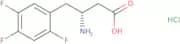

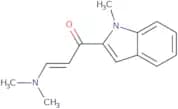
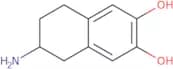
![N,N-Dimethyl-N-[4-(piperazin-1-ylmethyl)phenyl]amine](/_next/image/?url=https%3A%2Fstatic.cymitquimica.com%2Fproducts%2F3D%2Fthumb-webp%2FFD113841.webp&w=3840&q=75)

![2-[2-(Dimethylamino)ethyl]-1-indanone](/_next/image/?url=https%3A%2Fstatic.cymitquimica.com%2Fproducts%2F3D%2Fthumb-webp%2FFD22321.webp&w=3840&q=75)
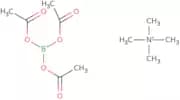
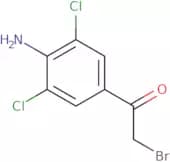

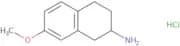

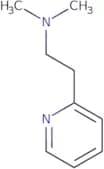
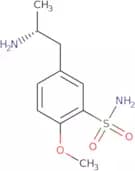
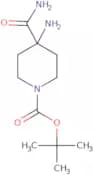

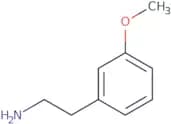
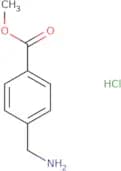
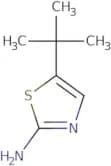

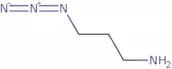
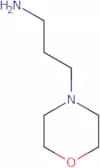


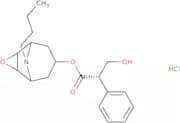
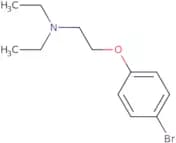
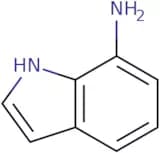
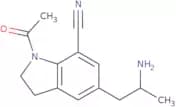

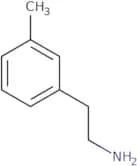
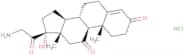
![[(5-Methyl-1,3-thiazol-2-yl)methyl]amine dihydrochloride](/_next/image/?url=https%3A%2Fstatic.cymitquimica.com%2Fproducts%2F3D%2Fthumb-webp%2FFM124184.webp&w=3840&q=75)
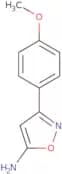
![[2-(2,5-Dimethyl-1H-indol-3-yl)ethyl]amine hydrochloride](/_next/image/?url=https%3A%2Fstatic.cymitquimica.com%2Fproducts%2F3D%2Fthumb-webp%2FFD118369.webp&w=3840&q=75)
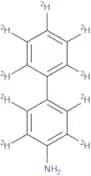
![5-[3-Methoxy-4-(4-methoxy-benzyloxy)-benzyl]-pyrimidine-2,4-diamine](/_next/image/?url=https%3A%2Fstatic.cymitquimica.com%2Fproducts%2F3D%2Fthumb-webp%2FFM31223.webp&w=3840&q=75)
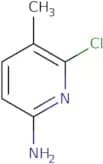
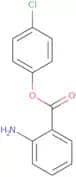

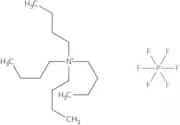
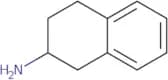

![N-[3-Fluoro-4-[(methylamino)carbonyl]phenyl]-2-methylalanine](/_next/image/?url=https%3A%2Fstatic.cymitquimica.com%2Fproducts%2F3D%2Fthumb-webp%2FFF99416.webp&w=3840&q=75)
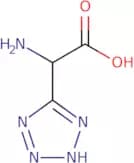

![[2-(5-Chloro-1H-indol-3-yl)-1-methylethyl]amine hydrochloride](/_next/image/?url=https%3A%2Fstatic.cymitquimica.com%2Fproducts%2F3D%2Fthumb-webp%2FFC123633.webp&w=3840&q=75)

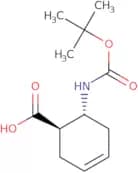

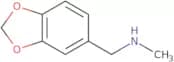
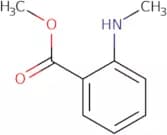
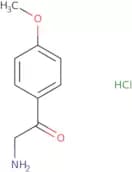
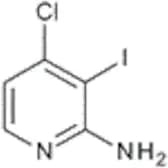
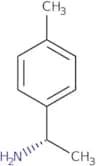
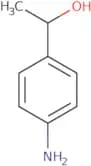
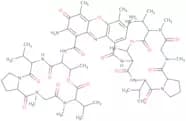

![{[5-(Trifluoromethyl)-1,2,4-oxadiazol-3-yl]methyl}amine hydrochloride](/_next/image/?url=https%3A%2Fstatic.cymitquimica.com%2Fproducts%2F3D%2Fthumb-webp%2FFT127171.webp&w=3840&q=75)
![(aR)-a-[[[2-(4-Nitrophenyl)ethyl]amino]methyl]benzenemethanol](/_next/image/?url=https%3A%2Fstatic.cymitquimica.com%2Fproducts%2F3D%2Fthumb-webp%2FFN75044.webp&w=3840&q=75)
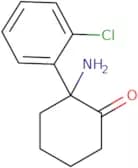
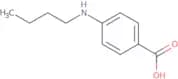


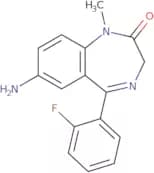
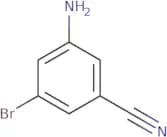
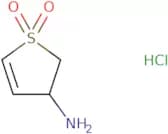
![[2-(1-Isobutyl-1H-benzimidazol-2-yl)ethyl]amine dihydrochloride](/_next/image/?url=https%3A%2Fstatic.cymitquimica.com%2Fproducts%2F3D%2Fthumb-webp%2FFI135795.webp&w=3840&q=75)
![4-[(4-Acetylphenyl)amino]-4-oxobutanoic acid](/_next/image/?url=https%3A%2Fstatic.cymitquimica.com%2Fproducts%2F3D%2Fthumb-webp%2FFA114593.webp&w=3840&q=75)
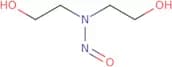
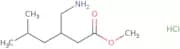
![Chloro[2-(di-tert-butylphosphino)-2',4',6'-triisopropyl-1,1'-biphenyl][2-(2-aminoethyl)phenyl)]pal…](/_next/image/?url=https%3A%2Fstatic.cymitquimica.com%2Fproducts%2F3D%2Fthumb-webp%2FFC156938.webp&w=3840&q=75)
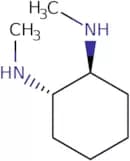

![N-[4-(Aminosulfonyl)-2,1,3-benzoxadiazol-7-yl]-2-aminoethyl methanethiosulfonate](/_next/image/?url=https%3A%2Fstatic.cymitquimica.com%2Fproducts%2F3D%2Fthumb-webp%2FFA17849.webp&w=3840&q=75)
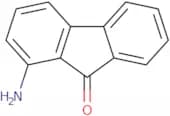
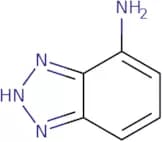

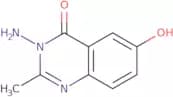
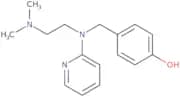
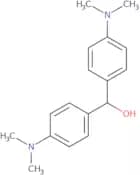
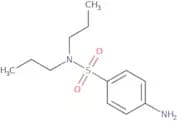
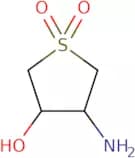
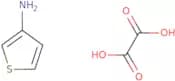
![Bis[(S)-1-phenylethyl]amine](/_next/image/?url=https%3A%2Fstatic.cymitquimica.com%2Fproducts%2F3D%2Fthumb-webp%2FFB168367.webp&w=3840&q=75)
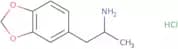
![(1S,2R)-2-[N-Benzyl-N-(mesitylenesulfonyl)amino]-1-phenyl-1-propanol](/_next/image/?url=https%3A%2Fstatic.cymitquimica.com%2Fproducts%2F3D%2Fthumb-webp%2FFB59939.webp&w=3840&q=75)
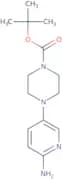
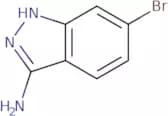
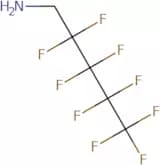
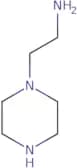

![[3-(1-Piperidin-1-ylcyclohexyl)phenyl]amine hydrochloride](/_next/image/?url=https%3A%2Fstatic.cymitquimica.com%2Fproducts%2F3D%2Fthumb-webp%2FFP120158.webp&w=3840&q=75)

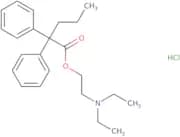
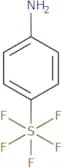
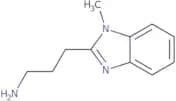
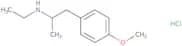

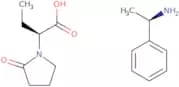
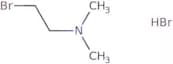
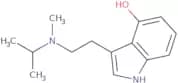
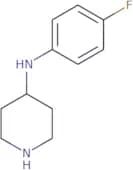
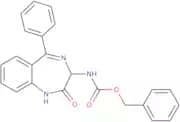

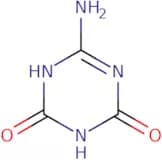
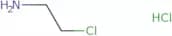
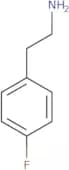
![[(1-Ethyl-1H-benzimidazol-2-yl)methyl]amine dihydrochloride](/_next/image/?url=https%3A%2Fstatic.cymitquimica.com%2Fproducts%2F3D%2Fthumb-webp%2FFE126425.webp&w=3840&q=75)
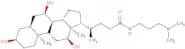
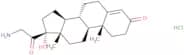
![N-(1H-Indol-4-ylmethyl)-N-[2-(4-methoxyphenyl)ethyl]amine hydrochloride](/_next/image/?url=https%3A%2Fstatic.cymitquimica.com%2Fproducts%2F3D%2Fthumb-webp%2FFI116235.webp&w=3840&q=75)
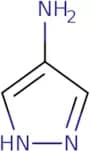
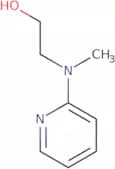
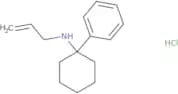
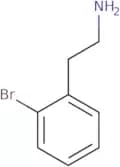
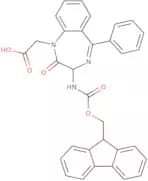

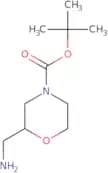
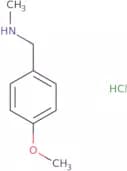
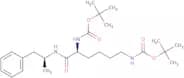
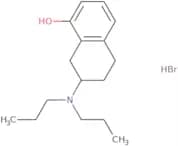
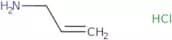
![N-[(1S)-1-(Aminocarbonyl)propyl]-4-chlorobutanamide](/_next/image/?url=https%3A%2Fstatic.cymitquimica.com%2Fproducts%2F3D%2Fthumb-webp%2FFA171302.webp&w=3840&q=75)
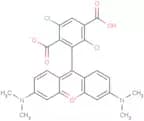

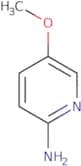
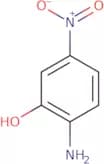
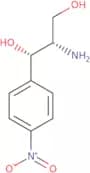
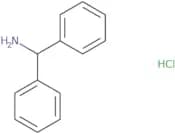
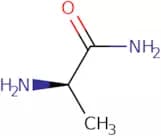
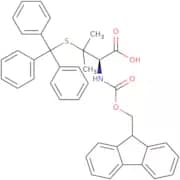
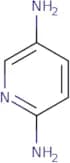
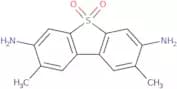
![H-Glu-Leu-Asp-[(2R,4S,5S)-5-amino-4-hydroxy-2,7-dimethyl-octanoyl]-Ala-Glu-Phe-OH](/_next/image/?url=https%3A%2Fstatic.cymitquimica.com%2Fproducts%2F3D%2Fthumb-webp%2FFG111094.webp&w=3840&q=75)

![2,7-Bis[2-(diethylamino)ethoxy]-9-fluorenone dihydrochloride](/_next/image/?url=https%3A%2Fstatic.cymitquimica.com%2Fproducts%2F3D%2Fthumb-webp%2FFB37106.webp&w=3840&q=75)
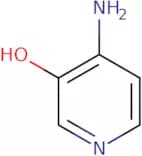
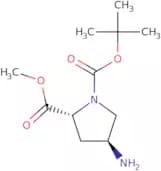
![2-[(5-Chloropyridin-2-yl)amino]-2-oxoacetic acid ethyl ester monohydrochloride](/_next/image/?url=https%3A%2Fstatic.cymitquimica.com%2Fproducts%2F3D%2Fthumb-webp%2FFC63138.webp&w=3840&q=75)
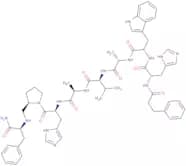
![3-Nitro-4-[[(tetrahydropyran-4-yl)methyl]amino]benzenesulfonamide](/_next/image/?url=https%3A%2Fstatic.cymitquimica.com%2Fproducts%2F3D%2Fthumb-webp%2FFN145631.webp&w=3840&q=75)
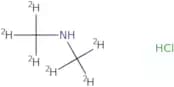
![3-[(Dimethylamino)methyl]-1,2,4-oxadiazol-5-amine hydrochloride](/_next/image/?url=https%3A%2Fstatic.cymitquimica.com%2Fproducts%2F3D%2Fthumb-webp%2FFD135937.webp&w=3840&q=75)

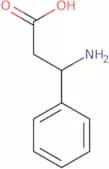
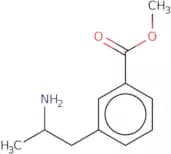

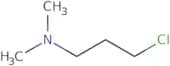
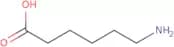
![(R)-3-[((tert-Butoxy)carbonyl)amino]-4-(2,5-difluorophenyl)butanoic acid](/_next/image/?url=https%3A%2Fstatic.cymitquimica.com%2Fproducts%2F3D%2Fthumb-webp%2FFB103971.webp&w=3840&q=75)
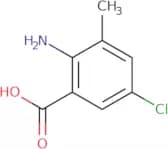
![N-[2-[(2-Bromo-4,6-dinitrophenyl)azo]-5-(diethylamino)phenyl]acetamide](/_next/image/?url=https%3A%2Fstatic.cymitquimica.com%2Fproducts%2F3D%2Fthumb-webp%2FFB151321.webp&w=3840&q=75)


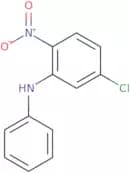
![3-[(2-Aminoethyl)dithio]propionic acid](/_next/image/?url=https%3A%2Fstatic.cymitquimica.com%2Fproducts%2F3D%2Fthumb-webp%2FFA17745.webp&w=3840&q=75)
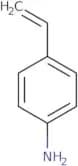
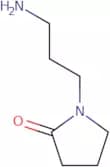
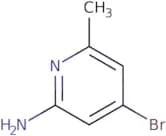

![[2,6-Dimethyl-4-(3-[2-(Z-amino)-ethylcarbamoyl]-propoxy)-benzenesulfonyl]-Dap (Boc)-OMe](/_next/image/?url=https%3A%2Fstatic.cymitquimica.com%2Fproducts%2F3D%2Fthumb-webp%2FFD111582.webp&w=3840&q=75)

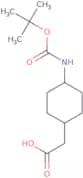
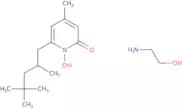
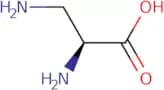
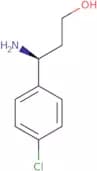
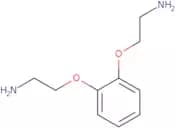
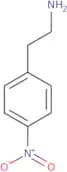
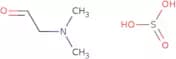
![6-(7-Nitro-benzo[2,1,3]oxadiazol-4-ylamino)-hexanoyl-Arg-Pro-Lys-Pro-Leu-Ala-Nva-Trp-Lys((7-dimeth…](/_next/image/?url=https%3A%2Fstatic.cymitquimica.com%2Fproducts%2F3D%2Fthumb-webp%2FFN110943.webp&w=3840&q=75)
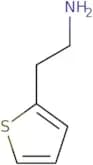
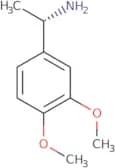
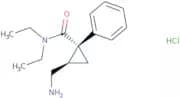

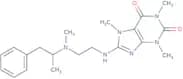
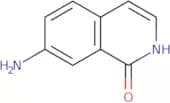
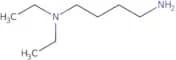

![4-[4-(4-Methyloxy-phenyl)-piperazin-1-yl]-phenylamine](/_next/image/?url=https%3A%2Fstatic.cymitquimica.com%2Fproducts%2F3D%2Fthumb-webp%2FFM25923.webp&w=3840&q=75)

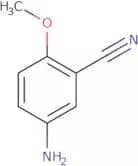
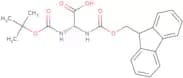

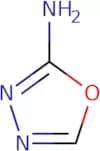
![tert-Butyl 2-amino-6,7-dihydrothiazolo[5,4-c]pyridine-5(4H)-carboxylate](/_next/image/?url=https%3A%2Fstatic.cymitquimica.com%2Fproducts%2F3D%2Fthumb-webp%2FFB143127.webp&w=3840&q=75)