Amines
Amines are a set of molecules containing an amino functional group (derived from ammonia). This category includes amines at any level of substitution : primary, secondary, tertiary, and ammonium salts. Amines are fundamental in organic synthesis and are widely used in pharmaceuticals, agrochemicals, and materials science. At CymitQuimica, we provide a comprehensive selection of amines to meet your research and industrial needs. Our range ensures access to various amines for diverse chemical processes and innovative research.
Subcategories of "Amines"
- Nitrosamines(2,606 products)
- Primary Amines(30,798 products)
- Quaternary Ammonium Cations and Salts(1,099 products)
- Secondary Amines(20,785 products)
- Tertiary Amines(17,108 products)
Found 8776 products of "Amines"
Sort by
Purity (%)
0
100
|
0
|
50
|
90
|
95
|
100
(R)-1-Boc-3-(aminomethyl)pyrrolidine
CAS:<p>Please enquire for more information about (R)-1-Boc-3-(aminomethyl)pyrrolidine including the price, delivery time and more detailed product information at the technical inquiry form on this page</p>Formula:C10H20N2O2Purity:Min. 95%Molecular weight:200.28 g/mol12-Aminododecanoic acid
CAS:<p>12-Aminododecanoic acid is a fatty acid that is used in the manufacture of magnetic particles. It is synthesized by cationic polymerization of 4-tert-butylbenzoic acid and dodecanedioic acid. The process involves the use of water vapor to remove hydrochloric acid from the solution and form a salt, which then reacts with dodecanedioic acid to produce 12-aminododecanoic acid. This compound has been shown to have transport properties for nitrogen atoms and can be used in exfoliated materials such as nanometals. 12-Aminododecanoic acid has also been shown to exhibit redox activity due to its ability to react with hydrogen peroxide.</p>Formula:C12H25NO2Purity:Min. 95%Color and Shape:White PowderMolecular weight:215.33 g/mol2-Amino-7-Benzyl-1H-Purin-6(7H)-One
CAS:<p>Please enquire for more information about 2-Amino-7-Benzyl-1H-Purin-6(7H)-One including the price, delivery time and more detailed product information at the technical inquiry form on this page</p>Formula:C12H11N5OPurity:Min. 95%Molecular weight:241.25 g/mol1-[1-(2-Aminoethyl)-1H-indol-3-yl]ethanone oxalate
CAS:Controlled Product<p>Please enquire for more information about 1-[1-(2-Aminoethyl)-1H-indol-3-yl]ethanone oxalate including the price, delivery time and more detailed product information at the technical inquiry form on this page</p>Formula:C12H14N2OPurity:Min. 95%Molecular weight:202.25 g/mol1-(2-Phenylethyl)piperidin-4-amine dihydrochloride
CAS:Controlled Product<p>Please enquire for more information about 1-(2-Phenylethyl)piperidin-4-amine dihydrochloride including the price, delivery time and more detailed product information at the technical inquiry form on this page</p>Formula:C13H20N2Purity:Min. 95%Molecular weight:204.31 g/mol2-Aminomethyl-4-(4-fluorobenzyl)morpholine
CAS:<p>2-Aminomethyl-4-(4-fluorobenzyl)morpholine (2AMFM) is a prokinetic agent that has been shown to be effective as a treatment for gastrointestinal motility disorders. This drug binds to the 5HT4 receptors, which are found on the enteric nervous system and in the gut. 2AMFM has been shown to increase the frequency of contractions in rat ileum and small intestine preparations. It also increases gastric emptying time and decreases postprandial acidity in dogs. 2AMFM is an enantiomeric mixture of two chiral molecules that are mirror images of each other. The racemic mixture is synthesized by reacting 2-aminomethyl-4-(4-fluorobenzyl)morpholine with chloroacetic acid ethyl ester.</p>Formula:C12H17FN2OPurity:Min. 95%Color and Shape:Clear LiquidMolecular weight:224.27 g/molN-Methyl-1-(3,4,5-trimethoxyphenyl)methanamine hydrochloride
CAS:Controlled Product<p>Please enquire for more information about N-Methyl-1-(3,4,5-trimethoxyphenyl)methanamine hydrochloride including the price, delivery time and more detailed product information at the technical inquiry form on this page</p>Formula:C11H17NO3Purity:Min. 95%Molecular weight:211.26 g/moltrans-4-Aminocyclohexanol
CAS:<p>Trans-4-aminocyclohexanol is a cell signaling molecule that belongs to the class of heterocyclic compounds. It has been shown to have an anti-inflammatory effect and inhibit the production of pro-inflammatory cytokines in vitro. Trans-4-aminocyclohexanol also inhibits cyclooxygenase (COX) activity, which is responsible for the conversion of arachidonic acid into prostaglandins. This inhibition leads to decreased inflammation and pain. Trans-4-aminocyclohexanol is orally bioavailable and can be detected in the blood plasma within one hour after administration. The compound has been shown to bind to the enzyme protein kinase C, which is involved in cell signaling pathways, and inhibit its activity.</p>Formula:C6H13NOPurity:Min. 95%Color and Shape:PowderMolecular weight:115.17 g/molN-[3-Fluoro-4-[(methylamino)carbonyl]phenyl]-2-methylalanine
CAS:<p>Please enquire for more information about N-[3-Fluoro-4-[(methylamino)carbonyl]phenyl]-2-methylalanine including the price, delivery time and more detailed product information at the technical inquiry form on this page</p>Formula:C12H15FN2O3Purity:Min. 95%Molecular weight:254.26 g/molα-Amino-2H-tetrazole-5-acetic acid
CAS:<p>Alpha-amino-2H-tetrazole-5-acetic acid (AAT) is a neurotoxin that inhibits glutamate receptors and causes neuronal cell death. It also decreases heart function in rats by inhibiting the cardiac sodium channel. AAT has been shown to be effective for inducing neuronal death in Xenopus oocytes, as well as decreasing the expression of certain receptor protein, such as NMDA and AMPA receptor subtypes. AAT is also known to cause apoptosis, which may be due to its inhibition of receptor function.</p>Formula:C3H5N5O2Purity:Min. 95%Color and Shape:Light (Or Pale) Green To Green SolidMolecular weight:143.1 g/mol(1-Methyl-1H-indazol-3-yl)methanamine
CAS:Controlled Product<p>Please enquire for more information about (1-Methyl-1H-indazol-3-yl)methanamine including the price, delivery time and more detailed product information at the technical inquiry form on this page</p>Formula:C9H11N3Purity:Min. 95%Molecular weight:161.2 g/mol(2S,3S)-5-[2-(Dimethylamino)ethyl]-3-hydroxy-2-(4-methoxyphenyl)-2,3-dihydro-1,5-benzothiazepin-4-one hydrochloride
CAS:<p>(2S,3S)-5-[2-(Dimethylamino)ethyl]-3-hydroxy-2-(4-methoxyphenyl)-2,3-dihydro-1,5-benzothiazepin-4-one hydrochloride is a racemic mixture of two enantiomers. It is a prodrug that is hydrolyzed to its active form, diltiazem. The drug has been shown to be effective in the treatment of hypertension and angina pectoris. (2S,3S)-5-[2-(Dimethylamino)ethyl]-3-hydroxy-2-(4-methoxyphenyl)-2,3-dihydro-1,5-benzothiazepin-4-one hydrochloride has been shown to inhibit the activity of the enzyme phosphodiesterase which breaks down cyclic AMP. This inhibition results in an increase in levels of</p>Formula:C20H24N2O3S·HClPurity:Min. 95%Molecular weight:408.94 g/mol5-Iodo-2,3-dihydro-1H-inden-2-amine hydrochloride hydrate
Controlled Product<p>Please enquire for more information about 5-Iodo-2,3-dihydro-1H-inden-2-amine hydrochloride hydrate including the price, delivery time and more detailed product information at the technical inquiry form on this page</p>Formula:C9H13ClINOPurity:Min. 95%Molecular weight:313.56 g/mol4-Methoxy-N-methylbenzylamine
CAS:<p>4-Methoxy-N-methylbenzylamine is a synthesized compound that is structurally similar to piperazine. It has been synthesized using the Chloramine T method and has been shown to be active as an amine receptor ligand. This molecule binds to the amine receptor site of the GABAA receptor with high affinity, inhibiting chloride ion flow. The functional groups on this molecule are likely responsible for its binding activity. 4-Methoxy-N-methylbenzylamine may be useful in the treatment of scopolamine-induced amnesia, due to its ability to bind to specific receptors in the brain.</p>Formula:C9H13NOPurity:Min. 95%Color and Shape:Clear LiquidMolecular weight:151.21 g/molBoc-trans-1,2-aminocyclohex-4-ene carboxylic acid
CAS:<p>Please enquire for more information about Boc-trans-1,2-aminocyclohex-4-ene carboxylic acid including the price, delivery time and more detailed product information at the technical inquiry form on this page</p>Formula:C12H19NO4Purity:Min. 95%Molecular weight:241.28 g/mol3-Amino-4-methoxypyridine
CAS:<p>3-Amino-4-methoxypyridine is a molecule that has been shown to have anesthetic activity. It has been shown to inhibit the uptake of glycogen by glioblastoma cells and decrease the rate of glycogen synthesis in these cells. 3-Amino-4-methoxypyridine also inhibits the production of ATP in cardiac muscle cells, which may be due to its ability to inhibit glycogen synthase kinase-3 (GSK3) and glycogen synthase. This drug also inhibits cancer cell growth by inhibiting protein synthesis, as well as inflammatory disease progression by inhibiting NFκB activation and cytokine production. 3-Amino-4-methoxypyridine can be synthesized from aminopyridines such as isonicotinic acid or nicotinic acid, which are oxidized with hydrogen peroxide and sodium nitrite in the presence of a base catalyst.</p>Formula:C6H8N2OPurity:Min. 95%Molecular weight:124.14 g/mol3-Amino-5-(2,3,4-trimethoxyphenyl)cyclohex-2-en-1-one
CAS:Controlled Product<p>Please enquire for more information about 3-Amino-5-(2,3,4-trimethoxyphenyl)cyclohex-2-en-1-one including the price, delivery time and more detailed product information at the technical inquiry form on this page</p>Formula:C15H19NO4Purity:Min. 95%Molecular weight:277.32 g/mol4-Aminoanisole
CAS:<p>4-Aminoanisole is a solvent that is used in analytical chemistry. 4-Aminoanisole has been shown to be an optimum concentration for x-ray diffraction data, sodium carbonate, and trifluoroacetic acid. It has been shown to have a redox potential of -0.14 V vs. NHE at pH 7.4 and a hydrogen bonding interaction with co2 gas. 4-Aminoanisole is used as a solvent in analytical chemistry and is also found in rat liver microsomes where it may play a role in the metabolism of certain drugs through its ability to inhibit cytochrome P450 enzymes.</p>Formula:C7H9NOPurity:Min. 95%Color and Shape:Dark Grey To Brown SolidMolecular weight:123.15 g/mol(1R,2S)-2-[N-Benzyl-N-(mesitylenesulfonyl)amino]-1-phenyl-1-propanol
CAS:Controlled Product<p>Please enquire for more information about (1R,2S)-2-[N-Benzyl-N-(mesitylenesulfonyl)amino]-1-phenyl-1-propanol including the price, delivery time and more detailed product information at the technical inquiry form on this page</p>Formula:C25H29NO3SPurity:Min. 95%Molecular weight:423.57 g/mol4-Aminobenzenesulfonic acid
CAS:<p>4-Aminobenzenesulfonic acid is a sulfonic acid that is used in wastewater treatment. It has been shown to be an excellent water permeability agent and can be used as an additive to the process of making sulfonated polymers for use in water filtration. 4-Aminobenzenesulfonic acid has been shown to have enzyme inhibitory effects on metal hydroxide-dependent enzymes, such as sulphanilic and sulfanilic acid. This compound also has been investigated as a potential therapeutic agent for the treatment of cancer, with some success. It has been shown to stimulate the production of picolinic acid, which is an intermediate in the kynurenine pathway leading to production of nicotinamide adenine dinucleotide (NAD+). In humans, 4-aminobenzenesulfonic acid can bind toll-like receptors (TLRs) and activate TLR4 signaling pathways.</p>Formula:C6H7NO3SPurity:Min. 95%Molecular weight:173.19 g/molDiisopropylammonium dichloroacetate
CAS:Controlled Product<p>Diisopropylammonium dichloroacetate (DADCA) is a chemical that inhibits the metabolism of glucose. It has been shown to have a hypoglycemic effect in rats and is being investigated as a treatment for metabolic disorders such as diabetes and obesity. DADCA has also been shown to reduce liver lesions in animals with chronic viral hepatitis, and has been found to be effective in reducing tumor growth in mice. This drug can also be used to treat bowel disease by reducing the amount of ammonia released by bacteria. DADCA may also have physiological effects on humans, including an increase in blood pressure and fever, although these effects have not yet been studied.</p>Purity:Min. 95%9-(Benzylamino)-1,2,3,4-tetrahydroacridin-1-ol maleate
CAS:<p>9-(Benzylamino)-1,2,3,4-tetrahydroacridin-1-ol maleate is a cholinergic drug that is used for the treatment of inflammatory diseases. It inhibits phosphodiesterase activity and has been shown to be effective in clinical studies against a number of inflammatory diseases. This drug also has anti-inflammatory properties and can be used to treat acute inflammation. 9-(Benzylamino)-1,2,3,4-tetrahydroacridin-1-ol maleate is also conjugated with fatty acids and this formation helps to increase its bioavailability.</p>Formula:C24H24N2O5Purity:Min. 95%Molecular weight:420.46 g/molN-[2-(4-Benzylpiperazin-1-yl)-2-oxoethyl]-N-methylamine
CAS:Controlled Product<p>Please enquire for more information about N-[2-(4-Benzylpiperazin-1-yl)-2-oxoethyl]-N-methylamine including the price, delivery time and more detailed product information at the technical inquiry form on this page</p>Formula:C14H21N3OPurity:Min. 95%Molecular weight:247.34 g/mol[2-(1,2,6-Trimethyl-1H-indol-3-yl)ethyl]amine hydrochloride
CAS:Controlled Product<p>Please enquire for more information about [2-(1,2,6-Trimethyl-1H-indol-3-yl)ethyl]amine hydrochloride including the price, delivery time and more detailed product information at the technical inquiry form on this page</p>Formula:C13H18N2Purity:Min. 95%Molecular weight:202.3 g/mol5-({[2-(4-Chlorophenyl)-1,3-oxazol-4-yl]methyl}thio)-1,3,4-thiadiazol-2-amine
CAS:<p>Please enquire for more information about 5-({[2-(4-Chlorophenyl)-1,3-oxazol-4-yl]methyl}thio)-1,3,4-thiadiazol-2-amine including the price, delivery time and more detailed product information at the technical inquiry form on this page</p>Formula:C12H9ClN4OS2Purity:Min. 95%Color and Shape:PowderMolecular weight:324.81 g/mol2,3-Dihydro-1-(3-hydroxypropyl)-5-[(2R)-2-[[2-[2-(2,2,2-trifluoroethoxy)phenoxy]ethyl]amino]propyl]-1H-indole-7-carbonitrile
CAS:<p>Please enquire for more information about 2,3-Dihydro-1-(3-hydroxypropyl)-5-[(2R)-2-[[2-[2-(2,2,2-trifluoroethoxy)phenoxy]ethyl]amino]propyl]-1H-indole-7-carbonitrile including the price, delivery time and more detailed product information at the technical inquiry form on this page</p>Formula:C25H30F3N3O3Purity:Min. 95%Molecular weight:477.52 g/mol(S)-(-)-1-(4-Merthylphenylethylamine
CAS:<p>(S)-(-)-1-(4-Merthylphenylethylamine is a crystalline solid that is soluble in organic solvents. It has a melting point of 159 degrees Celsius and a solubility of 0.3g/mL in water. The compound is used as an intermediate for synthesizing other chemical compounds, such as pharmaceuticals. This chemical has been shown to exhibit photochemical reactions with uv irradiation and high pressure parameters, which are the basis for its use in diffraction studies. The crystals can be monitored using x-ray diffraction studies or x-ray crystallography, which provides information about their structure and molecular parameters.</p>Formula:C9H13NPurity:Min. 95%Molecular weight:135.21 g/mol2-(1H-Indol-5-yl)ethanamine
CAS:Controlled Product<p>Please enquire for more information about 2-(1H-Indol-5-yl)ethanamine including the price, delivery time and more detailed product information at the technical inquiry form on this page</p>Formula:C10H12N2Purity:Min. 95%Molecular weight:160.22 g/mol4-Aminophenyl methylcarbinol
CAS:<p>4-Aminophenyl methylcarbinol is a chemical compound that is used as an additive in the production of polyurethane. It accelerates the reaction between isocyanate and polyol, which enhances the rate of polymerization. 4-Aminophenyl methylcarbinol has been shown to increase the yield by about 30% when it was added to a reaction mixture. The activation energies for this reaction were found to be 29.6 kJ/mol for the nitro group and 29.8 kJ/mol for the carbonyl group. This chemical compound also has functional groups that are capable of forming hydrogen bonds with other molecules, which may help to bind them together during polymerization reactions.</p>Purity:Min. 95%3-[(4-Aminopiperidin-1-yl)methyl]phenol
CAS:<p>Please enquire for more information about 3-[(4-Aminopiperidin-1-yl)methyl]phenol including the price, delivery time and more detailed product information at the technical inquiry form on this page</p>Formula:C12H18N2OPurity:Min. 95%Molecular weight:206.28 g/mol2-Amino-6-chloropyrazine
CAS:<p>2-Amino-6-chloropyrazine (2ACP) is an inhibitor that binds to the active site on human protein kinase C (PKC). It has been shown to inhibit PKC by hydrogen bonding with the hydroxide ion, which blocks its catalytic activity. 2ACP has been studied for its potential use in treating cancer and for inhibiting amine oxidases, which are enzymes associated with inflammation and chronic obstructive pulmonary disease. The inhibition of these enzymes may help to reduce stenosis in the lungs or other organs. 2ACP also has been shown to have antimycobacterial activity against Mycobacterium tuberculosis, M. avium complex, and M. leprae by inhibiting DNA synthesis and RNA synthesis. 2ACP inhibits the kinase receptor on the cell membrane that phosphorylates a water molecule into a chlorine atom, which then reacts with hydrogen peroxide to form free radicals that can kill bacteria</p>Formula:C4H4ClN3Purity:Min. 95%Molecular weight:129.55 g/mol7-Aminoactinomycin D
CAS:<p>7-Aminoactinomycin D is a fluorescent DNA dye that is commonly used for the detection or exclusion of non-viable cells in flow cytometric analysis, as it is generally excluded by live cells</p>Formula:C62H87N13O16Purity:Min. 95%Molecular weight:1,270.43 g/mol4-Iodo-benzeneethanamine HCl (1:1)
CAS:Controlled Product<p>Please enquire for more information about 4-Iodo-benzeneethanamine HCl (1:1) including the price, delivery time and more detailed product information at the technical inquiry form on this page</p>Formula:C8H11ClINPurity:Min. 95%Molecular weight:283.54 g/mol2-Amino-1,3,5-triazine
CAS:<p>2-Amino-1,3,5-triazine is a hydrogen bond donor that has been shown to have growth inhibiting effects. It reduces the viscosity of aqueous solutions and is used as an enantiopure for amines. 2-Amino-1,3,5-triazine can be used in reactions with metal surfaces to produce surface coatings or used as a bifunctional crosslinking agent for polymer materials. 2-Amino-1,3,5-triazine has been shown to have degenerative disease inhibitory activity and inflammatory disease inhibitory activity. It also inhibits the production of inflammatory cytokines such as tumor necrosis factor alpha (TNFα) and interleukin 6 (IL6).</p>Formula:C3H4N4Purity:Min. 95%Molecular weight:96.09 g/mol3-Amino-2-oxazolidinone-d4
CAS:Controlled Product<p>3-Amino-2-oxazolidinone-d4 is a methanol solvent that can be used to analyze the muscle tissue. 3-Amino-2-oxazolidinone-d4 can be synthesized by reacting oxalyl chloride and 2 nitrobenzaldehyde in acetonitrile. It can also be prepared by dehydrating and analyzing the synthesis of 3 amino 2 oxazolidinones in chloroform and bromoacetic acid. 3 - Amino - 2 - oxazolidinone - d4 is deuterated, which means it has an extra neutron in its nucleus.</p>Formula:C3H2D4N2O2Purity:Min. 95%Molecular weight:106.11 g/mol2-Amino-4,6-difluorobenzoic acid
CAS:<p>Please enquire for more information about 2-Amino-4,6-difluorobenzoic acid including the price, delivery time and more detailed product information at the technical inquiry form on this page</p>Formula:C7H5F2NO2Purity:Min. 95%Molecular weight:173.12 g/mol2,5-Diaminopyridine dihydrochloride
CAS:<p>2,5-Diaminopyridine dihydrochloride is a compound that belongs to the class of hydroxamic acids. It is an intermediate in the synthesis of the anti-cancer drug, hydroxyurea (hydroxylamine). 2,5-Diaminopyridine dihydrochloride can be used as a cross-coupling reagent for coupling reactions with chlorinated and tritiated organic compounds. The efficiency of this reaction is dependent on the coulombic and mutagenic properties of 2,5-diaminopyridine dihydrochloride. 2,5-Diaminopyridine dihydrochloride has been shown to cause cancer in animal studies.</p>Formula:C5H7N3•(HCl)2Purity:Min. 95%Molecular weight:182.05 g/molDansyl ethylenediamine
CAS:<p>Dansyl ethylenediamine is a fluorescent probe that binds to peptides containing an amino acid with a free sulfhydryl group. It is used in the study of biological samples, such as tissue culture and blood cells, for detecting amines. Dansyl ethylenediamine has been shown to bind to α1-acid glycoprotein, which is present in human plasma and increases in concentration during congestive heart failure. This compound also exhibits conformational properties that make it ideal for analytical chemistry techniques such as high performance liquid chromatography (HPLC) and gas chromatography (GC).</p>Formula:C14H19N3O2SPurity:Min. 95%Color and Shape:Off-White PowderMolecular weight:293.39 g/molMethyl 4-amino-2-fluorobenzoate
CAS:<p>Please enquire for more information about Methyl 4-amino-2-fluorobenzoate including the price, delivery time and more detailed product information at the technical inquiry form on this page</p>Formula:C8H8FNO2Purity:Min. 95%Molecular weight:169.15 g/mol4-Methoxyphenethylamine HCl
CAS:Controlled Product<p>4-Methoxyphenethylamine HCl is a chemical that inhibits the activity of the protein tyrosine phosphatase 1B (PTP1B). It has been shown to inhibit the growth of lung fibroblasts and fruit tree cells. 4-Methoxyphenethylamine HCl has also been used in animal experiments to diagnose animals with growth factor-β1 deficiency. It is also used to stain collagen for diagnosis.</p>Formula:C9H13NO·HClPurity:Min. 95%Molecular weight:187.67 g/mol2-Hydroxybenzylamine
CAS:<p>2-Hydroxybenzylamine is a dietary supplement that is used to prevent atherosclerosis and cardiovascular disease. It inhibits the oxidation of fatty acids and decreases the production of reactive oxygen species. This drug has been shown to have an effect on cardiac hypertrophy and blood pressure. 2-Hydroxybenzylamine has been shown to reduce the levels of 4-hydroxybutyric acid, malondialdehyde, and reactive oxygen species in cultured cells. These effects may be due to its ability to inhibit the enzyme fatty acid synthase. 2HBA also has a protective effect against oxidative injury by reducing the release of reactive oxygen species from mitochondria in cultured cells.</p>Formula:C7H9NOPurity:Min. 95%Molecular weight:123.15 g/mol1,3-Thiazol-5-ylmethylamineHydrochloride
CAS:<p>Please enquire for more information about 1,3-Thiazol-5-ylmethylamineHydrochloride including the price, delivery time and more detailed product information at the technical inquiry form on this page</p>Formula:C4H7ClN2SPurity:Min. 95%Molecular weight:150.63 g/mol7-Aminoflunitrazepam
CAS:Controlled Product<p>7-Aminoflunitrazepam is an active metabolite of flunitrazepam and a benzodiazepine. It can be detected in urine samples using an on-line LC-MS/MS method. The detection time of 7-aminoflunitrazepam is between 3 to 4 hours, which is longer than that of its parent drug, flunitrazepam. The use of monoclonal antibodies specific for fluoroquinolones allows the detection of 7-aminoflunitrazepam with high sensitivity and specificity. This method can be used to detect the presence of flunitrazepam in human serum samples, as well as in femoral vein blood samples, urine samples, and blood sputum samples. Solid phase microextraction (SPME) was used as the sample preparation technique for this study. SPME also allows for the extraction and analysis of lysine residues from protein matrices such as human serum.</p>Formula:C16H14FN3OPurity:Min. 98%Color and Shape:PowderMolecular weight:283.3 g/mol2-Amino-1-(4-fluorophenyl)-1-propanone
CAS:Controlled Product<p>2-Amino-1-(4-fluorophenyl)-1-propanone (Fluoroamphetamine) is a chemical that binds to the serotonin transporter, which is responsible for the reuptake of serotonin into the presynaptic neuron. Fluoroamphetamine has been shown to lower empathy and increase feelings of reward in animals. This drug has no significant effect on dopamine and noradrenaline levels but does cause an increase in metabolic acidosis. Fluoroamphetamine is most often used by analytical laboratories as a synthetic intermediate, but it can also be used as a strategy to develop specific antidotes against serotonin blockers. Fluoroamphetamine's health effects are similar to those of amphetamine with regards to cardiovascular risks and addictive potential.</p>Formula:C9H10FNOPurity:Min. 95%Molecular weight:167.18 g/molBoc-1-amino-1-cyclobutane carboxylic acid
CAS:<p>Boc-1-amino-1-cyclobutane carboxylic acid is a synthetic and potent agonist of the androgen receptor. It is an analog of apalutamide, which is a selective antagonist of the androgen receptor. Boc-1-amino-1-cyclobutane carboxylic acid has been shown to have high oral bioavailability, which makes it suitable for oral administration. Boc-1-amino-1-cyclobutane carboxylic acid has been shown to have increased functional activity in cancer cells, which may be due to its ability to inhibit the growth of tumor cells by binding to their androgen receptors. Boc-1-amino-1-cyclobutane carboxylic acid has also been found to have good affinity for the androgen receptor when tested on cultured cells.</p>Formula:C10H17NO4Purity:Min. 95%Color and Shape:White/Off-White SolidMolecular weight:215.25 g/mol2-(2-Methyl-1H-indol-3-yl)ethanamine oxalate
CAS:Controlled Product<p>Please enquire for more information about 2-(2-Methyl-1H-indol-3-yl)ethanamine oxalate including the price, delivery time and more detailed product information at the technical inquiry form on this page</p>Formula:C13H16N2O4Purity:Min. 95%Molecular weight:264.28 g/mol1-Amino-9-fluorenone
CAS:<p>1-Amino-9-fluorenone is a hydrogen bond acceptor molecule that has been shown to have anticancer activity and rate enhancement. The 1-Amino-9-fluorenone binds to the DNA of cancer cells, inhibiting cell growth and proliferation. This molecule also interacts with the cellular membrane by reversible binding, which leads to an increase in the concentration of intracellular nitric oxide (NO). This increase in NO levels inhibits the growth of cancer cells by blocking their ability to produce ATP. 1-Amino-9-fluorenone has been shown to inhibit hCT116 human colon cancer cells.</p>Formula:C13H9NOPurity:Min. 95%Molecular weight:195.22 g/molo-Chloramine T
CAS:<p>O-Chloramine T is a chemical compound that is used in the treatment of cancer. It is an endoreduplication agent and has been shown to cause endothelial cell growth and apoptosis in cancer cells. O-Chloramine T binds to the membrane of cancer cells, which leads to a decrease in autocrine activity and cell binding. O-Chloramine T also inhibits endothelial cell growth by inhibiting protein synthesis and blocking the synthesis of DNA and RNA. This drug has been shown to have anti-cancer properties in animal models and hyperosmolarity properties, which may be due to its ability to cause vessels to collapse.</p>Formula:C7H7ClNNaO2SColor and Shape:PowderMolecular weight:227.64 g/molN,N'-Dimethyl-(1S,2S)-1,2-Cyclohexanediamine
CAS:<p>Please enquire for more information about N,N'-Dimethyl-(1S,2S)-1,2-Cyclohexanediamine including the price, delivery time and more detailed product information at the technical inquiry form on this page</p>Formula:C8H18N2Purity:Min. 95%Color and Shape:PowderMolecular weight:142.24 g/mol[2-(1-Isobutyl-1H-benzimidazol-2-yl)ethyl]amine dihydrochloride
CAS:Controlled Product<p>Please enquire for more information about [2-(1-Isobutyl-1H-benzimidazol-2-yl)ethyl]amine dihydrochloride including the price, delivery time and more detailed product information at the technical inquiry form on this page</p>Formula:C13H19N3Purity:Min. 95%Molecular weight:217.31 g/mol4-Nitro-4'-aminodiphenyl sulfone
CAS:<p>4-Nitro-4'-aminodiphenyl sulfone is a surfactant that is used in a variety of industries, including wastewater treatment and the manufacture of plastics. It has been shown to inhibit the synthesis of fatty acids and other molecules in cells. 4-Nitro-4'-aminodiphenyl sulfone also inhibits the synthesis of regulatory pathways involved in antimicrobial resistance in bacteria such as chlorobium and solanum tuberosum. The inhibition of fatty acid biosynthesis by 4-nitro-4'-aminodiphenyl sulfone may be due to its ability to bind to catalytic sites on enzymes responsible for this process. This binding prevents them from functioning properly, resulting in an accumulation of fatty acid precursors.</p>Formula:C12H10N2O4SPurity:Min. 95%Molecular weight:278.28 g/molLycopsamine N-oxide
CAS:<p>Lycopsamine N-oxide is a pyrrolizidine alkaloid derivative, which is a naturally occurring compound found in certain plant species, particularly within the Boraginaceae family. This compound is typically produced as a secondary metabolite in these plants. Its mode of action involves metabolic activation in the liver, where enzymes convert it into reactive intermediates capable of binding to cellular macromolecules, ultimately leading to toxic effects.</p>Formula:C15H25NO6Purity:Min. 95%Molecular weight:315.36 g/molNicotianamine
CAS:<p>Nicotianamine is a nicotinic acid amide that is synthesized from nicotianamine synthase. Nicotianamine is a nutrient that plays an important role in iron homeostasis. It is also involved in the regulation of plant metabolism and enzyme activities. Nicotianamine has been shown to be stable in complex with iron, which makes it a good candidate for use as an analytical reagent for measuring plant metabolites. The nicotianamine assay can be used to determine concentrations of nicotianamine and nicotinic acid amides in plants by plasma mass spectrometry. This method takes advantage of the ability of nicotianamine to form stable complexes with iron ions, which can be measured by quantifying the concentration of free iron ions. Nicotianamine can also be used as an indicator of nutrient solution quality because it reacts with various compounds present in the solution, such as phosphate, nitrate, and sulfate ions. The matrix effect can affect the</p>Formula:C12H21N3O6Purity:(%) Min. 94%Color and Shape:PowderMolecular weight:303.31 g/mol2-Aminoindane HCl
CAS:Controlled Product<p>2-Aminoindane HCl is a betalamic acid derivative that inhibits the activity of the dopamine receptor. It has been shown to inhibit the binding of dopamine in both rat and human liver, as well as in a model system. 2-Aminoindane HCl is formed by intramolecular hydrogenation of betalamic acid and hydrolysis of the resulting 2-aminoindane acetic acid chloride. The carbonic ester group on the indane ring forms an alkoxy radical with hydrogen chloride in water, which then reacts with a hydroxy group on the indane ring to form 2-aminoindane HCl. This process can be modeled using molecular modeling techniques.</p>Purity:Min. 95%Molecular weight:169.65 g/mol2-(Diethylamino)-N-(2,4-dimethylphenyl ) acetamide HCl
CAS:<p>Please enquire for more information about 2-(Diethylamino)-N-(2,4-dimethylphenyl ) acetamide HCl including the price, delivery time and more detailed product information at the technical inquiry form on this page</p>Formula:C14H22N2O·HClPurity:Min. 95 Area-%Molecular weight:270.8 g/mol(S,S')-3-Methyl-1-(2-piperidinophenyl)butylamine, N-acetyl-glutamate salt
CAS:<p>Please enquire for more information about (S,S')-3-Methyl-1-(2-piperidinophenyl)butylamine, N-acetyl-glutamate salt including the price, delivery time and more detailed product information at the technical inquiry form on this page</p>Formula:C23H37N3O5Purity:Min. 95%Molecular weight:435.56 g/molL-2-Aminobutanamide
CAS:<p>L-2-Aminobutanamide is a compound that is used as an industrial preparation and as a reagent in kinetic studies. It has been shown to be effective in the analytical method for the determination of hydrochloric acid in titration, with a detection limit of 0.1%. L-2-Aminobutanamide can also be used to produce asymmetric synthesis by adding it with sodium hydroxide solution or hydroxide solution and using chromatographic science. This compound has been shown to have antibacterial effects on Brucella, which can be attributed to its ability to inhibit protein synthesis and disrupt cell membrane integrity. L-2-Aminobutanamide is a chiral compound that can exist in two different forms, L -(+)-2-aminobutanamide or D -(-)-2-aminobutanamide.</p>Formula:C4H10N2OPurity:Min. 95%Molecular weight:102.14 g/mol4-Amino-2,2'-bipyridine
CAS:<p>Please enquire for more information about 4-Amino-2,2'-bipyridine including the price, delivery time and more detailed product information at the technical inquiry form on this page</p>Formula:C10H9N3Purity:Min. 95%Color and Shape:PowderMolecular weight:171.2 g/mol(4-Ethoxyphenyl)ethylamine
CAS:Controlled Product<p>Please enquire for more information about (4-Ethoxyphenyl)ethylamine including the price, delivery time and more detailed product information at the technical inquiry form on this page</p>Formula:C10H15NOPurity:Min. 95%Molecular weight:165.23 g/molN,N'-Di-(4-methyl-phenyl)-N,N'-diphenyl-1,4-phenylendiamine
CAS:<p>Please enquire for more information about N,N'-Di-(4-methyl-phenyl)-N,N'-diphenyl-1,4-phenylendiamine including the price, delivery time and more detailed product information at the technical inquiry form on this page</p>Formula:C32H28N2Purity:Min. 95%Molecular weight:440.58 g/mol1-Boc-4-aminopiperidine-4-carboxylic acid
CAS:<p>Please enquire for more information about 1-Boc-4-aminopiperidine-4-carboxylic acid including the price, delivery time and more detailed product information at the technical inquiry form on this page</p>Formula:C11H20N2O4Purity:Min. 95%Color and Shape:White To Beige SolidMolecular weight:244.29 g/mol(4-Aminophenyl)boronic acid pinacol ester
CAS:<p>(4-Aminophenyl)boronic acid pinacol ester is a semiconducting material that can be used in thin film devices. It has been shown to be a good candidate for transistor and device applications due to its high yield, low cost, and high stability. This compound can also be used to modify the structure of other compounds through substitution reactions. (4-Aminophenyl)boronic acid pinacol ester has been synthesized from inexpensive starting materials, such as triphenylamine and amines.</p>Formula:C12H18BNO2Purity:Min. 95%Color and Shape:White PowderMolecular weight:219.09 g/mol1-[4-(4-Methylpiperidin-1-yl)phenyl]methanamine
CAS:<p>Please enquire for more information about 1-[4-(4-Methylpiperidin-1-yl)phenyl]methanamine including the price, delivery time and more detailed product information at the technical inquiry form on this page</p>Formula:C13H20N2Purity:Min. 95%Molecular weight:204.31 g/molEthyl 2-(2-Amino-4-thiazolyl)-2-(hydroxyimino)acetate
CAS:<p>Ethyl 2-(2-amino-4-thiazolyl)-2-(hydroxyimino)acetate is a phosphomolybdate antibiotic that is used in the treatment of respiratory tract infections. It binds to the bacterial enzyme, phosphomolybdate oxidase, and inhibits the formation of acid in the body. The reaction solution is recycled and activated with an acid catalyst to increase the yield of acetonitrile. The ion-pair formed by ethyl 2-(2-amino-4-thiazolyl)-2-(hydroxyimino)acetate and sodium carbonate is nucleophilic and reacts with nitrous to produce acetonitrile as a side product.</p>Formula:C7H9N3O3SPurity:Min. 95%Molecular weight:215.23 g/molO,O'-Bis(3-aminopropyl)polyethylene glycol
CAS:Controlled Product<p>O,O'-Bis(3-aminopropyl)polyethylene glycol is a PEG polymer categorised as homobifunctional PEG (X-PEG X). Used as a linker, O,O'-bis(3-aminopropyl)polyethylene glycol is used to attached PEG to proteins, peptides, oligonucleotides, nanoparticles and small molecules via pegylation, a bioconjugation technique.</p>Formula:(C2H4O)nC6H16N2OPurity:Min. 95%Color and Shape:White Powder4,6-Diaminobenzene-1,3-dicarboxylic acid
CAS:<p>4,6-Diaminobenzene-1,3-dicarboxylic acid is an inorganic copper compound that is used as a copper salt. It has been shown to be effective as a chelating agent for the treatment of copper toxicity. 4,6-Diaminobenzene-1,3-dicarboxylic acid binds to metal ions and forms a complex with them. This complex can then be excreted from the body through urine or bile.</p>Formula:C8H8N2O4Purity:Min. 95%Molecular weight:196.16 g/mol(2E)-3-(Dimethylamino)-1-(3-nitrophenyl)prop-2-en-1-one
CAS:<p>Please enquire for more information about (2E)-3-(Dimethylamino)-1-(3-nitrophenyl)prop-2-en-1-one including the price, delivery time and more detailed product information at the technical inquiry form on this page</p>Formula:C11H12N2O3Purity:Min. 95%Molecular weight:220.22 g/mol1-(4-Amino-6,7-dimethoxy-2-quinazolinyl)-4-[(tetrahydro-2-furanyl)carbonxyl]piperazine hydrochloride
CAS:<p>Terazosin HCL dehydrate is an inhibitor of alpha-1 adrenergic receptors. This results in vasodilation followed by a reduction in urethral resistance, venous return to the heart and peripheral vascular resistance. In particular Terazosin HCL hydrate’s ability to recover urine flow and alleviate symptoms in patients with benign prostatic hyperplasia is of benefit to the therapeutic and clinical industries.</p>Formula:C19H26ClN5O4Purity:Min. 95%Molecular weight:423.89 g/mol2-(Diphenylphosphino)ethylamine
CAS:<p>2-(Diphenylphosphino)ethylamine is a palladium complex that is used as a catalyst for the oxidation of alcohols to aldehydes and ketones. However, this compound can also be used in the synthesis of molybdenum complexes. 2-(Diphenylphosphino)ethylamine has been shown to catalyze the oxidation of aliphatic alcohols to corresponding aldehydes and ketones in homogeneous solution. This reaction proceeds by a transfer mechanism, with an irreversible oxidation at the metal center. The reaction products are not observed due to the high reactivity of hydrogen peroxide and its decomposition products. Control experiments showed that 2-(diphenylphosphino)ethylamine does not oxidize other substrates such as benzene or nitrobenzene, which are more stable than alcohols.</p>Formula:C14H16NPPurity:Min. 95%Color and Shape:Clear LiquidMolecular weight:229.26 g/mol7-[(3R)-3-[(N-Acetyl)amino]-1-oxo-4-(2,4,5-trifluorophenyl)butyl]-5,6,7,8-tetrahydro-3-(trifluoromethyl)-1,2,4-triazolo[4,3-a]pyrazi ne
CAS:<p>Please enquire for more information about 7-[(3R)-3-[(N-Acetyl)amino]-1-oxo-4-(2,4,5-trifluorophenyl)butyl]-5,6,7,8-tetrahydro-3-(trifluoromethyl)-1,2,4-triazolo[4,3-a]pyrazi ne including the price, delivery time and more detailed product information at the technical inquiry form on this page</p>Formula:C18H17F6N5O2Purity:Min. 95%Molecular weight:449.35 g/molFmoc-1-amino-4,7,10-trioxa-13-tridecanamine succinimic acid
CAS:<p>Fmoc-1-amino-4,7,10-trioxa-13-tridecanamine succinimic acid is a synthetic amide that is used as an intermediate in the synthesis of peptides. It has a conformational structure and can be labeled with dyes to study the structures of proteins or peptides. Fmoc-1-amino-4,7,10-trioxa-13-tridecanamine succinimic acid has been used as an immunogen in the preparation of monoclonal antibodies. It also can be conjugated to drugs or other compounds for use as bioconjugates. This compound has been shown to have enzymatic activity and can be used as a substrate for enzyme linked immunosorbent assays (ELISA). Trifluoroacetic acid is commonly used in the synthesis of this compound.</p>Formula:C29H38N2O8Purity:Min. 98 Area-%Molecular weight:542.62 g/mol1,2-diaminocyclohexane
CAS:<p>1,2-Diaminocyclohexane is a chiral compound with a cyclohexane ring. It is reactive and has been shown to be carcinogenic. It is used in the preparation of other compounds, such as amino acid derivatives and dyes. 1,2-Diaminocyclohexane can also be used as an intermediate for the synthesis of various drugs. This compound has been shown to inhibit transcriptional regulation and to have biochemical properties that are related to cancer. 1,2-Diaminocyclohexane reacts with copper to form a coordination geometry complex with six nitrogen atoms. The reaction mechanism involves the formation of a copper complex that bears an electron-deficient carbon atom in its structure.</p>Formula:C6H14N2Purity:Min. 95%Molecular weight:114.19 g/molDidesmethyl sibutramine
CAS:<p>Didesmethyl sibutramine is a drug that has been used to treat obesity. It is an anorectic agent that decreases appetite by affecting the central nervous system. Didesmethyl sibutramine stimulates the release of norepinephrine and dopamine in the brain, which are neurotransmitters that regulate hunger and satiety. This drug also influences the metabolism of fat cells, leading to weight loss. Didesmethyl sibutramine may be prescribed as a combination therapy with other drugs for conditions such as primary pulmonary hypertension, coronary heart disease, congestive heart failure, or experimental models of these diseases. Didesmethyl sibutramine can cause adverse reactions such as insomnia, anxiety, or high blood sugar levels.</p>Formula:C15H22ClNPurity:Min. 98 Area-%Color and Shape:Clear LiquidMolecular weight:251.79 g/mol(2R)-2-Amino-3-phenylpropionyl amide
CAS:<p>(2R)-2-Amino-3-phenylpropionyl amide is a synthetic cannabinoid that has been shown to bind to the CB2 receptor. It has been found to be an effective analgesic in rat models of inflammatory and neuropathic pain. This drug is also a serine protease inhibitor, with activity against ochrobactrum, an antibiotic-resistant bacteria. (2R)-2-Amino-3-phenylpropionyl amide is also used as a substrate for d-alanine synthesis and has been sequenced. It can form hydrogen bonds with water molecules and chloride ions. (2R)-2-Amino-3-phenylpropionyl amide has been synthesized by Clostridium coli K12 cells and is expected to have similar effects on human cells.</p>Formula:C9H12N2OPurity:Min. 95%Molecular weight:164.2 g/mol2-[2-(Dimethylamino)ethyl]-1-indanone
CAS:<p>Please enquire for more information about 2-[2-(Dimethylamino)ethyl]-1-indanone including the price, delivery time and more detailed product information at the technical inquiry form on this page</p>Formula:C13H17NOPurity:Min. 95%Molecular weight:203.28 g/mol2-Bromo-6-methoxypyridin-3-amine
CAS:<p>2-Bromo-6-methoxypyridin-3-amine is a perovskite that has been shown to have a high photoluminescence quantum yield and can be used in solar cells. This compound interacts with both the ligands and the acceptors, boosting the efficiency of these compounds. The 2-bromo-6 methoxypyridin-3 amine is a semiconductor with an electron affinity of 1.9 eV and a band gap of 1.6 eV. It has been shown to be efficient as a photoluminescent material in nanocrystals.</p>Formula:C6H7BrN2OPurity:Min. 95%Molecular weight:203.04 g/mol5-(3-Methylphenyl)-1,3,4-oxadiazol-2-amine
CAS:<p>Please enquire for more information about 5-(3-Methylphenyl)-1,3,4-oxadiazol-2-amine including the price, delivery time and more detailed product information at the technical inquiry form on this page</p>Formula:C9H9N3OPurity:Min. 95%Molecular weight:175.19 g/molTetramethylammonium triacetoxyborohydride
CAS:<p>Tetramethylammonium triacetoxyborohydride is a potent antagonist that binds to the active site of hydrogen-bond forming enzymes. It is used in the treatment of bowel disease, as well as other diseases such as cancer, diabetic neuropathy and inflammatory bowel disease. Tetramethylammonium triacetoxyborohydride has been shown to inhibit the growth of certain bacteria by inhibiting their ability to form hydrogen bonds. This chemical can also be used in asymmetric synthesis, which is the process of synthesizing only one enantiomer from a racemic mixture. Tetramethylammonium triacetoxyborohydride can function as an organocatalyst for this process by activating achiral substrates into chiral ones.</p>Formula:C10H22BNO6Purity:Min. 95%Color and Shape:White PowderMolecular weight:263.1 g/mol(S)-(-)-1-Boc-3-aminopyrrolidine
CAS:<p>(S)-(-)-1-Boc-3-aminopyrrolidine is an inhibitor that inhibits the activity of phosphoinositide 3-kinase (PI3K) by binding to the ATP binding site and inhibiting PI3K. It has been shown to inhibit the activation of PI3Kδ, which plays a key role in tumorigenesis and metastasis. The drug also has metabolic stability and selectivity for PI3Kδ over other kinases, as well as high affinity for this enzyme. The drug was found to have low toxicity in vitro, but its effects on humans are unknown.</p>Formula:C9H18N2O2Purity:Min. 95%Color and Shape:Clear LiquidMolecular weight:186.25 g/mol5-[3-(Dimethylamino)propyl]-10,11-dihydro-5H-dibenzo[a,d]cyclohepten-5-ol
CAS:<p>Please enquire for more information about 5-[3-(Dimethylamino)propyl]-10,11-dihydro-5H-dibenzo[a,d]cyclohepten-5-ol including the price, delivery time and more detailed product information at the technical inquiry form on this page</p>Formula:C20H25NOPurity:Min. 95%Color and Shape:Beige SolidMolecular weight:295.42 g/molAmmonium chloride
CAS:<p>Ammonium chloride is a salt of ammonium and chloride. It is used in wastewater treatment as a coagulant, to remove suspended solids from the water. In addition, ammonium chloride has been shown to have potent antitumor activity and is used in chemotherapy treatments. Ammonium chloride can be toxic if ingested or inhaled and should not be handled without proper safety precautions. Ammonium chloride also has an effect on the bowel disease, slowing down the rate at which it progresses. It is produced when trimethyl reacts with blood or water vapor. The surface methodology was used to obtain thermodynamic data for ammonium chloride. This method can be applied to other compounds that are difficult to analyze by other methods.</p>Formula:NH4ClPurity:Min. 95%Color and Shape:PowderMolecular weight:53.49 g/mol2-(2-Aminothiazol-4-yl)acetic acid HCl
CAS:<p>2-(2-Aminothiazol-4-yl)acetic acid HCl is a white to off-white crystalline solid that is soluble in organic solvents. It is an intermediate used in the synthesis of thiourea derivatives, which are used as pharmaceuticals and agrochemicals. 2-(2-Aminothiazol-4-yl)acetic acid HCl is synthesized by the reaction of 2-aminothiazole with acetic anhydride. The purity can be determined using GC or NMR spectroscopy. Impurities may be removed by recrystallization with a solvent such as chloroform or dichloromethane. The melting point of 2-(2-aminothiazol-4-yl)acetic acid HCl is 147°C (298K). 2-(2-Aminothiazol-4-yl)acetic acid HCl can be purified by distillation at</p>Formula:C5H7ClN2O2SPurity:Min. 95%Molecular weight:194.64 g/mol(3-IMidazol-1-yl-propyl)-[4-(4,4,5,5-tetraMethyl-[1,3,2]dioxaborolan-2-yl)-benzyl]aMine
CAS:<p>Please enquire for more information about (3-IMidazol-1-yl-propyl)-[4-(4,4,5,5-tetraMethyl-[1,3,2]dioxaborolan-2-yl)-benzyl]aMine including the price, delivery time and more detailed product information at the technical inquiry form on this page</p>Purity:Min. 95%7-Methoxy-1,2,3,4-tetrahydronaphthalen-2-ylamine hydrochloride
CAS:Controlled Product<p>Please enquire for more information about 7-Methoxy-1,2,3,4-tetrahydronaphthalen-2-ylamine hydrochloride including the price, delivery time and more detailed product information at the technical inquiry form on this page</p>Formula:C11H15NO•HClPurity:Min. 95%Molecular weight:213.7 g/mol5-Amino-2,4-dichlorophenol
CAS:<p>Please enquire for more information about 5-Amino-2,4-dichlorophenol including the price, delivery time and more detailed product information at the technical inquiry form on this page</p>Formula:C6H5Cl2NOPurity:Min. 95%Color and Shape:PowderMolecular weight:178.02 g/mol3-Amino-6-hydroxy-2-methylquinazolin-4(3H)-one
CAS:Controlled Product<p>Please enquire for more information about 3-Amino-6-hydroxy-2-methylquinazolin-4(3H)-one including the price, delivery time and more detailed product information at the technical inquiry form on this page</p>Formula:C9H9N3O2Purity:Min. 95%Molecular weight:191.19 g/mol(R)-5-(2-Aminopropyl)-2-methoxybenzenesulfonamide
CAS:Controlled Product<p>(R)-5-(2-Aminopropyl)-2-methoxybenzenesulfonamide is an amide. It is a hydrochloric acid salt that can regulate the reaction system and introduce filtration, which can be used to separate the components of the reaction system. The kinetic and chiral properties of this compound are derived from Friedel-Crafts reactions with phosphites and Friedel-Crafts reactions with d-alanine. (R)-5-(2-Aminopropyl)-2-methoxybenzenesulfonamide can also catalyze ammonolysis and catalysis with phenoxy.</p>Formula:C10H16N2O3SPurity:Min. 95%Color and Shape:PowderMolecular weight:244.31 g/mol4-Amino-1-Boc-piperidine-4-carboxamide
CAS:<p>Please enquire for more information about 4-Amino-1-Boc-piperidine-4-carboxamide including the price, delivery time and more detailed product information at the technical inquiry form on this page</p>Formula:C11H21N3O3Purity:Min. 95%Molecular weight:243.3 g/mol5-Aminobenzooxazole
CAS:<p>5-Aminobenzooxazole is a cox-2 inhibitor that has been shown to inhibit the growth of cervical cancer cells. It acts by inhibiting ubiquitin ligases, which are enzymes that regulate protein degradation. 5-Aminobenzooxazole has shown anticancer activity in vitro and in vivo and induces cell cycle arrest and apoptosis (cell death) of cervical cancer cells. The mechanism for this effect may be due to the ability of 5-aminobenzooxazole to disrupt the acidic environment of the tumor microenvironment. This drug also inhibits glutamate neurotransmitter release, leading to neuronal death. 5-Aminobenzooxazole is not active against normal cells because they lack the enzyme needed for this reaction.</p>Formula:C7H6N2OPurity:Min. 95%Color and Shape:PowderMolecular weight:134.14 g/mol[2-(5-Fluoro-1-methyl-1H-indol-3-yl)ethyl]amine hydrochloride
CAS:Controlled Product<p>Please enquire for more information about [2-(5-Fluoro-1-methyl-1H-indol-3-yl)ethyl]amine hydrochloride including the price, delivery time and more detailed product information at the technical inquiry form on this page</p>Formula:C11H13FN2·HClPurity:Min. 95%Molecular weight:228.69 g/molBoc-N-methylethylenediamine
CAS:<p>Boc-N-methylethylenediamine is an amphiphile that can form micelles and assemble into a bilayer membrane. It has been shown to interact with nucleic acids, such as RNA and DNA, in a complexing process. This product also has the ability to form complexes with cationic species, including sodium ions, through electrostatic interactions. Boc-N-methylethylenediamine has been shown to be effective in the treatment of certain cancers by inhibiting endosomal processes and thereby reducing cancer cell proliferation.</p>Formula:C8H18N2O2Purity:Min. 95%Color and Shape:Clear LiquidMolecular weight:174.24 g/molDesmethyl chlorpheniramine maleate salt
CAS:<p>Please enquire for more information about Desmethyl chlorpheniramine maleate salt including the price, delivery time and more detailed product information at the technical inquiry form on this page</p>Formula:C19H21ClN2O4Purity:Min. 95%Molecular weight:376.83 g/mol4-Methoxybenzylamine
CAS:<p>4-Methoxybenzylamine is an organic amine that has a redox potential of -0.14 V (vs. SHE) and a pK a of 10.5. It is used in the synthesis of trifluoroacetic acid esters, which are used as pharmaceutical intermediates. 4-Methoxybenzylamine has been shown to be effective in alleviating pain in animal models, and its mechanism of action may be due to inhibition of the enzyme cyclooxygenase. The kinetic data for this reaction were obtained by studying the deuterium isotope effect, which is characterized by a low energy barrier and rapid reaction rate. The hydrolysis step is also important for the reaction mechanism, with protocatechuic acid being an intermediate product. Hydrochloric acid is needed for dehydration of the reactants, while an aryl halide can be used instead in some cases. In these reactions, there are many possible reaction</p>Formula:C8H11NOPurity:Min. 95%Molecular weight:137.18 g/mol3-Bromo-N,N-dimethylpropan-1-amine hydrobromide
CAS:<p>Please enquire for more information about 3-Bromo-N,N-dimethylpropan-1-amine hydrobromide including the price, delivery time and more detailed product information at the technical inquiry form on this page</p>Purity:Min. 95%(S)-tert-Butyl 3-(methylamino)pyrrolidine-1-carboxylate
CAS:<p>(S)-tert-Butyl 3-(methylamino)pyrrolidine-1-carboxylate is a research chemical that can be used as a versatile building block for the synthesis of complex compounds. It is also a reaction component in the synthesis of speciality chemicals and useful scaffolds. It has been shown to have high quality, reagent grade and purity.</p>Formula:C10H20N2O2Purity:Min. 95%Color and Shape:PowderMolecular weight:200.28 g/molCarboprost tromethamine
CAS:<p>Carboprost tromethamine is a synthetic prostaglandin analogue that is used to induce labor in pregnant women. Carboprost tromethamine has minimal toxicity and can be combined with other drugs to improve efficacy. This drug has been shown to be effective in combination therapy groups, with minimal side effects. Carboprost tromethamine inhibits the activity of the enzyme phospholipase A2, which is responsible for the breakdown of fatty acids and production of inflammatory mediators. It also has anti-inflammatory properties and can be used as a treatment for metabolic disorders such as bladder dysfunction. Carboprost tromethamine is not active against bacteria or fungi, but it does have some antibacterial properties that may come from its ability to inhibit bacterial rRNA synthesis at high concentrations. Carboprost tromethamine should not be used during pregnancy or breastfeeding due to its potential risk of uterine contractions after childbirth, which can interfere with placental</p>Formula:C25H47NO8Purity:Min. 95%Color and Shape:SolidMolecular weight:489.64 g/molα-(Benzoylamino)-4-(benzoyloxy)-N,N-dipropylbenzenepropanamide
CAS:<p>Please enquire for more information about alpha-(Benzoylamino)-4-(benzoyloxy)-N,N-dipropylbenzenepropanamide including the price, delivery time and more detailed product information at the technical inquiry form on this page</p>Formula:C29H32N2O4Purity:Min. 95%Molecular weight:472.58 g/molDehydroevodiamine
CAS:<p>Dehydroevodiamine is a plant-derived indole alkaloid, which is extracted from the fruit of the Evodia rutaecarpa plant. This compound is garnering scientific interest due to its potential neuroprotective properties. The mode of action of dehydroevodiamine is multifaceted, involving the modulation of neurotransmitter systems, particularly the enhancement of cholinergic function, as well as antioxidant effects that mitigate oxidative stress.</p>Purity:Min. 95%(2H-Tetrazol-5-yl)methylamine
CAS:<p>(2H-Tetrazol-5-yl)methylamine is a sweetener that has been used as an analog of saccharin. It is not approved for use in the United States. The sweetness of (2H-tetrazol-5-yl)methylamine is due to its interaction with sodium ions, which make it a sodium salt. This compound is not sweet by itself but it does have optical properties that can be used to measure the concentration of sodium ions in solution. The chemical structure of (2H-tetrazol-5-yl)methylamine consists of a tetrazole group, an amine group and two methyl groups.</p>Formula:C2H5N5Purity:Min. 95%Molecular weight:99.09 g/molN-Trifluoroacetyl (S)-amphetamine
CAS:Controlled Product<p>Please enquire for more information about N-Trifluoroacetyl (S)-amphetamine including the price, delivery time and more detailed product information at the technical inquiry form on this page</p>Formula:C11H12F3NOPurity:Min. 95%Molecular weight:231.21 g/molN-Butyl nor scopolamine hydrochloride
CAS:<p>Please enquire for more information about N-Butyl nor scopolamine hydrochloride including the price, delivery time and more detailed product information at the technical inquiry form on this page</p>Formula:C20H28ClNO4Purity:Min. 95%Molecular weight:381.89 g/mol1H-Pyrrolo[2,3-b]pyridin-5-ylamine
CAS:<p>1H-Pyrrolo[2,3-b]pyridin-5-ylamine is a heterocycle that can be synthesized by cyclization of pyrrole with an alkyne. The microwave irradiation of the reaction mixture leads to selective formation of 1-(2-hydroxyphenyl)pyrrolo[2,3-b]pyridine. This heterocycle can be used in the synthesis of other heterocycles and pharmaceuticals.</p>Purity:Min. 95%2-Methoxyethanamine
CAS:<p>2-Methoxyethanamine is a metabolite of the drug 2-methoxyethanol. It is an amine that can be found in urine samples. Its structure consists of a hydroxyl group, sodium carbonate, and an intramolecular hydrogen. 2-Methoxyethanamine inhibits the production of angiotensin II, which reduces blood pressure. This molecule has antihypertensive activity because it prevents the conversion of angiotensin I to angiotensin II in the kidneys. 2-Methoxyethanamine also has a stepwise mechanism for its synthesis from ethylene diamine and nitrogen atoms. It can be oxidized by hydrochloric acid or reduced by hydrogen bond or amines. The redox potential of this molecule is -0.06 V, which makes it a nucleophilic compound with an amide bond as its conjugate base.</p>Formula:C3H9NOPurity:Min. 95%Color and Shape:Colourless To Yellow Clear LiquidMolecular weight:75.11 g/mol3-Amino-6-bromo-2-methylquinazolin-4(3H)-one
CAS:Controlled Product<p>Please enquire for more information about 3-Amino-6-bromo-2-methylquinazolin-4(3H)-one including the price, delivery time and more detailed product information at the technical inquiry form on this page</p>Formula:C9H8BrN3OPurity:Min. 95%Molecular weight:254.08 g/mol4-Benzyloxy-3-methoxy-N-methylphenethylamine hydrochloride
CAS:Controlled Product<p>Please enquire for more information about 4-Benzyloxy-3-methoxy-N-methylphenethylamine hydrochloride including the price, delivery time and more detailed product information at the technical inquiry form on this page</p>Formula:C17H22ClNO2Purity:Min. 95%Molecular weight:307.81 g/mol2-(4-Chlorophenyl)ethylamine
CAS:Controlled Product<p>2-(4-Chlorophenyl)ethylamine (CPA) is a synthetic serotonergic amine that has inhibitory activities. It is able to bind with the 5-HT receptor, which is also known as the serotonin receptor. CPA has been shown to be an anticancer compound and can be used in experimental solubility studies. This drug binds to brain cells, but does not affect their viability. CPA hydrolyzes in the presence of hydrochloric acid or hydrogen chloride to produce 2-(4-chlorophenyl)ethanol (CPE). The reaction of CPA with serotonin produces 4-chloroamphetamine (PCA), which is a stimulant drug.</p>Formula:C8H10ClNPurity:Min. 95%Molecular weight:155.62 g/molN,N-Diethyl-p-phenylenediamine oxalate
CAS:<p>N,N-Diethyl-p-phenylenediamine oxalate is an oxidant that is used in the production of sintering materials. It is a salt of diethyloxalate and p-phenylenediamine. The reaction products are mainly chlorine and potassium carbonate. This material can be used to produce ozone, which can be used as an oxidizing agent for other materials. Quantification of N,N-diethyl-p-phenylenediamine oxalate can be done using gas chromatography with electron capture detection or mass spectrometry. Kinetic studies have been conducted to determine the time required for the complete conversion of this material to its oxidation products. This process is responsive to changes in pH and ionic strength, as well as temperature, pressure, and concentration of reactants.</p>Formula:C10H16N2·C2H2O4Purity:Min. 95%Molecular weight:418.53 g/mol[2-(4-methoxyphenyl)ethyl]methylamine
CAS:Controlled Product<p>2-(4-methoxyphenyl)ethyl]methylamine is a pharmacological agent that inhibits protein synthesis. It has been shown to have an optimum concentration of 1 μM, with maximal inhibition at 10 μM. 2-(4-methoxyphenyl)ethyl]methylamine binds to the basic amino acid residues of proteins and inhibits the activity of eosinophil cationic protein, which is responsible for histamine release. 2-(4-Methoxyphenyl)ethyl]methylamine has also been shown to reduce the activity of epidermal growth factor, which is responsible for cell proliferation and differentiation. The drug has been demonstrated to be an effective inhibitor of activated eosinophils, but not normal cells. 2-(4-Methoxyphenyl)ethyl]methylamine may be used as a treatment for chronic asthma patients who suffer from eosinophilic inflammation in their</p>Formula:C10H15NOPurity:Min. 95%Molecular weight:165.23 g/molDimethyl-p-phenylenediamine sulfate
CAS:<p>Dimethyl-p-phenylenediamine sulfate (DMPD) is a response element that is involved in the regulation of physiological function and energy metabolism. DMPD is found in prostate cancer cells, which may be due to its ability to regulate the apoptosis pathway. The clinical relevance of DMPD has been shown by a low dose study on rats with myocardial infarcts. Rats were given doses of 0.5, 1, or 2 mg/kg DMPD for 3 weeks before being subjected to an occlusive coronary artery ligation procedure. The results showed that the rats given DMPD had significantly lower systolic blood pressure than those not given DMPD, but there was no difference in diastolic blood pressure.</p>Formula:C8H14N2O4SPurity:Min. 95%Molecular weight:234.27 g/mol2-Hydroxy-2-(3,4-dimethoxyphenyl)ethylamine hydrochloride
CAS:Controlled Product<p>Please enquire for more information about 2-Hydroxy-2-(3,4-dimethoxyphenyl)ethylamine hydrochloride including the price, delivery time and more detailed product information at the technical inquiry form on this page</p>Formula:C10H15NO3·HClPurity:Min. 95%Molecular weight:233.69 g/molDL-3-Aminobutyric acid
CAS:<p>DL-3-Aminobutyric acid is a natural compound that belongs to the group of amino acids. It is found in human immunoglobulin, enzymes, and proteins. DL-3-Aminobutyric acid has been shown to have an effect on iron homeostasis, signal pathways, and water permeability. It has also been shown to have anti-fungal activity in vitro and can be used as a model system for plant physiology.</p>Formula:C4H9NO2Purity:Min. 95%Molecular weight:103.12 g/mol6-Methyl-2-pyridinemethanamine
CAS:<p>6-Methyl-2-pyridinemethanamine is an imine that is used in cancer therapy. It has been shown to have antitumor activity at nanomolar concentrations, which is a very low dose. 6-Methyl-2-pyridinemethanamine is not sensitive to the body's enzymes and does not show any signs of toxicity. This drug also has a pharmacokinetic profile that enhances the uptake of other drugs and can be used for the treatment of cancers that are resistant to chemotherapy. The mechanism of action of 6-methyl-2-pyridinemethanamine is constitutive activation, which means it binds to the constitutively active site on the protein target and inhibits its function.</p>Formula:C7H10N2Purity:Min. 95%Molecular weight:122.17 g/mol3-Amino-2-methylquinazolin-4(3H)-one
CAS:Controlled Product<p>3-Amino-2-methylquinazolin-4(3H)-one is a bidentate ligand that has been shown to have antibacterial and anticancer activity. The functional theory of the compound is based on its ability to form an imine nitrogen with metal ions such as Fe(II) or Cu(II). 3-Amino-2-methylquinazolin-4(3H)-one is not active against Staphylococcus aureus, but inhibits the growth of other bacteria by binding to their ribosomes and inhibiting protein synthesis. 3-Amino-2-methylquinazolin-4(3H)-one also has in vitro anticancer activity, which may be due to its ability to inhibit DNA synthesis and cell division.</p>Formula:C9H9N3OPurity:Min. 95%Molecular weight:175.19 g/mol2-(2-Aminoethoxy)ethanol
CAS:<p>2-(2-Aminoethoxy)ethanol (2-AE) is a natural compound that has been synthesized from ethanol and 2-aminoethanol. It has been shown to react with sodium carbonate to form stable complexes that are resistant to hydrolysis by amines. The stability of the complex is attributed to the formation of an intermolecular hydrogen bond between the hydroxyl group on the 2-AE molecule and the carboxylate group on the sodium carbonate molecule. 2-AE reacts with benzalkonium chloride, a quaternary ammonium salt, in water vapor to produce an alcohol and a fatty acid, which is then hydrolyzed by glycol ethers into glycolates. This mechanism is similar to that of other reactions involving quaternary ammonium salts, such as those in fatty acids or glycol ethers.</p>Formula:C4H11NO2Purity:Min. 95%Molecular weight:105.14 g/mol3,3-Dimethyl-5-oxo-5-(1,2,3,4-tetrahydronaphthalen-2-ylamino)pentanoic acid
CAS:Controlled Product<p>Please enquire for more information about 3,3-Dimethyl-5-oxo-5-(1,2,3,4-tetrahydronaphthalen-2-ylamino)pentanoic acid including the price, delivery time and more detailed product information at the technical inquiry form on this page</p>Formula:C17H23NO3Purity:Min. 95%Molecular weight:289.37 g/mol2-Aminoindan
CAS:Controlled Product<p>2-Aminoindan is a compound that has inhibitory properties against the human liver enzyme dopamine β-hydroxylase. It binds to the active site of the enzyme and inhibits its activity, which decreases the production of dopamine and other monoamines in the body. 2-Aminoindan has been shown to be effective in animal models of Parkinson's disease by reducing oxidative stress and restoring dopamine levels. The drug also has a chemical diversity, with many different possible structures for medicinal use. 2-Aminoindan has been shown to inhibit the formation of carbonic acid, which is used by mammalian tissue as a buffer for pH regulation. This property may account for its inhibitory effect on carbonic anhydrase II (CAII), an enzyme involved in tissue respiration and acid-base balance. 2-Aminoindan has also been shown to have inhibitory effects on two bacterial enzymes: ddpP and ddpD, which are involved</p>Formula:C9H11NPurity:Min. 95%Molecular weight:133.19 g/mol(1R,2R)-1-Amino-2-benzyloxycyclopentane
CAS:<p>(1R,2R)-1-Amino-2-benzyloxycyclopentane is achiral. It is a synthetic chemical that has been used as an initiator for polymerization of amines and hexafluoroisopropanol. The synthesis of this compound can be achieved through a chiral technique known as interfacial polymerization. (1R,2R)-1-Amino-2-benzyloxycyclopentane is an initiator for the production of polymers with alternating helical chains. This process relies on the presence of achiral molecules to initiate the polymerization process.</p>Formula:C12H17NOPurity:Min. 95%Color and Shape:Clear LiquidMolecular weight:191.27 g/molN-Methyl-N-[(1-methyl-1H-benzimidazol-2-yl)methyl]amine hydrochloride
CAS:Controlled Product<p>Please enquire for more information about N-Methyl-N-[(1-methyl-1H-benzimidazol-2-yl)methyl]amine hydrochloride including the price, delivery time and more detailed product information at the technical inquiry form on this page</p>Formula:C10H13N3Purity:Min. 95%Molecular weight:175.23 g/mol4-Aminoisoxazole
CAS:<p>4-Aminoisoxazole is a triazole that has been found to be active against tumor cell lines. It is synthesized by reacting zinc powder with an acid solution containing 4-nitrobenzaldehyde, which results in the formation of 4-aminobenzonitrile, which subsequently undergoes nitration and reduction to form 4-aminoisoxazole. The synthesis of this compound can also be achieved by reacting ammonium nitrate with nitric acid in the presence of hydrochloric acid.</p>Formula:C3H4N2OPurity:Min. 95%Molecular weight:84.08 g/mol3,4-Difluorobenzyl amine
CAS:<p>3,4-Difluorobenzyl amine (3,4-DFBA) is a synthetic compound that has been shown to have anti-cancer properties. It has been used in the synthesis of perovskites as an alternative strategy for solar cell applications. 3,4-DFBA has also been used to investigate the effect of hydrophobic and deformation on the biological activity of amines. This compound inhibits aldehyde oxidase and catalase from glyoxal and hydrogen peroxide respectively, which may be due to its ability to form microcapsules with a diameter of less than 50 nm.</p>Formula:C7H7F2NPurity:Min. 95%Color and Shape:Clear LiquidMolecular weight:143.13 g/molN,N,N',N'-Tetramethyl-p-phenylenediamine
CAS:<p>N,N,N',N'-Tetramethyl-p-phenylenediamine is a chemical compound that has been found to have a high affinity for proteins and nucleic acids. It interacts with these molecules by steric interactions and can change the phase transition temperature of water. N,N,N',N'-Tetramethyl-p-phenylenediamine reacts with surfactant sodium dodecyl (SDA) to produce protonated SDA species. These protonated SDA species are able to react with nucleophiles such as p-hydroxybenzoic acid (PHBA), which leads to an exchange reaction. The redox potentials of PHBA and N,N,N',N'-tetramethyl-p-phenylenediamine vary from -0.85 V to -1.05 V at pH 7.4, depending on the number of nitrogen atoms in the molecule. The x-ray</p>Formula:C10H16N2Purity:Min. 95%Molecular weight:164.25 g/molN-(Aminocarbonyl)aspartic acid
CAS:<p>N-Aminocarbonyl-L-aspartic acid (NACD) is a molecule that is found in urine samples. It can be used as a biomarker to detect cancer, HIV infection, and many other diseases. The presence of NACD has been correlated with the development of acidosis, which is characterized by an increase in the pH of body fluids. The following are a few examples of how this product might be described on an eCommerce site: Rifapentine is an anti-tuberculosis drug that belongs to the class of rifamycins. It is the most active of the rifamycins for the treatment of tuberculosis. Rifapentine inhibits bacterial growth by binding to DNA-dependent RNA polymerase, thereby preventing transcription and replication. The high frequency of human activity has been shown using a patch-clamp technique on human erythrocytes. This active form is metabolized through</p>Formula:C5H8N2O5Purity:Min. 95%Color and Shape:PowderMolecular weight:176.13 g/mol2-Aminopyrimidine-5-boronic acid pinacol ester
CAS:<p>2-Aminopyrimidine-5-boronic acid pinacol ester is a boronic acid derivative that has been shown to inhibit the activity of protein kinase C. This compound is also an effective linker for cross-coupling reactions and has a low reactivity with nucleophiles, which makes it safer than other boronic acids. 2-Aminopyrimidine-5-boronic acid pinacol ester has been shown to be potent against cancer cells in vitro and in vivo and synthetic cells. 2-Aminopyrimidine-5-boronic acid pinacol ester inhibits the growth of cancer cells by binding to the ATP site on protein kinase C, thereby inhibiting its function.</p>Formula:C10H16BN3O2Purity:Min. 95 Area-%Color and Shape:PowderMolecular weight:221.06 g/mol[(4-Methyl-1H-imidazol-5-yl)methyl]amine hydrochloride
CAS:<p>Please enquire for more information about [(4-Methyl-1H-imidazol-5-yl)methyl]amine hydrochloride including the price, delivery time and more detailed product information at the technical inquiry form on this page</p>Formula:C5H9N3Purity:Min. 95%Molecular weight:111.15 g/molMethyl 3-amino-5-fluoro-1-methyl-1H-indole-2-carboxylate
CAS:Controlled Product<p>Please enquire for more information about Methyl 3-amino-5-fluoro-1-methyl-1H-indole-2-carboxylate including the price, delivery time and more detailed product information at the technical inquiry form on this page</p>Formula:C11H11FN2O2Purity:Min. 95%Molecular weight:222.22 g/mol[2-(1-Ethyl-1H-indol-3-yl)-1-methylethyl]amine hydrochloride
CAS:Controlled Product<p>Please enquire for more information about [2-(1-Ethyl-1H-indol-3-yl)-1-methylethyl]amine hydrochloride including the price, delivery time and more detailed product information at the technical inquiry form on this page</p>Formula:C13H18N2Purity:Min. 95%Molecular weight:202.3 g/mol(R)-(-)-2-Amino-1-butanol
CAS:<p>(R)-(-)-2-Amino-1-butanol is an organic compound that is used as a reagent in the synthesis of pharmaceuticals. It has antimycobacterial properties and can be used to treat tuberculosis. The mechanism for its antimycobacterial activity is not fully understood, but it may involve copper complex formation with the mycobacteria. The chloride ion may also play a role in this process by binding to the copper complex and increasing its solubility in water. This compound may react with aminothiols from the host cell, leading to degradation of DNA, RNA, and proteins. (R)-(-)-2-Amino-1-butanol has been shown to have cytotoxic effects on colorectal adenocarcinoma cells and human lung cancer cells in culture. It also inhibits human colon carcinoma cells in culture through the production of organic acids such as formic acid and acetic acid.</p>Formula:C4H11NOPurity:Min. 95%Molecular weight:89.14 g/molN,N'-Bis(2-hydroxyethyl)propane-1,3-diamine
CAS:<p>Please enquire for more information about N,N'-Bis(2-hydroxyethyl)propane-1,3-diamine including the price, delivery time and more detailed product information at the technical inquiry form on this page</p>Formula:C7H18N2O2Purity:Min. 95%Molecular weight:162.23 g/mol(2-Cyclohexyl-1-methylethyl)methylamine
CAS:Controlled Product<p>2-Cyclohexyl-1-methylethyl)methylamine is a monoethyl ether of (2-cyclohexyl-1-methylethyl)amine. It is used as a nasal decongestant and has been shown to be effective against respiratory disorders such as bronchitis, sinusitis, and allergies. The drug can also be used for the diagnosis and prognosis of congestive heart failure. 2-Cyclohexyl-1-methylethyl)methylamine has been shown to bind to calcium ions in the nasal mucosa, thereby inhibiting the production of inflammatory mediators such as prostaglandins and leukotrienes. This drug also has an inhibitory effect on receptor activity for histamine, which leads to relief from allergic symptoms by reducing inflammation in the nose.</p>Formula:C10H22BrNPurity:Min. 95%Molecular weight:236.19 g/molMethyl-1-naphthalenemethylamine
CAS:<p>Methyl-1-naphthalenemethylamine is a synthetic drug that is used as an anti-fungal agent. It is used to treat dermatophytosis and onychomycosis caused by Trichophyton mentagrophytes. Methyl-1-naphthalenemethylamine has been shown to have a clinical response in patients with the skin condition tinea pedis. This drug inhibits the growth of fungi by inhibiting cell membrane synthesis, which leads to cell death. Methyl-1-naphthalenemethylamine has been shown to be effective against Trichophyton mentagrophytes in plasma samples from patients with tinea pedis who were treated with this drug. The effectiveness of this drug may be due to its ability to inhibit the synthesis of polysaccharides, proteins, and lipids in the fungal cell membrane, or its ability to inhibit protein synthesis by binding with ribos</p>Formula:C12H13NPurity:Min. 95%Color and Shape:Clear LiquidMolecular weight:171.24 g/mol1-Aminobenzene-3,4,5-tricarboxylic acid
CAS:<p>1-Aminobenzene-3,4,5-tricarboxylic acid is a transport inhibitor that is used to block the uptake of 1-aminobenzene by cells. It has been shown to have a diameter of 6 nm and chemical stability. This substance can be dissolved in water, alcohols, and polar organic solvents. The particles are spherical with an average size of 10 nm. This compound exhibits strong absorption in the ultraviolet region. It is fluorescent and has high fluorescence properties. 1-Aminobenzene-3,4,5-tricarboxylic acid can enter cells through passive diffusion or active transport mechanisms. It binds to metal ions and multi-walled carbon nanotubes which can be used for uv irradiation.</p>Formula:C9H7NO6Purity:Min. 95%Color and Shape:PowderMolecular weight:225.16 g/mol2-(2-Aminoethyl)-3',6'-bis(diethylaMino)spiro[isoindoline-1,9'-xanthen]-3-one
CAS:<p>Please enquire for more information about 2-(2-Aminoethyl)-3',6'-bis(diethylaMino)spiro[isoindoline-1,9'-xanthen]-3-one including the price, delivery time and more detailed product information at the technical inquiry form on this page</p>Purity:Min. 95%1,4-Dichloro 6-carboxytetramethylrhodamine
CAS:<p>1,4-Dichloro 6-carboxytetramethylrhodamine is a rhodamine-class fluorescent dye with excitation/emission wavelengths of 541/568 nm.</p>Formula:C25H20Cl2N2O5Purity:99.99%Color and Shape:SolidMolecular weight:499.34Poly(allylamine hydrochloride) - MW 15000
CAS:<p>Allylamine HCl content - max 7%</p>Formula:(C3H7N)x•(HCl)xColor and Shape:Clear LiquidN-[(1S)-1-(Aminocarbonyl)propyl]-4-chlorobutanamide
CAS:<p>Please enquire for more information about N-[(1S)-1-(Aminocarbonyl)propyl]-4-chlorobutanamide including the price, delivery time and more detailed product information at the technical inquiry form on this page</p>Formula:C8H15ClN2O2Purity:Min. 95%Color and Shape:PowderMolecular weight:206.67 g/mol4-Dimethylamino antipyrine
CAS:Controlled Product<p>4-Dimethylamino antipyrine is an aminopyrine derivative that has been shown to inhibit the growth of certain bacteria. It has chemiluminescence properties, which are due to its ability to release electrons from electron donor molecules. 4-Dimethylamino antipyrine has been used as a substrate for in vitro assays measuring the activity of enzymes such as growth factor-β1, pge2 levels and hepatic enzyme activities. 4-Dimethylamino antipyrine also has electrochemical impedance spectroscopy (EIS) properties, which allow it to be used in drug interactions studies. The drug can be measured using a sodium salt assay and aminophenazone as a probe molecule. In addition, amidopyrine can be used as a probe molecule for the measurement of 4-dimethylamino antipyrine because they have similar chemical structures.</p>Formula:C13H17N3OPurity:Min. 95%Color and Shape:PowderMolecular weight:231.29 g/moltert-Butyl 2-amino-6,7-dihydrothiazolo[5,4-c]pyridine-5(4H)-carboxylate
CAS:<p>Please enquire for more information about tert-Butyl 2-amino-6,7-dihydrothiazolo[5,4-c]pyridine-5(4H)-carboxylate including the price, delivery time and more detailed product information at the technical inquiry form on this page</p>Purity:Min. 95%Methyl 3-amino-5-(trifluoromethyl)benzoate
CAS:<p>Please enquire for more information about Methyl 3-amino-5-(trifluoromethyl)benzoate including the price, delivery time and more detailed product information at the technical inquiry form on this page</p>Formula:C9H8F3NO2Purity:Min. 95%Molecular weight:219.16 g/mol2-Amino-6-hydroxybenzothiazole
CAS:<p>2-Amino-6-hydroxybenzothiazole is a chemical compound that has been shown to have chemiluminescence properties. It is produced in vivo by the synthetase enzyme from the amino acid L-phenylalanine and hydroxybenzothiazole. The compound is expressed in basophilic leukemia cells, which are cells that stain with basic dyes. 2-Amino-6-hydroxybenzothiazole can be used as a marker of these cells in vitro. A second order rate constant of 1.5 × 10 M−1 s−1 was determined for this reaction, which is consistent with other reactions of this type. 2-Amino-6-hydroxybenzothiazole has also been shown to be effective at treating cancer and inflammatory bowel disease by enhancing growth factor production and inhibiting cell proliferation.</p>Formula:C7H6N2OSPurity:Min. 95%Color and Shape:White To Grey SolidMolecular weight:166.2 g/mol2-Amino-5-chloro-N,3-dimethylbenzamide
CAS:<p>2-Amino-5-chloro-N,3-dimethylbenzamide is a synthetic compound. It has been shown to induce necrotic cell death in mammalian cells. This compound was synthesized by the reaction of 2-aminoquinoline with a Grignard reagent, followed by nitration of the resultant amine. The synthesis of this compound was thermodynamically favorable and exhibited good solubility in water. The chlorantraniliprole and anthranilic acid moieties are activated with an acylation reaction, which allows them to bind to the ryanodine receptor and inhibit calcium release from the sarcoplasmic reticulum (SR) with ammonolysis. This inhibition leads to ferroptosis, a type of programmed necrosis.</p>Formula:C9H11ClN2OPurity:Min. 95%Color and Shape:PowderMolecular weight:198.65 g/mol1-Phenyl-4,5-dihydro-1H-pyrazol-3-amine
CAS:<p>1-Phenyl-4,5-dihydro-1H-pyrazol-3-amine is an organic compound that is used as a reagent in the synthesis of other compounds. It is a dimeric compound that can be synthesized by electrolysis. It has been shown to have kinetic and potential properties, which are determined by its anilines and pyridines. 1-Phenyl-4,5-dihydro-1H-pyrazol-3-amine can also be synthesized from ethanolamine and copper (II) salts. This technique involves the electrochemical oxidation of copper, followed by reduction with acetonitrile. The resulting 1-(aminomethyl)-4,5 dihydro pyrazole 3 amine can then be used for further reactions.</p>Formula:C9H11N3Purity:Min. 95%Molecular weight:161.2 g/molH-Glu-Leu-Asp-[(2R,4S,5S)-5-amino-4-hydroxy-2,7-dimethyl-octanoyl]-Val-Glu-Phe-Gly-Gly-D-Arg-D-Arg-D-Arg-D-Arg-D-Arg-D-Arg-D-Arg-D-A rg-D-Arg-OH trifluoroacetate salt
CAS:<p>Please enquire for more information about H-Glu-Leu-Asp-[(2R,4S,5S)-5-amino-4-hydroxy-2,7-dimethyl-octanoyl]-Val-Glu-Phe-Gly-Gly-D-Arg-D-Arg-D-Arg-D-Arg-D-Arg-D-Arg-D-Arg-D-A rg-D-Arg-OH trifluoroacetate salt including the price, delivery time and more detailed product information at the technical inquiry form on this page</p>Formula:C102H183N45O26Purity:Min. 95%Molecular weight:2,455.83 g/molGly-Amyloid b-Protein (15-25)-Gly-ε-aminocaproyl(-Lys)6
CAS:<p>Please enquire for more information about Gly-Amyloid b-Protein (15-25)-Gly-epsilon-aminocaproyl(-Lys)6 including the price, delivery time and more detailed product information at the technical inquiry form on this page</p>Formula:C105H178N28O26Purity:Min. 95%Molecular weight:2,248.71 g/molFencamine
CAS:Controlled Product<p>Fencamine is a substrate molecule that is used in the synthesis of peptide hormones. It can be detected in urine samples and has been shown to be a synthetic cannabinoid. Fencamine can be used for diagnostic purposes. Fencamine has been shown to have matrix effects on the bowel disease, hepatitis, and hepatitis C., as well as exerting control analysis of the metabolite molecule. Fencamine has also been shown to have an effect on inflammatory bowel disease, hepatitis C., and toll-like receptor 2.</p>Formula:C20H28N6O2Purity:Min. 95%Color and Shape:PowderMolecular weight:384.48 g/mol1-Methylethyl N-((S)-(((1R)-2-(6-amino-9H-purin-9-yl)-1-methylethoxy)methyl)phenoxyphosphinoyl)-L-alaninate
CAS:<p>Tenofovir is a nucleoside analog reverse transcriptase inhibitor that binds to the RNA-dependent polymerase. This compound is used in combination with other antiviral agents for the treatment of HIV-1 infection and for prophylaxis against HIV-1 infection. Tenofovir has been shown to be effective against infections caused by strains of HIV-1, such as the drug resistant virus. Tenofovir is absorbed rapidly after oral administration, with a bioavailability of over 80%. The prodrug fumarate is hydrolyzed to tenofovir in vivo and this conversion occurs more efficiently in acidic conditions. Alafenamide, a prodrug of tenofovir, has been approved by the FDA as an alternative to tenofovir disoproxil fumarate (TDF) for the treatment of HIV-1 infection. Alafenamide is an acyclic nucleoside phosphonate that inhibits viral replication by inhibiting reverse</p>Formula:C46H62N12O14P2Purity:Min. 95%Color and Shape:PowderMolecular weight:1,069 g/mol4-Aminoacetophenone
CAS:<p>4-Aminoacetophenone is an inhibitor of the enzyme acetylcholinesterase and it is used as an insecticide. It inhibits the enzyme by forming hydrogen bonding interactions with the active site. The inhibition of this enzyme leads to paralysis and death in insects. 4-Aminoacetophenone has been shown to have anti-cancer effects in vitro, which may be due to its ability to inhibit glycoside hydrolases and amine oxidases that are involved in cancer development. The compound also has a thermal expansion coefficient that is comparable to other polymers used in drug delivery systems.</p>Formula:C8H9NOColor and Shape:Slightly Yellow PowderMolecular weight:135.16 g/molN-Benzoyl-N-phenylhydroxylamine
CAS:<p>N-Benzoyl-N-phenylhydroxylamine is a compound that has been shown to be an optimum concentration for the production of molybdenum. It is a model system for the extraction and separation of molybdenum from other metals. The extraction process involves acidification with nitric acid, followed by precipitation with sodium benzoate. N-Benzoyl-N-phenylhydroxylamine is extracted using an electrode and then purified with a metal chelate. This compound has been shown to have synergistic effects when combined with vanadium, which may be due to their similar chemical properties.</p>Formula:C13H11NO2Purity:Min. 95%Molecular weight:213.23 g/mol(2S,3S)-(-)-3-Amino-2-phenylpiperidine
CAS:<p>The process of asymmetric epoxidation is used to convert alkenes into epoxides in a single step. This reaction is catalyzed by the use of a chiral catalyst with an enantiomeric excess (ee) greater than 50%. The reactants are added to the catalyst and hydrogen peroxide, which oxidizes the alkenes. The resulting epoxides can be isolated from the reaction mixture by distillation or extraction. Factors that affect this reaction include the type of reactant, solvent, temperature, and pressure.</p>Formula:C11H16N2Purity:Min. 95%Molecular weight:176.26 g/molRR,R)-(-)-N,N'-bis(3,5-di-tert-butylsalicylidene)-1,2-cyclohexanediamine
CAS:<p>RR,R)-(-)-N,N'-bis(3,5-di-tert-butylsalicylidene)-1,2-cyclohexanediamine is a coordination compound that is used as a catalyst in organic chemistry. It has been shown to catalyze the reaction of benzaldehyde with nitroethane to give phenylamine. RR,R)-(-)-N,N'-bis(3,5-di-tert-butylsalicylidene)-1,2-cyclohexanediamine also catalyzes the reaction of cyclohexanol with nitroethane to give phenylethylene. The selectivity of this catalyst depends on the site of adsorption and the ligand. This compound has been shown to be electrocatalytic by promoting the oxidation of anilines at a platinum electrode in water solution with an applied potential.</p>Formula:C36H54N2O2Purity:Min. 95%Molecular weight:546.83 g/molTritylamine
CAS:<p>Tritylamine is an inorganic acid that is synthesized by the reaction of trifluoroacetic acid with ammonia. It can be used to treat autoimmune diseases, such as rheumatoid arthritis, and has been shown to have a beneficial effect on collagen synthesis. Tritylamine has also been studied as a fluorescent probe for the detection of metal ions in biological systems. Tritylamine has been used in asymmetric synthesis and can also inhibit enzymes that catalyze metabolic reactions.</p>Formula:C19H17NPurity:Min. 98 Area-%Color and Shape:White PowderMolecular weight:259.35 g/mol(2S,3S,5S)-5-tert-Butyloxycarbonylamino-2-amino-3-hydroxy-1,6-diphenylhexane succinate
CAS:<p>Please enquire for more information about (2S,3S,5S)-5-tert-Butyloxycarbonylamino-2-amino-3-hydroxy-1,6-diphenylhexane succinate including the price, delivery time and more detailed product information at the technical inquiry form on this page</p>Formula:(C23H32N2O3)2•C4H6O4Purity:Min. 95%Molecular weight:887.11 g/molN,N'-Dibenzylethylenediamine diacetate
CAS:Controlled Product<p>N,N'-Dibenzylethylenediamine diacetate is a diagnostic agent that is used to detect penicillin in blood samples. It reacts with the drug by forming a red-colored product, which can be detected with an ultraviolet light. This reaction is inhibited by cefapirin sodium and benzathine. The detection of penicillin in maternal blood has been shown to be significantly higher during the first trimester of pregnancy than during any other time period. Penicillin has also been shown to be effective against syphilis and streptococcal pharyngitis (strep throat), although it is not recommended for treatment trials because of its tendency to cause allergic reactions.</p>Formula:C16H20N2•(C2H4O2)2Purity:Min. 95%Molecular weight:360.45 g/mol4-Aminocatechol hydrobromide
CAS:<p>Please enquire for more information about 4-Aminocatechol hydrobromide including the price, delivery time and more detailed product information at the technical inquiry form on this page</p>Formula:C6H8NO2BrPurity:Min. 95%Color and Shape:Black PowderMolecular weight:206.04 g/mol(2-Chloropyridin-4-yl)methanamine
CAS:<p>2-Chloropyridin-4-yl)methanamine is a hydrogenated molecule that has been shown to inhibit the activity of certain cancer cells. It inhibits the expression of the enzyme molecules involved in the synthesis of DNA and RNA. 2-Chloropyridin-4-yl)methanamine also inhibits the hydrolysis of hydrogen chloride (HCl) to produce hydrogen (H2). This drug is used as an inhibitor for medicines that require acidic pH for absorption, such as HCl.</p>Formula:C6H7ClN2Purity:Min. 95%Molecular weight:142.59 g/mol4-(Fmoc-hydrazino)-benzoylaminomethyl resin (200-400 mesh)
<p>Please enquire for more information about 4-(Fmoc-hydrazino)-benzoylaminomethyl resin (200-400 mesh) including the price, delivery time and more detailed product information at the technical inquiry form on this page</p>Purity:Min. 95%s-2-(4-Aminobenyl)-diethylenetriamine penta-tert-butyl acetate
CAS:<p>Please enquire for more information about s-2-(4-Aminobenyl)-diethylenetriamine penta-tert-butyl acetate including the price, delivery time and more detailed product information at the technical inquiry form on this page</p>Purity:Min. 95%Color and Shape:Clear LiquidMolecular weight:779.02 g/molMethyl 2,3-diamino-5-bromobenzoate
CAS:<p>Please enquire for more information about Methyl 2,3-diamino-5-bromobenzoate including the price, delivery time and more detailed product information at the technical inquiry form on this page</p>Formula:C8H9BrN2O2Purity:Min. 95%Molecular weight:245.07 g/molN-Methyl-N-boc-aminopropan-3-ol
CAS:<p>N-Methyl-N-boc-aminopropan-3-ol is a fine chemical with CAS No. 98642-44-5 that is used in the synthesis of complex compounds, as a reagent for research chemicals, and as a speciality chemical. It is also used in the synthesis of versatile building blocks, reaction components and scaffolds. N-Methyl-N-boc-aminopropan-3-ol has a high quality and can be used as a versatile intermediate or a useful scaffold.</p>Formula:C9H19NO3Purity:Min. 95%Color and Shape:Colourless To Pale Yellow LiquidMolecular weight:189.25 g/mol2-Aminoindole hydrochloride
CAS:<p>2-Aminoindole hydrochloride is a heterocyclic amine that is formed by the reaction of benzene and an aminoindole. It is a difunctional compound that can react with alcohols to form amides, carbonyl groups to form ketones, or carbamate groups to form ureas. This compound has been shown to act as an activated aromatic amine that reacts with oxygen in the atmosphere to form a variety of products, including chlorinated aromatic amines. 2-Aminoindole hydrochloride has been shown to have carcinogenic effects in rats when administered orally at high doses.</p>Formula:C8H9ClN2Purity:Min. 95%Color and Shape:Slightly Yellow PowderMolecular weight:168.62 g/mol5-Bromo-2-dimethylaminopyridine
CAS:Controlled Product<p>Please enquire for more information about 5-Bromo-2-dimethylaminopyridine including the price, delivery time and more detailed product information at the technical inquiry form on this page</p>Formula:C7H9BrN2Purity:Min. 95%Molecular weight:201.01 g/molMethyl 3-amino-2-phenylpropanoate HCl
CAS:<p>Methyl 3-amino-2-phenylpropanoate HCl is a chemical intermediate that is synthesized in the biosynthesis of scopolamine and tenellin. It has been found to be an isotopically labeled analog of tropane alkaloids, which are a class of natural products that includes atropine, hyoscyamine, and scopolamine. Methyl 3-amino-2-phenylpropanoate HCl is one of many compounds that can provide structural insights into the biosynthesis and metabolism of these compounds.</p>Formula:C10H13NO2·HClPurity:Area-% Min. 95 Area-%Color and Shape:PowderMolecular weight:215.68 g/mol3-Dimethylamino-1-(3-pyridyl)-2-propen-1-one
CAS:<p>3-Dimethylamino-1-(3-pyridyl)-2-propen-1-one is a synthetic anticancer compound. It is an amide derivative of 3-dimethylamino-1-(3-pyridyl)-2-propenal, which is synthesized by reacting 3,5,6,7 tetrahydrobenzo[b]thiophene with 3-(dimethylamino)acrylic acid chloride. The synthesis of 3DAP was reported in 1974 by Novartis Pharmaceuticals Corporation and it has been used as a lead compound for the development of other anticancer agents. This drug can inhibit the growth of myelogenous leukemia cells and has been shown to be effective against cancer cells that are resistant to imatinib.</p>Formula:C10H12N2OPurity:Min. 95%Color and Shape:Off-White To Yellow SolidMolecular weight:176.22 g/mol(1S,2R)-Fmoc-aminocyclohexane carboxylic acid
CAS:<p>Please enquire for more information about (1S,2R)-Fmoc-aminocyclohexane carboxylic acid including the price, delivery time and more detailed product information at the technical inquiry form on this page</p>Formula:C22H23NO4Purity:Min. 95%Molecular weight:365.42 g/mol2-Amino-3-fluorobenzoic acid ethyl ester
CAS:<p>Please enquire for more information about 2-Amino-3-fluorobenzoic acid ethyl ester including the price, delivery time and more detailed product information at the technical inquiry form on this page</p>Formula:C9H10FNO2Purity:Min. 95%Color and Shape:PowderMolecular weight:183.18 g/mol2-Bromoethylamine hydrobromide
CAS:<p>2-Bromoethylamine HBr is a nonsteroidal anti-inflammatory drug that is used to treat inflammation and pain. It is a prodrug that is hydrolyzed in vivo to its active form, 2-bromoethylamine. The bound form of this drug has been shown to inhibit the development of cell nuclei in the nucleus of cells. This drug also inhibits the production of nitric oxide, which leads to cell death by necrosis. 2-Bromoethylamine HBr has been shown to have an inhibitory effect on the activity of glycol ethers, which are used as solvents for resins in coatings and adhesives. It also has the ability to form body tissue (e.g., papillary) and can be used as an experimental model for studying necrosis.</p>Formula:C2H6BrN•HBrPurity:Min. 95%Color and Shape:White PowderMolecular weight:204.89 g/mol2-Amino-5-methoxypyridine
CAS:<p>2-Amino-5-methoxypyridine (2AM5MP) is a synthetic compound that is used to study the nicotinic acetylcholine receptor. It has been shown that 2AM5MP can be used as an agonist for the nicotinic acetylcholine receptor, which may be due to its ability to act as a substrate for amine oxidase. This compound has been shown to have anti-cancer properties and fluoresce when exposed to positron emission tomography (PET) scans. The anti-cancer effects of 2AM5MP are thought to be due to its ability to inhibit cancer cell proliferation and induce cancer cell apoptosis.</p>Formula:C6H8N2OPurity:Min. 95%Molecular weight:124.14 g/mol(Deamino-Cys3, Nle 4,Arg5,D-2-Nal 7,Cys11)-a-MSH (3-11) amide trifluoroacetate salt
CAS:<p>Please enquire for more information about (Deamino-Cys3, Nle 4,Arg5,D-2-Nal 7,Cys11)-a-MSH (3-11) amide trifluoroacetate salt including the price, delivery time and more detailed product information at the technical inquiry form on this page</p>Formula:C56H76N18O9S2Purity:Min. 95%Molecular weight:1,209.45 g/mol2-Amino-a-(methoxyimino)-4-thiazoleacetic acid
CAS:<p>2-Amino-a-(methoxyimino)-4-thiazoleacetic acid is a reaction product of cefotaxime and n-dimethyl formamide. It has been shown to be an effective agent for the treatment of wastewater with a high organic content. 2-Amino-a-(methoxyimino)-4-thiazoleacetic acid also reacts with chloride ions to form cleavage products that are soluble in water, making it an ideal choice for wastewater treatment. This compound is not toxic and can be used as a drug to treat patients with infections caused by bacteria resistant to other antibiotics. 2-Amino-a-(methoxyimino)-4-thiazoleacetic acid binds to mismatched base pairs in DNA, inhibiting DNA synthesis and causing cell death by apoptosis.</p>Formula:C6H7N3O3SPurity:Min. 95%Molecular weight:201.2 g/mol5-Amino-2-bromobenzonitrile
CAS:<p>Please enquire for more information about 5-Amino-2-bromobenzonitrile including the price, delivery time and more detailed product information at the technical inquiry form on this page</p>Formula:C7H5BrN2Purity:95%NmrMolecular weight:197.03 g/molN-[2-[(2-Bromo-4,6-dinitrophenyl)azo]-5-(diethylamino)phenyl]acetamide
CAS:<p>N-2-[(2-bromo-4,6-dinitrophenyl)azo]-5-(diethylamino)phenyl]acetamide (NBDPA) is a yellowish solid that is soluble in water. It has a molecular weight of 308.3 and chemical formula C14H21BrN2O4. NBDPA is used as an analytical reagent for the kinetic data of liver cells and in wastewater treatment. This compound has been shown to exhibit carcinogenic potential in rats, causing genetic damage to the DNA of liver cells and kidney tissue. NBDPA has also been shown to be toxic to fish embryos and larvae, with significant effects on the development of larvae at high concentrations.</p>Formula:C18H19BrN6O5Purity:90%MinMolecular weight:479.28 g/mol(alphaR)-α-[[[2-(4-Nitrophenyl)ethyl]amino]methyl]benzenemethanol hydrochloride
CAS:<p>Intermediate in the synthesis of mirabegron</p>Formula:C16H18N2O3·HClPurity:Min. 95%Molecular weight:322.79 g/mol(1R,3S)-3-Aminocyclopentanol hydrochloride
CAS:<p>Intermediate in the synthesis of bictegravir</p>Formula:C5H12ClNOPurity:Min. 95%Molecular weight:137.61 g/molN-Methyl-1,2-phenylenediamine dihydrochloride
CAS:<p>N-Methyl-1,2-phenylenediamine dihydrochloride (NMP) is a synthetic compound that is used as the precursor to various pharmaceuticals, such as the antihypertensive drug clonidine. NMP can be synthesized from benzene and ammonia or phenylmagnesium bromide. It is carcinogenic in animals and humans, and has been shown to cause DNA damage and cell apoptosis. The chemical has a high potential for nitrosation reactions when exposed to nitrites. This reaction produces nitric oxide, which is cytotoxic and can lead to liver cancer in rats.<br>The synthesis of NMP generates impurities such as methanol solvent, sodium sulfide, and hydrogen chloride gas. These impurities are often found in recycled NMP due to incomplete removal during processing.</p>Formula:C7H12Cl2N2Purity:Min. 95%Color and Shape:PowderMolecular weight:195.09 g/mol(R)-3-Amino-4-(2,4,5-trifluorophenyl)butyric acid
CAS:<p>(R)-3-Amino-4-(2,4,5-trifluorophenyl)butyric acid is an antibacterial agent that inhibits the enzyme acetylcholine esterase. This inhibition prevents the breakdown of acetylcholine, leading to increased levels of this neurotransmitter in the brain and an enhancement of cholinergic transmission. (R)-3-Amino-4-(2,4,5-trifluorophenyl)butyric acid has been shown to be effective against bacterial strains resistant to β-lactam antibiotics. The synthesis of taxol as well as other β-amino acids has been demonstrated using a variety of enzymatic methods. A reaction scheme for the synthesis of nicotinic acetylcholine has also been proposed. (R)-3-Amino-4-(2,4,5-trifluorophenyl)butyric acid is a dipept</p>Formula:C10H10F3NO2Purity:Min. 95%Color and Shape:PowderMolecular weight:233.19 g/mol4-Amino-2-chloro-3-fluorobenzonitrile
CAS:<p>Please enquire for more information about 4-Amino-2-chloro-3-fluorobenzonitrile including the price, delivery time and more detailed product information at the technical inquiry form on this page</p>Formula:C7H4ClFN2Purity:Min. 95%Molecular weight:170.57 g/molGLP-2 (1-33) (human) ammonium acetate salt
CAS:<p>Please enquire for more information about GLP-2 (1-33) (human) ammonium acetate salt including the price, delivery time and more detailed product information at the technical inquiry form on this page</p>Formula:C165H254N44O55SPurity:Min. 95%Molecular weight:3,766.11 g/mol1,6-Diaminohexane dihydrochloride
CAS:<p>1,6-Diaminohexane dihydrochloride is a chemical that is used in the analytical method for the determination of p-hydroxybenzoic acid. It has also been used to measure fatty acids and anhydrous sodium. The sample preparation required for this chemical includes mixing with water and adding hydroxyl groups. A toxicological study on 1,6-diaminohexane dihydrochloride shows that it has no acute toxicity in rats. However, it does show some signs of toxicity in rabbits and dogs at high doses. Amine compounds are usually very reactive due to the presence of a lone electron pair on nitrogen.</p>Formula:C6H18Cl2N2Purity:Min. 95%Molecular weight:189.13 g/molFmoc-ε-aminocaproic acid-Wang resin (200-400 mesh)
<p>Please enquire for more information about Fmoc-epsilon-aminocaproic acid-Wang resin (200-400 mesh) including the price, delivery time and more detailed product information at the technical inquiry form on this page</p>Purity:Min. 95%Benzhydrylamine resin (200-400 mesh)·HCl
<p>Please enquire for more information about Benzhydrylamine resin (200-400 mesh)·HCl including the price, delivery time and more detailed product information at the technical inquiry form on this page</p>Purity:Min. 95%(Deamino-Cys1,b-cyclohexyl-Ala4,Arg8)-Vasopressin trifluoroacetate salt
CAS:<p>Desmopressin is a synthetic analogue of vasopressin, which is used to treat disorders associated with insufficient secretion of vasopressin. It has been shown that desmopressin binds to the vasopressin V2 receptor subtype and stimulates the release of arginine-vasopressin in corticotropin-releasing hormone (CRH)-treated rat pituitary cells. This stimulation was mediated by a residue on the Cys1,b-cyclohexyl residue. The binding of desmopressin to this site was demonstrated in vitro using binding experiments on rat brain synaptosomes. Desmopressin has also been shown to stimulate ovulation in rats and humans, and it has been shown to be effective for treating nocturnal enuresis in children.</p>Formula:C50H71N13O11S2Purity:Min. 95%Molecular weight:1,094.31 g/mol3-[[[2-[(Aminoiminomethyl)amino]-4-thiazolyl]methyl]sulfinyl]-N-(aminosulfonyl)propanamide
CAS:<p>Please enquire for more information about 3-[[[2-[(Aminoiminomethyl)amino]-4-thiazolyl]methyl]sulfinyl]-N-(aminosulfonyl)propanamide including the price, delivery time and more detailed product information at the technical inquiry form on this page</p>Formula:C8H14N6O4S3Purity:Min. 95%Molecular weight:354.43 g/molBiotinyl-ε-aminocaproyl-Tyr(PO3H2)-Glu-Glu-Ile-OH
CAS:<p>Please enquire for more information about Biotinyl-epsilon-aminocaproyl-Tyr(PO3H2)-Glu-Glu-Ile-OH including the price, delivery time and more detailed product information at the technical inquiry form on this page</p>Formula:C41H62N7O16PSPurity:Min. 95%Molecular weight:972.01 g/molMca-(Asn670,Leu671)-Amyloid β/A4 Protein Precursor770 (667-674)-Dap (Dnp) ammonium acetate salt
CAS:<p>Please enquire for more information about Mca-(Asn670,Leu671)-Amyloid beta/A4 Protein Precursor770 (667-674)-Dap (Dnp) ammonium acetate salt including the price, delivery time and more detailed product information at the technical inquiry form on this page</p>Formula:C56H73N13O26Purity:Min. 95%Molecular weight:1,344.25 g/mol2-Amino-1-phenylpropan-1-one hydrochloride
CAS:Controlled Product<p>2-Amino-1-phenylpropan-1-one hydrochloride is a chemical compound that can be used as an intermediate in the synthesis of ethyl formate. It is also a pharmaceutical intermediate, which is used to prepare triazine and alicyclic compounds. It has been shown to have potential use in the treatment of prostatic hypertrophy and heterocycle disorders. 2-Amino-1-phenylpropan-1-one hydrochloride has been found to be active in animals and humans and is not toxic to women or animals. This drug has shown no adverse effects on human health at doses up to 10 g/kg body weight.</p>Formula:C9H11NO•HClPurity:Min. 95%Color and Shape:PowderMolecular weight:185.65 g/mol5-tert-Butyl-1,3,4-oxadiazol-2-amine
CAS:<p>Please enquire for more information about 5-tert-Butyl-1,3,4-oxadiazol-2-amine including the price, delivery time and more detailed product information at the technical inquiry form on this page</p>Formula:C6H11N3OPurity:Min. 95%Molecular weight:141.17 g/mol3-Chloro-N,N-dimethylpropan-1-amine
CAS:<p>3-Chloro-N,N-dimethylpropan-1-amine (3CMP) is a chemical that belongs to the group of organic solvents. It is soluble in water and has a low toxicity for mammals. 3CMP has been shown to have antimicrobial properties against typhimurium and other bacteria. 3CMP binds to the hydroxyl group of biomembranes and interferes with bacterial replication by inhibiting RNA synthesis. The mechanism of this inhibition may be due to the chloride ions that are released from the membrane or may be due to an increase in cell size, which can lead to hypertrophy. 3CMP binds to the chloride ion on bacterial membranes, which inhibits the synthesis of RNA by blocking its ability to bind with the ribosome. This leads to cell death by inhibiting protein synthesis and cell division.</p>Formula:C5H12ClNPurity:Min. 95%Molecular weight:121.61 g/mol2-(N-Phenyl-N-benzyl-aminomethyl)-imidazol
CAS:<p>Please enquire for more information about 2-(N-Phenyl-N-benzyl-aminomethyl)-imidazol including the price, delivery time and more detailed product information at the technical inquiry form on this page</p>Formula:C17H17N3Purity:Min. 95%Molecular weight:263.34 g/mol(Nle 35)-Amyloid b-Protein (1-42) ammonium salt
CAS:<p>Please enquire for more information about (Nle 35)-Amyloid b-Protein (1-42) ammonium salt including the price, delivery time and more detailed product information at the technical inquiry form on this page</p>Formula:C204H313N55O60Purity:Min. 95%Molecular weight:4,496 g/mol7-Amino-3-vinyl-3-cephem-4-carboxylic acid
CAS:<p>7-Amino-3-vinyl-3-cephem-4-carboxylic acid (AVC) is a synthetic, inorganic acid that is used clinically. It is produced by the hydrolysis of chlorocarboxylic acids and has been shown to be effective as an antihypertensive agent. AVC has also been used as a catalyst for acylation reactions with chlorides and trifluoroacetic acid. This process yields a reaction yield that can be up to 95% with the use of catalysts such as aluminum chloride or zinc chloride. AVC has been shown to be an environmentally safe alternative to hydrogen chloride, which has been linked to environmental pollution.</p>Formula:C9H10N2O3SPurity:Min. 95 Area-%Color and Shape:PowderMolecular weight:226.25 g/mol2-(Boc-Aminomethyl)pyrrolidine
CAS:<p>Please enquire for more information about 2-(Boc-Aminomethyl)pyrrolidine including the price, delivery time and more detailed product information at the technical inquiry form on this page</p>Formula:C10H20N2O2Purity:Min. 95%Molecular weight:200.28 g/mol2-Amino-6-(trifluoromethyl)benzothiazole
CAS:<p>2-Amino-6-(trifluoromethyl)benzothiazole is a new, optimised insecticide with alkylthio, halogen and alkoxy groups. It is highly toxic to insects and has been shown to be active against various species of Lepidoptera, Coleoptera and Diptera. 2-Amino-6-(trifluoromethyl)benzothiazole is also a broad spectrum contact insecticide that exhibits systemic properties. This insecticide can be used on plants, crops, livestock and pets.</p>Formula:C8H5F3N2SPurity:Min. 95%Molecular weight:218.2 g/molBoc-N-Methyl-γ-aMinobutyric acid
CAS:<p>Please enquire for more information about Boc-N-Methyl-gaMMa-aMinobutyric acid including the price, delivery time and more detailed product information at the technical inquiry form on this page</p>Formula:C10H19NO4Purity:Min. 95%Molecular weight:217.26 g/molBenzyltributylammonium chloride
CAS:<p>Benzyltributylammonium chloride is a quaternary ammonium salt that is used as a surfactant. It is commercially available in the form of its sodium salt, which is prepared by the reaction of benzyltriethylamine with trifluoroacetic acid and sodium carbonate. The surface methodology used to characterize the adsorption properties of this compound was Langmuir adsorption isotherms. The optimum concentration for this compound was found to be 0.05 M at 25°C, where it exhibits surface adsorption kinetics at a rate of 1.1 x 10⁻⁴ mol/cm2/s. Benzyltributylammonium chloride has strong hydroxyl groups, which gives it an affinity for water molecules and makes it an excellent surfactant for use in detergent formulations. It also chelates metal ions such as chloride and metal ions (e.g., zinc) that are present in hard</p>Formula:C19H34ClNPurity:Min. 95%Color and Shape:PowderMolecular weight:311.93 g/mol2-(4-((aminothioxomethyl)amino)-3,5-thiazolyl)acetic acid
CAS:<p>Please enquire for more information about 2-(4-((aminothioxomethyl)amino)-3,5-thiazolyl)acetic acid including the price, delivery time and more detailed product information at the technical inquiry form on this page</p>Formula:C6H7N3O2S2Purity:Min. 95%Color and Shape:PowderMolecular weight:217.27 g/mol2-Amino-4-fluorobenzonitrile
CAS:<p>2-Amino-4-fluorobenzonitrile is a chemical compound that can be used as a radioprotectant. It is also an intermediate in the synthesis of other compounds, such as methoxycyanamides and hypervalent amines. 2-Amino-4-fluorobenzonitrile has shown to have anti-tumour effects by scavenging free radicals. This chemical can be used to produce formic acid or bisphosphonates.</p>Formula:C7H5FN2Purity:Min. 95%Color and Shape:PowderMolecular weight:136.13 g/mol1-[(3,3-Diphenylpropyl)methylamino]-2-methyl-2-propanol
CAS:<p>1-[(3,3-Diphenylpropyl)methylamino]-2-methyl-2-propanol is an epoxy that can be synthesized from benzene and lercanidipine. It has been used in the production of cinnamic acid and other molecules. This molecule can be prepared by reacting cinnamic acid with chloromethyl methyl ether in a ring-opening reaction. The chloride ion is utilized as a nucleophile to react with the amide nitrogen atom of the cinnamic acid molecule to form the amide bond. The large-scale production of 1-[(3,3-diphenylpropyl)methylamino]-2-methyl-2-propanol utilizes refluxing to remove water and other byproducts that are formed during the process.</p>Formula:C20H27NOPurity:Min. 95%Molecular weight:297.43 g/molPAL resin (200-400 mesh) 4-Alkoxy-2,6-dimethoxybenzylamine resin
<p>Please enquire for more information about PAL resin (200-400 mesh) 4-Alkoxy-2,6-dimethoxybenzylamine resin including the price, delivery time and more detailed product information at the technical inquiry form on this page</p>Purity:Min. 95%1-Aminoadamantane sulphate
CAS:Controlled Product<p>1-Aminoadamantane sulphate is a drug that has been used for the treatment of autoimmune diseases, such as multiple sclerosis and chronic inflammatory demyelinating polyneuropathy. It inhibits Na channels in nerves and therefore blocks the transmission of nerve impulses. 1-Aminoadamantane sulphate has also shown to inhibit amyloid protein formation, which is associated with Alzheimer's disease. This drug binds to an adenine nucleotide and inhibits the transport of hydrogen fluoride into cells. The drug also has anti-viral properties. 1-Aminoadamantane sulphate is able to bind to calcium ions and prevent the binding of viruses to cells by interfering with their ability to attach themselves to the cell surface.</p>Color and Shape:White Off-White PowderMolecular weight:400.58 g/mol5-Pyrimidinemethanamine
CAS:<p>5-Pyrimidinemethanamine is a synthetic chemical that belongs to the group of carbonitriles. It is used as an adsorbent and has been shown to be selective for quinoline derivatives. 5-Pyrimidinemethanamine has been shown to have high yield in reactions with trimethyl, enolate, carbonyl, high yields, and vitamin B1. The reaction product can be used at temperatures up to 150 degrees Celsius. This compound can also be prepared by reacting hydrochloric acid with alkali metal temperatures.</p>Formula:C5H7N3Purity:Min. 95%Molecular weight:109.13 g/molFmoc-(3S,4S)-4-amino-3-hydroxy-6-methylheptanoic acid
CAS:<p>Fmoc-(3S,4S)-4-amino-3-hydroxy-6-methylheptanoic acid is a pharmacokinetic drug that is under investigation for prostate cancer. It has been shown to inhibit the growth of prostate carcinoma cells and reduce the expression of prostate specific antigen (PSA) in vivo. Fmoc-(3S,4S)-4-amino-3-hydroxy-6-methylheptanoic acid has also been used in bioconjugate chemistry to produce a prodrug that can be taken orally. This prodrug is activated by viral proteases in the stomach, leading to an increase in cytotoxicity against HIV virus and other retroviruses. Fmoc-(3S,4S)-4-amino-3-hydroxy-6-methylheptanoic acid has also been shown to inhibit the production of human serum erythropoietin (EPO).</p>Formula:C23H27NO5Purity:Min. 95%Color and Shape:White To Off-White SolidMolecular weight:397.46 g/mol
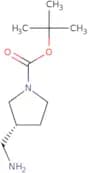


![1-[1-(2-Aminoethyl)-1H-indol-3-yl]ethanone oxalate](/_next/image/?url=https%3A%2Fstatic.cymitquimica.com%2Fproducts%2F3D%2Fthumb-webp%2FFA135415.webp&w=3840&q=75)
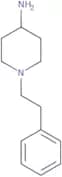


![N-[3-Fluoro-4-[(methylamino)carbonyl]phenyl]-2-methylalanine](/_next/image/?url=https%3A%2Fstatic.cymitquimica.com%2Fproducts%2F3D%2Fthumb-webp%2FFF99416.webp&w=3840&q=75)
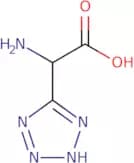
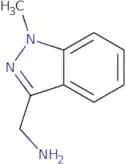
![(2S,3S)-5-[2-(Dimethylamino)ethyl]-3-hydroxy-2-(4-methoxyphenyl)-2,3-dihydro-1,5-benzothiazepin-4-…](/_next/image/?url=https%3A%2Fstatic.cymitquimica.com%2Fproducts%2F3D%2Fthumb-webp%2FFD45531.webp&w=3840&q=75)

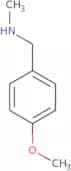
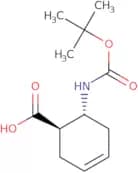
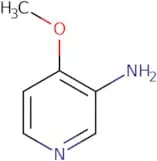
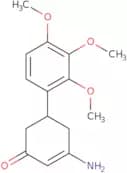
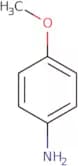
![(1R,2S)-2-[N-Benzyl-N-(mesitylenesulfonyl)amino]-1-phenyl-1-propanol](/_next/image/?url=https%3A%2Fstatic.cymitquimica.com%2Fproducts%2F3D%2Fthumb-webp%2FFB59938.webp&w=3840&q=75)
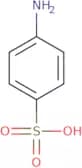
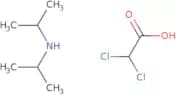
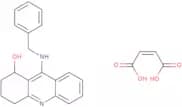
![N-[2-(4-Benzylpiperazin-1-yl)-2-oxoethyl]-N-methylamine](/_next/image/?url=https%3A%2Fstatic.cymitquimica.com%2Fproducts%2F3D%2Fthumb-webp%2FFB117802.webp&w=3840&q=75)
![[2-(1,2,6-Trimethyl-1H-indol-3-yl)ethyl]amine hydrochloride](/_next/image/?url=https%3A%2Fstatic.cymitquimica.com%2Fproducts%2F3D%2Fthumb-webp%2FFT118335.webp&w=3840&q=75)
![5-({[2-(4-Chlorophenyl)-1,3-oxazol-4-yl]methyl}thio)-1,3,4-thiadiazol-2-amine](/_next/image/?url=https%3A%2Fstatic.cymitquimica.com%2Fproducts%2F3D%2Fthumb-webp%2FFC122189.webp&w=3840&q=75)
![2,3-Dihydro-1-(3-hydroxypropyl)-5-[(2R)-2-[[2-[2-(2,2,2-trifluoroethoxy)phenoxy]ethyl]amino]propyl…](/_next/image/?url=https%3A%2Fstatic.cymitquimica.com%2Fproducts%2F3D%2Fthumb-webp%2FFD103483.webp&w=3840&q=75)
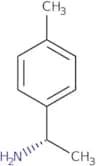
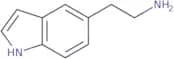
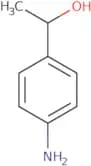
![3-[(4-Aminopiperidin-1-yl)methyl]phenol](/_next/image/?url=https%3A%2Fstatic.cymitquimica.com%2Fproducts%2F3D%2Fthumb-webp%2FFA116167.webp&w=3840&q=75)
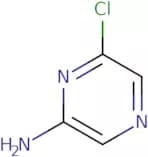
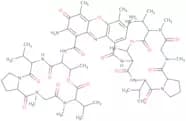
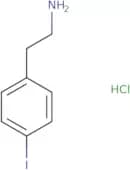
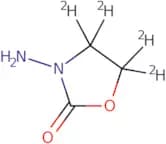
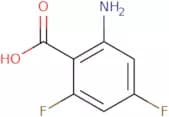


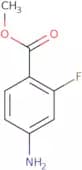
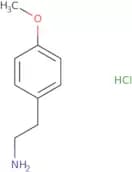


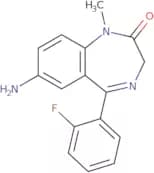
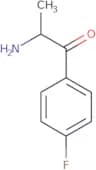
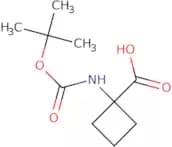
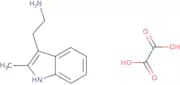
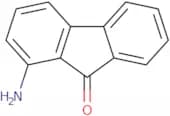

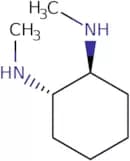
![[2-(1-Isobutyl-1H-benzimidazol-2-yl)ethyl]amine dihydrochloride](/_next/image/?url=https%3A%2Fstatic.cymitquimica.com%2Fproducts%2F3D%2Fthumb-webp%2FFI135795.webp&w=3840&q=75)
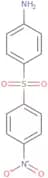
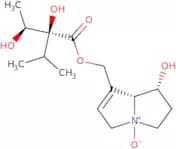

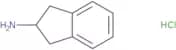
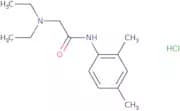
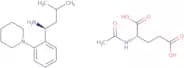
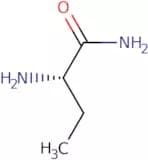
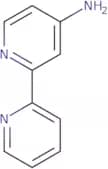
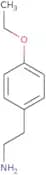


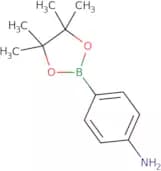
![1-[4-(4-Methylpiperidin-1-yl)phenyl]methanamine](/_next/image/?url=https%3A%2Fstatic.cymitquimica.com%2Fproducts%2F3D%2Fthumb-webp%2FFM117851.webp&w=3840&q=75)


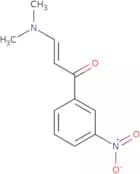
![1-(4-Amino-6,7-dimethoxy-2-quinazolinyl)-4-[(tetrahydro-2-furanyl)carbonxyl]piperazine hydrochlori…](/_next/image/?url=https%3A%2Fstatic.cymitquimica.com%2Fproducts%2F3D%2Fthumb-webp%2FFA28036.webp&w=3840&q=75)
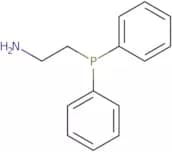
![7-[(3R)-3-[(N-Acetyl)amino]-1-oxo-4-(2,4,5-trifluorophenyl)butyl]-5,6,7,8-tetrahydro-3-(trifluorom…](/_next/image/?url=https%3A%2Fstatic.cymitquimica.com%2Fproducts%2F3D%2Fthumb-webp%2FFA104169.webp&w=3840&q=75)
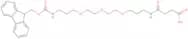

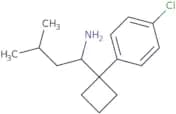

![2-[2-(Dimethylamino)ethyl]-1-indanone](/_next/image/?url=https%3A%2Fstatic.cymitquimica.com%2Fproducts%2F3D%2Fthumb-webp%2FFD22321.webp&w=3840&q=75)
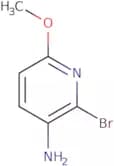

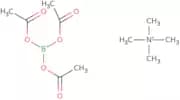

![5-[3-(Dimethylamino)propyl]-10,11-dihydro-5H-dibenzo[a,d]cyclohepten-5-ol](/_next/image/?url=https%3A%2Fstatic.cymitquimica.com%2Fproducts%2F3D%2Fthumb-webp%2FFD22331.webp&w=3840&q=75)
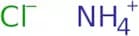

![(3-IMidazol-1-yl-propyl)-[4-(4,4,5,5-tetraMethyl-[1,3,2]dioxaborolan-2-yl)-benzyl]aMine](/_next/image/?url=https%3A%2Fstatic.cymitquimica.com%2Fproducts%2F3D%2Fthumb-webp%2FFI39774.webp&w=3840&q=75)
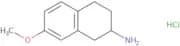
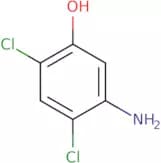
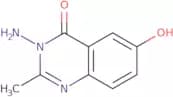
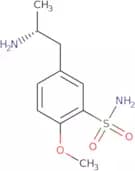
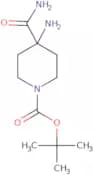
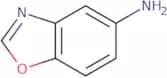
![[2-(5-Fluoro-1-methyl-1H-indol-3-yl)ethyl]amine hydrochloride](/_next/image/?url=https%3A%2Fstatic.cymitquimica.com%2Fproducts%2F3D%2Fthumb-webp%2FFF118334.webp&w=3840&q=75)


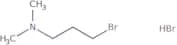


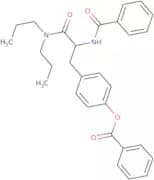

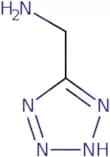

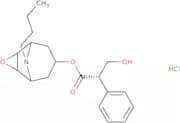
![1H-Pyrrolo[2,3-b]pyridin-5-ylamine](/_next/image/?url=https%3A%2Fstatic.cymitquimica.com%2Fproducts%2F3D%2Fthumb-webp%2FFP143125.webp&w=3840&q=75)
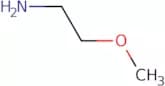
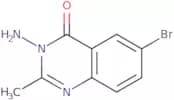

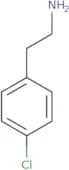
![[2-(4-methoxyphenyl)ethyl]methylamine](/_next/image/?url=https%3A%2Fstatic.cymitquimica.com%2Fproducts%2F3D%2Fthumb-webp%2FFM51362.webp&w=3840&q=75)
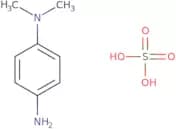
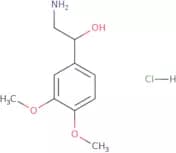
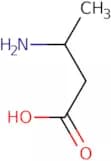
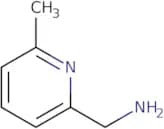
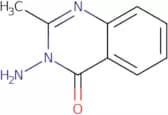

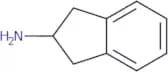
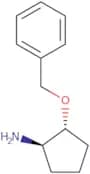
![N-Methyl-N-[(1-methyl-1H-benzimidazol-2-yl)methyl]amine hydrochloride](/_next/image/?url=https%3A%2Fstatic.cymitquimica.com%2Fproducts%2F3D%2Fthumb-webp%2FFM117084.webp&w=3840&q=75)
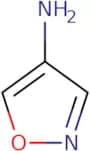
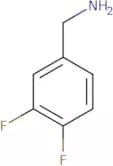
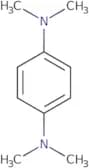
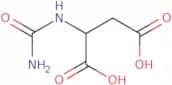
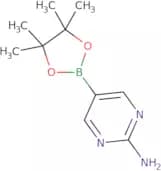
![[(4-Methyl-1H-imidazol-5-yl)methyl]amine hydrochloride](/_next/image/?url=https%3A%2Fstatic.cymitquimica.com%2Fproducts%2F3D%2Fthumb-webp%2FFM125220.webp&w=3840&q=75)
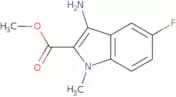
![[2-(1-Ethyl-1H-indol-3-yl)-1-methylethyl]amine hydrochloride](/_next/image/?url=https%3A%2Fstatic.cymitquimica.com%2Fproducts%2F3D%2Fthumb-webp%2FFE123632.webp&w=3840&q=75)
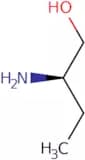


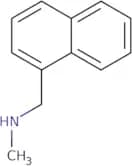
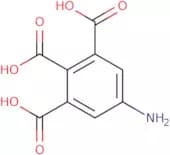
![2-(2-Aminoethyl)-3',6'-bis(diethylaMino)spiro[isoindoline-1,9'-xanthen]-3-one](/_next/image/?url=https%3A%2Fstatic.cymitquimica.com%2Fproducts%2F3D%2Fthumb-webp%2FFA39948.webp&w=3840&q=75)
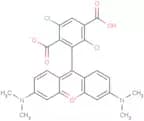

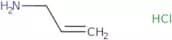
![N-[(1S)-1-(Aminocarbonyl)propyl]-4-chlorobutanamide](/_next/image/?url=https%3A%2Fstatic.cymitquimica.com%2Fproducts%2F3D%2Fthumb-webp%2FFA171302.webp&w=3840&q=75)
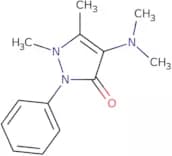
![tert-Butyl 2-amino-6,7-dihydrothiazolo[5,4-c]pyridine-5(4H)-carboxylate](/_next/image/?url=https%3A%2Fstatic.cymitquimica.com%2Fproducts%2F3D%2Fthumb-webp%2FFB143127.webp&w=3840&q=75)
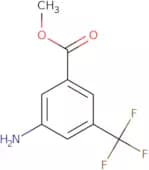
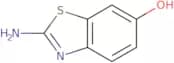

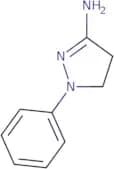
![H-Glu-Leu-Asp-[(2R,4S,5S)-5-amino-4-hydroxy-2,7-dimethyl-octanoyl]-Val-Glu-Phe-Gly-Gly-D-Arg-D-Arg…](/_next/image/?url=https%3A%2Fstatic.cymitquimica.com%2Fproducts%2F3D%2Fthumb-webp%2FFG111107.webp&w=3840&q=75)
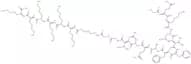
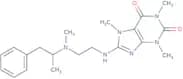
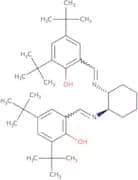
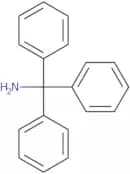
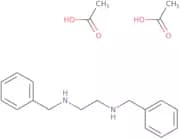




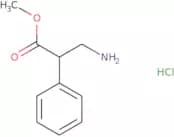
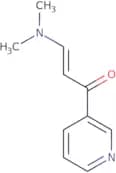
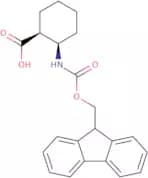
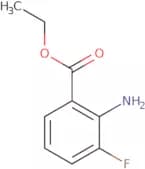
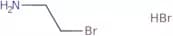
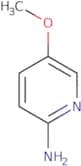
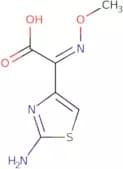
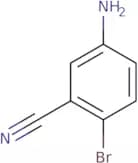
![N-[2-[(2-Bromo-4,6-dinitrophenyl)azo]-5-(diethylamino)phenyl]acetamide](/_next/image/?url=https%3A%2Fstatic.cymitquimica.com%2Fproducts%2F3D%2Fthumb-webp%2FFB151321.webp&w=3840&q=75)
![(alphaR)-α-[[[2-(4-Nitrophenyl)ethyl]amino]methyl]benzenemethanol hydrochloride](/_next/image/?url=https%3A%2Fstatic.cymitquimica.com%2Fproducts%2F3D%2Fthumb-webp%2FFN156825.webp&w=3840&q=75)
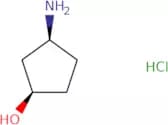
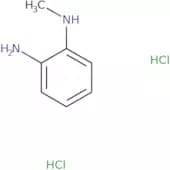
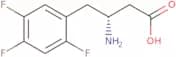
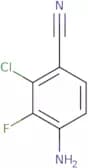

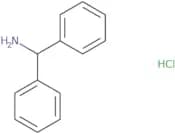
![3-[[[2-[(Aminoiminomethyl)amino]-4-thiazolyl]methyl]sulfinyl]-N-(aminosulfonyl)propanamide](/_next/image/?url=https%3A%2Fstatic.cymitquimica.com%2Fproducts%2F3D%2Fthumb-webp%2FFA21487.webp&w=3840&q=75)

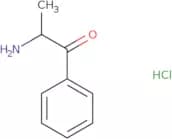

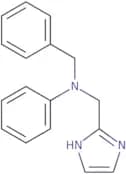


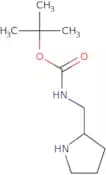
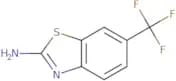
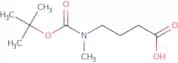
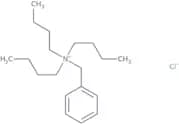
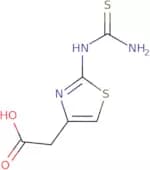

![1-[(3,3-Diphenylpropyl)methylamino]-2-methyl-2-propanol](/_next/image/?url=https%3A%2Fstatic.cymitquimica.com%2Fproducts%2F3D%2Fthumb-webp%2FFD22513.webp&w=3840&q=75)