Amines
Amines are a set of molecules containing an amino functional group (derived from ammonia). This category includes amines at any level of substitution : primary, secondary, tertiary, and ammonium salts. Amines are fundamental in organic synthesis and are widely used in pharmaceuticals, agrochemicals, and materials science. At CymitQuimica, we provide a comprehensive selection of amines to meet your research and industrial needs. Our range ensures access to various amines for diverse chemical processes and innovative research.
Subcategories of "Amines"
- Nitrosamines(2,606 products)
- Primary Amines(30,798 products)
- Quaternary Ammonium Cations and Salts(1,099 products)
- Secondary Amines(20,785 products)
- Tertiary Amines(17,108 products)
Found 8776 products of "Amines"
Sort by
Purity (%)
0
100
|
0
|
50
|
90
|
95
|
100
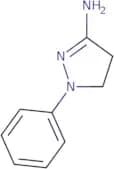
1-Phenyl-4,5-dihydro-1H-pyrazol-3-amine
CAS:<p>1-Phenyl-4,5-dihydro-1H-pyrazol-3-amine is an organic compound that is used as a reagent in the synthesis of other compounds. It is a dimeric compound that can be synthesized by electrolysis. It has been shown to have kinetic and potential properties, which are determined by its anilines and pyridines. 1-Phenyl-4,5-dihydro-1H-pyrazol-3-amine can also be synthesized from ethanolamine and copper (II) salts. This technique involves the electrochemical oxidation of copper, followed by reduction with acetonitrile. The resulting 1-(aminomethyl)-4,5 dihydro pyrazole 3 amine can then be used for further reactions.</p>Formula:C9H11N3Purity:Min. 95%Molecular weight:161.2 g/molH-Glu-Leu-Asp-[(2R,4S,5S)-5-amino-4-hydroxy-2,7-dimethyl-octanoyl]-Val-Glu-Phe-Gly-Gly-D-Arg-D-Arg-D-Arg-D-Arg-D-Arg-D-Arg-D-Arg-D-A rg-D-Arg-OH trifluoroacetate salt
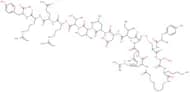
CAS:<p>Please enquire for more information about H-Glu-Leu-Asp-[(2R,4S,5S)-5-amino-4-hydroxy-2,7-dimethyl-octanoyl]-Val-Glu-Phe-Gly-Gly-D-Arg-D-Arg-D-Arg-D-Arg-D-Arg-D-Arg-D-Arg-D-A rg-D-Arg-OH trifluoroacetate salt including the price, delivery time and more detailed product information at the technical inquiry form on this page</p>Formula:C102H183N45O26Purity:Min. 95%Molecular weight:2,455.83 g/molBiotinyl-ε-aminocaproyl-D-Phe-Pro-Arg-chloromethylketone
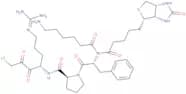
CAS:<p>Please enquire for more information about Biotinyl-epsilon-aminocaproyl-D-Phe-Pro-Arg-chloromethylketone including the price, delivery time and more detailed product information at the technical inquiry form on this page</p>Formula:C37H56ClN9O6SPurity:Min. 95%Molecular weight:790.42 g/mol1-Aminononadecane
CAS:<p>1-Aminononadecane is a monolayer, which is a type of thin film that consists of two layers of molecules. It consists of fatty acids, which are long-chain carboxylic acid molecules, and particle, which is the smallest part of a substance. 1-Aminononadecane has been shown to be biocompatible with cells when mixed with amines, such as amino acids and proteins. The film also has phase transition temperature between -20°C and +100°C, viscosity values that range from 10-6 to 10-1 Pa·s for polymer films (10 Pa·s for pure 1-aminononadecane), reaction vessel where it is made in an organic solvent or water at neutral pH, and chemical structures that include both aromatic hydrocarbons and unsaturated alkyl chains.</p>Formula:C19H41NPurity:Min. 95%Color and Shape:White PowderMolecular weight:283.54 g/molTetraethylammonium bromide
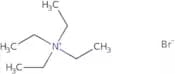
CAS:<p>Tetraethylammonium bromide is an ionic liquid that has a low viscosity and high water solubility. It is used as an antimicrobial agent in the process of producing polymers, such as polyurethane. Tetraethylammonium bromide has been shown to be effective against a broad range of bacteria, including Bacillus subtilis and Escherichia coli. It has also been shown to have a protective effect on neurons by preventing neuronal death in response to oxidative stress. This protection may be due to its ability to increase the concentration of cytosolic Ca2+ ions, which are involved in neuronal survival pathways.</p>Formula:C8H20BrNPurity:Min. 95%Color and Shape:White Off-White PowderMolecular weight:210.16 g/mol2-Hydroxy-5-[(4-{[(6-methoxypyridazin-3-yl)amino]sulfonyl}phenyl)diazenyl]benzoic acid
CAS:<p>Used in treatment of nonspecific ulcerative colitis</p>Formula:C18H15N5O6SPurity:Min. 95%Color and Shape:PowderMolecular weight:429.41 g/mol5-Amino-2-methoxybenzonitrile
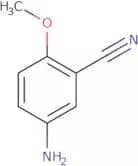
CAS:<p>Please enquire for more information about 5-Amino-2-methoxybenzonitrile including the price, delivery time and more detailed product information at the technical inquiry form on this page</p>Formula:C8H8N2OPurity:Min. 95%Molecular weight:148.16 g/molDes[3-acetyl-5-(2-dimethylamino)ethyl] diltiazem
CAS:<p>Diltiazem is an anti-anginal agent that belongs to the group of calcium channel blockers. It is used to treat chest pain (angina) due to coronary artery disease and other conditions. Diltiazem is a racemic mixture of two enantiomers, (+)-diltiazem and (-)-diltiazem. The synthesis of diltiazem from (+)-diltiazem has been reported by asymmetric synthesis with a chiral catalyst. In this process, irradiation of the reaction mixture at 254 nm converts the nitro group in the molecule into an anisaldehyde group, which can be cleaved by nucleophilic substitution with phenylmethyl sulfide. This high yield, efficient method produces diltiazem hydrochloride as a white solid that crystallizes in needles or crystals.</p>Formula:C16H15NO3SPurity:Min. 95%Color and Shape:Beige PowderMolecular weight:301.36 g/mol1-Fluoro-3-phenylpropan-2-amine
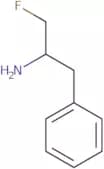
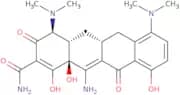
CAS:Controlled Product<p>Please enquire for more information about 1-Fluoro-3-phenylpropan-2-amine including the price, delivery time and more detailed product information at the technical inquiry form on this page</p>Formula:C9H12FNPurity:Min. 95%Color and Shape:Clear LiquidMolecular weight:153.2 g/mol12-Amino minocycline
CAS:<p>Please enquire for more information about 12-Amino minocycline including the price, delivery time and more detailed product information at the technical inquiry form on this page</p>Formula:C23H28N4O6Purity:90% MinMolecular weight:456.49 g/mol2-Amino-5-fluorobenzonitrile
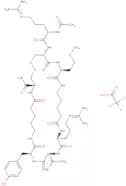
CAS:<p>2-Amino-5-fluorobenzonitrile is a molecule that belongs to the class of amines. The vibrational spectroscopies and diffraction experiments show that this molecule has a strong dipole moment, which is due to the carbamic acid group. 2-Amino-5-fluorobenzonitrile has been shown to be chiral, which means it can exist in two different forms, one with a left and one with a right orientation of the atoms. This molecule can be used as an analyte for thermodynamic measurements and can be used as a reagent in organic synthesis reactions. It also has functional groups that are useful for vibrational spectroscopies.</p>Formula:C7H5FN2Purity:Min. 95%Color and Shape:PowderMolecular weight:136.13 g/molAc-Arg-Cys-Met-5-aminopentanoyl-Arg-Val-Tyr-5-aminopentanoyl-Cys-NH2 trifluoroacetate salt (Disulfide bond)
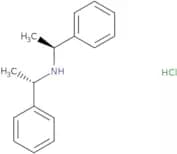
CAS:<p>Please enquire for more information about Ac-Arg-Cys-Met-5-aminopentanoyl-Arg-Val-Tyr-5-aminopentanoyl-Cys-NH2 trifluoroacetate salt (Disulfide bond) including the price, delivery time and more detailed product information at the technical inquiry form on this page</p>Formula:C49H82N16O11S3Purity:Min. 95%Molecular weight:1,167.47 g/mol(S,S)-(-)-Bis(a-methylbenzyl)amine Hcl
CAS:<p>Please enquire for more information about (S,S)-(-)-Bis(a-methylbenzyl)amine Hcl including the price, delivery time and more detailed product information at the technical inquiry form on this page</p>Formula:C16H19N·HClPurity:Min. 95%Molecular weight:261.79 g/molDABCYL-(Asn670,Leu671)-Amyloid b/A4 Protein Precursor770 (667-675)-EDANS ammonium salt
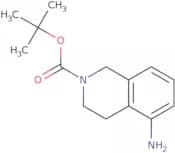
CAS:<p>Please enquire for more information about DABCYL-(Asn670,Leu671)-Amyloid b/A4 Protein Precursor770 (667-675)-EDANS ammonium salt including the price, delivery time and more detailed product information at the technical inquiry form on this page</p>Formula:C71H91N15O21SPurity:Min. 95%Molecular weight:1,522.64 g/mol5-Amino-2-tert-butoxycarbonyl-1,2,3,4-tetrahydroisoquinoline
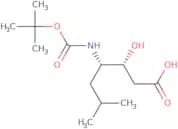
CAS:<p>Please enquire for more information about 5-Amino-2-tert-butoxycarbonyl-1,2,3,4-tetrahydroisoquinoline including the price, delivery time and more detailed product information at the technical inquiry form on this page</p>Formula:C14H20N2O2Purity:Min. 95%Molecular weight:248.32 g/molBoc-epi-statine (3R,4S)-4-(Boc-amino)-3-hydroxy-6-methyl-heptanoic acid
CAS:<p>Please enquire for more information about Boc-epi-statine (3R,4S)-4-(Boc-amino)-3-hydroxy-6-methyl-heptanoic acid including the price, delivery time and more detailed product information at the technical inquiry form on this page</p>Formula:C13H25NO5Purity:Min. 95%Molecular weight:275.34 g/molPent-4-enylamine
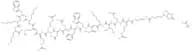
CAS:<p>Pent-4-enylamine is a nitrogen nucleophile that can react with alkenes to form compounds. Pent-4-enylamine reacts quickly with alcohols and ethers in the presence of an acid catalyst to produce an alkene. Pent-4-enylamine has been used in food chemistry as a reactive intermediate for the formation of functional groups, such as amines, hydroxyl groups, and nitriles. It is also a model system for studying aminoalkenes and their reactions with other functional groups. Pent-4-enylamine has been shown to be a reactive heterocycle that forms 5 membered heteroaryl rings using structural analysis and model system studies.</p>Formula:C5H11NPurity:Min. 95%Molecular weight:85.15 g/molBiotinyl-5-aminopentanoyl-Antennapedia Homeobox (43-58) amide trifluoroacetate salt
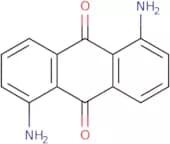
CAS:<p>Please enquire for more information about Biotinyl-5-aminopentanoyl-Antennapedia Homeobox (43-58) amide trifluoroacetate salt including the price, delivery time and more detailed product information at the technical inquiry form on this page</p>Formula:C119H192N38O22S2Purity:Min. 95%Molecular weight:2,571.17 g/mol1,5-Diaminoanthraquinone
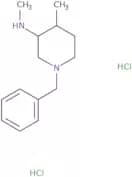
CAS:<p>1,5-Diaminoanthraquinone (1,5-DA) is an intermolecular hydrogen bonding compound that has been used as an optical sensor. The 1,5-DA molecule has the ability to form hydrogen bonds with chloride and sodium carbonate. This interaction can be exploited for surface-enhanced Raman spectroscopy of cell nuclei. The 1,5-DA molecule also interacts with supramolecular assemblies to produce surface-enhanced Raman scattering. In addition, 1,5-DA has a metal chelate property that allows it to bind to ferrocene carboxylic acid molecules. It can also form hydrogen bonds with vinyl alcohol molecules in multiwall carbon nanotubes. The molecular structure of 1,5-DA consists of rings containing five carbons each. These rings are linked together by amine groups and are attached to a central nitrogen atom on one end and a hydroxyl group on the other end.</p>Formula:C14H10N2O2Purity:Min. 95%Color and Shape:Red PowderMolecular weight:238.24 g/molN,4-Dimethyl-1-(phenylmethyl)-3-piperidinamine hydrochloride (1:2)
CAS:<p>Intermediate in the synthesis of tofacitinib</p>Formula:C14H24N2Cl2Purity:Min. 95%Molecular weight:291.26 g/mol(Cys2)-Neuropeptide Y (1-4)-8-aminooctanoyl-(D-Cys27)-Neuropeptide Y (25-32) trifluoroacetate salt
CAS:<p>Please enquire for more information about (Cys2)-Neuropeptide Y (1-4)-8-aminooctanoyl-(D-Cys27)-Neuropeptide Y (25-32) trifluoroacetate salt including the price, delivery time and more detailed product information at the technical inquiry form on this page</p>Formula:C96H158N32O23S2Purity:Min. 95%Molecular weight:2,192.62 g/mol3-Boc-amino-2,6-dioxopiperidine
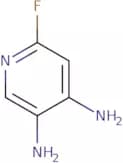
CAS:<p>Please enquire for more information about 3-Boc-amino-2,6-dioxopiperidine including the price, delivery time and more detailed product information at the technical inquiry form on this page</p>Formula:C10H16N2O4Purity:Min. 95%Molecular weight:228.25 g/mol6-Fluoro-3,4-Pyridinediamine
CAS:<p>Please enquire for more information about 6-Fluoro-3,4-Pyridinediamine including the price, delivery time and more detailed product information at the technical inquiry form on this page</p>Formula:C5H6FN3Purity:Min. 95%Molecular weight:127.12 g/mol(Deamino-Cys1,D-Orn 8)-Vasopressin
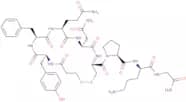
CAS:<p>Please enquire for more information about (Deamino-Cys1,D-Orn 8)-Vasopressin including the price, delivery time and more detailed product information at the technical inquiry form on this page</p>Formula:C45H62N12O12S2Purity:Min. 95%Molecular weight:1,027.18 g/mol4-(Diethylamino)butyl amine
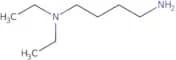
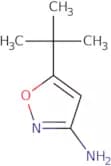
CAS:<p>4-(Diethylamino)butyl amine is a chemical that is used as a radiolabeled probe for the uptake of amines into tumors. It is used to measure tumor uptake and pharmacokinetic properties. This chemical has been found to be stable in both water and organic solvents, which makes it an excellent candidate for use in radiopharmaceuticals. 4-(Diethylamino)butyl amine also has a high affinity for cells, which may make it an ideal choice for therapeutic purposes.</p>Formula:C8H20N2Purity:Min. 95%Molecular weight:144.26 g/mol3-Amino-5-tert-butylisoxazole
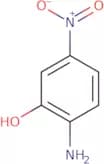
CAS:<p>3-Amino-5-tert-butylisoxazole is a postulated CB2 receptor agonist. It has been shown to inhibit the hydrolysis of L-3,4-dihydroxyphenylalanine (L-DOPA) in rat brain synaptosomes and to reduce pain in rats with diabetic neuropathy. 3-Amino-5-tert-butylisoxazole is a compound class that inhibits the binding of inhibitor compounds to the enzyme tyrosine hydroxylase. 3-(3'-Amino-5'-tert butylisoxazol)-1,2,4(1H,3H)-triazine reacts with amines and acyl halides to form inhibitors that are less reactive than the parent compound. The reaction products have been characterized using kinetic studies and NMR spectroscopy.</p>Formula:C7H12N2OPurity:Min. 95%Molecular weight:140.18 g/mol5-Nitro-2-aminophenol
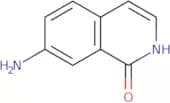
CAS:<p>5-Nitro-2-aminophenol is an aminophenol that has been shown to be a carcinogen in animal studies. It can cause allergic reactions and has been shown to have oxidative DNA damage, which can lead to cancer. 5-Nitro-2-aminophenol is used as a chemical intermediate in the preparation of other chemicals and pharmaceuticals. This chemical has been studied extensively for its analytical properties and is used as a reagent in chromatography. The coordination geometry of 5-nitro-2-aminophenol is octahedral, with nitro groups occupying one axial site each. The toxicity of this compound in animals has been studied extensively, including carcinogenic potential and mutagenicity studies, and it has been shown to inhibit the growth of cultured cells at high concentrations.</p>Formula:C6H6N2O3Purity:Min. 95%Molecular weight:154.12 g/mol7-Amino-1(2h)-isoquinolinone
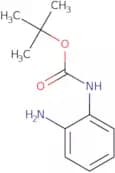
CAS:<p>Please enquire for more information about 7-Amino-1(2h)-isoquinolinone including the price, delivery time and more detailed product information at the technical inquiry form on this page</p>Formula:C9H8N2OPurity:Min. 95%Molecular weight:160.17 g/molN-Boc-1,2-phenyldiamine
CAS:<p>N-Boc-1,2-phenyldiamine is a histone acetyltransferase (HAT) inhibitor. It is an acetylated molecule that contains two phenyl rings, one of which is substituted with an amine group. This compound was designed to inhibit the activity of HATs, which are enzymes involved in the chemical modification of histones and other proteins. N-Boc-1,2-phenyldiamine inhibits the activities of these enzymes and prevents the acetylation of lysines on histones or other proteins. It has been shown to be efficient in inducing apoptosis in human cancer cells and may also have some antitumor effects.</p>Formula:C11H16N2O2Purity:Min. 95%Color and Shape:PowderMolecular weight:208.26 g/molGastrin I (1-14) (human) ammonium salt
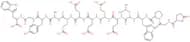
CAS:<p>Please enquire for more information about Gastrin I (1-14) (human) ammonium salt including the price, delivery time and more detailed product information at the technical inquiry form on this page</p>Formula:C79H100N16O27Purity:Min. 95%Molecular weight:1,705.73 g/molN-Methyl-N-((3R,4R)-4-methylpiperidin-3-yl)-7H-pyrrolo[2,3-d]pyrimidin-4-amine
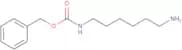
CAS:<p>Intermediate in the synthesis of tofacitinib</p>Formula:C13H19N5Purity:Min. 95%Molecular weight:245.32 g/molN-1-Z-1,6-diaminohexane·HCl
CAS:<p>Please enquire for more information about N-1-Z-1,6-diaminohexane·HCl including the price, delivery time and more detailed product information at the technical inquiry form on this page</p>Formula:C14H22N2O2·HClPurity:Min. 95%Molecular weight:286.8 g/mol1b-(4-Fluorophenyl)hexahydro-',7-dihydroxy-7-(1-methylethyl)-1a-phenyl-7a-[(phenylamino)carbonyl]-3H-oxireno[3,4]pyrrolo[2,1-b][1,3] oxazine-3-butanoic Acid
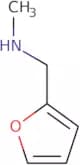
CAS:<p>Please enquire for more information about 1b-(4-Fluorophenyl)hexahydro-',7-dihydroxy-7-(1-methylethyl)-1a-phenyl-7a-[(phenylamino)carbonyl]-3H-oxireno[3,4]pyrrolo[2,1-b][1,3] oxazine-3-butanoic Acid including the price, delivery time and more detailed product information at the technical inquiry form on this page</p>Formula:C33H35FN2O7Purity:Min. 95%Molecular weight:590.64 g/mol(2-Furylmethyl)methylamine
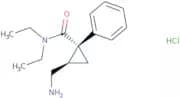
CAS:<p>(2-Furylmethyl)methylamine is a protein inhibitor that has been shown to inhibit γ-secretase, an enzyme responsible for the cleavage of amyloid precursor protein (APP) and the production of beta-amyloid. It has also been shown to be effective in treating cancer and Alzheimer's disease when administered as an intravenous injection or oral medication. The effects on animals were observed in a study involving mice with bladder cancer. (2-Furylmethyl)methylamine was found to inhibit the growth of bladder cancer cells and induce apoptosis. This compound also inhibits glycogen synthase kinase 3 (GSK3), which is involved in cell proliferation. Trichophyton mentagrophytes, a fungus that causes athlete's foot, has also been found to be sensitive to this drug. Heterocycles are not affected by this compound because they lack nitrogen atoms at their positions corresponding to those in the amide group</p>Formula:C6H9NOPurity:Min. 95%Color and Shape:Colorless Clear LiquidMolecular weight:111.14 g/mol(E)-2-(Aminomethyl)-N,N-diethyl-1-phenylcyclopropanecarboxamideHydrochloride
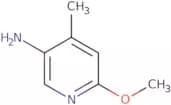
CAS:Controlled Product<p>Levomilnacipran is a serotonin-norepinephrine reuptake inhibitor (SNRI) that is used for the treatment of major depressive disorder and fibromyalgia. It has been shown to have antidepressant effects in patients with major depressive disorder and fibromyalgia. Levomilnacipran inhibits the reuptake of serotonin and norepinephrine by blocking the transporter proteins in these neurotransmitter pathways, increasing their availability to interact with receptors in the brain. Levomilnacipran also has been found to inhibit aminotransferase activity, which may be responsible for its hepatotoxicity.</p>Formula:C15H23ClN2OPurity:Min. 95%Molecular weight:282.81 g/mol5-Amino-2-methoxy-4-methylpyridine
CAS:<p>5-Amino-2-methoxy-4-methylpyridine is a small molecule that inhibits bromodomains. Bromodomains are protein domains that bind to acetylated lysine residues on histones. 5-Amino-2-methoxy-4-methylpyridine binds to the bromodomain, preventing the acetylated lysine residues from binding with other proteins and inhibiting transcription. This drug has been shown to be effective in treating prostate cancer by interacting with the androgen receptor. 5-Amino-2-methoxy-4-methylpyridine also interacts with ATPase, which may lead to increased levels of ATP production, and has been shown to have antitumor effects in vitro.</p>Formula:C7H10N2OPurity:Min. 95%Molecular weight:138.17 g/molMca-(Asn670,Leu671)-Amyloid β/A4 Protein Precursor770 (667-675)-Lys(Dnp) ammonium acetate salt
CAS:<p>Please enquire for more information about Mca-(Asn670,Leu671)-Amyloid beta/A4 Protein Precursor770 (667-675)-Lys(Dnp) ammonium acetate salt including the price, delivery time and more detailed product information at the technical inquiry form on this page</p>Formula:C68H88N14O27Purity:Min. 95%Molecular weight:1,533.5 g/mol(Nle 35)-Amyloid b-Protein (1-40) ammonium salt
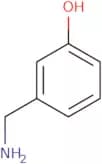
CAS:<p>Please enquire for more information about (Nle 35)-Amyloid b-Protein (1-40) ammonium salt including the price, delivery time and more detailed product information at the technical inquiry form on this page</p>Formula:C195H297N53O58Purity:Min. 95%Molecular weight:4,311.77 g/mol3-(Aminomethyl)phenol
CAS:<p>3-(Aminomethyl)phenol is a potent inhibitor of growth factor receptor kinase (GRK) and protein kinase C. It has been shown to have inhibitory effects on cellular proliferation in mammalian cells and is being investigated as an adjuvant therapy for cancer treatment. 3-(Aminomethyl)phenol has also been shown to inhibit the enzyme cyclooxygenase-2, which is involved in the synthesis of prostaglandins.<br>DISCUSSION: The carbonyl group of 3-(aminomethyl)phenol makes it a potent inhibitor of GRKs and protein kinases C. Kinases are enzymes that catalyze the addition of phosphate groups onto proteins, which affects their activity. As such, 3-(aminomethyl)phenol inhibits the activity of GRKs and protein kinases C by binding to the ATP-binding site, preventing ATP from binding and phosphorylating the enzyme's target proteins</p>Formula:C7H9NOPurity:Min. 95%Molecular weight:123.15 g/molH-Arg-ε-aminocaproyl-Arg-ε-aminocaproyl-Arg-ε-aminocaproyl-Arg-ε-aminocaproyl-Arg-ε-aminocaproyl-Arg-e psilon-aminocaproyl-Arg-OH trifluoroacetate salt
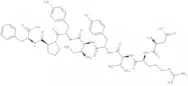
CAS:<p>Please enquire for more information about H-Arg-epsilon-aminocaproyl-Arg-epsilon-aminocaproyl-Arg-epsilon-aminocaproyl-Arg-epsilon-aminocaproyl-Arg-epsilon-aminocaproyl-Arg-e psilon-aminocaproyl-Arg-OH trifluoroacetate salt including the price, delivery time and more detailed product information at the technical inquiry form on this page</p>Formula:C78H152N34O14Purity:Min. 95%Molecular weight:1,790.26 g/mol(p-Amino-Phe6)-Angiotensin II
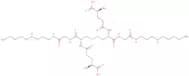
CAS:<p>Please enquire for more information about (p-Amino-Phe6)-Angiotensin II including the price, delivery time and more detailed product information at the technical inquiry form on this page</p>Formula:C53H74N12O12Purity:Min. 95%Molecular weight:1,071.23 g/molN1-Glutathionyl-spermidine disulfide [
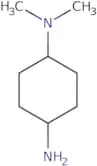
CAS:<p>N1-Glutathionyl-spermidine disulfide (N1-GS) is a molecule that has been shown to have clinical use in the treatment of chronic hepatitis C infection. The N1-GS molecule is composed of a glutathione (GSH) scaffold with two sulfhydryl groups and an amino acid side chain. N1-GS has a hydrophobic nature, which allows it to penetrate the cellular membrane and enter cells. It is also able to form hydrogen bonds and act as a catalyst for reactions. Fluorescence analysis revealed that this molecule is selective for disulfides over thiols, amines, or alcohols. Disulfides are very important in biological systems since they can be found in enzymes, proteins, and cellular membranes. The insolubility of the N1-GS molecule makes it difficult to analyze its structure using traditional methods such as gas chromatography or nuclear magnetic resonance spectroscopy. However, fluorescence</p>Formula:C34H66N12O10S2Purity:Min. 95%Molecular weight:867.09 g/molN,N-Dimethyl-cyclohexane-1,4-diamine
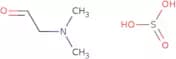
CAS:<p>Please enquire for more information about N,N-Dimethyl-cyclohexane-1,4-diamine including the price, delivery time and more detailed product information at the technical inquiry form on this page</p>Formula:C8H18N2Purity:Min. 95%Molecular weight:142.24 g/mol2-(Dimethylamino)acetaldehyde sulfite
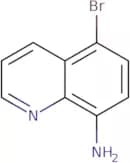
CAS:<p>2-(Dimethylamino)acetaldehyde sulfite is a white crystalline solid with a melting point of around 100°C. It is soluble in water and slightly soluble in organic solvents. 2-(Dimethylamino)acetaldehyde sulfite can be used as a reagent to prepare alkali solutions and acid hydrochlorides. It can also be used as an intermediate for the synthesis of methacrylic acid, methyl acetate, and other organic compounds. 2-(Dimethylamino)acetaldehyde sulfite can be synthesized using a high-yield synthetic method involving lithium, acidification, and an organic solvent.</p>Purity:Min. 95%5-Bromoquinolin-8-amine
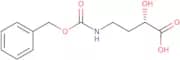
CAS:<p>5-Bromoquinolin-8-amine is a topoisomerase inhibitor that can be used as an antitumor agent. It has been shown to inhibit the growth of tumor cell lines and suppress the growth of colon carcinoma cells in rats and human colon carcinomas in mice. 5-Bromoquinolin-8-amine interacts with DNA, specifically inhibiting the formation of supercoiled DNA. This interaction may lead to the inhibition of tumor cell growth. 5-Bromoquinolin-8-amine also inhibits protein synthesis by interacting with proteins at the ribosomal level, leading to inhibited cell growth.</p>Formula:C9H7BrN2Purity:Min. 95%Molecular weight:223.07 g/mol(S)-N-Carbobenzyloxy-4-amino-2-hydroxybutyric acid
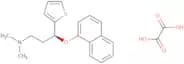
CAS:<p>(S)-N-Carbobenzyloxy-4-amino-2-hydroxybutyric acid is a benzene ring with a carboxylic acid group. It has the ability to modify polylactic acid, polycarbonate, and other polymers. The chain can be modified to include amino groups or antibacterial groups. (S)-N-Carbobenzyloxy-4-amino-2-hydroxybutyric acid also has antibacterial properties and is compatible with polylactic acid, which makes it ideal for use in polymer modifications.</p>Formula:C12H15NO5Purity:Min. 95%Molecular weight:253.25 g/molS-(+)-N,N-Dimethyl-3-(1-naphthalenyloxy)-3-(2-thienyl)-1-propanamine oxalate
CAS:<p>Please enquire for more information about S-(+)-N,N-Dimethyl-3-(1-naphthalenyloxy)-3-(2-thienyl)-1-propanamine oxalate including the price, delivery time and more detailed product information at the technical inquiry form on this page</p>Purity:Min. 95%4-Aminopicolinic acid
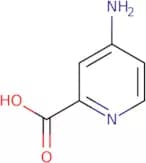
CAS:<p>4-Aminopicolinic acid is a synthetic amine that has been shown to activate plant science. 4-Aminopicolinic acid is a cyclic peptide with two subunits, one of which is 4-amino-3-pyridinecarboxylic acid. This compound has been synthesized from picolinic acid, an agriculturally important compound that is found in plant and animal tissues. The synthesis of 4-aminopicolinic acid involves the reaction of picolinic acid with nitrous oxide, followed by hydrolysis and oxidation to form the desired product. Hplc analyses have confirmed the presence of picolinic acid in extracts from various plants containing this compound.</p>Formula:C6H6N2O2Purity:Min. 95%Color and Shape:White To Beige Or Pink To Light Brown SolidMolecular weight:138.12 g/molMethyl 3-amino-4-bromo-2-nitrobenzoate
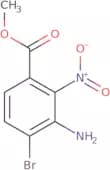
CAS:<p>Please enquire for more information about Methyl 3-amino-4-bromo-2-nitrobenzoate including the price, delivery time and more detailed product information at the technical inquiry form on this page</p>Formula:C8H7BrN2O4Purity:Min. 95%Molecular weight:275.06 g/molAmmonium molybdate tetrahydrate - ACS
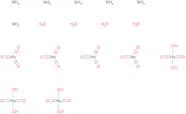
CAS:<p>Ammonium molybdate tetrahydrate (AMT) is a molybdenum compound with the chemical formula (NH4)6Mo7O24·4H2O. It is a yellow crystalline solid that is soluble in water and n-hexane. AMT has been clinically used for the treatment of Wilson's disease, an inherited disorder that causes copper to accumulate in the body. AMT binds to copper ions and prevents them from being absorbed into the bloodstream. The rate of ATP production increases when AMT is added to cells, which may be due to its effect on electron transport or because it inhibits ATPase activity.</p>Formula:(NH4)6Mo7O24•(H2O)4Purity:Min. 95%Color and Shape:White Clear LiquidMolecular weight:1,236 g/mol

![H-Glu-Leu-Asp-[(2R,4S,5S)-5-amino-4-hydroxy-2,7-dimethyl-octanoyl]-Val-Glu-Phe-Gly-Gly-D-Arg-D-Arg…](/_next/image/?url=https%3A%2Fstatic.cymitquimica.com%2Fproducts%2F3D%2Fthumb-webp%2FFG111107.webp&w=3840&q=75)

![2-Hydroxy-5-[(4-{[(6-methoxypyridazin-3-yl)amino]sulfonyl}phenyl)diazenyl]benzoic acid](/_next/image/?url=https%3A%2Fstatic.cymitquimica.com%2Fproducts%2F3D%2Fthumb-webp%2FFH134950.webp&w=3840&q=75)
![Des[3-acetyl-5-(2-dimethylamino)ethyl] diltiazem](/_next/image/?url=https%3A%2Fstatic.cymitquimica.com%2Fproducts%2F3D%2Fthumb-webp%2FFD21106.webp&w=3840&q=75)




![N-Methyl-N-((3R,4R)-4-methylpiperidin-3-yl)-7H-pyrrolo[2,3-d]pyrimidin-4-amine](/_next/image/?url=https%3A%2Fstatic.cymitquimica.com%2Fproducts%2F3D%2Fthumb-webp%2FFM154245.webp&w=3840&q=75)
![1b-(4-Fluorophenyl)hexahydro-',7-dihydroxy-7-(1-methylethyl)-1a-phenyl-7a-[(phenylamino)carbonyl]-…](/_next/image/?url=https%3A%2Fstatic.cymitquimica.com%2Fproducts%2F3D%2Fthumb-webp%2FFF171220.webp&w=3840&q=75)