Cyano-, Nitrile-
Cyano and nitrile compounds are organic molecules that contain cyano (C≡N) or nitrile groups in their structure, characterized by the presence of nitrogen. These groups play important roles in various chemical reactions and industrial applications. In this category, you will find a wide range of cyano and nitrile compounds, ranging from simple to complex structures. At CymitQuimica, we offer high-quality cyano and nitrile compounds tailored to meet research and industrial needs. Our compounds are suitable for a variety of synthesis and analytical applications.
Found 9618 products of "Cyano-, Nitrile-"
Sort by
Purity (%)
0
100
|
0
|
50
|
90
|
95
|
100
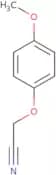
2-(4-Methoxyphenoxy)acetonitrile
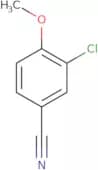
CAS:<p>2-(4-Methoxyphenoxy)acetonitrile is a chemical compound that is used to synthesize acetobromoglucose. It undergoes transformation and condensation reactions with acetobromoglucose to form 4-methoxyaceto bromoglucose.</p>Formula:C9H9NO2Purity:Min. 95%Molecular weight:163.17 g/mol3-Chloro-4-methoxybenzonitrile
CAS:<p>3-Chloro-4-methoxybenzonitrile is a chemical compound that can be used as a reactant, reagent, or building block in the synthesis of other chemicals. It is an important intermediate for the production of pharmaceuticals, pesticides and dyes. 3-Chloro-4-methoxybenzonitrile is also being investigated for use in the manufacture of photoresists for semiconductor device fabrication. This chemical is listed on the Chemical Abstracts Service registry with CAS number 102151-33-7.</p>Formula:C8H6ClNOPurity:Min. 95%Color and Shape:SolidMolecular weight:167.59 g/mol(1,3-Dioxo-1,3-dihydro-2H-isoindol-2-yl)acetonitrile
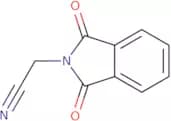
CAS:<p>Acetonitrile is a colorless liquid that is miscible with water and most organic solvents. It is mainly used as a solvent for chemical reactions, including the synthesis of pharmaceuticals. Acetonitrile has been shown to be mutagenic in vitro and in vivo. Acetonitrile was found to induce micronuclei formation, which may be due to its ability to form reactive oxygen species or cause DNA damage by forming adducts with DNA bases. Acetonitrile also induced chromosomal aberrations and micronucleated polychromatic erythrocytes in mice, as well as increased reticulocytes (immature red blood cells) in humans. The dihedral angle between the nitrate group and the benzyl group has been found to be 163°, while the average frequency of acetonitrile is 164 Hz.</p>Formula:C10H6N2O2Purity:Min. 95%Color and Shape:PowderMolecular weight:186.17 g/mol5-Cyanophthalide
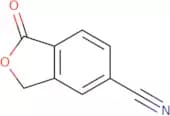
CAS:<p>5-Cyanophthalide is an inorganic acid that is a white solid. It has a molecular weight of 114.07 g/mol and a melting point of -43 degrees Celsius. 5-Cyanophthalide can be synthesized by reacting 5-carboxyphthalide with chlorine gas in the presence of an inert solvent and heat. The product is then purified by crystallization or recrystallization. The biological properties of 5-cyanophthalide are unknown, but it has been shown to have amide and chloride groups on either side of the molecule's carbon backbone. Mass spectrometry reveals that this compound exists as an enantiomer, meaning that it exists as two mirror images that are not superimposable on each other. This means there are two different forms: one left-handed and one right-handed form.</p>Formula:C9H5NO2Purity:Min. 95%Color and Shape:PowderMolecular weight:159.14 g/mol3-Cyano-2-hydroxypyridine
CAS:<p>3-Cyano-2-hydroxypyridine is an inhibitor of the noradrenaline transporter, which is a type of l-type calcium channel. 3-Cyano-2-hydroxypyridine has been shown to be a potent inhibitor of the noradrenaline transporter. It inhibits the binding of neurotransmitters to their receptors by blocking active methylene sites on the transporter molecule. This drug also has a cavity that can accommodate bulky inhibitor molecules, making it more difficult for these inhibitors to bind to the active site and compete with neurotransmitters for uptake. 3Cyano-2-hydroxypyridine also inhibits nitric oxide synthase, which may provide anti-tumor activity as well as inhibit tumor cell growth. The inhibitory effect of this drug is due to structural studies that have revealed hydrogen bonding interactions with the drug's nitrogen and oxygen atoms.</p>Formula:C6H4N2OPurity:Min. 95%Color and Shape:Yellow To Brown SolidMolecular weight:120.11 g/mol2-Amino-2-cyanoacetamide
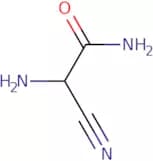
CAS:<p>2-Amino-2-cyanoacetamide is a chemical compound that has been shown to be reactive in the human liver and animal models. It is a purine derivative with a diatomic molecule, which has been shown to inhibit cancer cells in animals. 2-Amino-2-cyanoacetamide has been shown to inhibit the replication of pestivirus, an RNA virus that causes encephalitis and other diseases in humans. The nitrogen atoms on this molecule are responsible for its transport properties, including uptake by the gut and its ability to cross the blood brain barrier. 2-Amino-2-cyanoacetamide also inhibits the activity of amide hydrolase, which is an enzyme responsible for hydrolyzing peptides into amino acids. This process leads to a decrease in protein synthesis, which can lead to cell death.</p>Formula:C3H5N3OPurity:Min. 95%Color and Shape:Beige To Tan SolidMolecular weight:99.09 g/mol2-Amino-1,1,3-tricyano-1-propene
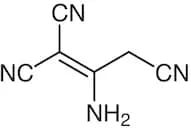
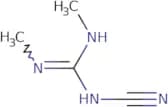
CAS:Formula:C6H4N4Purity:>98.0%(T)Color and Shape:White to Gray to Brown powder to crystalMolecular weight:132.13N-Cyano-N',N''-dimethylguanidine
CAS:<p>N-Cyano-N',N''-dimethylguanidine is a clinical drug that has been shown to have a detectable concentration in the serum of humans. The drug is metabolized by nitrite ion, maleate, and potassium phosphate to form reaction products. N-Cyano-N',N''-dimethylguanidine binds to h2 receptors and inhibits the activity of cytochrome p450 enzymes. This inhibition can lead to carcinogenic activity. N-Cyano-N',N''-dimethylguanidine is an analog of methylene blue, which inhibits the synthesis of rna in bacteria and is used as a therapeutic agent for malaria.</p>Formula:C4H8N4Purity:Min. 95%Color and Shape:White PowderMolecular weight:112.14 g/mol2-[1,2,4]Triazol-1-yl-benzylamine
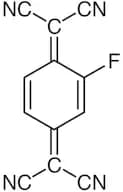
CAS:<p>2-[1,2,4]Triazol-1-yl-benzylamine is a chemical compound that has been shown to be an excellent reagent in organic synthesis. It is also used as a building block for the synthesis of compounds related to pharmaceuticals, pesticides and other speciality chemicals. 2-[1,2,4]Triazol-1-yl-benzylamine is a versatile intermediate that can be used in the synthesis of complex compounds with good yields and high purity.</p>Formula:C9H10N4Purity:Min. 95%Color and Shape:PowderMolecular weight:174.2 g/mol2-Fluoro-7,7,8,8-tetracyanoquinodimethane
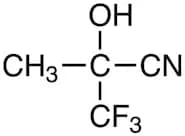
CAS:Formula:C12H3FN4Purity:>98.0%(N)Color and Shape:Light yellow to Brown powder to crystalMolecular weight:222.182-Hydroxy-2-(trifluoromethyl)propionitrile
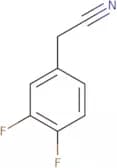
CAS:Formula:C4H4F3NOPurity:>96.0%(GC)Color and Shape:White to Almost white clear liquidMolecular weight:139.083,4-Difluorophenylacetonitrile
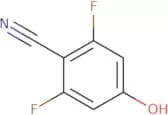
CAS:<p>3,4-Difluorophenylacetonitrile is a fine chemical that is used as a reagent for the synthesis of complex compounds. It can be used as a useful intermediate for the production of fine chemicals and speciality chemicals. 3,4-Difluorophenylacetonitrile has been shown to be useful in the synthesis of versatile building blocks, which are reaction components that can be used in many different reactions. This compound has also been shown to be an excellent scaffold for the development of new drugs that target cancer cells.</p>Formula:C8H5F2NPurity:Min. 95%Color and Shape:Clear LiquidMolecular weight:153.13 g/mol4-Cyano-3,5-difluorophenol
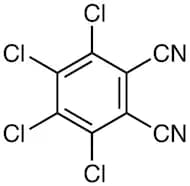
CAS:<p>4-Cyano-3,5-difluorophenol (4CF) is a mesomorphic compound that has a number of reactions with chloride. 4CF is synthesized from 3,5-difluoroaniline and the reaction product is then heated with chlorine to produce 4CF. The optimal reaction temperature is between 100°C and 120°C. When exposed to light, 4CF will react with chloride ions in the presence of heat to form a hydrophobic chlorinated product. This product reacts with proton donors such as NaOH or KOH to produce hydrogen gas. At room temperature, 4CF can be used as a gas sensor.</p>Formula:C7H3F2NOPurity:Min. 95 Area-%Molecular weight:155.1 g/molTetrachlorophthalonitrile
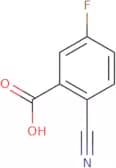
CAS:Formula:C8Cl4N2Purity:>96.0%(GC)(N)Color and Shape:White to Almost white powder to crystalMolecular weight:265.902-Cyano-5-fluorobenzoic acid
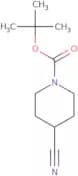
CAS:<p>2-Cyano-5-fluorobenzoic acid (2C5FBA) is a chemical that is synthesized by the reaction of sodium nitrite with methyl ester. It can be used in organic synthesis as a target product and can also be used as an intermediate for the synthesis of other chemicals. 2C5FBA has been shown to react with nitrogen to produce cyanide, which is toxic to humans and animals. 2C5FBA also reacts with acid methyl to produce methyl esters, which are often used as solvents in industrial settings.</p>Formula:C8H4FNO2Purity:Min. 95%Color and Shape:PowderMolecular weight:165.12 g/molN-Boc-4-cyanopiperidine
CAS:<p>N-Boc-4-cyanopiperidine is a synthetic compound that has been used as a competitive inhibitor in the study of biochemistry and neurochemistry. It has been shown to inhibit ligand binding to calcium channels, which are proteins that regulate the flow of calcium ions into cells. N-Boc-4-cyanopiperidine also inhibits the production of prostaglandins, which are chemicals that promote inflammation. This drug has been investigated for its possible use in treating neuropathic pain, since it inhibits voltage-gated sodium channels and potassium channels.</p>Formula:C11H18N2O2Purity:Min. 95%Color and Shape:PowderMolecular weight:210.27 g/mol2-(3,4,5-Trimethylphenyl)acetonitrile
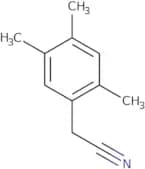
CAS:<p>2-(3,4,5-Trimethylphenyl)acetonitrile (2TMPAN) is a versatile building block that can be used in the synthesis of complex compounds and research chemicals. This chemical is a reagent that can be used to synthesize high-quality and useful intermediates. 2TMPAN has been shown to have a number of applications as a reaction component or scaffold for the synthesis of pharmaceuticals and other organic molecules.</p>Formula:C11H13NPurity:Min. 95%Molecular weight:159.23 g/mola-Cyanocinnamic acid
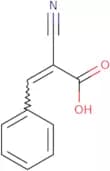
CAS:<p>a-Cyanocinnamic acid is a 3-hydroxycinnamic acid that can be found in coffee. It has been shown to inhibit the growth of colorectal adenocarcinoma cells and other cancer cells by binding to an inhibitor site on fatty acid synthesis enzymes, such as pyruvate carboxylase, hydroxylase, and acetyl-CoA carboxylase. This inhibition leads to decreased levels of fatty acids and increased levels of pyruvate and hydrogen peroxide, which inhibits cell proliferation. In addition, a-cyanocinnamic acid has been shown to have a hypoxic tumor selectivity index of 10.7%, which means it selectively targets tumors with low oxygen levels.</p>Formula:C10H7NO2Purity:Min. 95%Color and Shape:White PowderMolecular weight:173.17 g/mol3,5-Dibromo-4-hydroxybenzylamine hydrochloride
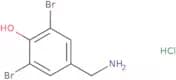
CAS:<p>3,5-Dibromo-4-hydroxybenzylamine hydrochloride is a high quality reagent that can be used as an intermediate in the production of fine chemicals and speciality chemicals. It is also a versatile building block for the synthesis of complex compounds. 3,5-Dibromo-4-hydroxybenzylamine hydrochloride has been shown to be useful in research due to its ability to react with other compounds in a variety of ways. The CAS number for this compound is 1134950-89-2.</p>Formula:C7H8Br2ClNOPurity:Min. 95%Color and Shape:PowderMolecular weight:317.41 g/mol2-Cyanoethyltriethoxysilane
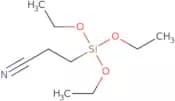
CAS:<p>2-Cyanoethyltriethoxysilane is a cross-linking agent that is used in coatings and adhesives. It has been shown to have an adsorption mechanism that is dependent on the pH of the solution, with a maximum adsorption at pH 3.2 and a minimum at pH 11. The rate of adsorption is also dependent on the concentration of 2-cyanoethyltriethoxysilane, with higher concentrations leading to faster adsorption rates. Kinetic data for 2-cyanoethyltriethoxysilane has been shown using gravimetric analysis to show that it has an adsorption rate constant of 1.0 × 10^4 s^(-1) at pH 3.2 and 6.5 × 10^4 s^(-1) at pH 11, which are independent of the concentration of this molecule in solution. Pluronic P123 was used as a model polymer</p>Formula:C9H19NO3SiPurity:Min. 97 Area-%Color and Shape:PowderMolecular weight:217.34 g/mol2-Nitrobenzylamine hydrochloride
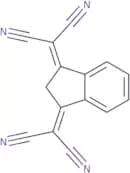
CAS:<p>2-Nitrobenzylamine hydrochloride is a compound that has been shown to have cancer-fighting properties. It inhibits the synthesis of proteins necessary for the proliferation of cancer cells, but it does not affect the synthesis of proteins in healthy cells. This drug is used to diagnose and treat certain types of cancers, such as lymphoma and leukemia. 2-Nitrobenzylamine hydrochloride can be modified by genetic engineering techniques to specifically target cancer cells, which may help with the treatment of other types of diseases in the future. It is believed that this drug will be useful for treating cancers that are resistant to chemotherapy or radiation therapy, as well as those that are caused by mutations in DNA.</p>Formula:C7H9ClN2O2Purity:Min. 95%Color and Shape:PowderMolecular weight:188.61 g/mol1,3-Bis(dicyanomethylidene)indan
CAS:<p>1,3-Bis(dicyanomethylidene)indan is a supramolecular dye that has been shown to form complexes with a variety of acceptors. The interaction between the dye and the acceptor is determined by the dipole moment, polarity, and electron affinity of the two molecules. 1,3-Bis(dicyanomethylidene)indan has been shown to interact with viologen and anion donors as well as organic dyes such as methylene blue. 1,3-Bis(dicyanomethylidene)indan has also been used in optical devices such as light emitting diodes (LEDs).</p>Formula:C15H6N4Purity:Min. 95%Color and Shape:PowderMolecular weight:242.24 g/mol3-Cyano-4-fluorobenzoic acid
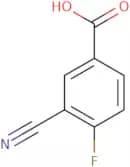
CAS:<p>3-Cyano-4-fluorobenzoic acid is a fluorinated analog of 3-cyano-4-fluorobenzoic acid, which has been shown to be effective in the treatment of prostate cancer. It is a prodrug that is metabolized by activated esterases to release the active form. The 18F radiolabeled form of 3-Cyano-4-fluorobenzoic acid has a high affinity for prostate carcinoma cells and has been used as a diagnostic agent. This drug also has an excellent pharmacokinetic profile and can be used as a nonradioactive tracer for imaging tumor cells in vivo.</p>Formula:C8H4FNO2Purity:Min. 95%Color and Shape:White To Off-White SolidMolecular weight:165.12 g/mol2,3-Dicyanopyrazine
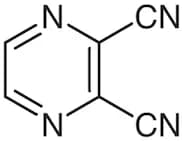
CAS:Formula:C6H2N4Purity:>99.0%(GC)Color and Shape:White to Light yellow to Light orange powder to crystalMolecular weight:130.114,4'-Dicyanodiphenylsulphone
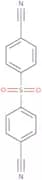
CAS:<p>Dicyanodiphenylsulphone is an inhibitory agent that prevents the HIV-2 virus from entering cells. It binds to the viral envelope, forming a sealant that blocks the virus from entering the cell and infecting it. Dicyanodiphenylsulfone also has immunosuppressive properties, but can be used in conjunction with sulfa drugs and polysulfides to prevent the development of bacterial resistance. The efficacy of dicyanodiphenylsulfone has been demonstrated in cellular assays and in human immunodeficiency virus (HIV) infected patients. This drug is not active against other types of viruses, such as herpes simplex, influenza A, or cytomegalovirus.</p>Formula:C14H8N2O2SPurity:Min. 95%Molecular weight:268.29 g/mol3-Cyanophenylacetone
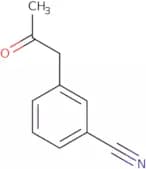
CAS:<p>3-Cyanophenylacetone is a versatile building block and useful intermediate in the synthesis of various pharmaceuticals, agrochemicals, and other chemical products. It can be used as a reagent or speciality chemical. 3-Cyanophenylacetone is also a useful scaffold for the synthesis of complex compounds. This compound is listed on the Chemical Abstracts Service (CAS) registry with the number 73013-50-0.</p>Formula:C10H9NOPurity:Min. 95%Molecular weight:159.18 g/mol2,5-Dichlorobenzonitrile
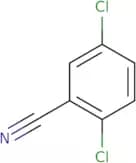
CAS:<p>2,5-Dichlorobenzonitrile is a chemical compound that contains a nitrile group. It is used as an intermediate in organic synthesis, as well as for the production of various pharmaceuticals and pesticides. 2,5-Dichlorobenzonitrile is oxidized to form 2,5-dichlorophenol which can be further converted to 2,5-dichloroquinone. This redox cycle is reversible and can be used to synthesize other compounds. The reaction time of this process is about one hour at room temperature. Maleate has been shown to inhibit the hepatic metabolism of 2,5-Dichlorobenzonitrile. This may lead to accumulation of 2,5-Dichlorobenzonitrile in the liver and potentially cause hepatitis or even liver cancer. Chloromethylation of 2,5-Dichlorobenzonitrile leads to the formation of chlor</p>Formula:C7H3Cl2NPurity:Min. 95%Color and Shape:PowderMolecular weight:172.01 g/molCyanoacetic acid - 70% aqueous solution
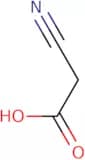
CAS:<p>Cyanoacetic acid is an antimicrobial agent that can be used for the treatment of bowel disease, autoimmune diseases, and eye disorders. Cyanoacetic acid is a substrate molecule for sodium carbonate, which can be used to produce sodium carbonate by reacting with water. The reaction solution is then added to human serum or malonic acid to produce sodium carbonate, which can be used as a drug. Electrochemical impedance spectroscopy has been used as a tool to study the mechanism of cyanoacetic acid in treating inflammatory bowel disease.</p>Formula:C3H3NO2Purity:Min. 95%Color and Shape:Yellow PowderMolecular weight:85.06 g/mol2-Chloro-5-methylbenzonitrile
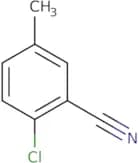
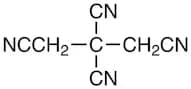
CAS:<p>2-Chloro-5-methylbenzonitrile (2C5MB) is a versatile building block that is used in the production of fine chemicals, specialty chemicals, and pharmaceuticals. It is also used as a reagent for organic synthesis and as a speciality chemical. 2C5MB can be used in the synthesis of various complex compounds and research chemicals. The compound has been shown to have high reactivity and has been used as a reaction component or scaffold for the synthesis of other products.</p>Formula:C8H6ClNPurity:Min. 95%Color and Shape:PowderMolecular weight:151.59 g/mol1,2,2,3-Propanetetracarbonitrile
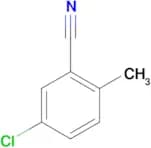
CAS:Formula:C7H4N4Purity:>96.0%(GC)Color and Shape:White to Light yellow to Light orange powder to crystalMolecular weight:144.145-Chloro-2-methylbenzonitrile
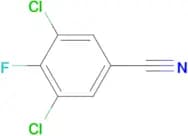
CAS:Formula:C8H6ClNPurity:96%Color and Shape:Solid, Beige powderMolecular weight:151.593,5-Dichloro-4-fluorobenzonitrile
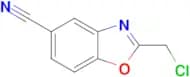
CAS:Formula:C7H2Cl2FNPurity:97%Color and Shape:Solid, Low Melting SolidMolecular weight:1902-(Chloromethyl)-1,3-benzoxazole-5-carbonitrile
CAS:Formula:C9H5ClN2OPurity:97.0%Molecular weight:192.62-oxo-1H,2H,3H-pyrrolo[2,3-b]pyridine-4-carbonitrile
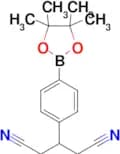
CAS:Formula:C8H5N3OPurity:96%Color and Shape:SolidMolecular weight:159.1483-(4-(4,4,5,5-TETRAMETHYL-1,3,2-DIOXABOROLAN-2-YL)PHENYL)PENTANEDINITRILE
Formula:C17H21BN2O2Purity:95.0%Molecular weight:296.183-[(4-Aminopiperidin-1-yl)methyl]benzonitrile dihydrochloride
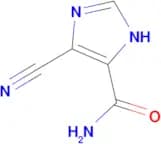
CAS:Formula:C13H19Cl2N3Purity:95.0%Molecular weight:288.225-Cyano-1H-imidazole-4-carboxamide
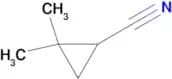
CAS:Formula:C5H4N4OPurity:97%Color and Shape:SolidMolecular weight:136.1142,2-Dimethylcyclopropanecarbonitrile
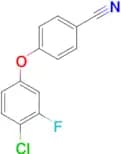
CAS:Formula:C6H9NPurity:95%Color and Shape:No data available.Molecular weight:95.1454-(4-Chloro-3-fluorophenoxy)benzonitrile
CAS:Formula:C13H7ClFNOColor and Shape:SolidMolecular weight:247.654-[2-(3,5-dibromo-1H-1,2,4-triazol-1-yl)acetyl]benzonitrile
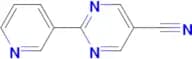
CAS:Formula:C11H6Br2N4OPurity:95.0%Molecular weight:370.0042-(Pyridin-3-yl)pyrimidine-5-carbonitrile
CAS:Formula:C10H6N4Purity:95.0%Color and Shape:SolidMolecular weight:182.186



![2-[1,2,4]Triazol-1-yl-benzylamine](/_next/image/?url=https%3A%2Fstatic.cymitquimica.com%2Fproducts%2F3D%2Fthumb-webp%2FFT50933.webp&w=3840&q=75)


![2-oxo-1H,2H,3H-pyrrolo[2,3-b]pyridine-4-carbonitrile](/_next/image/?url=https%3A%2Fstatic.cymitquimica.com%2Fproducts%2F10%2Fthumb-webp%2FF517097.webp&w=3840&q=75)
![3-[(4-Aminopiperidin-1-yl)methyl]benzonitrile dihydrochloride](/_next/image/?url=https%3A%2Fstatic.cymitquimica.com%2Fproducts%2F10%2Fthumb-webp%2FF064192.webp&w=3840&q=75)


![4-[2-(3,5-dibromo-1H-1,2,4-triazol-1-yl)acetyl]benzonitrile](/_next/image/?url=https%3A%2Fstatic.cymitquimica.com%2Fproducts%2F10%2Fthumb-webp%2FF525084.webp&w=3840&q=75)