Ethers
Ethers are organic compounds containing an ether functional group, characterized by an oxygen atom bonded to two hydrocarbon radicals. These compounds are valuable in synthesis and serve as solvents in various chemical reactions. At CymitQuimica, we offer a selection of high-quality ethers to support your research and industrial applications, ensuring reliable and effective results. Our range of ethers meets diverse laboratory requirements, from routine experiments to advanced research.
Found 40712 products of "Ethers"
Sort by
Purity (%)
0
100
|
0
|
50
|
90
|
95
|
100
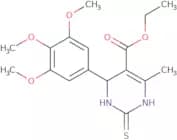
Ethyl 6-methyl-2-thioxo-4-(3,4,5-trimethoxyphenyl)-1,2,3,4-tetrahydropyrimidine-5-carboxylate
CAS:<p>Please enquire for more information about Ethyl 6-methyl-2-thioxo-4-(3,4,5-trimethoxyphenyl)-1,2,3,4-tetrahydropyrimidine-5-carboxylate including the price, delivery time and more detailed product information at the technical inquiry form on this page</p>Formula:C17H22N2O5SPurity:90%MinMolecular weight:366.43 g/mol4-Chloro-2-methoxy-5-methylaniline
CAS:<p>4-Chloro-2-methoxy-5-methylaniline is a dye molecule that is used in the synthesis of other molecules, such as diketene. It is also used as a solvent, coupling agent, and a dye molecule. This compound can be synthetically prepared by reacting naphthylamine with pyrazolone. The reaction requires catalytic amounts of polyvalent metal salts, such as zinc chloride or iron(III) chloride. The halogenation of 4-chloro-2-methoxy-5-methylaniline to produce 2,4,5-trichlorophenol can be achieved by diazotising the molecule with sodium nitrite and potassium dichromate. 4-Chloro-2-methoxy-5 methylaniline's substituents are methyl groups on the phenyl ring (Cl) and chlorine atoms (C1). Derivatives of this</p>Formula:C8H10ClNOPurity:Min. 95%Molecular weight:171.62 g/mol2-[(2S,3S,4S)-3-Formyl-5-Methoxycarbonyl-2-Methyl-3,4-Dihydro-2H-Pyran-4-Yl]Acetic Acid
CAS:<p>2-[(2S,3S,4S)-3-Formyl-5-Methoxycarbonyl-2-Methyl-3,4-Dihydro-2H-Pyran-4-Yl]Acetic Acid (PCA) is a natural phenolic compound that is found in olive oil. PCA has been shown to possess antioxidant and antiinflammatory properties. It also has minimal toxicity, with no adverse effects on the liver or kidney. PCA is metabolized by hydrolysis to form hydroxytyrosol and tyrosol. Hydroxytyrosol can be further metabolized to produce the aglycon 2-[(2S,3S,4S)-3-(acetyloxy)-5-(hydroxymethyl)oxolan-4-yl]acetic acid (OHA). OHA is an intermediate in the biosynthesis of erythromycin and other macrolide antibiotics such as</p>Formula:C11H14O6Purity:90%MinMolecular weight:242.23 g/molMethoxyacetonitrile
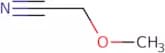
CAS:<p>Methoxyacetonitrile is a chemical that is used in the manufacture of acrylate polymers. Acrylate polymers are used in animal health, such as plastics for veterinary use and as a coating on animal feed. Methoxyacetonitrile can be used to create a cationic polymerization reaction with an organic solution. The resulting polymer film has been shown to have good chemical stability. Productivity depends on the temperature and size of the particles, which can be controlled with an electric field or by changing the concentration of reactants. Methoxyacetonitrile may also be used as a dietary supplement because it has been shown to provide relief from chronic coughs.</p>Formula:C3H5NOPurity:Min. 95%Color and Shape:Clear LiquidMolecular weight:71.08 g/mol4-Methoxyphenethylamine HCl
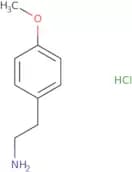
CAS:Controlled Product<p>4-Methoxyphenethylamine HCl is a chemical that inhibits the activity of the protein tyrosine phosphatase 1B (PTP1B). It has been shown to inhibit the growth of lung fibroblasts and fruit tree cells. 4-Methoxyphenethylamine HCl has also been used in animal experiments to diagnose animals with growth factor-β1 deficiency. It is also used to stain collagen for diagnosis.</p>Formula:C9H13NO·HClPurity:Min. 95%Molecular weight:187.67 g/mol1-(3,4-Dimethoxyphenyl)-2-(2-methoxyphenoxy)propane-1,3-diol
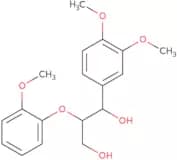
CAS:<p>1,3-Dimethoxy-2-(2-methoxyphenoxy)propane-1,3-diol (DMMP) is a natural product with antioxidant properties. It has been shown to be a potent inhibitor of the epidermal growth factor receptor (EGFR), and also inhibits the activity of the response elements for EGFR. DMMP is also a potent inhibitor of proliferation in human cancer cells and can inhibit the growth of tumour cells that are resistant to methotrexate. DMMP is a precursor to protocatechuic acid, which has been shown to have anti-herpes virus effects. DMMP has been shown to decrease the rate of second order reactions through its ability to react with carbonyl groups on proteins. This reaction leads to an increase in stability and decreases the rate of protein degradation by proteases. A mutant strain was found that can produce this compound without any external stimulus, making it ideal for use as an antibiotic against bacterial</p>Formula:C18H22O6Purity:Min. 95 Area-%Color and Shape:PowderMolecular weight:334.36 g/mol2,5-Dimethoxy-4-(propylsulfanyl)phenethylamine hydrochloride
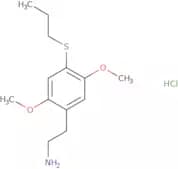
CAS:Controlled Product<p>Please enquire for more information about 2,5-Dimethoxy-4-(propylsulfanyl)phenethylamine hydrochloride including the price, delivery time and more detailed product information at the technical inquiry form on this page</p>Formula:C13H22ClNO2SPurity:Min. 95%Molecular weight:291.84 g/mol3-[1-(2-Methoxyethyl)-1H-indol-3-yl]propanoic acid
CAS:Controlled Product<p>Please enquire for more information about 3-[1-(2-Methoxyethyl)-1H-indol-3-yl]propanoic acid including the price, delivery time and more detailed product information at the technical inquiry form on this page</p>Formula:C14H17NO3Purity:Min. 95%Molecular weight:247.29 g/mol7-(2-Carbomethoxyethyl)-5-(2-chlorophenyl)-thieno-1,4-diazepin-2-one
CAS:Controlled Product<p>Please enquire for more information about 7-(2-Carbomethoxyethyl)-5-(2-chlorophenyl)-thieno-1,4-diazepin-2-one including the price, delivery time and more detailed product information at the technical inquiry form on this page</p>Formula:C17H15ClN2O3SPurity:Min. 95%Molecular weight:362.83 g/mol4-Methoxybenzene-1,3-diamine sulfate
CAS:Controlled Product<p>4-Methoxybenzene-1,3-diamine sulfate (4MBD) is a chemical substance that inhibits the activity of cytochrome P450 enzymes. It has been shown to inhibit the activity of rat liver microsomal p-450 enzymes, and is used in studies on the effects of chemicals on protein synthesis. When 4MBD is administered to rats at dietary concentrations, it causes an increase in thyroid hormone levels and a decrease in renal function. The enzyme inhibition caused by 4MBD may be due to its ability to acylate amines, which are located near the active site of the enzyme. Linear regression analysis showed that there was a strong correlation between dietary concentrations and the inhibition of protein synthesis caused by 4MBD.</p>Formula:C7H12N2O5SPurity:Min. 95%Molecular weight:236.25 g/mol[2-(3,4-Dimethoxyphenyl)-1,3-thiazol-4-yl]acetic acid
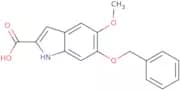
CAS:<p>Please enquire for more information about [2-(3,4-Dimethoxyphenyl)-1,3-thiazol-4-yl]acetic acid including the price, delivery time and more detailed product information at the technical inquiry form on this page</p>Formula:C13H13NO4SPurity:Min. 95%Molecular weight:279.31 g/mol6-Benzyloxy-5-methoxyindole-2-carboxylic acid
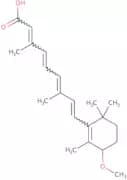
CAS:<p>Please enquire for more information about 6-Benzyloxy-5-methoxyindole-2-carboxylic acid including the price, delivery time and more detailed product information at the technical inquiry form on this page</p>Formula:C17H15NO4Purity:Min. 95%Molecular weight:297.31 g/mol4-Methoxy retinoic acid
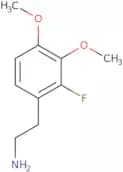
CAS:<p>Please enquire for more information about 4-Methoxy retinoic acid including the price, delivery time and more detailed product information at the technical inquiry form on this page</p>Formula:C21H30O3Purity:Min. 95%Molecular weight:330.46 g/mol2-(2-Fluoro-3,4-dimethoxyphenyl)ethanamine
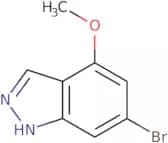
CAS:Controlled Product<p>Please enquire for more information about 2-(2-Fluoro-3,4-dimethoxyphenyl)ethanamine including the price, delivery time and more detailed product information at the technical inquiry form on this page</p>Formula:C10H14FNO2Purity:Min. 95%Molecular weight:199.22 g/mol6-Bromo-4-methoxy-1H-indazole
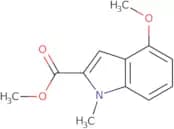
CAS:<p>Please enquire for more information about 6-Bromo-4-methoxy-1H-indazole including the price, delivery time and more detailed product information at the technical inquiry form on this page</p>Formula:C8H7BrN2OPurity:Min. 95%Molecular weight:227.06 g/molMethyl 4-methoxy-1-methyl-1H-indole-2-carboxylate
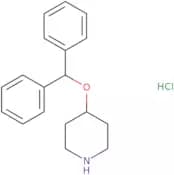
CAS:Controlled Product<p>Please enquire for more information about Methyl 4-methoxy-1-methyl-1H-indole-2-carboxylate including the price, delivery time and more detailed product information at the technical inquiry form on this page</p>Formula:C12H13NO3Purity:Min. 95%Molecular weight:219.24 g/mol4-(Diphenylmethoxy)piperidinium chloride
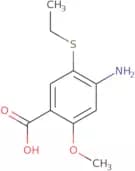
CAS:<p>Please enquire for more information about 4-(Diphenylmethoxy)piperidinium chloride including the price, delivery time and more detailed product information at the technical inquiry form on this page</p>Purity:Min. 95%2-Methoxy-4-amino-5-ethylthiobenzoic acid
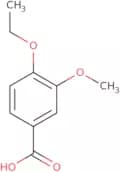
CAS:<p>Please enquire for more information about 2-Methoxy-4-amino-5-ethylthiobenzoic acid including the price, delivery time and more detailed product information at the technical inquiry form on this page</p>Formula:C10H13NO3SPurity:Min. 95%Molecular weight:227.28 g/mol4-Ethoxy-3-methoxybenzoic acid
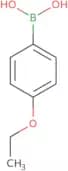
CAS:<p>4-Ethoxy-3-methoxybenzoic acid is a white crystalline solid that belongs to the class of isomers. This compound has been used in biological studies to study the functional theory of bond cleavage, hydroxyl group, and cleavage products. 4-Ethoxy-3-methoxybenzoic acid has also been shown to be a substrate for radical chain reactions, which are initiated by electron transfer from an organic molecule and may produce hydroperoxides or peroxides. The fatty acids found in this chemical react with trichloroacetic acid to form esters and conjugates. These esters are more water soluble than the original fatty acids, making them useful as solvents for organic reactions. 4-Ethoxy-3-methoxybenzoic acid is a precursor for coriolus pigment, which provides coloration for coniferous trees such as pine and spruce.</p>Formula:C10H12O4Purity:Min. 95%Molecular weight:196.2 g/mol(4-Ethoxyphenyl)boronic acid
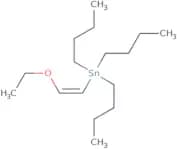
CAS:<p>4-Ethoxyphenylboronic acid is a boron-containing compound that has been shown to have potent antiviral activity. This compound is synthesized from adipose tissue and optical properties of the phenoxazine derivative are studied in order to find an efficient process for solid-phase synthesis. 4-Ethoxyphenylboronic acid has been shown to inhibit triglyceride lipase and fatty acid, which may be an important drug target. It has also been found to have potent antagonistic effects on fatty acids.</p>Formula:C8H11BO3Purity:Min. 95%Molecular weight:165.98 g/mol(Z)-1-Ethoxy-2-(tributylstannyl)ethene
CAS:Controlled Product<p>(Z)-1-Ethoxy-2-(tributylstannyl)ethene is a synthetic intermediate that is used in palladium-catalyzed cross-coupling reactions. The product of the reaction can be an acetaldehyde or a halopyridine. The yield and selectivity of the reaction depends on the nature of the reactants, solvent, and catalyst. This compound has also been reinvestigated for its ability to form an anion with electrophilic reactants.</p>Purity:Min. 95%N-Methyl-1-(3,4,5-trimethoxyphenyl)methanamine hydrochloride
CAS:Controlled Product<p>Please enquire for more information about N-Methyl-1-(3,4,5-trimethoxyphenyl)methanamine hydrochloride including the price, delivery time and more detailed product information at the technical inquiry form on this page</p>Formula:C11H17NO3Purity:Min. 95%Molecular weight:211.26 g/mol[1-(2-Methoxyethyl)-1H-indol-3-yl]acetic acid
CAS:Controlled Product<p>Please enquire for more information about [1-(2-Methoxyethyl)-1H-indol-3-yl]acetic acid including the price, delivery time and more detailed product information at the technical inquiry form on this page</p>Formula:C13H15NO3Purity:Min. 95%Molecular weight:233.26 g/mol3-(4-Methoxyphenyl)pyrazole
CAS:<p>3-(4-Methoxyphenyl)pyrazole is a fungicide that belongs to the group of nitrophenol derivatives. It inhibits the growth of plant pathogenic fungi by inhibiting the synthesis of proteins and nucleic acids. 3-(4-Methoxyphenyl)pyrazole has an inhibitory effect on seed germination and germination, as well as on hydroxymethylation reactions in fungal mycelia. 3-(4-Methoxyphenyl)pyrazole also has bactericidal properties and can be used for controlling bacteria in water systems.</p>Formula:C10H10N2OPurity:Min. 95%Molecular weight:174.2 g/mol4-Bromo-7-methoxy-1H-pyrrolo[2,3-c]pyridine
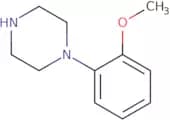
CAS:<p>Please enquire for more information about 4-Bromo-7-methoxy-1H-pyrrolo[2,3-c]pyridine including the price, delivery time and more detailed product information at the technical inquiry form on this page</p>Purity:Min. 95%1-(2-Methoxyphenyl)piperazine
CAS:Controlled Product<p>1-(2-Methoxyphenyl)piperazine is a drug that has been shown to have locomotor activity, antihypertensive activity, and inhibitory properties. It also acts as a matrix effect and receptor activity. 1-(2-Methoxyphenyl)piperazine has been shown to have inhibitory effects on 5-ht7 receptors, which are mainly found in the brain. This drug binds to the 5-ht2 receptor, which is a type of serotonin receptor in the brain. The binding of 1-(2-methoxyphenyl)piperazine to the 5-ht2 receptor inhibits the release of dopamine from neurons and leads to necrotic cell death. This drug can also be used as an analytical tool for measuring 5-ht1a receptors, which is a type of serotonin receptor found in the brain.</p>Formula:C11H16N2OPurity:Min. 95%Molecular weight:192.26 g/mol2,2'-Bis-(1-adamantyl)-4,4'-dimethoxybiphenyl
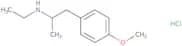
CAS:<p>2,2'-Bis-(1-adamantyl)-4,4'-dimethoxybiphenyl is a methyl ester of adapalene. It is used to assess the effects of adapalene on the skin and to determine its marker for topical application.</p>Formula:C34H42O2Purity:Min. 95%Molecular weight:482.7 g/molN-Ethyl-4-methoxy amphetamine hydrochloride
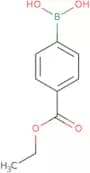
CAS:Controlled Product<p>Please enquire for more information about N-Ethyl-4-methoxy amphetamine hydrochloride including the price, delivery time and more detailed product information at the technical inquiry form on this page</p>Formula:C12H20ClNOPurity:Min. 95%Molecular weight:229.75 g/mol4-(Ethoxycarbonyl)phenylboronic acid
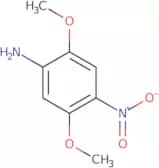
CAS:<p>4-(Ethoxycarbonyl)phenylboronic acid is a potential use for picric acid detection. It has been shown to be a chemosensor with an electrochemical impedance spectroscopy response that is sensitive to chloride ions. 4-(Ethoxycarbonyl)phenylboronic acid can be used as a linker in multigram-scale synthesis of aryl halides, and its reaction mechanism has been elucidated by crystal x-ray diffraction. The synthesis of this compound is scalable and involves the formation of an apical carboxylate from ethoxycarbonyl phenyl boronic acid and an aryl halide.</p>Formula:C9H11BO4Purity:Min. 95%Color and Shape:PowderMolecular weight:193.99 g/mol2,5-Dimethoxy-4-nitroaniline
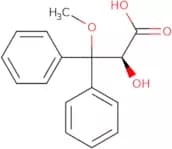
CAS:Controlled Product<p>Please enquire for more information about 2,5-Dimethoxy-4-nitroaniline including the price, delivery time and more detailed product information at the technical inquiry form on this page</p>Formula:C8H10N2O4Purity:Min. 95%Molecular weight:198.18 g/mol(S)-2-Hydroxy-3-methoxy-3,3-diphenylpropionic acid
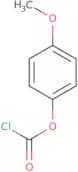
CAS:<p>This is a crystalline form of the pyrimidine derivative (S)-2-Hydroxy-3-methoxy-3,3-diphenylpropionic acid. The compound has been shown to have antiplatelet properties and is currently being developed as an antithrombotic agent. In vitro studies have shown that ambrisentan inhibits platelet aggregation, thromboxane synthesis, and leukocyte adhesion. It also reduces the levels of serum cholesterol and triglycerides in patients with chronic heart failure. Ambrisentan has been studied in clinical trials for the treatment of pulmonary hypertension associated with chronic obstructive pulmonary disease (COPD) and idiopathic pulmonary fibrosis (IPF).</p>Formula:C16H16O4Purity:Min. 95%Molecular weight:272.3 g/mol4-Methoxyphenyl chloroformate
CAS:<p>4-Methoxyphenyl chloroformate is a reactive chemical that can be used to synthesize amides, esters, and anhydrides. It reacts with nucleophiles such as chloride or hydroxide to form an intermediate product. This intermediate product then reacts with the desired molecule to form the desired final product. 4-Methoxyphenyl chloroformate has shown selectivity for binding to opioid receptors, including mu and delta subtypes. This chemical may be used in the synthesis of antibiotic drugs that have similar receptor subtypes. 4-Methoxyphenyl chloroformate also has been shown to modulate G protein signaling pathways in cells, which may lead to improved pharmacokinetic properties.</p>Formula:C8H7ClO3Purity:Min. 95%Color and Shape:Clear LiquidMolecular weight:186.59 g/mol5-(2-Aminopropyl)-2-methoxybenzenesulphonamide
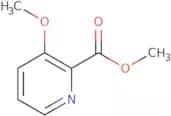
CAS:Controlled Product<p>5-(2-Aminopropyl)-2-methoxybenzenesulphonamide is a trimethyl derivative of the aminopropyl group. It is used as a reagent to introduce hydroxymethyl groups into organic compounds. 5-(2-Aminopropyl)-2-methoxybenzenesulphonamide reacts with hydrochloric acid and an organic solvent in the preparation process. In the Friedel-Crafts reaction, 5-(2-Aminopropyl)-2-methoxybenzenesulphonamide reacts with d-alanine to form an optical isomer, which can be converted to its racemic form by ammonolysis. This compound is also used as a prostatic agent and an amide in the synthesis of benzene and phenoxymethyl alcohols.</p>Formula:C10H16N2O3SPurity:Min. 95%Molecular weight:244.31 g/molMethyl 3-methoxypicolinate
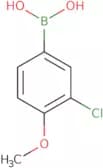
CAS:<p>Please enquire for more information about Methyl 3-methoxypicolinate including the price, delivery time and more detailed product information at the technical inquiry form on this page</p>Purity:Min. 95%3-Chloro-4-methoxyphenylboronic acid
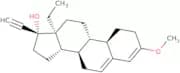
CAS:<p>Please enquire for more information about 3-Chloro-4-methoxyphenylboronic acid including the price, delivery time and more detailed product information at the technical inquiry form on this page</p>Formula:C7H8BClO3Purity:Min. 95%Molecular weight:186.4 g/mol(17a)-13-Ethyl-3-methoxy-18,19-dinorpregna-3,5-dien-20-yn-17-ol
CAS:Controlled Product<p>Please enquire for more information about (17a)-13-Ethyl-3-methoxy-18,19-dinorpregna-3,5-dien-20-yn-17-ol including the price, delivery time and more detailed product information at the technical inquiry form on this page</p>Formula:C22H30O2Purity:Min. 95%Molecular weight:326.47 g/mol(R)-1,2,3,4-Tetrahydro-5-methoxy-N-propyl-2-naphthalenamine hydrochloride
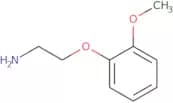
CAS:Controlled Product<p>Please enquire for more information about (R)-1,2,3,4-Tetrahydro-5-methoxy-N-propyl-2-naphthalenamine hydrochloride including the price, delivery time and more detailed product information at the technical inquiry form on this page</p>Formula:C14H22ClNOPurity:Min. 95%Molecular weight:255.78 g/mol2-(2-Methoxyphenoxy)ethylamine base
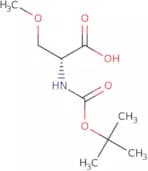
CAS:<p>2-(2-Methoxyphenoxy)ethylamine base is an inorganic base with a hydroxyl group. It is soluble in organic solvents and has been used as a coumarin derivative. 2-(2-Methoxyphenoxy)ethylamine base has shown potential use as an antifungal agent, which may be due to its ability to cause lysis in fungi cells. This compound has also shown in vitro activity against bacteria and viruses, including herpes simplex virus type 1 and HIV-1. The 2-(2-methoxyphenoxy)ethylamine base can be sulfonated or acid catalyzed to produce other derivatives that have potential use as anti-inflammatory or analgesic agents.</p>Formula:C9H13NO2Purity:Min. 95%Molecular weight:167.21 g/mol(R)-2-((tert-Butoxycarbonyl)amino)-3-methoxypropanoic acid
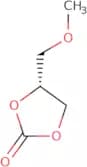
CAS:<p>(R)-2-((tert-Butoxycarbonyl)amino)-3-methoxypropanoic acid (BAAM) is a potent, orally bioavailable, and pharmacokinetically well-characterized inhibitor of blood coagulation that has been shown to be effective in animal models. BAAM inhibits the activity of tissue factor (TF), an enzyme that initiates the blood coagulation cascade. TF is important for hemostasis because it is activated by contact with blood and tissue factors such as collagen or thrombin. BAAM has shown some promise as a potential treatment for thrombosis, which can lead to heart attacks and strokes.</p>Formula:C9H17NO5Purity:Min. 95%Molecular weight:219.24 g/mol(R)-(+)-4-(Methoxymethyl)-1,3-dioxolan-2-one
CAS:<p>Please enquire for more information about (R)-(+)-4-(Methoxymethyl)-1,3-dioxolan-2-one including the price, delivery time and more detailed product information at the technical inquiry form on this page</p>Formula:C5H8O4Purity:Min. 95%Molecular weight:132.11 g/mol(2S,3S)-5-[2-(Dimethylamino)ethyl]-3-hydroxy-2-(4-methoxyphenyl)-2,3-dihydro-1,5-benzothiazepin-4-one hydrochloride
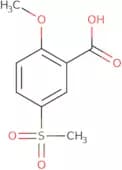
CAS:<p>(2S,3S)-5-[2-(Dimethylamino)ethyl]-3-hydroxy-2-(4-methoxyphenyl)-2,3-dihydro-1,5-benzothiazepin-4-one hydrochloride is a racemic mixture of two enantiomers. It is a prodrug that is hydrolyzed to its active form, diltiazem. The drug has been shown to be effective in the treatment of hypertension and angina pectoris. (2S,3S)-5-[2-(Dimethylamino)ethyl]-3-hydroxy-2-(4-methoxyphenyl)-2,3-dihydro-1,5-benzothiazepin-4-one hydrochloride has been shown to inhibit the activity of the enzyme phosphodiesterase which breaks down cyclic AMP. This inhibition results in an increase in levels of</p>Formula:C20H24N2O3S·HClPurity:Min. 95%Molecular weight:408.94 g/mol2-Methoxy-5-methylsulfonylbenzoicacid
CAS:<p>2-Methoxy-5-methylsulfonylbenzoic acid is an organic compound that can be used as a pharmaceutical intermediate. It has been used to synthesize diagnostic agents and drugs such as isradipine and sarpogrelate hydrochloride. 2-Methoxy-5-methylsulfonylbenzoic acid is also used as an intermediate in the synthesis of bortezomib, a drug that inhibits the proteasome. This product contains impurities that may interfere with its use as a pharmaceutical preparation. The flow rate of this product is sensitive to changes in temperature and pressure.</p>Formula:C9H10O5SPurity:Min. 95%Molecular weight:230.24 g/mol1-(4-Amino-6,7-dimethoxy-2-quinazolinyl)-4-[(tetrahydro-2-furanyl)carbonxyl]piperazine hydrochloride
CAS:<p>Terazosin HCL dehydrate is an inhibitor of alpha-1 adrenergic receptors. This results in vasodilation followed by a reduction in urethral resistance, venous return to the heart and peripheral vascular resistance. In particular Terazosin HCL hydrate’s ability to recover urine flow and alleviate symptoms in patients with benign prostatic hyperplasia is of benefit to the therapeutic and clinical industries.</p>Formula:C19H26ClN5O4Purity:Min. 95%Molecular weight:423.89 g/molrac-3-hexadecanamido-2-methoxypropan-1-ol phosphocholine monohydrate
CAS:<p>Please enquire for more information about rac-3-hexadecanamido-2-methoxypropan-1-ol phosphocholine monohydrate including the price, delivery time and more detailed product information at the technical inquiry form on this page</p>Formula:C25H55N2O7PPurity:Min. 95%Molecular weight:526.69 g/mol2-Fluoro-5-methoxyaniline
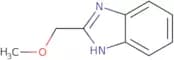
CAS:<p>2-Fluoro-5-methoxyaniline is a high quality reagent that is used as an intermediate in the synthesis of various complex compounds. The CAS number for this chemical is 62257-15-2 and it has been shown to be useful as a building block for the synthesis of fine chemicals, speciality chemicals, and research chemicals with many different uses. It is also a versatile building block that can be used in reactions involving amines, alcohols, thiols, and nitriles. 2-Fluoro-5-methoxyaniline may also be used as a reaction component in organic syntheses.</p>Formula:C7H8FNOPurity:Min. 95%Color and Shape:PowderMolecular weight:141.14 g/mol2-(Methoxymethyl)-1H-benzimidazole
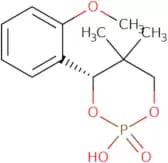
CAS:<p>Please enquire for more information about 2-(Methoxymethyl)-1H-benzimidazole including the price, delivery time and more detailed product information at the technical inquiry form on this page</p>Formula:C9H10N2OPurity:Min. 95%Molecular weight:162.19 g/mol(S)-(-)-2-Hydroxy-4-(2-methoxyphenyl)-5,5-dimethyl-1,3,2-dioxaphosphorinane 2-oxide
CAS:<p>(S)-(-)-2-Hydroxy-4-(2-methoxyphenyl)-5,5-dimethyl-1,3,2-dioxaphosphorinane 2-oxide is a crystallization inhibitor. It can be used in the treatment of osteoporosis and to prevent the calcification of prostate tissue. (S)-(-)-2-Hydroxy-4-(2-methoxyphenyl)-5,5-dimethyl-1,3,2-dioxaphosphorinane 2-oxide has been shown to inhibit nucleation and crystal growth by adsorbing to the surfaces of nuclei and inhibiting inhibitor molecules from diffusing into the nucleus. This compound also inhibits the crystallization process by binding to one molecule of phosphate on each phosphate site on a crystal surface. The result is that there are fewer sites available for other molecules to bind, preventing crystal growth.</p>Formula:C12H17O5PPurity:Min. 95%Color and Shape:Slightly Yellow PowderMolecular weight:272.23 g/molJ147
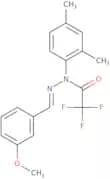
CAS:<p>2,2,2-Trifluoroacetic acid 1-(2,4-dimethylphenyl)-2-[(3-methoxyphenyl)methylene]hydrazide is a neuroprotective drug that belongs to the class of hydrazides. It has been shown to have neurotrophic activity in vitro and in vivo and can be used for the treatment of conditions such as diabetic neuropathy or cancer tissues. 2,2,2-Trifluoroacetic acid 1-(2,4-dimethylphenyl)-2-[(3-methoxyphenyl)methylene]hydrazide also has anti-inflammatory properties and can be used for the treatment of autoimmune diseases. The drug's mechanism of action is not fully understood but is thought to involve monoamine neurotransmitters.</p>Formula:C18H17F3N2O2Purity:Min. 95%Molecular weight:350.34 g/mol3-(trifluoromethoxy)aniline
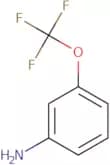
CAS:<p>3-(trifluoromethoxy)aniline is a compound that contains a trifluoromethoxy group. It has been shown to have antiproliferative effects in prostate cancer cells. 3-(trifluoromethoxy)aniline inhibits the activity of pim-1, which is important for cell proliferation and differentiation. The synthesis of 3-(trifluoromethoxy)aniline can be accomplished by one of two methods. In the first method, 3-chloroaniline is reacted with trifluoroacetic acid and bis(trimethylsilyl)acetamide in dichloromethane to form 3-hydroxy-4-chlorobenzenesulfonyl chloride (3HCBSCl). In the second method, the desired product is synthesized from 3-aminophenol and trifluoroacetic acid in acetonitrile. These two methods produce different isomers</p>Formula:C7H6F3NOPurity:Min. 95%Color and Shape:PowderMolecular weight:177.12 g/mol(5-Methoxy-1-methyl-1H-benzimidazol-2-yl)methanol
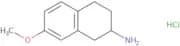
CAS:Controlled Product<p>Please enquire for more information about (5-Methoxy-1-methyl-1H-benzimidazol-2-yl)methanol including the price, delivery time and more detailed product information at the technical inquiry form on this page</p>Formula:C10H12N2O2Purity:Min. 95%Molecular weight:192.21 g/mol7-Methoxy-1,2,3,4-tetrahydronaphthalen-2-ylamine hydrochloride
CAS:Controlled Product<p>Please enquire for more information about 7-Methoxy-1,2,3,4-tetrahydronaphthalen-2-ylamine hydrochloride including the price, delivery time and more detailed product information at the technical inquiry form on this page</p>Formula:C11H15NO•HClPurity:Min. 95%Molecular weight:213.7 g/molN-(2-Aminoethyl)-3-aminopropylmethyldimethoxysilane
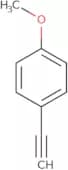
CAS:<p>N-(2-Aminoethyl)-3-aminopropylmethyldimethoxysilane is an antibacterial agent that inhibits the growth of bacteria by binding to the cell wall, thereby preventing the synthesis of proteins. It is used in dentistry and medicine as a coating for metal surfaces. This compound has been shown to be effective against Escherichia coli and Enterococcus faecalis. The optimum concentration for this compound is 1 mg/mL.</p>Formula:C8H22N2O2SiPurity:Min. 95%Molecular weight:206.36 g/mol4-Methoxyphenylacetylene
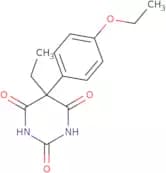
CAS:<p>4-Methoxyphenylacetylene is a phosphane that has been extensively studied for its reactivity in cross-coupling reactions with electron-deficient olefins. 4-Methoxyphenylacetylene has been shown to react with chlorides and form an intermediate chloride, which reacts with an olefin to form an ether. X-ray crystal structures of the reaction mechanism have been determined. The transfer mechanism involves nucleophilic attack of chloride on the phosphorus atom followed by elimination of hydrogen chloride from the phosphorus. The reaction product is an ether.</p>Formula:C9H8OPurity:Min. 95%Color and Shape:White Clear LiquidMolecular weight:132.16 g/mol5-(4-Ethoxyphenyl)-5-ethylbarbituric acid
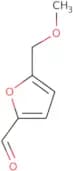
CAS:Controlled Product<p>Please enquire for more information about 5-(4-Ethoxyphenyl)-5-ethylbarbituric acid including the price, delivery time and more detailed product information at the technical inquiry form on this page</p>Formula:C14H16N2O4Purity:Min. 95%Molecular weight:276.29 g/mol5-(Methoxymethyl)-2-furancarboxaldehyde
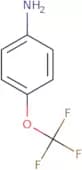
CAS:<p>5-hydroxymethylfurfural (5-hmf) is an organic compound that is produced when a carbohydrate or sugar undergoes oxidation. It is used as an additive in animal feed and as an industrial chemical. 5-hmf is a solid catalyst that can be used at high temperatures, making it suitable for use in the production of 2,6-dihydroxybenzoic acid. The reaction mechanism of 5-hmf involves the dehydration of furfural to form 5-hydroxymethylfurfural. This process occurs when a molecule of water reacts with furfural to produce two molecules of 5-hmf. The reaction may be accelerated by introducing heat, which breaks down the hydrogen bonds between the molecules of furfural and water.</p>Formula:C7H8O3Purity:Min. 95%Color and Shape:Clear LiquidMolecular weight:140.14 g/mol4-(Trifluoromethoxy)aniline
CAS:<p>4-(Trifluoromethoxy)aniline is a reactive intermediate used in the synthesis of pharmaceuticals, dyes, and pesticides. It is prepared by reacting hydrogen fluoride with aniline in the presence of an acid catalyst. 4-(Trifluoromethoxy)aniline can be used to synthesize epoxyeicosatrienoic acids, which are potent anti-inflammatory agents. 4-(Trifluoromethoxy)aniline has been shown to have a pharmacokinetic profile that is similar to those of other fluoroquinolones, but has not been studied for clinical development.</p>Formula:C7H6F3NOPurity:Min. 95%Color and Shape:Clear LiquidMolecular weight:177.12 g/mol4-[Bis(4-ethoxyphenyl)methyl]piperidine
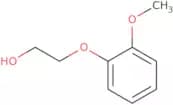
CAS:Controlled Product<p>Please enquire for more information about 4-[Bis(4-ethoxyphenyl)methyl]piperidine including the price, delivery time and more detailed product information at the technical inquiry form on this page</p>Formula:C22H29NO2Purity:Min. 95%Molecular weight:339.47 g/mol2-(2-Methoxyphenoxy)ethanol
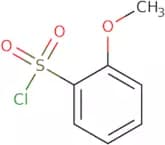
CAS:<p>2-(2-Methoxyphenoxy)ethanol (2-MPE) is a metabolite of propanediol, which is a precursor in the synthesis of polyurethanes. 2-MPE can be oxidized by monooxygenases to form syringyl and other reactive metabolites. Basic hydrolysis may also produce monomers such as phenols, alcohols, and carboxylic acids. Syringyl is one of the metabolic products of 2-MPE, which has been shown to be resistant to degradation by basidiomycete fungi.</p>Formula:C9H12O3Purity:Min. 95%Molecular weight:168.19 g/mol2-Methoxybenzenesulphonyl chloride
CAS:<p>2-Methoxybenzenesulphonyl chloride is an enzyme inhibitor that has been shown to have anti-cancer and anti-HIV activity. It inhibits the growth of cancer cells by interfering with protein synthesis and preventing RNA transcription. 2-Methoxybenzenesulphonyl chloride has also been shown to be effective in treating chronic hepatitis, degenerative diseases, and autoimmune diseases. This drug is metabolized through a number of metabolic transformations, including oxidation by cytochrome P450 enzymes or conjugation with glucuronic acid. The pro-apoptotic protein Bax is induced by 2-methoxybenzenesulphonyl chloride in human HL60 cells, which may be due to its ability to induce transcriptional regulation.</p>Formula:C7H7ClO3SPurity:Min. 97%Color and Shape:PowderMolecular weight:206.65 g/mol4-Amino-3-(trifluoromethoxy)benzoic acid
CAS:<p>Please enquire for more information about 4-Amino-3-(trifluoromethoxy)benzoic acid including the price, delivery time and more detailed product information at the technical inquiry form on this page</p>Formula:C8H6F3NO3Purity:Min. 95%Molecular weight:221.13 g/mol4-[1-(2-Methoxyethyl)-1H-indol-3-yl]butanoic acid
CAS:Controlled Product<p>Please enquire for more information about 4-[1-(2-Methoxyethyl)-1H-indol-3-yl]butanoic acid including the price, delivery time and more detailed product information at the technical inquiry form on this page</p>Formula:C15H19NO3Purity:Min. 95%Molecular weight:261.32 g/mol4-(Trifluoromethoxy)phenylboronic Acid (contains varying amounts of Anhydride)
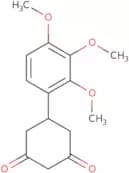
CAS:<p>4-(Trifluoromethoxy)phenylboronic acid is a boron-containing compound that has been shown to be a potent inhibitor of the histone deacetylase (HDAC) enzyme. It also has surfactant properties and can be used as a photochemical reagent. 4-(Trifluoromethoxy)phenylboronic acid is orally bioavailable and may have therapeutic potential for neurodegenerative diseases, such as Alzheimer's disease, Parkinson's disease, and Huntington's disease. It also has the ability to inhibit cancer cell growth by inhibiting HDAC activity. This drug has been found to cross-couple with organosilicon compounds in order to form new compounds with potent inhibitory activity against HDAC enzymes.</p>Formula:C7H6BF3O3Purity:Min. 95%Molecular weight:205.93 g/mol5-(2,3,4-Trimethoxyphenyl)cyclohexane-1,3-dione
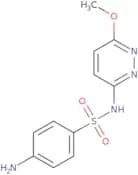
CAS:Controlled Product<p>Please enquire for more information about 5-(2,3,4-Trimethoxyphenyl)cyclohexane-1,3-dione including the price, delivery time and more detailed product information at the technical inquiry form on this page</p>Formula:C15H18O5Purity:Min. 95%Molecular weight:278.3 g/molSulfamethoxypyridazine
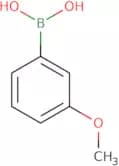
CAS:<p>Sulfamethoxypyridazine is a sulfa drug that inhibits bacterial growth by inhibiting the synthesis of folic acid, which is essential for DNA and RNA production. It has been shown to be effective in the treatment of urinary infections and infectious diseases. Sulfamethoxypyridazine interacts with other drugs, such as oral contraceptives, to increase their blood levels. This drug also has a matrix effect on urine samples, which can be used to detect the presence of bacteria. The matrix effect is due to its hydrophobic nature and ability to form aggregates with other compounds. Sulfamethoxypyridazine is used in wastewater treatment plants as an analytical method for nitrogen atoms.</p>Formula:C11H12N4O3SPurity:Min. 95%Molecular weight:280.3 g/mol3-Methoxyphenylboronic acid
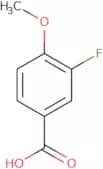
CAS:<p>3-Methoxyphenylboronic acid is a photophysical molecule that can be used as an analytical reagent in plant physiology and analytical chemistry. 3-Methoxyphenylboronic acid reacts reversibly with copper ions to form a complex. The binding constants of the copper complex depend on the pH of the solution, which can be altered by adding a phosphate derivative to the solution. This reaction was investigated using cross-coupling techniques and showed that the binding constants for this complex are dependent on the type of solvent used. 3-Methoxyphenylboronic acid has also been used to measure glucose levels in blood samples.</p>Formula:C7H9BO3Purity:Min. 95%Color and Shape:White PowderMolecular weight:151.96 g/mol3-Fluoro-4-methoxybenzoic acid
CAS:<p>3-Fluoro-4-methoxybenzoic acid is a dipolar molecule with a fluorine atom. It has been synthesized experimentally and the yields are determined by the experimental conditions. 3-Fluoro-4-methoxybenzoic acid has two isomers, which can be differentiated by their resonances. The molecule also has an asymmetric C3(CF)2Cl group in the middle of its structure that can rotate freely.</p>Formula:C8H7FO3Purity:Min. 95%Color and Shape:PowderMolecular weight:170.14 g/mol4-Chloro-6-methoxyquinoline
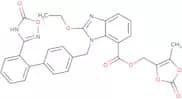
CAS:<p>4-Chloro-6-methoxyquinoline is an inhibitor of bacterial DNA gyrase. It has antibacterial activity against Gram-positive and Gram-negative bacteria, including Staphylococcus aureus, Enterococcus faecalis, and Pseudomonas aeruginosa. 4-Chloro-6-methoxyquinoline is a synthetic compound that was reinvestigated for its antibacterial activity. It has been shown to be effective in the treatment of Staphylococcal infections. The mechanism of action may involve inhibition of topoisomerase II or interference with the synthesis of DNA by binding to the enzyme bacterial DNA gyrase. Quinidine and cinchonidine are quinine derivatives that have been found to inhibit bacterial DNA gyrase. These compounds are found in the bark of Cinchona species, which includes Cinchona ledgeriana, Cinchona officinalis, and Cinchona succirub</p>Formula:C10H8ClNOPurity:Min. 95%Molecular weight:193.02944Azilsartan medoxomil
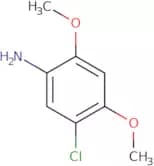
CAS:<p>Azilsartan medoxomil is an antihypertensive drug, which is a prodrug of the angiotensin II receptor blocker azilsartan. It is synthesized through a chemical process involving the modification of the medoxomil ester, converting it into its active form upon absorption in the gastrointestinal tract. The primary mode of action of azilsartan medoxomil involves selective antagonism of the angiotensin II type 1 (AT1) receptor. By blocking the effects of angiotensin II—a potent vasoconstrictor—azilsartan medoxomil effectively reduces vascular resistance, leading to decreased blood pressure.</p>Formula:C30H24N4O8Purity:Min. 95%Color and Shape:White PowderMolecular weight:568.53 g/mol5-Chloro-2,4-dimethoxyaniline
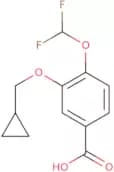
CAS:<p>5-Chloro-2,4-dimethoxyaniline (5-CDA) is a crystalline solid that belongs to the amine class of chemical compounds. It is used in the production of polyhalogenated anilines and nitrosamines, which are known carcinogens. 5-CDA has been shown to be toxic to animals at high doses and can cause health effects such as irritation of the eyes, skin, and respiratory tract; central nervous system depression; and gastrointestinal disturbances. The toxicity of this compound is related to its ability to form nitrosamines when it comes into contact with nitrite or other N-nitroso compounds. 5-CDA is also present in wastewater effluents from paper mills and agricultural runoff from triticum aestivum fields.</p>Formula:C8H10ClNO2Purity:Min. 95%Molecular weight:187.62 g/mol3-Cyclopropylmethoxy-4-difluoromethoxy-benzoic acid
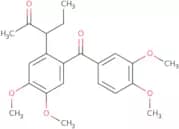
CAS:<p>3-Cyclopropylmethoxy-4-difluoromethoxy-benzoic acid is an industrial chemical that is used as a binding agent in the production of dyes, rubber, and pharmaceuticals. The compound is produced by the acylation of 3-chloromethoxybenzoic acid with cyclopropylmethanol. This reaction requires an inorganic base such as potassium carbonate or sodium bicarbonate to activate the chloride. 3-Cyclopropylmethoxy-4-difluoromethoxybenzoic acid can be used as a reactive alkylating agent for the production of amides and other organic compounds, which increases its versatility.</p>Formula:C12H12O4F2Purity:Min. 95%Color and Shape:White/Off-White SolidMolecular weight:258.22 g/mol3-(2-(3,4-Dimethoxybenzoyl)-4,5-dimethoxyphenyl)pentan-2-one
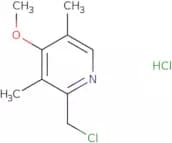
CAS:<p>3-(2-(3,4-Dimethoxybenzoyl)-4,5-dimethoxyphenyl)pentan-2-one is an alkylene that is produced by the reaction of hydrazine with 2,3,4-trimethoxybenzoic acid. This molecule has been shown to have anxiolytic properties in animal studies and hydrolyzes to form ethylene glycol. 3-(2-(3,4-Dimethoxybenzoyl)-4,5-dimethoxyphenyl)pentan-2-one also has a hydrolysis product of tofisopam. Tofisopam is an organic acid that has been used as an antidepressant for the treatment of anxiety disorders.</p>Formula:C22H26O6Purity:Min. 95%Molecular weight:386.44 g/mol2-(Chloromethyl)-4-methoxy-3,5-dimethylpyridine hydrochloride
CAS:<p>2-(Chloromethyl)-4-methoxy-3,5-dimethylpyridine hydrochloride is a benzimidazole derivative. It has a chemical stability and can be used for wastewater treatment. It is also a pump inhibitor and can be used for anhydrous sodium magnesium salts. This product is synthesized from the reaction of protonated 2-bromo-4-methoxyphenol with 2,6-dimethylpyridine in the presence of hydrochloric acid. The reaction was carried out in an asymmetric synthesis using a proton transport system. 2-(Chloromethyl)-4-methoxy-3,5-dimethylpyridine hydrochloride is soluble in water and has a pH of 1 to 3. It has been shown that this product can be used as an antioxidant and as a metal chelation agent.</p>Formula:C9H13Cl2NOPurity:Min. 95%Color and Shape:PowderMolecular weight:222.11 g/mol3,4,5-Trimethoxybenzoic acid anhydride
CAS:<p>3,4,5-Trimethoxybenzoic acid anhydride is a synthetic chemical compound that is used as a pharmaceutical intermediate. It is mainly used to prepare potent anticancer agents and potent anticancer drugs. 3,4,5-Trimethoxybenzoic acid anhydride reacts with amines in the presence of a base to form substituted amides. This reaction has been shown by crystal x-ray diffraction to be sensitive to the solvent polarity and temperature of the reaction medium. The compound can also react with chloride ion to form 3,4,5-trichlorobenzoic acid anhydride (3TCBA).</p>Formula:C20H22O9Purity:(%) Min. 85%Color and Shape:PowderMolecular weight:406.38 g/mol2,7-Bis[2-(diethylamino)ethoxy]-9-fluorenone dihydrochloride
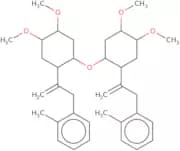
CAS:Controlled Product<p>2,7-Bis[2-(diethylamino)ethoxy]-9-fluorenone dihydrochloride (2,7-BDFE) is a potent inducer of interferon. It is a natural compound that has been shown to have significant cytotoxicity against murine sarcoma virus and opportunistic fungal infections. 2,7-BDFE has also been shown to induce toll-like receptor 4 (TLR4), which triggers the production of other cytokines and chemokines. 2,7-BDFE has also been found to inhibit the growth of cancer cells in vitro and in vivo. This drug is used as an inhibitor for benzalkonium chloride for the prevention of bacterial contamination on surfaces.</p>Formula:C25H36N2O3Cl2Purity:Min. 95%Color and Shape:Yellow PowderMolecular weight:483.47 g/mol2-(4,5-Dimethoxy-2-(1-((2-methylphenyl)methyl)vinyl)cyclohexyl)ether
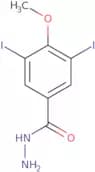
CAS:<p>2-(4,5-Dimethoxy-2-(1-((2-methylphenyl)methyl)vinyl)cyclohexyl)ether is a versatile building block for the synthesis of complex compounds. It is also an intermediate in the synthesis of useful scaffolds and reaction components. This compound has a high quality and can be used as a reagent or research chemicals.</p>Formula:C36H50O5Purity:Min. 95%Molecular weight:562.78 g/mol3,5-Diiodo-4-methoxybenzhydrazide
CAS:<p>3,5-Diiodo-4-methoxybenzhydrazide is a high quality chemical that is useful in the preparation of complex compounds. This compound has been shown to be an excellent reagent and useful intermediate for the synthesis of various fine chemicals. It has been used as a precursor for the production of the antiviral drug Tamiflu, among other pharmaceuticals. 3,5-Diiodo-4-methoxybenzhydrazide is also a versatile building block that can be used in research or as a reaction component in organic synthesis.</p>Formula:C8H8I2N2O2Purity:Min. 95%Color and Shape:PowderMolecular weight:417.97 g/molKaempferol-7,4'-dimethoxy-8-butyryl ester
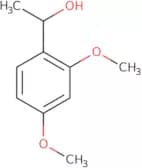
CAS:<p>Kaempferol-7,4'-dimethoxy-8-butyryl ester is a fine chemical that is used as a versatile building block for the synthesis of complex compounds. It is also used in research chemicals and as a reagent and speciality chemical. Kaempferol-7,4'-dimethoxy-8-butyryl ester has CAS number 1284229-43-1 and can be used as an intermediate for the synthesis of other compounds. It is also a useful scaffold for the synthesis of high quality compounds with potential pharmaceutical applications.</p>Formula:C21H20O7Purity:Min. 95%Molecular weight:384.38 g/mol2,4-Dimethoxyphenylmethylcarbinol
CAS:<p>2,4-Dimethoxyphenylmethylcarbinol is a benzene derivative that can be synthesized from 2,4-dimethoxybenzaldehyde and formaldehyde. This compound is an efficient reductant for hydrazine and has been used as a screening agent for new drugs. It is also a pharmacological active substance with anti-inflammatory properties. 2,4-Dimethoxyphenylmethylcarbinol has shown activity against carrageenan-induced rat paw edema, as well as the vessel and ultrasonic effects of irradiation.</p>Formula:C10H14O3Purity:Min. 95%Molecular weight:182.22 g/mol4-Fluoro-2-methoxyphenol
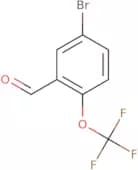
CAS:<p>4-Fluoro-2-methoxyphenol is a fluorinating agent that is used in the manufacture of pharmaceuticals, plastics and pesticides. It has been shown to induce apoptosis in cultured cells by upregulating reactive oxygen species (ROS) and increasing mitochondrial membrane permeability, as well as inhibiting cellular physiology. 4-Fluoro-2-methoxyphenol also inhibits the production of ATP and may be toxic to cells by interfering with dinucleotide phosphate.</p>Formula:C7H7FO2Purity:Min. 95%Color and Shape:Clear LiquidMolecular weight:142.13 g/mol5-Bromo-2-(trifluoromethoxy)benzaldehyde
CAS:<p>5-Bromo-2-(trifluoromethoxy)benzaldehyde is a chemical that is used as a reactant in organic chemistry. It can be used as a building block for the synthesis of complex compounds, or as an intermediate in the preparation of fine chemicals. 5-Bromo-2-(trifluoromethoxy)benzaldehyde is also useful in research and development. It has been used to synthesize pharmaceuticals, pesticides, and other organic compounds.</p>Formula:C8H4BrF3O2Purity:Min. 95%Color and Shape:PowderMolecular weight:269.02 g/mol2-Chloro-6-methoxypyridine
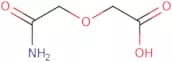
CAS:<p>2-Chloro-6-methoxypyridine (2CMP) is a potent antagonist that binds to copper chloride, inhibiting its ability to activate aryl chlorides. This chemical has been shown to have anti-angiogenic effects in human cancer cells and can be used for the treatment of cancer. 2CMP has also been shown to be effective at blocking angiogenesis in mice with breast cancer. 2CMP is synthesized through an asymmetric synthesis process, which involves the use of a dipole and molecular docking analysis.</p>Formula:C6H6ClNOPurity:Min. 95%Color and Shape:Clear LiquidMolecular weight:143.57 g/mol(2-Amino-2-oxoethoxy)acetic acid
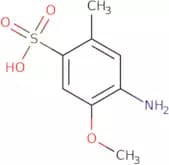
CAS:<p>2-Amino-2-oxoethoxy)acetic acid is a product that can be used as a transport agent in the process of extracting glycosides. It has been shown to have strong adsorption properties and is able to extract glycosides from plant material. 2-Amino-2-oxoethoxy)acetic acid has a high affinity for calcium, which is an important component in the adsorption mechanism.</p>Formula:C4H7NO4Purity:Min. 95%Molecular weight:133.1 g/mol4-Amino-5-methoxy-2-methylbenzenesulfonic acid
CAS:<p>4-Amino-5-methoxy-2-methylbenzenesulfonic acid is a compound that has been used as an additive to analytical reagents in order to improve their sensitivity. This compound is used as the sodium salt, which is water soluble and has a high degree of reproducibility. 4-Amino-5-methoxy-2-methylbenzenesulfonic acid has also been used for the validation of analytical methods, including calibration and cytotoxicity testing. The validation procedure includes colorants, spectra analysis, impurities, and solvents.</p>Formula:C8H11NO4SPurity:Min. 95%Color and Shape:PowderMolecular weight:217.24 g/molFmoc-4-methoxy-4'-(γ-carboxypropyloxy)-benzhydrylamine linked to Alanyl-aminomethyl resin (200-400 mesh)
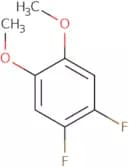
<p>Please enquire for more information about Fmoc-4-methoxy-4'-(gamma-carboxypropyloxy)-benzhydrylamine linked to Alanyl-aminomethyl resin (200-400 mesh) including the price, delivery time and more detailed product information at the technical inquiry form on this page</p>Purity:Min. 95%1,2-Difluoro-4,5-dimethoxybenzene
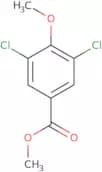
CAS:<p>Diffraction is a technique that is used to measure the angles of the reflections from a crystal or other material. Single-crystal x-ray diffraction (SCXRD) is one form of diffraction that uses a single crystal to generate an image. Diffraction was first observed in 1807 by English scientist William Hyde Wollaston and French physicist Joseph von Fraunhofer. Diffraction can be used to determine the structures of ionic, linear, or annulated frameworks, such as those found in 1,2-Difluoro-4,5-dimethoxybenzene. The molecular geometry and relative orientation of the atoms in these frameworks can be determined through diffraction. This technique is often used to characterize polymers with cyclic structures such as penicillin and cyclic voltammetry. <br>Diffraction studies have shown that 1,2-Difluoro-4,5-dimethoxybenzene has a hydroxylase</p>Formula:C8H8F2O2Purity:Min. 97 Area-%Color and Shape:PowderMolecular weight:174.14 g/molMethyl 3,5-dichloro-4-methoxybenzoate
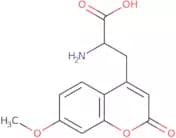
CAS:<p>Methyl 3,5-dichloro-4-methoxybenzoate is a fine chemical and useful building block for research chemicals. It belongs to the class of speciality chemicals and can be used as a reagent in organic synthesis. Methyl 3,5-dichloro-4-methoxybenzoate is a versatile building block that has been reported in the synthesis of many complex compounds. This compound can also be used as an intermediate or scaffold for medicinal chemistry applications.</p>Formula:C9H8Cl2O3Purity:Min. 95%Molecular weight:235.06 g/molH-β-(7-Methoxycoumarin-4-yl)-Ala-OH
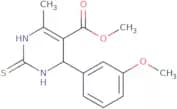
CAS:<p>Please enquire for more information about H-beta-(7-Methoxycoumarin-4-yl)-Ala-OH including the price, delivery time and more detailed product information at the technical inquiry form on this page</p>Formula:C13H13NO5Purity:Min. 95%Molecular weight:263.25 g/molMethyl 4-(3-methoxyphenyl)-6-methyl-2-thioxo-1,2,3,4-tetrahydropyrimidine-5-carboxylate
CAS:<p>Please enquire for more information about Methyl 4-(3-methoxyphenyl)-6-methyl-2-thioxo-1,2,3,4-tetrahydropyrimidine-5-carboxylate including the price, delivery time and more detailed product information at the technical inquiry form on this page</p>Formula:C14H16N2O3SPurity:85%MinMolecular weight:292.35 g/mol1,3,4,6-Tetrakis(methoxymethyl)glycoluril
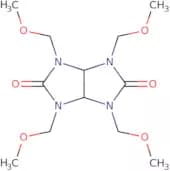
CAS:<p>Tetrakis(methoxymethyl)glycoluril is a cross-linking agent that can be immobilized on various surfaces, including polyvinyl and magnesium oxide. Tetrakis(methoxymethyl)glycoluril is a water soluble molecule that has been used to coat the surface of optical fibers in order to prevent light scattering. This molecule has also been used as a coating for photomasks in order to control the patterning of thin films, such as polymers or photoresists. Tetrakis(methoxymethyl)glycoluril can be synthesized by reacting magnesium oxide with chloromethyl ethers at high temperatures in the presence of phosphorus pentoxide. The reaction produces an intermediate which reacts with deionized water to yield tetrakis(methoxymethyl)glycoluril.</p>Formula:C12H22N4O6Purity:Min. 95%Color and Shape:White PowderMolecular weight:318.33 g/mol2-(Difluoromethoxy)Phenol
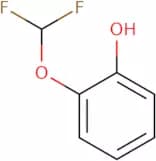
CAS:<p>2-(Difluoromethoxy)Phenol is a purine derivative and pyrimidine derivative. It has been shown to inhibit the growth of cancer cells in vitro and in vivo. 2-(Difluoromethoxy)phenol inhibits multidrug resistance by inhibiting the transport of drugs into cells and thereby preventing their accumulation. As a result, it suppresses inflammatory diseases and autoimmune diseases. The hydroxyl group in this compound can be replaced with fluorine or nitro groups to generate new derivatives with different properties. Piperidine can also be added to this molecule to create an analogue that is more potent than 2-(difluoromethoxy)phenol and has a longer duration of action.</p>Formula:C7H6F2O2Purity:Min. 95%Molecular weight:160.12 g/mol2-[(4-Chloro-2-nitrophenyl)azo]-N-(2-methoxyphenyl)-3-oxobutanamide
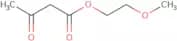
CAS:<p>2-[(4-Chloro-2-nitrophenyl)azo]-N-(2-methoxyphenyl)-3-oxobutanamide is a chelating agent that has been used as a control agent in the manufacture of dyes, plastics, and rubber. It is also used as an additive in paints, textiles, and paper. 2-[(4-Chloro-2-nitrophenyl)azo]-N-(2-methoxyphenyl)-3-oxobutanamide is nonvolatile, nonflammable, and does not produce toxic byproducts when heated. This compound has low molecular weight with a molecular formula of C12H13NO5Cl. The structure of this compound includes two hydroxy groups (OH), one aliphatic hydrocarbon group (CH3), one carboxylic acid group (COOH), and three chlorine atoms (Cl). This product is soluble in water</p>Formula:C17H15ClN4O5Color and Shape:Yellow Clear LiquidMolecular weight:390.78 g/mol2-Methoxyethyl acetoacetate
CAS:<p>2-Methoxyethyl acetoacetate is used as a raw material for coatings. It has been shown to be an effective calcium antagonist in the treatment of leukemia and other cancers. 2-Methoxyethyl acetoacetate has also been shown to inhibit the growth of HL-60 cells when it is incubated with these cells in the presence of hydrochloric acid, malonic acid, and quinoline derivatives. The reaction produces chlorine gas, which is toxic to cells.</p>Formula:C7H12O4Purity:Min. 95%Color and Shape:Clear LiquidMolecular weight:160.17 g/mol2-Isobutyl-3-methoxypyrazine
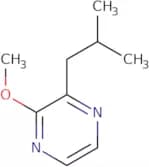
CAS:<p>2-Isobutyl-3-methoxypyrazine is a hydrophobic compound that is not soluble in water. It has a bound form and can be titrated with calorimetry. 2-Isobutyl-3-methoxypyrazine is synthesized by reacting 2,2,4-trimethylpentane with methoxyacetone in the presence of sodium methylate. The compound has been detected as an odorant in numerous plant species and is believed to play a role in plant physiology. 2-Isobutyl-3-methoxypyrazine has been shown to have potent antiviral activity against infectious diseases such as HIV, herpes simplex virus type 1 (HSV1), and varicella zoster virus (VZV). This specific antiviral activity may be due to its ability to bind fatty acids by hydrogen bonds, which may interfere with the synthesis of viral membranes.</p>Formula:C9H14N2OPurity:Min. 95%Molecular weight:166.22 g/molBoc-(R)-2-methoxyphenylglycine
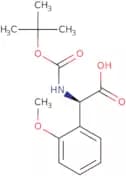
CAS:<p>Please enquire for more information about Boc-(R)-2-methoxyphenylglycine including the price, delivery time and more detailed product information at the technical inquiry form on this page</p>Formula:C14H19NO5Purity:Min. 95%Molecular weight:281.3 g/mol7α-Methyl-3,3-dimethoxy-5(10)-estrene-17-one
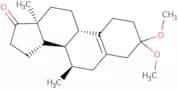
CAS:Controlled Product<p>Please enquire for more information about 7alpha-Methyl-3,3-dimethoxy-5(10)-estrene-17-one including the price, delivery time and more detailed product information at the technical inquiry form on this page</p>Formula:C21H32O3Purity:Min. 95%Color and Shape:PowderMolecular weight:332.48 g/mol4-[(4-chlorophenyl)-2-pyridinylmethoxy]-1-piperidinecarboxylic acid ethylester
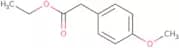
CAS:<p>Please enquire for more information about 4-[(4-chlorophenyl)-2-pyridinylmethoxy]-1-piperidinecarboxylic acid ethylester including the price, delivery time and more detailed product information at the technical inquiry form on this page</p>Formula:C20H23ClN2O3Purity:Min. 95%Molecular weight:374.86 g/molEthyl 4-methoxyphenylacetate
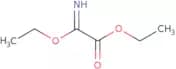
CAS:<p>Ethyl 4-methoxyphenylacetate is a fatty acid that is synthesized by the condensation of aniline and pyrrole. It has been shown to inhibit the growth of bacteria, such as Salmonella typhi and Staphylococcus aureus, in vitro. The inhibition of bacterial growth is thought to be due to its ability to react with hydrogen fluoride, which results in the formation of reactive oxygen species and nitrogen radicals. This compound also inhibits the production of tyrosinase in human skin cells, which may be beneficial for individuals with acne. Ethyl 4-methoxyphenylacetate has been shown to be safe for use in clinical trials.</p>Formula:C11H14O3Purity:Min. 95%Color and Shape:Clear LiquidMolecular weight:194.23 g/molEthoxyiminoacetic acid ethyl ester
CAS:<p>Ethoxyiminoacetic acid ethyl ester is an annulated, lactam-containing compound that is synthesized via the condensation of ethyl thiooxamate and carboxylic acid. This drug has been shown to be efficient in inhibiting the growth of bacteria that are resistant to antibiotics such as polycyclic, triazoles, and condensates. It also inhibits protein synthesis by binding to bacterial DNA gyrase and topoisomerase IV. Ethoxyiminoacetic acid ethyl ester has shown significant antimicrobial activity against Gram-positive bacteria such as streptococci and staphylococci.</p>Formula:C6H11NO3Purity:Min. 95%Molecular weight:145.16 g/mol3-(3,5-Dimethoxyphenyl)propionic acid methyl ester
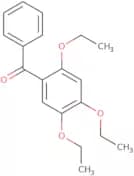
CAS:<p>3-(3,5-Dimethoxyphenyl)propionic acid methyl ester is a reagent that is used as a reactant in organic synthesis. It is also useful as a scaffold for the synthesis of heterocycles and other complex compounds. 3-(3,5-Dimethoxyphenyl)propionic acid methyl ester is used in research chemical synthesis and as a versatile building block for the production of fine chemicals. This chemical can be used to create products such as pharmaceuticals, pesticides, and cosmetics.</p>Formula:C12H16O4Purity:Min. 95%Molecular weight:224.25 g/mol2,4,5-Triethoxybenzophenone
CAS:<p>2,4,5-Triethoxybenzophenone is a regioisomeric carbonyl compound that can be synthesized by reacting phenol with an ester of an aliphatic alcohol and an aromatic hydrocarbon. This product has a variety of uses, including as a precursor for the synthesis of other compounds. 2,4,5-Triethoxybenzophenone is used in the manufacture of benzoates, metal carbonyls, acetophenones, aryl ketones and arylcarbonyls. It has been shown to be effective in the treatment of various skin conditions such as acne and dandruff. The frequency factor for this compound is 5.</p>Formula:C19H22O4Purity:Min. 95%Color and Shape:PowderMolecular weight:314.38 g/mol


![2-[(2S,3S,4S)-3-Formyl-5-Methoxycarbonyl-2-Methyl-3,4-Dihydro-2H-Pyran-4-Yl]Acetic Acid](/_next/image/?url=https%3A%2Fstatic.cymitquimica.com%2Fproducts%2F3D%2Fthumb-webp%2FFF71925.webp&w=3840&q=75)
![3-[1-(2-Methoxyethyl)-1H-indol-3-yl]propanoic acid](/_next/image/?url=https%3A%2Fstatic.cymitquimica.com%2Fproducts%2F3D%2Fthumb-webp%2FFM135770.webp&w=3840&q=75)


![[2-(3,4-Dimethoxyphenyl)-1,3-thiazol-4-yl]acetic acid](/_next/image/?url=https%3A%2Fstatic.cymitquimica.com%2Fproducts%2F3D%2Fthumb-webp%2FFD124430.webp&w=3840&q=75)

![[1-(2-Methoxyethyl)-1H-indol-3-yl]acetic acid](/_next/image/?url=https%3A%2Fstatic.cymitquimica.com%2Fproducts%2F3D%2Fthumb-webp%2FFM135744.webp&w=3840&q=75)

![4-Bromo-7-methoxy-1H-pyrrolo[2,3-c]pyridine](/_next/image/?url=https%3A%2Fstatic.cymitquimica.com%2Fproducts%2F3D%2Fthumb-webp%2FFB141995.webp&w=3840&q=75)



![(2S,3S)-5-[2-(Dimethylamino)ethyl]-3-hydroxy-2-(4-methoxyphenyl)-2,3-dihydro-1,5-benzothiazepin-4-…](/_next/image/?url=https%3A%2Fstatic.cymitquimica.com%2Fproducts%2F3D%2Fthumb-webp%2FFD45531.webp&w=3840&q=75)
![1-(4-Amino-6,7-dimethoxy-2-quinazolinyl)-4-[(tetrahydro-2-furanyl)carbonxyl]piperazine hydrochlori…](/_next/image/?url=https%3A%2Fstatic.cymitquimica.com%2Fproducts%2F3D%2Fthumb-webp%2FFA28036.webp&w=3840&q=75)




![4-[Bis(4-ethoxyphenyl)methyl]piperidine](/_next/image/?url=https%3A%2Fstatic.cymitquimica.com%2Fproducts%2F3D%2Fthumb-webp%2FFB116975.webp&w=3840&q=75)

![4-[1-(2-Methoxyethyl)-1H-indol-3-yl]butanoic acid](/_next/image/?url=https%3A%2Fstatic.cymitquimica.com%2Fproducts%2F3D%2Fthumb-webp%2FFM135737.webp&w=3840&q=75)



![2,7-Bis[2-(diethylamino)ethoxy]-9-fluorenone dihydrochloride](/_next/image/?url=https%3A%2Fstatic.cymitquimica.com%2Fproducts%2F3D%2Fthumb-webp%2FFB37106.webp&w=3840&q=75)



![2-[(4-Chloro-2-nitrophenyl)azo]-N-(2-methoxyphenyl)-3-oxobutanamide](/_next/image/?url=https%3A%2Fstatic.cymitquimica.com%2Fproducts%2F3D%2Fthumb-webp%2FFC149929.webp&w=3840&q=75)
![4-[(4-chlorophenyl)-2-pyridinylmethoxy]-1-piperidinecarboxylic acid ethylester](/_next/image/?url=https%3A%2Fstatic.cymitquimica.com%2Fproducts%2F3D%2Fthumb-webp%2FFP152183.webp&w=3840&q=75)