


Ethers
Ethers are organic compounds containing an ether functional group, characterized by an oxygen atom bonded to two hydrocarbon radicals. These compounds are valuable in synthesis and serve as solvents in various chemical reactions. At CymitQuimica, we offer a selection of high-quality ethers to support your research and industrial applications, ensuring reliable and effective results. Our range of ethers meets diverse laboratory requirements, from routine experiments to advanced research.
Found 40712 products of "Ethers"
Sort by
Purity (%)
0
100
|
0
|
50
|
90
|
95
|
100
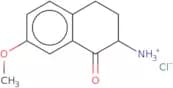
2-Amino-3,4-dihydro-7-methoxy-2H-1-naphthalenone, hydrochloride
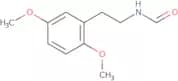
CAS:Controlled Product<p>Please enquire for more information about 2-Amino-3,4-dihydro-7-methoxy-2H-1-naphthalenone, hydrochloride including the price, delivery time and more detailed product information at the technical inquiry form on this page</p>Formula:C11H14ClNO2Purity:Min. 95%Molecular weight:227.69 g/mol2-(2,5-Dimethoxyphenyl)ethylformamide
CAS:Controlled Product<p>Please enquire for more information about 2-(2,5-Dimethoxyphenyl)ethylformamide including the price, delivery time and more detailed product information at the technical inquiry form on this page</p>Formula:C11H15NO3Purity:Min. 95%Molecular weight:209.24 g/mol[4-[2-(Diethylamino)ethoxy]-3-iodophenyl][2-(1-hydroxybutyl)-3-benzofuranyl]-methanone
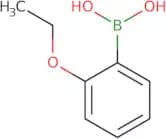
CAS:Controlled Product<p>Please enquire for more information about [4-[2-(Diethylamino)ethoxy]-3-iodophenyl][2-(1-hydroxybutyl)-3-benzofuranyl]-methanone including the price, delivery time and more detailed product information at the technical inquiry form on this page</p>Formula:C25H30INO4Purity:Min. 95%Molecular weight:535.41 g/mol2-Ethoxyphenylboronic acid
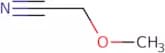
CAS:<p>Ethoxyphenylboronic acid is a triazine compound which inhibits inflammation by inhibiting the kinase that catalyzes the phosphorylation of arachidonic acid. It also inhibits lipid kinase, which is involved in the metabolism of lipids, and it has been shown to inhibit cancer cell growth through hydrogen bond interactions with DNA. Ethoxyphenylboronic acid has been shown to have anti-inflammatory properties and may be useful for the treatment of inflammatory diseases such as arthritis. The compound can also inhibit hydrogen peroxide-induced oxidative damage in cells, due to its ability to release intracellular glutathione.</p>Formula:C8H11BO3Purity:Min. 95%Molecular weight:165.98 g/molMethoxyacetonitrile
CAS:<p>Methoxyacetonitrile is a chemical that is used in the manufacture of acrylate polymers. Acrylate polymers are used in animal health, such as plastics for veterinary use and as a coating on animal feed. Methoxyacetonitrile can be used to create a cationic polymerization reaction with an organic solution. The resulting polymer film has been shown to have good chemical stability. Productivity depends on the temperature and size of the particles, which can be controlled with an electric field or by changing the concentration of reactants. Methoxyacetonitrile may also be used as a dietary supplement because it has been shown to provide relief from chronic coughs.</p>Formula:C3H5NOPurity:Min. 95%Color and Shape:Clear LiquidMolecular weight:71.08 g/mol2,3,3-Trimethyl 5-methoxy indolenine
CAS:<p>2,3,3-Trimethyl 5-methoxy indolenine (TMMI) is a fluorescent probe that has been used in photodynamic therapy. TMMI is chemically stable and has an unsymmetrical heterocycle with optical properties that allow it to be excited by green light at wavelengths of 540 nm. TMMI can be used to image hypoxic regions of the brain. This molecule has also been used as an enhancement agent for neovascularization and angiography. TMMI can be synthesized using mesoporous silica nanoparticles and halogens such as chlorine or bromine.</p>Formula:C12H15NOPurity:Min. 95%Molecular weight:189.25 g/mol3,7,4'-Trihydroxy-5-methoxy-8-prenylflavanone, (2R,3S)-
<p>3,7,4'-Trihydroxy-5-methoxy-8-prenylflavanone, (2R,3S)- is a naturally occurring prenylated flavanone, which is primarily sourced from various plant species. This compound is part of the larger flavonoid family and is often found in certain medicinal plants known for their wide range of therapeutic properties. Its structure comprises a flavanone backbone, modified by hydroxyl, methoxy, and prenyl groups that contribute to its distinctive chemical profile.</p>Purity:Min. 95%3-[1-(2-Methoxyethyl)-1H-indol-3-yl]propanoic acid
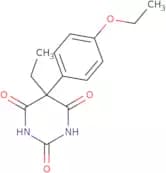
CAS:Controlled Product<p>Please enquire for more information about 3-[1-(2-Methoxyethyl)-1H-indol-3-yl]propanoic acid including the price, delivery time and more detailed product information at the technical inquiry form on this page</p>Formula:C14H17NO3Purity:Min. 95%Molecular weight:247.29 g/mol5-(4-Ethoxyphenyl)-5-ethylbarbituric acid
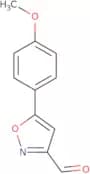
CAS:Controlled Product<p>Please enquire for more information about 5-(4-Ethoxyphenyl)-5-ethylbarbituric acid including the price, delivery time and more detailed product information at the technical inquiry form on this page</p>Formula:C14H16N2O4Purity:Min. 95%Molecular weight:276.29 g/mol5-(4-Methoxyphenyl)isoxazole-3-carboxaldehyde
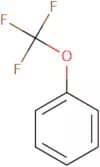
CAS:<p>5-(4-Methoxyphenyl)isoxazole-3-carboxaldehyde (5MI) is a broad-spectrum antimicrobial agent that exhibits activity against bacteria and fungi. It has been shown to be active against gram-positive bacteria, including Staphylococcus aureus, as well as Candida albicans and other pathogenic fungi. 5MI is active in the presence of ethanol, but not in the absence of alcohol. In vitro studies show that 5MI inhibits the growth of gram-negative bacteria such as Escherichia coli and Salmonella enterica serovar Typhimurium. 5MI also exhibits antifungal activity against Aspergillus niger and Saccharomyces cerevisiae.</p>Formula:C11H9NO3Purity:Min. 95%Molecular weight:203.19 g/mol(Trifluoromethoxy)benzene
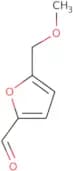
CAS:<p>(Trifluoromethoxy)benzene is a colorless liquid that has a boiling point of 97.1°C and a flashpoint of 23°C. It is an aromatic hydrocarbon with the molecular formula C6H3(OCH2CF3) and a molecular weight of 132.2 g/mol. The compound belongs to group P2, it's soluble in water, and can be prepared by reacting trifluoroacetic acid with methyl pentanoate. (Trifluoromethoxy)benzene has antimicrobial properties, but it also causes autoimmune diseases in animals. It is used as an industrial solvent and as a reagent for the preparation of other chemicals.</p>Formula:C7H5OF3Purity:Min. 95%Molecular weight:162.11 g/mol5-(Methoxymethyl)-2-furancarboxaldehyde
CAS:<p>5-hydroxymethylfurfural (5-hmf) is an organic compound that is produced when a carbohydrate or sugar undergoes oxidation. It is used as an additive in animal feed and as an industrial chemical. 5-hmf is a solid catalyst that can be used at high temperatures, making it suitable for use in the production of 2,6-dihydroxybenzoic acid. The reaction mechanism of 5-hmf involves the dehydration of furfural to form 5-hydroxymethylfurfural. This process occurs when a molecule of water reacts with furfural to produce two molecules of 5-hmf. The reaction may be accelerated by introducing heat, which breaks down the hydrogen bonds between the molecules of furfural and water.</p>Formula:C7H8O3Purity:Min. 95%Color and Shape:Clear LiquidMolecular weight:140.14 g/mol[1-(2-Methoxyethyl)-1H-indol-3-yl]acetic acid
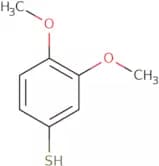
CAS:Controlled Product<p>Please enquire for more information about [1-(2-Methoxyethyl)-1H-indol-3-yl]acetic acid including the price, delivery time and more detailed product information at the technical inquiry form on this page</p>Formula:C13H15NO3Purity:Min. 95%Molecular weight:233.26 g/mol3,4-Dimethoxythiophenol
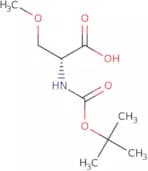
CAS:<p>3,4-Dimethoxythiophenol is a chemical compound that is used as a fluorescence probe to study biological functions in cells. It reacts with hydroxyl groups and other reactive sites on proteins, including sulfhydryl groups, thiols, and amines. 3,4-Dimethoxythiophenol has been shown to inhibit the viability of cancer cells (e.g., prostate cancer cells) by interfering with the function of dehydrogenase enzymes. 3,4-Dimethoxythiophenol also inhibits growth of microglia (cells that protect neurons) in vitro. This inhibition is due to the production of reactive oxygen species by the microglial cells. The chemical structure of this compound includes a hydroxyl group and two methoxy groups.</p>Formula:C8H10O2SPurity:Min. 95%Color and Shape:Clear LiquidMolecular weight:170.23 g/mol(R)-2-((tert-Butoxycarbonyl)amino)-3-methoxypropanoic acid
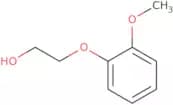
CAS:<p>(R)-2-((tert-Butoxycarbonyl)amino)-3-methoxypropanoic acid (BAAM) is a potent, orally bioavailable, and pharmacokinetically well-characterized inhibitor of blood coagulation that has been shown to be effective in animal models. BAAM inhibits the activity of tissue factor (TF), an enzyme that initiates the blood coagulation cascade. TF is important for hemostasis because it is activated by contact with blood and tissue factors such as collagen or thrombin. BAAM has shown some promise as a potential treatment for thrombosis, which can lead to heart attacks and strokes.</p>Formula:C9H17NO5Purity:Min. 95%Molecular weight:219.24 g/mol2-(2-Methoxyphenoxy)ethanol
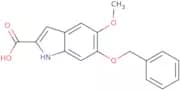
CAS:<p>2-(2-Methoxyphenoxy)ethanol (2-MPE) is a metabolite of propanediol, which is a precursor in the synthesis of polyurethanes. 2-MPE can be oxidized by monooxygenases to form syringyl and other reactive metabolites. Basic hydrolysis may also produce monomers such as phenols, alcohols, and carboxylic acids. Syringyl is one of the metabolic products of 2-MPE, which has been shown to be resistant to degradation by basidiomycete fungi.</p>Formula:C9H12O3Purity:Min. 95%Molecular weight:168.19 g/mol6-Benzyloxy-5-methoxyindole-2-carboxylic acid
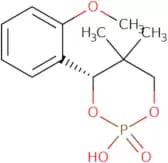
CAS:<p>Please enquire for more information about 6-Benzyloxy-5-methoxyindole-2-carboxylic acid including the price, delivery time and more detailed product information at the technical inquiry form on this page</p>Formula:C17H15NO4Purity:Min. 95%Molecular weight:297.31 g/mol(S)-(-)-2-Hydroxy-4-(2-methoxyphenyl)-5,5-dimethyl-1,3,2-dioxaphosphorinane 2-oxide
CAS:<p>(S)-(-)-2-Hydroxy-4-(2-methoxyphenyl)-5,5-dimethyl-1,3,2-dioxaphosphorinane 2-oxide is a crystallization inhibitor. It can be used in the treatment of osteoporosis and to prevent the calcification of prostate tissue. (S)-(-)-2-Hydroxy-4-(2-methoxyphenyl)-5,5-dimethyl-1,3,2-dioxaphosphorinane 2-oxide has been shown to inhibit nucleation and crystal growth by adsorbing to the surfaces of nuclei and inhibiting inhibitor molecules from diffusing into the nucleus. This compound also inhibits the crystallization process by binding to one molecule of phosphate on each phosphate site on a crystal surface. The result is that there are fewer sites available for other molecules to bind, preventing crystal growth.</p>Formula:C12H17O5PPurity:Min. 95%Color and Shape:Slightly Yellow PowderMolecular weight:272.23 g/molMethyl 3-formyl-4,6-dimethoxy-1-methyl-1H-indole-2-carboxylate
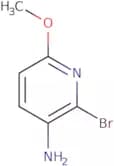
CAS:Controlled Product<p>Please enquire for more information about Methyl 3-formyl-4,6-dimethoxy-1-methyl-1H-indole-2-carboxylate including the price, delivery time and more detailed product information at the technical inquiry form on this page</p>Formula:C14H15NO5Purity:Min. 95%Molecular weight:277.27 g/mol2-Bromo-6-methoxypyridin-3-amine
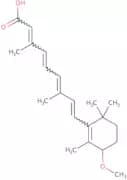
CAS:<p>2-Bromo-6-methoxypyridin-3-amine is a perovskite that has been shown to have a high photoluminescence quantum yield and can be used in solar cells. This compound interacts with both the ligands and the acceptors, boosting the efficiency of these compounds. The 2-bromo-6 methoxypyridin-3 amine is a semiconductor with an electron affinity of 1.9 eV and a band gap of 1.6 eV. It has been shown to be efficient as a photoluminescent material in nanocrystals.</p>Formula:C6H7BrN2OPurity:Min. 95%Molecular weight:203.04 g/mol4-Methoxy retinoic acid
CAS:<p>Please enquire for more information about 4-Methoxy retinoic acid including the price, delivery time and more detailed product information at the technical inquiry form on this page</p>Formula:C21H30O3Purity:Min. 95%Molecular weight:330.46 g/mol3-(4-Methoxyphenyl)pyrazole
CAS:<p>3-(4-Methoxyphenyl)pyrazole is a fungicide that belongs to the group of nitrophenol derivatives. It inhibits the growth of plant pathogenic fungi by inhibiting the synthesis of proteins and nucleic acids. 3-(4-Methoxyphenyl)pyrazole has an inhibitory effect on seed germination and germination, as well as on hydroxymethylation reactions in fungal mycelia. 3-(4-Methoxyphenyl)pyrazole also has bactericidal properties and can be used for controlling bacteria in water systems.</p>Formula:C10H10N2OPurity:Min. 95%Molecular weight:174.2 g/mol3-(Chloromethyl)-4-methoxybenzaldehyde
CAS:<p>3-(Chloromethyl)-4-methoxybenzaldehyde is a natural product that can be extracted from the rhizomes of the plant. It has been shown to have antibacterial activity in laboratory experiments and has been used in traditional medicine for the treatment of fungus infections. 3-(Chloromethyl)-4-methoxybenzaldehyde is an imidazolylmethyl derivative with a hexane structure. It reacts with hydrochloric acid to form a molecule called chloromethylation, which is also known as an esterification reaction. Piperazine acts as a catalyst in this reaction, increasing its scalability and making it suitable for large-scale production. The compound exhibits radical scavenging activity, which may be due to its ability to donate electrons or hydrogen atoms to free radicals.</p>Formula:C9H9CIO2Purity:Min. 95%Molecular weight:288.08 g/mol8-Methoxymethyl-1-methyl-3-(2-methylpropyl) xanthine
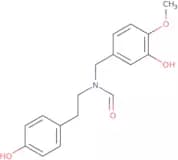
CAS:Controlled Product<p>8-Methoxymethyl-1-methyl-3-(2-methylpropyl) xanthine (8MMX) is an intracellular calcium ion chelator that inhibits enzyme activity in the cyclic nucleotide phosphodiesterase enzyme family. 8MMX has been shown to be a potent inhibitor of both cyclic nucleotide phosphodiesterases and cyclic nucleotide phosphodiesterase isoenzymes. 8MMX has been shown to inhibit bladder contractility and improve bladder function in animal models. It also reduces the incidence of papillary muscle rupture, which can lead to heart failure, and improves ventricular function by increasing the rate of relaxation of the left ventricle.<br>8MMX is a potential treatment for pulmonary hypertension, which is caused by increased concentrations of intracellular calcium ions.</p>Formula:C12H18N4O3Purity:Min. 95%Molecular weight:266.3 g/molN-(p-Hydroxyphenethyl)-N-(3-hydroxy-4-methoxybenzyl)formamide
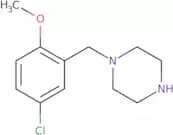
CAS:Controlled Product<p>Please enquire for more information about N-(p-Hydroxyphenethyl)-N-(3-hydroxy-4-methoxybenzyl)formamide including the price, delivery time and more detailed product information at the technical inquiry form on this page</p>Formula:C17H19NO4Purity:Min. 95%Molecular weight:301.34 g/mol1-(5-Chloro-2-methoxybenzyl)piperazine
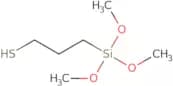
CAS:Controlled Product<p>Please enquire for more information about 1-(5-Chloro-2-methoxybenzyl)piperazine including the price, delivery time and more detailed product information at the technical inquiry form on this page</p>Formula:C12H17ClN2OPurity:Min. 95%Molecular weight:240.73 g/mol(3-Mercaptopropyl)trimethoxysilane
CAS:<p>3-Mercaptopropyl)trimethoxysilane is a molecule made up of three parts: a trimethoxysilane group, a trimethylsilyl group, and a mercapto group. The trimethoxysilane group is hydrophilic in nature and has an electron withdrawing effect on the molecule. The trimethylsilyl group is hydrophobic in nature and has an electron donating effect on the molecule. The mercapto group is reactive in nature and has a high redox potential. 3-Mercaptopropyl)trimethoxysilane can be used as a chemical additive to increase the stability of hydrochloric acid in water vapor by reacting with the hydroxyl groups to form stable compounds. This compound also reacts with hydrogen gas to produce methane gas, which can be used as fuel or as an alternative energy source. 3-Mercaptopropyl)trimethoxysilane also has synergistic</p>Formula:C6H16O3SSiPurity:Min. 98 Area-%Color and Shape:Colorless Clear LiquidMolecular weight:196.34 g/mol4-(4-Hydroxymethyl-3-methoxyphenoxy)-butyric acid
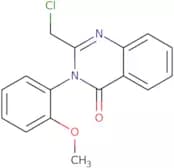
CAS:Controlled Product<p>4-(4-Hydroxymethyl-3-methoxyphenoxy)-butyric acid (HMPA) is a synthetic compound that is used in the production of butyric acid. It is also used as a reagent in the preparation of enzymes and enzyme preparations, such as serine proteases. HMPA has been used as an intermediate in the synthesis of ribulose, which is a sugar molecule found in plants. The structure of this compound can be determined by FTIR spectroscopy and by X-ray crystallography. HMPA has been shown to have hydrogen bonding between its molecules, which may account for its stability. Hydrogen bonding accounts for the solidity of this compound and its resistance to heat and solvents.</p>Formula:C12H16O5Purity:Min. 95%Molecular weight:240.25 g/mol2-(Chloromethyl)-3-(2-methoxyphenyl)quinazolin-4(3H)-one
CAS:Controlled Product<p>Please enquire for more information about 2-(Chloromethyl)-3-(2-methoxyphenyl)quinazolin-4(3H)-one including the price, delivery time and more detailed product information at the technical inquiry form on this page</p>Formula:C16H13ClN2O2Purity:Min. 95%Molecular weight:300.74 g/mol5-Bromo-2,3-dimethoxypyrazine
CAS:<p>Please enquire for more information about 5-Bromo-2,3-dimethoxypyrazine including the price, delivery time and more detailed product information at the technical inquiry form on this page</p>Formula:C6H7BrN2O2Purity:Min. 95%Molecular weight:219.04 g/mol2,2'-Bis-(1-adamantyl)-4,4'-dimethoxybiphenyl
CAS:<p>2,2'-Bis-(1-adamantyl)-4,4'-dimethoxybiphenyl is a methyl ester of adapalene. It is used to assess the effects of adapalene on the skin and to determine its marker for topical application.</p>Formula:C34H42O2Purity:Min. 95%Molecular weight:482.7 g/molDimethyl 7,7'-dimethoxy-[4,4'-bibenzo[d][1,3]dioxole]-5,5'-dicarboxylate
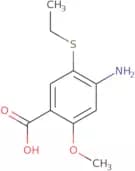
CAS:<p>Dimethyl 7,7'-dimethoxy-[4,4'-bibenzo[d][1,3]dioxole]-5,5'-dicarboxylate is a biocompatible polymer that can be used in the treatment of liver injury. It has been shown to have an inhibitory effect on hepatic enzyme activities and synchronous fluorescence. Dimethyl 7,7'-dimethoxy-[4,4'-bibenzo[d][1,3]dioxole]-5,5'-dicarboxylate can be used as a matrix for curcuma aromatica to remove wastewater contaminants. This polymer also has the ability to inhibit monoethyl ether-induced liver injury in low-dose groups and reduce hepatitis B virus replication.</p>Formula:C20H18O10Purity:Min. 95%Molecular weight:418.35 g/mol2-Methoxy-4-amino-5-ethylthiobenzoic acid
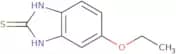
CAS:<p>Please enquire for more information about 2-Methoxy-4-amino-5-ethylthiobenzoic acid including the price, delivery time and more detailed product information at the technical inquiry form on this page</p>Formula:C10H13NO3SPurity:Min. 95%Molecular weight:227.28 g/mol5-Ethoxy-2-mercaptobenzimidazole
CAS:<p>5-Ethoxy-2-mercaptobenzimidazole is a corrosion inhibitor that has been shown to inhibit the growth of cancer cells by causing them to undergo apoptotic cell death. It also has a protective effect on nerve cells, as evidenced by its ability to prevent the neurotoxic effects of hydrochloric acid. 5-Ethoxy-2-mercaptobenzimidazole is synthesized from 2-(2'-hydroxyethoxy)benzaldehyde and ethyl chloroformate in the presence of sodium chloride and hydrochloric acid. It is then converted into 5-ethoxy-2-mercaptobenzimidazole with sodium hydroxide.</p>Formula:C9H10N2OSPurity:Min. 95%Color and Shape:PowderMolecular weight:194.25 g/mol4-Methoxybenzylamine
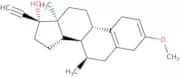
CAS:<p>4-Methoxybenzylamine is an organic amine that has a redox potential of -0.14 V (vs. SHE) and a pK a of 10.5. It is used in the synthesis of trifluoroacetic acid esters, which are used as pharmaceutical intermediates. 4-Methoxybenzylamine has been shown to be effective in alleviating pain in animal models, and its mechanism of action may be due to inhibition of the enzyme cyclooxygenase. The kinetic data for this reaction were obtained by studying the deuterium isotope effect, which is characterized by a low energy barrier and rapid reaction rate. The hydrolysis step is also important for the reaction mechanism, with protocatechuic acid being an intermediate product. Hydrochloric acid is needed for dehydration of the reactants, while an aryl halide can be used instead in some cases. In these reactions, there are many possible reaction</p>Formula:C8H11NOPurity:Min. 95%Molecular weight:137.18 g/mol2-Dehydro-3-methoxy tibolone
CAS:Controlled Product<p>Please enquire for more information about 2-Dehydro-3-methoxy tibolone including the price, delivery time and more detailed product information at the technical inquiry form on this page</p>Formula:C22H30O2Purity:Min. 95%Molecular weight:326.47 g/mol5-(2,4-Dimethoxyphenyl)cyclohexane-1,3-dione
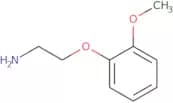
CAS:Controlled Product<p>Please enquire for more information about 5-(2,4-Dimethoxyphenyl)cyclohexane-1,3-dione including the price, delivery time and more detailed product information at the technical inquiry form on this page</p>Formula:C14H16O4Purity:Min. 95%Molecular weight:248.27 g/mol2-(2-Methoxyphenoxy)ethylamine base
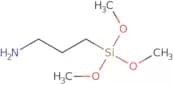
CAS:<p>2-(2-Methoxyphenoxy)ethylamine base is an inorganic base with a hydroxyl group. It is soluble in organic solvents and has been used as a coumarin derivative. 2-(2-Methoxyphenoxy)ethylamine base has shown potential use as an antifungal agent, which may be due to its ability to cause lysis in fungi cells. This compound has also shown in vitro activity against bacteria and viruses, including herpes simplex virus type 1 and HIV-1. The 2-(2-methoxyphenoxy)ethylamine base can be sulfonated or acid catalyzed to produce other derivatives that have potential use as anti-inflammatory or analgesic agents.</p>Formula:C9H13NO2Purity:Min. 95%Molecular weight:167.21 g/mol3-Aminopropyltrimethoxysilane
CAS:<p>3-Aminopropyltrimethoxysilane is a chemical that belongs to the group of aminopropyltriethoxysilanes. It is a reactive substance and is commonly used as an additive in adhesives and sealants. 3-Aminopropyltrimethoxysilane has been shown to be an efficient coupling agent for the formation of hydroxyl groups on nanoparticles, which are then used as drug carriers. The optimum concentration of 3-aminopropyltrimethoxysilane lies between 0.01 and 0.1 M, with a pH range of 6 and 8. This chemical can react with hydrochloric acid, resulting in the production of hydrogen gas; with cervical cancer cells in culture, leading to cell death; or with skin cells, causing damage to their transport properties.</p>Formula:C6H17NO3SiPurity:Min. 95%Color and Shape:Clear LiquidMolecular weight:179.29 g/molN-Benzyl-4-carboethoxypiperidine
CAS:<p>N-Benzyl-4-carboethoxypiperidine (NBP) is a potential drug for the treatment of Alzheimer's disease. It is an acetylcholinesterase inhibitor that blocks the breakdown of acetylcholine, leading to increased levels of this neurotransmitter in the brain. NBP has been shown to inhibit butyrylcholinesterase, an enzyme responsible for breaking down acetylcholine. This inhibition leads to increased levels of acetylcholine in the brain and prevents the development of Alzheimer's disease. NBP has also been shown to have a low level of toxicity in mice and rats and does not inhibit other enzymes such as carboxypeptidases or aminopeptidases.</p>Formula:C15H21NO2Purity:Min. 95%Color and Shape:Clear LiquidMolecular weight:247.33 g/mol2,3-Dihydro-1-(3-hydroxypropyl)-5-[(2R)-2-[[2-[2-(2,2,2-trifluoroethoxy)phenoxy]ethyl]amino]propyl]-1H-indole-7-carbonitrile
CAS:<p>Please enquire for more information about 2,3-Dihydro-1-(3-hydroxypropyl)-5-[(2R)-2-[[2-[2-(2,2,2-trifluoroethoxy)phenoxy]ethyl]amino]propyl]-1H-indole-7-carbonitrile including the price, delivery time and more detailed product information at the technical inquiry form on this page</p>Formula:C25H30F3N3O3Purity:Min. 95%Molecular weight:477.52 g/mol(2S, 3S)-3-(Ethoxycarbonyl)-oxirane-2-carboxylic acid
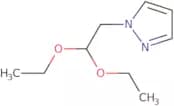
CAS:<p>Please enquire for more information about (2S, 3S)-3-(Ethoxycarbonyl)-oxirane-2-carboxylic acid including the price, delivery time and more detailed product information at the technical inquiry form on this page</p>Formula:C6H8O5Purity:Min. 95%Color and Shape:Clear LiquidMolecular weight:160.12 g/mol1-(2,2-Diethoxyethyl)-1H-pyrazole
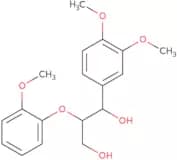
CAS:<p>Please enquire for more information about 1-(2,2-Diethoxyethyl)-1H-pyrazole including the price, delivery time and more detailed product information at the technical inquiry form on this page</p>Formula:C9H16N2O2Purity:Min. 95%Molecular weight:184.24 g/mol1-(3,4-Dimethoxyphenyl)-2-(2-methoxyphenoxy)propane-1,3-diol
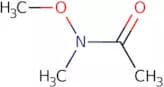
CAS:<p>1,3-Dimethoxy-2-(2-methoxyphenoxy)propane-1,3-diol (DMMP) is a natural product with antioxidant properties. It has been shown to be a potent inhibitor of the epidermal growth factor receptor (EGFR), and also inhibits the activity of the response elements for EGFR. DMMP is also a potent inhibitor of proliferation in human cancer cells and can inhibit the growth of tumour cells that are resistant to methotrexate. DMMP is a precursor to protocatechuic acid, which has been shown to have anti-herpes virus effects. DMMP has been shown to decrease the rate of second order reactions through its ability to react with carbonyl groups on proteins. This reaction leads to an increase in stability and decreases the rate of protein degradation by proteases. A mutant strain was found that can produce this compound without any external stimulus, making it ideal for use as an antibiotic against bacterial</p>Formula:C18H22O6Purity:Min. 95 Area-%Color and Shape:PowderMolecular weight:334.36 g/molN-Methoxy-N-methylacetamide
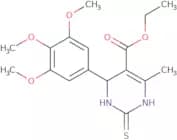
CAS:<p>N-Methoxy-N-methylacetamide is a nucleophilic amide that can be synthesized by the reaction of acetamide with methylmagnesium chloride. It has been used to synthesize an enantiopure derivative of 2-aminopropanol, which is used in the synthesis of potent antitumor agents. N-Methoxy-N-methylacetamide has shown potent anticancer activity in mice and rats. This molecule exhibits a carbonyl group that can act as an enolate, which is a reactive intermediate within chemical reactions. The nucleophilic attack on this carbonyl group leads to intramolecular hydrogen transfer, producing a more stable product.</p>Formula:C4H9NO2Purity:Min. 95%Molecular weight:103.12 g/molEthyl 6-methyl-2-thioxo-4-(3,4,5-trimethoxyphenyl)-1,2,3,4-tetrahydropyrimidine-5-carboxylate
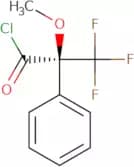
CAS:<p>Please enquire for more information about Ethyl 6-methyl-2-thioxo-4-(3,4,5-trimethoxyphenyl)-1,2,3,4-tetrahydropyrimidine-5-carboxylate including the price, delivery time and more detailed product information at the technical inquiry form on this page</p>Formula:C17H22N2O5SPurity:90%MinMolecular weight:366.43 g/mol(R)-(-)-α-Methoxy-α-(trifluoromethyl)phenylacetyl chloride
CAS:<p>(R)-(-)-alpha-Methoxy-alpha-trifluoromethyl-phenylacetyl chloride is an enantiomer that has a chiral center. It is used in the synthesis of metoprolol and bisoprolol, which are drugs that are prescribed to treat hypertension and angina pectoris. The racemate is used in the separation of amines by high performance liquid chromatography (Hplc). This compound also has a hydroxyl group and two fatty acids, which can be identified using a chromatographic method. The compound contains a chloride as well as a transfer group.</p>Formula:C10H8ClF3O2Purity:Min. 95%Color and Shape:Clear LiquidMolecular weight:252.62 g/mol2-[2-[2-(2-Azidoethoxy)ethoxy]ethoxy]ethanol
CAS:<p>2-[2-[2-(2-Azidoethoxy)ethoxy]ethoxy]ethanol is a PEG polymer categorised as monofunctional (OH-PEG-X). Used as a linker, 2-[2-[2-(2-azidoethoxy)ethoxy]ethoxy]ethanol is used to attached PEG to proteins, peptides, oligonucleotides, nanoparticles and small molecules via pegylation, a bioconjugation technique.</p>Formula:C8H17N3O4Purity:Min. 95%Color and Shape:Colorless PowderMolecular weight:219.24 g/mol1-(4-Methoxyphenyl)-3-phenyl-1H-pyrazole-5-carboxylic acid
CAS:Controlled Product<p>Please enquire for more information about 1-(4-Methoxyphenyl)-3-phenyl-1H-pyrazole-5-carboxylic acid including the price, delivery time and more detailed product information at the technical inquiry form on this page</p>Formula:C17H14N2O3Purity:Min. 95%Color and Shape:PowderMolecular weight:294.3 g/mol3-[4-(2-Methoxyethyl)phenoxy]-1,2-epoxypropane
CAS:<p>3-[4-(2-Methoxyethyl)phenoxy]-1,2-epoxypropane is a chemical compound that is used in the industrial process of chloropropane production. It reacts with metoprolol to produce 3-[4-(2-methoxyethyl)phenoxy]-1,2-epoxypropane diol and metoprolol diol. This reaction occurs at lower temperatures than chlorination reactions, and without the use of radiation. 3-[4-(2-Methoxyethyl)phenoxy]-1,2-epoxypropane also reacts with chloropropane to produce 3-[4-(2-methoxyphenyl)phenyl]propene, which can be recycled for additional use.</p>Formula:C12H16O3Purity:Min. 95%Molecular weight:208.25 g/mol

![[4-[2-(Diethylamino)ethoxy]-3-iodophenyl][2-(1-hydroxybutyl)-3-benzofuranyl]-methanone](/_next/image/?url=https%3A%2Fstatic.cymitquimica.com%2Fproducts%2F3D%2Fthumb-webp%2FFD150040.webp&w=3840&q=75)


![3-[1-(2-Methoxyethyl)-1H-indol-3-yl]propanoic acid](/_next/image/?url=https%3A%2Fstatic.cymitquimica.com%2Fproducts%2F3D%2Fthumb-webp%2FFM135770.webp&w=3840&q=75)
![[1-(2-Methoxyethyl)-1H-indol-3-yl]acetic acid](/_next/image/?url=https%3A%2Fstatic.cymitquimica.com%2Fproducts%2F3D%2Fthumb-webp%2FFM135744.webp&w=3840&q=75)






![Dimethyl 7,7'-dimethoxy-[4,4'-bibenzo[d][1,3]dioxole]-5,5'-dicarboxylate](/_next/image/?url=https%3A%2Fstatic.cymitquimica.com%2Fproducts%2F3D%2Fthumb-webp%2FFD139796.webp&w=3840&q=75)



![2,3-Dihydro-1-(3-hydroxypropyl)-5-[(2R)-2-[[2-[2-(2,2,2-trifluoroethoxy)phenoxy]ethyl]amino]propyl…](/_next/image/?url=https%3A%2Fstatic.cymitquimica.com%2Fproducts%2F3D%2Fthumb-webp%2FFD103483.webp&w=3840&q=75)

![2-[2-[2-(2-Azidoethoxy)ethoxy]ethoxy]ethanol](/_next/image/?url=https%3A%2Fstatic.cymitquimica.com%2Fproducts%2F3D%2Fthumb-webp%2FFA09300.webp&w=3840&q=75)

![3-[4-(2-Methoxyethyl)phenoxy]-1,2-epoxypropane](/_next/image/?url=https%3A%2Fstatic.cymitquimica.com%2Fproducts%2F3D%2Fthumb-webp%2FFM25303.webp&w=3840&q=75)