Ethers
Ethers are organic compounds containing an ether functional group, characterized by an oxygen atom bonded to two hydrocarbon radicals. These compounds are valuable in synthesis and serve as solvents in various chemical reactions. At CymitQuimica, we offer a selection of high-quality ethers to support your research and industrial applications, ensuring reliable and effective results. Our range of ethers meets diverse laboratory requirements, from routine experiments to advanced research.
Found 40712 products of "Ethers"
Sort by
Purity (%)
0
100
|
0
|
50
|
90
|
95
|
100
3-Ethoxy-androsta-3,5-dien-17-one
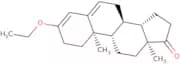
CAS:Controlled Product<p>3-Ethoxy-androsta-3,5-dien-17-one is a chemical compound that can be synthesized by high performance liquid chromatography. It is an impurity in the synthesis of contraceptive drugs and is also used as a starting material for the preparation of other steroids with pharmacopeial standards. 3-Ethoxy-androsta-3,5-dien-17-one is a hydrogenation product of 3β,5α,17β-trihydroxyandrostanol and has been shown to have antiestrogenic activity. The substance produces chromatographic peaks at Rf 0.6 on silica gel TLC plates using triethyl orthoformate as the mobile phase.</p>Formula:C21H30O2Purity:Min. 95%Molecular weight:314.46 g/mol3-Amino-5-(2,3,4-trimethoxyphenyl)cyclohex-2-en-1-one
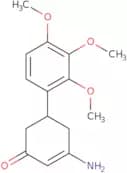
CAS:Controlled Product<p>Please enquire for more information about 3-Amino-5-(2,3,4-trimethoxyphenyl)cyclohex-2-en-1-one including the price, delivery time and more detailed product information at the technical inquiry form on this page</p>Formula:C15H19NO4Purity:Min. 95%Molecular weight:277.32 g/mol2,5-Dichloro-4-methoxybenzoic acid
CAS:<p>2,5-Dichloro-4-methoxybenzoic acid is a synthetic herbicide that inhibits the enzyme 5-enolpyruvylshikimate-3-phosphate synthase (EPSPS). This enzyme is necessary for the synthesis of aromatic amino acids. 2,5-Dichloro-4-methoxybenzoic acid is used as a selective herbicide in plants grown in vitro to eliminate weeds. It is also used to control populations of wild plants and grasses. 2,5-Dichloro-4-methoxybenzoic acid has been shown to inhibit the growth of glyphosate resistant weed species by inhibiting EPSPS activity.</p>Purity:Min. 95%N-(2-Aminoethyl)-3-aminopropylmethyldimethoxysilane
CAS:<p>N-(2-Aminoethyl)-3-aminopropylmethyldimethoxysilane is an antibacterial agent that inhibits the growth of bacteria by binding to the cell wall, thereby preventing the synthesis of proteins. It is used in dentistry and medicine as a coating for metal surfaces. This compound has been shown to be effective against Escherichia coli and Enterococcus faecalis. The optimum concentration for this compound is 1 mg/mL.</p>Formula:C8H22N2O2SiPurity:Min. 95%Molecular weight:206.36 g/mol2-(2-Methoxyphenoxy)ethylamine base
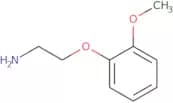
CAS:<p>2-(2-Methoxyphenoxy)ethylamine base is an inorganic base with a hydroxyl group. It is soluble in organic solvents and has been used as a coumarin derivative. 2-(2-Methoxyphenoxy)ethylamine base has shown potential use as an antifungal agent, which may be due to its ability to cause lysis in fungi cells. This compound has also shown in vitro activity against bacteria and viruses, including herpes simplex virus type 1 and HIV-1. The 2-(2-methoxyphenoxy)ethylamine base can be sulfonated or acid catalyzed to produce other derivatives that have potential use as anti-inflammatory or analgesic agents.</p>Formula:C9H13NO2Purity:Min. 95%Molecular weight:167.21 g/mol2-(4-Methoxyphenyl)benzothiazole
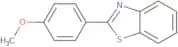
CAS:<p>2-(4-Methoxyphenyl)benzothiazole is a hydrogen-bond acceptor that is activated in the presence of an electron-withdrawing group. It has been shown to have anti-fungal properties and inhibitory properties against bacteria. 2-(4-Methoxyphenyl)benzothiazole also inhibits the activity of topoisomerase, which is an enzyme that controls DNA supercoiling and uncoiling, as well as DNA replication. The mechanism of this inhibition is not known, but it is thought to be due to the ability of 2-(4-methoxyphenyl)benzothiazole to form hydrogen bonds with the active site cysteine residues on topoisomerase I. 2-(4-Methoxyphenyl)benzothiazole also has been shown to be photophysical in nature, absorbing light at wavelengths of 350 nm and 480 nm and emitting light</p>Formula:C14H11NOSPurity:Min. 95%Color and Shape:PowderMolecular weight:241.31 g/mol8-Methoxymethyl-1-methyl-3-(2-methylpropyl) xanthine
CAS:Controlled Product<p>8-Methoxymethyl-1-methyl-3-(2-methylpropyl) xanthine (8MMX) is an intracellular calcium ion chelator that inhibits enzyme activity in the cyclic nucleotide phosphodiesterase enzyme family. 8MMX has been shown to be a potent inhibitor of both cyclic nucleotide phosphodiesterases and cyclic nucleotide phosphodiesterase isoenzymes. 8MMX has been shown to inhibit bladder contractility and improve bladder function in animal models. It also reduces the incidence of papillary muscle rupture, which can lead to heart failure, and improves ventricular function by increasing the rate of relaxation of the left ventricle.<br>8MMX is a potential treatment for pulmonary hypertension, which is caused by increased concentrations of intracellular calcium ions.</p>Formula:C12H18N4O3Purity:Min. 95%Molecular weight:266.3 g/mol4-Benzyloxy-3-methoxy-N-methylphenethylamine hydrochloride
CAS:Controlled Product<p>Please enquire for more information about 4-Benzyloxy-3-methoxy-N-methylphenethylamine hydrochloride including the price, delivery time and more detailed product information at the technical inquiry form on this page</p>Formula:C17H22ClNO2Purity:Min. 95%Molecular weight:307.81 g/mol2-Methoxy-4-methylbenzenethiol
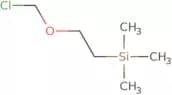
CAS:<p>Please enquire for more information about 2-Methoxy-4-methylbenzenethiol including the price, delivery time and more detailed product information at the technical inquiry form on this page</p>Formula:C8H10OSPurity:Min. 95%Molecular weight:154.23 g/mol2-(Chloromethoxyethyl)trimethyl silane - stabilized with ca. 0.1% Diisopropylethylamine
CAS:<p>Silyl protecting group for alcohols; reagent for introducing protected C atom</p>Formula:C6H15ClOSiPurity:Min. 95%Color and Shape:Colorless Clear LiquidMolecular weight:166.72 g/molDimethoxymethylphenylsilane
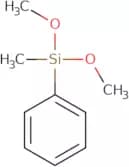
CAS:<p>Dimethoxymethylphenylsilane is a chemical compound that can be used as a substrate film. It is commonly used in gravimetric analysis, thermal expansion, and electrochemical impedance spectroscopy. Dimethoxymethylphenylsilane has been shown to form cationic polymers when heated with fatty acids. This polymerization process requires hydrochloric acid for activation. Dimethoxymethylphenylsilane has also been shown to react with zirconium oxide at high temperatures and form a reactive surface layer of titanium dioxide on the surface of the zirconium oxide. The molecule consists of an oxygen atom, two methyl groups, and two phenyl groups. The solid catalyst has a diameter of approximately 1 nm and its NMR spectra are consistent with those expected for this type of molecule.</p>Purity:Min. 95%(-)-3-Methoxy butorphanol
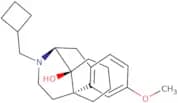
CAS:Controlled Product<p>Please enquire for more information about (-)-3-Methoxy butorphanol including the price, delivery time and more detailed product information at the technical inquiry form on this page</p>Formula:C22H31NO2Purity:Min. 95%Molecular weight:341.49 g/molN-(tert-Butoxycarbonyl)glycine N'-methoxy-N'-methylamide
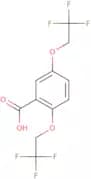
CAS:<p>Please enquire for more information about N-(tert-Butoxycarbonyl)glycine N'-methoxy-N'-methylamide including the price, delivery time and more detailed product information at the technical inquiry form on this page</p>Formula:C9H18N2O4Purity:Min. 95%Molecular weight:218.25 g/mol2,5-Bis(2,2,2-trifluoroethoxy)benzoic acid
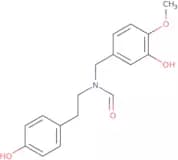
CAS:<p>Please enquire for more information about 2,5-Bis(2,2,2-trifluoroethoxy)benzoic acid including the price, delivery time and more detailed product information at the technical inquiry form on this page</p>Formula:C11H8F6O4Purity:Min. 95%Color and Shape:PowderMolecular weight:318.17 g/molN-(p-Hydroxyphenethyl)-N-(3-hydroxy-4-methoxybenzyl)formamide
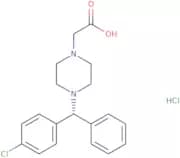
CAS:Controlled Product<p>Please enquire for more information about N-(p-Hydroxyphenethyl)-N-(3-hydroxy-4-methoxybenzyl)formamide including the price, delivery time and more detailed product information at the technical inquiry form on this page</p>Formula:C17H19NO4Purity:Min. 95%Molecular weight:301.34 g/mol(R)-De(carboxymethoxy) cetirizine acetic acid hydrochloride
CAS:<p>Please enquire for more information about (R)-De(carboxymethoxy) cetirizine acetic acid hydrochloride including the price, delivery time and more detailed product information at the technical inquiry form on this page</p>Formula:C19H22Cl2N2O2Purity:Min. 95%Molecular weight:381.3 g/mol3,4-Dimethoxy-Benzamidine HCl
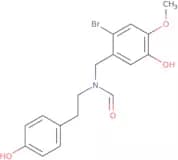
CAS:<p>Please enquire for more information about 3,4-Dimethoxy-Benzamidine HCl including the price, delivery time and more detailed product information at the technical inquiry form on this page</p>Formula:C9H12N2O2·HClPurity:Min. 95%Molecular weight:216.66 g/molN-(p-Hydroxyphenethyl)-N-(2-bromo-5-hydroxy-4-methoxybenzyl)formamide
CAS:Controlled Product<p>N-(p-Hydroxyphenethyl)-N-(2-bromo-5-hydroxy-4-methoxybenzyl)formamide is an anticancer drug that belongs to the class of phenethyl derivatives. It is a radiosensitizer that inhibits DNA and RNA synthesis, leading to cancer cell death. The drug has been shown to have a chiral center and two enantiomers, with the (S)-enantiomer being more active than the (R)-enantiomer. N-(p-Hydroxyphenethyl)-N-(2-bromo-5-hydroxy-4-methoxybenzyl)formamide has been shown to be effective in animal models for brain tumors and breast cancer cells. It has also been shown to be effective against leukemia cells, which are resistant to other treatments. N-(p-Hydroxyphenethyl)-N-(2-bromo-5-hydroxy-4</p>Formula:C17H18BrNO4Purity:Min. 95%Molecular weight:380.23 g/mol1-[2-(Methoxycarbonyl)phenyl]-5-oxopyrrolidine-3-carboxylic acid
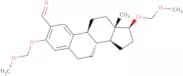
CAS:<p>Please enquire for more information about 1-[2-(Methoxycarbonyl)phenyl]-5-oxopyrrolidine-3-carboxylic acid including the price, delivery time and more detailed product information at the technical inquiry form on this page</p>Formula:C13H13NO5Purity:Min. 95%Molecular weight:263.25 g/mol2-Formyl-3,17b-O-bis(methoxymethyl)estradiol
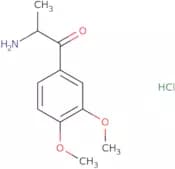
CAS:Controlled Product<p>Please enquire for more information about 2-Formyl-3,17b-O-bis(methoxymethyl)estradiol including the price, delivery time and more detailed product information at the technical inquiry form on this page</p>Formula:C23H32O5Purity:Min. 95%Molecular weight:388.5 g/mol2-Amino-3',4'-dimethoxypropiophenone hydrochloride
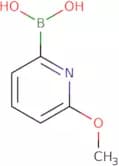
CAS:Controlled Product<p>Please enquire for more information about 2-Amino-3',4'-dimethoxypropiophenone hydrochloride including the price, delivery time and more detailed product information at the technical inquiry form on this page</p>Formula:C11H16ClNO3Purity:Min. 95%Molecular weight:245.7 g/mol6-Methoxypyridine-2-boronic acid
CAS:<p>6-Methoxypyridine-2-boronic acid is a boronate ligand that can be used to form coordination complexes with metals. It has been shown to interact with silver ions, which are the most effective ligands for enhancing the fluorescence of organic dyes. 6-Methoxypyridine-2-boronic acid is able to rigidify organic molecules by binding to their steric and electronic properties, making them more resistant to photodegradation. This property makes it an excellent candidate for the use in the development of fluorescent labels in analytical chemistry.</p>Formula:C6H8BNO3Purity:Min. 95%Molecular weight:152.94 g/mol(5-Methoxy-1-methyl-1H-benzimidazol-2-yl)methanol
CAS:Controlled Product<p>Please enquire for more information about (5-Methoxy-1-methyl-1H-benzimidazol-2-yl)methanol including the price, delivery time and more detailed product information at the technical inquiry form on this page</p>Formula:C10H12N2O2Purity:Min. 95%Molecular weight:192.21 g/mol2-Chloro-3,4-dimethoxyphenethylamine HCl
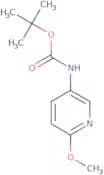
CAS:Controlled Product<p>2-Chloro-3,4-dimethoxyphenethylamine is an intermediate in the synthesis of zepines. It can be synthesized by reduction of borohydride with 2-chloro-1,2,3,4-tetrahydrobenzaldehyde.</p>Purity:Min. 95%tert-Butyl-n-(6-methoxy-3-pyridyl)carbamate
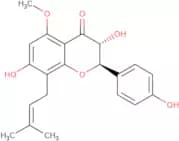
CAS:<p>Please enquire for more information about tert-Butyl-n-(6-methoxy-3-pyridyl)carbamate including the price, delivery time and more detailed product information at the technical inquiry form on this page</p>Formula:C11H16N2O3Purity:Min. 95%Molecular weight:224.26 g/mol3,7,4'-Trihydroxy-5-methoxy-8-prenylflavanone, (2R,3S)-
<p>3,7,4'-Trihydroxy-5-methoxy-8-prenylflavanone, (2R,3S)- is a naturally occurring prenylated flavanone, which is primarily sourced from various plant species. This compound is part of the larger flavonoid family and is often found in certain medicinal plants known for their wide range of therapeutic properties. Its structure comprises a flavanone backbone, modified by hydroxyl, methoxy, and prenyl groups that contribute to its distinctive chemical profile.</p>Purity:Min. 95%1-(4-Methoxyphenyl)-3-phenyl-1H-pyrazole-5-carboxylic acid
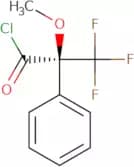
CAS:Controlled Product<p>Please enquire for more information about 1-(4-Methoxyphenyl)-3-phenyl-1H-pyrazole-5-carboxylic acid including the price, delivery time and more detailed product information at the technical inquiry form on this page</p>Formula:C17H14N2O3Purity:Min. 95%Color and Shape:PowderMolecular weight:294.3 g/mol(R)-(-)-α-Methoxy-α-(trifluoromethyl)phenylacetyl chloride
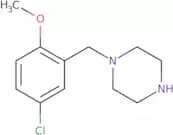
CAS:<p>(R)-(-)-alpha-Methoxy-alpha-trifluoromethyl-phenylacetyl chloride is an enantiomer that has a chiral center. It is used in the synthesis of metoprolol and bisoprolol, which are drugs that are prescribed to treat hypertension and angina pectoris. The racemate is used in the separation of amines by high performance liquid chromatography (Hplc). This compound also has a hydroxyl group and two fatty acids, which can be identified using a chromatographic method. The compound contains a chloride as well as a transfer group.</p>Formula:C10H8ClF3O2Purity:Min. 95%Color and Shape:Clear LiquidMolecular weight:252.62 g/mol1-(5-Chloro-2-methoxybenzyl)piperazine
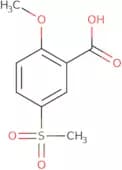
CAS:Controlled Product<p>Please enquire for more information about 1-(5-Chloro-2-methoxybenzyl)piperazine including the price, delivery time and more detailed product information at the technical inquiry form on this page</p>Formula:C12H17ClN2OPurity:Min. 95%Molecular weight:240.73 g/mol2-Methoxy-5-methylsulfonylbenzoicacid
CAS:<p>2-Methoxy-5-methylsulfonylbenzoic acid is an organic compound that can be used as a pharmaceutical intermediate. It has been used to synthesize diagnostic agents and drugs such as isradipine and sarpogrelate hydrochloride. 2-Methoxy-5-methylsulfonylbenzoic acid is also used as an intermediate in the synthesis of bortezomib, a drug that inhibits the proteasome. This product contains impurities that may interfere with its use as a pharmaceutical preparation. The flow rate of this product is sensitive to changes in temperature and pressure.</p>Formula:C9H10O5SPurity:Min. 95%Molecular weight:230.24 g/mol3-Methoxybenzene-1,2-diamine
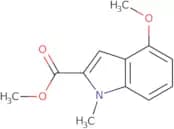
CAS:<p>3-Methoxybenzene-1,2-diamine is a chloride surfactant that is cationic at low concentrations. It is most commonly used as a cross-linking agent in polymers and also has anti-inflammation properties. 3-Methoxybenzene-1,2-diamine is an osmotic agent that binds to water molecules, which prevents the loss of water from cells and increases cell volume. This chemical also has been shown to be an antagonist of 5Ht4 receptors and can be used for the treatment of inflammatory diseases such as asthma. 3-Methoxybenzene-1,2-diamine has been shown to have low toxicity in rats when consumed in dietary concentrations.</p>Purity:Min. 95%Methyl 4-methoxy-1-methyl-1H-indole-2-carboxylate
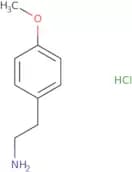
CAS:Controlled Product<p>Please enquire for more information about Methyl 4-methoxy-1-methyl-1H-indole-2-carboxylate including the price, delivery time and more detailed product information at the technical inquiry form on this page</p>Formula:C12H13NO3Purity:Min. 95%Molecular weight:219.24 g/mol4-Methoxyphenethylamine HCl
CAS:Controlled Product<p>4-Methoxyphenethylamine HCl is a chemical that inhibits the activity of the protein tyrosine phosphatase 1B (PTP1B). It has been shown to inhibit the growth of lung fibroblasts and fruit tree cells. 4-Methoxyphenethylamine HCl has also been used in animal experiments to diagnose animals with growth factor-β1 deficiency. It is also used to stain collagen for diagnosis.</p>Formula:C9H13NO·HClPurity:Min. 95%Molecular weight:187.67 g/mol3,7,4'-Trihydroxy-5-methoxy-8-prenylflavanone, (2R,3R)-
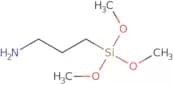
CAS:<p>3,7,4'-Trihydroxy-5-methoxy-8-prenylflavanone, (2R,3R)- is a prenylated flavonoid compound, which is a type of naturally occurring polyphenol. These compounds are known for their complex structures and biological activities, frequently contributing to the therapeutic properties of various plants. The source of this flavanone is often plants belonging to the Fabaceae family, including the roots and other parts of certain legumes, where it accumulates as part of the plant’s secondary metabolism.</p>Purity:Min. 95%3-Aminopropyltrimethoxysilane
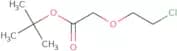
CAS:<p>3-Aminopropyltrimethoxysilane is a chemical that belongs to the group of aminopropyltriethoxysilanes. It is a reactive substance and is commonly used as an additive in adhesives and sealants. 3-Aminopropyltrimethoxysilane has been shown to be an efficient coupling agent for the formation of hydroxyl groups on nanoparticles, which are then used as drug carriers. The optimum concentration of 3-aminopropyltrimethoxysilane lies between 0.01 and 0.1 M, with a pH range of 6 and 8. This chemical can react with hydrochloric acid, resulting in the production of hydrogen gas; with cervical cancer cells in culture, leading to cell death; or with skin cells, causing damage to their transport properties.</p>Formula:C6H17NO3SiPurity:Min. 95%Color and Shape:Clear LiquidMolecular weight:179.29 g/moltert-Butyl 2-(2-chloroethoxy)acetate
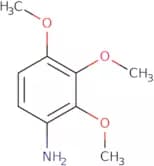
CAS:<p>Please enquire for more information about tert-Butyl 2-(2-chloroethoxy)acetate including the price, delivery time and more detailed product information at the technical inquiry form on this page</p>Formula:C8H15ClO3Purity:Min. 95%Color and Shape:Clear, colourless liquid.Molecular weight:194.66 g/mol2,3,4-Trimethoxyaniline
CAS:<p>2,3,4-Trimethoxyaniline (2,3,4-TMXA) is a methoxylated monophenolic compound. It has been shown to be effective at disrupting the microtubules in cancer cells and is believed to work by inhibiting the enzyme topoisomerase II. 2,3,4-TMXA also inhibits dopamine synthesis and blocks the amine uptake system in cancer cells. This agent has been shown to be an effective anticancer drug for human serum at nanomolar concentrations.</p>Formula:C9H13NO3Purity:Min. 95%Molecular weight:183.2 g/mol2,3,3-Trimethyl 5-methoxy indolenine
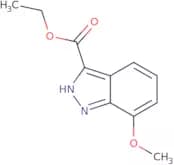
CAS:<p>2,3,3-Trimethyl 5-methoxy indolenine (TMMI) is a fluorescent probe that has been used in photodynamic therapy. TMMI is chemically stable and has an unsymmetrical heterocycle with optical properties that allow it to be excited by green light at wavelengths of 540 nm. TMMI can be used to image hypoxic regions of the brain. This molecule has also been used as an enhancement agent for neovascularization and angiography. TMMI can be synthesized using mesoporous silica nanoparticles and halogens such as chlorine or bromine.</p>Formula:C12H15NOPurity:Min. 95%Molecular weight:189.25 g/molEthyl 7-Methoxy-1H-Indazole-3-Carboxylate
CAS:Controlled Product<p>Please enquire for more information about Ethyl 7-Methoxy-1H-Indazole-3-Carboxylate including the price, delivery time and more detailed product information at the technical inquiry form on this page</p>Formula:C11H12N2O3Purity:Min. 95%Molecular weight:220.22 g/mol5-[3-Methoxy-4-(4-methoxy-benzyloxy)-benzyl]-pyrimidine-2,4-diamine
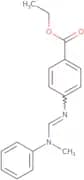
CAS:<p>5-[3-Methoxy-4-(4-methoxy-benzyloxy)-benzyl]-pyrimidine-2,4-diamine is a monoclonal antibody that blocks the signal of CTLA-4, a receptor on T cells. It has been shown to be effective in inhibiting skin cancer and primary breast cancers. This drug also has immunomodulatory effects and can be used to treat autoimmune diseases. 5-[3-Methoxy-4-(4-methoxy-benzyloxy)-benzyl]-pyrimidine-2,4-diamine binds to ctla-4 with high affinity and specificity, preventing the interaction of ctla-4 with its ligands such as CD80 (B7.1) and CD86 (B7.2). This prevents the activation of T cells by antigen presenting cells and suppresses the immune response.</p>Formula:C20H22N4O3Purity:Min. 95%Molecular weight:366.41 g/molN-(Ethoxycarbonylphenyl)-N'-methyl-N'-phenylformamidine
CAS:<p>Please enquire for more information about N-(Ethoxycarbonylphenyl)-N'-methyl-N'-phenylformamidine including the price, delivery time and more detailed product information at the technical inquiry form on this page</p>Formula:C15H14N2O2Purity:Min. 95%Molecular weight:254.28 g/mol3-Methoxybenzyl bromide
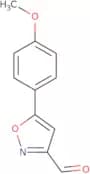
CAS:<p>3-Methoxybenzyl bromide is a synthetic molecule that belongs to the group of amides. It is used as an intermediate in organic synthesis for the introduction of ether linkages and can be used to produce other molecules with inhibitory activities. 3-Methoxybenzyl bromide has been shown to be effective against Sarpogrelate hydrochloride, which is a drug used for the treatment of hypertension. This chemical inhibits the enzyme that produces superoxide radicals and has been shown to have therapeutic effects in patients with arterial hypertension. 3-Methoxybenzyl bromide also has a nucleophilic function and can react with halides such as chlorine or bromine to form 2,5-dimethoxybenzoic acid.</p>Formula:C8H9BrOPurity:Min. 95%Color and Shape:LiquidMolecular weight:201.06 g/mol5-(4-Methoxyphenyl)isoxazole-3-carboxaldehyde
CAS:<p>5-(4-Methoxyphenyl)isoxazole-3-carboxaldehyde (5MI) is a broad-spectrum antimicrobial agent that exhibits activity against bacteria and fungi. It has been shown to be active against gram-positive bacteria, including Staphylococcus aureus, as well as Candida albicans and other pathogenic fungi. 5MI is active in the presence of ethanol, but not in the absence of alcohol. In vitro studies show that 5MI inhibits the growth of gram-negative bacteria such as Escherichia coli and Salmonella enterica serovar Typhimurium. 5MI also exhibits antifungal activity against Aspergillus niger and Saccharomyces cerevisiae.</p>Formula:C11H9NO3Purity:Min. 95%Molecular weight:203.19 g/molrac-3-hexadecanamido-2-methoxypropan-1-ol phosphocholine monohydrate
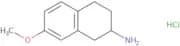
CAS:<p>Please enquire for more information about rac-3-hexadecanamido-2-methoxypropan-1-ol phosphocholine monohydrate including the price, delivery time and more detailed product information at the technical inquiry form on this page</p>Formula:C25H55N2O7PPurity:Min. 95%Molecular weight:526.69 g/mol7-Methoxy-1,2,3,4-tetrahydronaphthalen-2-ylamine hydrochloride
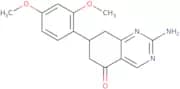
CAS:Controlled Product<p>Please enquire for more information about 7-Methoxy-1,2,3,4-tetrahydronaphthalen-2-ylamine hydrochloride including the price, delivery time and more detailed product information at the technical inquiry form on this page</p>Formula:C11H15NO•HClPurity:Min. 95%Molecular weight:213.7 g/mol2-Amino-7-(2,4-dimethoxyphenyl)-7,8-dihydroquinazolin-5(6H)-one
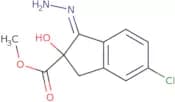
CAS:Controlled Product<p>Please enquire for more information about 2-Amino-7-(2,4-dimethoxyphenyl)-7,8-dihydroquinazolin-5(6H)-one including the price, delivery time and more detailed product information at the technical inquiry form on this page</p>Formula:C16H17N3O3Purity:Min. 95%Molecular weight:299.32 g/mol5-Chloro-2-hydroxy-2-methoxycarbonyl-1-indanone
CAS:<p>Please enquire for more information about 5-Chloro-2-hydroxy-2-methoxycarbonyl-1-indanone including the price, delivery time and more detailed product information at the technical inquiry form on this page</p>Formula:C11H9ClO4Purity:Min. 95%Molecular weight:240.64 g/mol2-Hydroxy-3-(Trifluoromethoxy)Benzaldehyde
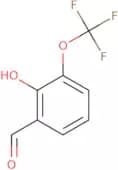
CAS:<p>2-Hydroxy-3-(trifluoromethoxy)benzaldehyde is a coordination compound that is used as a ligand. It has two-dimensional and crystal structures. The ligated molecule is usually coordinated to the metal ion, forming a dimer.</p>Formula:C8H5F3O3Purity:Min. 95%Molecular weight:206.12 g/mol1-(3,5-Dimethoxyphenyl)piperazine
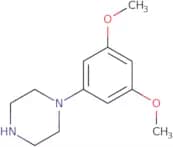
CAS:Controlled Product<p>1-(3,5-Dimethoxyphenyl)piperazine (1DMPP) is a phenylpiperazine derivative that has shown anticancer activity in vitro against human cancer cells. It is orally bioavailable and has been found to inhibit the growth of cancer cells in vivo. 1DMPP is metabolized by the liver into a number of metabolites that are excreted via the kidneys. The pharmacokinetic properties of 1DMPP have been studied in rats and mice, which revealed that it is well absorbed when administered orally and has a short terminal half-life. In vitro studies have demonstrated that 1DMPP inhibits cell growth through inhibition of protein synthesis and DNA replication.</p>Formula:C12H18N2O2Purity:Min. 95%Molecular weight:222.28 g/molEthoxylated hydrogenated castor oil
CAS:<p>Ethoxylated hydrogenated castor oil is a surfactant that is often used in vitro to study cell nuclei. It has been shown to have an optimum concentration of 0.025% (v/v) in vitro assays. Ethoxylated hydrogenated castor oil also has the ability to prevent radiation-induced damage by stabilizing the cell membrane and preventing leakage of cellular contents, which can lead to cell death. This surfactant has been shown to increase synchronous fluorescence in vitro, and it is not toxic when applied topically at concentrations up to 10%. Ethoxylated hydrogenated castor oil has been found to inhibit the growth of infectious bacteria such as Chlamydia pneumoniae and Helicobacter pylori, and it may be a potential drug for treating cardiac dysfunction.</p>Purity:Min. 95%







![1-[2-(Methoxycarbonyl)phenyl]-5-oxopyrrolidine-3-carboxylic acid](/_next/image/?url=https%3A%2Fstatic.cymitquimica.com%2Fproducts%2F3D%2Fthumb-webp%2FFM123736.webp&w=3840&q=75)






![5-[3-Methoxy-4-(4-methoxy-benzyloxy)-benzyl]-pyrimidine-2,4-diamine](/_next/image/?url=https%3A%2Fstatic.cymitquimica.com%2Fproducts%2F3D%2Fthumb-webp%2FFM31223.webp&w=3840&q=75)