Ketones
Ketones are organic compounds characterized by the presence of a carbonyl group (C=O) bonded to two carbon atoms. These compounds are highly versatile and play a crucial role in various chemical reactions, including oxidation, reduction, and condensation. Ketones are essential intermediates in the synthesis of pharmaceuticals, fragrances, and polymers. At CymitQuimica, we provide a wide range of high-quality ketones to support your research and industrial applications.
Found 18809 products of "Ketones"
Sort by
Purity (%)
0
100
|
0
|
50
|
90
|
95
|
100
1,2,3,4,5,6-Hexahydro-1,5-methano-pyrido-[1,2-a][1,5]diazocin-8-one
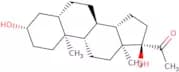
CAS:<p>1,2,3,4,5,6-Hexahydro-1,5-methano-pyrido-[1,2-a][1,5]diazocin-8-one is a cholinergic drug that is used as a research tool in vitro. It has been shown to increase the concentration of acetylcholine in the synapse. It is also known as cytisine and varenicline. 1,2,3,4,5,6-Hexahydro-1,5-methano-pyrido-[1,2-a][1,5]diazocin-8-one binds to nicotinic receptors and stimulates them. This increased activity of nicotinic receptors leads to the release of acetylcholine (ACh), which is an important neurotransmitter in the brain. 1,2,3,4 5 6 hexahydro - 1 5</p>Formula:C11H14N2OPurity:Min. 95%Molecular weight:190.24 g/mol4-Pregnen-17a,20b-diol-3-one
CAS:Controlled Product<p>4-Pregnen-17a,20b-diol-3-one is a synthetic androgen with anabolic and androgenic activity. It has been shown in animal studies to increase maximal responses of the reproductive tract to gonadotropin stimulation. 4-Pregnen-17a,20b-diol-3-one binds to the activin receptor on the cell membrane, which leads to increased expression of a gene encoding for 3β-hydroxysteroid dehydrogenase (3βHSD), an enzyme involved in testosterone synthesis. This drug also increases the sensitivity of ovarian follicles to gonadotropins and decreases basal plasma levels of LH and FSH. 4-Pregnen-17a,20b-diol-3-one has not been found to be toxicologically significant at doses up to 10 mg/kg body weight per day.</p>Formula:C21H32O3Purity:Min. 95%Molecular weight:332.48 g/mol1-Pentyl-1H-indole-2,3-dione
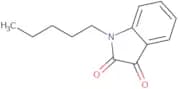
CAS:<p>1-Pentyl-1H-indole-2,3-dione is a synthetic cannabinoid that is used as a recreational drug. It has been shown to be thermally labile and can decompose at high temperatures. 1-Pentyl-1H-indole-2,3-dione is an acidic compound with a melting point of 79°C. The compound is also oxidant and therefore can react with other compounds to create new substances. This reaction can be accelerated by light or heat, which may result in the formation of hazardous products such as naphthalene.</p>Formula:C13H15NO2Purity:Min. 95%Molecular weight:217.26 g/mol5-Chloro-2-pentanone
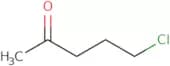
CAS:<p>5-Chloro-2-pentanone is a reactive, unsaturated ketone. It is a colorless liquid with a pungent odor. 5-Chloro-2-pentanone can be used in the synthesis of other organic compounds, such as covid-19 pandemic. The reaction of carbonyl groups with hydrogen chloride and chlorine atom to form hydrochloric acid and chlorocarbons is an example of a reaction that 5-chloro-2-pentanone can take part in. When 5-chloro-2-pentanone reacts with hydrogen chloride (HCl) and chlorine atom (Cl), the reaction products are hydrochloric acid (HCl) and chlorocarbons. This process is called nucleophilic attack and proceeds as follows: 5CH=C(CH)COH + HCl + Cl → CH=C(CH)COCl + H+ + Cl 5CH=C</p>Formula:C5H9ClOPurity:Min. 95%Color and Shape:Clear LiquidMolecular weight:120.58 g/mol6-(2,3,4-Trimethoxyphenyl)-1,5,6,7-tetrahydro-4H-indazol-4-one
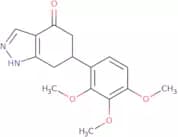
CAS:Controlled Product<p>Please enquire for more information about 6-(2,3,4-Trimethoxyphenyl)-1,5,6,7-tetrahydro-4H-indazol-4-one including the price, delivery time and more detailed product information at the technical inquiry form on this page</p>Formula:C16H18N2O4Purity:Min. 95%Molecular weight:302.33 g/mol(17R)-4-Chloro-5-ethyl-9-fluoro-11b-hydroxy-16b-methylspiro[androsta-1,4-diene-17,2(3H)-furan]-3,3-dione
CAS:<p>Clobetasol propionate is an organic acid with a chemical structure that is stable in pharmaceutical preparations. It is used to treat inflammatory skin disorders such as psoriasis and atopic dermatitis. Clobetasol propionate is an impurity of clobetasol, which has been shown to be chemically stable in preparations. The clobetasol propionate compound has been found to be more potent than other topical corticosteroids for the treatment of plaque psoriasis and atopic dermatitis.</p>Formula:C25H30ClFO4Purity:Min. 95%Molecular weight:448.95 g/mol1-(Piperidine-4-carbonyl)piperidin-4-one hydrochloride
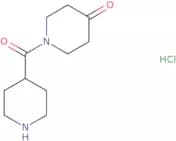
CAS:Controlled Product<p>Please enquire for more information about 1-(Piperidine-4-carbonyl)piperidin-4-one hydrochloride including the price, delivery time and more detailed product information at the technical inquiry form on this page</p>Formula:C11H19ClN2O2Purity:Min. 95%Molecular weight:246.73 g/molClobetasol Propionate - Impurity C
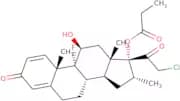
CAS:Controlled Product<p>21-Chloro-9-fluoro-11beta,17-dihydroxy-16alpha-methylpregna-1,4-diene-3,20-dione 17-propionate is an ester of ketoconazole and the propionic acid. It is used as a pharmaceutical formulation and has been shown to be stable in an HPLC method. This compound also has an optical isomer that was validated by a stability test. This product has been shown to have antiinflammatory properties and may be used as a topical treatment for skin disorders such as clobetasol propionate.</p>Formula:C25H32ClFO5Purity:Min. 95%Molecular weight:466.97 g/mol3-(4--Chloro-phenyl)-7-hydroxy-chromen-4-one
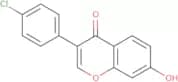
CAS:<p>3-(4-Chloro-phenyl)-7-hydroxy-chromen-4-one is an intermediate that is used in the research of Alzheimer's disease. It coordinates transition metals, such as copper (Cu), zinc (Zn), and nickel (Ni) to form a pharmacophore. This pharmacophore binds with flavones, which are compounds found in plants that have hypotensive and antihypertensive properties. 3-(4-Chloro-phenyl)-7-hydroxy-chromen-4-one has been shown to be an effective inhibitor of angiotensin II type 1 receptors and has a crystalline structure. 3-(4--Chloro---></p>Formula:C15H9ClO3Purity:Min. 95%Molecular weight:272.68 g/mol2-Amino-1-(4-fluorophenyl)-1-propanone
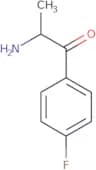
CAS:Controlled Product<p>2-Amino-1-(4-fluorophenyl)-1-propanone (Fluoroamphetamine) is a chemical that binds to the serotonin transporter, which is responsible for the reuptake of serotonin into the presynaptic neuron. Fluoroamphetamine has been shown to lower empathy and increase feelings of reward in animals. This drug has no significant effect on dopamine and noradrenaline levels but does cause an increase in metabolic acidosis. Fluoroamphetamine is most often used by analytical laboratories as a synthetic intermediate, but it can also be used as a strategy to develop specific antidotes against serotonin blockers. Fluoroamphetamine's health effects are similar to those of amphetamine with regards to cardiovascular risks and addictive potential.</p>Formula:C9H10FNOPurity:Min. 95%Molecular weight:167.18 g/molcis-5-Benzyltetrahydropyrrolo[3,4-c]pyrrole-1,3(2H,3ah)-dione
CAS:<p>Please enquire for more information about cis-5-Benzyltetrahydropyrrolo[3,4-c]pyrrole-1,3(2H,3ah)-dione including the price, delivery time and more detailed product information at the technical inquiry form on this page</p>Formula:C13H14N2O2Purity:Min. 95%Molecular weight:230.26 g/mol(4-Phenylpiperazin-1-yl)piperidin-4-yl-methanone dihydrochloride
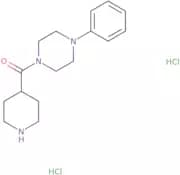
CAS:Controlled Product<p>Please enquire for more information about (4-Phenylpiperazin-1-yl)piperidin-4-yl-methanone dihydrochloride including the price, delivery time and more detailed product information at the technical inquiry form on this page</p>Formula:C16H25Cl2N3OPurity:Min. 95%Molecular weight:346.29 g/molCyclobutanone - stabilise 0.01 % BHT
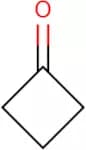
CAS:<p>Cyclobutanone is a chemical compound that is used as a model system for studying the oxidation of organic compounds. Cyclobutanone can be synthesized by the reaction of trifluoroacetic acid with cyclohexanone, which in turn can be produced from the hydrogenation of acetone or by dehydration of propionaldehyde. This chemical has been shown to inhibit the growth of infectious bacteria such as Mycobacterium tuberculosis and Streptococcus pneumoniae. It is also effective against other bacterial strains, such as Escherichia coli, Salmonella typhi, and Pseudomonas aeruginosa. Cyclobutanone inhibits the metabolism of glucose in cells by blocking the enzyme hexokinase and preventing glycolysis from occurring, leading to an accumulation of lactic acid in blood and urine. This effect on glucose metabolism may contribute to some autoimmune diseases, such as type 1 diabetes mellitus and celiac disease. The structure of cycl</p>Formula:C4H6OPurity:Min. 95%Color and Shape:Colorless Clear LiquidMolecular weight:70.09 g/mol1-(1-Benzyl-1H-indol-3-yl)ethanone
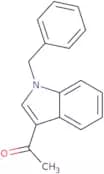
CAS:Controlled Product<p>Please enquire for more information about 1-(1-Benzyl-1H-indol-3-yl)ethanone including the price, delivery time and more detailed product information at the technical inquiry form on this page</p>Formula:C17H15NOPurity:Min. 95%Molecular weight:249.31 g/mol(3,5-Dimethoxy-4-hydroxyphenyl)acetone
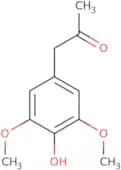
CAS:<p>(3,5-Dimethoxy-4-hydroxyphenyl)acetone is a phenolic compound that is used as a calibration standard in the analysis of tannins. It has been shown to have a catalytic effect on the oxidation of oleic acid and linoleic acid in the presence of peroxides. The addition of (3,5-dimethoxy-4-hydroxyphenyl)acetone to an oil or fat emulsion at room temperature leads to an increase in the viscosity of the emulsion. This compound can be found in many plants, such as tea and coffee beans, cocoa beans, and red wine grapes.</p>Formula:C11H14O4Purity:Min. 95%Color and Shape:Orange PowderMolecular weight:210.23 g/mol5α-Pregnan-20β-Ol-3-one
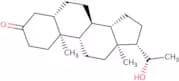
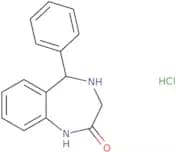
CAS:Controlled Product<p>Please enquire for more information about 5alpha-Pregnan-20beta-Ol-3-one including the price, delivery time and more detailed product information at the technical inquiry form on this page</p>Purity:Min. 95%(R,S)-1,3,4,5-Tetrahydro-5-phenyl-2H-1,4-benzodiazepin-2-one hydrochloride
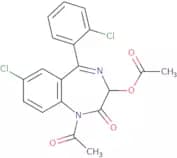
CAS:Controlled Product<p>Please enquire for more information about (R,S)-1,3,4,5-Tetrahydro-5-phenyl-2H-1,4-benzodiazepin-2-one hydrochloride including the price, delivery time and more detailed product information at the technical inquiry form on this page</p>Formula:C15H14N2O·HClPurity:Min. 95%Molecular weight:274.75 g/mol1-Acetyl-3-(acetyloxy)-7-chloro-5-(2-chlorophenyl)-1,3-dihydro-2H-1,4-benzodiazepin-2-one
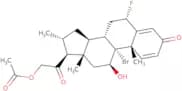
CAS:Controlled Product<p>Please enquire for more information about 1-Acetyl-3-(acetyloxy)-7-chloro-5-(2-chlorophenyl)-1,3-dihydro-2H-1,4-benzodiazepin-2-one including the price, delivery time and more detailed product information at the technical inquiry form on this page</p>Formula:C19H14Cl2N2O4Purity:Min. 95%Molecular weight:405.23 g/mol(6a,11b,16a)-21-(Acetyloxy)-9-bromo-6-fluoro-11-hydroxy-16-methyl-pregna-1,4-diene-3,20-dione
CAS:Controlled Product<p>Please enquire for more information about (6a,11b,16a)-21-(Acetyloxy)-9-bromo-6-fluoro-11-hydroxy-16-methyl-pregna-1,4-diene-3,20-dione including the price, delivery time and more detailed product information at the technical inquiry form on this page</p>Formula:C24H30BrFO5Purity:Min. 95%Molecular weight:497.39 g/mol(2S,3S)-5-[2-(Dimethylamino)ethyl]-3-hydroxy-2-(4-methoxyphenyl)-2,3-dihydro-1,5-benzothiazepin-4-one hydrochloride
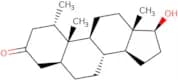
CAS:<p>(2S,3S)-5-[2-(Dimethylamino)ethyl]-3-hydroxy-2-(4-methoxyphenyl)-2,3-dihydro-1,5-benzothiazepin-4-one hydrochloride is a racemic mixture of two enantiomers. It is a prodrug that is hydrolyzed to its active form, diltiazem. The drug has been shown to be effective in the treatment of hypertension and angina pectoris. (2S,3S)-5-[2-(Dimethylamino)ethyl]-3-hydroxy-2-(4-methoxyphenyl)-2,3-dihydro-1,5-benzothiazepin-4-one hydrochloride has been shown to inhibit the activity of the enzyme phosphodiesterase which breaks down cyclic AMP. This inhibition results in an increase in levels of</p>Formula:C20H24N2O3S·HClPurity:Min. 95%Molecular weight:408.94 g/mol11α-Methylandrostan-17β-ol-3-one
CAS:Controlled Product<p>11alpha-Methylandrostan-17beta-ol-3-one is a pharmacological agent that belongs to the group of androgens. It is an oral preparation and has been used in the treatment of infectious diseases, autoimmune diseases, and metabolic disorders. It has also been used as a matrix effect control in biological samples. The biological effects of 11alpha-Methylandrostan-17beta-ol-3-one are mediated by its direct action on cells or through conversion to testosterone or dihydrotestosterone (DHT). These effects include increasing protein synthesis, promoting bone formation, lowering cholesterol levels, stimulating the production of red blood cells, and decreasing fat deposition. The main side effects are acne vulgaris, male pattern baldness, prostate enlargement, increased risk for prostate cancer, and increased risk for developing breast cancer.</p>Formula:C20H32O2Purity:Min. 95%Color and Shape:PowderMolecular weight:304.47 g/mol6,7-Dimethoxy-1,4-dihydro-3H-isochromen-3-one
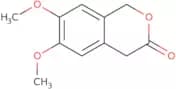
CAS:<p>6,7-Dimethoxy-1,4-dihydro-3H-isochromen-3-one is a hydrazide with the chemical formula C8H8N2O3. It belongs to the family of natural products and has the molecular weight of 172.15. 6,7-Dimethoxy-1,4-dihydro-3H-isochromen-3-one is an isoquinolone derivative that contains two methyl groups on carbons 6 and 7. The compound is a symmetric molecule that can be found as a hydroxy or methoxy derivative. It reacts with 3,4 dimethoxyphenylacetic acid to form yohimbane in the presence of an oxidizing agent such as electrochemical oxidation or maldi tof. 6,7 Dimethoxy 1,4 dihydro 3H isochromen 3 one was obtained from endohedral metalloful</p>Formula:C11H12O4Purity:Min. 95%Molecular weight:208.21 g/molCyclopropyl 2-fluorobenzyl ketone
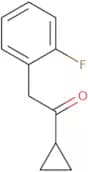
CAS:<p>Cyclopropyl 2-fluorobenzyl ketone is an inhibitor that blocks the production of cyclic nucleotides and thereby inhibits the activity of the enzyme phosphodiesterase. It has been shown to inhibit platelets and inhibit the metabolic rate in rats. The drug also has a cytotoxic effect on rat liver cells, which may be due to its ability to bind hydrogen bonds. Cyclopropyl 2-fluorobenzyl ketone has been found to have a strong inhibitory effect on ticagrelor, statins, and anti-platelet agents. This drug has also shown a potential for adverse drug interactions with other biological products such as erythropoietin, insulin, or heparin.</p>Purity:Min. 95%2-Amino-2-(2-chlorophenyl)cyclohexan-1-one
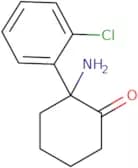
CAS:Controlled Product<p>2-Amino-2-(2-chlorophenyl)cyclohexan-1-one is an anesthetic drug that belongs to the group of ketamine. It is a chiral compound and has been shown to have central nervous system depressant effects, which are more pronounced than those of ketamine. This drug also affects the cardiovascular system and can cause respiratory depression. 2-Amino-2-(2-chlorophenyl)cyclohexan-1-one has been shown to be metabolized in humans by cytochrome P450 (CYP3A4). It may potentiate the effect of drugs that induce CYP3A4 activity such as erythromycin, rifampin, and phenobarbital.<br> 2-Amino-2-(2-chlorophenyl)cyclohexan-1-one is not active against MRSA or methicillin resistant pseudomonas aeruginosa (MR</p>Formula:C12H14ClNOPurity:Min. 95%Color and Shape:PowderMolecular weight:223.7 g/mol(17b)-17-(Benzoyloxy)-4-oxaandrost-5-en-3-one
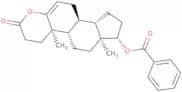
CAS:Controlled Product<p>Please enquire for more information about (17b)-17-(Benzoyloxy)-4-oxaandrost-5-en-3-one including the price, delivery time and more detailed product information at the technical inquiry form on this page</p>Formula:C25H30O4Purity:Min. 95%Molecular weight:394.5 g/mol3-tert-Butylpentane-2,4-dione
CAS:<p>3-tert-Butylpentane-2,4-dione is a chemical compound that can be synthesized in two steps from benzene, nitromethane and perchloric acid. It is used as a precursor to produce polymers with different properties. In the first step of the synthesis, 3-tert-butylpentane-2,4-dione condenses with nitromethane to form an oligomer. The resulting product is then oxidized to form a perchlorate ester which yields polymers with different properties depending on the type of monomer used.</p>Formula:C9H16O2Purity:90%Molecular weight:156.22 g/mol3-(Dimethylaminomethyl)-5-methyl-2-hexanone
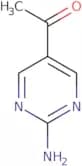
CAS:<p>3-(Dimethylaminomethyl)-5-methyl-2-hexanone is a chemical compound that can be used as an intermediate in the synthesis of tetrabenazine. It is a colorless liquid that can be synthesized from 2,4-diiodobenzene and dimethylamine. The optimal reaction time for this chemical is at reflux conditions. 3-(Dimethylaminomethyl)-5-methyl-2-hexanone has a molecular weight of 164.27 g/mol and an elemental composition of C: 68.09%, H: 18.07%, N: 7.91%. The target product for this chemical is 2,5-dimethyloctane, which has a molecular weight of 116.14 g/mol and an elemental composition of C: 73.06%, H: 9.11%, N: 5.79%. This chemical reacts with triethylbenzylammonium to form 3-(dim</p>Formula:C10H21NOPurity:Min. 95%Molecular weight:171.28 g/mol1-(2-Aminopyrimidin-5-yl)ethanone
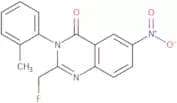
CAS:<p>Please enquire for more information about 1-(2-Aminopyrimidin-5-yl)ethanone including the price, delivery time and more detailed product information at the technical inquiry form on this page</p>Formula:C6H7N3OPurity:Min. 95%Molecular weight:137.14 g/mol2-(Fluoromethyl)-3-(2-methylphenyl)-6-nitro-3H-quinazolin-4-one
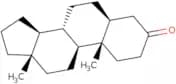
CAS:Controlled Product<p>Please enquire for more information about 2-(Fluoromethyl)-3-(2-methylphenyl)-6-nitro-3H-quinazolin-4-one including the price, delivery time and more detailed product information at the technical inquiry form on this page</p>Formula:C16H12FN3O3Purity:Min. 95%Molecular weight:313.28 g/mol5α-Androstan-3-one
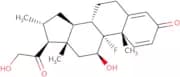
CAS:Controlled Product<p>5alpha-Androstan-3-one is a metabolic intermediate of testosterone. It is found in the urine of humans and other mammals, but at concentrations that are 10 to 100 times lower than those of testosterone. It is also found in some plants and fungi. 5alpha-Androstan-3-one can be synthesized from cholesterol, or it can be formed by the hydroxylation of testosterone in response to the action of cytochrome P450 enzymes. The synthesis of 5alpha-androstan-3-one from cholesterol requires a significant amount of energy, so it is not likely to be a major route for its production. In contrast, the conversion of testosterone to 5alpha-androstan-3-one is an important pathway for maintaining physiological levels of this metabolite. The activity of 5alpha-androstan-3-one has been shown to depend on its concentration in tissues and cells. At low concentrations (less than 10 nM) 5alpha -</p>Formula:C19H30OPurity:Min. 95%Molecular weight:274.44 g/mol9-Fluoro-11b,21-dihydroxy-16a-methylpregna-1,4-diene-3,20-dione
CAS:Controlled Product<p>9-Fluoro-11b,21-dihydroxy-16a-methylpregna-1,4-diene-3,20-dione is a potent antiandrogen that is used to treat alopecia areata and other skin disorders. 9-Fluoro-11b,21-dihydroxy-16a-methylpregna-1,4-diene-3,20-dione has been shown to have an inhibitory effect on the growth of skin tumors in mice. This drug also has a protective effect against chemical stability. It binds to fatty acids and epidermal growth factor (EGF), which may be related to its ability to regulate transcriptional processes and inflammatory skin diseases.</p>Formula:C22H29FO4Purity:Min. 95%Molecular weight:376.46 g/mol2-n-Butyl-1,3-diaza-spiro[4,4]non-1-en-4-one HCl
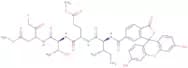
CAS:<p>Please enquire for more information about 2-n-Butyl-1,3-diaza-spiro[4,4]non-1-en-4-one HCl including the price, delivery time and more detailed product information at the technical inquiry form on this page</p>Formula:C11H18N2O·HClPurity:Min. 95%Molecular weight:230.73 g/molFluorescein-6-carbonyl-Ile-Glu(OMe)-Thr-DL-Asp(OMe)-fluoromethylketone
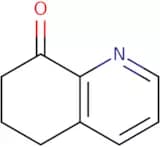
CAS:<p>Please enquire for more information about Fluorescein-6-carbonyl-Ile-Glu(OMe)-Thr-DL-Asp(OMe)-fluoromethylketone including the price, delivery time and more detailed product information at the technical inquiry form on this page</p>Formula:C43H47FN4O15Purity:Min. 95%Molecular weight:878.85 g/mol6,7-Dihydro-5H-quinolin-8-one
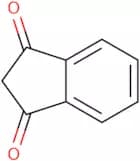
CAS:<p>6,7-Dihydro-5H-quinolin-8-one is a quinoline derivative that can be used to treat cancer. It is an inhibitor of topoisomerase II, which is an enzyme that catalyzes the formation of single stranded breaks in DNA and then reseals them. The inhibition of topoisomerase II leads to the accumulation of single strand breaks, which causes cell death. 6,7-Dihydro-5H-quinolin-8-one has been shown to have inhibitory activity against cancer cells in laboratory tests and also inhibits the growth of breast cancer cells in mice. This compound also has a number of other biological effects including being a ligand for some receptors and amine oxidases as well as having antihistamine properties.</p>Formula:C9H9NOPurity:Min. 95%Color and Shape:White PowderMolecular weight:147.17 g/mol1,3-Indanedione, 70%
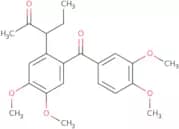
CAS:<p>1,3-Indanedione is a precursor of indane diones that is used in the synthesis of fluorescent molecules. In the presence of light, 1,3-indanedione produces light emission and can be used as a chemiluminescent probe. In the presence of trifluoroacetic acid and copper complex, 1,3-indanedione undergoes intramolecular hydrogen transfer to form an intermediate which reacts with malonic acid to form an alkyl radical. The alkyl radical then reacts with hydrochloric acid to produce an ionic polymerization product. The biological sample is reactive with fatty acids and can be used for the detection of prostate cancer cells.</p>Formula:C9H6O2Purity:(%) Min. 70%Color and Shape:PowderMolecular weight:146.14 g/mol3-(2-(3,4-Dimethoxybenzoyl)-4,5-dimethoxyphenyl)pentan-2-one
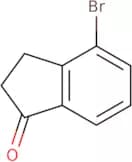
CAS:<p>3-(2-(3,4-Dimethoxybenzoyl)-4,5-dimethoxyphenyl)pentan-2-one is an alkylene that is produced by the reaction of hydrazine with 2,3,4-trimethoxybenzoic acid. This molecule has been shown to have anxiolytic properties in animal studies and hydrolyzes to form ethylene glycol. 3-(2-(3,4-Dimethoxybenzoyl)-4,5-dimethoxyphenyl)pentan-2-one also has a hydrolysis product of tofisopam. Tofisopam is an organic acid that has been used as an antidepressant for the treatment of anxiety disorders.</p>Formula:C22H26O6Purity:Min. 95%Molecular weight:386.44 g/mol4-Bromo-1-indanone
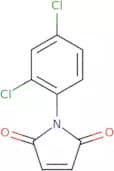
CAS:<p>4-Bromo-1-indanone is a molecule that has been shown to have neuroprotective properties in vitro. It has also been shown to inhibit the amines, which may be due to its ability to act as an aromatic hydrocarbon. This molecule has not been approved for use as a drug substance or drug product and its safety and efficacy are unknown.</p>Formula:C9H7BrOPurity:Min. 95%Molecular weight:211.06 g/mol1-(2,4-Dichlorophenyl)-1H-pyrrole-2,5-dione
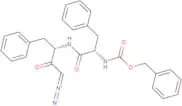
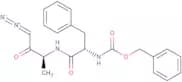
CAS:<p>Maleimide is a chemical compound with the molecular formula CH2=C(O)NHC(=O)CH2-CO2H. It is a reactive monomer that polymerizes in the presence of an initiator to form polymers. Maleimides are also used as cross-linking agents, and have been shown to be thermostable and stable at high temperatures. This particular maleimide is a colorless solid that has been shown to copolymerize with methyl methacrylate and other monomers to form thermally stable, hydrophobic polymers.</p>Formula:C10H5Cl2NO2Purity:Min. 95%Molecular weight:242.06 g/molZ-Phe-Phe-diazomethylketone
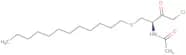
CAS:<p>Z-Phe-Phe-diazomethylketone is a cathepsin inhibitor that has been shown to inhibit the proteolytic activity of various enzymes, including serine proteases and thrombotic thrombocytopenic. This compound inhibits the growth of Leishmania parasites in cell culture and has been shown to have a high affinity for carboxy terminal and proximal tubules. Z-Phe-Phe-diazomethylketone has a neutral pH, with an optimum at 7.0, which may be due to its ability to bind to proteins or other components of cells without affecting their functions.</p>Formula:C27H26N4O4Purity:Min. 95%Molecular weight:470.52 g/molAc-Cys(dodecyl)-chloromethylketone
CAS:<p>Please enquire for more information about Ac-Cys(dodecyl)-chloromethylketone including the price, delivery time and more detailed product information at the technical inquiry form on this page</p>Formula:C18H34ClNO2SPurity:Min. 95%Molecular weight:363.99 g/molZ-Leu-Tyr-chloromethylketone
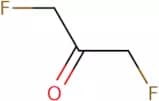
CAS:<p>Z-Leu-Tyr-chloromethylketone is a peptide that binds to the reticulum and prevents the release of calcium ions. It is a chloromethyl ketone, which inhibits the L-type calcium channels in cells. Z-Leu-Tyr-chloromethylketone has been shown to block the influx of calcium ions into cytosolic compartments. This process leads to inhibition of protein synthesis and cell death by apoptosis.</p>Formula:C24H29ClN2O5Purity:Min. 95%Molecular weight:460.95 g/mol1,3-Difluoroacetone
CAS:<p>1,3-Difluoroacetone is a chemical compound that is used for biological studies. It has been shown to have protease activity in biological samples. 1,3-Difluoroacetone has been studied for its potential as an anti-cancer drug and has also been shown to have toxic effects on prostate cancer cells. It has also been found to induce pluripotent stem cells from human fibroblasts and hl-60 cells (a leukemia cell line). The mechanism of action of 1,3-difluoroacetone is not well understood but it seems to be irreversible inhibition of mitochondrial membrane potential.</p>Formula:C3H4F2OPurity:Min. 95%Molecular weight:94.06 g/mol7α-Methyl-3,3-dimethoxy-5(10)-estrene-17-one
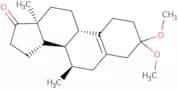
CAS:Controlled Product<p>Please enquire for more information about 7alpha-Methyl-3,3-dimethoxy-5(10)-estrene-17-one including the price, delivery time and more detailed product information at the technical inquiry form on this page</p>Formula:C21H32O3Purity:Min. 95%Color and Shape:PowderMolecular weight:332.48 g/mol1-Boc-pyrrolidine-2,4-dione
CAS:<p>Please enquire for more information about 1-Boc-pyrrolidine-2,4-dione including the price, delivery time and more detailed product information at the technical inquiry form on this page</p>Formula:C9H13NO4Purity:Min. 95%Molecular weight:199.2 g/molZ-2-Nal-chloromethylketone
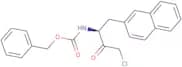
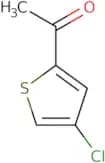
CAS:<p>Please enquire for more information about Z-2-Nal-chloromethylketone including the price, delivery time and more detailed product information at the technical inquiry form on this page</p>Formula:C22H20ClNO3Purity:Min. 95%Molecular weight:381.85 g/mol1-(4-Chlorothiophen-2-yl)ethanone
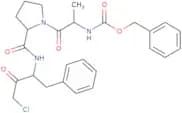
CAS:<p>1-(4-Chlorothiophen-2-yl)ethanone is an oxychloride that belongs to the family of thiourea derivatives. It is synthesized by reacting phosphorus oxychloride with 2,3-dichloroacetophenone in a solvent such as dioxane or acetonitrile. The final product is purified by means of vacuum distillation and recrystallization from diethyl ether, hexane, and chlorinated hydrocarbons.</p>Formula:C6H5ClOSPurity:Min. 95%Molecular weight:160.62 g/molZ-Ala-Pro-Phe-chloromethylketone
CAS:<p>Z-Ala-Pro-Phe-chloromethylketone is a cytosolic protein that performs its function by denaturing proteins and is localized in the cytosol. It has been shown to be active against a number of bacteria, including Bacillus licheniformis and Listeria monocytogenes, as well as some fungi. Z-Ala-Pro-Phe-chloromethylketone targets the membrane potential in mitochondria and chloromethyl ketone is a strategy for inhibiting membrane potential in mitochondria. The x-ray diffraction data show that this protein forms a molecule with an alpha helix structure. It binds to the mitochondrial inner membrane by ligation and inhibits mitochondrial membrane potential.</p>Formula:C26H30ClN3O5Purity:Min. 95%Molecular weight:499.99 g/mol(2S)-2-Amino-4-methyl-1-[(2R)-2-methyloxiranyl]-1-pentanone trifluoroacetate
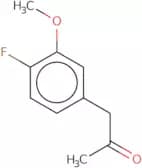
CAS:Controlled Product<p>Please enquire for more information about (2S)-2-Amino-4-methyl-1-[(2R)-2-methyloxiranyl]-1-pentanone trifluoroacetate including the price, delivery time and more detailed product information at the technical inquiry form on this page</p>Formula:C9H17NO2•C2HF3O2Purity:Min. 95%Color and Shape:PowderMolecular weight:285.26 g/mol4-Fluoro-3-methoxyphenylacetone
CAS:<p>4-Fluoro-3-methoxyphenylacetone is a high quality reagent that can be used as an intermediate in the synthesis of complex compounds. This compound is also useful for creating fine chemicals and speciality chemicals, for research purposes. 4-Fluoro-3-methoxyphenylacetone has been shown to be a versatile building block in organic synthesis, with many possible applications. It can react with other compounds to create new compounds or react with itself to form new molecules. CAS No. 320338-98-5</p>Formula:C10H11FO2Purity:Min. 95%Molecular weight:182.19 g/mol4-{[4-(4-Methyloxyphenyl)-piperazin-1-yl]-phenyl}-2,4-dihydro-[1,2,4]-triazol-3-one
CAS:<p>Please enquire for more information about 4-{[4-(4-Methyloxyphenyl)-piperazin-1-yl]-phenyl}-2,4-dihydro-[1,2,4]-triazol-3-one including the price, delivery time and more detailed product information at the technical inquiry form on this page</p>Formula:C19H21N5O2Purity:Min. 95%Molecular weight:351.4 g/mol3,6-Bis([1,1'-biphenyl]-4-yl)-2,5-dihydropyrrolo[3,4-c]pyrrole-1,4-dione
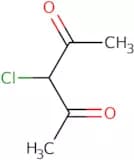
CAS:<p>3,6-Bis([1,1'-biphenyl]-4-yl)-2,5-dihydropyrrolo[3,4-c]pyrrole-1,4-dione is an analytical reagent that has been used as a corrosion inhibitor in coatings. It has been shown to promote the formation of reactive oxygen species and inhibit the growth of bacteria by binding to DNA. The biphenyl group is known for its ability to form intermolecular hydrogen bonding with chloride ions and aliphatic hydrocarbons. This reaction yields a biphenyl aryl halide intermediate that reacts with an acid catalyst to produce a reactive oxygen species (ROS) and convert chloride ions into chloride radicals. The ROS can then react with other molecules such as particles to form free radicals that are highly corrosive. The average particle diameter for this product is in the range of 10 nm - 100 nm.</p>Formula:C30H20N2O2Purity:Min. 95%Color and Shape:PowderMolecular weight:440.49 g/mol3-Chloro-2,4-pentanedione
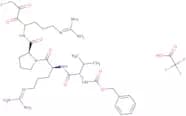
CAS:<p>3-Chloro-2,4-pentanedione is a model system that has been used to study the reaction mechanism of the intramolecular hydrogen transfer. This molecule was found to be more reactive in the presence of sodium carbonate and anhydrous sodium, which is due to protonation of the hydroxyl group on the ethylene diamine. 3-Chloro-2,4-pentanedione reacts with carbon disulphide and ethylene diamine to form 2,5-dimethylhexane-1,6-diol. 3D molecular docking analysis has shown that this compound binds to the ryanodine receptor and may be a potential therapeutic agent for patients with carcinoma cell lines.</p>Formula:C5H7ClO2Purity:Min. 95%Color and Shape:Clear LiquidMolecular weight:134.56 g/molZ-Val-Arg-Pro-DL-Arg-fluoromethylketone trifluoroacetate salt
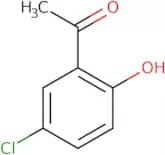
CAS:<p>Please enquire for more information about Z-Val-Arg-Pro-DL-Arg-fluoromethylketone trifluoroacetate salt including the price, delivery time and more detailed product information at the technical inquiry form on this page</p>Formula:C31H49FN10O6Purity:Min. 95%Molecular weight:676.78 g/mol1-(5-Chloro-2-hydoxyphenyl)ethanone
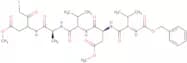
CAS:<p>1-(5-Chloro-2-hydoxyphenyl)ethanone is a potent inhibitor of the antiapoptotic protein survivin. It binds to the carbonyl group of the molecule, which is located on the intramolecular hydrogen bond surface. This leads to conformational changes in the molecule and ternary complex formation, which eventually leads to apoptosis protein aggregation and activation. 1-(5-Chloro-2-hydoxyphenyl)ethanone has been shown to inhibit prostate cancer cells and has also been studied in clinical trials for its anticancer properties.</p>Formula:C8H7ClO2Purity:Min. 95%Color and Shape:White PowderMolecular weight:170.59 g/molZ-Val-Asp(OMe)-Val-Ala-DL-Asp(OMe)-fluoromethylketone
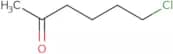
<p>Please enquire for more information about Z-Val-Asp(OMe)-Val-Ala-DL-Asp(OMe)-fluoromethylketone including the price, delivery time and more detailed product information at the technical inquiry form on this page</p>Formula:C32H46FN5O11Purity:Min. 95%Molecular weight:695.73 g/mol6-Chloro-2-hexanone
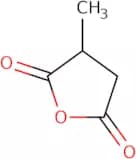
CAS:<p>6-Chloro-2-hexanone is an organic compound that is a methylcyclopentane with a carbonyl group. It can be synthesized by reacting hexamethylenetetramine, chloral hydrate, and 2-chlorobenzimidazole in the presence of ozone. 6-Chloro-2-hexanone has been used as a reagent for normalizing the content of methyl ketones in oil samples. The reaction products are chloride and 2-chlorobenzaldehyde. 6-Chloro-2-hexanone reacts with fatty acids to produce 3,6,9,12 octadecatrienoic acid. This product also has an analytical method that uses GC and flame ionization detection (FID) to measure the amount of chlorine atoms present in a sample. 6-Chloro-2-hexanone also has biological functions such as regulating the activity of enzymes involved in lipid metabolism and</p>Formula:C6H11ClOPurity:Min. 97%Color and Shape:Clear LiquidMolecular weight:134.6 g/mol3-Methyldihydrofuran-2,5-dione
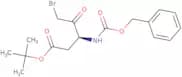
CAS:<p>3-Methyldihydrofuran-2,5-dione is a diterpenoid alkaloid found in the plant Dictamnus albus. This compound has been shown to have metal chelating properties and can be used as an asymmetric synthesis intermediate. 3-Methyldihydrofuran-2,5-dione reacts with diazonium salt to form a high resistance molecule that is highly reactive. This chemical reacts with hydroxyl groups, amide groups, or methyl ethyl groups. The structure of this compound consists of nitrogen atoms and anhydride bonds. 3-Methyldihydrofuran-2,5-dione has been shown to exhibit electrochemical impedance spectroscopy (EIS) characteristics similar to those of other molecules that are known to be reactive.</p>Formula:C5H6O3Purity:Min. 95%Molecular weight:114.1 g/molZ-Asp(OtBu)-bromomethylketone
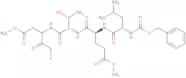
CAS:<p>Please enquire for more information about Z-Asp(OtBu)-bromomethylketone including the price, delivery time and more detailed product information at the technical inquiry form on this page</p>Formula:C17H22BrNO5Purity:Min. 95%Molecular weight:400.26 g/molZ-Leu-Glu(OMe)-Thr-DL-Asp(OMe)-fluoromethylketone
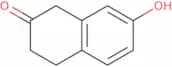
CAS:<p>Please enquire for more information about Z-Leu-Glu(OMe)-Thr-DL-Asp(OMe)-fluoromethylketone including the price, delivery time and more detailed product information at the technical inquiry form on this page</p>Formula:C30H43FN4O11Purity:Min. 95%Molecular weight:654.68 g/mol7-Hydroxy-3,4-dihydro-1H-naphthalen-2-one
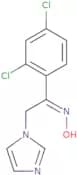
CAS:<p>7-Hydroxy-3,4-dihydro-1H-naphthalen-2-one is an organic solvent that can be used as a pharmaceutical intermediate. It is a white crystalline solid that has been shown to bind to β-cyclodextrin, chloride, and aluminium. 7-Hydroxy-3,4-dihydro-1H-naphthalen-2-one has been shown to form stable complexes with these ions by binding to the oxygens on their surfaces. The binding constants for this compound have been determined using dichromism and fluorescence experiments. This organic solvent has also been found to have enantioselective properties.</p>Formula:C10H10O2Purity:Min. 95%Molecular weight:162.19 g/mol(Z)-1-(2,4-Dichlorophenyl)-2-(1H-imidazol-1-yl)ethanone oxime
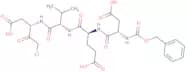
CAS:<p>(Z)-1-(2,4-Dichlorophenyl)-2-(1H-imidazol-1-yl)ethanone oxime is an antifungal agent that inhibits the synthesis of ergosterol, a major constituent of fungal cell membranes. It has been shown to be active against a variety of fungi and yeasts. (Z)-1-(2,4-Dichlorophenyl)-2-(1H-imidazol-1-yl)ethanone oxime also has antimicrobial activity against bacteria such as Staphylococcus aureus and Pseudomonas aeruginosa.</p>Formula:C11H9Cl2N3OPurity:Min. 95%Molecular weight:270.11 g/molZ-Asp-Glu-Val-Asp-chloromethylketone
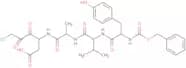
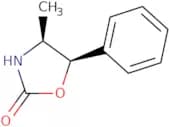
CAS:<p>Z-Asp-Glu-Val-Asp-chloromethylketone is a reactive compound that inhibits the activity of proteases and induces neuronal death. Z-Asp-Glu-Val-Asp-chloromethylketone has been shown to induce necrotic cell death in malignant brain cells and has neurotrophic properties. It also causes mitochondrial membrane depolarization, which leads to mitochondrial cytochrome c release and subsequent apoptosis. The reaction mechanism is still unclear but it may involve hydrogen bonding between the ketone group and the amide nitrogen atom of the aspartate residue.</p>Formula:C27H35ClN4O12Purity:Min. 95%Molecular weight:643.04 g/mol(4S,5R)-4-Methyl-5-phenyloxazolidin-2-one
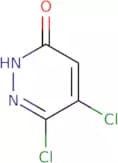
CAS:<p>(4S,5R)-4-Methyl-5-phenyloxazolidin-2-one is an amide that is prepared by the reaction of piperidine and benzyl chloride. It is a chiral compound with (4S,5R) configuration and has a basic hydrolysis. The compound was optimized for its synthesis by using different solvents. This amide has been used in the transfer of methyl groups to different substrates. It also has been used in asymmetric synthesis as a chiral auxiliary for the preparation of enantiopure sulfinyl compounds.</p>Formula:C10H11NO2Purity:Min. 95%Molecular weight:177.2 g/mol5,6-Dichloropyridazin-3(2H)-one
CAS:<p>Please enquire for more information about 5,6-Dichloropyridazin-3(2H)-one including the price, delivery time and more detailed product information at the technical inquiry form on this page</p>Formula:C4H2Cl2N2OPurity:Min. 95%Molecular weight:164.98 g/molZ-Phe-Ala-diazomethylketone
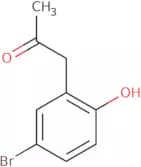
CAS:<p>Z-Phe-Ala-diazomethylketone is a molecule that belongs to the class of hydrolase inhibitors. It has been shown to have inhibitory properties against trichomonas vaginalis and proteolytic activity against liver cells. Z-Phe-Ala-diazomethylketone also has a kinetic energy of 11.2 kcal/mol, which is higher than most protease inhibitors. This molecule has been shown to be effective as a cell vaccine in wild-type mice and as a protease inhibitor in brain cells. The optimal ph for this molecule is 7.5, which corresponds to its pKa value of 5.1.</p>Formula:C21H22N4O4Purity:Min. 95%Molecular weight:394.42 g/mol(5-Bromo-2-hydroxyphenyl)acetone
CAS:<p>5-Bromo-2-hydroxyphenyl)acetone is a chemical that is used as a building block in the synthesis of other compounds. It can be used as a reagent to produce 5-bromo-2,4-dihydroxyphenylacetic acid, which has been shown to have antiinflammatory and analgesic effects. 5-Bromo-2-hydroxyphenyl)acetone is also useful for the synthesis of polymers with applications in electronics and as an intermediate for the production of pharmaceuticals.</p>Formula:C9H9BrO2Purity:Min. 95%Color and Shape:PowderMolecular weight:229.07 g/mol(11β,16α)-16,17-[(1RS)-Ethylidenebis(oxo)]-11,21-dihydroxypregna-1,4-diene-3,20-dione
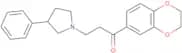
CAS:<p>Please enquire for more information about (11β,16α)-16,17-[(1RS)-Ethylidenebis(oxo)]-11,21-dihydroxypregna-1,4-diene-3,20-dione including the price, delivery time and more detailed product information at the technical inquiry form on this page</p>Formula:C23H30O6Purity:Min. 95%Color and Shape:PowderMolecular weight:402.48 g/mol1-(2,3-Dihydro-1,4-benzodioxin-6-yl)-3-(3-phenylpyrrolidin-1-yl)propan-1-one HCl
CAS:<p>Naltrexone is a drug that is used in the treatment of addiction to opioids and alcohol. It has been shown to inhibit the breakdown of endorphins, which leads to reduced pain sensitivity. Naltrexone also has anti-inflammatory properties, which may be due to its inhibition of prostaglandin synthesis. Naltrexone binds to opioid receptors and blocks their action, preventing the transmission of signals by the neurotransmitter dopamine. This binding prevents the euphoric effects associated with opioid abuse while still allowing pain relief. The use of naltrexone in inflammatory bowel disease was first proposed in 1978 based on its ability to reduce colonic motility in animal models and its subsequent effect on gut function.</p>Formula:C21H23NO3·HClPurity:Min. 95%Color and Shape:White PowderMolecular weight:373.87 g/molDynorphin A (1-10)-Gly-chloromethylketone trifluoroacetate salt
CAS:<p>Please enquire for more information about Dynorphin A (1-10)-Gly-chloromethylketone trifluoroacetate salt including the price, delivery time and more detailed product information at the technical inquiry form on this page</p>Formula:C60H95ClN20O12Purity:Min. 95%Molecular weight:1,323.98 g/molFluorescein-6-carbonyl-Ala-Glu(OMe)-Val-DL-Asp(OMe)-fluoromethylketone
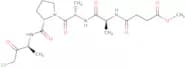
CAS:<p>Please enquire for more information about Fluorescein-6-carbonyl-Ala-Glu(OMe)-Val-DL-Asp(OMe)-fluoromethylketone including the price, delivery time and more detailed product information at the technical inquiry form on this page</p>Formula:C41H43FN4O14Purity:Min. 95%Molecular weight:834.8 g/molMeOSuc-Ala-Ala-Pro-Ala-chloromethylketone
CAS:<p>MeOSuc-Ala-Ala-Pro-Ala-chloromethylketone is a peptidyl substrate for the enzyme carboxypeptidase A. This substrate has a high specificity for carboxypeptidase A and does not bind to other enzymes such as carboxypeptidase B, D, or L. The hydrophobic nature of this substrate has been shown in both hamsters and macaques. MeOSuc-Ala-Ala-Pro-Ala-chloromethylketone also shows cardiovascular effects in both animal models. It is possible that this effect is due to the proteolytic activity of the enzyme. More research needs to be done to identify the sequence of this peptide and how it may affect humans.</p>Formula:C20H31ClN4O7Purity:Min. 95%Molecular weight:474.94 g/mol3,6-Di(2-thienyl)-2,5-dihydropyrrolo[3,4-c]pyrrole-1,4-dione
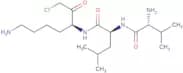
CAS:<p>3,6-Di(2-thienyl)-2,5-dihydropyrrolo[3,4-c]pyrrole-1,4-dione is a hyaluronic acid derivative that is being studied as a possible treatment for cancer. It has been shown to have tumor suppressive effects on human breast and prostate cancer cells in vitro. The mechanism of action is thought to be related to the redox potentials of the molecule. 3,6-Di(2-thienyl)-2,5-dihydropyrrolo[3,4-c]pyrrole-1,4-dione can be used as an optical probe for studying interactions between molecules in solution. It can also be used in optical absorption spectroscopy to measure changes in tumor tissue and as an acceptor for potentials.</p>Purity:Min. 95%H-D-Val-Leu-Lys-chloromethylketone trifluoroacetate salt
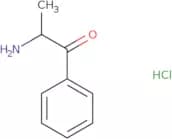
CAS:<p>Please enquire for more information about H-D-Val-Leu-Lys-chloromethylketone trifluoroacetate salt including the price, delivery time and more detailed product information at the technical inquiry form on this page</p>Formula:C18H35ClN4O3Purity:Min. 95%Molecular weight:390.95 g/mol2-Amino-1-phenylpropan-1-one hydrochloride
CAS:Controlled Product<p>2-Amino-1-phenylpropan-1-one hydrochloride is a chemical compound that can be used as an intermediate in the synthesis of ethyl formate. It is also a pharmaceutical intermediate, which is used to prepare triazine and alicyclic compounds. It has been shown to have potential use in the treatment of prostatic hypertrophy and heterocycle disorders. 2-Amino-1-phenylpropan-1-one hydrochloride has been found to be active in animals and humans and is not toxic to women or animals. This drug has shown no adverse effects on human health at doses up to 10 g/kg body weight.</p>Formula:C9H11NO•HClPurity:Min. 95%Color and Shape:PowderMolecular weight:185.65 g/molAc-Asp-Glu-Val-Asp-chloromethylketone trifluoroacetate salt
CAS:<p>Ac-Asp-Glu-Val-Asp-chloromethylketone trifluoroacetate salt is a basic protein. It inhibits the neuronal death induced by dopamine and its derivatives, which is caused by overactivation of the mitochondrial membrane potential and release of cytochrome c from mitochondria to cytosol. This compound also inhibits the activation of toll-like receptor 4 (TLR4) and nuclear factor κB (NF-κB) signaling pathways in neuronal cells. Ac-Asp-Glu-Val-Asp-chloromethylketone trifluoroacetate salt has been shown to have antiinflammatory effects when applied topically on skin wounds. The molecule has been used as a model system for studying the molecular mechanism of epidermal growth factor (EGF) activation in hybridoma cell lines and primary cells.</p>Formula:C21H31ClN4O11Purity:Min. 95%Molecular weight:550.94 g/mol4,10-Dioxatricyclo[5.2.1.02.6]dec-8-ene-3,5-dione
CAS:<p>4,10-Dioxatricyclo[5.2.1.02.6]dec-8-ene-3,5-dione (DTDE) is a hypoglycemic agent that inhibits the synthesis of fatty acids in the liver and reduces blood sugar levels by inhibiting the enzyme diacylglycerol acyltransferase 2 (DGAT2). DTDE has been shown to have antitumour activity against a human cell line and inhibits the replication of DNA and RNA by binding to amines in nucleic acid bases.</p>Formula:C8H6O4Purity:Min. 95%Molecular weight:166.13 g/mol4,5-Dibromo-1,2,6,7-tertahydro-8H-indeno[5,4-b]furan-8-one
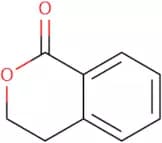
CAS:<p>4,5-Dibromo-1,2,6,7-tertahydro-8H-indeno[5,4-b]furan-8-one is a chemical reagent that is used for the debromination of ethyl cyanoacetate. The nucleophilic nature of the hydroxyl group in the target compound makes it an efficient substrate for this reaction. This reagent can be used to synthesize ramelteon which is a drug approved by the U.S. Food and Drug Administration (FDA) for insomnia treatment. This high yield synthesis highlights 4,5-dibromo-1,2,6,7-tertahydro-8H-indeno[5,4b]furan-8one's usefulness as a debrominating agent.</p>Formula:C11H8Br2O2Purity:Min. 95%Molecular weight:331.99 g/molIsochroman-1-one
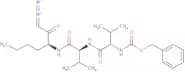
CAS:<p>Isochroman-1-one is a natural compound that is found in copper chloride acetate extracts of plants. It has been shown to have inhibitory effects on the growth of endophytes and on the fatty acid metabolism of plants. Isochroman-1-one also has antimicrobial activity against human serum and cervical cancer cells. It inhibits the activity of matrix metalloproteinases (MMPs) such as MMP-9, which are enzymes that degrade extracellular matrix proteins in the body. Isochroman-1-one is synthesized from etoac extract, which is obtained from a plant called Eucalyptus tereticornis. The synthesis involves an asymmetric process with a hydroxyl group as one of the reagents.</p>Formula:C9H8O2Purity:Min. 95%Molecular weight:148.16 g/molZ-Val-Val-Nle-diazomethylketone
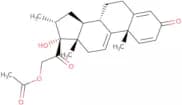
CAS:<p>Please enquire for more information about Z-Val-Val-Nle-diazomethylketone including the price, delivery time and more detailed product information at the technical inquiry form on this page</p>Formula:C25H37N5O5Purity:Min. 95%Molecular weight:487.59 g/mol17-α,21-Dihydroxy-16-a-methylpregna-1,4,9(11)-triene-3,20-dione 21-acetate
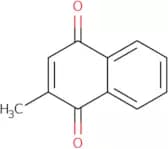
CAS:Controlled Product<p>Please enquire for more information about 17-alpha,21-Dihydroxy-16-a-methylpregna-1,4,9(11)-triene-3,20-dione 21-acetate including the price, delivery time and more detailed product information at the technical inquiry form on this page</p>Formula:C24H30O5Purity:Min. 95%Molecular weight:398.49 g/molMenadione
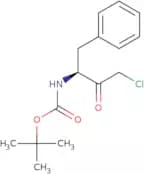
CAS:<p>Menadione, also known as vitamin K3, is a chemical compound which is used as a cofactor in the synthesis of blood clotting factors. Menadione has been shown to protect proteins against oxidative damage. Menadione interacts with two types of DNA-binding proteins: response element (RE) and natural compounds. Menadione binds to the response elements on DNA and regulates gene expression. Menadione has been shown to inhibit protein oxidation in hl-60 cells and human polymorphonuclear leukocytes. The mechanism for this inhibition is not yet well understood but may be due to the ability of menadione to bind to reactive oxygen species (ROS). Menadione also binds to natural compounds that regulate gene expression; these compounds are small molecules that interact with DNA at points other than response elements. These binding sites are found upstream from genes, where they act as transcriptional regulators or repressors by altering the rate of transcription. Menadione binds to</p>Formula:C11H8O2Purity:Min. 98 Area-%Color and Shape:Yellow PowderMolecular weight:172.18 g/mol(3S)-3-(tert-Butoxycarbonyl)amino-1-chloro-4-phenyl-2-butanone
CAS:<p>(3S)-3-(tert-Butoxycarbonyl)amino-1-chloro-4-phenyl-2-butanone is an organic compound that belongs to the class of carbonyl reductase. It is used as a catalyst for the transformation of secondary alcohols to ketones or aldehydes, including isopropyl alcohol. The reaction proceeds via an intermediate carboxylic acid. The enzyme has been found in various microorganisms, and can be purified from Bacillus megaterium and Streptomyces lividans. The enzyme’s activity can be inhibited by steric effects, metal ions, or other compounds. (3S)-3-(tert-Butoxycarbonyl)amino-1-chloro-4-phenyl-2-butanone crystallizes in two forms: one with the chiral center at the 3 position and one with it at the 4 position.</p>Purity:Min. 95%Ac-Leu-Glu-His-Asp-chloromethylketone
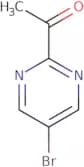
CAS:<p>Ac-Leu-Glu-His-Asp-chloromethylketone is a creatine kinase inhibitor that prevents the conversion of ATP to ADP. It inhibits mitochondrial pathways, leading to apoptotic and proapoptotic effects. Ac-Leu-Glu-His-Asp-chloromethylketone also has a kinetic effect on cells, where it causes necrotic cell death. This compound can cause proteolytic activity, which leads to the activation of caspase 9 and matrix metalloproteinases. Ac-Leu-Glu-His-Asp chloromethylketone has been shown to have antiinflammatory properties in cellular assays, as well as an ability to inhibit the synthesis of cellular proteins.</p>Formula:C24H35ClN6O9Purity:Min. 95%Molecular weight:587.02 g/mol1-(5-Bromopyrimidin-2-yl)ethanone
CAS:<p>Please enquire for more information about 1-(5-Bromopyrimidin-2-yl)ethanone including the price, delivery time and more detailed product information at the technical inquiry form on this page</p>Formula:C6H5BrN2OPurity:Min. 95%Molecular weight:201.02 g/molHedione
CAS:<p>Hedione is a natural product that has been used in perfumery. It is an aliphatic ketone with the chemical formula of C10H14O2 and a molecular weight of 176.18 g/mol. Hedione is also found in some essential oils, such as jasmine oil. Hedione has been studied as a model system to study fatty acid metabolism and basic protein synthesis in bacteria. The stability of hedione is dependent on its pH and redox potential, with lower pH values leading to increased stability. Hedione can be extracted from water samples using solid phase microextraction (SPME) and analyzed by gas chromatography-mass spectrometry (GC-MS). Hedione can be used for wastewater treatment, as it has been shown to inhibit methyl dihydrojasmonate production in biological treatment processes. Hedione may have potential as an anti-inflammatory agent due to its ability to inhibit malonic acid production in humans at low concentrations (</p>Formula:C13H22O3Purity:Min. 95%Molecular weight:226.31 g/mol5α-Pregnan-3β,17α-diol-20-one
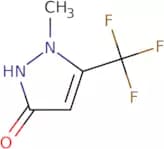
CAS:Controlled Product<p>5alpha-Pregnan-3beta,17alpha-diol-20-one is a versatile building block that can be used in the synthesis of a wide range of chemical compounds. It has CAS number 570-54-7 and is useful as a reagent in organic chemistry. This compound is also an intermediate for the synthesis of other chemicals, such as steroids and hormones. 5alpha-Pregnan-3beta,17alpha-diol-20-one can be used to produce high quality products with diverse biological activities and molecular structures. The compound is also useful in the production of pharmaceuticals, pesticides, and herbicides.</p>Formula:C21H34O3Purity:Min. 95%Color and Shape:PowderMolecular weight:334.49 g/mol1,2-Dihydro-1-Methyl-5-(Trifluoromethyl)-3H-Pyrazol-3-One
CAS:<p>Please enquire for more information about 1,2-Dihydro-1-Methyl-5-(Trifluoromethyl)-3H-Pyrazol-3-One including the price, delivery time and more detailed product information at the technical inquiry form on this page</p>Formula:C5H5F3N2OPurity:Min. 95%Molecular weight:166.1 g/mol2-Amino-6-chloropyrimidin-4(3h)-one
CAS:<p>2-Amino-6-chloropyrimidin-4(3H)-one (ACPP) is a betaine that has been shown to exhibit potent activity against clinical isolates of methicillin-resistant Staphylococcus aureus (MRSA). It is a mesomeric molecule, which means that it can exist as two different tautomers. The frequency of the absorption bands in the FTIR spectra for ACPP are characteristic of the carbenes and ethanolamine tautomers. The presence of these tautomers may be due to stabilization from the nucleophilic character of the nitrogen atom in betaines. Betaines are also able to form polymersized chains by reacting with themselves or other molecules, such as ethanolamine.</p>Formula:C4H4ClN3OPurity:Min. 95%Color and Shape:PowderMolecular weight:145.55 g/molH-Ala-Ala-Pro-Val-chloromethylketone
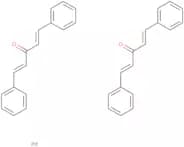
CAS:<p>H-Ala-Ala-Pro-Val-chloromethylketone is a hydrogen peroxide prodrug that is activated by the enzyme chloromethyl ketone. This drug has been shown to be active against schistosoma and pancreatic cancer cells, as well as in activating peroxide. HAPV may also have an effect on immunity and leukocytes, which could be due to its ability to sensitize these cells to damage caused by other agents, or through the hydrolytic enzymes it generates.</p>Formula:C17H29ClN4O4Purity:Min. 95%Molecular weight:388.89 g/molBis(dibenzylideneacetone)palladium(0)
CAS:<p>Bis(dibenzylideneacetone)palladium(0) (Pd 2 (dba)) is a reactive metal complex that can be used to synthesize allyl compounds. The Pd 2 (dba) complex has been shown to have potential as an anti-infective agent for the treatment of infectious diseases. It has been reported that Pd 2 (dba) has a high resistance to halides, hydrochloric acid, and electrochemical impedance spectroscopy.</p>Formula:C34H28O2PdPurity:Min. 95%Molecular weight:575 g/mol3-Methylcyclohex-2-en-1-one
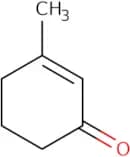
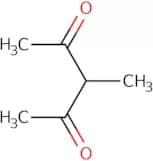
CAS:<p>3-Methylcyclohex-2-en-1-one is a chemical compound that is used in the synthesis of pharmaceuticals, pesticides, and other organic compounds. It has been shown to be effective against Dendroctonus species and other pests. 3-Methylcyclohex-2-en-1-one is synthesized from cyclohexanone by hydrogenation of the double bond at the 3 position. The reaction can be catalyzed by palladium complexes with acid complexing ligands, such as phosphines or amines. The product is then purified by distillation, crystallization, or recrystallization.</p>Formula:C7H10OPurity:Min. 95%Molecular weight:110.15 g/mol3-Methyl-2,4-pentanedione, mixture of tautomers
CAS:<p>3-Methyl-2,4-pentanedione is a reactive chemical compound that is used in the preparation of other compounds. It has a ph profile with an acidic character and can be used as a reactant in organic synthesis. 3-Methyl-2,4-pentanedione reacts with hydroxyl groups to form an acid complex or intramolecular hydrogen bond. This reaction has been shown to produce malonic acid and radiation. The nitrogen atoms are also reactive, forming nitrite ions when reacted with hydrochloric acid or nitric acid. 3-Methyl-2,4-pentanedione reacts with methyl ethyl ketone and water vapor to produce hydrochloric acid and nitrous acid.</p>Formula:C6H10O2Purity:Min. 95%Color and Shape:Clear Colourless To Yellow LiquidMolecular weight:114.14 g/mol(R)-4-Propyldihydrofuran-2(3H)-one
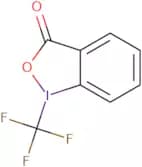
CAS:<p>Please enquire for more information about (R)-4-Propyldihydrofuran-2(3H)-one including the price, delivery time and more detailed product information at the technical inquiry form on this page</p>Formula:C7H12O2Purity:Min. 95%Molecular weight:128.17 g/mol1-(Trifluoromethyl)-1,2-benziodoxol-3(1h)-one
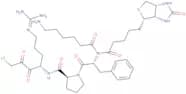
CAS:<p>1-(Trifluoromethyl)-1,2-benziodoxol-3(1H)-one is a deuterated analog of the phenoxy radical. It has been shown to be a potent inhibitor of the apical radiation-induced chain reactions in mitochondria and chloroplasts. The deuterium isotope effect makes 1-(Trifluoromethyl)-1,2-benziodoxol-3(1H)-one more reactive than its non-deuterated counterpart. This increased reactivity leads to an increase in biological properties, such as toxicity studies and reaction mechanism. This drug also has modulating effects on sulfonic acids, which are important for many biological reactions.</p>Formula:C8H4F3IO2Purity:Min. 95 Area-%Color and Shape:White PowderMolecular weight:316.02 g/molBiotinyl-ε-aminocaproyl-D-Phe-Pro-Arg-chloromethylketone
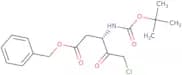
CAS:<p>Please enquire for more information about Biotinyl-epsilon-aminocaproyl-D-Phe-Pro-Arg-chloromethylketone including the price, delivery time and more detailed product information at the technical inquiry form on this page</p>Formula:C37H56ClN9O6SPurity:Min. 95%Molecular weight:790.42 g/molBoc-Asp(OBzl)-chloromethylketone
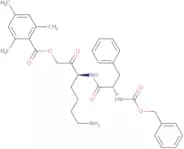
CAS:<p>Boc-Asp(OBzl)-chloromethylketone is a synthetic molecule that is immunoreactive with gp120, the virus protein. It has been shown to inhibit the proliferation of human neuroblastoma cells and induce cell death. This compound also has an effect on cytokine production in vitro. This drug is currently being studied as a potential treatment for HIV infection. Boc-Asp(OBzl)-chloromethylketone binds to the receptor type and viral type, which are essential for the virus life cycle and induces antibody production in vivo.</p>Formula:C17H22ClNO5Purity:Min. 95%Molecular weight:355.81 g/molZ-Phe-Lys-2,4,6-trimethylbenzoyloxy-methylketone trifluoroacetate salt
CAS:<p>Z-Phe-Lys-2,4,6-trimethylbenzoyloxy-methylketone trifluoroacetate salt is a proteolytic enzyme that has been shown to have bone resorption and tissue destructive properties. It is active against porphyromonas and bactericidal against fibrinogen. Z-Phe-Lys-2,4,6-trimethylbenzoyloxy-methylketone trifluoroacetate salt also inhibits the formation of osteoclasts by inhibiting the uptake and protease activity of extracellular matrix proteins such as fibrinogen. This drug is currently being researched for possible use in the treatment of Alzheimer's Disease.</p>Formula:C34H41N3O6Purity:Min. 95%Molecular weight:587.71 g/molZ-Tyr-Val-Ala-Asp-chloromethylketone
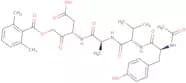
CAS:<p>Z-Tyr-Val-Ala-Asp-chloromethylketone is a fluorescent probe that can be used for the detection of phosphatidic acid. It is also an apoptosis inducer, which means that it promotes cell death. Z-Tyr-Val-Ala-Asp-chloromethylketone induces apoptosis by binding to the kinases and causing their activation, leading to phosphatidic acid production. This process is activated by the presence of ethylene, which binds to Z-Tyr-Val-Ala-Asp chloromethylketone and stabilizes its structure.</p>Formula:C30H37ClN4O9Purity:Min. 95%Molecular weight:633.09 g/molAc-Tyr-Val-Ala-Asp-2,6-dimethylbenzoyloxymethylketone
CAS:<p>Ac-Tyr-Val-Ala-Asp-2,6-dimethylbenzoyloxymethylketone is a potent transcriptional regulator that can be used to treat breast cancer. Ac-Tyr-Val-Ala-Asp-2,6-dimethylbenzoyloxymethylketone binds to estrogen receptor and prevents the binding of estrogen to its receptor. This leads to the death of cancer cells by inhibiting the function of bcl family proteins. Acetylation of this compound at C8, C10, and C17 positions increases its potency in vivo. In addition, Acetylated TAVADM can inhibit pancreatic cancer cell growth by activating signal transducer and activator of transcription 3 (STAT3) and inhibiting the activity of bcl family proteins such as BCL2 and BCLXL. Acetylated TAVADM has also been shown to have antiapoptotic</p>Formula:C33H42N4O10Purity:Min. 95%Molecular weight:654.71 g/molPiperonyl acetone
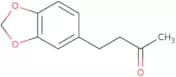
CAS:Controlled Product<p>Piperonyl acetone is an organic solvent that has been shown to have an anti-aging effect on skin cells. It inhibits the growth of bacteria by binding to the carbonyl group in the molecule and preventing them from producing proteins, which are needed for cell division. Piperonyl acetone has been shown to be a good deodorizer, with a target pest of insects. This agent also has a high boiling point and can be used as an organic solvent in analytical toxicology. Piperonyl acetone is metabolized into piperonal and ethanol extracts when it is administered orally or intravenously. Piperonyl acetone may interact with certain drugs; therefore, it should be taken with caution if you are taking other medications.</p>Formula:C11H12O3Purity:Min. 95%Color and Shape:White PowderMolecular weight:192.21 g/mol
![1,2,3,4,5,6-Hexahydro-1,5-methano-pyrido-[1,2-a][1,5]diazocin-8-one](/_next/image/?url=https%3A%2Fstatic.cymitquimica.com%2Fproducts%2F3D%2Fthumb-webp%2FFD117142.webp&w=3840&q=75)


![(17R)-4-Chloro-5-ethyl-9-fluoro-11b-hydroxy-16b-methylspiro[androsta-1,4-diene-17,2(3H)-furan]-3,3…](/_next/image/?url=https%3A%2Fstatic.cymitquimica.com%2Fproducts%2F3D%2Fthumb-webp%2FFF103612.webp&w=3840&q=75)
![cis-5-Benzyltetrahydropyrrolo[3,4-c]pyrrole-1,3(2H,3ah)-dione](/_next/image/?url=https%3A%2Fstatic.cymitquimica.com%2Fproducts%2F3D%2Fthumb-webp%2FFB148774.webp&w=3840&q=75)
![(2S,3S)-5-[2-(Dimethylamino)ethyl]-3-hydroxy-2-(4-methoxyphenyl)-2,3-dihydro-1,5-benzothiazepin-4-…](/_next/image/?url=https%3A%2Fstatic.cymitquimica.com%2Fproducts%2F3D%2Fthumb-webp%2FFD45531.webp&w=3840&q=75)


![2-n-Butyl-1,3-diaza-spiro[4,4]non-1-en-4-one HCl](/_next/image/?url=https%3A%2Fstatic.cymitquimica.com%2Fproducts%2F3D%2Fthumb-webp%2FFB37020.webp&w=3840&q=75)

![(2S)-2-Amino-4-methyl-1-[(2R)-2-methyloxiranyl]-1-pentanone trifluoroacetate](/_next/image/?url=https%3A%2Fstatic.cymitquimica.com%2Fproducts%2F3D%2Fthumb-webp%2FFA100028.webp&w=3840&q=75)
![4-{[4-(4-Methyloxyphenyl)-piperazin-1-yl]-phenyl}-2,4-dihydro-[1,2,4]-triazol-3-one](/_next/image/?url=https%3A%2Fstatic.cymitquimica.com%2Fproducts%2F3D%2Fthumb-webp%2FFM25920.webp&w=3840&q=75)
![3,6-Bis([1,1'-biphenyl]-4-yl)-2,5-dihydropyrrolo[3,4-c]pyrrole-1,4-dione](/_next/image/?url=https%3A%2Fstatic.cymitquimica.com%2Fproducts%2F3D%2Fthumb-webp%2FFB151935.webp&w=3840&q=75)
![(11β,16α)-16,17-[(1RS)-Ethylidenebis(oxo)]-11,21-dihydroxypregna-1,4-diene-3,20-dione](/_next/image/?url=https%3A%2Fstatic.cymitquimica.com%2Fproducts%2F3D%2Fthumb-webp%2FFE146156.webp&w=3840&q=75)

![3,6-Di(2-thienyl)-2,5-dihydropyrrolo[3,4-c]pyrrole-1,4-dione](/_next/image/?url=https%3A%2Fstatic.cymitquimica.com%2Fproducts%2F3D%2Fthumb-webp%2FFD62791.webp&w=3840&q=75)

![4,10-Dioxatricyclo[5.2.1.02.6]dec-8-ene-3,5-dione](/_next/image/?url=https%3A%2Fstatic.cymitquimica.com%2Fproducts%2F3D%2Fthumb-webp%2FFD15512.webp&w=3840&q=75)
![4,5-Dibromo-1,2,6,7-tertahydro-8H-indeno[5,4-b]furan-8-one](/_next/image/?url=https%3A%2Fstatic.cymitquimica.com%2Fproducts%2F3D%2Fthumb-webp%2FFD21568.webp&w=3840&q=75)