Amides
Amides are a wide range of chemical compounds that contain at least one heterocyclic ring, which has atoms of at least two different elements in the ring structure, and at least one amide group (-CONH2). These compounds are crucial in the synthesis of pharmaceuticals, polymers, and agrochemicals. Amides exhibit unique properties and reactivity, making them valuable intermediates in organic synthesis. At CymitQuimica, we offer a comprehensive selection of high-quality amides to support your research and industrial needs.
Found 16385 products of "Amides"
Sort by
Purity (%)
0
100
|
0
|
50
|
90
|
95
|
100
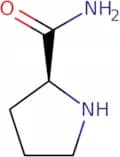
L-Prolinamide
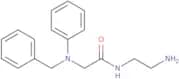
CAS:<p>Intermediate in the synthesis of vildagliptin</p>Formula:C5H10N2OPurity:Min. 95%Color and Shape:PowderMolecular weight:114.15 g/molN-(2-Amino-ethyl)-2-(benzyl-phenyl-amino)-acetamide
CAS:<p>Please enquire for more information about N-(2-Amino-ethyl)-2-(benzyl-phenyl-amino)-acetamide including the price, delivery time and more detailed product information at the technical inquiry form on this page</p>Formula:C17H21N3OPurity:Min. 95%Color and Shape:White PowderMolecular weight:283.37 g/molLymnaDFamide-1
CAS:<p>LymnaDFamide-1 is a neuropeptide that belongs to the family of c-terminal peptides. It is a dipeptide with a sequence of L-Pro-Tyr-Asp-Arg-Ile-Ser-Asn-Ser-Ala-Phe. This peptide was found in the nervous system of invertebrates, where it is believed to play an important role in the regulation of neurotransmitter release. In mammals, LymnaDFamide has been detected in the brain and in the gallbladder. It may be involved in regulating feeding behavior and gastric motility.</p>Formula:C68H96N18O22Purity:Min. 95%Molecular weight:1,517.6 g/molN,N-Bis(2-hydroxyethyl)dodecanamide
CAS:<p>N,N-Bis(2-hydroxyethyl)dodecanamide is a surfactant that is used in the treatment of wastewater. It has been shown to be effective at removing p-hydroxybenzoic acid from water and at reducing the concentration of this compound in the environment. N,N-Bis(2-hydroxyethyl)dodecanamide also has antimicrobial properties and synergizes with other antimicrobial agents to provide a more potent effect than when it is used alone. This surfactant has been shown to have an effect on congestive heart failure by blocking the action of angiotensin II receptors.</p>Formula:C16H33NO3Color and Shape:Clear LiquidMolecular weight:287.44 g/molHe-LWamide II
CAS:<p>He-LWamide II is a neuropeptide that is found in the hydrozoa, cnidarians, and anthozoa. It is an endogenous hormone that is produced by the planula stage of development. He-LWamide II inhibits muscle contractions and can be used as a model system for studying the effects of neuropeptides on invertebrate development. The developmental effects of this peptide have been studied in animals and humans, including its role in regulating the maturation of eggs and spermatozoa. He-LWamide II also has inhibitory effects on the nervous system and muscles.</p>Formula:C35H53N9O6Purity:Min. 95%Molecular weight:695.85 g/mol4-Amino-N-(4-methylpyrimidin-2-yl)benzenesulfonamide
CAS:<p>4-Amino-N-(4-methylpyrimidin-2-yl)benzenesulfonamide (AMBPS) is a sulfonamide antimicrobial agent that belongs to the group of sulfa drugs. It is a potent inhibitor of tetracycline resistance in bacterial cells, and has been shown to be effective against infectious diseases such as tuberculosis, leprosy and pneumonia. AMBPS has also been used in wastewater treatment and biological studies with high values. This drug binds to sulfamerazine, which inhibits bacterial growth by inhibiting RNA synthesis. The hydrogen bonding interactions between AMBPS and sulfadiazine are thought to be responsible for the effects on congestive heart failure.</p>Formula:C11H12N4O2SPurity:Min. 95%Molecular weight:264.3 g/mol(E)-2-(Aminomethyl)-N,N-diethyl-1-phenylcyclopropanecarboxamideHydrochloride
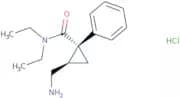
CAS:Controlled Product<p>Levomilnacipran is a serotonin-norepinephrine reuptake inhibitor (SNRI) that is used for the treatment of major depressive disorder and fibromyalgia. It has been shown to have antidepressant effects in patients with major depressive disorder and fibromyalgia. Levomilnacipran inhibits the reuptake of serotonin and norepinephrine by blocking the transporter proteins in these neurotransmitter pathways, increasing their availability to interact with receptors in the brain. Levomilnacipran also has been found to inhibit aminotransferase activity, which may be responsible for its hepatotoxicity.</p>Formula:C15H23ClN2OPurity:Min. 95%Molecular weight:282.81 g/molN-α-Benzoyl-L-argininamide
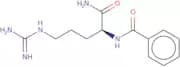
CAS:<p>N-alpha-Benzoyl-L-argininamide is a synthetic compound that is used as an enzyme inhibitor. It binds to the active site of proteases, thereby inhibiting their activity. This drug has been shown to inhibit the activities of phosphodiesterase and phosphatase enzymes in vitro. N-alpha-Benzoyl-L-argininamide also inhibits the proteolytic degradation of hippuric acid and casein in vitro. The binding affinity for this drug is due to its structural similarity with substrates such as glutamate and rhizosphere exudates.</p>Formula:C13H19N5O2Purity:Min 98%Color and Shape:White PowderMolecular weight:277.32 g/molN,N-Dimethylformamide dibenzyl acetal
CAS:<p>N,N-Dimethylformamide dibenzyl acetal is an organic solvent that has a low volatility and high solubility in water. It is used as a cosolvent for reactions involving carboxylic acids, formamides, and epoxides. N,N-Dimethylformamide dibenzyl acetal can be used to produce peroxide as a reagent for oxidation reactions. Hydrogen peroxide can be produced from this compound by treatment with thionyl chloride or alkanoic acid. This chemical is also derivatized by the mesoporous method to provide mesoporous silica nanoparticles with enhanced surface area.</p>Purity:Min. 95%N-[2-[(2-Bromo-4,6-dinitrophenyl)azo]-5-(diethylamino)phenyl]acetamide
CAS:<p>N-2-[(2-bromo-4,6-dinitrophenyl)azo]-5-(diethylamino)phenyl]acetamide (NBDPA) is a yellowish solid that is soluble in water. It has a molecular weight of 308.3 and chemical formula C14H21BrN2O4. NBDPA is used as an analytical reagent for the kinetic data of liver cells and in wastewater treatment. This compound has been shown to exhibit carcinogenic potential in rats, causing genetic damage to the DNA of liver cells and kidney tissue. NBDPA has also been shown to be toxic to fish embryos and larvae, with significant effects on the development of larvae at high concentrations.</p>Formula:C18H19BrN6O5Purity:90%MinMolecular weight:479.28 g/molPAR-2 (1-6) amide (human) trifluoroacetate salt
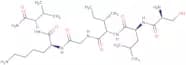
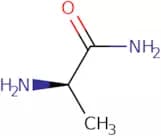
CAS:<p>PAR-2 (1-6) amide (human) trifluoroacetate salt H-Ser-Leu-Ile-Gly-Lys-Val-NH2 trifluoroacetate salt is a protease inhibitor that inhibits the activity of PAR2, a protein receptor. PAR2 is implicated in cancer and inflammation. It has been shown to inhibit growth factor signaling, as well as activate toll-like receptor 4 and other inflammatory pathways. PAR2 inhibition has also been studied in vivo and found to be effective in treating wild type mice with melanoma cells. In vitro studies have shown that PAR2 inhibition by PAR 2 (1-6) amide (human) trifluoroacetate salt H-Ser-Leu-Ile-Gly-Lys-Val NH2 trifluoroacetate salt blocks the production of tumour necrosis factor alpha and interleukin 6.</p>Formula:C28H54N8O7Purity:Min. 95%Molecular weight:614.78 g/mol(2R)-2-Aminopropanamide
CAS:<p>(2R)-2-Aminopropanamide is a chemical compound that is classified as an amide. It has been shown to inhibit bacterial growth and induce apoptosis in mammalian cells, but not in bacteria. This drug has a number of hydrogen bonding interactions with the carbonyl group and amide functional groups and can bind to affinity ligands with hydrogen bonding interactions. (2R)-2-Aminopropanamide inhibits the activity of enzymes that are involved in the synthesis of d-alanine, which is a precursor for protein synthesis. It also inhibits the enzyme glutamine synthase, which plays a key role in building up nitrogen reserves in bacteria. The drug binds to DNA by forming hydrogen bonds with the phosphate backbone and intercalates into double-stranded DNA by forming van der Waals interactions with base pairs.</p>Formula:C3H8N2OPurity:Min. 95%Molecular weight:88.11 g/mol3-[[[2-[(Aminoiminomethyl)amino]-4-thiazolyl]methyl]sulfinyl]-N-(aminosulfonyl)propanamide
CAS:<p>Please enquire for more information about 3-[[[2-[(Aminoiminomethyl)amino]-4-thiazolyl]methyl]sulfinyl]-N-(aminosulfonyl)propanamide including the price, delivery time and more detailed product information at the technical inquiry form on this page</p>Formula:C8H14N6O4S3Purity:Min. 95%Molecular weight:354.43 g/molC14-Ceramide
CAS:<p>Ceramide is a fatty acid that is an important component of cell membranes. It has been shown to inhibit the activity of enzymes such as phospholipase A2 and lipoxygenase, which are involved in inflammatory reactions. Ceramide can also be used to diagnose infectious diseases, such as tuberculosis and malaria. The diagnostic procedure involves measuring the enzyme activities of ceramidase and lysosomal sphingomyelinase with the help of a radioactive substrate. This can be done by extracting tissue from mammalian cells or by drawing blood samples from patients. In addition, ceramide may be associated with insulin resistance and cancer.</p>Formula:C32H63NO3Purity:Min. 95%Molecular weight:509.85 g/molβ-Casomorphin (1-5) amide (bovine)
CAS:<p>Please enquire for more information about Beta-Casomorphin (1-5) amide (bovine) including the price, delivery time and more detailed product information at the technical inquiry form on this page</p>Formula:C30H38N6O6Purity:Min. 95%Molecular weight:578.66 g/molFmoc-rink amide resin
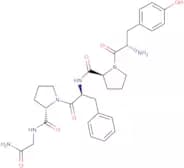
CAS:<p>Fmoc-rink amide resin is a synthetic, radionuclide, and constant polymer. It is used in chemical ligation to produce peptides from amines and growth factors. Fmoc-rink amide resin also has antimicrobial properties due to its ability to inhibit the growth of bacteria and fungi by binding to their cell membranes. This polymer can be conjugated with growth factor or antimicrobial peptides for use as a therapeutic agent or used in the production of antibodies against a particular protein. Fmoc-rink amide resin has been shown to increase epidermal growth factor (EGF) uptake into cells by targeting EGF receptors on the cell surface.</p>Purity:Min. 95%(Phe1-psi(CH2NH)Gly2)-Nociceptin (1-13) amide
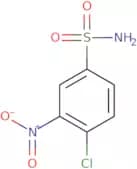
<p>Please enquire for more information about (Phe1-psi(CH2NH)Gly2)-Nociceptin (1-13) amide including the price, delivery time and more detailed product information at the technical inquiry form on this page</p>Formula:C61H102N22O14Purity:Min. 95%Molecular weight:1,367.6 g/mol4-Chloro-3-nitrobenzenesulfonamide
CAS:<p>4-Chloro-3-nitrobenzenesulfonamide is a fluorogenic probe that can be used in the diagnosis of cancer. It inhibits the activity of MCL-1, which is an antiapoptotic protein. The skeleton of 4-Chloro-3-nitrobenzenesulfonamide has been shown to have carbonic and fluorescence properties. This chemical compound is also metabolized by azobenzene to form a fluorescent derivative that can be used for optical imaging in vivo.</p>Formula:C6H5ClN2O4SPurity:Min. 95%Molecular weight:236.63 g/molPAR-4 (1-6) amide (human) trifluoroacetate salt
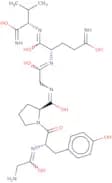
CAS:<p>Please enquire for more information about PAR-4 (1-6) amide (human) trifluoroacetate salt including the price, delivery time and more detailed product information at the technical inquiry form on this page</p>Formula:C28H42N8O8Purity:Min. 95%Molecular weight:618.68 g/mol(D-Ala3)-Dynorphin A (1-11) amide trifluoroacetate salt
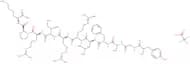
CAS:<p>Please enquire for more information about (D-Ala3)-Dynorphin A (1-11) amide trifluoroacetate salt including the price, delivery time and more detailed product information at the technical inquiry form on this page</p>Formula:C64H106N22O12Purity:Min. 95%Molecular weight:1,375.67 g/molGalanin (1-13)-Neuropeptide Y (25-36) amide
CAS:<p>Please enquire for more information about Galanin (1-13)-Neuropeptide Y (25-36) amide including the price, delivery time and more detailed product information at the technical inquiry form on this page</p>Formula:C136H209N41O34Purity:Min. 95%Molecular weight:2,962.37 g/molApelin-36 (1-16) amide (human) trifluoroacetate salt
CAS:<p>Please enquire for more information about Apelin-36 (1-16) amide (human) trifluoroacetate salt including the price, delivery time and more detailed product information at the technical inquiry form on this page</p>Formula:C74H117N27O20Purity:Min. 95%Molecular weight:1,704.89 g/molGalanin Message Associated Peptide (16-41) amide
CAS:<p>Please enquire for more information about Galanin Message Associated Peptide (16-41) amide including the price, delivery time and more detailed product information at the technical inquiry form on this page</p>Formula:C134H219N35O37SPurity:Min. 95%Molecular weight:2,944.45 g/molPropionyl-Amyloid b-Protein (31-34) amide
CAS:<p>Please enquire for more information about Propionyl-Amyloid b-Protein (31-34) amide including the price, delivery time and more detailed product information at the technical inquiry form on this page</p>Formula:C23H43N5O5Purity:Min. 95%Molecular weight:469.62 g/molOsteostatin amide trifluoroacetate
CAS:<p>Please enquire for more information about Osteostatin amide trifluoroacetate including the price, delivery time and more detailed product information at the technical inquiry form on this page</p>Formula:C142H229N43O57•(C2HF3O2)xPurity:Min. 95%Molecular weight:3,450.59 g/molN1-Glutathionyl-spermidine disulfide [
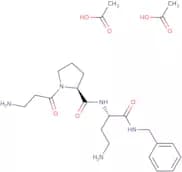
CAS:<p>N1-Glutathionyl-spermidine disulfide (N1-GS) is a molecule that has been shown to have clinical use in the treatment of chronic hepatitis C infection. The N1-GS molecule is composed of a glutathione (GSH) scaffold with two sulfhydryl groups and an amino acid side chain. N1-GS has a hydrophobic nature, which allows it to penetrate the cellular membrane and enter cells. It is also able to form hydrogen bonds and act as a catalyst for reactions. Fluorescence analysis revealed that this molecule is selective for disulfides over thiols, amines, or alcohols. Disulfides are very important in biological systems since they can be found in enzymes, proteins, and cellular membranes. The insolubility of the N1-GS molecule makes it difficult to analyze its structure using traditional methods such as gas chromatography or nuclear magnetic resonance spectroscopy. However, fluorescence</p>Formula:C34H66N12O10S2Purity:Min. 95%Molecular weight:867.09 g/mol(2S)-β-Alanyl-L-prolyl-2,4-diamino-N-(phenylmethyl)butanamideacetate
CAS:Controlled Product<p>(2S)-beta-Alanyl-L-prolyl-2,4-diamino-N-(phenylmethyl)butanamideacetate (BAP) is a skin care product that can be applied topically to the skin. BAP is an amino acid derivative that has been shown in clinical studies to hydrate the skin. It acts as a humectant and binds to water molecules, thus increasing the moisture content of the skin. This product also has antioxidant and anti-inflammatory properties, as well as anti-aging effects. BAP is often used in cosmetic products for its film forming properties and ability to form polymeric films on the surface of cells.</p>Formula:C21H33N5O5Purity:Min. 95%Molecular weight:435.52 g/molSieber Amide Resin
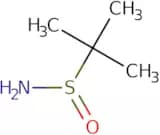
CAS:<p>Sieber Amide Resin is a glycopeptide that has been shown to inhibit the growth of prostate cancer cells. It inhibits the production of epidermal growth factor and amide, serine protease, and growth factors by binding to their receptors on the cell surface. This drug also has antimicrobial activity against gram-positive bacteria, such as Staphylococcus aureus, Streptococcus pyogenes, and Bacillus subtilis. The chemical diversity of Sieber Amide Resin allows it to be used as an intermediate in the synthesis of other pharmaceutically active compounds. The pharmacokinetic properties of this drug allow it to be administered orally or intravenously. The nmr spectra show that this drug is a cyclic peptide with an amide bond between amino acid residues Ser-11 and Gly-12.</p>Purity:Min. 95%tert-Butylsulfinamide
CAS:<p>tert-Butylsulfinamide is a model system for the synthesis of enantiopure amines and esters. The synthesis of tert-butylsulfinamide starts with the reaction of an allyl bromide with a sulfinic acid chloride to form an allyl sulfonate, which is then hydrolyzed to produce tert-butylsulfinamide. The yield for this type of reaction is usually low, but tert-butylsulfinamide can be isolated in good yields if it is prepared in a stereoselective manner. Tert-butylsulfinamide has been shown to inhibit the growth of human hair follicles in cell culture experiments, which may be due to its ability to inhibit the formation of hydrogen peroxide by inhibiting an enzyme called tyrosine hydroxylase.</p>Formula:C4H11NOSPurity:Min. 95%Color and Shape:White PowderMolecular weight:121.2 g/molN-[5-[5-(2-Methyl-1-oxoisoindolin-5-yl)thien-2-yl]pyridin-3-yl]-2-nitrobenzenesulfonamide
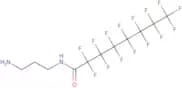
CAS:<p>Please enquire for more information about N-[5-[5-(2-Methyl-1-oxoisoindolin-5-yl)thien-2-yl]pyridin-3-yl]-2-nitrobenzenesulfonamide including the price, delivery time and more detailed product information at the technical inquiry form on this page</p>Formula:C24H18N4O5S2Purity:Min. 95%Color and Shape:PowderMolecular weight:506.56 g/molN-(3-Aminopropyl)-2,2,3,3,4,4,5,5,6,6,7,7,8,8,8-pentadecafluorooctanamide
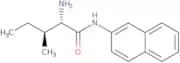
CAS:Controlled Product<p>Please enquire for more information about N-(3-Aminopropyl)-2,2,3,3,4,4,5,5,6,6,7,7,8,8,8-pentadecafluorooctanamide including the price, delivery time and more detailed product information at the technical inquiry form on this page</p>Formula:C11H9F15N2OPurity:Min. 95%Molecular weight:470.18 g/molL-Isoleucine β-naphthylamide
CAS:<p>L-Isoleucine beta-naphthylamide is an amide derivative of L-isoleucine and 2-naphthylamine, which are carboxylic acid derivatives. The condensation of these two substances leads to the formation of a new compound with a carboxy group and an amino group.</p>Formula:C16H20N2OPurity:Min. 95%Molecular weight:256.34 g/mol6-Ethoxy-2-benzothiazolesulfonamide
CAS:<p>6-Ethoxy-2-benzothiazolesulfonamide is a drug that inhibits carbonic anhydrase, which is an enzyme that catalyzes the conversion of carbon dioxide and water to bicarbonate and hydrogen ions. This drug has been shown to be effective for the treatment of bowel disease in animal models. 6-Ethoxy-2-benzothiazolesulfonamide has also been shown to have inhibitory properties against carbonic anhydrase, which may lead to problems with dehydration.</p>Formula:C9H10N2O3S2Purity:Min. 95%Molecular weight:258.32 g/molCefpiramide sodium
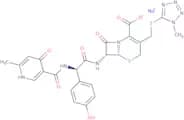
CAS:<p>Cefpiramide sodium is a cephalosporin antibiotic that has been shown to be effective against a wide range of bacteria, including those which are resistant to other antibiotics. Cefpiramide sodium is used for the treatment of skin and soft tissue infections in infants or for the treatment of respiratory tract infections in adults. The antibiotic binds to bacterial cell membranes and inhibits bacterial growth by inhibiting fatty acid synthesis, which is important for the production of cell walls. Cefpiramide sodium has been shown to have antiviral properties as well as antibacterial properties. These effects may be due to its ability to inhibit viral protein synthesis or by binding directly to the virus itself. Cefpiramide Sodium is an anti-infective drug that belongs to a group called cephalosporins, which are antibiotics that inhibit growth of bacteria by binding to their cell walls and preventing them from synthesizing essential fatty acids required for building their cell walls. It also has antiviral properties.</p>Purity:Min. 95%Benzenesulfonamide,3-hydrazino-
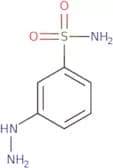
CAS:<p>Please enquire for more information about Benzenesulfonamide,3-hydrazino- including the price, delivery time and more detailed product information at the technical inquiry form on this page</p>Formula:C6H9N3O2SPurity:Min. 95%Molecular weight:187.22 g/molGly-arg-4-methoxy-β-naphthylamide dihydrochloride
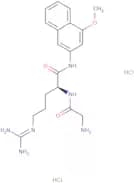
CAS:<p>Please enquire for more information about Gly-arg-4-methoxy-beta-naphthylamide dihydrochloride including the price, delivery time and more detailed product information at the technical inquiry form on this page</p>Formula:C19H26N6O3·2ClHPurity:Min. 95%Molecular weight:459.37 g/molN,N-Dimethylformamide dineopentyl acetal
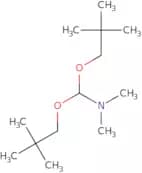
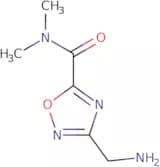
CAS:<p>N,N-Dimethylformamide dineopentyl acetal (DMFD) is a synthetic drug that has been used to treat cancer and infectious diseases. It is synthesized from the reaction of dimethylformamide with diethylacetal. DMFD has shown an anti-inflammatory effect in animals, which may be due to its ability to inhibit the production of prostaglandins. The structural analysis of DMFD reveals the presence of two phenyl groups and a hydroxyl group, which are responsible for its biological activity. Structural analysis also led to the determination of several functional groups, including a chloride ion and a methoxy group.</p>Formula:C13H29NO2Purity:Min. 95%Molecular weight:231.38 g/mol3-(Aminomethyl)-N,N-dimethyl-1,2,4-oxadiazole-5-carboxamide
CAS:<p>Please enquire for more information about 3-(Aminomethyl)-N,N-dimethyl-1,2,4-oxadiazole-5-carboxamide including the price, delivery time and more detailed product information at the technical inquiry form on this page</p>Formula:C6H10N4O2Purity:Min. 95%Molecular weight:170.17 g/molN-(5-Aminopentyl) methotrexate amide-LC-biotin
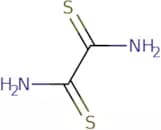
<p>N-(5-Aminopentyl) methotrexate amide-LC-biotin is a specialized bioconjugate, derived through the conjugation of methotrexate, an established antifolate drug, with an LC-biotin moiety. This product is synthesized by covalently linking methotrexate, which is known for its role in cancer therapy through the inhibition of dihydrofolate reductase (DHFR), to a biotin moiety via a long-chain spacer. The resultant bioconjugate retains the therapeutic effects of methotrexate, particularly in its ability to interrupt nucleotide synthesis, thereby affecting cell division in rapidly proliferating cancer cells.The inclusion of biotin in the structure allows for facile attachment to avidin or streptavidin-labeled systems, facilitating targeted delivery and enhanced detection in molecular and cellular studies. The primary application of N-(5-Aminopentyl) methotrexate amide-LC-biotin lies in the realm of targeted drug delivery and advanced research into methotrexate metabolism. By leveraging the high affinity of biotin-streptavidin interactions, researchers can effectively study the biodistribution and cellular uptake of methotrexate, advancing cancer therapeutic strategies and providing insights into antifolate drug mechanisms at the molecular level.</p>Formula:C41H59N13O7SPurity:Min. 95%Color and Shape:PowderMolecular weight:878.06 g/molDithiooxamide
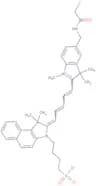
CAS:<p>Dithiooxamide is a chemical compound that contains two sulfur atoms, one oxygen atom, and one nitrogen atom. It has been shown to be an effective treatment for wastewater by removing nitrogen and phosphorus. Dithiooxamide binds to metal ions such as copper and iron in the water, forming a complex. This process prevents the metal ions from being available as catalysts in the oxidation of organic pollutants. The binding of dithiooxamide with these metals also removes them from wastewater, preventing them from being taken up by plants or animals. Dithiooxamide can be used to remove malonic acid (a carcinogen) and p-nitrophenyl phosphate (a liver toxin) from blood samples for analysis using electrochemical impedance spectroscopy, which relies on the ability of dithiooxamide to bind to these chemicals. Dithiooxamide is also used as a surfactant in analytical chemistry methods such as gas chromatography or liquid chromatography because it</p>Formula:C2H4N2S2Purity:Min. 95%Color and Shape:PowderMolecular weight:120.2 g/molNIR-664-iodoacetamide
CAS:<p>NIR-664 is a potential use for the treatment of cancer. It is an iodinated acetamide with a ruthenium complex that has been shown to have magnetic and fluorescent properties. The diameter of NIR-664 is approximately 2 nm, and it has a hydrophobic character. This compound can be used in nanocrystals or as a mesoporous material. The fluorescence of NIR-664 can be observed in the near infrared region at 664 nm, which gives this compound its name. NIR-664 has also been shown to react with ruthenium, which makes it suitable for use in particle form.</p>Formula:C37H42IN3O4SPurity:Min. 95%Molecular weight:751.72 g/molStearanilide
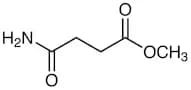
CAS:Formula:C24H41NOPurity:>98.0%(HPLC)(N)Color and Shape:White to Almost white powder to crystalMolecular weight:359.60Methyl Succinamate
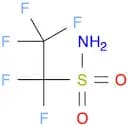
CAS:Formula:C5H9NO3Purity:>98.0%(GC)Color and Shape:White to Almost white powder to crystalMolecular weight:131.13Ethanesulfonamide, 1,1,2,2,2-pentafluoro-
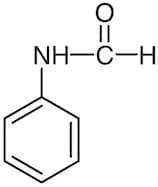
CAS:Formula:C2H2F5NO2SPurity:98%Color and Shape:SolidMolecular weight:199.0998Formanilide
CAS:Formula:C7H7NOPurity:>99.0%(GC)Color and Shape:White to Light yellow to Light orange powder to crystalMolecular weight:121.143-Hydroxy-2-naphthanilide
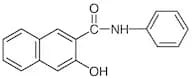
CAS:Formula:C17H13NO2Purity:>97.0%(T)(HPLC)Color and Shape:White to Light yellow to Light orange powder to crystalMolecular weight:263.30(S)-2-(4-(2-(2-Amino-4-oxo-4,7-dihydro-1H-pyrrolo[2,3-d]pyrimidin-5-yl)ethyl)benzamido)pentanedioic acid
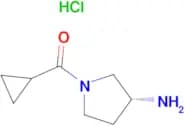
CAS:Purity:95.0%Color and Shape:Solid, Blue powderMolecular weight:427.4169921875(R)-(3-Aminopyrrolidin-1-yl)(cyclopropyl)methanone hydrochloride
CAS:Purity:95.0%Molecular weight:190.66999816894534-{[2-methyl-6-(trifluoromethyl)pyridin-3-yl]amino}-4-oxobut-2-enoic acid
CAS:Molecular weight:274.1990051269531




![N-[2-[(2-Bromo-4,6-dinitrophenyl)azo]-5-(diethylamino)phenyl]acetamide](/_next/image/?url=https%3A%2Fstatic.cymitquimica.com%2Fproducts%2F3D%2Fthumb-webp%2FFB151321.webp&w=3840&q=75)
![3-[[[2-[(Aminoiminomethyl)amino]-4-thiazolyl]methyl]sulfinyl]-N-(aminosulfonyl)propanamide](/_next/image/?url=https%3A%2Fstatic.cymitquimica.com%2Fproducts%2F3D%2Fthumb-webp%2FFA21487.webp&w=3840&q=75)



![N-[5-[5-(2-Methyl-1-oxoisoindolin-5-yl)thien-2-yl]pyridin-3-yl]-2-nitrobenzenesulfonamide](/_next/image/?url=https%3A%2Fstatic.cymitquimica.com%2Fproducts%2F3D%2Fthumb-webp%2FFM167955.webp&w=3840&q=75)





![(S)-2-(4-(2-(2-Amino-4-oxo-4,7-dihydro-1H-pyrrolo[2,3-d]pyrimidin-5-yl)ethyl)benzamido)pentanedioi…](/_next/image/?url=https%3A%2Fstatic.cymitquimica.com%2Fproducts%2F10%2Fthumb-webp%2FF079404.webp&w=3840&q=75)

![4-{[2-methyl-6-(trifluoromethyl)pyridin-3-yl]amino}-4-oxobut-2-enoic acid](/_next/image/?url=https%3A%2Fstatic.cymitquimica.com%2Fproducts%2F10%2Fthumb-webp%2FF518653.webp&w=3840&q=75)