Amides
Amides are a wide range of chemical compounds that contain at least one heterocyclic ring, which has atoms of at least two different elements in the ring structure, and at least one amide group (-CONH2). These compounds are crucial in the synthesis of pharmaceuticals, polymers, and agrochemicals. Amides exhibit unique properties and reactivity, making them valuable intermediates in organic synthesis. At CymitQuimica, we offer a comprehensive selection of high-quality amides to support your research and industrial needs.
Found 16393 products of "Amides"
Sort by
Purity (%)
0
100
|
0
|
50
|
90
|
95
|
100
2-(4-Methyl-benzoyl)-1,2,3,4-tetrahydro-isoquinoline-3-carboxylic acid
CAS:Purity:95.0%Molecular weight:295.33801269531252-(2-([1,2,4]TRIAZOLO[1,5-A]PYRIDIN-2-YL)ETHYL)-7-CHLORO-5-METHYL-2,3-DIHYDRO-1H-PYRROLO[3,4-C]PYRIDINE-1,6(5H)-DIONE
CAS:Purity:95.0%Molecular weight:343.7699890136719(E)-3-(4-Bromophenyl)-1-(4-(4-chlorobenzyl)piperazin-1-yl)prop-2-en-1-one
CAS:Purity:98.0%Molecular weight:419.757-(6-(2-Hydroxypropan-2-yl)pyridin-3-yl)-1-(trans-4-methoxycyclohexyl)-3,4-dihydropyrazino[2,3-b]pyrazin-2(1H)-one
CAS:Purity:98.0%Molecular weight:397.211389724Ethyl 2-[6-(formamidomethyl)-3-phenyl-2-pyridyl]acetate
CAS:Purity:97%Molecular weight:298.3420104980469Ref: 10-F625998
1gTo inquire5gTo inquire10gTo inquire25gTo inquire100mgTo inquire250mgTo inquire500mgTo inquire8-ethyl-4-(4-methoxybenzoyl)-1-oxa-4,8-diazaspiro[4.5]decane-3-carboxylic acid
CAS:Purity:95.0%Molecular weight:348.398986816406252,3-Dihydro-benzo[1,4]dioxine-5-carboxylic acid (pyrrolidin-2-ylmethyl)-amide hydrochloride
CAS:Purity:95.0%Molecular weight:298.76998901367192-((4-[(2-METHOXYBENZOYL)AMINO]BENZOYL)AMINO)BENZOIC ACID
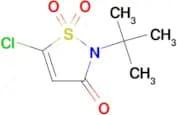
CAS:Purity:95%Molecular weight:390.39498901367192-(TERT-BUTYL)-5-CHLOROISOTHIAZOL-3(2H)-ONE 1,1-DIOXIDE
CAS:Purity:95.0%Color and Shape:SolidMolecular weight:223.6699981689453Ref: 10-F390283
1g155.00€5g378.00€10g650.00€50gTo inquire2.5g329.00€100mg43.00€250mg75.00€500mg110.00€Ref: 10-F865697
1mgTo inquire10mgTo inquire25mgTo inquire50mgTo inquire100mgTo inquire250mgTo inquire8-propyl-4-(pyridine-3-carbonyl)-1-oxa-4,8-diazaspiro[4.5]decane-3-carboxylic acid
CAS:Purity:95.0%Molecular weight:333.388000488281257-bromo-5-phenyl-1,3-dihydro-2H-benzo[e][1,4]diazepin-2-one
CAS:Purity:95.0%Molecular weight:315.17001342773447-CHLORO-5-METHYL-2-(2-(QUINOLIN-2-YL)ETHYL)-2,3-DIHYDRO-1H-PYRROLO[3,4-C]PYRIDINE-1,6(5H)-DIONE
CAS:Purity:95.0%Molecular weight:353.80999755859375[(2r)-5-oxopyrrolidin-2-yl]methyl 4-methylbenzene-1-sulfonate
CAS:Purity:95+%Molecular weight:269.32000732421875Ref: 10-F640916
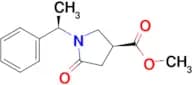
1gTo inquire2gTo inquire5gTo inquire10gTo inquire100mgTo inquire250mgTo inquire500mgTo inquire(S)-Methyl 5-oxo-1-((R)-1-phenylethyl)pyrrolidine-3-carboxylate
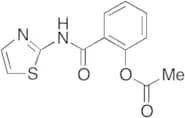
CAS:Purity:95.0%Molecular weight:247.294006347656252-Acetoxy-N-(2-thiazolyl)benzamide
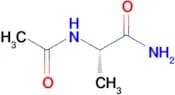
CAS:Controlled Product<p>Applications 2-Acetoxy-N-(2-thiazolyl)-benzamide is used in the synthesis of thiazolides as novel antiviral agents. Used in the inhibition of hepatitis C virus replication. Nitazoxanide Impurity<br>References Edwards, G. et al.: J. Med. Chem., 54, 8670 (2011);<br></p>Formula:C12H10N2O3SColor and Shape:Off-WhiteMolecular weight:262.28(S)-2-Acetamidopropanamide
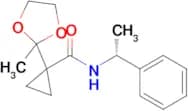
CAS:Formula:C5H10N2O2Purity:95.0%Color and Shape:White to off-white powderMolecular weight:130.147(R)-1-(2-METHYL-1,3-DIOXOLAN-2-YL)-N-(1-PHENYLETHYL)CYCLOPROPANECARBOXAMIDE
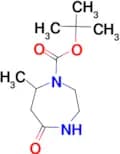
CAS:Purity:95.0%Molecular weight:275.3479919433594TERT-BUTYL 7-METHYL-5-OXO-1,4-DIAZEPANE-1-CARBOXYLATE
CAS:Purity:95.0%Molecular weight:228.292007446289064-(3-bromobenzoyl)-8-methyl-1-oxa-4-azaspiro[4.5]decane-3-carboxylic acid
CAS:Purity:95.0%Molecular weight:382.2539978027344Ref: 10-F798417
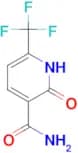
5mgTo inquire10mgTo inquire25mgTo inquire50mgTo inquire100mgTo inquire250mgTo inquire2-Hydroxy-6-(trifluoromethyl)nicotinamide
CAS:Formula:C7H5F3N2O2Purity:≥97%Color and Shape:SolidMolecular weight:206.1248-benzyl-4-butanoyl-1-oxa-4,8-diazaspiro[4.5]decane-3-carboxylic acid
CAS:Purity:95.0%Molecular weight:346.4270019531252-[(4-cyclopropanecarbonylpiperazin-1-yl)methyl]-2,3-dihydro-1,2-benzothiazol-3-one
CAS:Purity:98%Molecular weight:317.410003662109Ref: 10-F864095
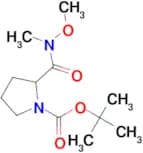
1mgTo inquire10mgTo inquire25mgTo inquire50mgTo inquire100mgTo inquire250mgTo inquire2-(METHOXY-METHYL-CARBAMOYL)-PYRROLIDINE-1-CARBOXYLIC ACID TERT-BUTYL ESTER
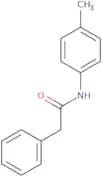
CAS:Purity:95.0%Color and Shape:Liquid, No data available.Molecular weight:258.3179931640625N-(4-Methylphenyl)-2-phenylacetamide
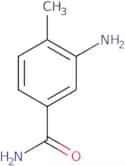
CAS:<p>2-Phenylacetamide is a solvent that can be used as a component in alkylation reactions. It is commonly used as a component of chlorinated solvents and has been shown to catalyze the reaction with benzyl chloride. 2-Phenylacetamide can be used to produce solar cells by sensitizing the surface of silicon wafers with this solvent. Researchers have also studied the alkylation reaction of phenylacetamide with methyl iodide and benzyl chloride, which can be carried out at room temperature and does not require any catalyst. This reaction was found to proceed well under gas chromatographic conditions.</p>Formula:C15H15NOPurity:Min. 95%Molecular weight:225.29 g/mol3-Amino-4-methylbenzamide
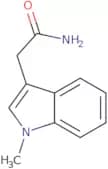
CAS:<p>3-Amino-4-methylbenzamide is an interchemical that can be utilized to synthesize naphthol. 3-Amino-4-methylbenzamide is an amide that has been shown to have a molecular modeling structure of a conformation. The interaction of 3-amino-4-methylbenzamide with the P38 kinase enzyme has been shown to inhibit the activity of this enzyme, which may lead to its use as a drug for the treatment of inflammation.</p>Formula:C8H10N2OPurity:Min. 95%Color and Shape:PowderMolecular weight:150.18 g/mol1-Methylindole-3-acetamide
CAS:Controlled Product<p>Please enquire for more information about 1-Methylindole-3-acetamide including the price, delivery time and more detailed product information at the technical inquiry form on this page</p>Formula:C11H12N2OPurity:Min. 95%Color and Shape:PowderMolecular weight:188.23 g/molBrinzolamide
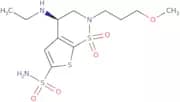
CAS:<p>Inhibitor of carbonic anhydrase</p>Formula:C12H21N3O5S3Purity:Min. 98 Area-%Color and Shape:PowderMolecular weight:383.51 g/molN-(6-acetylbenzo[d]1,3-dioxolan-5-yl)-2-chloropropanamide
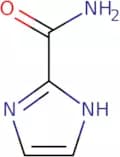
CAS:<p>Please enquire for more information about N-(6-acetylbenzo[d]1,3-dioxolan-5-yl)-2-chloropropanamide including the price, delivery time and more detailed product information at the technical inquiry form on this page</p>Purity:Min. 95%Color and Shape:Powder1H-Imidazole-2-carboxamide
CAS:<p>1H-Imidazole-2-carboxamide is a purine derivative that can inhibit the activity of certain molecules. It has been shown to have an inhibitory effect on the metabolism of fatty acids and metabolism disorders, as well as the physiological effects of insulin resistance. The molecule also inhibits uptake and cross-linking in cells, which may be useful in treating cancer or other metabolic disorders.</p>Formula:C4H5N3OPurity:Min. 95%Color and Shape:PowderMolecular weight:111.1 g/molPicotamide
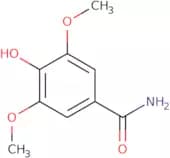
CAS:<p>Picotamide is a drug that belongs to the class of drugs that inhibit platelet aggregation. This drug is used in the treatment of coronary artery disease and other cardiovascular diseases. Picotamide has been shown to have pharmacological effects on the heart, such as lowering blood pressure and reducing heart rate. It also has a covalent linkage with proteins, which may be due to its ability to activate receptors for biological properties like cell proliferation or differentiation. Picotamide has been shown to prevent infectious diseases, such as septicemia, by inhibiting bacterial growth. The chemical stability of picotamide makes it an attractive candidate for use in gene therapy because it can be stored at room temperature without losing its activity.</p>Formula:C21H20N4O3Purity:Min. 95%Color and Shape:PowderMolecular weight:376.41 g/mol4-Hydroxy-3,5-dimethoxybenzamide
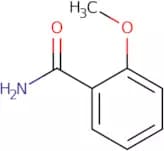
CAS:<p>4-Hydroxy-3,5-dimethoxybenzamide is a phenolic compound that is soluble in organic solvents. It has been shown to bind to fatty acid sequences and neutral polypeptides in the presence of an acidic or basic environment. 4-Hydroxy-3,5-dimethoxybenzamide has also been shown to have catalytic activity, which may be due to its ability to form a polymeric matrix with other compounds.</p>Formula:C9H11NO4Purity:Min. 95%Color and Shape:PowderMolecular weight:197.19 g/mol2-Methoxybenzamide
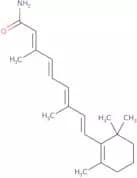
CAS:<p>2-Methoxybenzamide is an amide with a p-hydroxybenzoic acid moiety. It has been shown to be an effective inhibitor of the enzyme histone deacetylase, which is involved in the regulation of gene expression. 2-Methoxybenzamide also has antiinflammatory activity and has minimal toxicity. This drug is used as a research tool for studying the immune system and its effects on hyperproliferative diseases such as cancer and autoimmune diseases. 2-Methoxybenzamide can also be used to treat metabolic disorders and physiological effects. The drug binds to intracellular targets through intermolecular hydrogen bonds that are mainly found in protein structures, including cytochrome P450s, protein kinases, DNA polymerases, transcription factors, and proteases.</p>Formula:C8H9NO2Purity:Min. 95%Color and Shape:PowderMolecular weight:151.16 g/molRetinamide
CAS:<p>Retinamide is a synthetic retinoid that is used for the treatment of skin cancer. It has been shown to induce apoptosis by activation of the c-jun N-terminal kinase (JNK) and p38 pathways, as well as by suppression of signaling through the phosphatidylinositol 3-kinase (PI3K)/Akt pathway. Retinamide also inhibits proliferation of HL60 cells and induces mitochondrial membrane depolarization in colon carcinoma cells. This drug has been shown to be a potent inhibitor of squamous cell carcinoma growth in vitro and in vivo, especially when combined with other chemotherapeutic agents. Retinamide has also been found to be effective against group P2 carcinomas, which are characterized by mutations in the BRAF gene.<br>Retinamide is metabolized by cytochrome P450 enzymes, leading to reactive metabolites that may cause toxic effects on cells. These metabolites can bind to DNA and cause strand breaks</p>Formula:C20H29NOPurity:Min. 95%Color and Shape:PowderMolecular weight:299.45 g/molN-Isopropylacrylamide
CAS:<p>N-Isopropylacrylamide is a biocompatible polymer that is used in the preparation of polymers. It is a solid phase microextraction material that is used in sample preparation and purification. N-Isopropylacrylamide has a phase transition temperature of -5°C and can be polymerized to form a polymer. This polymerization process can be done with or without catalysts, which are required for the formation of many other types of polymers. N-Isopropylacrylamide has been shown to have good affinity for human serum and wastewater treatment effluent samples, as well as for chitosan polymer surfaces. The kinetic data show that this polymer possesses high capacity for trifluoroacetic acid (TFA) reactivity, which makes it suitable for use in reaction solutions.</p>Formula:C6H11NOPurity:Min. 98.5 Area-%Color and Shape:White PowderMolecular weight:113.16 g/mol2-Phenyl-N-phenylacetamide
CAS:<p>2-Phenyl-N-phenylacetamide is an amide that is a potent inhibitor of cholesterol acyltransferase. It has been shown to be effective in animal models of insulin resistance and hypertension, as well as in humans. 2-Phenyl-N-phenylacetamide inhibits the activity of cholesterol acyltransferase by competitive inhibition and thereby reduces the production of triglycerides. This drug also inhibits the synthesis of phospholipids and bile acids, which are important for fat digestion. 2-Phenyl-N-phenylacetamide reacts with phosphorus pentoxide to form phenoxyacetic acid, which is hydrolyzed to phenoxyacetate and phenol. The hydroxy group on phenol reacts with aryl halides to form aryl esters. These reactions lead to the formation of divalent hydrocarbon intermediates such as malonic acid, which can be used for energy production through oxidation or as precursors</p>Formula:C14H13NOPurity:Min. 95%Molecular weight:211.26 g/mol4-(Chloromethyl)benzamide
CAS:<p>4-(Chloromethyl)benzamide is a potent inhibitor of cyclohexane ring formation in proteins and has been shown to be effective against bacteria, fungi, and parasites. 4-(Chloromethyl)benzamide inhibits the synthesis of proteins by targeting the active site of piperazine synthase, an enzyme involved in the production of piperazine. The carbon nanotube linker is a novel molecule that can be used for the attachment of the 4-(chloromethyl)benzamide molecule to cetirizine. In addition, 4-(chloromethyl)benzamide has been shown to have an effective dose at 0.1 μM and a half-life time of 2 hours in rats.</p>Formula:C8H8ClNOPurity:Min. 95%Color and Shape:PowderMolecular weight:169.61 g/mol

![2-(2-([1,2,4]TRIAZOLO[1,5-A]PYRIDIN-2-YL)ETHYL)-7-CHLORO-5-METHYL-2,3-DIHYDRO-1H-PYRROLO[3,4-C]PYR…](/_next/image/?url=https%3A%2Fstatic.cymitquimica.com%2Fproducts%2F10%2Fthumb-webp%2FF386425.webp&w=3840&q=75)


![7-(6-(2-Hydroxypropan-2-yl)pyridin-3-yl)-1-(trans-4-methoxycyclohexyl)-3,4-dihydropyrazino[2,3-b]p…](/_next/image/?url=https%3A%2Fstatic.cymitquimica.com%2Fproducts%2F10%2Fthumb-webp%2FF547754.webp&w=3840&q=75)
![Ethyl 2-[6-(formamidomethyl)-3-phenyl-2-pyridyl]acetate](/_next/image/?url=https%3A%2Fstatic.cymitquimica.com%2Fproducts%2F10%2Fthumb-webp%2FF625998.webp&w=3840&q=75)
![8-ethyl-4-(4-methoxybenzoyl)-1-oxa-4,8-diazaspiro[4.5]decane-3-carboxylic acid](/_next/image/?url=https%3A%2Fstatic.cymitquimica.com%2Fproducts%2F10%2Fthumb-webp%2FF525667.webp&w=3840&q=75)
![2,3-Dihydro-benzo[1,4]dioxine-5-carboxylic acid (pyrrolidin-2-ylmethyl)-amide hydrochloride](/_next/image/?url=https%3A%2Fstatic.cymitquimica.com%2Fproducts%2F10%2Fthumb-webp%2FF091132.webp&w=3840&q=75)
![2-((4-[(2-METHOXYBENZOYL)AMINO]BENZOYL)AMINO)BENZOIC ACID](/_next/image/?url=https%3A%2Fstatic.cymitquimica.com%2Fproducts%2F10%2Fthumb-webp%2FF847901.webp&w=3840&q=75)
![3-Amino-N-[4-(phenylamino)phenyl]benzamide](/_next/image/?url=https%3A%2Fstatic.cymitquimica.com%2Fproducts%2F10%2Fthumb-webp%2FF341648.webp&w=3840&q=75)
![8-propyl-4-(pyridine-3-carbonyl)-1-oxa-4,8-diazaspiro[4.5]decane-3-carboxylic acid](/_next/image/?url=https%3A%2Fstatic.cymitquimica.com%2Fproducts%2F10%2Fthumb-webp%2FF525740.webp&w=3840&q=75)
![7-bromo-5-phenyl-1,3-dihydro-2H-benzo[e][1,4]diazepin-2-one](/_next/image/?url=https%3A%2Fstatic.cymitquimica.com%2Fproducts%2F10%2Fthumb-webp%2FF494468.webp&w=3840&q=75)
![7-CHLORO-5-METHYL-2-(2-(QUINOLIN-2-YL)ETHYL)-2,3-DIHYDRO-1H-PYRROLO[3,4-C]PYRIDINE-1,6(5H)-DIONE](/_next/image/?url=https%3A%2Fstatic.cymitquimica.com%2Fproducts%2F10%2Fthumb-webp%2FF386432.webp&w=3840&q=75)
![[(2r)-5-oxopyrrolidin-2-yl]methyl 4-methylbenzene-1-sulfonate](/_next/image/?url=https%3A%2Fstatic.cymitquimica.com%2Fproducts%2F10%2Fthumb-webp%2FF640916.webp&w=3840&q=75)

![4-(3-bromobenzoyl)-8-methyl-1-oxa-4-azaspiro[4.5]decane-3-carboxylic acid](/_next/image/?url=https%3A%2Fstatic.cymitquimica.com%2Fproducts%2F10%2Fthumb-webp%2FF525589.webp&w=3840&q=75)
![8-benzyl-4-butanoyl-1-oxa-4,8-diazaspiro[4.5]decane-3-carboxylic acid](/_next/image/?url=https%3A%2Fstatic.cymitquimica.com%2Fproducts%2F10%2Fthumb-webp%2FF525788.webp&w=3840&q=75)
![6'-BROMOSPIRO[CYCLOBUTANE-1,3'-INDOLIN]-2'-ONE](/_next/image/?url=https%3A%2Fstatic.cymitquimica.com%2Fproducts%2F10%2Fthumb-webp%2FF332124.webp&w=3840&q=75)
![2-[(4-cyclopropanecarbonylpiperazin-1-yl)methyl]-2,3-dihydro-1,2-benzothiazol-3-one](/_next/image/?url=https%3A%2Fstatic.cymitquimica.com%2Fproducts%2F10%2Fthumb-webp%2FF864095.webp&w=3840&q=75)
![1-ethylbenzo[cd]indol-2(1H)-one](/_next/image/?url=https%3A%2Fstatic.cymitquimica.com%2Fproducts%2F10%2Fthumb-webp%2FF494527.webp&w=3840&q=75)

![N-(6-acetylbenzo[d]1,3-dioxolan-5-yl)-2-chloropropanamide](/_next/image/?url=https%3A%2Fstatic.cymitquimica.com%2Fproducts%2F3D%2Fthumb-webp%2FFA169026.webp&w=3840&q=75)