Amides
Amides are a wide range of chemical compounds that contain at least one heterocyclic ring, which has atoms of at least two different elements in the ring structure, and at least one amide group (-CONH2). These compounds are crucial in the synthesis of pharmaceuticals, polymers, and agrochemicals. Amides exhibit unique properties and reactivity, making them valuable intermediates in organic synthesis. At CymitQuimica, we offer a comprehensive selection of high-quality amides to support your research and industrial needs.
Found 16393 products of "Amides"
Sort by
Purity (%)
0
100
|
0
|
50
|
90
|
95
|
100
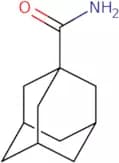
1-Adamantane carboxamide
CAS:<p>1-Adamantane carboxamide is a potent inhibitor of amines and its activity has been tested with a reaction solution. The chemical structure of 1-adamantane carboxamide is shown in Figure 1. This molecule also has inhibitory effects on insulin resistance and nervous system diseases. It was found to have an inhibitory effect on the enzyme DOPA decarboxylase, which is involved in the synthesis of dopamine, norepinephrine and epinephrine. The inhibition of this enzyme leads to increased levels of dopamine in the brain, which can lead to improved cognition, mood and motor skills. 1-Adamantane carboxamide also has a hydroxyl group that mimics the polarizer in biomimetic molecules.</p>Formula:C11H17NOPurity:Min. 95%Color and Shape:PowderMolecular weight:179.26 g/mol1-Methyl-1,4-dihydronicotinamide
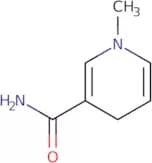
CAS:<p>1-Methyl-1,4-dihydronicotinamide (1MDNA) is a flavine adenine dinucleotide analog that has been shown to be a potent inhibitor of the enzyme catalase. 1MDNA binds to the active site of the enzyme and prevents hydrogen peroxide from being converted into water and oxygen. This inhibition slows down or stops the reaction, which leads to reduced production of reactive oxygen species. 1MDNA inhibits other enzymes in a similar manner, including transferases and kinases. The kinetic properties of 1MDNA have been studied by performing kinetic studies on model systems at different temperatures. X-ray crystal structures have also been obtained for 1MDNA bound to catalase and ferredoxin.</p>Formula:C7H10N2OPurity:Min. 95%Color and Shape:PowderMolecular weight:138.17 g/mol2-Amino-N-methylbenzamide
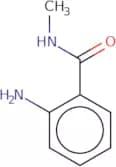
CAS:<p>2-Amino-N-methylbenzamide is a benzodiazepine receptor antagonist that has been shown to inhibit the proliferation of cancer cells in vitro. 2-Amino-N-methylbenzamide binds to the benzodiazepine receptor, which is found in cell nuclei and is involved in controlling the process of cell division. Benzodiazepines are a class of drugs that work by increasing the activity of GABA, which reduces neuronal excitability. 2-Amino-N-methylbenzamide prevents this activity by binding to the benzodiazepine receptor, preventing GABA from binding to its receptors and thereby inhibiting neuronal excitability. This drug has also been shown to inhibit cancer growth through an anthranilic acid derivative, methyl anthranilate. Methyl anthranilate inhibits DNA synthesis and induces apoptosis in cancer cells, leading to cell death.</p>Formula:C8H10N2OPurity:Min. 95%Color and Shape:PowderMolecular weight:150.18 g/mol(E)-N-(3-Methylaminopropyl)-2-thiopheneacrylamide
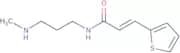
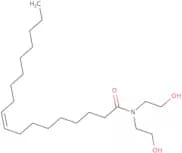
CAS:<p>(E)-N-(3-Methylaminopropyl)-2-thiopheneacrylamide is a high quality chemical that can be used as an intermediate in the synthesis of complex compounds. It is also a useful scaffold and building block for the synthesis of speciality chemicals with versatile reactions.</p>Formula:C11H16N2OSPurity:Min. 95%Color and Shape:Colorless Clear LiquidMolecular weight:224.32 g/molDiethanololeamide
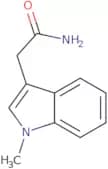
CAS:<p>Emulgator; stabilizing surfactant used in cosmetics, pharmaceuticals, textiles</p>Formula:C22H43NO3Color and Shape:Yellow PowderMolecular weight:369.58 g/mol1-Methylindole-3-acetamide
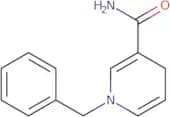
CAS:Controlled Product<p>Please enquire for more information about 1-Methylindole-3-acetamide including the price, delivery time and more detailed product information at the technical inquiry form on this page</p>Formula:C11H12N2OPurity:Min. 95%Color and Shape:PowderMolecular weight:188.23 g/mol1-Benzyl-1,4-dihydronicotinamide
CAS:<p>1-Benzyl-1,4-dihydronicotinamide is a drug that has been shown to have potential in treating metabolic disorders by restoring the balance of nitrogen atoms. It has been shown to be effective in inhibiting the production of nitric oxide and other reactive oxygen species (ROS) which are involved in the pathogenesis of inflammation, septic shock and HIV infection. 1-Benzyl-1,4-dihydronicotinamide also inhibits light emission from cells. This effect is due to its ability to reduce the concentration of NADH and ATP, which are necessary for the light emitting reaction. The drug's mechanism of action is not well understood but it may be related to its ability to block dimethyl fumarate (DMF), an inhibitor of monoclonal antibody production. The physiological function of this drug is not yet well understood but it may be related to its ability to inhibit the proliferation of human immunodeficiency virus (HIV).</p>Formula:C13H14N2OPurity:Min. 95%Color and Shape:PowderMolecular weight:214.26 g/molAvenanthramide C
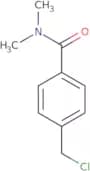
CAS:<p>Avenanthramide C is a potent polyphenolic compound that is isolated from the bark of the plant, Avena sativa. It has been shown to be an effective chemotherapeutic treatment for breast cancer and leukemia cells in vitro. Avenanthramide C has a hydroxyl group at its 6th carbon position and is a member of the class of compounds called avenanthramides. The biological properties of this compound have been examined using skin cells and it has been shown to exhibit significant activity against DNA polymerase, DNA binding activity, and enzyme activities. This compound also exhibits chemoattractant protein-like activity, which may be due to its ability to bind with high affinity to specific receptors on leukocytes.</p>Formula:C16H13NO6Purity:Min. 95%Color and Shape:PowderMolecular weight:315.28 g/mol4-(Chloromethyl)-N,N-dimethylbenzamide
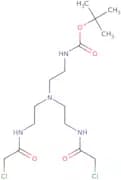
CAS:<p>4-(Chloromethyl)-N,N-dimethylbenzamide is a versatile building block that can be used in the synthesis of various complex compounds. It is a versatile intermediate and can be used in reactions as a reagent or building block. 4-(Chloromethyl)-N,N-dimethylbenzamide is also a high-quality chemical with a CAS number of 121083-51-0. The compound has many applications, including being useful as a reaction component or scaffold for research chemicals and speciality chemicals.</p>Formula:C10H12ClNOPurity:Min. 95%Color and Shape:PowderMolecular weight:197.66 g/mol2N-Boc-2',2''-triaminotriethylamine-bis(chloroacetamide)
CAS:<p>2N-Boc-2',2''-triaminotriethylamine-bis(chloroacetamide) is a fine chemical and reagent for the synthesis of pharmaceuticals. It is also a useful building block for the synthesis of complex compounds. This product can be used as a reaction component in organic chemistry, or it can be used as a reagent in research or development laboratories.</p>Formula:C15H28Cl2N4O4Purity:Min. 95%Molecular weight:399.31 g/mol13,4-diaza-5-(tert-butyl)-2-hydroxy-7-oxotricyclo[6.4.0.0<2,6>]dodeca-1(8),4,9,11-tetraene-3-carboxamide
CAS:<p>Please enquire for more information about 13,4-diaza-5-(tert-butyl)-2-hydroxy-7-oxotricyclo[6.4.0.0<2,6>]dodeca-1(8),4,9,11-tetraene-3-carboxamide including the price, delivery time and more detailed product information at the technical inquiry form on this page</p>Purity:Min. 95%Glycine amide acetate
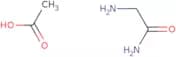
CAS:Controlled Product<p>Glycine amide acetate is a product that contains an imine group. It has been shown to have staining properties when applied to human keratin and is used in the cosmetic industry as a depigmenting agent. Glycine amide acetate has been shown to be effective in the treatment of depression, although it is not yet approved for this use. The molecule also contains an iridoid compound, which may be responsible for its effects on mood.</p>Formula:C2H6N2O•C2H4O2Purity:Min. 95%Color and Shape:PowderMolecular weight:134.13 g/molCecropin A (1-7)-Melittin A (2-9) amide trifluoroacetate salt
CAS:<p>Cecropin A (1-7)-Melittin A (2-9) amide trifluoroacetate salt is a cecropin-melittin hybrid peptide that has been immobilized on cellulose nanofibers for use as an antimicrobial. It has been shown to have strong antimicrobial activity against bacillus subtilis, and the immobilization process ensures that the peptide is not released from the surface of the material. The process of coating with nanopaper and then applying the peptides provides a stable surface with high antimicrobial activity. The synthetic peptides are synthesized by solid phase synthesis using Fmoc chemistry and purified by preparative HPLC.</p>Formula:C89H152N22O15Purity:Min. 95%Color and Shape:PowderMolecular weight:1,770.3 g/molN,N-Dimethylmorpholine-4-carboxamide
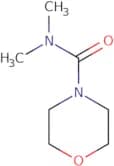
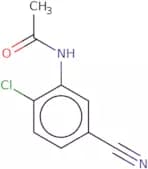
CAS:<p>Dimethylmorpholine-4-carboxamide (DMMC) is an unsymmetrical, synthetic carbamate that has antiviral properties. The antiviral properties of DMMC are due to its ability to inhibit the synthesis of viral proteins by binding to a site on the enzyme RNA polymerase and blocking the formation of a functional enzyme. This agent also has been shown to inhibit the production of nitric oxide in k562 cells. DMMC is marketed for use as an insecticide, but it has not been approved for this use. In crystallography studies, DMMC was found to have high yield and low melting point.</p>Formula:C7H14N2O2Purity:Min. 95%Color and Shape:Colorless PowderMolecular weight:158.2 g/molN-(5-Cyano-2-chlorophenyl)acetamide
CAS:<p>N-(5-Cyano-2-chlorophenyl)acetamide is a high quality, reagent, and versatile building block. It is a fine chemical that can be used as a building block for the synthesis of other compounds. N-(5-Cyano-2-chlorophenyl)acetamide is also a speciality chemical that can be used in research or as a reaction component. It has been found to be useful as an intermediate in the synthesis of complex compounds.<br>END></p>Formula:C9H7ClN2OPurity:Min. 95%Molecular weight:194.62 g/molDorzolamide hydrochloride
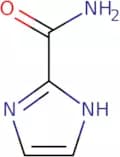
CAS:<p>Carbonic anhydrase inhibitor; anti-glaucoma agent</p>Formula:C10H16N2O4S3•HClPurity:Min. 95%Color and Shape:PowderMolecular weight:360.9 g/mol1H-Imidazole-2-carboxamide
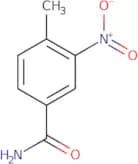
CAS:<p>1H-Imidazole-2-carboxamide is a purine derivative that can inhibit the activity of certain molecules. It has been shown to have an inhibitory effect on the metabolism of fatty acids and metabolism disorders, as well as the physiological effects of insulin resistance. The molecule also inhibits uptake and cross-linking in cells, which may be useful in treating cancer or other metabolic disorders.</p>Formula:C4H5N3OPurity:Min. 95%Color and Shape:PowderMolecular weight:111.1 g/mol4-Methyl-3-nitrobenzamide
CAS:<p>4-Methyl-3-nitrobenzamide is a nitrile that can be synthesized by the reaction of potassium hydroxide and 3-nitrobenzamide. It has been shown to react with dichloroethane to form 4-methyl-3-nitrobenzoic acid. The optimum temperature for this reaction is 120°C, which leads to a high yield of 4-methyl-3-nitrobenzamide. This product is also available in an isotopic form at high purity.</p>Formula:C8H8N2O3Purity:Min. 95%Color and Shape:PowderMolecular weight:180.16 g/molN-[(8-Fluoro-2,3-Dihydro-1-Methyl-5-Phenyl-1H-1,4-Benzodiazepin-2-Yl)Methyl]-3-Furancarboxamide
CAS:Controlled Product<p>N-[(8-Fluoro-2,3-Dihydro-1-Methyl-5-Phenyl-1H-1,4-Benzodiazepin-2-Yl)Methyl]-3-Furancarboxamide is a hydrophobic, implanting drug with an iontophoresis device. It has been shown to have therapeutic effects in cancer. The drug is a targetable molecule that can be used for diagnostic purposes and the treatment of various cancers. N-[(8-Fluoro-2,3-Dihydro-1,5 -Phenyl 1H -1,4 Benzodiazepin 2 Yl) Methyl] 3 Furancarboxamide has been shown to inhibit cell proliferation by blocking the synthesis of proteins required for DNA replication and also inhibits the activity of protein kinase C.</p>Purity:Min. 95%N-((4-(2-Furylcarbonyl)piperazinyl)thioxomethyl)benzamide
CAS:<p>Please enquire for more information about N-((4-(2-Furylcarbonyl)piperazinyl)thioxomethyl)benzamide including the price, delivery time and more detailed product information at the technical inquiry form on this page</p>Formula:C17H17N3O3SPurity:Min. 95%Color and Shape:PowderMolecular weight:343.4 g/molN-(2-Indol-3-ylethyl)(4-(trifluoromethoxy)phenyl)formamide
CAS:<p>Please enquire for more information about N-(2-Indol-3-ylethyl)(4-(trifluoromethoxy)phenyl)formamide including the price, delivery time and more detailed product information at the technical inquiry form on this page</p>Formula:C18H15F3N2O2Purity:Min. 95%Color and Shape:PowderMolecular weight:348.32 g/molThioctamide
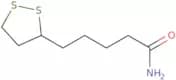
CAS:<p>Thioctamide is a drug that belongs to the class of drugs called sulfonylureas. It is an anti-diabetic drug that has been used for the treatment of insulin-resistant type II diabetes. Thioctamide binds to mitochondrial dehydrogenases and lipoamidases, inhibiting mitochondrial functions and energy metabolism. This leads to a decrease in cellular ATP levels, which can be measured by electrochemical impedance spectroscopy (EIS). The effects of thioctamide on cells can also be determined by examining the response of cells to different concentrations of thioctamide using a cell viability assay. This drug has been shown to inhibit the growth of HL60 cells, with IC50 values ranging from 2.6 µM to 6.4 µM depending on concentration. Thioctamide inhibits the expression of toll-like receptor 4 (TLR4) and integrin receptor β1 in HL60 cells, which may be due to its ability to act</p>Formula:C8H15NOS2Purity:Min. 95 Area-%Color and Shape:Slightly Yellow PowderMolecular weight:205.34 g/mol2,2,2-Trifluoro-N-(4-piperidinyl)acetamide
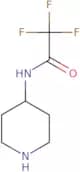
CAS:<p>2,2,2-Trifluoro-N-(4-piperidinyl)acetamide (TFAPA) is a nucleic acid analog that binds to the target nucleic acid. TFAPA is a morpholino compound with an amide linkage between the morpholine ring and the acetic acid group. TFAPA is a sequence-specific DNA analog that inhibits protein synthesis by binding to the target nucleic acid. TFAPA can also be used as a probe for the detection of abnormal sequences in RNA.</p>Formula:C7H11F3N2OPurity:Min. 95%Color and Shape:White PowderMolecular weight:196.17 g/mol2-Chloro-5-nitrobenzene sulfonamide
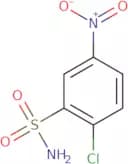
CAS:<p>2-Chloro-5-nitrobenzene sulfonamide (2CNS) is a glycol ether that has been shown to inhibit the activity of carbonic anhydrase. It has been shown to be a competitive inhibitor of the enzyme, and can be used as a lead compound for developing new drugs. 2CNS has been shown to inhibit an anhydrase that is found in bacteria, such as Streptococcus pneumoniae, Haemophilus influenzae, and Staphylococcus aureus. This inhibition causes increased levels of hydrogen ions in the bacterial environment, which leads to the acidification of their surroundings. 2CNS also inhibits chloride ion uptake in these bacteria.<br>2CNS's pharmacophore includes two aromatic hydrocarbon rings with at least one hydrogen bond acceptor group on each ring. This pharmacophore is responsible for its inhibition of carbonic anhydrase and chloride ion binding site.</p>Formula:C6H5ClN2O4SPurity:Min. 97 Area-%Color and Shape:White Off-White PowderMolecular weight:236.63 g/mol3-Cyanobenzamide
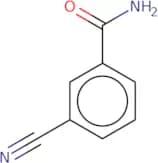
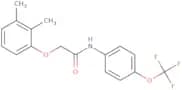
CAS:<p>3-Cyanobenzamide is an organic compound with the formula CHC(N)NH. It is a white crystalline solid that can be obtained by reacting benzamide with cyanoacetylene. There are three possible isomers of 3-cyanobenzamide: 3-cyano-1-(substituted phenyl)benzamide, 3-cyano-2-(substituted phenyl)benzamide, and 3-cyano-3-(substituted phenyl)benzamide. The optimal reaction conditions for the synthesis of 3-cyanobenzamide are in the presence of hydrogen bonding, such as n-hexane, amide, and phase equilibrium. Studies have determined that 3-cyanobenzamide has the potential to cause cancer or liver toxicity in humans. In addition, this chemical has been shown to be an effective inhibitor of alpha glucosidase enzymes in vitro and in vivo.</p>Formula:C8H6N2OPurity:Min. 90%Molecular weight:146.15 g/mol2-(2,3-dimethylphenoxy)-N-(4-(trifluoromethoxy)phenyl)ethanamide
CAS:<p>Please enquire for more information about 2-(2,3-dimethylphenoxy)-N-(4-(trifluoromethoxy)phenyl)ethanamide including the price, delivery time and more detailed product information at the technical inquiry form on this page</p>Purity:Min. 95%Zonisamide
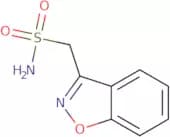
CAS:<p>Voltage-gated sodium channel blocker</p>Formula:C8H8N2O3SPurity:Min. 95%Color and Shape:White Slightly Yellow PowderMolecular weight:212.23 g/mol3-Nitro-4-methoxybenzamide
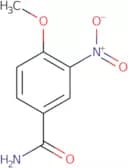
CAS:<p>3-Nitro-4-methoxybenzamide is a versatile building block that belongs to the group of fine chemicals. It is a reagent that is used in the synthesis of complex compounds. 3-Nitro-4-methoxybenzamide has been shown to be an effective intermediate for the synthesis of pharmaceuticals, such as antibiotics and immunosuppressants. This compound also has high quality and can be used as a scaffold for other chemical syntheses.</p>Formula:C8H8N2O4Purity:Min. 95%Color and Shape:PowderMolecular weight:196.16 g/molN'-(2,4-Dimethylphenyl)-N-methylformamide hydrochloride
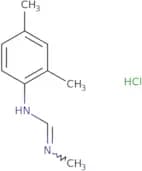
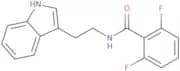
CAS:<p>Bifenthrin is a broad-spectrum, synthetic pyrethroid insecticide that has been used to control pests in the agricultural and residential sectors. It is applied as a spray or dust on plants and animals. Bifenthrin is highly toxic to mammals, with an oral LD50 of less than 10 milligrams per kilogram of body weight in rats and mice. The acute toxicity can be attributed to its ability to inhibit protein synthesis by binding to the cholinesterases, which are found in high concentrations in mammalian tissues.</p>Formula:C10H14N2·HClPurity:Min. 95%Color and Shape:PowderMolecular weight:198.69 g/mol(2,6-difluorophenyl)-N-(2-indol-3-ylethyl)formamide
CAS:<p>Please enquire for more information about (2,6-difluorophenyl)-N-(2-indol-3-ylethyl)formamide including the price, delivery time and more detailed product information at the technical inquiry form on this page</p>Purity:Min. 95%N-(4-methylthio(3H-2,3,5-triazolyl))-3-phenylprop-2-enamide
CAS:<p>Please enquire for more information about N-(4-methylthio(3H-2,3,5-triazolyl))-3-phenylprop-2-enamide including the price, delivery time and more detailed product information at the technical inquiry form on this page</p>Formula:C12H12N4OSPurity:Min. 95%Color and Shape:PowderMolecular weight:260.32 g/molD-Valine amide hydrochloride
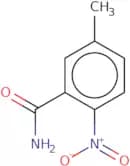
CAS:<p>Please enquire for more information about D-Valine amide hydrochloride including the price, delivery time and more detailed product information at the technical inquiry form on this page</p>Formula:C5H12N2O•HClPurity:Min. 95%Color and Shape:PowderMolecular weight:152.62 g/mol5-Methyl-2-nitrobenzamide
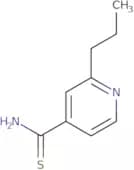
CAS:<p>5-Methyl-2-nitrobenzamide is a compound that has antiproliferative activity and is used as an anticancer drug. This drug inhibits the polymerization of the protein tubulin in cancer cells, thereby inhibiting cell division. It also inhibits the growth of certain tumor cell lines in vitro. 5-Methyl-2-nitrobenzamide was found to inhibit the proliferation of human ovarian carcinoma cells by binding to DNA, preventing transcription and replication of genetic information. In addition, this agent binds to tubulin and prevents its polymerization, leading to inhibition of cell division.</p>Formula:C8H8N2O3Purity:Min. 95%Color and Shape:PowderMolecular weight:180.16 g/molProthionamide
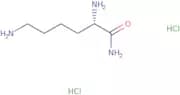
CAS:<p>Prothionamide is a drug that belongs to the group of drugs called sulfonamides. It is used to treat bowel disease by inhibiting the growth of bacteria and fungi. Prothionamide inhibits bacterial growth by binding to bacterial DNA and preventing it from synthesizing new proteins. This drug also has a matrix effect, which means that it binds to the inside of the bacterial cell wall and prevents the production of new cells, leading to cell death. Prothionamide has been shown to be effective against tuberculosis in mice, although there are few data on its use in humans. The most common side effects associated with prothionamide are nausea and vomiting.</p>Formula:C9H12N2SPurity:Min. 99 Area-%Color and Shape:Yellow PowderMolecular weight:180.27 g/molL-Lysine amide dihydrochloride
CAS:<p>L-Lysine amide dihydrochloride is a crystalline compound that is used for the treatment of tumours. It has been shown to bind to the enzyme iridoid synthase, which is involved in the formation of imines and aldehydes. L-Lysine amide dihydrochloride also inhibits the production of staining compounds, such as fluorine and heterocycles. The compound may also be used cosmetically as an anti-aging agent because it can inhibit the production of collagenase and elastase, which cause degradation of collagen.</p>Formula:C6H15N3O•HCl2Purity:Min. 95%Color and Shape:Off-White PowderMolecular weight:218.12 g/mol1H-Imidazole-4,5-dicarboxamide
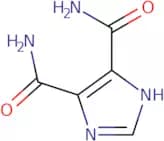
CAS:<p>1H-Imidazole-4,5-dicarboxamide is a detergent composition that contains antimicrobial agents. It has been shown to inhibit the growth of resistant mutants in vitro and is active against a broad spectrum of bacteria. Hydrogen bonding interactions between 1H-imidazole-4,5-dicarboxamide and the amide group on the cell membrane surface are thought to be responsible for its activity. This compound also inhibits nuclear DNA synthesis by binding to the enzyme topoisomerase II, which is necessary for DNA replication. The molecular weight of 1H-imidazole-4,5-dicarboxamide makes it useful as an analytical reagent in gas chromatography.</p>Formula:C5H6N4O2Purity:Min. 95%Color and Shape:PowderMolecular weight:154.13 g/mol2,4,6-Trimethoxybenzamide
CAS:<p>2,4,6-Trimethoxybenzamide is a triggered compound that reacts with lithium to form an efficient regiospecific lithium 2,4,6-trimethoxybenzamide complex. This reaction occurs at low temperatures and has been shown to be more efficient than other methods for the synthesis of acridones. The reaction has not been shown to be reversible and requires the use of a strong base such as lithium.</p>Formula:C10H13NO4Purity:Min. 95%Color and Shape:PowderMolecular weight:211.21 g/mol1-Methyl-4-nitro-3-propylpyrazole-5-carboxamide
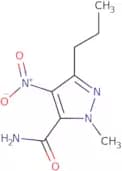
CAS:<p>1-Methyl-4-nitro-3-propylpyrazole-5-carboxamide is an impurity of sildenafil, which is used as a treatment for erectile dysfunction. It has been found in the environment due to its widespread use and it can be detected using chromatographic methods. 1-Methyl-4-nitro-3-propylpyrazole-5-carboxamide binds to thiol groups and may cause male infertility in animals. The detection time for this compound ranges from 2 hours to 24 hours, depending on the detection method. This impurity also has fluorescence properties that can be detected with UV light.</p>Formula:C8H12N4O3Purity:Min. 96 Area-%Color and Shape:PowderMolecular weight:212.21 g/mol2,5-Dichlorobenzamide
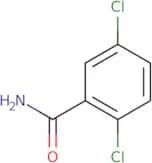
CAS:<p>2,5-Dichlorobenzamide is a halogenated compound that inhibits topoisomerase and proteasome activity. It has been shown to be cytotoxic against cancer cells in vitro. 2,5-Dichlorobenzamide can also inhibit the growth of tuberculosis bacteria and may be used as an operational agent for weed control. The safety profile of this drug has not yet been fully determined. 2,5-Dichlorobenzamide is available in two crystalline forms, both of which are active with different degrees of potency.<br>2,5-Dichlorobenzamide is a hybridization inhibitor that inhibits the enzyme DNA gyrase and proteasome activity. It binds to bacterial 16S ribosomal RNA and inhibits protein synthesis, leading to cell death by inhibiting the production of proteins vital for cell division.</p>Formula:C7H5Cl2NOPurity:Min. 95%Color and Shape:PowderMolecular weight:190.03 g/mol1-(Aminomethyl)cyclopropanecarboxamide hydrochloride
CAS:<p>1-(Aminomethyl)cyclopropanecarboxamide hydrochloride is a versatile building block that can be used in the synthesis of complex compounds. It has been shown to be an excellent reagent for the synthesis of novel pharmaceuticals and speciality chemicals. This compound is also a useful intermediate for the preparation of high-quality products and can be used as a reaction component or scaffold in synthesis.</p>Formula:C5H10N2O·HClPurity:Min. 95%Color and Shape:White PowderMolecular weight:150.61 g/molN,3-Diphenylacrylamide
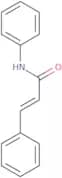
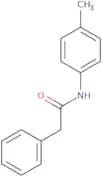
CAS:<p>N,3-Diphenylacrylamide is an amide that has been shown to exhibit carcinoid syndrome in humans. It also inhibits the growth of some human pathogens, including viruses and bacteria, as well as some fungi. The compound is metabolized by a number of enzymes and can be found circulating in the blood. Magnetic resonance spectroscopy has been used to study the structure of this molecule, which is composed of a carbonyl group and hydrogen bond. The effective dose for N,3-Diphenylacrylamide is not known.</p>Formula:C15H13NOPurity:Min. 95%Color and Shape:PowderMolecular weight:223.27 g/molN-(4-Methylphenyl)-2-phenylacetamide
CAS:<p>2-Phenylacetamide is a solvent that can be used as a component in alkylation reactions. It is commonly used as a component of chlorinated solvents and has been shown to catalyze the reaction with benzyl chloride. 2-Phenylacetamide can be used to produce solar cells by sensitizing the surface of silicon wafers with this solvent. Researchers have also studied the alkylation reaction of phenylacetamide with methyl iodide and benzyl chloride, which can be carried out at room temperature and does not require any catalyst. This reaction was found to proceed well under gas chromatographic conditions.</p>Formula:C15H15NOPurity:Min. 95%Molecular weight:225.29 g/molN-(2-(3,4-dimethoxyphenyl)ethyl)(4-nitrophenyl)formamide
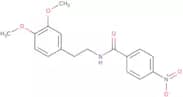
CAS:Controlled Product<p>Please enquire for more information about N-(2-(3,4-dimethoxyphenyl)ethyl)(4-nitrophenyl)formamide including the price, delivery time and more detailed product information at the technical inquiry form on this page</p>Purity:Min. 95%5-Iodosalicylamide
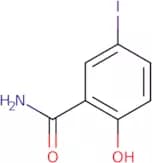
CAS:<p>5-Iodosalicylamide is a chemical building block. 5-Iodosalicylamide can be reacted with appropriately functionalised aromatic compounds to afford the corresponding anilides, which have been shown to exhibit anti-fungal and bactericidal properties.</p>Formula:C7H6INO2Purity:Min. 95%Color and Shape:PowderMolecular weight:263.03 g/molN-Methyl-N-trimethylsilylacetamide
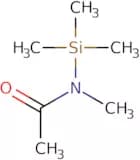
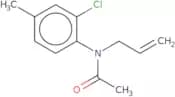
CAS:<p>N-Methyl-N-trimethylsilylacetamide is a bifunctional amide that can react with an electrophile, such as hexane, to form an N-methylated product. The amide group of the molecule can also be deprotonated by a strong base to form an enolate, which can then react with a nucleophile. The NMR spectra of this compound show that it has a multinuclear structure and contains two tautomers. It is used in analytical chemistry for sample preparation, chromatographic science for reaction intermediates, and chemical study for its reactivity.</p>Formula:C6H15NOSiPurity:Min. 97 Area-%Color and Shape:Clear LiquidMolecular weight:145.27 g/molN-Allyl-n-(4-cyano-2-chlorophenyl)acetamide
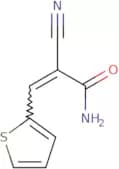
CAS:<p>N-Allyl-N-(4-cyano-2-chlorophenyl)acetamide is a high quality reagent that has been used as an intermediate in the synthesis of fine chemicals, useful scaffolds and building blocks. It is also a versatile building block that can be used to synthesize high quality compounds with a wide range of functionalities. N-Allyl-N-(4-cyano-2-chlorophenyl)acetamide is a speciality chemical that can be used for research purposes. This compound has been shown to produce reactions with other compounds, such as nitrobenzene, to generate useful products.</p>Formula:C12H11ClN2OPurity:Min. 95%Molecular weight:234.68 g/mol2-Nitrilo-3-(2-thienyl)prop-2-enamide
CAS:<p>This compound is a recyclable, multicomponent, element analysis, element, diversity and catalyzed reaction that yields high purity products with high yields. The catalyst is reusable and the NMR data are reproducible.</p>Formula:C8H6N2OSPurity:Min. 95%Color and Shape:PowderMolecular weight:178.21 g/mol2-Methoxybenzamide
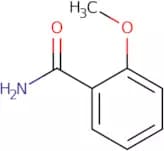
CAS:<p>2-Methoxybenzamide is an amide with a p-hydroxybenzoic acid moiety. It has been shown to be an effective inhibitor of the enzyme histone deacetylase, which is involved in the regulation of gene expression. 2-Methoxybenzamide also has antiinflammatory activity and has minimal toxicity. This drug is used as a research tool for studying the immune system and its effects on hyperproliferative diseases such as cancer and autoimmune diseases. 2-Methoxybenzamide can also be used to treat metabolic disorders and physiological effects. The drug binds to intracellular targets through intermolecular hydrogen bonds that are mainly found in protein structures, including cytochrome P450s, protein kinases, DNA polymerases, transcription factors, and proteases.</p>Formula:C8H9NO2Purity:Min. 95%Color and Shape:PowderMolecular weight:151.16 g/mol2-(Methylthio)acetamide
CAS:<p>Methylthioacetic acid is a weak organic acid that is used as an ophthalmic drug. When methylthioacetic acid is activated, intramolecular hydrogen bonds form between the methylthiosulfonate ion and the nitrate ion. This process requires spin resonance to take place, which can be explained by the functional theory of kinetics. The reaction of methylthioacetic acid with nitrate ions to form methylthiosulfonate ions has been shown to be rapid and reversible in both dry weight and wet weight experiments. The alkylation of methylthioacetic acid with ethyl bromoacetate has been shown to produce thermochemically stable imine and phosphate ions.</p>Formula:C3H7NOSPurity:Min. 95%Color and Shape:PowderMolecular weight:105.16 g/mol4-Chloro-3,5-dinitrobenzamide
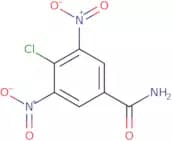
CAS:<p>4-Chloro-3,5-dinitrobenzamide is a bifunctional molecule that contains a chlorine atom. It has been found to react with dipolar solutes as well as vicinal dioxan arylation. The nucleophilic amide group is also labile and can be hydrolyzed by strong acids or bases. The electron lone pair of the chlorine atom in 4-chloro-3,5-dinitrobenzamide can be used for electrophilic substitution reactions with aromatic rings or amines. This molecule has been found to undergo an arylation reaction with imidazole in the presence of dioxan solvent at room temperature.</p>Formula:C7H4ClN3O5Purity:Min. 95%Molecular weight:245.58 g/mol


![13,4-diaza-5-(tert-butyl)-2-hydroxy-7-oxotricyclo[6.4.0.0<2,6>]dodeca-1(8),4,9,11-tetraene-3-carbo…](/_next/image/?url=https%3A%2Fstatic.cymitquimica.com%2Fproducts%2F3D%2Fthumb-webp%2FFD169872.webp&w=3840&q=75)

![N-[(8-Fluoro-2,3-Dihydro-1-Methyl-5-Phenyl-1H-1,4-Benzodiazepin-2-Yl)Methyl]-3-Furancarboxamide](/_next/image/?url=https%3A%2Fstatic.cymitquimica.com%2Fproducts%2F3D%2Fthumb-webp%2FFF102093.webp&w=3840&q=75)