Amides
Amides are a wide range of chemical compounds that contain at least one heterocyclic ring, which has atoms of at least two different elements in the ring structure, and at least one amide group (-CONH2). These compounds are crucial in the synthesis of pharmaceuticals, polymers, and agrochemicals. Amides exhibit unique properties and reactivity, making them valuable intermediates in organic synthesis. At CymitQuimica, we offer a comprehensive selection of high-quality amides to support your research and industrial needs.
Found 16393 products of "Amides"
Sort by
Purity (%)
0
100
|
0
|
50
|
90
|
95
|
100
2-Chloro-N-(3,5-dichlorophenyl)acetamide
CAS:<p>2-Chloro-N-(3,5-dichlorophenyl)acetamide is a stabilized, crystalline compound. It has a planar structure with an amide bond and hydrogen bonds. The 2-chloro group is bonded to the nitrogen atom of the acetamide group. The 3,5-dichlorophenyl group is bonded to the carbon atom of the acetamide group. The chlorine atoms are in a planar configuration with adjacent chlorine atoms forming a skeletal arrangement. This chemical is used as an intermediate for other compounds.</p>Formula:C8H6Cl3NOPurity:Min. 95%Molecular weight:238.5 g/molFuran-2-carboximidamide hydrochloride
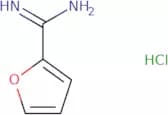
CAS:<p>Please enquire for more information about Furan-2-carboximidamide hydrochloride including the price, delivery time and more detailed product information at the technical inquiry form on this page</p>Formula:C5H6N2O•HClPurity:Min. 95%Molecular weight:146.57 g/mol4-Bromobenzamide
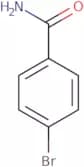
CAS:<p>4-Bromobenzamide is an amide with a hydrogen bond that inhibits the activity of proteases. It has been shown to inhibit the activity of cathepsin C and chymotrypsin in vitro, as well as the proteolytic activity of elastase. 4-Bromobenzamide also has a covalent inhibition effect on protein synthesis. This inhibitor is capable of reducing the levels of glutathione reductase, cytochrome P450, and mycobacterium in cell culture. In addition, 4-bromobenzamide has been shown to have acute toxicities in mice and rats when administered at high doses. However, it does not show any toxic effects on healthy mice or rats when administered at low doses.</p>Formula:C7H6BrNOPurity:Min. 95%Color and Shape:PowderMolecular weight:200.03 g/molN-(2-Indol-3-ylethyl)(2-nitrophenyl)formamide
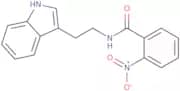
CAS:<p>Please enquire for more information about N-(2-Indol-3-ylethyl)(2-nitrophenyl)formamide including the price, delivery time and more detailed product information at the technical inquiry form on this page</p>Formula:C17H15N3O3Purity:Min. 95%Color and Shape:PowderMolecular weight:309.32 g/molN-(4-Fluorophenyl)acetamide
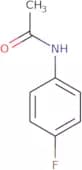
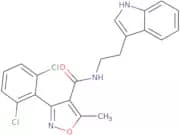
CAS:<p>4-Fluorophenylacetic acid is a synthetic organic compound that has been used as a model system for the study of the reaction between hydrogen sulfate and hydrogen. 4-Fluorophenylacetic acid is a fluorinated analog of acetamide, which can be synthesized from sodium borohydride and hydrogen fluoride. It has been shown to inhibit the growth of Mycobacterium tuberculosis in an on-line assay and is also active against Mycobacterium avium complex. 4-Fluorophenylacetic acid also inhibits rat liver microsomes with a second order rate constant of 0.0006 M−1 s−1 at pH 7.4 and 37 °C (pH and temperature not specified). The biological properties of 4-fluorophenylacetic acid are not well understood, but it may bind to hydrophobic regions on proteins or DNA through hydrogen bonding interactions.</p>Formula:C8H8FNOPurity:Min. 95%Color and Shape:PowderMolecular weight:153.15 g/mol(3-(2,6-dichlorophenyl)-5-methylisoxazol-4-yl)-N-(2-indol-3-ylethyl)formamide
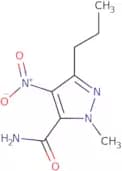
CAS:<p>Please enquire for more information about (3-(2,6-dichlorophenyl)-5-methylisoxazol-4-yl)-N-(2-indol-3-ylethyl)formamide including the price, delivery time and more detailed product information at the technical inquiry form on this page</p>Purity:Min. 95%1-Methyl-4-nitro-3-propylpyrazole-5-carboxamide
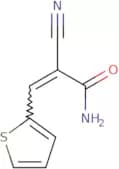
CAS:<p>1-Methyl-4-nitro-3-propylpyrazole-5-carboxamide is an impurity of sildenafil, which is used as a treatment for erectile dysfunction. It has been found in the environment due to its widespread use and it can be detected using chromatographic methods. 1-Methyl-4-nitro-3-propylpyrazole-5-carboxamide binds to thiol groups and may cause male infertility in animals. The detection time for this compound ranges from 2 hours to 24 hours, depending on the detection method. This impurity also has fluorescence properties that can be detected with UV light.</p>Formula:C8H12N4O3Purity:Min. 96 Area-%Color and Shape:PowderMolecular weight:212.21 g/mol2-Nitrilo-3-(2-thienyl)prop-2-enamide
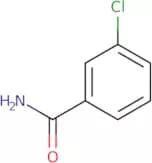
CAS:<p>This compound is a recyclable, multicomponent, element analysis, element, diversity and catalyzed reaction that yields high purity products with high yields. The catalyst is reusable and the NMR data are reproducible.</p>Formula:C8H6N2OSPurity:Min. 95%Color and Shape:PowderMolecular weight:178.21 g/mol3-Chlorobenzamide
CAS:<p>3-Chlorobenzamide is an analytical reagent that is used for the separation and purification of organic compounds. It has been shown to be a catalyst for the reaction system in the dehydration of amides, amido, and halides. 3-Chlorobenzamide has also been suggested as a possible environmental pollutant due to its catalytic properties and ability to react with monoxide. The correlations between 3-chlorobenzamide concentrations in air and soil have also been studied extensively.</p>Formula:C7H6ClNOPurity:Min. 95%Color and Shape:PowderMolecular weight:155.58 g/molDisopyramid
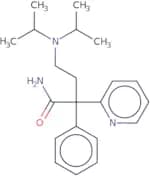
CAS:Controlled Product<p>a-[2-(Diisopropylamino)ethyl]-a-phenyl-2-pyridineacetamide is a hydrogen bond donor. It has been shown to have cytotoxicity in vitro, with parameters that can be used for accurate prediction of descriptors. These descriptors are informative and insightful, which can be used for regression analyses and linear regression methods. The pharmacokinetic properties of a-[2-(Diisopropylamino)ethyl]-a-phenyl-2-pyridineacetamide have been studied in humans and have shown linearity between dose and plasma concentration.</p>Formula:C21H29N3OColor and Shape:White PowderMolecular weight:339.47 g/mol2-Amino-4-chlorobenzamide
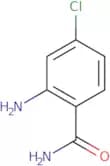
CAS:<p>2-Amino-4-chlorobenzamide is a chemical compound that has been shown to be an effective oxidant in biological systems. It is an oxidative condensation product of 4-chloro-2-nitrobenzoic acid and ammonium chloride, which is formed by the reaction of these two compounds at room temperature. The nature of the functional group on 2-amino-4-chlorobenzamide allows it to be used as a transition state analogue for the study of reactions involving amines and nitrates. This compound can also be used in experiments with isatins, due to its ability to react with ammonia hydroxide to form 2-amino-4,6 dichlorobenzamide.</p>Formula:C7H7ClN2OPurity:Min. 95%Color and Shape:PowderMolecular weight:170.6 g/mol2,2,2-Trifluoroacetamide
CAS:<p>2,2,2-Trifluoroacetamide is a chemical compound that is stable under normal conditions and can be stored for long periods of time. The compound has been shown to react with trifluoroacetic acid and in the presence of an electrochemical probe to give a redox reaction. This reaction mechanism has been studied by using pharmacokinetic properties of 2,2,2-trifluoroacetamide and its metabolites. The compound is not active against infectious diseases but may be used as a reagent in analytical methods. 2,2,2-Trifluoroacetamide has also been investigated for its ability to bind hydrogen atoms and form intramolecular hydrogen bonds with tryptophan residues in proteins.</p>Formula:C2H2F3NOPurity:Min. 95%Color and Shape:PowderMolecular weight:113.04 g/molN-[(8-Fluoro-2,3-Dihydro-1-Methyl-5-Phenyl-1H-1,4-Benzodiazepin-2-Yl)Methyl]-3-Furancarboxamide
CAS:Controlled Product<p>N-[(8-Fluoro-2,3-Dihydro-1-Methyl-5-Phenyl-1H-1,4-Benzodiazepin-2-Yl)Methyl]-3-Furancarboxamide is a hydrophobic, implanting drug with an iontophoresis device. It has been shown to have therapeutic effects in cancer. The drug is a targetable molecule that can be used for diagnostic purposes and the treatment of various cancers. N-[(8-Fluoro-2,3-Dihydro-1,5 -Phenyl 1H -1,4 Benzodiazepin 2 Yl) Methyl] 3 Furancarboxamide has been shown to inhibit cell proliferation by blocking the synthesis of proteins required for DNA replication and also inhibits the activity of protein kinase C.</p>Purity:Min. 95%Sulphanilamide
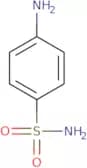
CAS:<p>Sulphanilamide is an antimicrobial agent that inhibits the growth of bacteria by binding to their enzymes and blocking protein synthesis. In addition, sulphanilamide has been shown to inhibit the production of sulfanilamide, a potent inhibitor of tetracycline. Sulphanilamide is soluble in water and alcohol but not in organic solvents. The solubility of sulphanilamide can be increased by adding sodium salts or pH adjustment. Sulphanilamide is also used for wastewater treatment as it has inhibitory properties against sulfate-reducing bacteria. X-ray crystal structures have revealed that sulphanilamide binds to the active site of bacterial beta-lactamases through hydrogen bonds with both the NH group and the COOH group on its sulfur atom, resulting in inhibition of these enzymes. Sulphanilamide also interferes with bacterial DNA replication by inhibiting dna gyrase and topoisomerase IV. Sulphanilamide also</p>Formula:C6H8N2O2SColor and Shape:PowderMolecular weight:172.21 g/mol4-Iodobenzenesulphonamide
CAS:<p>4-Iodobenzenesulphonamide is a drug with antifungal and anticancer activity. The compound has been shown to inhibit the growth of cancer cells in vitro. It also has an antifungal effect in vitro, which is most likely due to its ability to inhibit the synthesis of ergosterol, a component of the cell membrane. 4-Iodobenzenesulphonamide may be used for the treatment of cervical cancer and vulvovaginal candidiasis. This drug does not show any serious side effects, but it has been shown to have some adverse effects on liver function tests and red blood cells.</p>Formula:C6H6INO2SPurity:Min. 95%Color and Shape:PowderMolecular weight:283.09 g/molN-Propyl-N-(2,3-dihydroxypropyl)perfluoro-n-octylsulfonamide
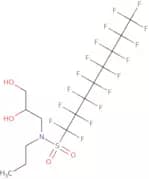
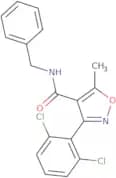
CAS:Controlled Product<p>N-Propyl-N-(2,3-dihydroxypropyl)perfluoro-n-octylsulfonamide is a fine chemical that can be used as a reagent and speciality chemical. It is a versatile building block that can react with other compounds to produce new products. The compound is a complex compound that has been shown to have high quality in the laboratory.</p>Formula:C14H14F17NO4SPurity:Min. 95%Color and Shape:PowderMolecular weight:615.3 g/mol(3-(2,6-dichlorophenyl)-5-methylisoxazol-4-yl)-N-benzylformamide
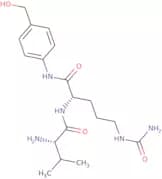
CAS:<p>Please enquire for more information about (3-(2,6-dichlorophenyl)-5-methylisoxazol-4-yl)-N-benzylformamide including the price, delivery time and more detailed product information at the technical inquiry form on this page</p>Purity:Min. 95%Val-Cit-PAB-OH
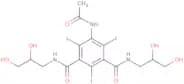
CAS:<p>The Val-Cit-PAB linker is an activated peptide linker that is cleaved by cathepsin B. It enables the selective intracellular release of attached drugs in ADC applications.</p>Formula:C18H29N5O4Purity:Min. 95%Color and Shape:PowderMolecular weight:379.45 g/mol5-(Acetylamino)-N,N'-bis(2,3-dihydroxypropyl)-2,4,6-triiodo-1,3-benzenedicarboxamide
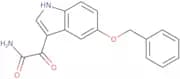
CAS:<p>5-(Acetylamino)-N,N'-bis(2,3-dihydroxypropyl)-2,4,6-triiodo-1,3-benzenedicarboxamide is a reactive iodinated contrast agent that is used in the diagnostic imaging of body cavities and blood vessels. It can be prepared by the acetylation of 5-(acetylamino)naphthalene-2,3-diol with 2,4,6-triiodobenzene dicarboxylic acid using an alkali metal as a base. The yields for this reaction are dependent on the type of solvent used. This chemical has two functional groups: an amide and an acetate group. It reacts with iohexol to form a radiocontrast product that contains both iodine and propanediol. This process is industrially carried out by mixing 5-(acetylamino)naphthalene-2,</p>Formula:C16H20I3N3O7Purity:Min. 95%Color and Shape:White PowderMolecular weight:747.06 g/mol5-Benzyloxyindole-3-glyoxylamide
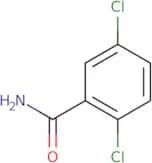
CAS:<p>5-Benzyloxyindole-3-glyoxylamide is a versatile building block that can be used in the synthesis of complex compounds. It has been shown to have a high quality and is useful as a reagent for research purposes. 5-Benzyloxyindole-3-glyoxylamide can be used as a reaction component and is useful as an intermediate in organic synthesis. 5BIGA has CAS number 22424-62-0 and is also known as 3-(benzyloxy)-5-(2,2,2-trifluoroethoxy)indole glyoxamide.</p>Formula:C17H14N2O3Purity:Min. 95%Molecular weight:294.3 g/mol2,5-Dichlorobenzamide
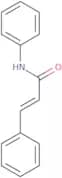
CAS:<p>2,5-Dichlorobenzamide is a halogenated compound that inhibits topoisomerase and proteasome activity. It has been shown to be cytotoxic against cancer cells in vitro. 2,5-Dichlorobenzamide can also inhibit the growth of tuberculosis bacteria and may be used as an operational agent for weed control. The safety profile of this drug has not yet been fully determined. 2,5-Dichlorobenzamide is available in two crystalline forms, both of which are active with different degrees of potency.<br>2,5-Dichlorobenzamide is a hybridization inhibitor that inhibits the enzyme DNA gyrase and proteasome activity. It binds to bacterial 16S ribosomal RNA and inhibits protein synthesis, leading to cell death by inhibiting the production of proteins vital for cell division.</p>Formula:C7H5Cl2NOPurity:Min. 95%Color and Shape:PowderMolecular weight:190.03 g/molN,3-Diphenylacrylamide
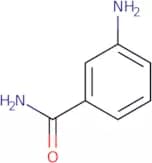
CAS:<p>N,3-Diphenylacrylamide is an amide that has been shown to exhibit carcinoid syndrome in humans. It also inhibits the growth of some human pathogens, including viruses and bacteria, as well as some fungi. The compound is metabolized by a number of enzymes and can be found circulating in the blood. Magnetic resonance spectroscopy has been used to study the structure of this molecule, which is composed of a carbonyl group and hydrogen bond. The effective dose for N,3-Diphenylacrylamide is not known.</p>Formula:C15H13NOPurity:Min. 95%Color and Shape:PowderMolecular weight:223.27 g/mol3-Aminobenzamide
CAS:<p>3-Aminobenzamide is a drug that has been shown to be effective in the treatment of temozolomide-induced neuronal death. 3-Aminobenzamide inhibits the synthesis of ATP and blocks its binding to the atp-binding cassette transporter, which prevents the transport of this nucleotide into cells. This results in cell death due to insufficient energy metabolism and inability to repair DNA damage. 3-Aminobenzamide also increases production of reactive oxygen species, which are involved in reperfusion injury and myocardial infarcts. 3-Aminobenzamide is used as a model system for studying DNA repair and energy metabolism.</p>Formula:C7H8N2OPurity:Min. 95%Color and Shape:PowderMolecular weight:136.15 g/mol2-(Methylthio)acetamide
CAS:<p>Methylthioacetic acid is a weak organic acid that is used as an ophthalmic drug. When methylthioacetic acid is activated, intramolecular hydrogen bonds form between the methylthiosulfonate ion and the nitrate ion. This process requires spin resonance to take place, which can be explained by the functional theory of kinetics. The reaction of methylthioacetic acid with nitrate ions to form methylthiosulfonate ions has been shown to be rapid and reversible in both dry weight and wet weight experiments. The alkylation of methylthioacetic acid with ethyl bromoacetate has been shown to produce thermochemically stable imine and phosphate ions.</p>Formula:C3H7NOSPurity:Min. 95%Color and Shape:PowderMolecular weight:105.16 g/molPigment YellOw 5;2-[(2-NitrOphenyl)azO]-3-OxO-N-phenylbutanamide
CAS:<p>Please enquire for more information about Pigment YellOw 5;2-[(2-NitrOphenyl)azO]-3-OxO-N-phenylbutanamide including the price, delivery time and more detailed product information at the technical inquiry form on this page</p>Purity:Min. 95%2-Methoxybenzamide
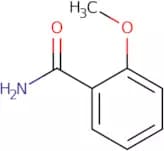
CAS:<p>2-Methoxybenzamide is an amide with a p-hydroxybenzoic acid moiety. It has been shown to be an effective inhibitor of the enzyme histone deacetylase, which is involved in the regulation of gene expression. 2-Methoxybenzamide also has antiinflammatory activity and has minimal toxicity. This drug is used as a research tool for studying the immune system and its effects on hyperproliferative diseases such as cancer and autoimmune diseases. 2-Methoxybenzamide can also be used to treat metabolic disorders and physiological effects. The drug binds to intracellular targets through intermolecular hydrogen bonds that are mainly found in protein structures, including cytochrome P450s, protein kinases, DNA polymerases, transcription factors, and proteases.</p>Formula:C8H9NO2Purity:Min. 95%Color and Shape:PowderMolecular weight:151.16 g/mol6-Aminonicotinamide
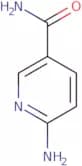
CAS:<p>6-Aminonicotinamide is an experimental drug that has shown promising results in animal studies. This compound may be useful for the treatment of cancer, due to its ability to inhibit reactive oxygen species and maintain mitochondrial membrane potential. 6-Aminonicotinamide also has a protective effect against radiation-induced cell damage, as it prevents oxidative injury to DNA and protein. In addition, 6-aminonicotinamide can stimulate the proliferation of pluripotent cells, which are cells that have the ability to differentiate into any type of cell in the body. Finally, this compound was shown to have antitumor effects by inhibiting squamous carcinoma tumor growth in experimental models.</p>Formula:C6H7N3OPurity:Min. 95%Color and Shape:PowderMolecular weight:137.14 g/molTriethylenephosphoramide
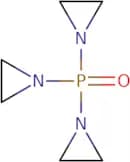
CAS:<p>Triethylenephosphoramide (TEP) is a model system for studying the reaction mechanism of the enzyme phosphotriesterase. TEP has been used in reactions with water vapor, which causes the release of hydrogen chloride. The reaction solution is analyzed by mass spectrometry to determine the reaction products. TEP has also been shown to inhibit nitrite ion-dependent enzymes such as nitrate reductase and aminopeptidase N. TEP reacts with fluorescence probes that have been modified with response elements to detect the binding of these probes to DNA and RNA. This helps researchers identify the location of TEP in proteins and nucleic acids.</p>Formula:C6H12N3OPPurity:Min. 95%Color and Shape:PowderMolecular weight:173.15 g/molLacosamide
CAS:Controlled Product<p>Lacosamide is a drug that is used for the treatment of epilepsy. It has been shown to inhibit neuronal death in vitro and in animal models, and has been extensively studied for its potential benefits in the treatment of bowel disease. The mechanism of action for lacosamide involves inhibition of the transport of neurotransmitters from the synaptic cleft by binding to the neuronal sodium channels and increasing their recovery rate. Lacosamide has also been found to affect energy metabolism by inhibiting the activity of mitochondrial enzymes such as matrix effect and complex I/III.</p>Formula:C13H18N2O3Purity:Min. 98 Area-%Color and Shape:PowderMolecular weight:250.29 g/mol2-Chloro-N-(2-ethyl-6-methylphenyl)propanamide
CAS:<p>Please enquire for more information about 2-Chloro-N-(2-ethyl-6-methylphenyl)propanamide including the price, delivery time and more detailed product information at the technical inquiry form on this page</p>Formula:C12H16ClNOPurity:Min. 95%Molecular weight:225.71 g/molN-((1-(2-(tert-Butylamino)-2-oxoethyl)piperidin-4-yl)methyl)-3-chloro-5-fluorobenzamide
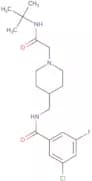
CAS:<p>N-((1-(2-(tert-Butylamino)-2-oxoethyl)piperidin-4-yl)methyl)-3-chloro-5-fluorobenzamide is a novel antiarrhythmic drug that inhibits the activation of cardiac cells. It was shown to inhibit proliferation and migration of human leukemia cells in vitro and to inhibit tumor growth in vivo. N-(1-(2-(tert-Butylamino)-2-oxoethyl)piperidin-4-yl)methyl)-3-chloro-5-fluorobenzamide has been shown to have cardioprotective effects in Sprague Dawley rats, reducing the incidence of ventricular tachycardia and fibrillation. The clinical studies conducted so far have not revealed any adverse effects on the heart or other organs.</p>Formula:C19H27ClFN3O2Purity:Min. 95%Color and Shape:White SolidMolecular weight:383.89 g/mol2-Chloro-N-(2-fluorophenyl)propanamide
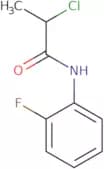
CAS:<p>Please enquire for more information about 2-Chloro-N-(2-fluorophenyl)propanamide including the price, delivery time and more detailed product information at the technical inquiry form on this page</p>Formula:C9H9ClFNOPurity:Min. 95%Molecular weight:201.63 g/molPhenylmethanesulfonamide
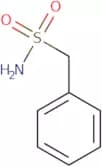
CAS:<p>Phenylmethanesulfonamide is a chemical compound that has been shown to inhibit the proliferation of cancer cells in vitro. This drug has also been shown to be effective in reducing inflammatory diseases, such as arthritis and asthma, which may be due to its ability to inhibit prostaglandin synthesis. Phenylmethanesulfonamide has shown anti-inflammatory properties, which may be due to its inhibition of prostaglandin synthesis.</p>Formula:C7H9NO2SPurity:Min. 95%Color and Shape:PowderMolecular weight:171.22 g/molBrinzolamide
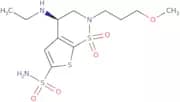
CAS:<p>Inhibitor of carbonic anhydrase</p>Formula:C12H21N3O5S3Purity:Min. 98 Area-%Color and Shape:PowderMolecular weight:383.51 g/molTenofovir alafenamide fumarate
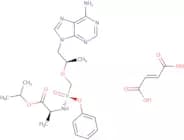
CAS:<p>Tenofovir alafenamide fumarate is a prodrug of tenofovir, an active antiretroviral agent. Tenofovir binds to the viral polymerase and blocks the synthesis of viral DNA. Tenofovir alafenamide fumarate is a prodrug that undergoes hydrolysis to form tenofovir. It has been shown to inhibit growth factor-β1, which may reduce the risk of opportunistic infections in people with HIV or AIDS. Tenofovir alafenamide fumarate has also been shown to be effective as an antiviral prophylaxis when used in combination with other drugs for active antiretroviral therapy.</p>Formula:C21H29N6O5P•C4H4O4Purity:Min. 95%Color and Shape:PowderMolecular weight:592.54 g/mol3-(Bromomethyl)benzamide
CAS:<p>3-(Bromomethyl)benzamide is a versatile building block that can be used in the synthesis of a variety of complex compounds. It is also useful as a research chemical and as a reagent. 3-(Bromomethyl)benzamide can be used to produce useful intermediates and reaction components. This compound has been shown to be useful as scaffolds for synthetic organic chemistry.</p>Formula:C8H8BrNOPurity:Min. 95%Color and Shape:PowderMolecular weight:214.06 g/molPantethine
CAS:<p>Pantethine is a dietary supplement, which is a derivative of pantothenic acid, sourced from vitamin B5. As a biologically active compound, it undergoes conversion to pantetheine, which then forms coenzyme A (CoA) and acyl-carrier proteins. This conversion is critical, as CoA is an essential cofactor involved in numerous biochemical reactions that are integral to fatty acid metabolism, among other processes.</p>Formula:C22H42N4O8S2Purity:Min. 95%Color and Shape:PowderMolecular weight:554.72 g/mol1-(Aminomethyl)cyclopropanecarboxamide hydrochloride
CAS:<p>1-(Aminomethyl)cyclopropanecarboxamide hydrochloride is a versatile building block that can be used in the synthesis of complex compounds. It has been shown to be an excellent reagent for the synthesis of novel pharmaceuticals and speciality chemicals. This compound is also a useful intermediate for the preparation of high-quality products and can be used as a reaction component or scaffold in synthesis.</p>Formula:C5H10N2O·HClPurity:Min. 95%Color and Shape:White PowderMolecular weight:150.61 g/molGlycine amide acetate
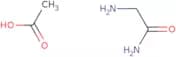
CAS:Controlled Product<p>Glycine amide acetate is a product that contains an imine group. It has been shown to have staining properties when applied to human keratin and is used in the cosmetic industry as a depigmenting agent. Glycine amide acetate has been shown to be effective in the treatment of depression, although it is not yet approved for this use. The molecule also contains an iridoid compound, which may be responsible for its effects on mood.</p>Formula:C2H6N2O•C2H4O2Purity:Min. 95%Color and Shape:PowderMolecular weight:134.13 g/mol3-Cyanobenzamide
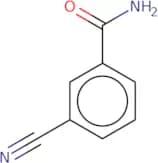
CAS:<p>3-Cyanobenzamide is an organic compound with the formula CHC(N)NH. It is a white crystalline solid that can be obtained by reacting benzamide with cyanoacetylene. There are three possible isomers of 3-cyanobenzamide: 3-cyano-1-(substituted phenyl)benzamide, 3-cyano-2-(substituted phenyl)benzamide, and 3-cyano-3-(substituted phenyl)benzamide. The optimal reaction conditions for the synthesis of 3-cyanobenzamide are in the presence of hydrogen bonding, such as n-hexane, amide, and phase equilibrium. Studies have determined that 3-cyanobenzamide has the potential to cause cancer or liver toxicity in humans. In addition, this chemical has been shown to be an effective inhibitor of alpha glucosidase enzymes in vitro and in vivo.</p>Formula:C8H6N2OPurity:Min. 90%Molecular weight:146.15 g/molCyanamide
CAS:Controlled Product<p>Cyanamide is a nitrogen-containing organic compound that is used as a plant nutrient. It has been shown to increase the activity of enzymes in methyl ethyl x-ray crystal structures and locomotor activity in mice. Cyanamide is also used as an herbicide and chemical pesticide, with calcium as its main target. The cyanamide molecule binds to the calcium ion and undergoes a reaction mechanism that results in the release of ammonia gas, which is toxic to plants. In addition, cyanamide can cause kidney damage in humans due to its ability to inhibit protein synthesis.</p>Formula:CH2N2Purity:Min. 95%Color and Shape:White PowderMolecular weight:42.02 g/molHexadecanamide
CAS:<p>Hexadecanamide is a reactive amide that has an optimum concentration of 1.5-2.0 M in water and a pH range of 3.0-8.0. Hexadecanamide is oxidized by an oxidation catalyst to form hexadecane, which can be analyzed by gas chromatography or high performance liquid chromatography. The oxidation reaction can be monitored under constant pressure conditions using electrochemical impedance spectroscopy. Hexadecanamide reacts with hydroxyl groups and fatty acids to form hexadecanoic acid, which can be analyzed using gas chromatography or high performance liquid chromatography. Hexadecanamide also reacts with viral life to form hexadecanoic acid, which can be analyzed using gas chromatography or high performance liquid chromatography.<br>Hexadecanamide has been shown to have anti-inflammatory properties, which may be due to its ability to inhibit the production of pro-inflammatory cytokines such as histamine and leukotrienes</p>Formula:C16H33NOPurity:Min. 95%Color and Shape:PowderMolecular weight:255.44 g/mol(E)-N-(2-Chloro-6-methylphenyl)-3-ethoxyacrylamide
CAS:<p>(E)-N-(2-Chloro-6-methylphenyl)-3-ethoxyacrylamide is a reagent and research chemical that can be used as a building block in the synthesis of other compounds. It is also a versatile building block in organic chemistry. (E)-N-(2-Chloro-6-methylphenyl)-3-ethoxyacrylamide has been shown to be an effective intermediate for the synthesis of various complex compounds, such as pharmaceuticals and pesticides. This compound is also a useful scaffold for the synthesis of other fine chemicals.</p>Formula:C12H14ClNO2Purity:(¹H-Nmr) Min. 95 Area-%Color and Shape:PowderMolecular weight:239.7 g/molL-Histidine β-naphthylamide
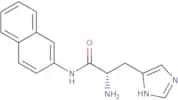
CAS:<p>L-Histidine beta-naphthylamide is an allosteric activator of the imidazole group of histidine. It has been shown to regulate sequences and functional groups in subtilisin. L-Histidine beta-naphthylamide binds to the benzyl ester and regulatory allosteric site on the enzyme, which is located between the active site and the substrate binding site. The binding of this molecule stabilizes a transition state intermediate that would otherwise be too reactive to form products.</p>Formula:C16H16N4OPurity:Min. 95%Color and Shape:PowderMolecular weight:280.32 g/molIfosfamide
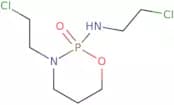
CAS:<p>Alkylating agent; anti-cancer agent</p>Formula:C7H15Cl2N2O2PPurity:Min. 98 Area-%Color and Shape:White Off-White PowderMolecular weight:261.09 g/mol2-Phenoxyacetamide
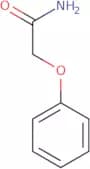
CAS:<p>2-Phenoxyacetamide is an acylating agent that reacts with a hydroxyl group by substitution to form an ester or amide. It is used in clinical studies to combat insulin resistance and metabolic disorders, such as cancer, inflammatory bowel disease, and diabetes. 2-Phenoxyacetamide has been shown to be effective against a number of bacterial species, including Pseudomonas aeruginosa and Cryptococcus neoformans. The drug also inhibits the production of monoamine neurotransmitters in the brain and has been shown to have anti-inflammatory properties.</p>Formula:C8H9NO2Purity:Min. 95%Color and Shape:PowderMolecular weight:151.16 g/mol3-(Dimethylphosphono)-N-methylolpropionamide
CAS:<p>Dimethylphosphonoacetamide (DMPPA) is a phosphorus-containing compound that is used as an intermediate in the synthesis of fatty acids. DMPPA can be synthesized by the reaction of ethylene diamine and phosphorus pentoxide, which is a common reagent for preparing phosphorus compounds. The reaction mechanism has been studied using electrochemical impedance spectroscopy. This study revealed that DMPPA can be converted to a water-soluble product by treatment with water vapor or by adding cotton. In addition, the kinetic data obtained from this study showed that the reaction rate was affected by temperature and the type of solvent used. The frequency shift observed during this study indicated that nitrogen atoms are involved in the reaction mechanism.</p>Formula:C6H14NO5PPurity:(%) Min. 80%Molecular weight:211.15 g/molAvanafil
CAS:<p>Avanafil is a drug that can be used as a treatment for male erectile dysfunction. It works by inhibiting the production of PDE5, which is an enzyme that regulates the levels of cGMP in the penis. Avanafil has been shown to be effective when taken at a dose of 100 mg; this is because it takes about 30 minutes for avanafil to reach its peak level. Avanafil has a chemical stability that is greater than 12 hours, with an average lifespan of 24 hours. The drug also has no major drug interactions and does not inhibit any other drugs from working.</p>Formula:C23H26ClN7O3Purity:Min. 98 Area-%Color and Shape:White PowderMolecular weight:483.95 g/molXipamide
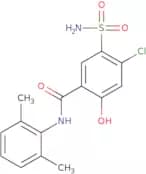
CAS:Controlled Product<p>Xipamide is a dpp-iv inhibitor that functions by blocking the enzyme dipeptidyl peptidase IV (dpp-iv). Xipamide inhibits the production of proinflammatory cytokines such as tumor necrosis factor alpha (TNF-α) and interleukin 1 beta (IL-1β) in vitro. It is also effective against infectious diseases, including bacterial infections, respiratory tract infections, and skin infections. Xipamide has been shown to be safe for use in geriatric patients with congestive heart failure. The optimum concentration for xipamide is 0.4 μM. Xipamide has been used to study biological processes such as signal transduction, cell proliferation, and apoptosis in vitro. Optical sensor technology has been applied to examine the stability of this drug in human serum and its potential interactions with surfactant sodium dodecyl sulfate (SDS).</p>Formula:C15H15ClN2O4SPurity:Min. 95%Color and Shape:White PowderMolecular weight:354.81 g/molCinnamamide
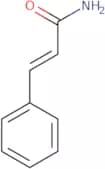
CAS:<p>Cinnamamide is a natural compound that is structurally related to the amino acid lysine and has been shown to regulate skin cell proliferation. Cinnamamide has also been found to be an effective inhibitor of the mitochondrial membrane potential in human erythrocytes. It has been shown to inhibit the production of reactive oxygen species (ROS) and reverse oxidative damage in cells, which may reduce the risk of developing autoimmune diseases. Cinnamamide is also able to prevent cell death caused by epidermal growth factor (EGF) withdrawal and induce apoptosis in HL-60 cells.</p>Formula:C9H9NOPurity:Min. 95%Color and Shape:White Off-White PowderMolecular weight:147.17 g/mol



![N-[(8-Fluoro-2,3-Dihydro-1-Methyl-5-Phenyl-1H-1,4-Benzodiazepin-2-Yl)Methyl]-3-Furancarboxamide](/_next/image/?url=https%3A%2Fstatic.cymitquimica.com%2Fproducts%2F3D%2Fthumb-webp%2FFF102093.webp&w=3840&q=75)


![Pigment YellOw 5;2-[(2-NitrOphenyl)azO]-3-OxO-N-phenylbutanamide](/_next/image/?url=https%3A%2Fstatic.cymitquimica.com%2Fproducts%2F3D%2Fthumb-webp%2FFP40385.webp&w=3840&q=75)